




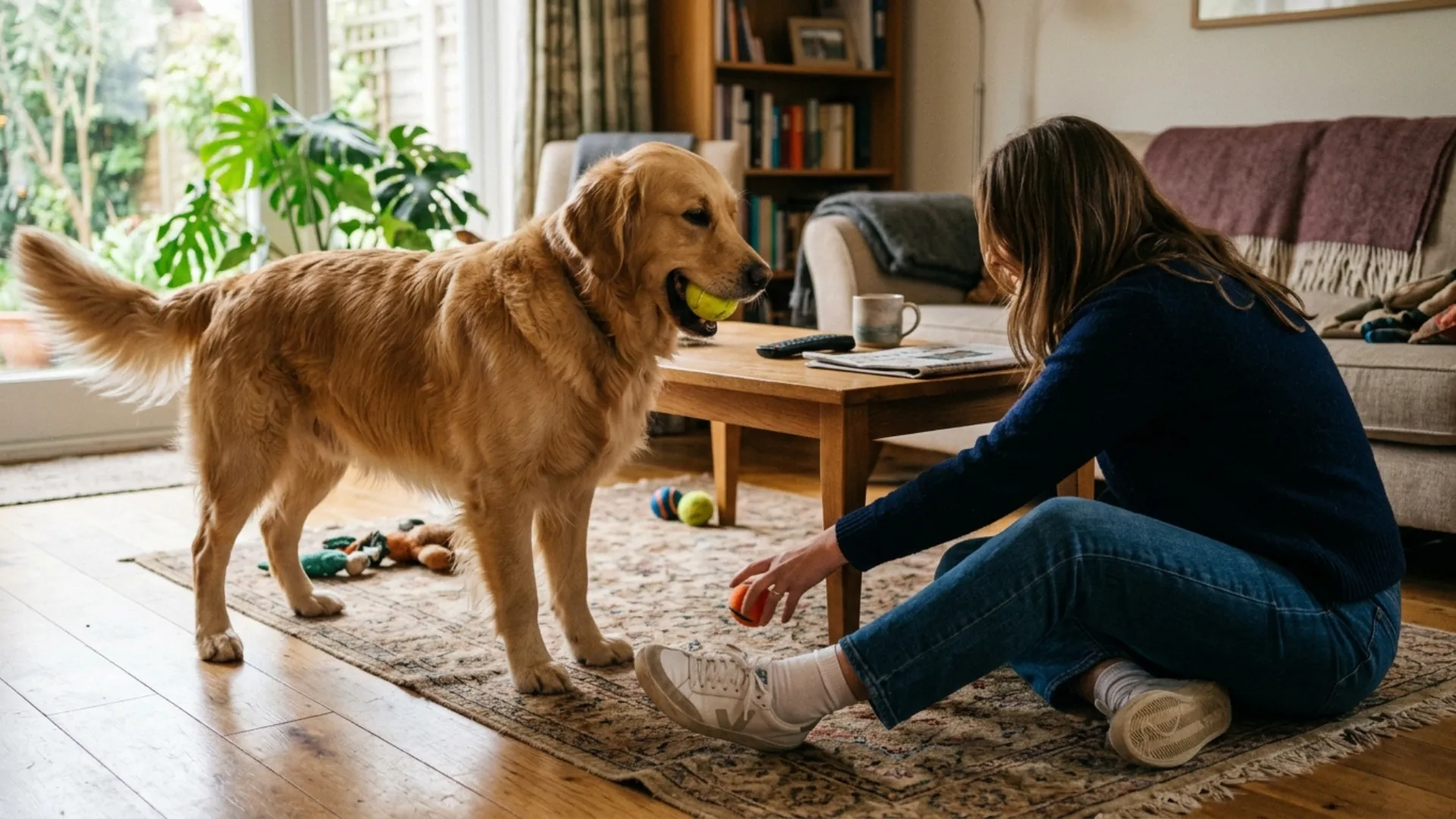
Have you ever had that slightly unsettling moment when you looked at your dog and thought, “Wait… are you actually smarter than me?” Maybe it was when they learned a routine faster than expected or figured out something you didn’t even teach them directly. Some dogs aren’t just loyal companions, they’re surprisingly clever thinkers.
While we often see ourselves as the ones in charge, certain dogs are quick to flip that idea. They pick up on patterns, understand emotions, and sometimes anticipate what we’re going to do before we do it.
What makes dog intelligence even more interesting is that it doesn’t look the same across all breeds. Some excel at precise obedience and quick learning, while others are independent problem-solvers who prefer making their own decisions.
In this guide, we’ll explore dog breeds that don’t just keep up with humans; they often manage to outthink them in clever and unexpected ways.
Dog Breeds That Outsmart Humans – Are You Ready?
Certain dog breeds are the epitome of true canine intelligence and are good at tricking their human friends. Let’s discuss them in detail:
1. Border Collie

The Border Collie is widely regarded as one of the most intelligent dog breeds in the world. Originally bred for herding livestock, it combines sharp problem-solving skills with intense focus, agility, and stamina.
Fact: According to VCA Animal Hospitals, Border Collies often use a “stare” or stalking behavior to control and move sheep, an instinct that reflects their powerful herding drive.
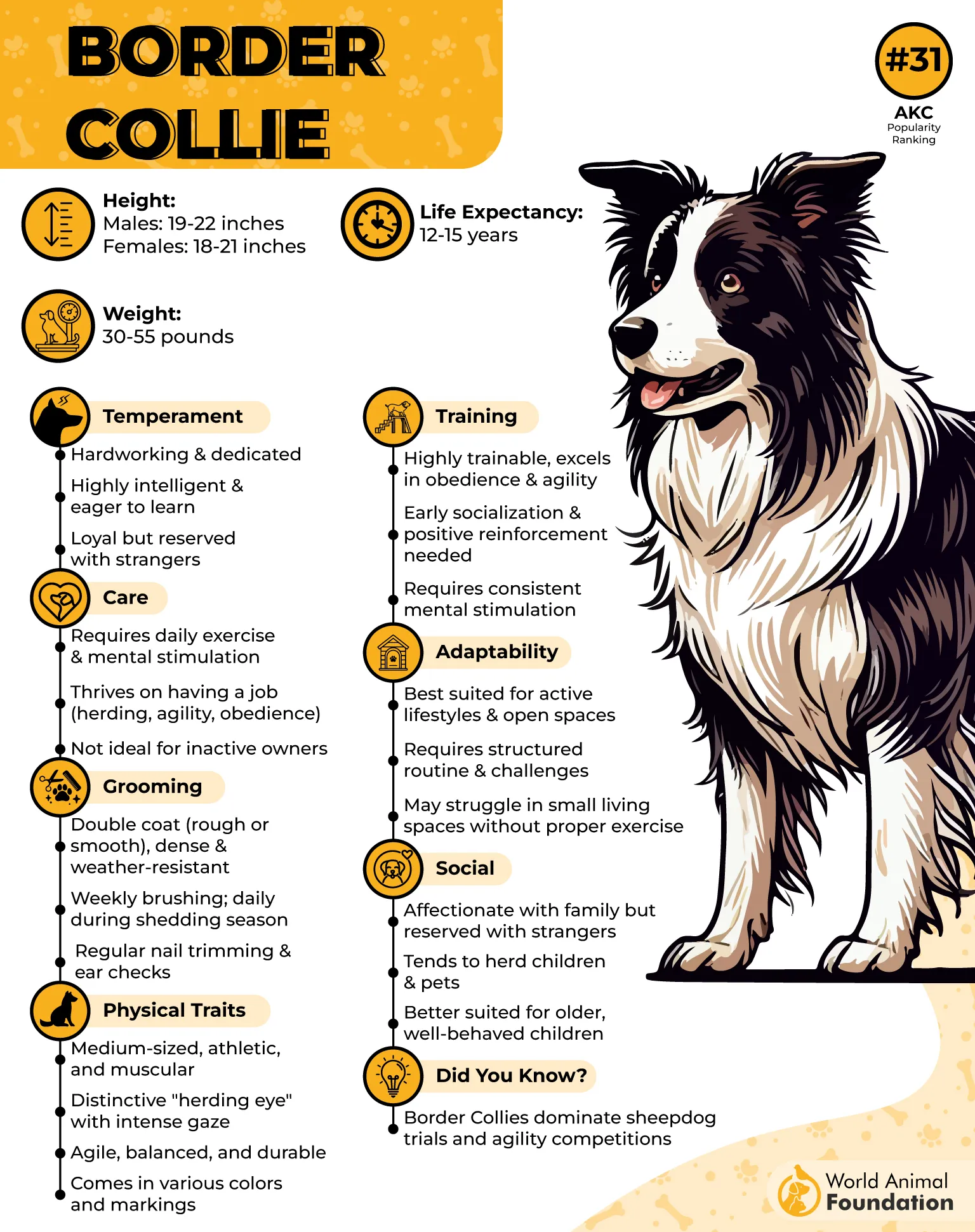
Border Collies are loyal, affectionate with their families, and extremely alert. They thrive on activity, structure, and having a job to do. Highly observant, they can quickly learn daily routines and often anticipate their owner’s next move.
Their intelligence is highly practical; they can solve problems, open doors, navigate obstacles, and master puzzle toys with ease. However, they don’t always wait for instructions and may act independently once they understand a situation.
They also have excellent memory, especially when it comes to learned behaviors, whether good or bad. Without enough mental and physical stimulation, they can become restless or develop destructive habits. Because of their intensity and intelligence, they are often not recommended for first-time dog owners.
2. German Shepherd
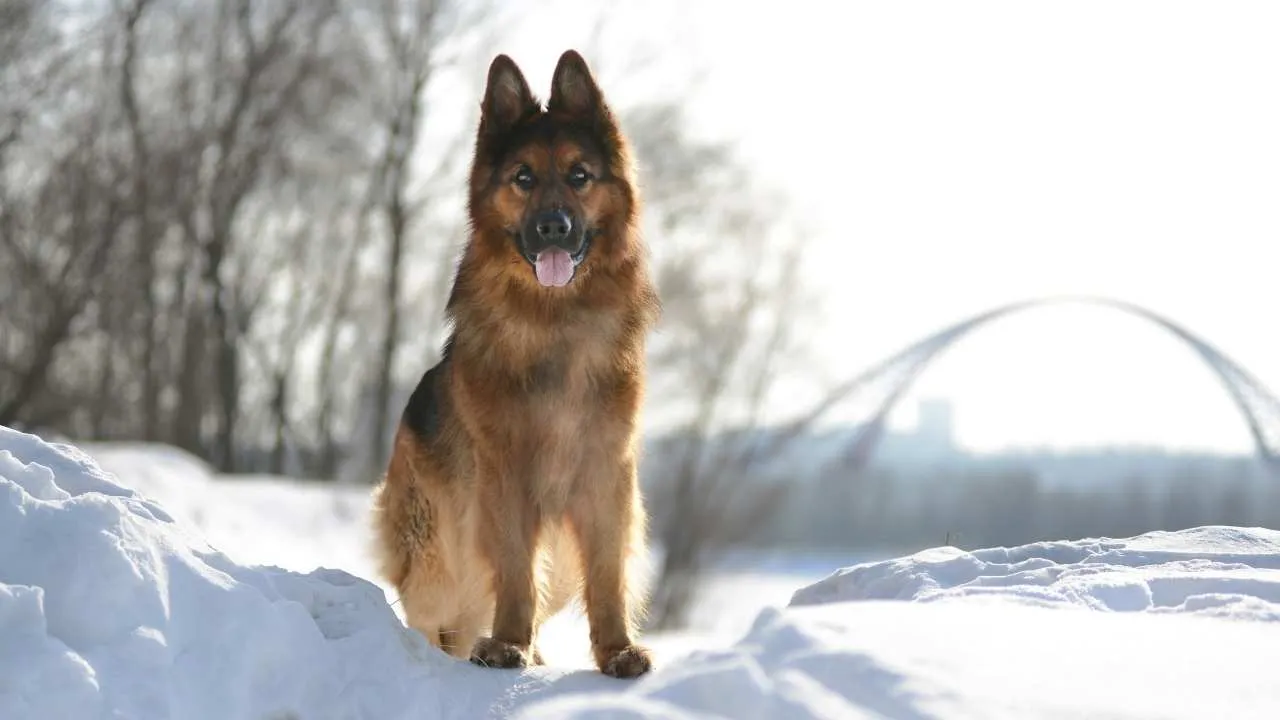
The German Shepherd is a medium-to-large, intelligent working breed known for its strength, loyalty, and versatility. With its thick double coat, often seen in tan and black, it is one of the most popular breeds for police, military, and service work due to its confidence and trainability.
Fact: According to Purina, a German Shepherd named “Buddy” was trained in 1928 as the first guide dog in the United States, marking an important milestone in service dog history.
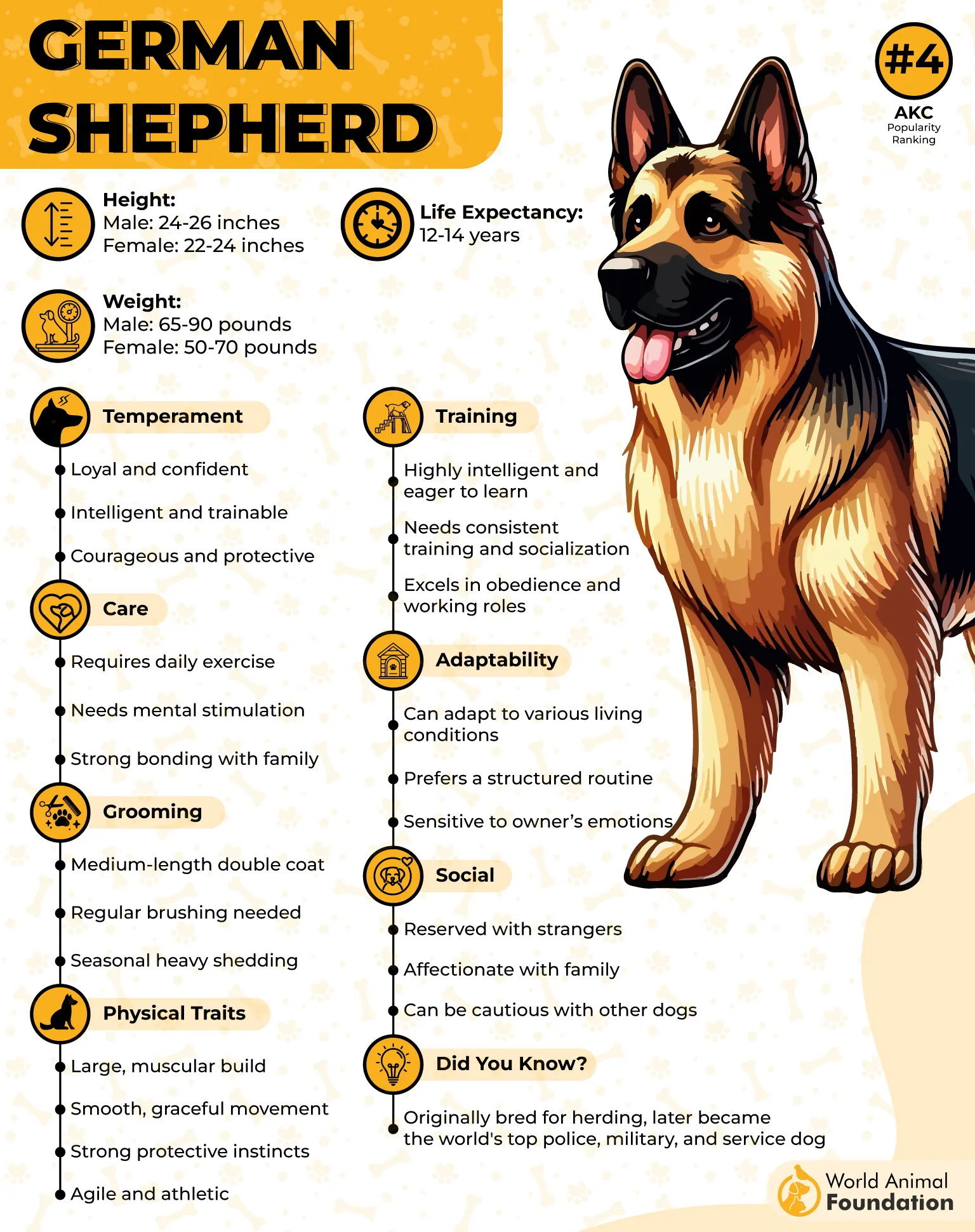
The German Shepherd is deeply loyal, courageous, and strongly bonded to its family. Beyond simply following commands, it can assess situations and respond based on context, showing a high level of intelligence and awareness.
It is known for its strategic thinking, often positioning itself between its owner and a perceived threat without being instructed. At times, it may test boundaries or challenge unclear leadership, responding best to confident and consistent training.
This breed is capable of handling complex, multi-step tasks and can adjust its behavior depending on the environment. However, boredom can quickly lead to unwanted behaviors, so it requires structure, purpose, and regular mental and physical stimulation.
Best suited for active owners, the German Shepherd thrives when it has a job to do and a strong connection with its handler.
3. Golden Retriever

The Golden Retriever is one of the most friendly and well-loved dog breeds, known for its cheerful expression, soft, long coat, and kind, expressive eyes. Highly intelligent and eager to please, it learns quickly and naturally enjoys working alongside people.
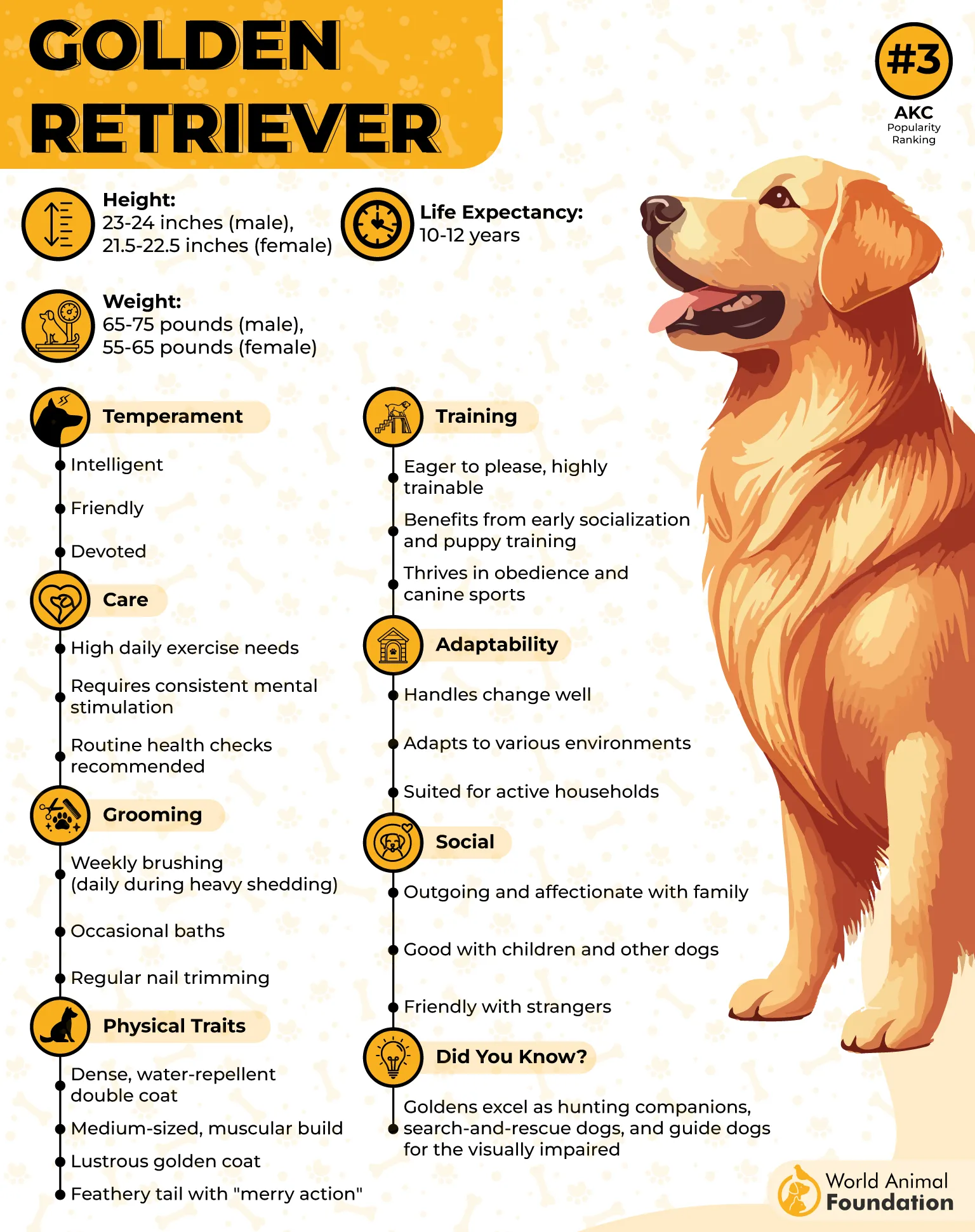
Golden Retrievers are warm-hearted, patient, and deeply loyal companions. Their intelligence goes beyond problem-solving; they are especially good at understanding human routines and emotions. They often remember daily patterns like feeding times, walk schedules, and even words linked to activities they enjoy.
Rather than working independently, they excel through cooperation, making them excellent family and service dogs. However, they are also observant and may “choose” when to respond, especially if something more interesting is happening nearby.
They are very attentive to human behavior and quickly learn household rules and patterns. If something changes in their routine, they notice it immediately.
Golden Retrievers are active dogs that need regular exercise and mental stimulation. They do not do well when left alone for long periods and thrive best in homes where they receive attention, companionship, and daily interaction.
4. Labrador Retriever

The Labrador Retriever, often called the “Lab,” is one of the most versatile and intelligent dog breeds. Known for its friendly face, gentle nature, and stable temperament, it adapts easily to many roles, from family companion to service, detection, and rescue work.
According to Encyclopedia Britannica, Labradors are widely used in military, police, guide dog, and search-and-rescue work due to their reliability and trainability.
Labradors are outgoing, social, and deeply people-oriented dogs that thrive on human interaction. Their patient and tolerant nature makes them one of the best family dogs.
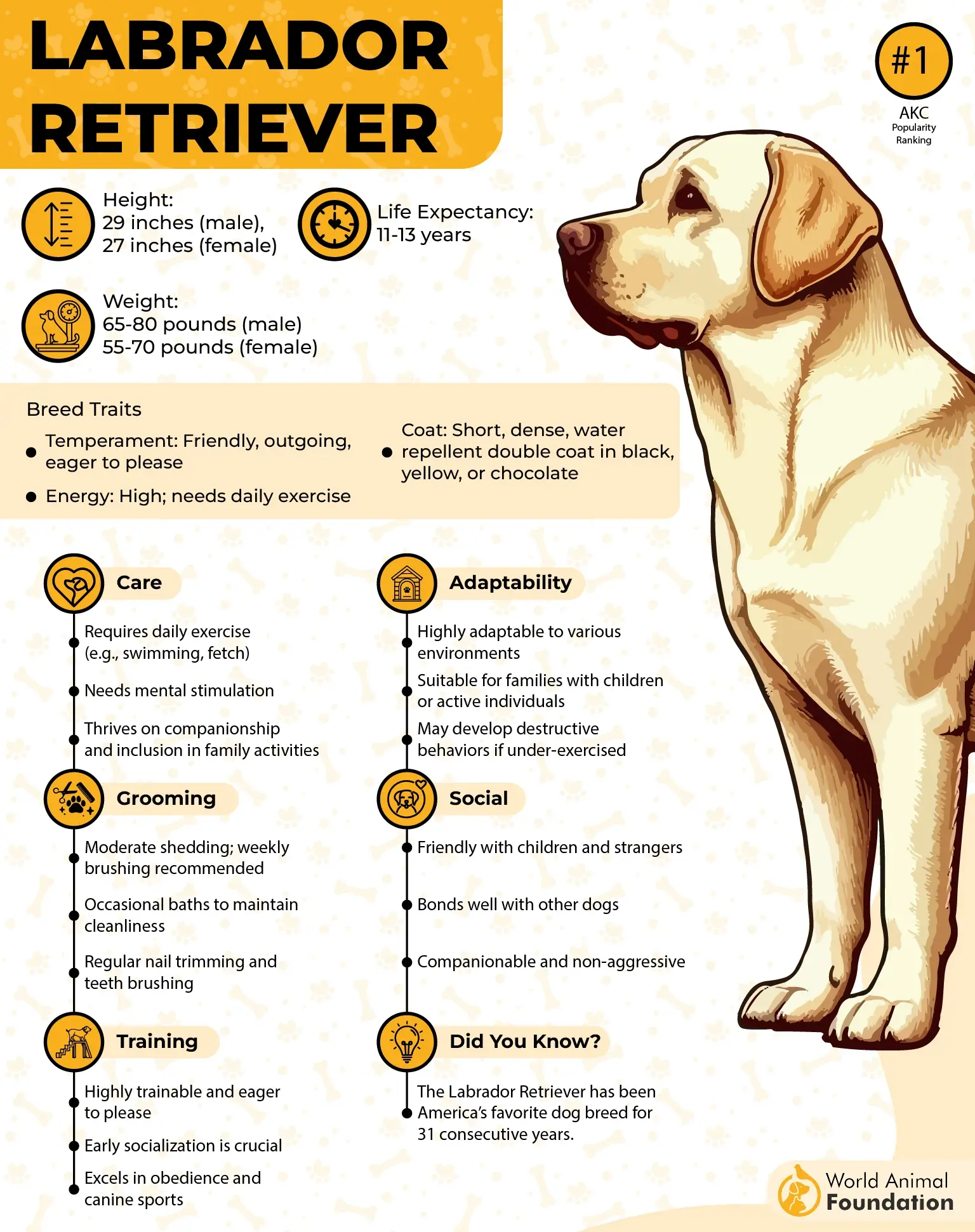
They are also goal-focused thinkers, meaning they quickly learn how to achieve what they want, whether that’s completing a task or sneaking an extra treat. Their enthusiasm and intelligence often make them skilled at problem-solving and adapting to routines.
Labs are quick learners and can start anticipating commands once they understand patterns, sometimes even acting ahead of cues. However, their intelligence and energy need proper direction; without enough exercise and mental stimulation, they may develop unwanted habits like chewing or overeating, which can lead to weight gain.
5. Doberman Pinscher
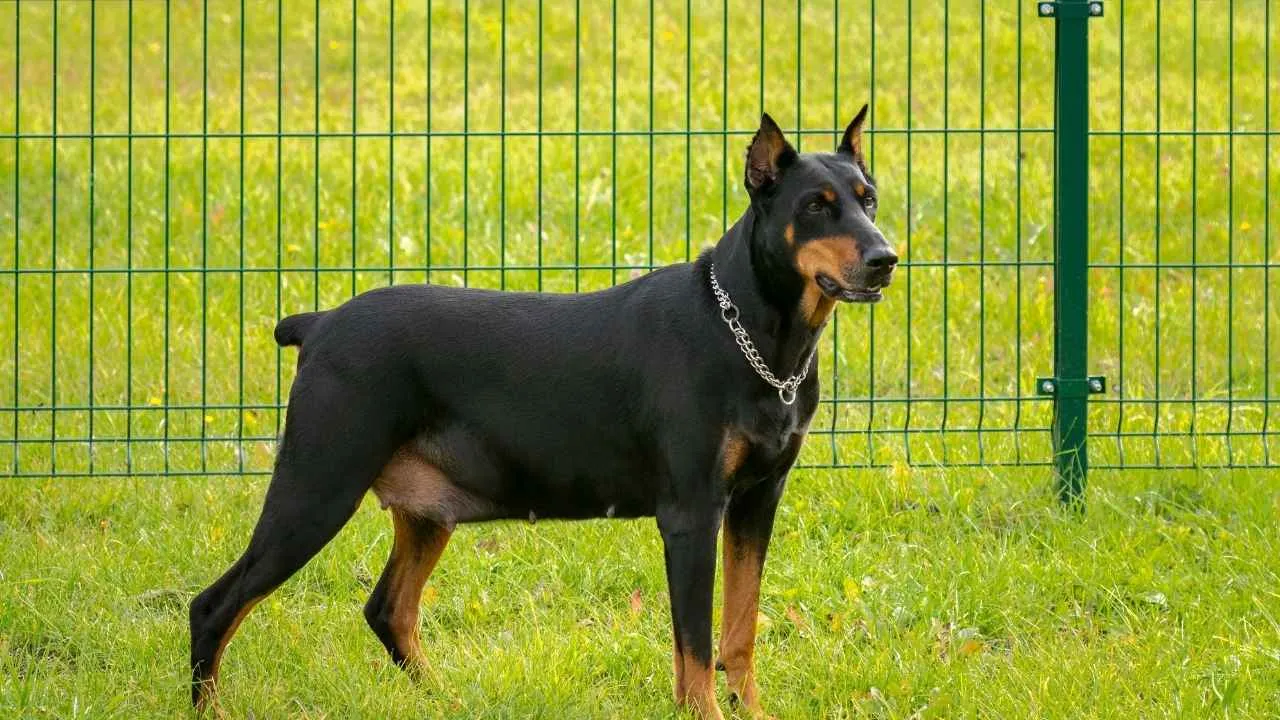
The Doberman Pinscher is a sleek, powerful, and highly intelligent working dog known for its athletic build, sharp focus, and quick learning ability. It is capable of handling complex tasks with impressive precision and is often praised for its discipline and responsiveness.
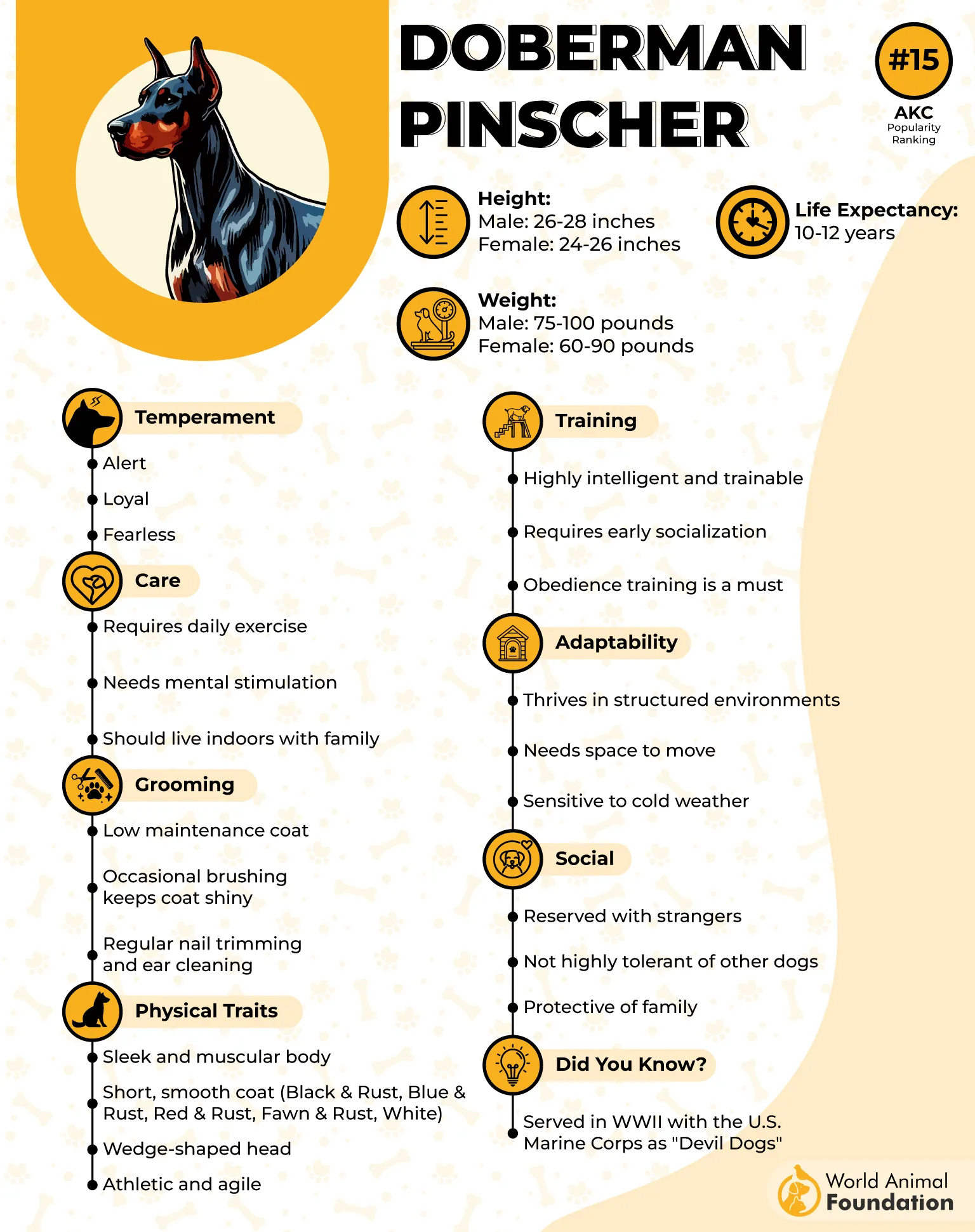
Dobermans are confident, loyal, and deeply bonded to their families. They are naturally alert and have strong instincts for evaluating situations quickly, often reacting to changes in their environment almost instantly.
They are also highly observant, able to read human body language, tone, and subtle cues, which helps them anticipate their owner’s actions. In many cases, they will position themselves strategically for protection or observation without being instructed.
While they are obedient and trainable, Dobermans may question inconsistent commands, not out of defiance, but as a way of assessing clear leadership. In high-pressure situations, they are also capable of making independent decisions, especially when it comes to protection.
This breed requires strong guidance, structured training, and a high level of daily physical and mental exercise. Because of their intensity and intelligence, they are generally better suited for experienced dog owners who can provide confident and consistent leadership.
6. Shetland Sheepdog
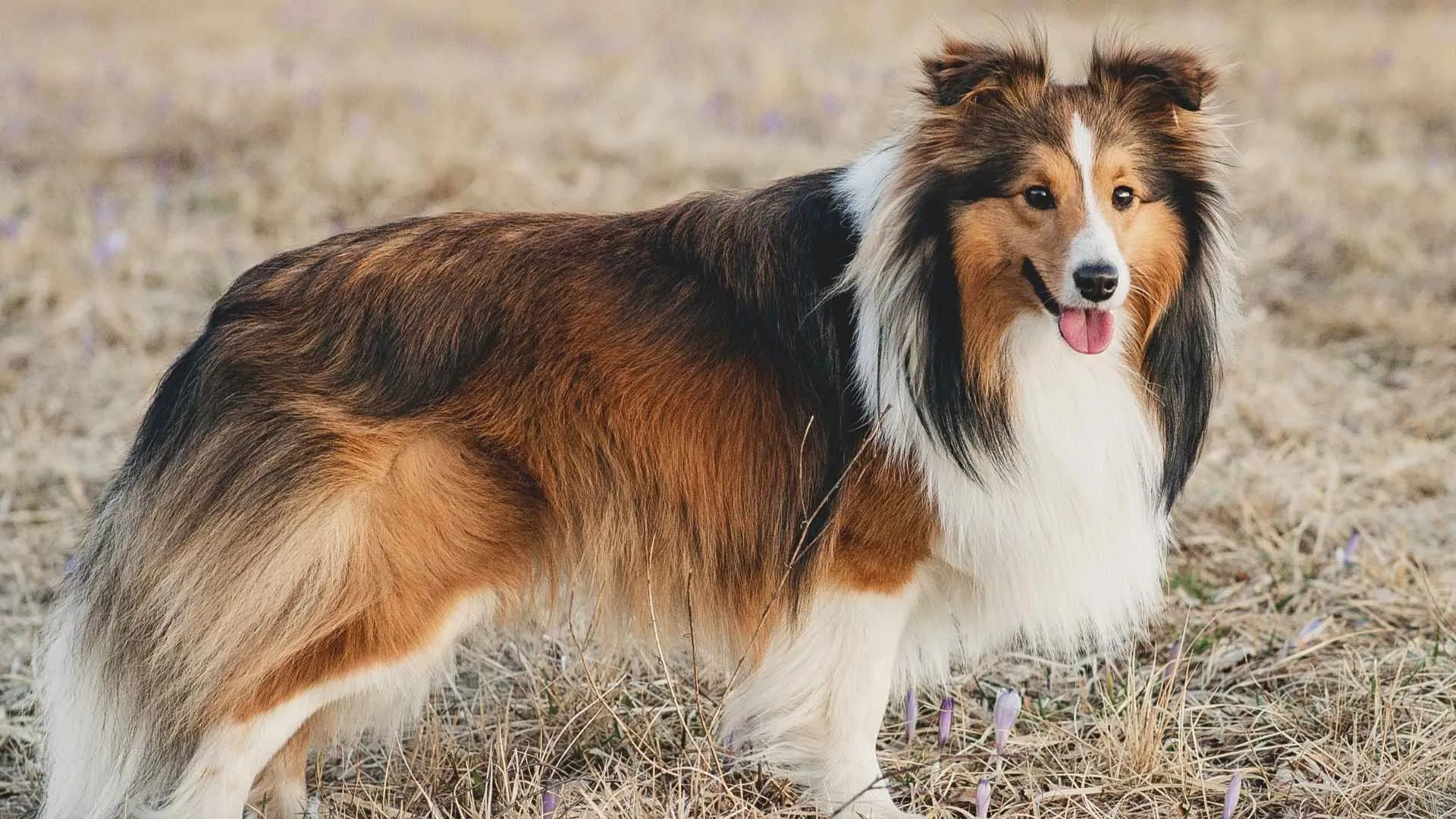
The Shetland Sheepdog, often called the Sheltie, is a small, intelligent herding breed with a long, flowing coat and an expressive, alert face. Originally bred in the rugged Shetland Islands to manage livestock, it combines speed, agility, and sharp intelligence in a compact body. As noted by PetMD, Shelties are sometimes mistaken for Miniature Collies, though they are a distinct breed.
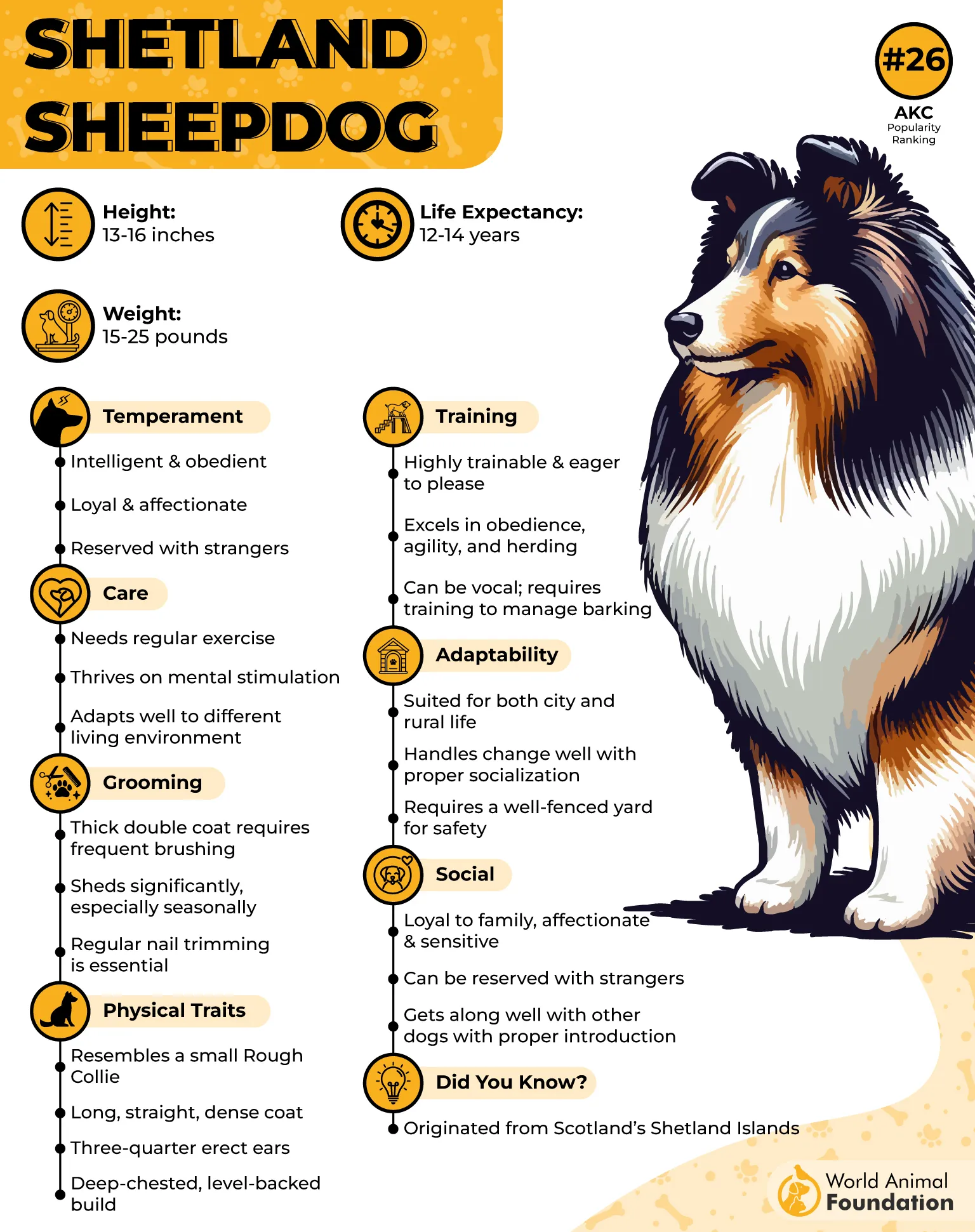
Shelties are gentle, loyal, and highly sensitive dogs that form strong emotional bonds with their owners. They are extremely aware of their surroundings and respond quickly to subtle changes in tone, energy, and environment.
Often called “sound-smart,” they are especially responsive to voice cues and may react more to how something is said than to the actual command. This makes the communication tone very important during training.
Shelties tend to observe first, process information, and then act, sometimes even anticipating what their owner wants before being asked. They are highly efficient learners and, once trained, can refine tasks to the quickest and most effective method.
However, they can be prone to excessive barking if not properly trained and managed. They are also sensitive dogs and do not respond well to harsh training or stressful environments. With the right approach, they become attentive, responsive, and deeply devoted companions.
7. Papillon

The Papillon is a small, elegant toy breed known for its butterfly-shaped ears, expressive face, and lively personality. Despite its delicate appearance, it is highly intelligent, alert, and quick to learn, often excelling in obedience and agility competitions.
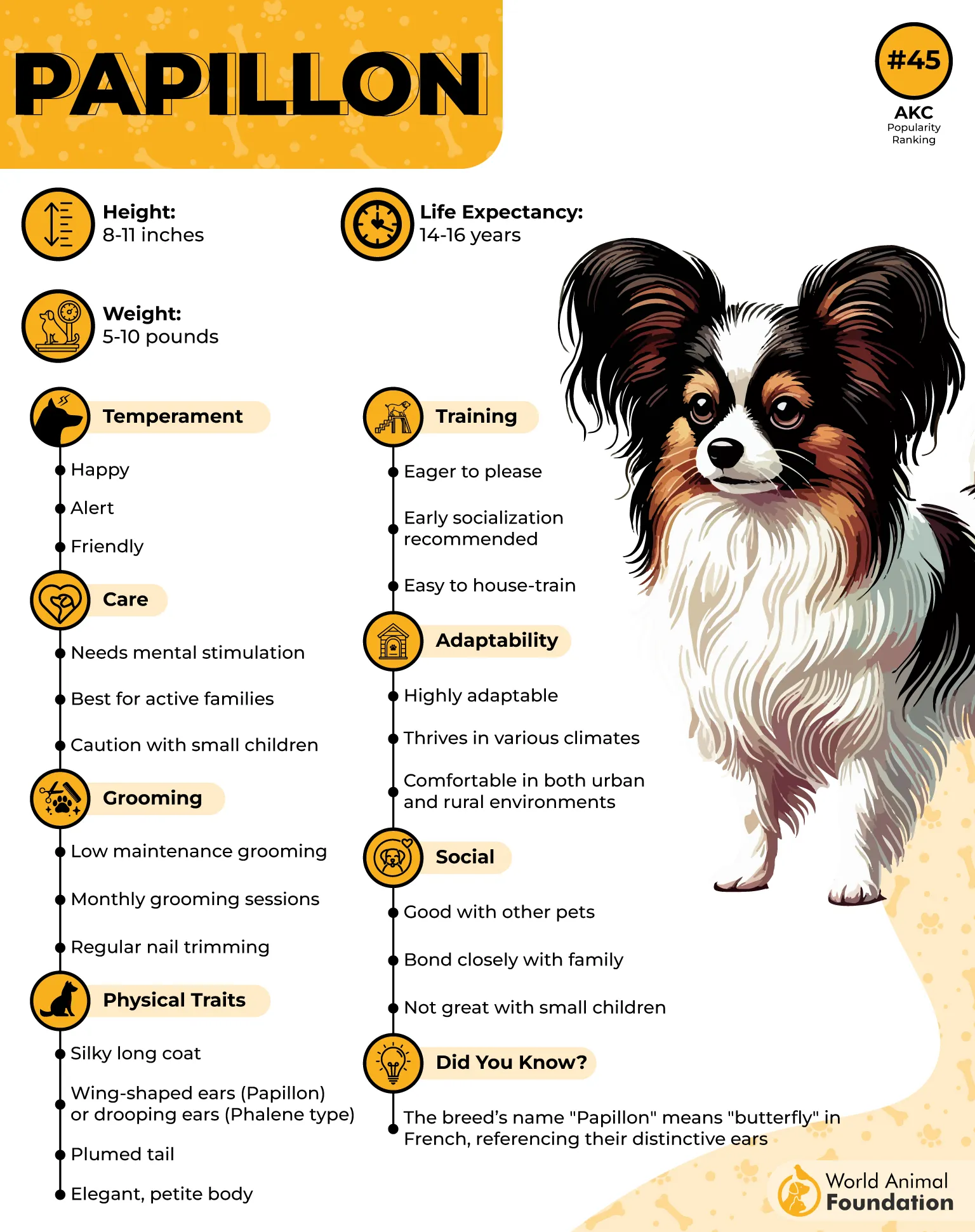
Papillons are lively, curious, and affectionate companions. Unlike many small toy breeds, they are confident and outgoing rather than shy or timid. Their intelligence stands out; they can learn commands and tricks very quickly, often mastering new tasks after only a few repetitions.
They are highly observant and tend to watch human behavior closely, sometimes mimicking patterns with impressive accuracy. For them, learning often feels like play, which makes them both persistent and creative problem-solvers.
Papillons are also adaptable and can adjust their behavior based on their environment and the people around them, often becoming more playful or more obedient depending on what works best.
However, due to their small size, they need careful handling, especially around young children. Without proper training and structure, they may develop “small dog syndrome,” so early socialization and consistent guidance are important.
Conclusion
To put it simply, after looking at all these intelligent dog breeds, one thing becomes clear: living with a smart dog is less about owning a pet and more about sharing your life with a clever companion who actively thinks and responds to the world around them.
These dogs don’t just follow commands like machines. They observe, analyze, and sometimes even outsmart pet parents in subtle ways. One day you’re training them, and the next day you realize they’ve already learned your routines, and maybe even influenced them.
But intelligence works both ways. The smarter the dog, the more mental stimulation and engagement it needs. Without enough activity or purpose, that sharp mind can quickly turn into boredom, and boredom often leads to mischief.
In the end, these dogs offer something truly special. They don’t just live beside you, they interact with you, understand you, and form a deeper kind of bond. And yes, don’t be surprised if it sometimes feels like they’re running the house… while you’re just happily living in it.
