




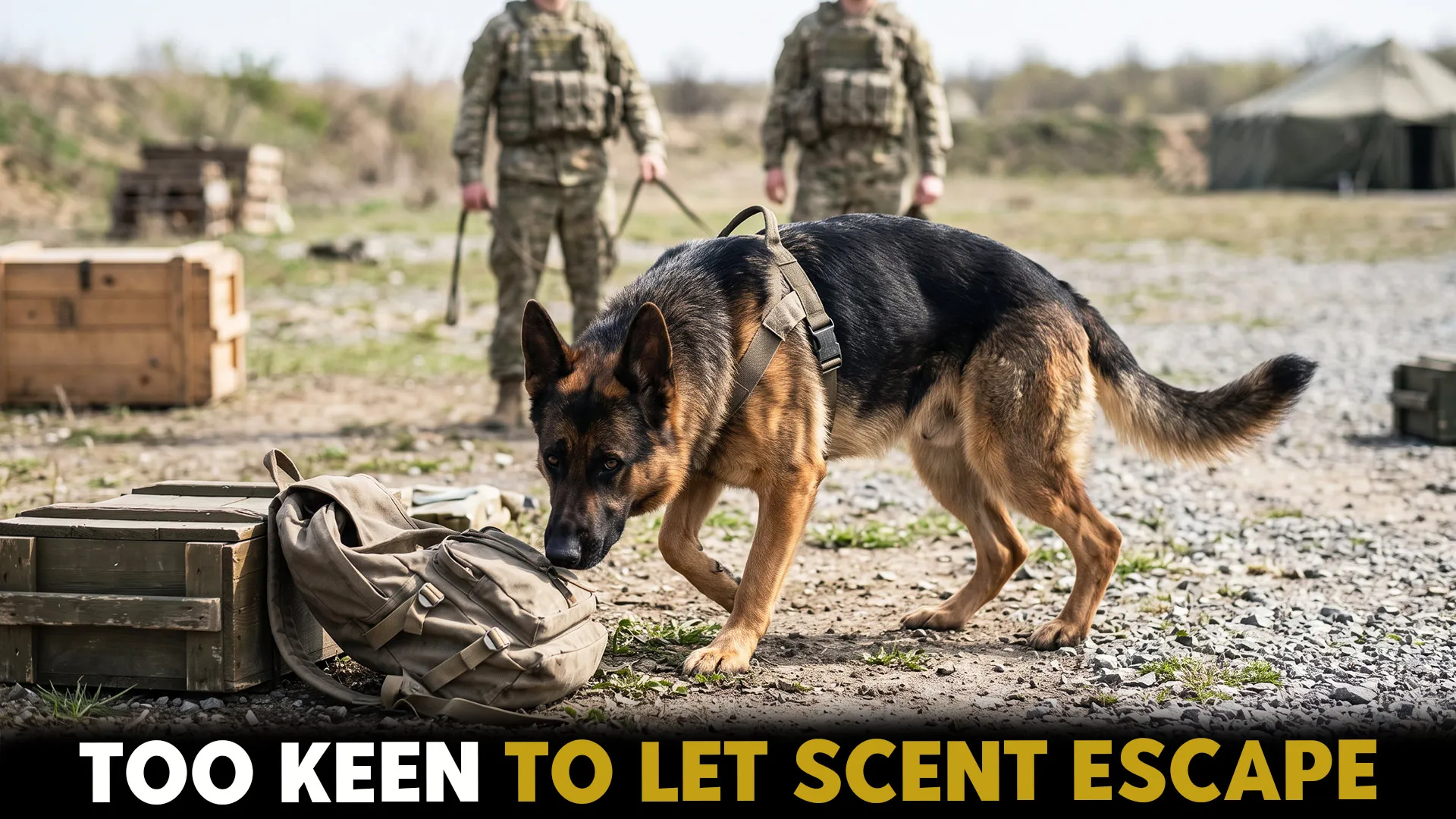
A hidden trail, a distant scent, or an odor too faint for humans to notice can become an unmistakable clue for a dog. While every canine experiences the world through scent, certain breeds possess remarkable abilities shaped by generations of selective breeding and specialized work.
Their exceptional noses have made them valuable in tracking, hunting, detection, and search operations. From following elusive trails to identifying specific odors, these pups combine sensitive noses with focus, stamina, and determination, turning an invisible world of smells into useful information.
So, which furry friend stands out among the canine world’s most remarkable scent specialists? Explore nine extraordinary dogs whose noses reveal just how powerful a sense of smell can be.
FACT: Dogs can have up to 300 million olfactory receptors in their noses, compared with about 6 million in humans.
Top Dog Breeds That Outshine Others in Smell Sensitivity
1. Bloodhound
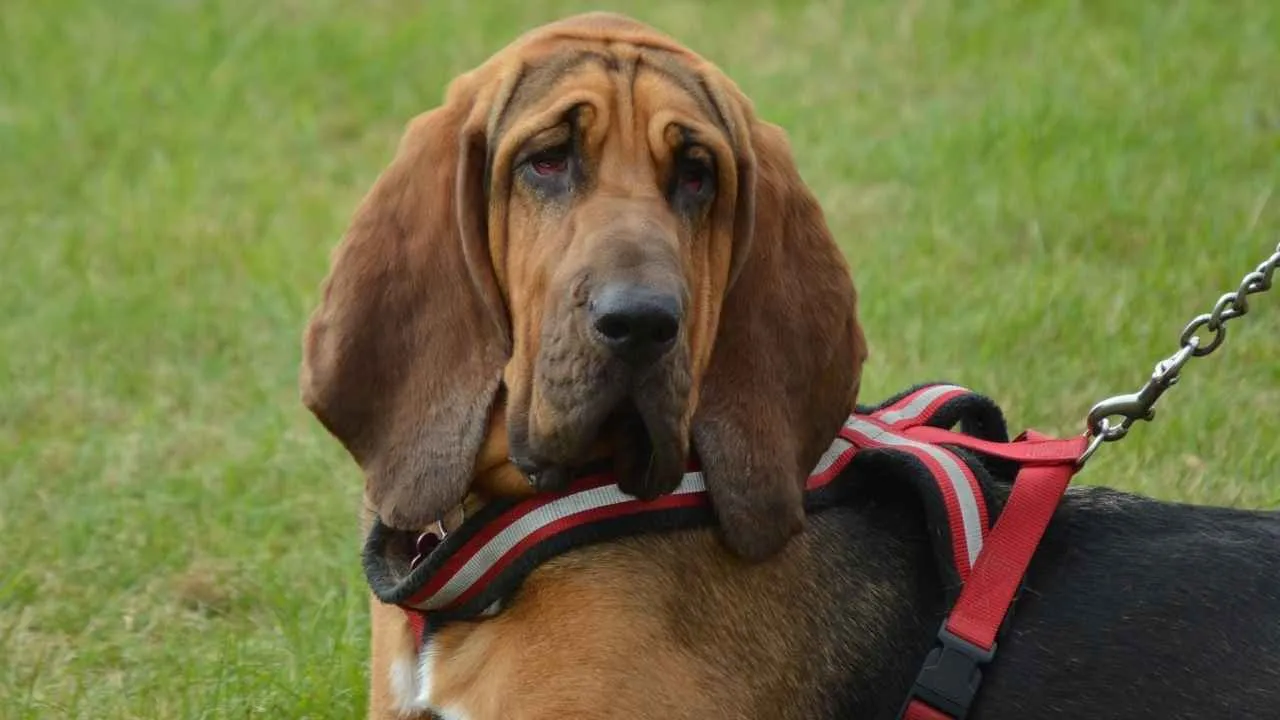
The Bloodhound is legendary for its scent-tracking ability, earning a reputation as one of the most capable nose-led working dogs. Its extraordinary accuracy has even contributed to the acceptance of evidence in courts of law.
With around 230 million scent receptors, this breed can detect odors with remarkable precision. Its powerful nose allows it to distinguish subtle scent differences that would be impossible for humans to recognize.
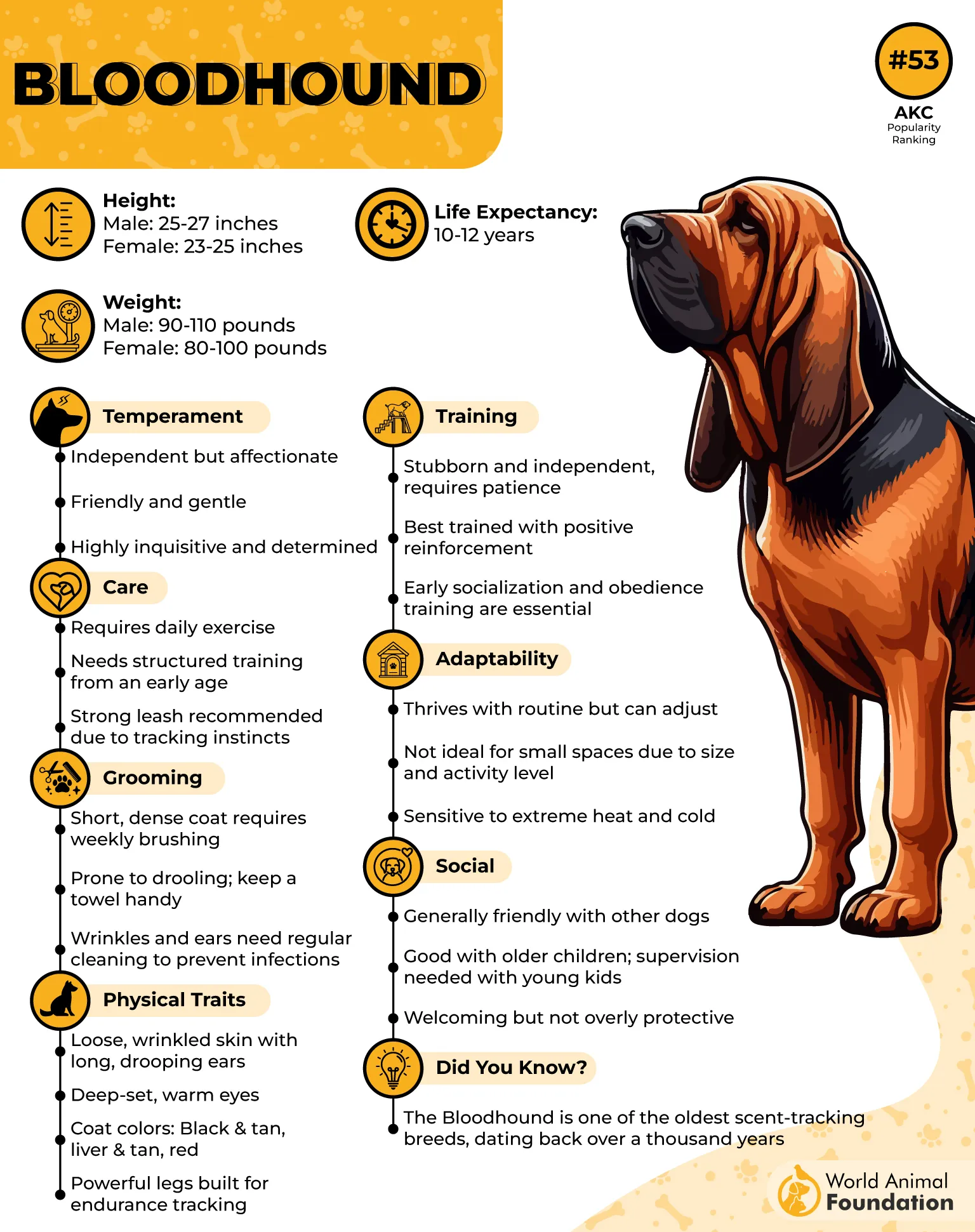
Built specifically for tracking, the Bloodhound combines determination with an exceptional ability to stay focused on a scent trail. Its loose facial skin also helps retain scent particles around the nose while working.
These dogs can follow trails that are days old and extend for miles, making them valuable in locating missing people and fugitives. Their persistence means they can remain committed to a trail until they locate their target. According to Hill’s Pet, they remain warm and tolerant toward their family members.
2. Basset Hound
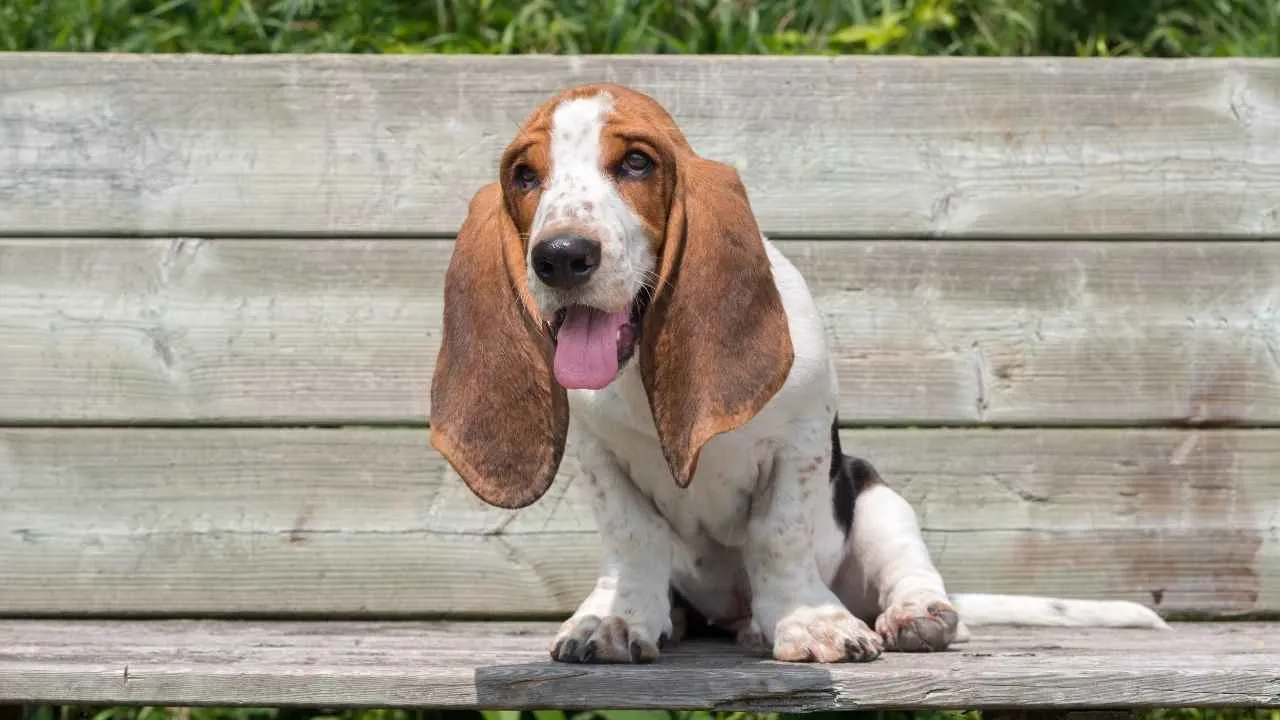
Built close to the ground, the Basset Hound is a determined scent tracker with an impressive ability to detect and pursue odors. Its strong hunting instincts naturally encourage it to follow intriguing trails.
Its long ears hang near the ground, helping gather scent particles as it moves along a trail. Loose facial skin and drooping lips also help retain odors around the nose, supporting its remarkable scent-detection abilities.
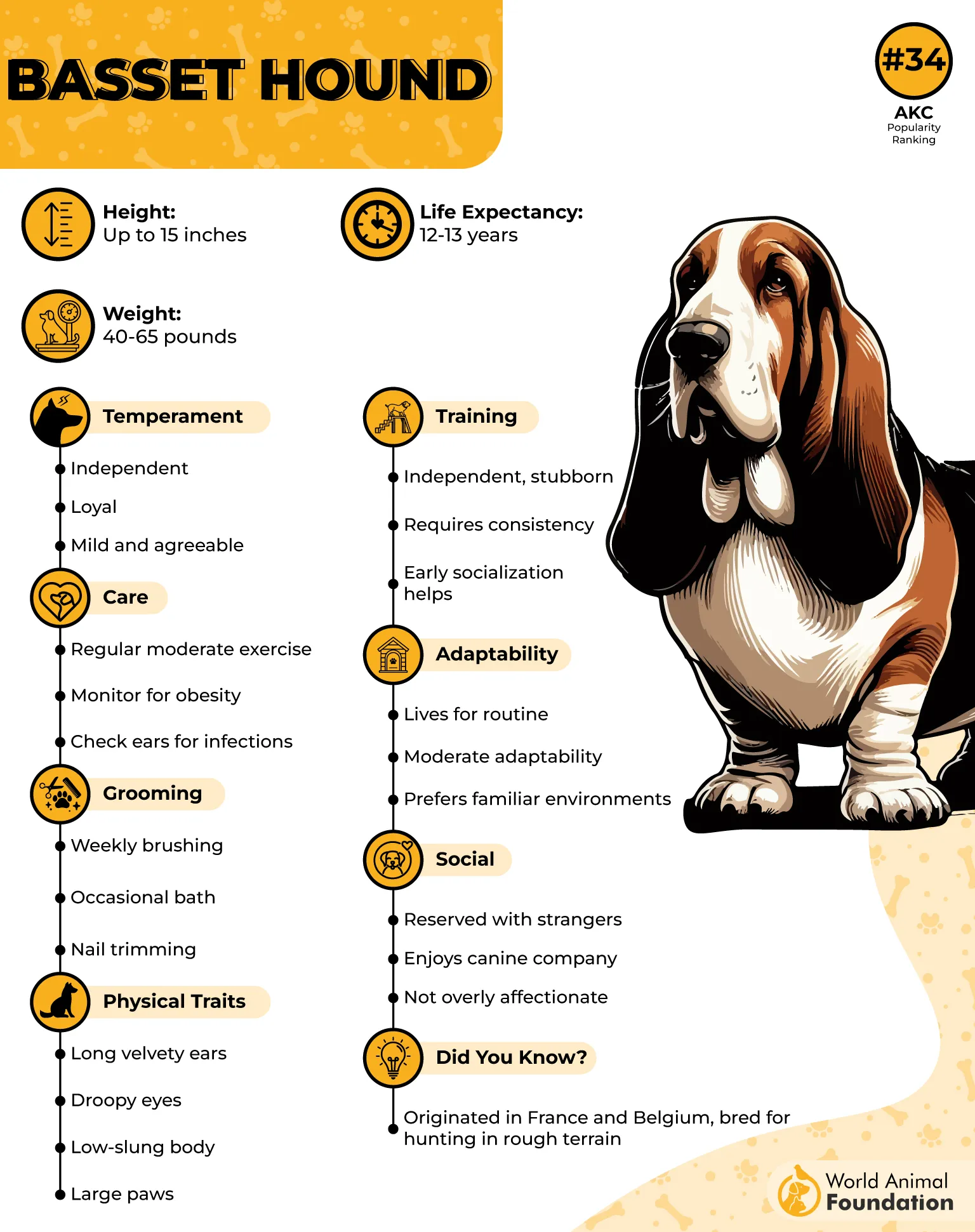
Originally developed in France for hunting, this breed was shaped for careful and persistent tracking rather than speed. Its low-slung body keeps its nose close to scent trails, allowing it to investigate odors thoroughly. According to the AKC, Basset Hounds can be stubborn on the trail and have a loud, ringing bark.
Once a Basset Hound discovers an interesting scent, its focus can be difficult to break. It may patiently follow a trail for considerable distances, relying on its powerful nose and steady determination rather than quick movement.
3. Beagle
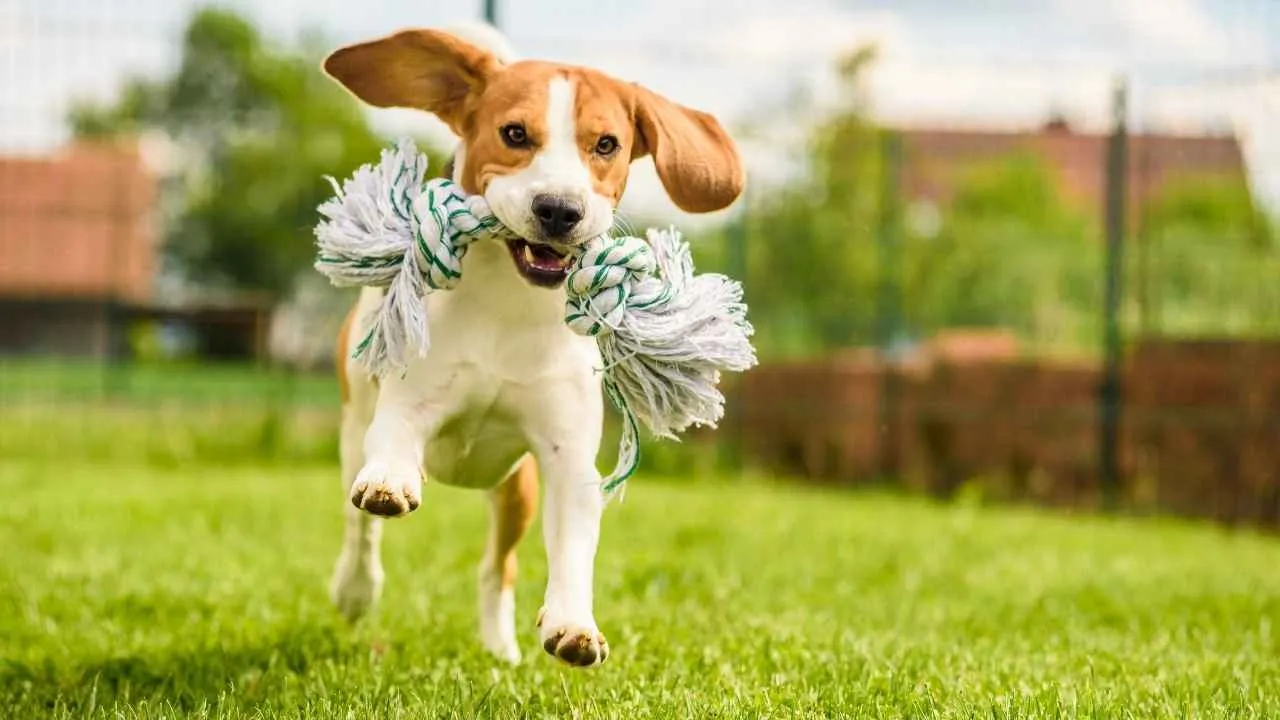
A Beagle’s nose can turn an ordinary stroll into a full-scale investigation. Originally developed to track rabbits and other small game, this cheerful scent hound naturally follows interesting odors with remarkable determination. According to Purina, Beagles are commonly known as “foot hounds.”
With around 225 million olfactory receptors, Beagles possess an exceptionally sensitive sense of smell. Their specialized nasal structure helps them detect and distinguish subtle scents, allowing them to follow trails across considerable distances.
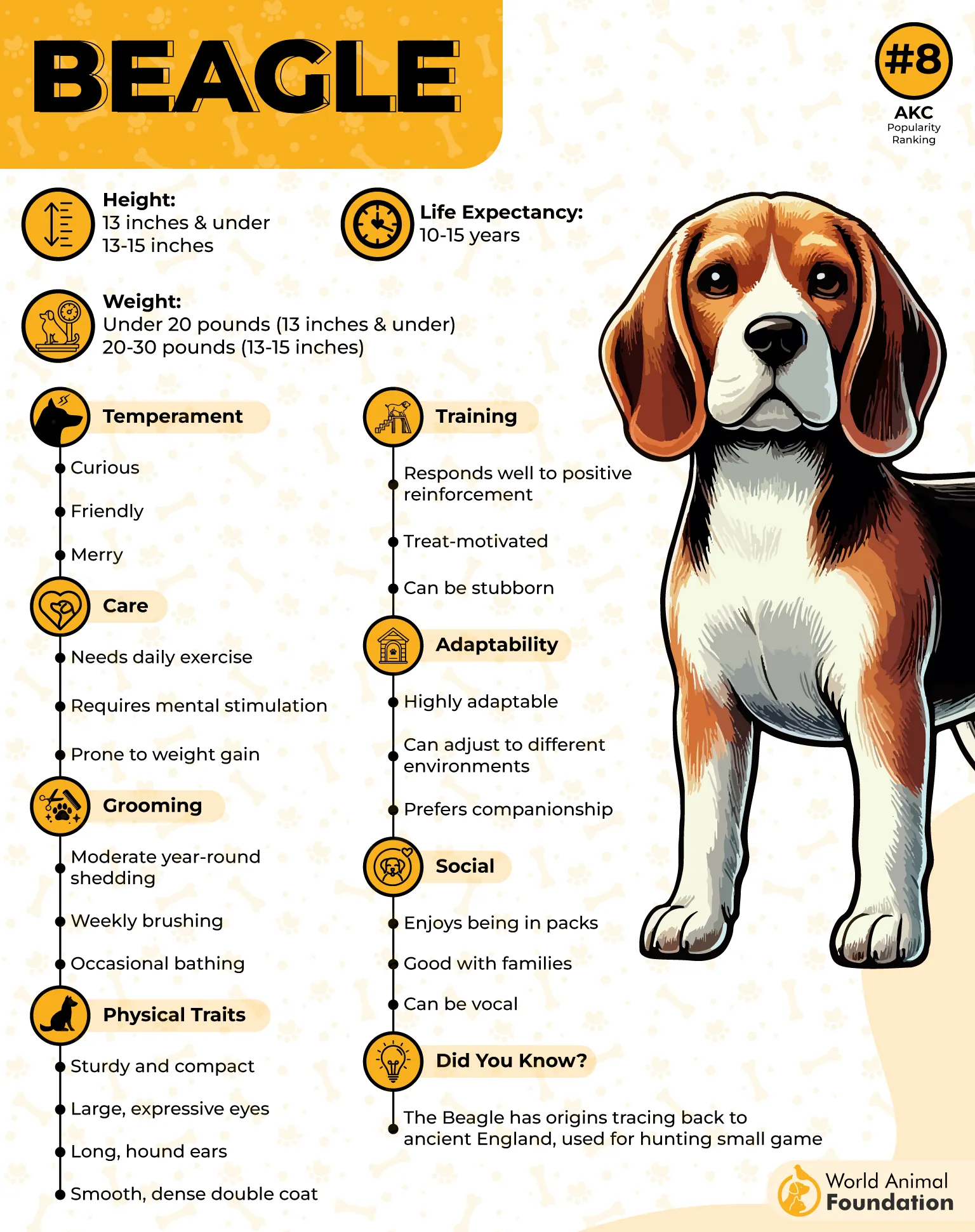
That ability has made Beagles useful in detection work. They are employed in agricultural inspections and searches for prohibited substances, using their scenting skills to locate items that might otherwise go unnoticed.
Their compact build and friendly appearance add to their usefulness in public settings, where they can work around people without seeming intimidating. Yet beneath their cheerful personality is a persistent tracker that rarely ignores an intriguing scent.
4. German Shepherd
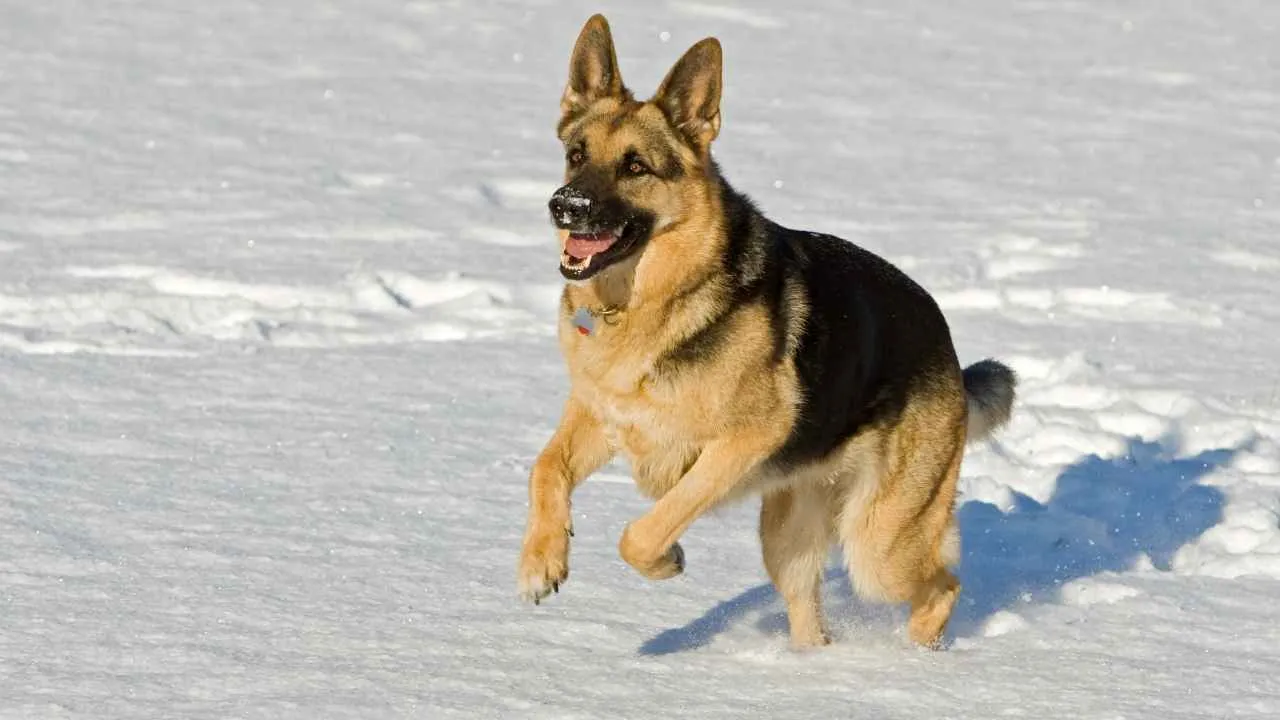
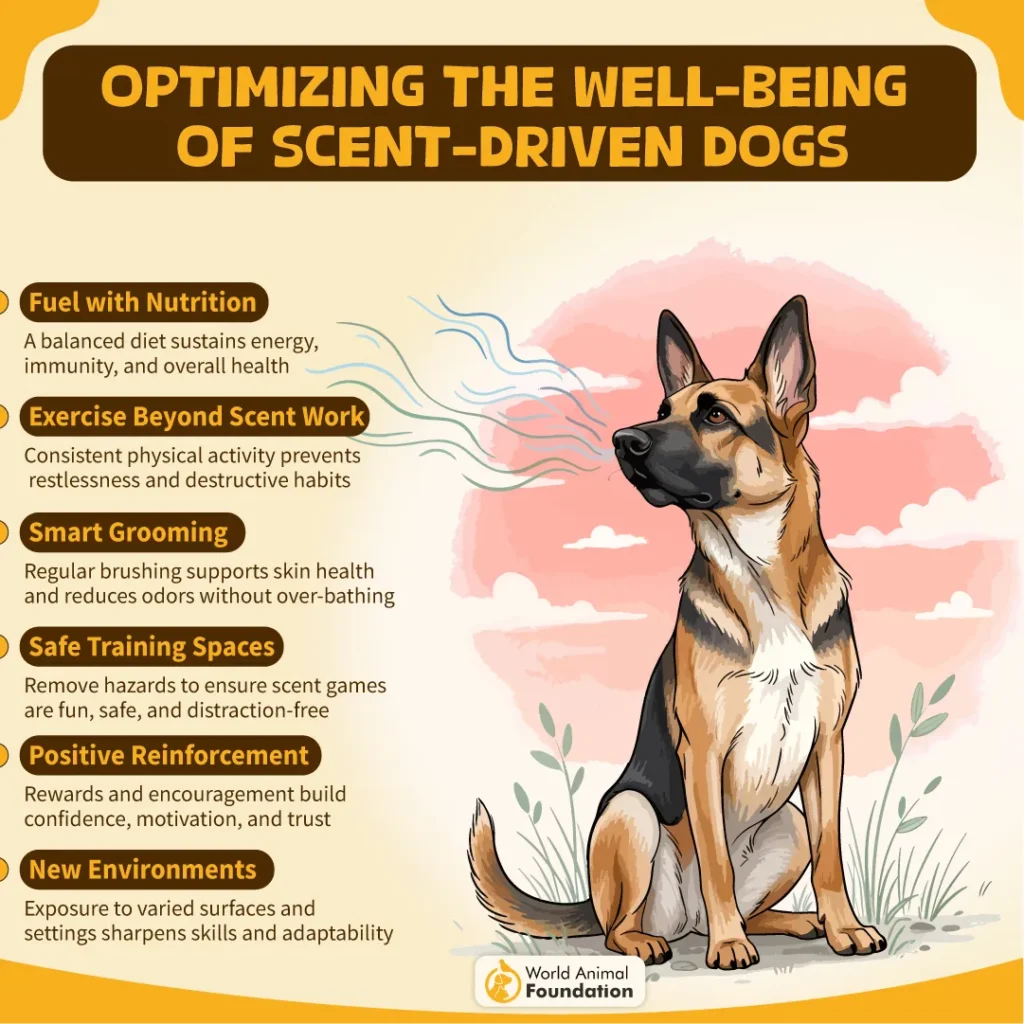
German Shepherds are renowned for their versatility as working dogs, combining intelligence, athleticism, and an exceptionally sensitive nose. Their scenting ability has made them valuable partners in demanding professional roles.
With around 225 million scent receptors, they can pick up faint or lingering odors that may be difficult for people to detect. This makes them particularly effective when following scent trails during search-and-rescue operations.
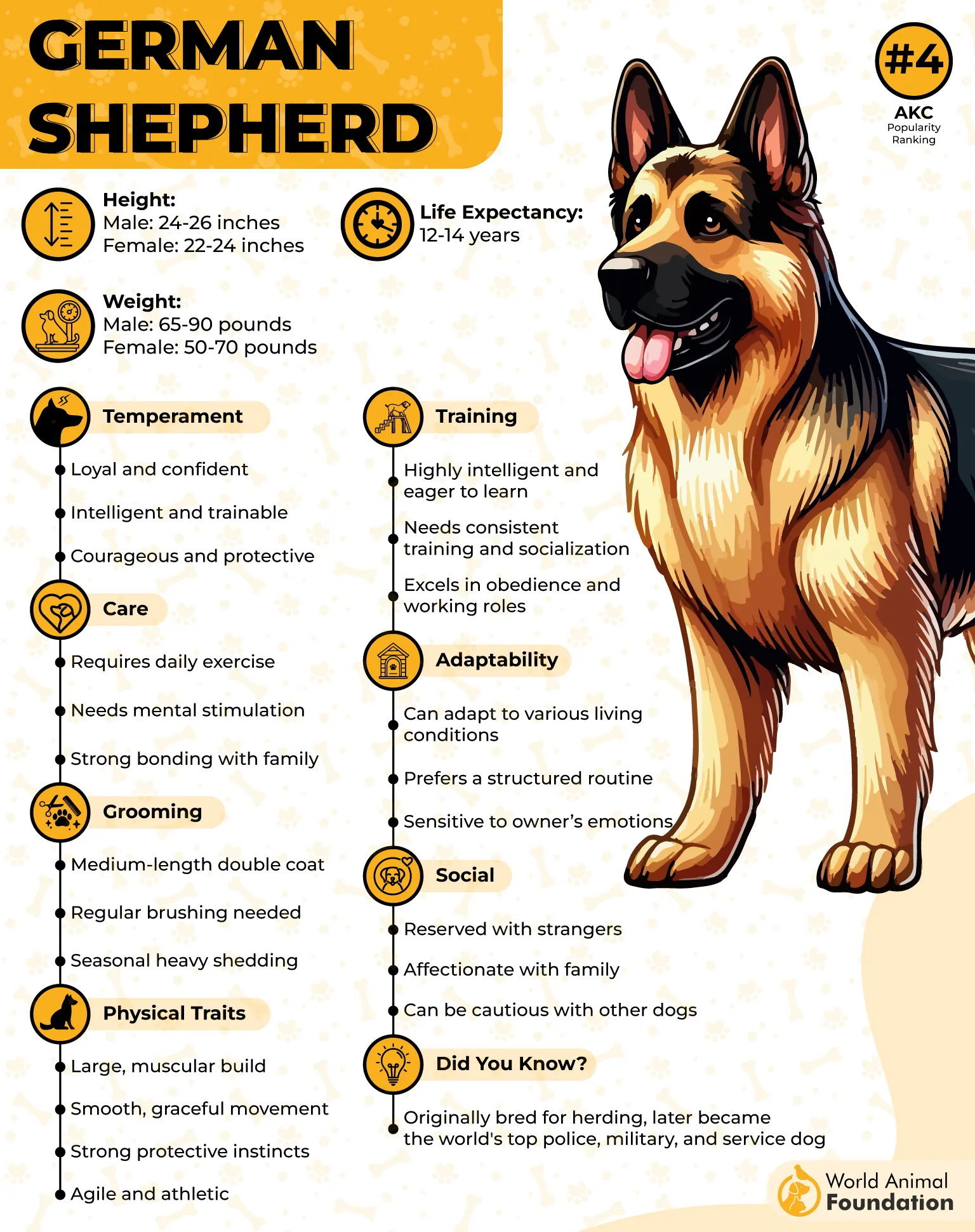
Their detection skills also support police and military work, where they may be trained to locate narcotics, explosives, or other specific odors. Their ability to remain focused helps them perform reliably in challenging environments.
Beyond law enforcement, their sensitive noses can support specialized service work. Some German Shepherds can be trained to recognize subtle scent changes associated with certain health conditions, adding another dimension to their impressive detection abilities.
5. Labrador Retriever
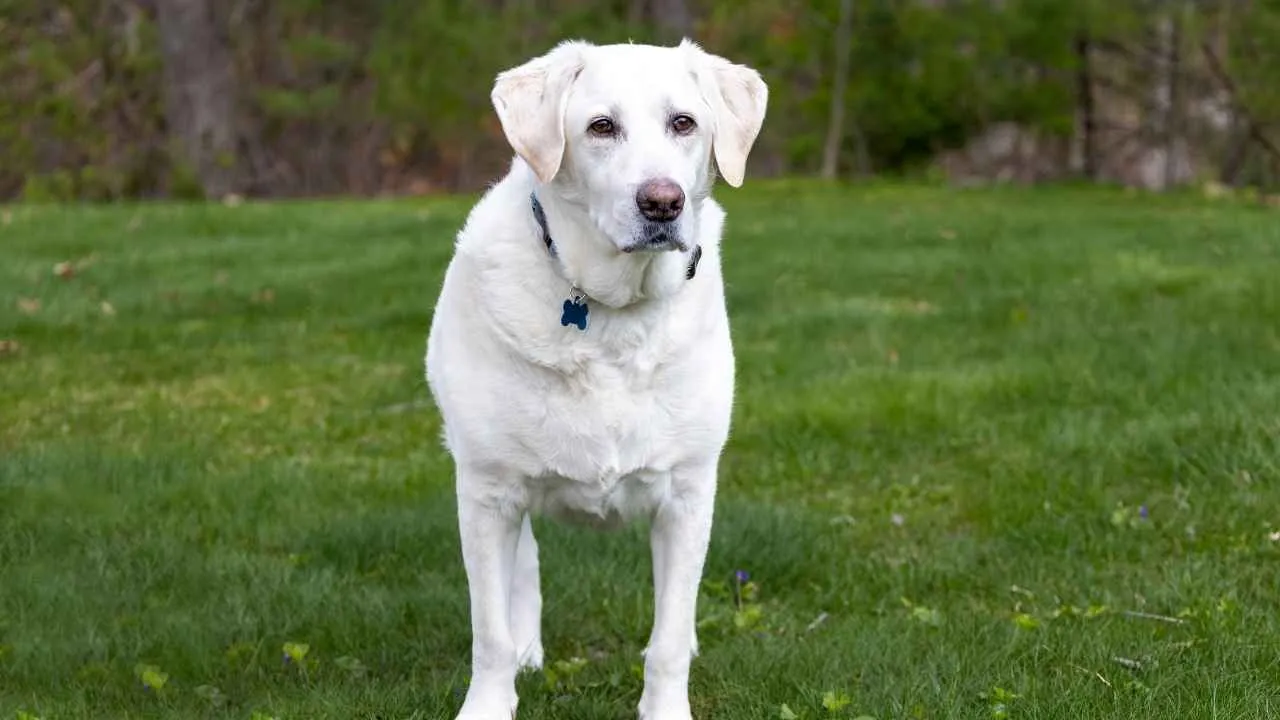
Labrador Retrievers combine a remarkably capable nose with a naturally cooperative personality. Their large noses provide ample space for scent receptors, while well-developed olfactory structures help them process different smells effectively.
This good-natured breed has earned a strong reputation in search-and-rescue work, where Labs can follow scents to locate missing people. Their tracking ability also makes them useful to police and military teams searching for substances such as drugs and explosives.
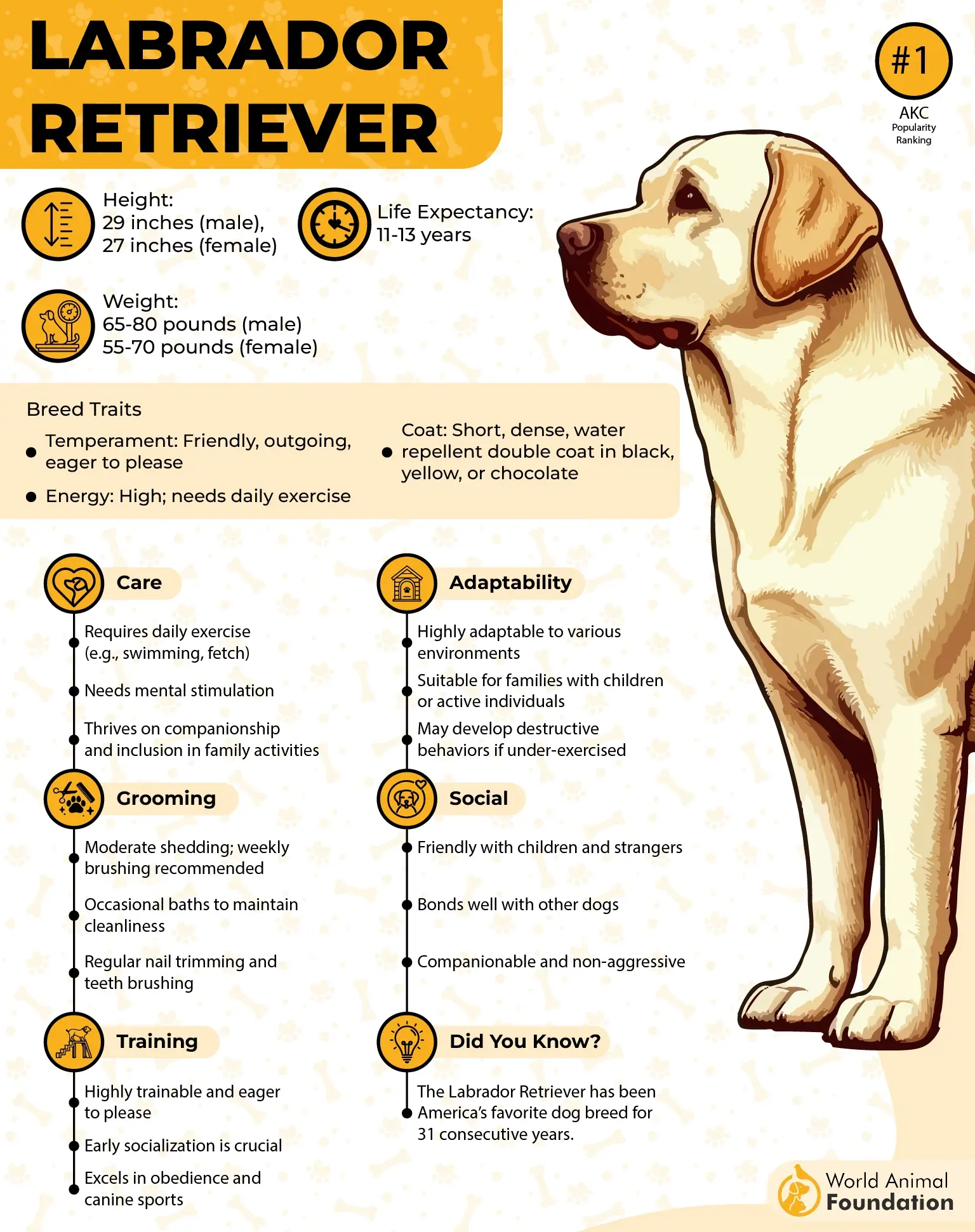
Labs have also demonstrated impressive potential in medical scent detection. They can be trained to recognize chemical changes associated with conditions such as cancer, changes in blood sugar, and even certain seizures before they occur.
Beyond specialized detection roles, their intelligence and eagerness to work make training relatively straightforward. Their friendly temperament allows them to combine serious scent-based duties with the affectionate, people-oriented nature that makes them popular family companions.
6. Belgian Malinois
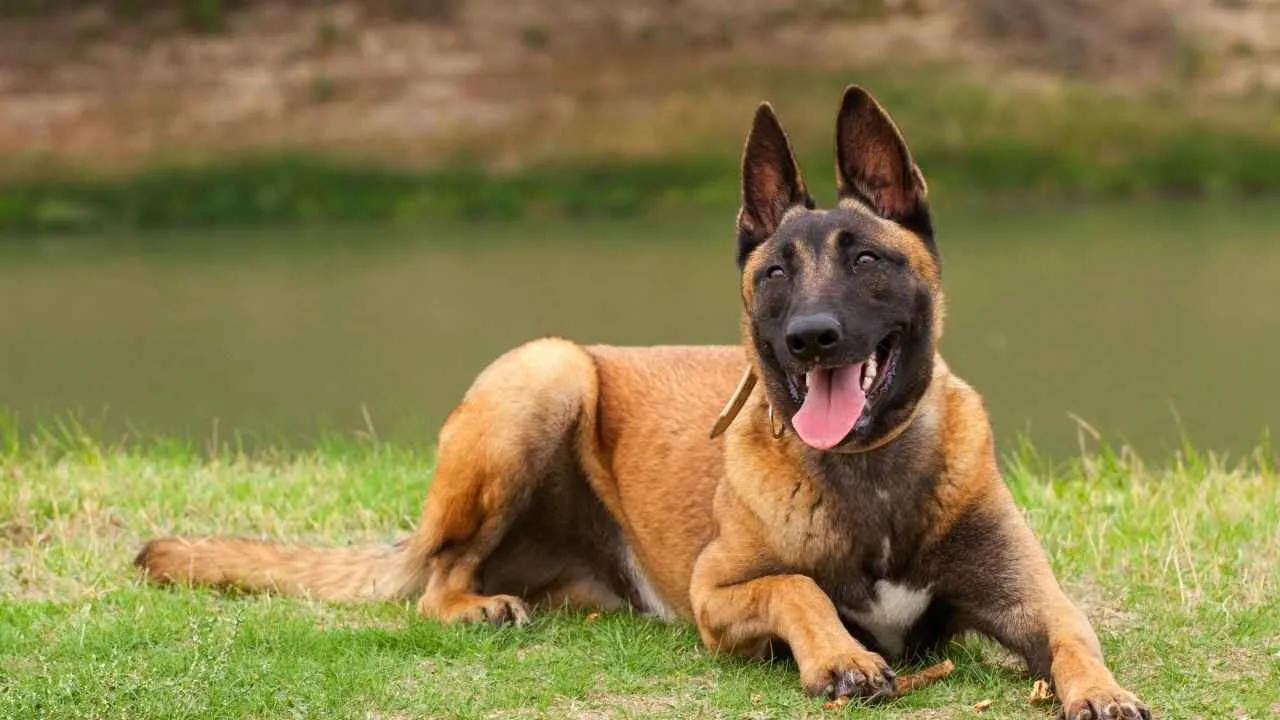
The Belgian Malinois is a high-drive detection specialist valued for its exceptional scenting ability and relentless work ethic. Its powerful nose helps it locate hidden odors in demanding environments.
Military and law enforcement teams often rely on this breed to detect danger, explosives, narcotics, and human scents. Its intense focus allows it to work around luggage, freight, and crowded areas while searching for concealed targets.
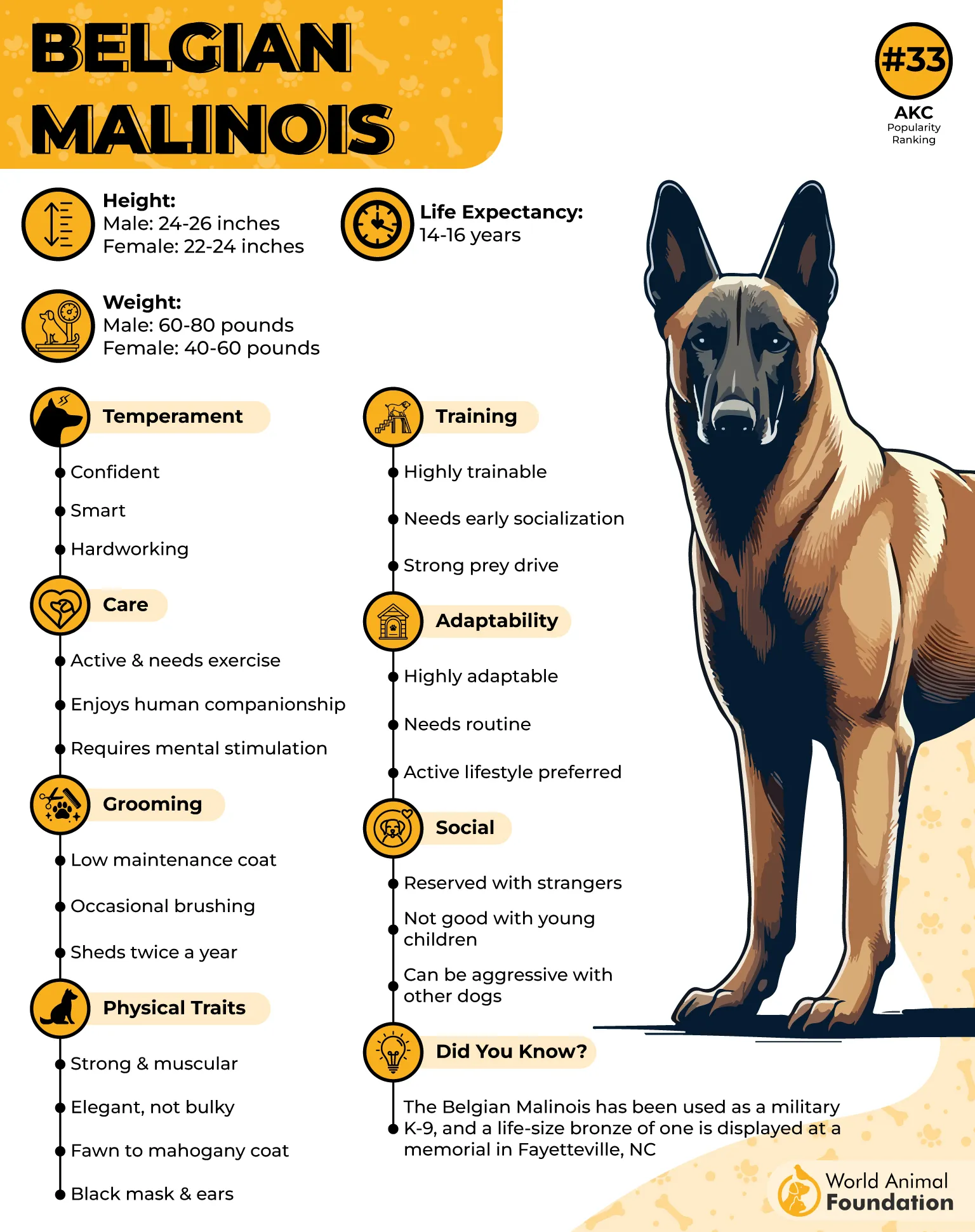
What makes the Belgian Malinois especially effective is its ability to separate individual odors and trace them back to their source. Its mobile nostrils help it sample scents from different directions, improving its ability to pinpoint where an odor originates.
Beyond raw scent sensitivity, this breed has an impressive scent memory, allowing it to recognize and recall odors encountered previously. Combined with its stamina, intelligence, and determination, these qualities make the Belgian Malinois highly capable of demanding detection work.
7. English Springer Spaniel
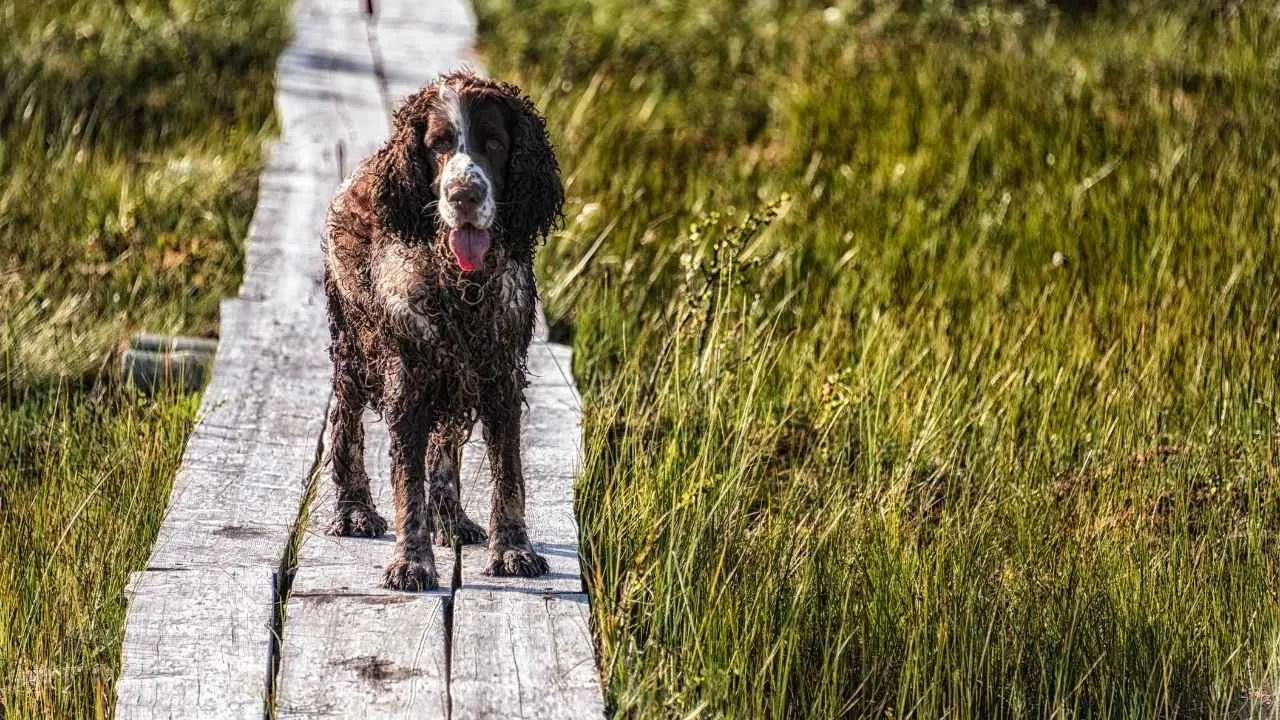
The English Springer Spaniel combines athleticism, intelligence, and an exceptional nose. Originally developed as a sporting dog, it was bred to locate and flush game birds, relying heavily on scent while working alongside hunters.
What makes this breed particularly impressive is its enthusiasm for following odor trails. Its strong scenting ability allows it to recognize and distinguish different smells, making it useful in demanding environments and varied weather conditions.
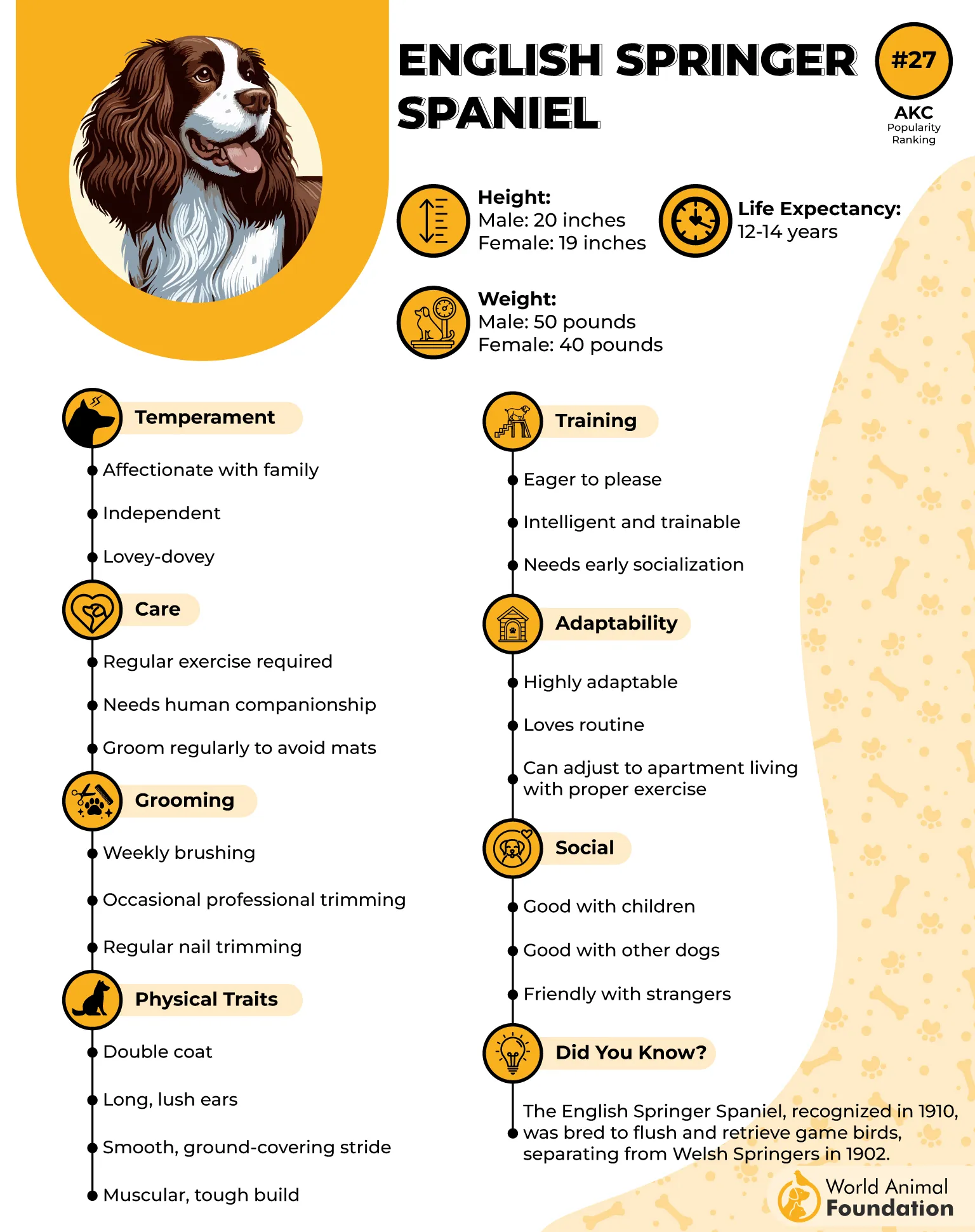
Beyond hunting, English Springer Spaniels have become valued detection dogs. Their noses have been used to help locate missing people, detect explosives and drugs, and identify other specific scents during specialized search work.
Their eagerness to work is another advantage. Intelligent and highly trainable, these dogs can stay focused while investigating scents, making their natural ability especially useful in professional search and detection roles.
8. Bluetick Coonhound
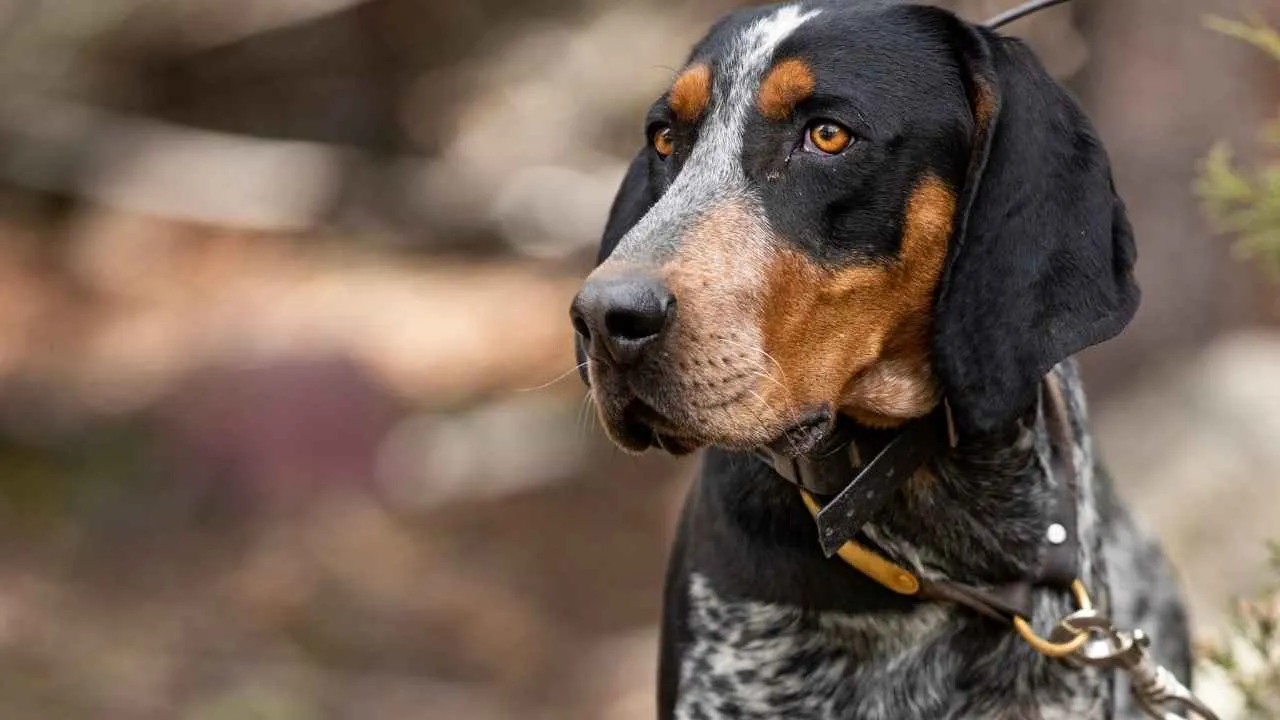
The Bluetick Coonhound is a determined scent hound built for following trails that other dogs may struggle to detect. Its ability to pick up faint odors makes it especially effective when a scent has grown cold.
With its sleek, muscular build and distinctive blue-ticked hair, this breed was developed from several hunting hound bloodlines. Its strong nose and stamina help it stay engaged while working through complicated terrain.
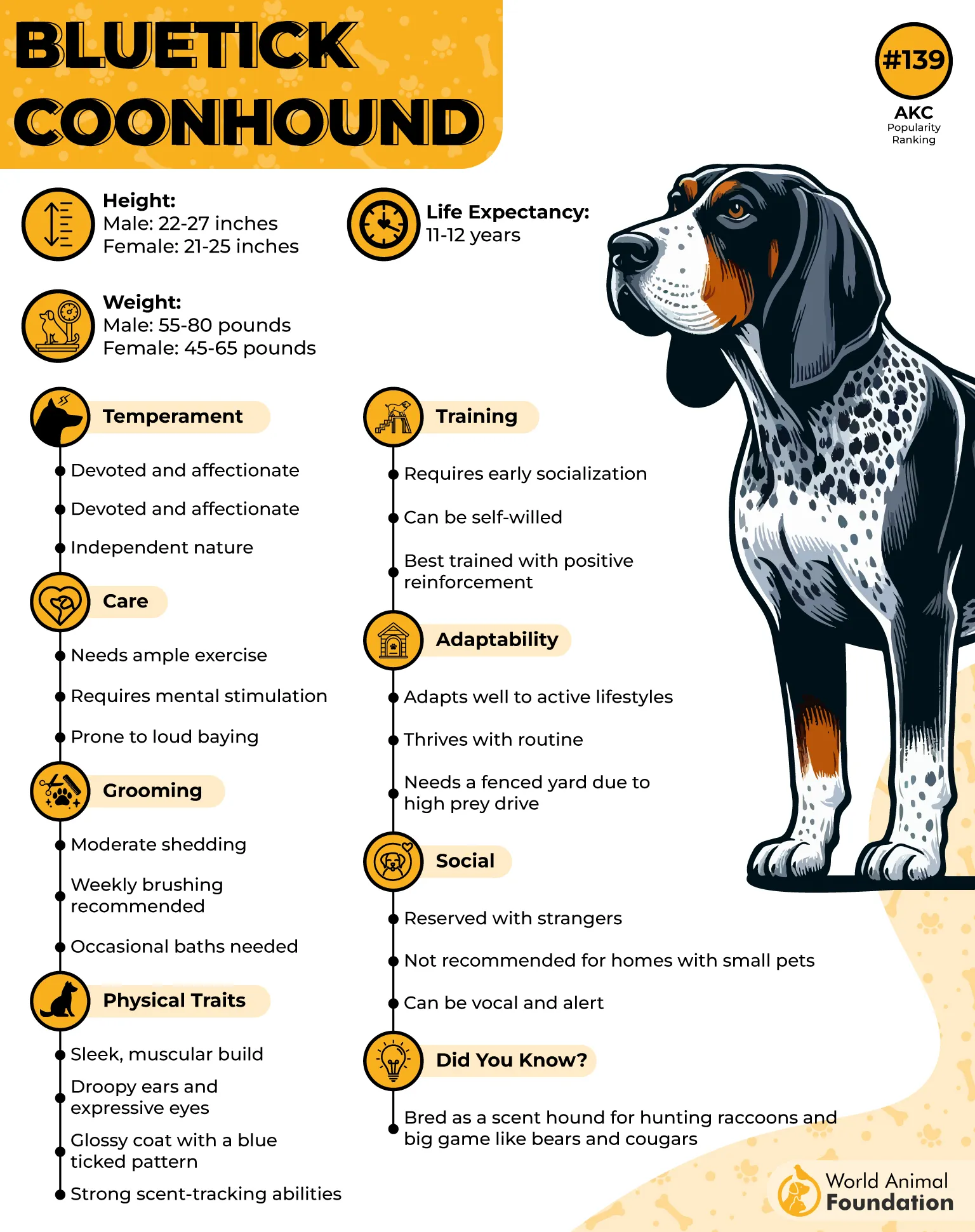
What sets the Bluetick apart is its talent as a nighttime trail hunter. Originally bred to pursue raccoons, it can work through lingering scent trails and follow them over considerable distances, even when the animal has passed through the area long before.
Once it catches a scent, the Bluetick can remain intensely focused despite distractions. Its characteristic baying while tracking also allows hunters to follow its progress as it works steadily through the trail
9. Dachshund
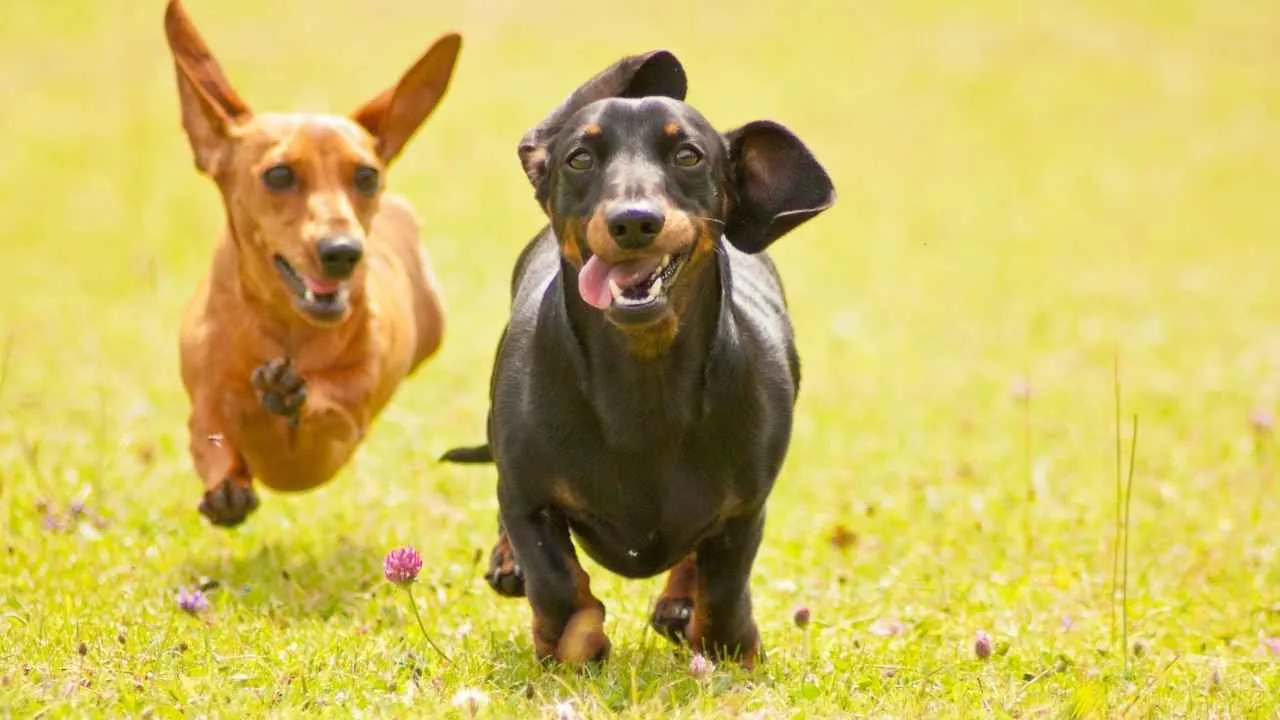
Dachshunds may be small in stature, but their noses are built for serious tracking. Originally developed to pursue badgers and other burrowing pests, they relied heavily on scent to locate prey hidden beneath the ground.
Their keen noses can separate ordinary disturbed soil from the scent trail left by an animal. Once they pick up a trace, they can stay focused on following it, often keeping their nose close to the ground as they work.
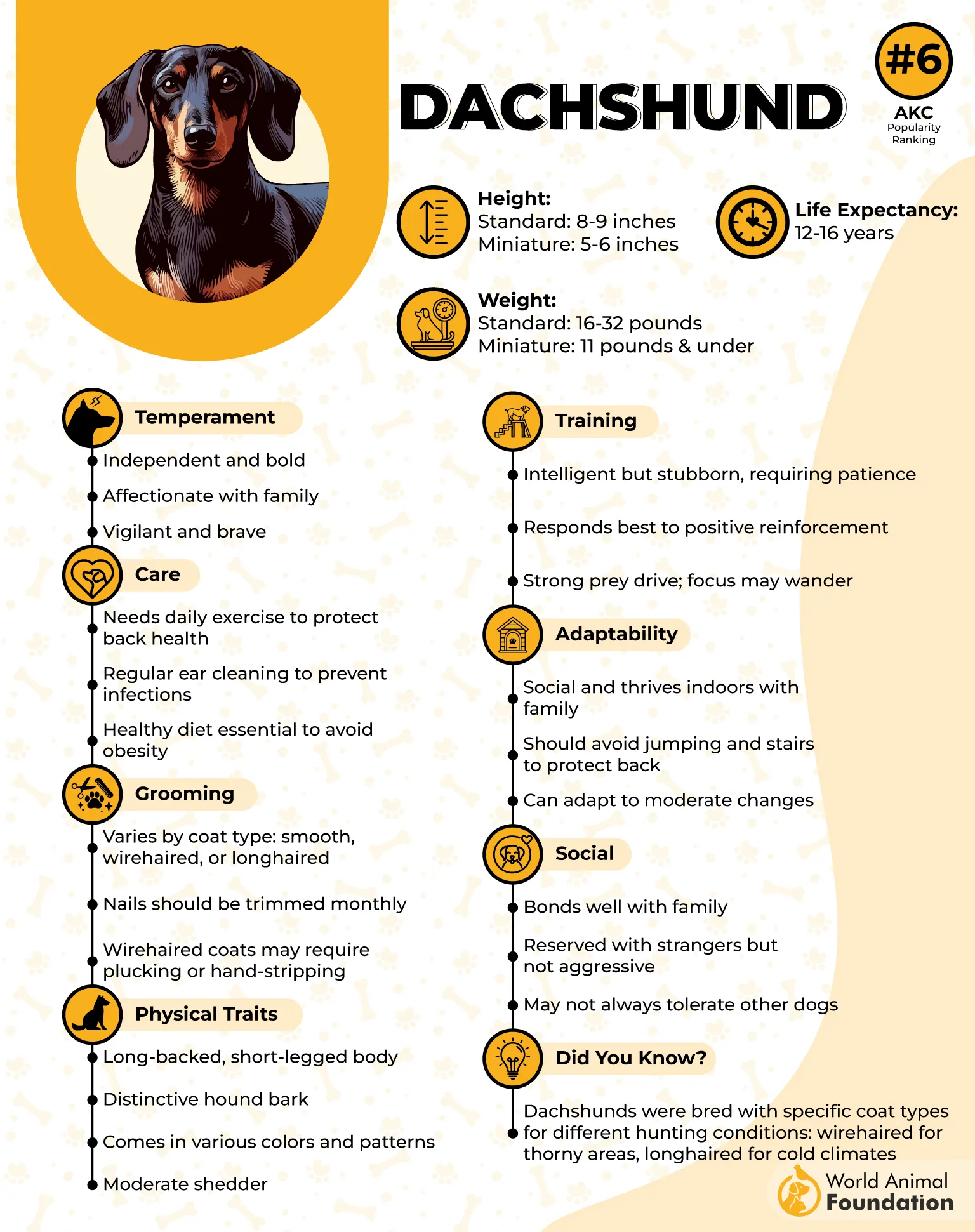
This breed’s compact body was especially useful during underground hunts, while its strong scenting ability helped guide it toward hidden targets. Their curiosity and determination further support their natural tracking instincts.
Today, those abilities can become especially noticeable during scent games and tracking exercises. A Dachshund may eagerly investigate hidden objects, follow trails, and search out interesting smells, showing just how capable this little tracker can be.
Conclusion
Dogs with exceptional smell sensitivity can detect, follow, and distinguish scents in ways that make them remarkable trackers. Their powerful noses allow them to investigate trails, locate hidden objects, and perform tasks that depend heavily on scent.
From determined hunting breeds to smaller dogs with surprisingly capable noses, each breed brings its own combination of curiosity, persistence, and natural scenting instincts. These qualities can become especially noticeable during tracking activities and scent-based games.
A strong sense of smell is closely connected to a dog’s natural purpose and instincts. Breeds developed for hunting or locating animals often demonstrate impressive abilities when given opportunities to use their noses.
Whether working outdoors or searching around the home, scent-sensitive dogs can turn an ordinary smell into an engaging challenge. Their remarkable noses highlight just how sophisticated a dog’s sense of smell can be.
