




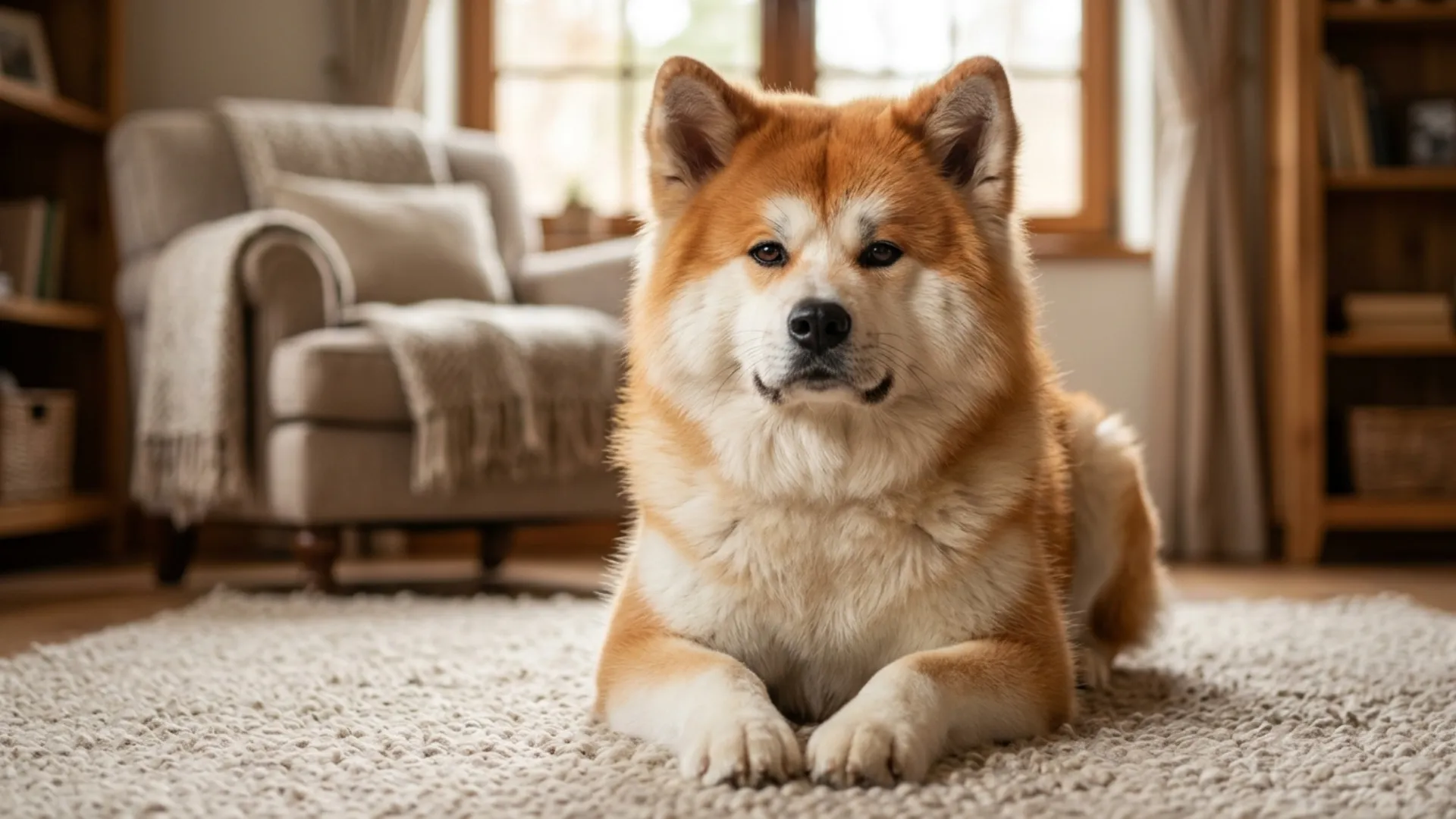
Some dogs look like they were designed in a toy factory: round faces, cloud-like fur, and eyes that say, “Please cancel your plans.”
These breeds are the living, breathing version of a teddy bear. But do not let the cuteness fool you. Many of them were originally serious workers, guardians, sled dogs, rescuers, and loyal protectors.
A Pomeranian may fit in your tote bag, while a Newfoundland could make your sofa look like a coaster. Still, they all share one thing: a soft, huggable appearance that makes people stop mid-walk and say, “Excuse me, is that a dog or a stuffed animal?”
This guide looks beyond the fluff. You will learn what makes each breed special, what kind of home suits them, and why “adorable” is only the beginning of their story.
Dog Breeds That Mirror Classic Teddy Bear Looks
1. Chow Chow
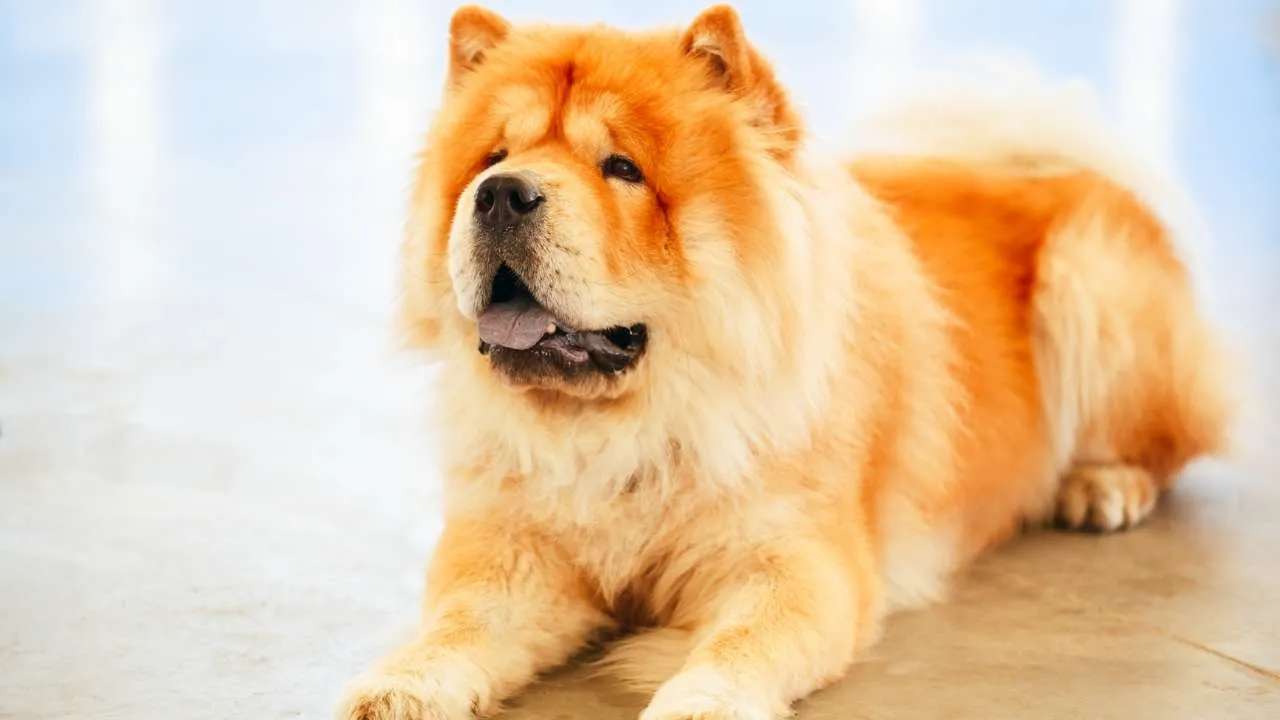
The origin of this ancient breed might have started in 206 BCE or even earlier. It was used for herding, hunting, and pulling sleds until recent years. Over time, it became famous among the rich, including the Chinese royalty and Queen Victoria.
The double coat has an’off-standing’ outer layer, giving it a puffy silhouette. The signature ‘scowl’ is because of the brachycephalic nature: a wide muzzle, broad skull, and facial subcutaneous tissue that folds over the brow. The teddy bear dog breed also has a slight angulation between the hocks and the stifle knees.
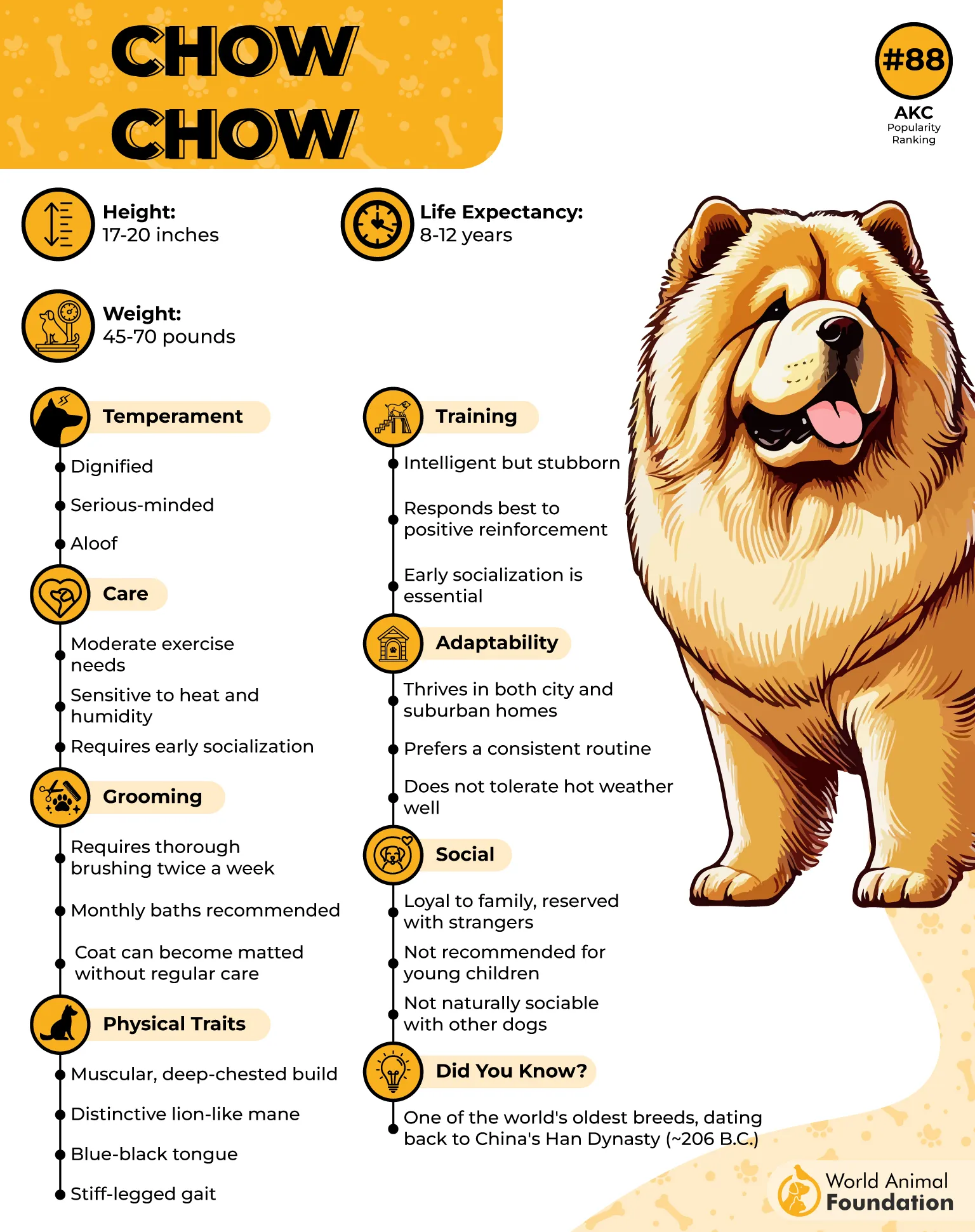
While puppies are born with a pink tongue, it later turns blue-black because of melanin pigment cells. With its feline-like features, it loves spending time sitting on a couch and observing its surroundings like a plush toy.
2. Pomeranian
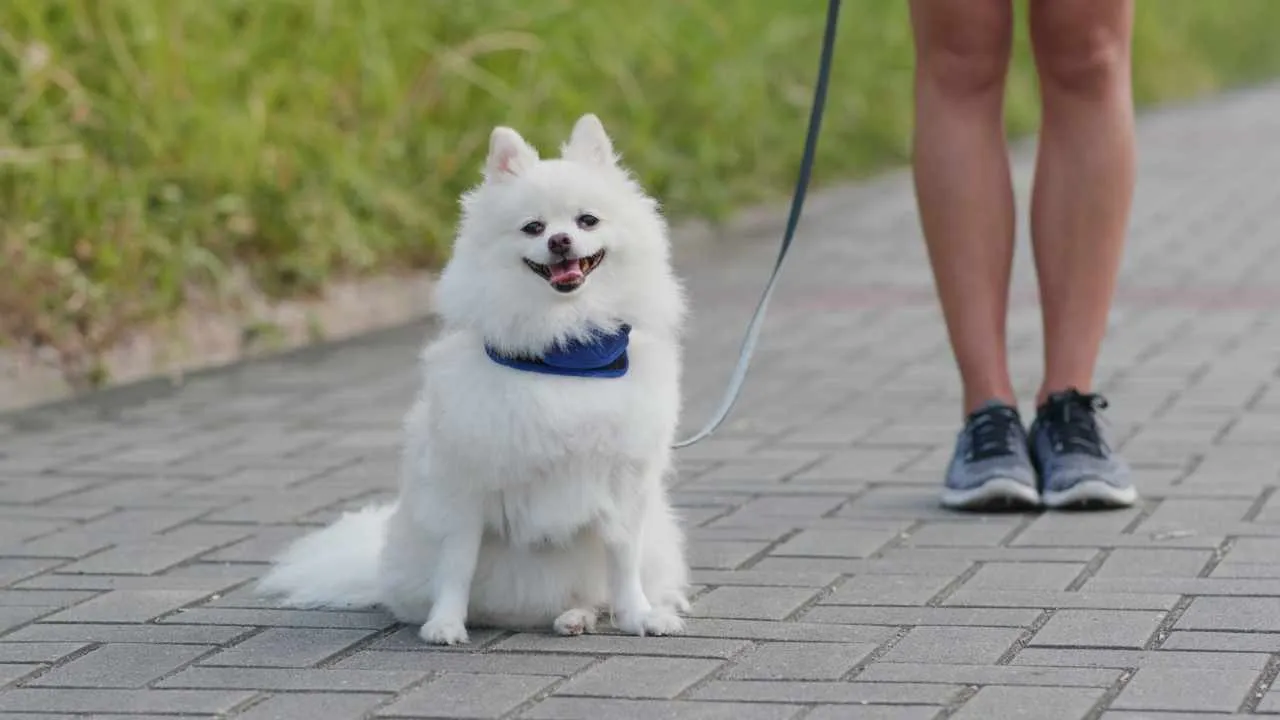
The cuddly dog breed was originally bred in the region of Poland and Germany and is descended from a wolf-like puppy that once lived in Iceland. The small dog has a big tail, a thick double coat, and pointy ears, showing its connection to a larger sled-pulling Spitz dog.
It has a well-pronounced ’90 degree’ stop (a point where the forehead meets the muzzle. The forward-facing eyes replicate the button eyes of a plushie. It has a balanced height-to-body length ratio, eliminating an elongated back. It perfectly twirls in tight circles on its hind legs (the palm spin) when excited.
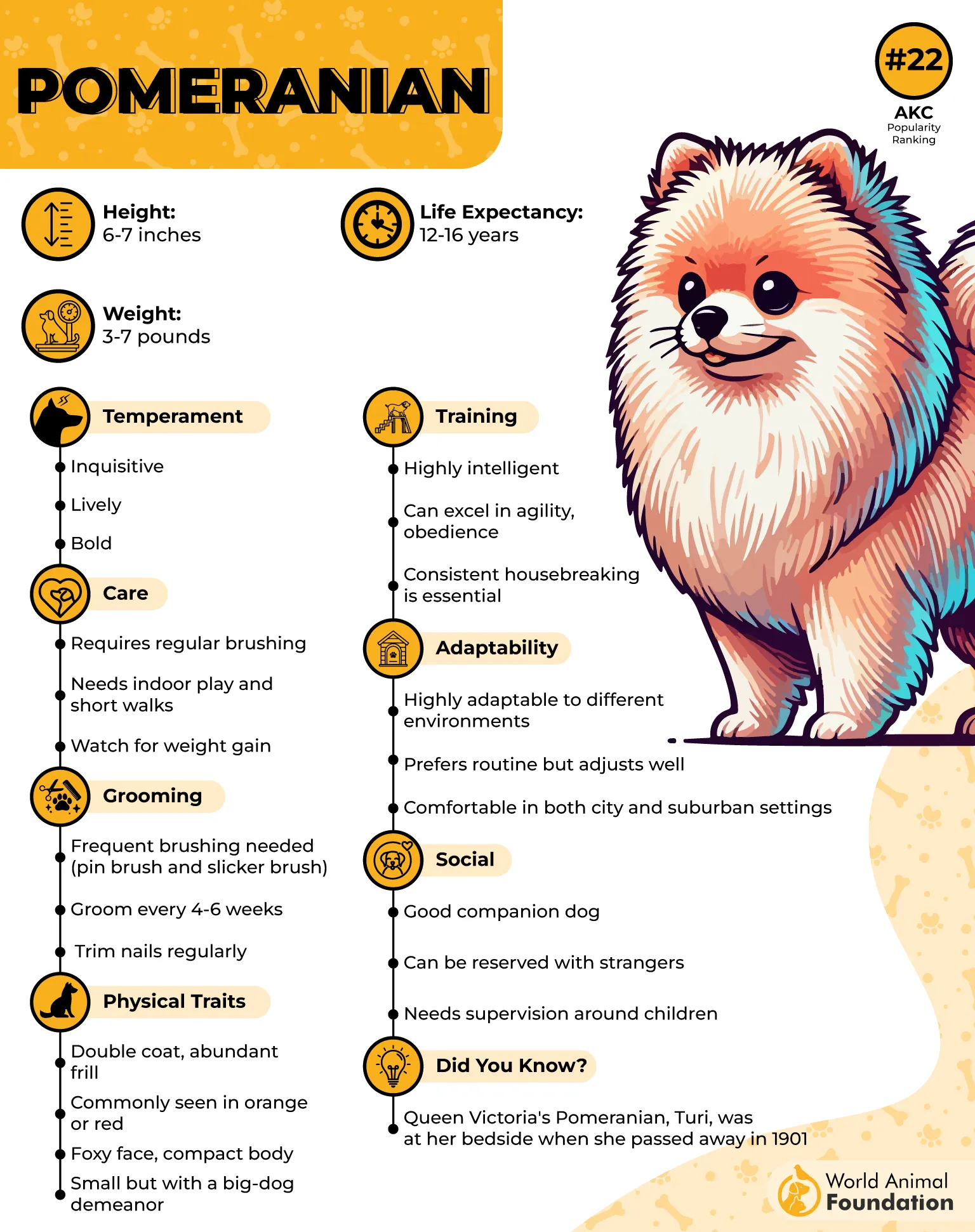
This small breed naturally sits on its bottom with the hind legs extended just like humans. It shows an unblinking stare to precisely read the body language of the owner. It has an instinct to burrow in tight spaces, such as your blanket and lap.
3. Akita
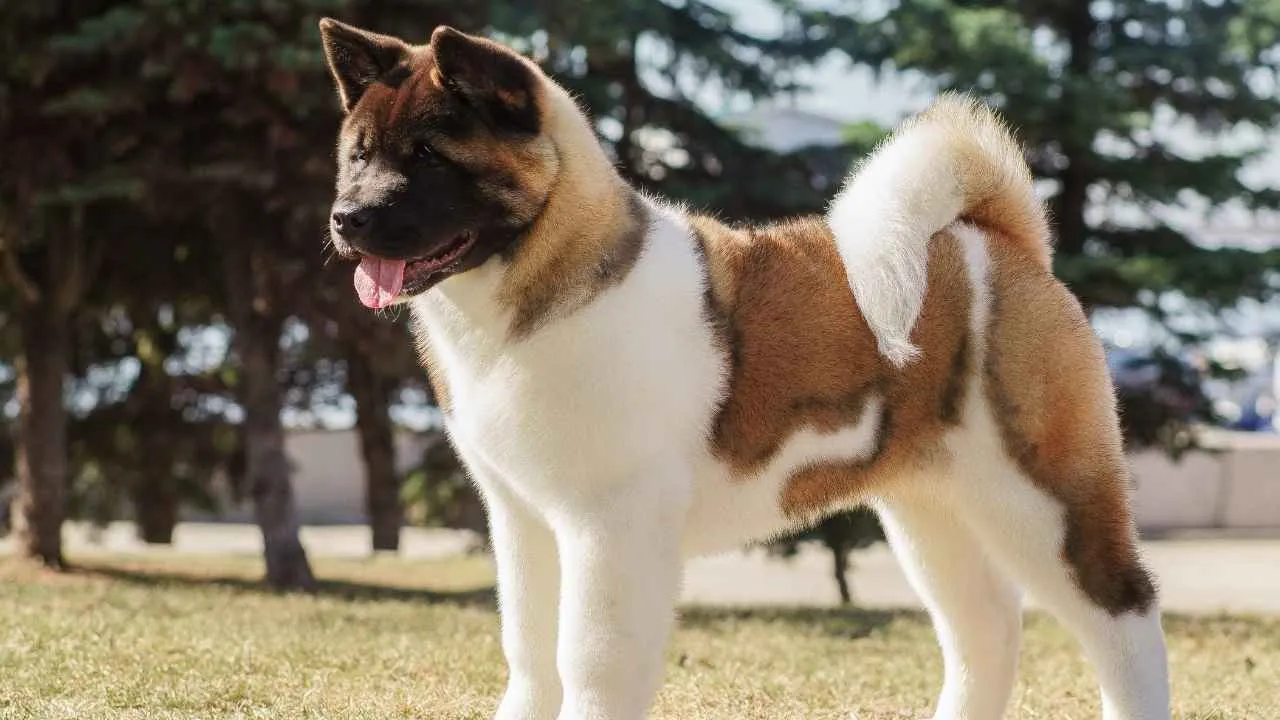
This large dog was originally developed in northern Japan as a hunting and guard dog for royalty. A true story of an Akita named ‘Hachiko’ is famous, as it waited for its owner to come back at the Tokyo station for 10 years, not knowing he was already dead, as reported by Orvis.
The small, thick, and triangular ears stand erect and slightly forward over the eyes. Adapted to prevent frostbite in the ears, this unique trait now gives it a teddy bear-like appearance. It has a heavy skeletal frame and high-knuckled toes, acting like natural snowshoes.
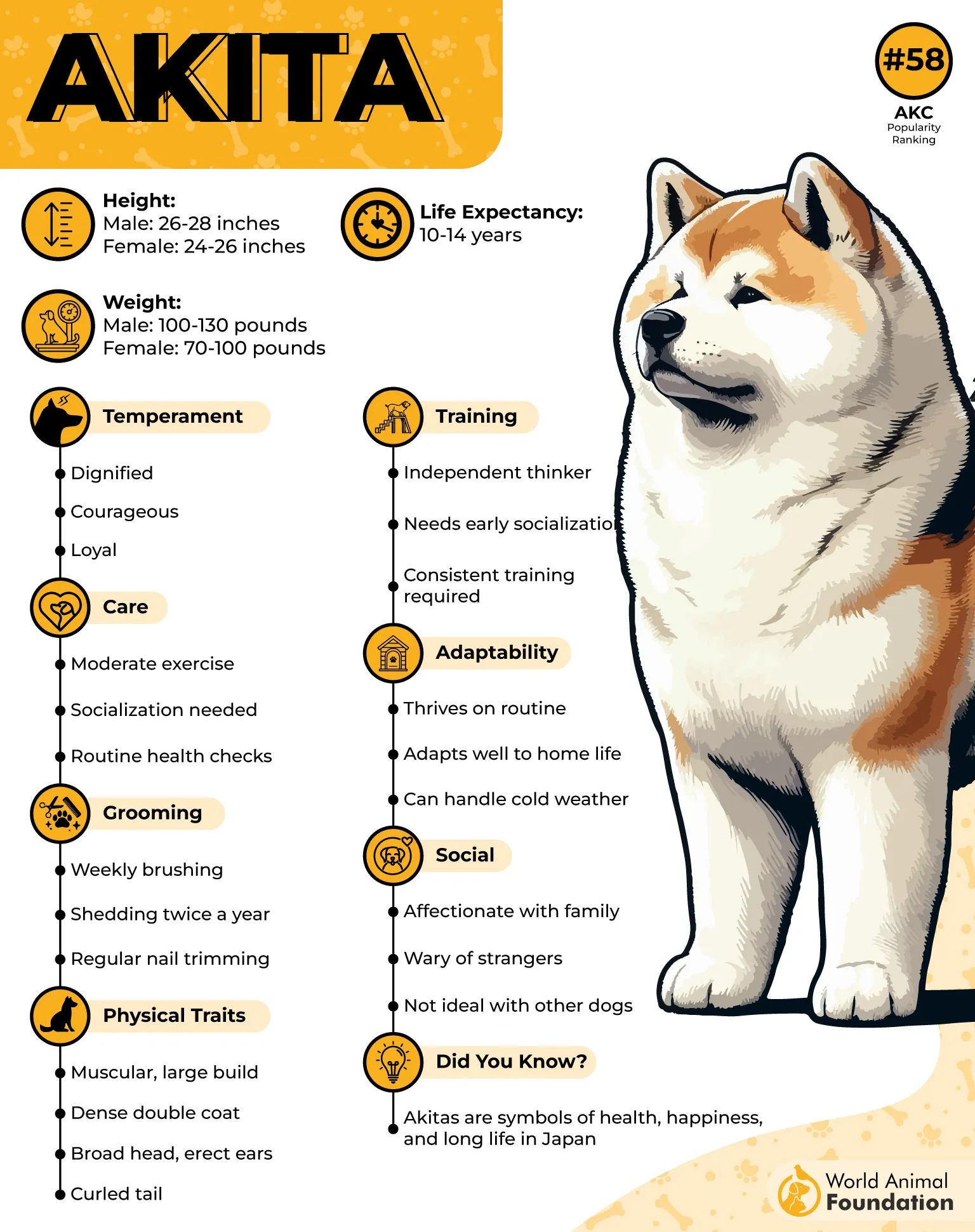
Known for ‘mouthing,’ the companion dog gently carries objects in its mouth like a trophy. The breed also loves to self-groom by licking its paws and the rest of its body. It forms a strong bond with one person only and may develop separation anxiety if left alone for too long.
4. Great Pyrenees
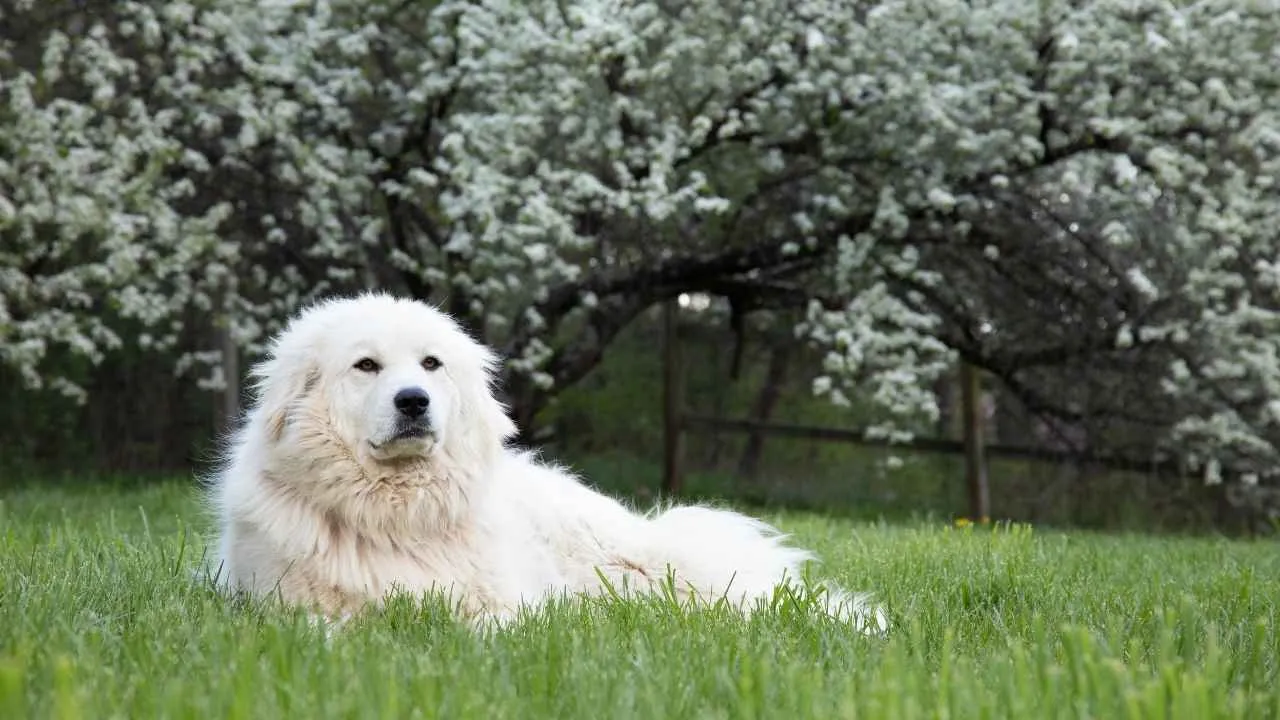
This ancient dog breed has existed since the Bronze Age (1,000-1,800 BCE). The primary purpose was to herd livestock and protect the flock from predators, such as wolves and bears. The latest known ancestry is found between Spain and France.
Since the breed was developed to endure subzero temperatures, it has a double coat that gives a cloud-like appearance with a thick ruff around its neck. It has a medium-length muzzle and tight, pigmented lips that give it a neutral and pleasant facial expression.
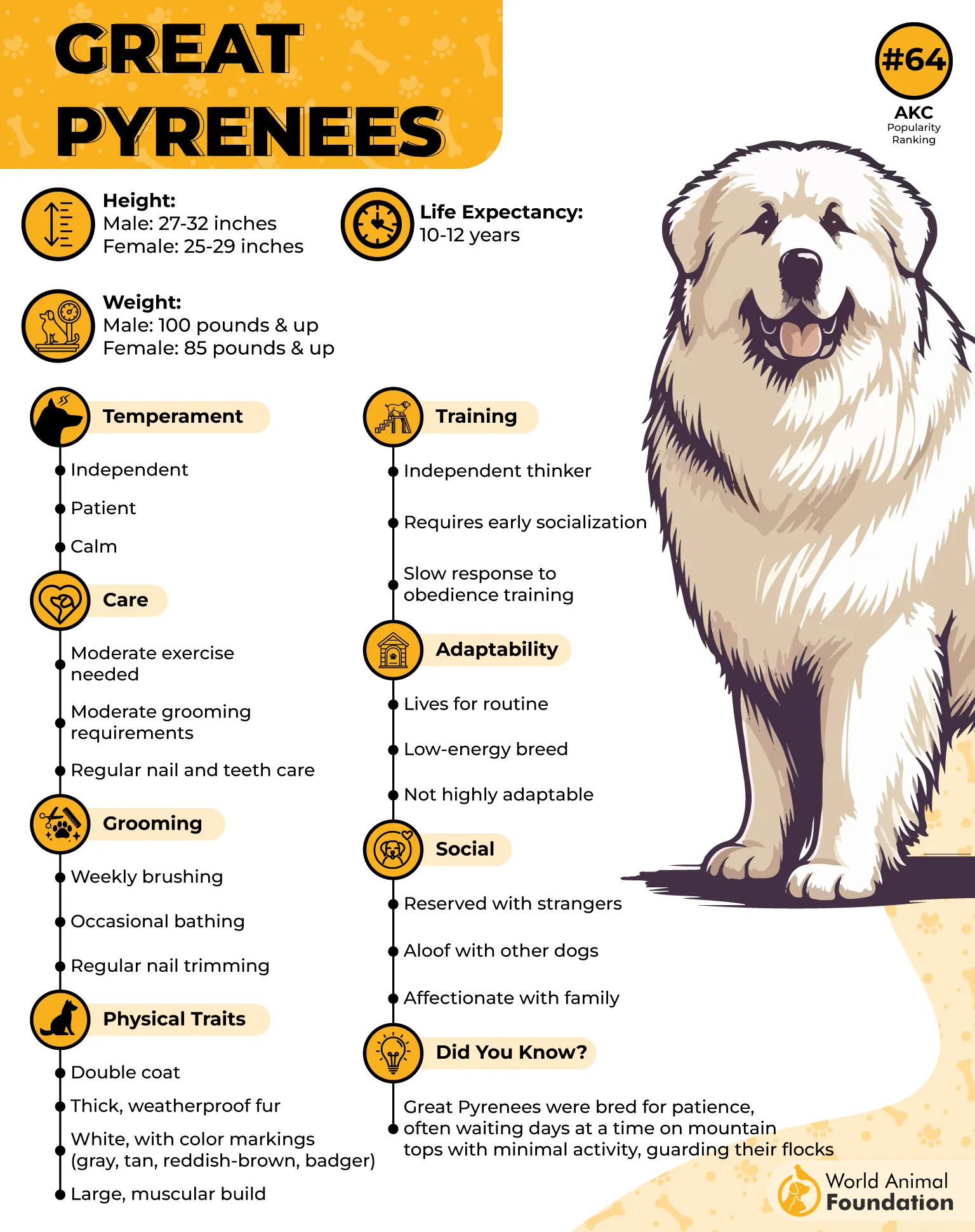
The Great Pyrenees is known for putting its heavy paws directly on your chest, arms, and laps. Despite being massive in size, it thinks of itself as a lap dog and tries to adjust itself in your lap. Being a nocturnal breed, it tends to sleep throughout the day and becomes active at night.
5. Samoyed
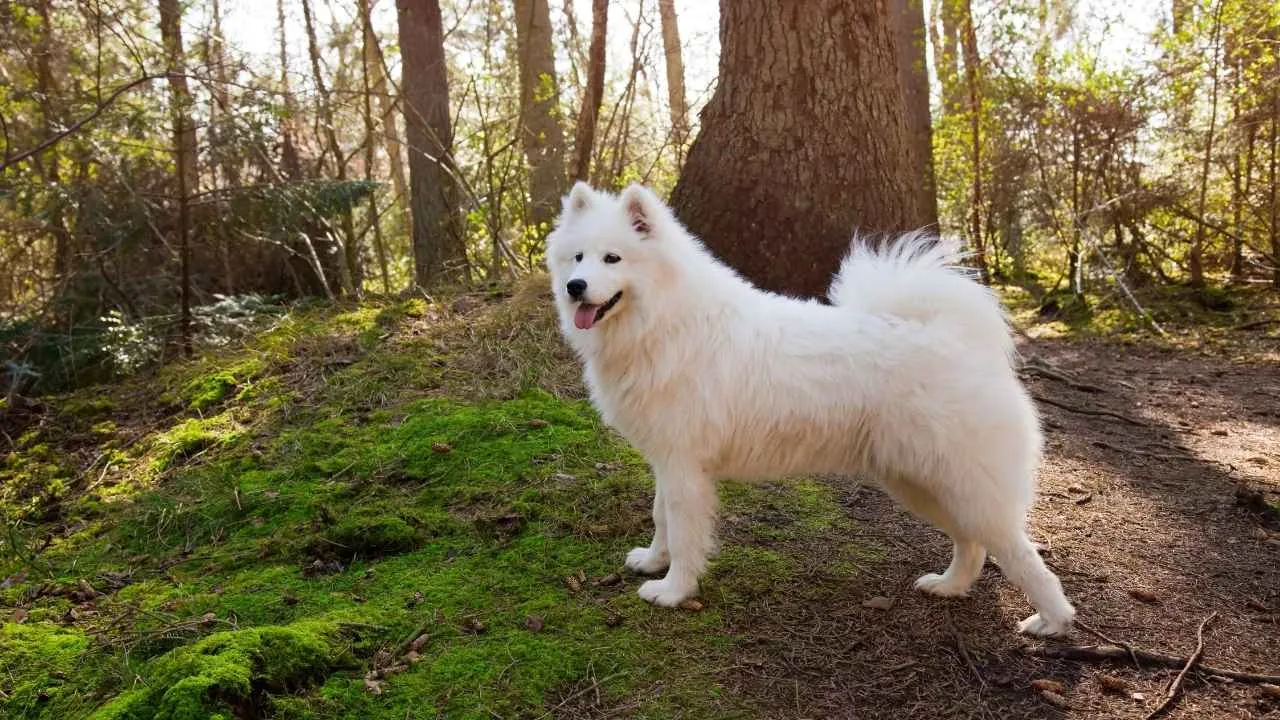
This Spitz-type herding dog is descended from the Nenets Herding Laika, a reindeer herding breed used in the Arctic region. Today, the versatile breed is widely used in hunting, herding, protection, and sled-pulling. This basal breed has led to the development of many other breeds in the 19th century, says Wikipedia.
Its mouth is turned slightly upward, showing full teeth, also known as the ‘Samoyed Smile.’ This smile also helps it retain moisture inside its mouth and prevents drooling that would otherwise form icicles. The square-proportioned, compact size is an adaptation of dogs to conserve core body temperature in cold climates.
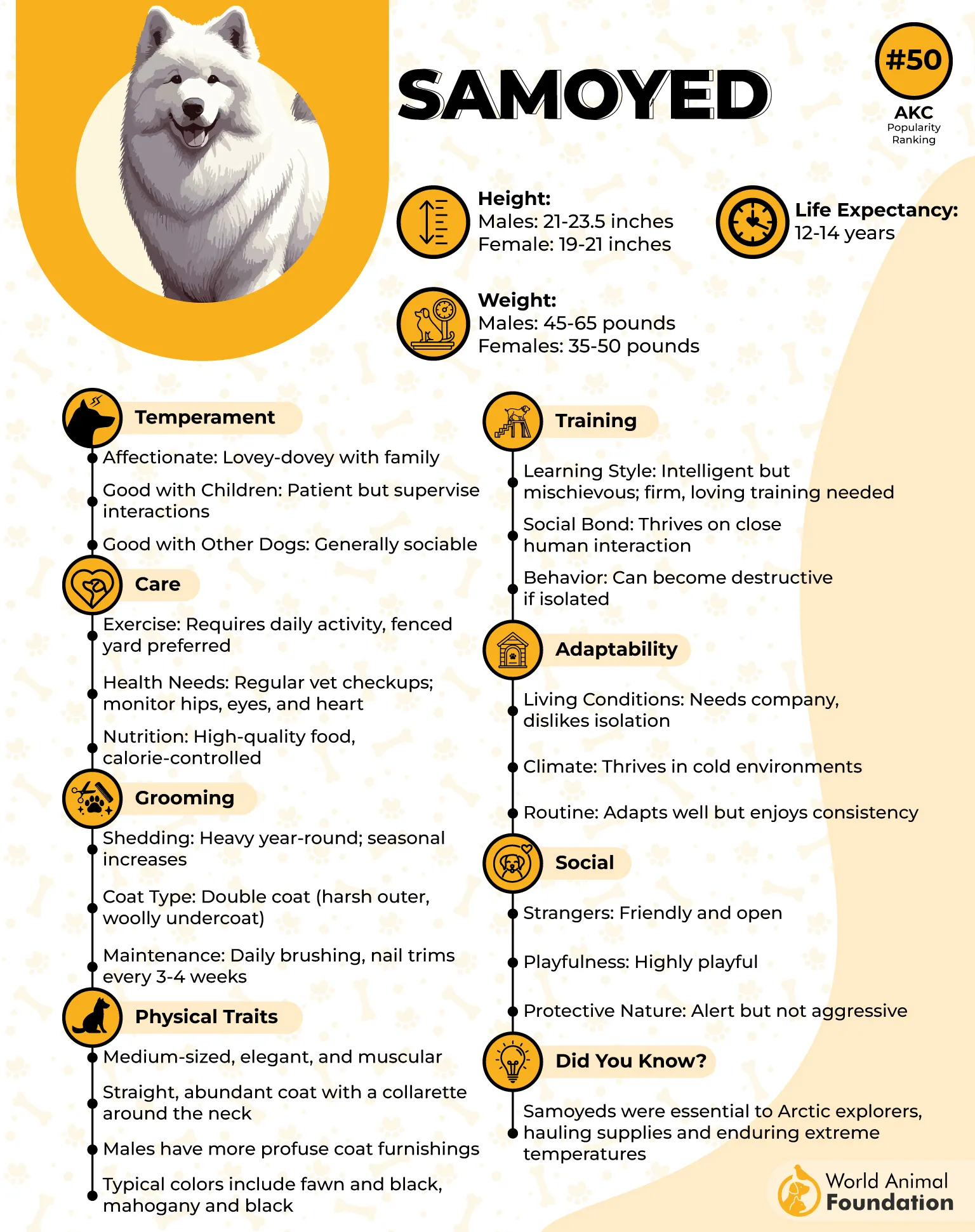
It presses its nose under the human’s arm or taps with its paws to demand attention. It rarely shows aggression and communicates with different frequencies, such as mumbles, grumbles, and a-roos.
6. Newfoundland
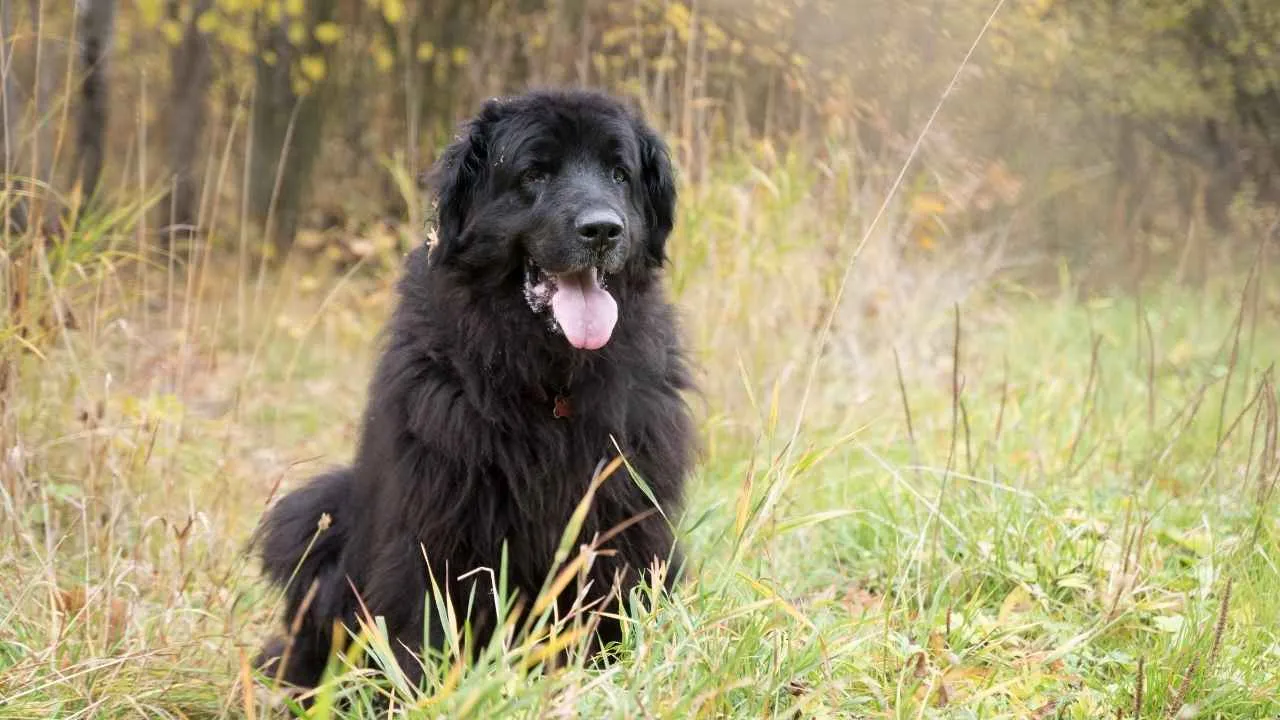
The large working breed was developed in Canada and is thought to have descended from the Irish Water Spaniel and Labrador Retriever. A similar medium-sized breed is closely related to the breed, known as the St. John’s Water Dog.
The gentle giant has a sweet disposition, and its forgiving nature makes it a perfect nanny dog, as noted by the AKC. It has close-fitting drop ears that prevent water from entering while swimming. The naturally oily and water-resistant double coat dries up within a few minutes.
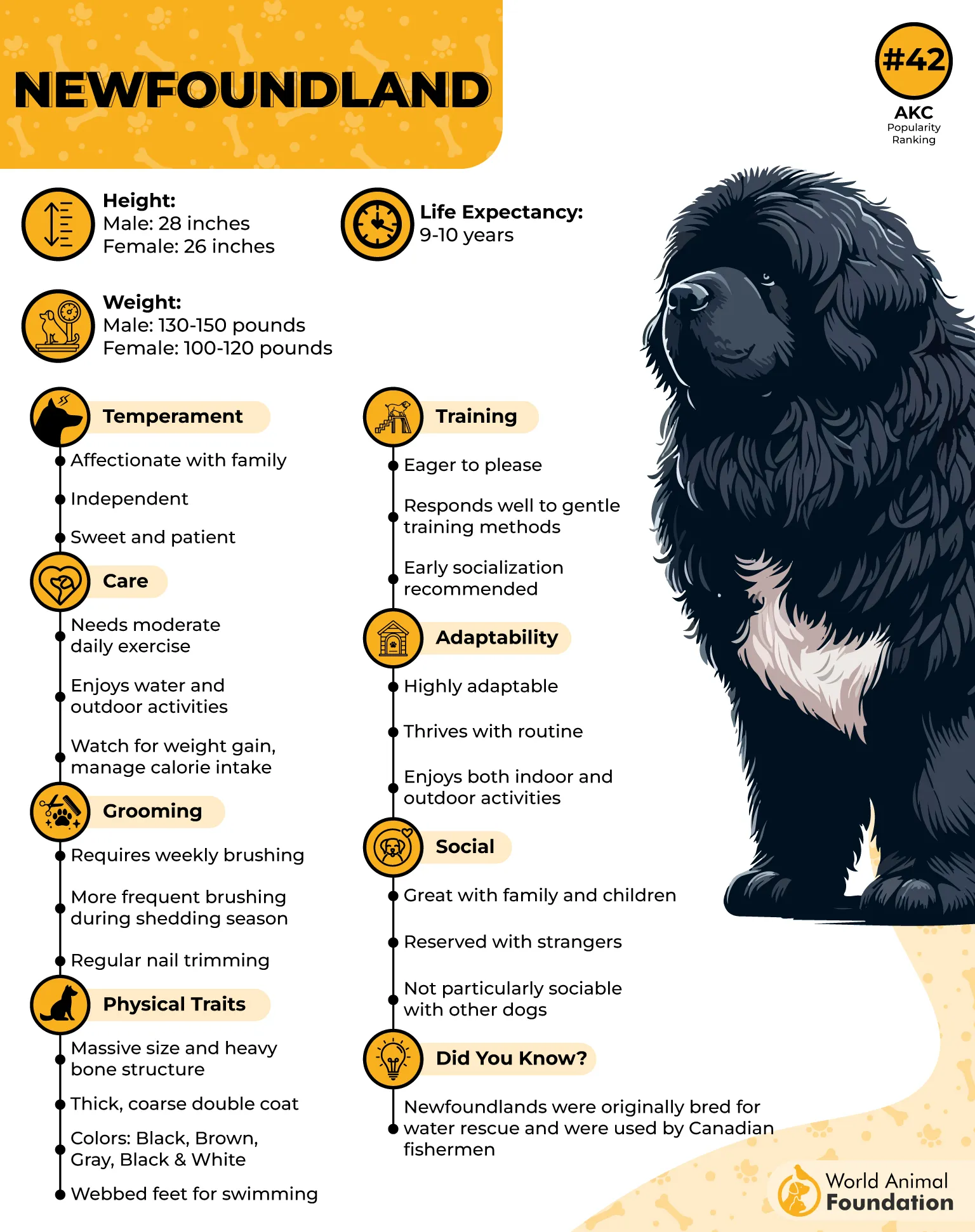
Instead of acting aggressively or biting, it simply positions itself between the threat and the owner. It almost takes 12-14 hours of the day to sleep. The large dog only needs 20-30 minutes of daily exercise and mental stimulation.
7. Caucasian Shepherd
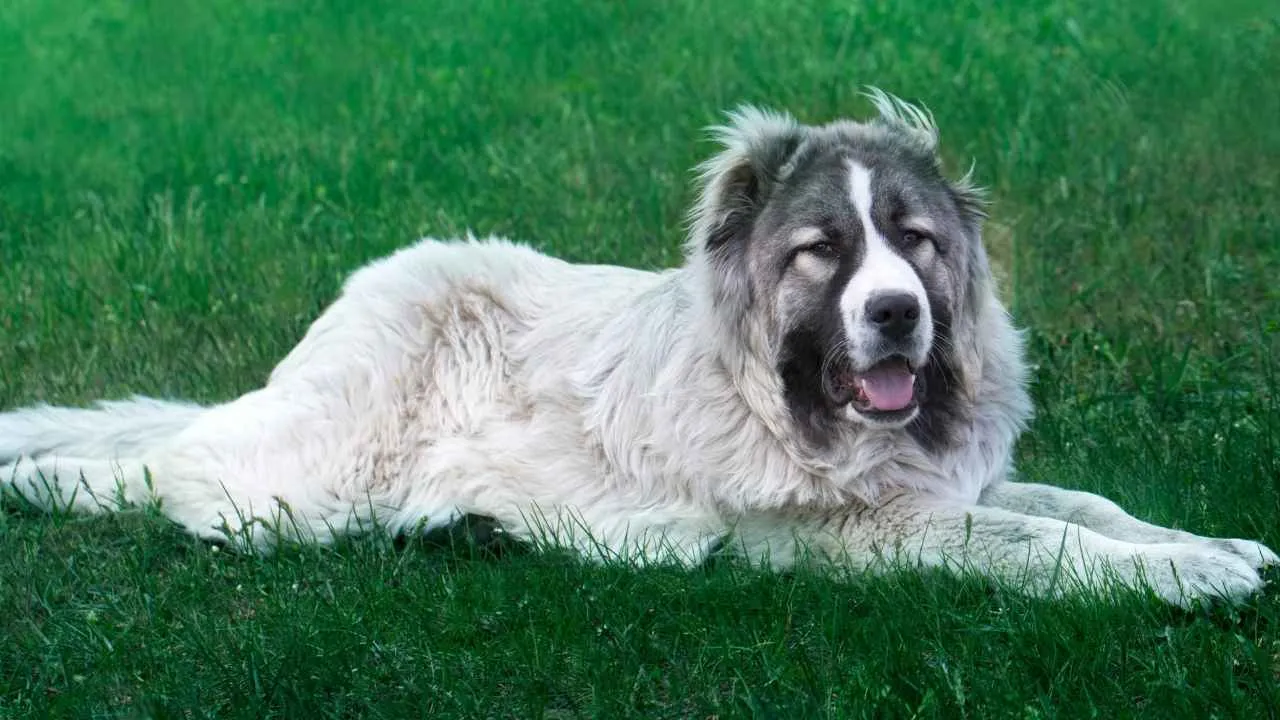
Developed between the mountains of the Caucasus region of Asia and Europe, the breed was used to guard livestock and property against large predators. There are two strains in the breed: the mountainous and the steppe type.
The stand-off hair is at least 5 cm long, giving the breed a huggable silhouette. The straight limbs and heavy paws have insulating hair. When surrounded by its human companions, it puts off its protective personality and tends to cuddle or wants physical contact.
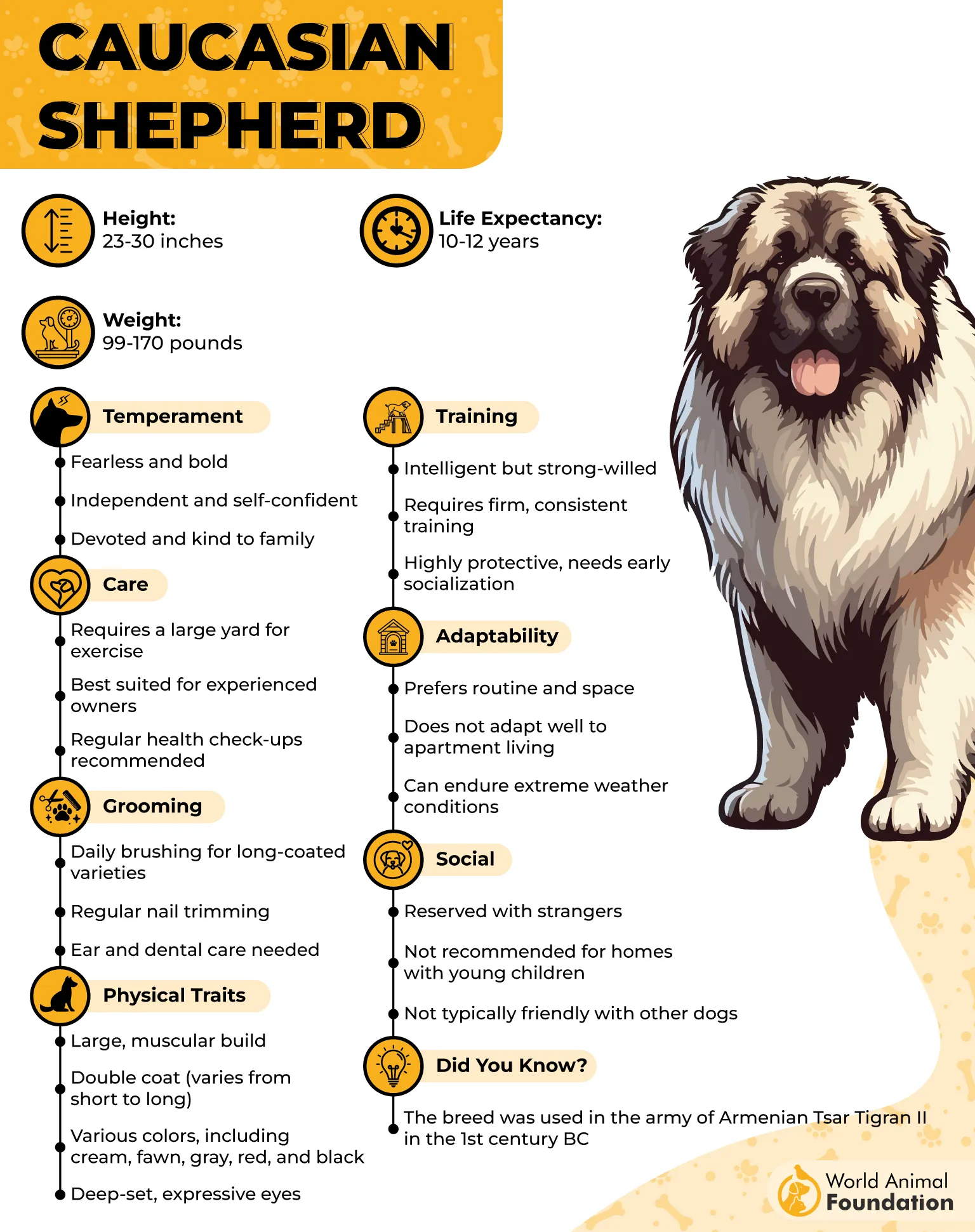
The breed has a high reactivity threshold and remains calm under high stress. It remains a low-energy breed indoors. It is mostly alert at twilight and sleeps during the day.
Conclusion
A teddy-bear look can make anyone fall in love at first sight. But every dog on this list is more than its fluffy coat or sweet face. Some need patient training. Others need daily brushing, space to move, or a family that understands their protective instincts.
The right match is not only about finding the cutest puppy, but it is also about finding a companion whose energy, size, and personality fit your real life.
If you want a small shadow that follows you around, a gentle giant for the couch, or a calm guardian with a heart full of loyalty, one of these breeds may be waiting for you. Visit reputable breeders or rescue groups, ask plenty of questions, and meet the dog before deciding.
