





Picture a home where a cat curls up peacefully on the sofa while a dog rests nearby, not chasing, not causing chaos, just sharing the same space in quiet companionship. That kind of harmony isn’t just wishful thinking. With the right breed, it’s genuinely achievable.
Certain dog breeds are naturally more tolerant, gentle, and socially aware, allowing them to coexist comfortably with feline housemates. Rather than letting chase instincts take over, these breeds tend to show restraint, curiosity, and even genuine affection toward cats.
With the right pairing, proper introductions, and a nurturing environment, what starts as cautious distance can slowly grow into a quiet and easy friendship. Knowing which breeds are best suited to feline companionship can make all the difference in building a household where everyone, cats and dogs included, feels at home.
Dog Breeds That Make Feline Companionship a Breeze
1. Basset Hound

Known for their warm, affectionate nature, Basset Hounds rank among the best breeds for households that include cats. Their history as pack dogs, bred to work alongside other animals and people, laid the foundation for a temperament that’s naturally sociable and accepting of animal companions.
Basset Hounds are generally laid-back and patient dogs that prefer a relaxed pace of life, which tends to put feline housemates at ease when sharing the same space. Early socialisation and supervised introductions still play an important role at the start, helping set the tone for a comfortable relationship.
As scent hounds, they have exceptional noses and a curious streak that keeps them mentally engaged with the world around them. That playful side means they do need a decent amount of exercise and mental stimulation to stay balanced.

Even when a cat is being particularly stubborn or standoffish, the Basset Hound’s easygoing, unhurried nature means it’s unlikely to push the issue, which makes it a genuinely easy breed to live alongside for most cats.
2. Cavalier King Charles Spaniel
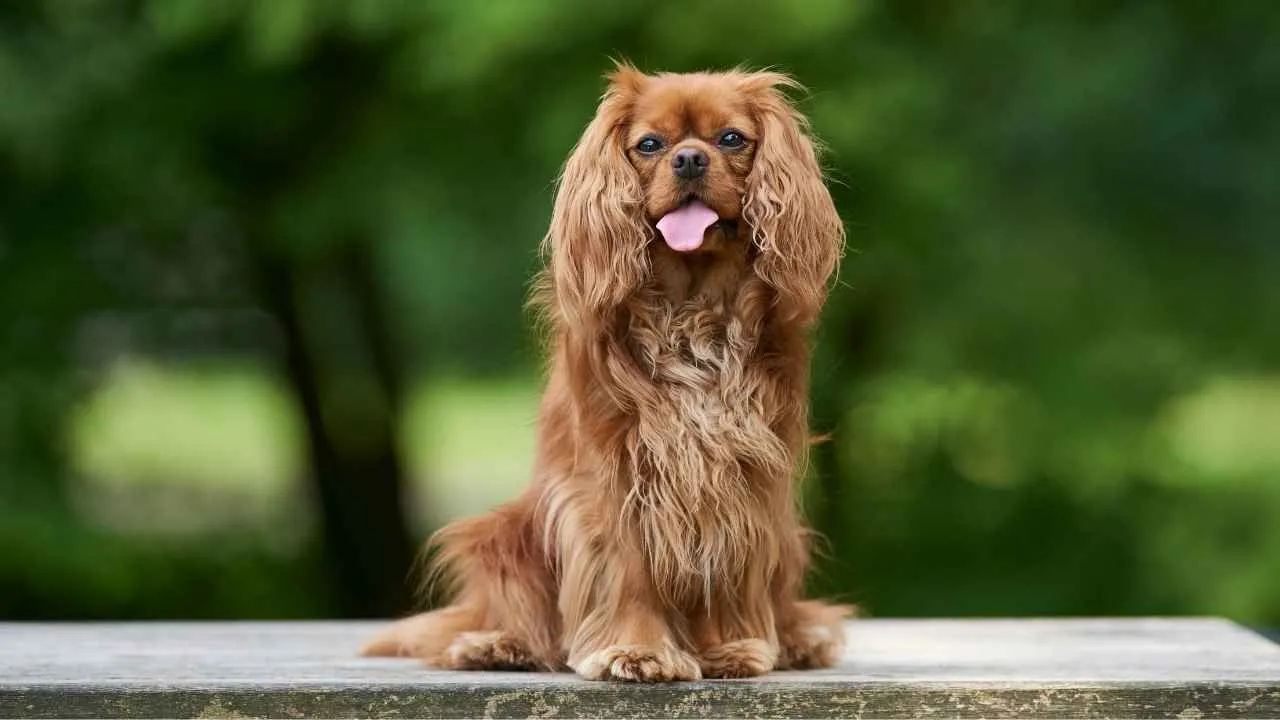
One of the most popular dog breeds in the world, the Cavalier King Charles Spaniel has long been celebrated as a companion dog; famously adored by King Charles I and II. That legacy of close human companionship carries through into how these dogs relate to everyone around them, cats included.
Their highly adaptable, eager-to-please temperament makes them remarkably easy to introduce into almost any household dynamic. Cavaliers genuinely excel at companionship, whether that comes from their human family or fellow pets, and cats are no exception.
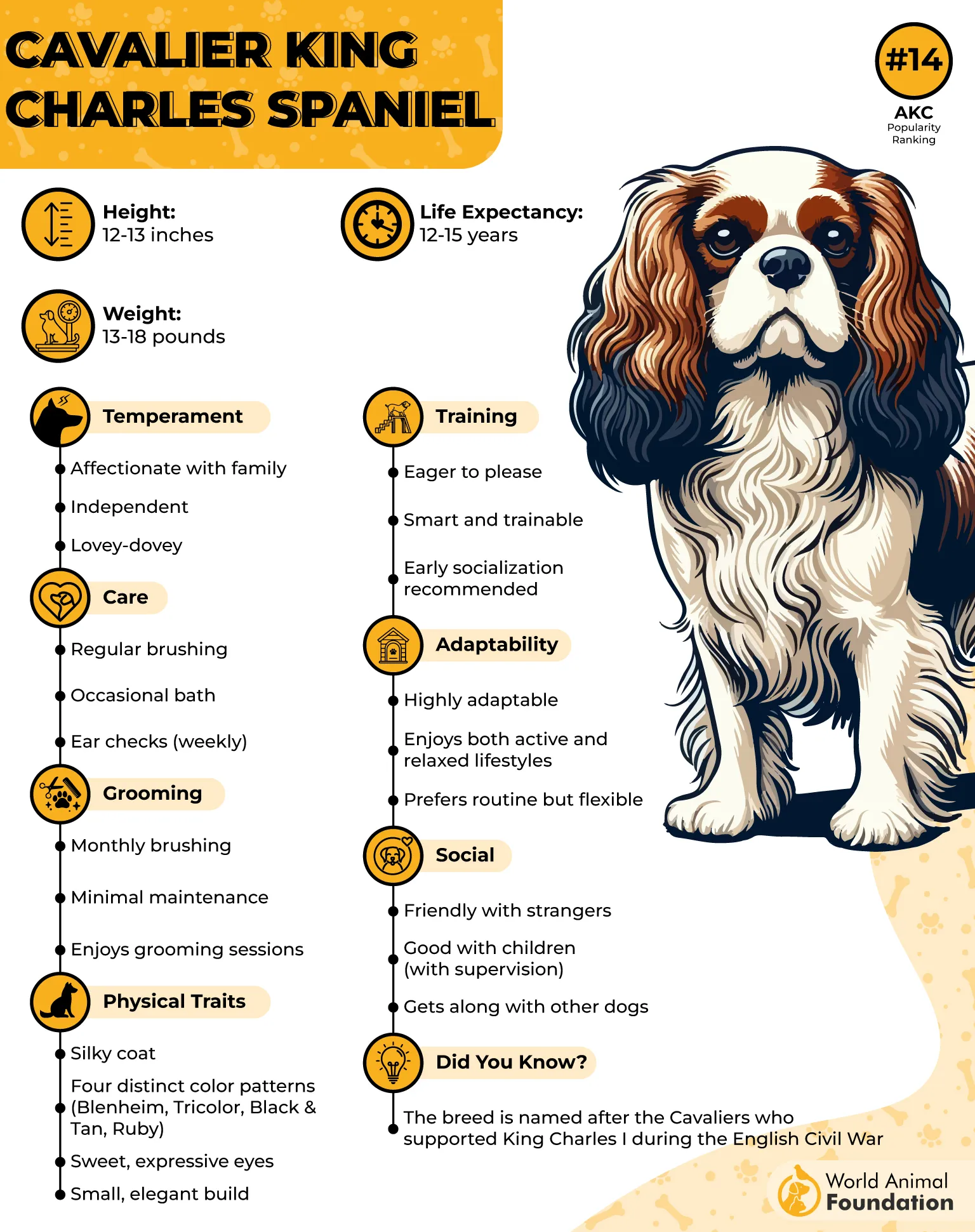
That warm, unhurried nature has a way of winning cats over with time, often leading to shared beds, blankets, and sunny spots around the house. Cavaliers are also prone to separation anxiety and don’t do well when left alone for long stretches, which actually makes them well-suited to multi-pet households where there’s always a companion nearby.
3. Golden Retriever
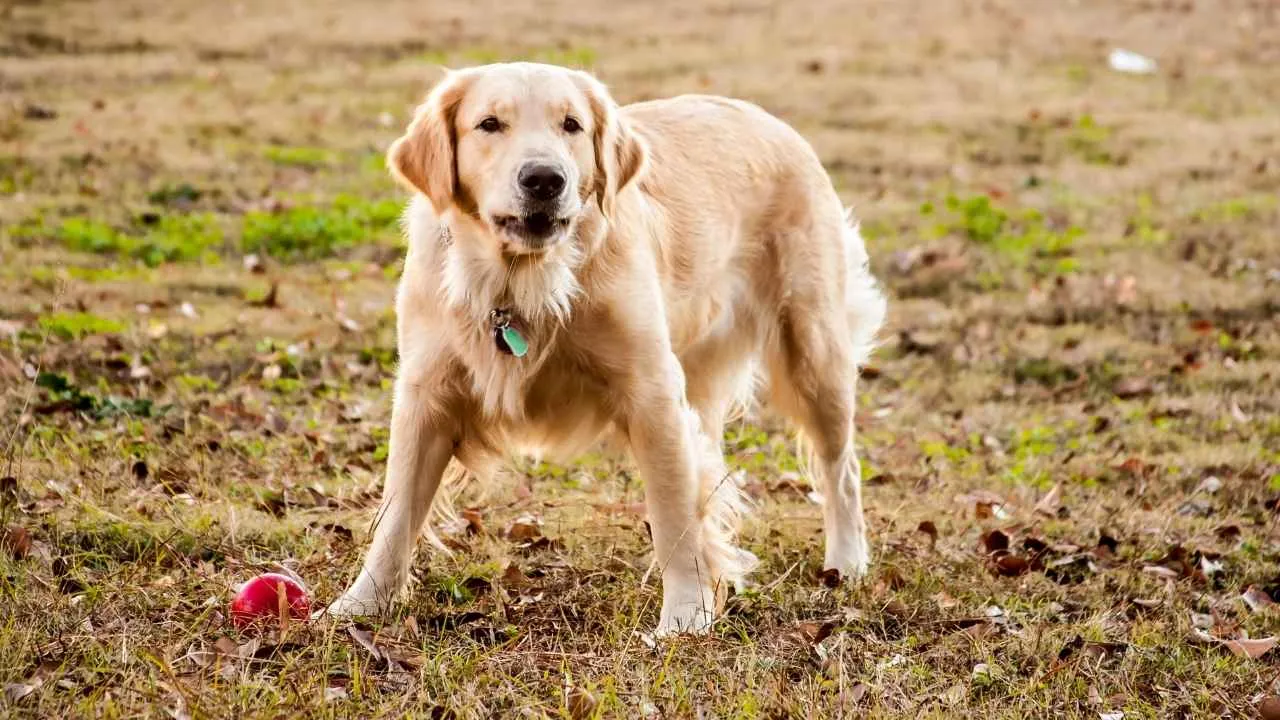
Golden Retrievers are famously friendly with just about everyone they meet, and that warmth extends naturally to cats. According to Purina, these dogs are playful and highly energetic, making them best suited to active families who can match and manage that enthusiasm.

Around cats, Goldens tend to be patient and genuinely accepting, treating feline housemates more like family members than strangers to be chased. Even if a cat is hesitant at first, a Golden Retriever will typically give it the space and time it needs to settle in; no barking, no pursuing, just quiet patience.
While Goldens can be introduced to cats at any age, earlier introductions tend to go more smoothly and lay a stronger foundation for the relationship. As medium-sized dogs with a natural curiosity that cats often share, that common inquisitive energy can translate into a genuinely easy and enjoyable companionship when introductions are handled well.
4. Labrador Retriever

Labrador Retrievers were originally bred to retrieve fish and hunt small birds, but they’ve become far better known for something else entirely: their warm, gentle nature with just about everyone they meet. Ranking among the most affectionate dog breeds, Labs tend to be sweet and patient with children, cats, other dogs, and strangers alike.

If you’re already a cat owner looking to bring a Lab home, sourcing from a reputable breeder matters; one where the dog’s temperament is consistent with the breed’s known traits. Your cat’s own history with dogs is also worth considering, as prior experience can influence how smoothly the introduction goes.
Labs are high-energy dogs, and channelling that energy through daily exercise goes a long way toward keeping them calm and settled indoors. They’re also highly intelligent and respond well to training, which means that with a gradual, controlled introduction process, a Labrador can become a genuinely harmonious addition to a multi-pet household.
5. Bichon Frise
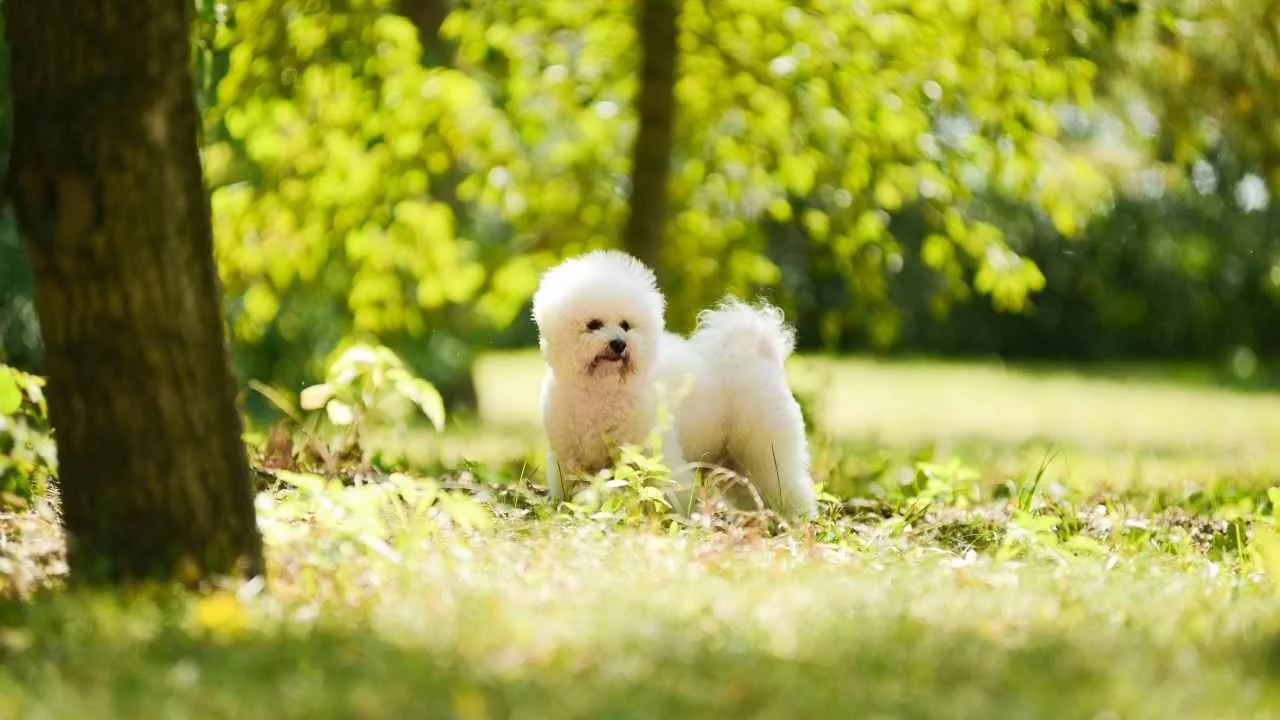
Bred to be companion dogs, Bichon Frises bring plenty of warmth to any household without being overly demanding. Their small size, calm and loving personality, and low prey drive make them a natural fit for cat owners looking to add a dog to the mix.
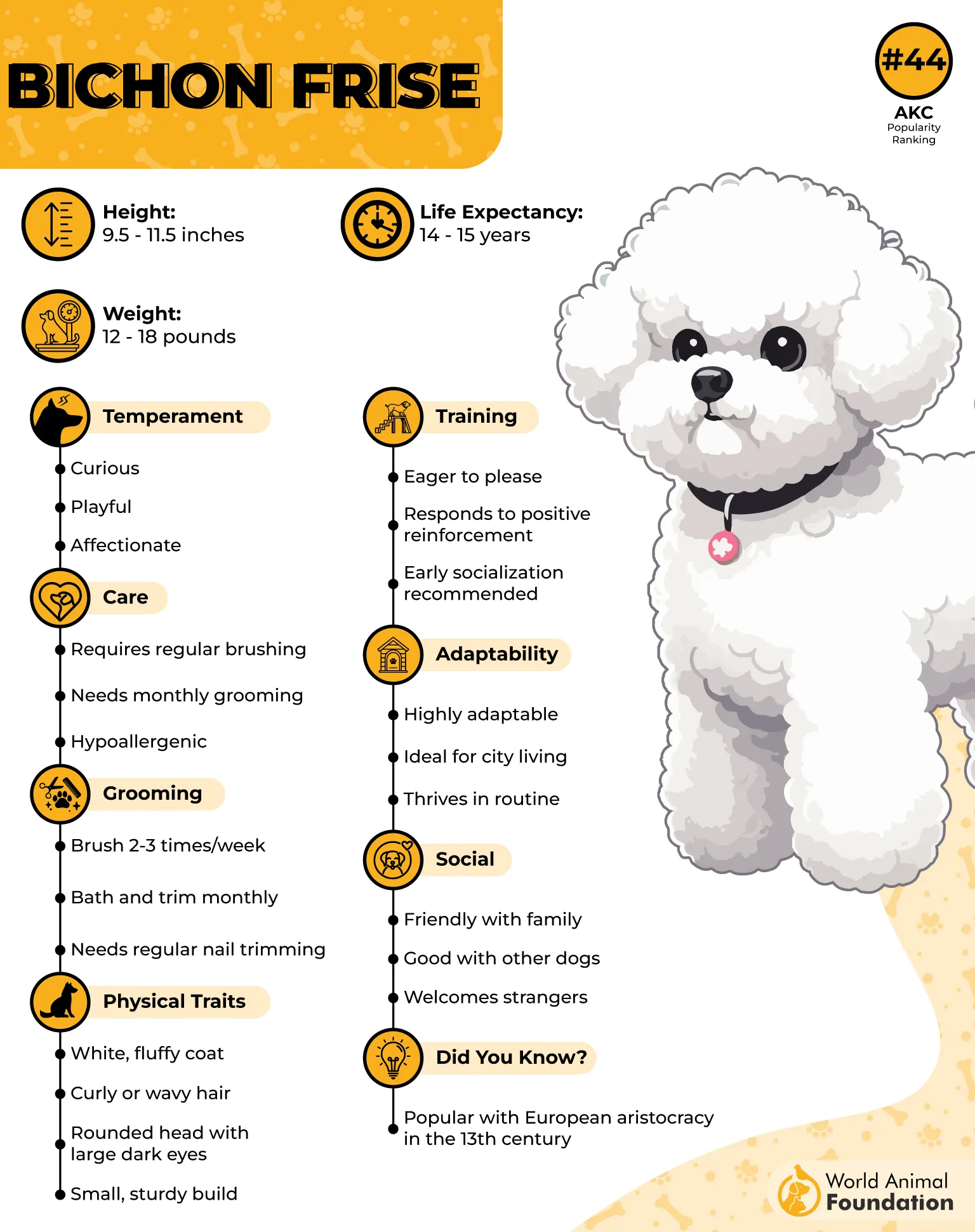
Bichon Frises are also hypoallergenic and minimal shedders, making them a strong option for anyone with allergies, as PetMD notes. As long as they get enough quality time and attention, they tend to thrive in almost any environment and remain easy-going around cats, children, and other pets sharing the same roof.
Early training and socialisation during puppyhood help shape them into well-rounded, confident adult dogs. Their fluffy coats do require consistent care to stay in good shape: regular brushing keeps things smooth and tangle-free, and a trim every four to six weeks helps keep the volume manageable.
6. Papillon
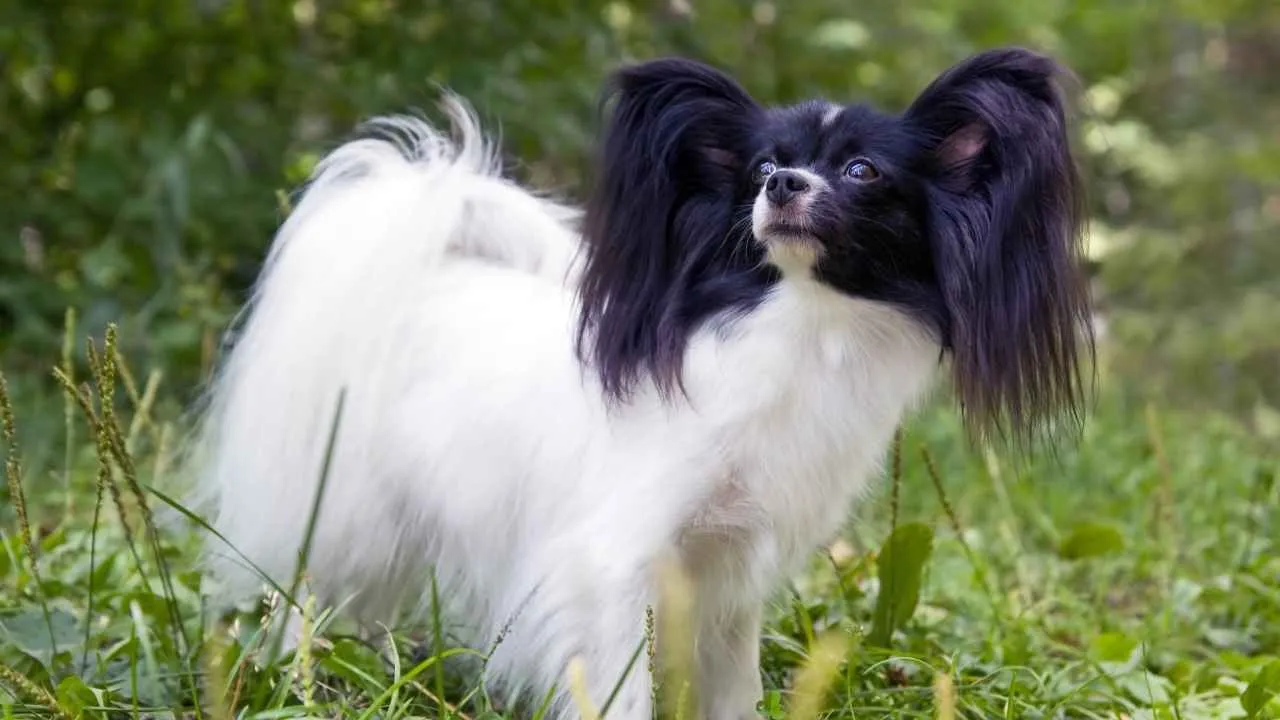
Comparable in size to many cats, Papillons are small dogs with a surprisingly big personality. People and animal-oriented by nature, they genuinely enjoy company and can develop separation anxiety when left alone too often. Cheerful, alert, and sometimes called butterfly dogs thanks to those distinctive ears, AKC captures the breed’s lively and outgoing character well.
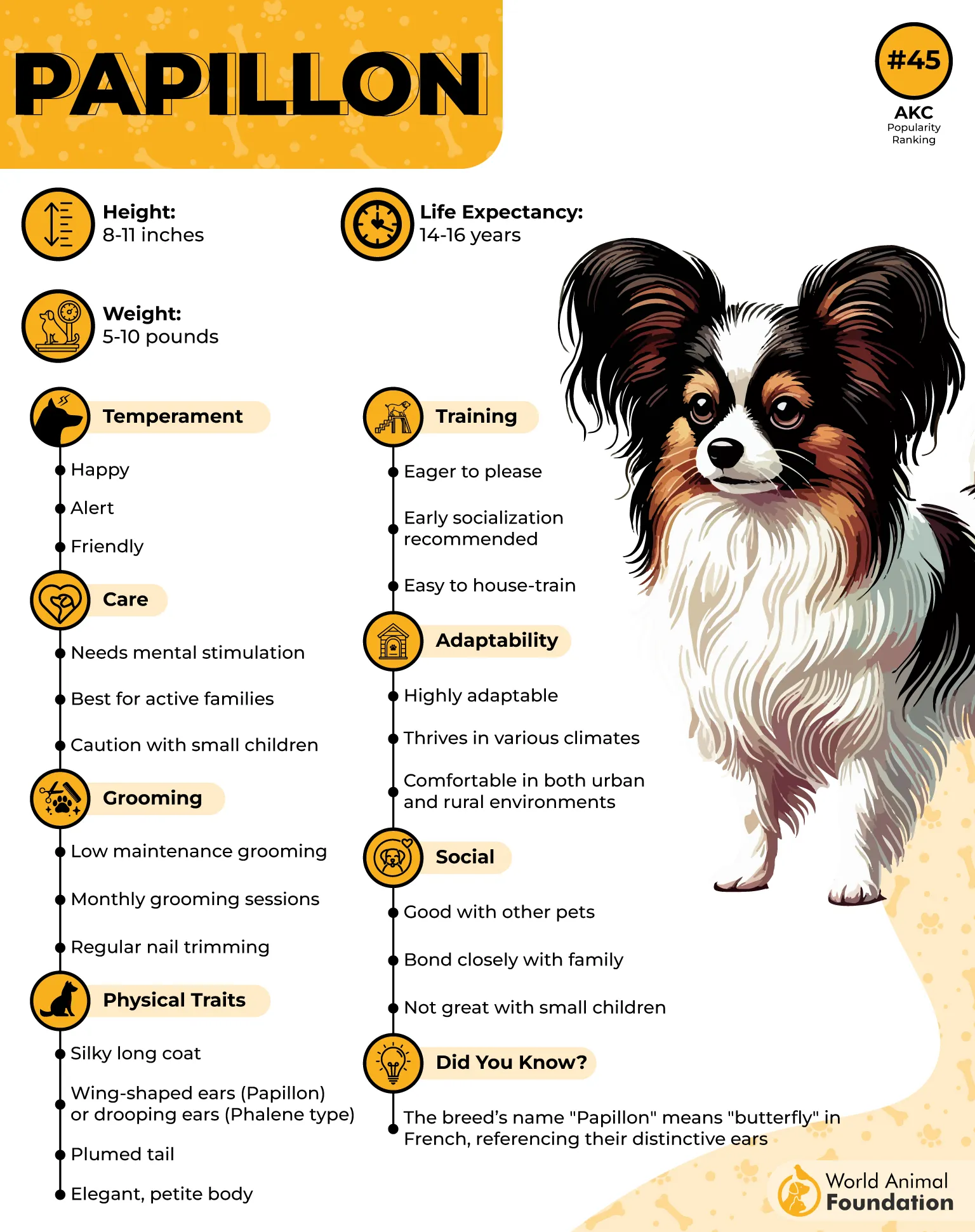
Their compact size and adaptable nature make them a popular choice for people in smaller homes who still want an active companion. That upbeat, athletic energy does need an outlet, though; both physical exercise and mental stimulation are important for keeping a Papillon happy and balanced.
While they tend to enjoy interacting with other pets and can match a cat’s playful energy well, rough play sessions are worth keeping an eye on, as accidental injury is a real possibility given the size difference. A slow, gradual introduction period works best when bringing a Papillon and a cat together for the first time, giving both animals space to adjust at their own pace.
7. Pug
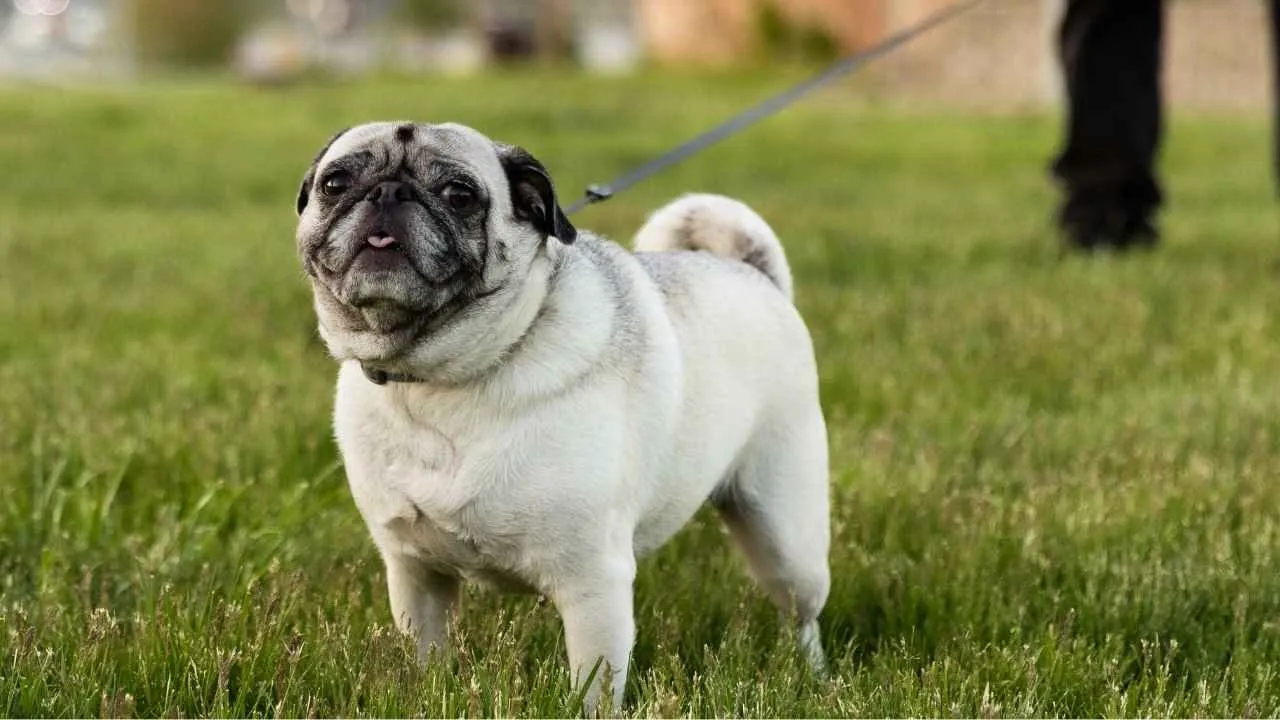
Mischievous, low-maintenance, and genuinely gentle, Pugs are widely regarded as one of the better companion breeds for cats. Not having been bred for hunting means they lack a strong prey drive, and their naturally sociable personality means they tend to get along well with cats and other pets without much friction.

Their flexible, easy-going nature allows them to fit comfortably into a wide range of households, from busy owners to more laid-back family setups. Pugs love being the centre of attention and enjoy playing with children and other animals, bringing a reliable dose of entertainment and affection to any home.
When socialised early, Pugs tend to behave well around kittens, and the same applies in reverse. One thing worth keeping in mind is that their flat faces and short muzzles make them prone to breathing difficulties, which can worsen in hot or humid weather. Limiting intense outdoor activity during warmer conditions is an important part of keeping a Pug comfortable and healthy.
8. Poodle
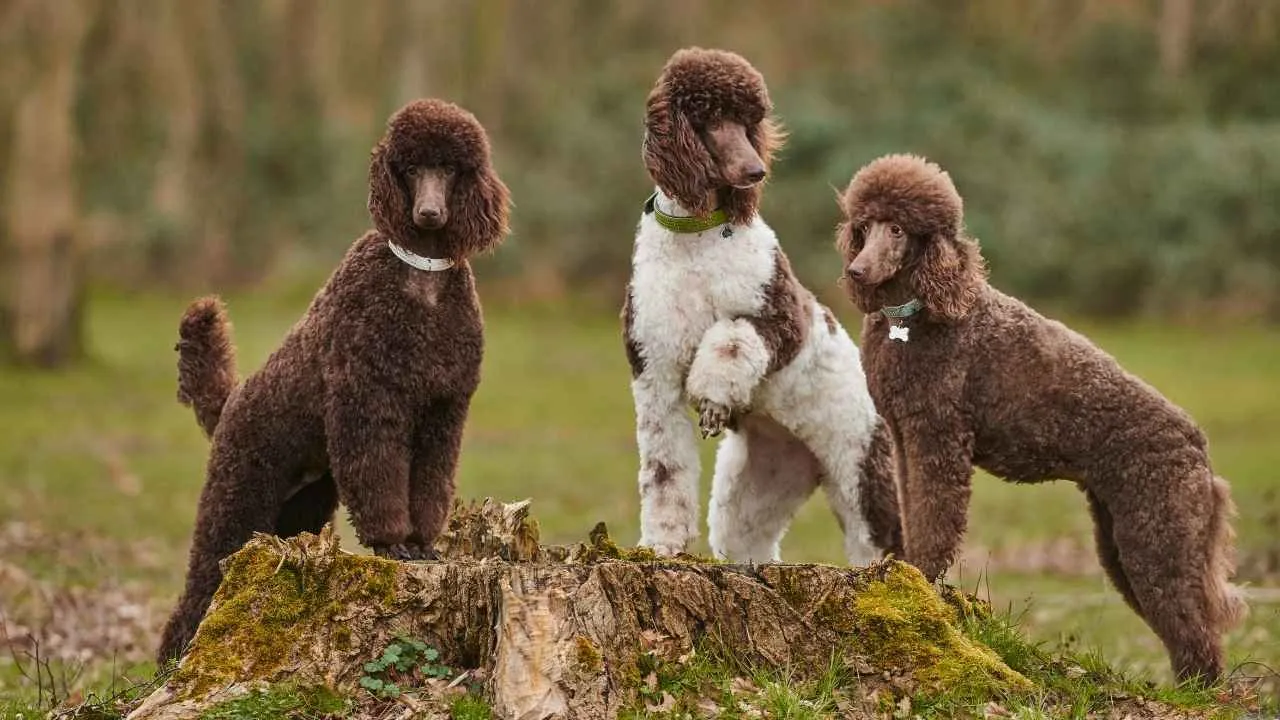
A Poodle’s relationship with cats can vary from one dog to the next; some may simply ignore a feline housemate, while others welcome them as just another member of the family. Prey drive and size both play a role here, so it’s worth factoring in which variety of Poodle you have when making introductions.
What works in the Poodle’s favour is that sharp, adaptable mind. These dogs pick things up quickly and can learn to recognise and respect boundaries with the right guidance. Commands like “leave it” or cues for gentle interaction can go a long way toward keeping things peaceful between a Poodle and a cat.
Poodles are also emotionally perceptive dogs; they read the feelings and body language of those around them, human and animal alike. That awareness makes training sessions more effective and helps owners shape a dog that genuinely understands when to give a cat its space.
9. Bulldog

Despite their origins as bull baiters, English Bulldogs are today known for an easy-going and gentle temperament that’s a far cry from that history. With a laid-back and loving personality, they tend to get along well with cats when early socialisation is introduced.
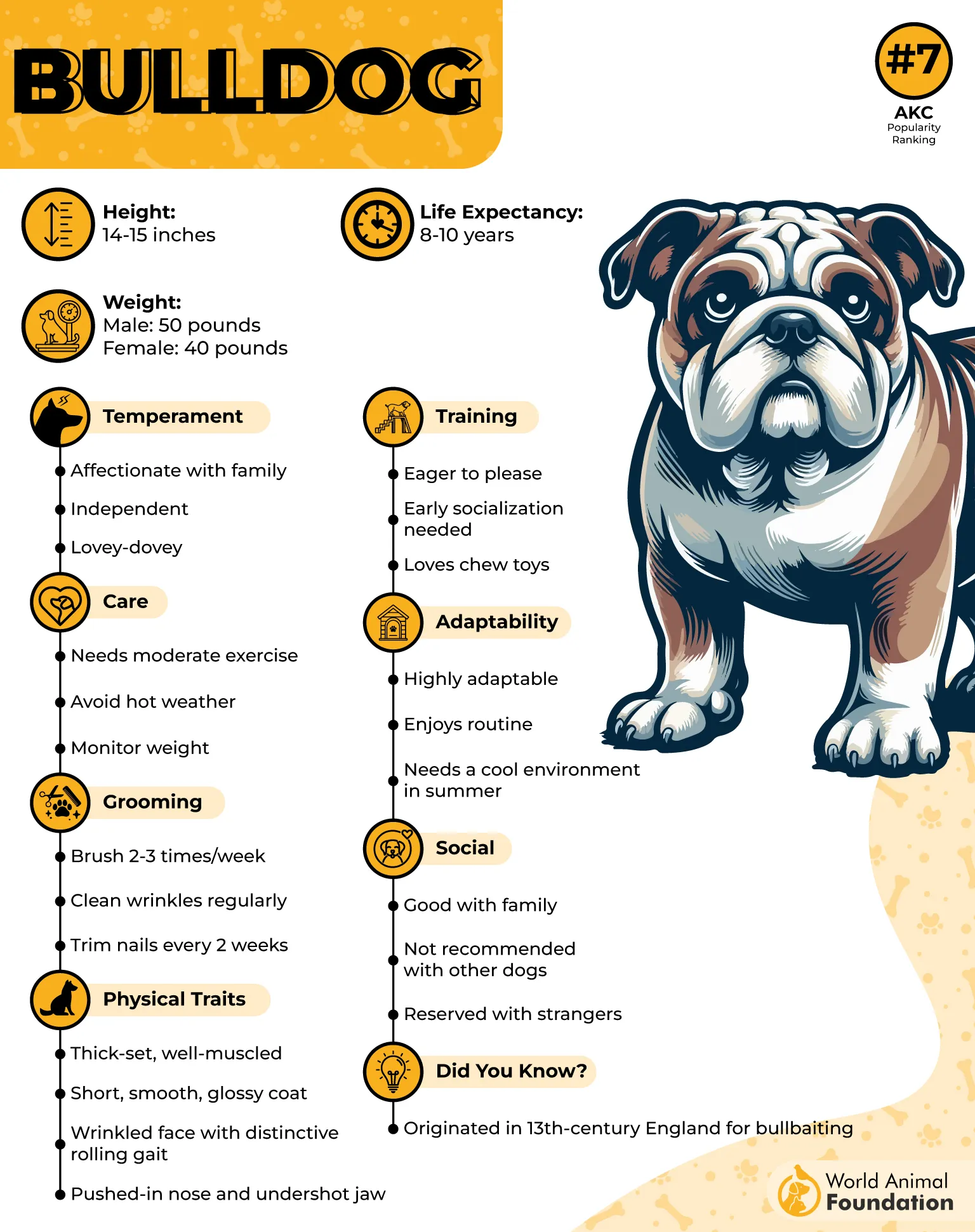
Low exercise requirements and straightforward grooming needs make English Bulldogs a practical choice for owners of all experience levels, including first-timers. That distinctive look, short legs, muscular build, and a wonderfully wrinkled face only add to the appeal.
Owners should be aware of brachycephalic syndrome, a breathing condition common in flat-faced breeds that means overexertion needs to be avoided, particularly in warm weather. While English Bulldogs are intelligent, they can also be strong-willed, so reward-based training methods tend to work best. Patience and a consistent routine go a long way with this breed.
10. Boston Terrier
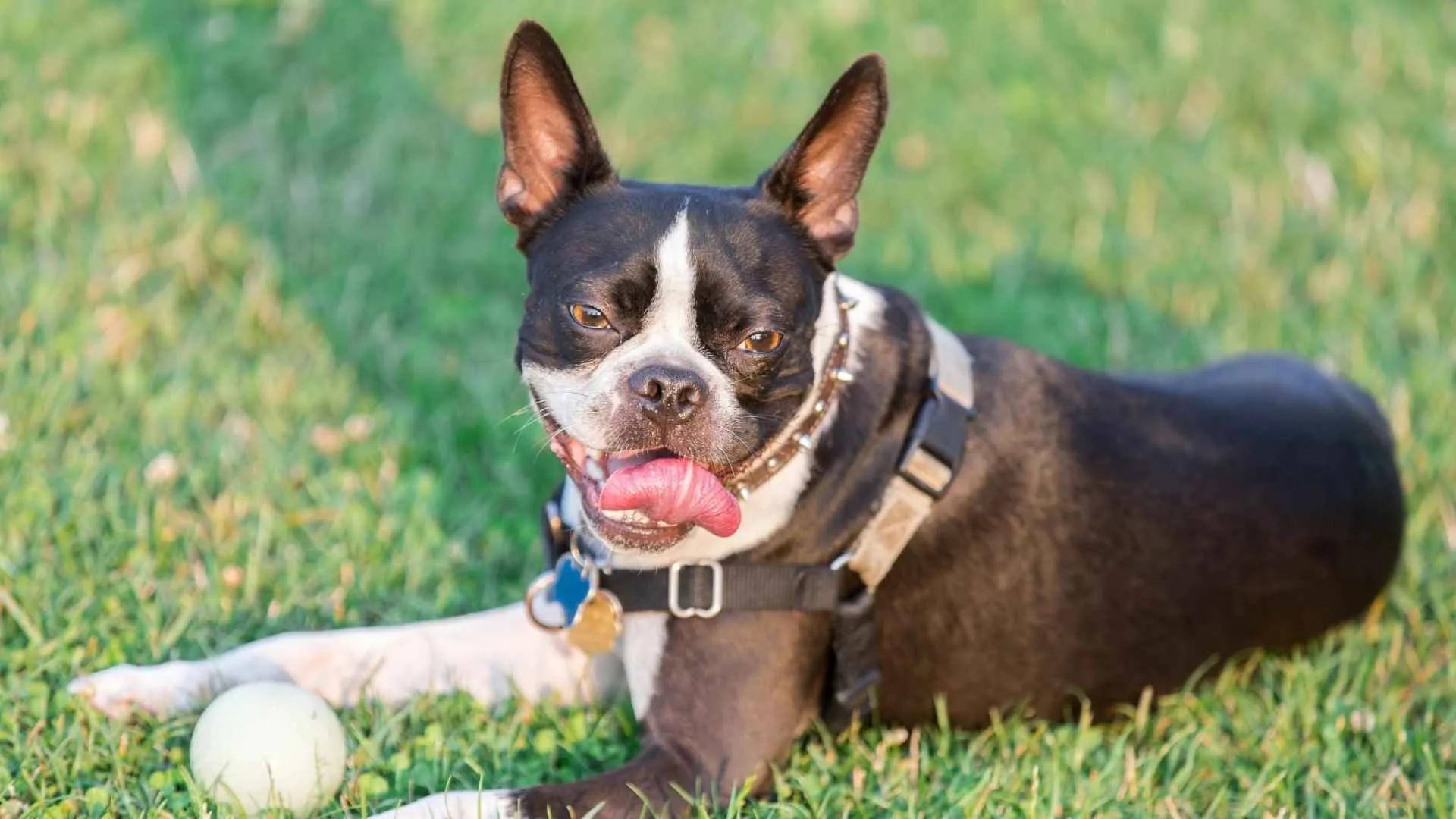
Often called the American Gentleman, the Boston Terrier is well known for its well-mannered personality and that distinctive tuxedo-like coat that suits the nickname perfectly. That said, the terrier side of this breed does exist, which is why early introductions with cats are advisable to prevent chasing habits from forming later on.
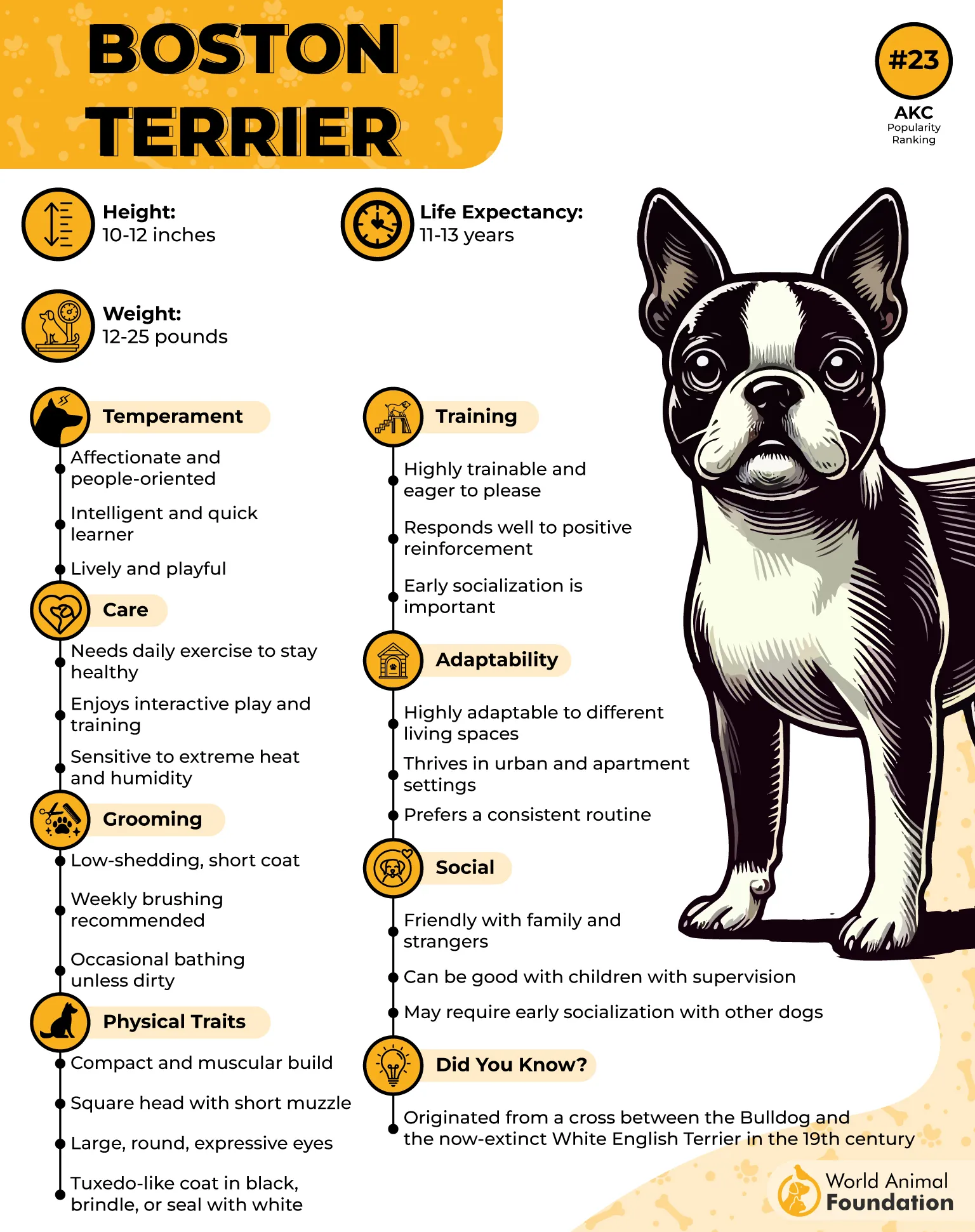
Boston Terriers are friendly and gentle with their people, including children and other dogs. It’s worth remembering, though, that no breed automatically gets along with cats; how you manage the introduction and build the relationship matters far more than instinct alone, and Boston Terriers are no different in that regard.
While they don’t need extensive exercise, don’t let that compact size fool you; Boston Terriers benefit from a good amount of daily play and activity and do best in households with an active rhythm. An occasional stubborn streak can surface, but patience and positive encouragement are usually all it takes to work through it.
Conclusion
Living with both cats and dogs doesn’t have to be a challenge when you choose a breed known for its gentle and adaptable nature. The dogs covered here tend to respect boundaries, enjoy peaceful interactions, and can form surprisingly strong bonds with feline housemates over time.
With thoughtful introductions and consistent positive training, a harmonious multi-pet household is well within reach.
