





Bringing a dog into a home that already has a cat, or planning to raise both together, can feel risky if you choose the wrong breed. Some dogs have a strong prey drive and may instinctively chase smaller animals, while others are naturally gentle, social, and perfectly capable of forming close bonds with feline companions.
The key to a peaceful multi-pet home lies in understanding temperament, prey drive, trainability, and energy levels. Breeds that are calm, friendly, and less territorial tend to adapt far better to living with cats.
Here are 10 dog breeds known for their cat-friendly nature; breeds that, with the right introduction, can become loyal companions and even best friends to your feline family member.
Top Dog Breeds That Love to Linger With Cats
1. Bichon Frise
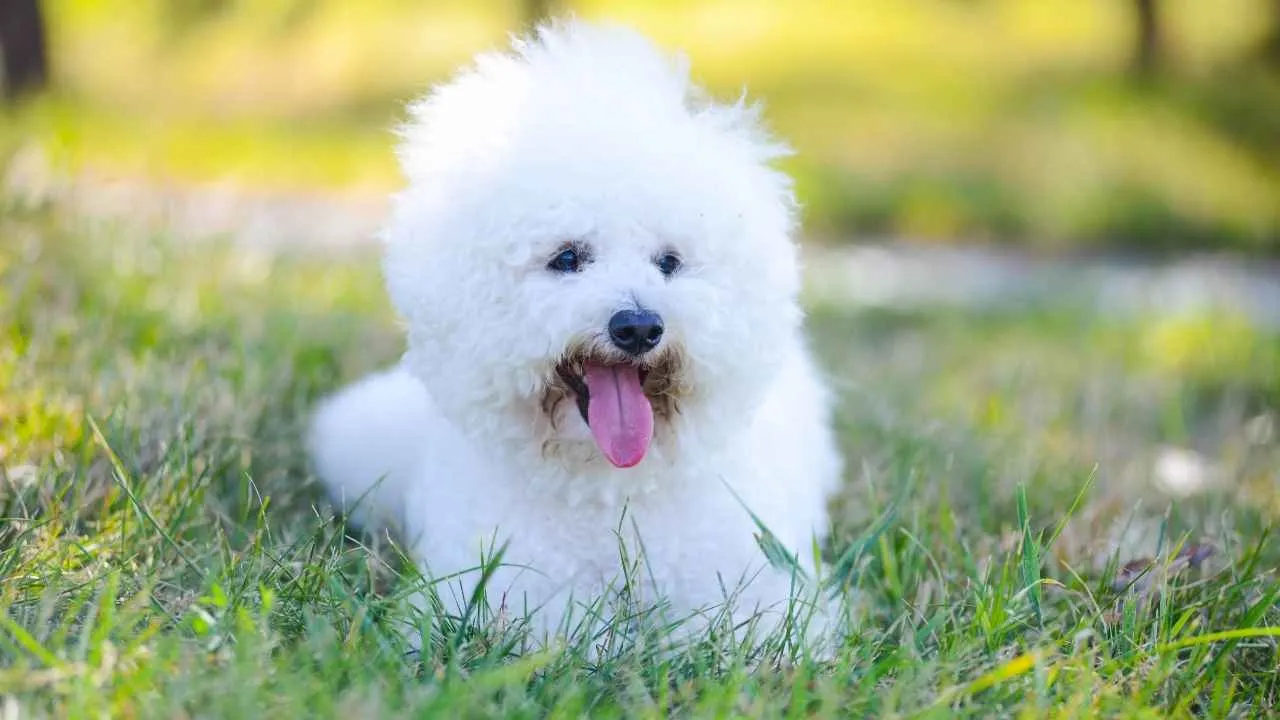
The Bichon Frise is a gentle, social dog known for its easygoing nature, which makes it a great companion for cats.
These dogs are typically non-territorial and non-aggressive, so they rarely see cats as competitors. Instead, they are curious and friendly toward other animals. Their playful personality often matches that of energetic or younger cats, leading to fun interactions like chasing games and shared playtime.
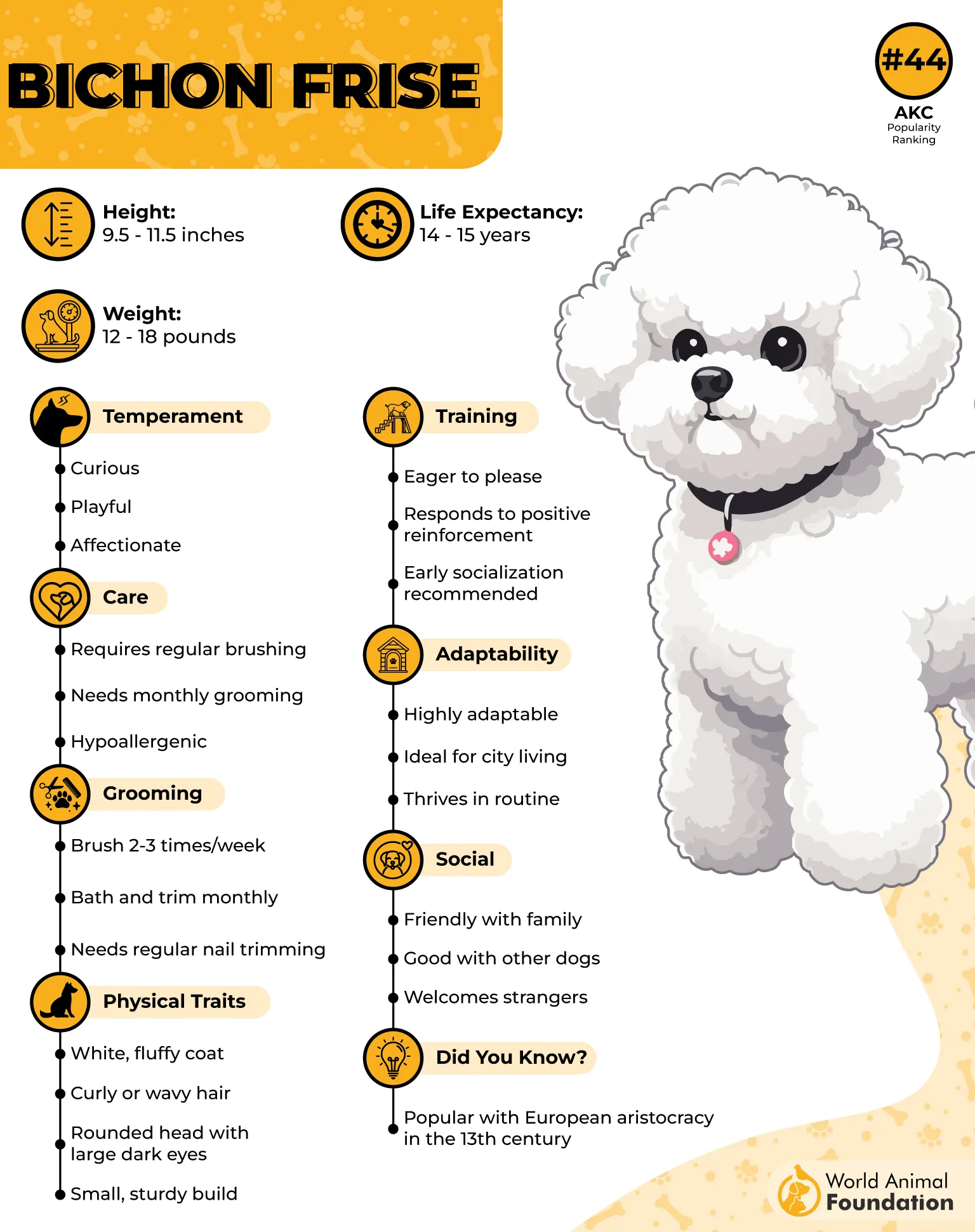
Another advantage is their adaptability to indoor living. As home-oriented dogs, Bichon Frises quickly learn household boundaries, such as not disturbing a resting cat. They are also highly sensitive to human emotions, which helps them respond well to training. When raised with proper guidance from a young age, they easily understand how to behave around other pets.
Additionally, Bichon Frises enjoy companionship and dislike being alone. Because of this, they often see cats as social partners rather than rivals, making them even more suitable for multi-pet households.
2. Golden Retriever

The Golden Retriever is widely known for its friendly nature and playful energy, making it one of the safest choices for a multi-pet household.
They are naturally tolerant, patient, and non-reactive; qualities that are especially important when living with cats, who may hiss, swat, or act defensively during introductions. Rather than responding with aggression, Golden Retrievers typically remain calm or even back away.

Orvis states that their high intelligence and trainability also play a big role. Owners can easily teach them respectful behaviors, such as keeping a safe distance, controlling their chase instincts, and following commands around cats. Over time, they learn to see the cat as a family member, not something to chase.
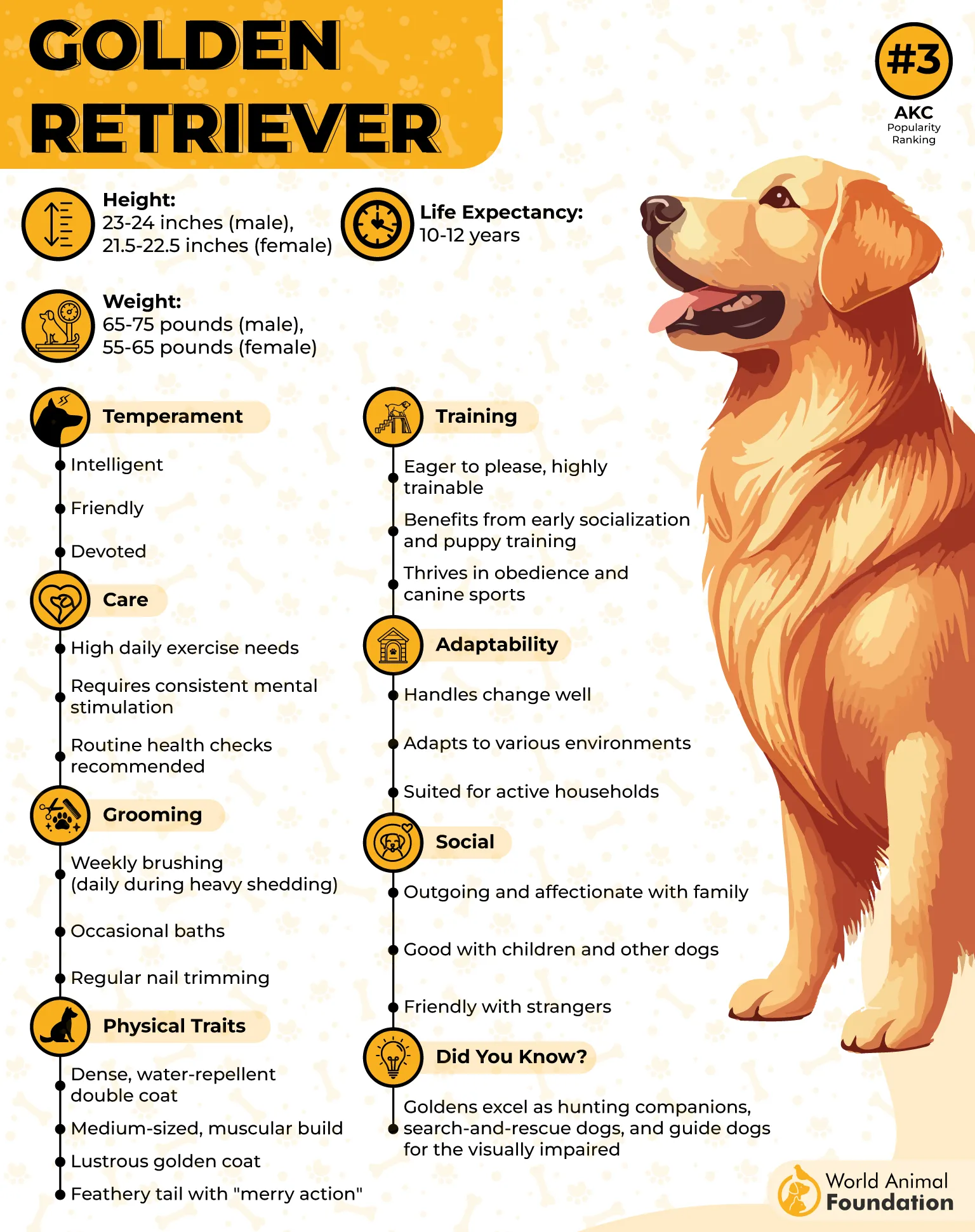
Despite their large size, Golden Retrievers are generally gentle and aware of their surroundings, which reduces the risk of accidentally harming smaller animals. As they grow more comfortable, they often become deeply affectionate, and sometimes even protective, toward their feline companions.
3. Labrador Retriever

The Labrador Retriever is an energetic, friendly, and highly adaptable breed, making it a great candidate for homes with cats.
Labradors are naturally social and tend to get along well with other animals. While they may show strong interest in cats at first, this is usually driven by curiosity and playful excitement rather than aggression.
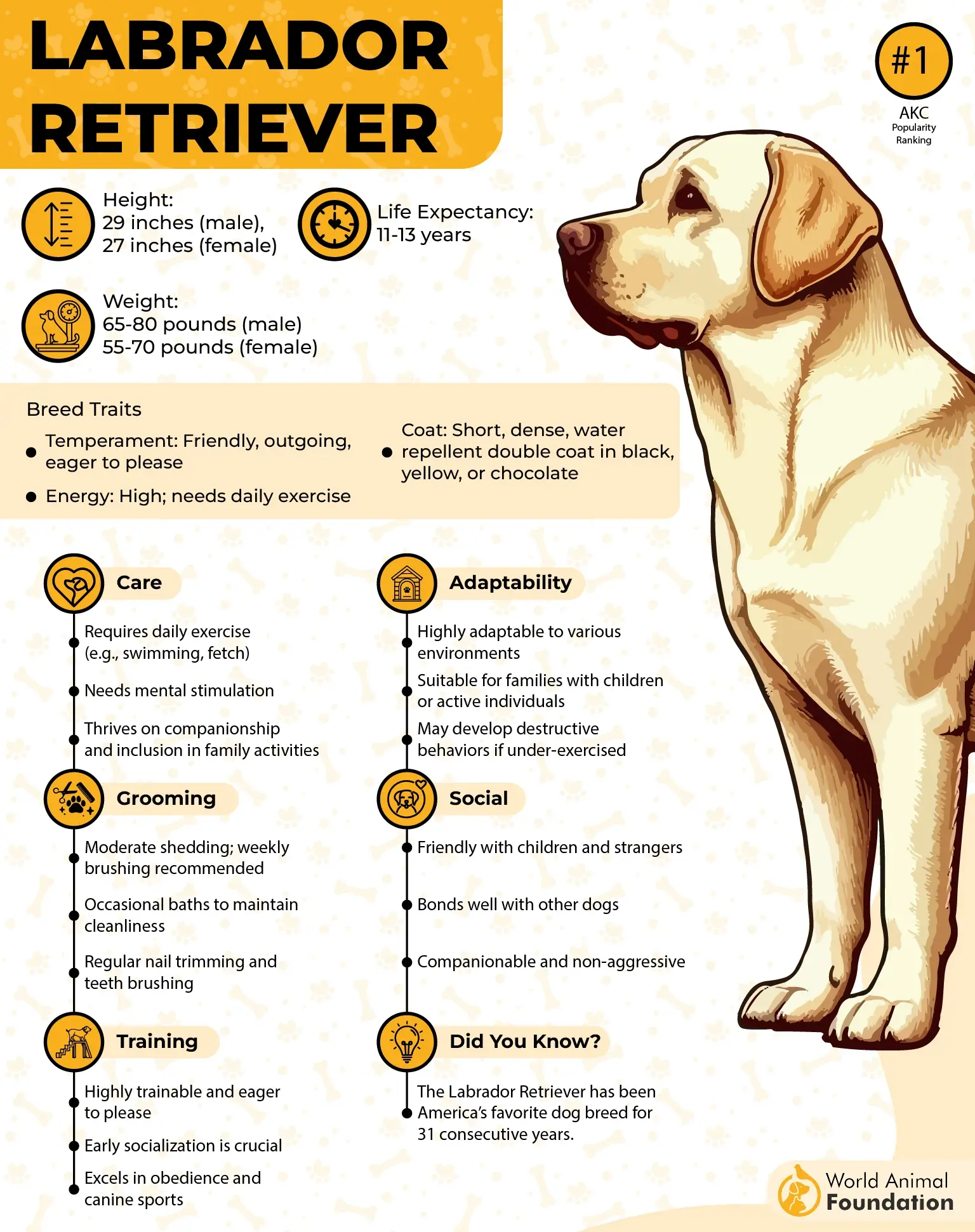
With early training, Labradors can develop excellent impulse control, which helps reduce chasing behavior and manage their natural prey drive. Commands like “stay” and “leave it” are especially effective, as they are eager to please and quick learners.
Another key trait is their emotional stability. Labradors are not easily provoked, so if a cat reacts defensively, by hissing or swatting, they are unlikely to escalate the situation. Their calm and friendly nature allows them to gradually build trust, often leading to a peaceful and affectionate relationship with their feline companions.
4. Beagle

The Beagle is a pack-oriented dog, and this strongly influences its ability to get along with cats.
Because Beagles are naturally social and used to living in groups, they tend to accept other animals as part of their “pack.” This makes them less territorial and more open to forming bonds with cats compared to more independent breeds.

However, their powerful sense of smell and tracking instincts can sometimes lead to chasing behavior. This is usually driven by curiosity rather than aggression. Proper introductions and supervised interactions are especially important in the early stages to ensure a smooth adjustment.
Once accustomed, Beagles can be very friendly with cats. It’s not uncommon to see them relaxing together, sleeping side by side, or even playfully moving around the house as companions.
5. Cavalier King Charles Spaniel

The Cavalier King Charles Spaniel is well known for its gentle, affectionate nature, making it an excellent companion for cats.
This breed has a very low prey drive, meaning it has little instinct to chase smaller animals. Instead of engaging in rough play, Cavaliers prefer calm companionship and comfort, which helps them bond easily with feline housemates.
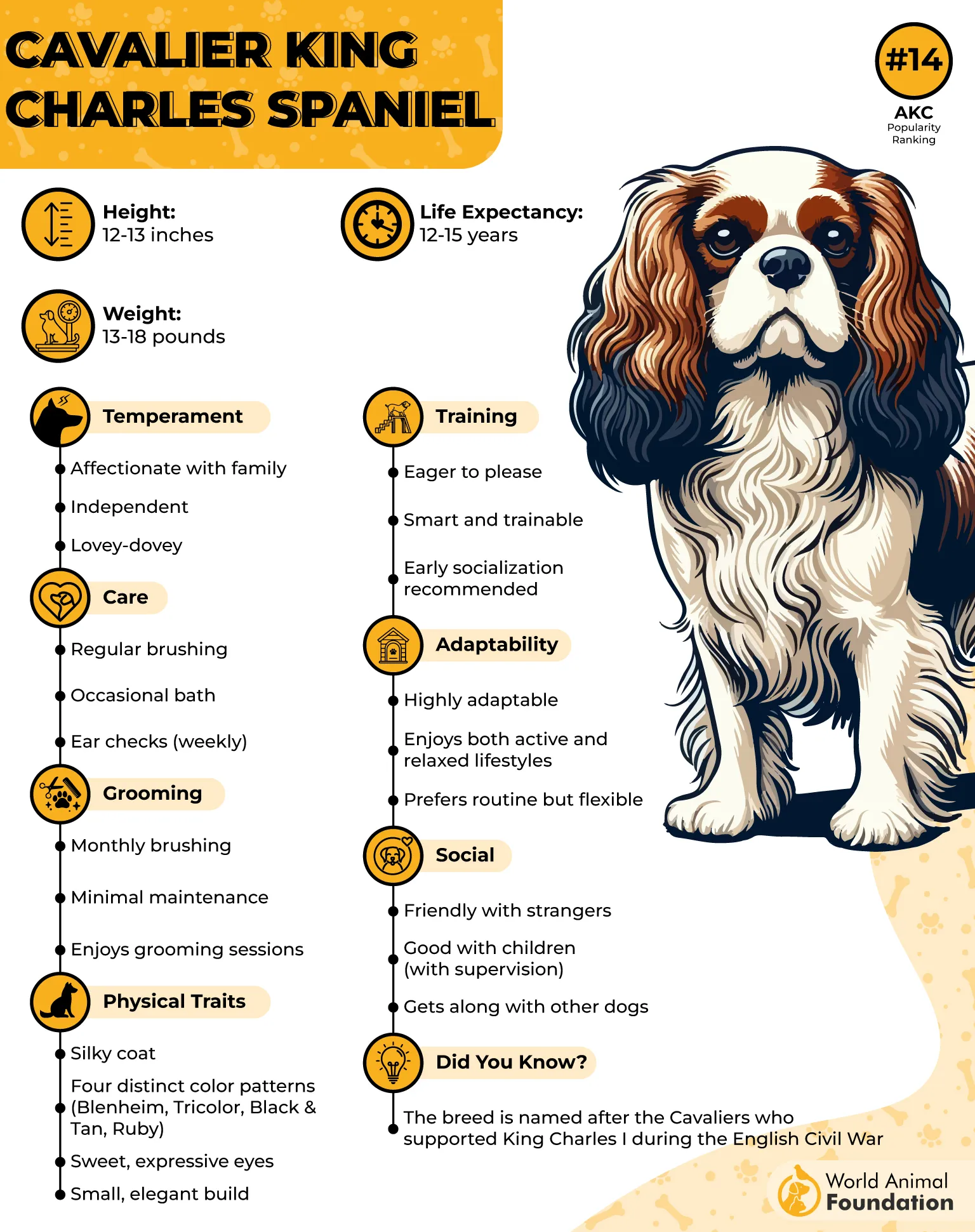
They are also naturally laid-back and enjoy a relaxed lifestyle, something that pairs perfectly with older or less active cats. Rather than being overly energetic, they are content to sit quietly beside their owners or even curl up near a cat.
Additionally, their small size and soft demeanor make them less intimidating, helping cats feel more at ease during introductions.
6. Pug

The Pug is known for its charming, easygoing personality, which makes it a good match for homes with cats.
Pugs are not driven by hunting instincts, as stated by the American Kennel Club. Instead, they are motivated by comfort, food, and companionship. This greatly reduces the chances of chasing or rough play, especially around shy or sensitive cats.
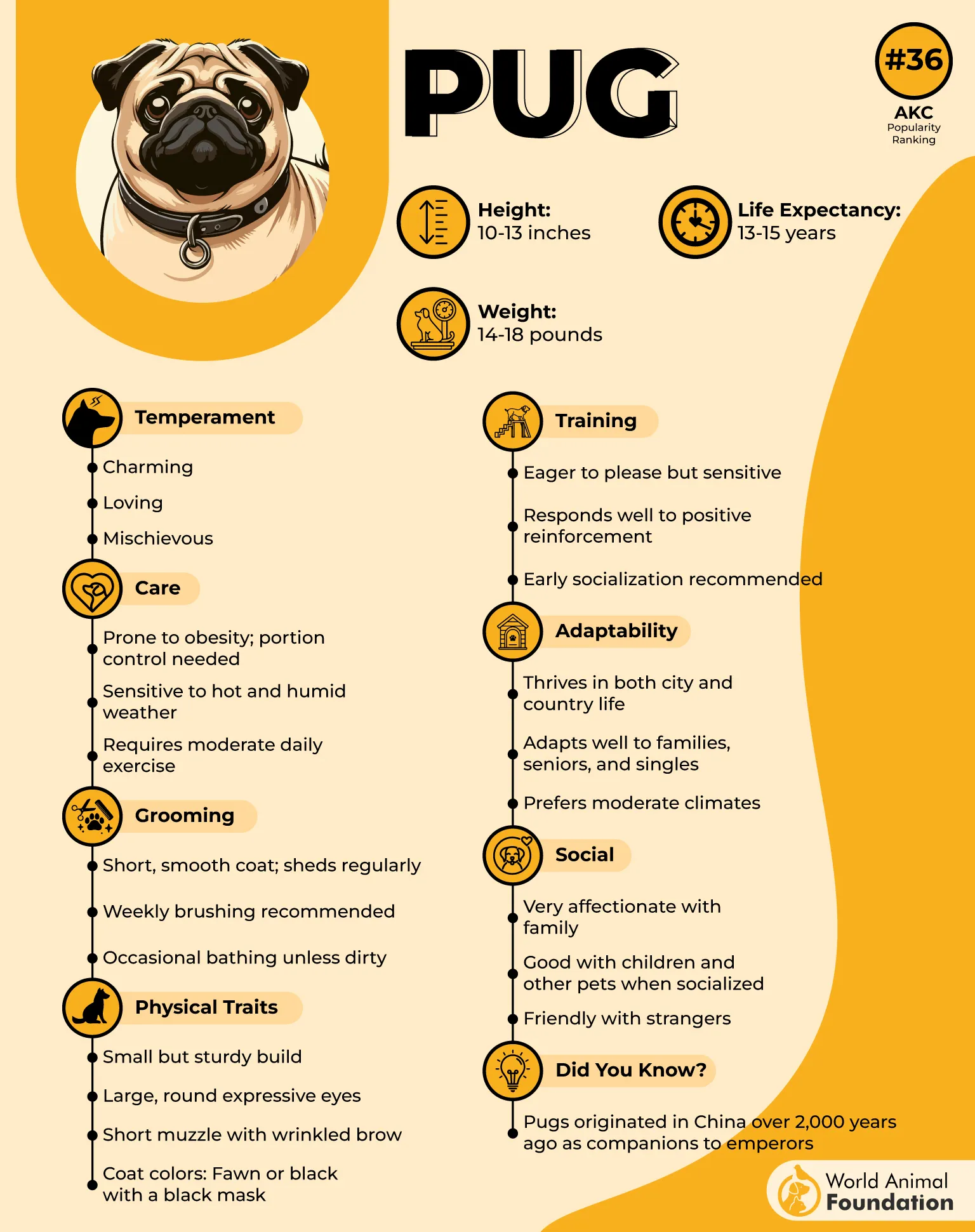
They are also low-energy dogs, meaning they won’t overwhelm a cat with constant movement or hyperactivity. Their love for lounging makes them especially compatible with indoor cats that prefer a calm environment.
Another advantage is their predictable nature. Pugs tend to follow routines and behave consistently, which helps cats adjust to their presence more quickly and feel at ease over time.
7. Maltese

The Maltese is a gentle, affectionate breed that adapts well to peaceful coexistence with cats.
Maltese dogs are not dominant, which reduces the likelihood of territorial conflicts. Their soft movements and calm demeanor make them far less intimidating to feline companions, helping cats feel more comfortable around them.

They are naturally relaxed and avoid confrontation. If a cat sets boundaries, a Maltese is likely to respect them, allowing both pets to coexist without tension.
Additionally, they form strong bonds with their owners and tend to follow household routines closely. This makes them easy to train, especially when it comes to encouraging respectful behavior around cats.
8. Papillon
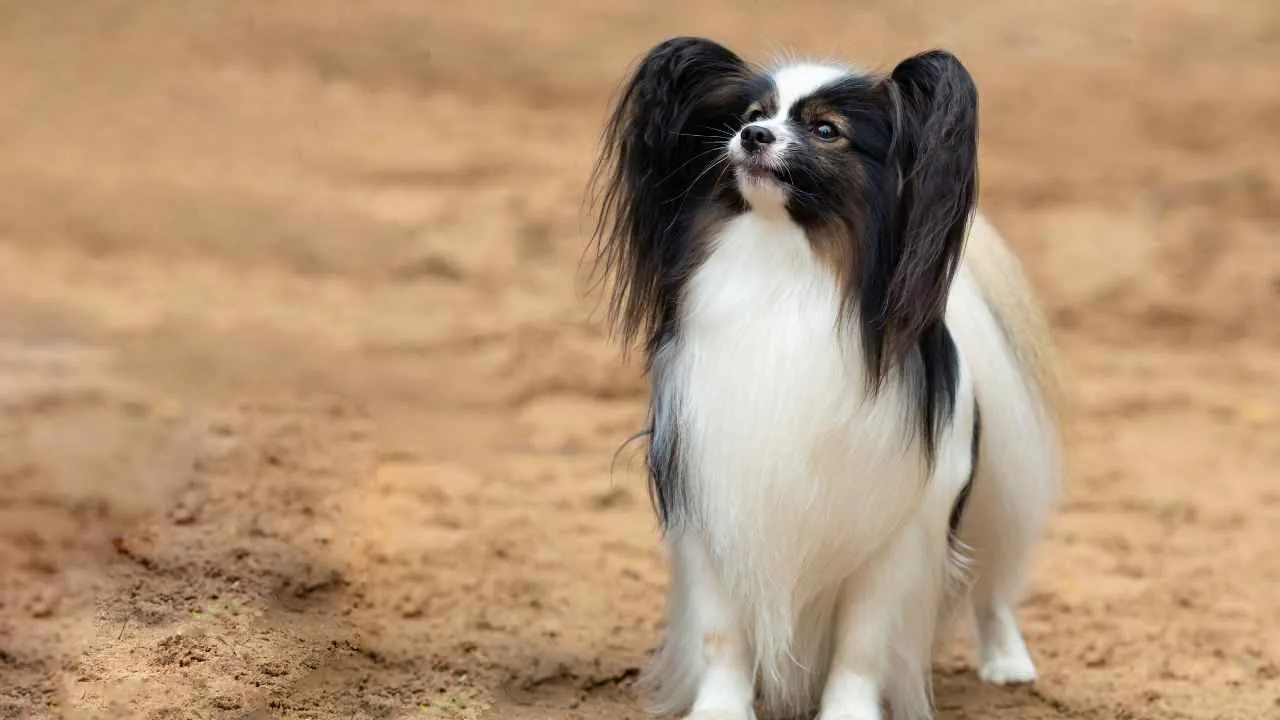
The Papillon is an intelligent and adaptable breed that can live peacefully with cats when properly trained.
Papillons are naturally curious and observant, so they may show interest in cats at first. However, their high intelligence allows them to quickly learn appropriate behavior through consistent training and positive reinforcement.
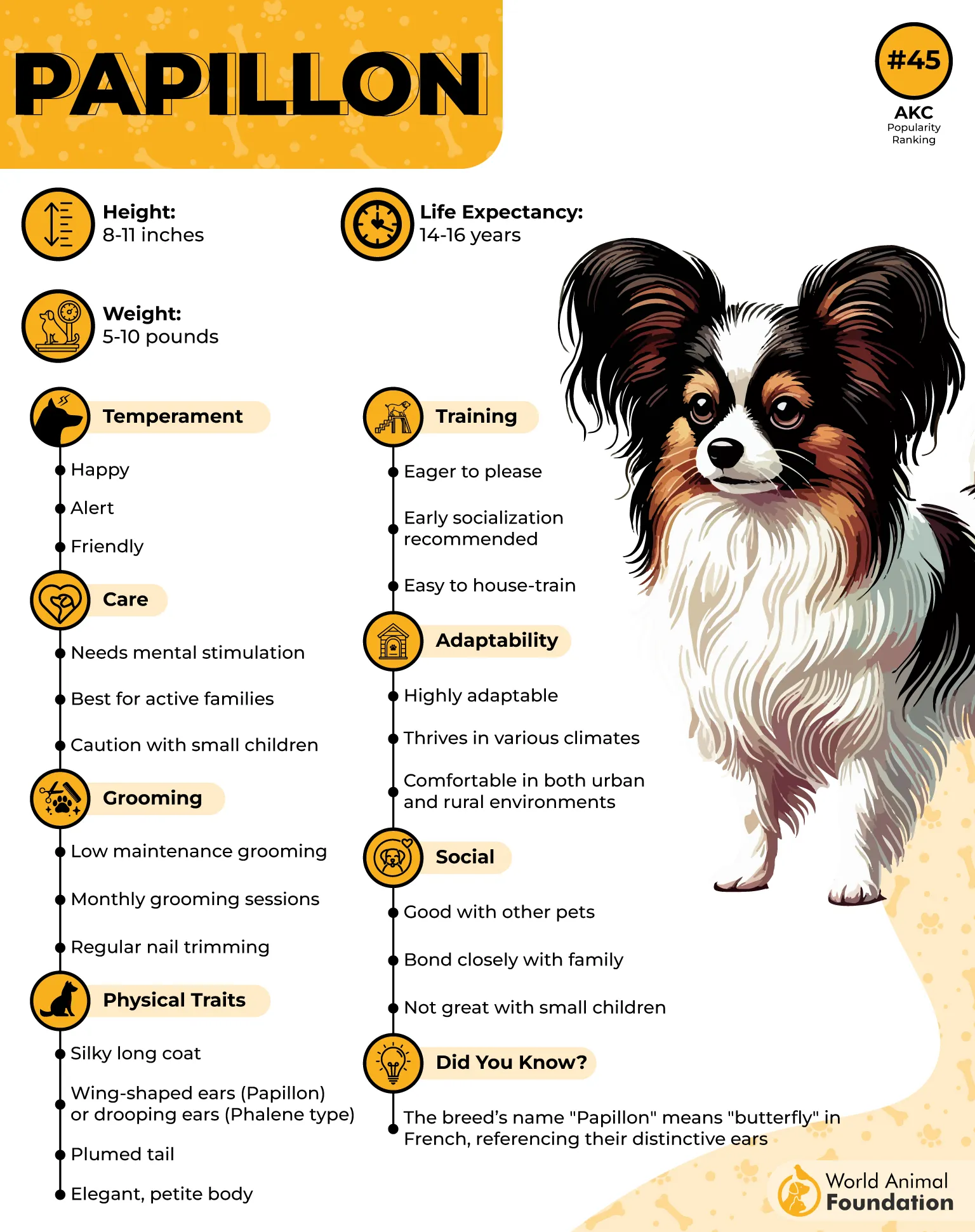
They enjoy companionship and often seek interaction, which can lead to playful and engaging relationships, especially with active or confident cats.
Their small size is another advantage. With a relatively low prey drive and gentle build, they pose little risk of harming cats, even during play, making them a safe and suitable choice for multi-pet households.
9. Basset Hound
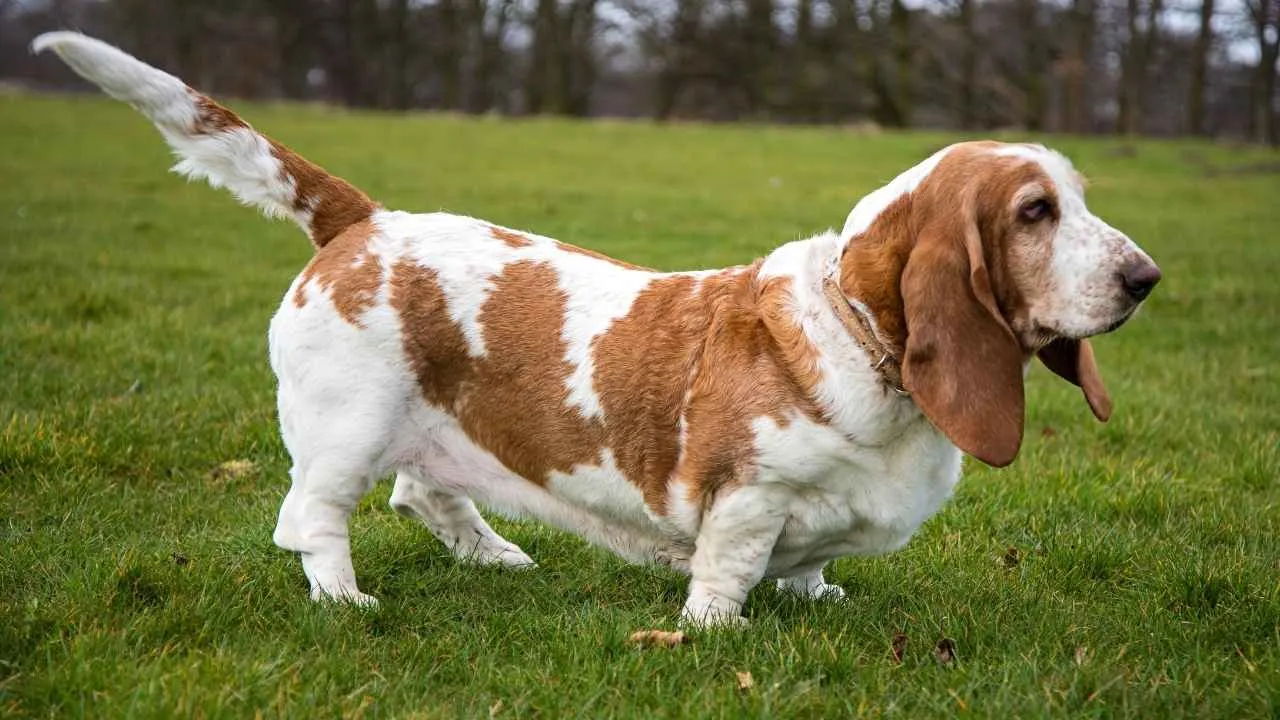
The Basset Hound is a calm and easygoing breed, making it generally compatible with cats in a household setting.
Although they are known to be a bit stubborn and strong-willed, requiring consistent training and early socialization, their low energy levels work in their favor when living with cats. Purina states that Basset Hounds are slow-moving dogs that enjoy resting, relaxing, and observing their surroundings, much like many cats.

They have a strong sense of smell, but indoors, they are typically not overly excitable or restless. Their generally non-reactive temperament helps maintain a calm environment, even if a cat behaves unpredictably.
Basset Hounds are also quite tolerant, which means they are unlikely to respond aggressively if a cat hisses or swats. With proper introduction and training, they can coexist peacefully and maintain a steady, relaxed dynamic with feline companions.
10. Poodle

The Poodle, especially in its Miniature and Toy varieties, is one of the most intelligent and adaptable breeds for households with cats.
Poodles thrive in structured environments and respond exceptionally well to training. Their intelligence allows them to quickly understand household boundaries, including how to behave appropriately around cats.
They are affectionate and interactive without being overwhelming, which helps maintain a balanced dynamic in shared spaces. This controlled energy makes it easier for cats to feel safe and unpressured in their presence.
Poodles are also highly perceptive and emotionally responsive. They tend to adjust their behavior based on the reactions of other animals, which helps reduce conflict and encourages peaceful coexistence in multi-pet homes.
Conclusion
More gentle, flexible, and social-oriented dogs are much more likely to live harmoniously with cats. As much as breed is important, correct introductions and regular training are also required in order to succeed.
Patience and the proper mindset can get your dog and cat to not only coexist with one another but also develop a bond that brings a feeling of warmth and balance to your household.
