




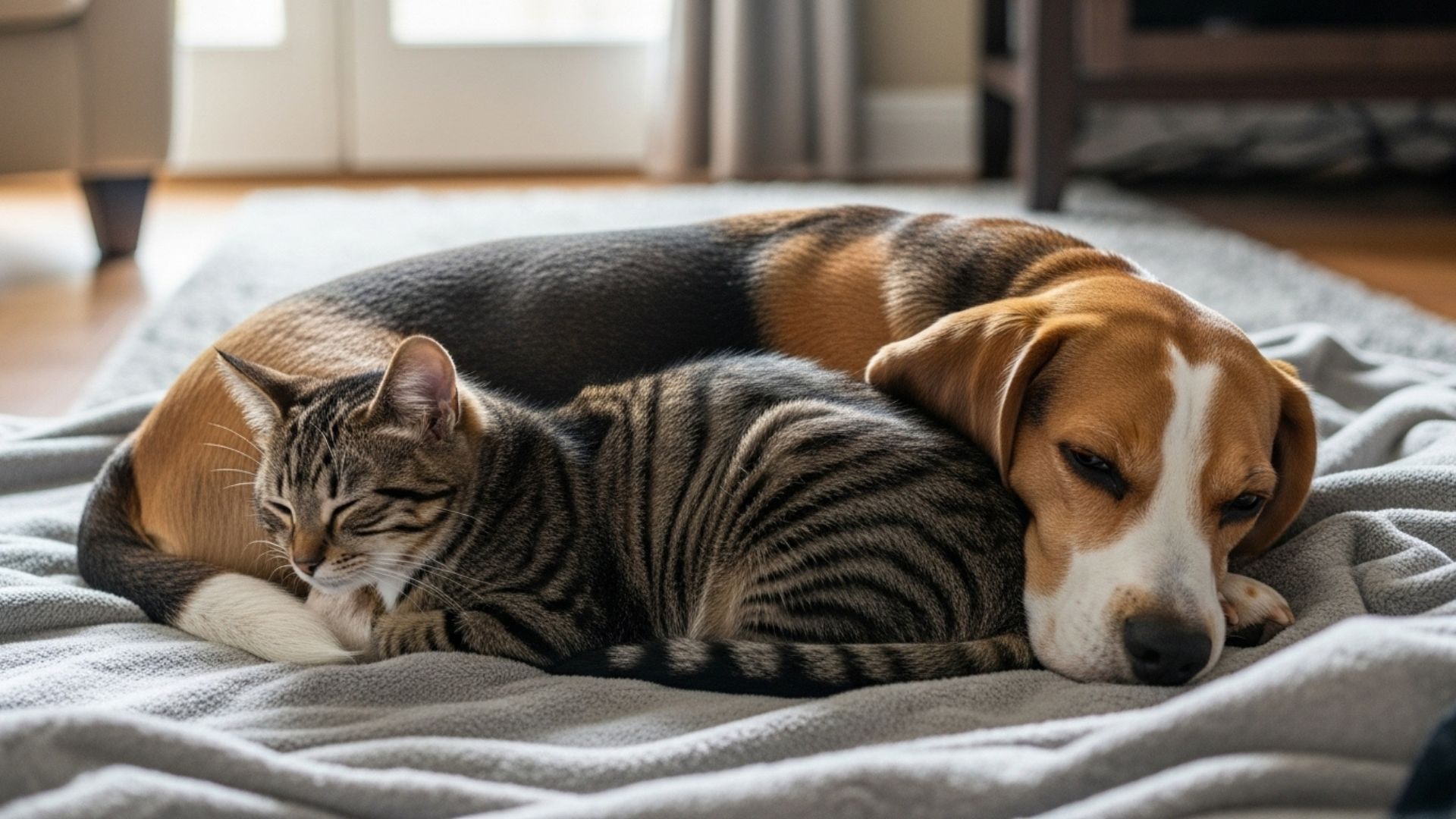
So you love dogs, you love cats, and you are tired of hearing that they can never get along.
Good news.
Some dogs are total softies who would rather share a sunny nap spot with a cat than chase one down the hallway. If your dream home includes purring, tail wags, and zero drama, picking the right dog breed matters more than you might think.
Certain pups are calm, affectionate, and perfectly content letting the cat set the house rules. These breeds tend to respect boundaries, enjoy close company, and yes, happily cuddle up beside a feline friend.
Let’s meet the dogs that prove cats and dogs can be buddies after all.
Fun Fact
Dogs are known for acts of kindness, and they will sometimes help others even when there is nothing in it for them. That generous streak may explain why some dogs are so good at winning over cats.
Dog Breeds That Love to Cuddle Up Beside Cats
1. Basset Hound
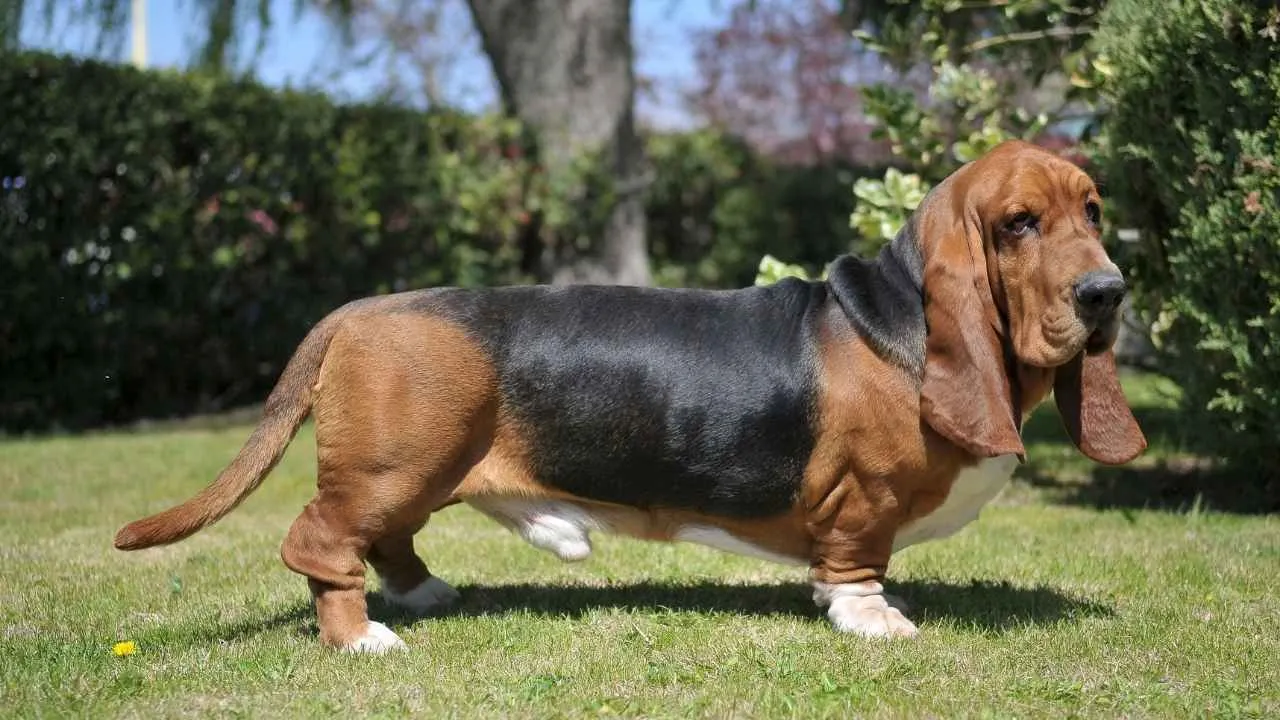
The Basset Hound is instantly recognizable for its low build, soulful expression, and deliberate pace. Built for endurance rather than speed, this affectionate breed moves through daily life calmly and thoughtfully, preferring steady routines over bursts of excitement or constant activity.

At home, Basset Hounds are known for being mild, agreeable, and loyal to their families. They tend to form close bonds without being overly demanding, offering companionship that feels relaxed and dependable rather than intense or overwhelming.
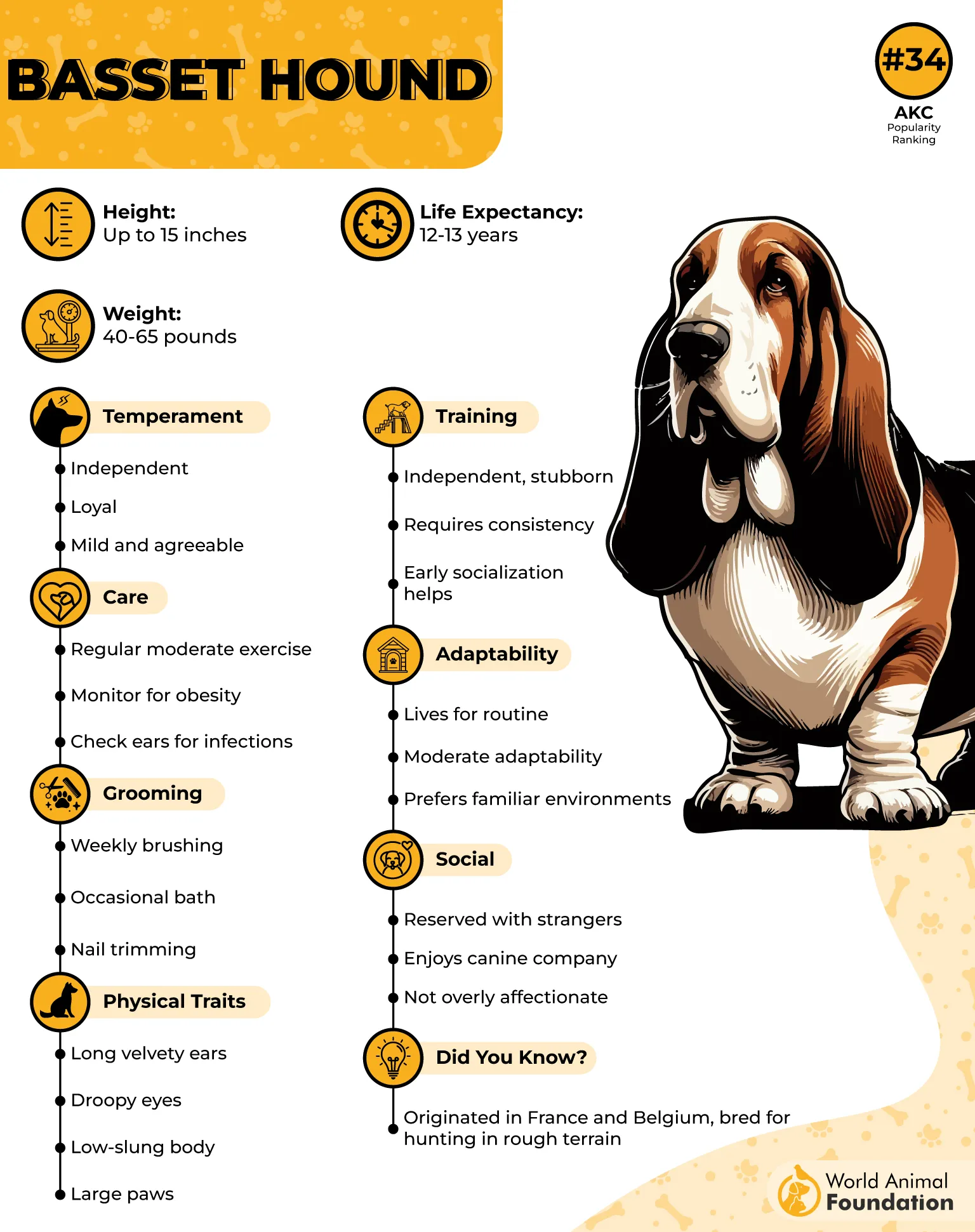
Their sensitivity to sounds and movement means introductions to new situations or pets benefit from patience and gradual exposure. Once settled, they are content to lounge near a feline companion, observe their surroundings, and enjoy a peaceful household rhythm that suits quieter living arrangements.
Why this Breed is a Good Fit
Thrives in homes that value calm routines and predictable daily flow
Offers companionship that feels steady, comforting, and unhurried
2. Beagle

If curiosity were an Olympic sport, the Beagle would already have a medal. Bred to follow scents alongside a group, this breed stays highly aware of what’s happening around them, casually clocking sounds, movement, and changes without turning every moment into chaos.
When cats enter the picture, curiosity usually shows up before excitement. Many Beagles prefer to observe first, sniff a little, and quietly process what’s going on instead of jumping straight into action. That slower, watchful approach can make early interactions feel far less intense.

As noted by PetMD, when it comes to training, Beagles are very smart but easily distracted by food and fascinating smells. They respond best to short sessions, positive reinforcement, and well-timed treats, with harnesses and praise helping keep their wandering noses engaged.
Why this Breed is a Good Fit
Handles shared attention without turning it into competition
Brings an upbeat mood that lightens the whole room
3. Bulldog

Bulldogs give off strong “we’ll get there when we get there” energy. Their unhurried pace and grounded presence create a calm rhythm in the home, making them feel predictable and steady rather than reactive or easily rattled by daily household activity.
Chasing behavior rarely steals the spotlight with this breed. Bulldogs tend to stay unfazed by quick movements, which can help avoid unpredictable reactions when a cat suddenly dashes across the floor or leaps onto a nearby surface.
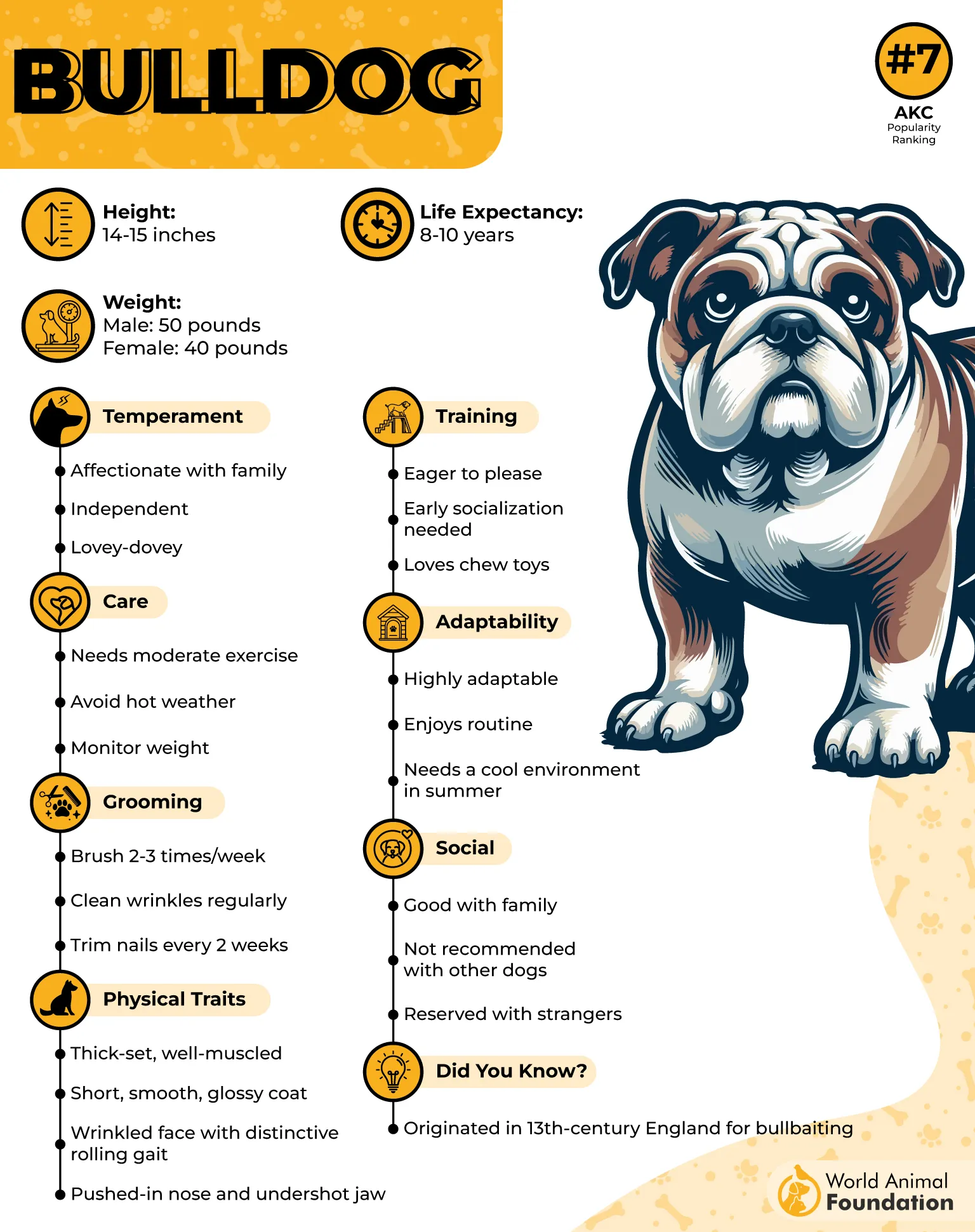
Bulldogs stay comfortable with short brushing sessions a few times weekly, extra help during shedding, routine wrinkle cleaning to prevent irritation, clean ears, dry skin folds, and neatly trimmed nails for overall hygiene.
Why this Breed is a Good Fit
Keeps grooming needs simple and low-key
Happy to relax without constant stimulation
4. Labrador Retriever

Labradors tend to walk into life like they’re happy to be invited. Their warmth shows quickly, whether they’re greeting people, routines, or new situations, and that open attitude often carries over into how they share space with other animals.
Room to move makes a difference for this breed. Labradors enjoy stretching out and staying active, yet they’re surprisingly good at settling indoors when structure and regular outlets for energy are part of the plan.
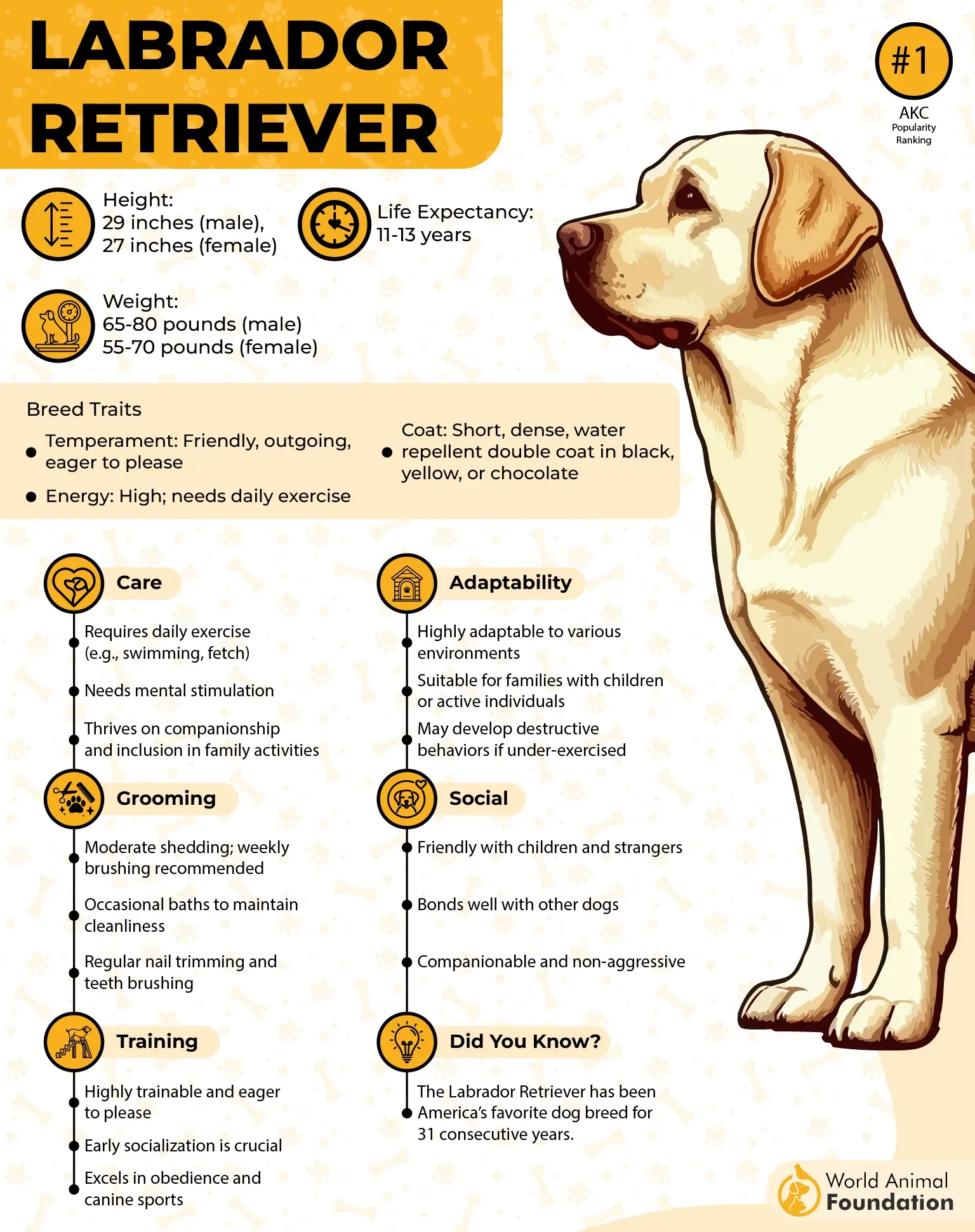
Thoughtful breeding really matters here. Proper health screening supports a long, comfortable life, helping that famous enthusiasm stay balanced rather than turning into physical strain or long-term issues.
Why this Breed is a Good Fit
Loves being part of everyday family routines
Keeps interactions friendly and open across shared spaces
5. Papillon

Papillons may be tiny, but they rarely miss a thing. Alert and observant, they tend to position themselves where they can see what everyone is doing, quietly keeping tabs on both people and pets with bright-eyed curiosity and plenty of confidence.
Their history as companion dogs goes back centuries, built around close human relationships rather than demanding jobs. That legacy still shows today in how deeply they bond and how naturally they fit into the emotional flow of a household.
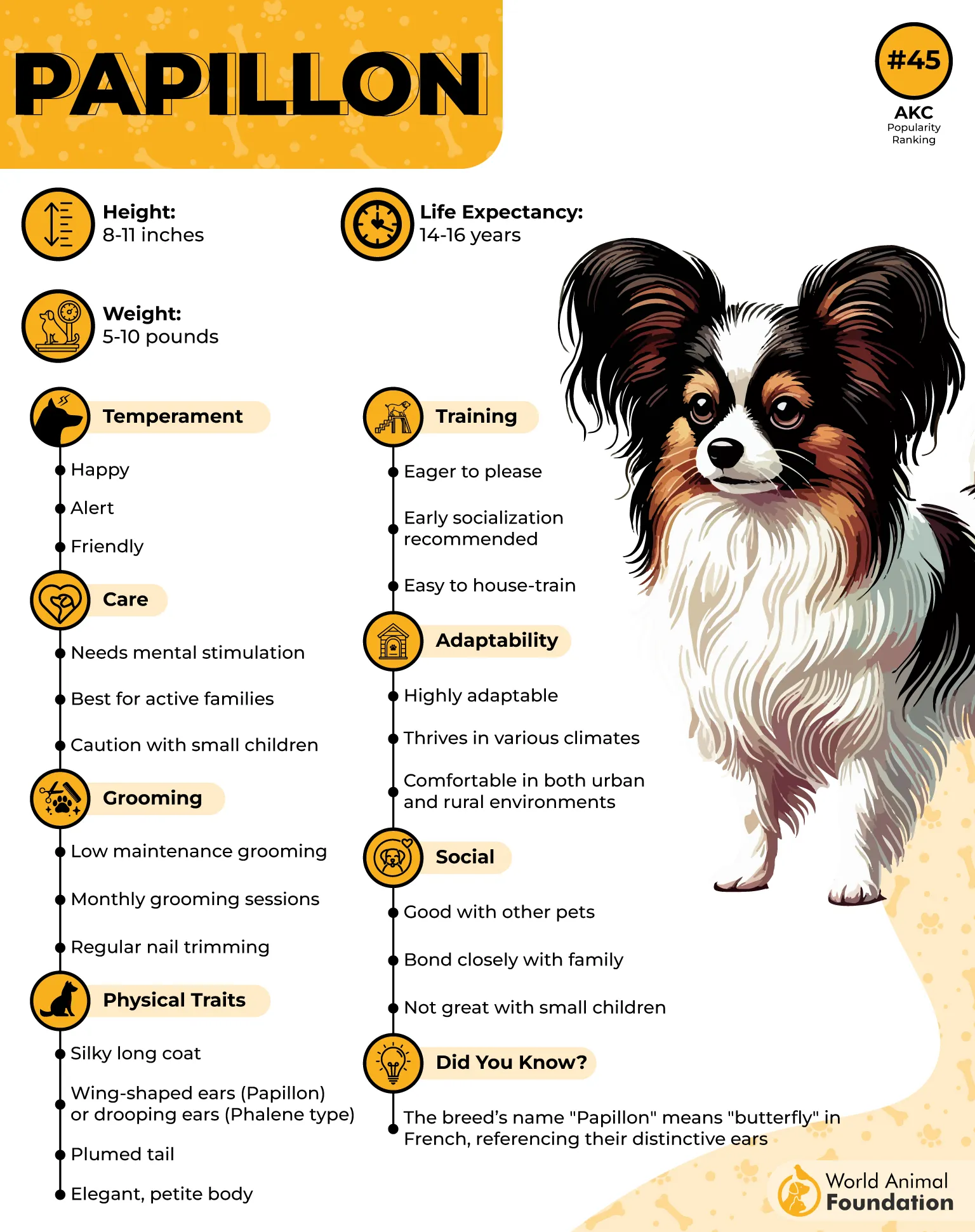
Gentleness shows up in everyday moments. While Papillons enjoy activity, they’re often quick to adjust their behavior to match what’s happening around them, especially when early social experiences help set clear expectations.
Why this Breed is a Good Fit
Small size helps interactions feel calmer and less intense
Switches easily between play mode and quiet time
6. Pug
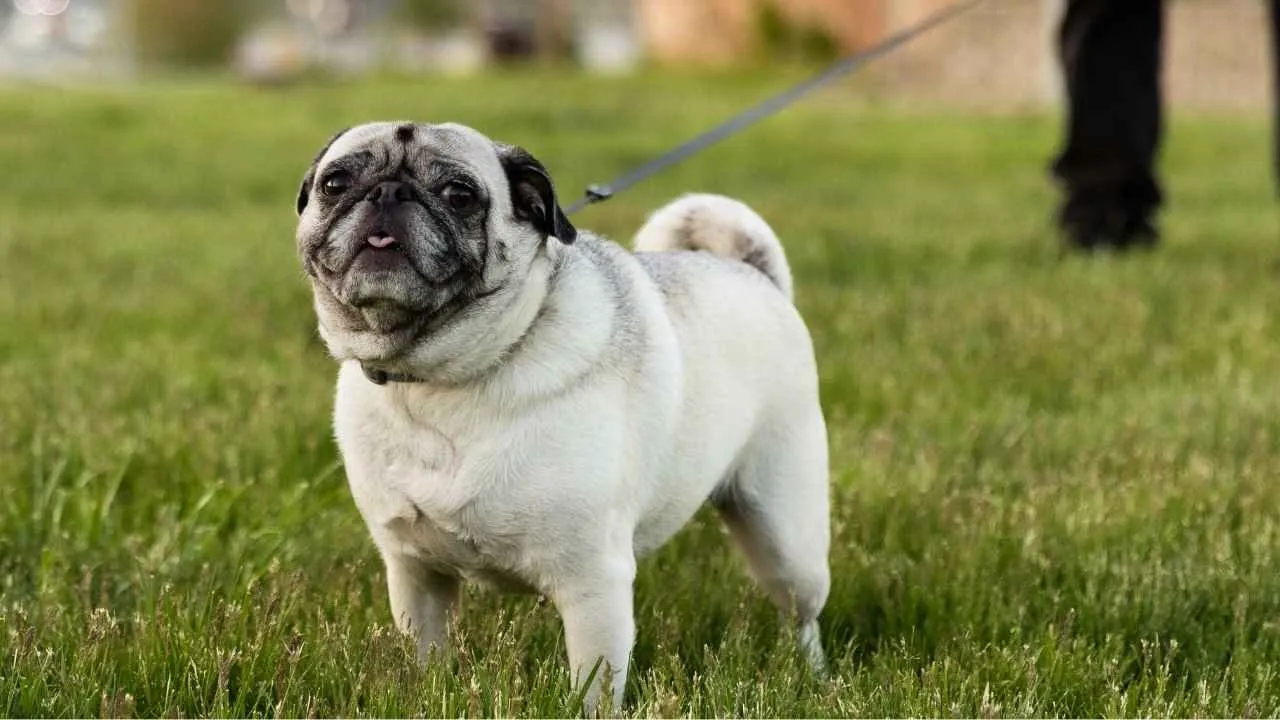
Pugs operate under a simple life philosophy: if everyone is together, everything is fine. Bred solely to be companions, they gravitate toward familiar faces and familiar spots, often planting themselves right where the action is and staying there with great commitment.
Family life suits them well. Pugs enjoy being involved without needing to take charge, happily tagging along from room to room or settling nearby to supervise naps, conversations, and quiet evenings with the same level of enthusiasm.
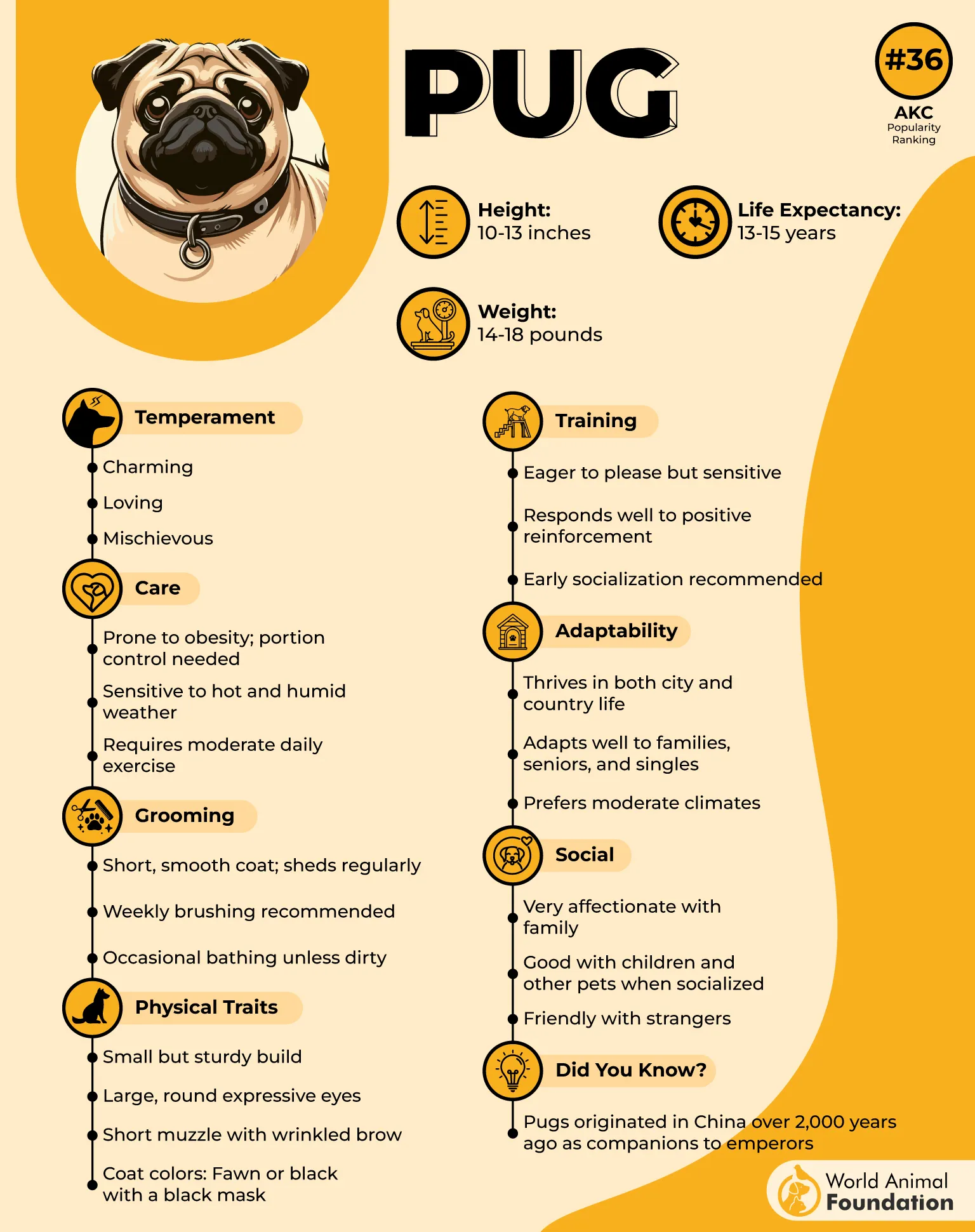
Energy stays pleasantly predictable. Pugs enjoy short play sessions but are just as content clocking serious sofa time afterward, creating a rhythm that feels calm and manageable while still offering moments of playful charm throughout the day.
Why this Breed is a Good Fit
Activity levels suit relaxed, indoor-focused homes
Brings a warm, affectionate presence to shared spaces
7. Boxer
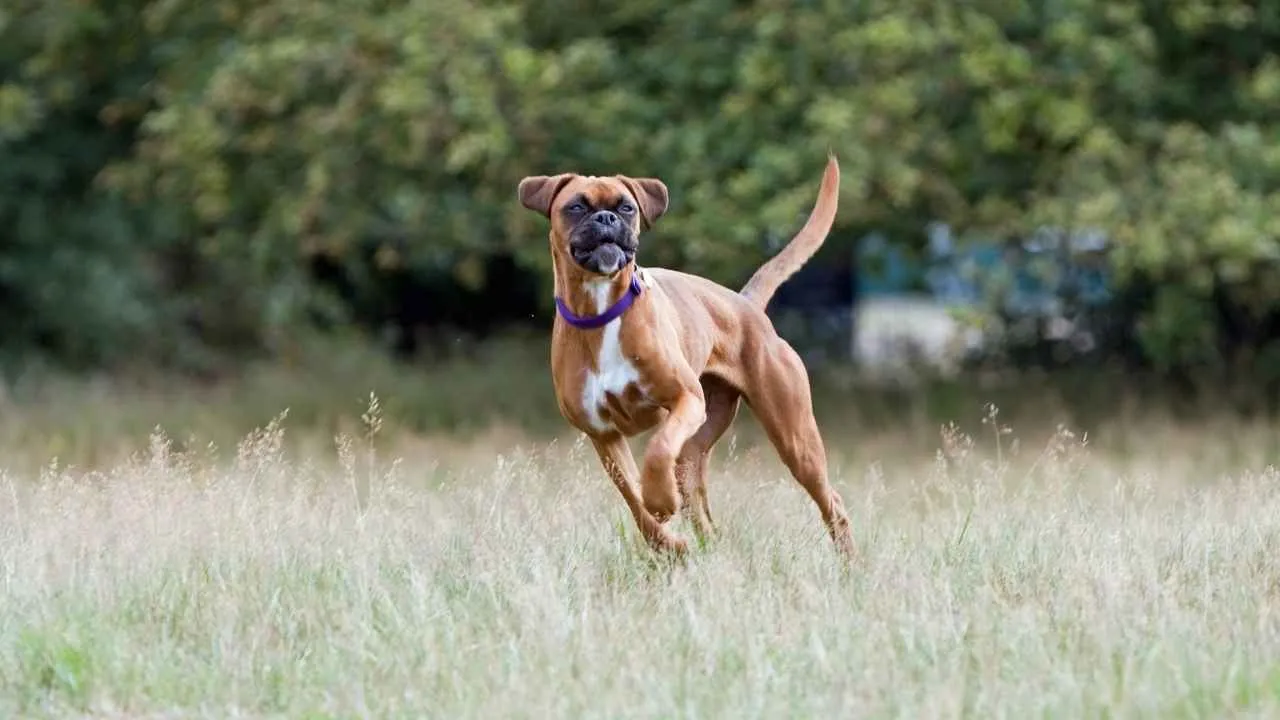
Watching a Boxer move through a room feels like witnessing enthusiasm in physical form. Everything they do has intention, bounce, and personality, from locking eyes with you to expressive faces reacting to tiny moments like comedians on caffeine daily.
Spend a little time with a Boxer, and emotions take center stage fast. They form deep attachments, thrive on interaction, and love having a job to do. That emotional openness makes them responsive, socially aware, and very invested in what everyone around them is doing.

Cats can fit into a Boxer’s world when introductions start early and stay consistent. Without guidance, their instinct to chase smaller animals may appear. With patient exposure and training, many Boxers learn quickly which furry roommates are family and which are definitely not toys.
Why this Breed is a Good Fit
Responds strongly to early social training routines
Enjoys structured interaction with clear expectations
8. Maltese

Picture a dog designed entirely for companionship, then polished over centuries to master that role. The Maltese has always lived close to humans, settling into homes as affectionate little shadows that expect comfort, attention, and emotional connection as part of daily life.
As mentioned by the American Kennel Club (AKC), Maltese stay healthy with light, consistent activity. Short daily walks, playful moments indoors, or relaxed yard time usually provide enough movement to keep them content, balanced, and happily engaged without demanding intense exercise.
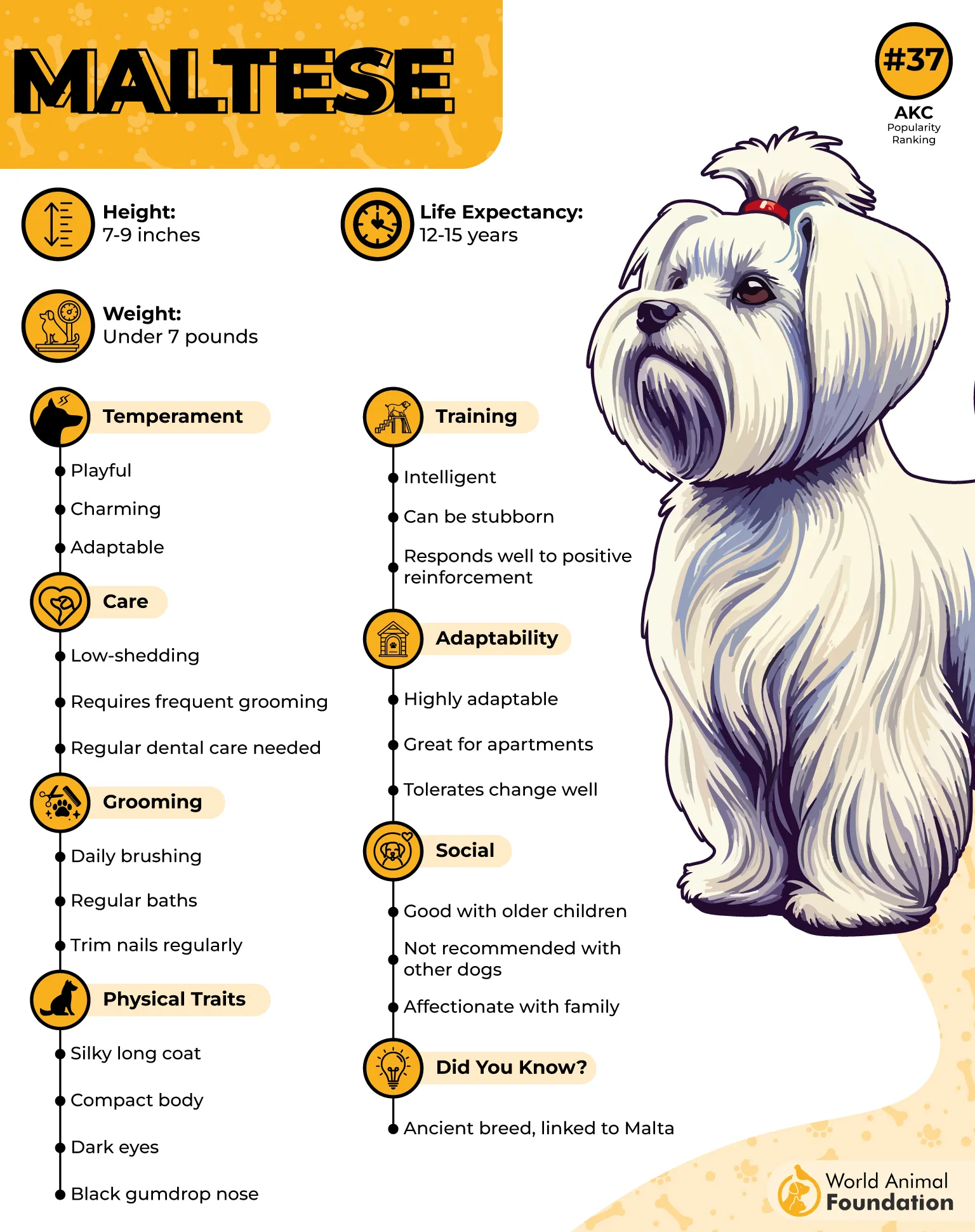
Living alongside cats often works well thanks to their low prey drive and easygoing nature. Their similar size can reduce intimidation, and their adaptable temperament allows them to adjust smoothly when introductions are calm and unhurried.
Why this Breed is a Good Fit
Easily adapts to calm indoor environments
Gentle play style suits mixed-pet homes
9. Shih Tzu

A Shih Tzu enters a room expecting admiration, comfort, and maybe a lap. Bred to live indoors among royalty, they carry themselves with confidence and charm, fully convinced the home exists for lounging, bonding, and being adored at all times.
Exercise needs stay refreshingly modest. Short walks and indoor play usually cover it, creating a predictable rhythm that blends easily with other pets. Their idea of fun rarely involves chasing, preferring relaxation and companionship over bursts of high-speed excitement.
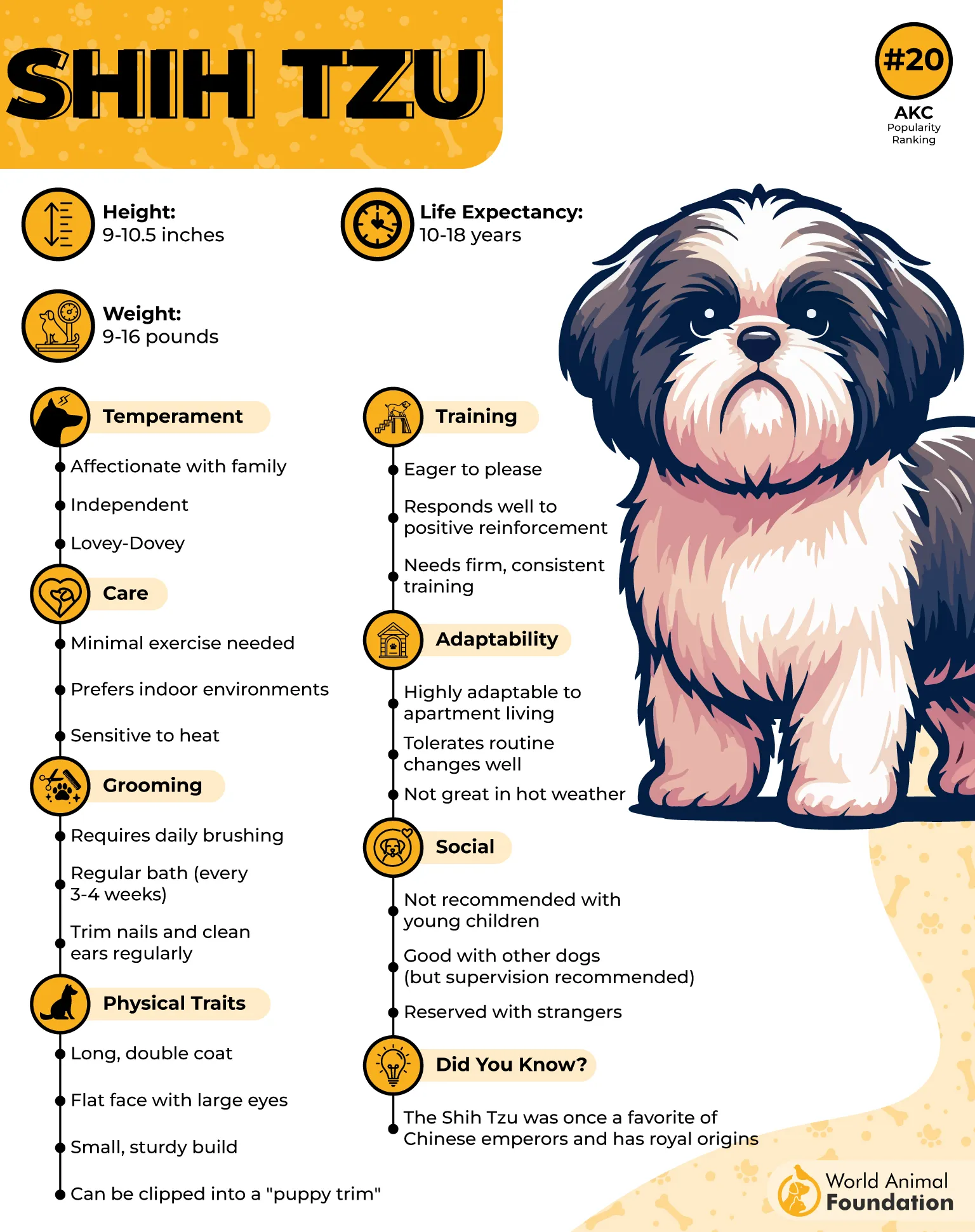
According to Purina, Shih Tzus are a friendly match for first-time pet parents who can manage regular grooming and enjoy being home often. They train well with patience, travel easily, fit smaller budgets, and tend to charm just about everyone they meet.
Why this Breed is a Good Fit
Thrives in apartment-style living
Low exercise needs support for relaxed households
10. Cavalier King Charles Spaniel

Few breeds wear history so softly. Cavaliers trace their roots to royal courts, yet carry no arrogance, only warmth. Their graceful appearance hides a gentle personality that leans toward closeness, emotional connection, and making every interaction feel personal and intentional.
Loyalty defines this breed’s nature. Cavaliers crave attention, respond deeply to affection, and dislike being left alone too long. That strong social drive often extends naturally to other animals, especially when introductions allow trust to develop gradually and positively.
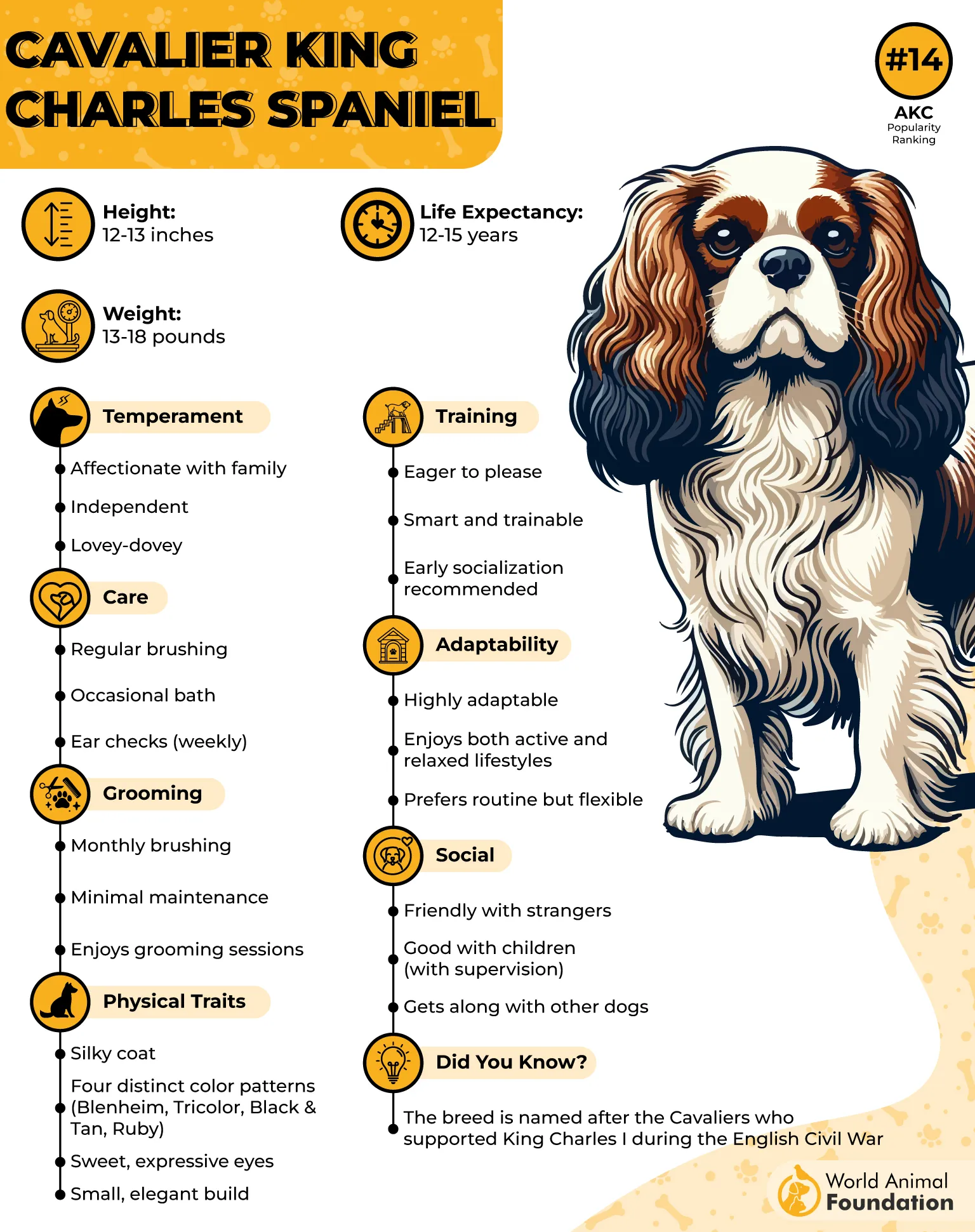
Cats can become part of a Cavalier’s social circle with patient guidance. While some instinct to chase exists, early socialization and positive reinforcement help redirect curiosity into calm coexistence, allowing relationships to grow comfortably over time.
Why this Breed is a Good Fit
Highly responsive to praise and affection
They are comfortable in multi pet household
Conclusion
Sharing your home with both a dog and a cat can be surprisingly peaceful, and even heartwarming, when the match is right. Personalities matter, routines matter, and a little patience goes a long way. There are certain dog breeds that show that calm coexistence is not a fantasy but a realistic goal with the right expectations.
By paying attention to energy levels, social tendencies, and how pets respond to one another, you can create a home that feels balanced and comfortable. The result is a household where quiet companionship, shared spaces, and genuine bonds have room to grow naturally.
If you are further interested in such wonderful breeds, some other dogs you can look up include Australian Cattle Dog, Golden Retriever, and Shetland Sheepdog.
