




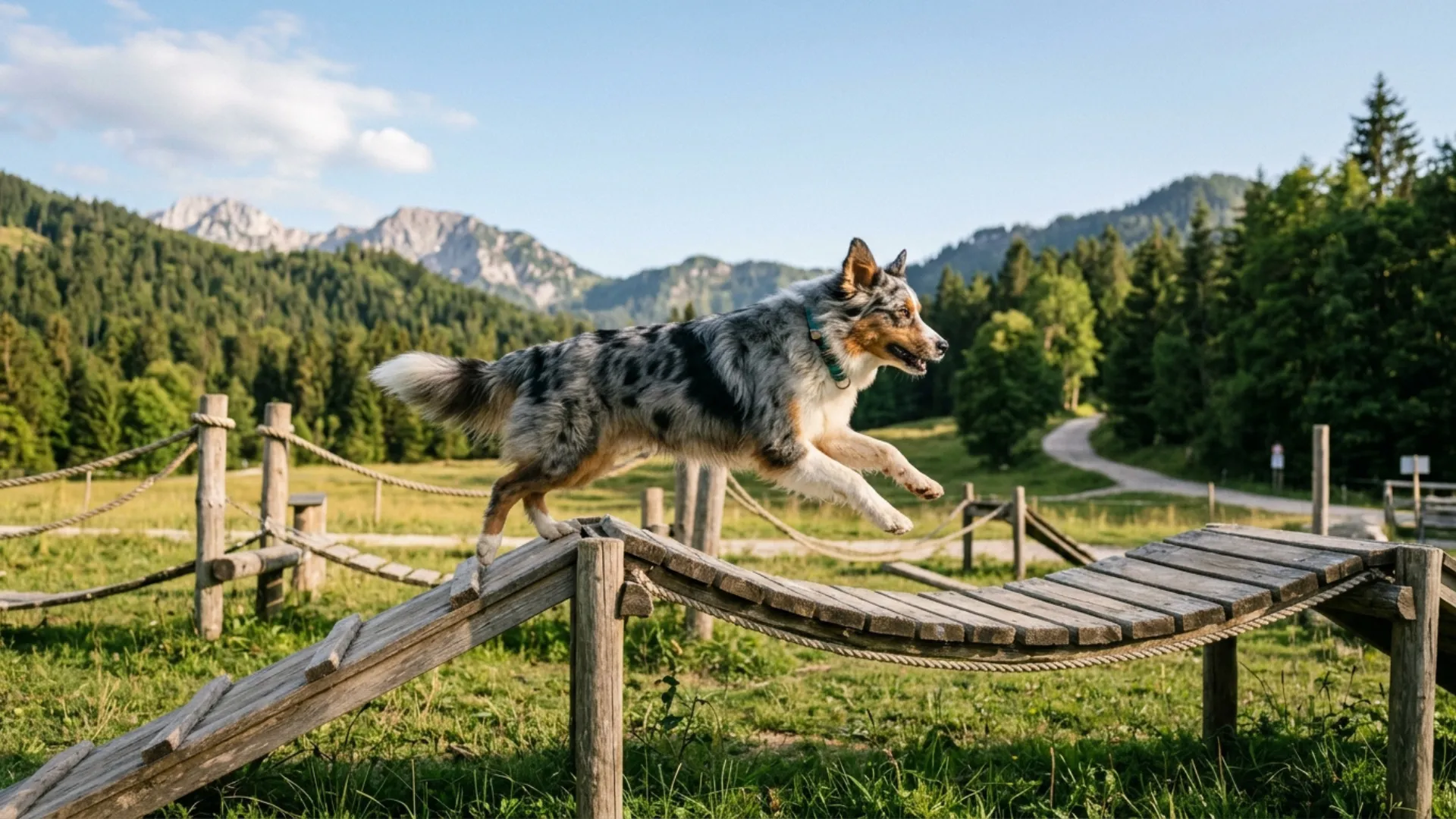
Some dogs treat the outdoors as a simple break from routine, while others see it as the main event. The difference becomes clear once you spend time with them.
A short walk feels incomplete, and basic play barely scratches the surface of what they need. There is a certain type of dog that looks for more than casual activity. It looks for movement with purpose, challenges that push its limits, and spaces where it can fully engage both body and mind.
Most people do not recognize this difference at first, which often leads to routines that never quite satisfy the dog’s natural drive. Over time, that mismatch becomes harder to ignore. Understanding which dogs are built for outdoor challenges changes everything. It shifts the focus from simple exercise to meaningful activity.
Ahead, you will explore dogs that do not just enjoy the outdoors but truly come alive in it.
Key Takeaways
Outdoor time means more than exercise for certain dogs. It becomes a space where energy, focus, and instinct all come together.
Border Collie and Australian Shepherd stand out with sharp focus, turning movement into controlled action that feels almost instinctive in the field.
German Shepherd and Vizsla bring structure and endurance, staying fully engaged when activity has direction instead of repetition.
As the list unfolds, it becomes clear which breeds do not just enjoy the outdoors but actually depend on it to feel balanced and alive.
Dog Breeds That Love Outdoor Challenges and Play
1. Border Collie
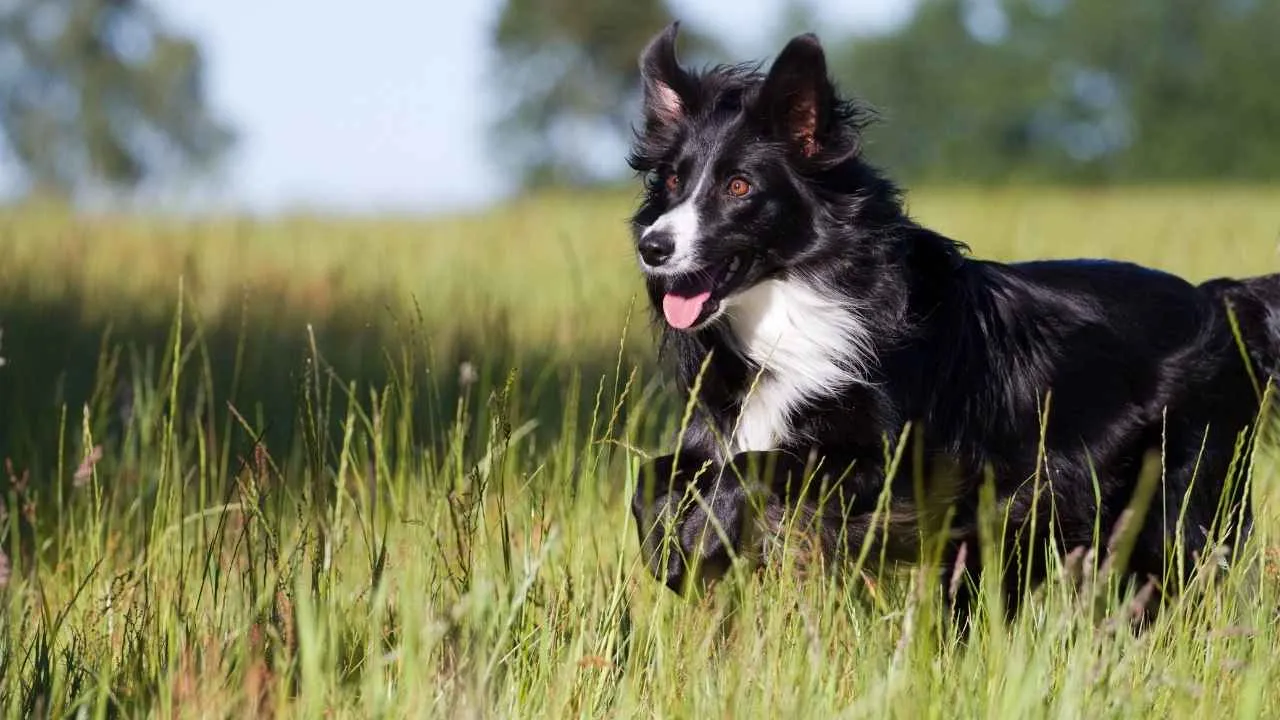
Border Collie reveals its working drive through a fixed, deliberate gaze known as the “herding eye,” often controlling movement without physical force, as per the AKC.
Its almond-shaped eyes reflect constant awareness and calculation. This visual control defines how it interacts with moving targets outdoors.
Precision in activity and response
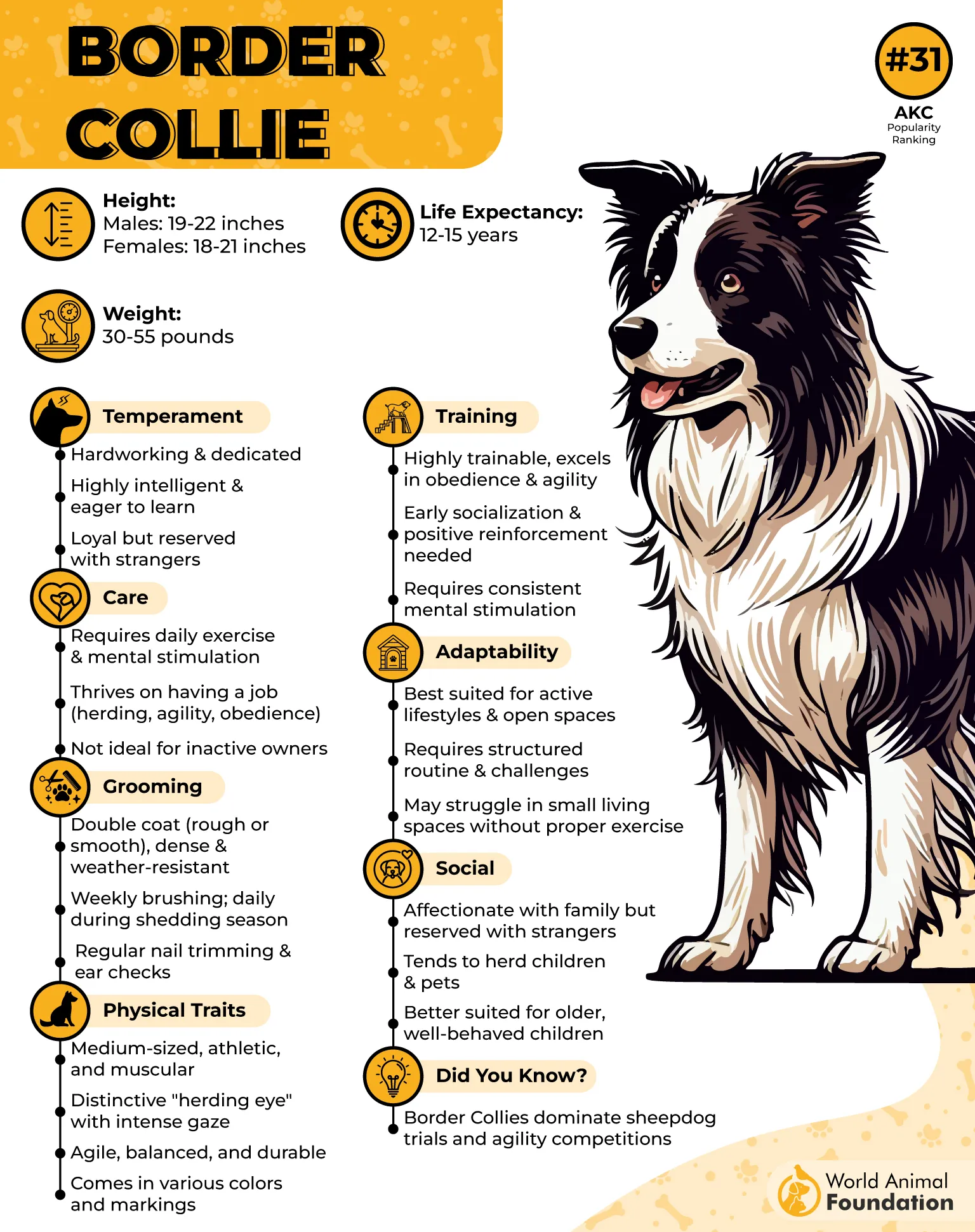
This intelligent dog approaches tasks with calculated energy, channeling effort into structured activities like herding or agility work. Its intelligence connects directly with performance-based challenges rather than idle play, best suited for active owners.
That working rhythm appears in specific ways:
Directs livestock using eye contact and body positioning
Excels in agility and obedience-based tasks
Responds quickly to advanced training cues
Built for agility and endurance
As a herding dog, they have a muscular yet flexible frame that supports quick directional changes across uneven ground. Its balance and durability allow extended outdoor sessions without loss of coordination. Also, both of their coat types adapt across varied working conditions and climates.
2. Australian Shepherd
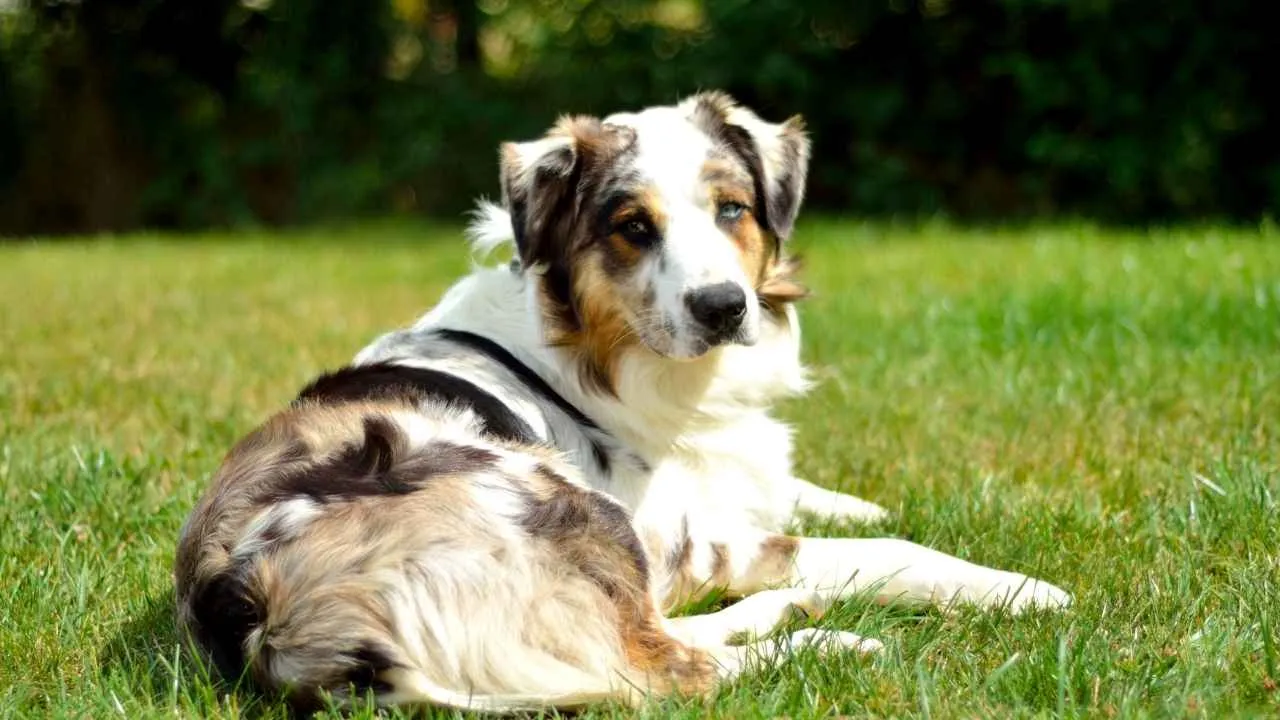
Australian Shepherd grew into a working companion tied closely to ranch life, refined through use in the American West after European roots passed through Australia.
Its lean, muscular build and sharp gaze reflect a dog that reads movement quickly. This connection to livestock work shapes how it responds to outdoor activity.
Herding instinct in action
These athletic dogs approach movement with intent, often reacting to patterns and direction rather than random motion. Their natural drive to manage and control movement appears clearly during play and field activity.
That instinct shows through specific behaviors:
Tracks and redirects moving objects
Engages deeply in dog sports like fetch and chasing games
Responds actively during herding-style tasks
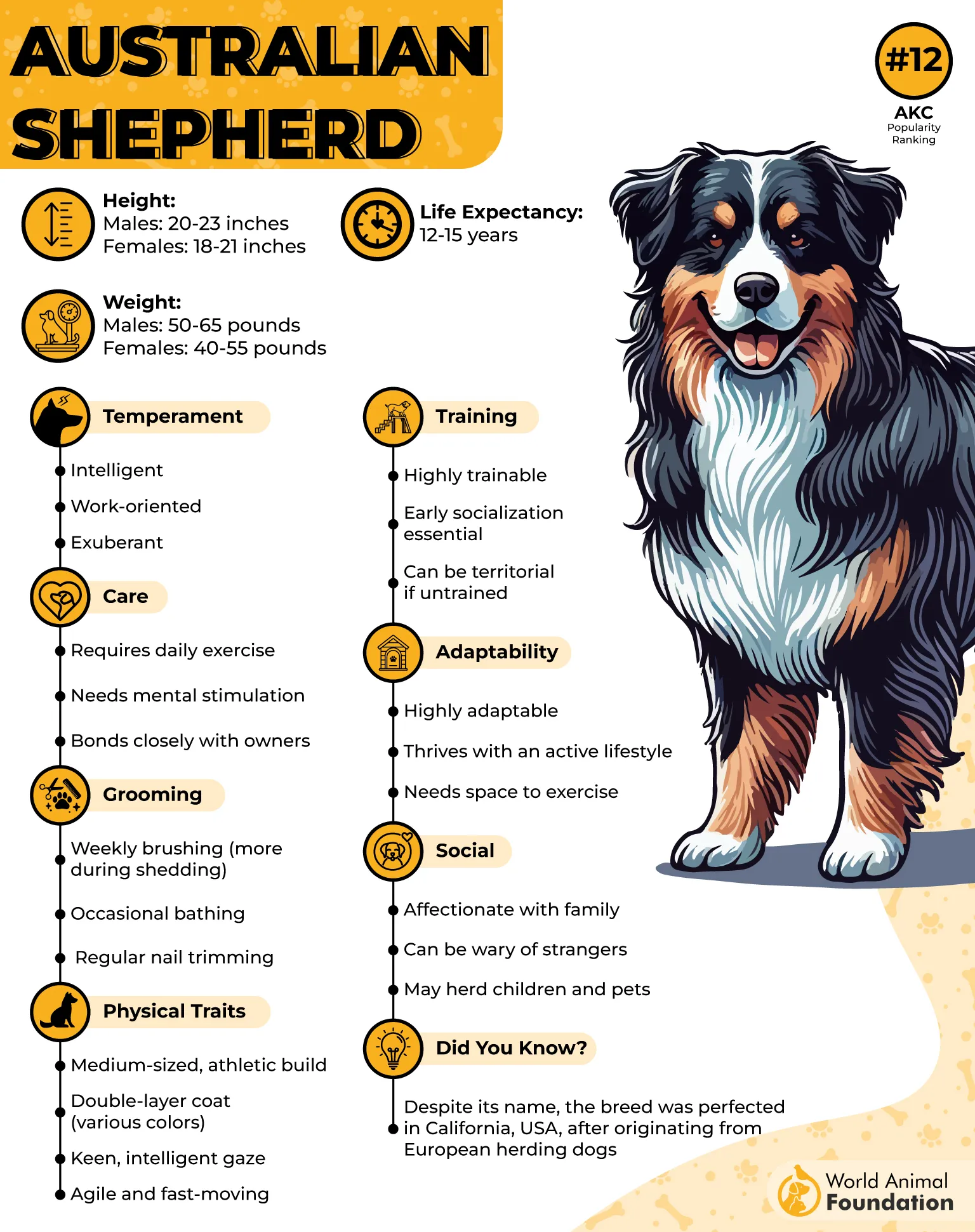
Energy expressed through task-based play
With proper training, these adventure dogs connect physical activity with purpose, showing interest in structured challenges like agility, field trials, and advanced obedience.
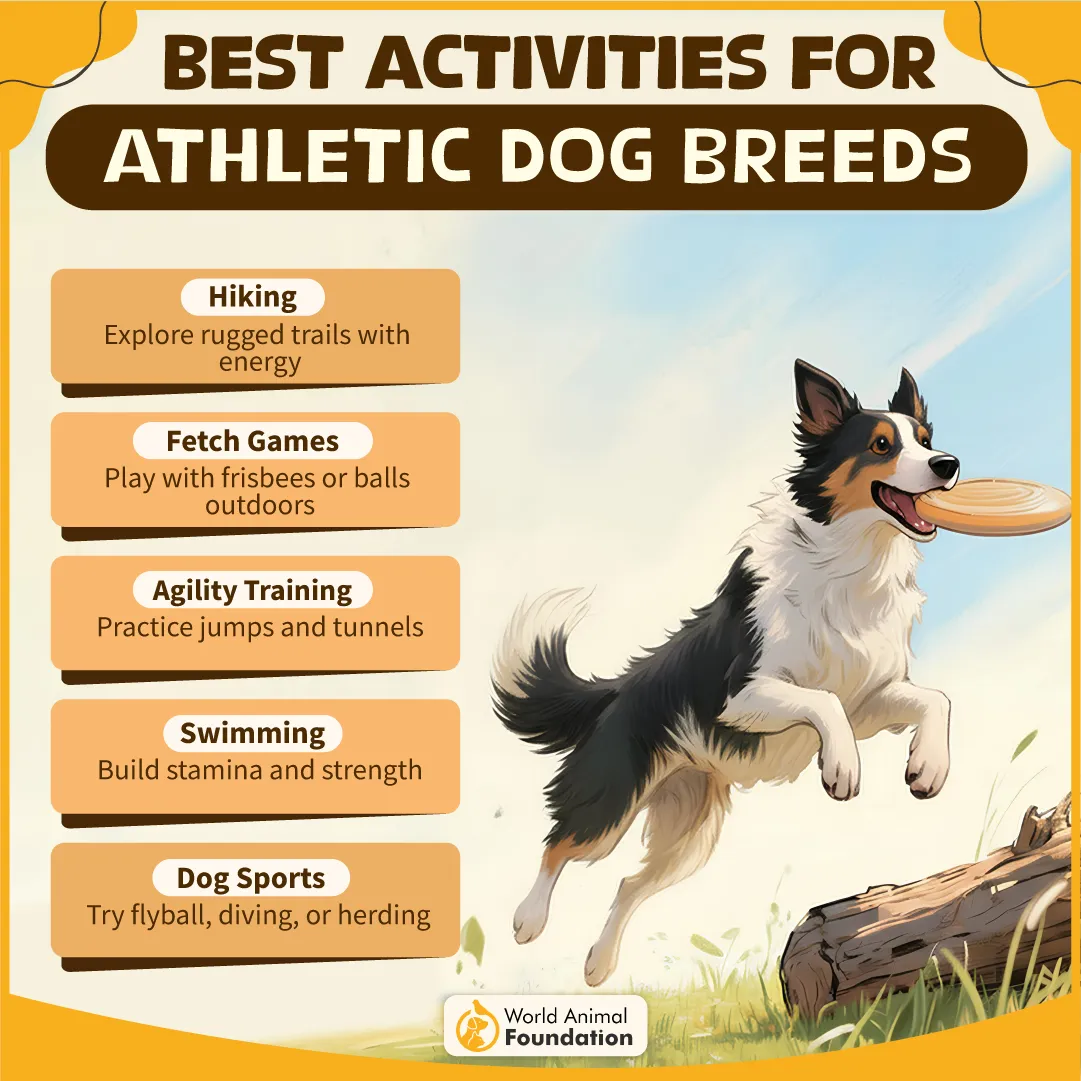
Its involvement goes beyond simple exercise, often focusing on completing a task. Outdoor adventures become more engaging when linked with direction and challenge.
3. German Shepherd
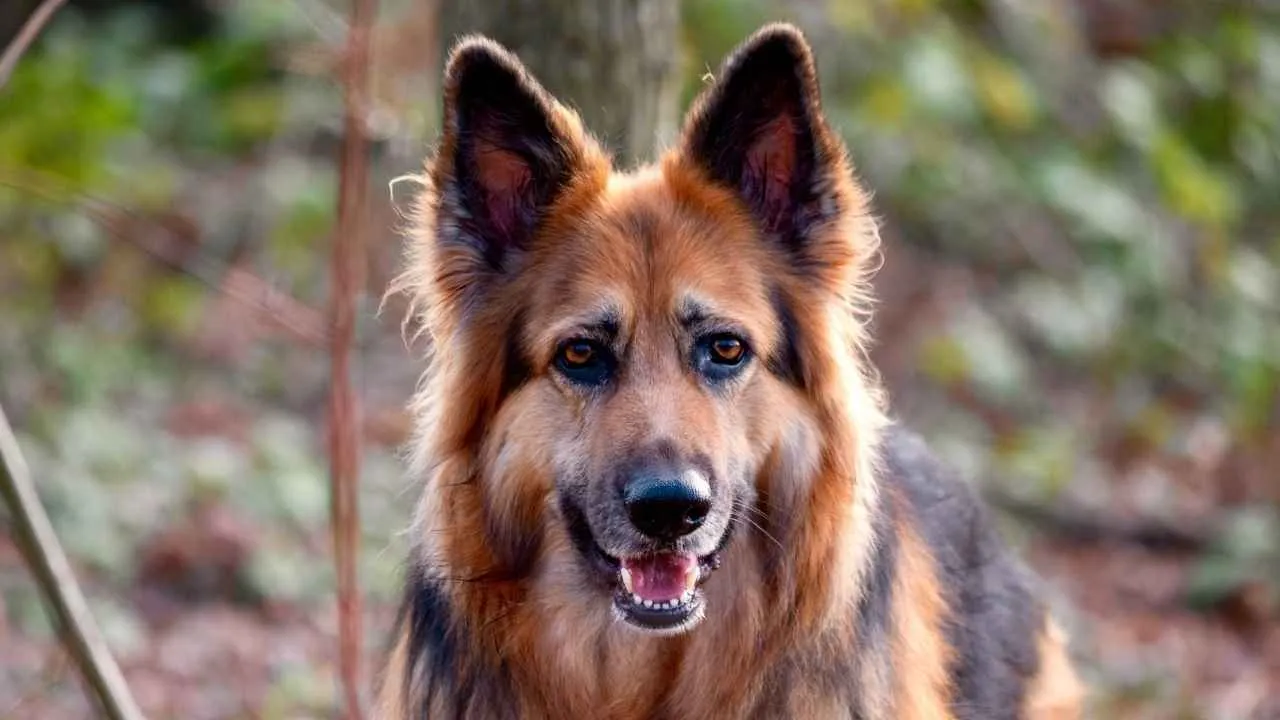
The German Shepherd was originally bred in Germany through careful breeding to create a dog suited for herding and guarding livestock.
Over time, its intelligence and courage were refined for demanding tasks beyond the field. The name shift to Alsatian reflects its wider recognition beyond its place of origin.
Task-driven engagement outdoors
They connect strongly with structured outdoor activity, showing focus when given clear direction and purpose. Their working nature links closely with tasks that involve coordination, tracking, and controlled physical effort.
This becomes clear through the type of activities it excels in:
Tracking and nose work across varied terrain
Agility and herding-based movement
Great hiking companions and dock diving with guided control
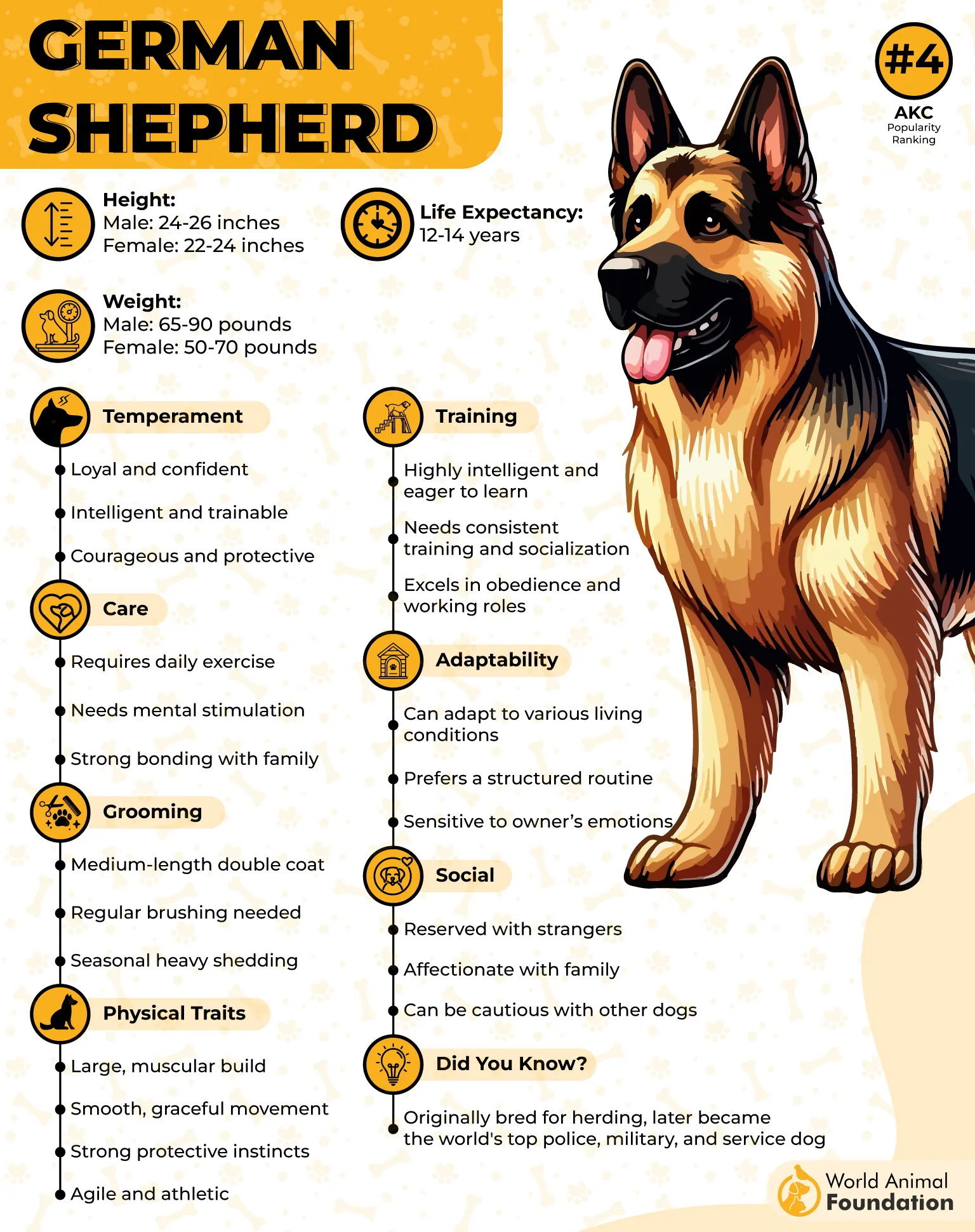
Energy expressed through responsibility
This active dog channels its high energy into assigned roles, often seeking tasks rather than idle play. Its involvement in patrol, search operations, and detection work reflects a need for engagement that goes beyond casual exercise, as noted by PetMD.
4. Vizsla
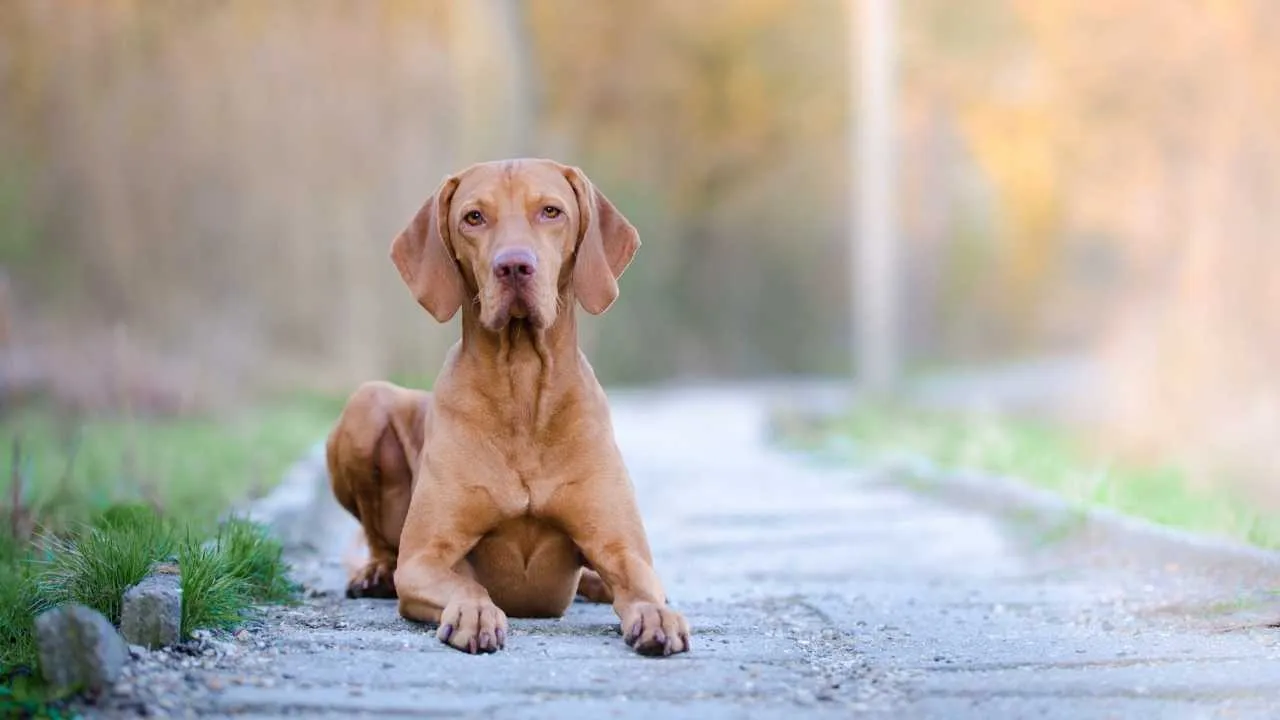
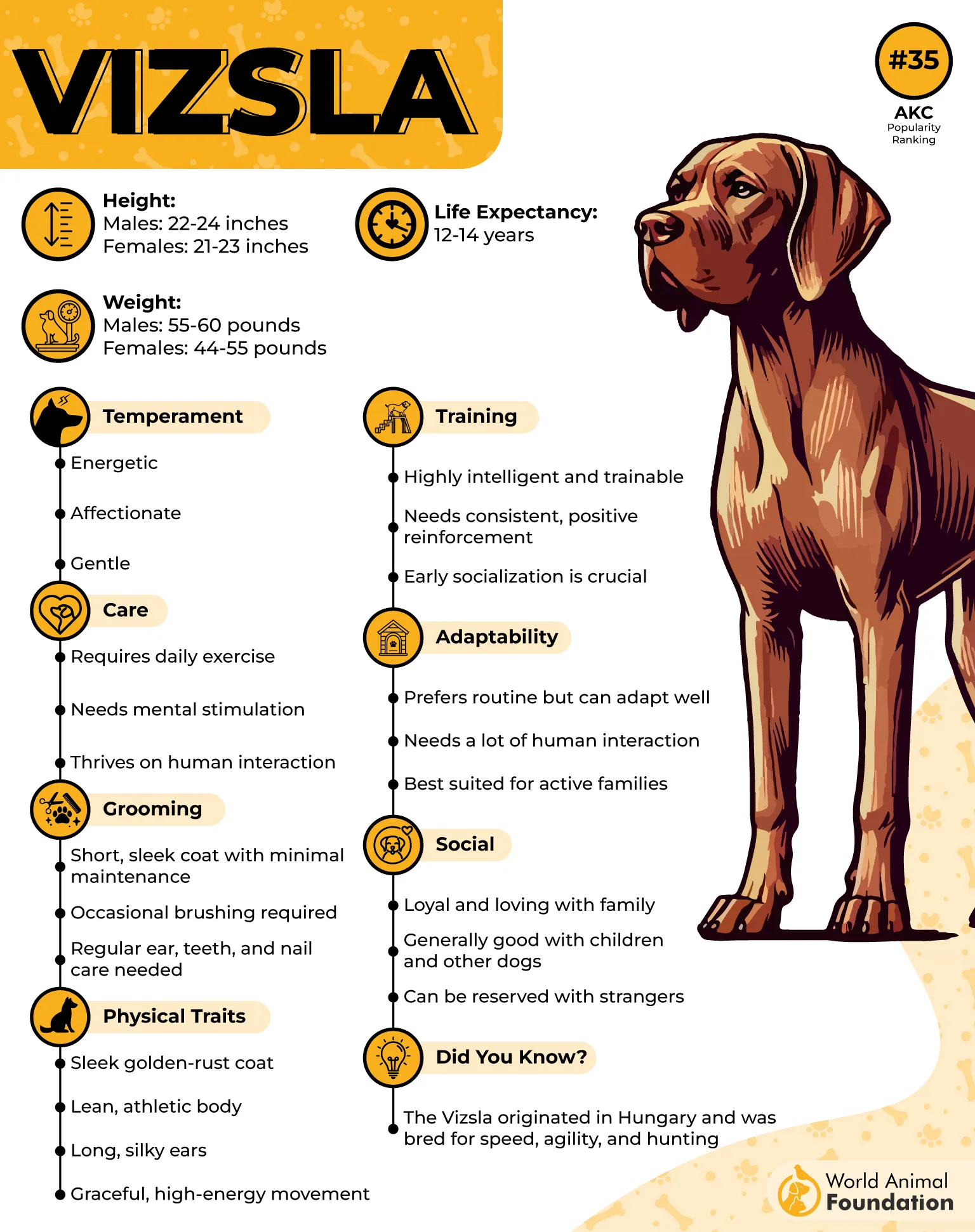
Vizsla presents a lean, light-footed frame wrapped in a sleek golden-rust coat, built for long hours in open fields, as noted by Purina.
Its movement reflects stamina rather than bursts, shaped for extended activity alongside human partners. The expression shifts from soft indoors to sharply focused during work.
Multi-skill outdoor performer
These agile dogs engage in a wide range of outdoor challenges, shifting easily between tracking, running, and structured activities. Their ability to work across different tasks keeps them mentally and physically involved during extended outings.
That range appears clearly in what it takes on:
Excels in scent work and tracking trails
Participates in agility, dock diving, and field trials
Handles jogging and biking routines with ease
Bond that drives participation
They form a close attachment to their person, often staying involved in whatever activity is happening rather than staying separate. They prefer shared engagement and react strongly to being left alone for long periods. This connection fuels their enthusiasm during outdoor sessions.
5. Belgian Malinois
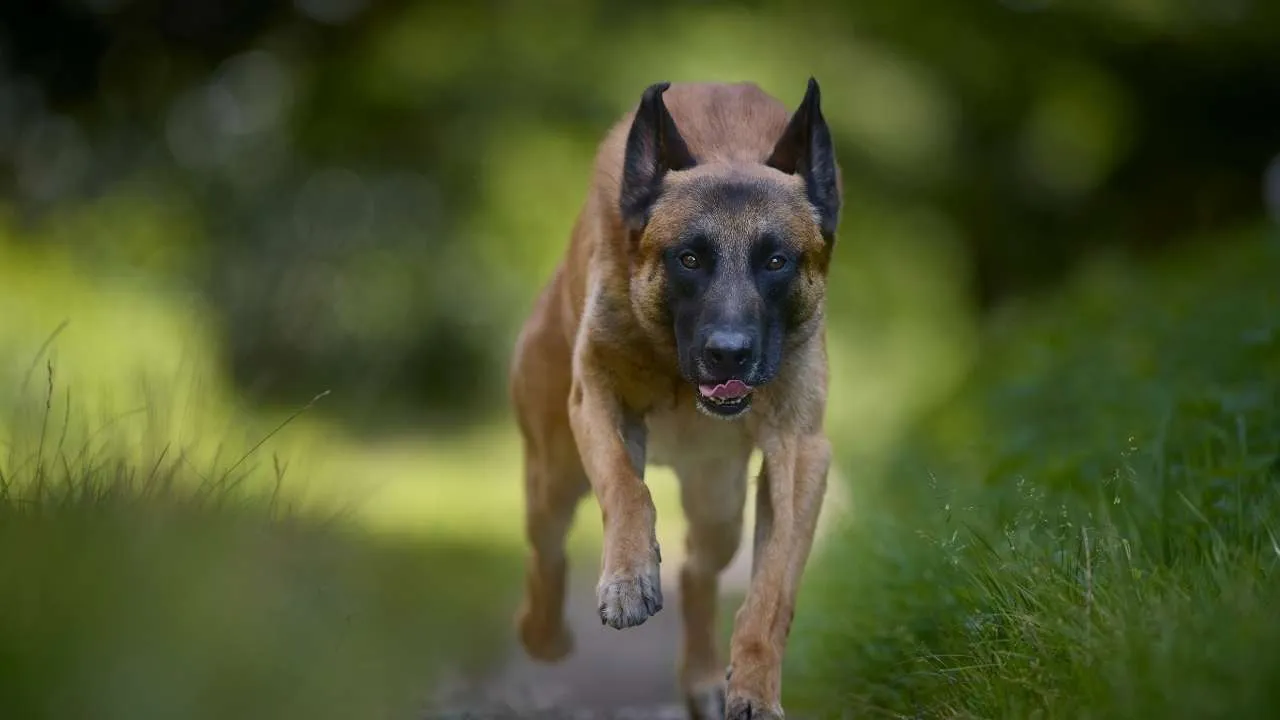
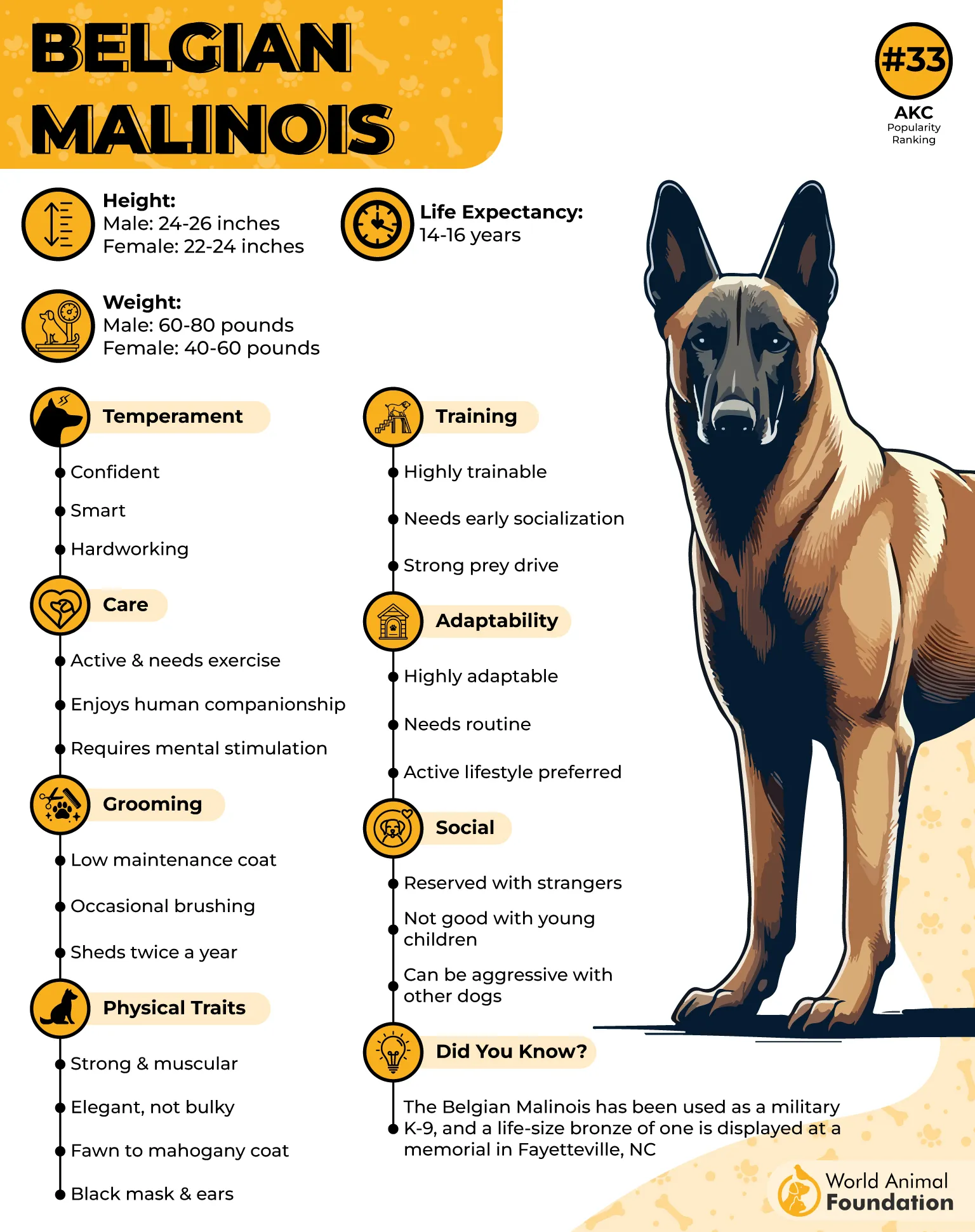
Belgian Malinois presents a square, well-muscled frame paired with an upright, alert head that reflects constant readiness. Its build leans toward efficiency rather than bulk, giving it a clean, purposeful look. Every part of its structure aligns with sustained physical effort.
Work-driven engagement style
This herding breed connects activity directly with purpose, showing focus during tasks that involve coordination with a handler. Its performance in obedience and tracking reflects a mind tuned to structured challenges.
That focus appears clearly in its working patterns:
Executes obedience routines with sharp accuracy
Engages in tracking with sustained concentration
Handles herding and protection tasks with precision
Need for shared activity
This big dog relies on close involvement with its handler, often seeking tasks that are done side by side rather than alone.
Running, hiking, and cycling fit naturally into its routine when combined with interaction. Lack of engagement and proper mental stimulation quickly shift its behavior toward restlessness.
6. German Shorthaired Pointer
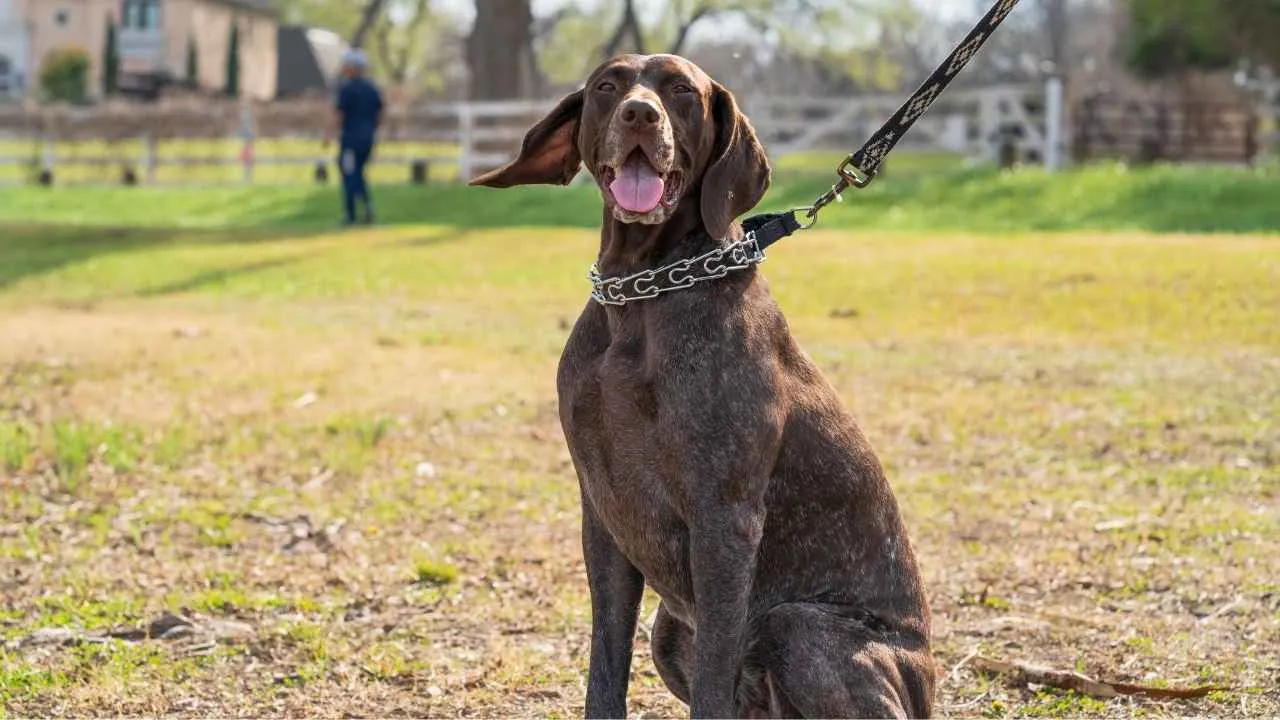
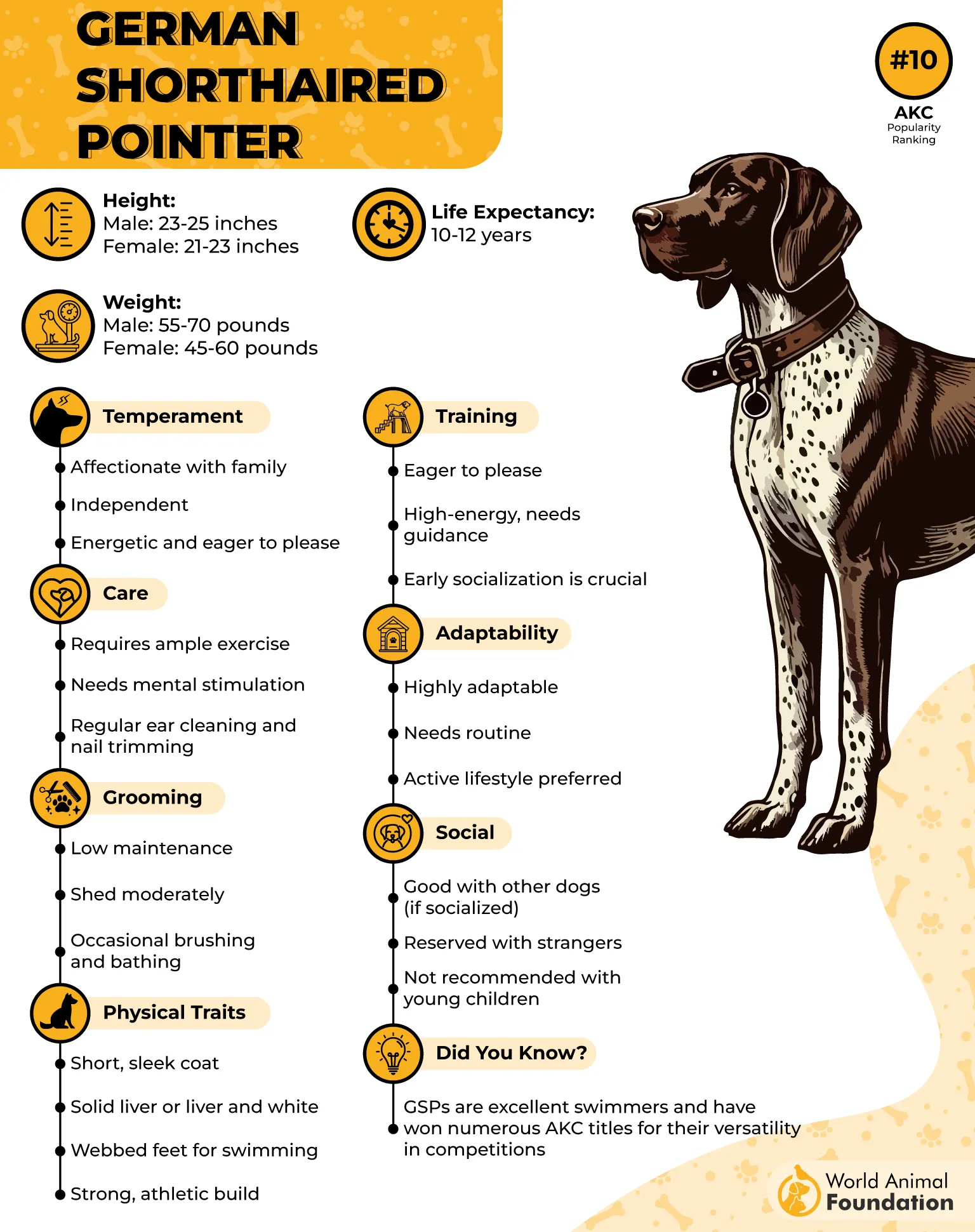
German Shorthaired Pointer shows a balanced frame designed for long hours across land and water, combining strength with speed and agility.
Its liver-colored coat and sharp, expressive eyes reflect an alert and engaged working dog. The overall form reflects endurance paired with controlled athletic ability.
Field versatility in action
These pointers handle multiple tasks in outdoor settings, shifting between tracking, pointing, and retrieving with fluid coordination. Their energy is directed toward an activity that engages both movement and focus.
That versatility appears through distinct working patterns:
Switches between land and water tasks easily
Holds point with precision during game detection
Engages in structured field and sport activities
Activity built into daily rhythm
This active companion requires structured physical exercise, often fitting into routines that include running, swimming, or organized play sessions. Its energy level aligns with environments where outdoor engagement is part of daily life. Regular movement keeps its behavior balanced indoors.
7. Labrador Retriever
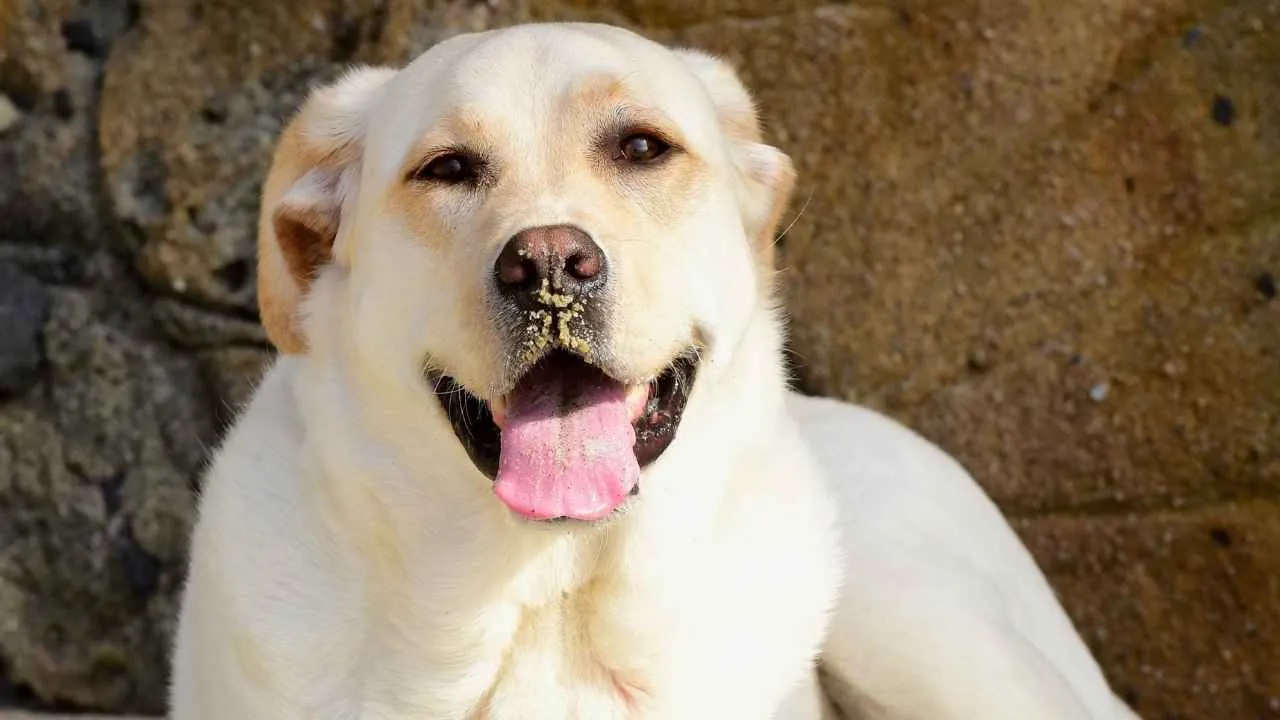
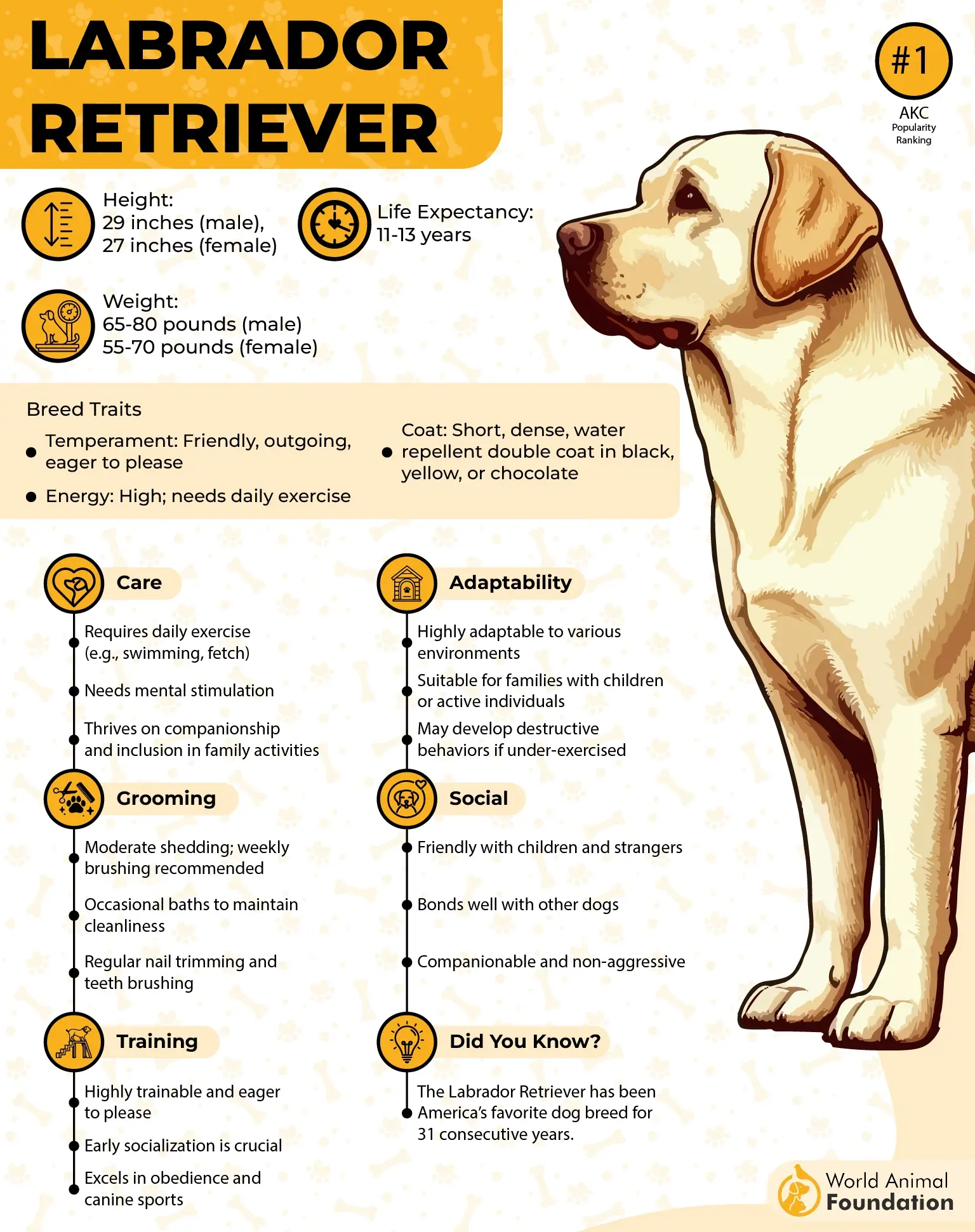
The Labrador Retriever shows a balanced frame with a broad head, kind eyes, and a thick tail that naturally signals alert engagement. Its coat appears dense and weather-ready, supporting long hours outdoors. The overall expression reflects a dog that connects easily with people.
Social behavior in everyday settings
As hunting dogs, they interact smoothly with families and unfamiliar environments, often showing ease in shared spaces. Their response to people and other dogs remains open, shaped by a naturally cooperative temperament.
This behavior becomes clearer in practical activity patterns:
Engages quickly in structured play or tasks
Responds well to group environments
Shows consistent interest in human interaction
Activity drive built into play
Their active lifestyle is best suited for activities like swimming, retrieving, hiking, and long games of fetch that demand both movement and focus.
Field-related activities and canine sports provide strong engagement outlets. Its enthusiasm for repetitive physical tasks remains steady rather than fading quickly.
Conclusion
Outdoor activity means something very different for certain dogs. The best dog breeds in this list show how movement, focus, and challenge come together in a way that goes beyond simple exercise. They carry boundless energy, often staying physically active while turning the great outdoors into something purposeful and engaging.
Over time, this need becomes more noticeable, especially when routines fall short. The right match creates a rhythm where activity feels natural instead of forced, supporting an active life without added strain.
In the end, choosing a dog built for outdoor challenges brings consistency, energy, and a sense of balance that fits easily into an active life.
