





You love your cat’s quiet grace, but you also want a dog that greets you at the door like you just returned from a year abroad.
Good news: “Fighting like cats and dogs” is not a rule.
It is mostly a bad reputation. Some dogs naturally see a cat as a roommate, a playmate, or a fellow nap expert. Breeds such as the easygoing Basset Hound, sociable Beagle, and gentle Golden Retriever are often strong fits for multi-pet homes because of their calm, friendly temperaments.
Still, no dog is a guaranteed cat whisperer. Personality, early socialization, and a slow introduction matter more than breed alone.
Below are 10 breeds that often make peaceful housemates for cats—and how to help everyone share the couch without drama.
Top Dog Breeds that Love Living With Cats
1. Basset Hound
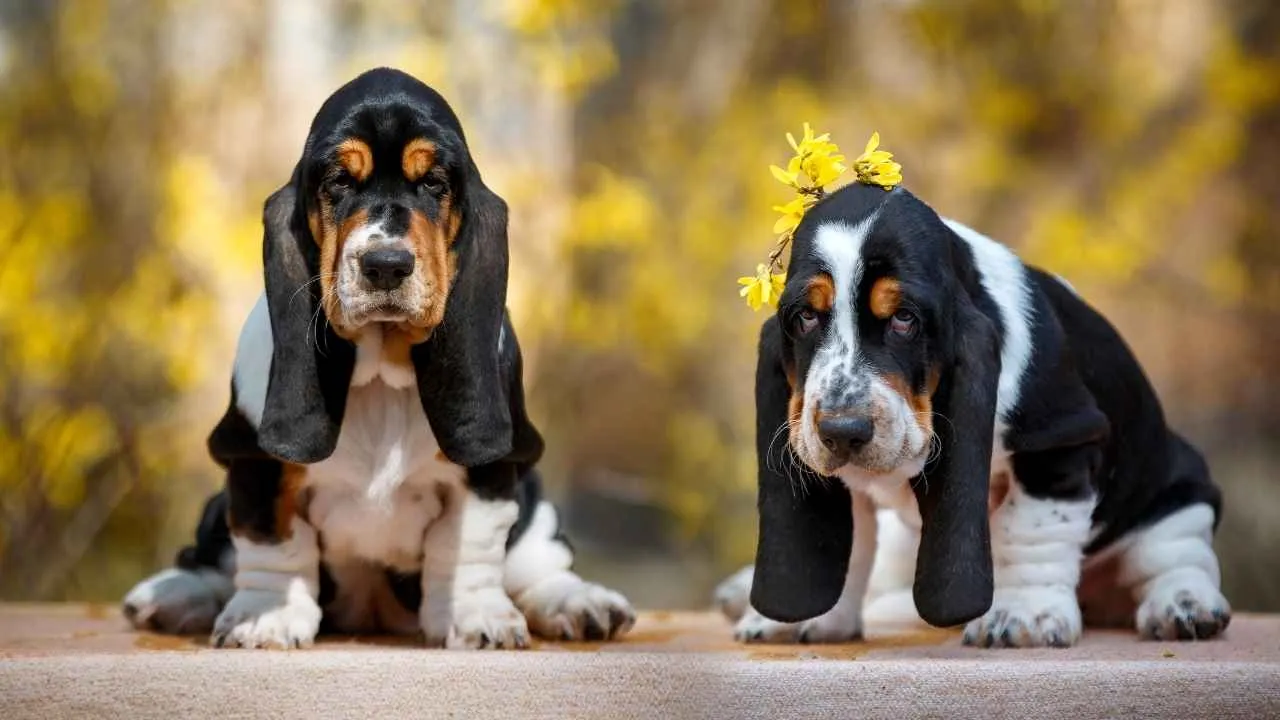
This small breed was originally bred in France and is descended from the St. Hubert hound, a scent hound that was later classified into two types: the Bloodhound and the Basset Hound, according to Orvis.
Despite having a hunting history, the breed possesses a non-territorial baseline and less aggression. The physical structure is characterized by a heavy, long body and short legs, preventing sudden or explosive vertical leaping. The low-energy breed walks at a slow pace compared to cats and prefers lounging indoors.
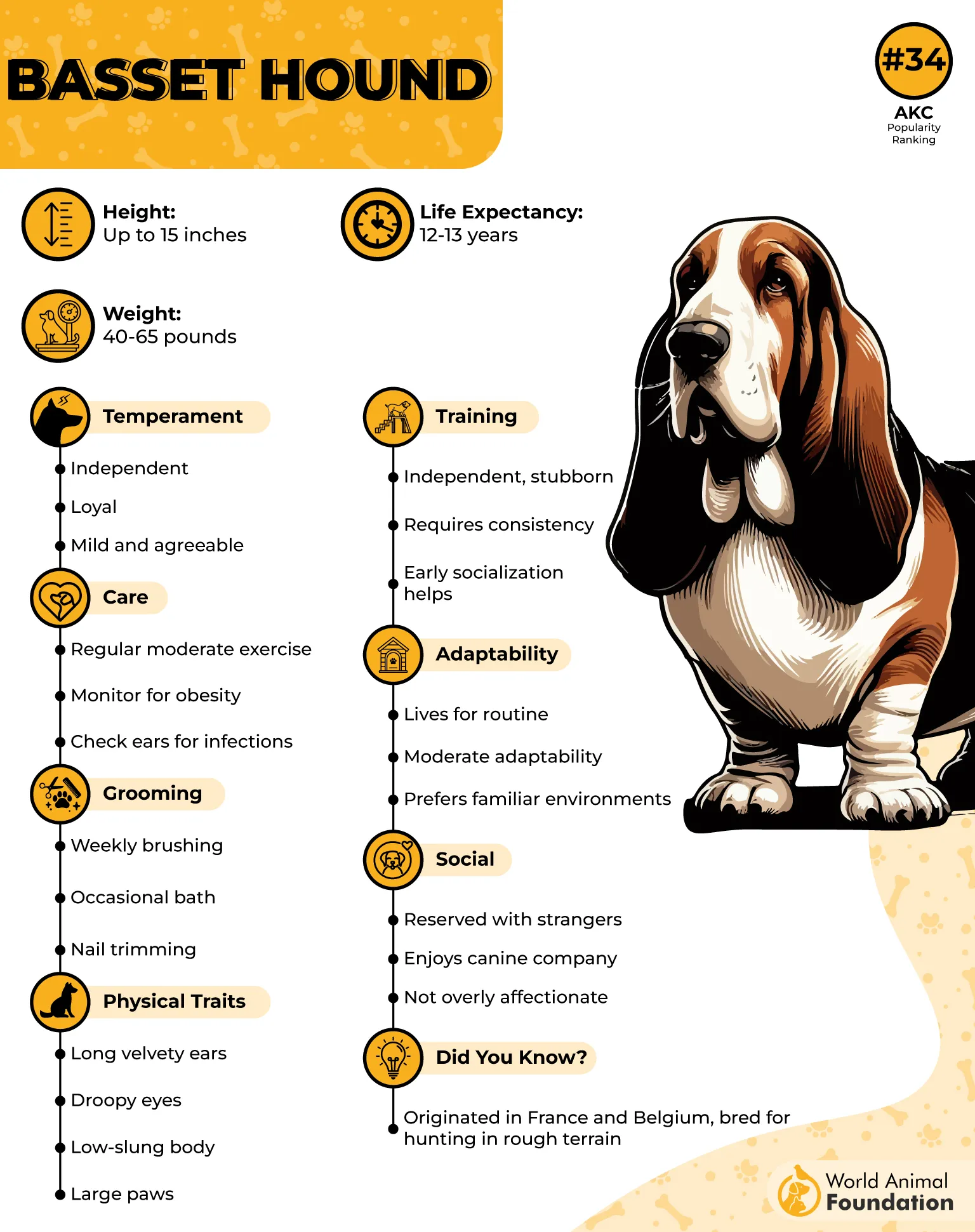
Designate a secure room for cats. Introduce each other’s scent by exchanging objects closer to the noses. The dog can have a stubborn streak; early command training is important.
2. Beagle
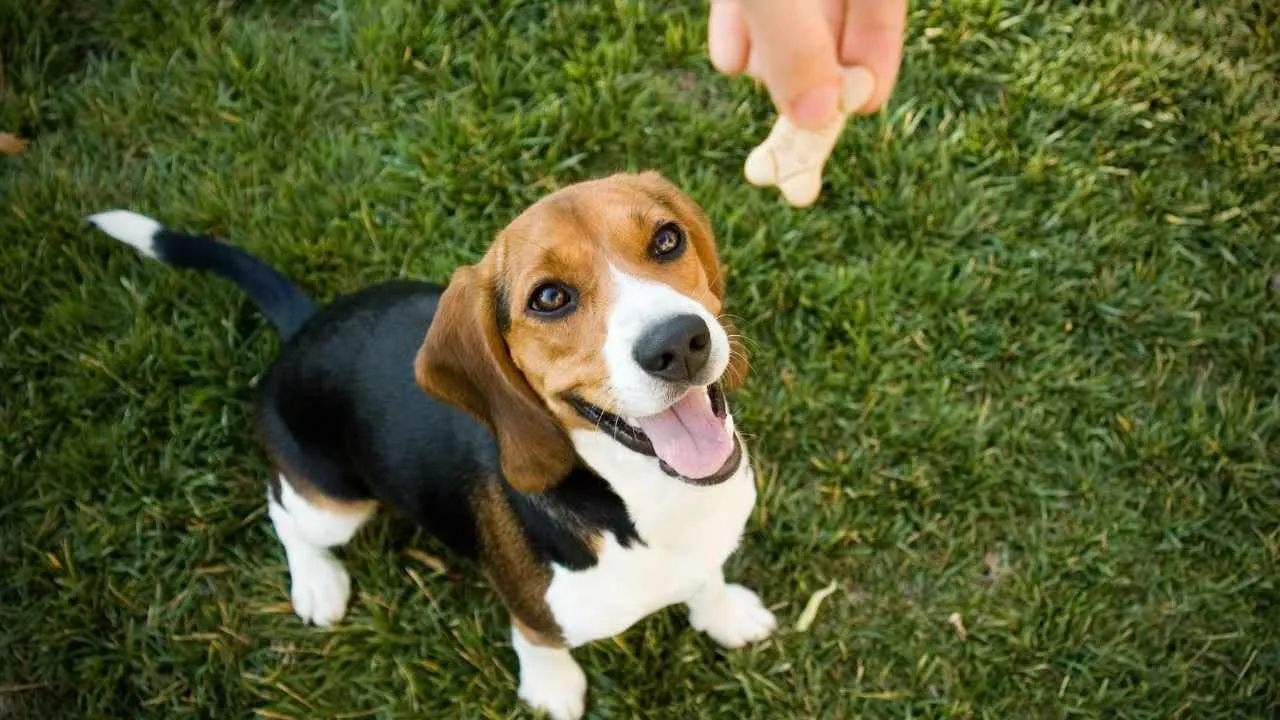
It is one of the oldest dog breeds, and it is believed that the name was taken from a Gaelic word “beag,” which means ‘little.’ The primary purpose was to hunt rabbits in England before 55 B.C.
The breed was selectively bred for a social and congenial temperament, as fighting would ruin the hunt. It has a pack mentality and would consider the resident cat a family if introduced at an early age. It lacks the focus, drive, or herding instincts; thus, it is less likely to chase cats.
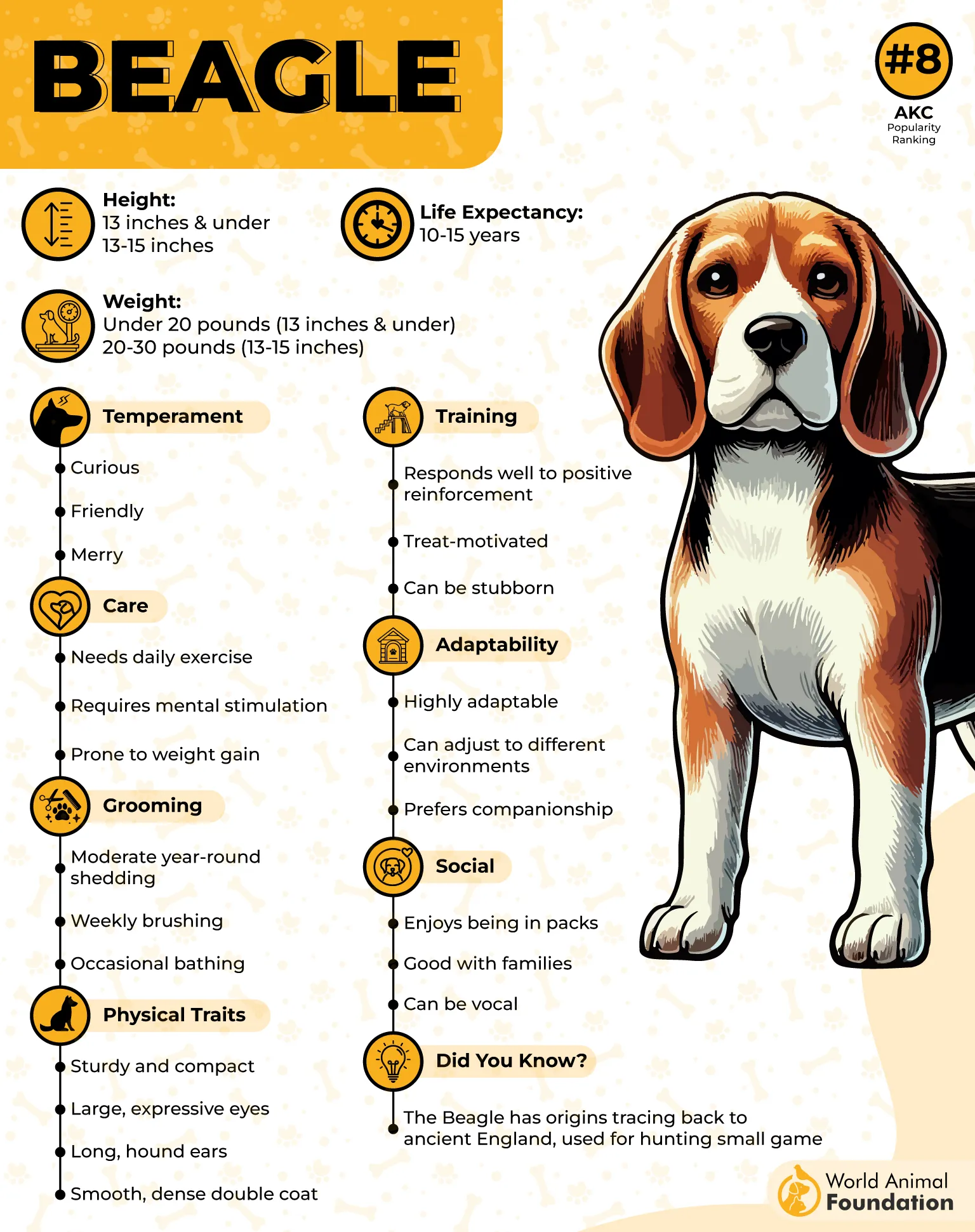
Use a bolted metal pet gate as a secure barrier initially. Keep the cat’s litter box and food entirely inaccessible to the dog since the Beagle is highly food motivated. Swap each other’s objects for at least the first 3-7 days for scent familiarization.
3. Bichon Frise
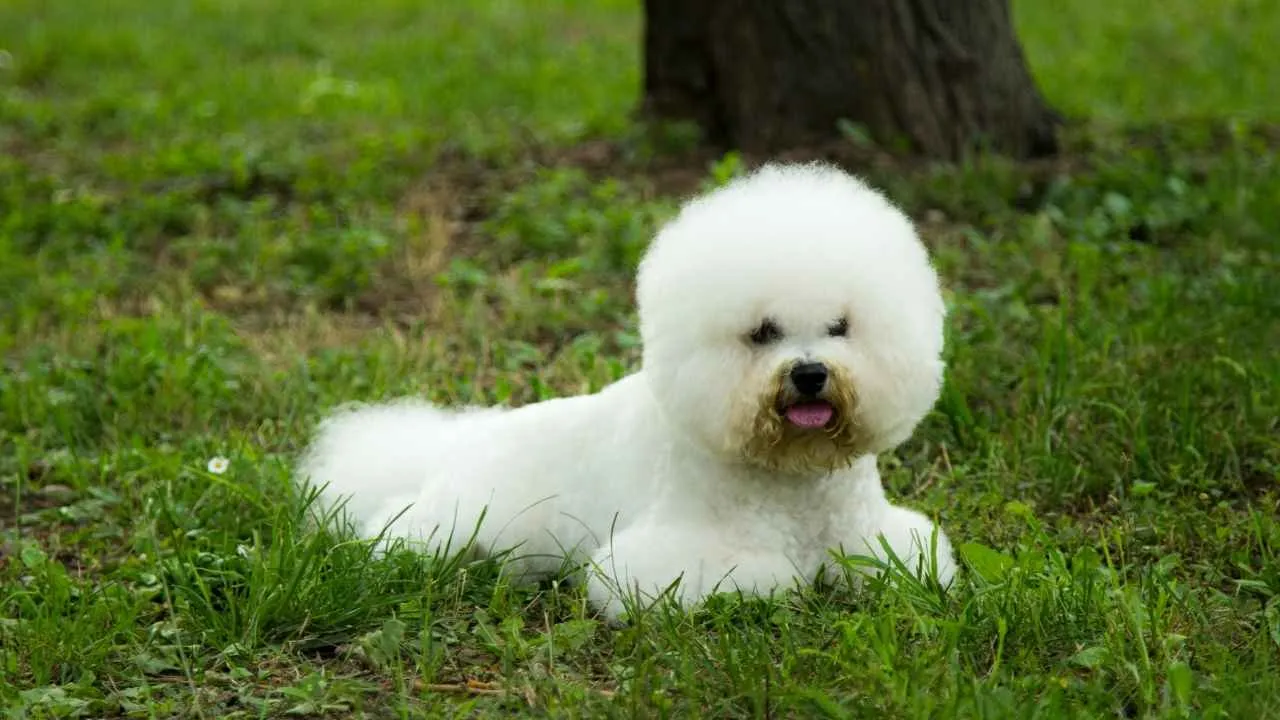
The toy dog was developed in France; however, it has its ancestral roots in Spain and was highly favored by the royalty in the 13th century. The breed entered Europe in the 14th century via Italian sailors.
The cat-friendly dog belongs to a non-sporting group and lacks intense predatory drive. Weighing around 12 to 18 pounds, it shares an almost similar footprint to cats. The soft micro-expressions, because of droopy ears and round eyes, inherently give it a non-threatening appearance.
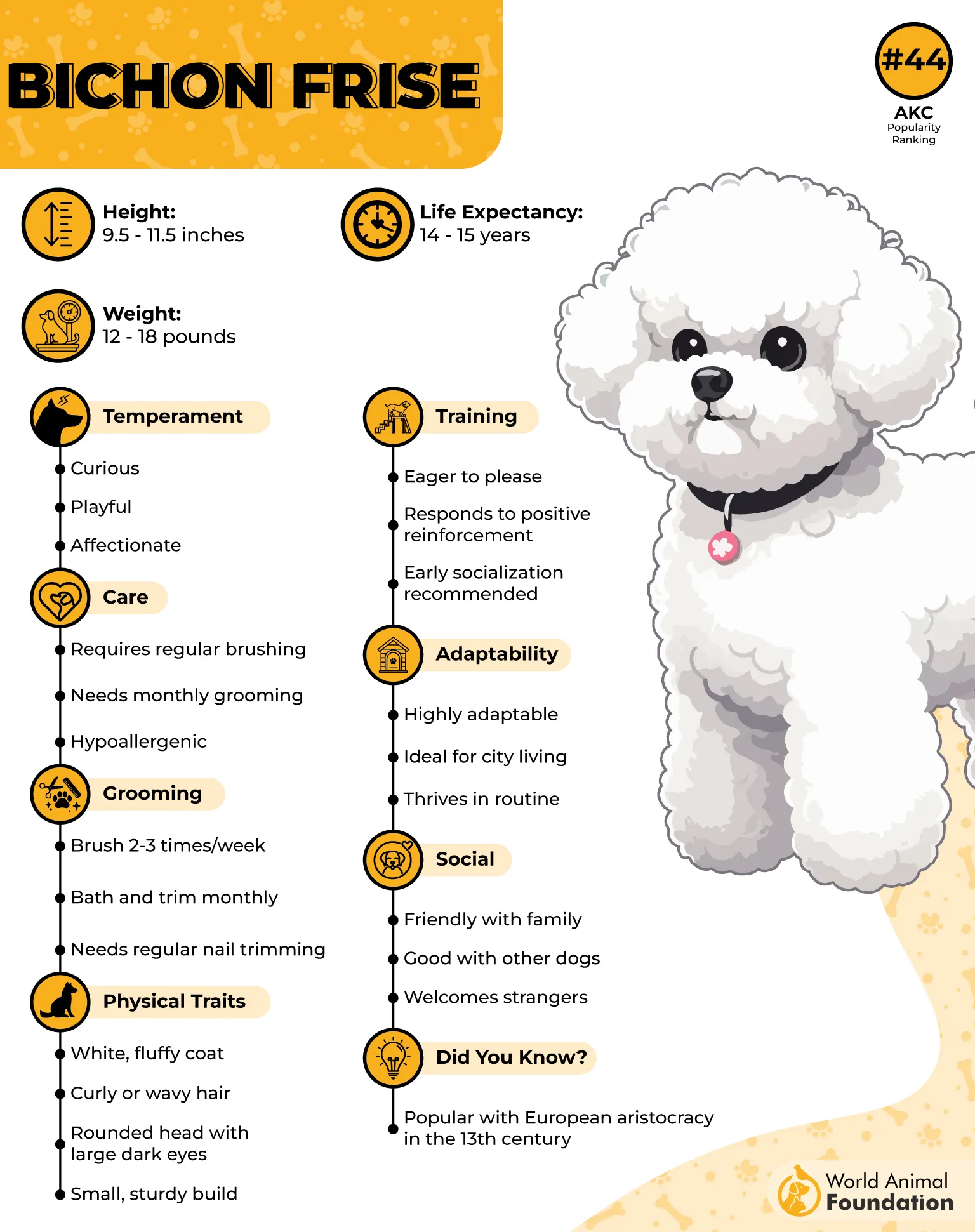
Because of its circus history, the breed responds well to positive reinforcement. Keep the places separate for the initial weeks. Deliver high-value treats to both the dog and cat whenever they calmly sniff each other’s items.
4. Maltese
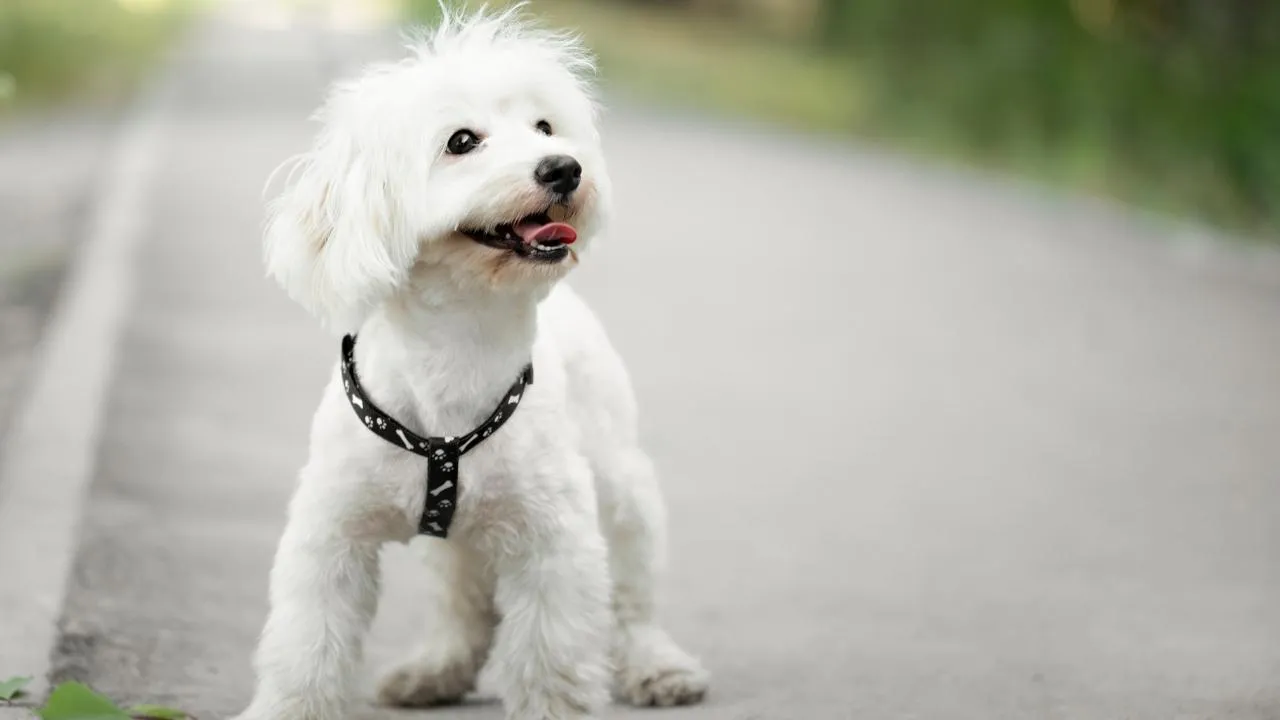
The history of the white dog breed dates back to 1500 B.C., when it was developed from Spaniel or Spitz-type dogs in the Mediterranean region. The dog arrived in Britain in the 14th century and was favored by many aristocrats, as reported by Pooch & Mutt.
Since it has a neotenous facial structure (close-set eyes, a short muzzle, and a round face), it lacks aggressive canine facial cues. This little dog is highly sensitive to cold weather as it lacks an undercoat; thus, it prefers lounging indoors. It has a gentle personality and sees cats as a companion.
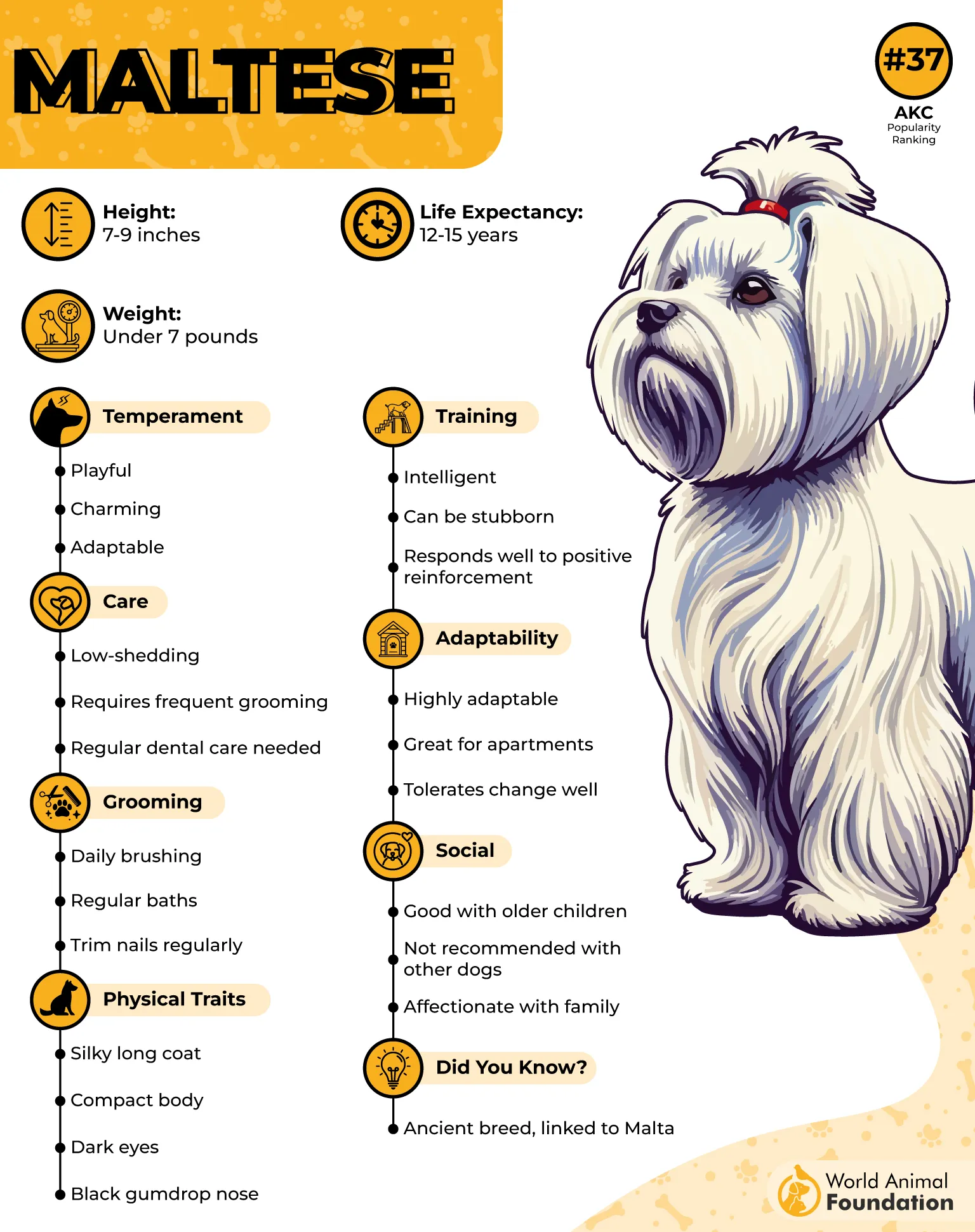
Exchange scents by rubbing each other’s used towels on cheeks and swap sites for 4-7 consecutive days. Open the solid door but keep the sturdy baby gate in between. Allow them to look at each other for at least 1-2 minutes. Drain the dog’s energy first and then go for a physical introduction.
5. Golden Retriever
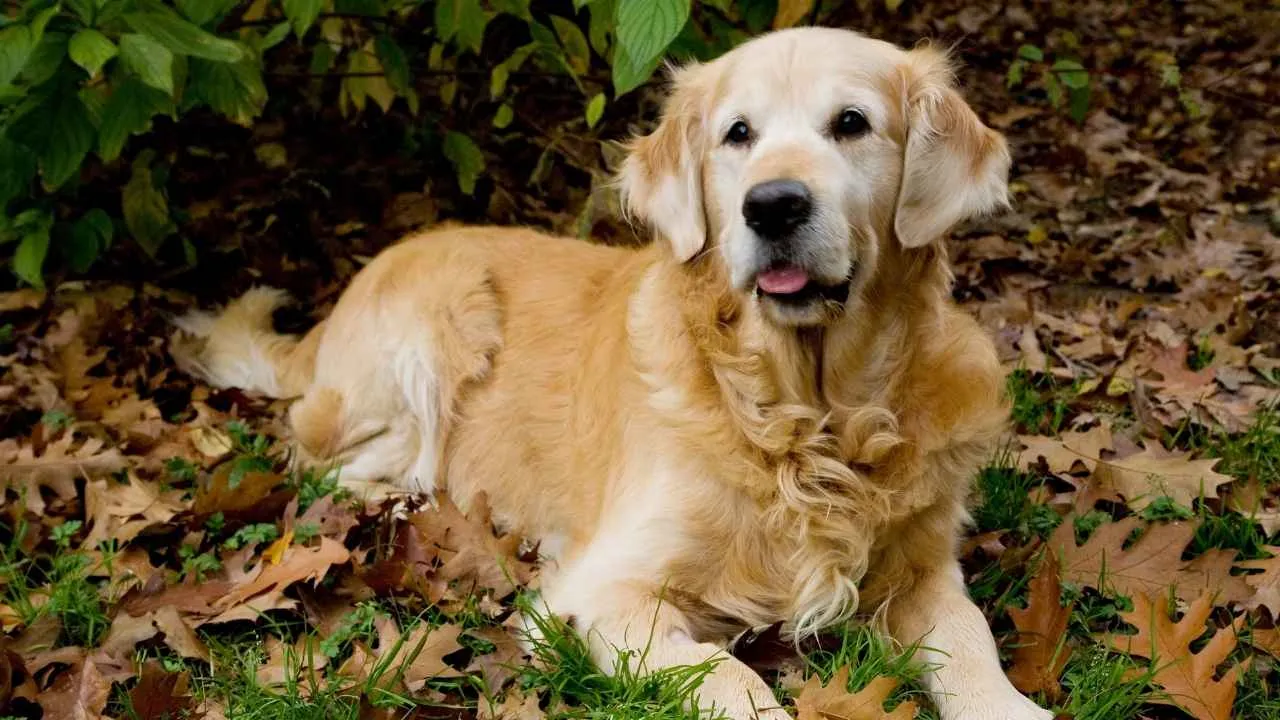
Sir Dudley Marjoribanks is credited with developing the breed by initially crossing a retriever dog with a Tweed Water Spaniel bitch in England in the mid-19th century. After 20 more years of selective breeding, the breeder acquired the modern-day Golden Retriever.
The ‘Kill-Bite’ and ‘Dissect’ phases were intentionally cut from the hunting chain. It has a soft mouth and tends to play harmless mouthing games with the feline company, as noted by PetMD. The soft, blinking gaze lacks intense predatory fixation, which avoids defensive feline aggression.
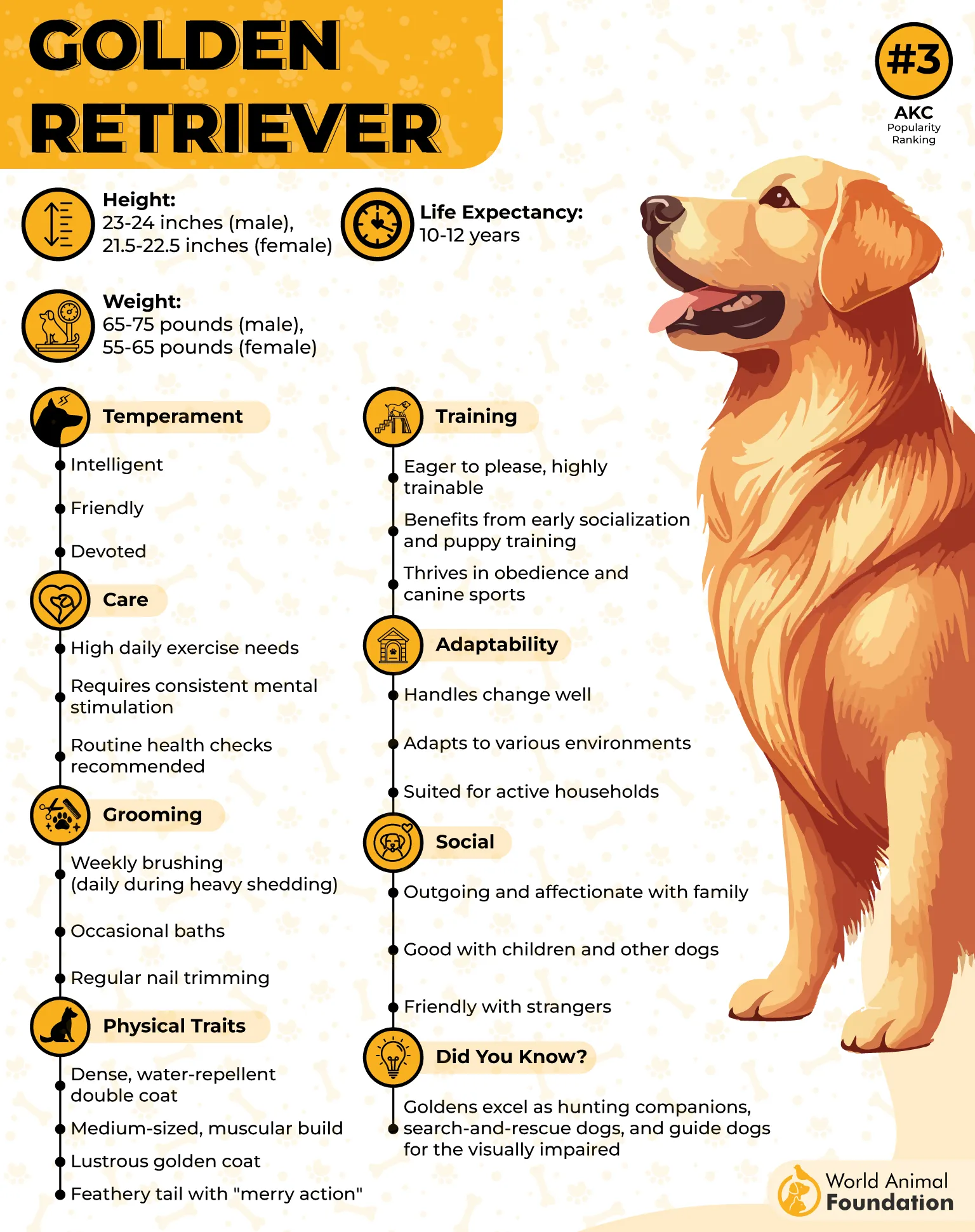
Tire out the large dog before active training and visual sessions. So it can remain calm and less excitable. Teach your dog basic commands, such as sit, come, and stop.
6. Pug
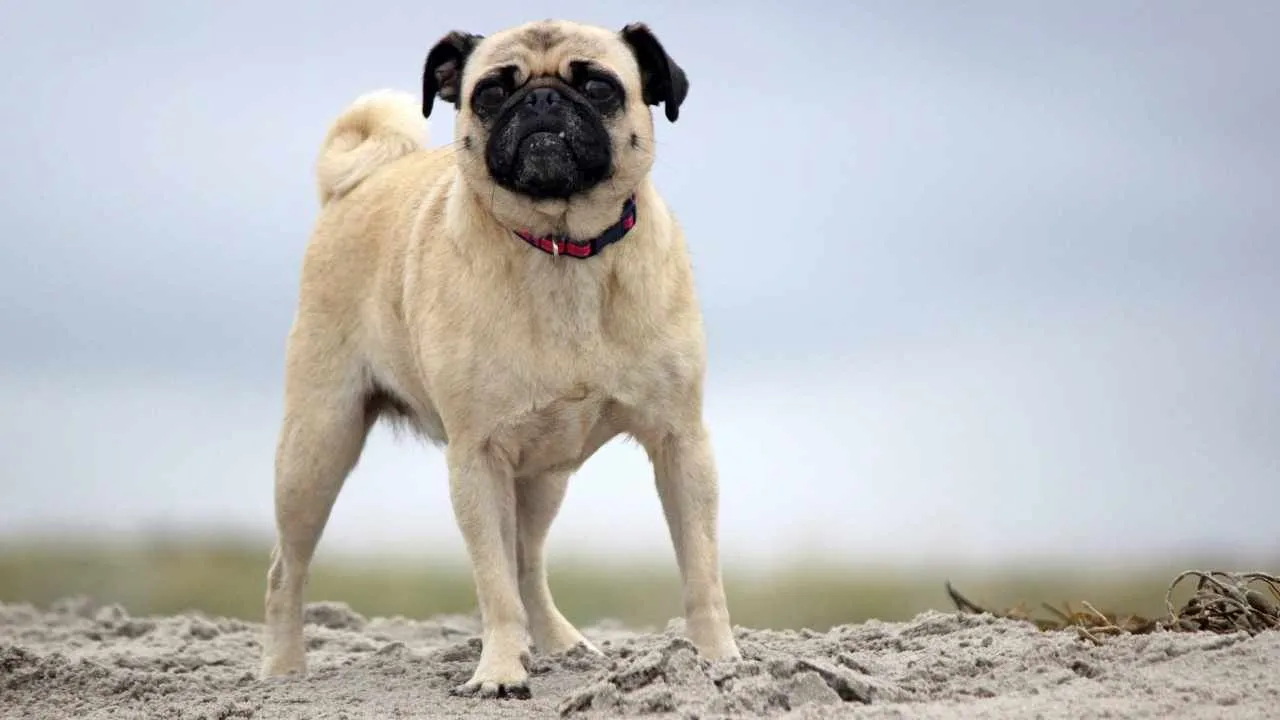
The Pug was developed in China and was kept by the royalty and Buddhist monks. Soon it gained popularity in Japan and Europe. It became a hero after saving the life of William of Holland, Prince of Orange, in 1572.
The small animal has a flat and short muzzle, reducing its physical stamina and making it prone to hot weather. It does not generate a high-pitched alarm bark. This lack of canine vocalizations prevents cats from feeling uncomfortable. It typically ignores the confrontation rather than retaliating aggressively.
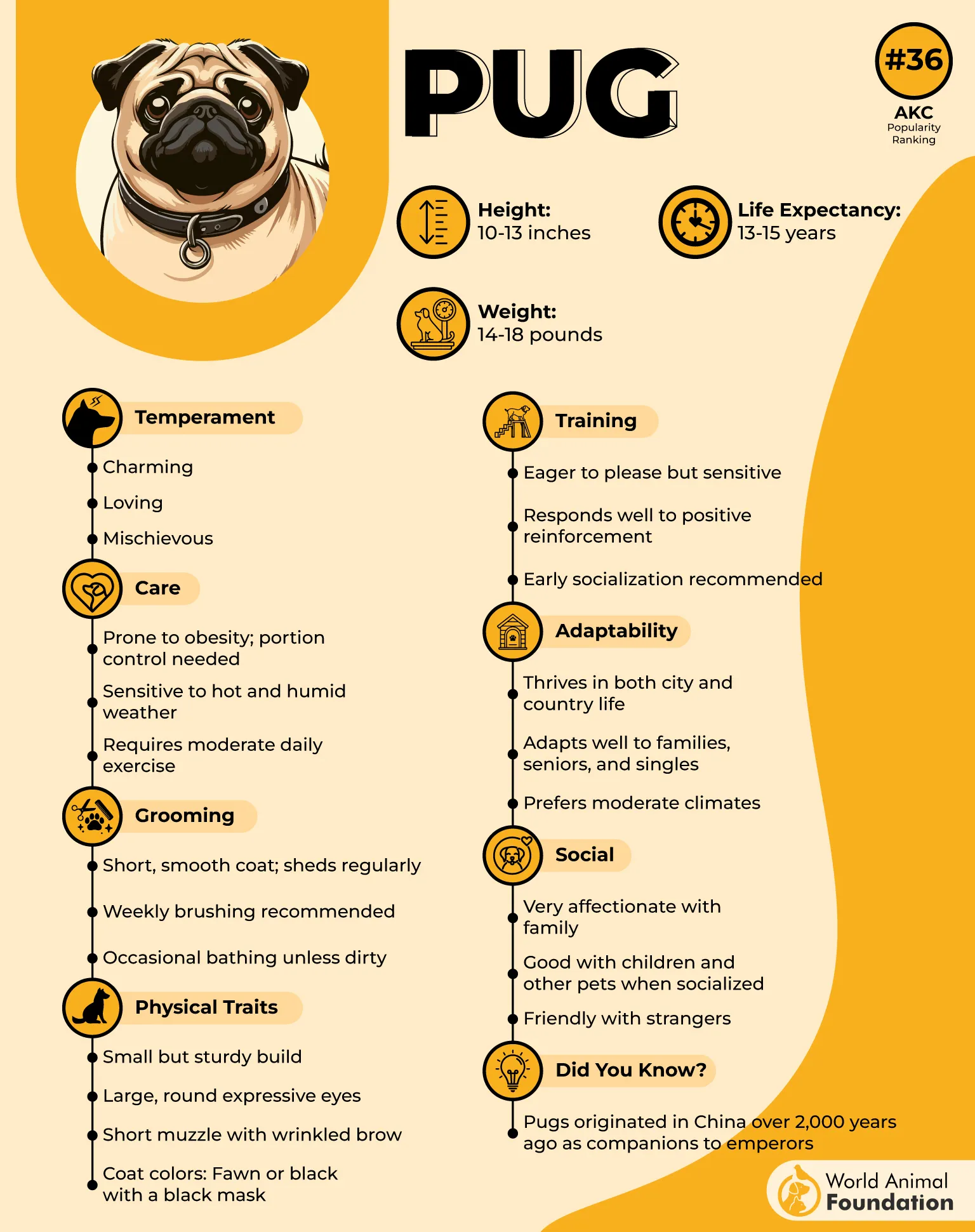
Install tall cat trees or wall shelving, as it can have a low-grade panic if stuck on the floor with a dog for a longer time. Allow both animals to eat in front of each other while having a barrier in between. Introduce leashed face-to-face meetings after a few weeks.
7. Papillon
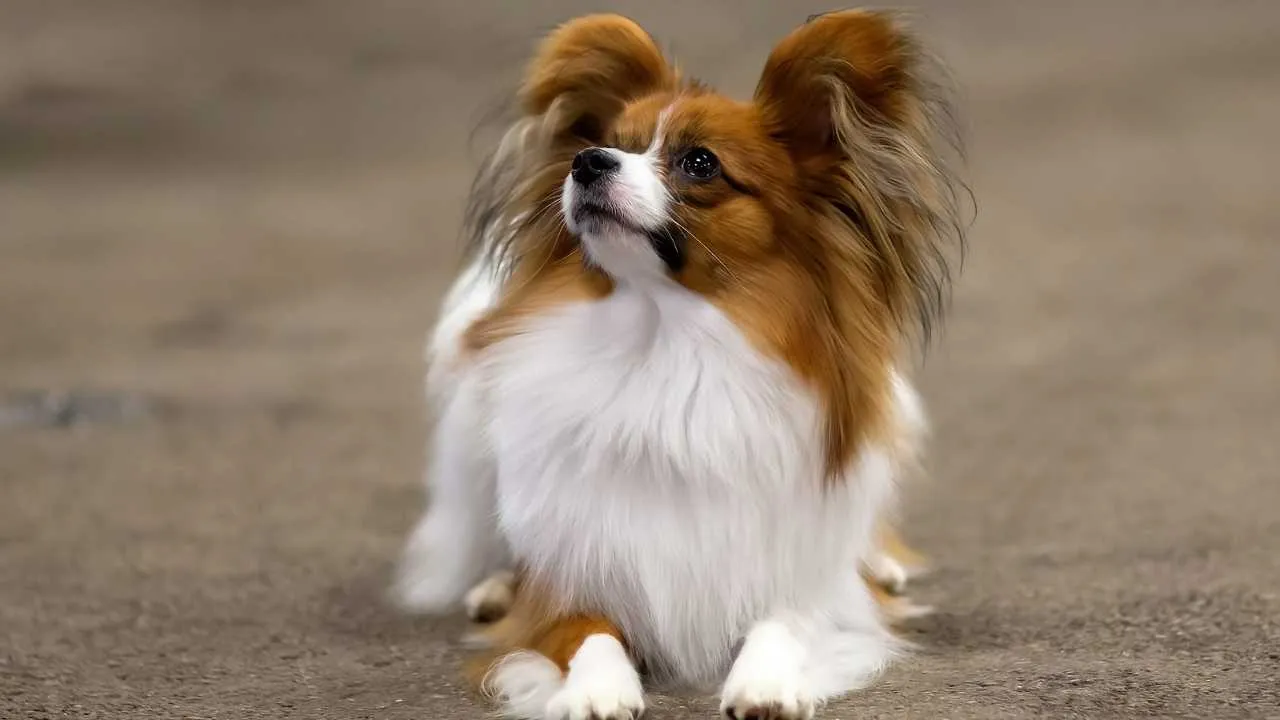
Originating in France, the breed was given the name because of its ‘butterfly’ ears. Also known as a dwarf spaniel, its history dates back to the 13th century. Soon it gained popularity in Spain and Italy.
The breed lacks a typical ‘doggy odor.’ Since cats are highly olfactory creatures that primarily rely on scent to detect potential threats, their territorial defense mechanism gets deactivated around dogs. It lacks an intense prey drive and has feline-like features, such as cleaning itself or climbing on high points/
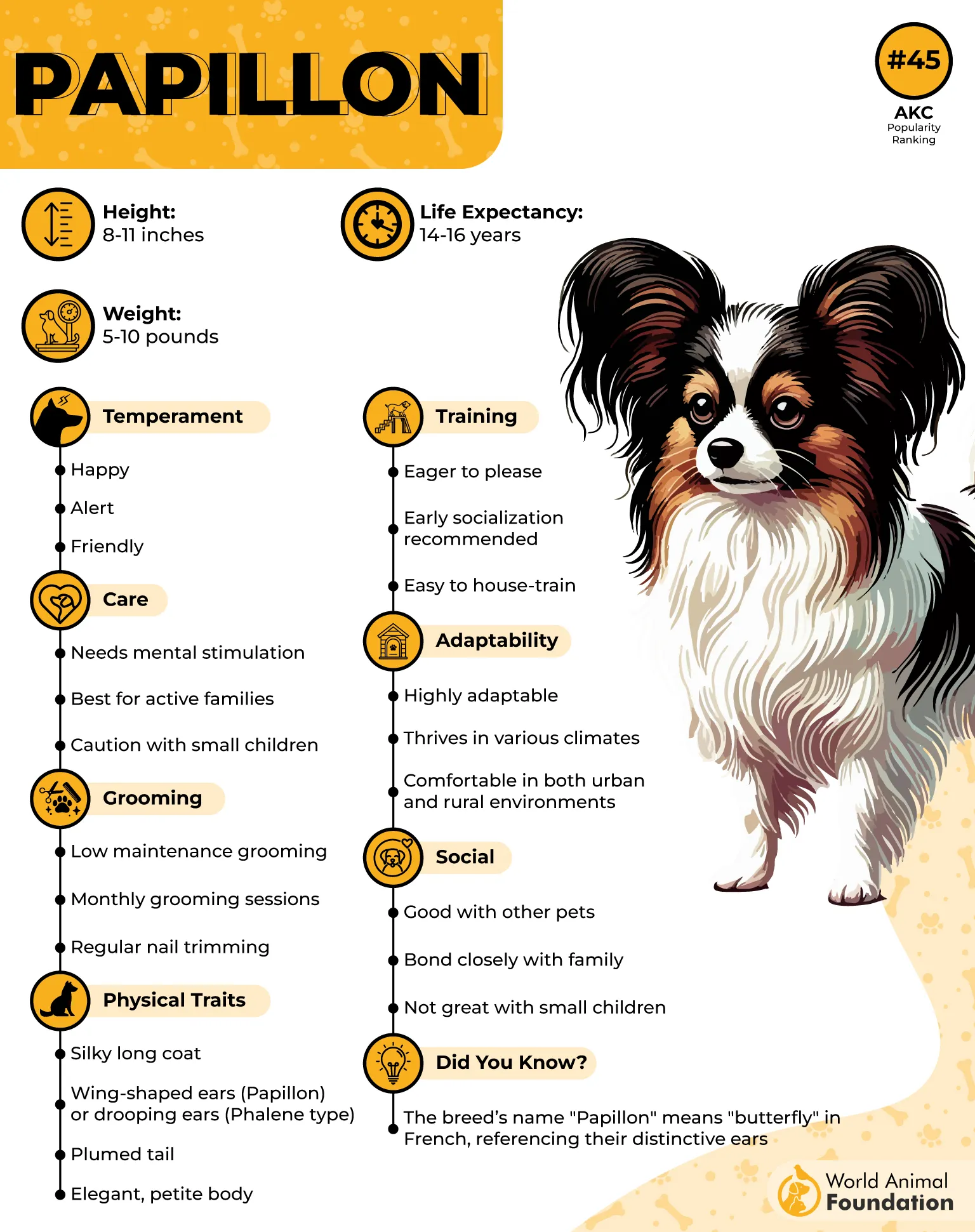
Introduce each other’s scents and vocals through closed doors. Core command training is important for dogs. Never leave the two alone until you supervise them for at least 4-6 weeks.
8. Shih Tzu
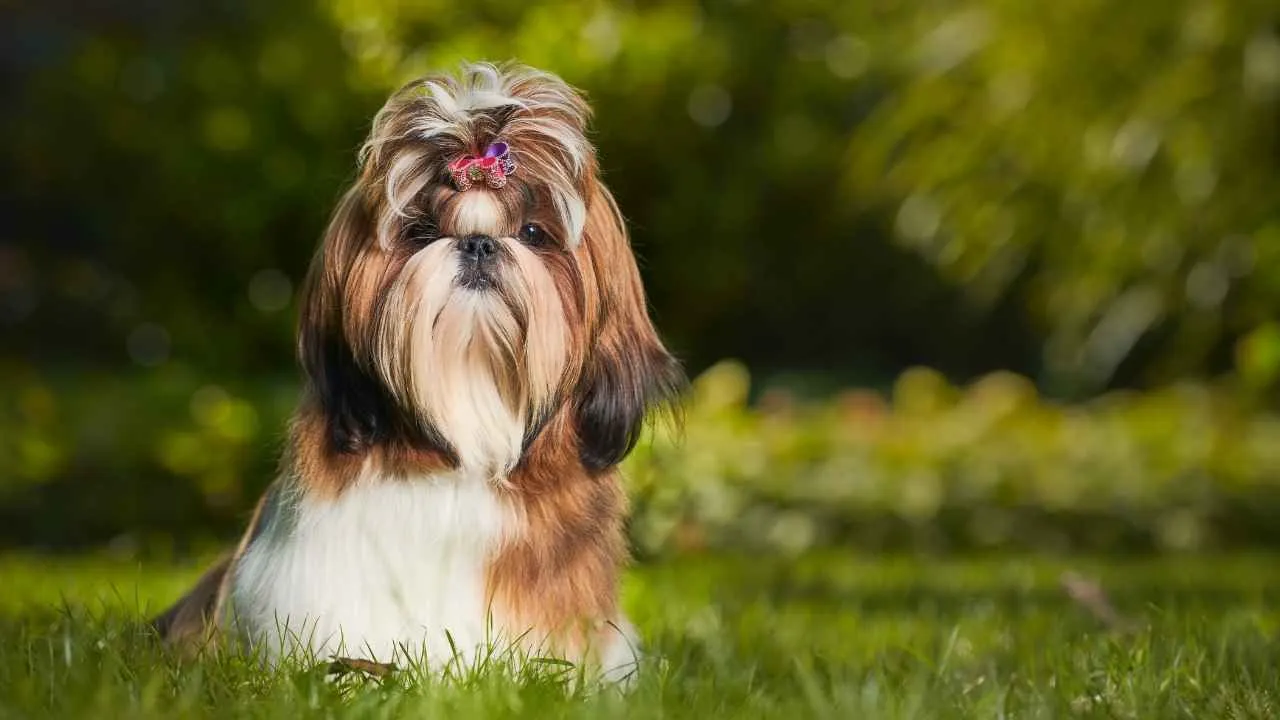
The history of the ancient breed dates back to 1,000 BCE, when it was developed in Tibet for Buddhists and monasteries. It was later interbred with the Pekingese and the Pug. However, the number declined after 1908.
The Shih Tzu was strictly developed as a lap companion and lacks working genetics. The shorter upper jaw and a pronounced underbite prevent aggressive biting or chewing. With its high emotional intelligence, it rapidly reads and learns the cat’s body language.

Because of the low-intensity behaviors, it has minimal exercise requirements. Designate a separate feeding section for both pets. Take the dog out for a walk and allow the cat to explore the rest of the house, and vice versa.
9. Boston Terrier
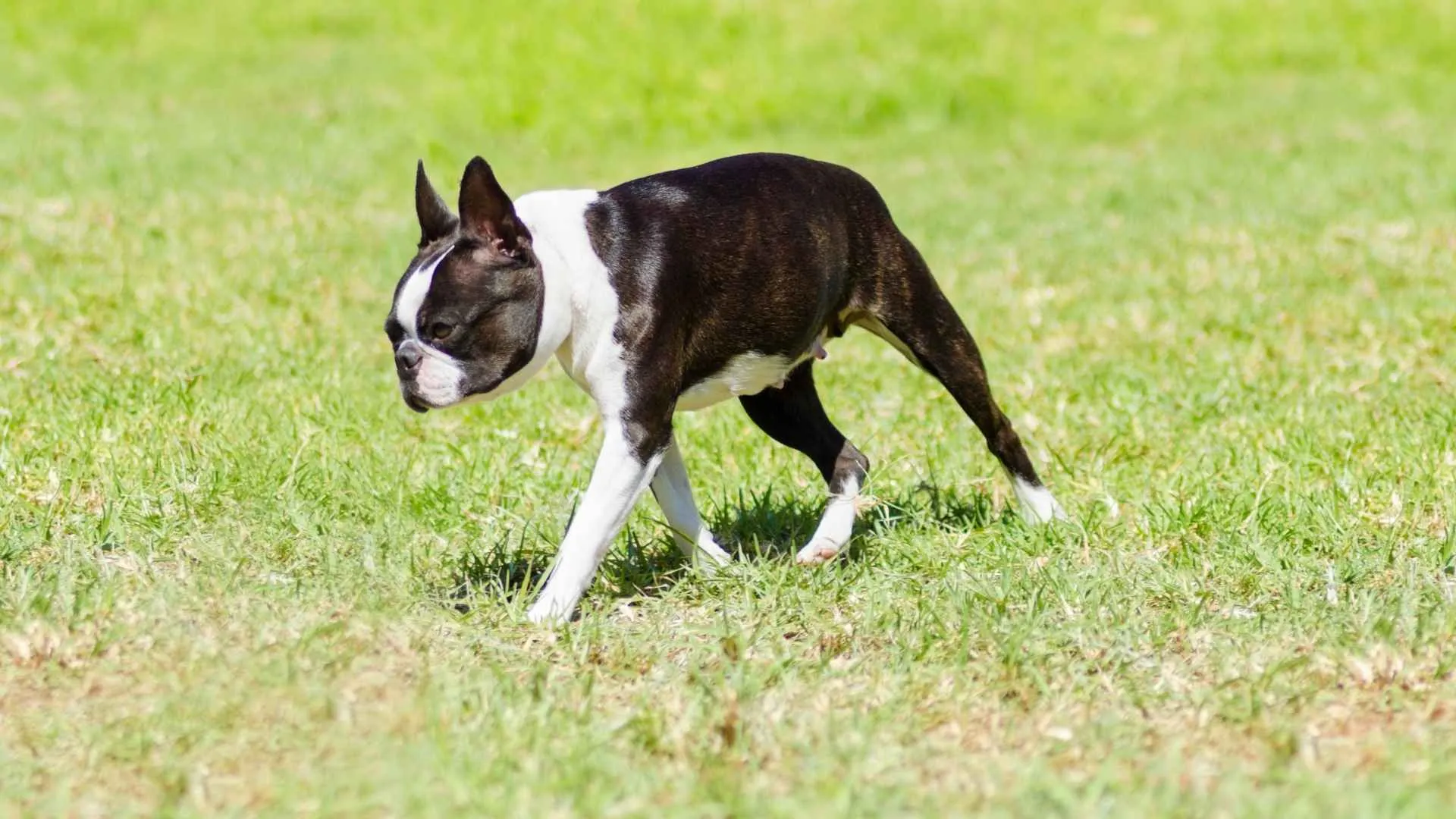
The roots of this dog breed are in Liverpool, England, where it was developed by crossing the now-extinct English Terrier and the Bulldog. This dog was brought to America and interbred with local dogs by Robert C. Hooper to develop the modern-day Boston Terrier.
The breed lacks physical endurance for stressful predatory pursuits. The size equilibrium promotes close social behaviors like communal sleeping and mutual grooming after they are properly introduced. The breed has an eager-to-please nature, making it a highly trainable dog.
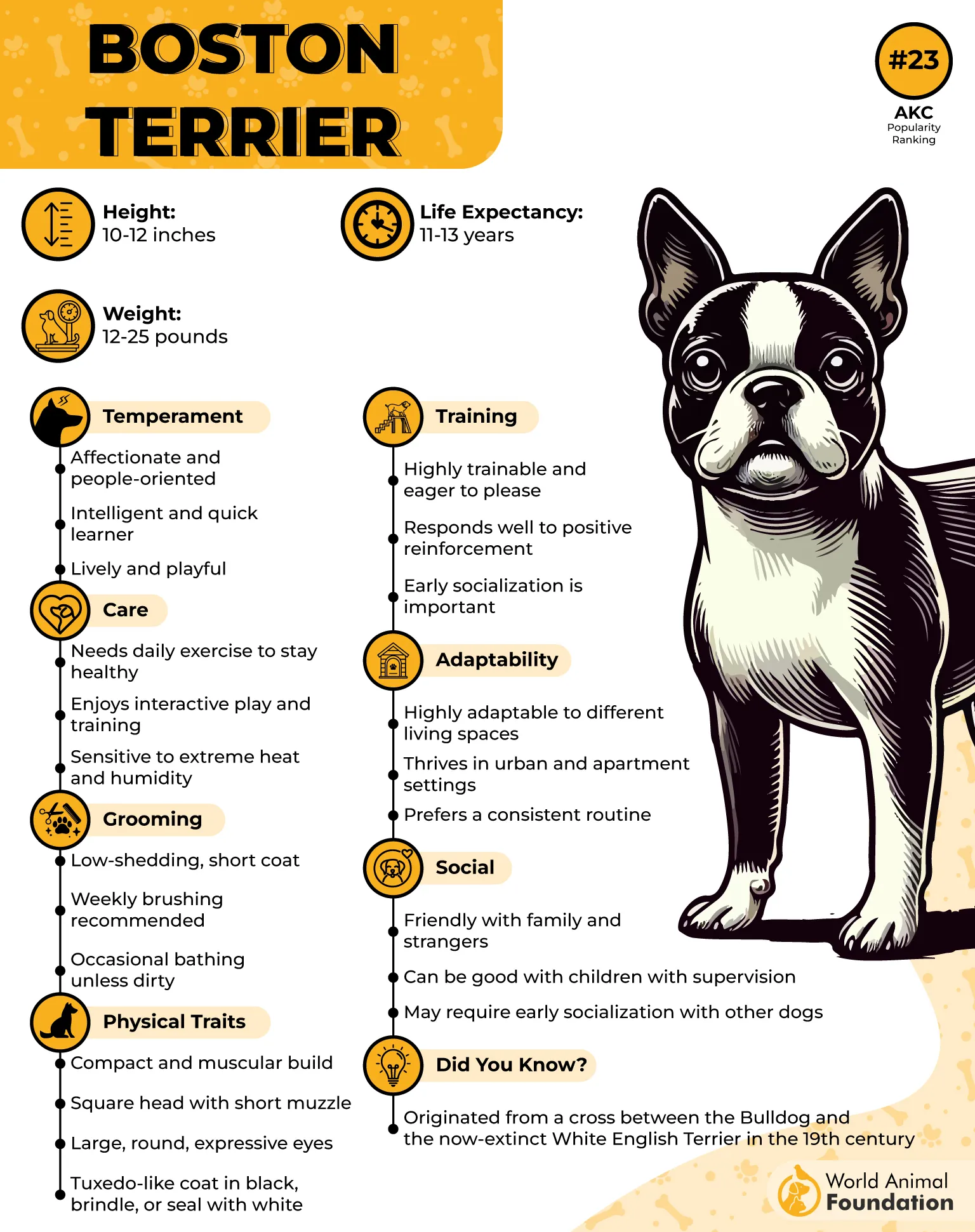
Keep a short and loose leash on the dog while introducing the dog to the feline companion visually. Use the clicker and say the name the moment your dog looks at the cat.
10. Labrador Retriever
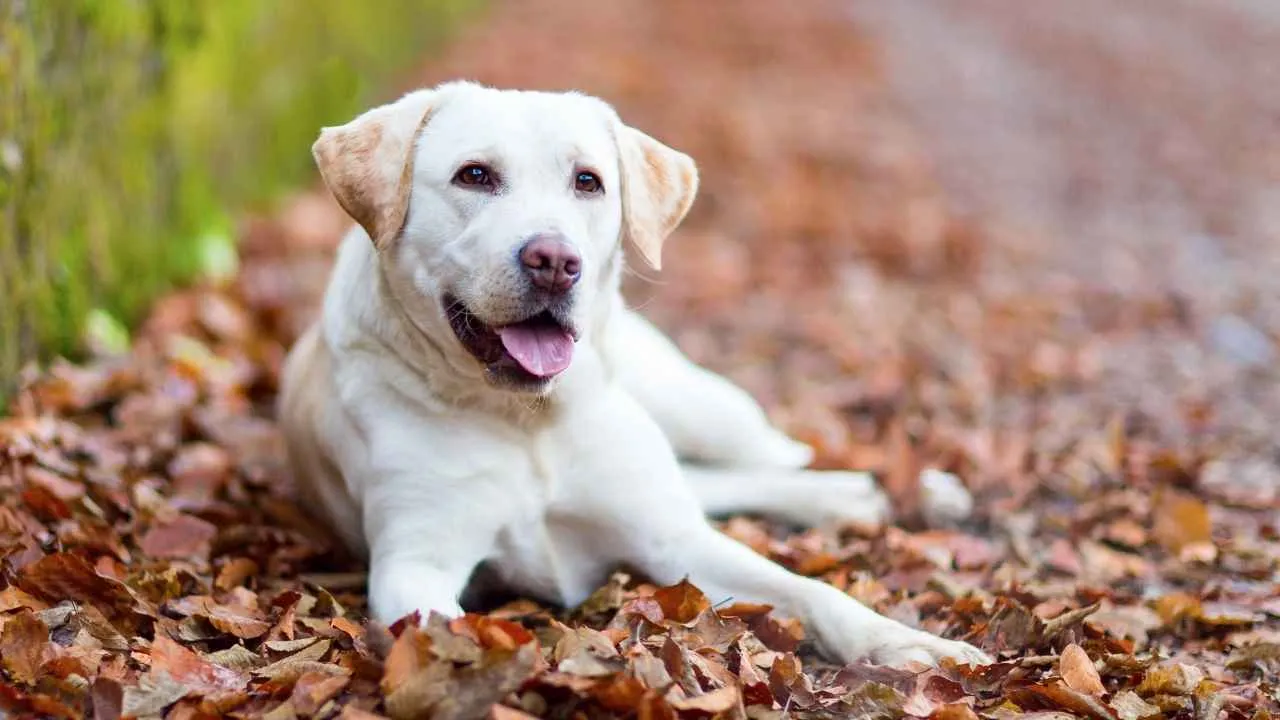
Although originally developed in Britain, the ancestors of the Labrador are from Canada. It was initially bred to serve as a gun dog to retrieve waterfowl during hunts. The American Kennel Club finally recognized the breed in 1917.
The high sociability indices and low territorial aggression give it a highly elastic stress threshold, and it remains calm even if the cat shows defensive behaviors. The soft mouth prevents accidental injuries during physical play. Being highly intelligent, it tends to learn basic commands and complex house rules within a few repetitions.
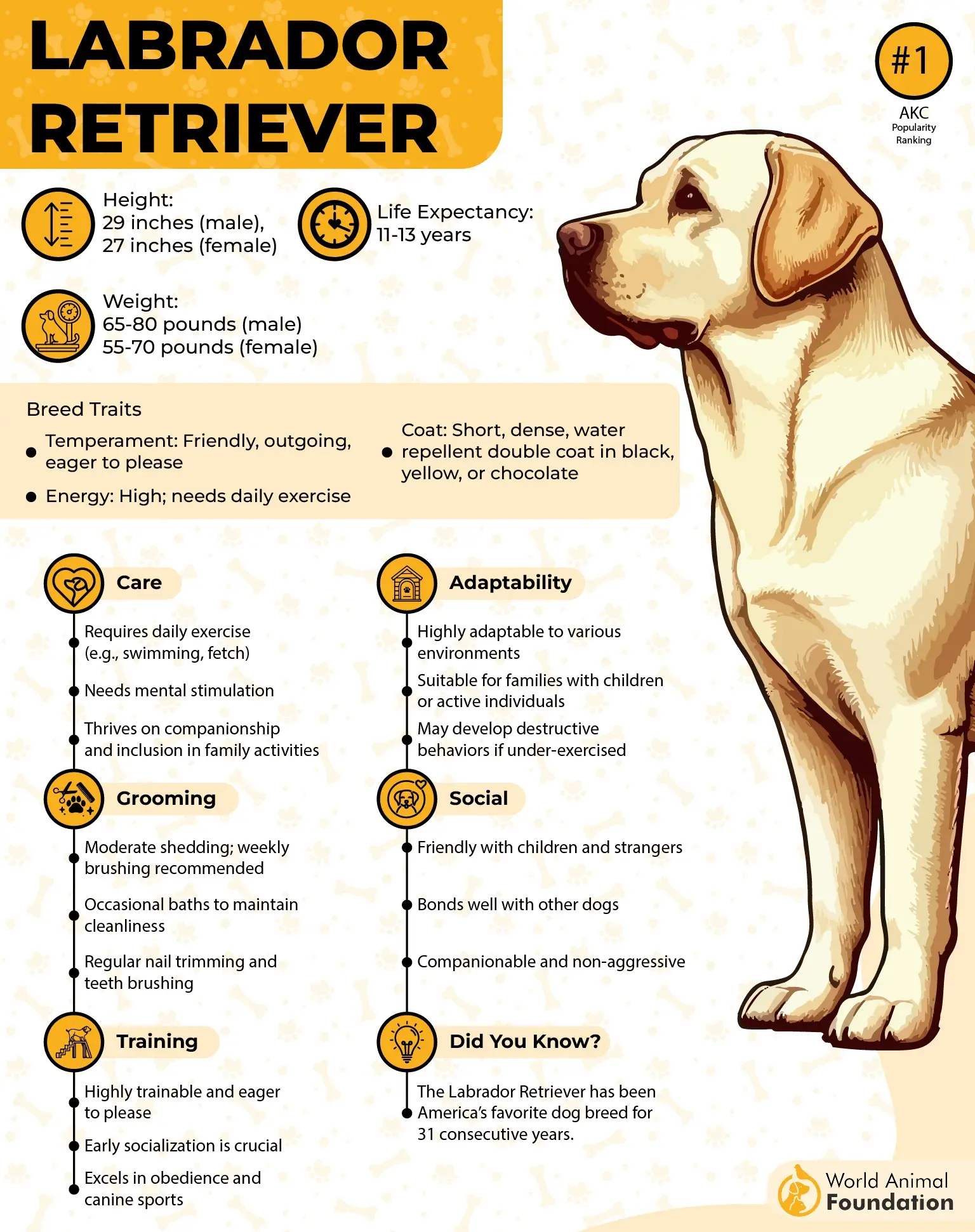
Dog-free safe zones and a separate sanctuary for cats are highly recommended for the first 1-2 weeks. Go for the desensitization training (allow the dog to look at the cat for 1 second). Then, introduce leashed, room-sharing introductions.
Conclusion
Bringing a dog into a cat’s home is not about finding a “perfect” breed. It is about finding a dog whose energy, size, and personality fit your cat’s comfort level. The breeds above often have traits that make coexistence easier: calmness, sociability, trainability, and a genuine interest in companionship.
Still, every animal is an individual. A gentle giant may be too playful for a shy cat, while a tiny dog may have a bigger attitude than a Maine Coon. Go slowly. Separate their spaces at first. Reward calm behavior, supervise interactions, and never force a meeting.
