




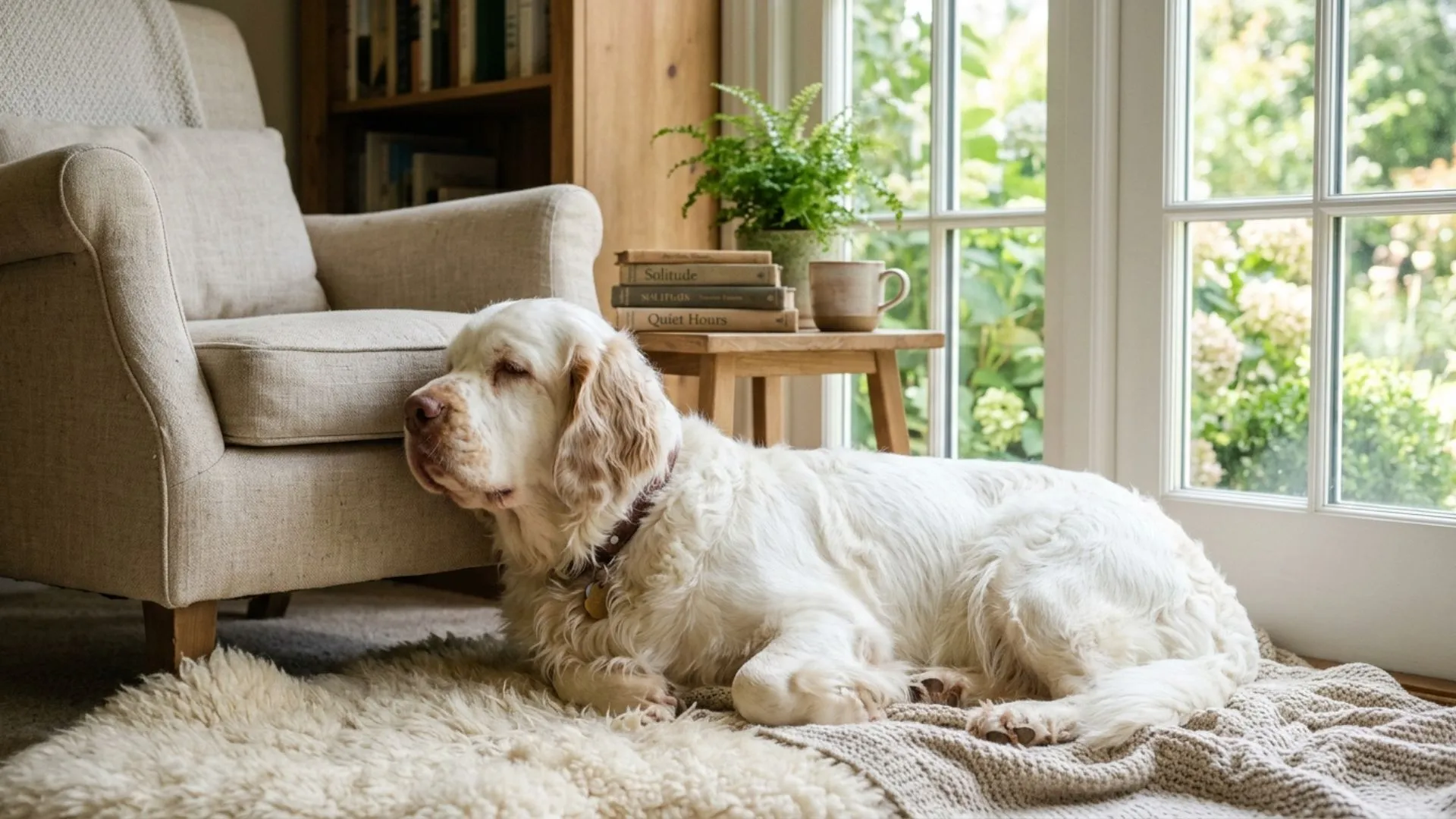
Some dogs fill a home with constant movement, noise, and endless demands for attention. Others seem naturally drawn toward slower routines, quieter corners, and long stretches of peaceful rest beside the people they trust.
For individuals who value calm spaces, that difference matters more than most realize. A loud, highly dependent dog can quickly overwhelm an otherwise peaceful environment, especially in homes where silence and personal space are part of everyday comfort.
Certain breeds, however, settle into calm surroundings with surprising ease. They do not need nonstop stimulation to feel content, nor do they panic when left alone for reasonable periods during the day. Instead, they bring a quieter kind of companionship that feels steady rather than exhausting.
Living with a dog like that creates a very different atmosphere inside a home, and the breeds ahead are known for exactly that kind of calm and independent nature.
Key Takeaways
Not every dog needs nonstop activity to feel content, and some actually prefer calm surroundings and predictable routines.
The Chow Chow and Greyhound stand out for their independence, each bringing a steady presence that does not rely on constant attention.
From the gentle strength of the Newfoundland to the thoughtful calm of the Basset Hound, these dogs show that independence can still mean deep connection.
Read till the end to discover all ten breeds that thrive in peaceful spaces and handle alone time with confidence.
Dog Breeds That Love Calm Spaces and Alone Time
1. Chow Chow
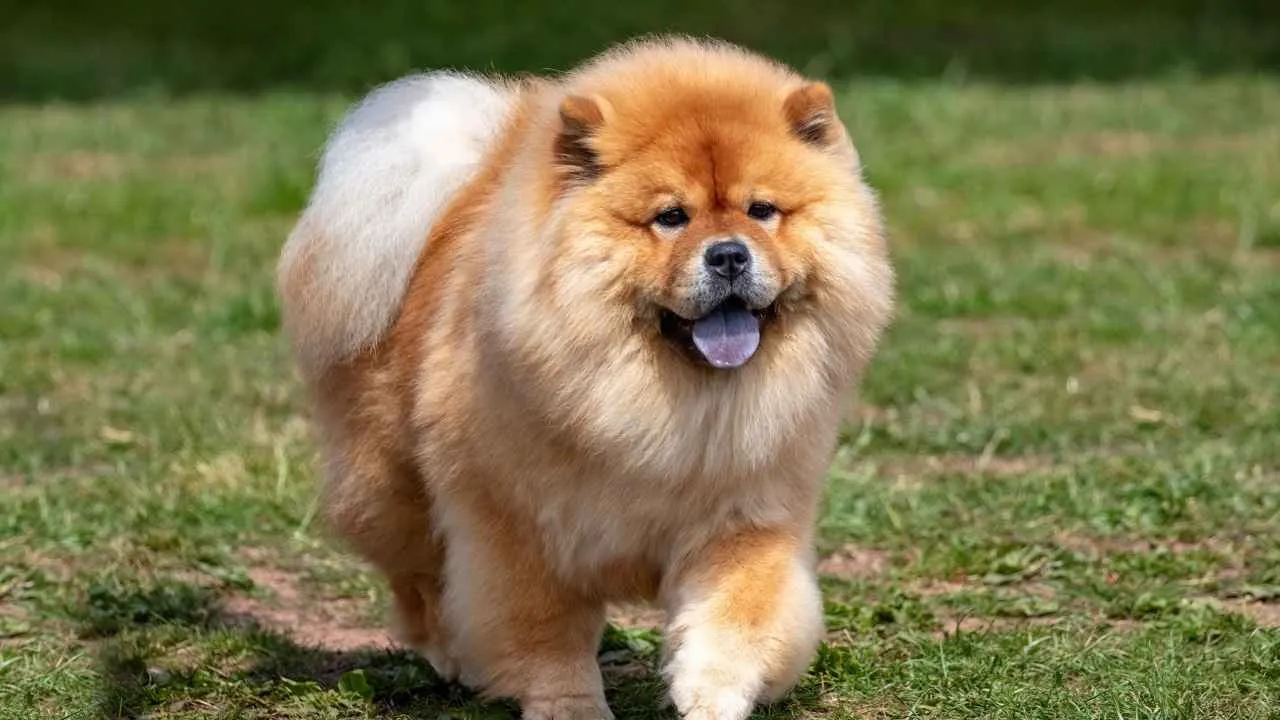
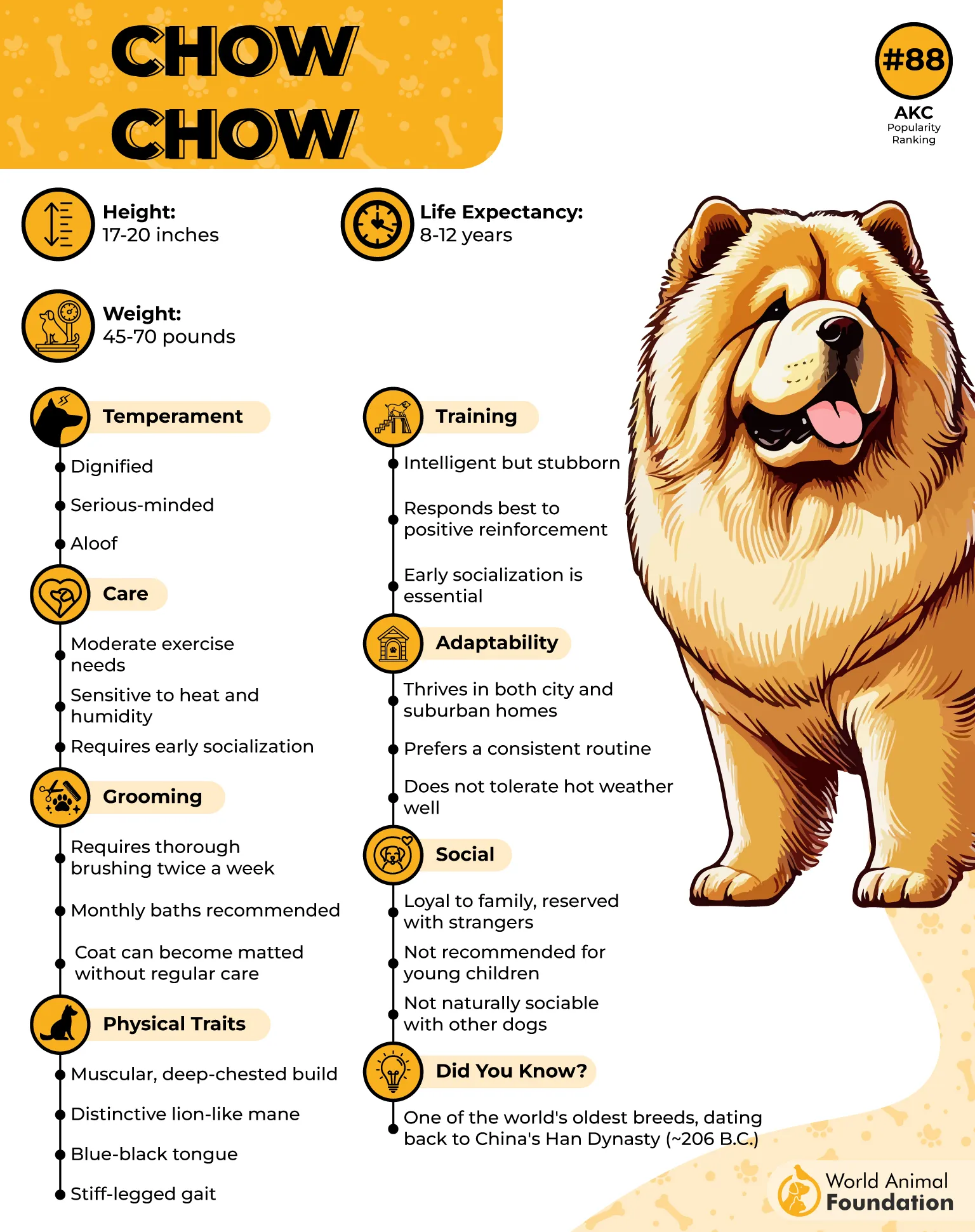
Chow Chow is recognized as one of the oldest dog breeds, with roots linked to China’s Han Dynasty era. Its long-standing role across centuries reflects a dog shaped for work rather than decoration. This lineage forms a composed and self-reliant presence in modern homes.
Roles that shaped independence
Chow Chow has performed varied tasks over time, including guarding, hunting, and pulling carts, which required strength and focus, as PetMD notes. Its temperament leans toward caution around unfamiliar people and animals, responding best when introductions happen early.
These traits influence daily behavior in practical ways:
Approaches strangers with reserved awareness
Benefits from early social exposure
Responds better when personal space is respected
Calm structure in different settings
This calm dog belongs to the non-sporting group and adapts to many living environments when boundaries are understood. Its composed nature fits quieter households where interaction follows predictable patterns. This steadiness supports routines that value personal space.
2. Greyhound
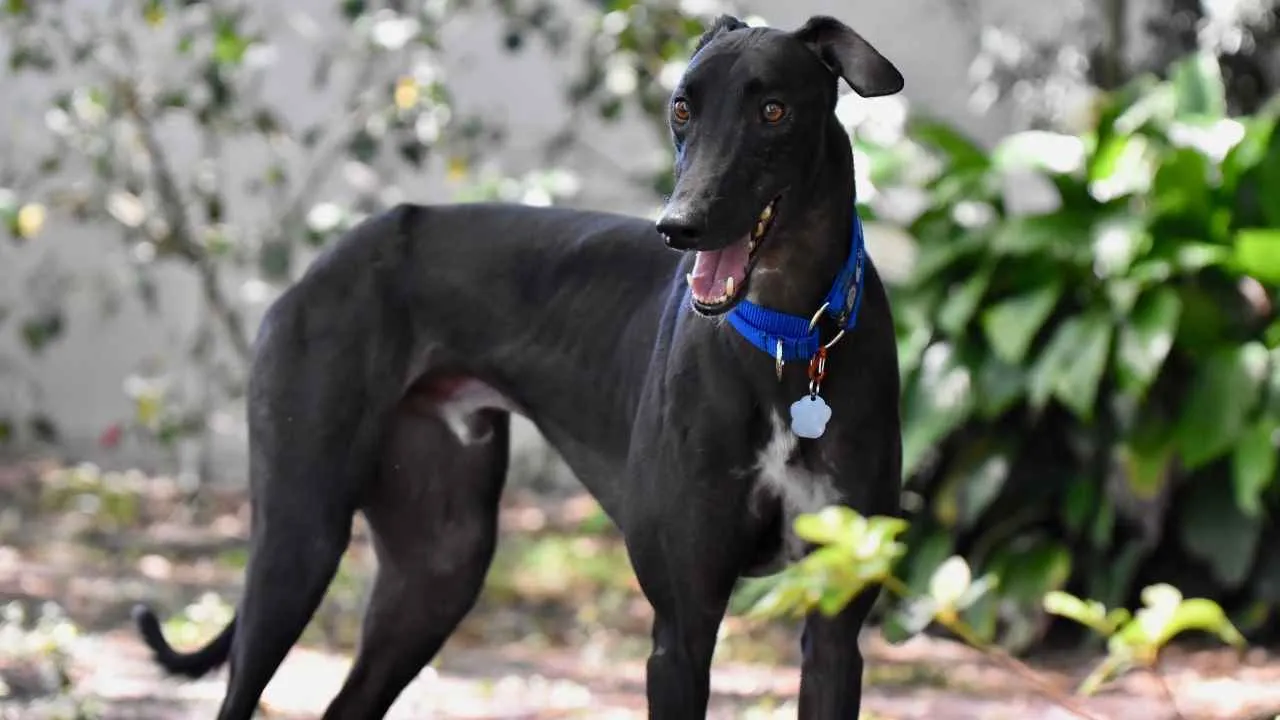
Greyhounds belong to the sighthound group, relying on sharp eyesight and explosive speed rather than scent tracking. Its lean frame and aerodynamic build support rapid bursts when motion is detected, as per the AKC. This structure reflects a dog designed around visual focus and sprinting precision.
Field traits expressed clearly
Greyhounds react to movement with direct attention, using sight to identify targets during pursuit. Its body type supports quick acceleration over short distances instead of long endurance tracking.
These qualities appear in practical form:
Detects motion through keen vision
Uses speed for short-distance pursuit
Depends on agility rather than scent work
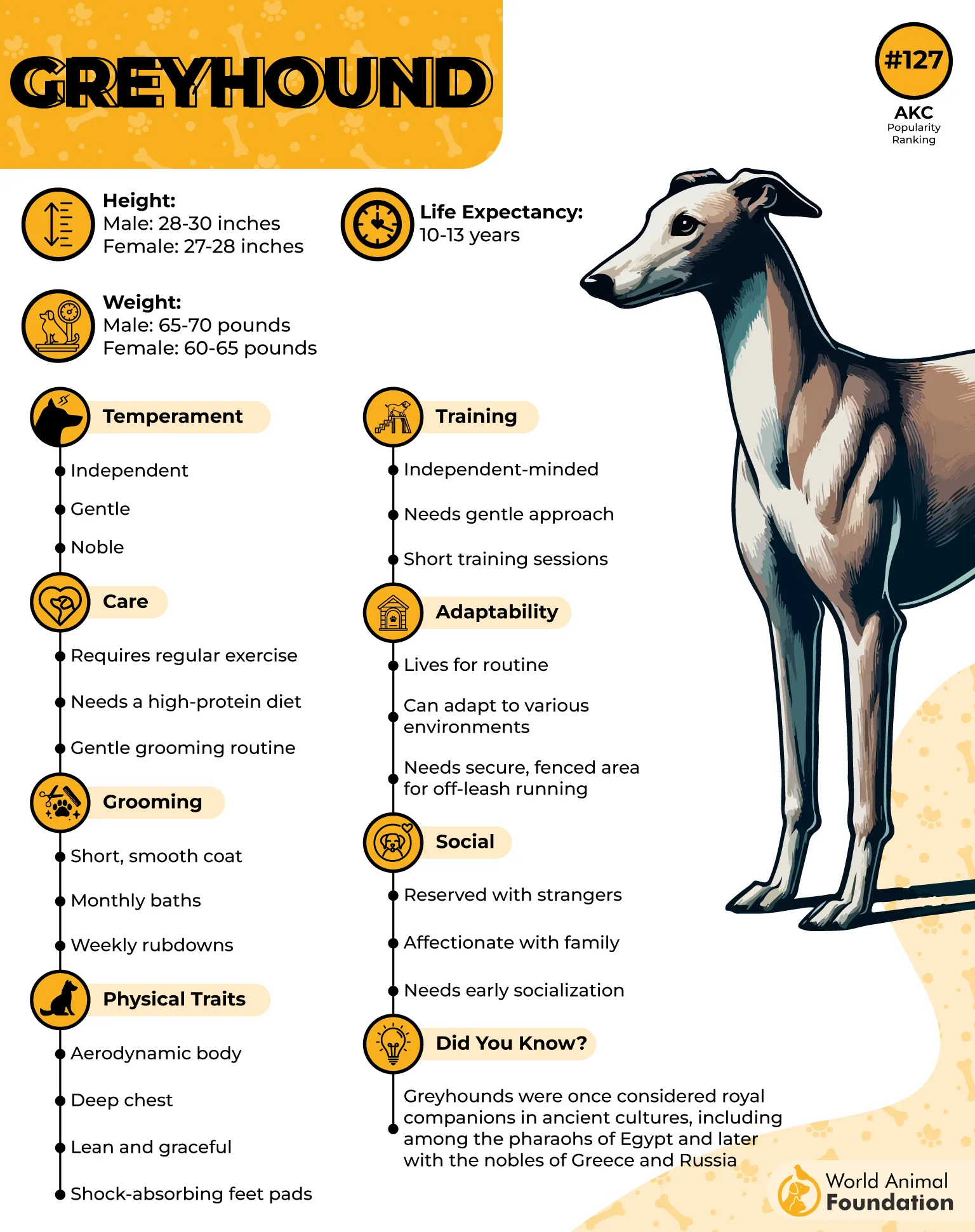
Quiet presence indoors
Even as the fastest dog breed, they shift into a calm, low-energy routine once daily activity is completed, often resting quietly near family members. Its calm temperament indoors leans toward stillness rather than excitement, making it comfortable in a relaxed space, and it values its own resting area.
3. Newfoundland
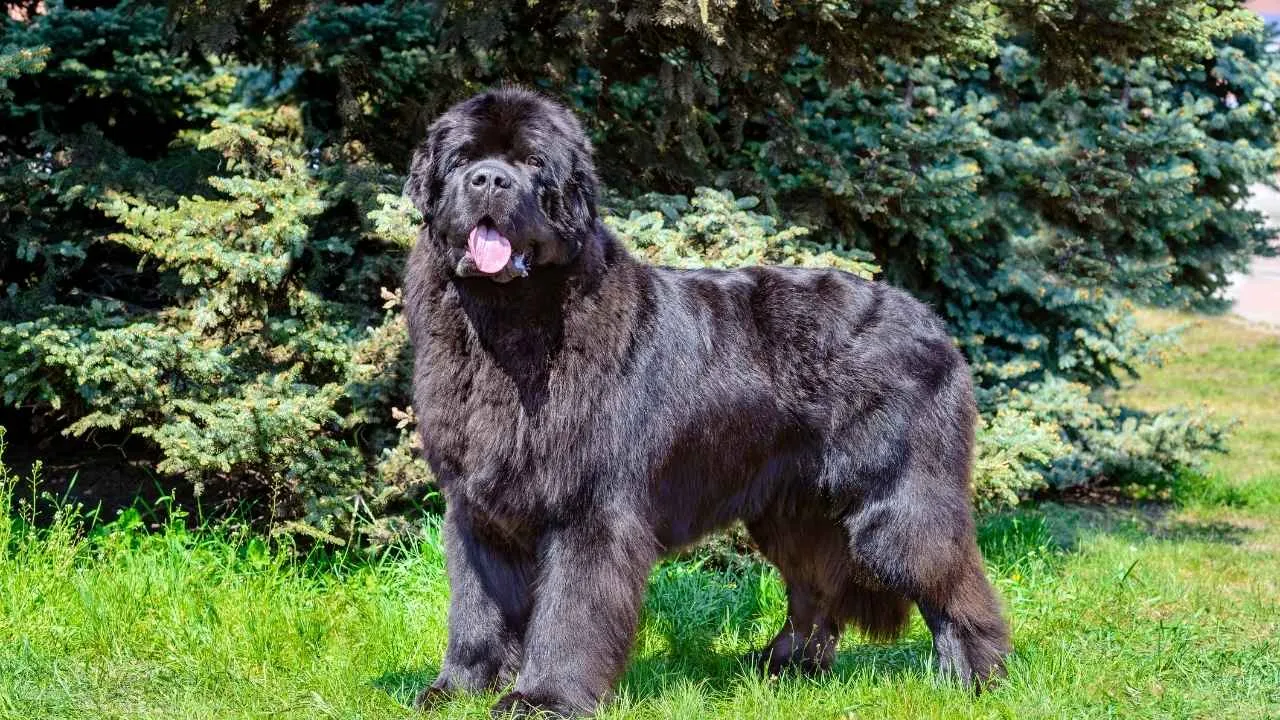
Newfoundland, often called Newfie, ranks among the largest breeds and is recognized as one of the calmest dog breeds.
Its massive frame, thick insulating coat, and webbed paws reflect a dog built for cold water work. These characteristics connect directly to its role alongside fishermen in Canada.
Water rescue dog capability
Newfoundland’s natural swimming ability comes from structural features that support movement in frigid conditions and open water. The breed earned a reputation for assisting in water recovery tasks, relying on strength and controlled effort.
Its working traits can be seen in clear details:
Webbed paws designed for strong propulsion
Dense coat that insulates against cold water
Powerful build suited for rescue tasks
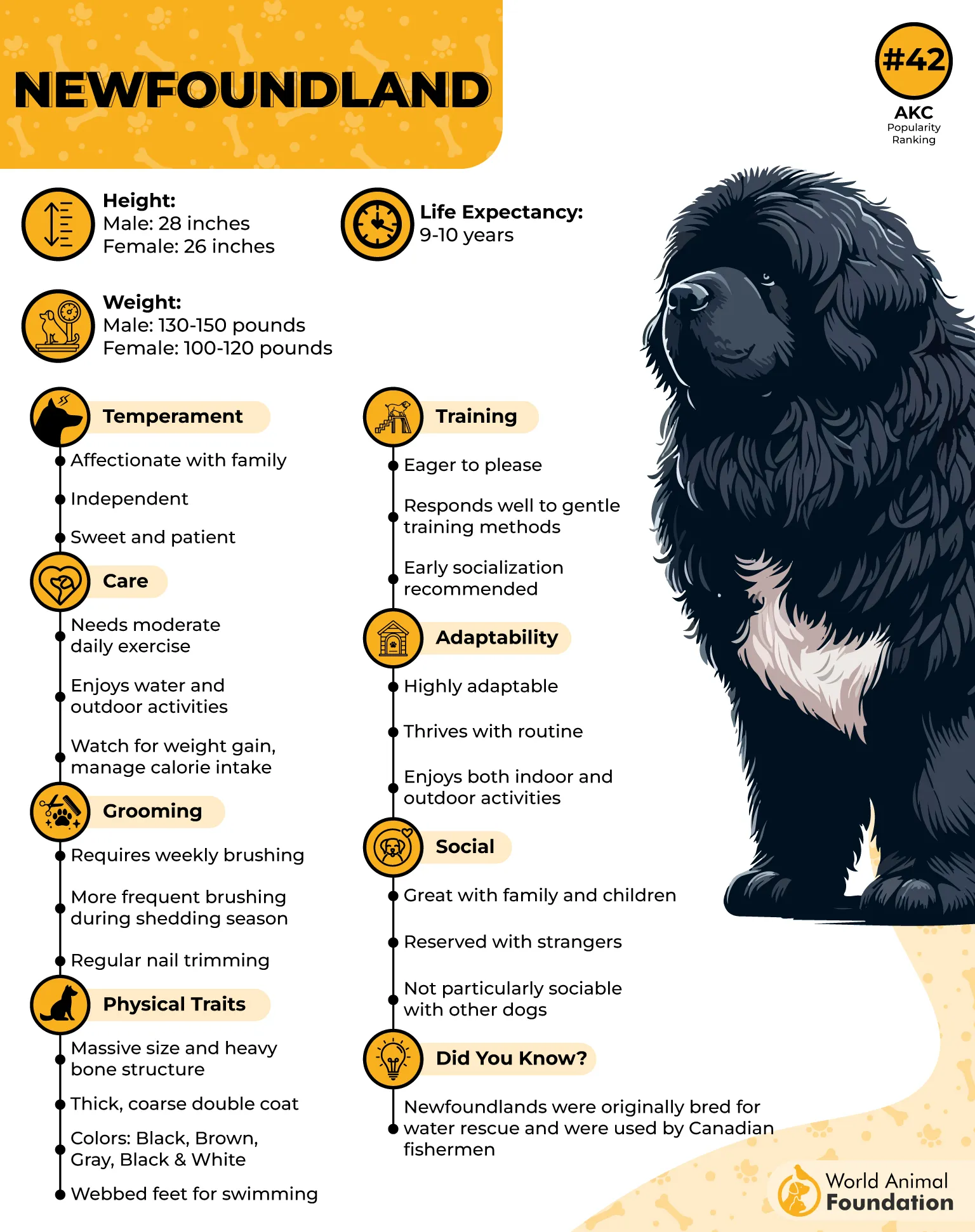
Indoor behavior and household fit
They are known for a calm nature indoors, often settling quietly in family spaces. It interacts patiently with children and blends well with other dogs, reflecting a steady and predictable temperament. Adult dogs can generally handle several hours alone, though extended separation may create stress.
4. Basset Hound
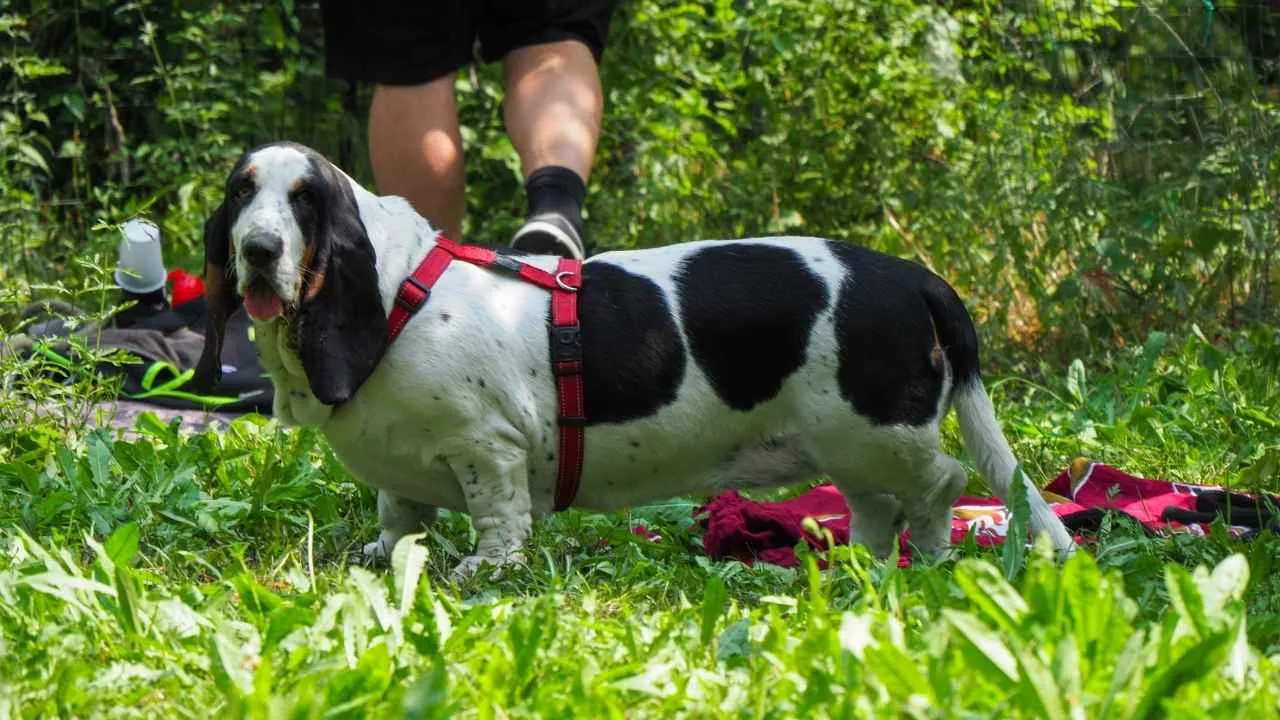
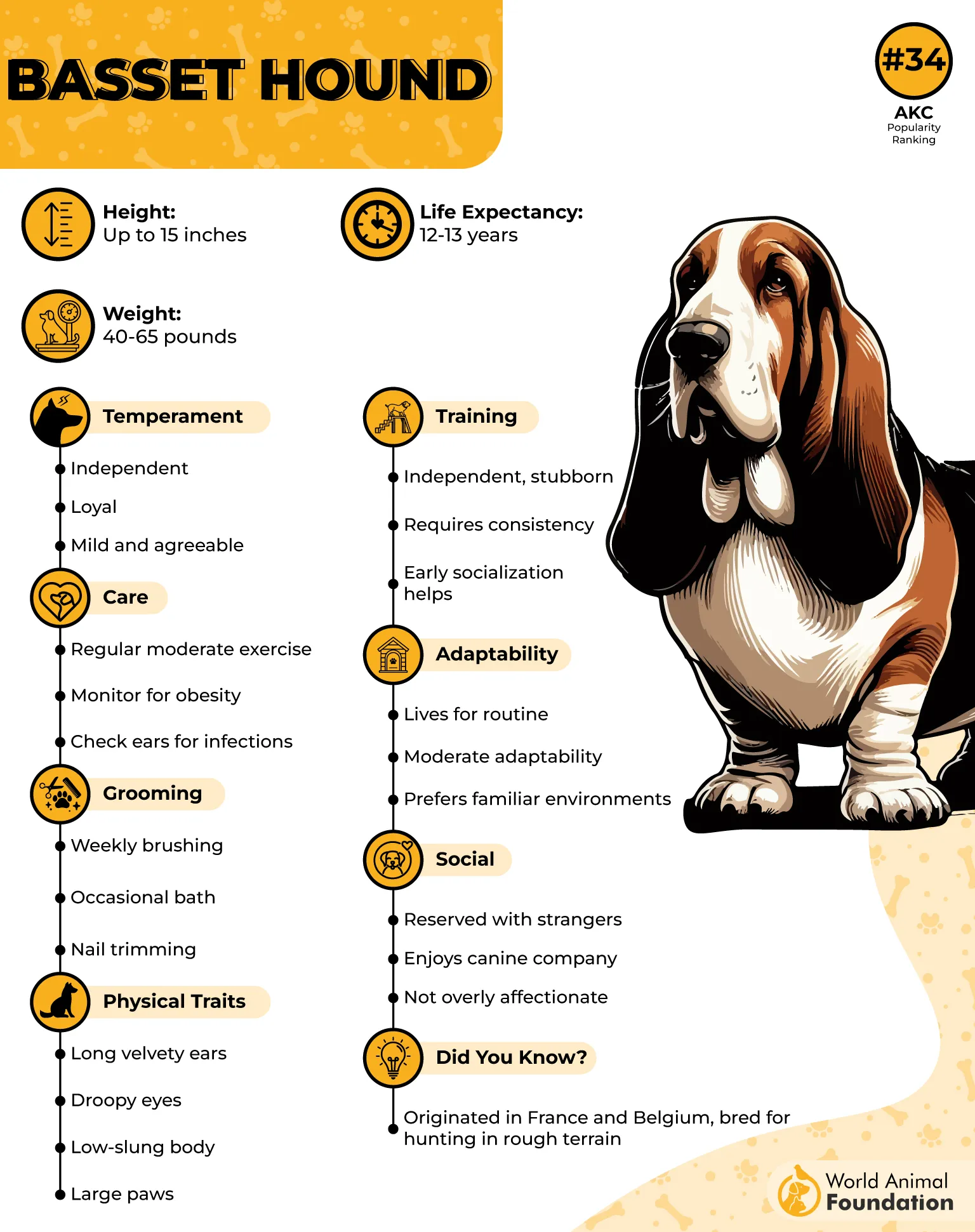
The Basset Hound originates from France and descends from the St. Hubert Hound, linking it to a strong scent-driven hunting line. Its low stance and elongated body reflect a breed shaped for tracking work close to the ground. This build connects directly to its methodical nose work.
Behavior shaped by a calm temperament
Basset Hound approaches life with a gentle and friendly attitude, fitting smoothly into homes with children and other pets when introduced properly. Despite its role as a hunting dog, it now functions mostly as a relaxed companion, as per Omlet.
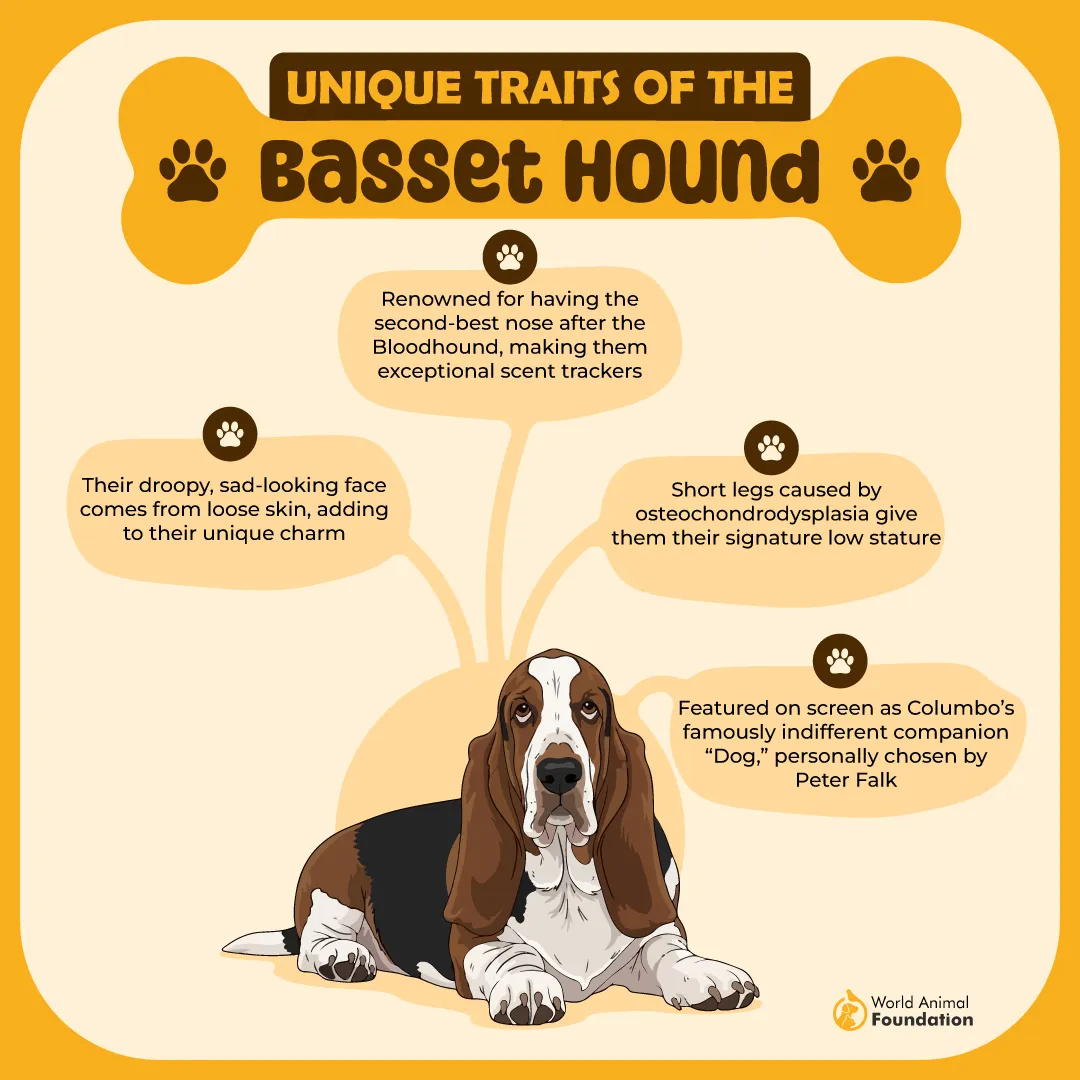
Its everyday behavior reflects this low-energy pattern:
Prefers steady environments over constant stimulation
Responds well to early social introductions
Adjusts comfortably in supervised family settings
Attention needs during separation
They benefit from mental enrichment, such as toys or company, when left alone for extended periods. Without engagement, it may become restless, so structured interaction helps balance its independent moments. Providing companionship or enrichment supports stable behavior during time apart.
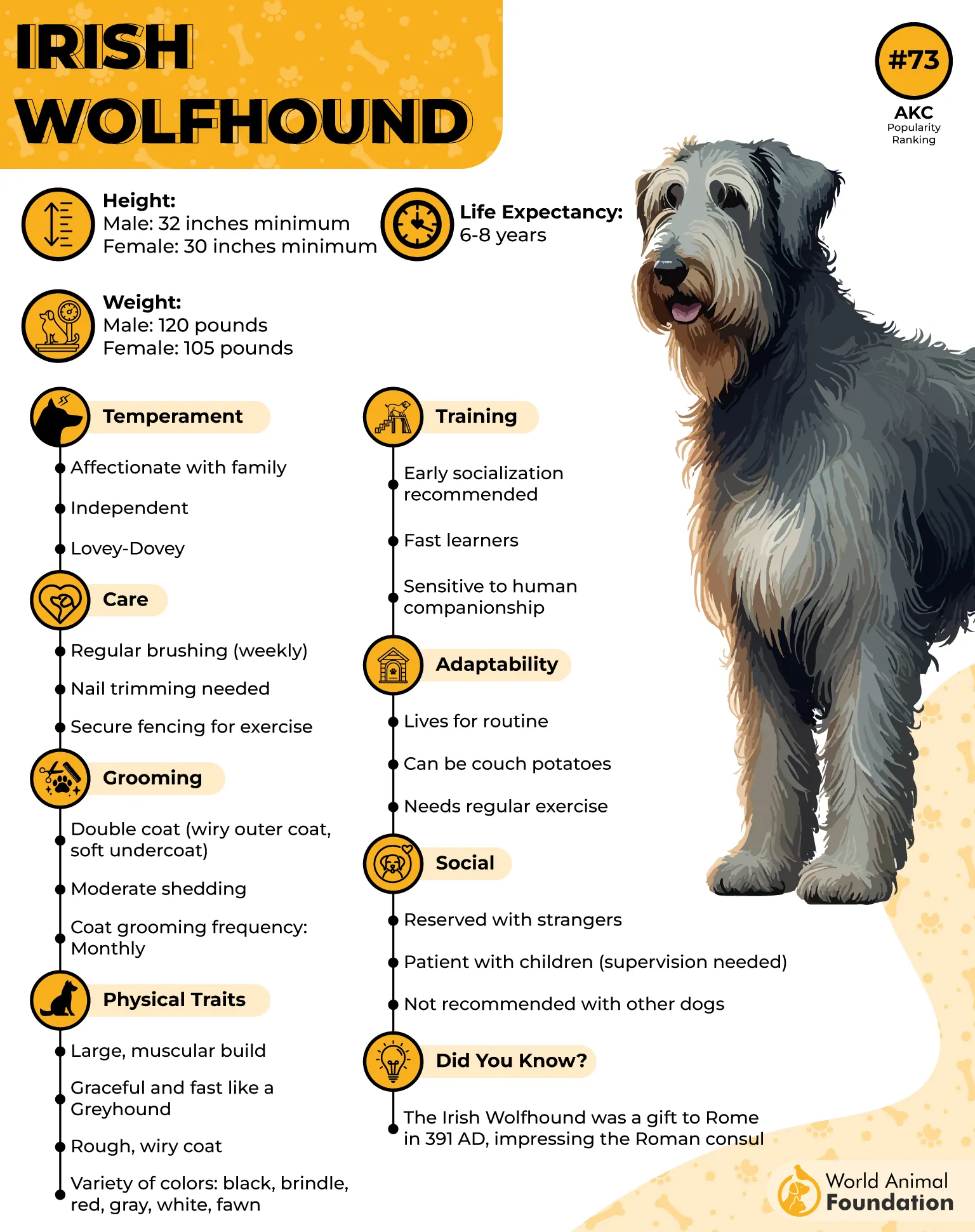
5. Irish wolfhound
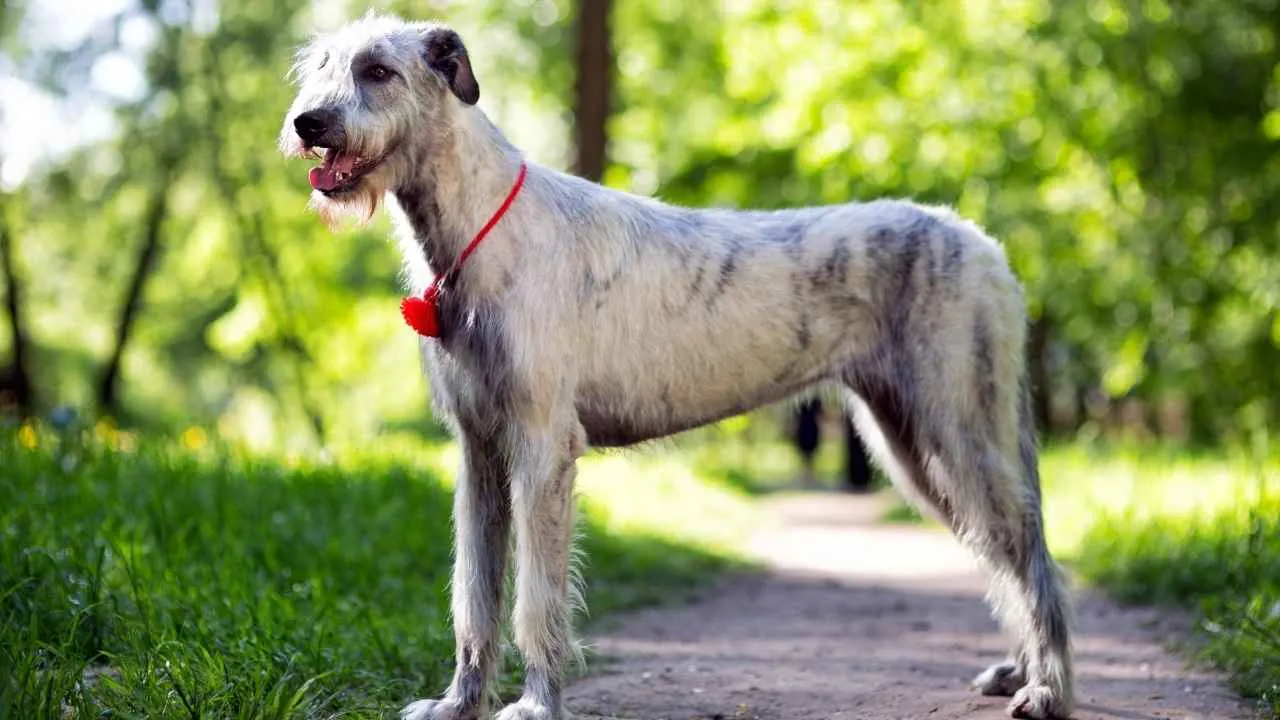
Irish Wolfhound is a towering breed with a calm temperament and a dignified outline, known for its large frame and quiet confidence. Despite its size, it leans toward softness in interaction rather than intensity. The breed values closeness and responds warmly to human attention.
Living expectations shaped by size
IWs require ample space due to their giant build, making compact environments less practical. Early social exposure and structured guidance help shape balanced behavior in daily life.
Its routine needs become clearer in simple points:
Needs early obedience guidance
Benefits from controlled social exposure
Should not remain alone for long periods
Calm behavior in home settings
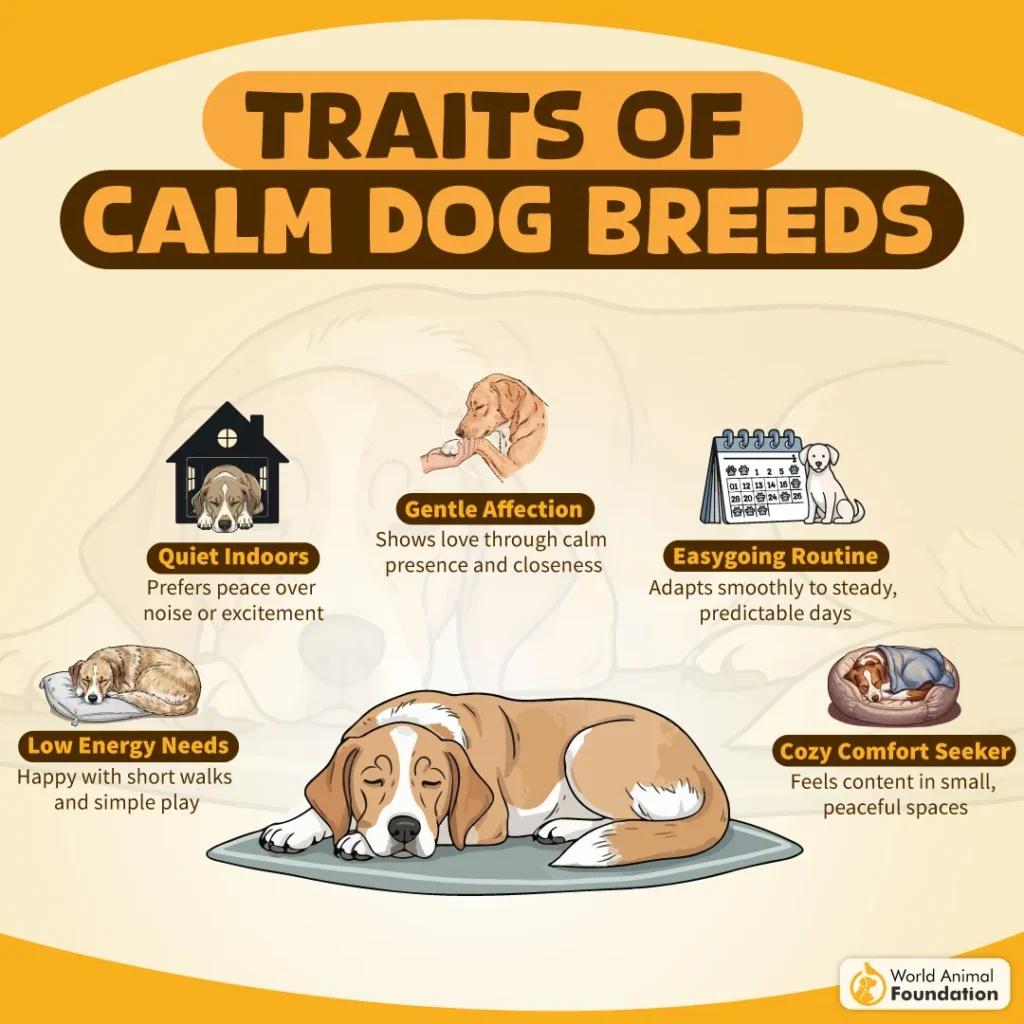
They adapt to indoor life with a steady, relaxed manner when space and companionship are available. It forms affectionate bonds with most people and often interacts patiently with children. Its temperament leans toward quiet companionship rather than constant activity.
6. Saint Bernard
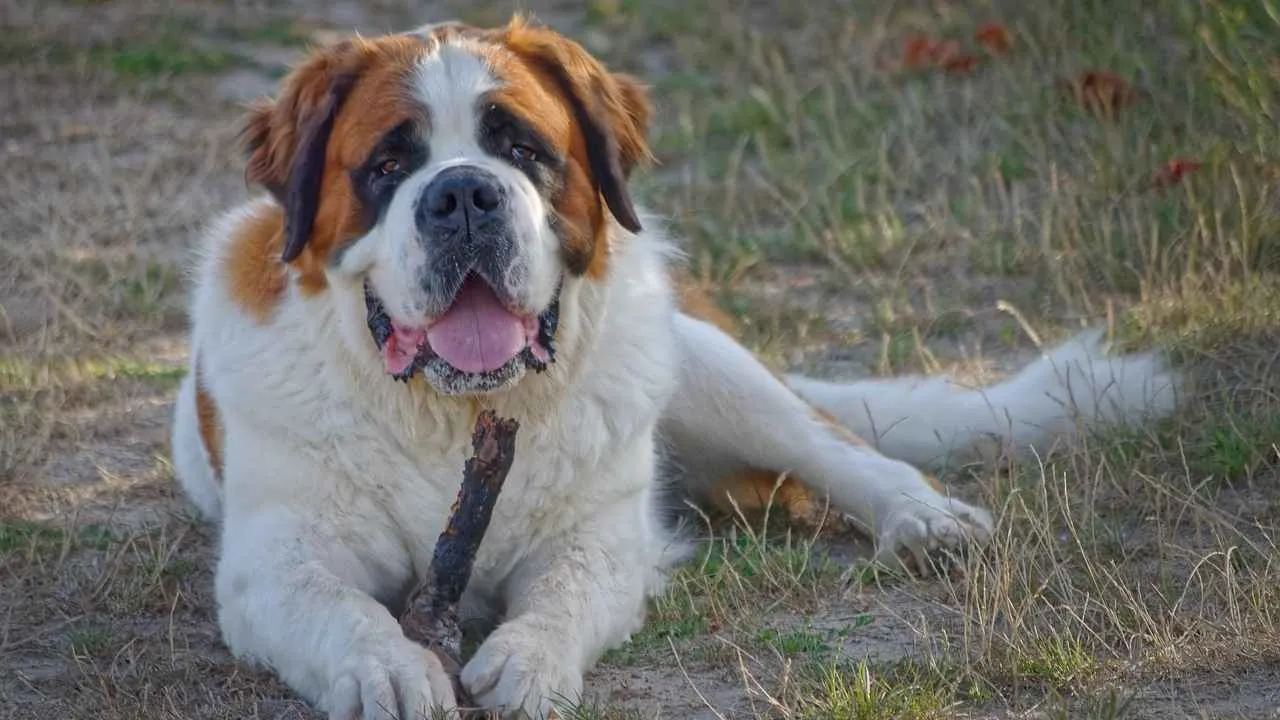
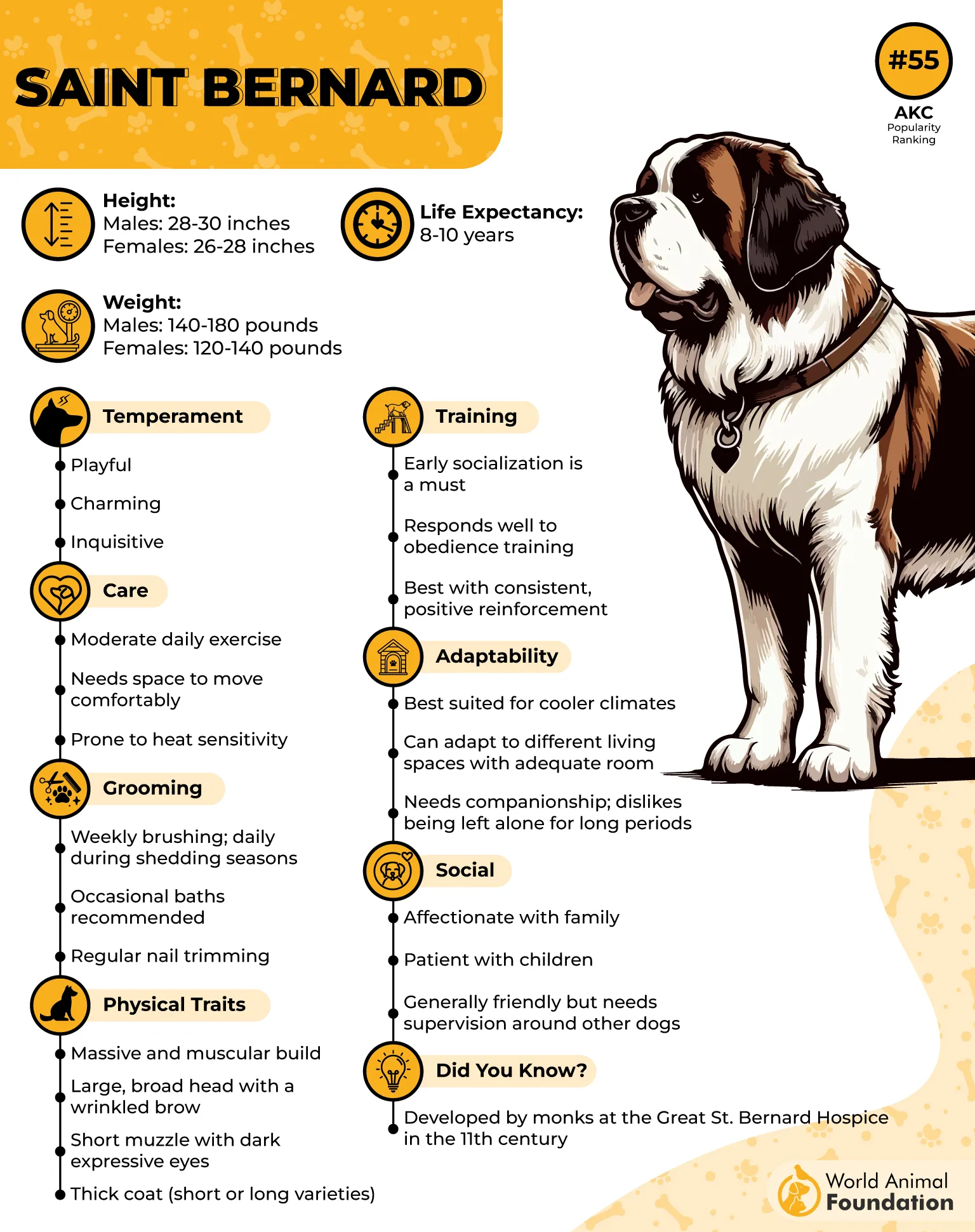
The Saint Bernard is a giant breed first trained by monks in the Swiss Alps during the 1600s to find people buried by avalanches.
Its size and strength were matched with a rescue purpose, creating a dog capable of working in harsh mountain conditions. Today, many live in homes where that gentle working nature remains visible.
Gentle household behavior
Saint Bernard interacts with family members calmly and affectionately, often enjoying shared time indoors. Its temperament supports living with children and blending into household routines without unnecessary tension.
This everyday conduct can be understood through clear traits:
Responds calmly around young children
Enjoys direct family interaction
Adapts to home environments with ease
Time sensitivity and companionship
This large dog breed values regular contact with its household and should not be left alone for extended periods beyond several hours. Its comfort comes from presence rather than isolation, reflecting a breed that connects strongly with its family circle.
7. Clumber Spaniel
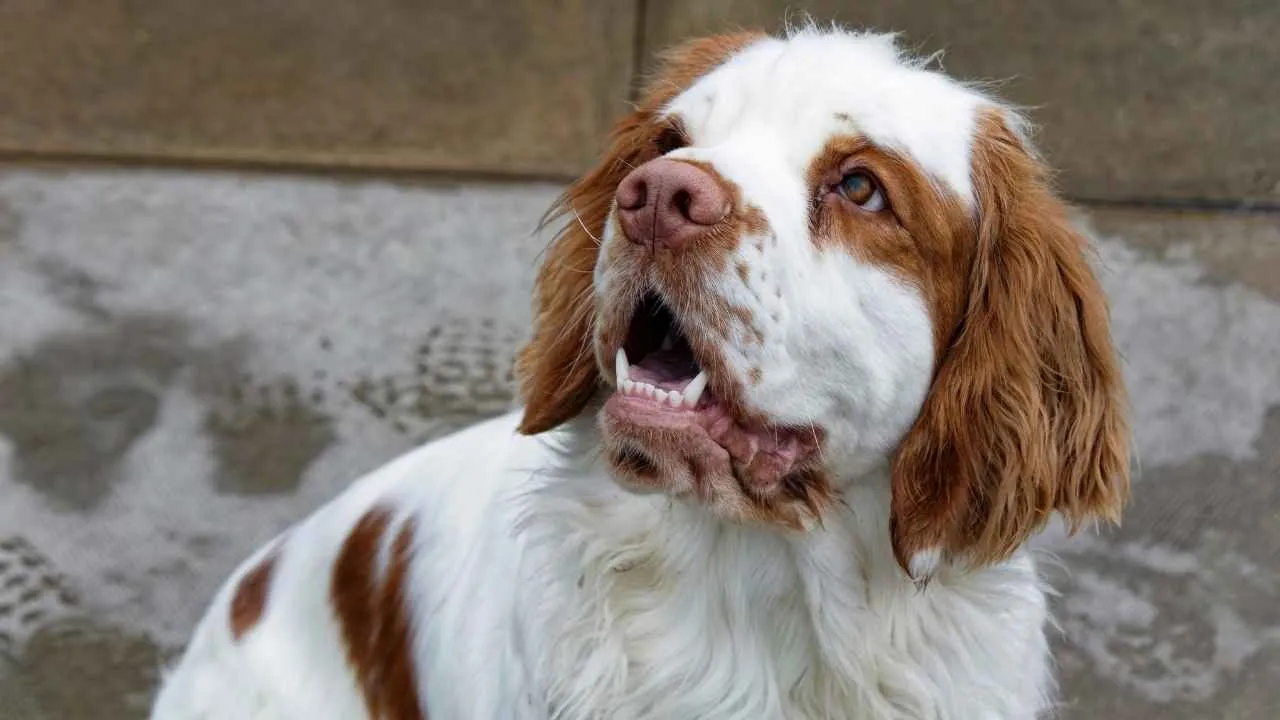
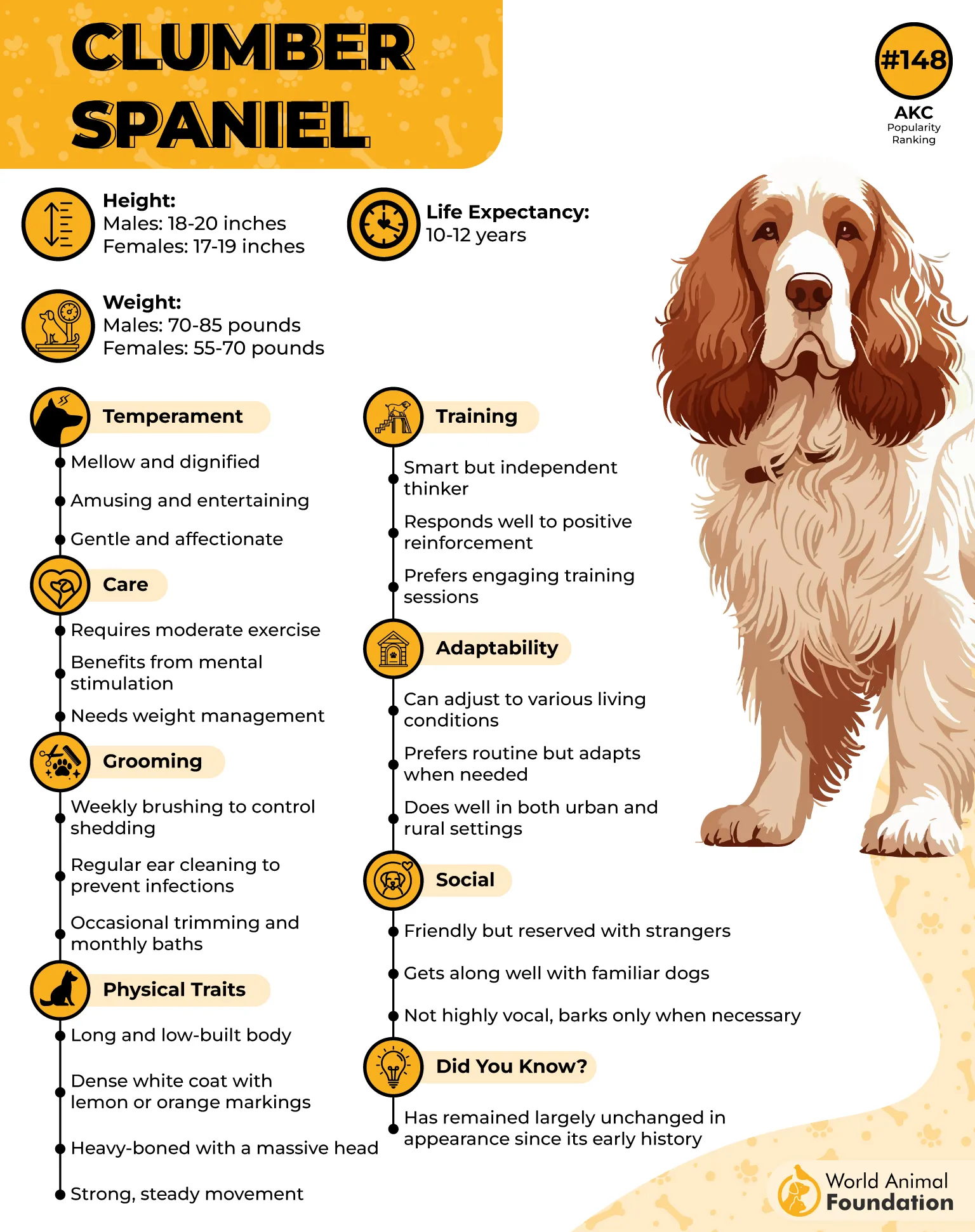
The Clumber Spaniel is recognized for its heavy, low-set frame paired with a large square head and deep-set eyes, creating a calm physical presence.
Originating in England and linked to Clumber Park, it was valued by British nobility for retrieving game. This background connects its build with steady field work rather than speed.
Retrieval focus and sensory strength
This spaniel relies on a strong sense of smell and a firm retrieving instinct, guiding its actions during hunting tasks. Its method of working reflects patience and deliberate searching rather than rapid pursuit.
These working traits appear clearly in practice:
Uses scent to locate game accurately
Retrieves with controlled, steady effort
Performs best in structured task settings
Temperament inside quiet spaces
Clumber Spaniel carries a gentle and laid-back nature, forming close bonds with family members while preferring limited time alone.
It typically tolerates short separations only, responding best when companionship remains consistent. This attachment style fits households where presence is steady and calm.
8. Pekingese
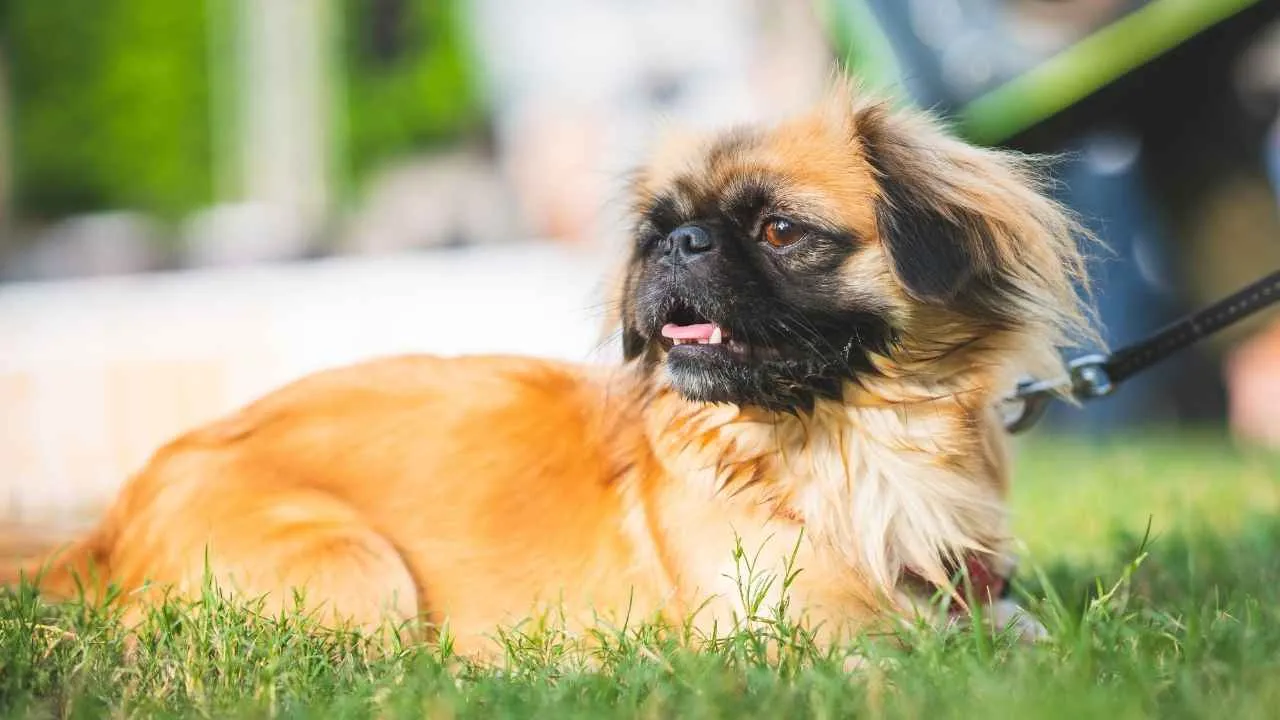
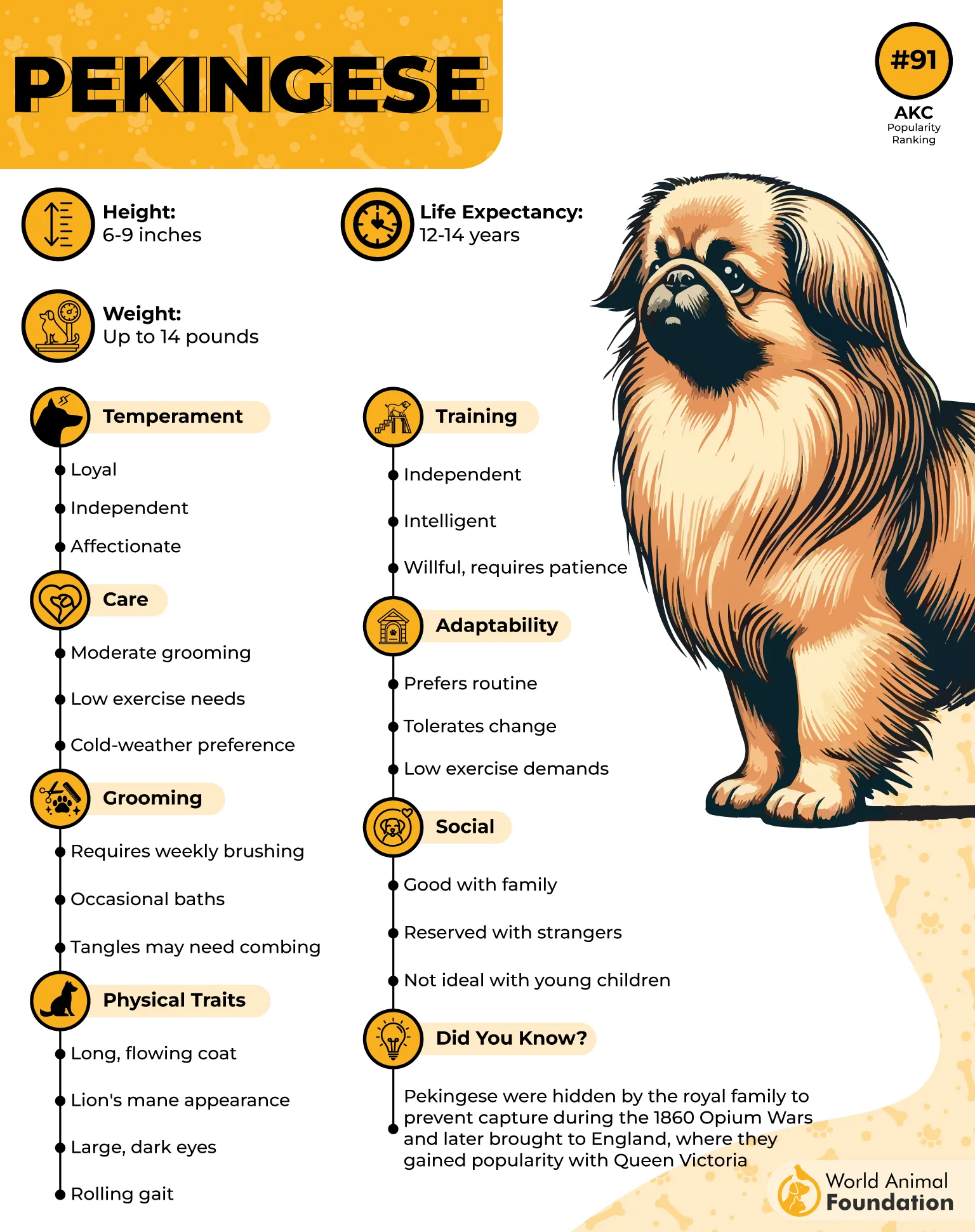
Pekingese dogs were originally bred to live alongside ancient Chinese royalty, shaping a small companion built around closeness to a select group of people.
Its size and presence reflect a dog meant for indoor living rather than wide-ranging activity. This foundation explains its preference for calm surroundings.
Loyalty centered on a few
As small dogs, they form a strong attachment to a limited circle, often focusing attention on familiar faces rather than seeking wide social interaction. Its confidence appears in quiet independence, paired with a preference for relaxed home settings.
This pattern becomes clearer in daily behavior:
Bonds deeply with selected individuals
Adjusts well to structured early exposure
May bark when meeting unfamiliar situations
Comfort with independent time
This dog spends several hours alone when trained properly and given enough space, typically handling four to six hours comfortably, with some adapting to longer periods.
This capability depends on preparation and gradual conditioning. The breed fits environments where predictable routines are in place.
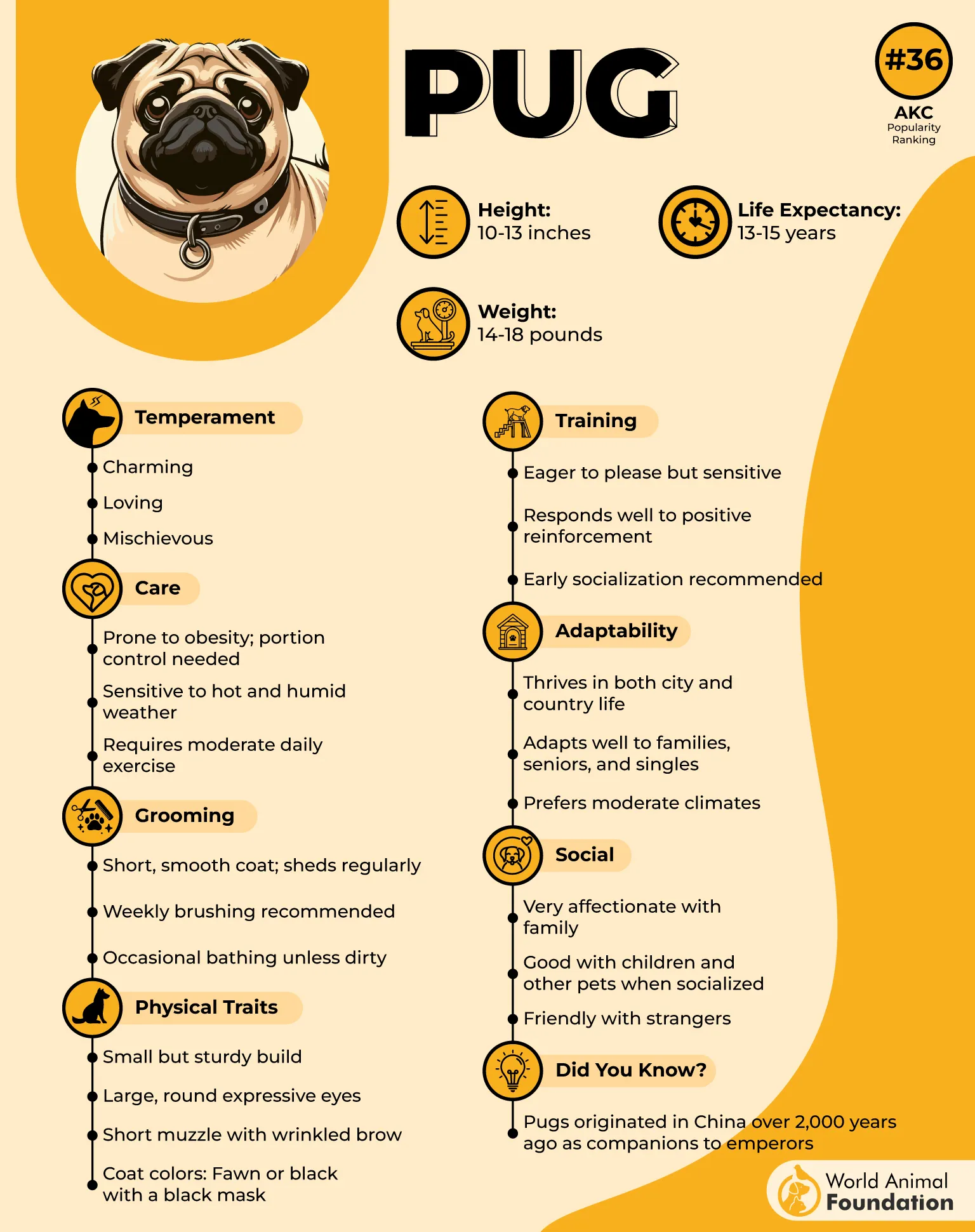
9. Pug
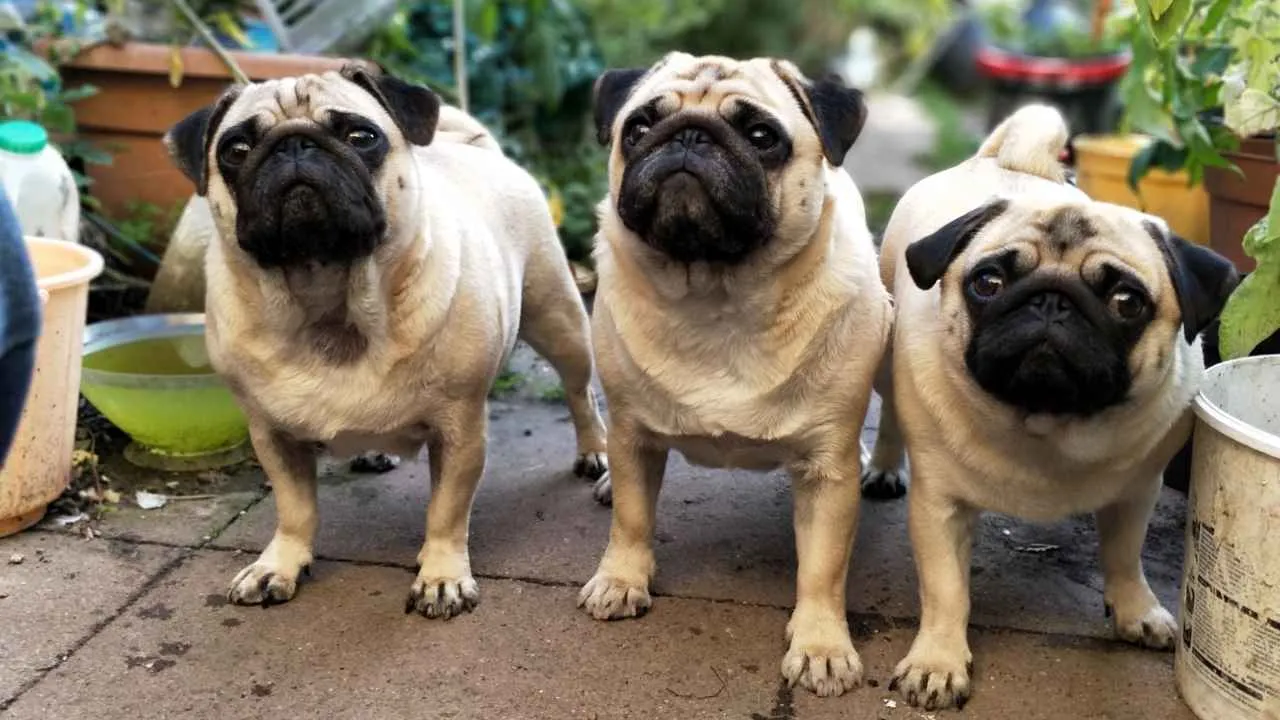
Pugs originated in China nearly two thousand years ago and were valued in royal circles, reflecting their long association with close human settings.
Its compact body and flat face define a breed better suited to indoor living than intense outdoor activity. This structure aligns with a lifestyle centered around proximity rather than distance.
Daily rhythm and care limits
Pug prefers short, gentle outings instead of demanding routines, as extended physical strain does not suit its build. Its social nature means long isolation can lead to stress or boredom, making a consistent presence important.
These patterns appear in practical care details:
Benefits from brief 15 to 20-minute walks
Handles light play such as casual fetch
Should avoid extended alone time beyond a few hours
Behavior within the home
They are generally calm indoors, often spending much of their time resting in comfortable spaces. Though it can have brief energetic moments, it quickly returns to a relaxed state. Its interaction style revolves around close contact and steady attention from its household.
10. French Bulldog
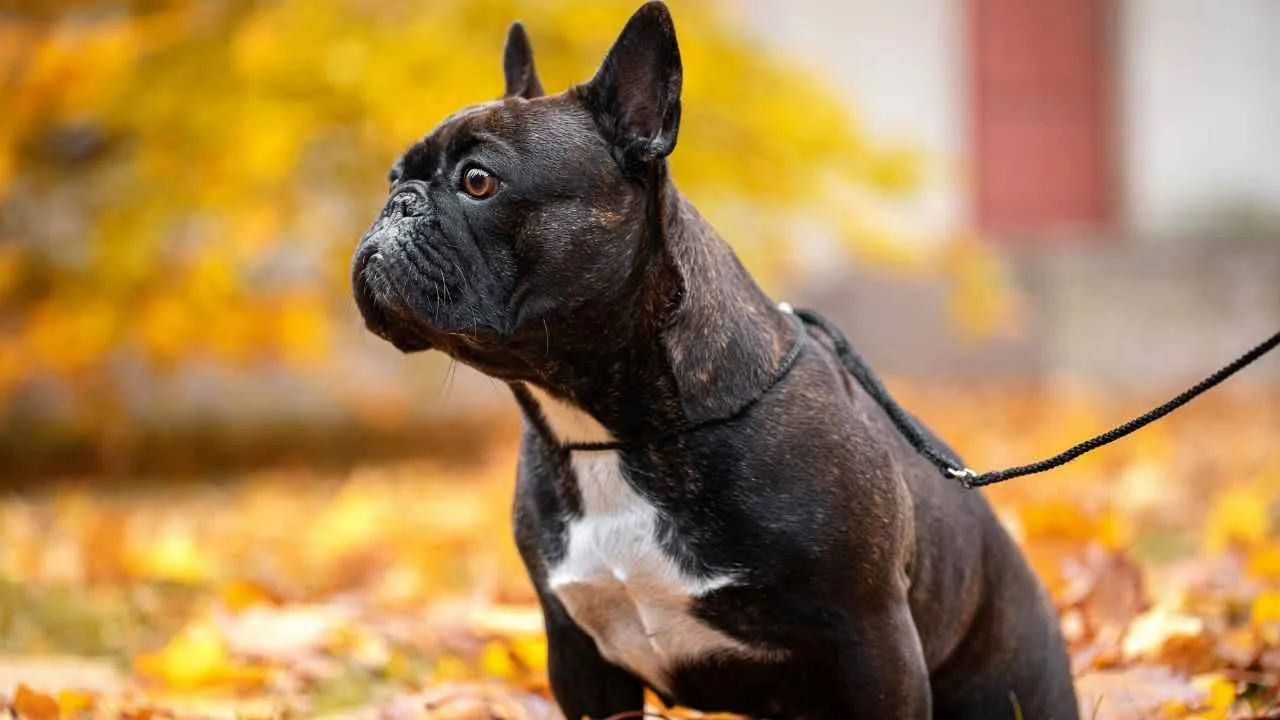
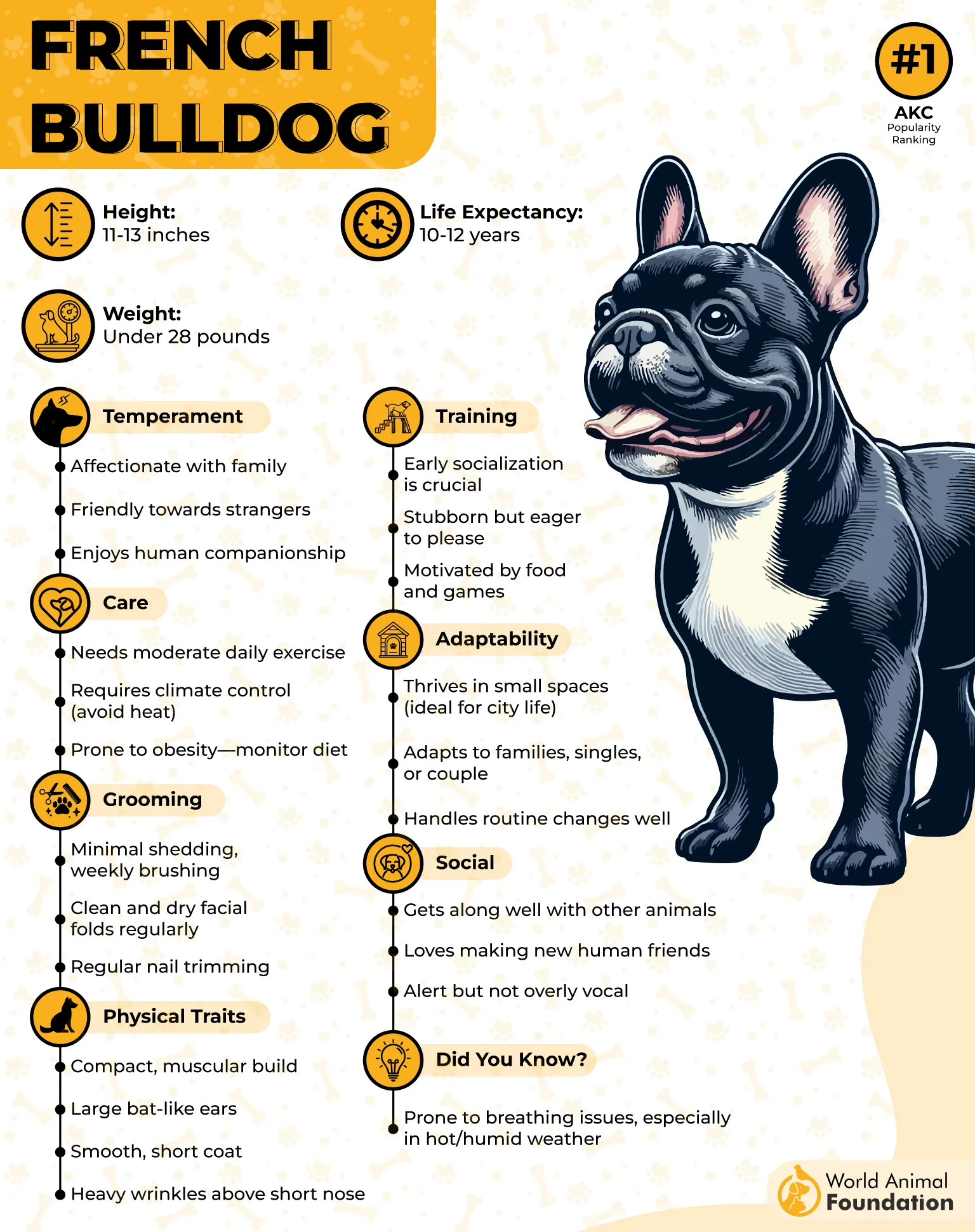
The French Bulldog is recognized for its compact frame and cheerful temperament, creating a small companion built around a close human connection.
Its size allows it to fit comfortably into limited living spaces without demanding large outdoor areas. The overall build supports a relaxed indoor presence.
Social patterns and daily rhythm
Frenchies interact in a friendly and playful way, responding well to people and other animals when introduced properly. Its energy level remains moderate, aligning with short social outings rather than intense activity.
These habits are reflected in practical daily behavior:
Adapts to short periods alone after training
Enjoys structured walks in calm surroundings
Responds positively to early social exposure
Personality shaped by companionship
French Bulldogs connect strongly with their human family members, expressing their bright and affectionate nature through interaction. With proper training, they can spend alone time for 4-6 hours. Its character blends playfulness with a calm household presence.
Conclusion
Not every dog feels happiest in loud, busy environments filled with constant stimulation and attention. Some settle more naturally into peaceful homes where routines stay predictable and quiet moments are part of daily life. These best dog breeds often become companion dogs with a laid-back temperament, staying connected to their families without depending on nonstop interaction to feel secure.
A few enjoy resting alone for hours, while others simply prefer observing rather than constantly participating. That independence can make life easier for people who value personal space or quieter surroundings. With enough mental stimulation, these good family dogs create a softer atmosphere where companionship feels steady, balanced, and less emotionally demanding each day.
