




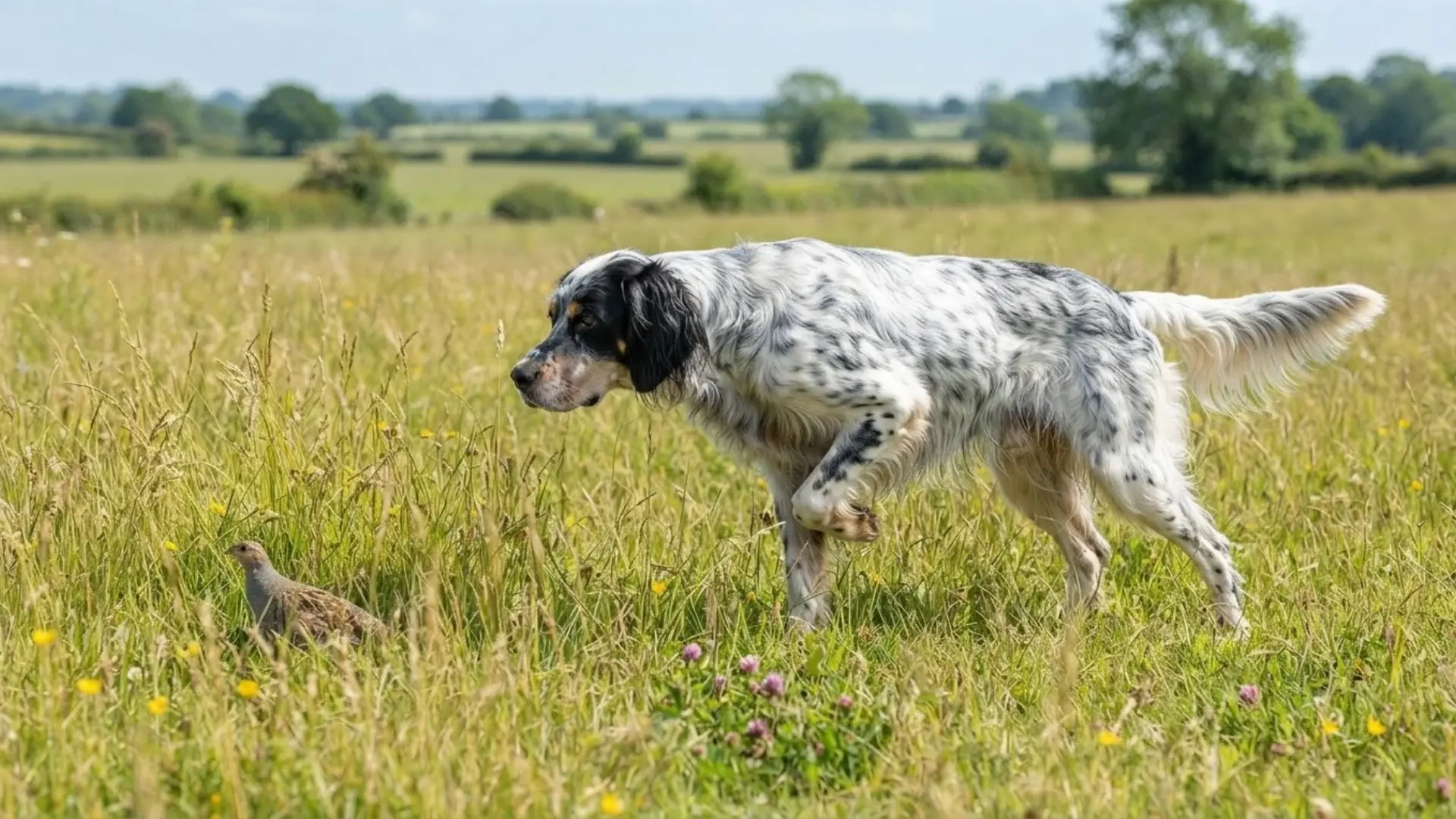
Ground-nesting birds can disappear into grass, brush, and open cover so completely that a hunter may walk past without realizing one is nearby. Finding them takes more than a dog that enjoys chasing birds.
A capable bird dog needs a keen nose, stamina to search terrain, and the control to work with its handler. Pointing dogs are valued for locating upland game by scent and indicating where birds are hiding, while flushing dogs can push birds from cover when the hunter is ready. Retrievers add another useful skill by recovering downed game.
These jobs require different instincts, and the right breed can make a noticeable difference out in the field. Some dogs naturally cover wide ground, read changing wind patterns, and stay focused when scent gets complicated. Others work closer to the hunter and bring a different style and rhythm to the hunt.
If you want a dog built for finding birds on foot, these choices are worth knowing today.
Key Takeaways
Somewhere under the grass, a bird may be sitting perfectly still while a dog is already closing in on its scent. That quiet search is where a good bird dog earns its place.
The Brittany can sweep through cover, work into the wind, and suddenly freeze with a raised paw when it finds the bird.
English Setter covers broad fields with its familiar zigzag pattern, while Vizsla brings speed, scent work, and a natural love of water to the hunt.
The final breeds add even more variety, from the rugged Wirehaired Pointing Griffon to the compact Boykin Spaniel that can both flush and retrieve.
Top Dog Breeds That Locate Ground-Nesting Birds
1. Brittany
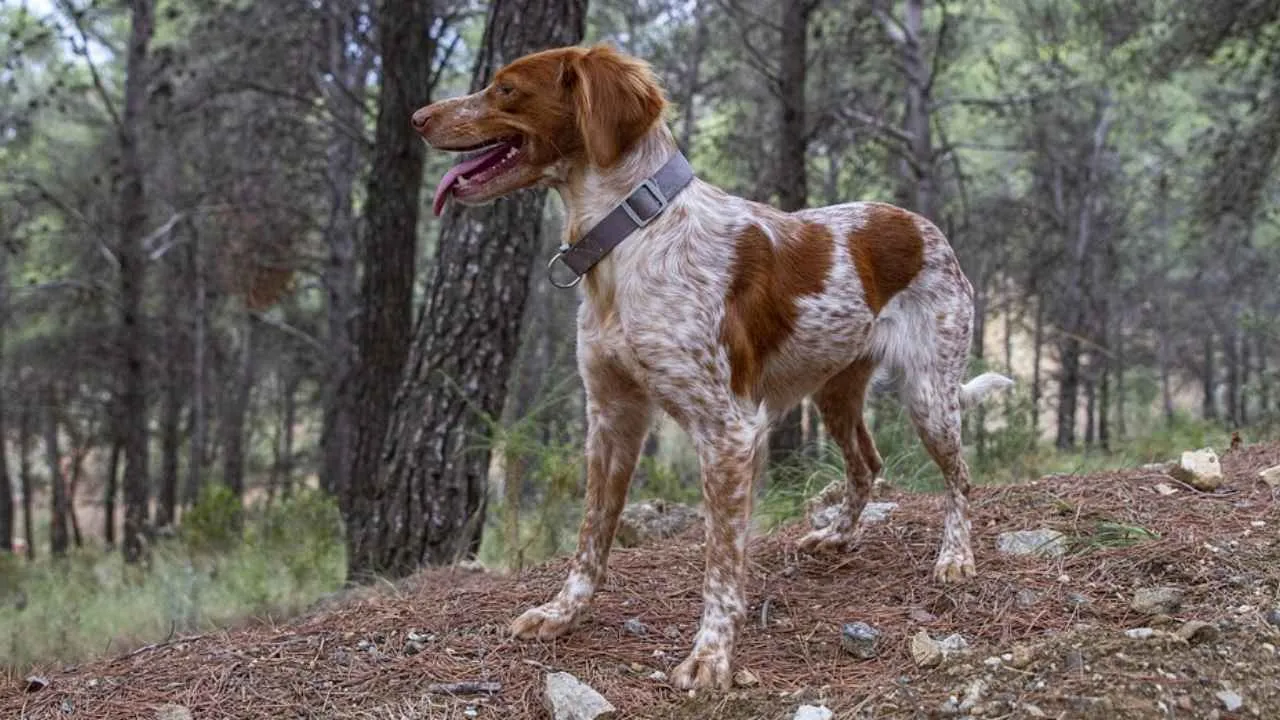
Brittany comes from France’s Brittany region, where early breeders paired small field spaniels with English Setters for pointing, hunting, and retrieving.
Some puppies arrived naturally tailless or with short tails, and those features influenced later breeding choices before the breed was registered in France in 1907.
Reading the Wind
Brittany uses its excellent nose and air-scenting ability to pick up faint bird odors drifting through cover. Its compact frame, deep chest, and strong hindquarters also help it sweep through dense areas with quick turns while searching for ground-nesting birds, as Orvis reports.
This field behavior makes that search especially precise:
Freezes with one forepaw lifted when scent is located
Sweeps side-to-side while working into the wind
Loops back or glances toward the handler during searches
A Controlled Retrieve
This bird hunting breed combines intense bird focus with a soft mouth, allowing well-bred dogs to retrieve birds or training bumpers without crushing them. Its responsiveness to whistles, hand signals, and steadiness exercises also gives handlers useful control during active fieldwork.
2. German Shorthaired Pointer
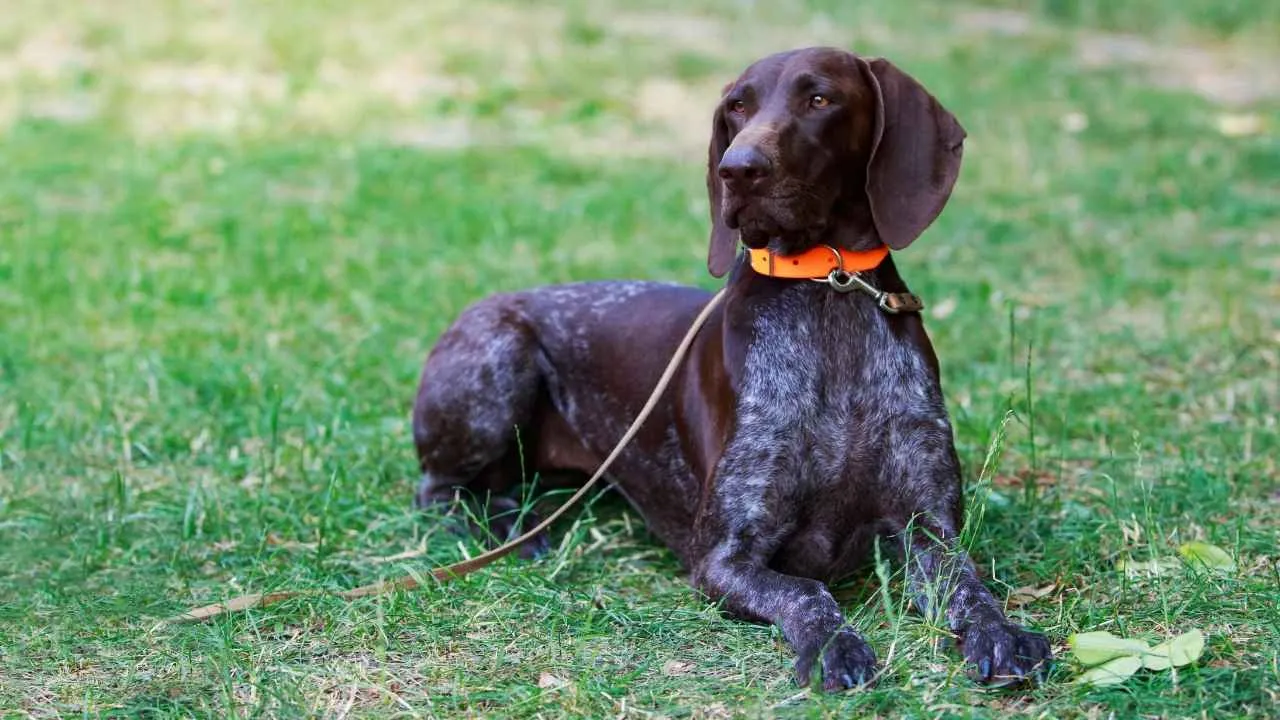
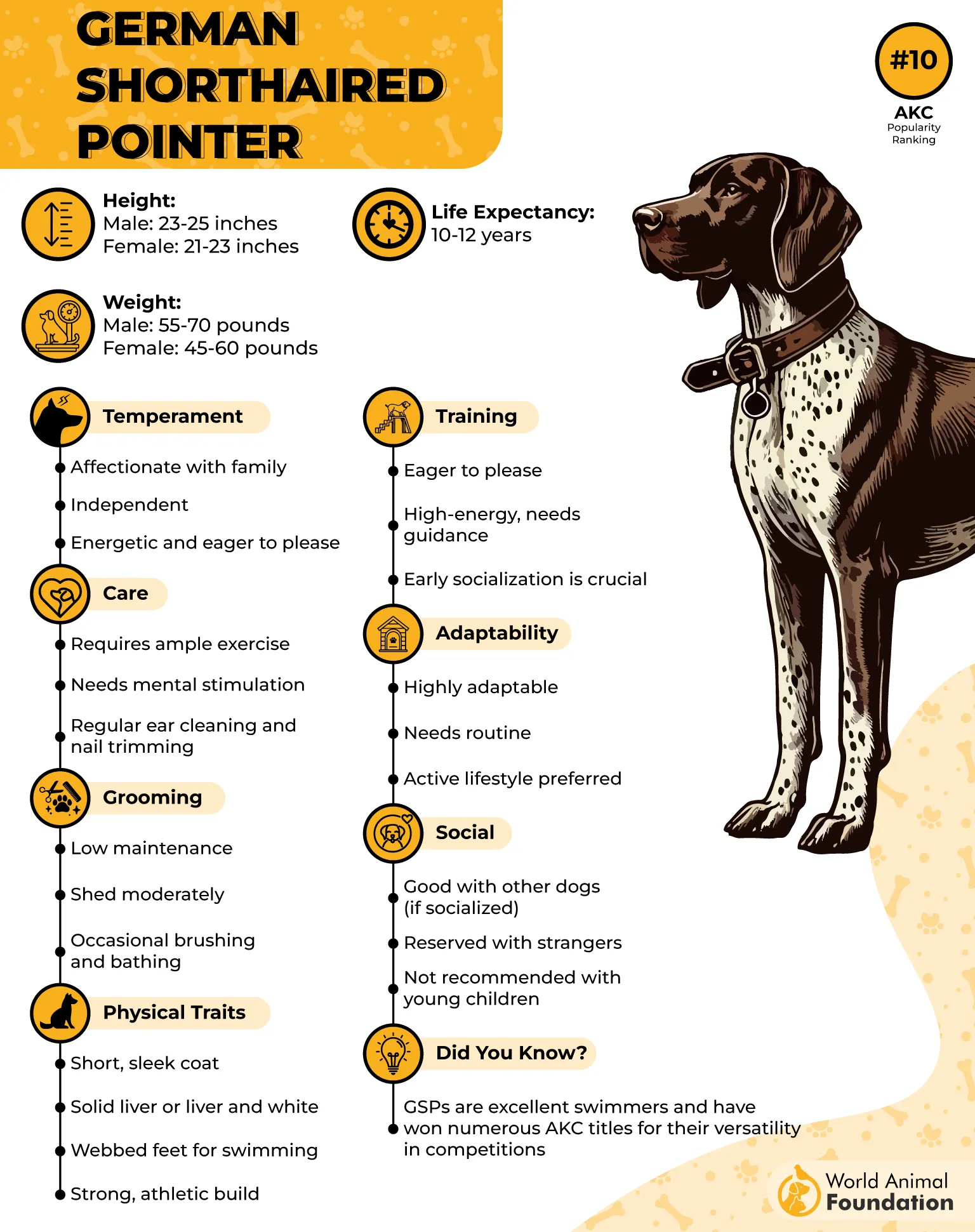
German Shorthaired Pointer traces its lineage to the German Bird Dog, with Old Spanish Pointer blood entering Germany during the 17th century.
English Pointer and Arkwright Pointer influence followed, while the breed’s modern form took shape around 1870 and gained AKC recognition in 1930, as Omlet noted.
Built for the Field
These bird dog breeds have a short, tight coat that sheds burrs and dries quickly, making it practical around fields and wetlands. Their long legs, deep chest, and athletic frame support sustained galloping and efficient oxygen use during extended searches.
This working detail makes its hunting style especially precise:
Uses air currents to pick up bird scent
Covers ground in a side-to-side quartering pattern
Can enter cold water to retrieve game
The Classic Point
As a pointing breed, GSP can freeze when it catches the scent of a bird species, holding its nose forward, tail level, and sometimes one forepaw raised in a distinctive pointing stance. This natural pointing response lets the hunter locate the hidden bird before the next step of the hunt begins.
3. Wirehaired Pointing Griffon
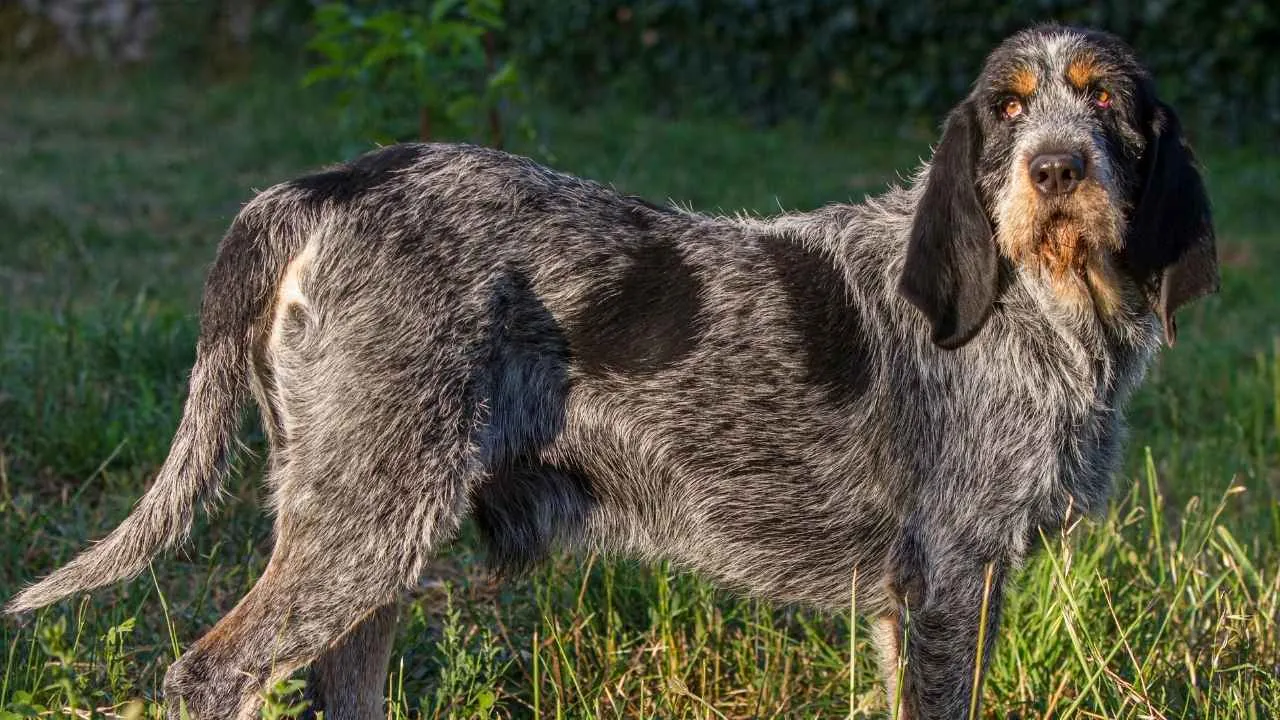
Wirehaired Pointing Griffon took shape through the work of Dutch hunting enthusiast Eduard Karel Korthals, who began breeding Griffon-type dogs in the Netherlands during the late 1800s.
His aim was a versatile field companion, with German Shorthaired Pointers, retrievers, and setters believed to have influenced the breeding stock.
Reading the Field
This retriever breed freezes into a rigid stance when it catches a bird’s scent, often raising one paw while fixing its eyes intensely ahead. Its quartering pattern then lets it sweep from side to side, covering ground efficiently in front of the handler.
These field details make that work especially precise:
Soft-mouth retrieving ability
Thick cover navigation
Wide, padded feet for muddy ground
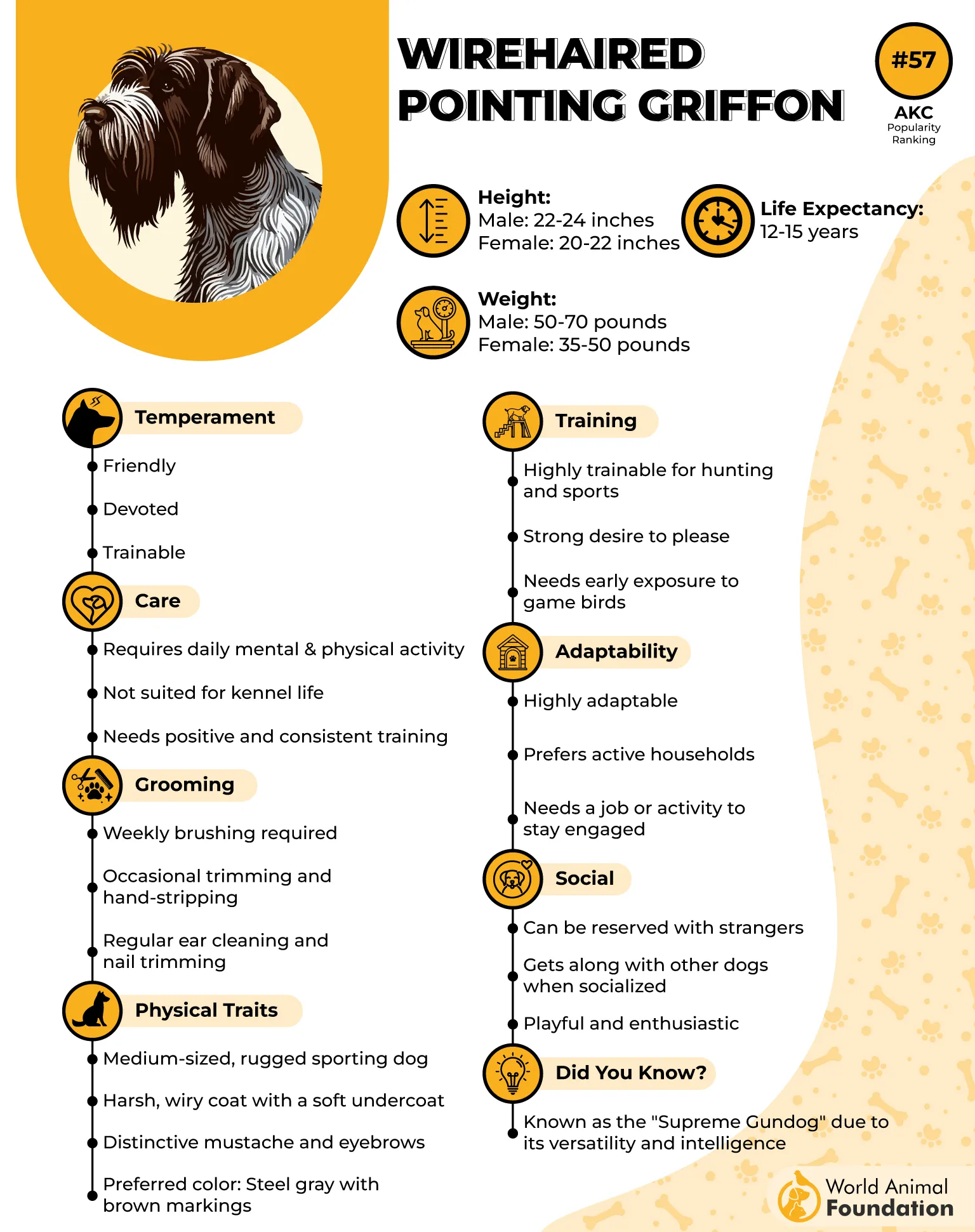
Through Dense Cover
Wirehaired Pointing Griffon has a wiry coat and sturdy body suited to pushing through thick vegetation while searching for scent, as Gundog Mag states.
After working through cover, it quickly redirects toward the handler, while its moderate athletic build supports long hunting days rather than short bursts of speed.
4. English Setter
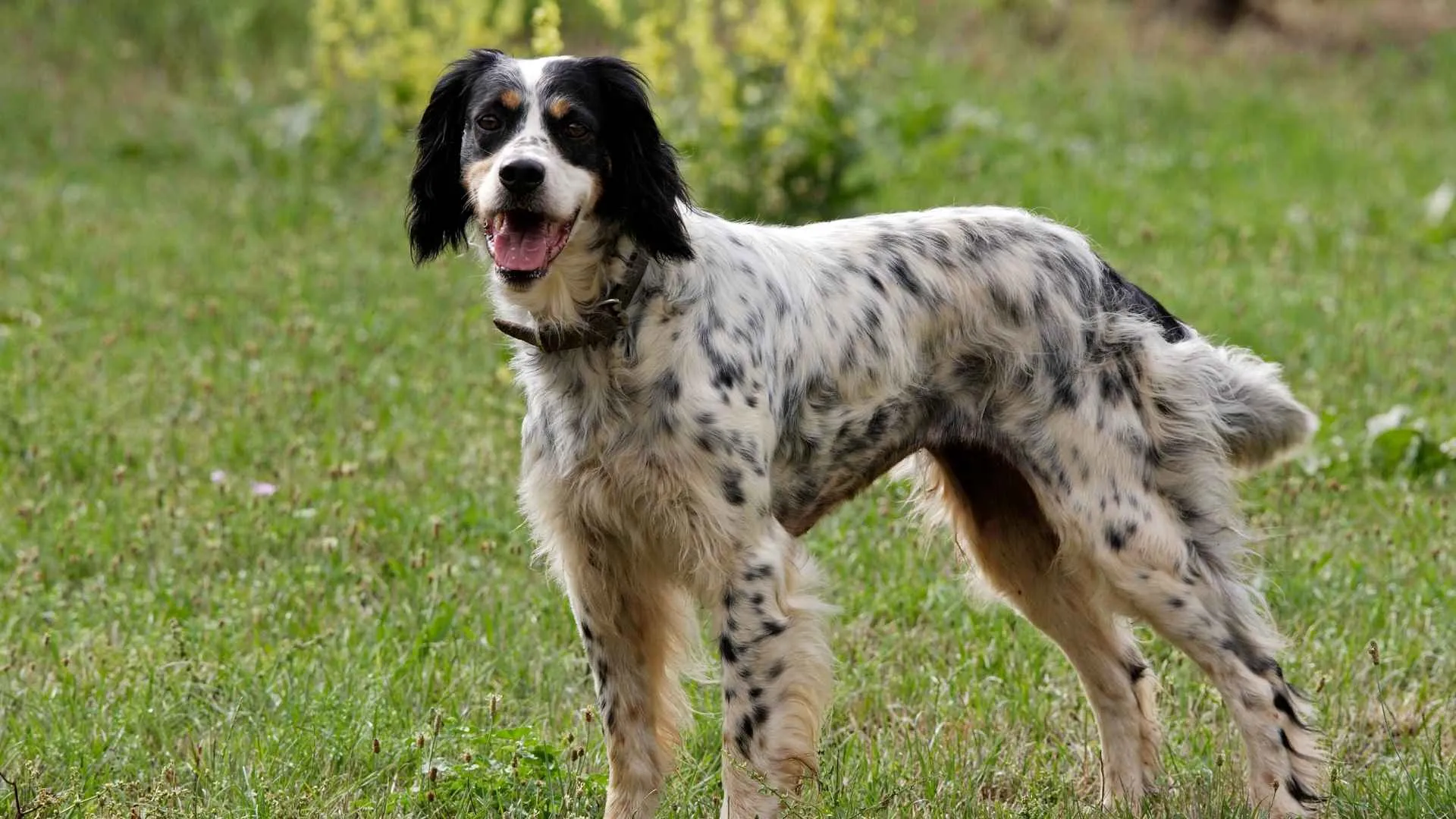
English Setter is one of the oldest setter breeds used for game hunting, with a distinctive method of locating birds before the hunter takes action.
Early breeding likely combined Springer Spaniels, Spanish Pointers, and Water Spaniels, while focused breeding around 1825 favored dogs suited to covering wide areas.
Ground Work
They use a zigzag search pattern called quartering, working across fields and moorland to pick up scent efficiently. Its highly developed sense of smell helps distinguish scents at a distance, while the classic set involves freezing or crouching with intense focus when game bird is located.
Their working style is easier to picture with these details:
Tail held level or slightly raised during a set
Feathering can collect burrs in dense brush
Medium, weather-resistant coat offers protection
Life Beyond the Field
English Setters can walk or run for miles while following scents, with an exuberant streak that often lasts well into young adulthood. With sufficient daily activity, the breed can become relaxed indoors and often seeks a sofa, cuddle, or lap after time spent exploring.
5. Vizsla
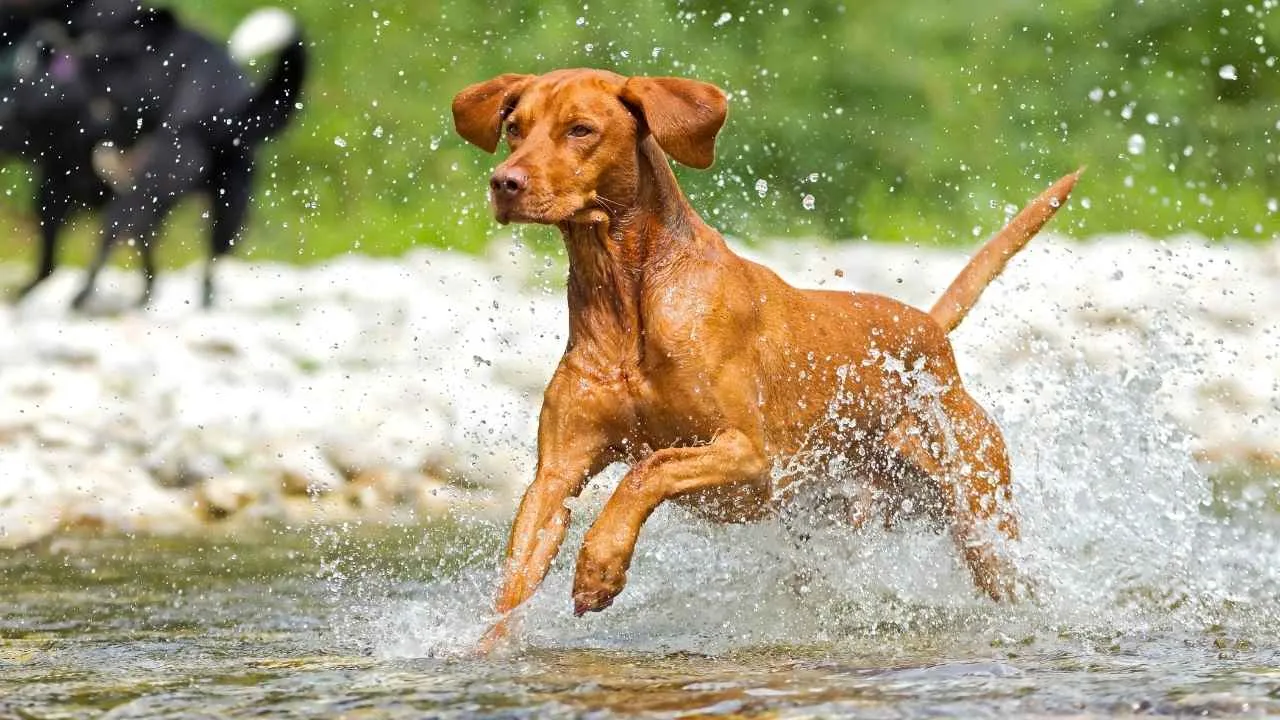
Vizsla was originally bred in Hungary as a hunting dog breed to track, point, and retrieve game for hunters. Its lighter frame allowed it to work through dense undergrowth efficiently, while its close partnership with people shaped its responsive and attentive working style.
Reading the Field
Vizsla searches for birds by relying heavily on its keen sense of smell, moving across open ground in broad zigzags known as quartering. Once it picks up a stronger scent, the breed may suddenly stop and point, often holding its tail level or slightly raised.
Its hunting instincts show up in other ways too:
Soft-mouthed retrieving in many lines
Whistle and hand-signal responsiveness
Tail “flagging” as scent intensifies
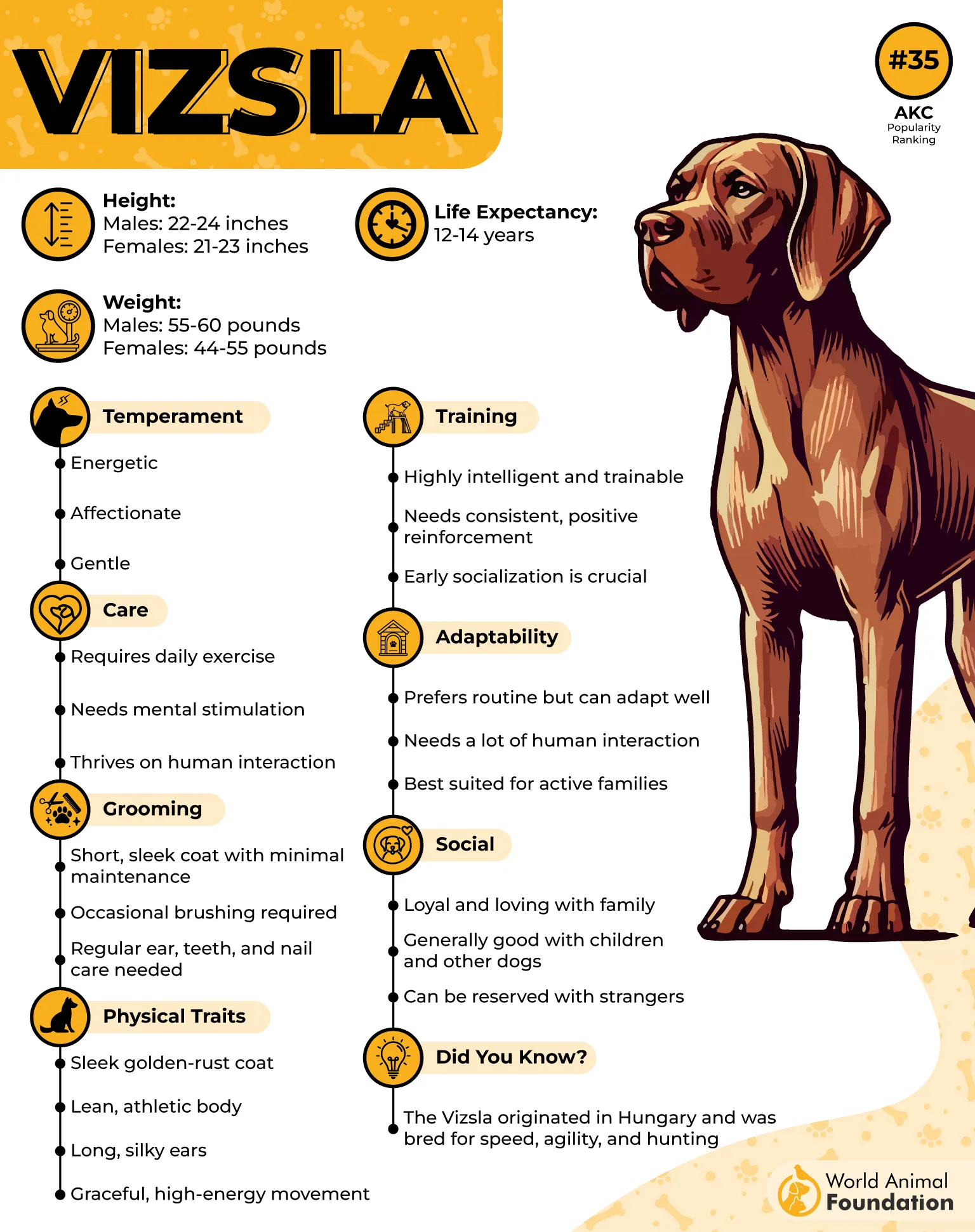
Water Comes Naturally
This athletic dog has a strong liking for water and will readily swim when retrieving game, adding another useful skill for hunters working around wetlands or waterways. Its athletic build also supports sustained trotting and galloping across open fields, rough ground, and moorland.
6. Irish Setter
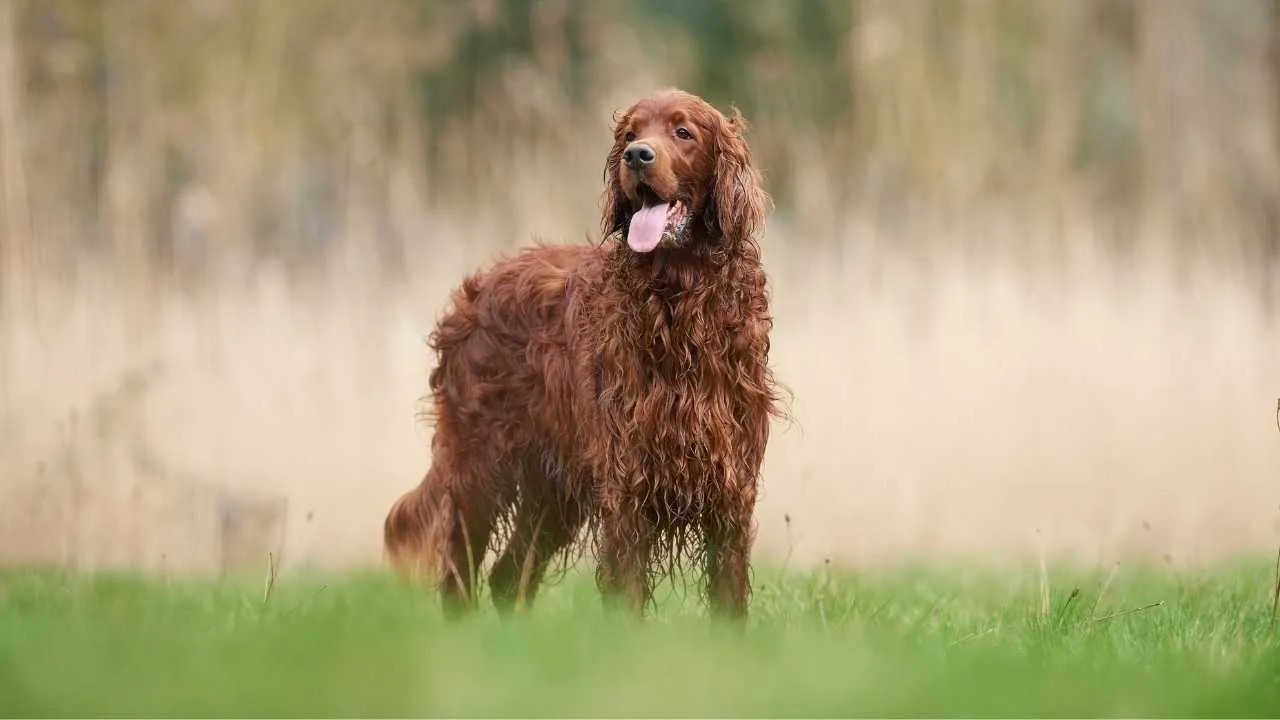
Irish Setter emerged from crosses involving English Setters, Spaniels, and Pointers, with early hunters favoring a large dog that could be spotted easily across open ground.
By around 1800, breeding kennels for the Irish “Red” Setter had begun appearing, while an 1862 dog was considered unsuitable for hunting yet well suited to the show ring.
Finding Birds
This versatile dog breed was shaped for upland bird work, using scent to search cooperatively with its handler across broad stretches of terrain. Its deep chest, long stride, and strong aerobic capacity support the sustained effort needed during extended hunts.
These qualities make its field work especially interesting:
Natural “setting” posture when bird scent appears
Wide back-and-forth quartering pattern
Strong handler-focused search behavior
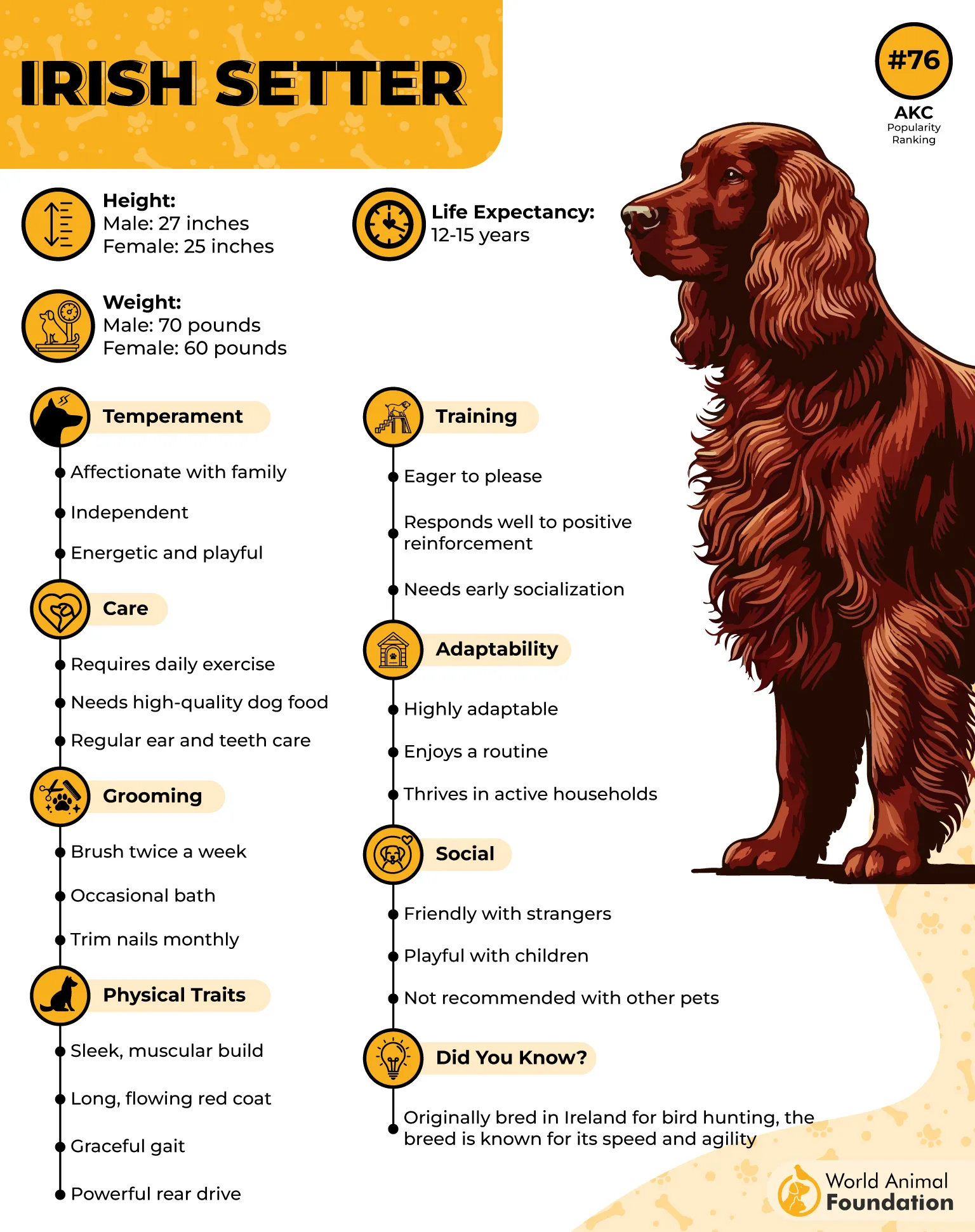
Built for the Field
Irish Setter has a feathered coat that offers light protection from brush and changing weather while keeping the body relatively streamlined for active work. Regular grooming helps prevent the feathering from forming mats, especially after spending extended time outdoors in rough or wet conditions.
7. Boykin Spaniel
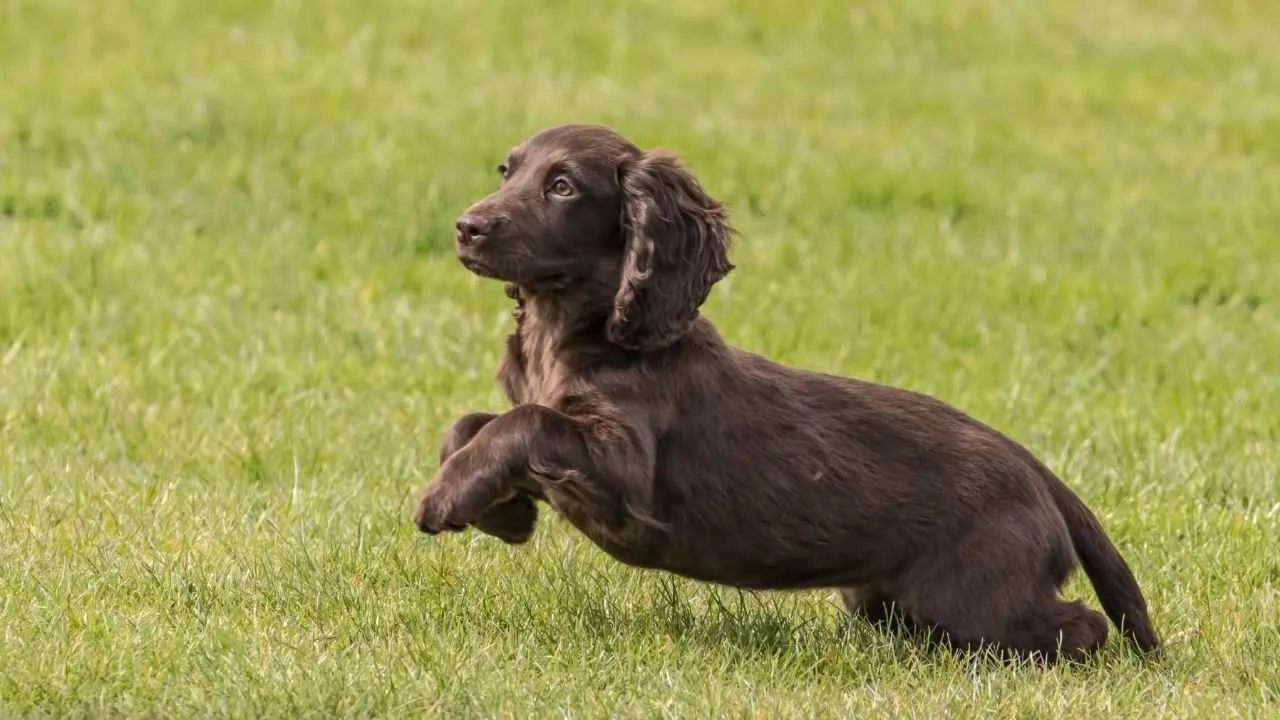
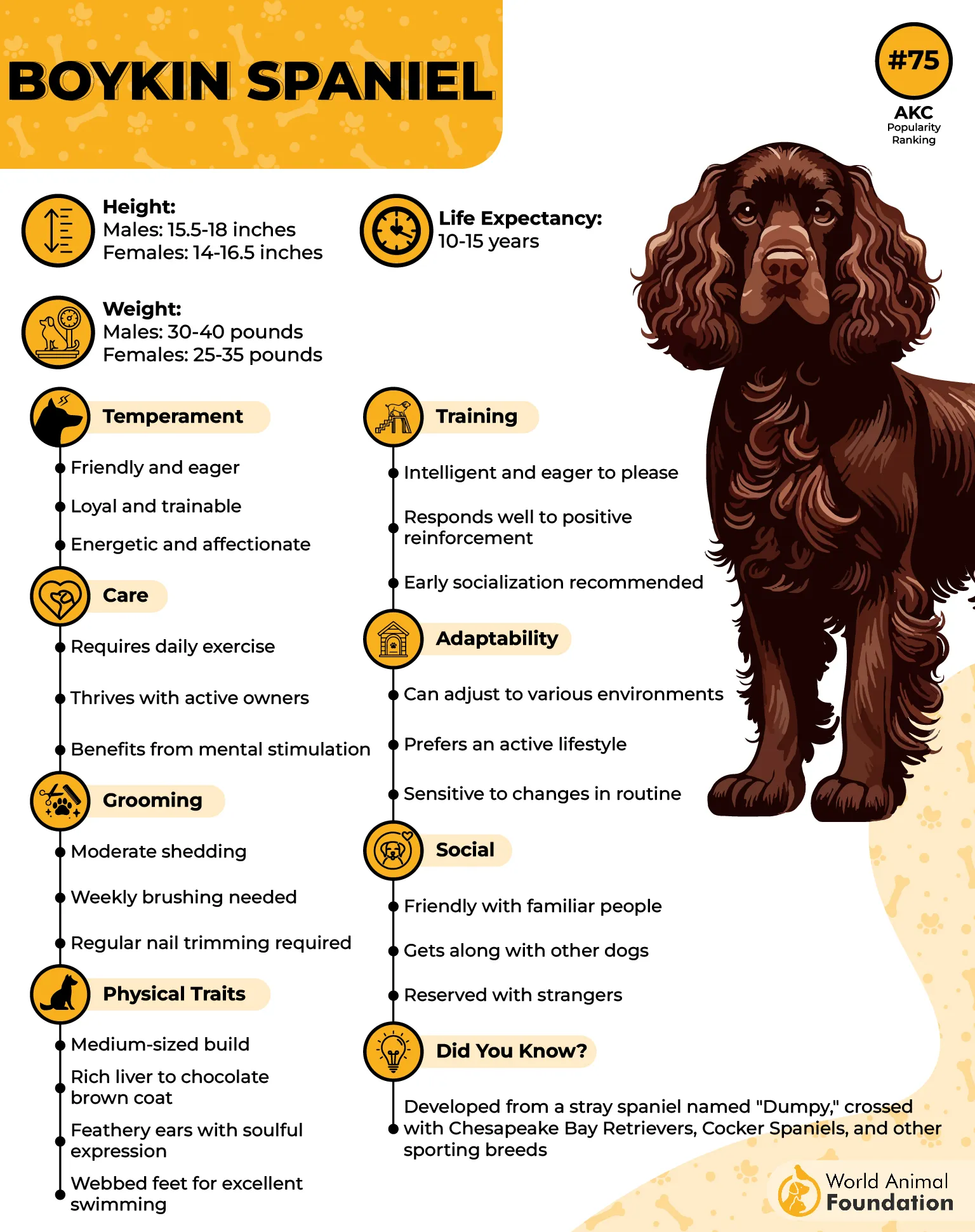
Boykin Spaniel traces its early story to South Carolina in the early 1900s, when Alexander White found a small brown spaniel outside his church and named him Dumpy. After discovering Dumpy’s talent for flushing and retrieving birds, White sent him to hunting companion Whit Boykin for further training.
Made for Close Cover
Boykin Spaniel has a compact, muscular build suited to small boats and dense Southern cover, where a hunting dog needs useful power without a bulky frame. Webbed toes also help with swimming and muddy footing during water-based bird work.
The field package includes:
Liver-colored coat with protective feathering
Pendulous ears that help funnel scent
Close-working quartering within gun range
Two Jobs in One
This rugged dog breed can combine flushing with retrieving, giving it the ability to put birds into the air and then bring game back to the handler after the shot. Its gentle mouth can also help retrieve birds carefully without causing unnecessary damage or puncture marks.
Conclusion
Ground-nesting birds can be difficult to locate when scent is scattered by wind, vegetation, and changing ground conditions. A capable field dog brings more than a strong nose. Search style, stamina, pointing or flushing ability, retrieving skills, and responsiveness to the handler all affect how useful the partnership becomes, whether the goal is upland hunting, waterfowl hunting, or hunting pheasants.
Training should build control without removing the natural instincts that make these dogs hunters. Hunters should also consider the terrain, distance, cover, and expected weather before choosing a breed. When those details match the dog’s working style, even complicated searches can help flush birds and become more organized, efficient, and rewarding in the field.
