




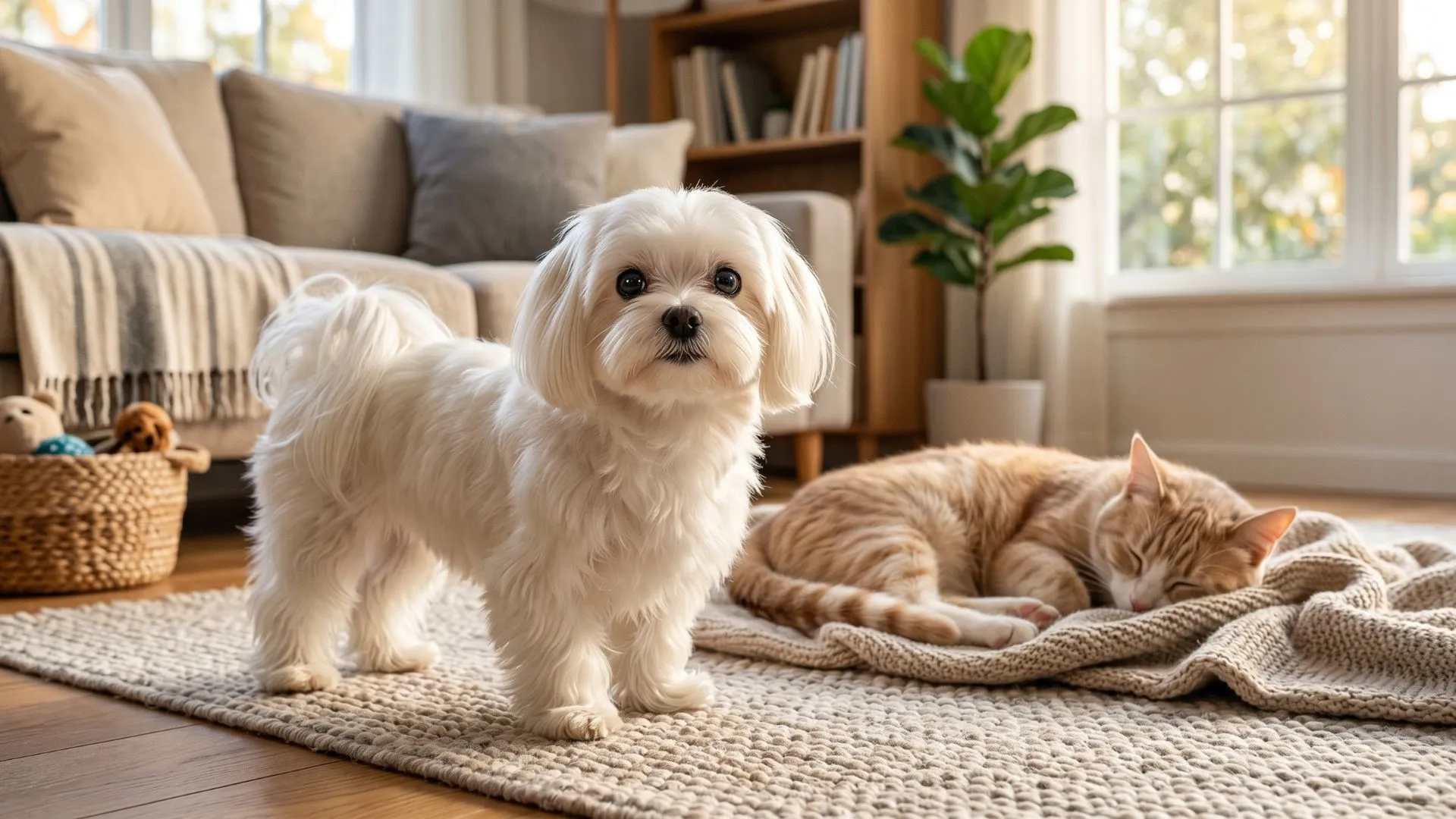
The cat claimed the sunny corner of the living room long before the new dog arrived. Everyone expected a difficult adjustment period.
Family members prepared for hissing, barking, and the kind of household drama that often follows introductions between unfamiliar pets. Instead, something unexpected happened. The dog showed curiosity without being pushy, while the cat observed from a safe distance.
Days turned into weeks, and the tension everyone anticipated never fully appeared. The two animals gradually learned each other’s routines and shared the same space without conflict. Watching that relationship develop revealed an important lesson.
In the sections ahead, you’ll meet the dog breeds that are known for making life with cats far more peaceful and enjoyable.
Key Takeaways
When a dog enters a home already ruled by a cat, most people expect distance, hesitation, or even daily conflict to follow.
Beagles and Cavalier King Charles Spaniels often shift that tension into calm curiosity, slowly building comfort where conflict was expected.
From playful Bichon Frises to steady Golden Retrievers, each breed brings a different kind of balance that helps cats feel safe instead of challenged.
By the end, you will see which dogs naturally create peaceful homes where cats and dogs stop competing and start coexisting.
Dog Breeds That Live in Harmony with Cats
1. Beagle

Beagles are best known for a nose that rarely ignores an interesting trail, a trait shaped over centuries of hunting hares, foxes, and rabbits across the English countryside. That curiosity remains a defining part of daily life. Their cheerful nature balances this strong instinct with an affectionate personality.
Living Together
Because Beagles were bred to work closely in packs, they generally enjoy company and social interaction, as per the AKC. This tendency can help them adjust to homes where other pets already have an established place.
A few traits contribute to that compatibility:
Naturally social with other dogs
Enjoys close companionship
Gentle around children

Household Dynamics
This feline friend seeks regular interaction and often prefers being part of whatever is happening around them. Some individuals coexist comfortably with cats when introductions are handled thoughtfully. Their calm disposition adds stability, though their attention can quickly shift when an intriguing scent appears.
2. Basset Hound
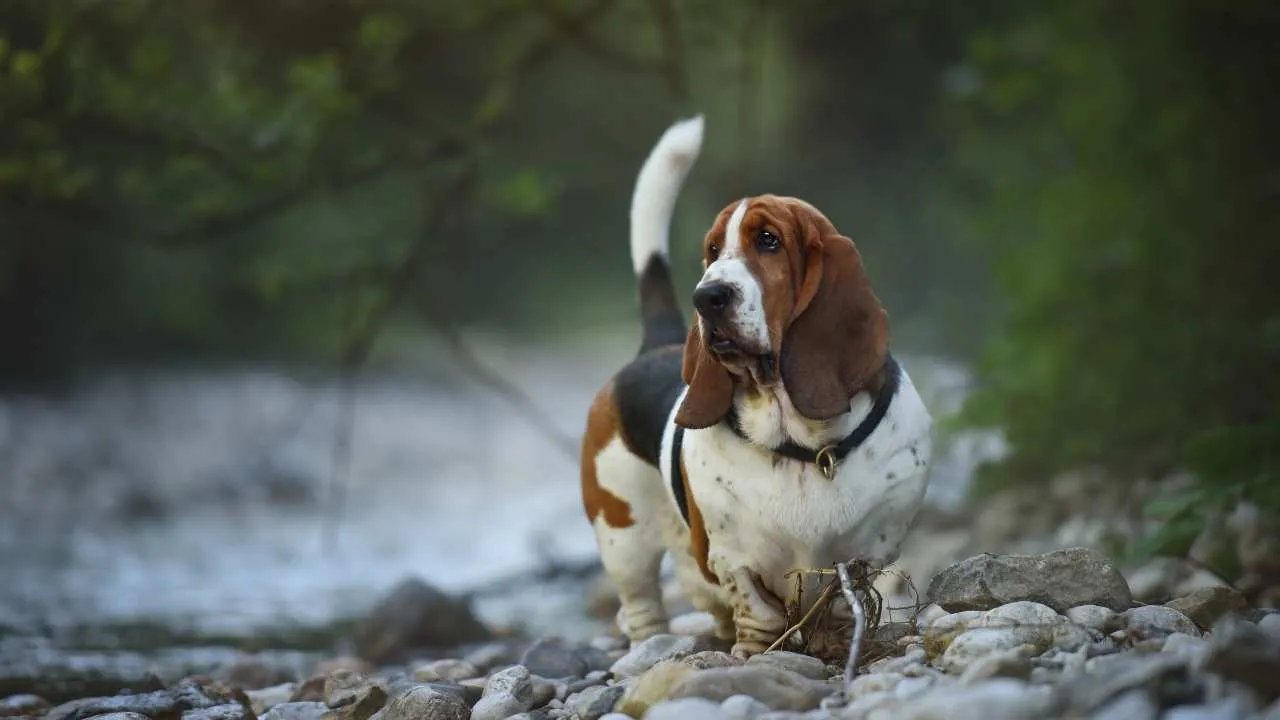
Basset Hound is often called the clown of the canine world, a nickname inspired by its relaxed attitude and fondness for companionship.
Whether lounging on the sofa or joining a leisurely walk, this breed prefers a slower pace. Its calm disposition contributes greatly to peaceful household relationships.
Sharing Space Well
Basset Hounds are often considered a good fit for homes that already have cats and other pets, as Orvis claims. Their docile temperament helps reduce tension, creating a more settled environment.
A few traits support that compatibility:
Calm around other pets
Gentle with children
Enjoys close company

Daily Living
Food holds strong appeal for this breed, which can make training easier even when progress comes gradually. Regular walks remain important because their laid-back lifestyle can contribute to excess weight. Secure areas and leashes are particularly useful when curiosity takes over.
3. Bichon Frise
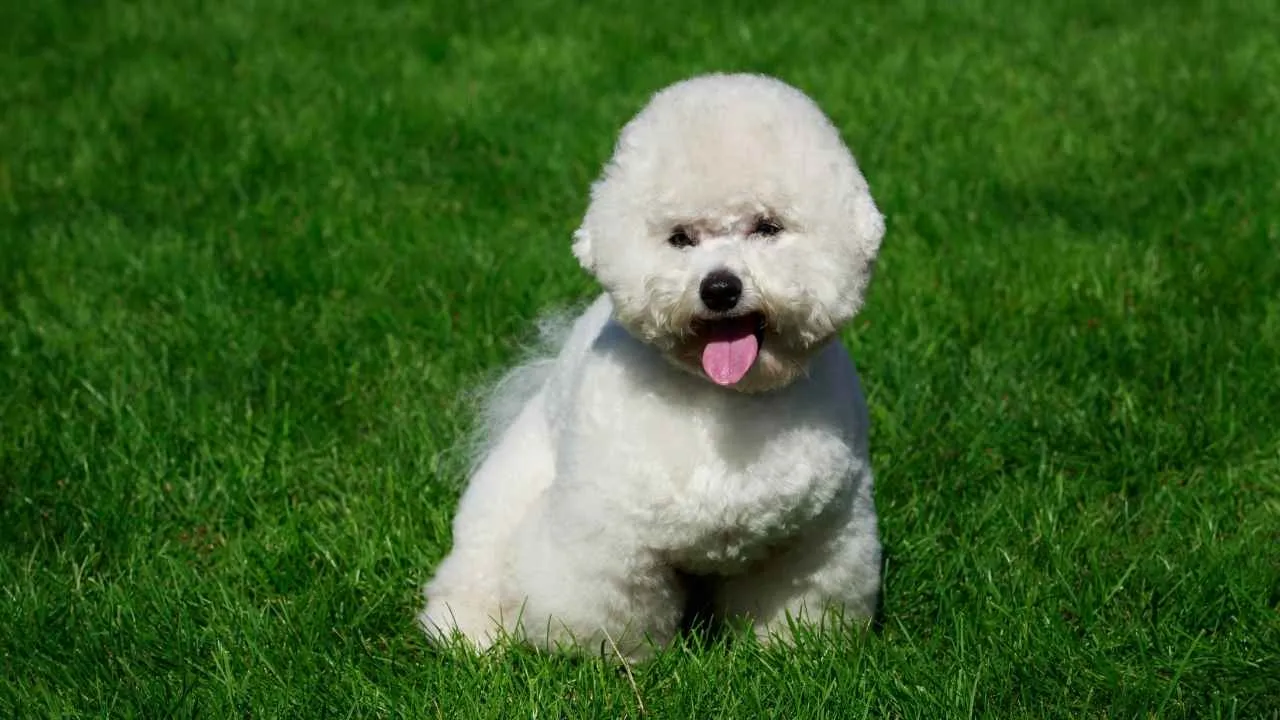
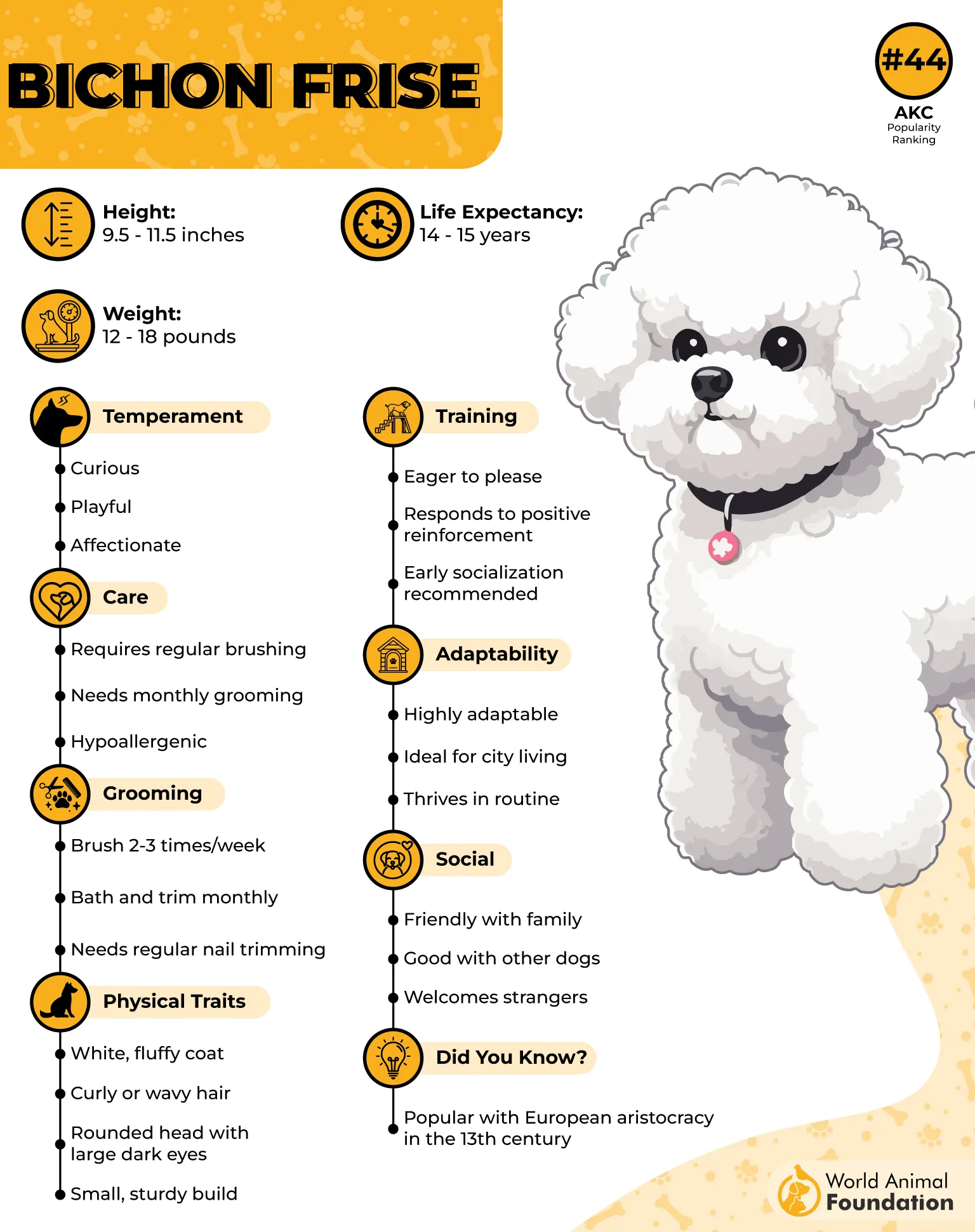
Bichon Frise has spent centuries winning people over through personality, intelligence, and an easygoing nature. This small yet sturdy companion approaches life with confidence and curiosity. Its cheerful attitude shapes nearly every interaction within the home.
Easy Social Balance
This cat-friendly dog breed fits comfortably into peaceful multi-pet households because they approach companions with friendliness rather than suspicion. Their outlook seems simple: unfamiliar faces are often future friends.
This outlook shapes its daily behavior:
Welcomes social interaction
Comfortable around other dogs
Enjoys shared household routines
Playful Without Pressure
Bichon Frise alternates between peaceful downtime and short bursts of playful energy throughout the day. A quick dash through the house may be followed by long periods of relaxation. This rhythm helps create a predictable environment for other pets.
4. Cavalier King Charles Spaniel
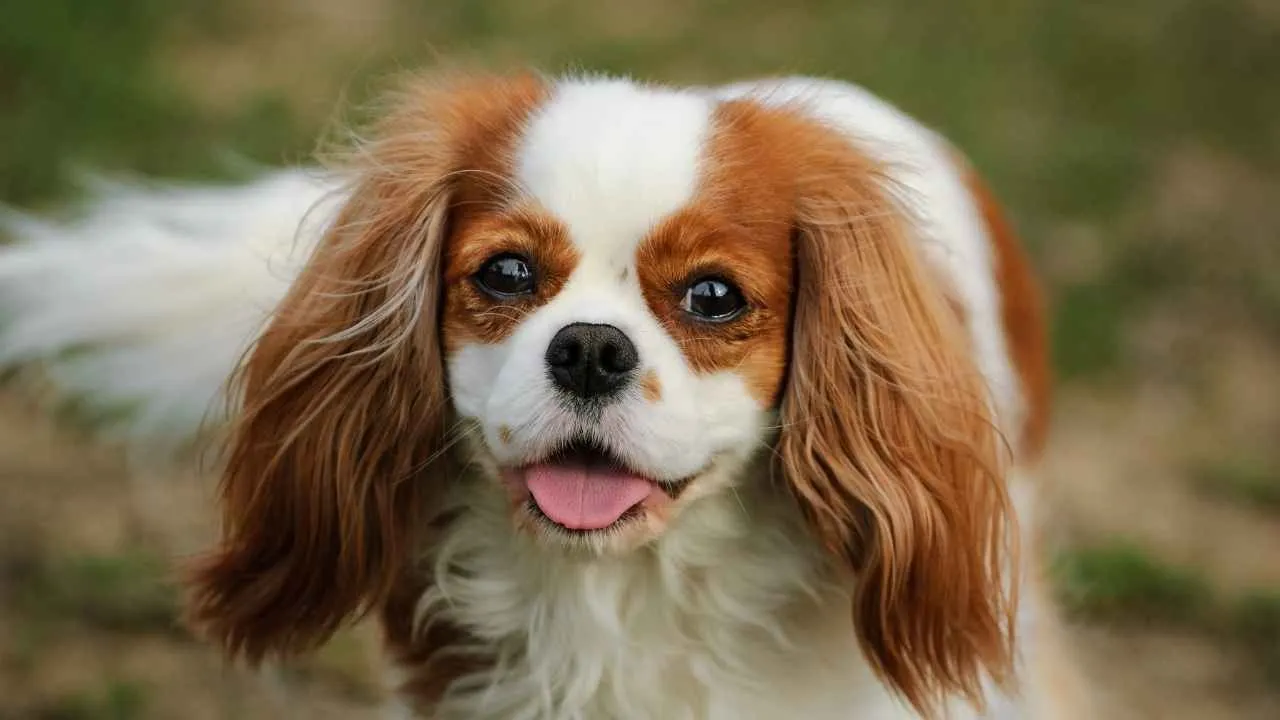
Cavalier King Charles Spaniel has a gentle look that comes from its large, expressive eyes and warm, affectionate demeanor.
Its blend of toy-dog sensitivity with spaniel energy creates a balanced and adaptable companion. British royal connections add depth to its long-standing presence in homes and estates.
Gentle Social Nature
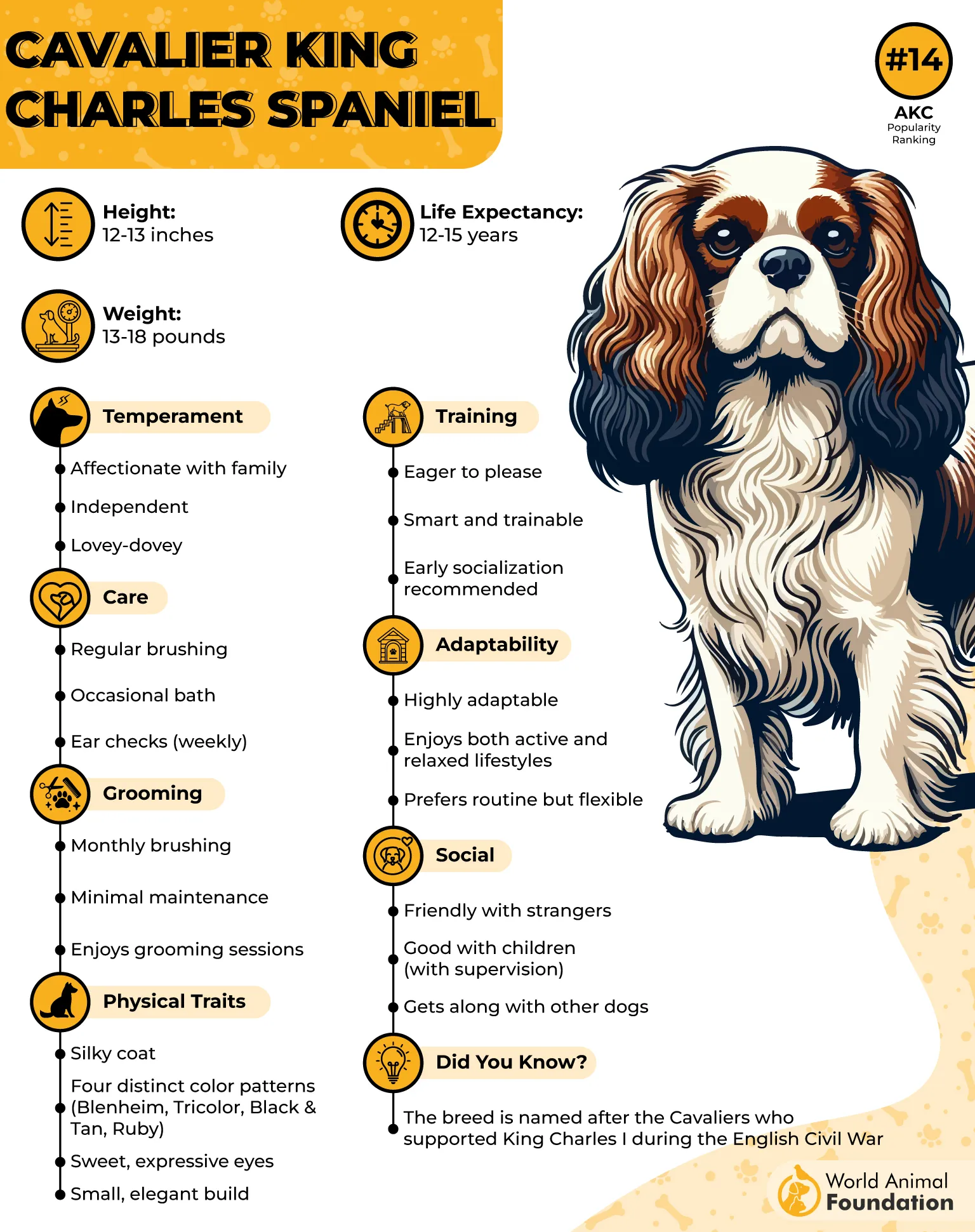
Interaction comes easily to this breed, as it responds well to both people and other animals, including cats. Its calm attitude allows it to blend smoothly into shared living spaces without tension.
These core traits explain how it fits into multi-pet homes:
Calm around other pets
Friendly toward children
Comfortable in varied routines
Lifestyle Flexibility
Cavalier King Charles Spaniel adjusts naturally between active moments and relaxed indoor time. Short walks or playful outdoor sessions suit its moderate energy level, while quiet periods at home are equally valued. This balance helps it adapt to different household rhythms.
5. Pug

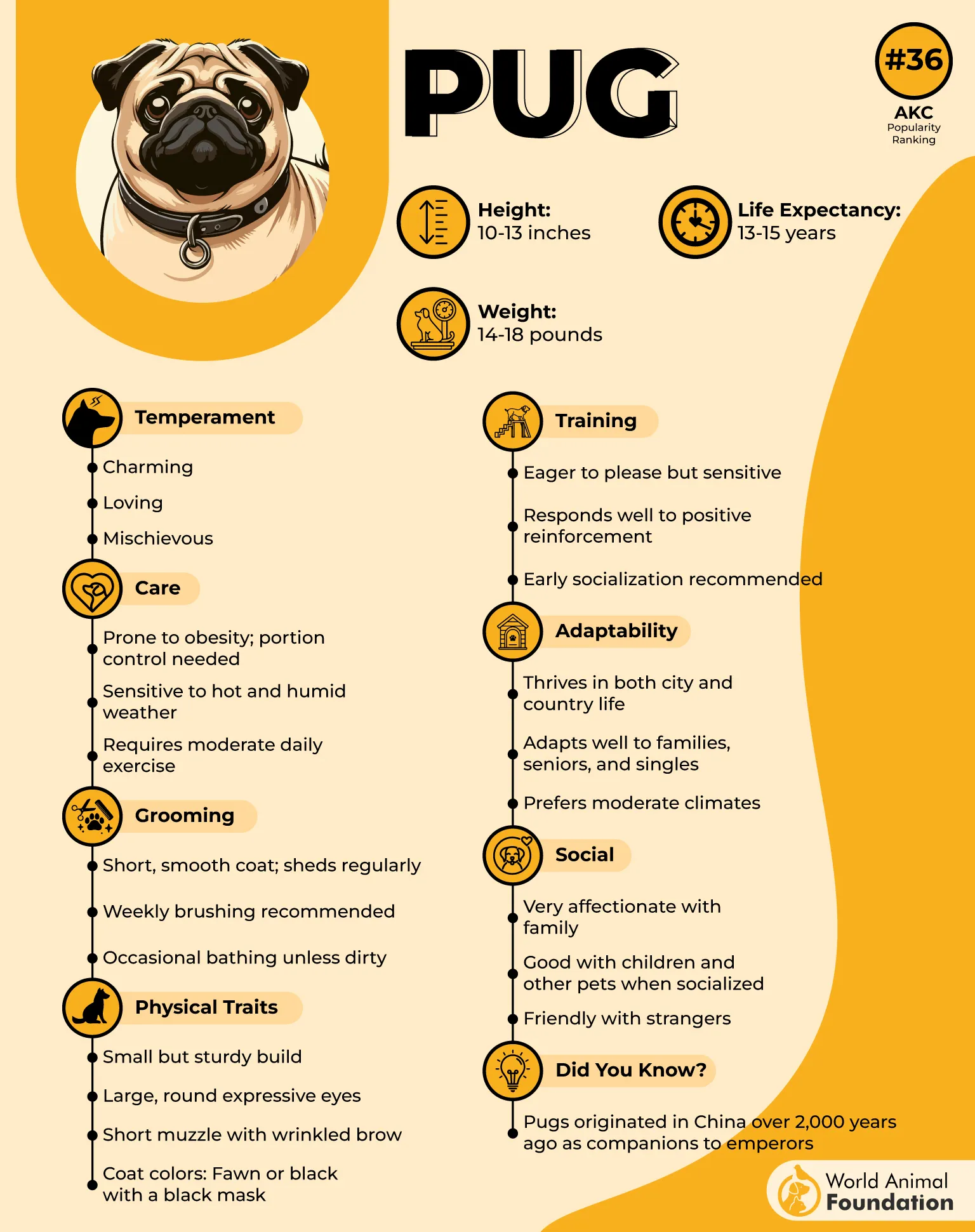
Pugs are known for a deeply expressive face that often mirrors human-like moods such as curiosity, surprise, and calm contentment. Once favored in royal courts of China and later admired by the House of Orange in Holland, this compact companion has long been valued for close companionship.
Social Temperament with Shared Spaces
This small breed settles easily into mixed-pet households, often showing a relaxed attitude toward cats when introduced early. Its gentle temperament and preference for close contact make shared living spaces more manageable.
A few everyday tendencies shape this harmony:
Comfortable around other calm animals
Enjoys close indoor companionship
Responds well to soft guidance
Daily Living Behavior
Pugs often gravitate toward resting near people or other pets, spending much of the day in calm, close contact. Short bursts of playful energy appear between long stretches of relaxation, as stated in PetMD. This rhythm helps create a predictable presence within the home.
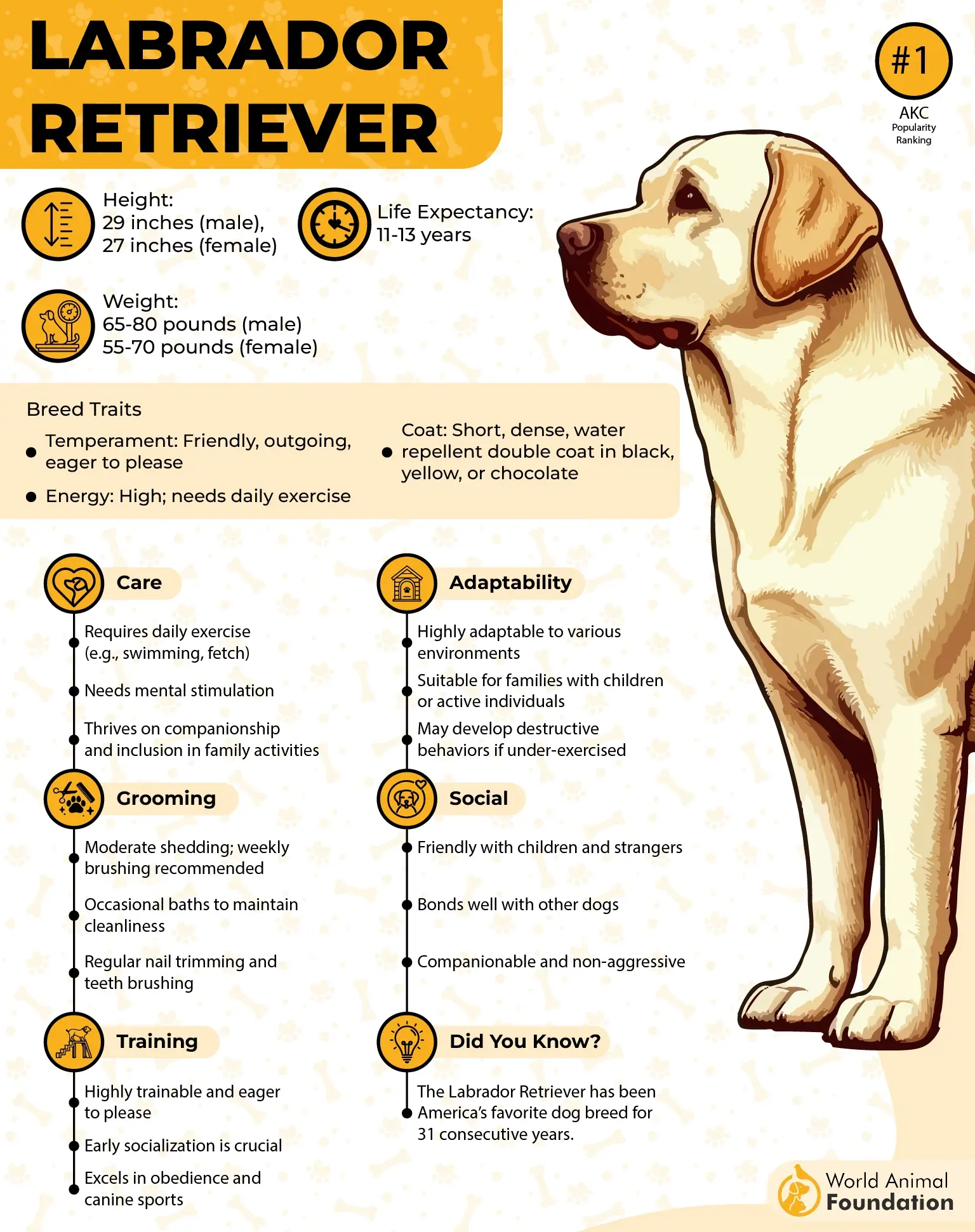
6. Labrador Retriever
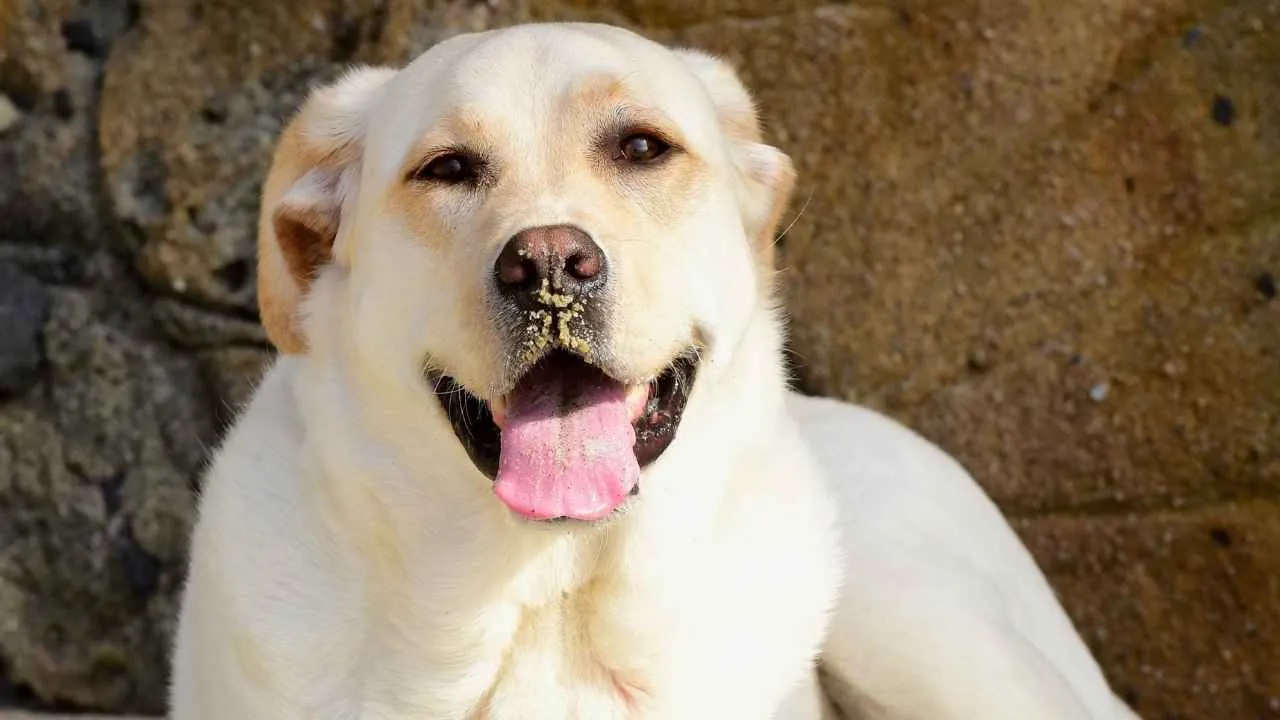
Labrador Retriever is known for its easygoing nature and strong connection with people, often forming smooth social bonds even in busy households.
Its background in fishing work shaped a dog comfortable around water and active routines. A calm friendliness runs through its everyday behavior.
Family-Safe Temperament
That steady, people-focused attitude makes it easier for Labradors to adjust in homes where other dogs and cats already live. Their sociable energy supports shared spaces without constant tension.
A few everyday behaviors reflect this balance clearly:
Naturally friendly with other pets
Comfortable around unfamiliar people
Enjoys structured play and interaction
Energetic Daily Rhythm
This hunting dog brings a lively presence into daily routines, often staying engaged through play, movement, or outdoor activity. Its enthusiasm is paired with a strong desire to stay close to family members. This mix keeps interaction consistent without becoming overwhelming.
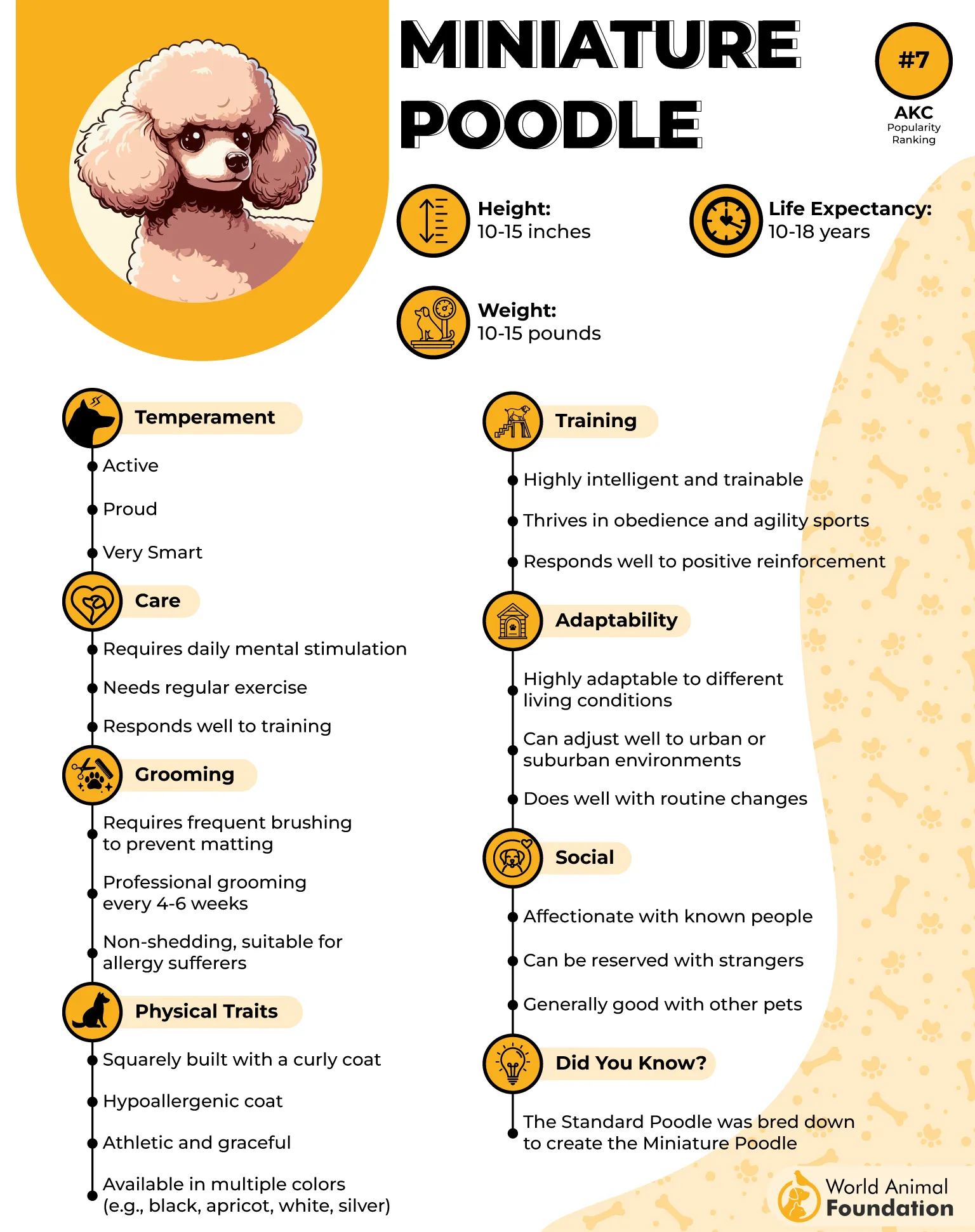
7. Miniature Poodle
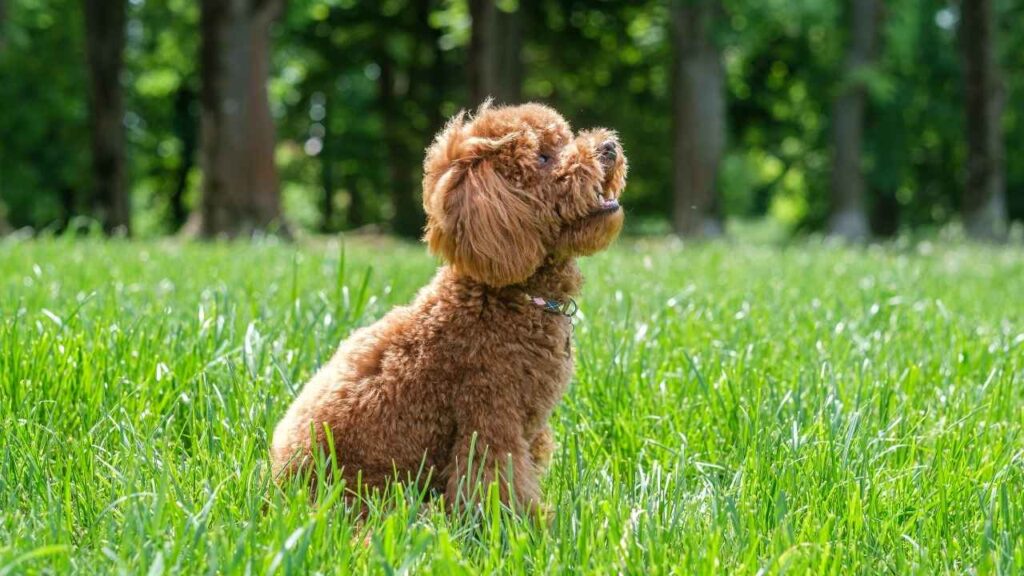
Miniature Poodle draws attention with a sharp, fast-learning mind that responds quickly to new patterns and routines. Its roots link back to curly-coated working dogs from Asia that later became valued across Europe for versatility. Over time, it gained roles in hunting, guiding, and even performance work.
Smart Companion Behavior
This breed adapts well in shared homes, especially when introduced early to other animals, including cats. Its social nature pairs with steady mental engagement, making daily interaction important for balance.
These features help it adjust easily in shared spaces:
Quick response to training cues
Comfortable with early social exposure
Enjoys interactive play sessions
Social Energy at Home
Miniature Poodle brings a lively presence indoors, often engaging in playful routines that keep attention on family activities.
Early guidance shapes its patience around children and other pets, helping reduce unwanted reactions. With the right environment, it builds steady familiarity rather than hesitation.
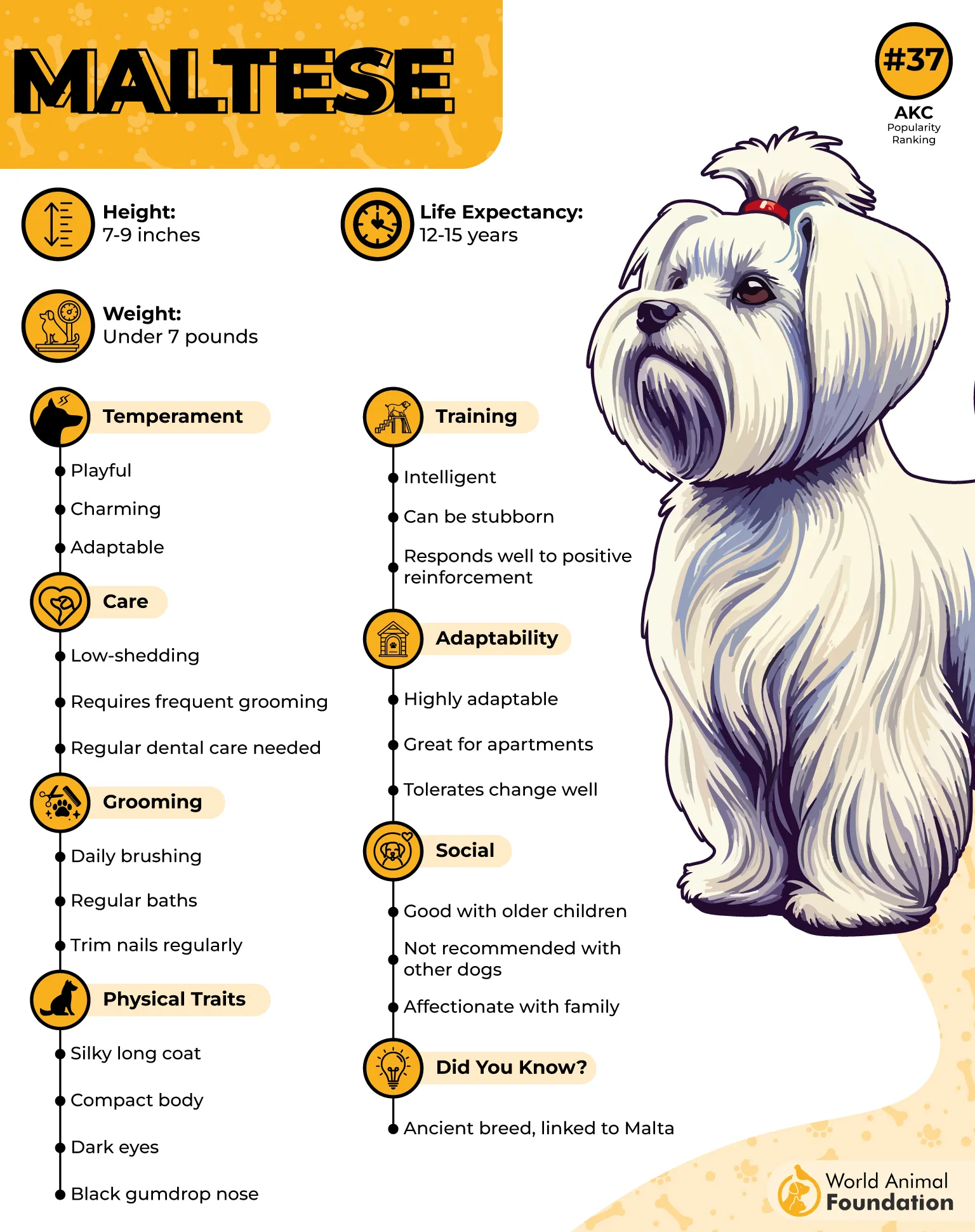
8. Maltese
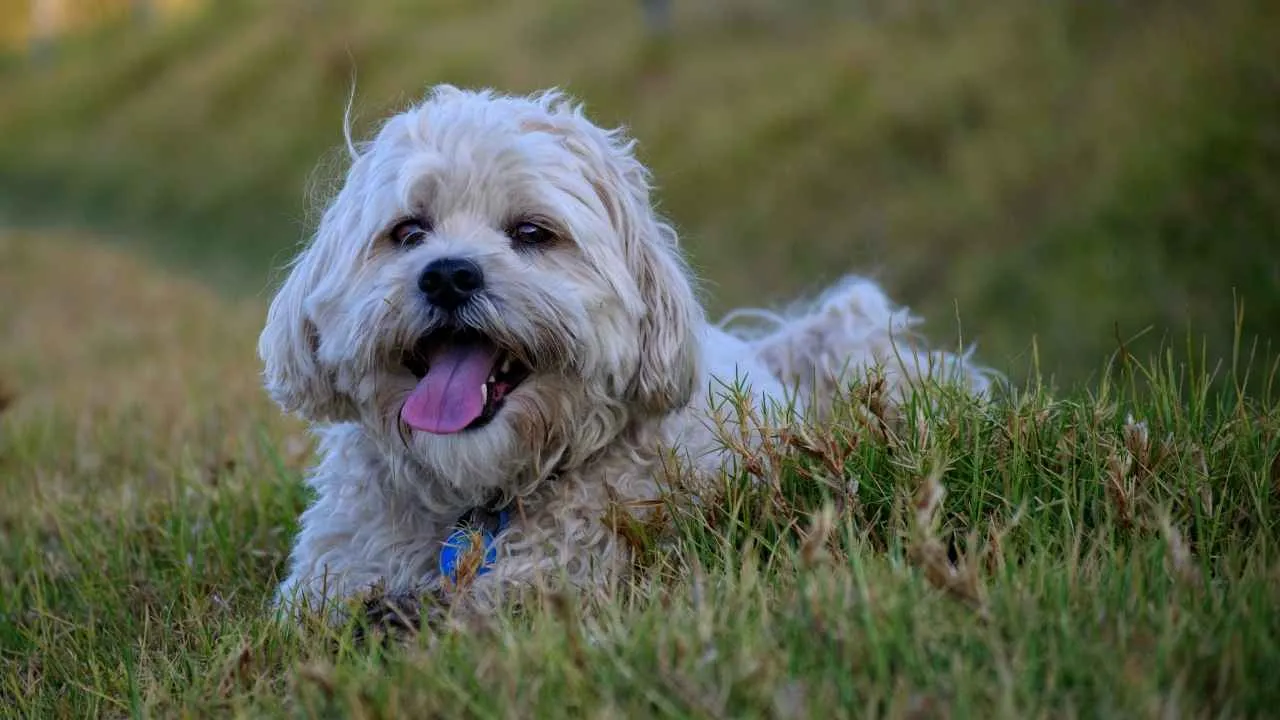
Maltese is instantly recognized for a long, flowing white coat paired with a light, playful energy that stays close to people.
Ancient Mediterranean records link this small breed to Malta, where it served as a steady household companion across generations. Its charm lies in a gentle, people-focused temperament.
Social Living Ease
This canine friend adapts well to shared homes, often forming close attachments that extend to calm interactions with other pets, including cats. Its small frame and friendly approach make daily coexistence smoother when introduced with care.
This is how they perform in shared spaces:
Affectionate and people-oriented
Comfortable with other calm pets
Learns through simple routines
Gentle Household Presence
Maltese tend to stay close to familiar surroundings, preferring interaction over isolation throughout the day. Long periods alone can affect its behavior, leading to restlessness if engagement is missing. Its social nature makes steady companionship a natural fit.
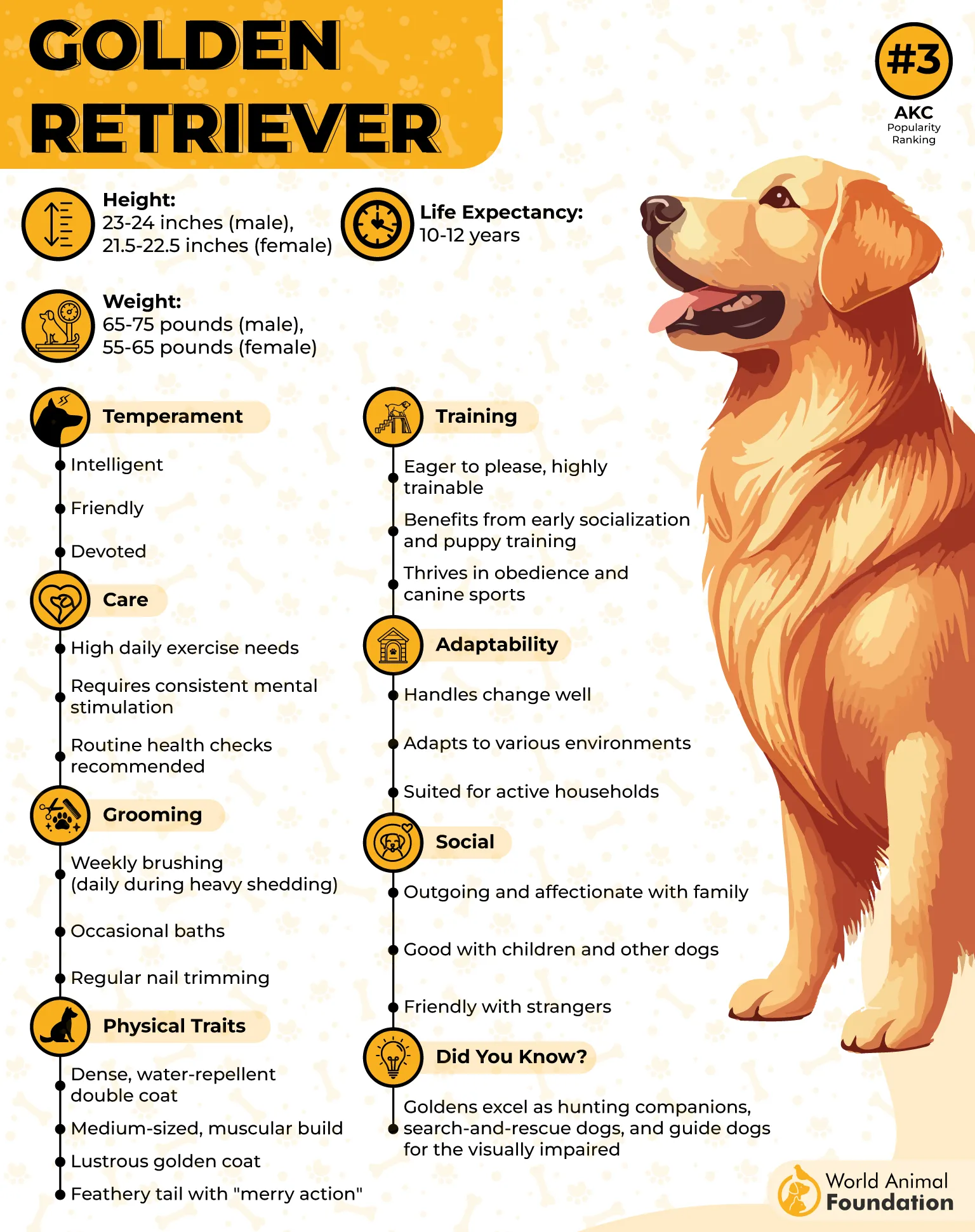
9. Golden Retriever

Golden Retriever was developed in 19th-century Scotland under Lord Tweedmouth’s aim of creating a reliable retriever for game in dense terrain. Its strong swimming ability and steady temperament became central to its working role. Over time, it became widely trusted for assistance and support roles.
Family-Friendly Nature
Its friendly and patient attitude helps it settle easily in homes where other pets are present, including cats. The breed’s willingness to cooperate makes daily interaction smooth and predictable.
These traits highlight its social behavior:
Gentle with other animals
Highly trainable mindset
Strong social adaptability
Active Social Behavior
Golden Retriever interacts with people in a relaxed, welcoming manner, often bonding quickly with different members of a household. Its playful energy fits naturally into shared activities without tension. This easygoing behavior helps maintain balance in multi-pet environments.
Conclusion
The first few days after introducing a dog to a cat often feel like a period of observation. Every glance, movement, and interaction seems important. What follows is usually shaped by personality more than anything else. Certain dog breeds that are good with cats often adjust more smoothly, especially when given proper introductions, proper training, and early exposure from a young age.
Over time, unfamiliarity gives way to familiarity, and separate routines begin to overlap comfortably. Some relationships remain quiet and independent, while others grow surprisingly close. Dogs with playful personalities can become wonderful companions for feline company, creating a home where both animals feel secure, comfortable, and understood.
