




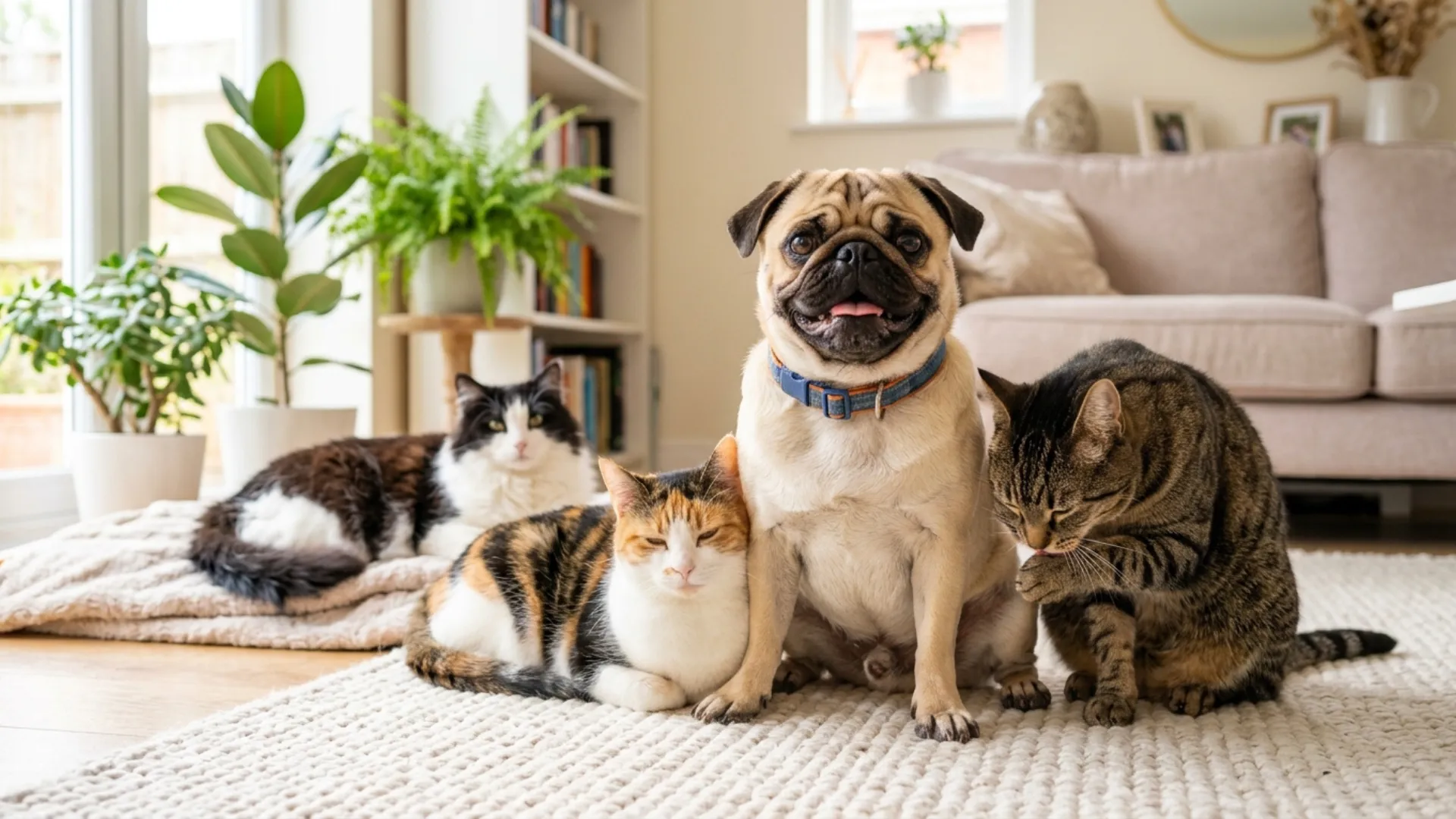
So, you already have a cat. The cat has claimed the sofa, the windowsill, and possibly ownership of the entire house. Now you’re thinking about adding a dog to the mix. Brave move.
The good news? Dogs and cats are not destined to star in a lifelong rivalry. With the right temperament, proper introductions, a little patience, and a cat-approved escape route or two, many dogs can settle into peaceful coexistence surprisingly quickly.
Of course, not every dog approaches a cat the same way. Some are eager to make friends, some prefer to mind their own business, and some need a bit more guidance. Let’s take a look at the dog breeds most likely to make a smooth first impression on your feline roommate.
Did you know?
Dogs sometimes perform helpful acts for others even when there is no obvious reward waiting for them. That willingness to cooperate and connect is one reason they have formed such remarkable bonds with both people and other animals over time.
Dog Breeds That Get Along with Cats in 24 Hours
1. Golden Retriever
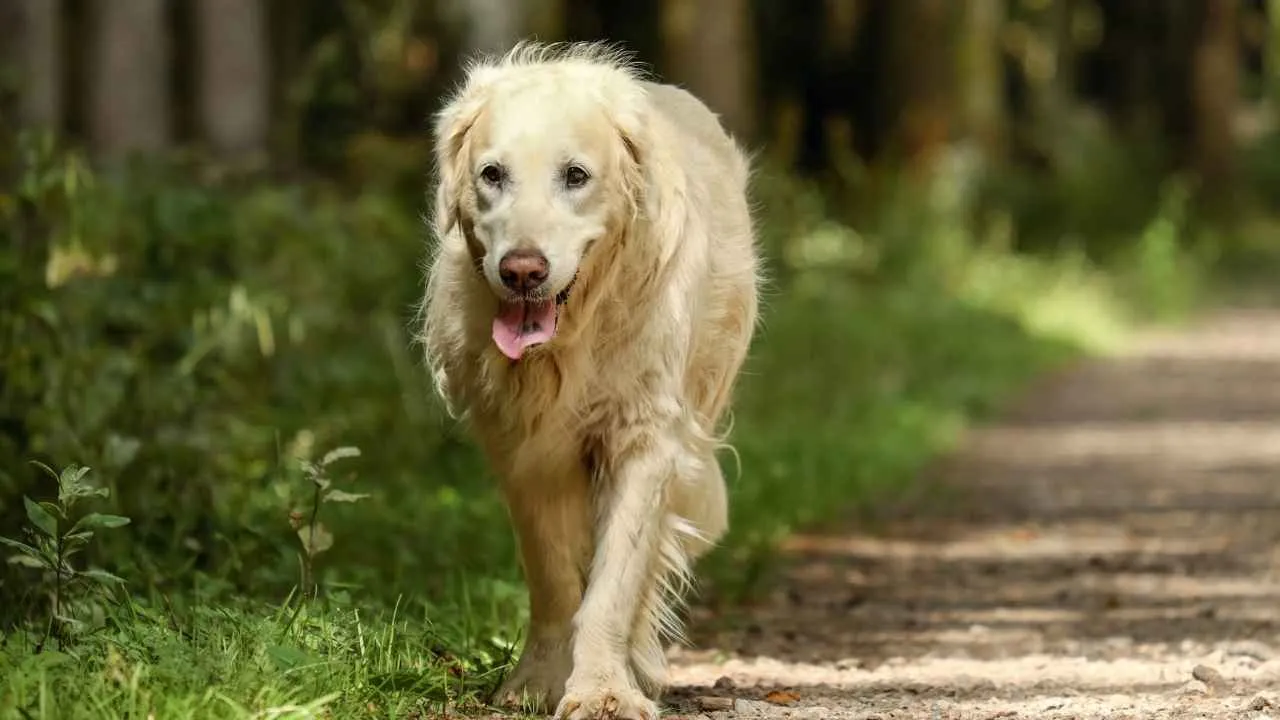
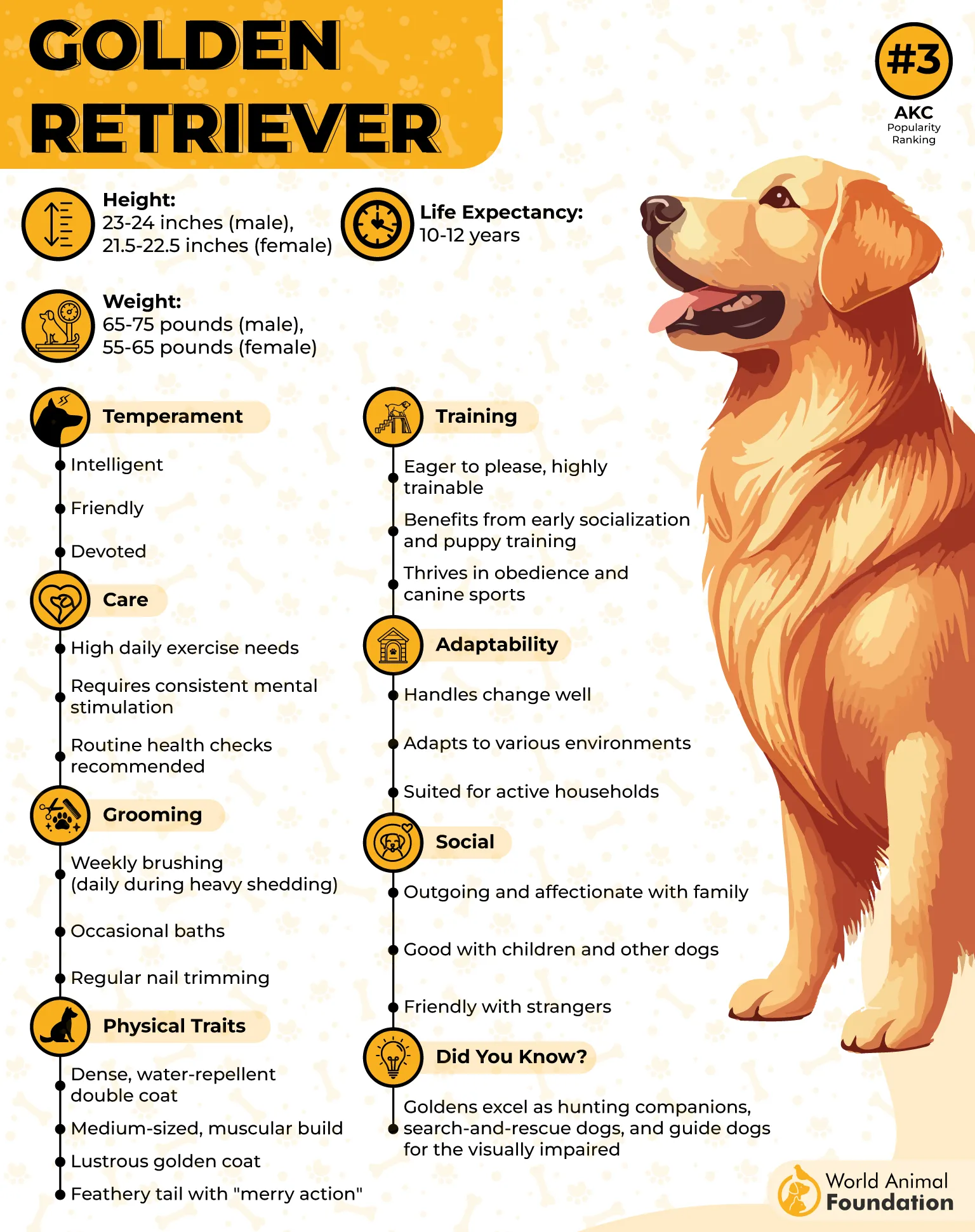
A Golden Retriever has the social confidence of that one person who somehow becomes friends with everyone at a gathering. Their outgoing, trustworthy nature and playful outlook make first meetings with other household pets feel far less dramatic than many owners expect.
Most cats often appreciate a dog that is not looking for trouble, and Golden Retrievers generally fit that description well. They are known for being friendly with other pets when socialized from puppyhood, and their eager-to-please attitude can help early introductions move smoothly.

Keeping a Golden Retriever happy requires more than a comfy spot on the floor. These energetic dogs enjoy long walks, running, retrieving games, swimming, and regular mental stimulation, while their thick double coat benefits from consistent brushing to manage shedding and prevent matting.
Why This Dog Breed Thrives with Cats
Their gentle temperament helps prevent overly intense reactions during early cat introductions.
They are highly trainable, making it easier to teach respectful behavior around feline companions.
2. Cavalier King Charles Spaniel

Some dogs act like they own the house. Cavalier King Charles Spaniels act as if they have already been invited to every room. These affectionate and gentle dogs were originally bred to stay close to people, and that easygoing charm often carries into life with other pets.
Space is rarely a major concern with this breed. Cavaliers have a compact build, adapt well to many living situations, and are known for being tolerant, patient, and comfortable around cats, other dogs, children, visitors, and everyday household activities.
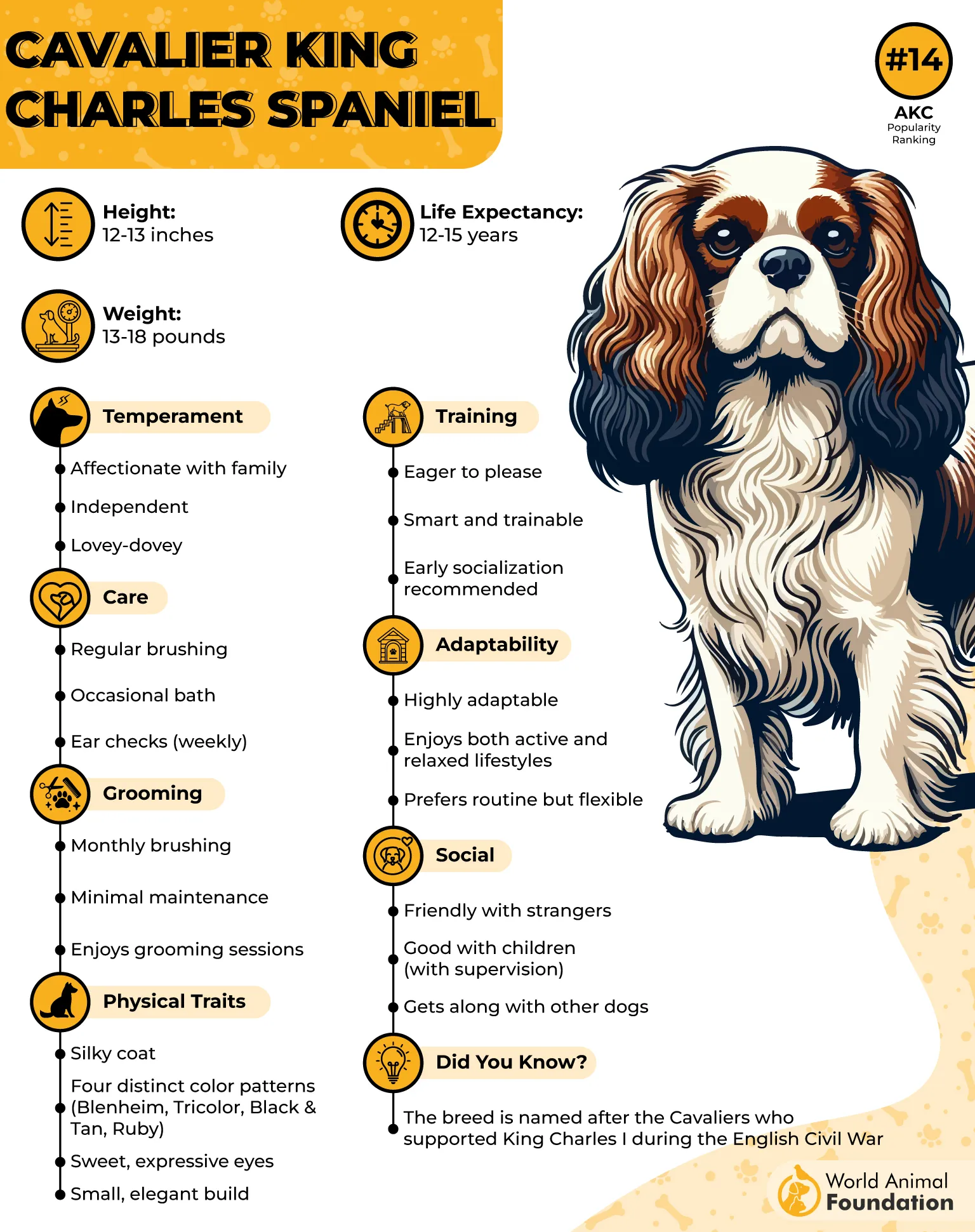
As noted by PetMD, Cavalier King Charles Spaniel puppies benefit from training and socialization from the moment they arrive home. Positive reinforcement, favorite toys, and short, game-like sessions work especially well, as these bright dogs are eager to please and learn quickly.
Why This Dog Breed Thrives with Cats
They are not typically known for strong prey-drive behaviors that can make cat introductions difficult.
Their small size and gentle approach can help cautious cats feel more comfortable sharing space with them.
3. Pug

A Pug has a talent for turning ordinary moments into household entertainment. Known for its affectionate personality and people-focused nature, this cat-friendly dog breed usually prefers staying close to family members and participating in daily activities rather than seeking independence.
Pugs were originally bred as companion dogs for Chinese royalty, a purpose that shaped their strong desire for human company. That long history as a close household companion contributes to the breed’s adaptable and sociable nature today.

A Pug generally behaves well around other animals when properly introduced. This breed is known for being friendly and affectionate, and many Pugs are comfortable sharing their living space with cats and other family pets.
Why This Dog Breed Thrives with Cats
Their companion-dog background encourages close and peaceful household relationships.
Pugs are generally sociable and accepting of other pets in the home.
4. Maltese
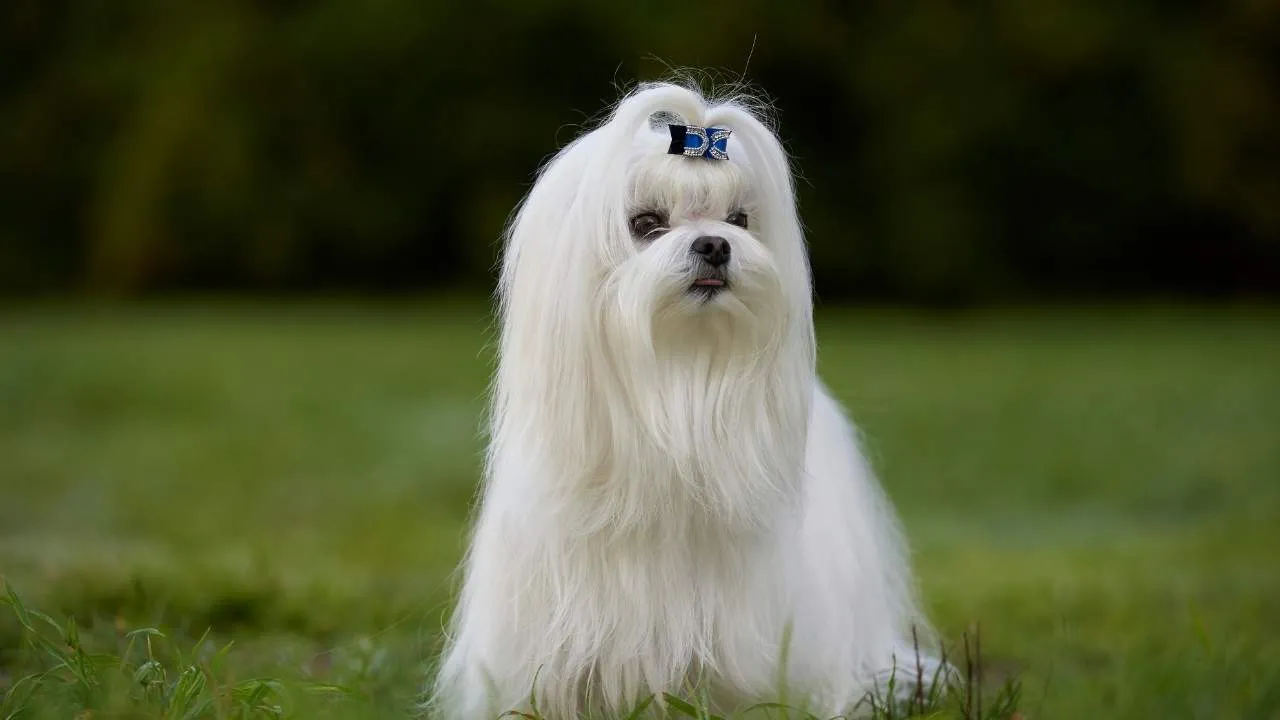
The Maltese has been charming households for centuries with its playful and adaptable personality. Recognized by the AKC in 1888, this breed is known for forming strong bonds with family members while fitting comfortably into many living situations.
A Maltese benefits from regular but moderate exercise rather than intense physical activity. Short daily walks, indoor games, and interactive play sessions usually provide enough activity to keep this small companion physically active and mentally engaged.
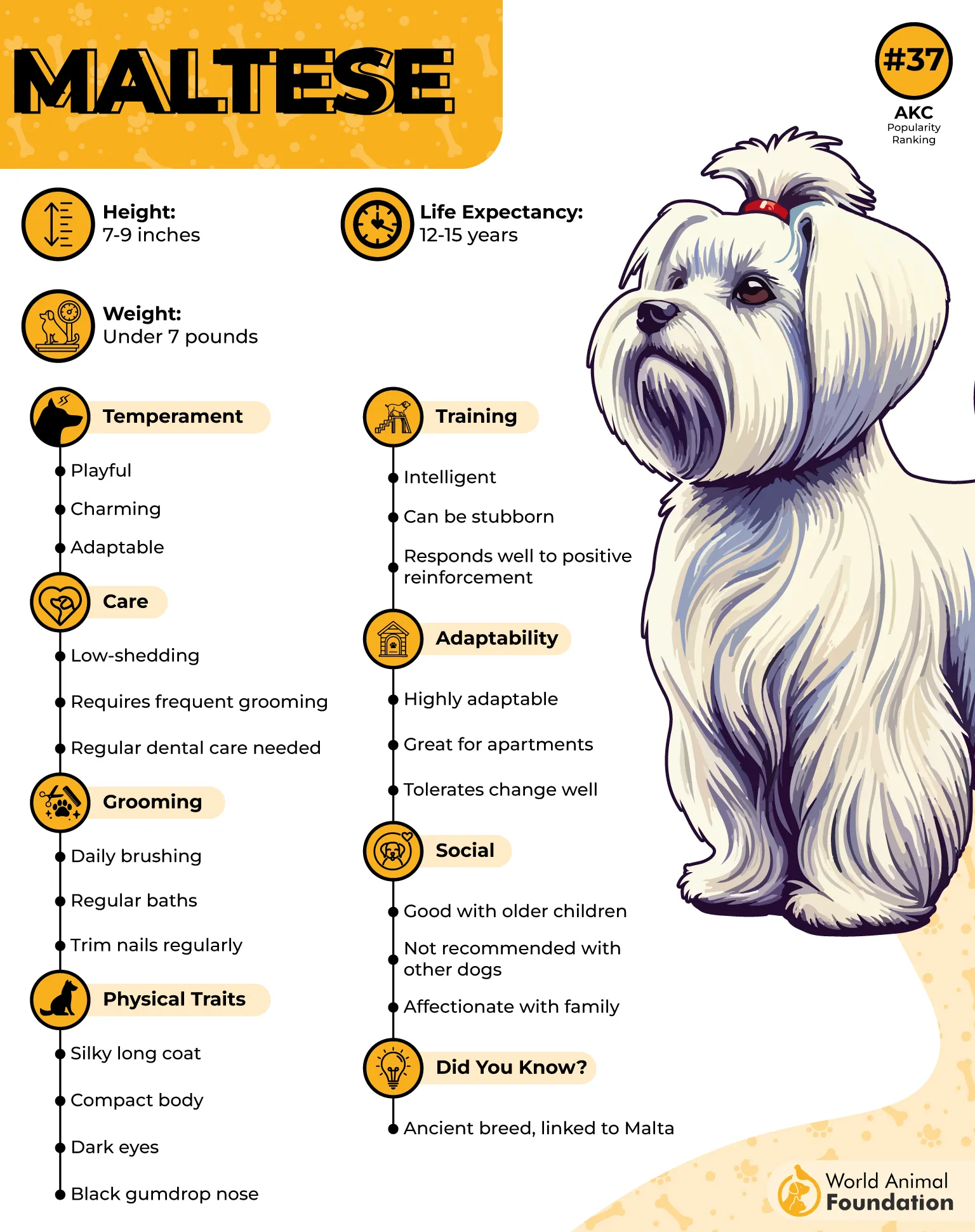
A Maltese is often best suited to owners who want an affectionate companion that enjoys regular interaction. This breed adapts well to different households and generally thrives with people willing to provide attention, grooming, and daily engagement.
Why This Dog Breed Thrives with Cats
Their small size can help make introductions less intimidating for cats.
Maltese dogs are adaptable companions that adjust well to multi-pet households.
5. Beagle

A Beagle brings curiosity and enthusiasm into nearly every situation. Developed as a scent hound and pack dog, this breed enjoys companionship and social interaction, qualities that often help it adapt successfully to homes with multiple pets.
Beagles can coexist peacefully with cats and other pets when introductions are managed properly. Their pack-oriented background encourages comfort around animal companions, and many Beagles enjoy sharing their environment with other household pets rather than living alone.

Beagle puppies benefit from socialization at a young age through exposure to different people, animals, and experiences. Early socialization helps build confidence, encourages good manners, and supports more comfortable interactions with cats and other pets later.
Why This Dog Breed Thrives with Cats
Their pack-dog heritage helps them feel comfortable living alongside other animals.
Early socialization encourages respectful and confident interactions with feline companions.
6. Bichon Frise
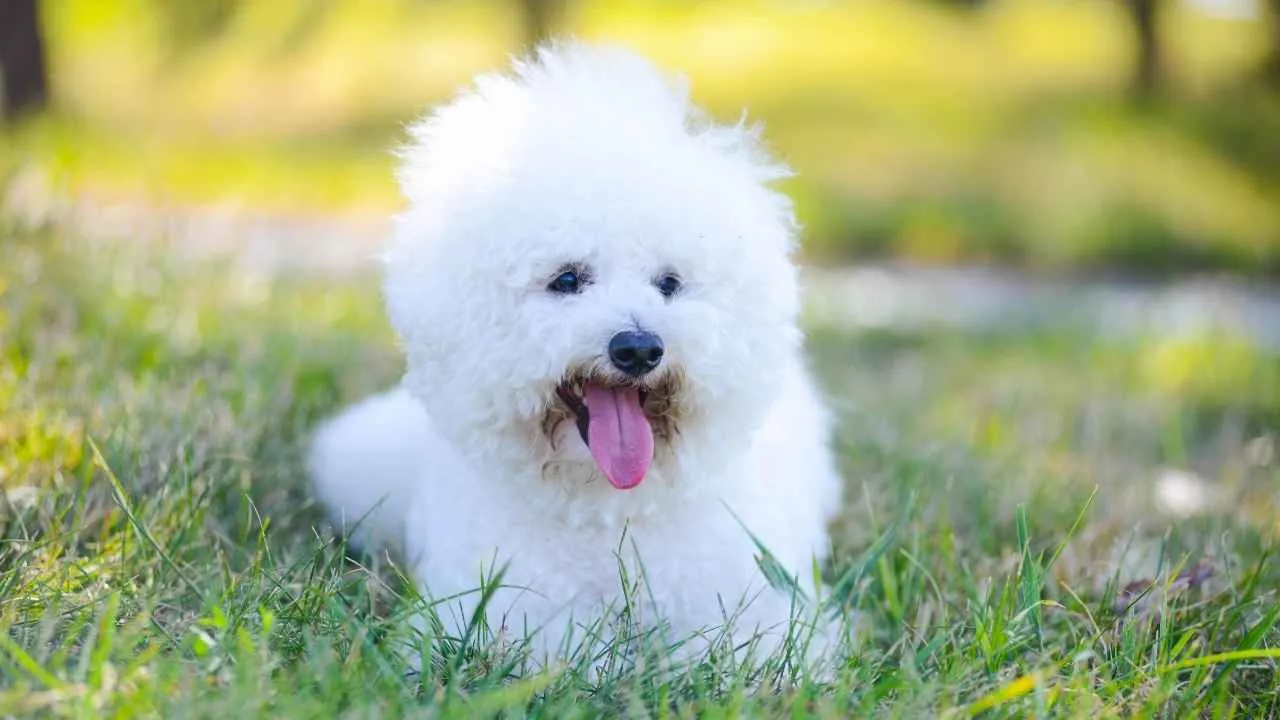
A Bichon Frise brings a cheerful spark wherever it goes. Curious by nature and happy to make new friends, this small dog often settles into a household rhythm quickly, which can make those first introductions with cats feel pleasantly uncomplicated.
The story of the Bichon Frise begins with the Barbichon family of dogs. That heritage helped shape a sociable companion known for enjoying people, playful moments, and attention.
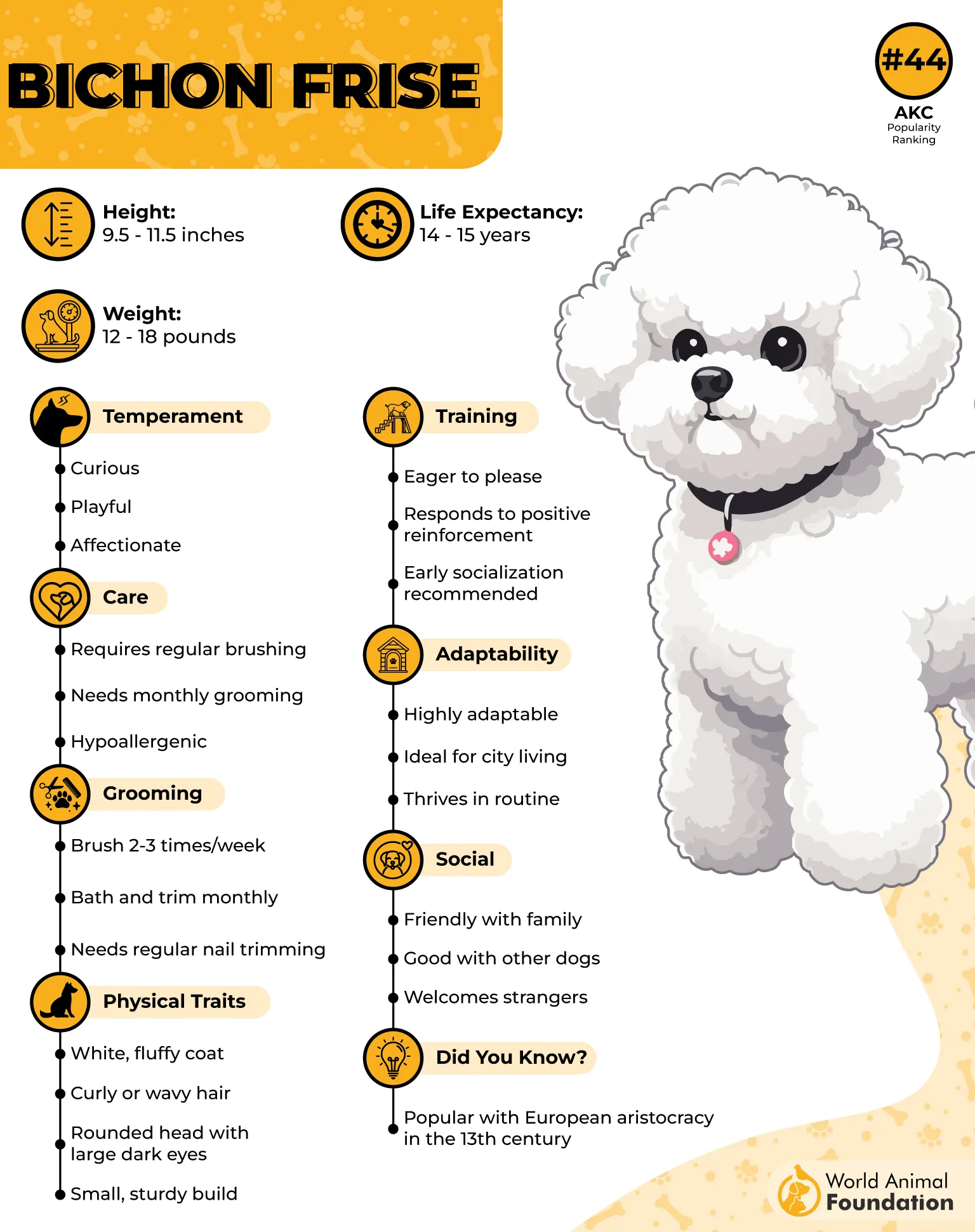
As mentioned by WebMD, Bichons are moderately active dogs that often switch between relaxed downtime and playful bursts of energy. Regular walks combined with extra play sessions help keep them engaged, making it easy to fit activity into everyday routines.
Why This Dog Breed Thrives with Cats
Quickly warms up to new animals and people in familiar surroundings.
A gentle social style makes sharing space feel more natural.
7. Labrador Retriever
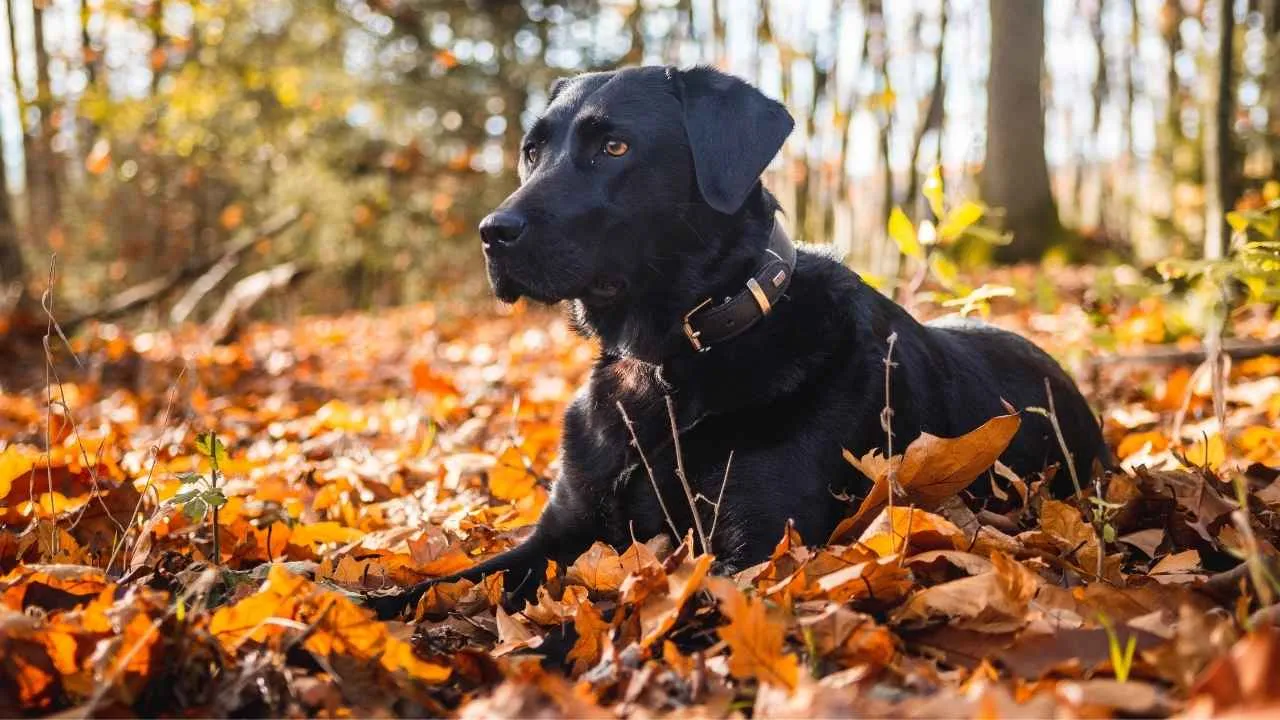
A Labrador Retriever often arrives with the enthusiasm of a dog already convinced everyone should be friends. That outgoing attitude can create a relaxed atmosphere during early interactions, especially in homes where cats are already part of the daily routine.
Part of the Labrador’s lasting popularity comes from its friendly personality and strong bond with families. It is affectionate, outgoing, and eager to please, qualities that have helped keep the breed among the most admired dogs for generations.

Labs are generally good with other dogs, other pets, and children when given proper training. Their companionable nature helps them fit into busy households, and they typically enjoy being involved in activities alongside both people and animal housemates.
Why This Dog Breed Thrives with Cats
Naturally companionable and comfortable living alongside other animals.
A strong desire to be part of the group encourages peaceful coexistence.
Conclusion
Bringing a dog into a home with cats does not have to feel complicated. The breeds in this guide show how friendly personalities and social behavior can help create smoother introductions. Take your time, consider your household, and choose the dog that feels right.
A little patience, thoughtful planning, and the right match can make those early days far more enjoyable for everyone involved. Explore the breeds that caught your attention, learn more about them, and take the next step with confidence and excitement.
If you are further interested in such wonderful breeds, some other dogs you can look up include the Basset Hound and the Collie.
