




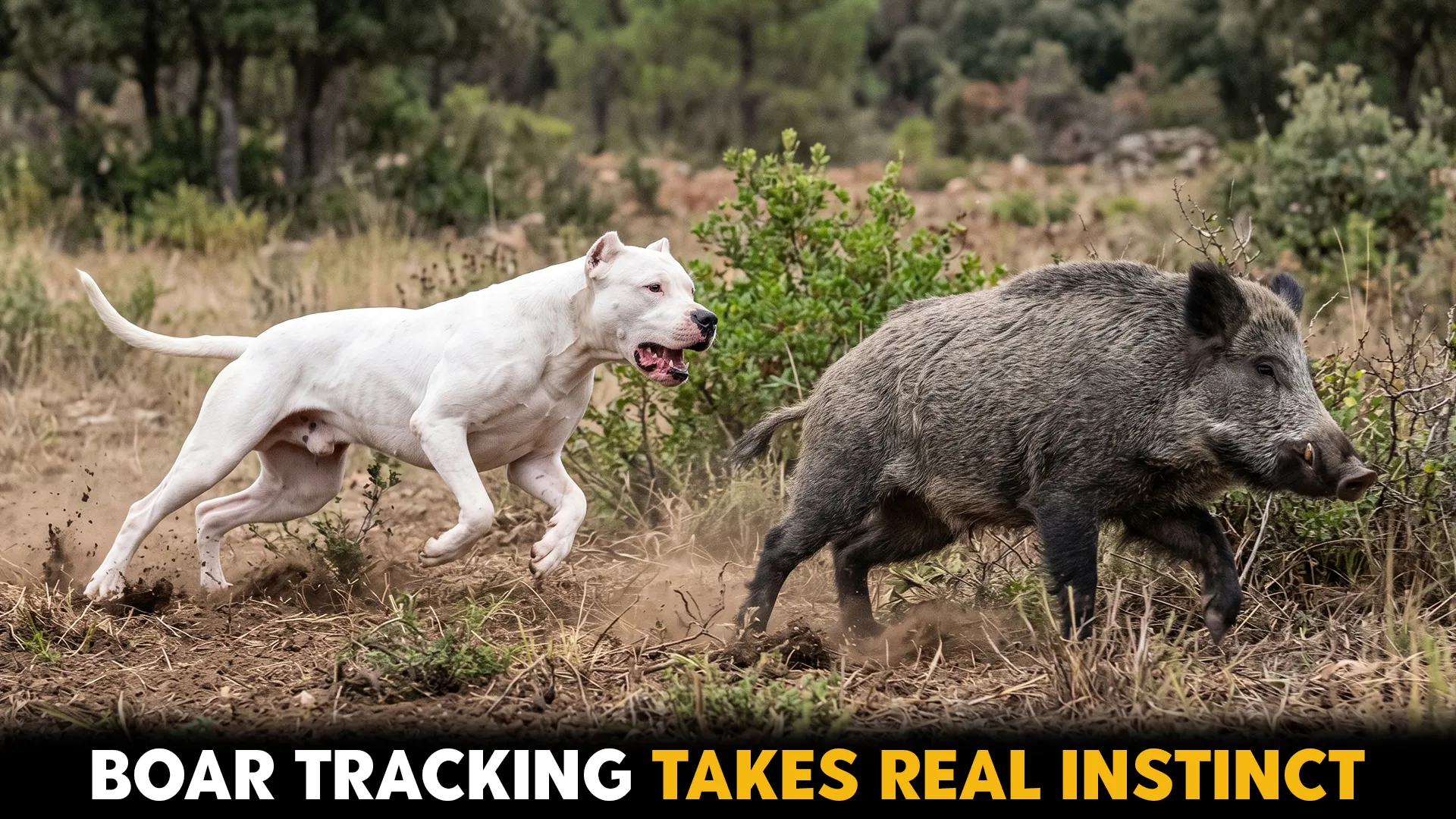
Wild boar hunting presents serious challenges, from dense undergrowth to rugged terrain where determination and teamwork are essential. Certain dog breeds have historically been used for tracking, locating, or pursuing large game because of their athletic builds, keen senses, and persistent working instincts.
However, success in the field requires more than physical power. Trainability, responsiveness, endurance, and careful handling all matter when working around powerful, unpredictable wildlife.
Explore nine dog breeds known for their hunting abilities and discover the distinctive traits that make them stand out in wild boar pursuit.
Top Dog Breeds that Excel in Wild Boar Pursuit
1. Dogo Argentino
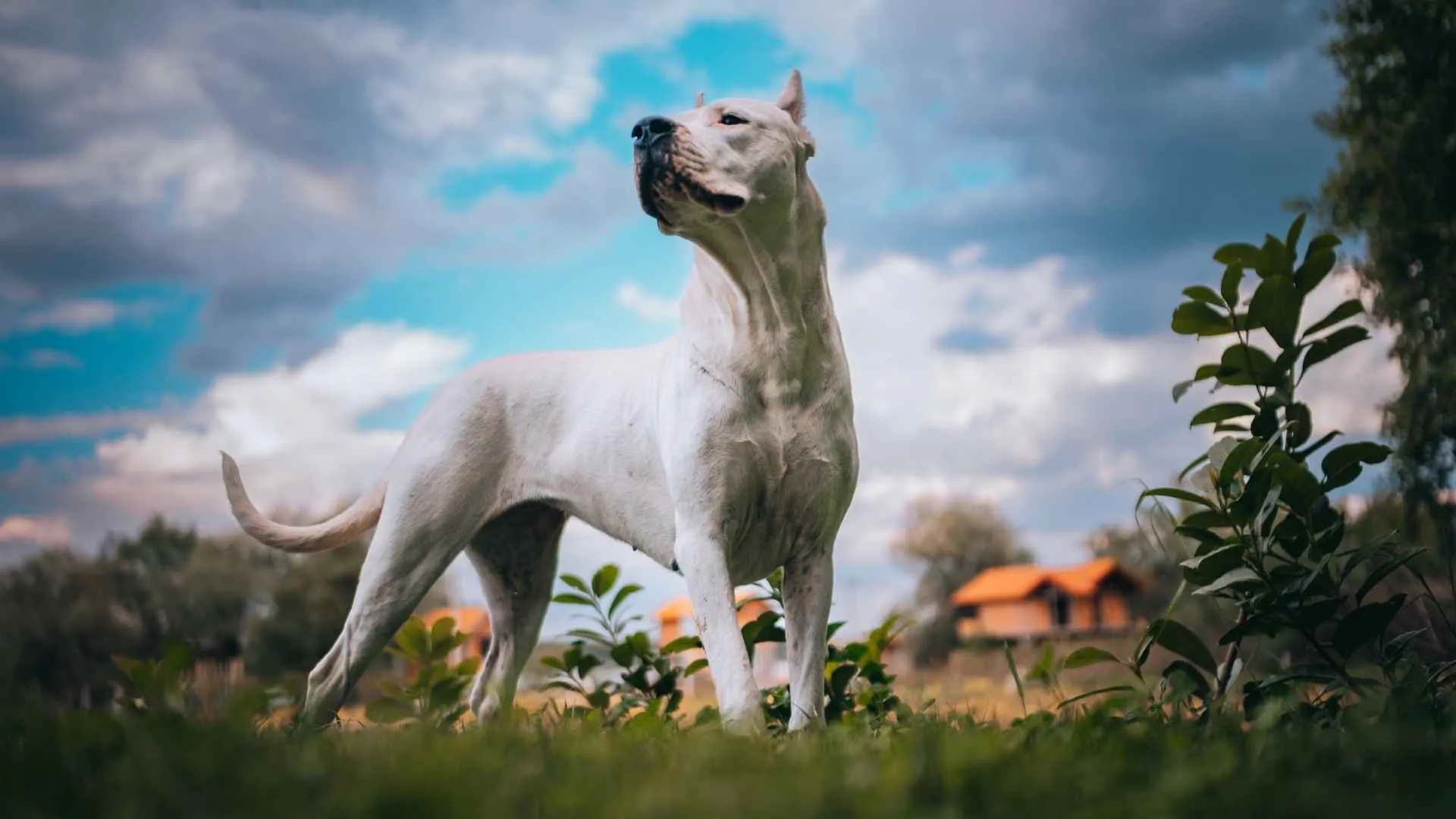
Developed in Argentina for pursuing large game, the Dogo Argentino is a powerful hunting breed built for strength, endurance, and agility. Its muscular frame, balanced proportions, and short white coat help distinguish it in the field, while a dark patch near one eye may sometimes be present.
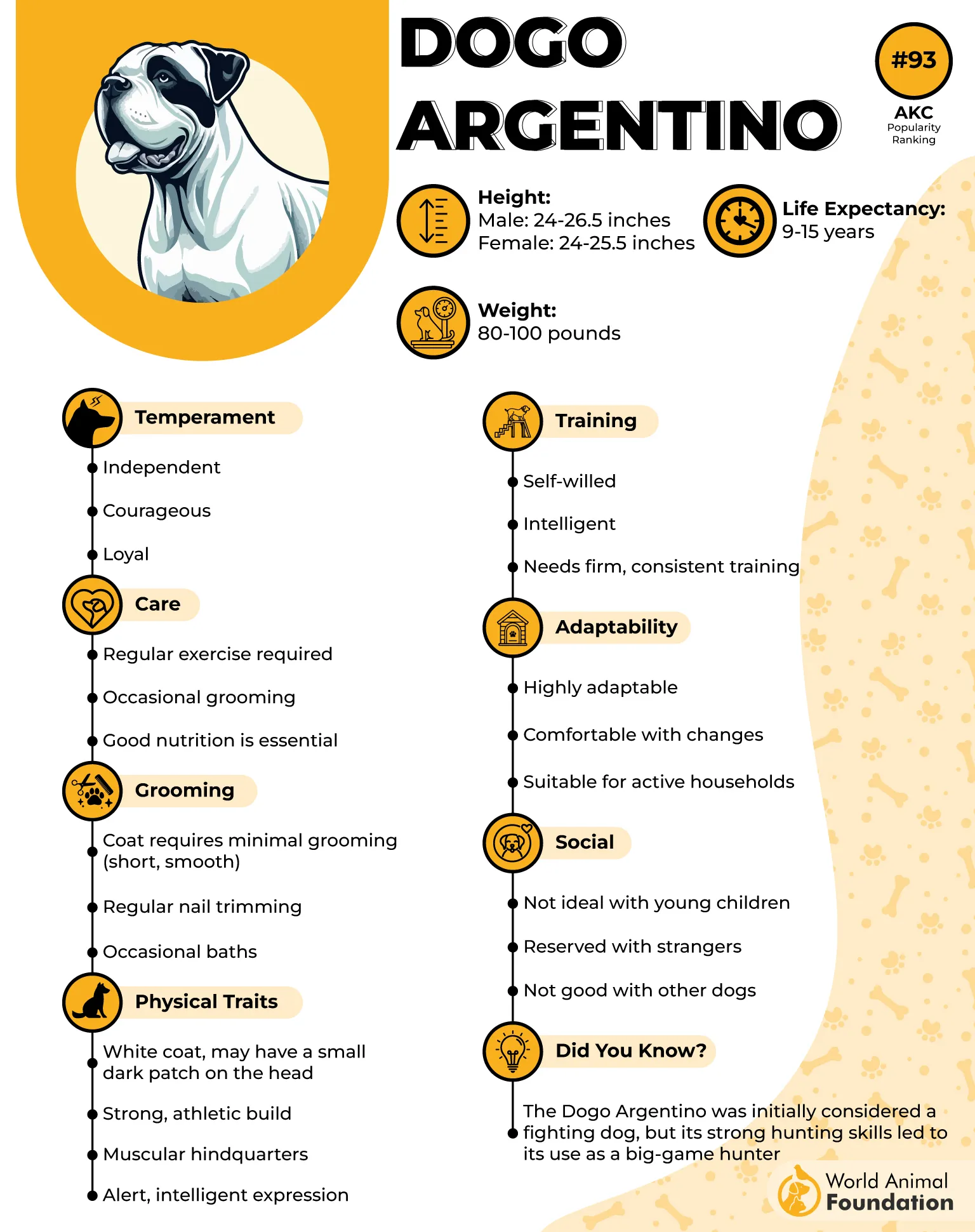
This breed was developed to track and pursue challenging prey, including wild boar and pumas. A keen sense of smell, strong lung capacity, and powerful jaws support its demanding working role. Its athletic movement also helps it navigate rough terrain without sacrificing speed or stamina.
Dogo Argentinos are courageous and intelligent, with a strong prey drive suited to experienced handlers. Their strength and hunting instincts require responsible training, secure control, and careful management around wildlife and other animals.
How This Breed Stands Out
Muscular, athletic build developed for pursuing large game: Combines strength, agility, and endurance for demanding fieldwork.
Strong prey drive and courage in demanding hunting environments: Bred to track and pursue formidable quarry with determination.
2. Plott Hound
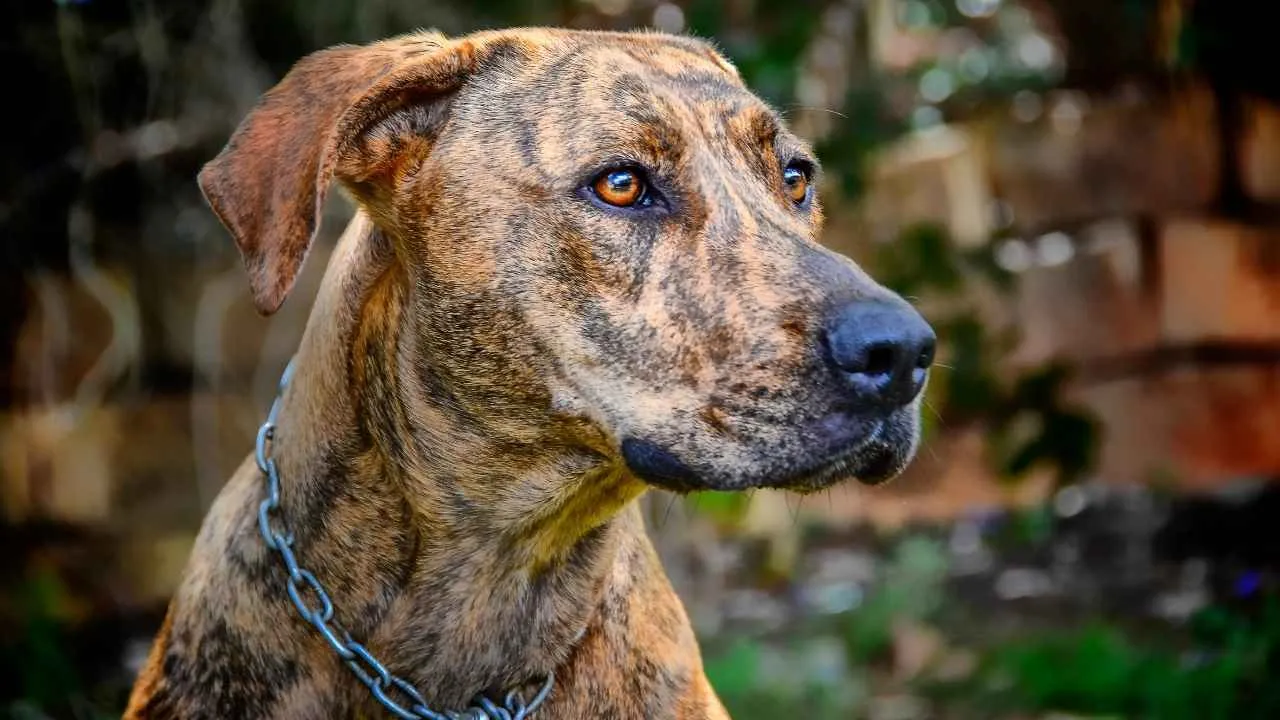
The Plott Hound is an American hunting breed with roots in North Carolina, where its ancestors were developed for pursuing challenging game. Its glossy brindle coat, athletic frame, and powerful nose make it well suited to tracking wild boar across demanding landscapes.
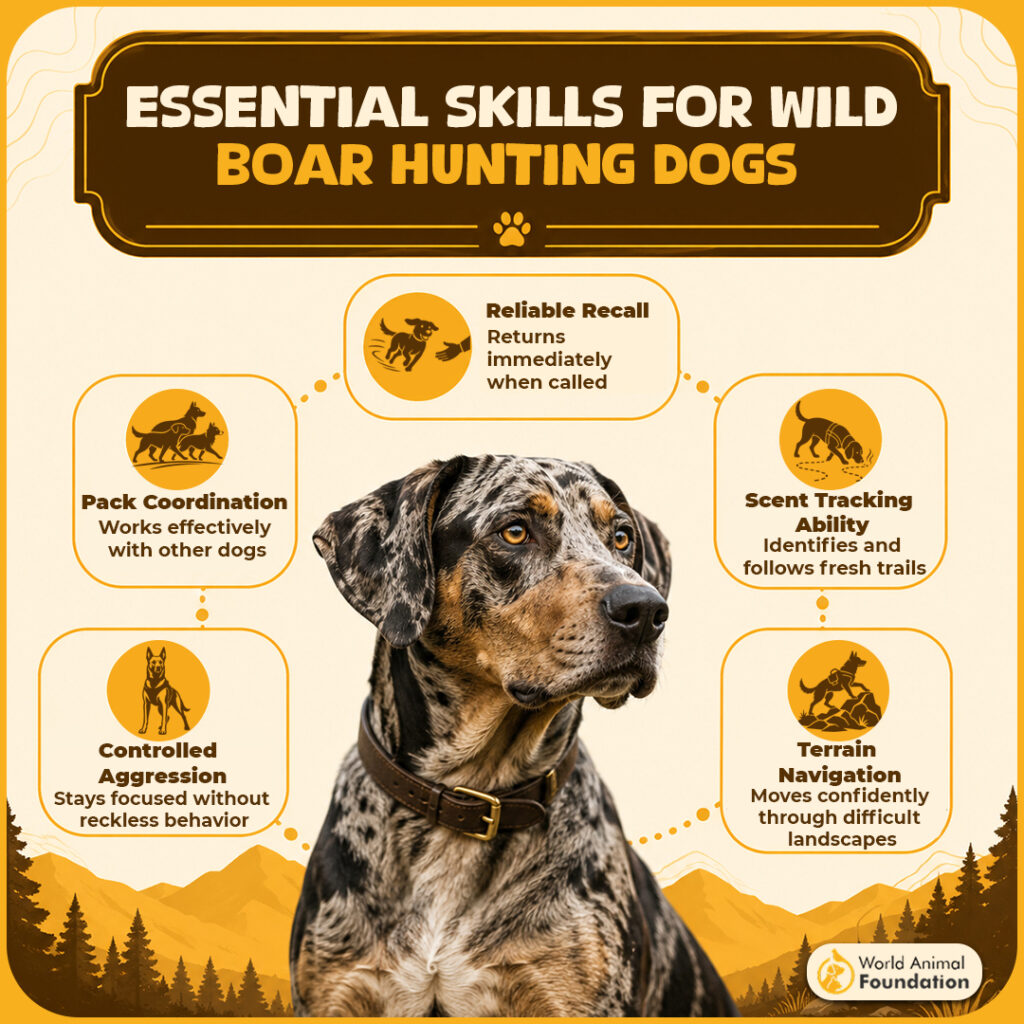
What distinguishes this hound is its ability to follow complicated scent trails through dense woods, rocky slopes, and uneven ground. Plott Hounds have a history of hunting bears and boars, as well as helping locate wounded game. Their determination and stamina support long hours of work in the field.
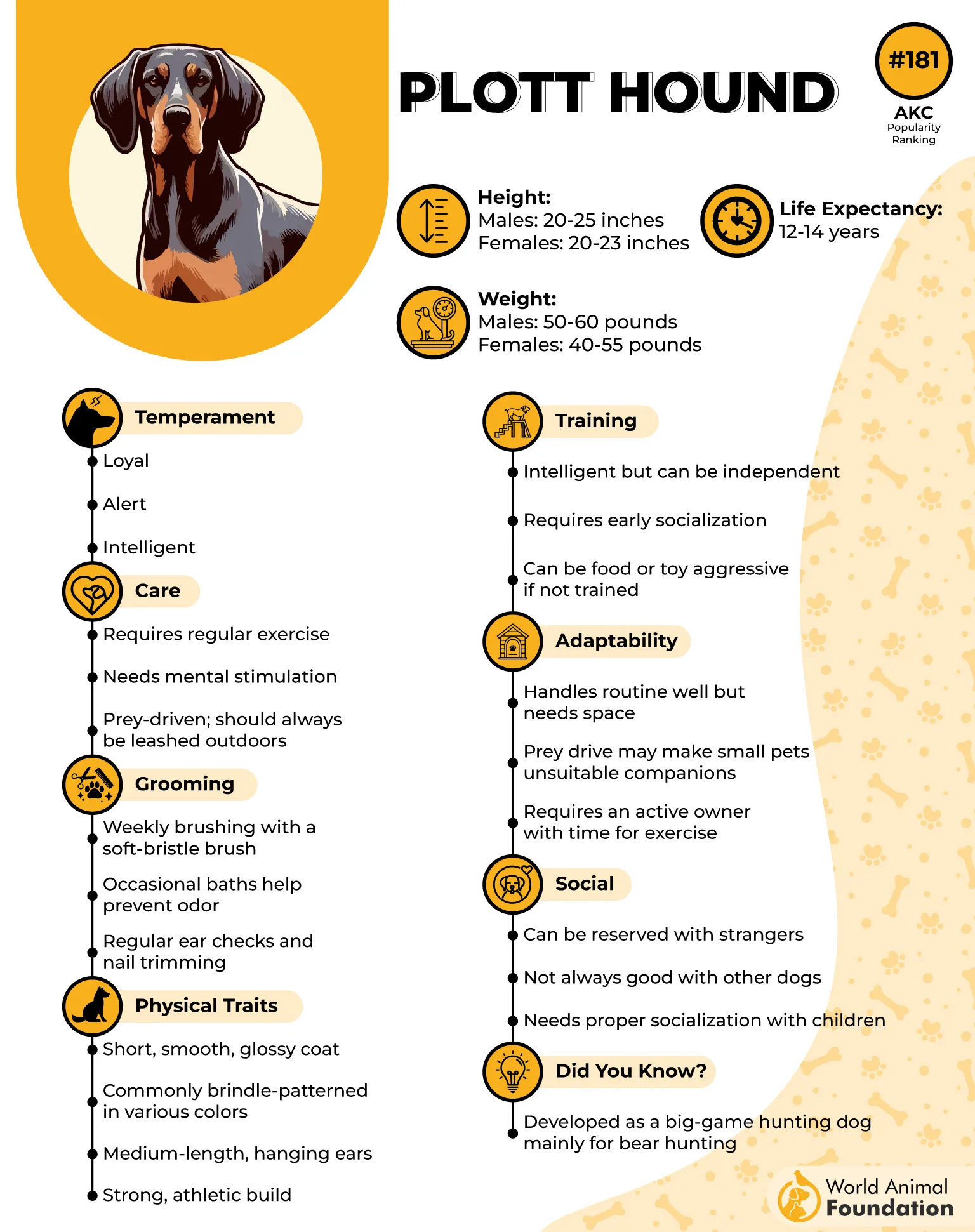
According to the AKC, Plott Hounds benefit from vigorous daily activity, including long walks, runs, and interactive play with their owners, to support their physical fitness and mental well-being.
These dogs are also known for their deep, persistent baying, which helps hunters follow their progress when visibility is limited. Their strong hunting instincts and energetic nature mean they benefit from experienced handling, consistent training, and opportunities to exercise safely.
How This Breed Stands Out
Exceptional scent-tracking ability across rugged terrain: Uses its keen nose to work through complex trails in challenging surroundings.
Persistent, resonant baying helps hunters follow its trail: Its distinctive voice can signal its location during a pursuit.
3. Catahoula Leopard Dog
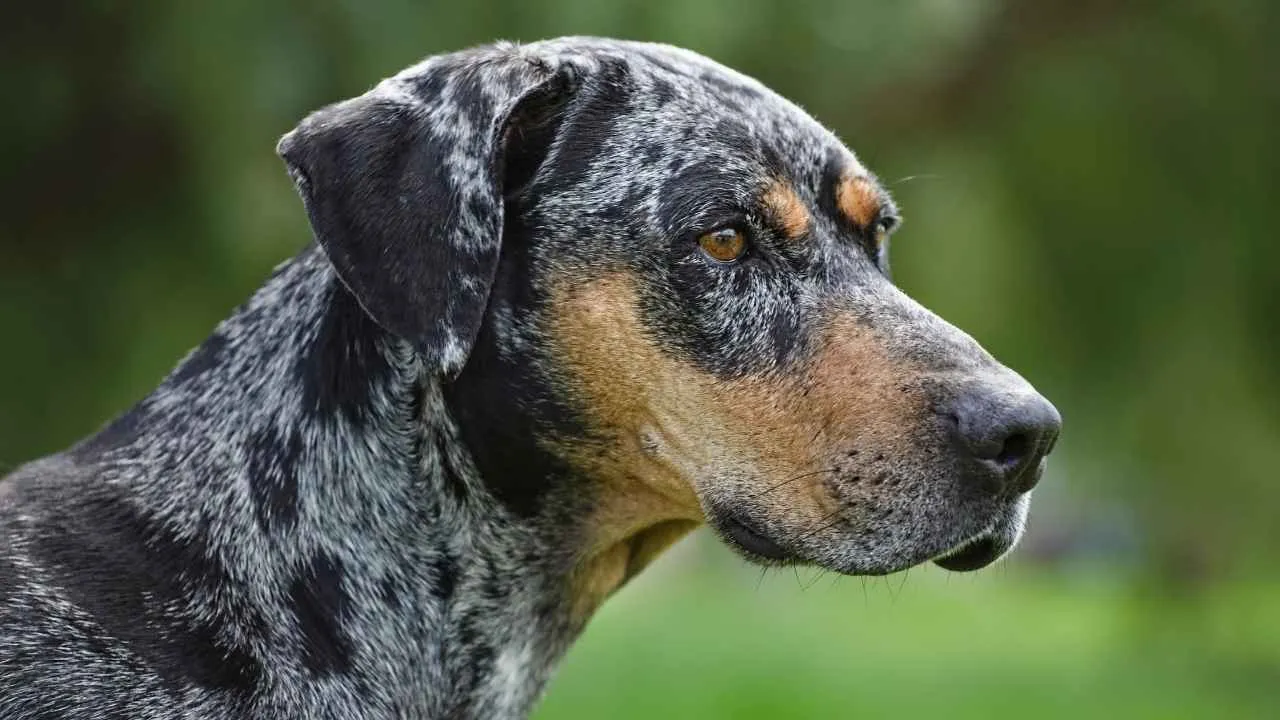
The Catahoula Leopard Dog is a versatile Louisiana working breed recognized for its striking appearance, muscular build, and unusual eyes, which may display blue, green, amber, or mixed shades. Beyond its distinctive looks, this dog is valued for its sharp senses and endurance in demanding outdoor conditions.
Catahoulas are used to track wild hogs and other animals across rough terrain. Their natural problem-solving ability and strong working instincts help them respond to challenging hunting situations, while their protective and fearless nature contributes to their reputation as determined game hunters.
According to Purina, they can be excellent companions for energetic families, particularly those with older children who can help provide the physical exercise and mental enrichment these dogs need.
Agile and confident on the move, these dogs can navigate dense brush while following prey. Their distinctive combination of tracking and herding behaviors can help hunters manage moving game, although their intensity calls for experienced handling and consistent training.
How This Breed Stands Out
Distinctive tracking-and-herding style helps contain moving game: Combines scenting ability with working instincts to manage moving prey.
Agile movement supports navigation through dense brush: Its muscular, athletic build helps it move across challenging terrain.
4. Black Mouth Cur
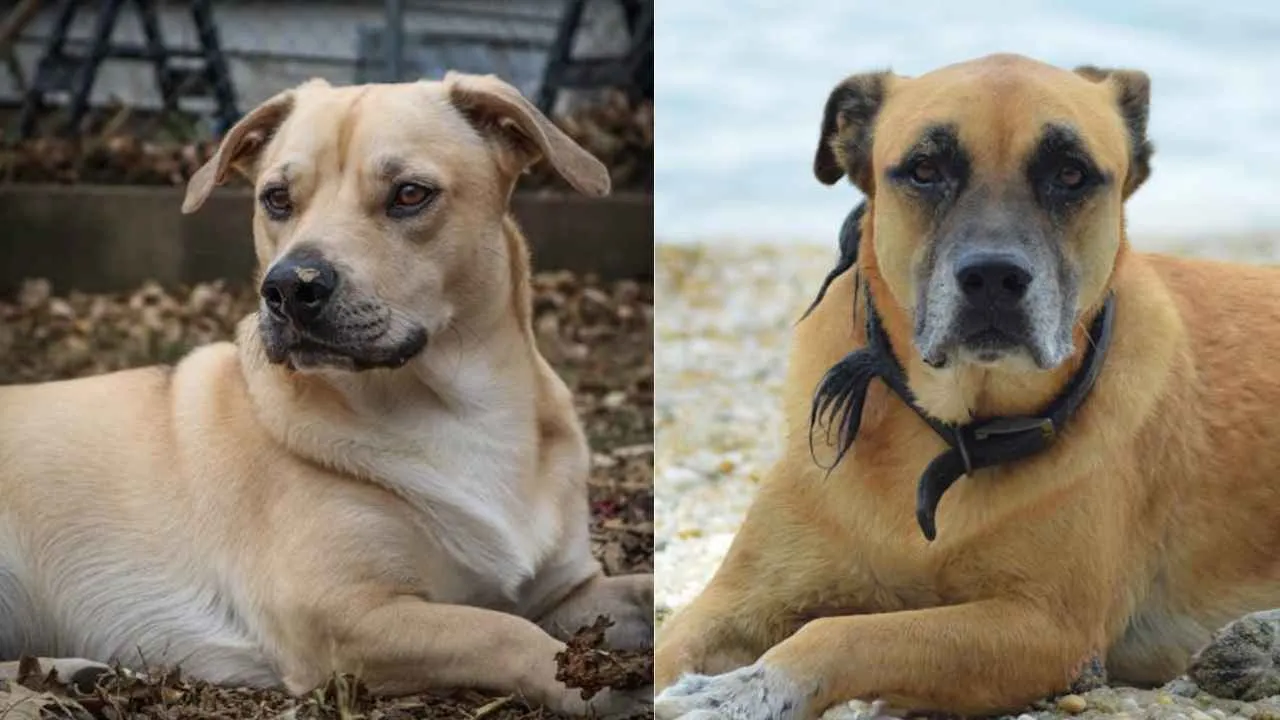
Originating in the Southern United States, the Black Mouth Cur is a versatile working dog valued for its courage, intelligence, and practical build. Its short coat helps it handle outdoor work in warmer conditions, while its athletic frame supports movement across wooded trails and open terrain.
This breed has a strong nose and a history of tracking different types of game, from small animals to wild hogs. Its hunting instincts, prey drive, and distinctive baying abilities make it useful for demanding fieldwork. Beyond hunting, Black Mouth Curs have also served as livestock guardians and dependable farm dogs.
Loyal to their families, these dogs can be protective of familiar people and territory. Consistent training and early socialization help channel their guarding instincts and support reliable behavior around others.
How This Breed Stands Out
Versatile hunting instincts suit tracking and baying large game: Combines scenting ability and determination when pursuing animals.
Tough, practical build supports demanding outdoor work: Its athletic body and short coat suit varied terrain and warm-weather activity.
5. American Bulldog
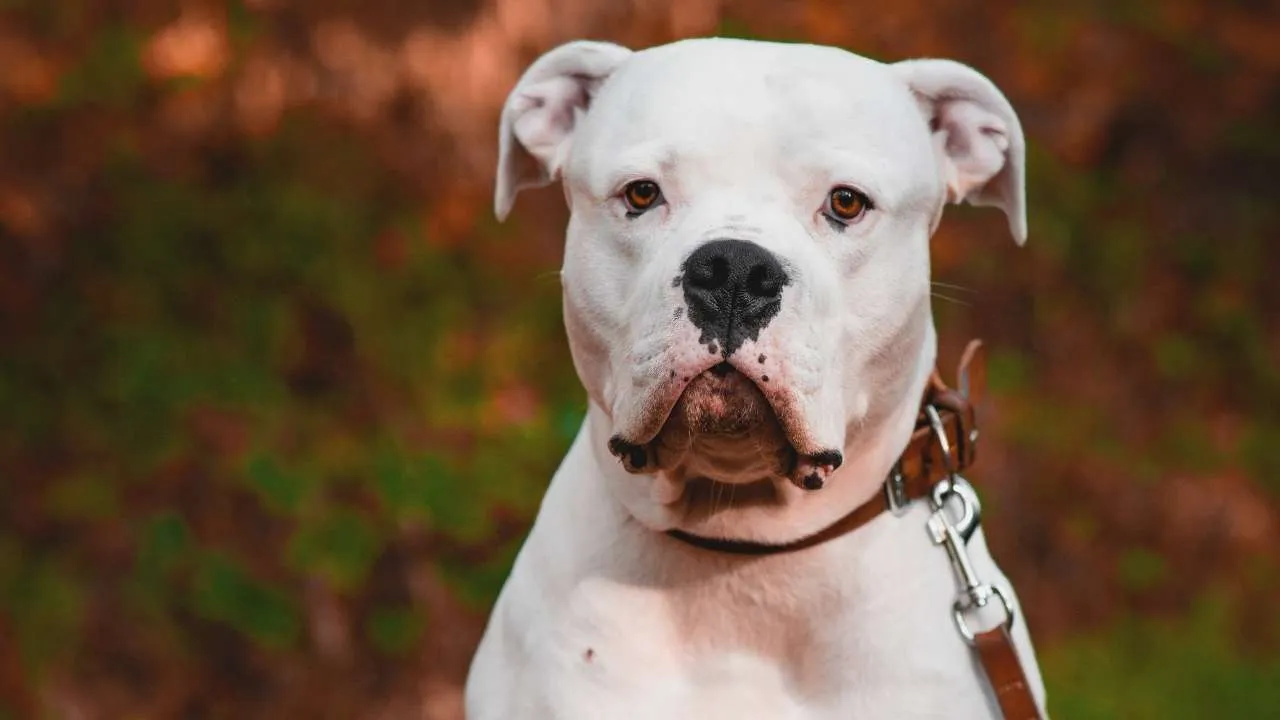
The American Bulldog is a powerful, athletic breed known for its strength, stamina, and agility. Brought to America by immigrants, its ancestors became valuable working dogs for Southern farmers and ranchers who needed help with demanding farm duties.
According to PetMD, their short coats are easy to maintain, although their skin needs additional attention and care.
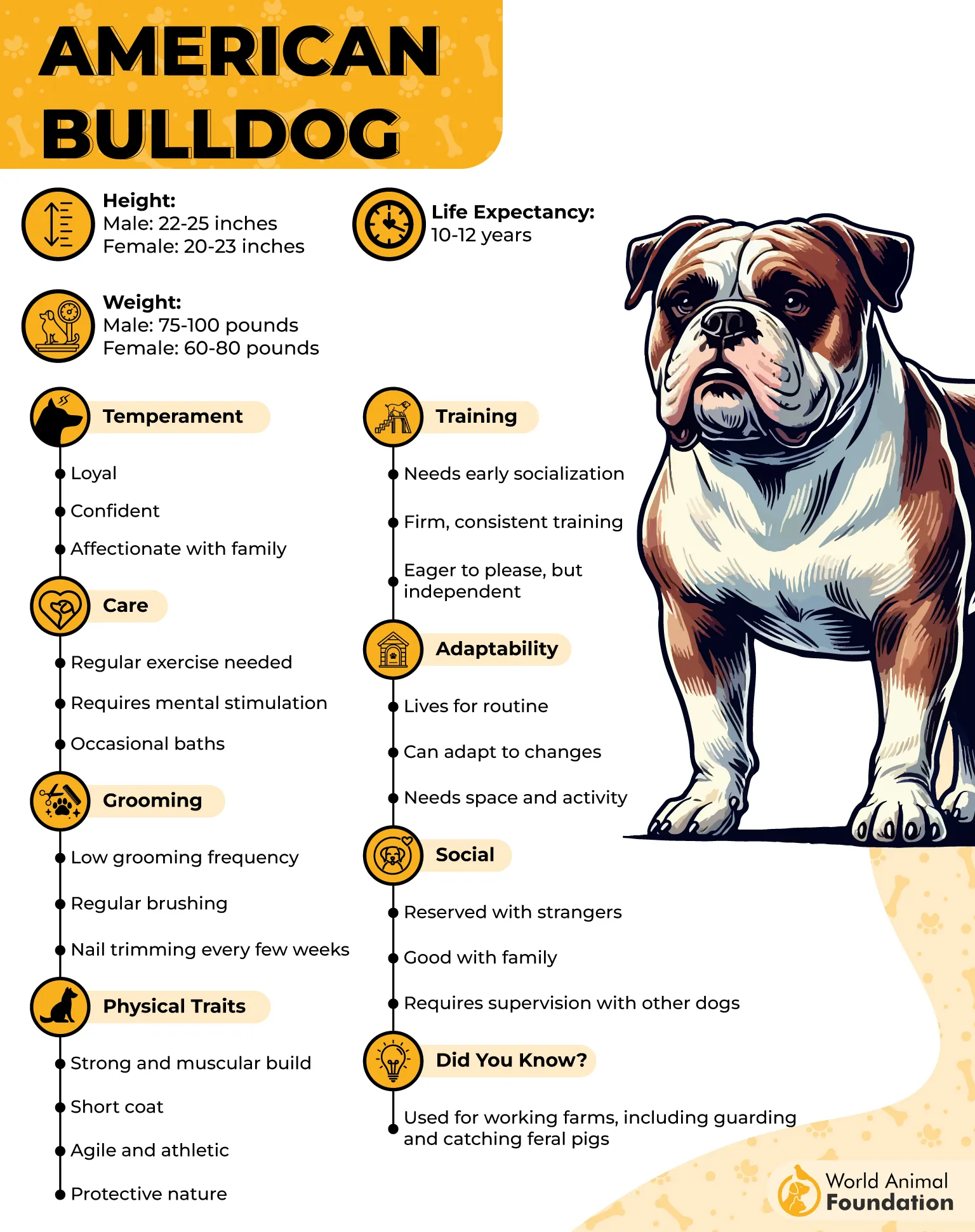
Historically used for guarding property, managing livestock, and catching feral pigs, American Bulldogs developed the physical ability and determination required for challenging work. Their muscular frames and energetic nature helped them become dependable partners in pursuing and holding large game.
Despite their rugged working background, these dogs are generally affectionate and loyal to their families. They respond well to consistent training and benefit from active owners who can provide regular exercise and clear guidance.
How This Breed Stands Out
Powerful, muscular physique suited to physically demanding tasks: Strength and athleticism reflect its history as a farm and catch dog.
Tenacious working-dog temperament and strong determination: A persistent nature helped it tackle demanding ranch duties and catch feral pigs.
6. East Siberian Laika
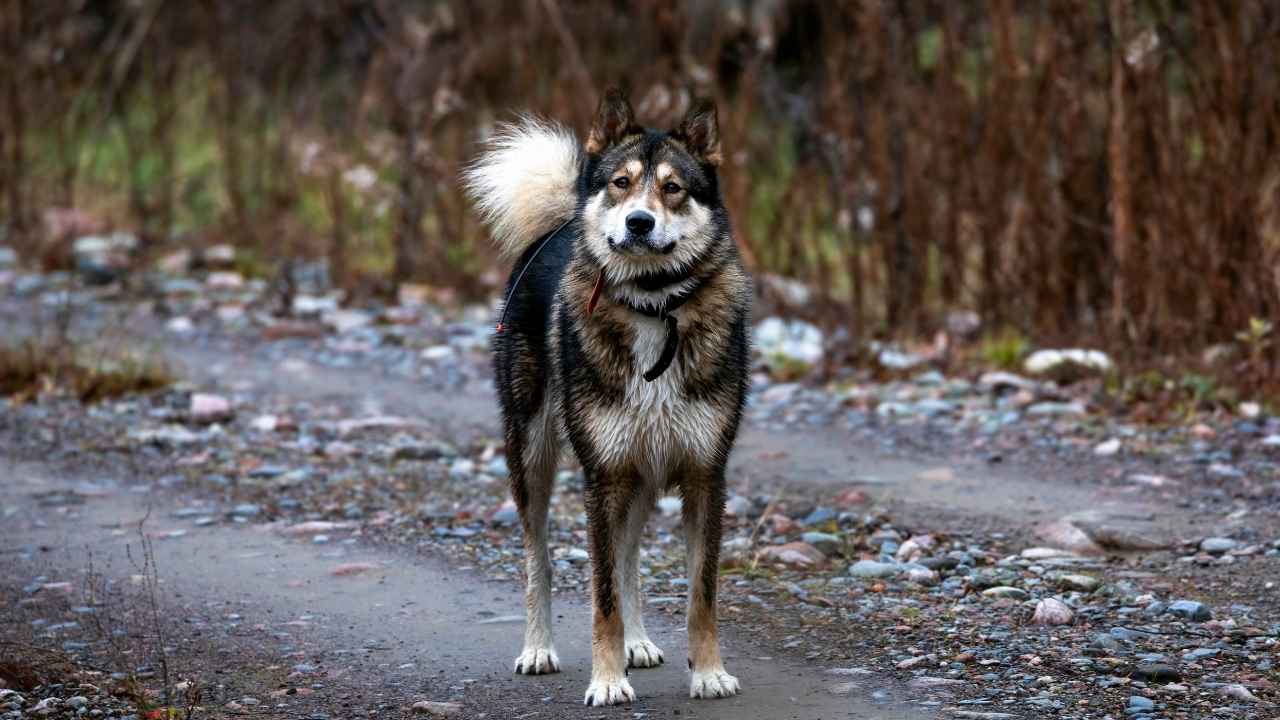
Developed in Siberia, the East Siberian Laika is a robust spitz-type hunting dog built for demanding work in vast forests. Its thick double coat, sturdy frame, erect ears, and curled tail reflect its adaptation to the cold, rugged environments of the taiga.
This breed was traditionally used to hunt a wide range of game, from small fur-bearing animals to larger prey. A keen sense of smell, sharp eyesight, and impressive endurance help it follow scents across uneven ground, dense woodland, and remote wilderness.
East Siberian Laikas possess strong hunting instincts and an independent nature, yet they have a long history of working alongside people. Their energy and intelligence call for regular physical activity, scent-based tasks, and consistent training.
How This Breed Stands Out
Developed for hunting across expansive, forested wilderness: Its stamina and sturdy build support extended work in challenging landscapes.
Acute senses and independence support tracking in remote terrain: A sharp nose, keen eyes, and self-directed hunting instincts aid pursuit through dense forests.
7. Alano Español
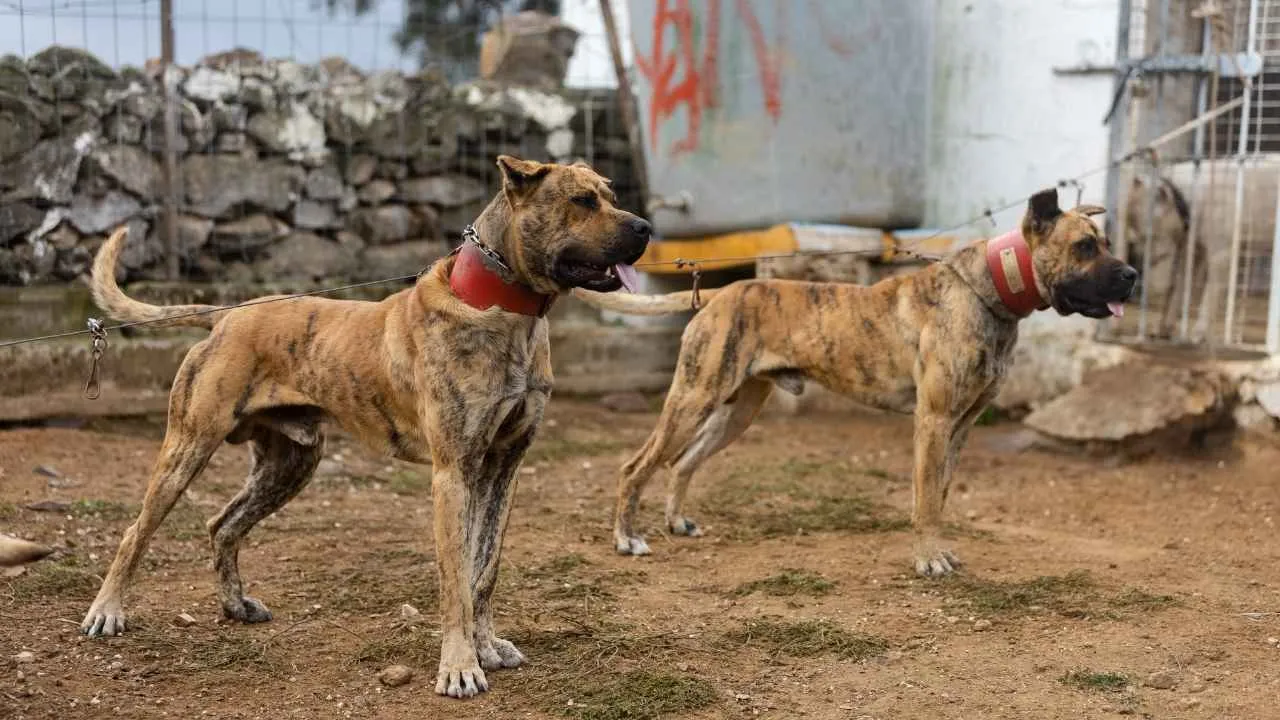
The Alano Español is a powerful, athletic breed from Spain with a history rooted in demanding livestock work and hunting. Its ancestors were associated with the Alani people, and these strong dogs became valued for protecting herds and assisting with challenging tasks.
Historically, Spanish Alanos were used to control cattle and hold large animals. They also became known for hunting wild boar, a role that highlighted their courage, persistence, and ability to work in rugged terrain. Although the breed’s numbers declined as traditional cattle practices changed, surviving dogs were rediscovered working with cattle and hunting boar in the Basque Mountains during the 1970s.
Beneath its muscular appearance, the Alano Español can display an affectionate temperament toward its people. Its short coat and athletic build reflect its practical working heritage.
How This Breed Stands Out
Historic Spanish catch-dog background associated with large-game work: Its traditional role included holding cattle and pursuing wild boar.
Powerful jaws and compact, muscular frame: Its sturdy, athletic physique reflects a history of physically demanding work.
8. Karelian Bear Dog
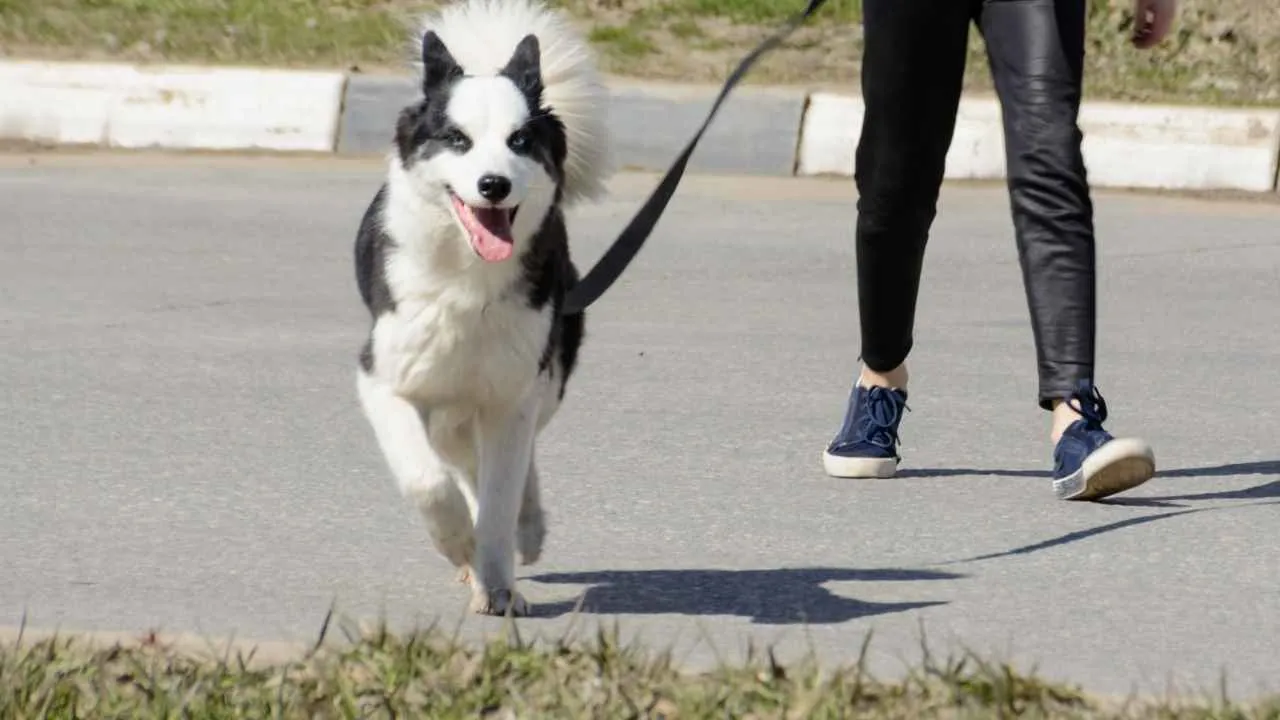
Originating in Finland, the Karelian Bear Dog is a hardy spitz-type breed developed for hunting formidable game. Its dense coat protects it in cold conditions, while its confident, athletic build supports demanding work in forested wilderness.
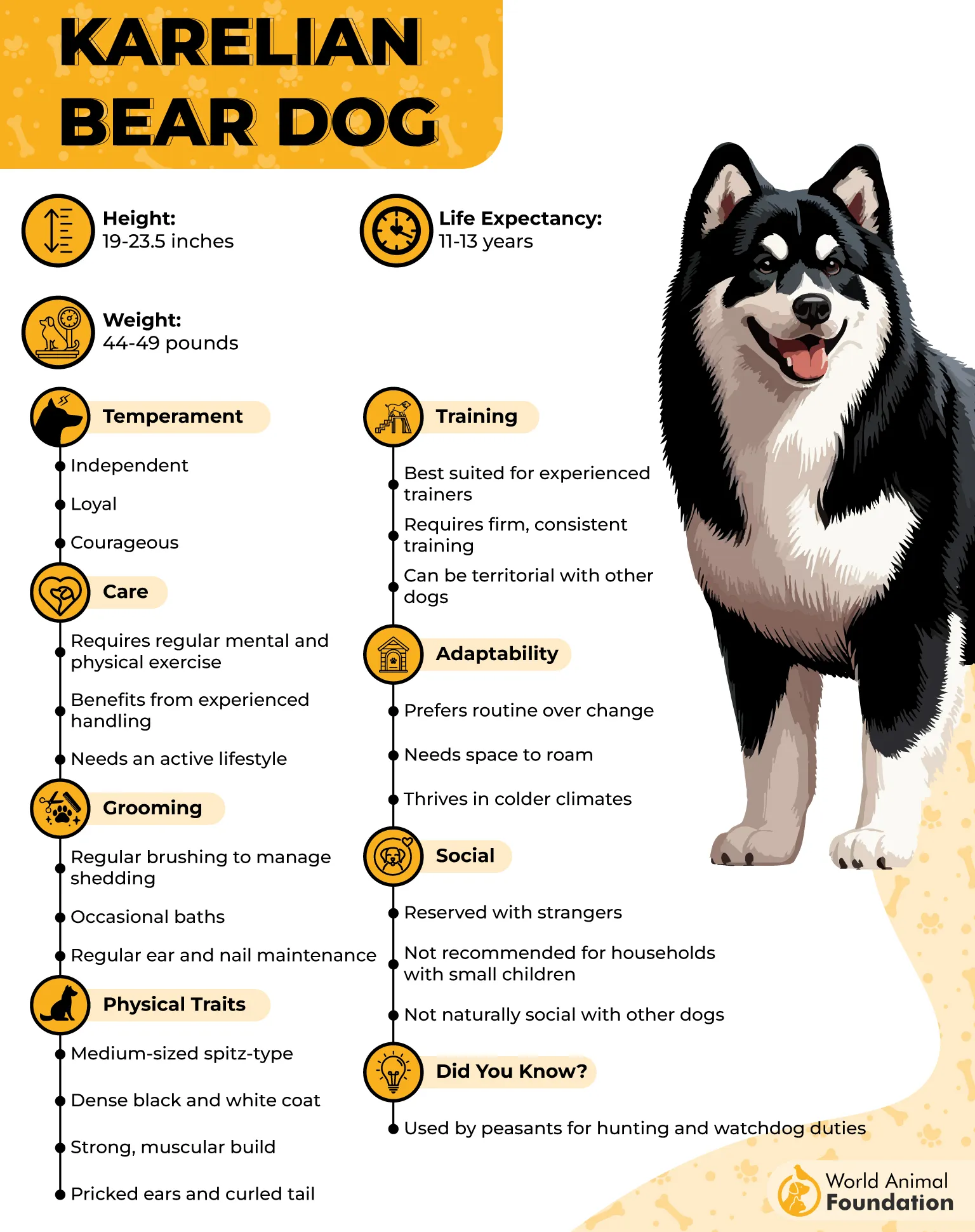
With an exceptional sense of smell and strong hunting instincts, this breed can track large animals such as bears and moose. Rather than barking continuously, it typically signals when game has been located or cornered, helping hunters identify an animal’s position. Its persistence, courage, and strong sense of direction make it a capable partner during challenging hunts.
Karelian Bear Dogs are independent yet able to cooperate closely with experienced handlers. They can be assertive around other dogs, so early socialization, consistent training, and careful management are important for channeling their intense working instincts.
How This Breed Stands Out
Fearless, persistent approach to confronting large wildlife: Its confidence and determination suit demanding big-game hunting work.
Sharp alert barking helps hunters locate and monitor game: Distinctive vocal signals can reveal when an animal has been found or stopped.
9. Kai Ken
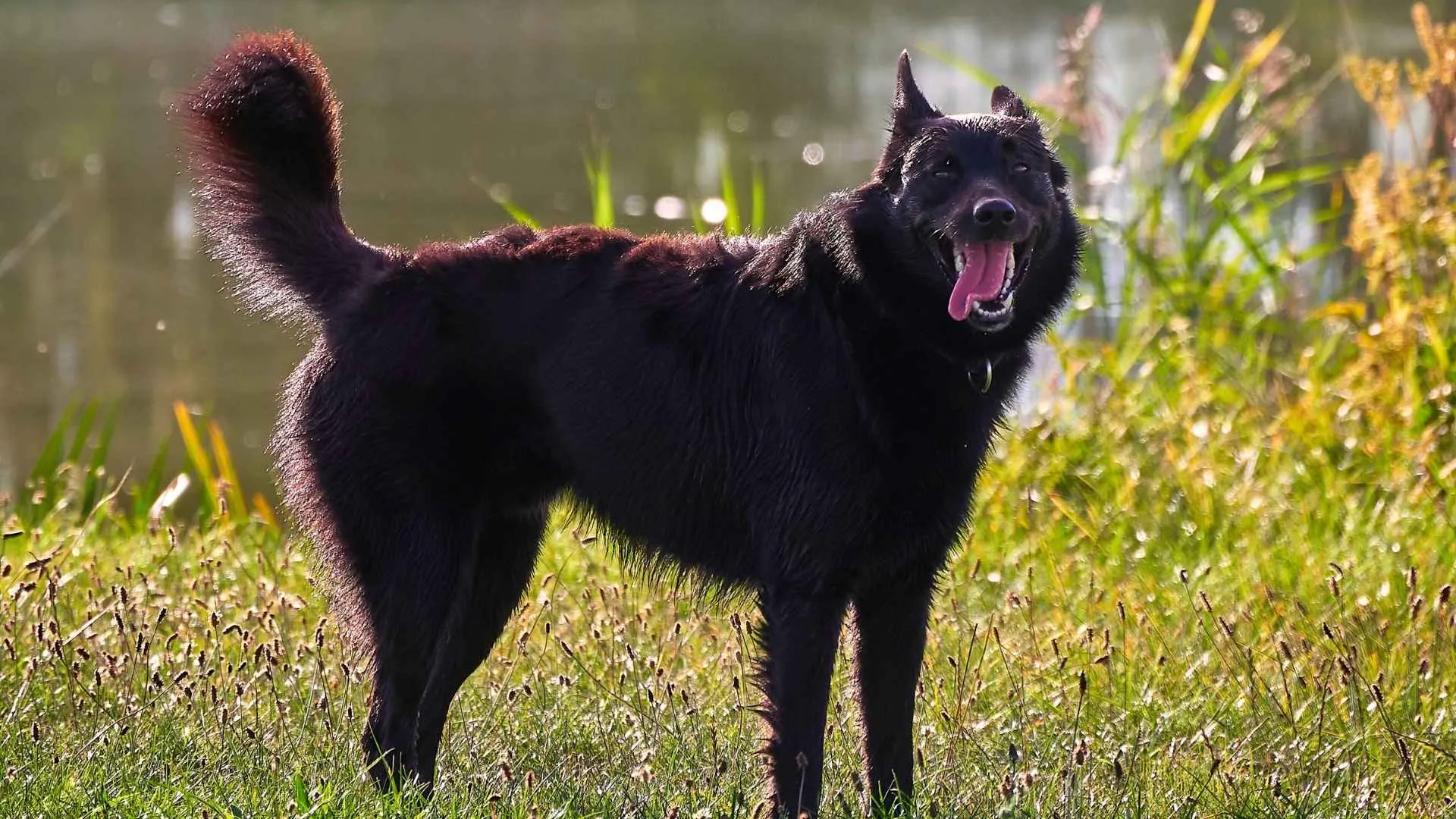
Native to Japan, the Kai Ken is a rare, medium-sized hunting breed developed to pursue game in mountainous terrain. Its distinctive brindle coat, often called tiger-like, provides natural camouflage among forested slopes, while its muscular, athletic body supports demanding outdoor activity.
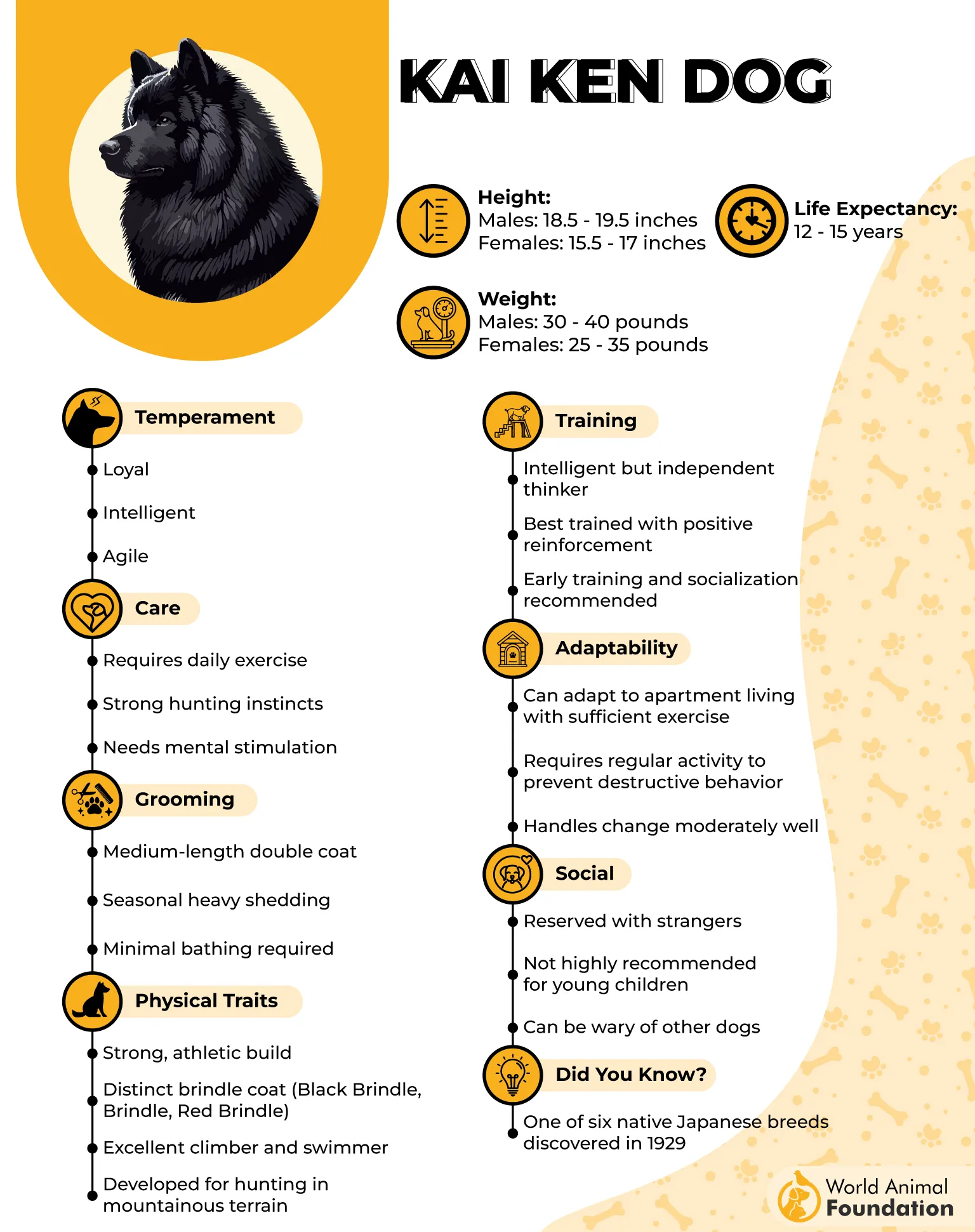
Known for climbing steep ground and swimming across rivers, the Kai Ken can navigate challenging landscapes while following its quarry. Its strong prey drive, intelligence, and agility make it a versatile hunter, capable of adapting to the rugged conditions of Japan’s mountains.
Although naturally alert and inclined to think independently, the Kai Ken learns quickly and forms close bonds with its family. It is also regarded as a devoted guardian, combining a reserved temperament with keen awareness of its surroundings.
How This Breed Stands Out
Sure-footed agility on steep, wooded mountain trails: Its climbing ability and athleticism help it move through rugged hunting grounds.
Reserved, alert nature and strong hunting instincts: Keen awareness and a strong desire to pursue game reflect its traditional hunting role.
Conclusion
Choosing a dog for wild boar pursuit means looking for strength, courage, stamina, and reliable hunting instincts. Breeds such as the Dogo Argentino and American Bulldog are known for their muscular builds and determination during physically demanding work.
Scent hounds and versatile working dogs bring different strengths to the field. The Plott Hound excels at tracking, while the Black Mouth Cur and Catahoula Leopard Dog combine hunting ability with adaptability across varied terrain.
Breeds like the East Siberian Laika and Kai Ken are suited to rugged wilderness, using sharp senses and agility to navigate challenging landscapes. The Alano Español has a history of catching large animals, while the Karelian Bear Dog is renowned for its boldness and distinctive barking when locating game.
Regardless of breed, proper training, experienced handling, and responsible practices are essential. Wild boar hunting involves serious risks, so safety and animal welfare should always remain priorities.
