




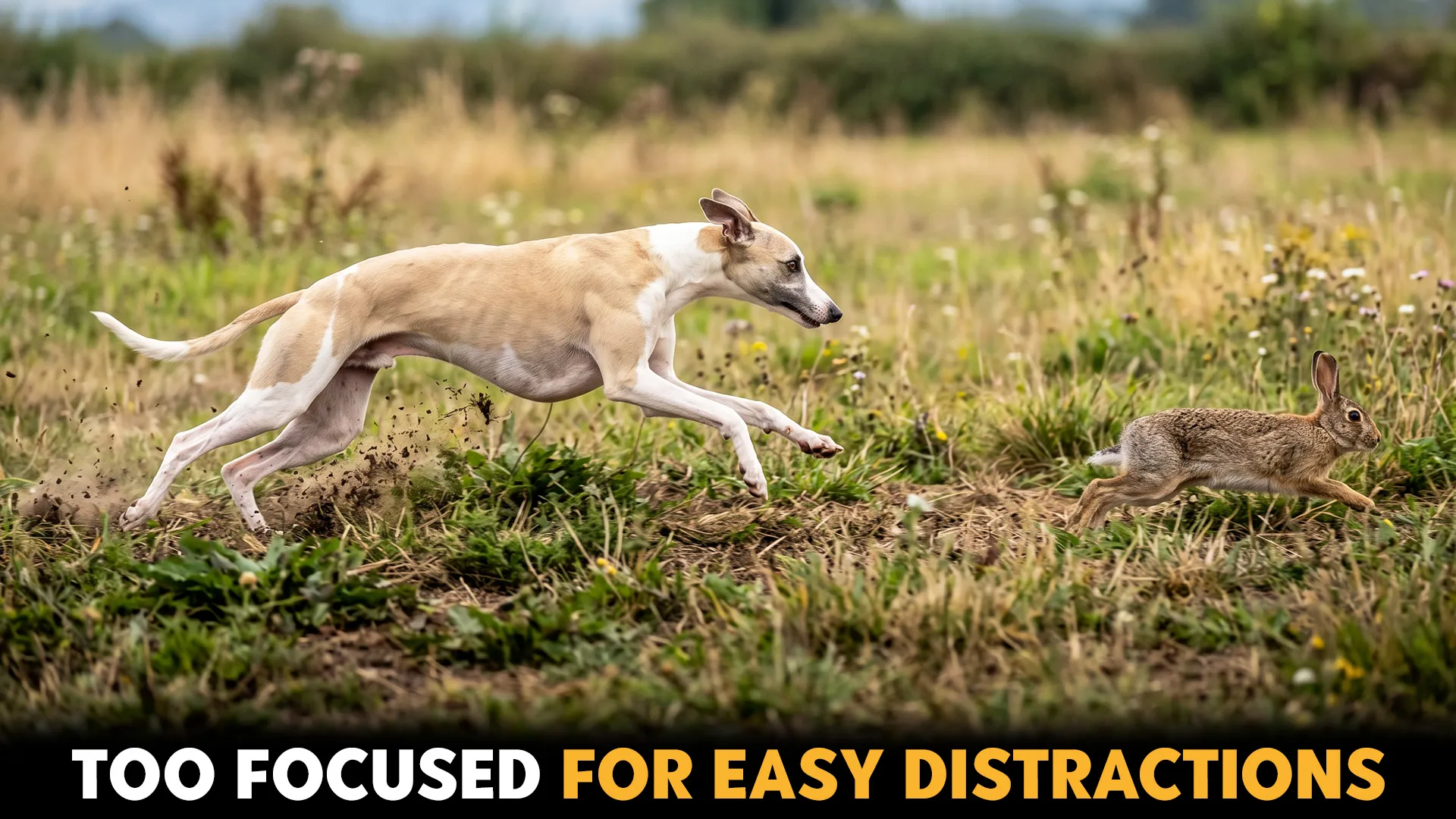
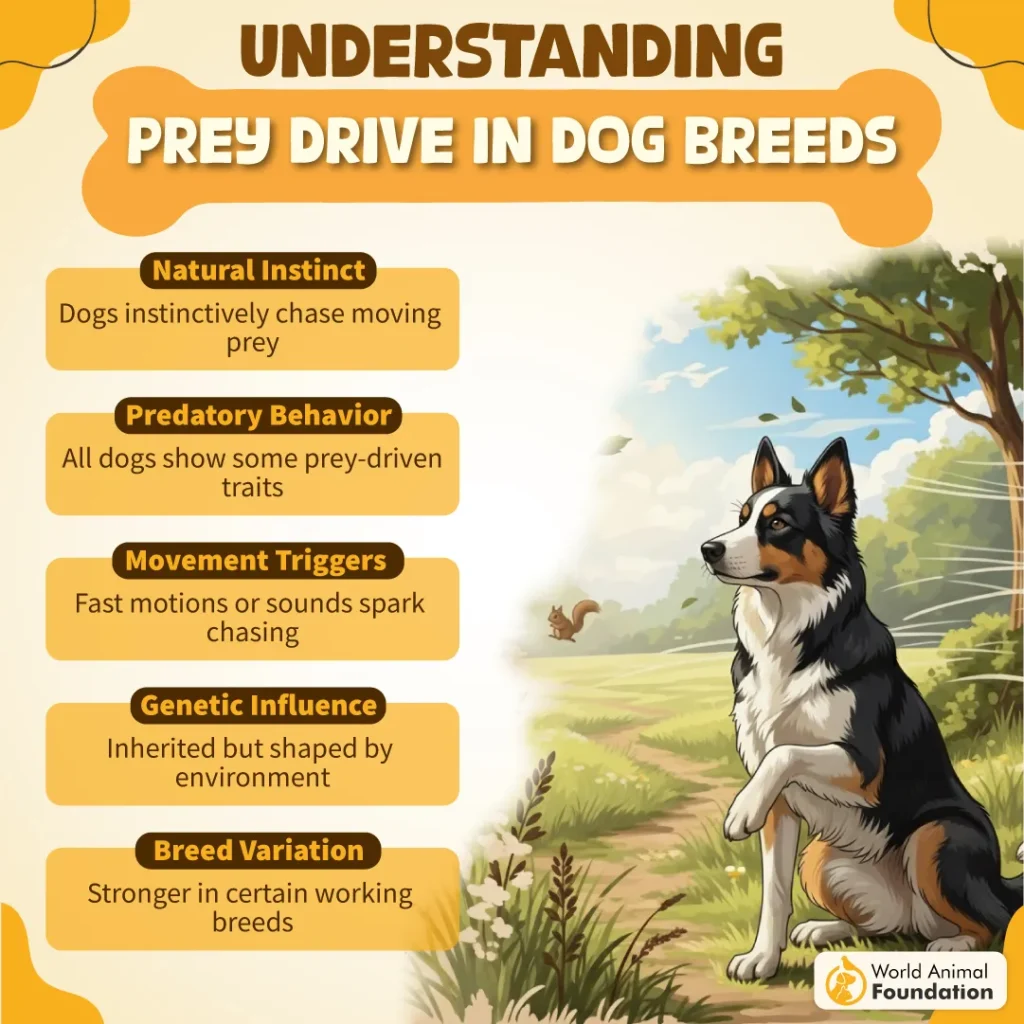
Some furry animals see a moving object and forget everything that they have been taught. This is an instinct known as prey drive. It refers to a dog’s instinct to see, follow, and chase down moving animals.
Training and personality can sharpen these instincts, but the type of breed and its purpose can have a strong impact on this behavior. A high prey drive does not necessarily mean that the dog is unfriendly.
Here are seven breeds of dogs that have a hunting ancestry and prey drive, and some things to keep in mind before you get one of them. Some of these high-energy breeds crave attention, whilst other herding breeds are best left on their own.
Dog Breeds That Demonstrate High Prey Drive Behavior
1. Greyhound
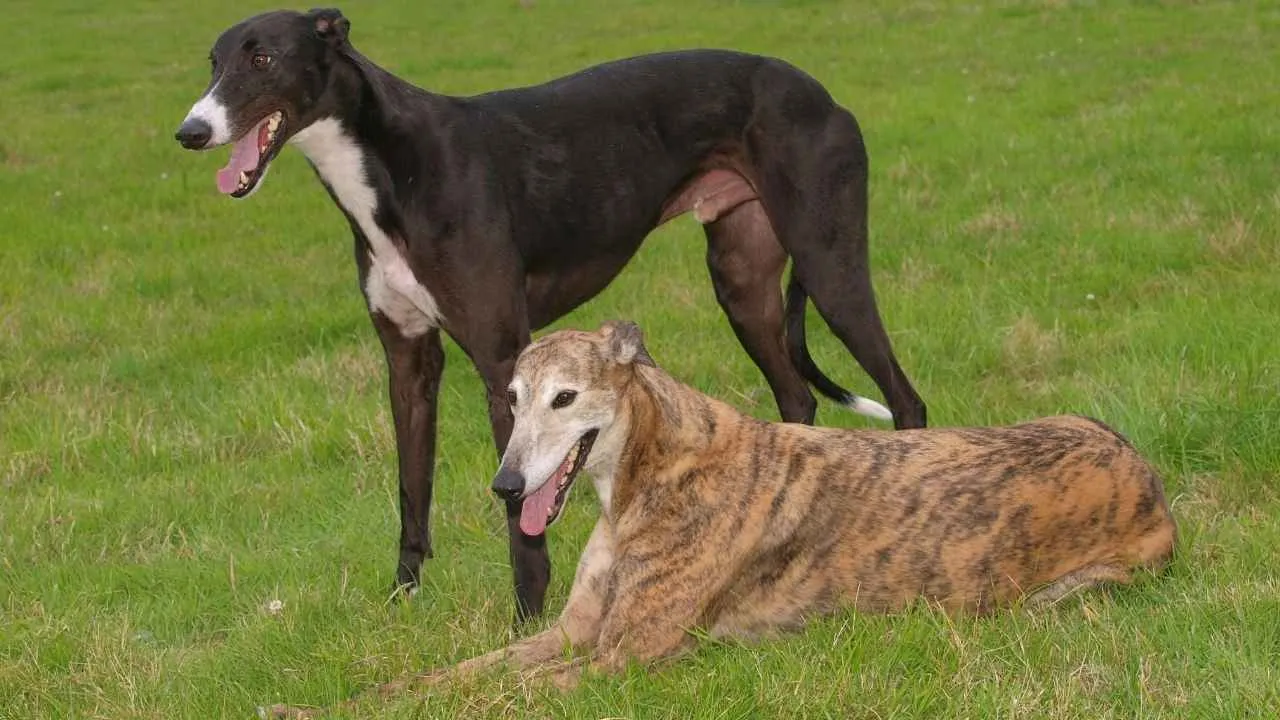
The Greyhound is a specialist hunting dog breed. It has great eyesight and the ability to run at great speed.
They are tall, thin, and muscular, with long legs that allow them to move quickly. If Greyhounds have seen something running, their impetus to follow is strong. Although they are tame and peaceful inside homes, they can go into hunting mode quite quickly.
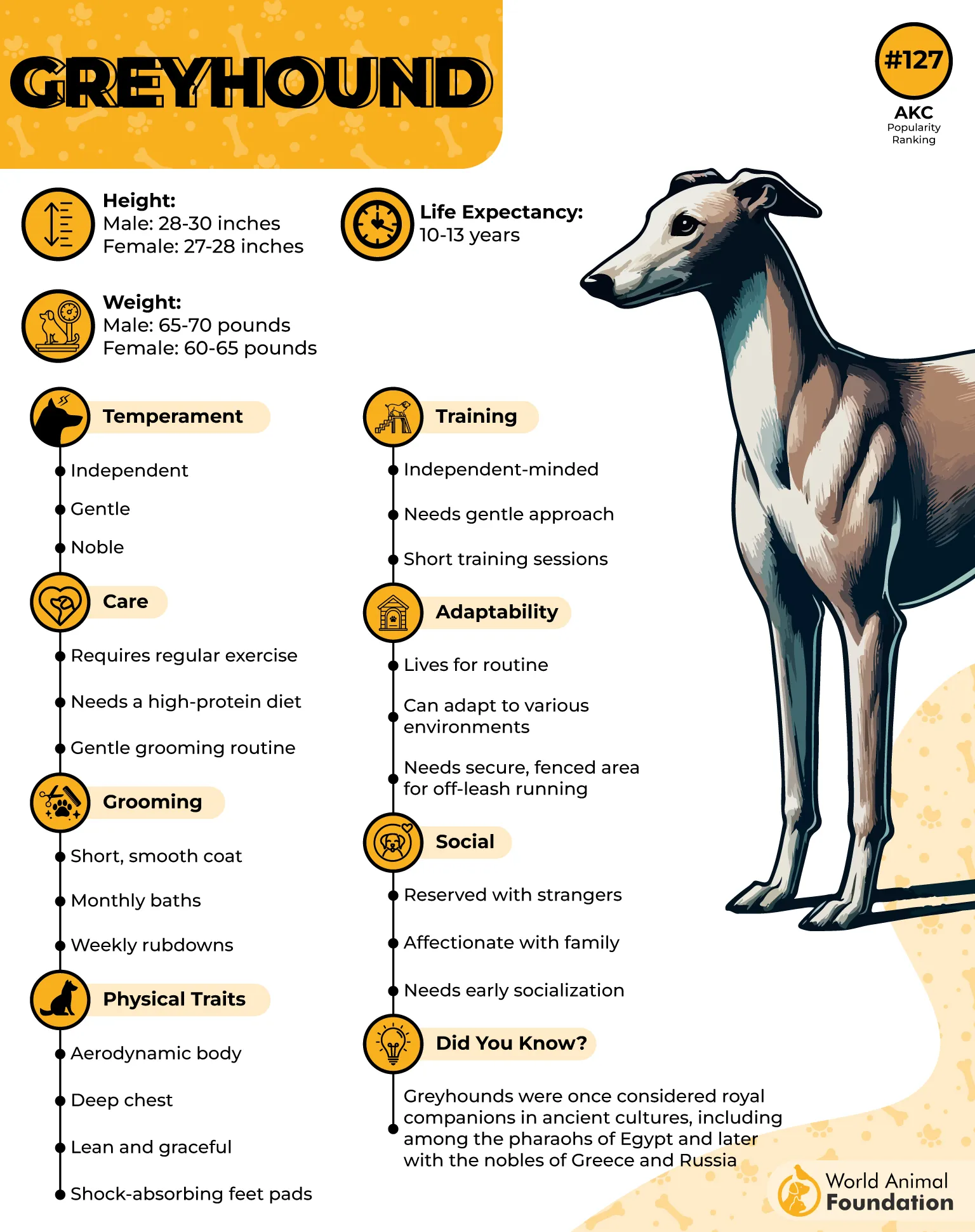
Safety outdoors is a must. Even if Greyhounds typically respond to their name, they should not be allowed in an unsecured area when not on a leash. Exercising in a securely fenced area, leash walks, and games like lure coursing are a must, according to the American Kennel Club.
2. Afghan Hound
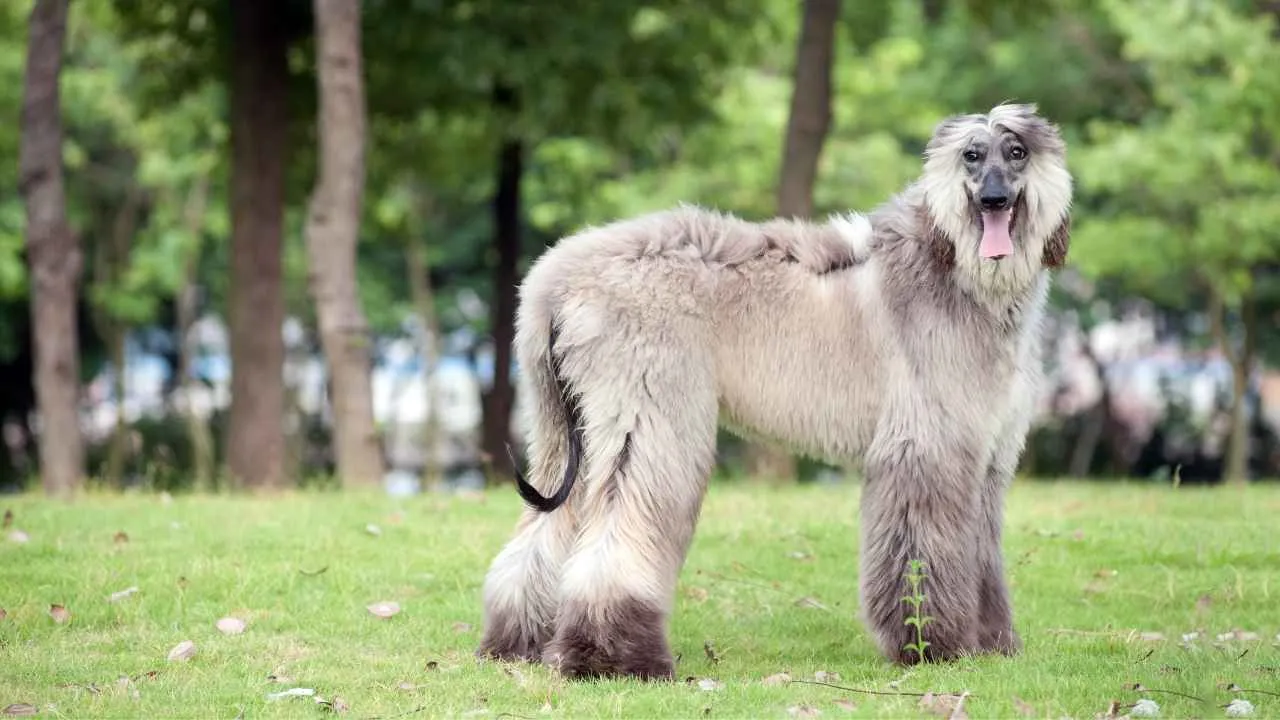
The Afghan Hound is a graceful dog with a beautiful coat. This sighthound was bred for hunting in hard terrain where speed, sight, and independent actions were necessary.
Afghan Hounds may be able to detect animals moving at a long distance and will have a strong urge to chase them. They can be difficult to contain in open areas. Good fencing and good leash control are essential, apart from responsible ownership.
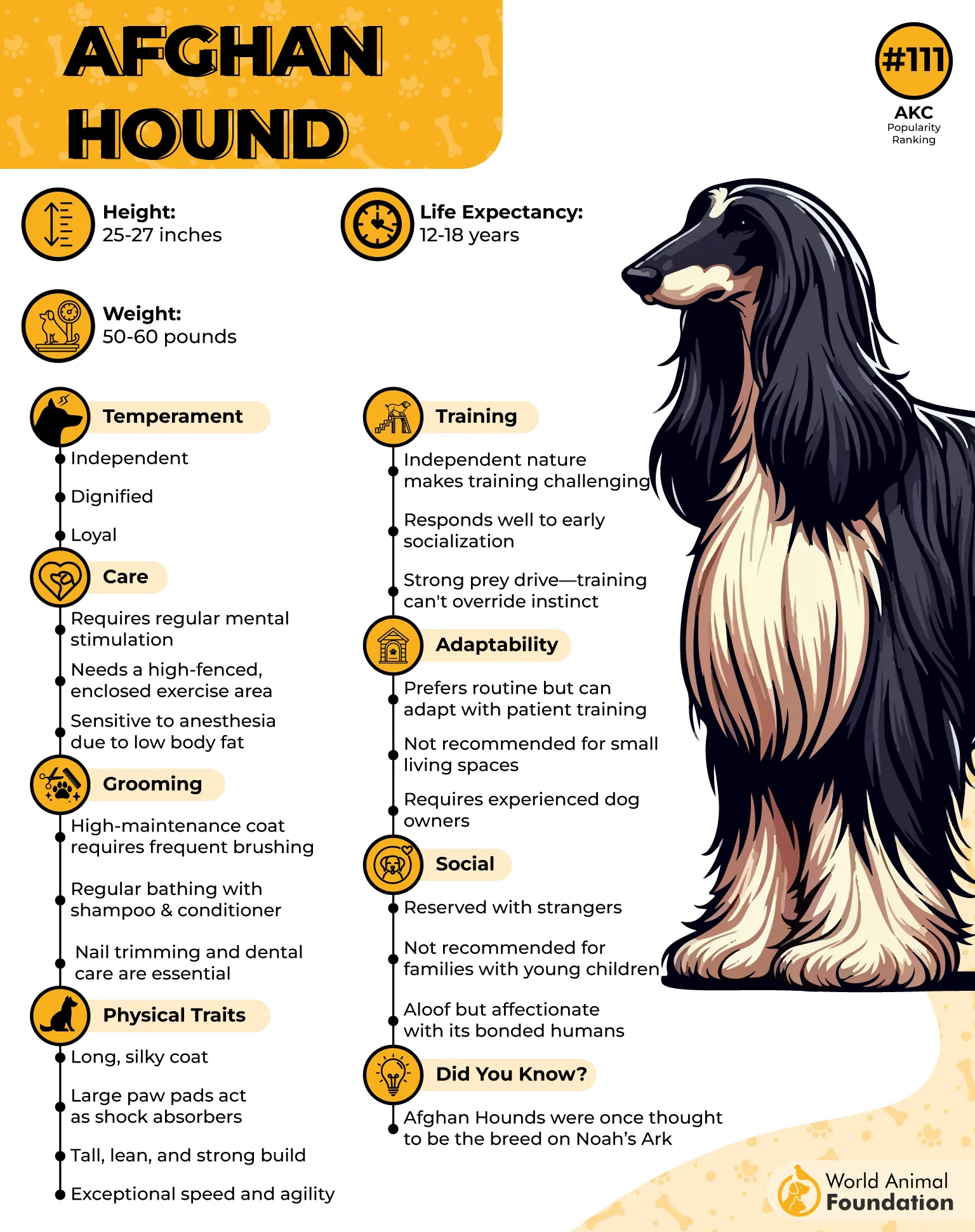
This breed has an independent personality, according to Purina. Afghan Hounds can take action and do not wait for detailed instructions in hunting scenarios. Consistent training is required to manage these dogs.
They have a very unique-looking coat that requires extensive grooming and brushing to keep it healthy.
3. Rhodesian Ridgeback
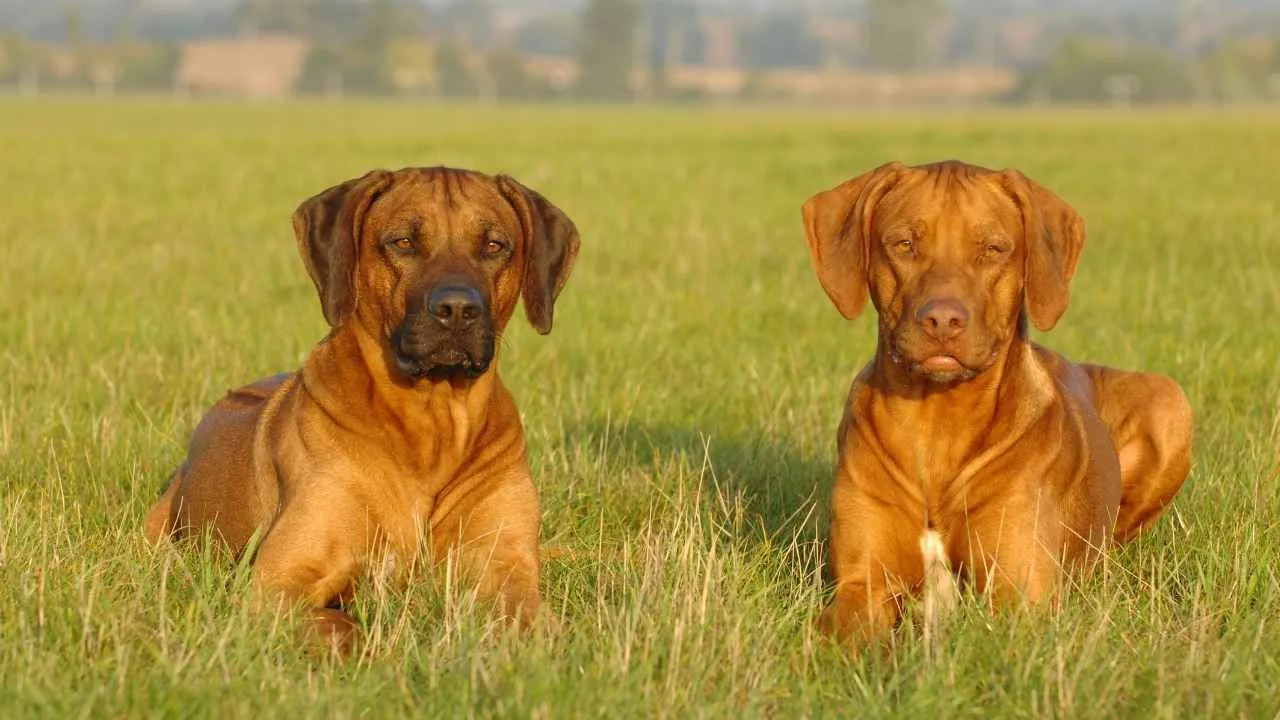
The Rhodesian Ridgeback was bred in Southern Africa and is associated with tracking and hunting big game. Its working history means that it is an excellent hunting dog.
Ridgebacks are strong, athletic, and independent. They can become obsessed with chasing rabbits, cats, or other animals that elicit their chase response. It’s crucial to control that instinct through training given their size and strength.
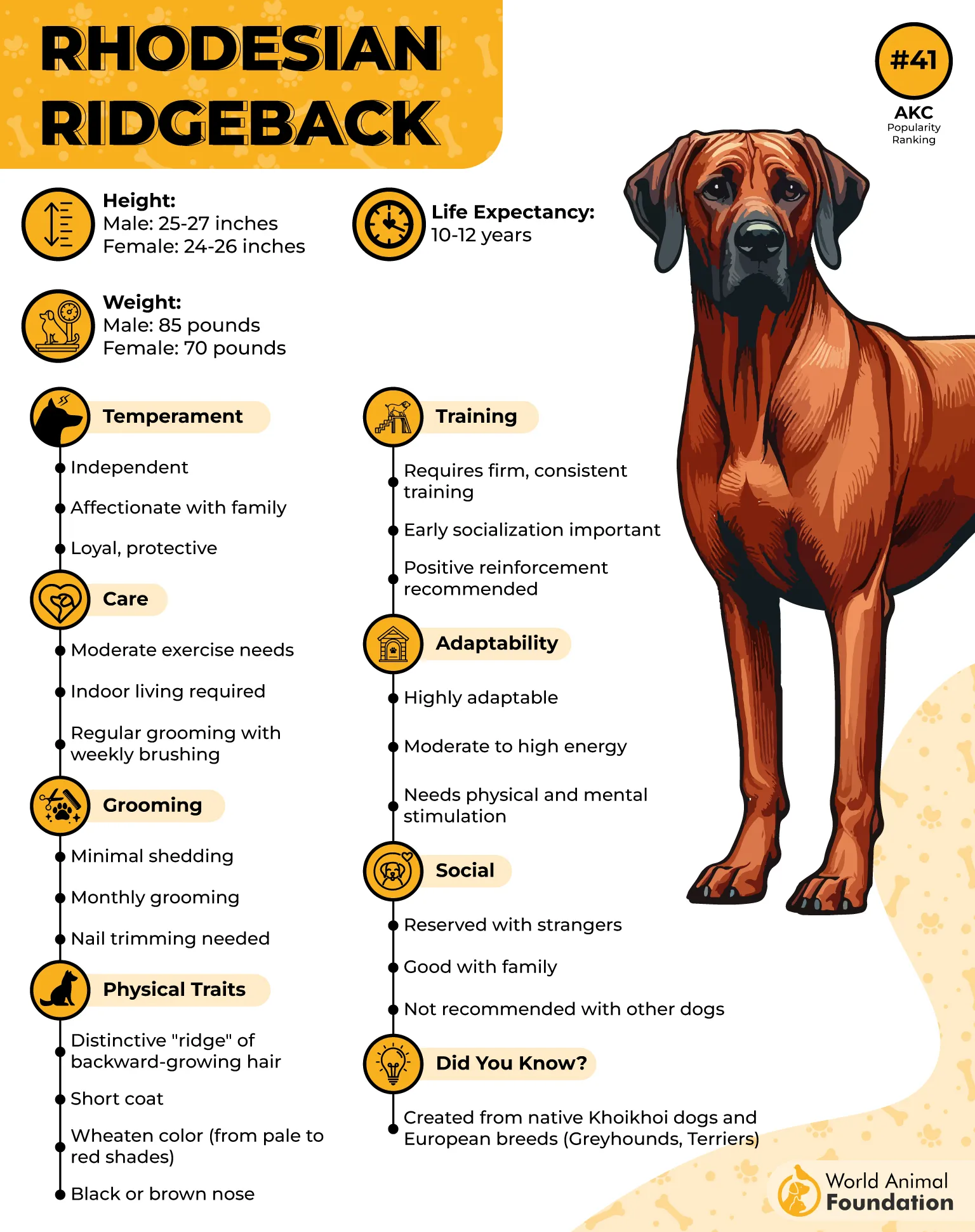
Ridgebacks can be trained and socialized to behave well around people, dogs, and other environments. Leash walks and having a secure yard are good precautions to take when adopting this dog, according to Dog Breed Info.
These dogs are not for novice owners. They should only be adopted by experienced handlers who have a history of training dogs and are capable of taking these dogs on hunting expeditions. Opt for behaviour consultation if behavioral issues persist in these outdoor animals.
4. Jack Russell Terrier
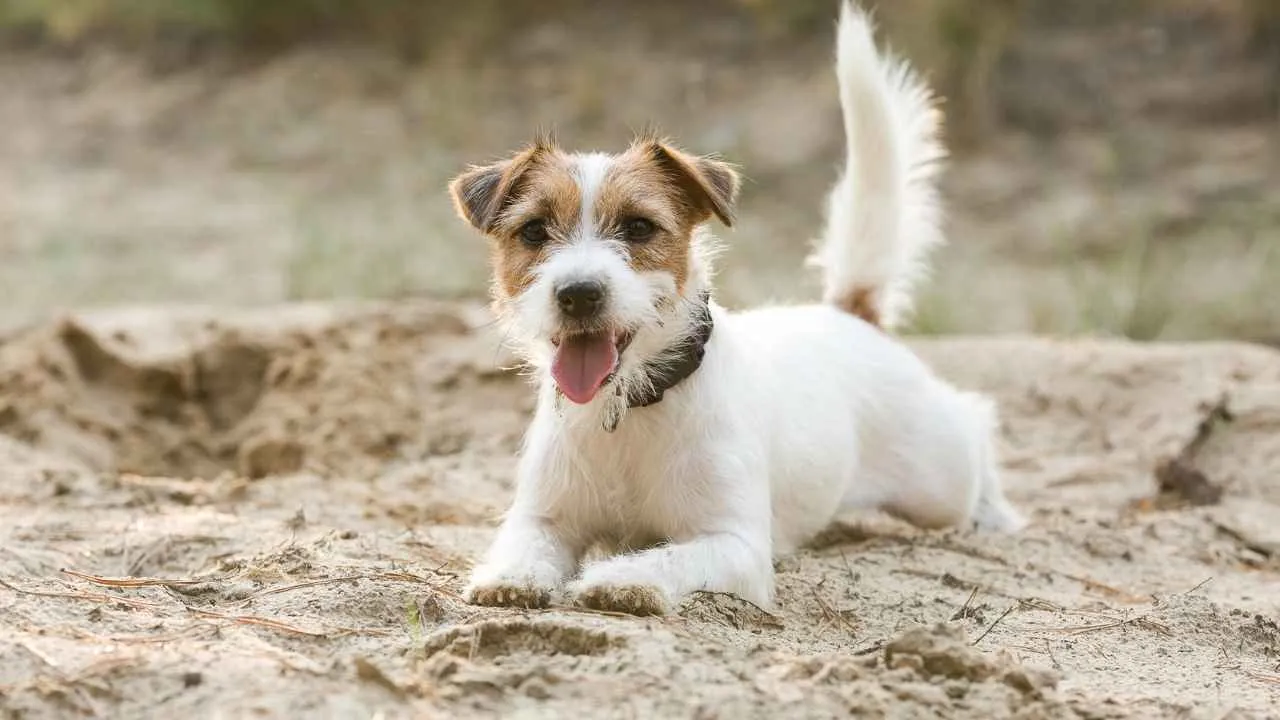
The Jack Russell Terrier is a small, energetic, and determined dog with a high prey drive. This breed was bred for fox hunting and has the tenacity and courage to pursue bigger prey.
Their working background accounts for their curiosity about movement, digging, and inquisitive noises. A Jack Russell can usually get engrossed in hunting.
These dogs are intelligent and energetic. They tend to like games, trick training, and activities that are demanding. They do not get along with other pets in the house, mostly, and are used to demanding attention and care from their owners.
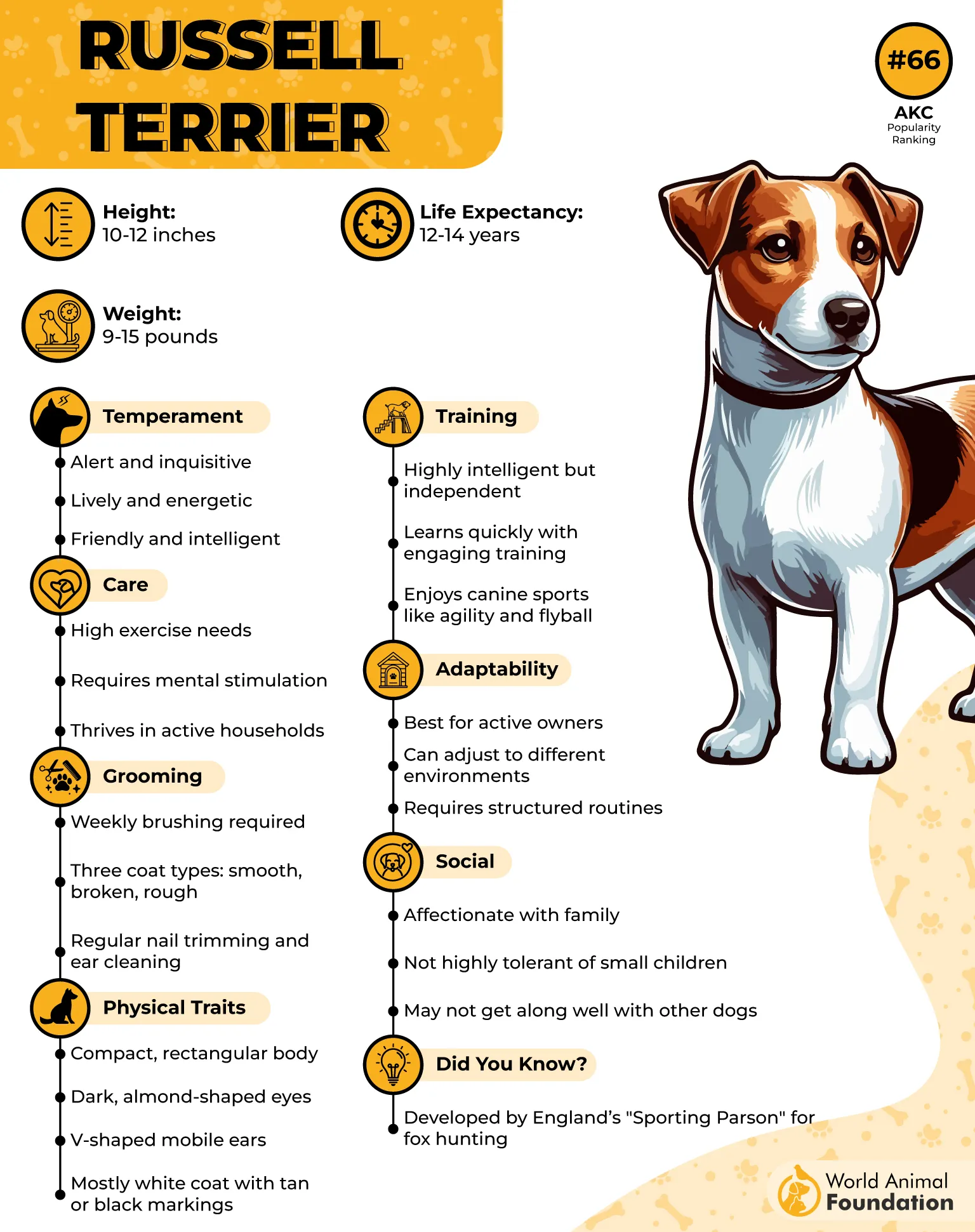
Early training and socialization are recommended. They should also be given a secure outdoor space for chasing and searching in the yard. They work hard, require intense play and exercise, and have a distinct behavioral profile due to their predatory sequence.
An active Jack Russell is much easier to manage than a bored one. This highly intelligent breed will reliably score high with owners that can handle its intense desire to chase and hunt.
5. Saluki
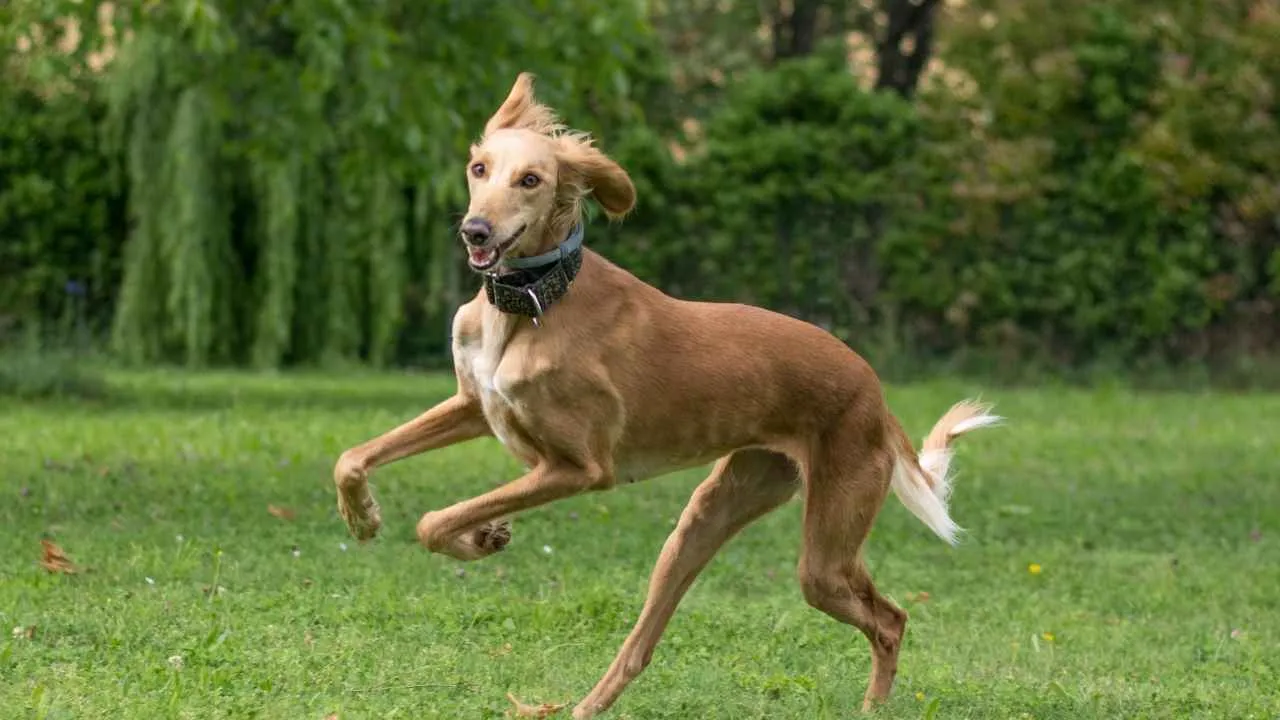
The Saluki is an old sight hound breed that was used for hunting throughout the Middle East. It is lean, graceful, and very fast; traditionally used for hunting game in open ground. Its ability to track and detect movement is very useful for people who go on hunting expeditions.
Salukis can be reserved and controlled at home, but are extremely alert when animals approach. Their long legs and athletic physique enable them to cover ground rapidly. It is recommended to keep these dogs in enclosed yards so they do not wander about or chase at will.
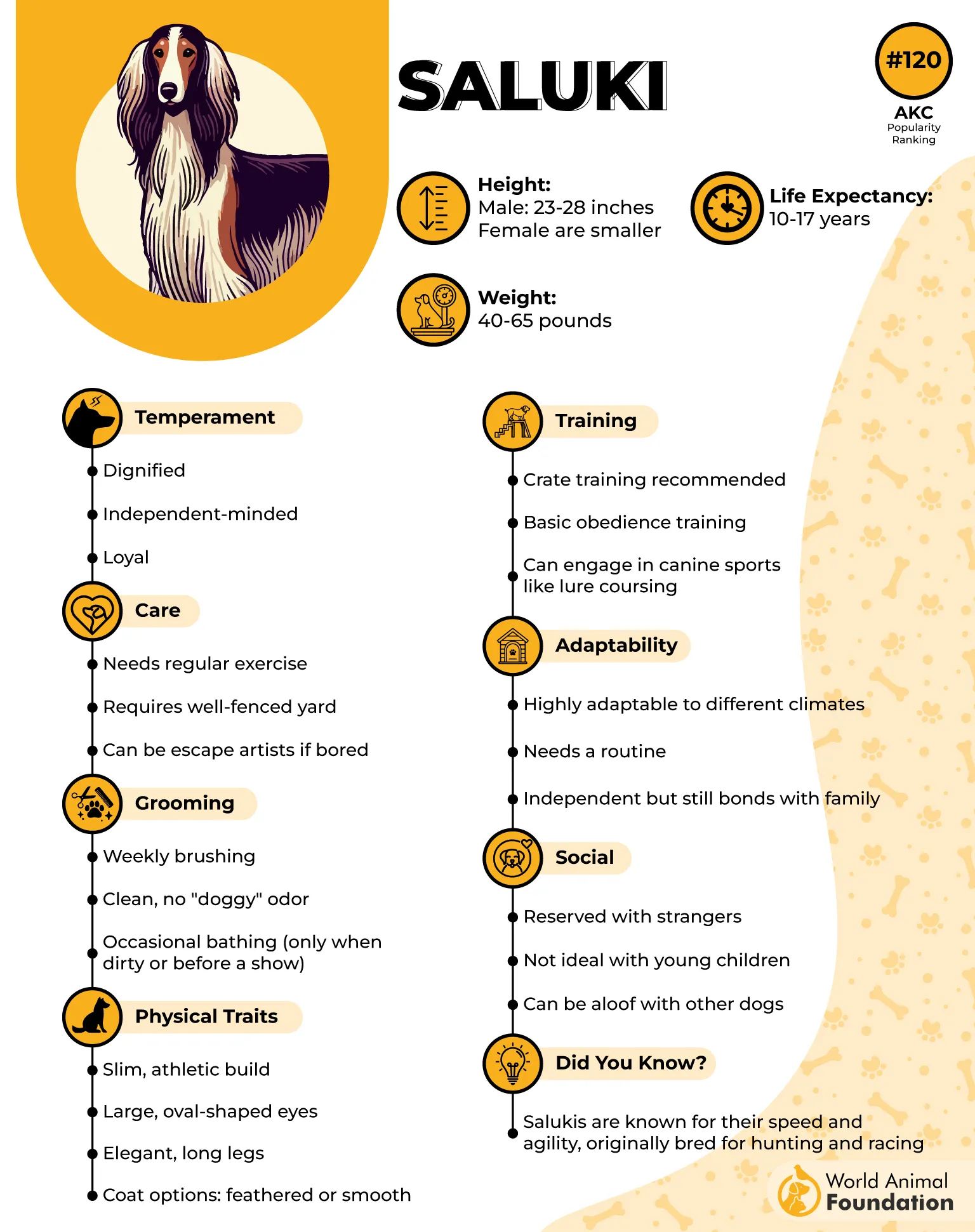
These dogs require a lot of exercise. Stretching, playing indoor games, and chasing are just some of the activities these dogs can engage in. They have strong instincts and use their fast movement to rush forward, chasing after an object of their interest.
They have a short coat that is relatively easy to take care of, but their feathered ears and tail will require brushing. The Saluki can be a quiet and elegant dog for the appropriate home, but those with pets and near wildlife will need to be vigilant.
6. Whippet
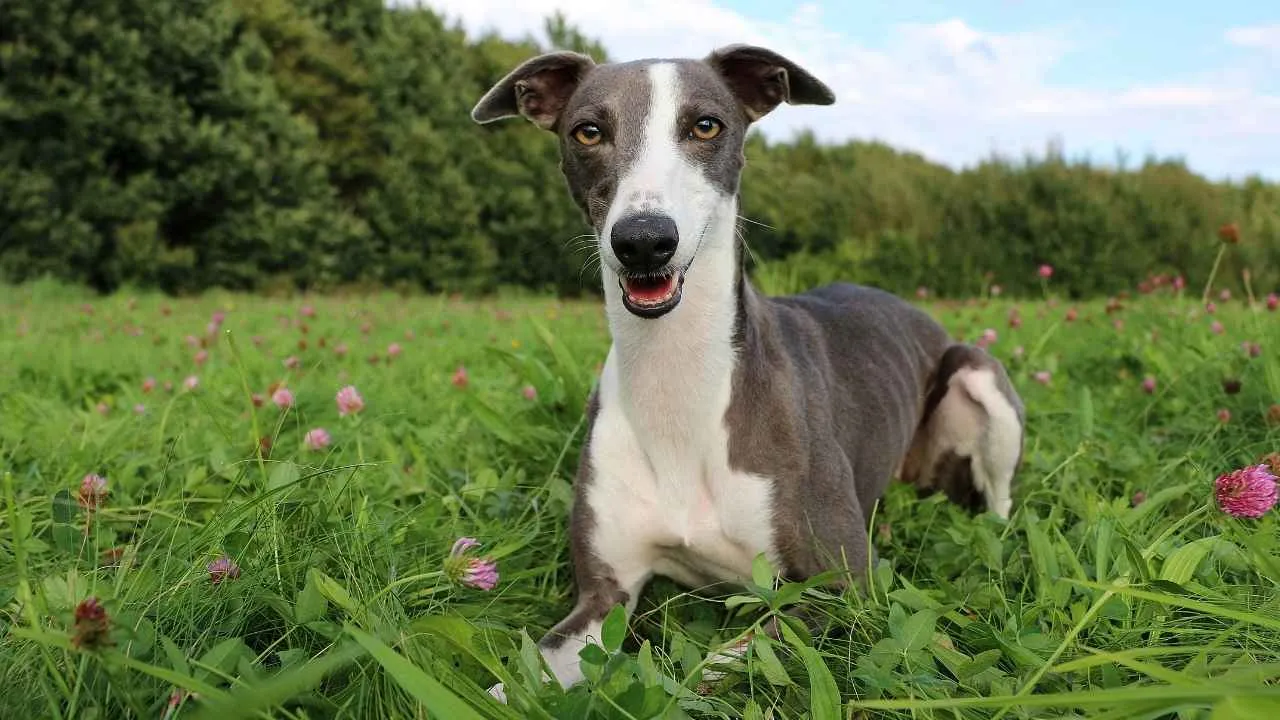
The Whippet may be smaller than a Greyhound, but it has the same basic sighthound design: a streamlined body, deep chest, long legs, and an innate ability to sprint. This breed has a working drive and is built for outdoor activity.
Whippets are a breed that has been traditionally used to hunt small animals and may be alert even when everything is calm. Any animal seen can trigger an automatic chase, so it’s important to keep these dogs leashed somewhere safe.
Whippets are generally calm and happy to sit and lounge around their family at home. They happily alternate between bursts of activity and long periods of rest. Owners might be surprised that such a fast, active dog is not always active.
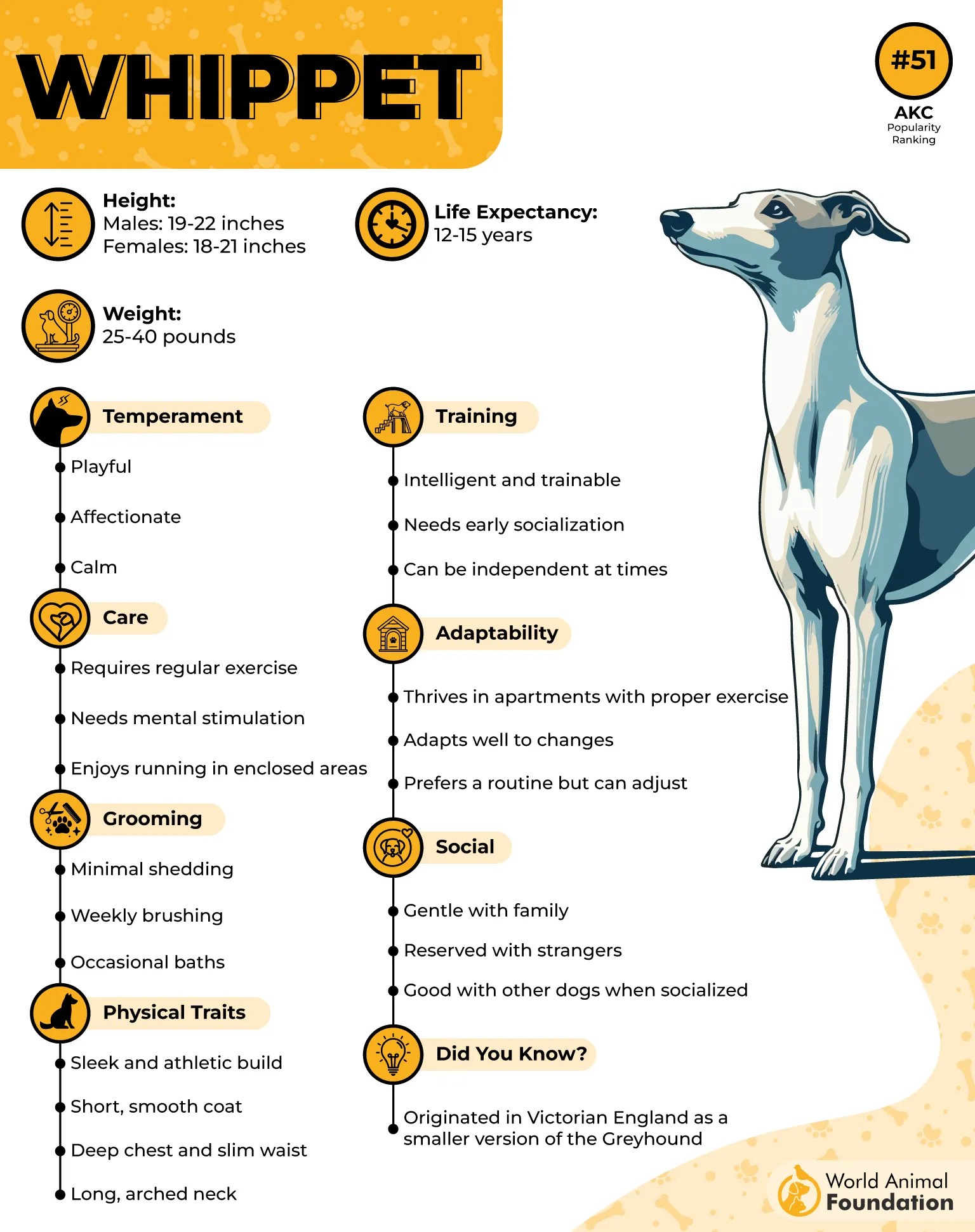
This dog requires regular exercise and appropriate opportunities to run. It is better to have a securely fenced yard rather than an open one, where a dog may quickly get out of reach. Leash walking is especially critical in areas with roadways and wildlife.
They have a short coat that is easy to groom but has little protection against cold conditions. A sweater can come in handy for the winter season.
The Whippet can be a great household pet for those who enjoy an athletic dog with a gentle personality.
7. Basenji
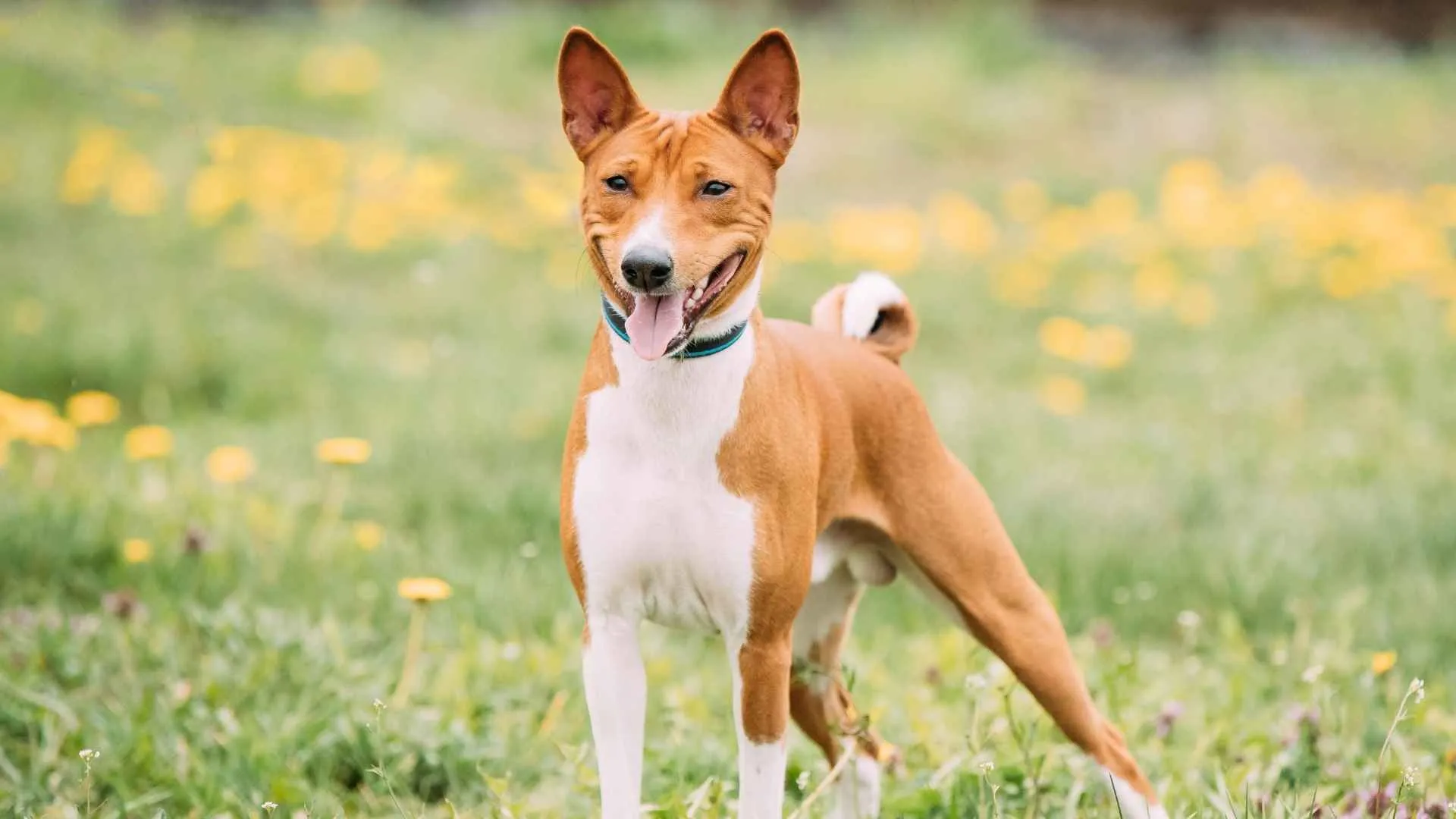
Basenji is a small hunting dog that was bred in Central Africa. It is sometimes referred to as the “barkless dog” as it does not bark regularly. Don’t mistake their quiet demeanour for a lack of hunting ability.
Many Basenjis have a great urge for exercise and exploration, as they were used historically to hunt game. They might run after squirrels or follow a scent that is intriguing to them due to their predatory chasing instinct.
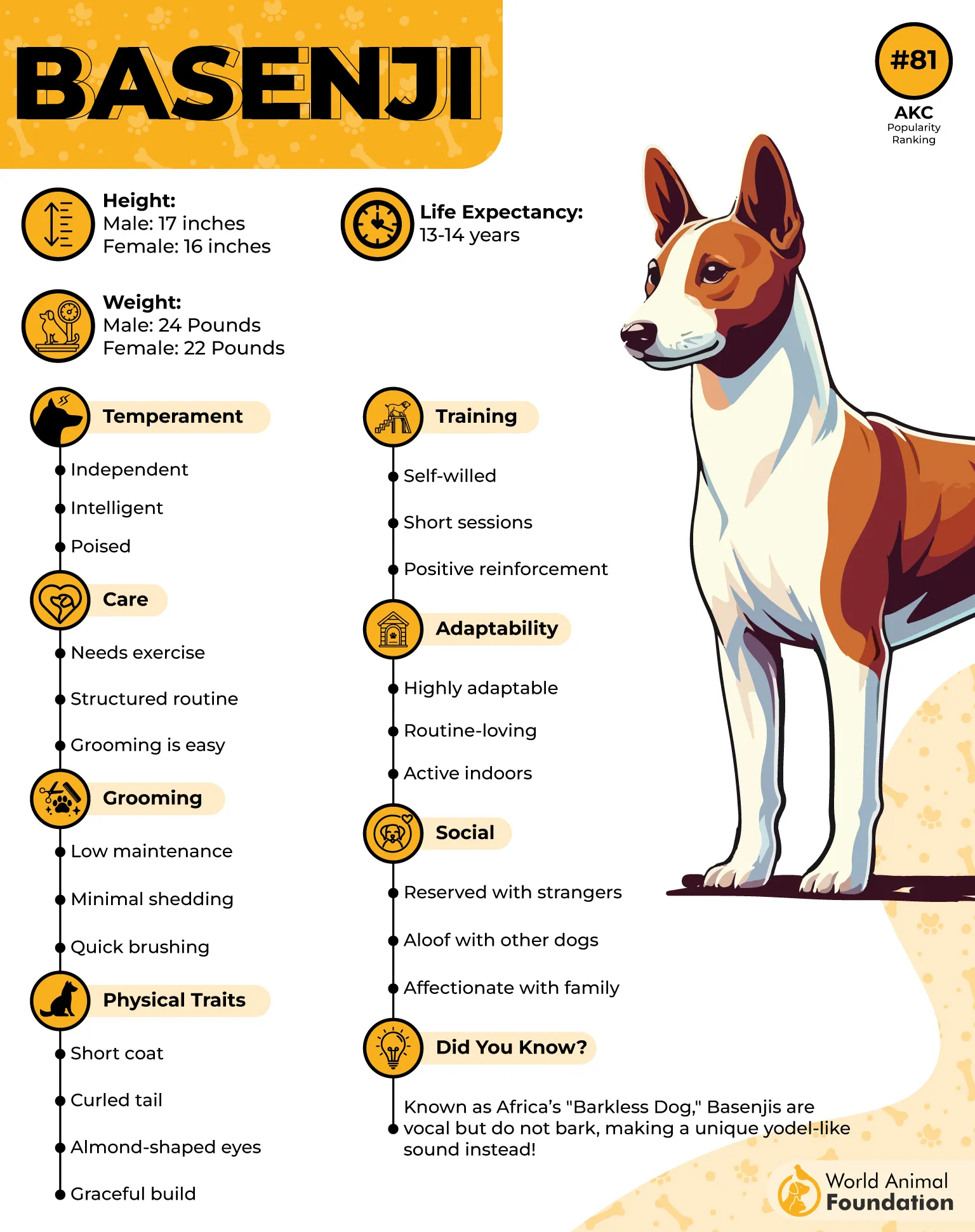
This dog is intelligent and independent and has strong predatory instincts. It is recommended to train them consistently with fun interactive games and running. It might be tempted to run after potential prey if spotted, so it should be kept in a secure fenced area. Owners also need to be careful of other small pets in the house with this dog.
It has a short coat that is easy to take care of and does not require extensive grooming sessions.
Conclusion
Among the reasons why many specific dogs within the hunting group are so alert, athletic, and focused is their prey drive. It is also a characteristic which should be taken into account when choosing a dog. No breed description can accurately predict all the characteristics of individual dogs.
Training, early experiences, environment, and temperament all count when looking for versatile hunting breeds. You should check whether your routine matches the dogs you want to adopt. Read about their behavioral traits before adopting these high-energy dogs.
These dogs are genuinely friendly despite having a hunting background. Their herding instincts and typical drive levels make them well-suited for hunters. These friendly dog breeds have an elevated predatory motivation, which allows them to chase and capture prey.
