





Thinking about bringing a dog into a home with a cat? Or introducing a cat to your dog? It’s normal to wonder whether they’ll become best friends or constant rivals. The good news is that many dogs and cats can live together peacefully with the right match and a little patience.
Despite the old stereotype, dogs and cats don’t naturally dislike each other. A dog’s temperament, prey drive, training, and early socialisation matter far more than size. With proper introductions and positive experiences, many dogs learn to respect a cat’s space instead of chasing or bothering them.
While no breed can guarantee perfect harmony, some are naturally more relaxed and easier to train around cats. In this article, we’ll explore dog breeds that are known to coexist well with cats without biting, along with tips to help both pets feel safe, comfortable, and at home.
Key Takeaways
Discover why Golden Retrievers, Labradors, and Beagles are among the easiest dogs to introduce to feline companions.
Find out which calm, companion-focused breeds naturally fit into multi-pet households.
Learn what really makes a dog cat-friendly—and why breed is only part of the story.
Explore 10 lovable breeds, from Basset Hounds to Shih Tzus, that can help create a happier, more peaceful home.
Dog Breeds That Coexist with Cats Without Biting
1. Basset Hound

Basset Hounds are peaceful, easygoing dogs that usually prefer relaxing over chasing. While they were originally bred in France to track rabbits and hares using their powerful sense of smell, they are now best known as affectionate family companions.

Although Basset Hounds can be a little stubborn during training, they respond well to patience and consistency. They need daily walks to stay active but are happy spending most of their time indoors.
These pooches are calm, patient, and rarely aggressive. More interested in sniffing than chasing, despite their hunting background.
Because they dislike being left alone for long periods, they often appreciate having another pet around, making them a good fit for many multi-pet households.
2. Beagle

Beagles are cheerful, affectionate dogs that love being part of the family. Originally bred as pack hunting dogs, they are naturally social and usually get along well with other dogs. They can also live peacefully with feline friends, especially when they are introduced and socialised from a young age.

Beagles are energetic, curious, and always ready for an adventure. PetMD says their powerful sense of smell can lead them into trouble, so they should be kept on a leash or in a secure yard. They also need plenty of daily exercise, games, and scent-based activities to stay happy.
Because they were bred to follow scents, some may want to chase unfamiliar cats, making early training and positive reinforcement especially important. They are also known for their loud bark and distinctive bay, so expect them to announce anything unusual.
3. Golden Retriever

Golden Retrievers are gentle, affectionate dogs with a friendly and easygoing nature. They love being around people and usually get along well with children and other pets. Their calm temperament, combined with their eagerness to please, makes them one of the easiest breeds to train.
These pups have a low tendency to show aggression toward other household pets. Their gentle, patient nature helps them stay calm around cats.

Golden Retrievers enjoy long walks, swimming, games, and retrieving activities. They need plenty of daily exercise and mental stimulation, as boredom can lead to unwanted behaviours.
Their thick double coat sheds throughout the year and requires regular grooming to prevent mats. With early socialisation and proper training, they are typically respectful of other animals and adapt well to family life.
4. Labrador Retriever

Labrador Retrievers are friendly, outgoing dogs that love being around people. They are intelligent, eager to please, and easy to train, which has made them one of the world’s most popular family dogs. Their sociable nature also helps them live comfortably with other household pets when introduced properly.
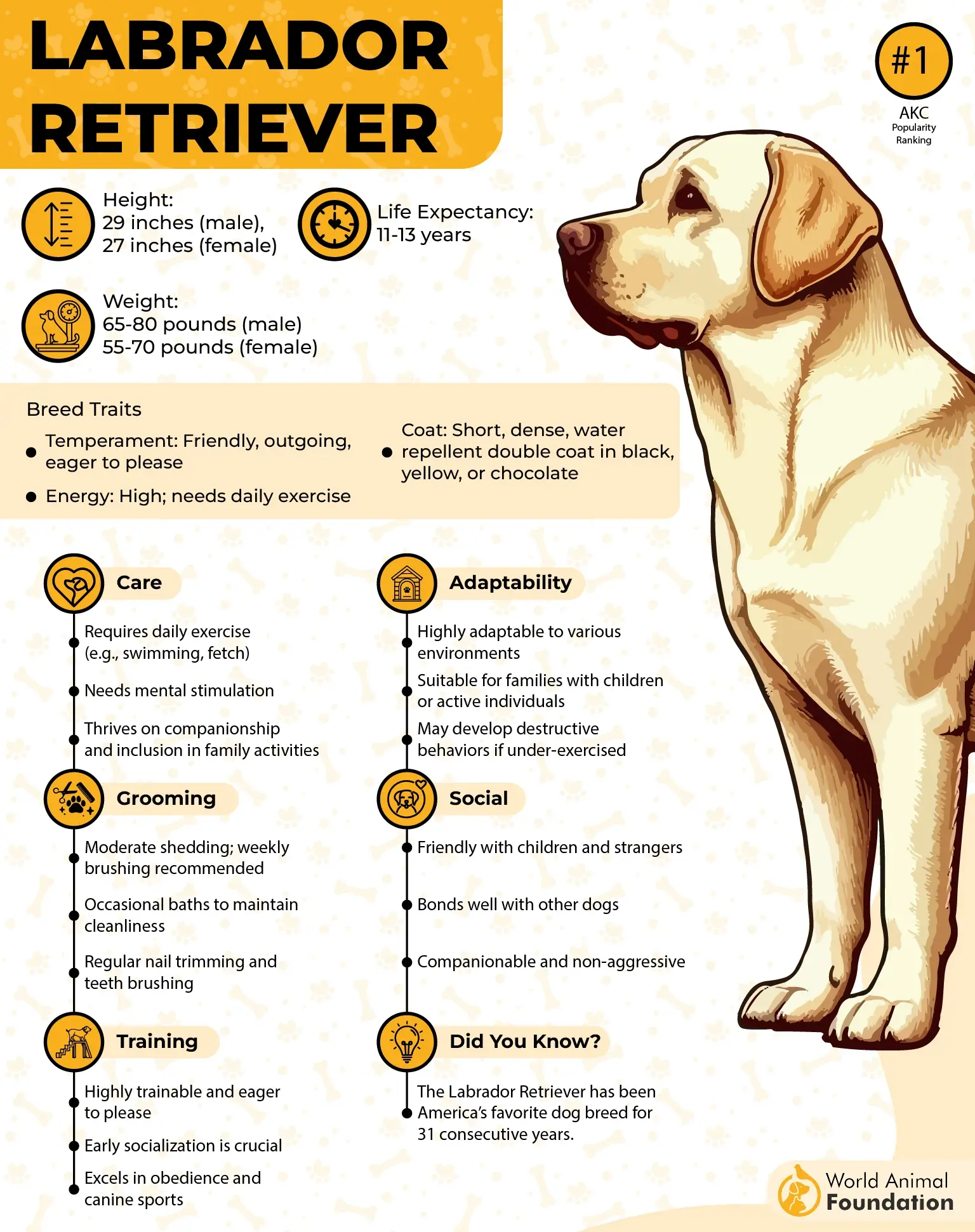
Labradors are energetic dogs that need plenty of daily exercise, playtime, and mental stimulation. They enjoy swimming, hiking, games of fetch, and any activity that gives them a job to do. Without enough exercise, they may chew, dig, or bark out of boredom.
Their thick double coat sheds heavily throughout the year and benefits from regular brushing. Early training is also important, as their playful enthusiasm and habit of carrying or mouthing objects can be overwhelming during puppyhood.
5. Papillon

Papillons are cheerful, affectionate companion dogs that have been loved by families for centuries. Named after the French word for “butterfly” because of their distinctive ears, they are friendly, adaptable, and always enjoy being part of family activities.
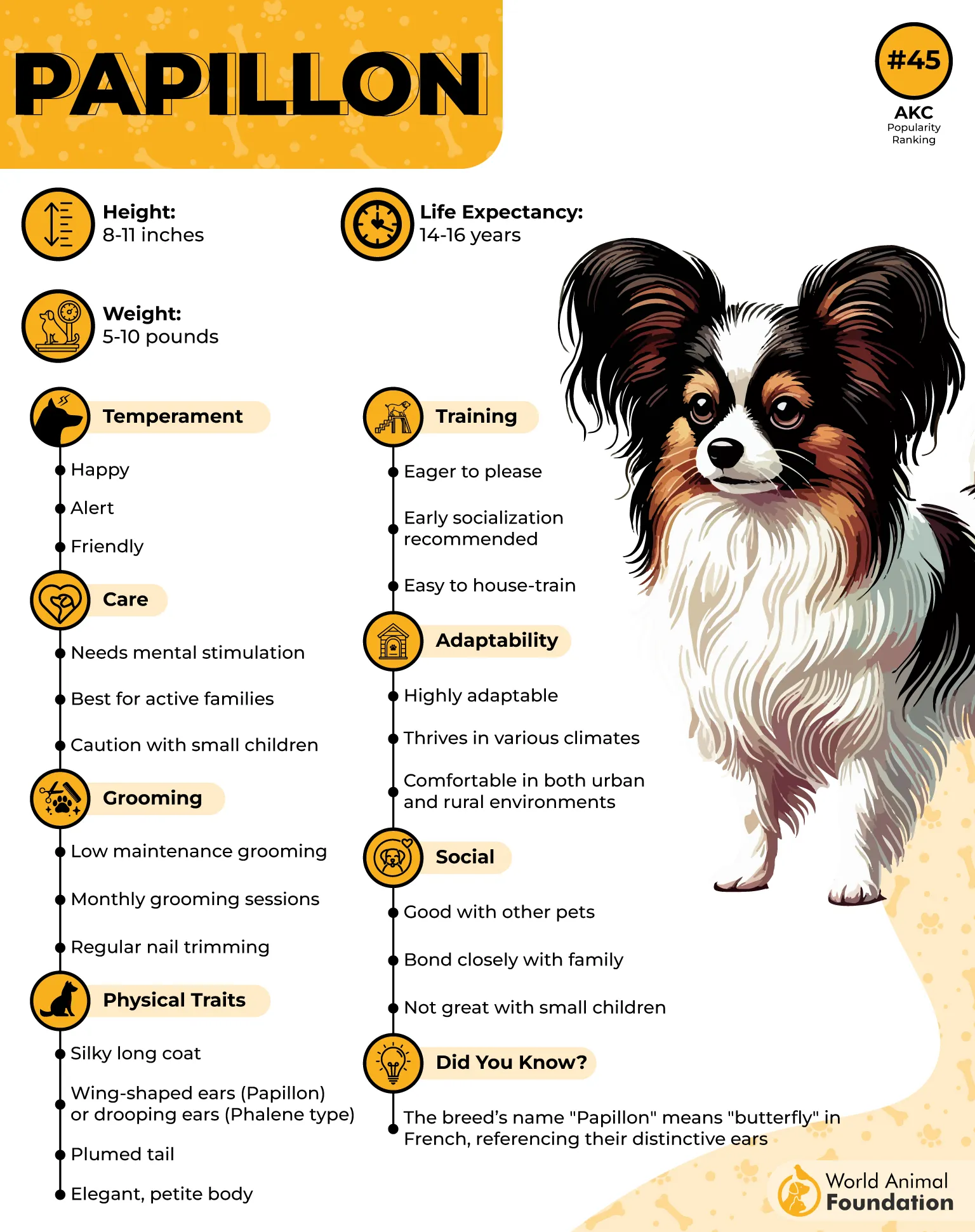
Papillons enjoy daily walks, indoor games, and activities like agility that keep both their body and mind active. They are more energetic than many other toy breeds but are still well suited to apartments and smaller homes. Early socialisation helps them build positive relationships with cats.
Their long, feathered coat needs brushing a few times a week to prevent tangles. Because they form strong bonds with their families, they love attention, can dislike being left alone for long periods, and are happiest when included in everyday life, according to the Royal Kennel Club.
6. Pug

Pugs are affectionate, cheerful companion dogs that love being part of the family. Once cherished by Chinese emperors, they are now known for their playful personalities, expressive faces, and love of human attention.
They enjoy joining in everyday activities and are just as happy in apartments as they are in larger homes. They are laid-back and rarely show aggressive behaviour, and are comfortable living with other animals.

Pugs enjoy playtime but are not overly energetic, making them calmer companions around other pets. They usually bark very little and are more likely to greet visitors with a wagging tail than act as guard dogs.
Their dense coat sheds regularly, and their facial wrinkles need routine cleaning. Because they have a big appetite, daily exercise and portion control are important to help them stay fit and healthy.
7. Boxer

Boxers are playful, energetic dogs that keep their puppy-like spirit well into adulthood. Originally bred for hunting in Germany, they are athletic, intelligent, and deeply loyal to their families.
They love being involved in daily activities and thrive in active homes where they get plenty of attention and exercise. They are affectionate and usually accept other household pets with proper introductions.

Boxers need plenty of daily exercise and mental stimulation to prevent boredom, as they can become destructive if left alone for long periods, as mentioned by Purina. Their short coat is easy to maintain and requires very little grooming.
Because they have a natural prey drive, they should be introduced to cats slowly and supervised at first. Early training is also important to manage their jumping, pulling on the leash, and excitable nature.
8. Maltese
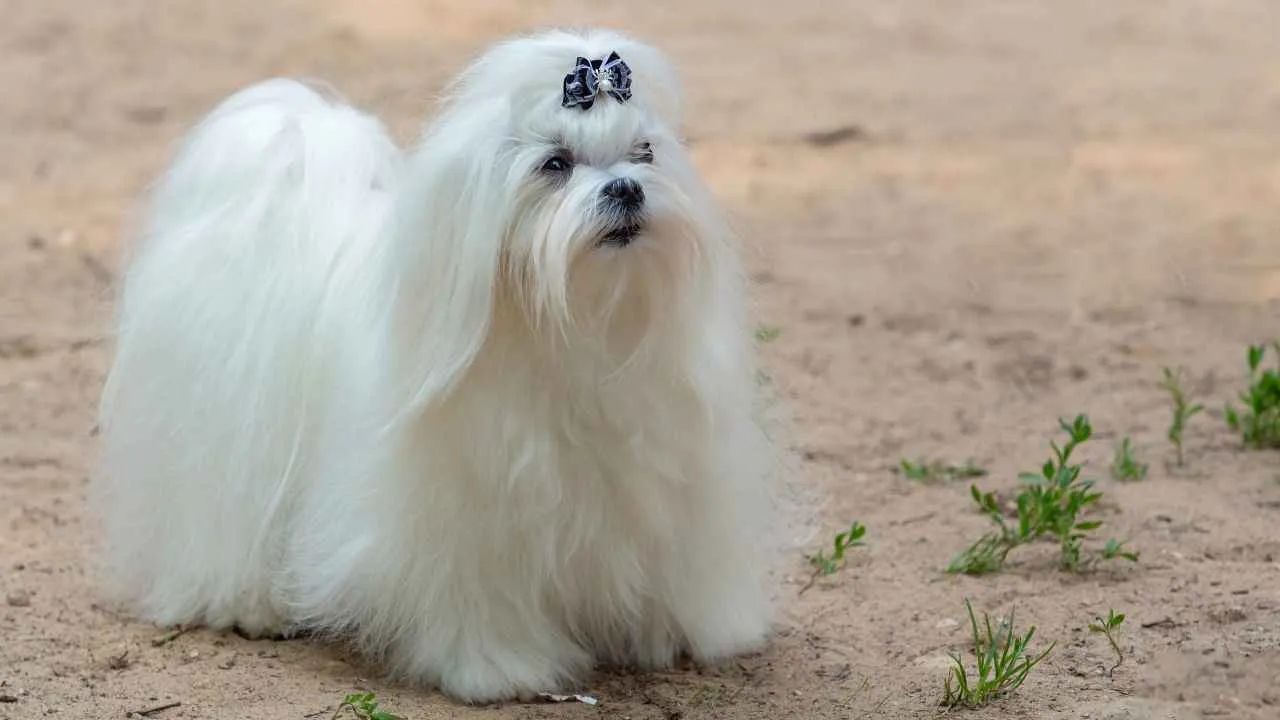
The Maltese is an ancient companion breed that originated on the Mediterranean island of Malta and has been adored for centuries.
Known for their long, silky white coat and elegant appearance, these small dogs are affectionate, lively, and surprisingly fearless. They love being close to their families and are happiest as indoor companions.

Maltese dogs enjoy short walks, indoor games, and learning new tricks to keep their minds active. Their calm exercise needs make it easier for them to live alongside quieter pets, but they do need daily attention, socialisation, and mental stimulation to prevent boredom and excessive barking.
Their luxurious coat requires near-daily brushing to prevent mats, along with regular grooming and cleaning around the eyes. Because they form very close bonds with their owners, they can develop separation anxiety if left alone for long periods.
9. Shih Tzu

Shih Tzus were originally bred to be companion dogs, and that loving nature is still one of their biggest strengths.
Dating back centuries, these ancient “lion dogs” were once kept by Chinese royalty and were valued for alerting homes to visitors. They were bred for companionship rather than hunting, so they have little desire to chase cats.

Shih Tzus enjoy short daily walks, indoor play, and plenty of cuddle time. They are energetic without being overly demanding and easily switch from playtime to relaxing with their family.
Their long double coat needs regular brushing and grooming to prevent tangles, although many owners choose a shorter puppy cut for easier maintenance. Because they love attention and don’t enjoy being alone, early socialisation helps them grow into confident, well-mannered companions.
10. Cavalier King Charles Spaniel

Cavalier King Charles Spaniels were bred to be loving companion dogs, even keeping British royalty company centuries ago.
They are gentle, affectionate, and happiest when spending time with their families. Their friendly personality and adaptable nature make them a great choice for first-time dog owners. Their patient and tolerant nature helps them live peacefully with cat breeds.
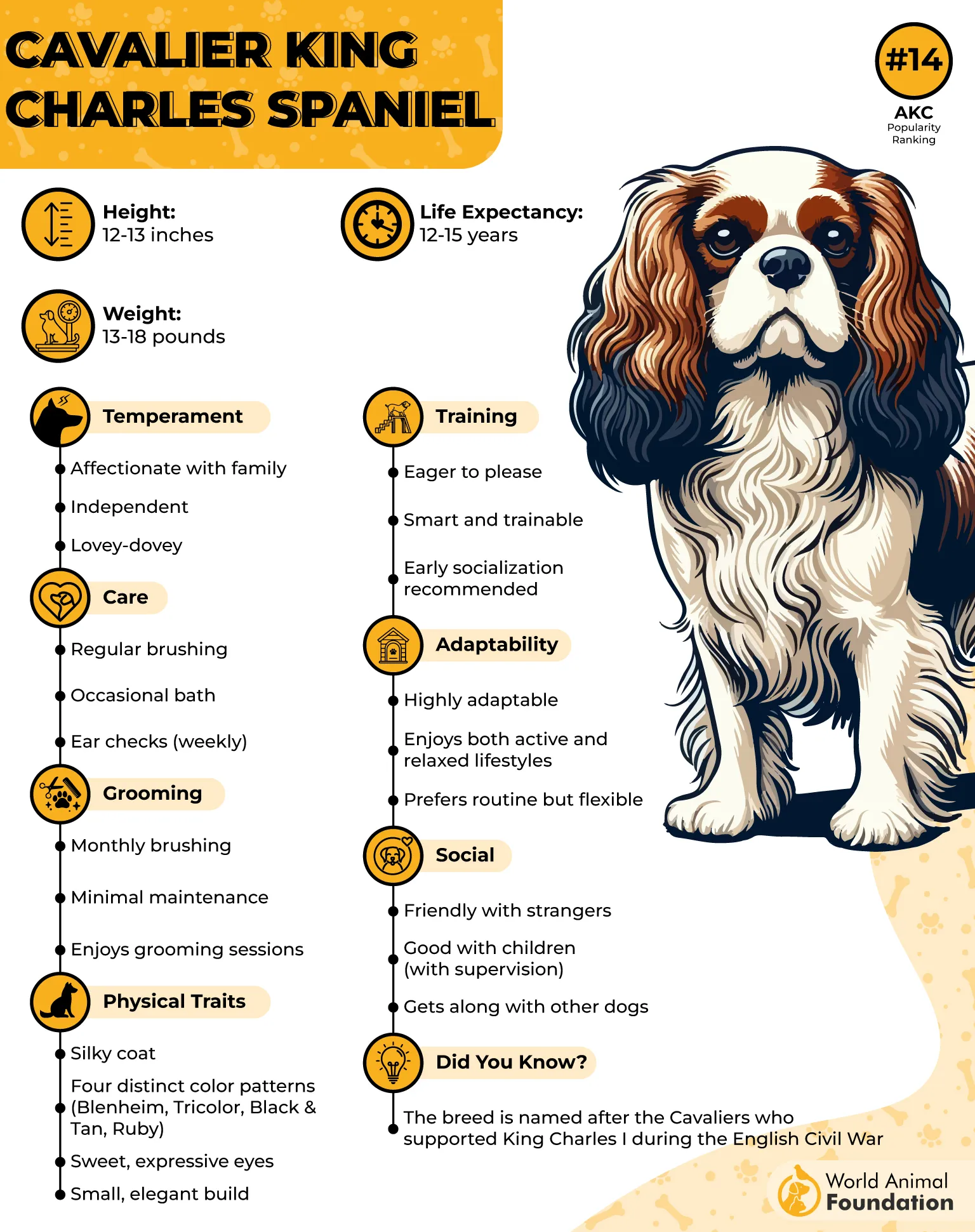
Cavalier King Charles Spaniels enjoy moderate daily exercise, such as walks and playtime, but are just as happy relaxing on the couch with their family. They thrive on human companionship and should not be left alone for long periods.
Their long, silky coat benefits from regular brushing to reduce shedding. Although they have a mild sporting instinct and may chase interesting scents outdoors, they are well-mannered, sociable dogs that adapt easily to different homes and lifestyles.
Conclusion
Choosing a cat-friendly dog starts with understanding temperament rather than relying on stereotypes. While some breeds are naturally calmer, friendlier, and easier to train around other pets, every dog is an individual.
Early socialisation, patient introductions, and consistent training play a huge role in helping both pets feel safe and comfortable. With the right approach, dogs and cats can become much more than housemates—they can build lasting bonds and enjoy sharing the same home.
Take your time when introducing a new pet, respect each animal’s personality, and create positive experiences from the start. A little patience in the beginning can lead to years of peaceful companionship for everyone in the family.
