




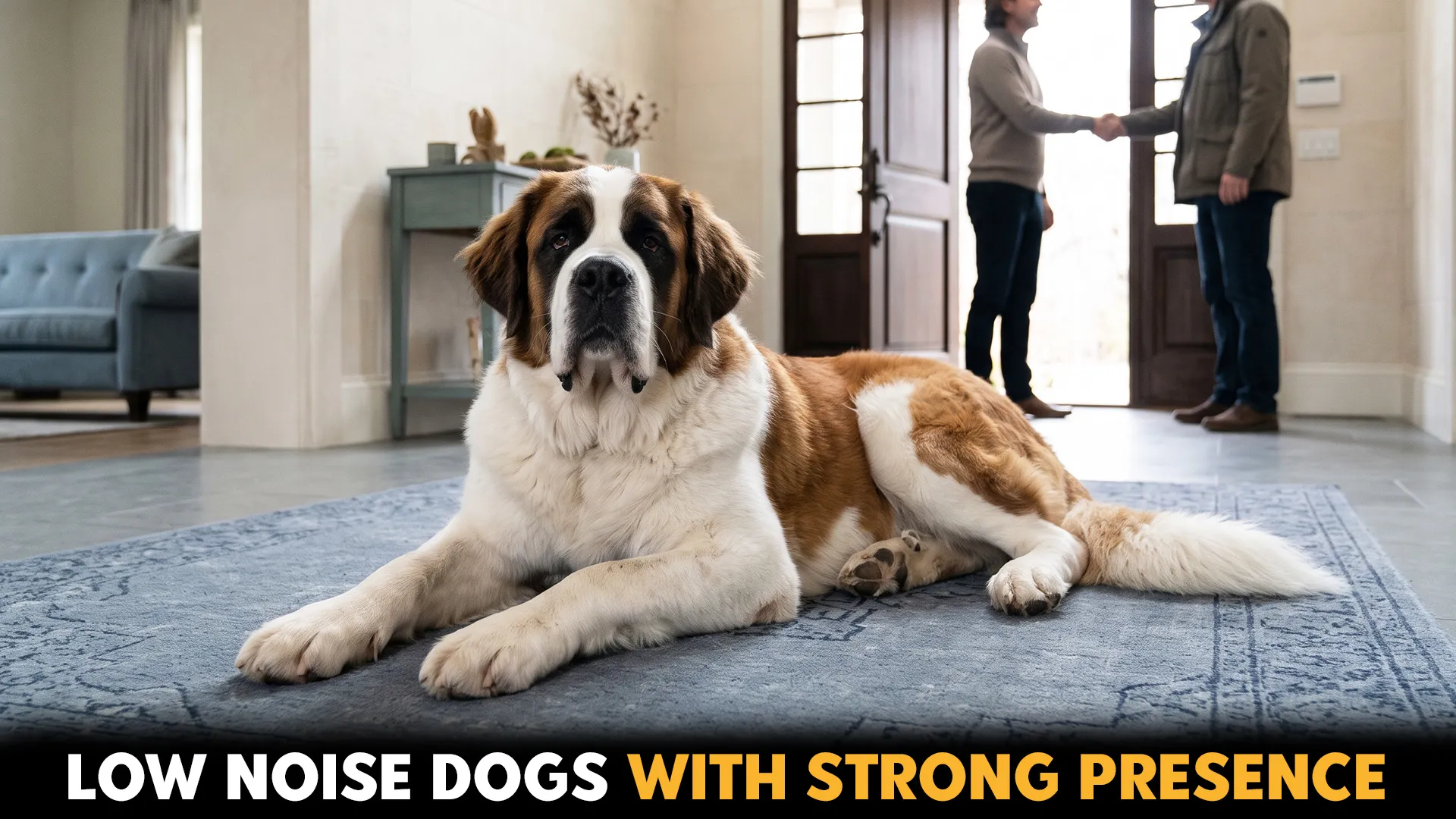
Do you know that some huge dogs can be surprisingly quiet?
Their size may look impressive, yet they can keep a peaceful presence at home. Every dog can bark, but some breeds simply vocalize less than others. This can make a big difference for families, apartment dwellers, and pet lovers.
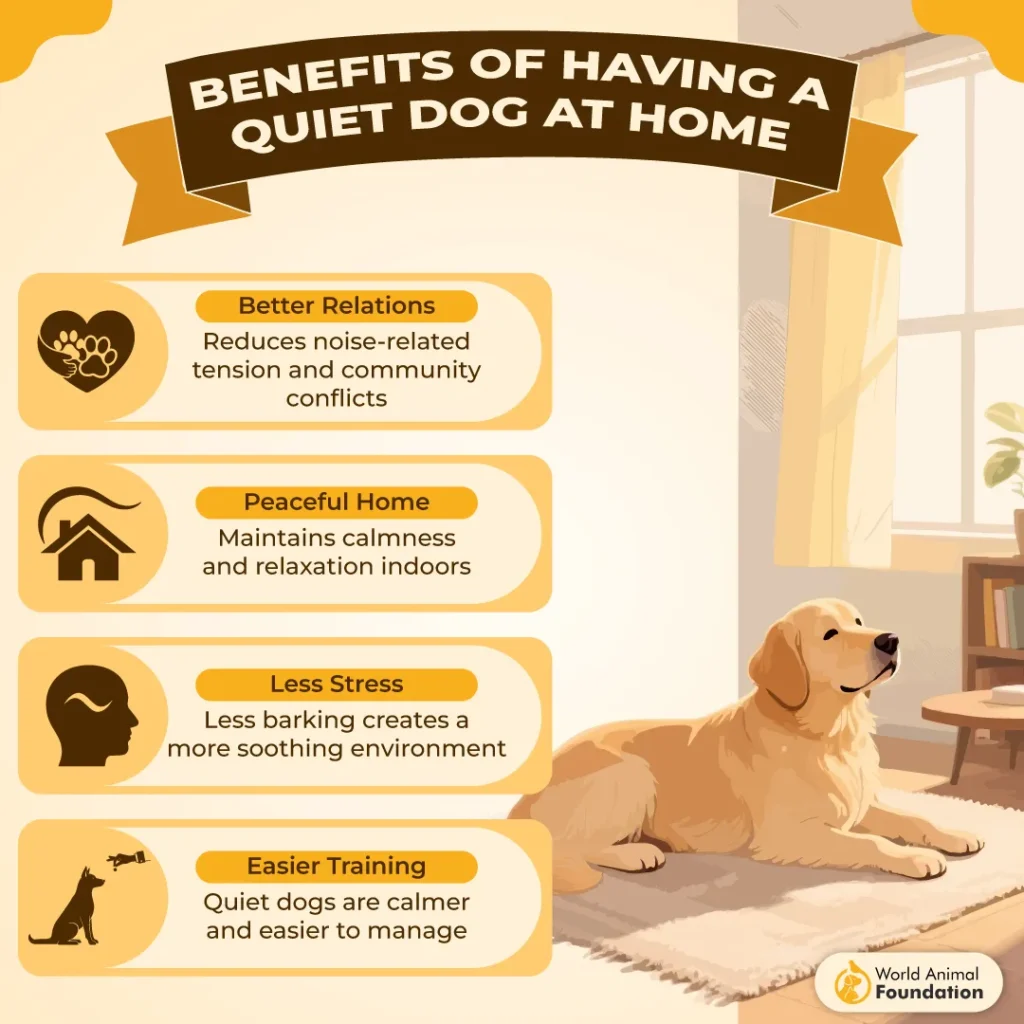
Quiet dogs can also be a thoughtful choice in close neighbourhoods. Loud barking may lead to noise complaints or even landlord issues. In contrast, lower noise can help create a calmer home. Breed history can also shape vocal habits. Some dogs were bred for work that did not require constant barking.
Still, no dog stays silent all the time. Daily exercise, socialization, and home life can affect barking, too. So, which dogs tend to stay quieter? Let’s explore seven breeds known for their calmer vocal habits.
Do you know? The Basenji is famous for being a “barkless” dog. Instead of a typical bark, it often makes a unique yodel-like sound.
Top Dog Breeds That Bark Less Than You Expect
1. Newfoundland
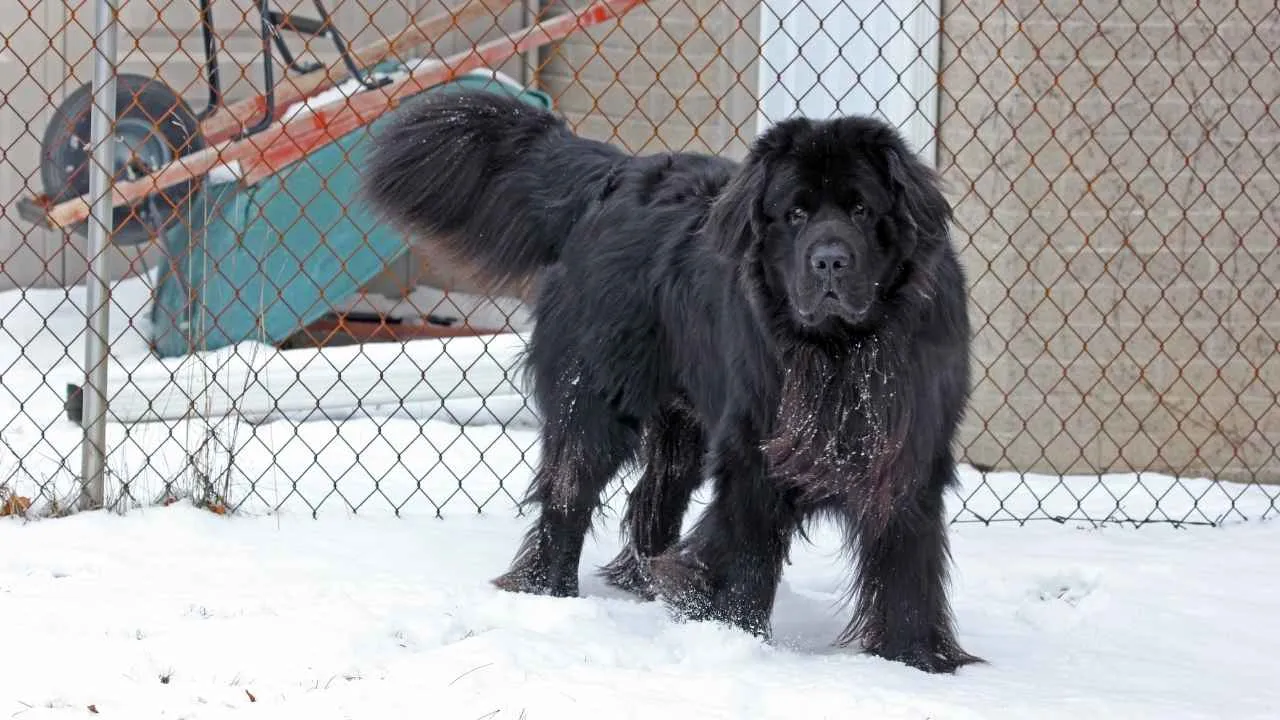
The Newfoundland is a quiet dog breed with a calm presence. According to the American Kennel Club, the massive Newfoundland is a powerful working dog with a sweet temperament. The breed also has a reputation as a patient and watchful companion for children.
Historically, these gentle giants worked alongside fishermen and helped with nets, carts, and water rescues. Their work called for focus and strength rather than constant barking. So, they may rarely bark without a clear reason.
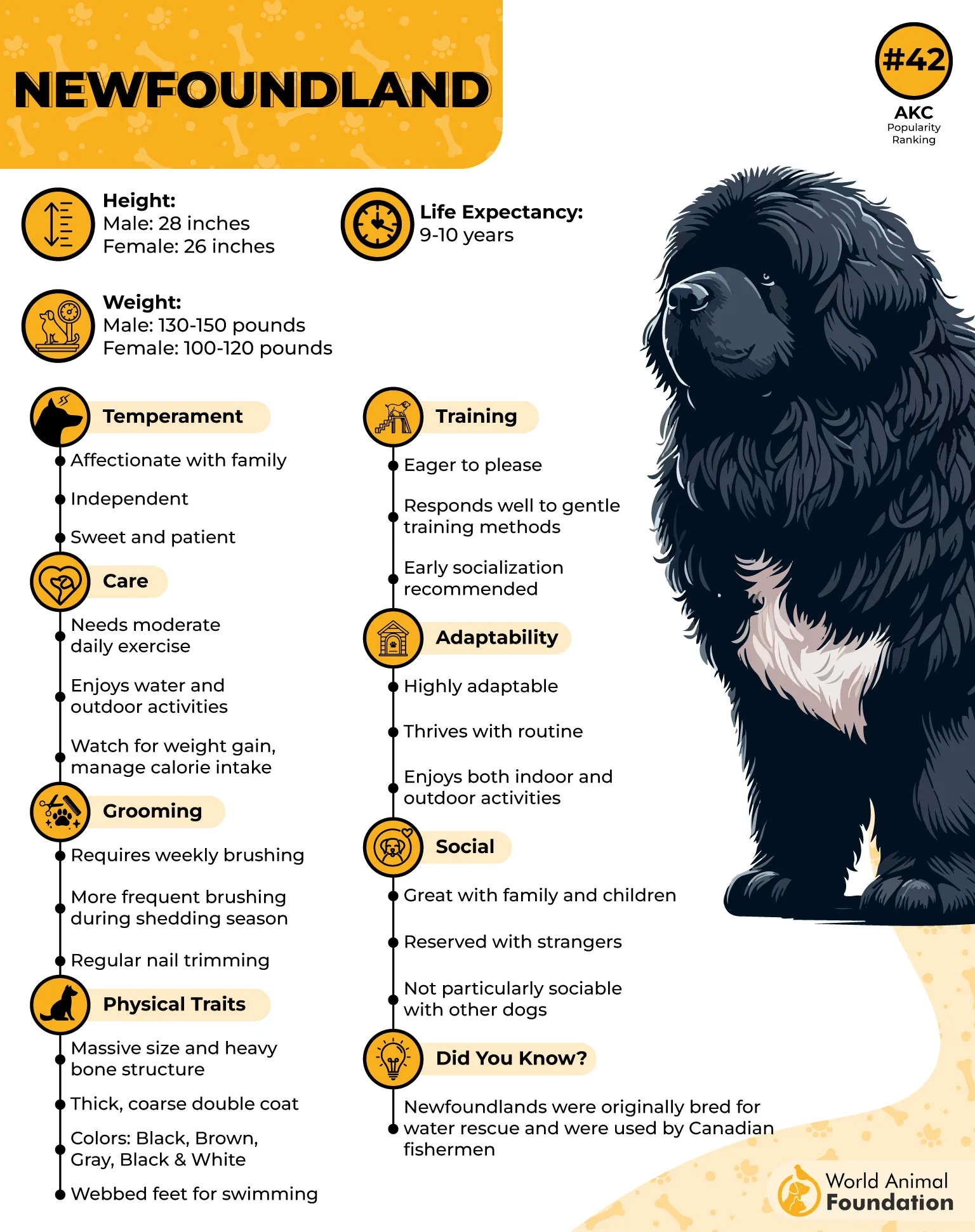
Instead, a Newfoundland may alert its owners when something seems unusual. Despite being a large dog, it can have a calm side indoors. Still, quiet does not mean inactive. Swimming, walks, and outdoor play can keep this breed content.
Without enough activity, boredom may lead to unwanted vocal behavior. For families seeking strong bonds and a peaceful companion, the Newfoundland offers a lovely balance of size, loyalty, and gentle nature.
2. Scottish Deerhound
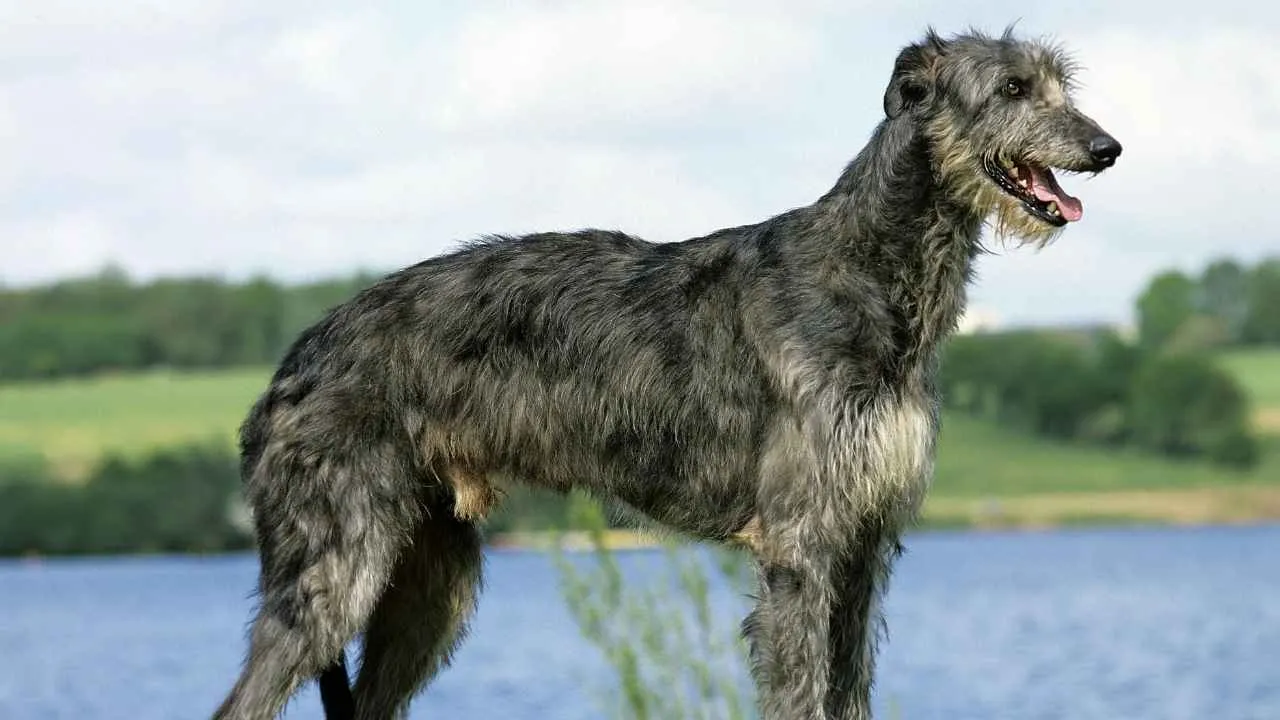
The Scottish Deerhound stands out among quiet dogs for its unusual history. This majestic hound was bred to stalk giant wild red deer. Its hunting work favored stealth, so it had a low tendency to bark during the chase.
PetMD notes that the breed’s modern roots reach back to the 1500s, when these dogs hunted deer across the Scottish Highlands. Today, its gentle personality makes it calmer at home than many other breeds.
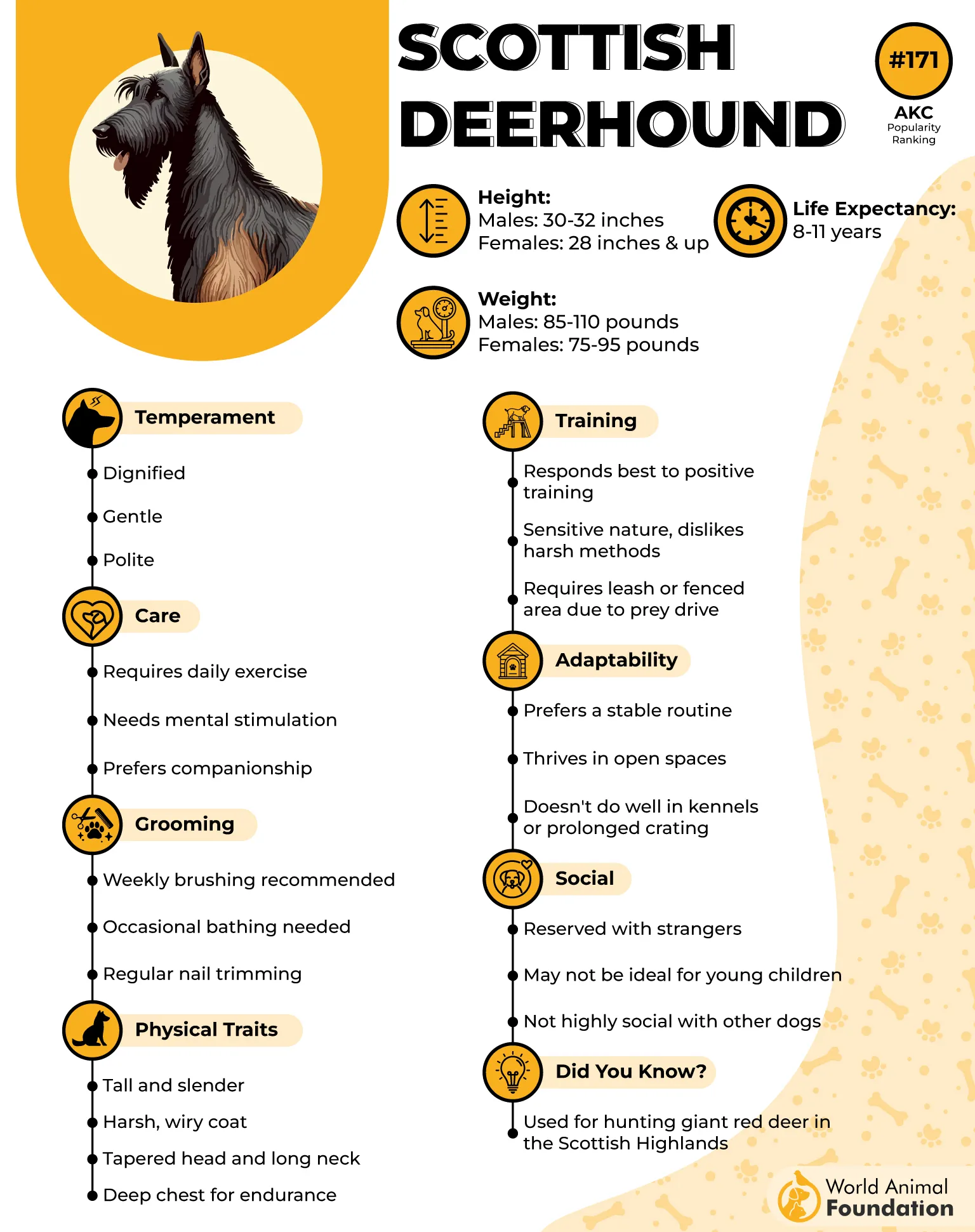
It may rarely bark at strangers, but owners should still expect an alert response when needed. These hounds need room to run and safe areas for exercise. Lure coursing can also suit their natural drive.
Training and early socialization can help pups adjust to each environment. With enough activity, they can be peaceful neighbors. Their quiet nature does not mean they simply sit around. They need movement, freedom, and time outdoors to thrive.
3. Leonberger
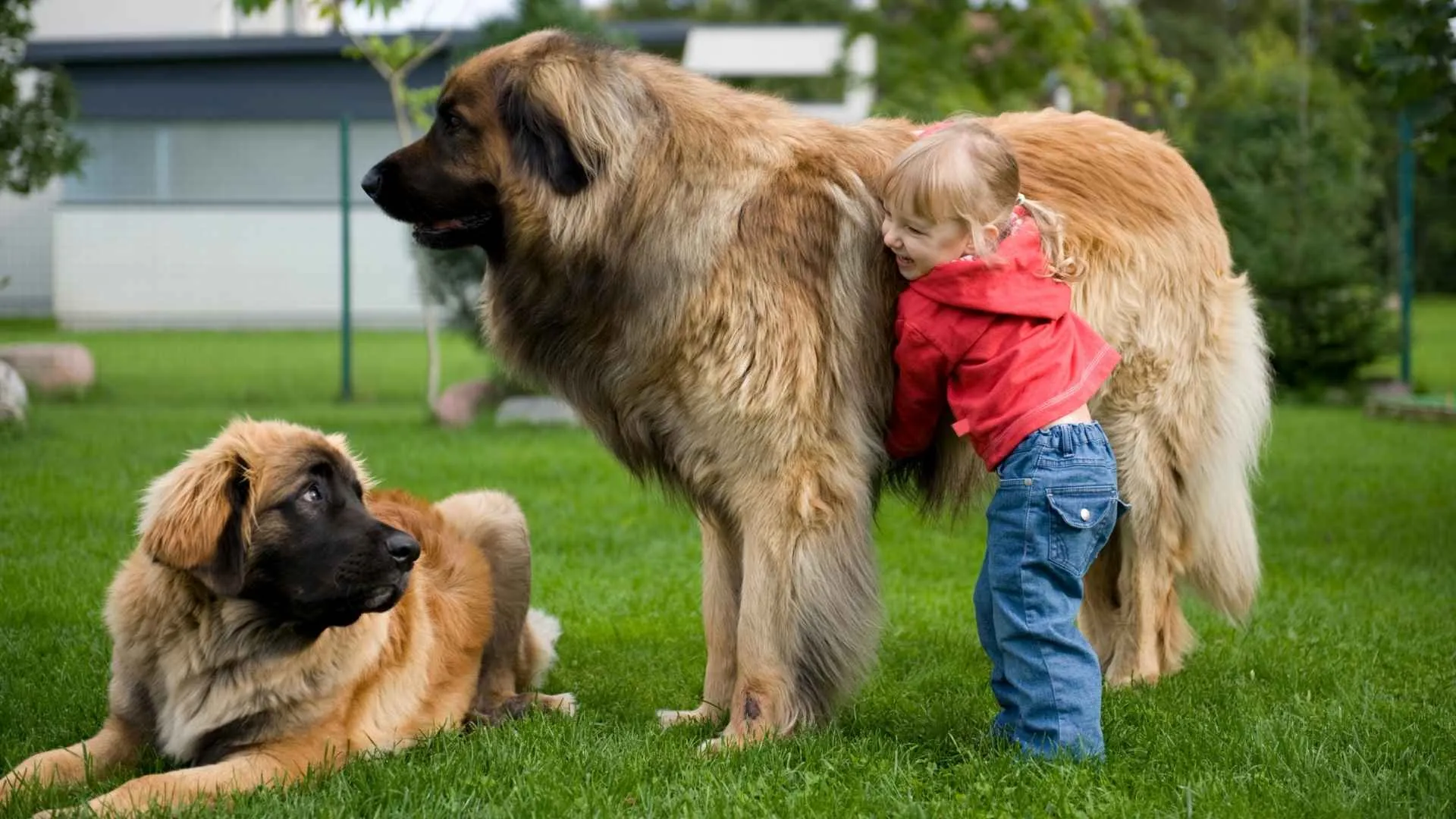
The Leonberger is a gentle dog breed with a serene, patient nature. Despite its giant size, this quiet dog does not tend to bark much without a reason. Originally developed in Germany, it is known as a devoted family companion and capable working dog.
According to Hill’s Pet, the Leonberger is a German family dog bred to be a strong protector. Its calm household behavior can surprise people who expect a giant breed to be noisy. Leonbergers enjoy staying close to their companions and can be playful without constant barking.
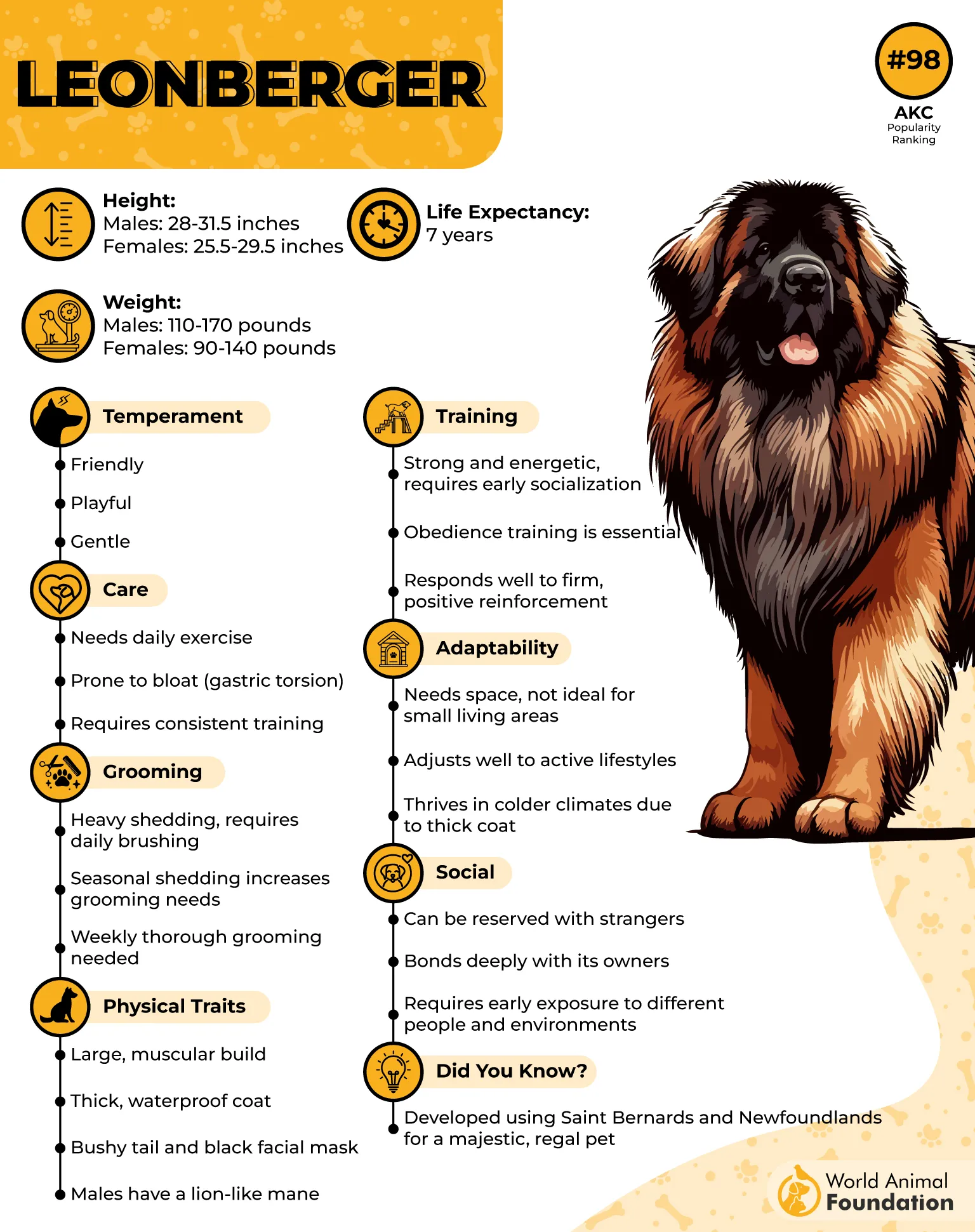
Their independent nature also helps them settle in peaceful homes. Still, owners should provide mental stimulation through games and daily activities. Training can also help prevent boredom-related barking.
While their indoor energy may seem low, they still need room to move. An apartment may feel cramped for such a gentle giant. With space, social time, and care, Leonbergers can become devoted companions.
4. Saint Bernard
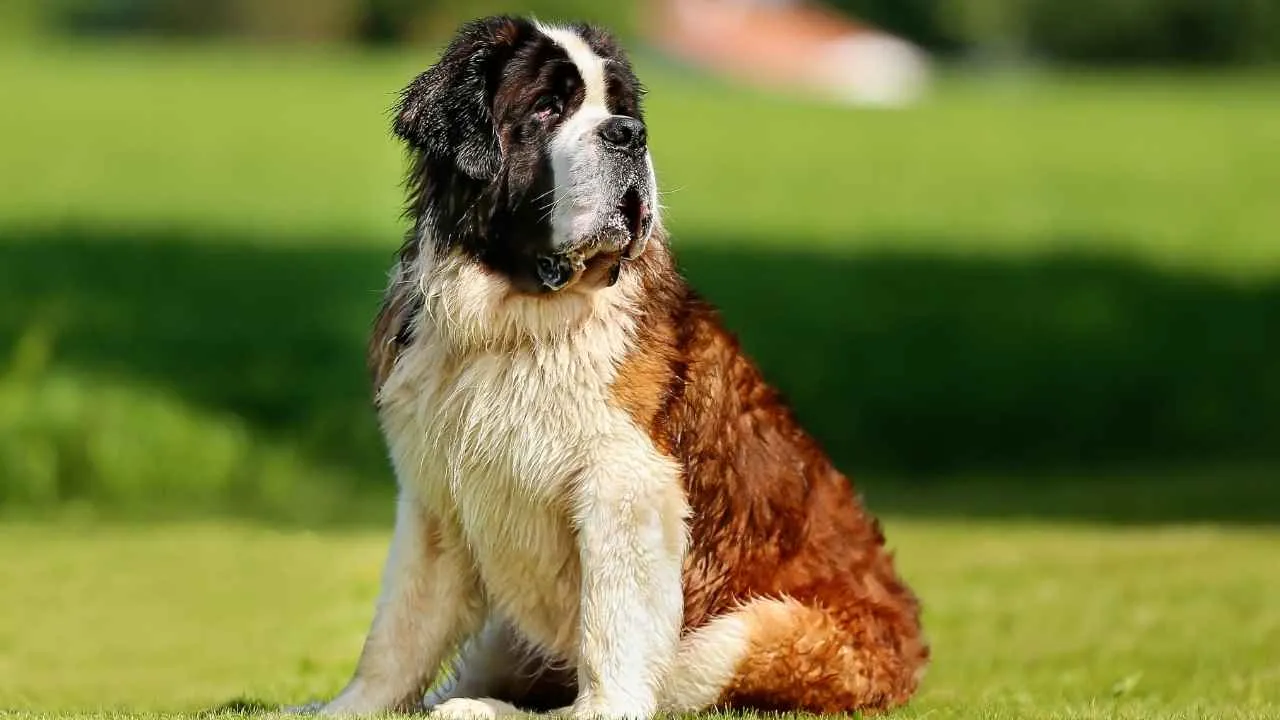
The Saint Bernard is a quiet dog breed with a remarkable rescue history. According to PDSA, these gentle giants can suit families when owners have enough space for them. They were first trained by monks in the 1600s to rescue people trapped by avalanches in the Swiss Alps.
Unlike hunting breeds, these rescue dogs relied on strength, scent, and steady work rather than constant vocal signals. Today, Saint Bernards are generally patient and affectionate dogs that enjoy relaxed family life.
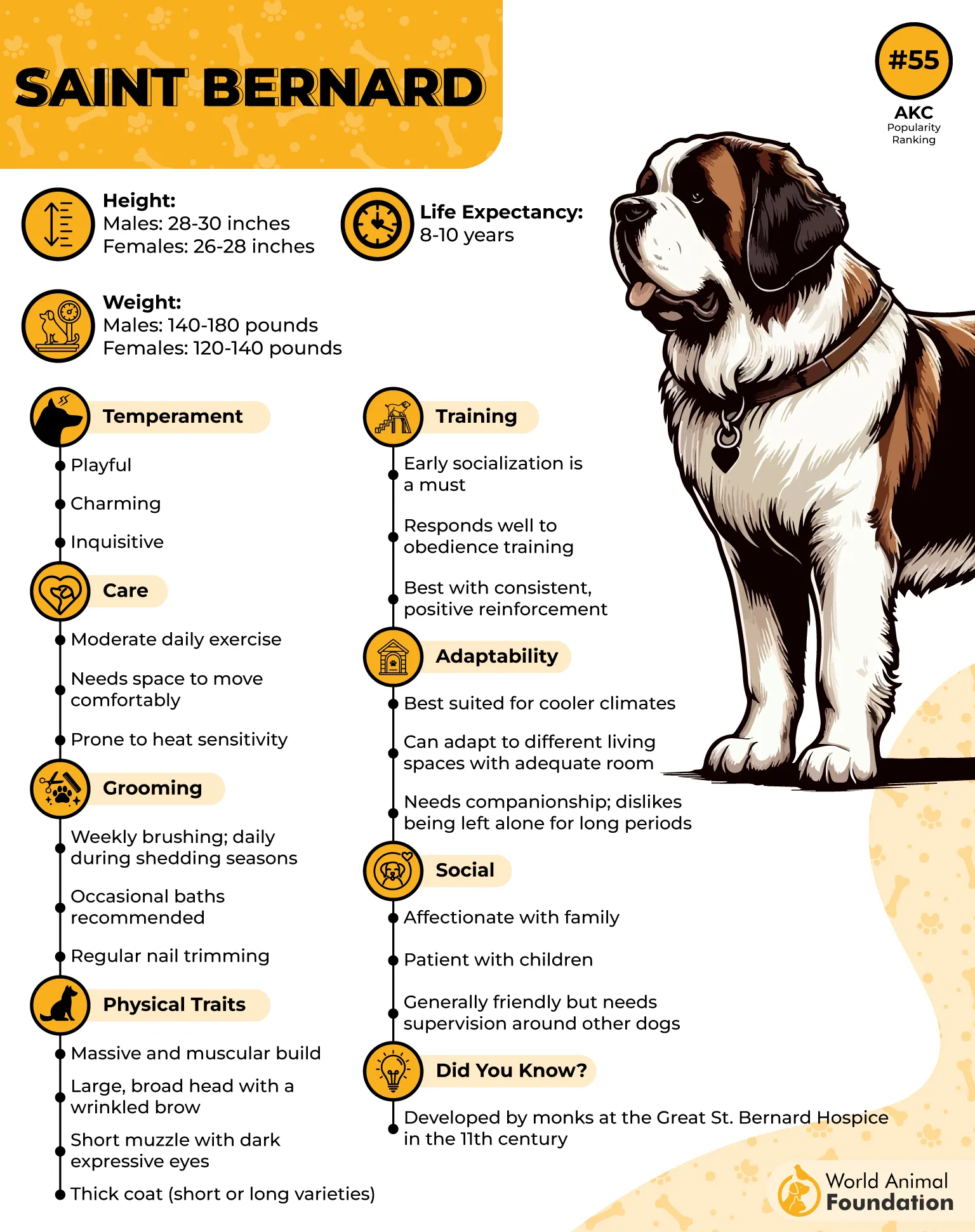
They may bark when something catches their attention, but an alert bark can serve a useful purpose. Early training can teach pups to respond calmly around visitors and other pets. Their low energy level indoors can suit peaceful homes, though their size still demands room to move.
Owners should also prepare for heavy shedding and drooling. Fiercely loyal to their families, they can become wonderful companions in the right environment. They may happily sit nearby while keeping a gentle watch.
5. Bullmastiff

The Bullmastiff is a powerful guard dog breed with a calm presence. Bred to deter poachers, this breed learned to watch and act without needing to bark much. According to Purina, Bullmastiffs are devoted to their owners and naturally protective of their families.
Early socialization helps them respond calmly to strangers and different situations. Rather than making loud noise, they often rely on their size, posture, and alert expression. This can appeal to owners seeking a protective yet quieter companion.
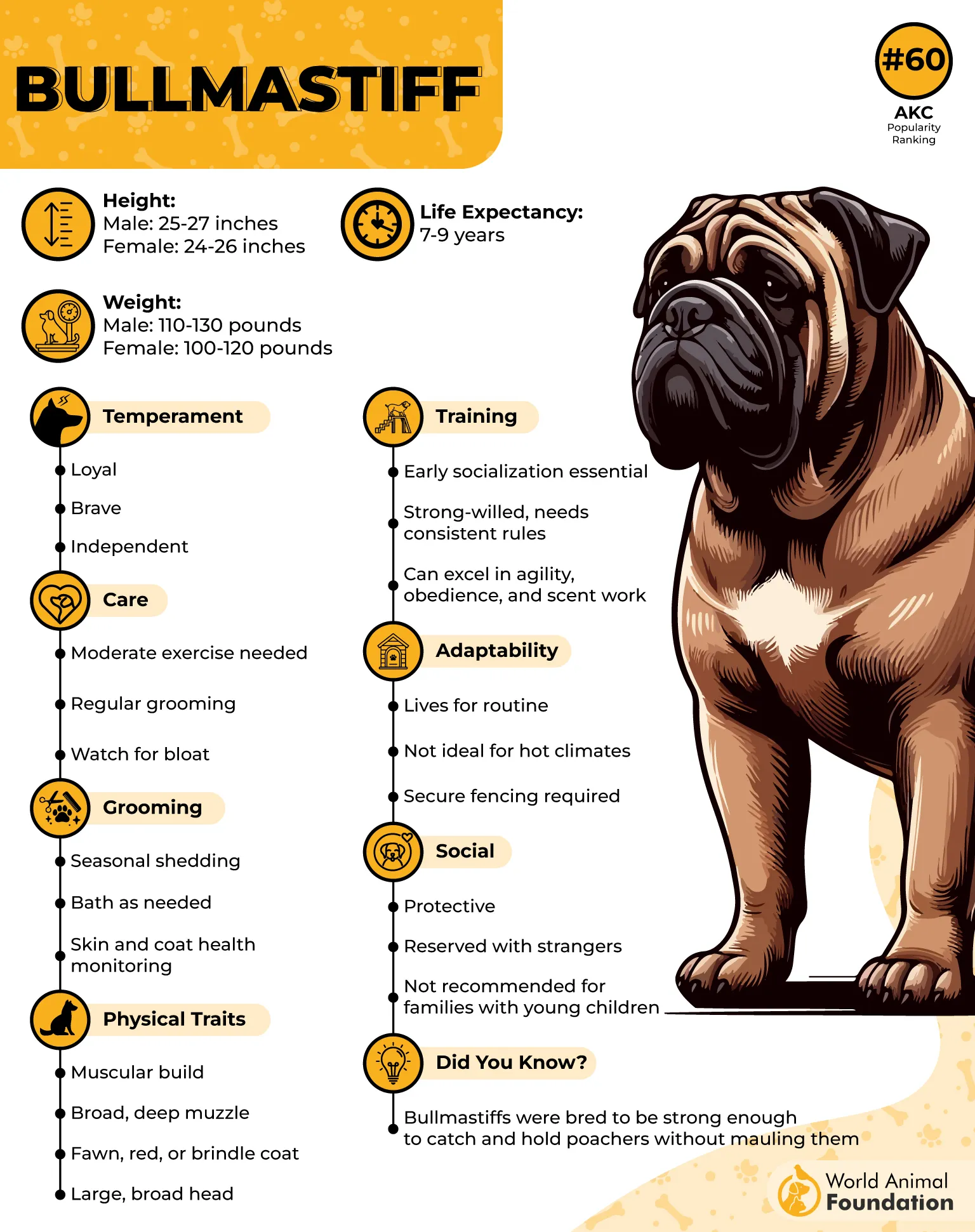
These playful pups enjoy regular walks and short play sessions. Their low energy makes them calmer indoors after activity. However, apartment living requires enough room and good daily exercise.
Training also helps manage their independent tendency and protective nature. When their needs are met, they rarely disturb neighbors with noise. Even a calm Bullmastiff should never sit without purpose all day.
6. Great Dane
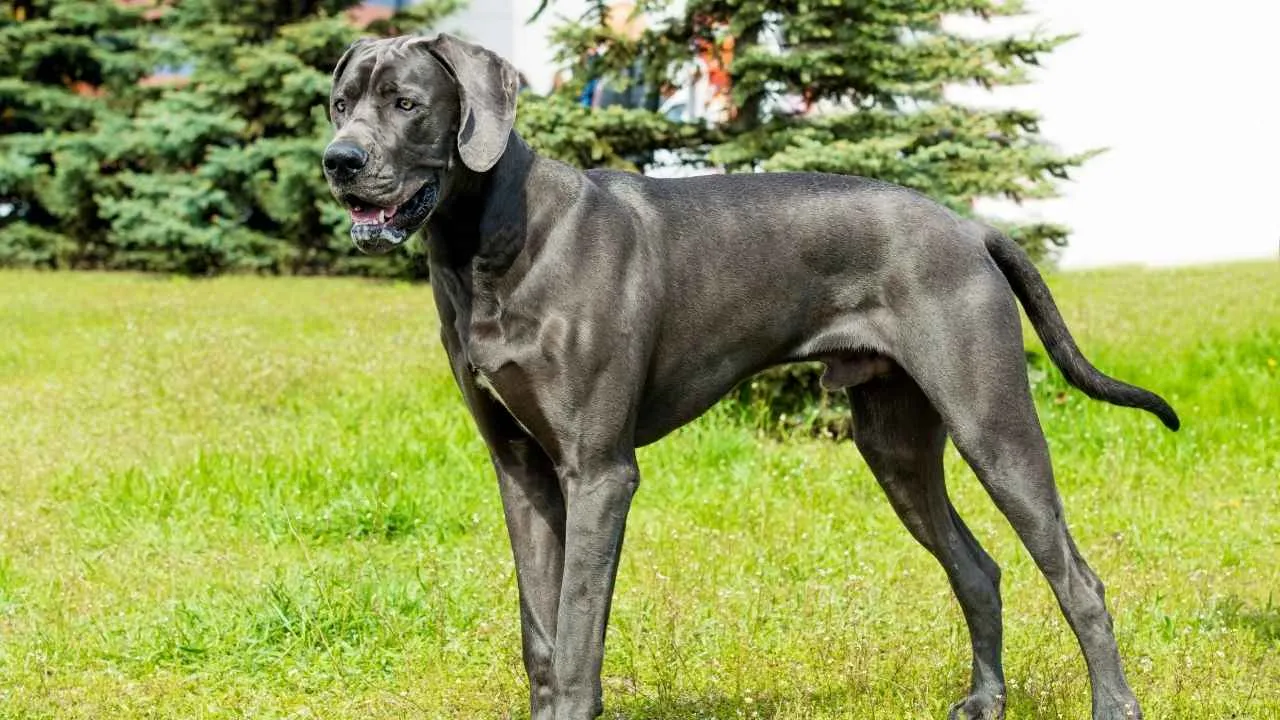
The Great Dane is a quiet dog breed with a surprisingly easygoing nature. According to Britannica, it is the tallest dog breed among the working breeds and is known as the Deutsche Dogge in Germany. Despite its size, this breed can settle calmly at home and does not tend to bark without a reason.
It may enjoy relaxing near its human mates while other dogs play nearby. Apartment living can work when there is enough floor space, daily exercise, and a calm environment. These pups need room to stretch, plus regular walks to prevent boredom.
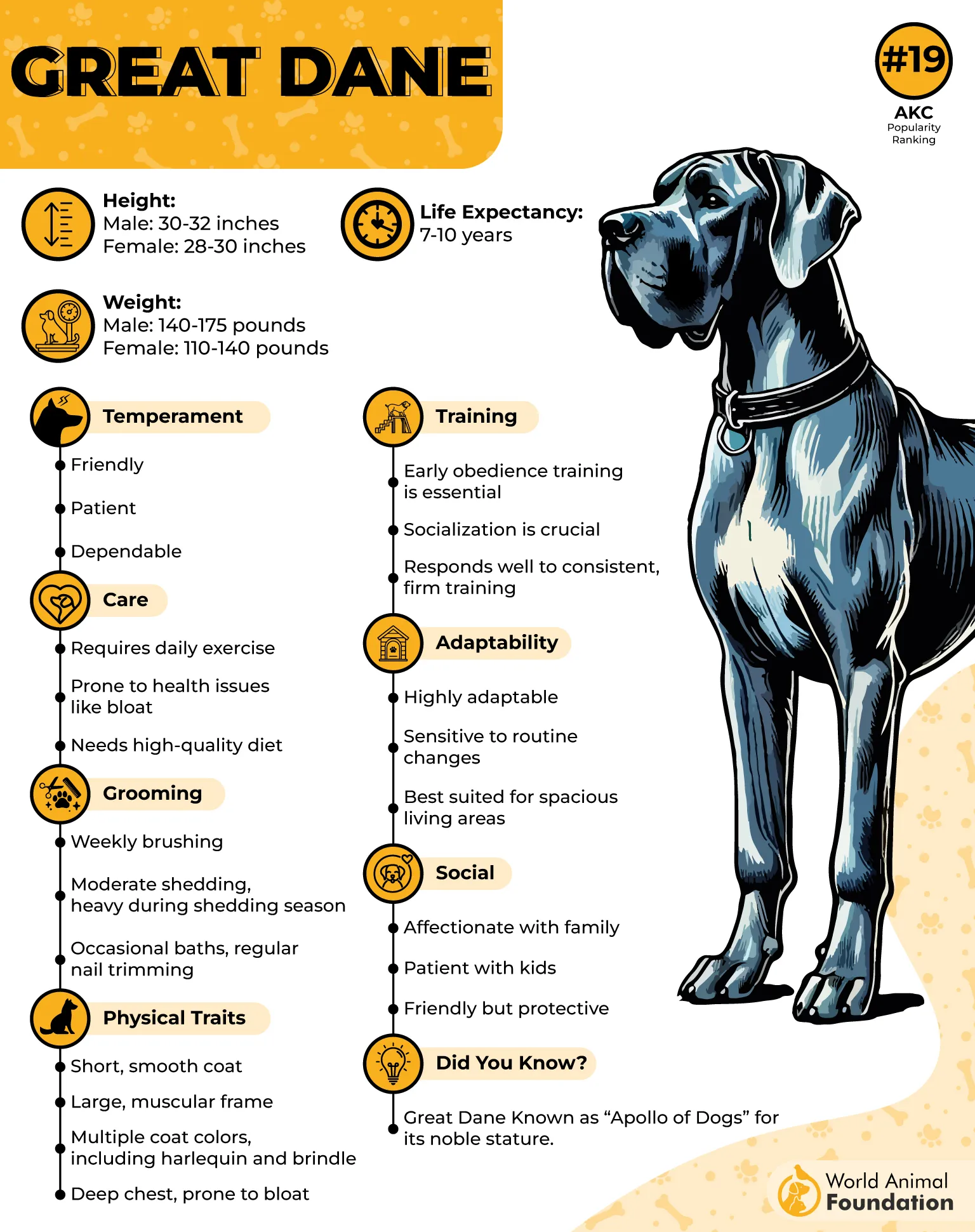
Without enough companionship, some dogs can become prone to separation anxiety and unwanted barking. Although Great Danes can be independent and stubborn, patient training helps them adjust.
Their history includes protecting estates and hunting large game, not livestock. Today, most simply want to stay close to their family, sometimes curling into a lap despite their enormous size.
7. Bernese Mountain Dog
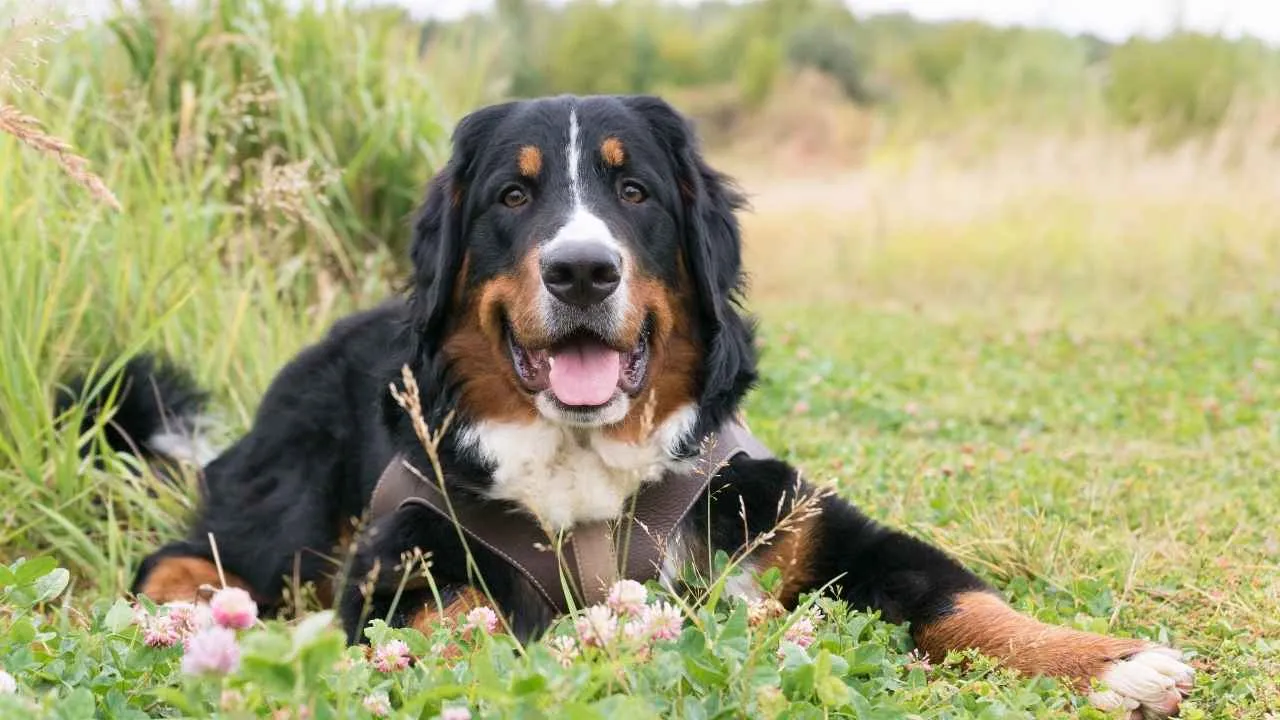
The Bernese Mountain Dog is a quiet dog with a sweet, easygoing personality. This low-energy dog breed enjoys staying close to its family and generally prefers companionship over solitude. Berners rarely bark a lot without a reason, but isolation can lead to barking or digging.
A calm house environment can help them stay relaxed and content. Early socialization also matters, so pups can become comfortable around people, dogs, and new places. Positive experiences can build confidence and encourage polite behavior as they grow.
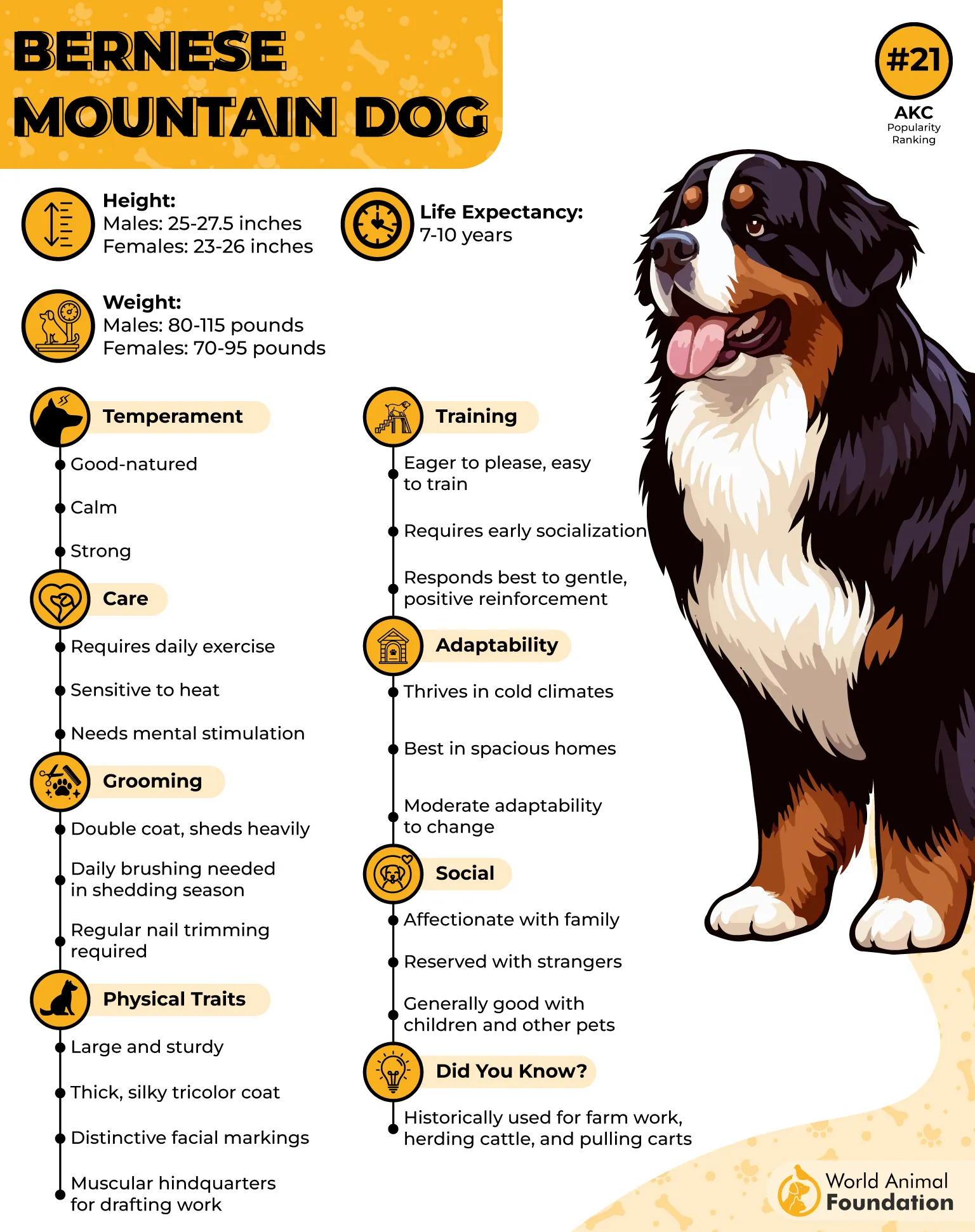
According to Wikipedia, Berners are gentle with children and often form a particularly close bond with one person. Their Swiss farm roots also gave them useful working skills, from driving cattle to pulling milk carts.
Family walks and outdoor time suit their sturdy build and playful side. Although their calm nature is appealing, every dog has its own personality. Whether purebred or part of a breed mix, each Berner needs guidance, affection, and a peaceful home.
Conclusion
Finding a quiet dog can make home life more peaceful. Breeds like the Newfoundland, Scottish Deerhound, and Leonberger show that size does not mean constant barking. Saint Bernards, Bullmastiffs, Great Danes, and Bernese Mountain Dogs can also bring calm companionship to the right home.
Still, every dog has its own personality and needs. A naturally quiet breed can bark more when bored, lonely, or stressed. Regular walks, play, socialization, and mental stimulation can help keep unwanted noise low.
Before choosing a dog, consider your space, daily routine, and family needs. The right match can create a happy home and happier neighbours. After all, a peaceful companion is not simply a dog that stays quiet. It is a dog whose needs, personality, and lifestyle fit beautifully with yours.
