





As more families embrace apartment living and quieter neighborhoods, low-barking dog breeds are becoming increasingly popular. These companions bring warmth and loyalty without filling the house with constant barking, making them an excellent fit for households that value a peaceful atmosphere.
A dog’s tendency to bark is often influenced by its breeding history and natural instincts. While no breed is completely silent, some are naturally less vocal and communicate only when necessary. Proper exercise, mental stimulation, and consistent training can further encourage calm, balanced behavior.
If you’re looking for a loving dog that blends seamlessly into a quieter lifestyle, these seven breeds stand out for their gentle temperaments, restrained vocal habits, and ability to become devoted members of the family without creating unnecessary noise.
Dog Breeds That Bark Less—Ideal for Quiet Families
1. Bolognese
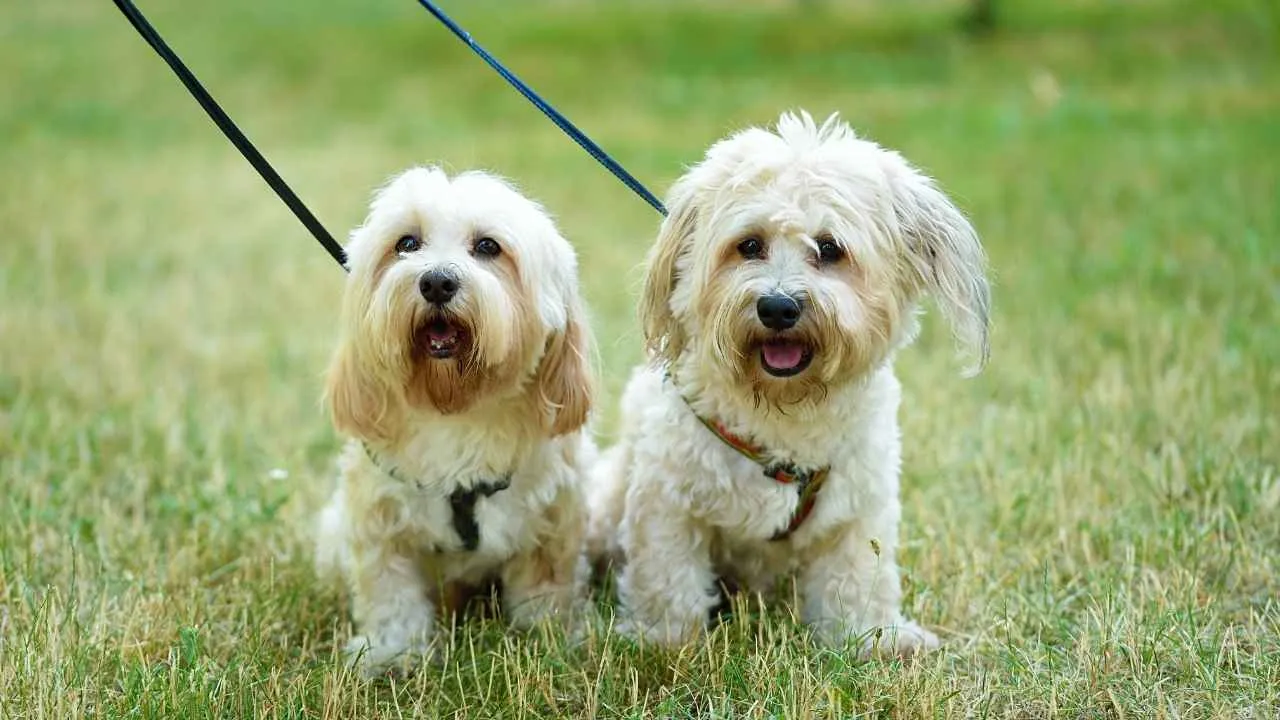
The Bolognese is a gentle companion that feels most at home beside the people it loves. Bred in Italy as a lap dog for nobility, this affectionate dog breed prefers peaceful households where it can relax, play, and share quiet moments with its family.
Although naturally alert, a well-socialized Bolognese is generally calm and not prone to unnecessary barking, making it a wonderful choice for families seeking a quieter home environment.
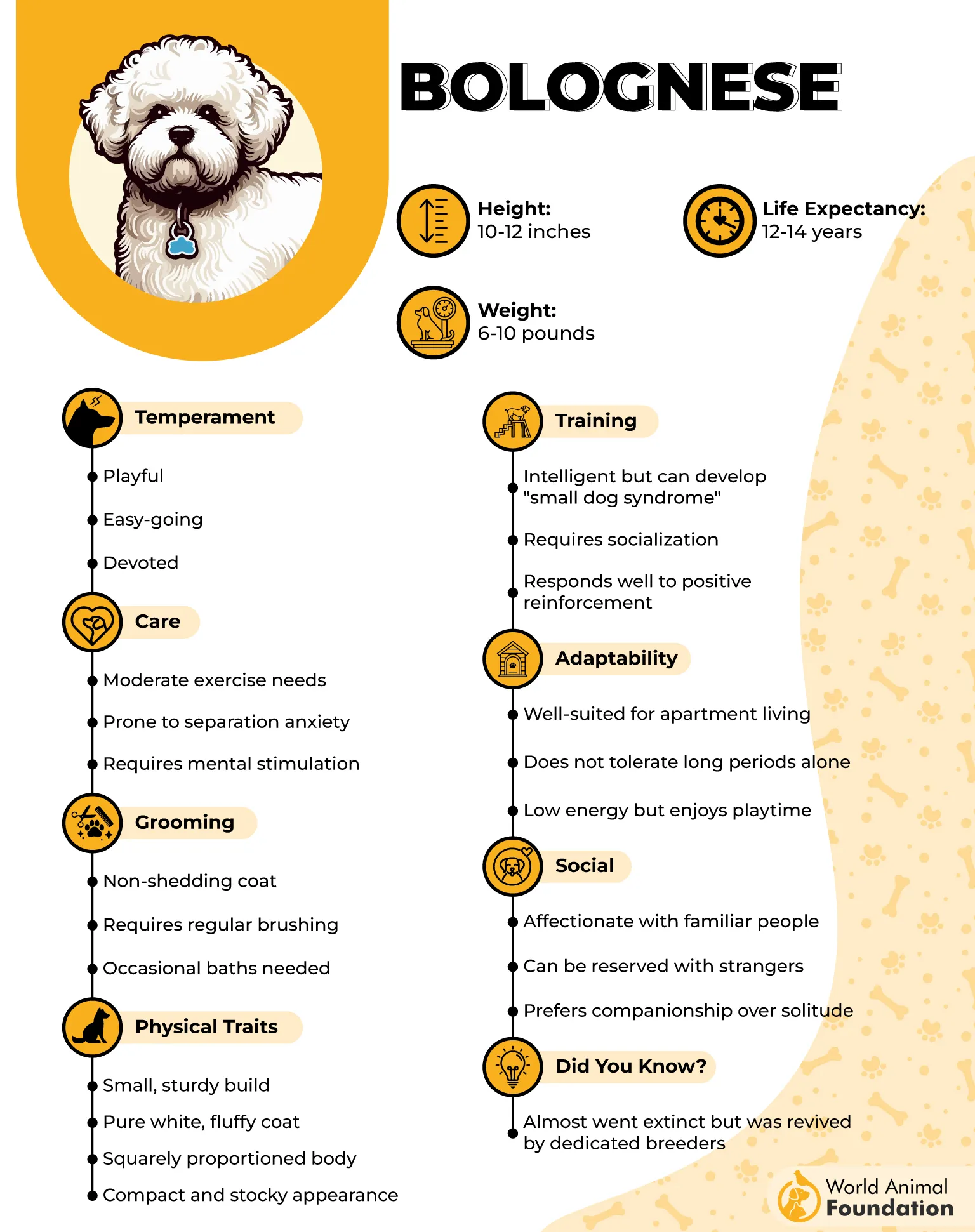
Its intelligence also makes basic obedience and trick training enjoyable, especially when positive reinforcement is used. Daily walks and indoor play are usually enough to keep this easygoing dog content, while puzzle toys provide valuable mental stimulation.
Owners should be prepared for regular grooming to maintain their soft white coat and watch for breed-related concerns such as luxating patella and inherited eye conditions.
2. Coton de Tulear
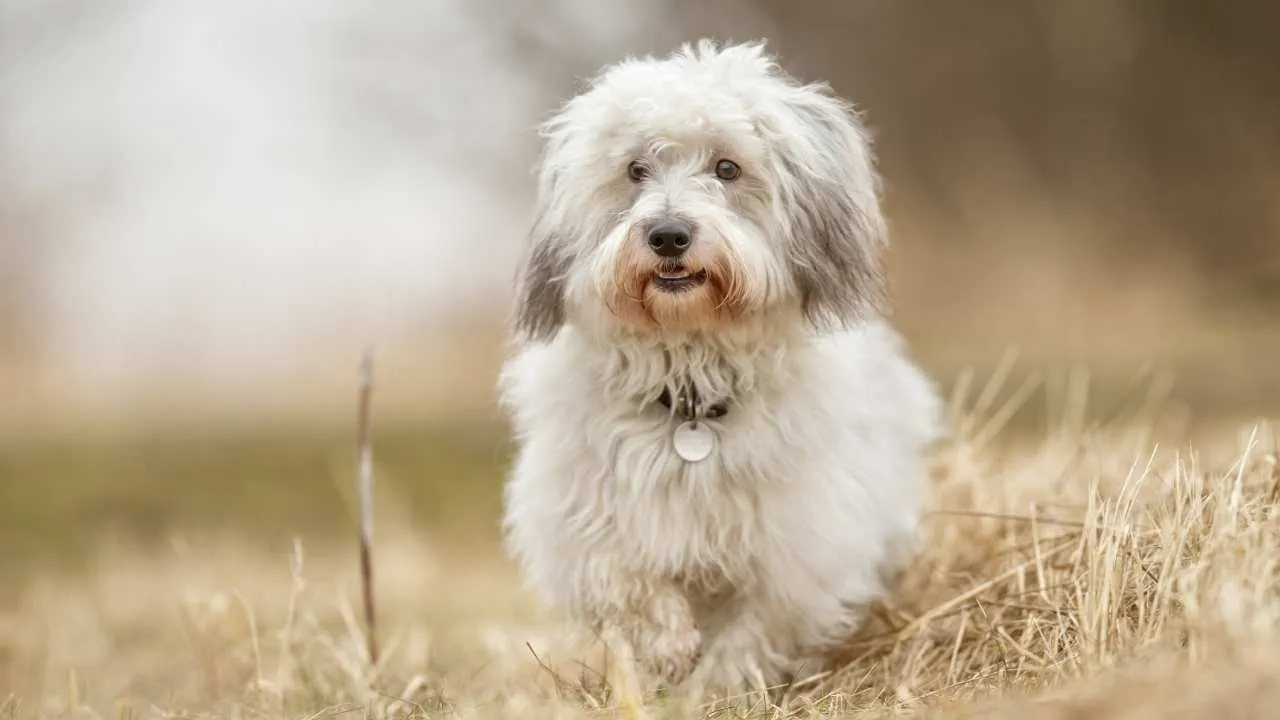
If your family prefers a peaceful home, the Coton de Tulear is an easy dog to love. Originally from Madagascar, this cheerful companion is happiest when spending time with its favorite people, whether relaxing on the sofa, joining a short walk, or playing gentle indoor games.
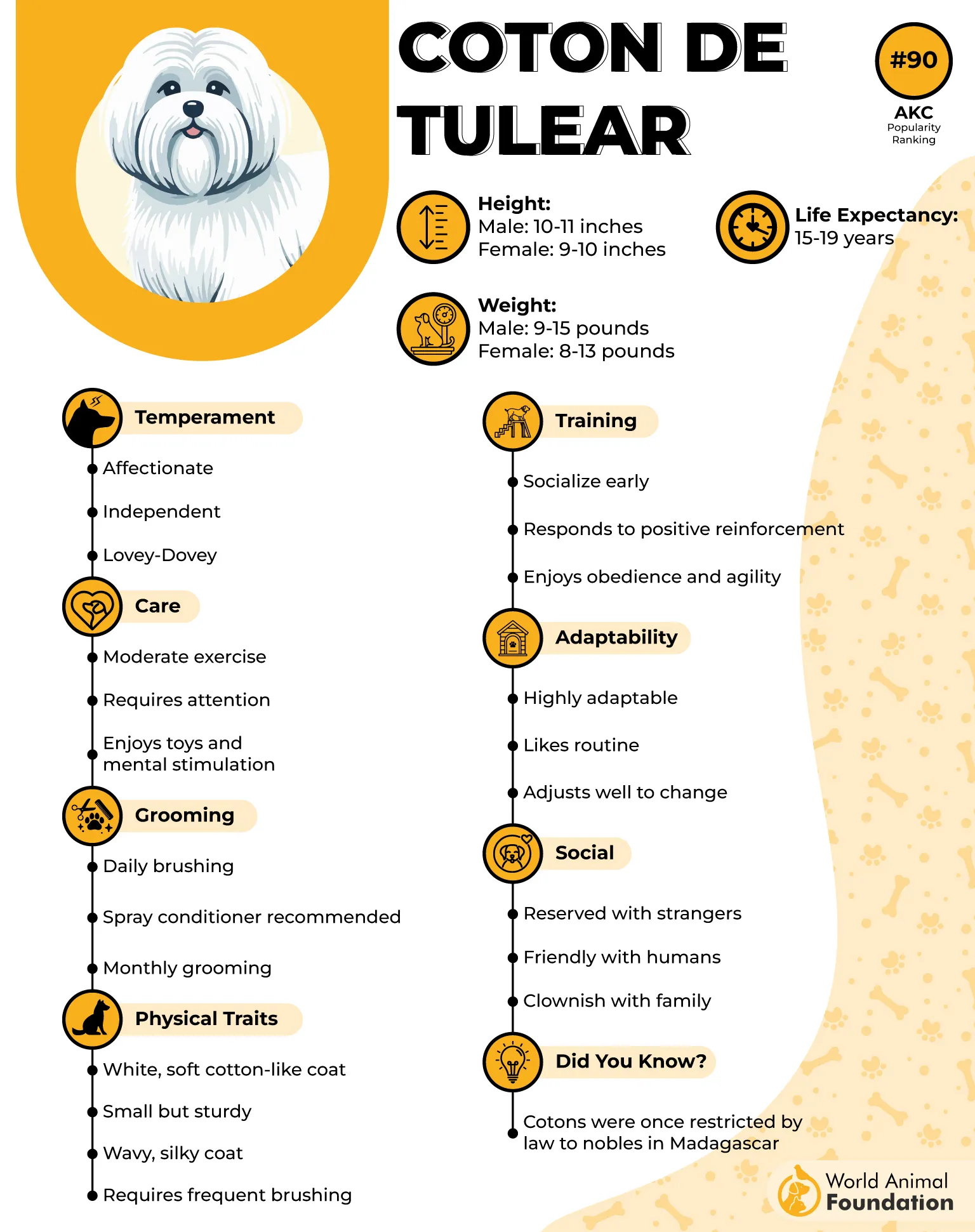
While it may bark to alert its family, it isn’t known for excessive noise when properly socialized and trained, making it well-suited to quieter households. Its eager-to-please personality also responds well to positive reinforcement, helping owners shape calm, confident behavior from an early age.

Moderate daily exercise and puzzle toys keep this intelligent breed mentally satisfied, while regular brushing maintains its signature cotton-like coat.
Because the Coton forms exceptionally close family bonds, it thrives in homes where someone is around most of the day, reducing the risk of separation anxiety and unwanted barking.
3. French Bulldog

The French Bulldog is a natural fit for families who appreciate a calm home and a slower pace of life. Known for its quiet temperament, this lovable companion rarely barks without reason, though it may alert you when someone arrives at the door.
According to Britannica, French Bulldog dogs were developed in France during the late 1800s by crossing small native dogs with toy Bulldogs. A smaller relative of the Bulldog, the breed is easily recognized by its distinctive upright, bat-like ears with rounded tips.
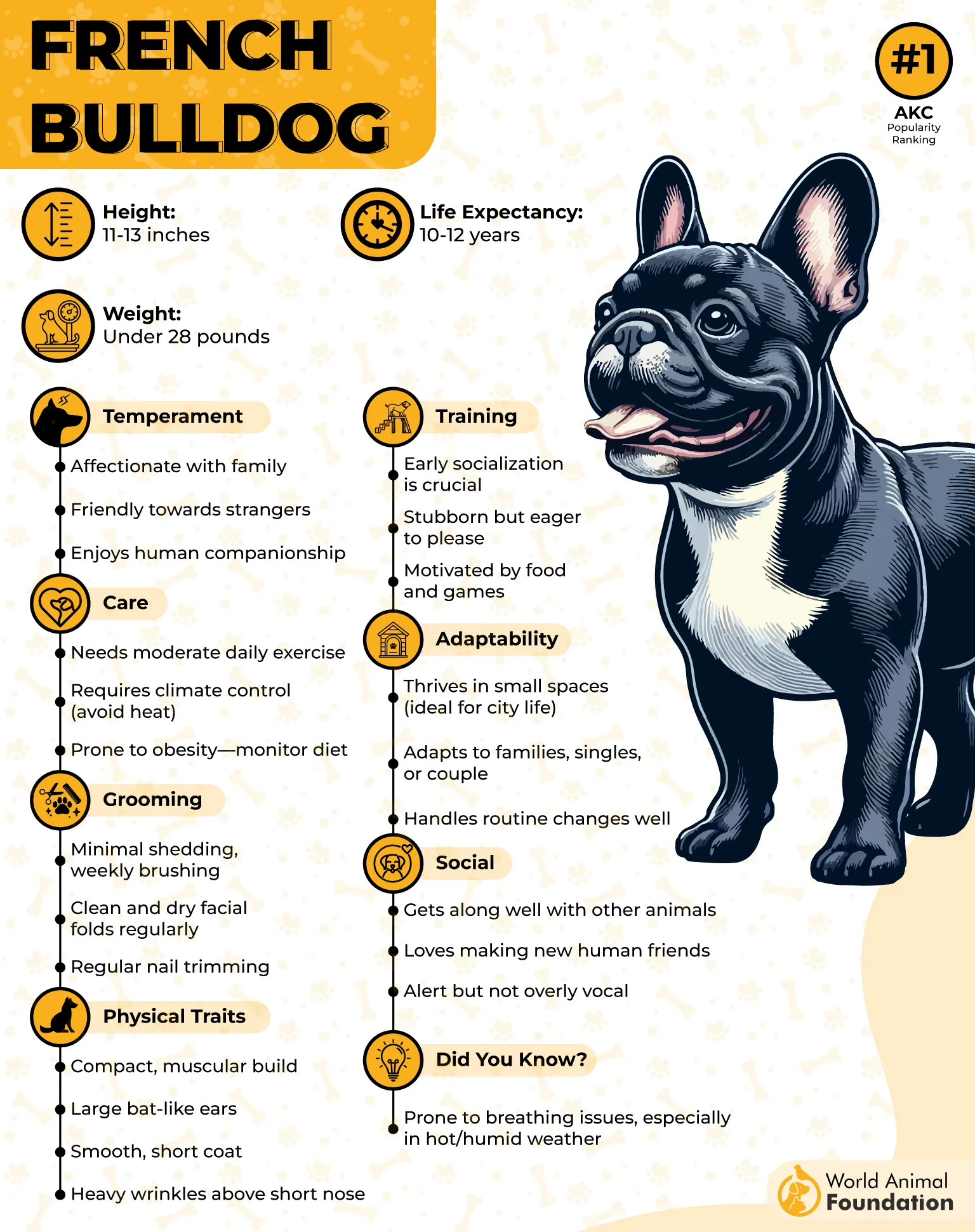
Its relaxed personality makes it especially well-suited to apartment living, where it happily alternates between short bursts of play and long naps on the couch or in a favorite lap.
Unlike high-energy breeds, the Frenchie needs only brief daily walks and should avoid strenuous exercise, particularly in warm weather, because its short muzzle makes overheating and breathing difficulties more likely.
Regular cleaning of its facial folds also helps maintain good health. Affectionate, playful, and deeply devoted to its owners, the French Bulldog thrives in households looking for a peaceful companion that enjoys staying close to the family without filling the home with constant barking.
4. Pekingese
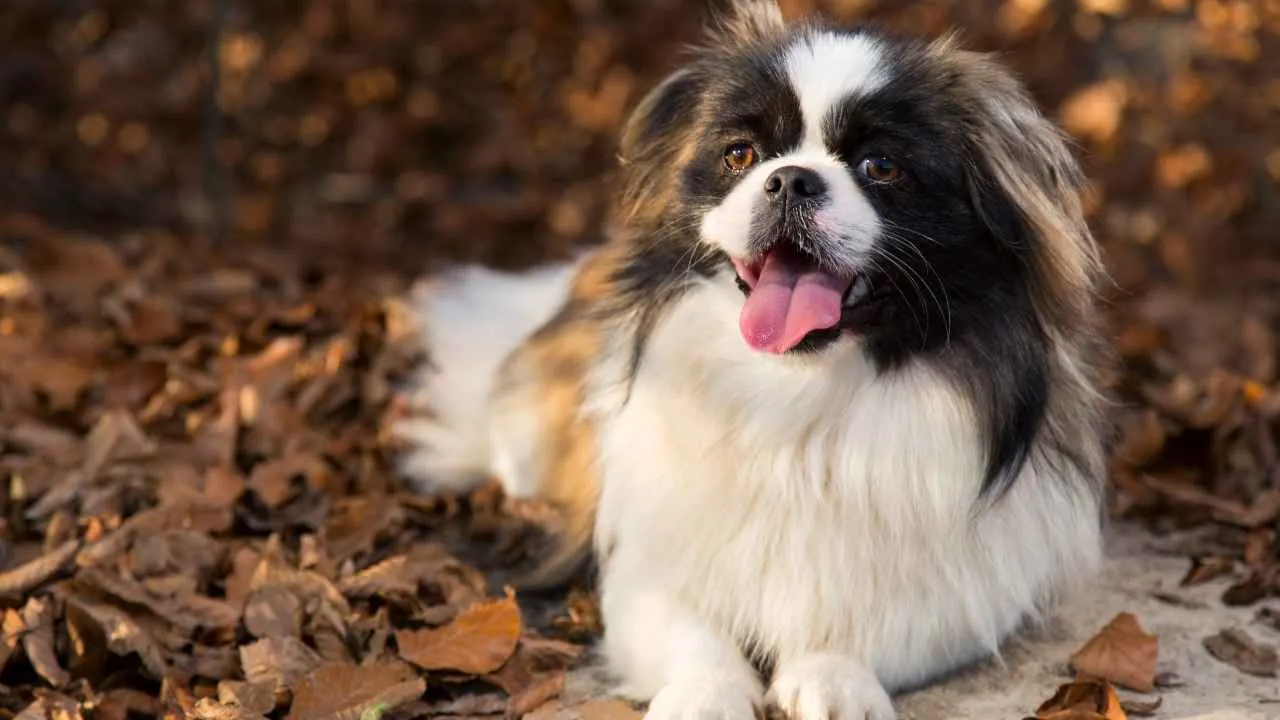
Once treasured by Chinese royalty, the Pekingese still carries itself with the quiet confidence of a palace companion. Rather than barking at every passing sound, this dignified little dog prefers to calmly observe its surroundings, speaking up only when it believes its family should be alerted.
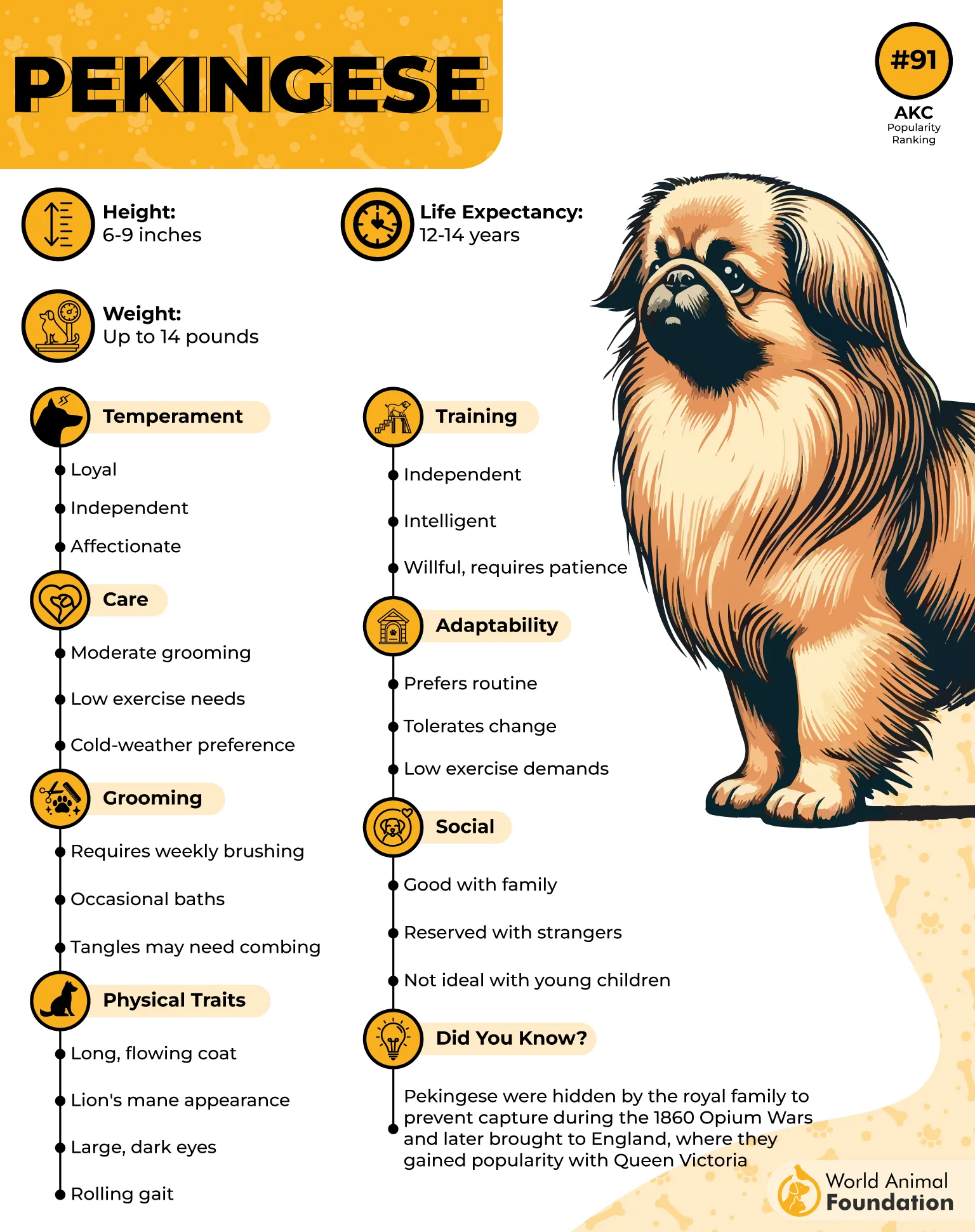
Its affectionate nature shines most at home, where it enjoys lounging beside loved ones more than chasing constant excitement.
Short indoor play sessions and brief walks are usually enough to keep this low-energy breed content, though hot weather should be avoided because of its shortened muzzle. While intelligent, the Pekingese has an independent streak, so patient, positive training works best.
Its luxurious coat also requires regular grooming, along with careful cleaning around the facial folds. Owners should stay aware of breed-related health concerns and provide routine veterinary care to help this loyal companion enjoy a comfortable, peaceful life.
5. Pug

If there were an award for turning lazy afternoons into comedy shows, the Pug would be a top contender. This cheerful little companion is more likely to charm you with snorts, snores, and funny expressions than to fill the house with constant barking.
Friendly with family, visitors, and other pets, the Pug thrives on affection and loves curling up beside its favorite people after a short walk or playful indoor session.
According to PetMD, Pug dogs are an ancient breed that originated in China more than 2,000 years ago. Once cherished by royalty across the world, they remain beloved today for their charming personality and enduring popularity as companion dogs.
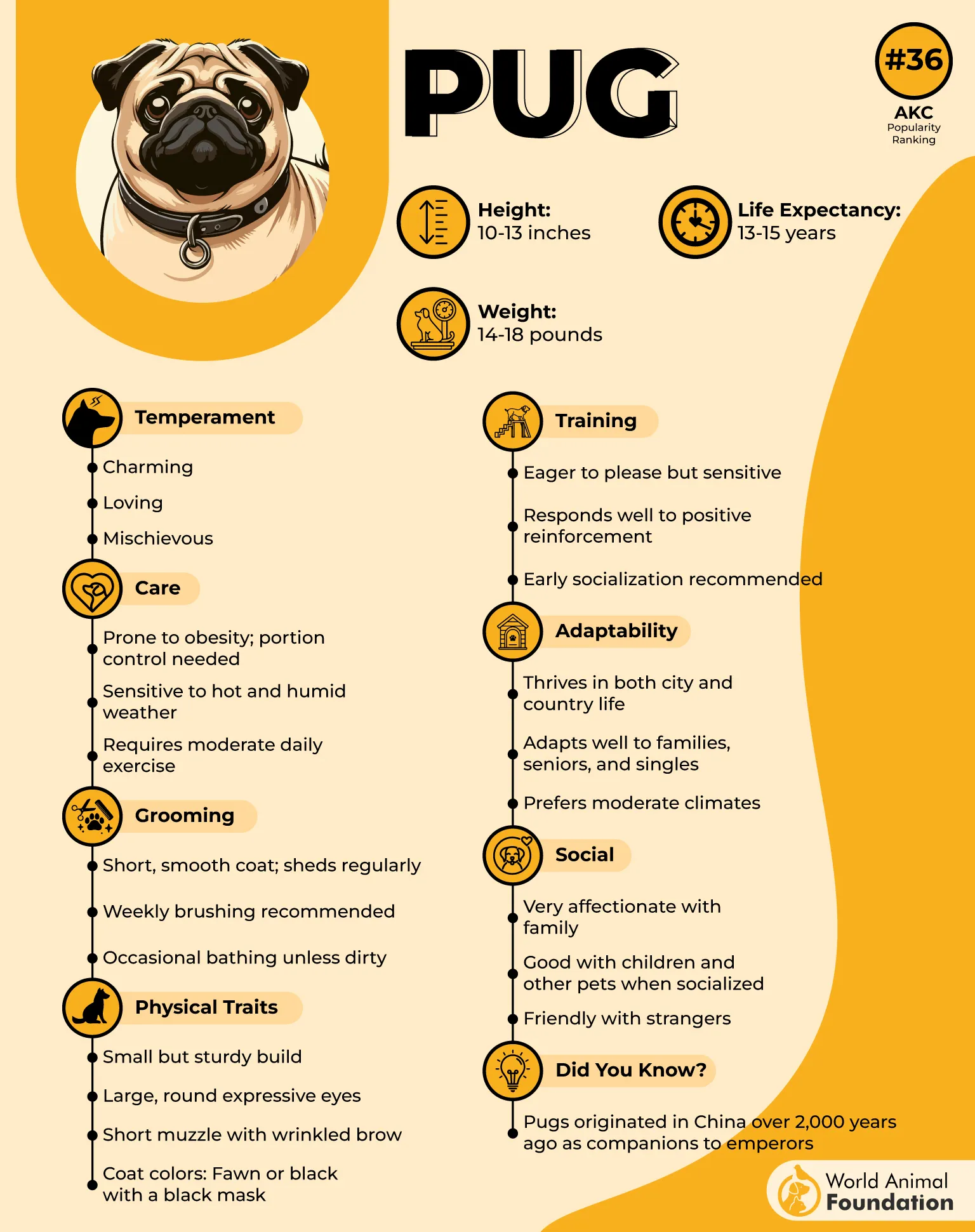
Its easygoing personality makes it a wonderful fit for quiet households, though early training helps reinforce calm behavior. Owners should pay close attention to weight management, regularly clean the breed’s facial wrinkles, and avoid overexertion because its short muzzle can make breathing more difficult.
Deeply devoted and happiest when surrounded by loved ones, the Pug prefers being part of everyday family life rather than spending long hours alone.
6. Glen Of Imaal Terrier
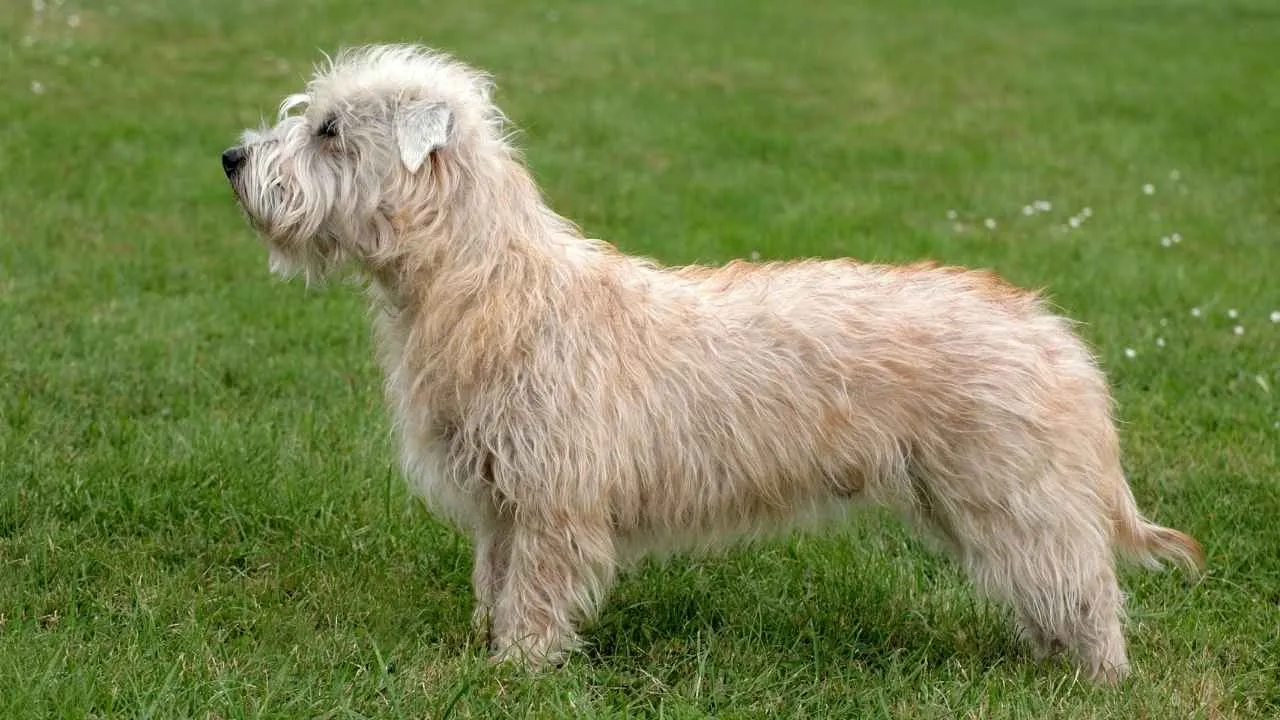
The Glen of Imaal Terrier proves that not every terrier is loud and constantly on the move. Originally bred in Ireland, this sturdy working dog is well known for staying remarkably quiet, even while performing demanding tasks.
At home, its calm, almost stoic temperament sets it apart from many of its energetic terrier relatives, making it a great match for families seeking a peaceful companion.
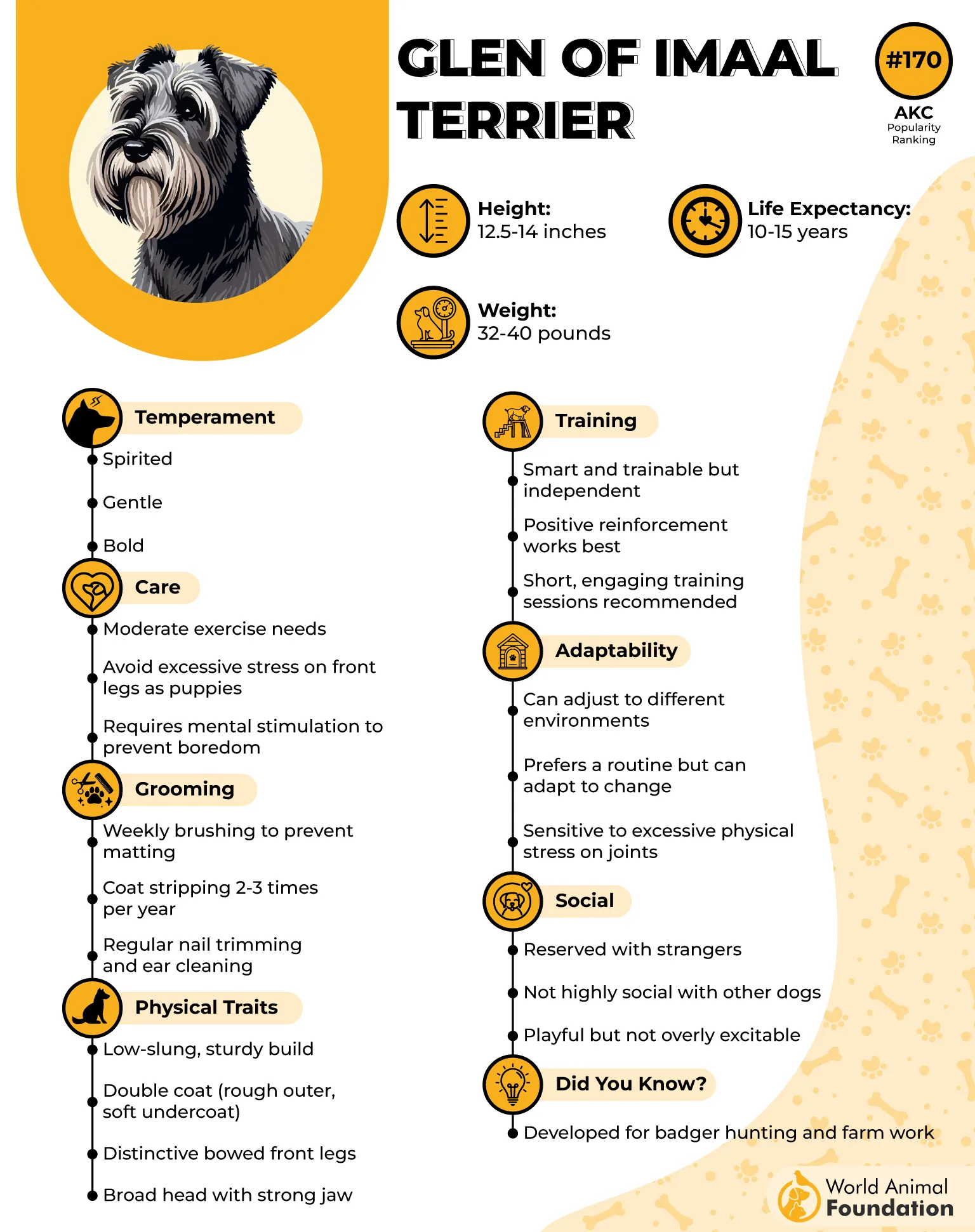
While the Glen enjoys walks, hikes, nose work, and other mentally stimulating activities, it also has an impressive ability to settle down and relax with its people. Its intelligent, independent nature responds best to patient, consistent training built on positive reinforcement.
Owners should provide regular grooming for their weather-resistant double coat and monitor inherited conditions such as hip and elbow dysplasia and progressive retinal atrophy through routine veterinary care.
7. Whippet

The Whippet brings together graceful elegance and remarkable quietness, making it a refined choice for families who value a peaceful home. Originally bred as a swift sighthound, this athletic dog enjoys exhilarating runs but is equally content stretching out on the sofa beside its favorite people.
According to Purina, Whippet dogs are lean, muscular athletes built for remarkable speed and agility. Despite their powerful physique, they carry themselves with grace and elegance, while their fine, short coat comes in a wide variety of colors and patterns.

Unlike many active breeds, Whippets are not frequent barkers, relying on their calm, gentle nature rather than constant vocalizing. Their affectionate personality helps them form deep bonds with family members, though they may appear reserved around unfamiliar faces at first.
Consistent, positive training is important, as their independent streak and love of chasing moving objects can be distracting outdoors.
Despite their sleek appearance and impressive speed, Whippets have relatively simple care needs, thriving with regular exercise, a comfortable place to relax, and plenty of companionship in a calm household.
Conclusion
A peaceful home becomes even more enjoyable with a dog that communicates calmly instead of barking at every sound. These quieter breeds offer loyal companionship while helping maintain a relaxed atmosphere for the whole family.
Although they are naturally less vocal, they still need regular exercise, mental stimulation, and positive training to stay happy and well-balanced. Meeting these needs encourages confident and calm behavior.
Each quiet dog breed brings its own personality, from affectionate lap companions to easygoing outdoor partners. Choosing the right match depends on your family’s lifestyle, activity level, and the time you can dedicate to your pet.
With proper care, early socialization, and plenty of love, these gentle dogs reward their families with quiet confidence, lasting loyalty, and companionship that fills the home with comfort rather than constant noise.
