




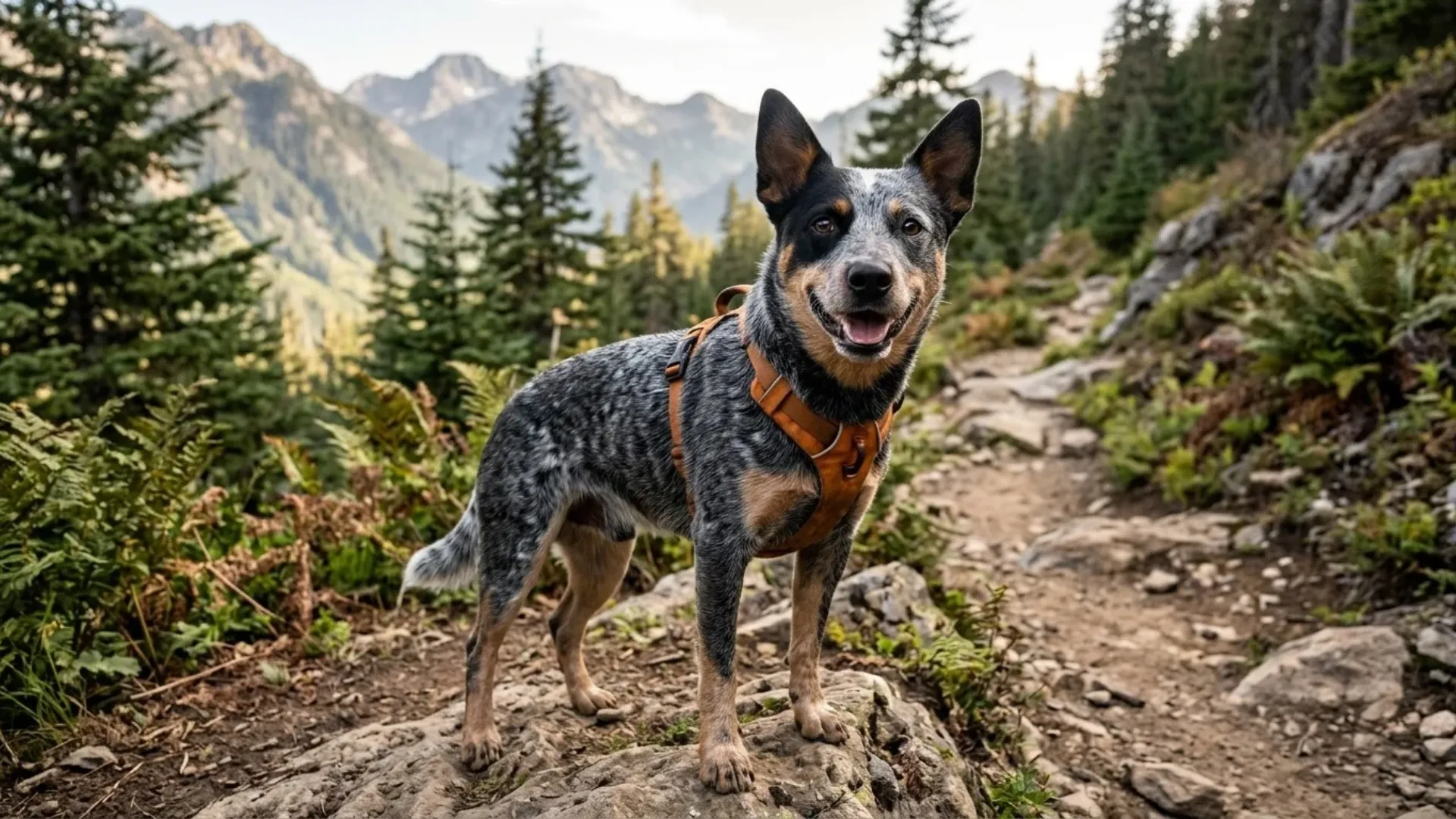
Some dogs are happiest when they have an opportunity to investigate unfamiliar surroundings, follow interesting scents, or travel across different landscapes. Their curiosity, physical abilities, and working backgrounds often make outdoor adventures a natural part of their daily lives.
Whether exploring woodland trails, crossing open fields, or enjoying a countryside excursion, these dogs bring enthusiasm to activities beyond the backyard.
Many adventurous breeds were originally developed for demanding outdoor responsibilities. Herding livestock, retrieving game, guarding farms, and transporting supplies required stamina, environmental awareness, and the ability to navigate challenging conditions.
These inherited qualities continue to influence how modern dogs approach physical activities and unfamiliar environments.
The following seven breeds demonstrate different forms of outdoor curiosity and adaptability, offering plenty of inspiration for people who enjoy spending time in nature.
Dog Breeds That Are Natural Explorers Outdoors
1. Australian Cattle Dog
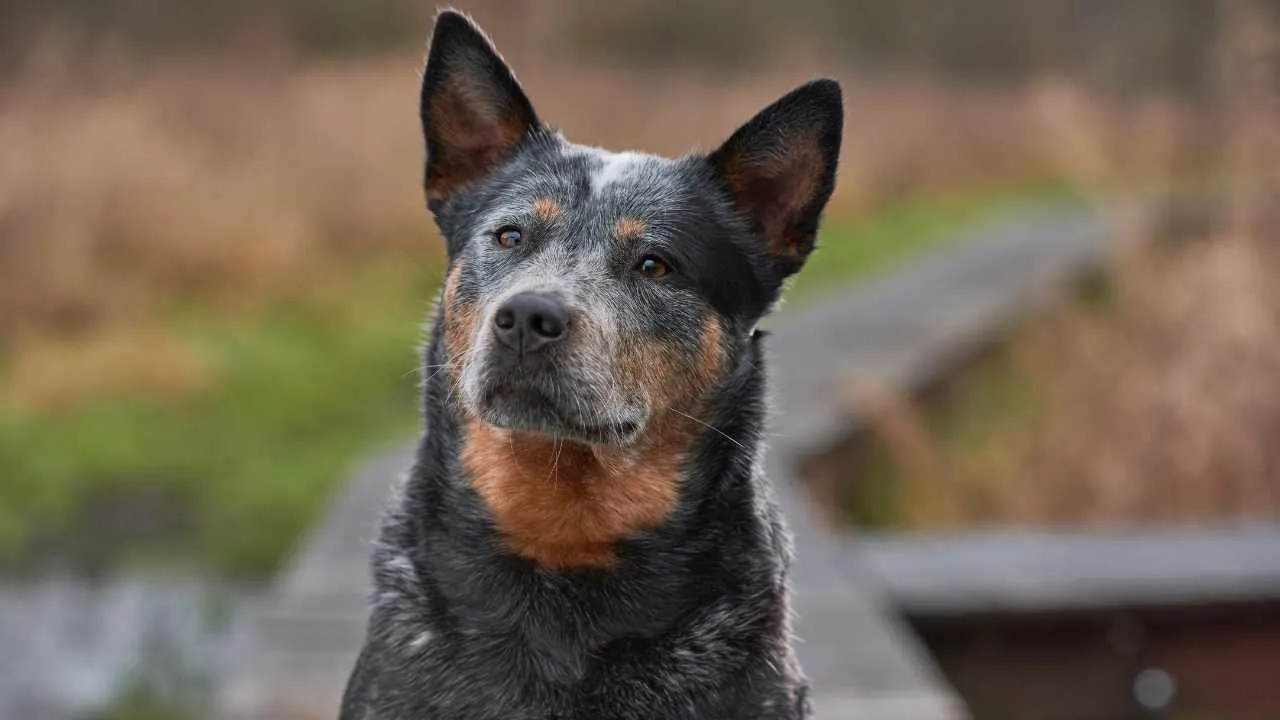
The Australian Cattle Dog is a compact, muscular breed recognized for its stamina, agility, and sharp awareness. Developed to manage livestock across Australia’s expansive cattle stations, it can cover considerable distances while adapting to changing conditions.
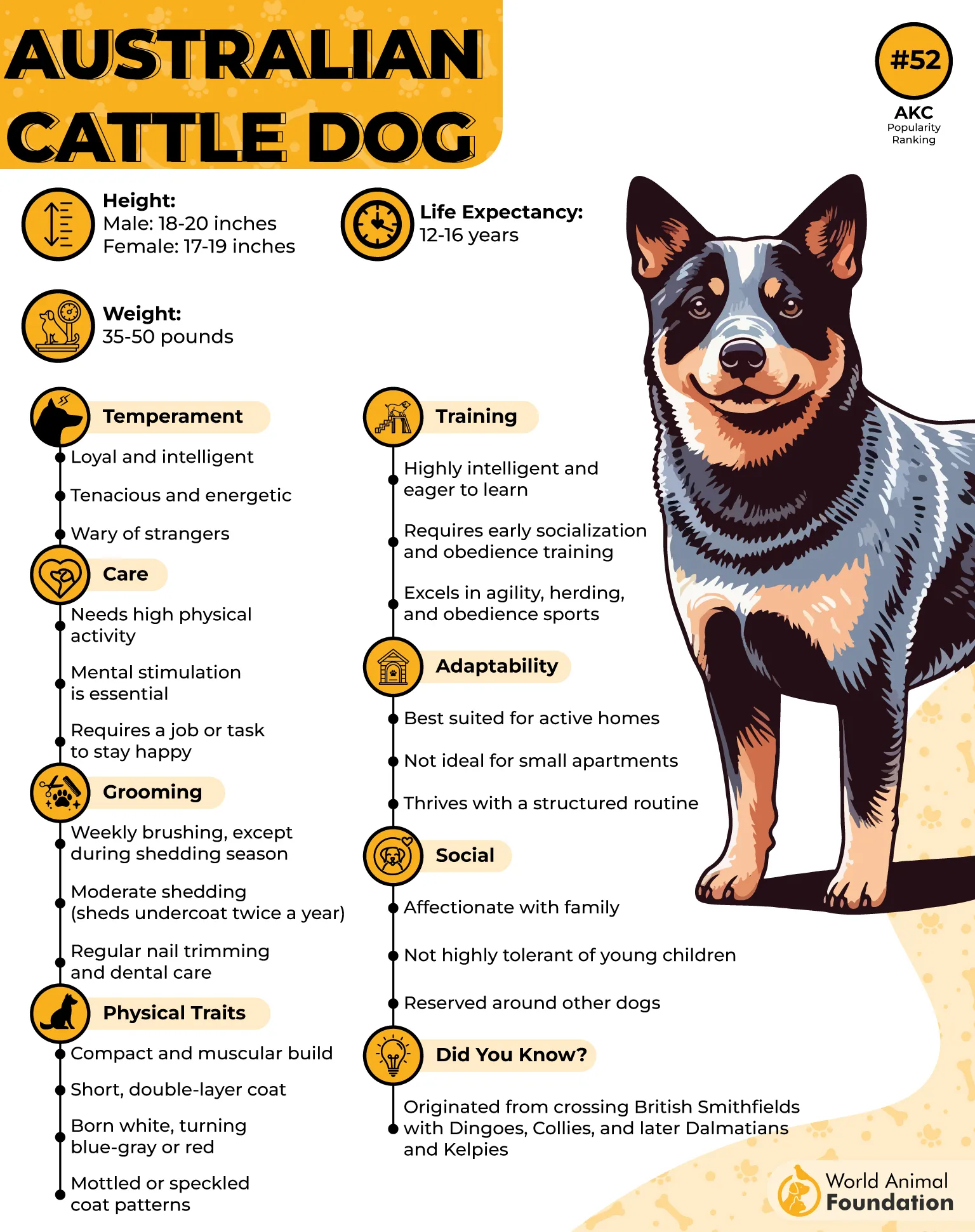
Developed for Australia’s Challenging Landscapes
The Australian Cattle Dog originated in Australia during the 19th century, when farmers needed dependable herders for vast properties. Breeders developed the modern breed using several influences, including imported herding dogs and the native Australian Dingo.
Remarkable Stamina for Rugged Outdoor Adventures
Australian Cattle Dogs excel at hiking, trail walking, agility, and extended countryside excursions. Their endurance and compact physiques help them navigate uneven ground, although secure recall training is essential because of their independent working instincts.
2. Rhodesian Ridgeback
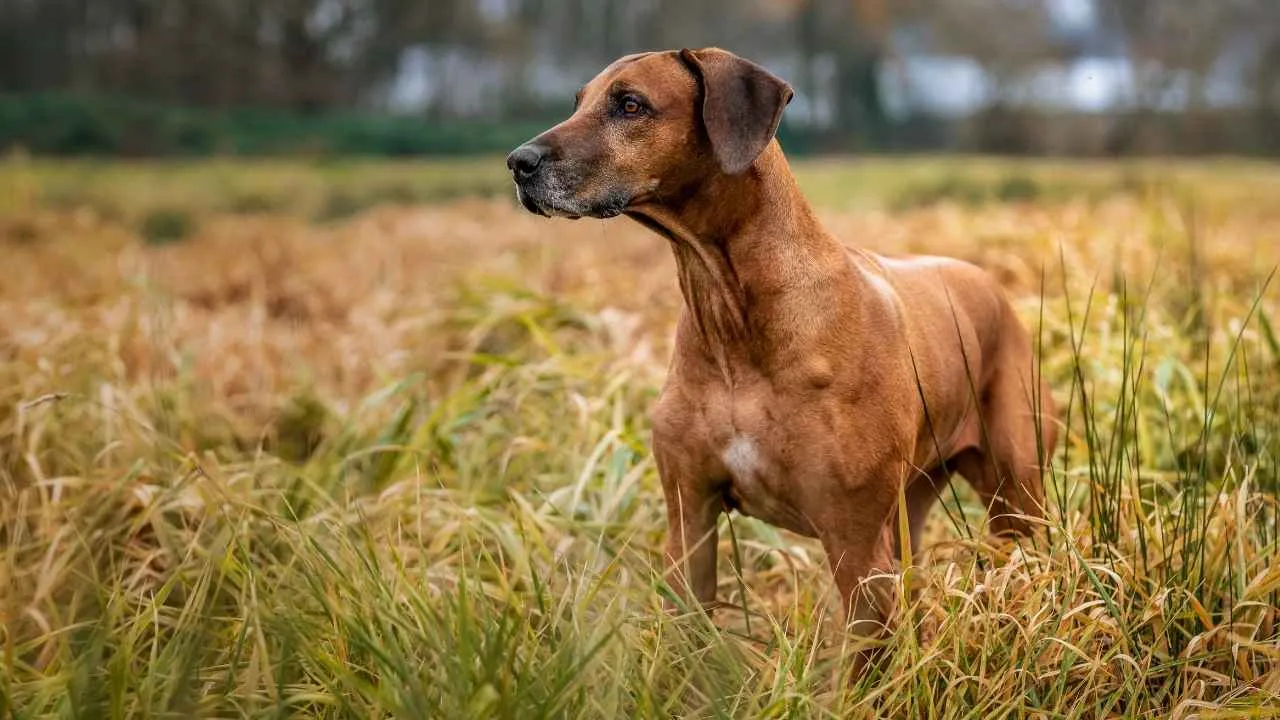
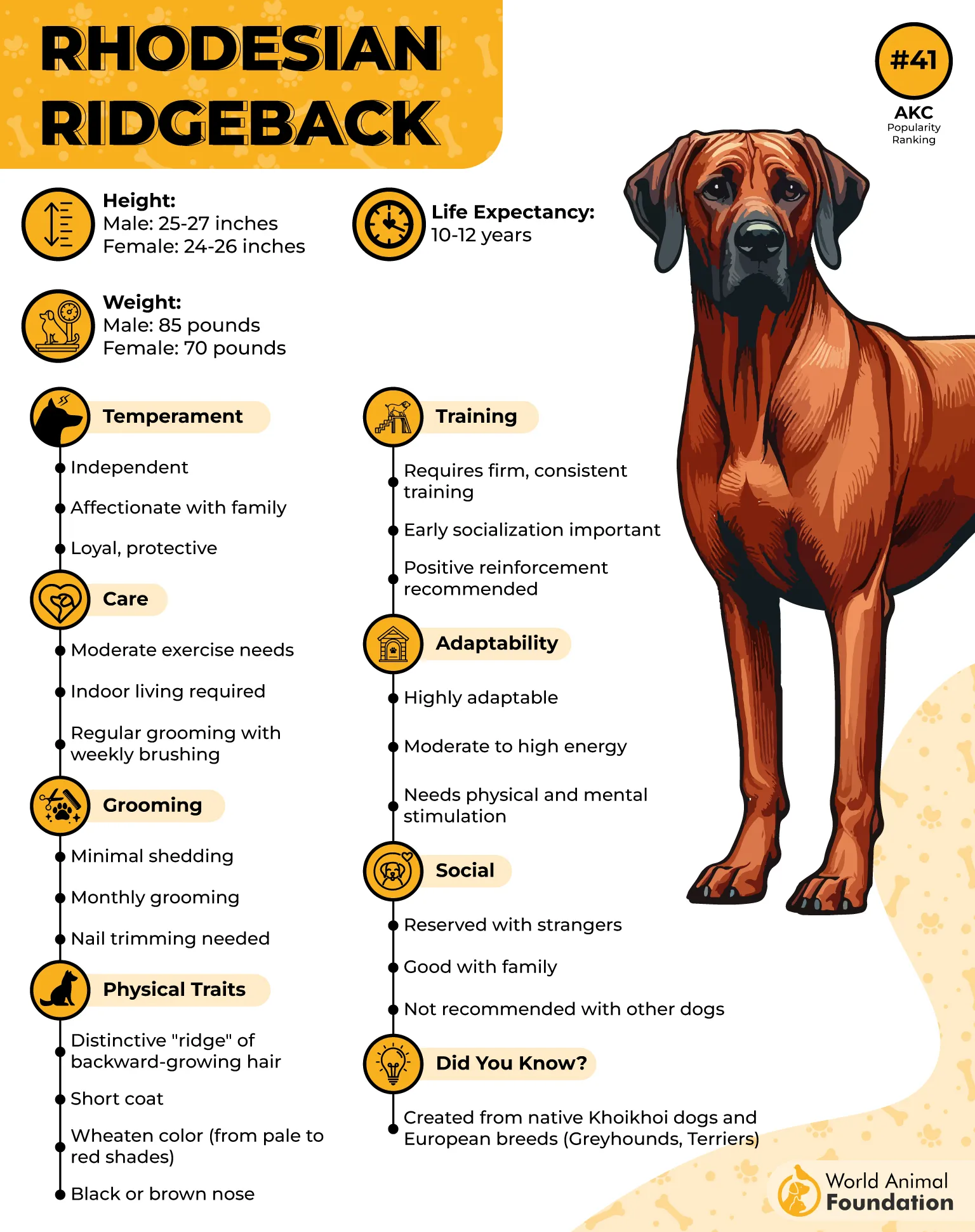
The Rhodesian Ridgeback is an athletic African hound distinguished by its muscular frame, short coat, and characteristic ridge of hair along its back. Originally developed for hunting large game, it combines impressive endurance with an independent personality.
Southern African Heritage and Hunting Abilities
The Rhodesian Ridgeback developed in southern Africa through crosses between European dogs and indigenous African dogs, as noted by the AKC. Hunters valued these animals for tracking, physical resilience, and their ability to work across challenging landscapes.
A Natural Distance Companion for Open Trails
Rhodesian Ridgebacks enjoy running, hiking, and exploring spacious outdoor environments. Their athletic build supports sustained movement, while their short coats are relatively manageable in warm weather. Leash control is important because their hunting instincts can encourage chasing.
3. Bernese Mountain Dog
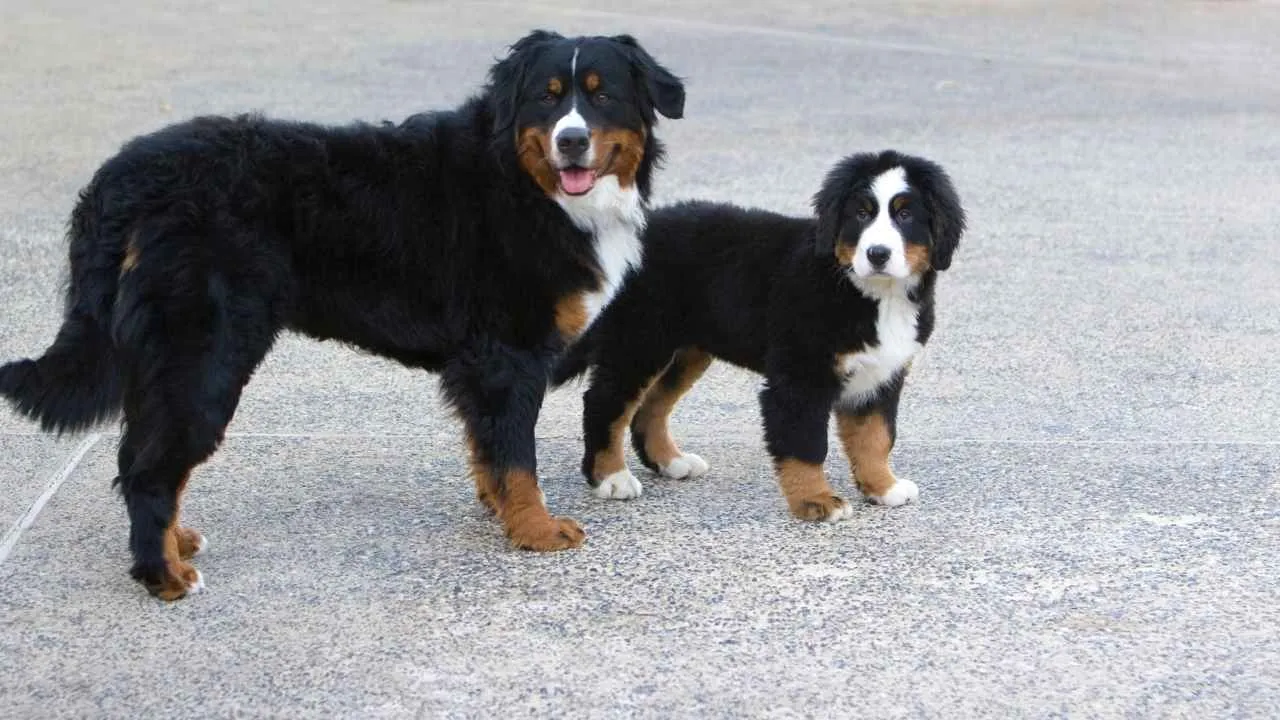
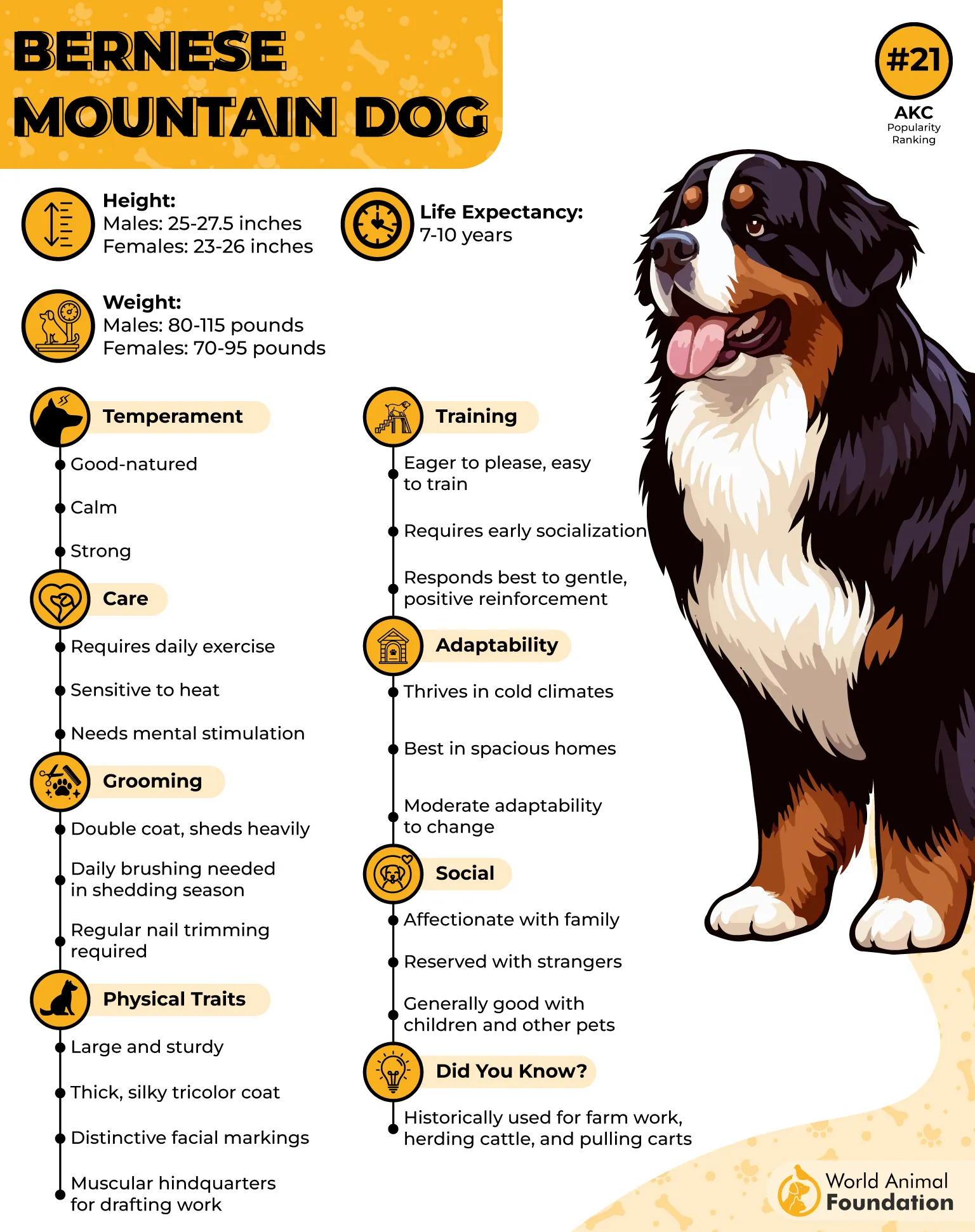
The Bernese Mountain Dog is a large Swiss working breed recognized for its striking tricolored coat, sturdy frame, and gentle disposition. Its historical responsibilities included driving cattle, pulling carts, and assisting farmers across mountainous countryside, as per Orvis.
Swiss Farm Roots in the Alpine Countryside
The Bernese Mountain Dog originated in the canton of Bern, Switzerland, where it performed several practical agricultural duties. Its substantial build and thick double coat helped it work in the colder conditions of the Swiss countryside.
A Mountain Companion for Cool-Weather Excursions
Bernese Mountain Dogs often enjoy leisurely hikes, woodland walks, and exploring open countryside. Their dense coats provide insulation in chilly environments, although warm temperatures can make strenuous activities uncomfortable. Moderate exercise and careful pacing help protect their joints.
4. Labrador Retriever
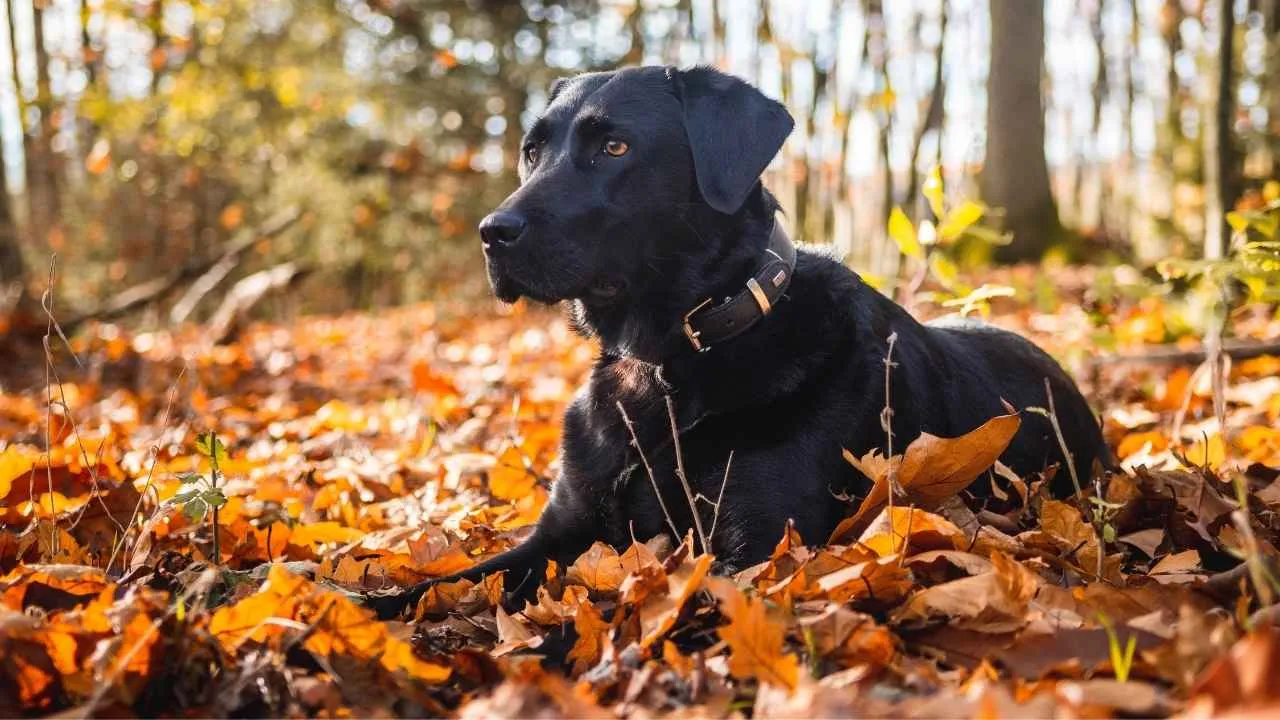
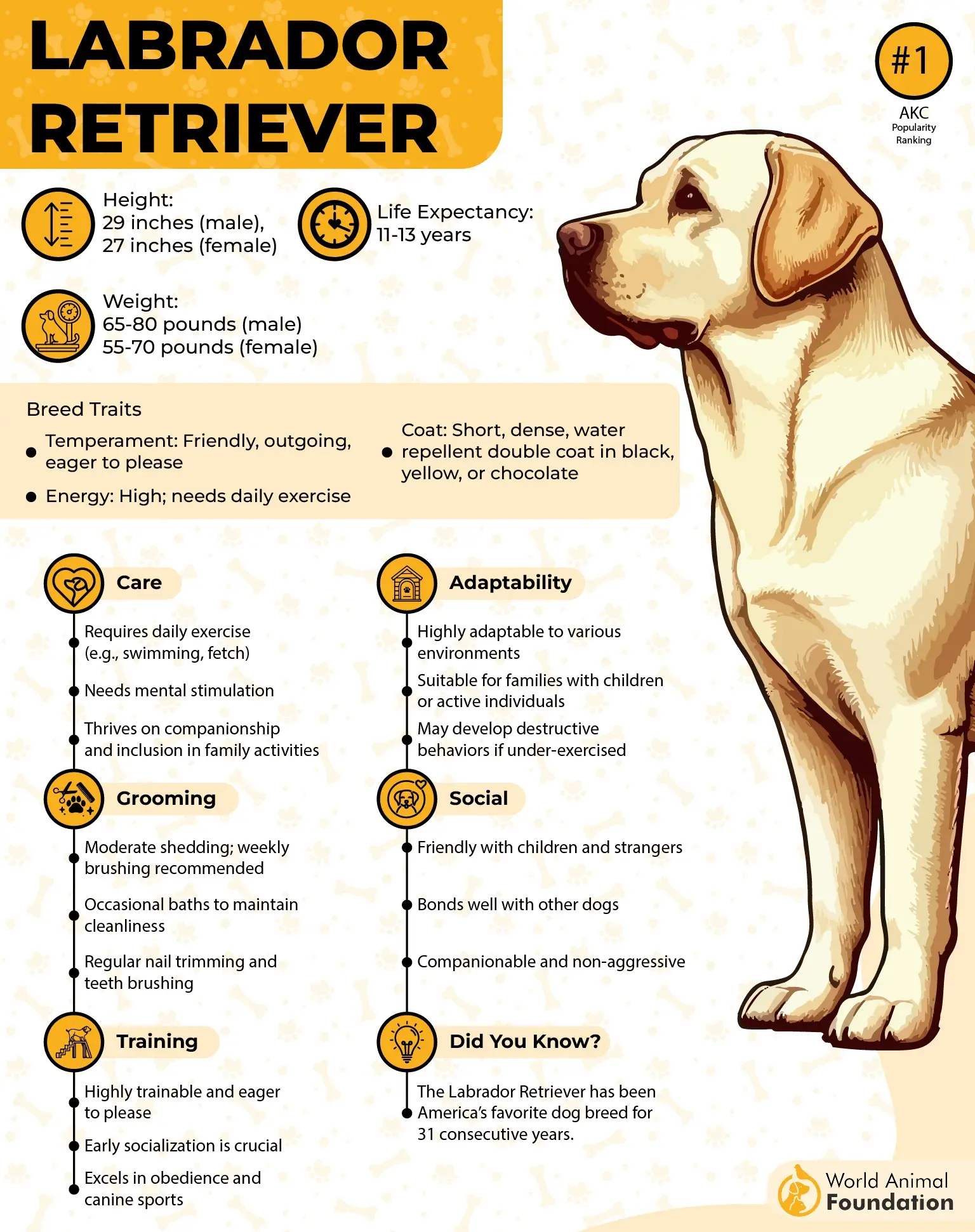
The Labrador Retriever is a versatile sporting breed celebrated for its enthusiasm, swimming ability, and willingness to participate in outdoor activities. Its muscular body, water-resistant double coat, and friendly personality make it adaptable to different recreational environments.
A Working Heritage Connected to the Water
Despite its name, the Labrador Retriever developed from dogs associated with Newfoundland, Canada. Fishermen valued its ancestors for retrieving equipment and assisting with water-related tasks before British breeders refined the breed for retrieving game, as per Hill’s Pet.
An Enthusiastic Explorer on Land and Water
Labradors frequently enjoy swimming, retrieving floating objects, hiking, and discovering unfamiliar locations. Their webbed feet and strong swimming abilities make water-based activities particularly appealing. Owners should supervise them near open water and monitor their weight to protect joint health.
5. German Shepherd
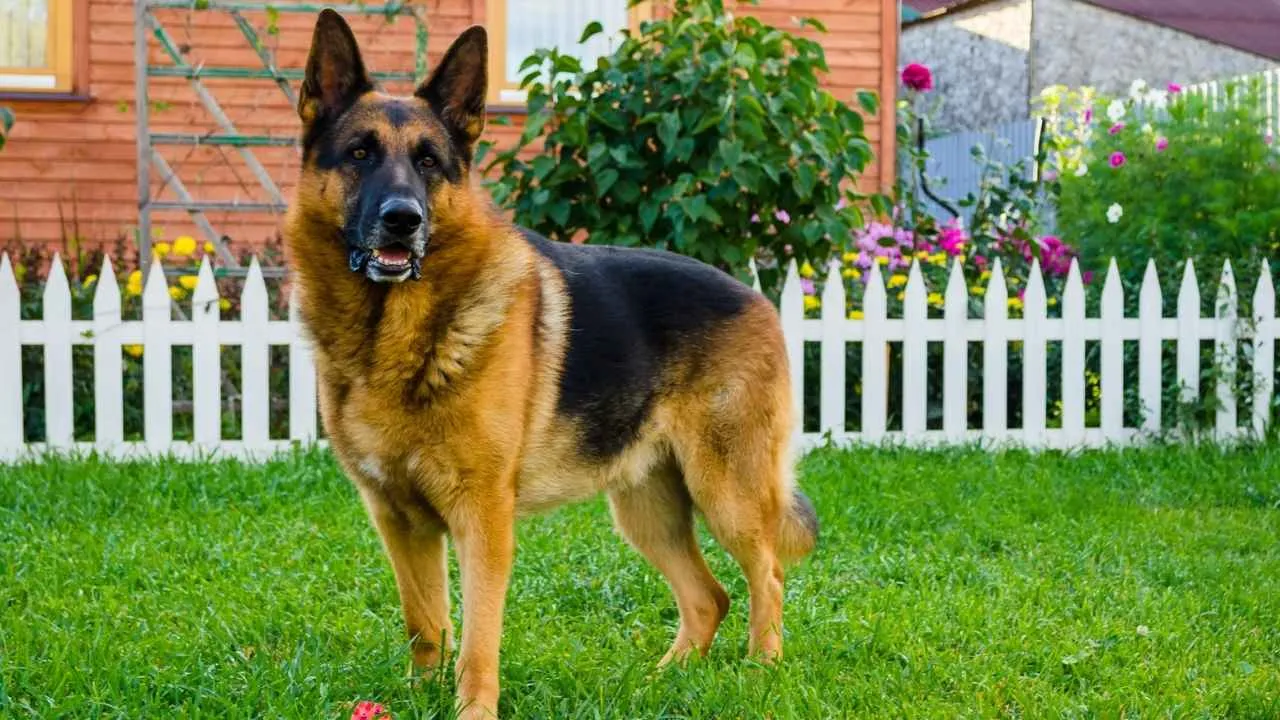
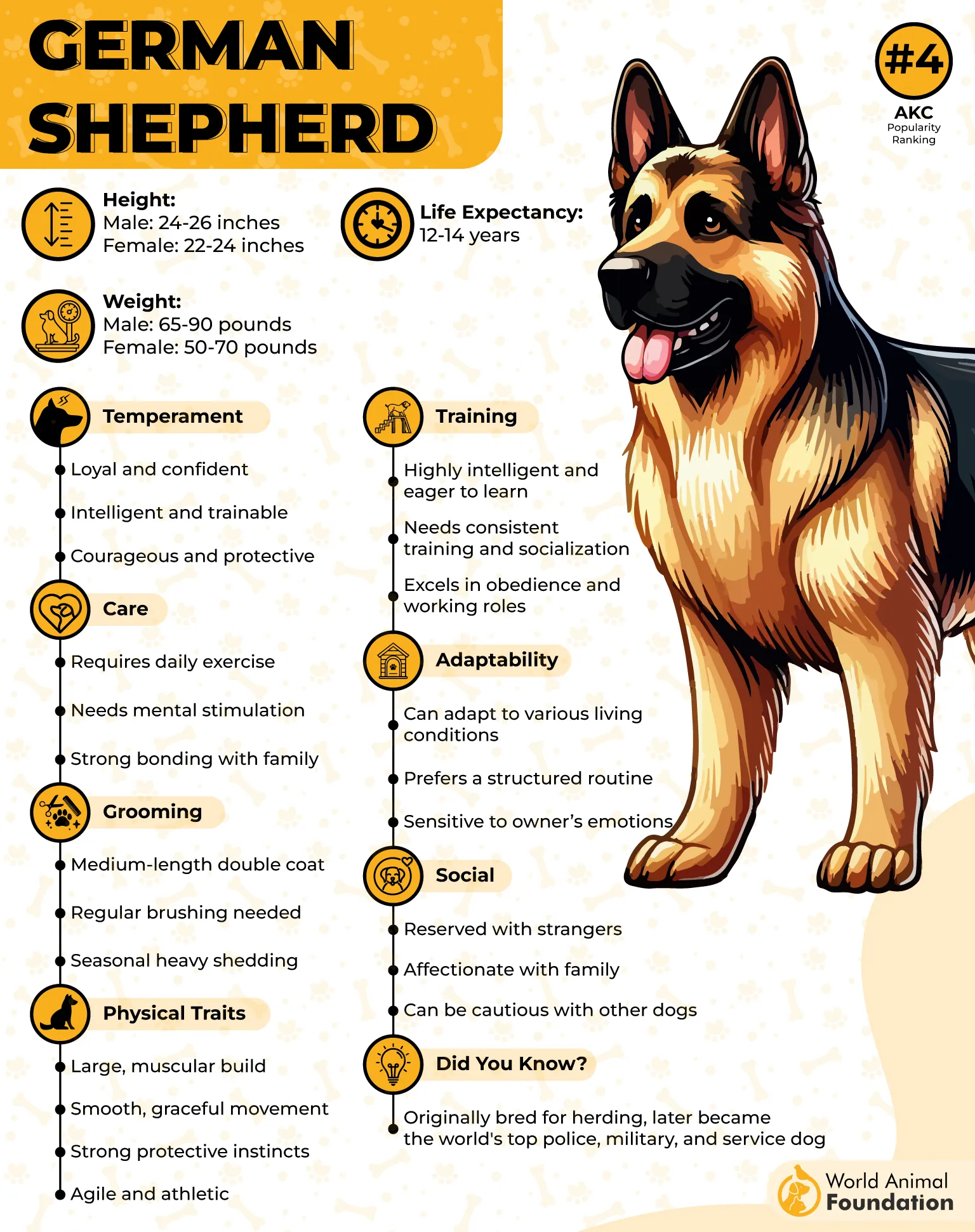
The German Shepherd is an athletic, intelligent breed known for its versatility and environmental awareness. Its muscular body, balanced movement, and ability to learn complex tasks have established it as a valuable companion for demanding outdoor activities.
German Development and a Versatile Working Past
The German Shepherd was established in Germany during the late 19th century through the efforts of Captain Max von Stephanitz. Initially developed for herding livestock, the breed later gained recognition for its adaptability in search-and-rescue, police, and assistance roles.

Intelligent Navigation Across Different Outdoor Settings
German Shepherds enjoy hiking, tracking games, forest walks, and outdoor training exercises. Their responsiveness to instruction makes them suitable for structured exploration. Owners should build endurance gradually and consider their susceptibility to hip and elbow disorders when planning strenuous outings.
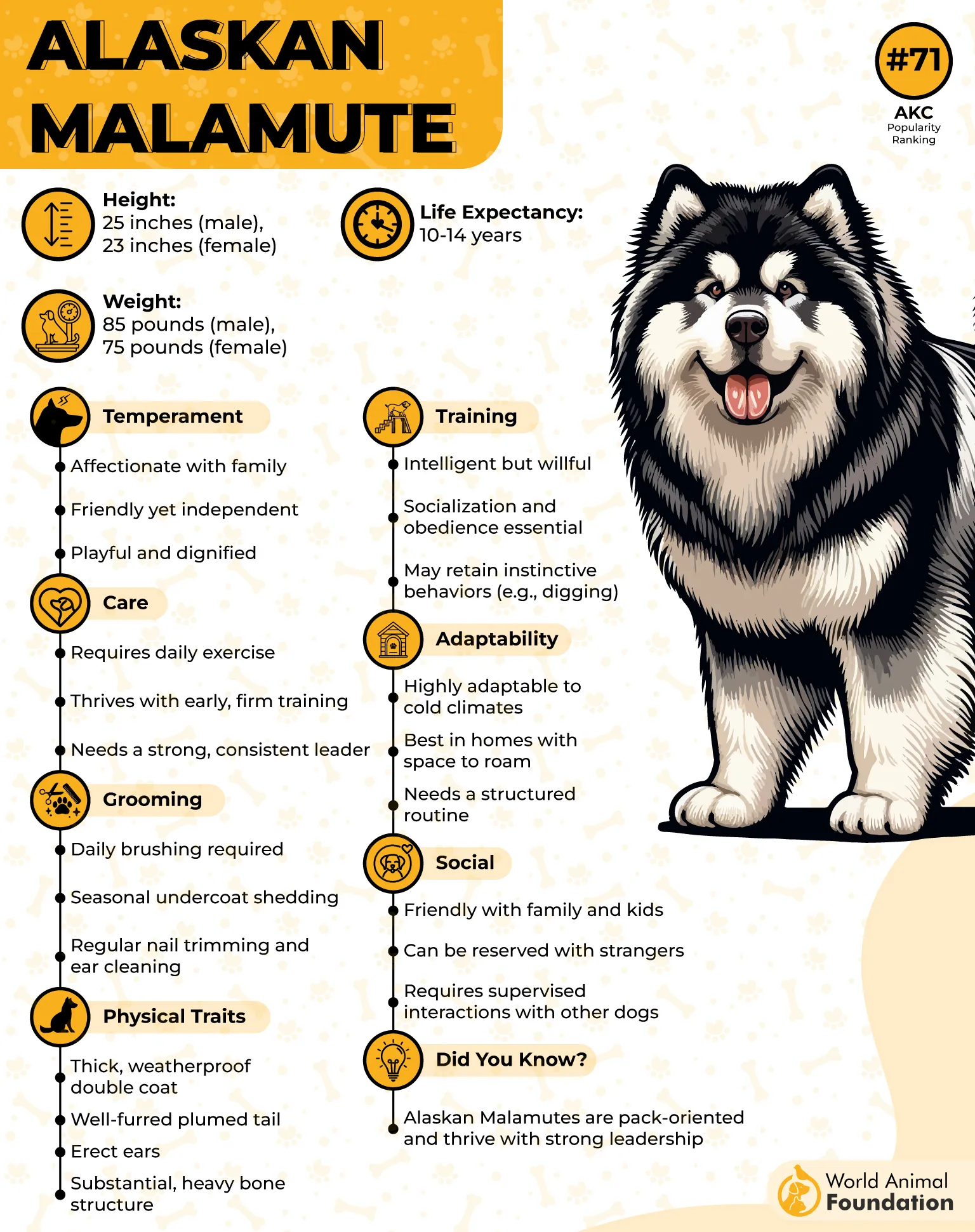
6. Alaskan Malamute
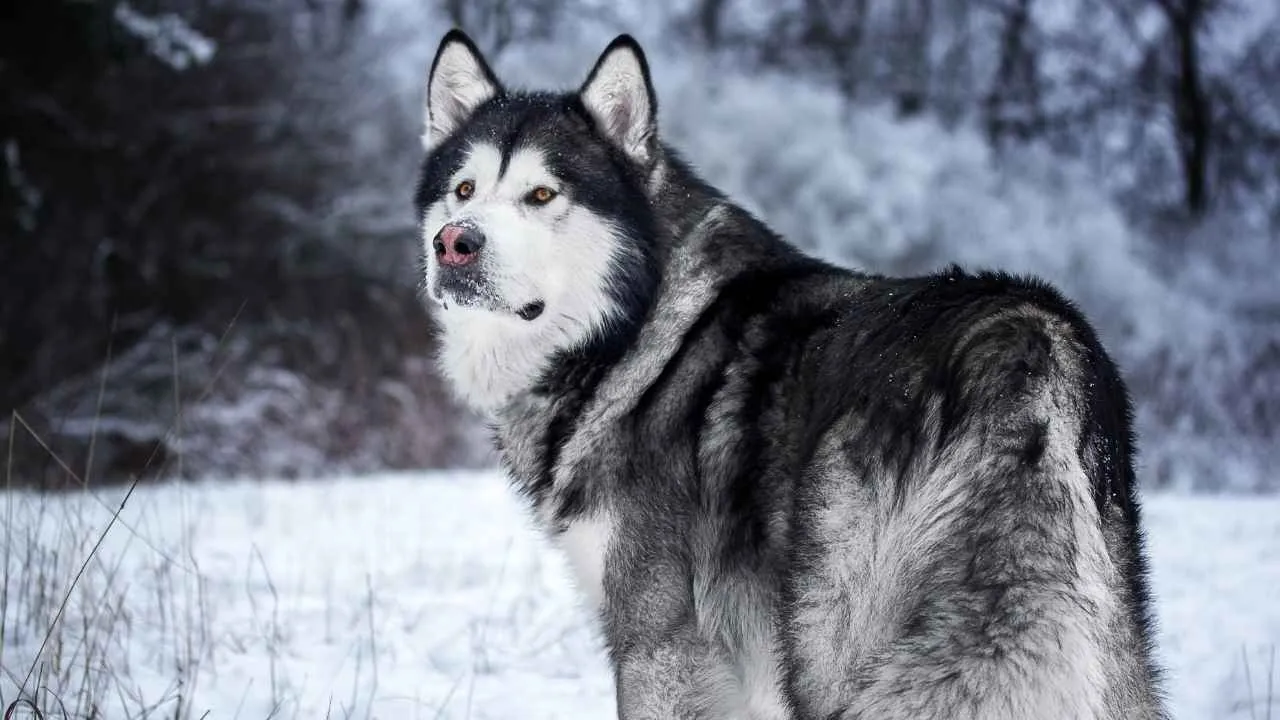
The Alaskan Malamute is a powerful Arctic working dog distinguished by its dense double coat, substantial build, and impressive pulling strength. Developed to transport heavy loads across snowy terrain, it possesses remarkable endurance and a natural preference for colder environments.
Arctic Origins and Traditional Sled Work
The Alaskan Malamute was developed by the Mahlemiut Inuit people of northwestern Alaska. These powerful dogs were essential for transporting supplies and pulling heavy sleds across challenging Arctic landscapes, shaping their muscular bodies and insulating coats.
An Endurance Specialist for Snowy Expeditions
Alaskan Malamutes often enjoy snowshoeing excursions, winter walks, and hiking in cooler environments. Their strength and stamina suit sustained movement rather than short bursts of speed. Secure leash arrangements are important because their independent nature can encourage roaming.
7. Siberian Husky
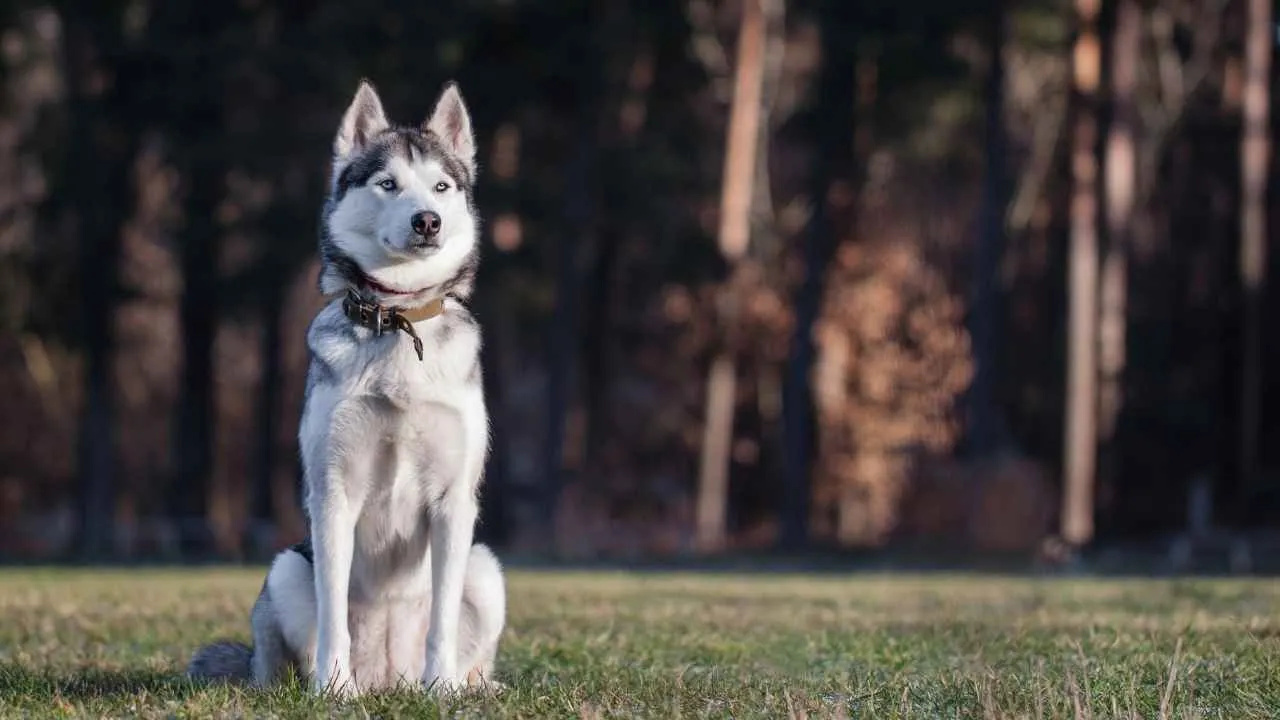
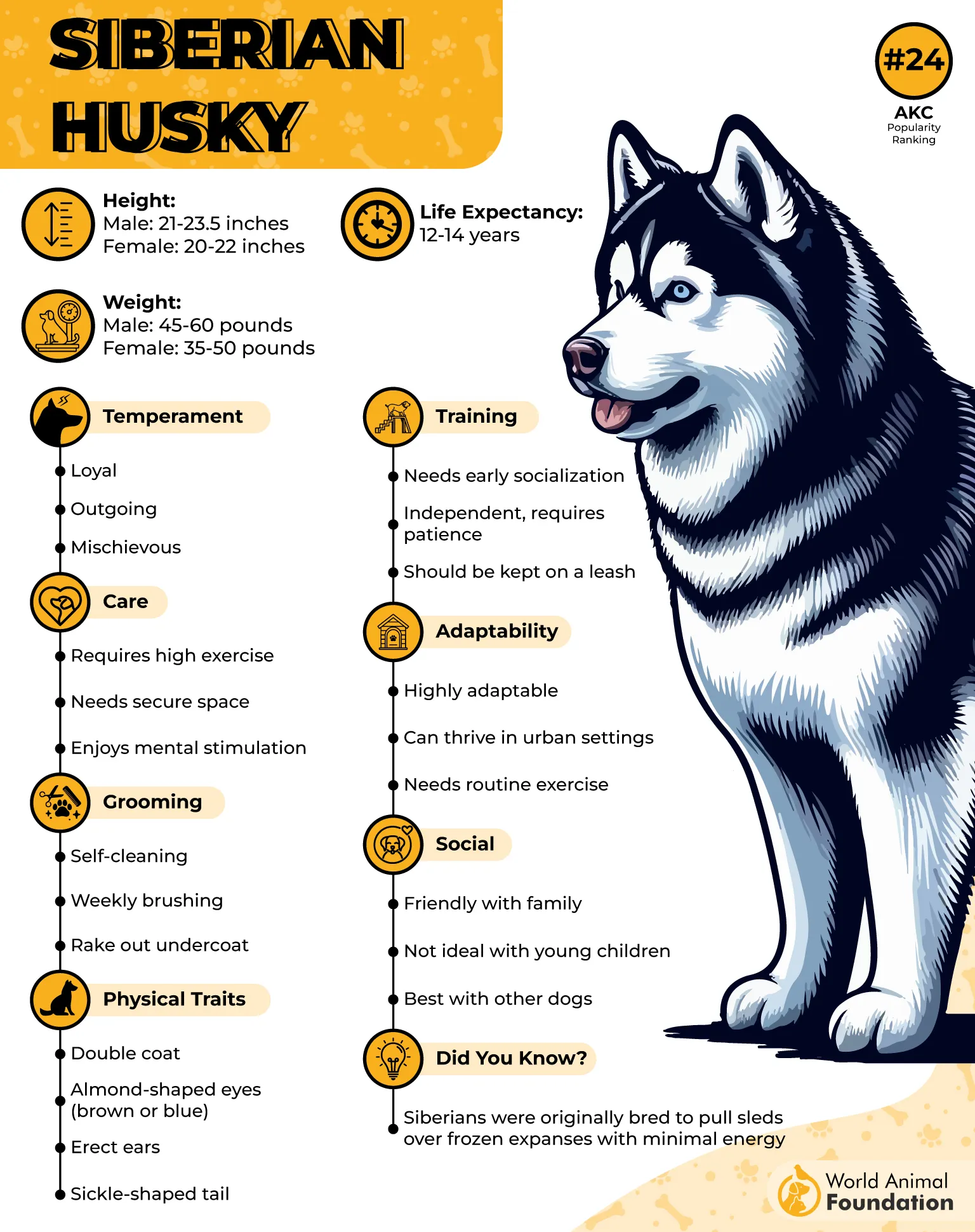
The Siberian Husky is a medium-sized sled dog recognized for its striking appearance, athletic movement, and exceptional endurance. Originally developed to transport supplies across frozen landscapes, it has a natural inclination toward running and covering long distances.
A Siberian Breed With a Sled-Pulling Legacy
The Siberian Husky was developed by the Chukchi people of northeastern Siberia, who relied on these dogs for transportation and companionship. Their ability to pull sleds efficiently across frozen routes made them essential working animals.
Built for Long-Distance Outdoor Exploration
Siberian Huskies thrive on activities such as running, hiking, and exploring snowy trails. Their efficient movement and natural stamina allow them to maintain a steady pace over considerable distances. Their strong running instincts require secure equipment and dependable leash management.
Conclusion
The breeds featured above demonstrate how different working backgrounds can shape a dog’s enthusiasm for outdoor exploration. Each breed has distinctive requirements, making it important to match activities with individual capabilities.
Before planning an adventure, consider your dog’s age, physical condition, previous experience, and veterinary needs. Puppies and older animals may require shorter outings, while dogs with existing health concerns need individualized exercise recommendations.
Always carry sufficient water, suitable weather protection, identification, and secure walking equipment. Gradually increasing activity levels also helps build fitness without placing unnecessary stress on muscles and joints.
With thoughtful preparation and appropriate care, an adventurous dog can turn ordinary walks into rewarding opportunities to discover the natural world.
