




Dog ownership can be deeply rewarding, but not every dog is naturally suited for a quiet, low-energy household. Some breeds come with strong instincts, independent minds, and high energy levels that require patience, structure, and understanding. When these needs go unmet, frustration can quickly turn into destructive behavior.
Dogs are often unfairly labeled as “bad” based solely on their actions, when in reality their unruly behavior usually reflects a mismatch between their needs and their environment.
Many popular breeds were originally developed for demanding work, herding, guarding, or hunting, and struggle to adapt to inactive indoor lifestyles without sufficient mental and physical stimulation. Understanding a breed’s purpose is key to preventing problem behaviors. Let’s get to know them.
Fun Fact
Scientists suggest that dogs displaying destructive behaviors often have strong problem-solving abilities. Their curiosity and intelligence drive them to chew, dig, or escape when their minds are not adequately challenged.
Top Dog Breeds That Are Known for Their Unruly Behavior
1. Siberian Husky
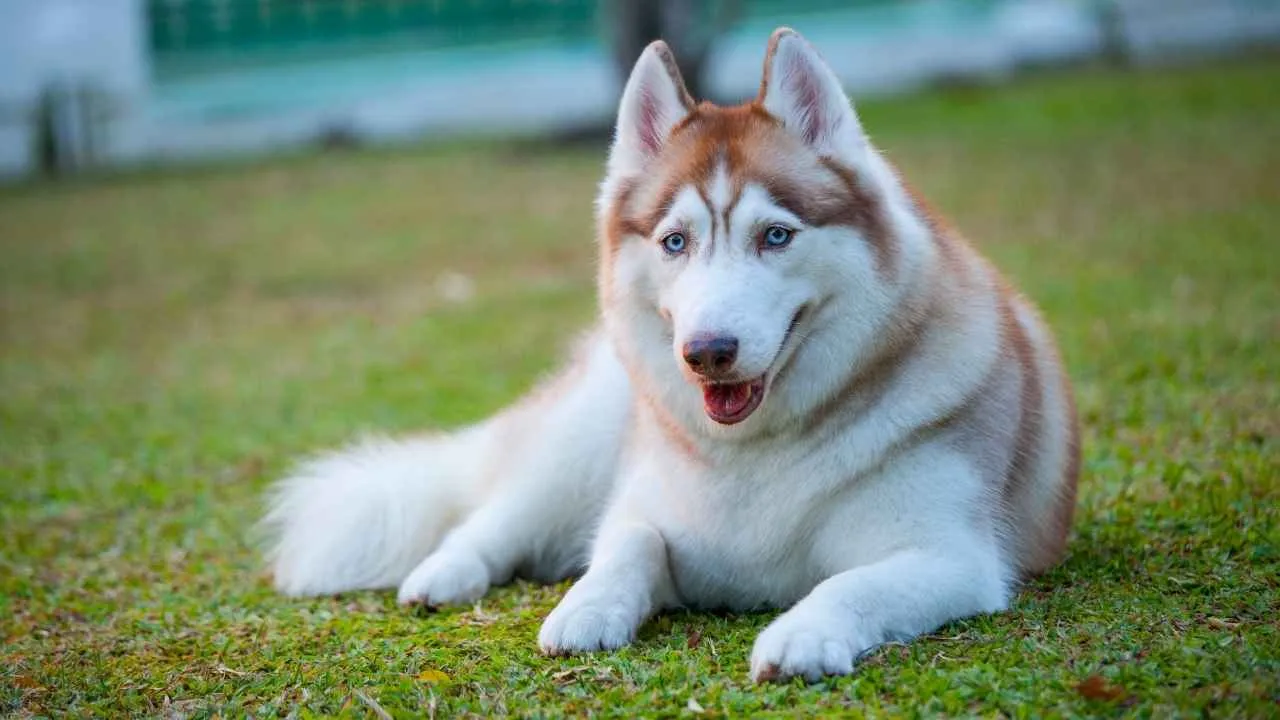
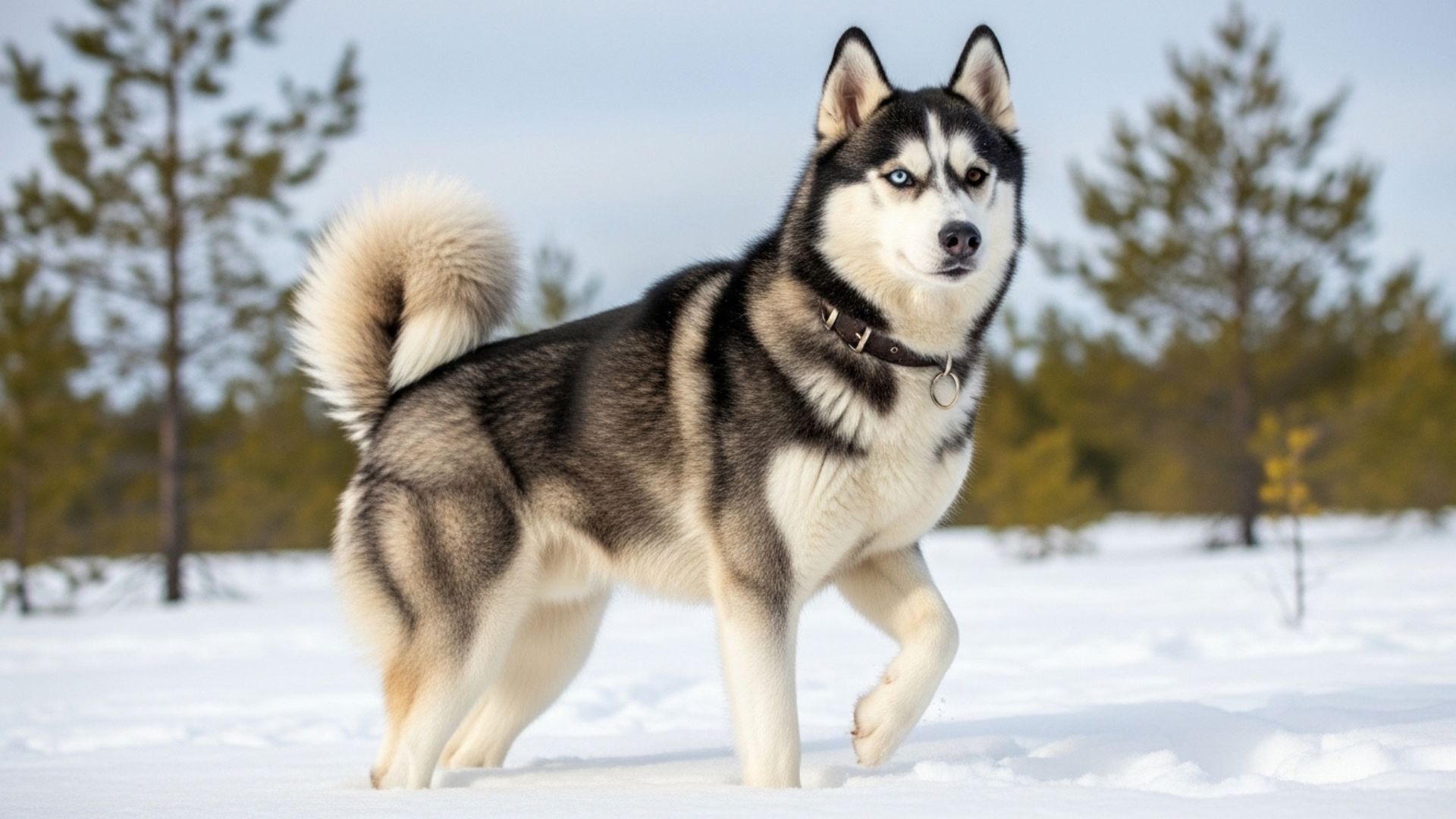
Siberian Huskies show friendliness and gentleness and display affection toward people. The breed exhibit inteligence and an outgoing nature but follows its own path instead of obeying commands. The breed shows more interest in welcoming guests than protecting the home.
The dogs need to engage in physical activities because of their energetic nature. The dogs will exhibit destructive behavior through digging and howling while trying to escape if their guardians leave them alone without supervision.
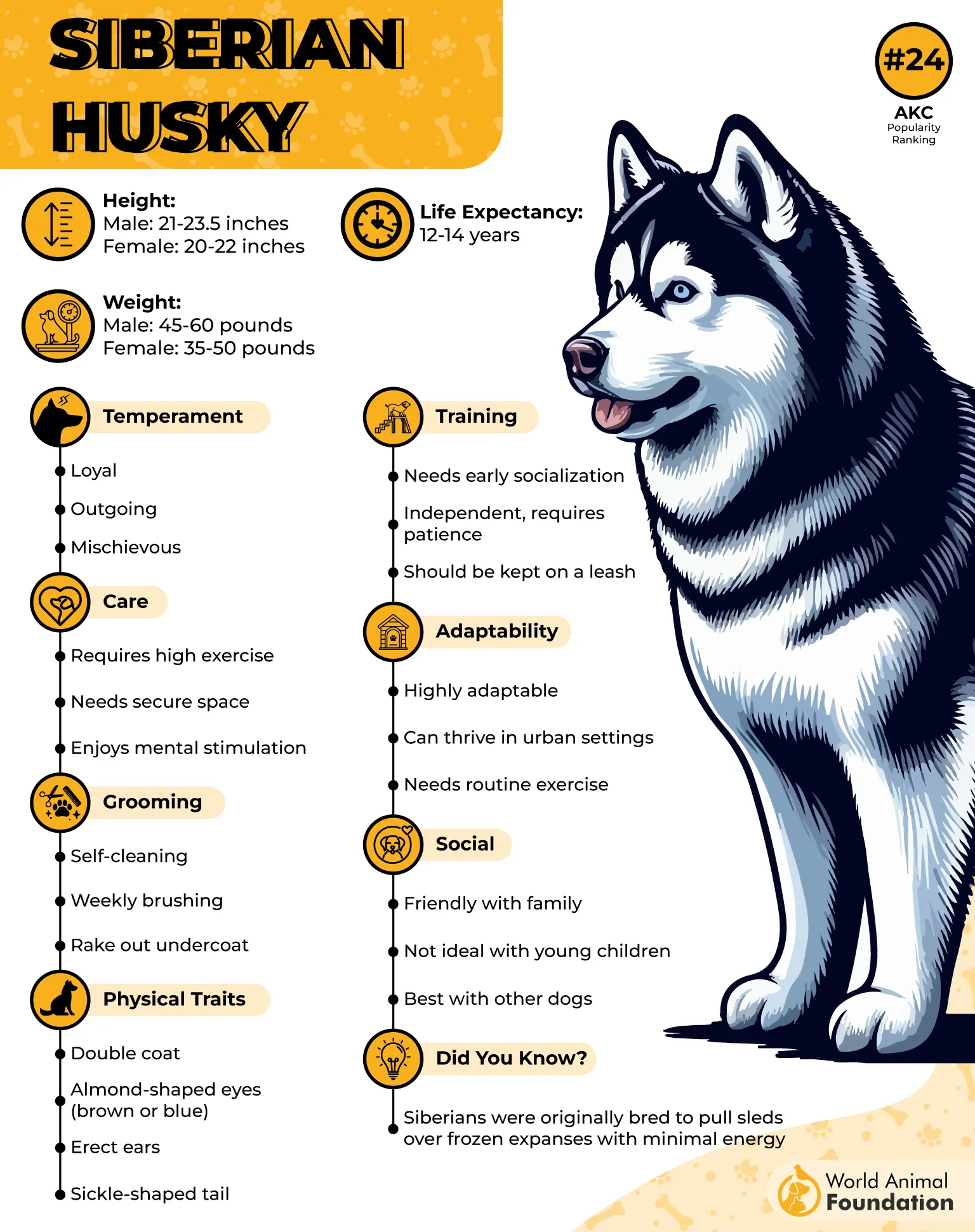
Huskies were originally bred to pull sleds across frozen landscapes, which explains their endurance and strong desire to roam. According to Purina, these dogs need daily mental stimulation alongside physical exercise to remain balanced.
Theirprey drive makes them prone to chasing small animals. Huskies show testing of their boundaries, which results in stubborn behavior during obedience training. The dogs need secure fencing because they possess exceptional escape abilities. The dogs respond more effectively to positive reinforcement than they do to strict correction methods.
These dogs develop into joyful and affectionate furry companions when their requirements recieve fulfillments.
2. Jack Russel Terrier
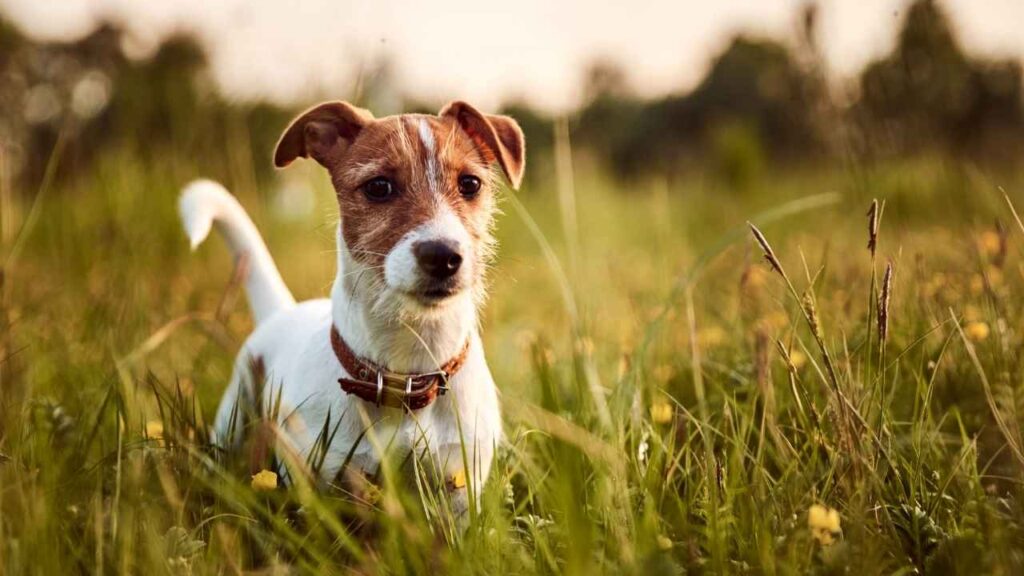
The Jack Russell Terrier may be compact, but its personality is bold and fearless. The dogs show high energy levels while making loud sounds and being alert to everything occurring around them. The dogs use their high energy levels for digging, chasing, and exploring because of their hunting backgrounds.
Jack Russells serve as effective watchdogs, but their intense behavior makes them difficult for first-time owners to handle. The small dogs will destroy things unless they receive proper guidance for their high energy levels.
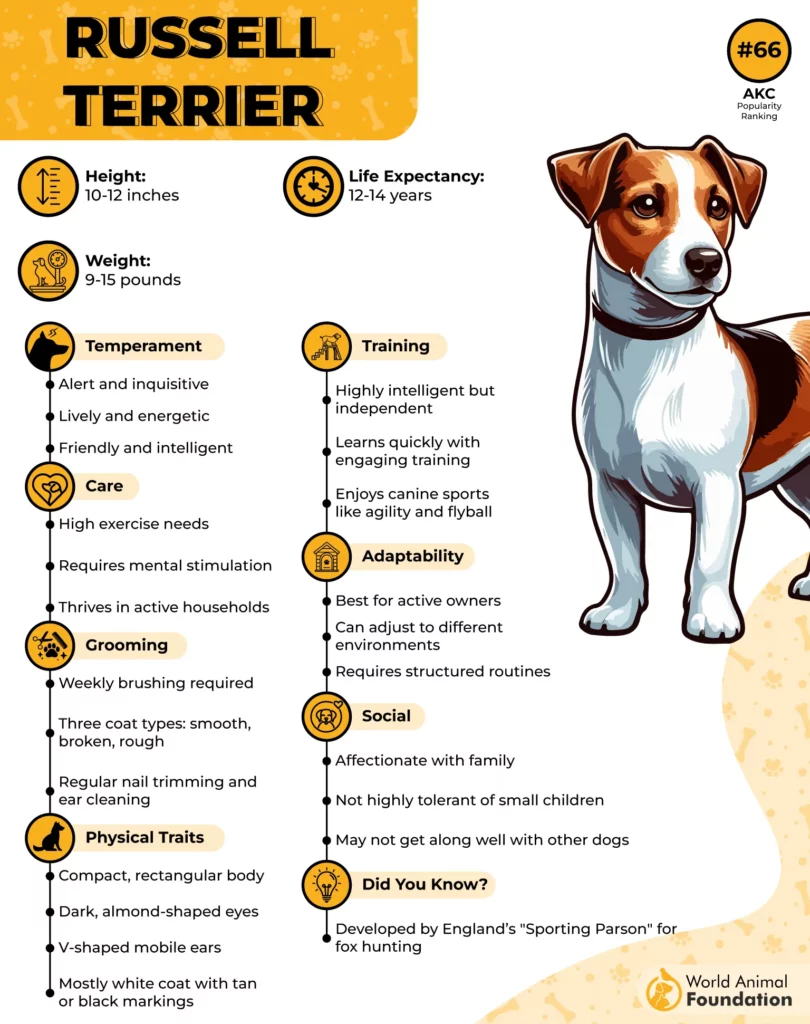
Hills Pet mentions that Jack Russell Terriers need a structured training process to achieve their maximum potential. The dogs will fully refuse to listen because they need to know their limits through clear instructions.
The breed requires mental exercises, which they can complete using puzzle toys. The dogs become distracted by everything, which includes movements, sounds, and the presence of other animals.
People who socialize their dogs from an early age will be able to control their dogs’ interactions with other dogs. Positive reinforcement works far better than punishment. The dogs demonstrate their exceptional training skills through their increased ability to control their energy.
3. Dalmatian
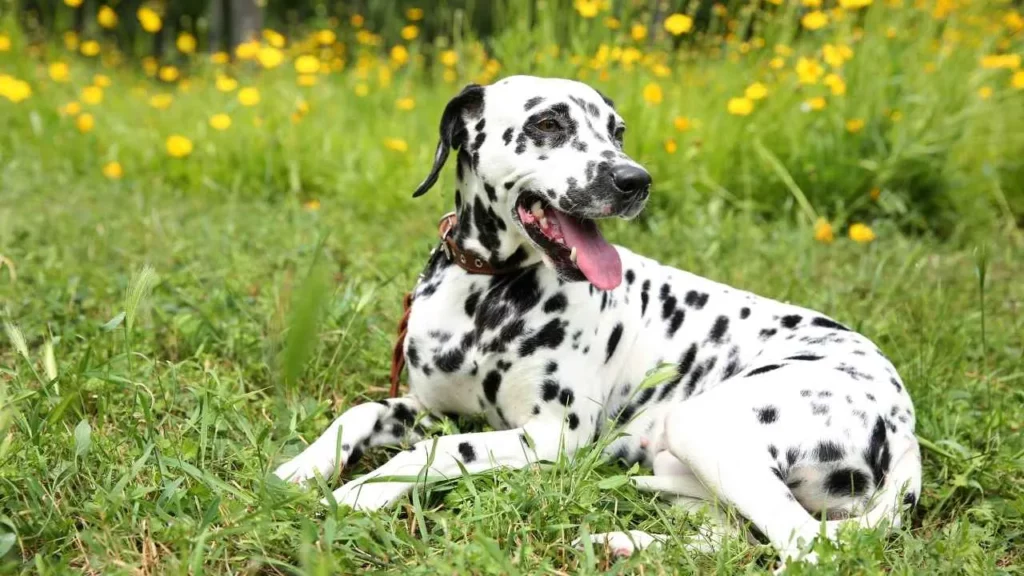
Dalmatians are athletic dogs who possess high intelligence and display their distinctive spotted fur pattern. The dogs develop strong emotional connections with their family members because they want to take part in family activities. The dogs demand both mental stimulation and physical exercise.
The dog becomes unmanageable because it develops anxiety and begins to bark excessively and destroy things when it does not receive sufficient exercise.

Dalmatians were initially developed as carriage running dogs, which enabled them to maintain their exceptional endurance abilities. These dogs need daily activities that they must follow at specific times to feel their safest.
The dog will experience separation anxiety when it spends too much time alone. The sensitive breed requires training methods that make use of calm and patient approaches.
The dogs respond badly when trainers use severe disciplinary method aginst them. The dogs develop after their owners provide them with emotional support and enough physical activity.
4. Beagle

Beagles are lovable dogs that maintain social behavior, which makes them suitable for family environments. The breed displays friendliness and tolerance, which makes them safe to be around children who need their parents to keep watch. Their sense of smell, which they use to detect scents, leads them to act in specific ways throughout their day.
Beagles that people bred to work as scent hounds now track scents through their noses, which they follow until they become unable to hear their trainers.
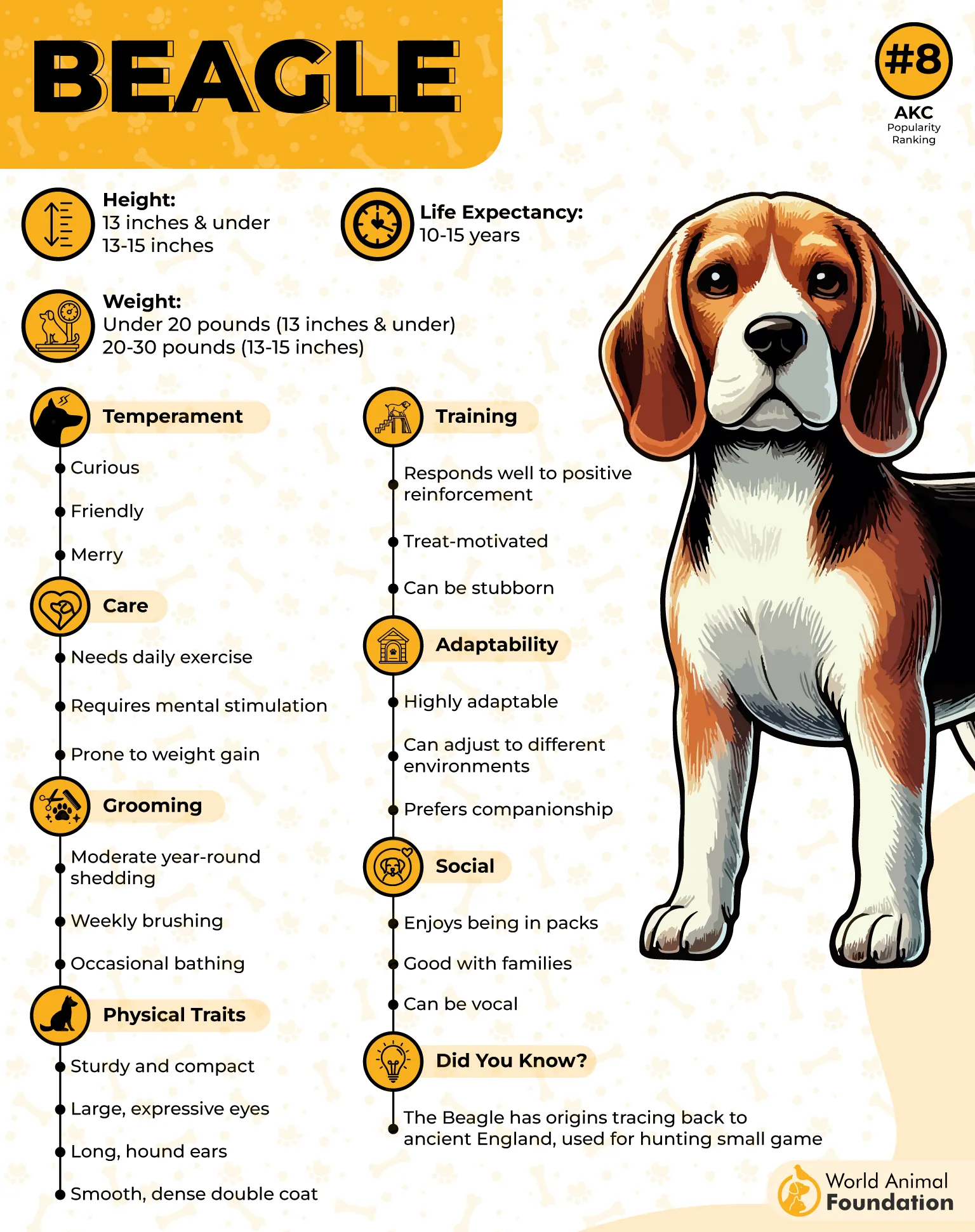
PDSA states that Beagle dogs follow scents when they lack training to obey their handlers. The process of recalling someone becomes difficult when they lose focus.
The combination of physical activity and mental challenges establishes a system that helps control undesirable conduct. Beagles will exhibit unwanted behavior, which includes wandering, chewing furniture, and pursuing small animals when they lack direction.
People need to start training their dogs from the time they reach puppyhood. The system works effectively for them when they use positive reinforcement training methods. Beagles become well-mannered and loving companions through the process of training, which needs time to develop.
5. Weimaraner
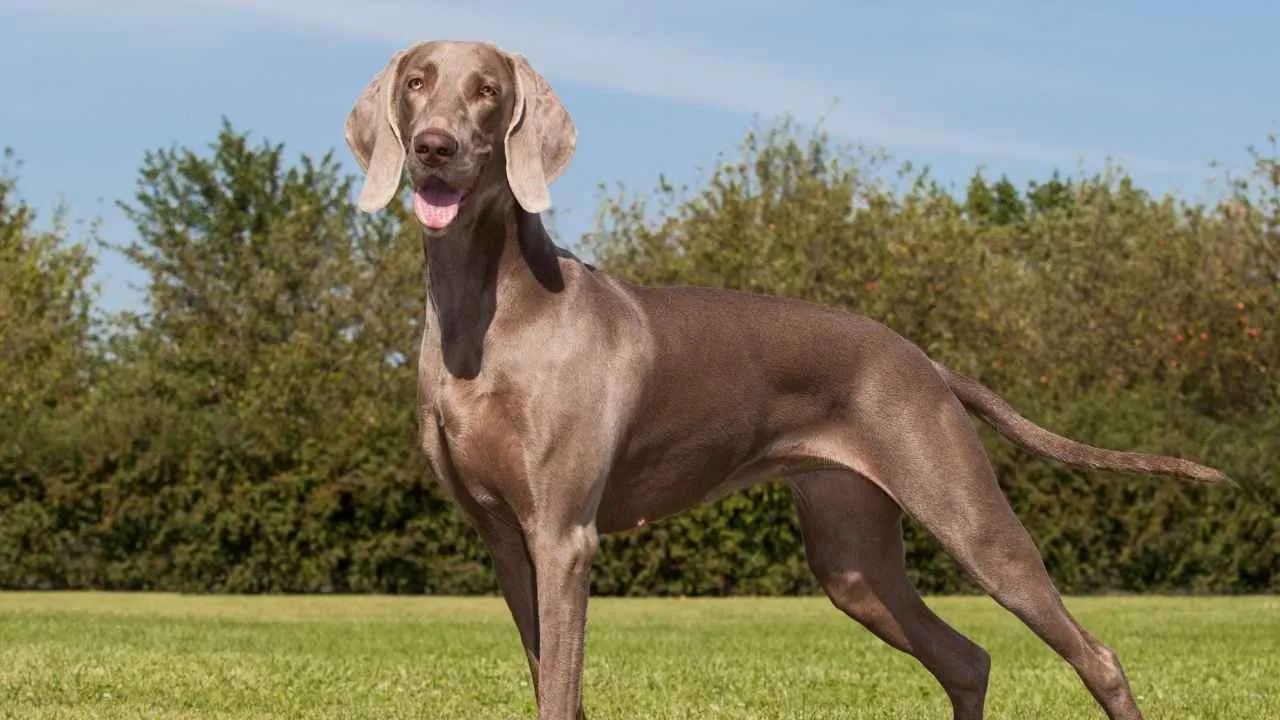
The Weimaraner breed displays characteristics of friendliness and obedience, which combine with their shiny silver coat and athletic body structure. The breed shows high energy levels, which need continuous physical activity to reach their optimal state. Their long legs, together with their inquisitive natur,e make them capable of reaching high surfaces such as tables and cabinets.
If pet owners do not control their dog’s training schedule, their pet might start to pursue small animals through their natural instincts.
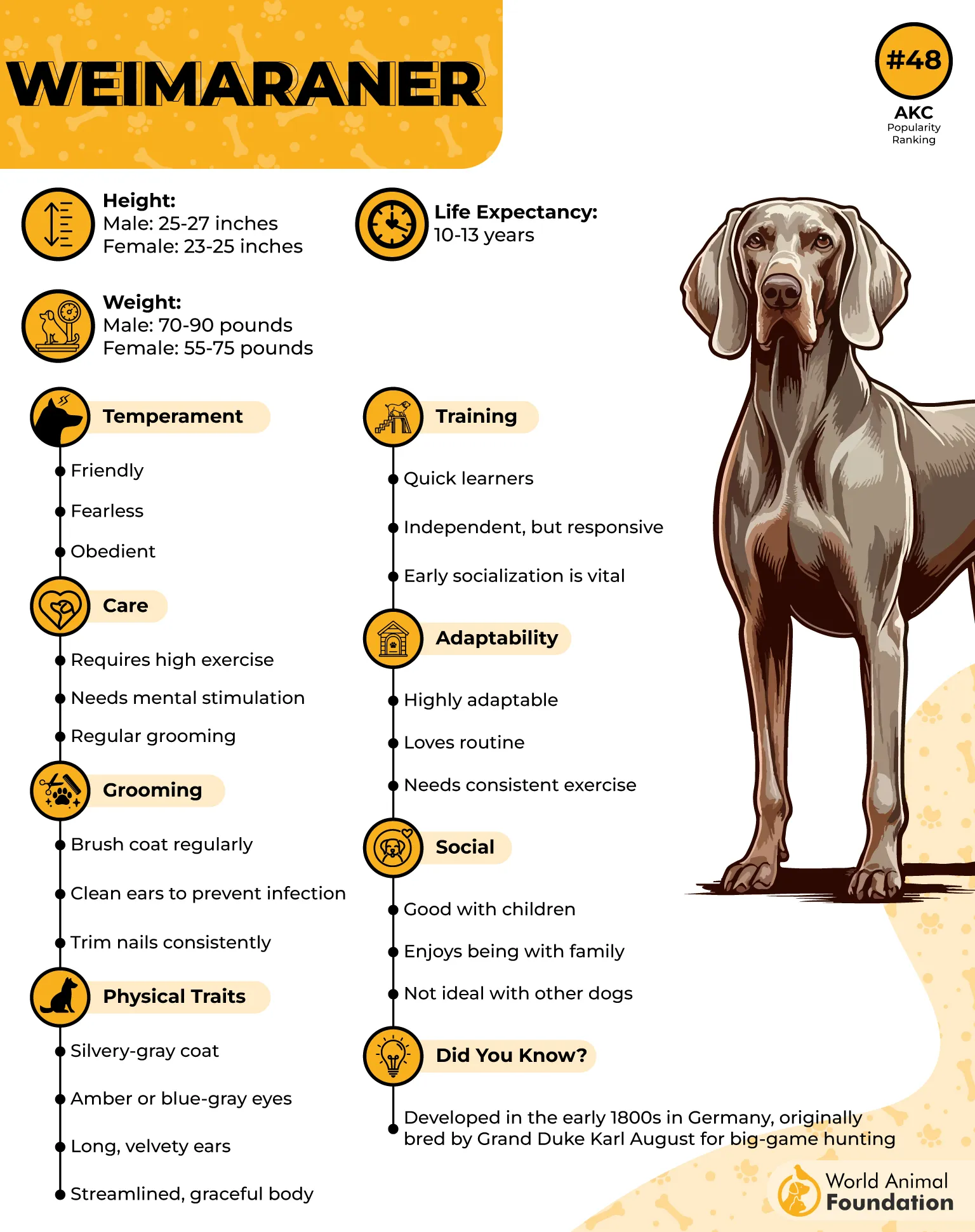
This breed experiences boredom as its main problem. The absence of sufficient exercise leads to the development of destructive behaviors, which include chewing and pacing. The dogs do best under experienced caregivers who create a structured environment. Physical exercise needs to be matched with activities that challenge the mind.
The process of obedience training assists people in controlling their sudden impulses. Dogs commonly experience separation anxiety when left alone for extended periods. The dogs build strong bonds with their owners, which they maintain throughout their lives.
6. Shar-Pei
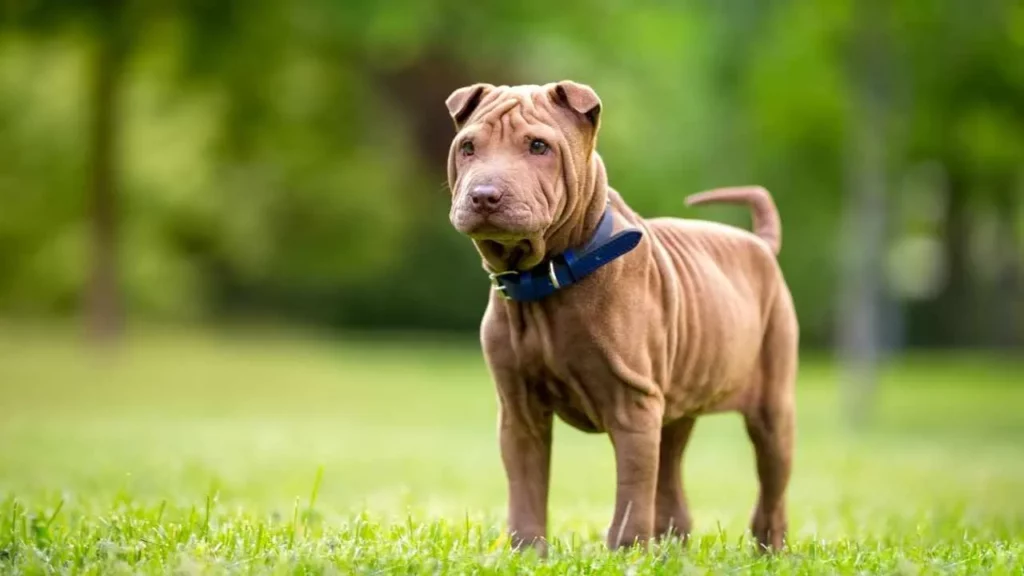
The body of Shar-Pei dogs is of a medium size, and their skin exhibits unique wrinkled features while they maintain a tranquil facial expression. The breed shows loyalty and intelligence through its independent nature. The breed requires its owners to follow established work patterns while they work in peaceful surroundings.
The absence of socialization during early life leads to the development of anxiety problems and reserved behavior toward unfamiliar people.
The American Kennel Club explains that Shar-peis bond deeply with family members. The dog displays moderate energy levels, which require them to walk every day for their health needs. Training this breed requires consistent methods because their strong-willed nature makes training harder.
The breed reacts negatively to training methods that use severe punishment. Trust develops through leaders who maintain calmness. Socialization training from an early age enables Shar-Peis to remain peaceful while showing affection.
The behavior of people shows major improvements when they receive guidance from others who remain composed.
7. Rottweiler
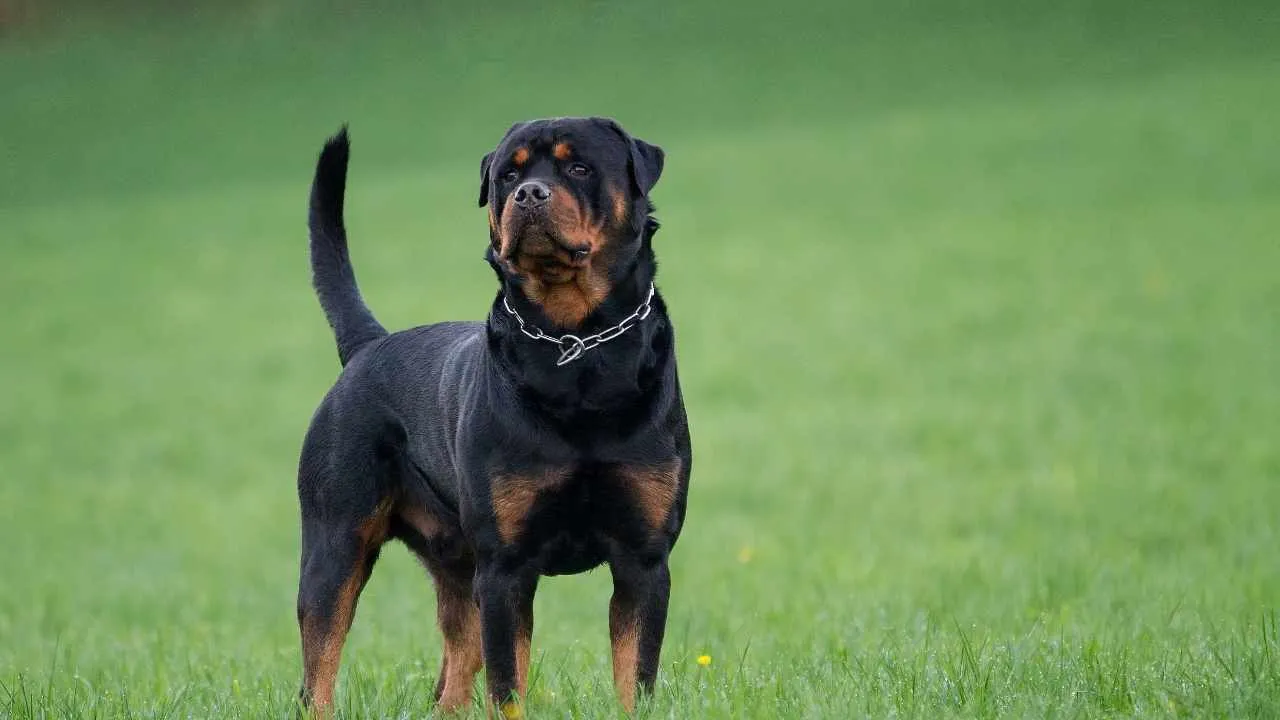
Rottweilers show confidence and intelligence, together with their instinctive ability to protect. The breed shows dedicated behavior through its two original functions of herding and guarding. The breed requires responsible ownership because its strength makes it necessary to control its barking behavior.

The absence of structure leads to confusion between their dominant traits and their actual behavioral problems.
The early obedience training establishes the optimal time for Rottweilers to learn commands, according to Britannica. The dogs respond to specific rules and stable leadership because they show respect for them. The process of social exposure enables them to learn how to react properly when they encounter other dogs.

The dogs exhibit powerful body strength, yet they possess emotional sensitivity. The dogs develop stubbornness or social withdrawal through insufficient training. Their behavior becomes calm and dependable after they receive appropriate training. The dogs succeed when their families provide them with suitable training and support.
8. Akita
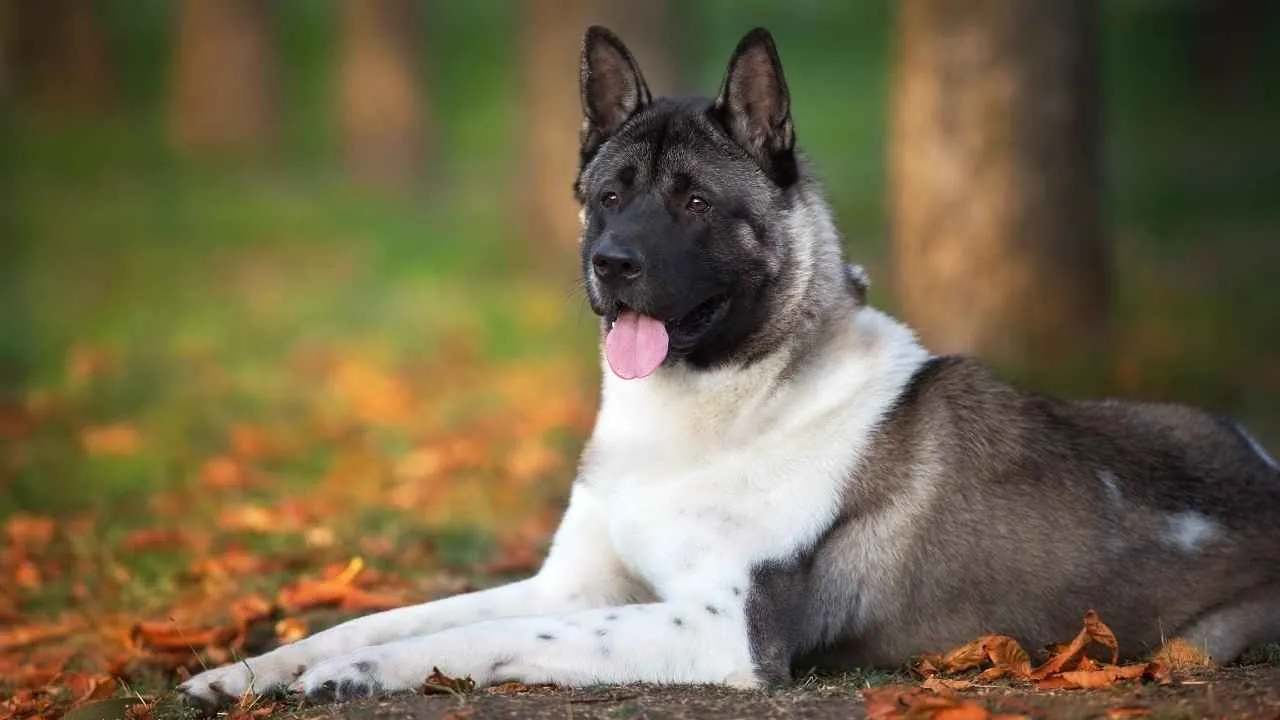
Akitas are large, loyal dogs who possess an inner strength that they show through their silent presence. The Japanese Spitz breed establishes deep attachments with its owners, yet keeps its distance from people who are not familiar with it. Akitas require experienced owners who can handle their need for strict training methods.
The breed’s double-layered coat structure creates heat senstivity which makes them vulnerable to high-temperature environments.
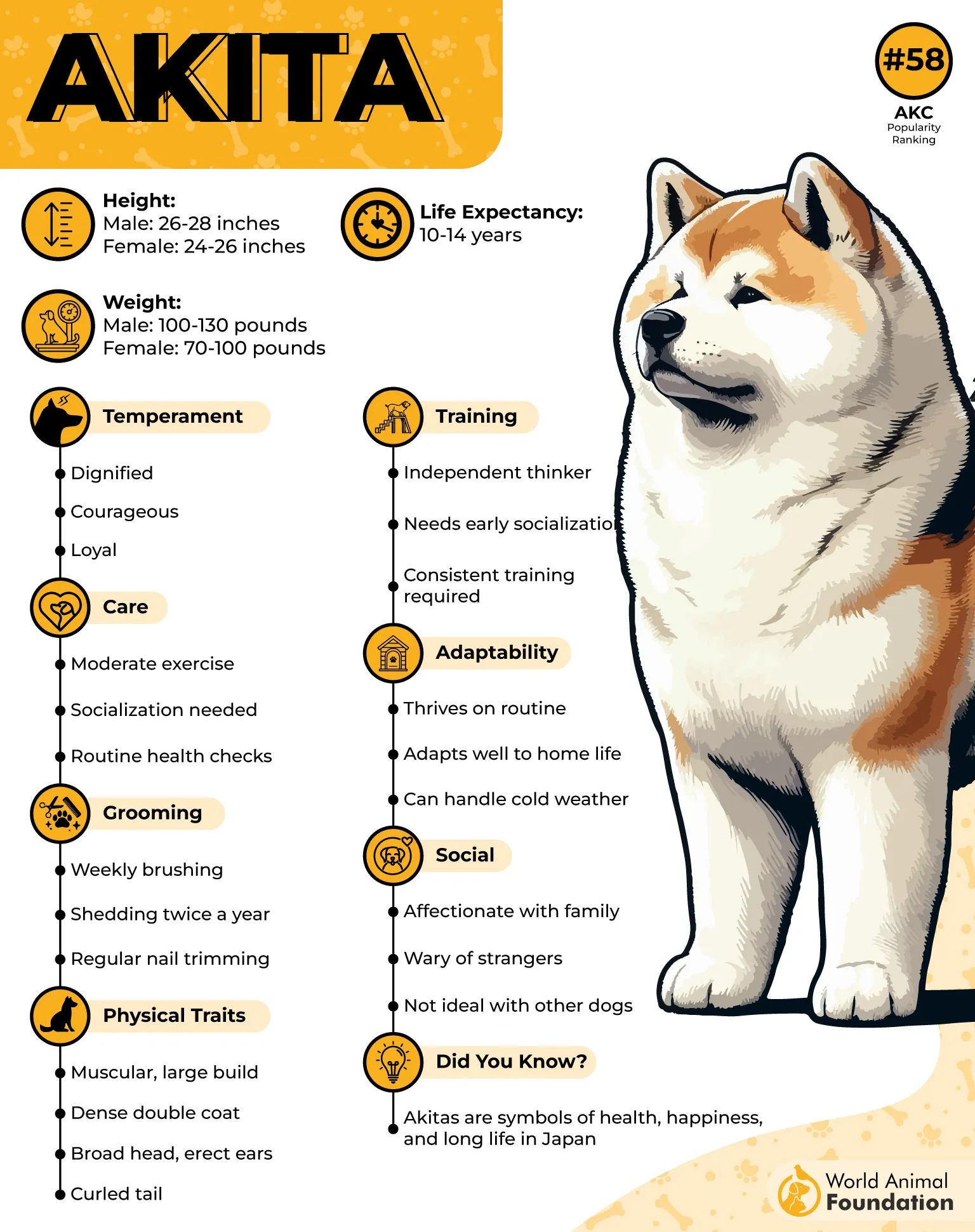
Akitas function as independent thinkers who do not easily follow others. Dogs will ignore commands that their handlers repeat multiple times. Early socialization helps manage interactions with other dogs. Daily exercise keeps their energy balanced.
The training method needs to establish stable training patterns since Akitas respond badly to forceful training methods. Trust develops through establishments of clear boundaries. They remain loyal companions who maintain their dignified appearance through proper care.
9. Chow Chow
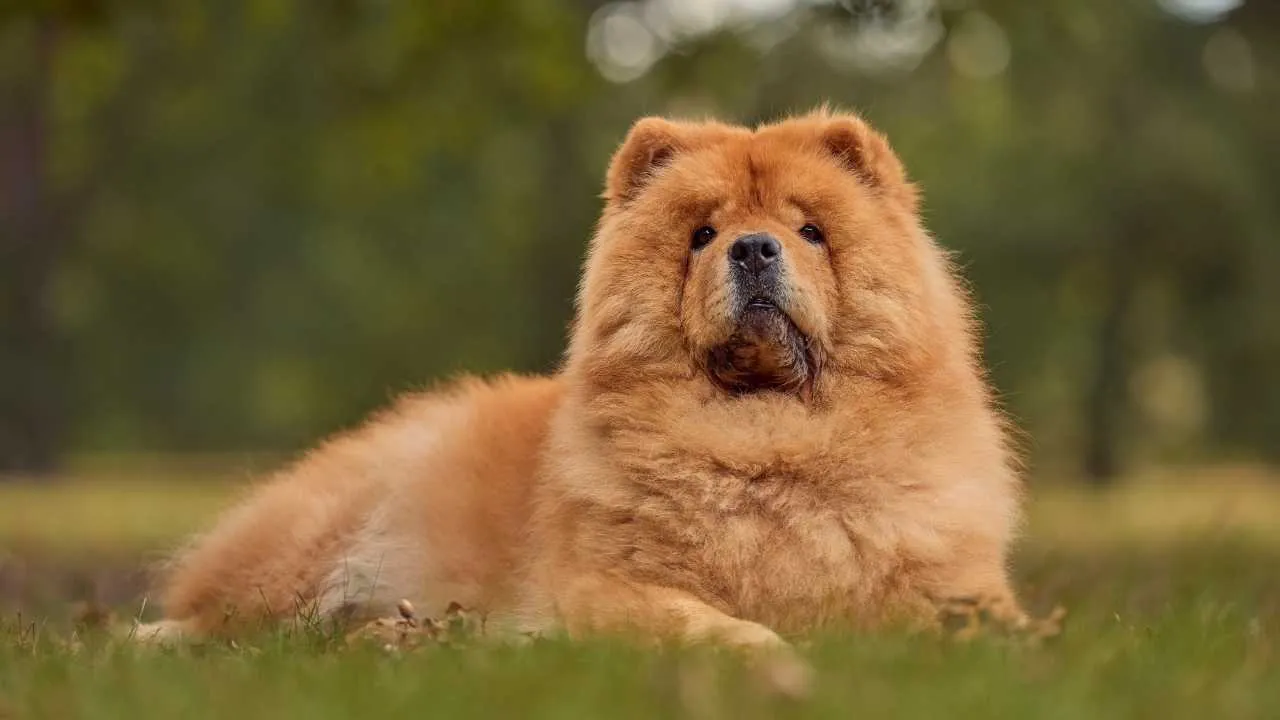
Chow Chows are ancient dogs that possess a distinctive lion-like mane and a blue-black tongue. The natural behavior makes them calm and clean, but they show an appearance of being distant. The dogs show little interest in playing, and their preferred time is to stay in quiet areas.
The dogs need very little exercise, yet their strong character creates difficulties during their training process.

Chow Chows successfully complete house training while they keep their home environment clean. They lack a natural drive to please others, which creates challenges during their training process. Training sessions should be short, yet they need to be conducted multiple times throughout the day.
The first stage of socialization training helps dogs learn to control their aggressive behavior. The dogs show excellent adaptability to urban environments. The dogs will show constant and polite behavior if the trainer provides them with sufficient time. Their loyalty deepens over time.
10. Shiba Inu
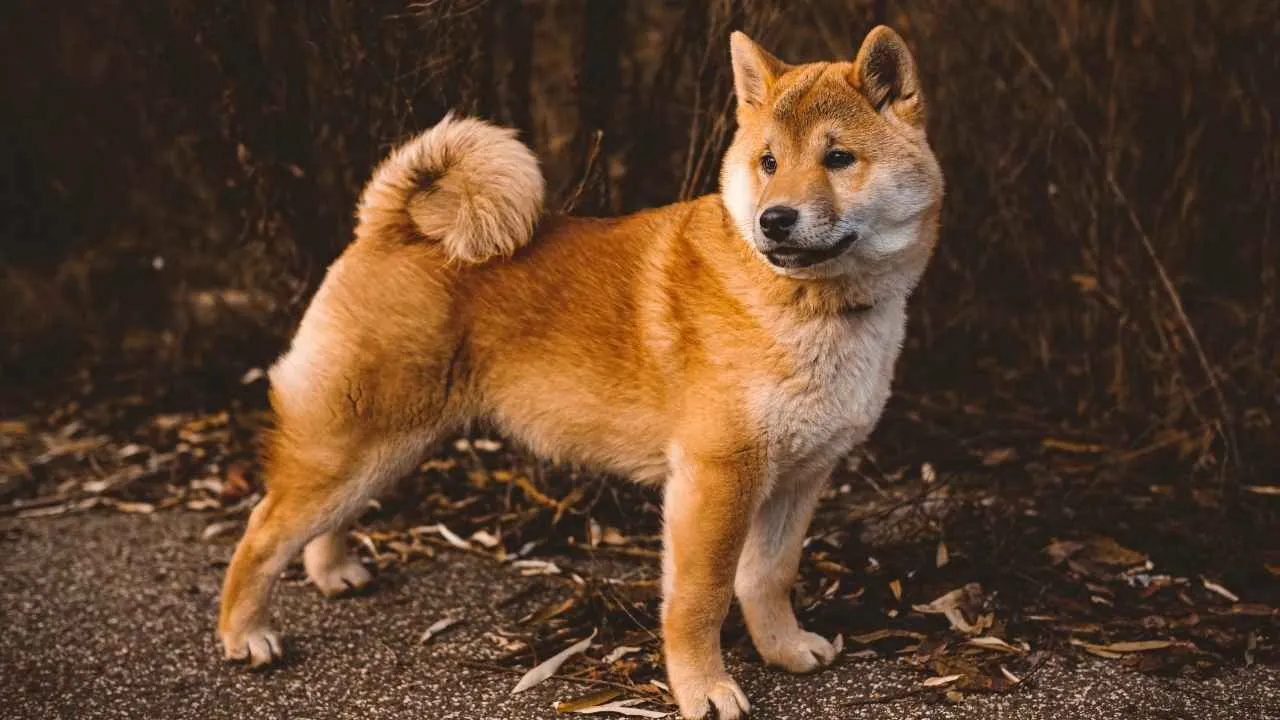
Shiba Inu dogs display three distinct traits, which include being watchful and smart and showing their feelings through body language. The fox-like look of these dogs hides their bold nature and independent character. The dogs show love to their family members, but they only follow commands when they choose to do so.
If the dogs do not receive necessary training, their strong hunting instincts will cause them to pursue small creatures.
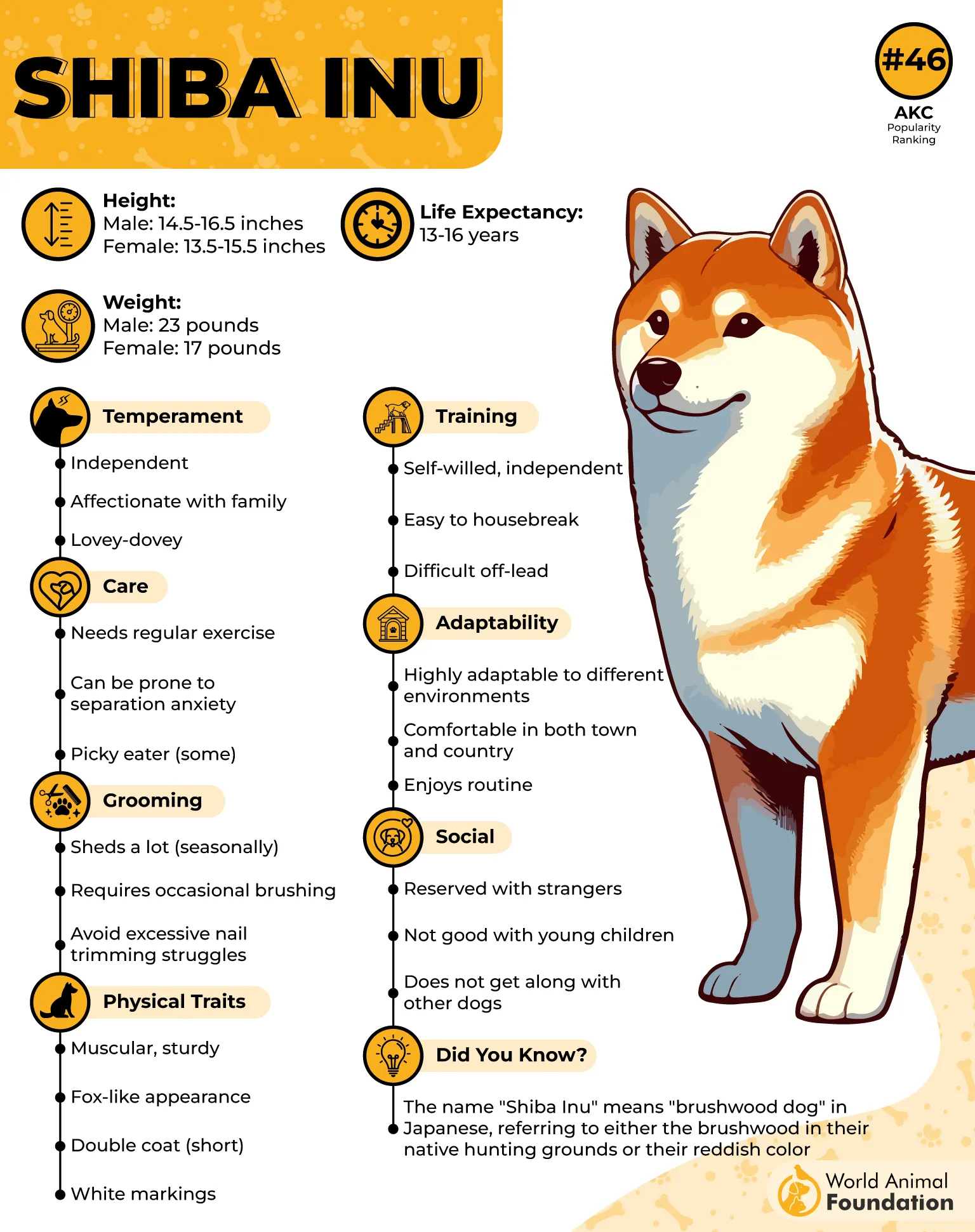
Shiba Inu dogs prefer things on their own terms. Dogs need mental stimulation because it helps them stop destructive behavior. People learn to work together through a positive reinforcement training method.
Trust between people and dogs breaks when harsh correction methods are used. The dogs need leash training because their hunting instincts make them chase things.
Conclusion
Dogs show disruptive behavior because they have not yet reached their full energy potential, and their instinctual needs remain unfulfilled, and their emotional needs remain unsatisfied. Certain dogs require more patience, exercise, and structured training than others.
A breed’s history helps owners control their pet’s behavior because they understand how their dog will behave. Positive reinforcement combined with mental stimulation and training commitment will help stubborn breeds develop into dependable and affectionate pets.
