




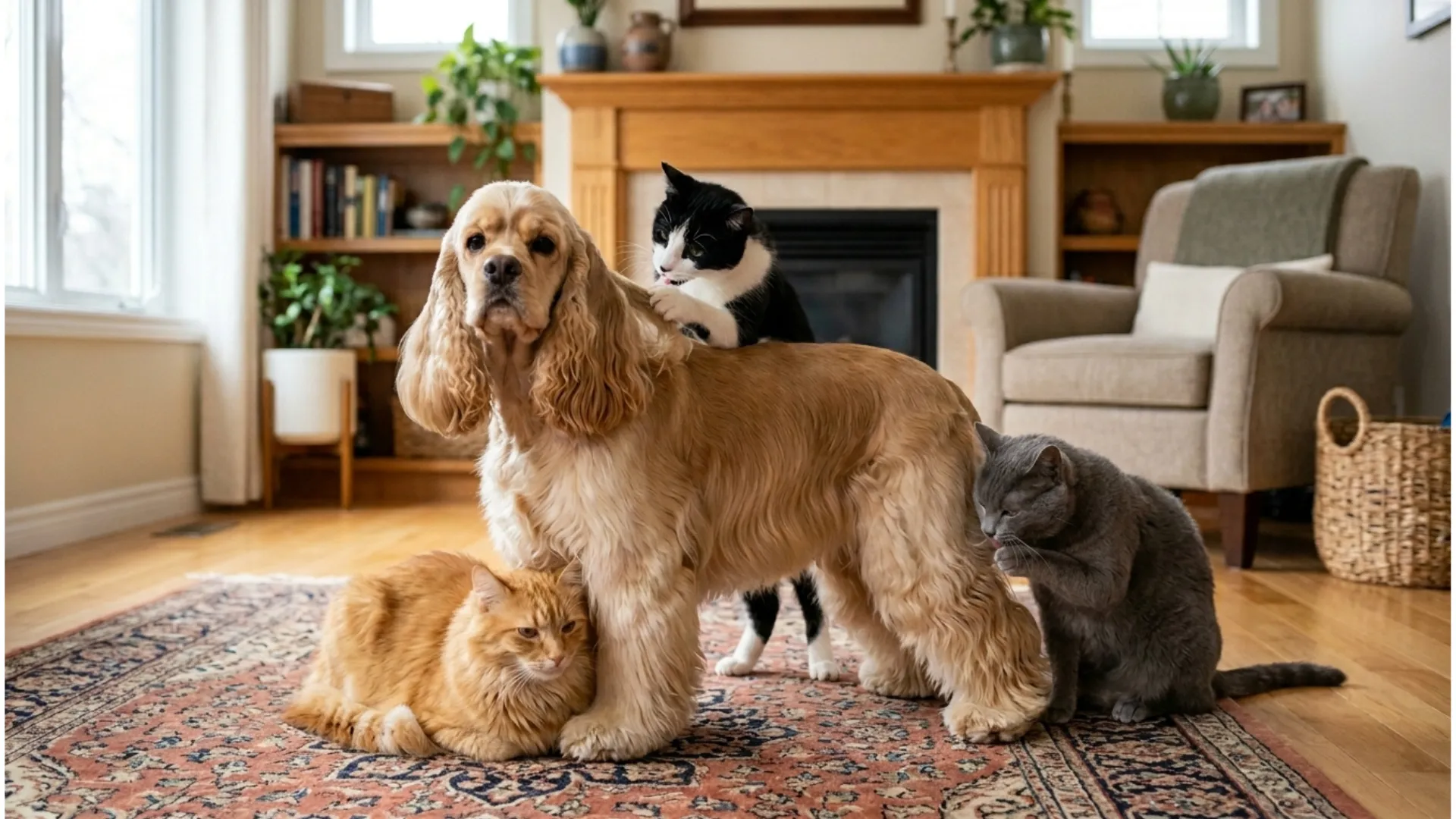
The presence of both cats and dogs in a home environment creates a dynamic space that provides owners with social interaction and emotional support. The common belief among pet owners, who think that cats and dogs create disruptive behavior, is proven wrong when specific dog breeds are properly trained by their owners to handle their feline companions.
The development of peaceful relationships between different animal breeds occurs because some breeds require fast movement, while other breeds have been trained throughout history to work with both people and other animals.
The success of multi-pet households depends on animals that comprehend their shared environment and demonstrate their capacity to observe established pet limitations. The dog and cat companions need early socialization together with regular activities, while they should receive gradual, friendly introductions to each other.
Many cat-friendly dog breeds were originally raised to work closely with humans in farms, hunting groups, or family homes. Because of that history, several breeds naturally learned to share spaces with other animals instead of living alone. Some dogs even copy behavior over time, including sleeping near windows, following quiet routines, or curling up beside feline companions during naps.
Dog Breeds That Are Cat Companions: A Perfect Pairing
1. Basset Hound
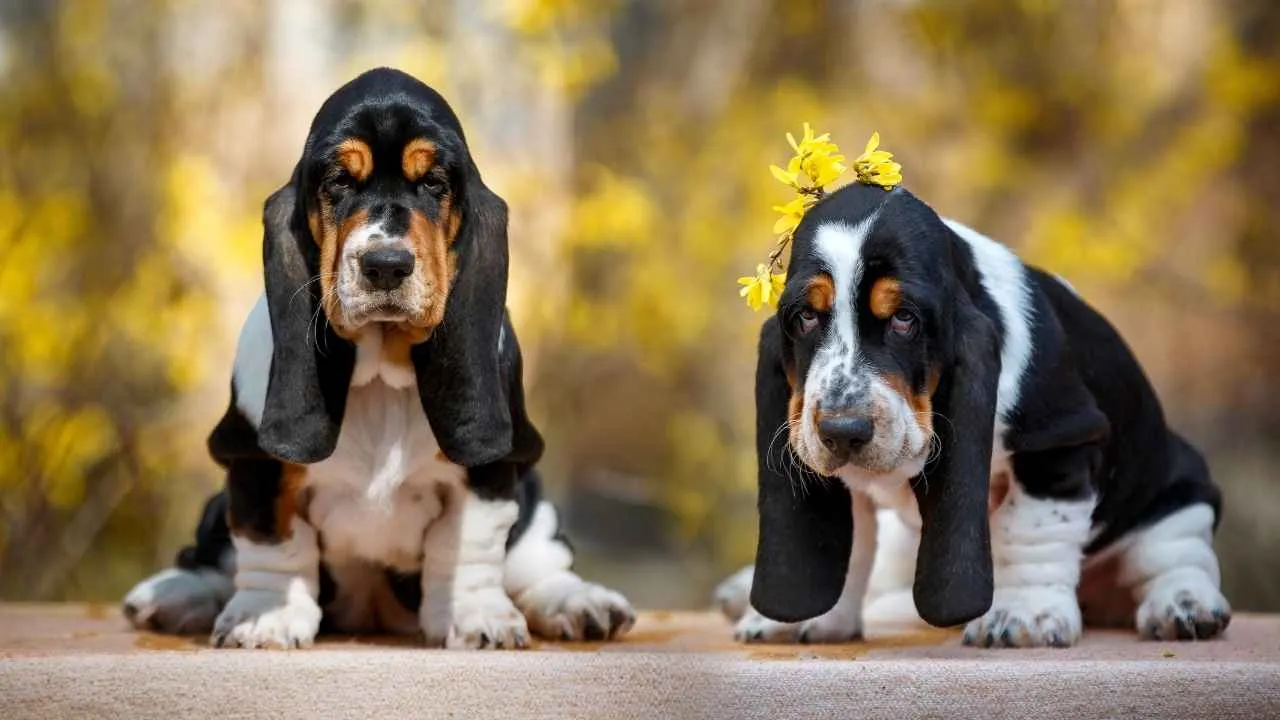
The Basset Hound stands among the most relaxed dog breeds for homes with cats. The long ears, droopy expression, and slow-moving personality create a calm environment that rarely intimidates smaller animals. The breed needs companionship, so Purina states that dogs and cats serve as suitable partners for this purpose.
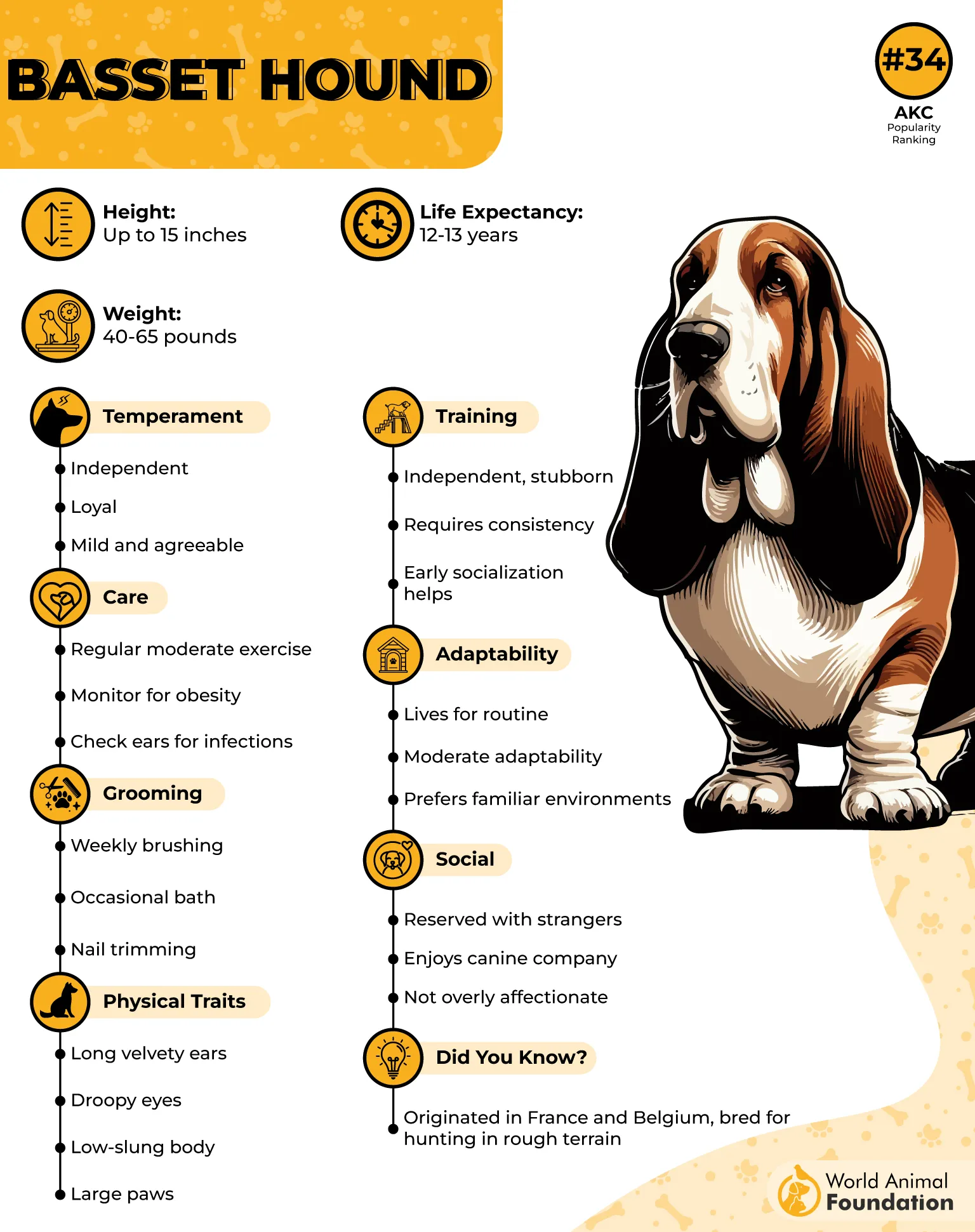
The smaller dog breed requires minimal movement, yet its members find enjoyment from participating in low-key domestic activities that involve both quiet play and tender contact. Most cats can approach the breed because its tranquil nature creates a safe space for them to stay close.
Basset Hounds also tend to avoid aggressive behavior, which makes it easier to introduce new pets into a home that contains multiple animals.
The Basset Hound possesses delightful characteristics that highlight its exceptional nose. This breed was historically bred to hunt through scent tracking, and the sense of smell remains among the strongest in the canine world. It shows great interest in scents that become available during its outdoor activities.
2. Bichon Frise
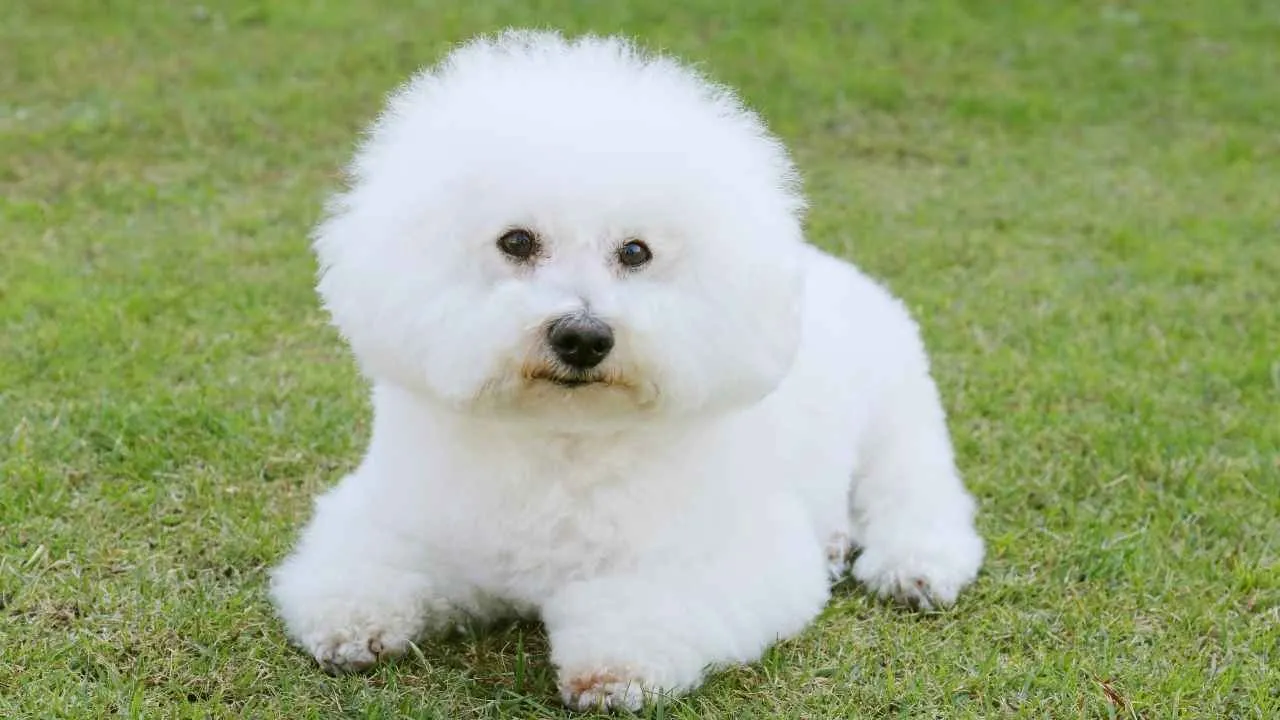
The Bichon Frise brings cheerful energy into homes without overwhelming cats. The American Kennel Club recognizes this small breed as a companion dog that combines intelligence with adaptability and sociable behavior. The playful personality often helps shy cats become more comfortable over time.
The Bichon Frise prefers to build relationships with people. It shows strong cat-friendly behavior because it interacts well with both other dogs and the pets that live in its home.
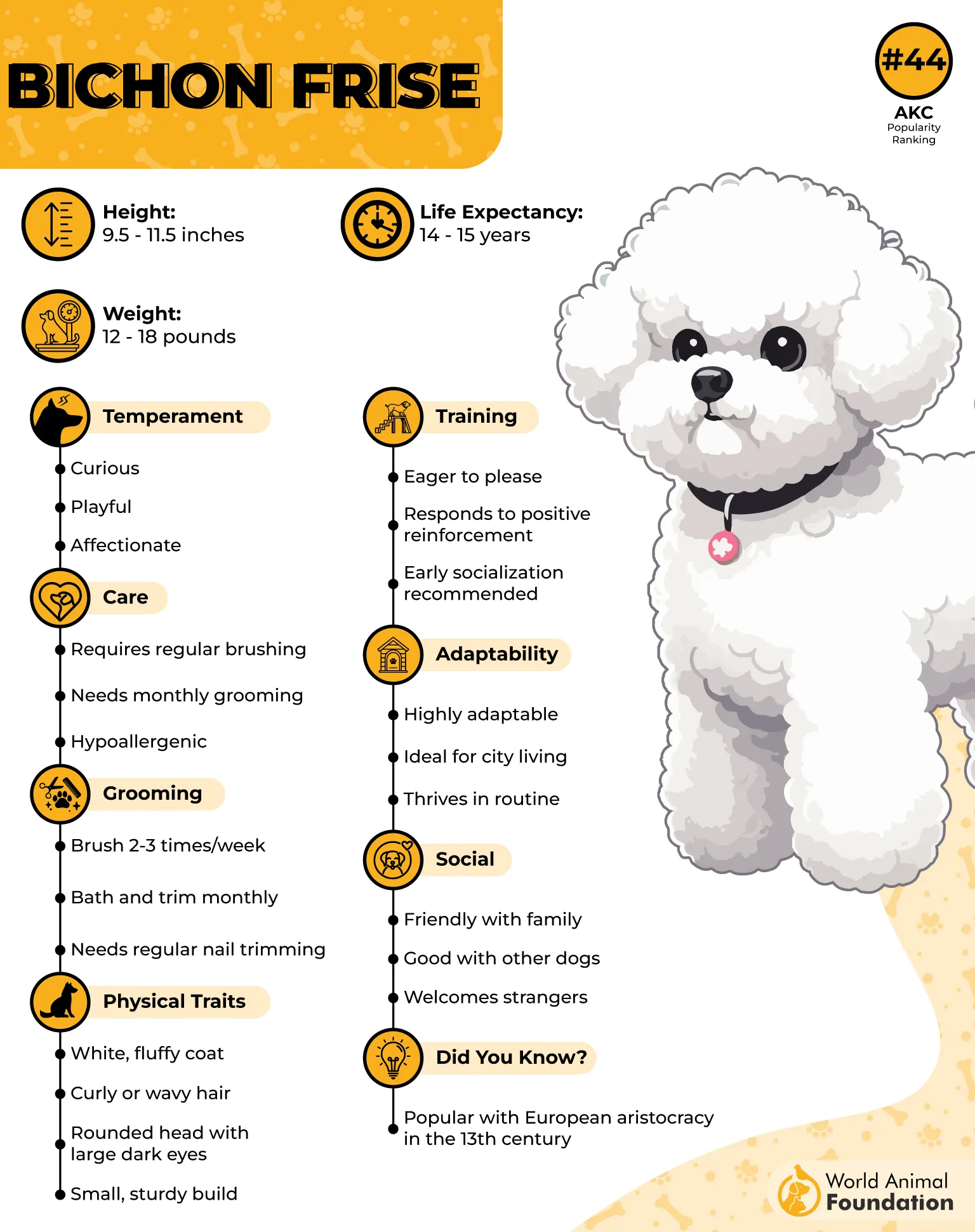
The Bichon Frise shows a most adorable appearance because its fluffy white coat makes it look like a stuffed toy. The breed develops into two separate personality types, which include bright and entertaining traits that stay active throughout all daily house ativities.
3. Cocker Spaniel
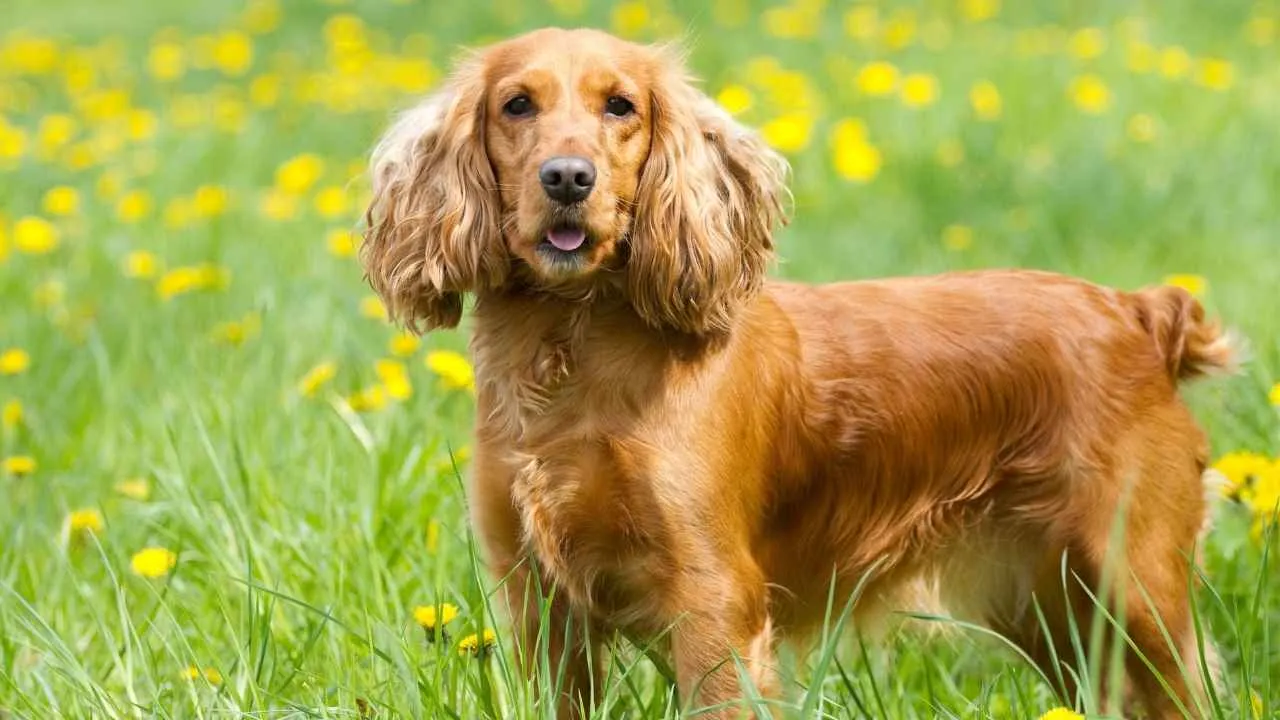
The Cocker Spaniel shows through its affectionate behavior, which creates a strong bond with both humans and other animals. Active households that provide daily social interaction create an ideal environment for this breed, according to PDSA.
Cats experience reduced fear when they observe people using gentle body movements together with pleasant facial expressions.
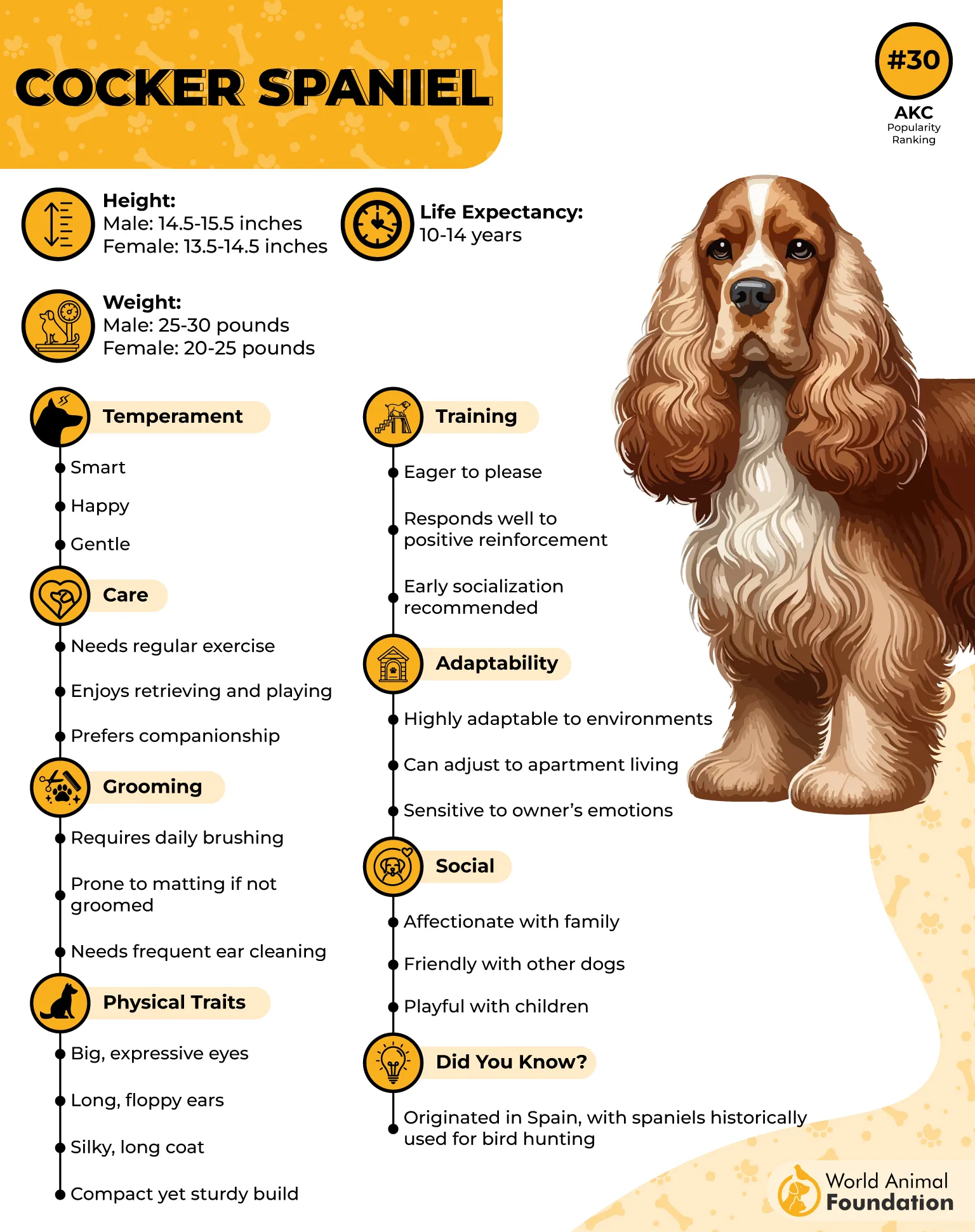
The breed prefers to stay near its human family members because it follows them throughout different areas of their home. Cocker Spaniels become comfortable with each other when they share sofas and beds and sunny sports with their human companions.
One interesting aspect of this breed demonstrates its ability to sense human emotions. Cocker Spaniels quickly respond to household moods and routines, which explains why many families consider them loving companions. The willingness to please becomes a training advantage because it makes pets learn basic commands and feline introduction easier.
4. Beagle
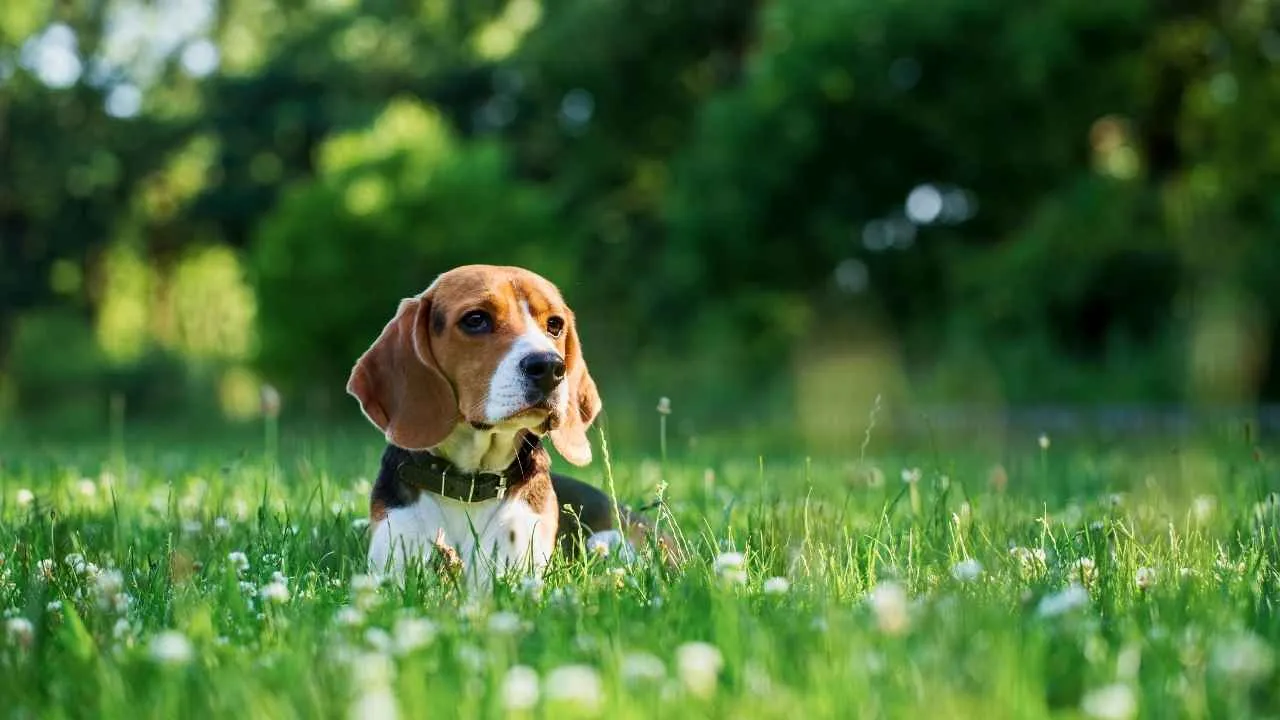
The Beagle possesses a tiny body that contains both intelligent curiosity and energetic playfulness. This breed is cheerful and sociable, especially in environments filled with company and activity. Many dogs from the hound group enjoy living alongside companions, and Beagles often extend that friendliness toward cats.

Strong pack instincts create a need for dogs to establish close relationships with both humans and other animals. In homes where proper introductions happen slowly, Beagles usually treat cats as just another member of the family. The breed loves to discover new areas while it takes part in the daily activities of its home.
This vocal breed uses various sounds to show its different states of excitement, boredom, and curiosity. Initial noise reactions create confusion for some cats, but they adjust after becoming accustomed to their regular daily activities.
5. Cavalier King Charles Spaniel

The Cavalier King Charles Spaniel completes this list as one of the gentlest companions for homes with cats. The affectionate temperament and calm personality of the breed enable its members to share space with others without creating any form of conflict. Many owners notice that cats often approach this breed willingly because of the non-threatening behavior.
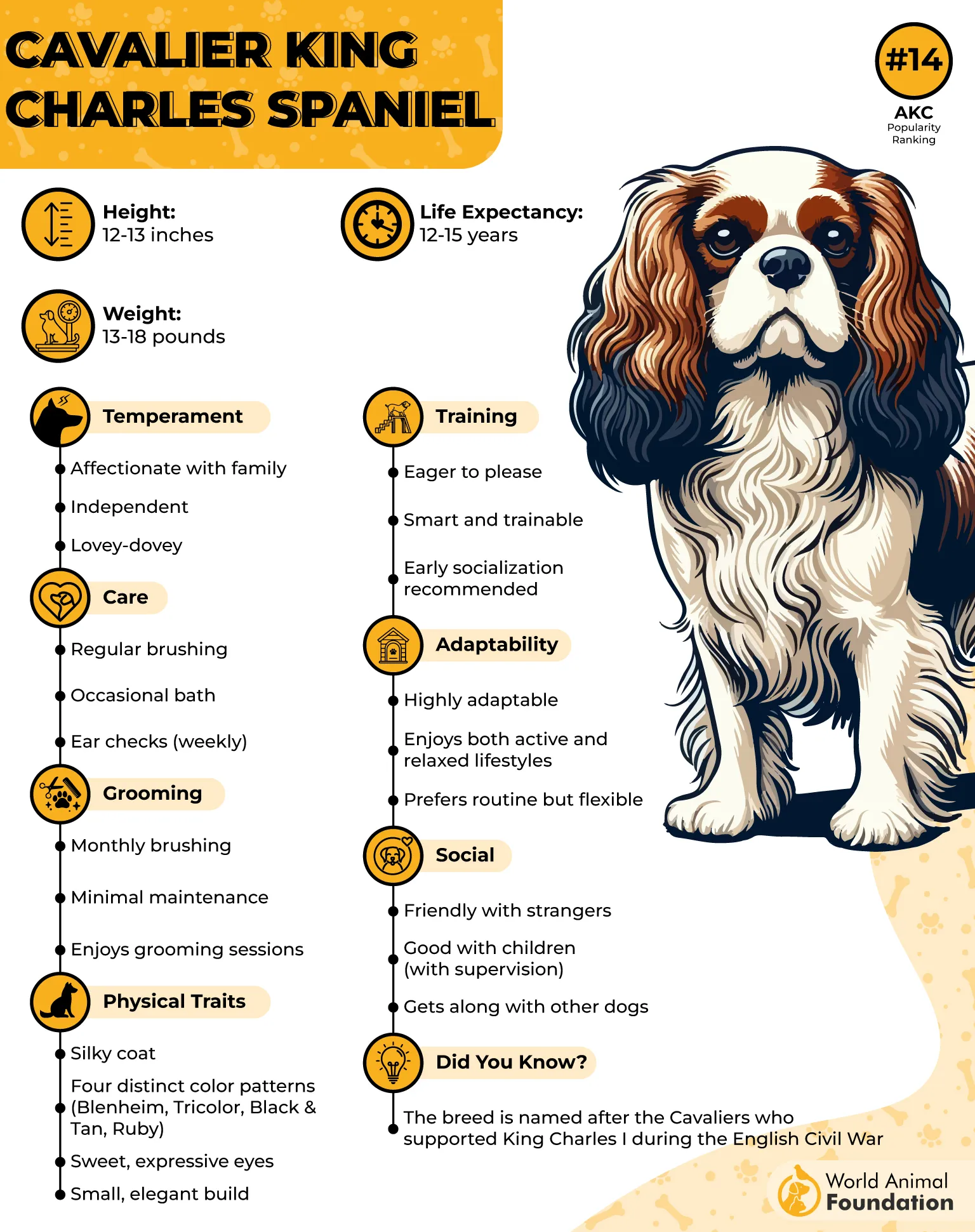
The breed requires constant human contact, and it wants to stay with people and pets at all times. The adaptable personality supports peaceful coexistence in apartments, family homes, and multi-pet households with both cats and dogs.
The Cavalier King Charles Spaniel presents a graceful look through its soft face and smooth coat, yet the breed contains playful energy that exists underneath its composed exterior. The dog enjoys both short play sessions and warm moments of connection.
6. Golden Retriever

The Golden Retriever remains one of the most trusted dog breeds for families with cats. This dog breed combines its intelligent nature with its gentle personality and excellent trainability to become a trustworthy companion for people and their animal companions. The process of calm interaction enables anxious cats to relax and stay close to larger dog breeds.
Golden Retrievers show their usual patient nature during their first meetings with new people, while they treat their feline friends with peaceful behavior. The breed’s happy-go-lucky personality enables smooth interactions among family members who include both children, cats, and other dogs.
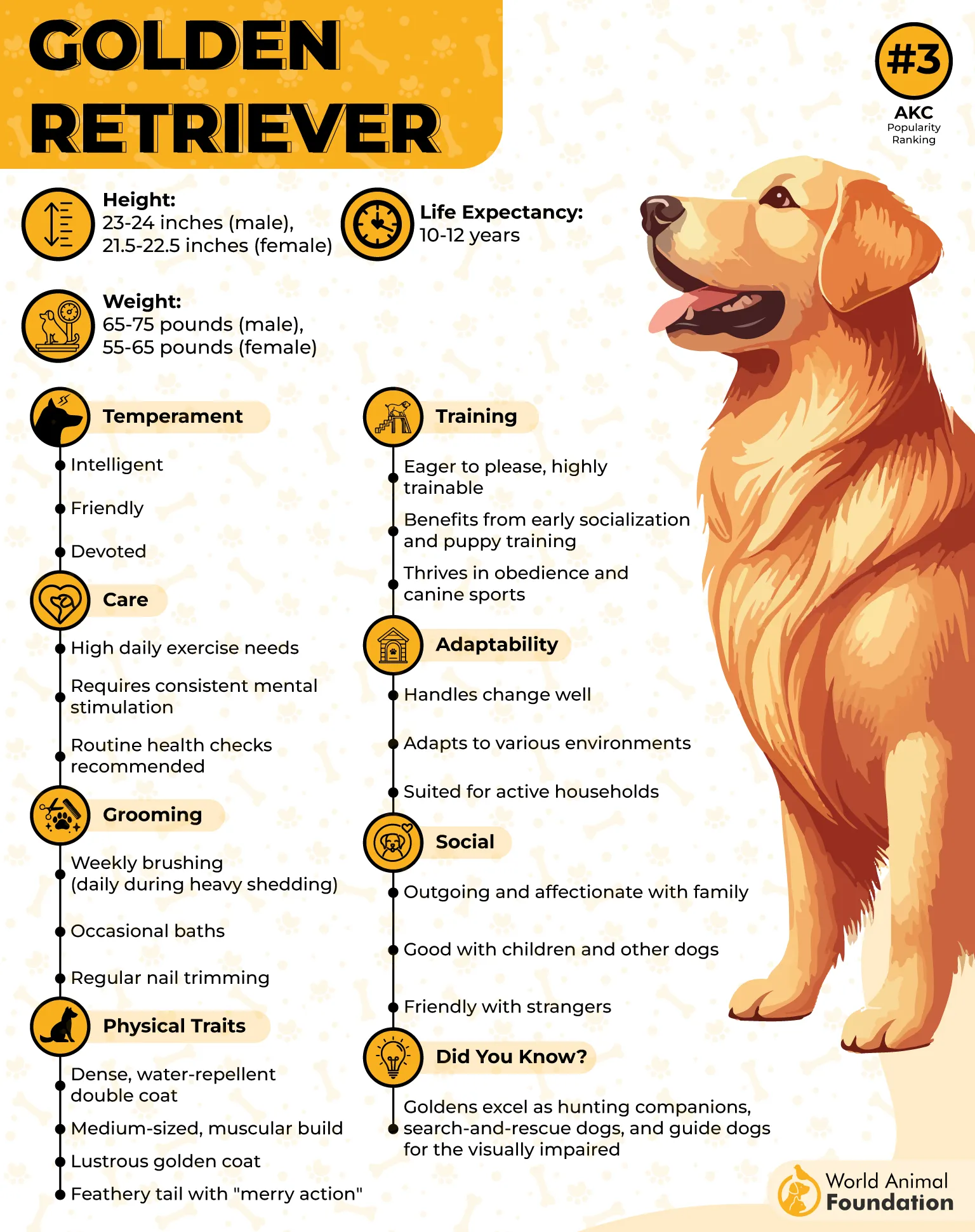
The breed shows a strong preference for friendship, which leads to peaceful social relationships between cats and their owners.
The development of Golden Retrievers began with their need to assist human workers, which resulted in their current tendency to work together with people during training sessions. The breed shows readiness to work with handlers because of their strong eagerness to assist people who handle them at home and their ability to manage cat interaction.
7. Labrador Retriever
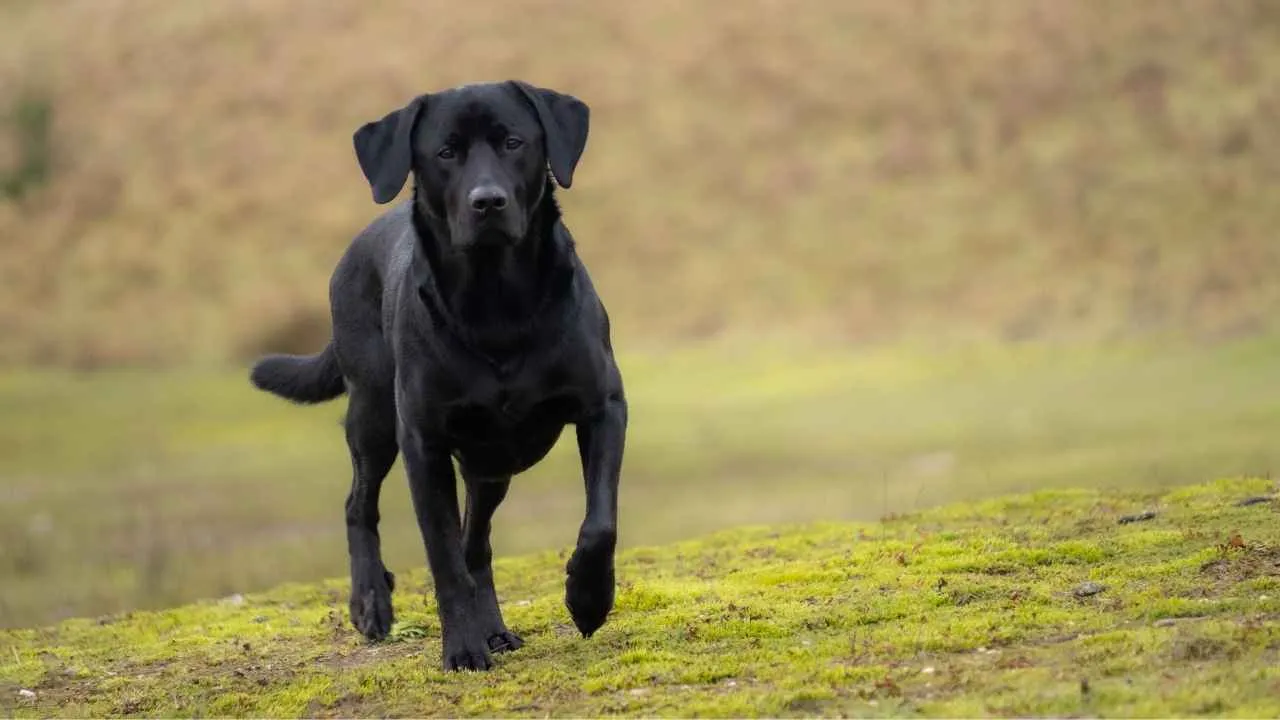
Labrador Retrievers make excellent pets because they possess both a flexible nature and deep affection for their human companions and other pets. WebMD shows how Labradors display loyalty together with social behavior, which makes them suitable for work as therapy dogs and service animals, in addition to their role as affectionate family pets.
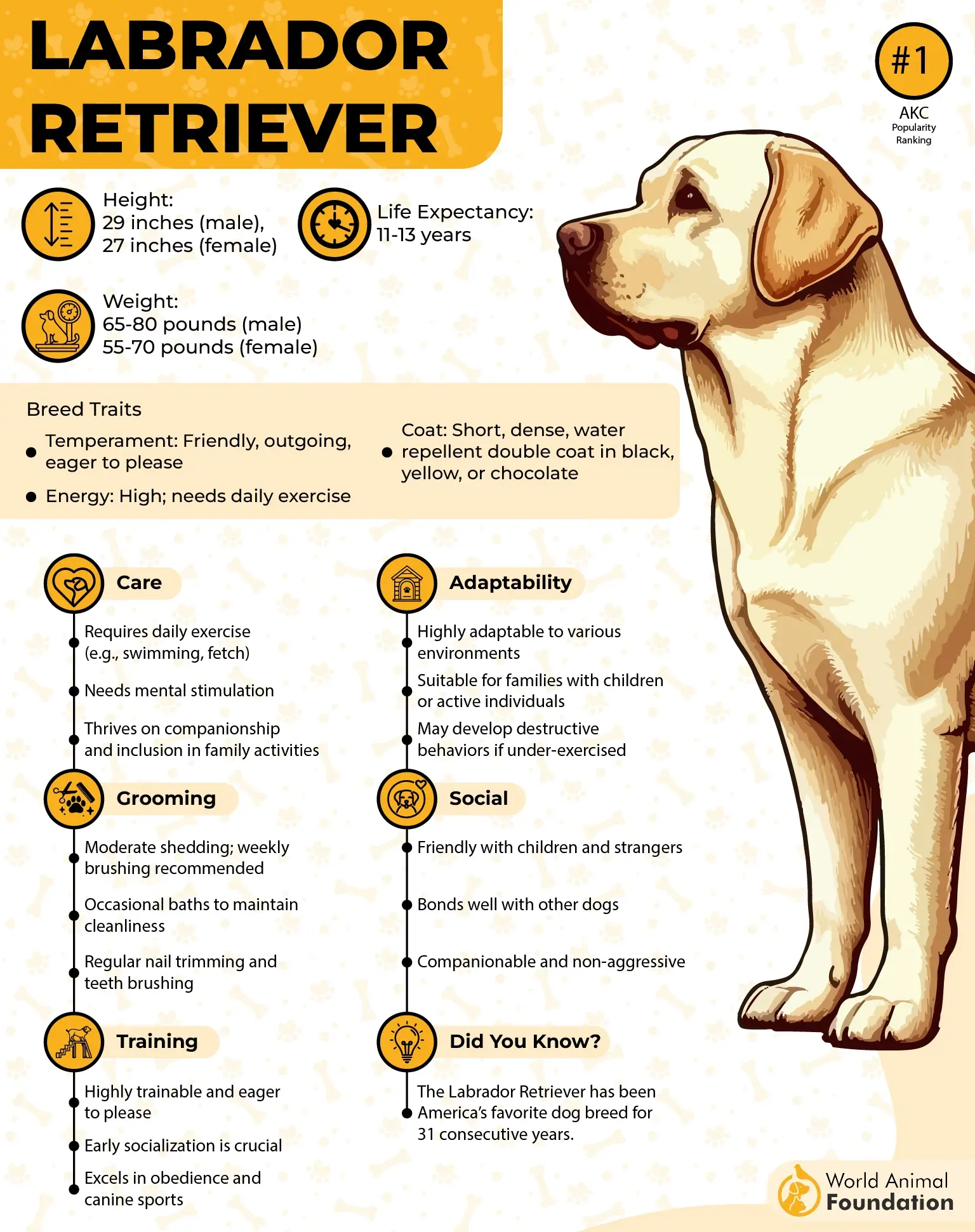
Most cats gradually relax around Labradors because the breed tends to greet strangers and animals with excitement instead of suspicion. The dog-friendly personality enables both the dog and the cat to share their living space without any problems. Labs show enjoyment when their daily routine includes both shared activities and time spent with other people.
The Labrador Retriever remains one of the most popular dog breeds because of its versatile and adaptable nature. It can easily switch from energetic outdoor adventures to calm and relaxing time at home, making it a wonderful companion for many types of families.
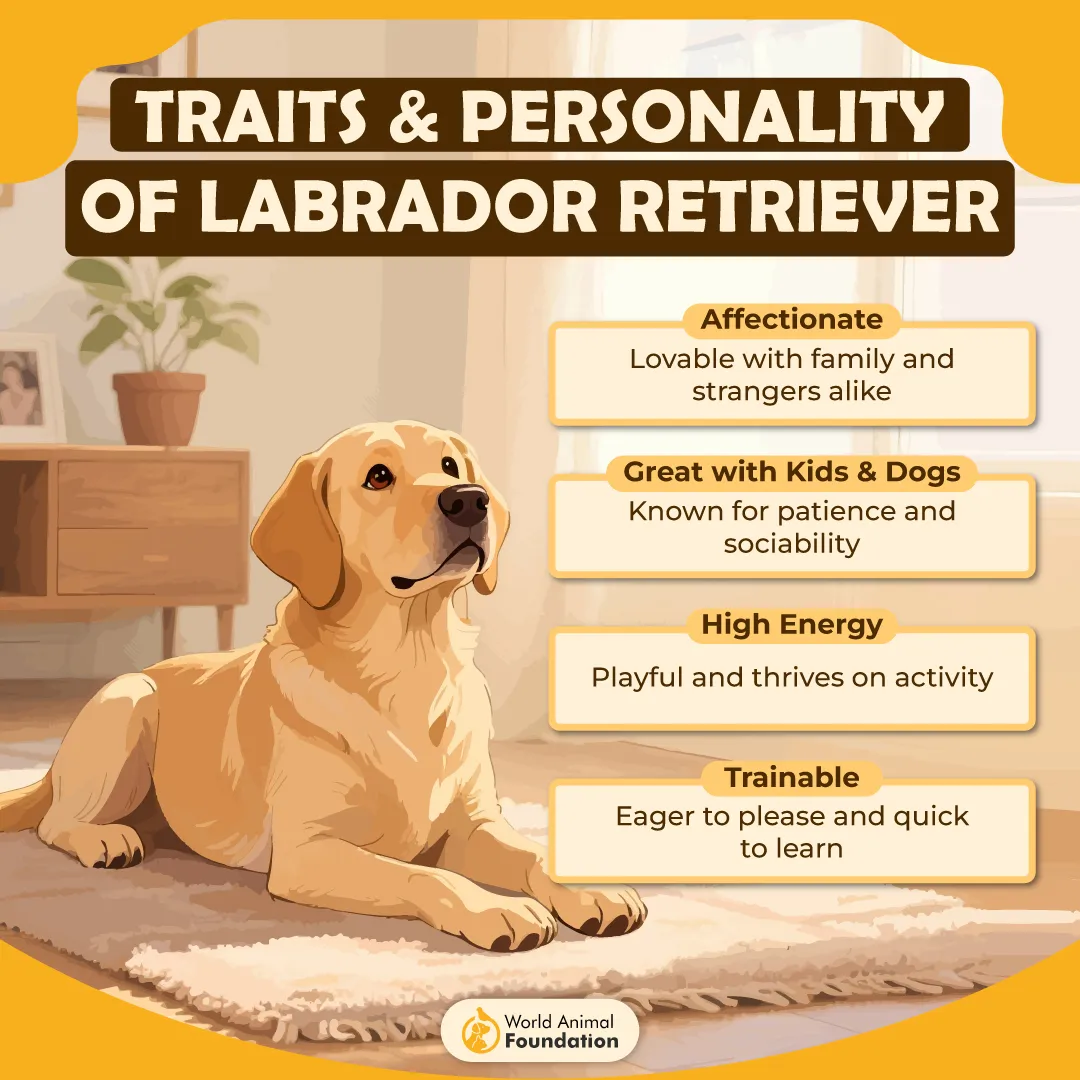
Its friendly and social personality also helps create a peaceful environment where larger dogs and smaller pets can comfortably live and interact together.
8. Pug
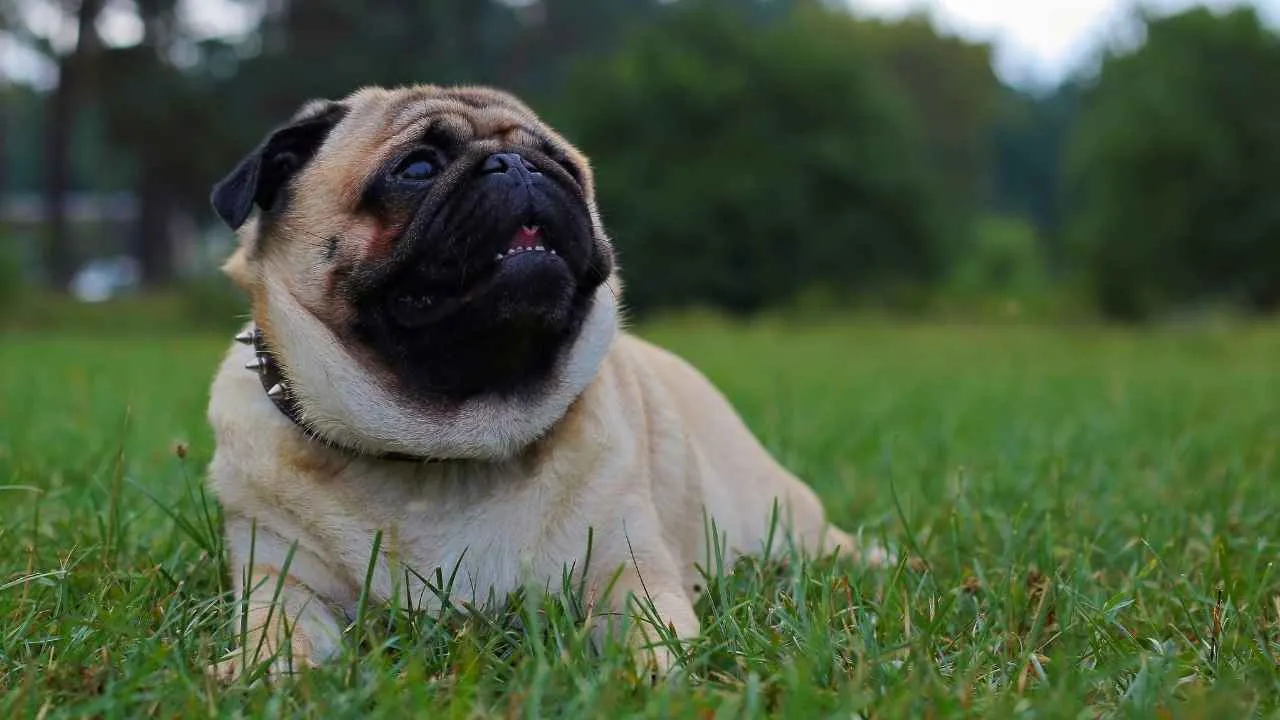
The Pug brings endless affection and companionship into homes that already include cats. PetMD explains that the breed is a people-oriented dog that forms strong bonds with humans and remains near them throughout daily life. The gentle personality of the cat creates peaceful interactions with their feline friends.

Pugs exist as a breed that prefers to stay indoors while their pet owners move through their daily life. The slower pace helps many cats feel safe sharing furniture and sleeping areas. The compact size also makes the breed less intimidating for smaller pets.
The Pug’s whole body functions as an attention-grabbing show because its facial features and active movements attract all viewers. It brings comedic elements to daily life because its playful behavior and dramatic facial expressions generate entertaining movements.
9. Irish Setter
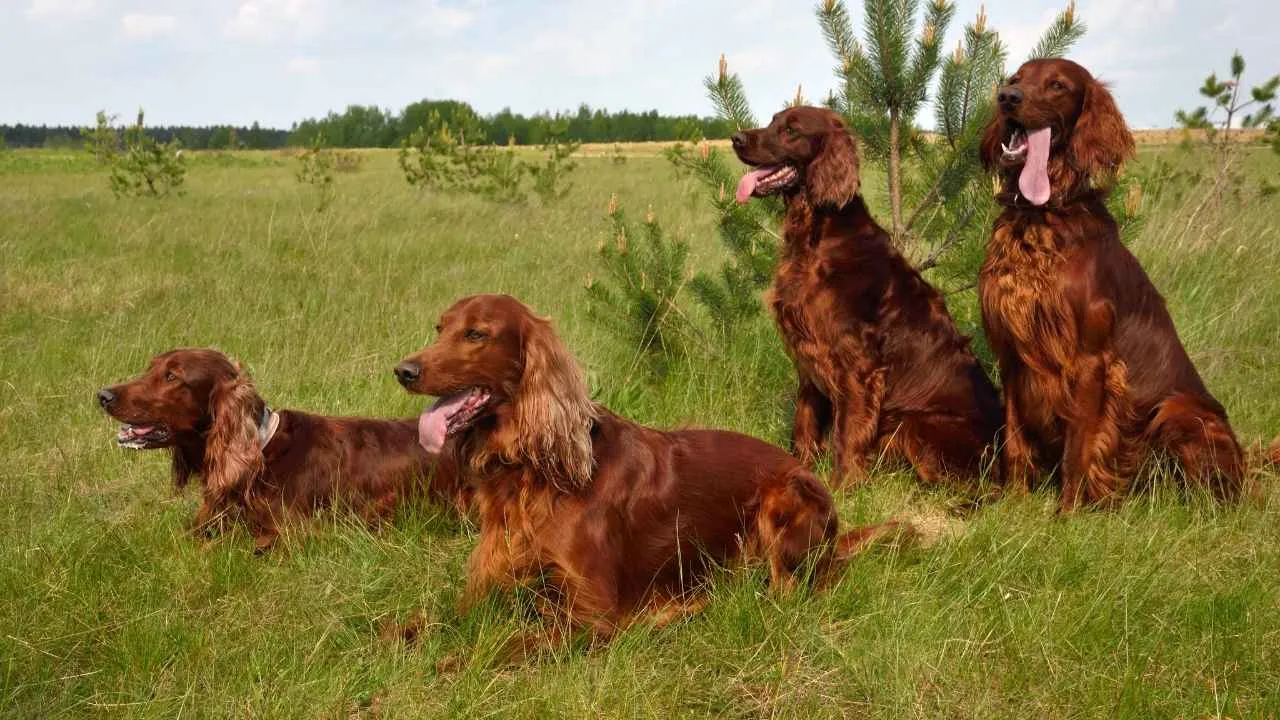
The Irish Setter becomes a beautiful dog that brings energetic joy to active households through its elegant yet playful nature. This breed maintains its playful nature throughout its entire life while developing strong emotional bonds with people and other animals.
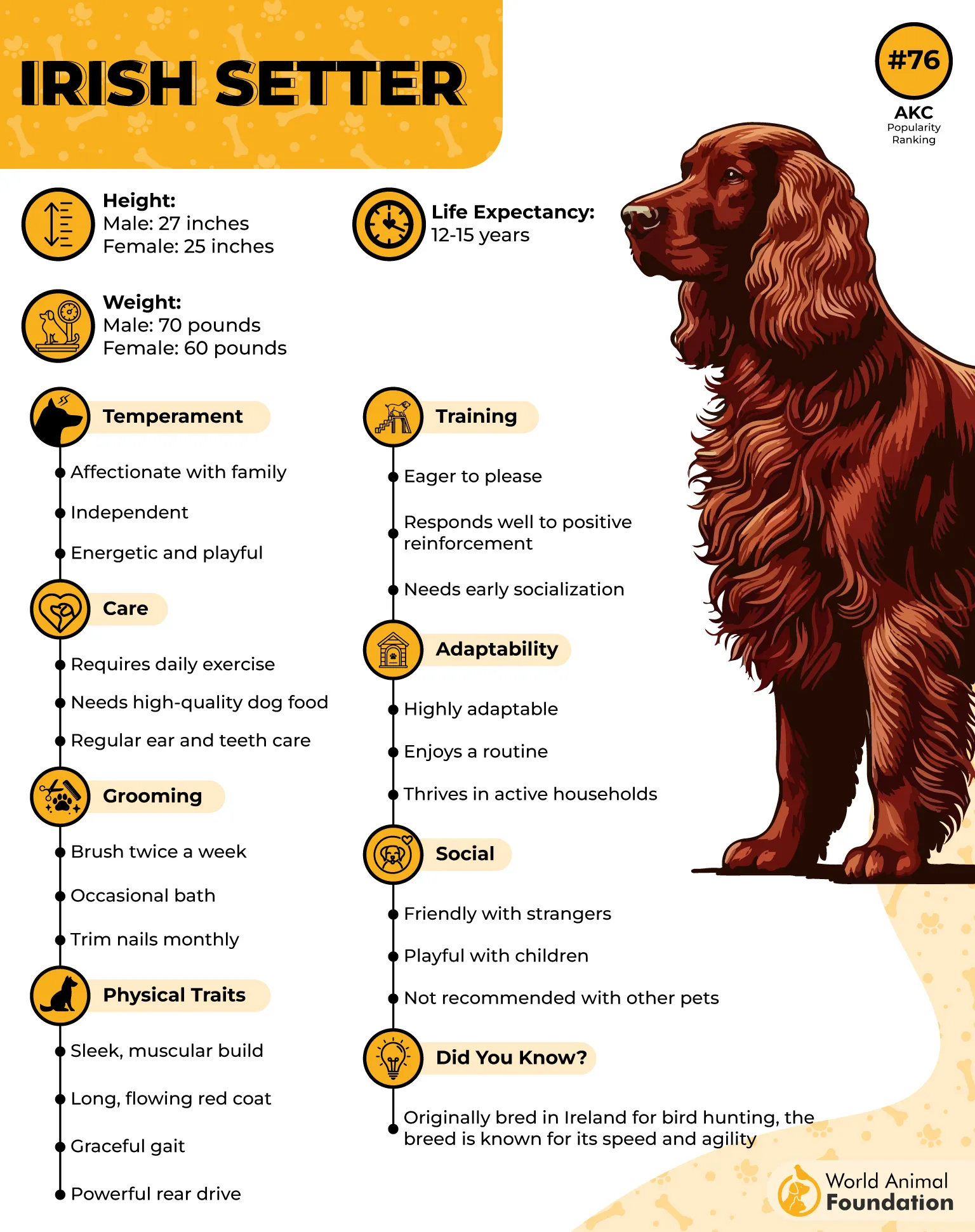
The Irish Setter develops an affectionate nature with cats and enjoys playful interactions that will find appealing. The breed exhibits high energy levels, but training together with early socialization creates effective methods to establish proper conduct around household cats.
The Irish Setter shows a fascinating characteristic through its exceptional red coat, which creates a graceful effect when the dog moves. People notice the dog during walks and outdoor activities because of its athletic build and energetic nature.
10. Pembroke Welsh Corgi
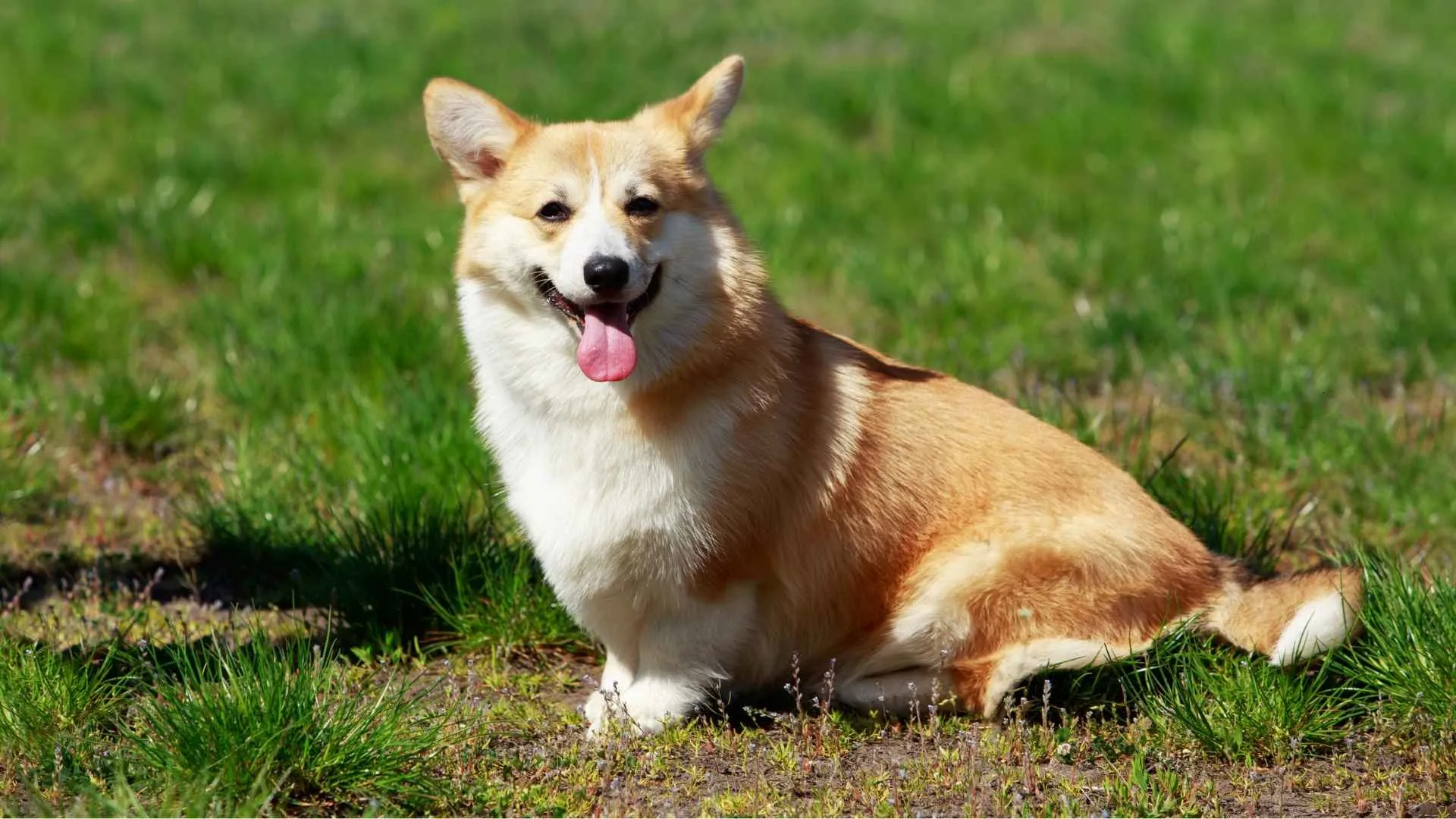
The Pembroke Welsh Corgi may appear small, but the breed shows both bold confidence and sharp intelligence. Omlet explains that Corgis developed their alert nature and strong movement detection abilities because they were bred for herding work in their historical development.
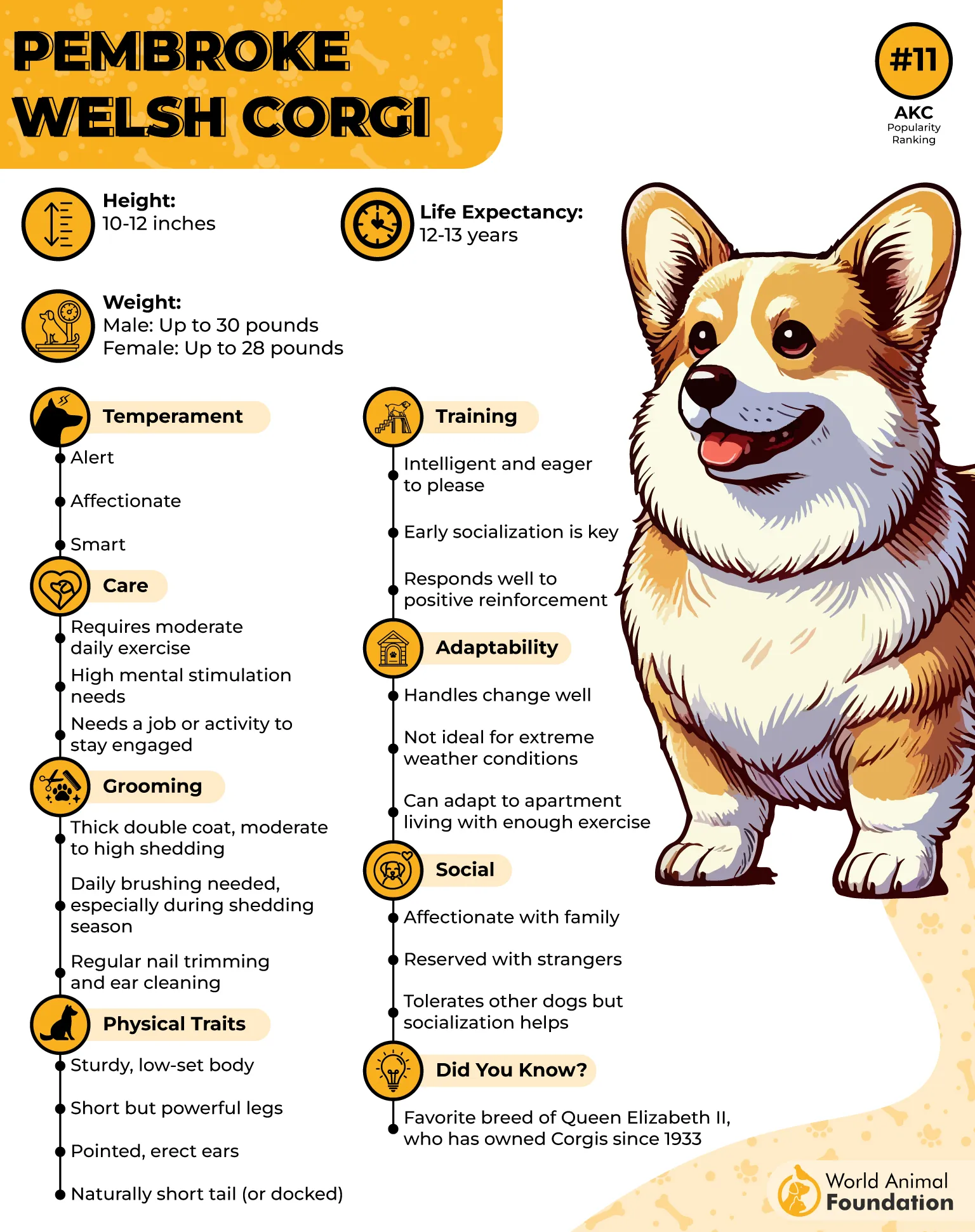
Numerous cats can live peacefully with Corgis after their initial meetings are conducted through slow and controlled processes. The affectionate nature of the dog establishes strong connections with people, while its trainable nature enables it to interact with other animals in a controlled manner.
Corgis possess an interesting ability to run at fast speeds despite their short-legged appearance.
The breed maintains its compact size yet demonstrates exceptional speed while participating in all family activities throughout the day.
Conclusion
The process of selecting appropriate dogs and cats entails assessment of their physical attributes and public appeal. The animals show different behavior patterns because of their five characteristics, which include temperament, energy level, prey drive, and adaptability.
Some breeds naturally prefer peaceful routines, while others require extra training and structure before adjusting comfortably around cats.
The development of multi-pet households depends on three factors, which include socialization training and proper pet introduction techniques. When dog and cat owners understand breed tendencies and meet their pets’ needs through affection, exercise, social time, and brain activities, they can create a strong friendship with their pets.
