




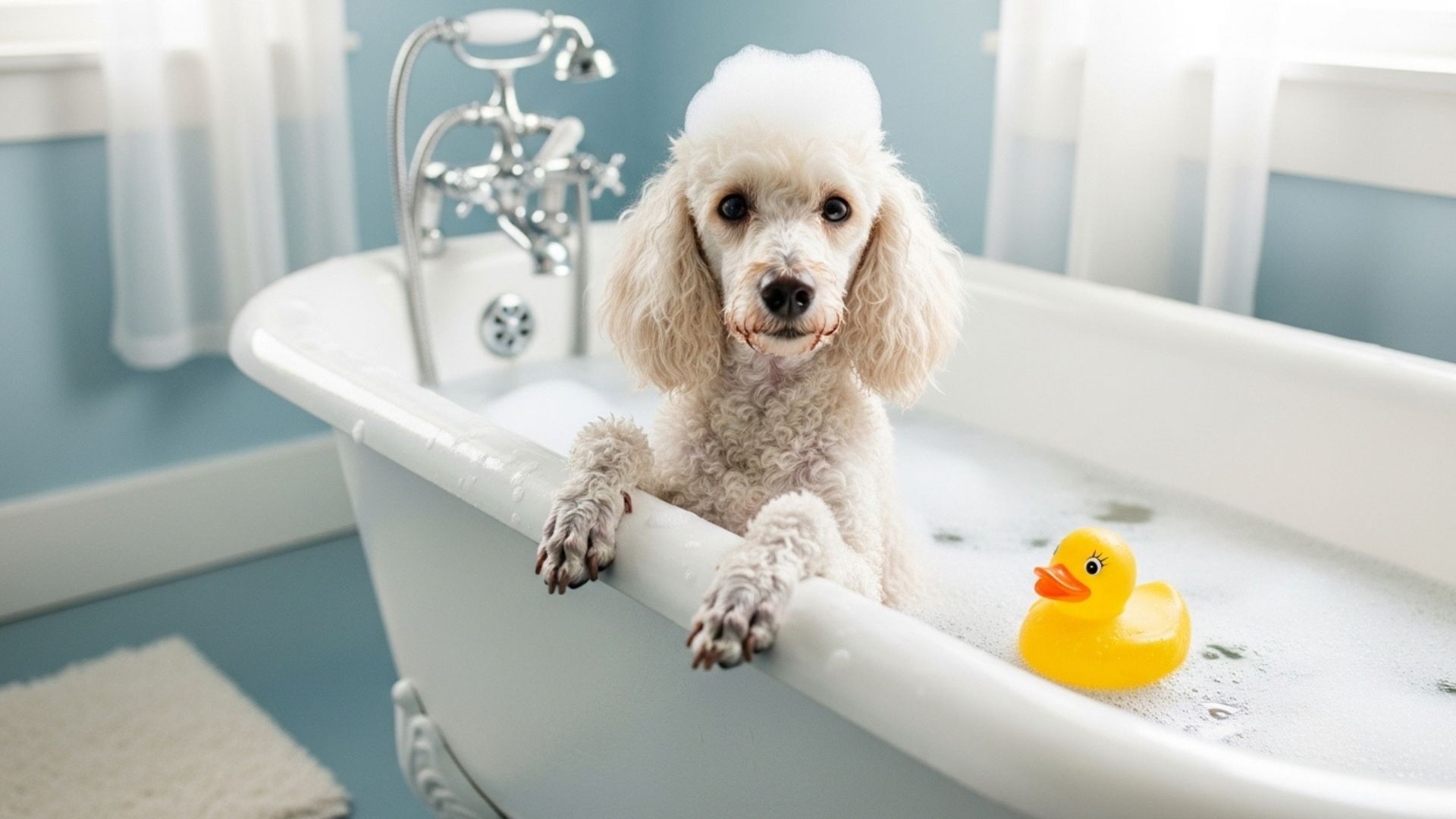
Some dogs are low-maintenance companions who shake off dirt and call it a day.
Others? They’re walking, shedding, drooling, mat-forming works of art that require dedication, patience, and a well-stocked grooming cabinet.
If you love a dog that looks like royalty, fluff, or a living sculpture, you’ll need to be ready for the cleaning routine of the dog’s coat that comes with it.
Extensive cleaning doesn’t just mean baths. It includes brushing, coat management, ear care, dental hygiene, nail trimming, shedding control, and sometimes professional grooming appointments that feel more like spa days—for the dog and your wallet.
These breeds often reward the effort with stunning appearance, wonderful personalities, and deep bonds with their families.
This list isn’t meant to scare you off. Instead, think of it as a realistic heads-up. If you enjoy grooming or don’t mind investing time (or money) into upkeep, these dogs can be incredibly fulfilling companions. But if you’re hoping for a “hose it down and forget it” dog, these breeds may test your patience.
Here are the top dog breeds requiring extensive cleaning routines—and exactly why.
Top Dog Breeds Requiring Extensive Cleaning Routines
1. Afghan Hound
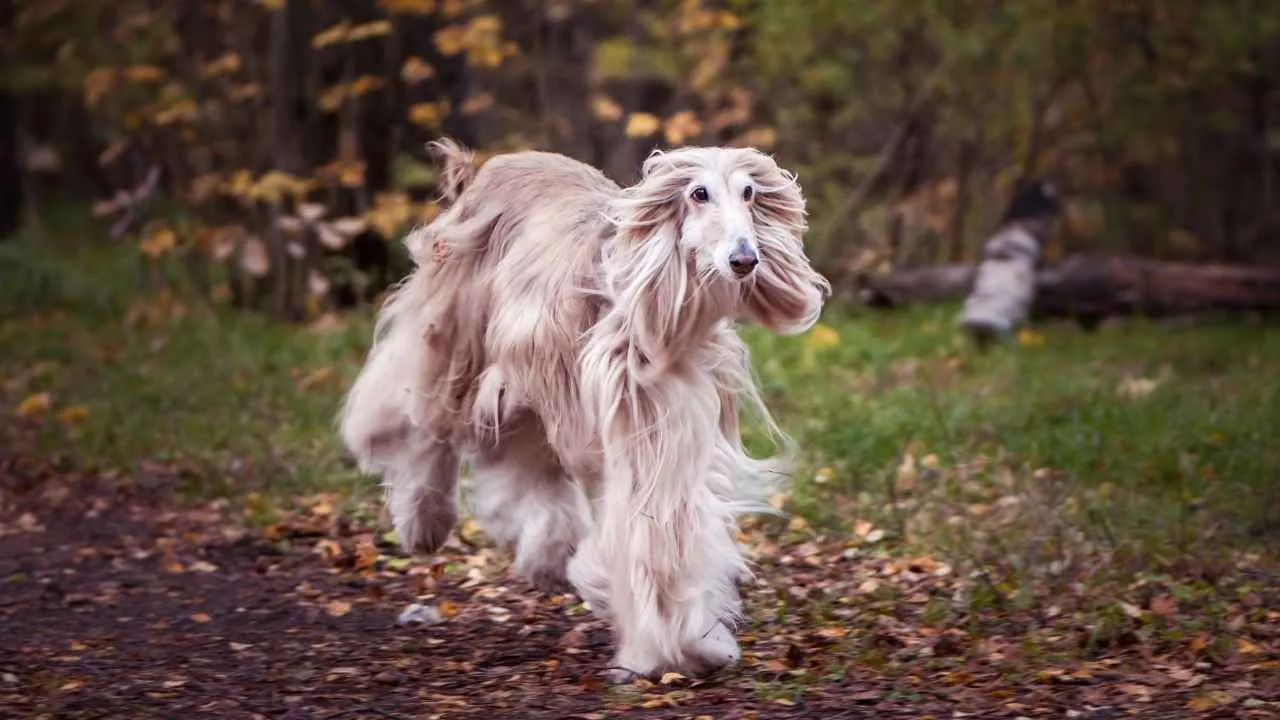
The Afghan Hound’s coat is legendary—and demanding. Long, silky, and fine, it behaves more like human hair than typical dog fur. This makes it stunning to look at, but extremely prone to tangles and matting.
Daily or near-daily brushing is essential, especially around friction areas like the ears, tail, and skirt. Skip grooming for even a few days, and knots can form fast.
Bathing this long-haired breed is frequent by dog standards, often every two to four weeks, followed by careful conditioning and blow-drying. Air-drying is not an option if you want to avoid mats. Bathing an Afghan Hound at home takes patience, planning, and the right technique.
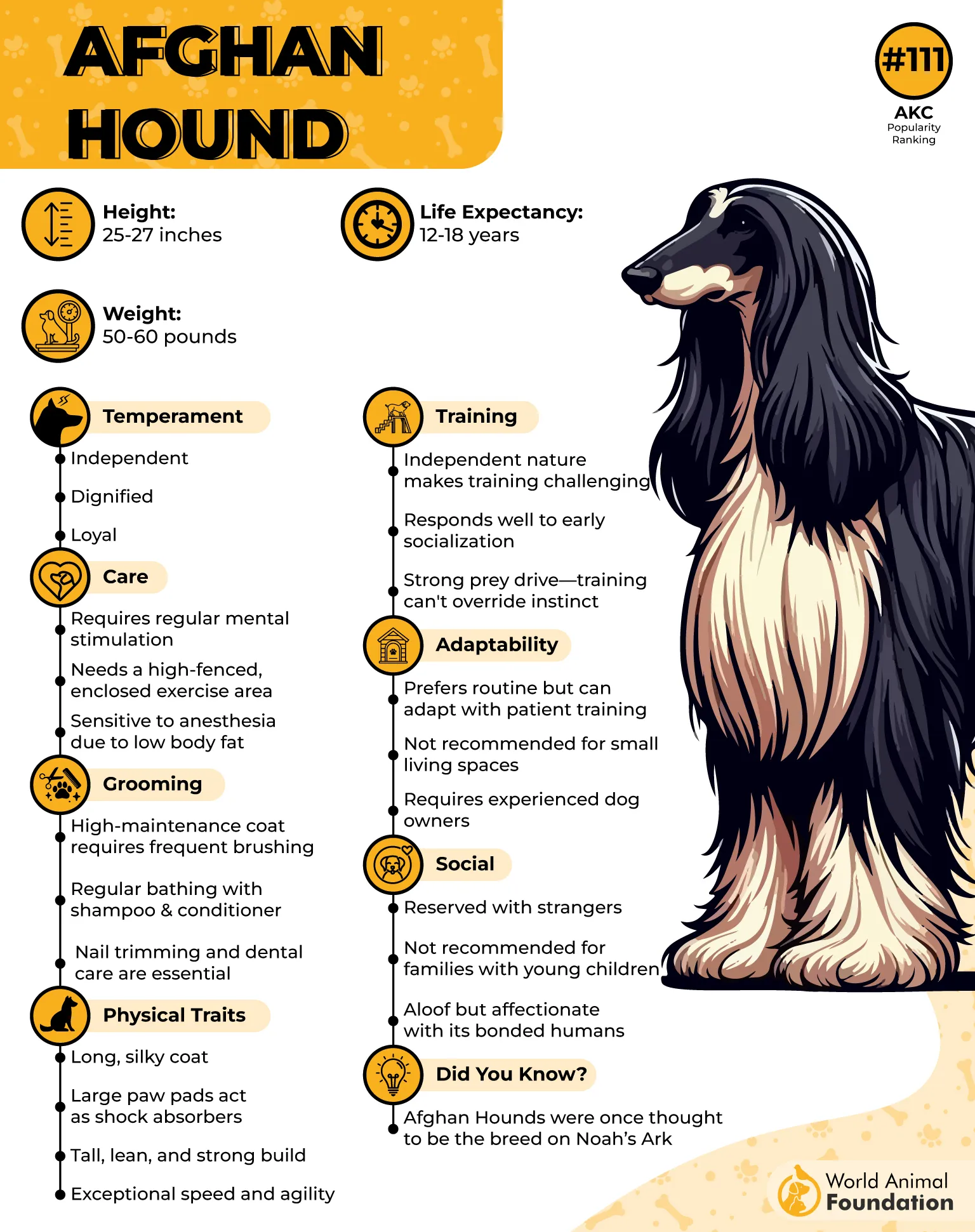
Their long, silky coat behaves more like human hair than typical dog fur, so careful handling is essential to keep it clean, tangle-free, and healthy. Done correctly, at-home bathing can maintain their glamorous coat between professional grooming sessions.
Before bathing, always brush the coat thoroughly while it’s dry. Use a pin brush and a wide-tooth metal comb to remove tangles, paying close attention to the ears, tail, skirt, and behind the legs. Never bathe it with mats present—water will tighten them and make removal far more difficult.
When bathing, use lukewarm water and wet the coat slowly from the legs upward. Gently part the hair with your fingers so water reaches the skin. Apply a high-quality, dog-specific shampoo formulated for long or silky coats. Massage the shampoo downward in the direction of hair growth rather than scrubbing, which causes tangling.
Their long ears are dirt magnets and require regular cleaning. Food, debris, and moisture love to hide there. Owning this high-maintenance dog breed means committing to coat care as a lifestyle—not a chore.
2. Poodle
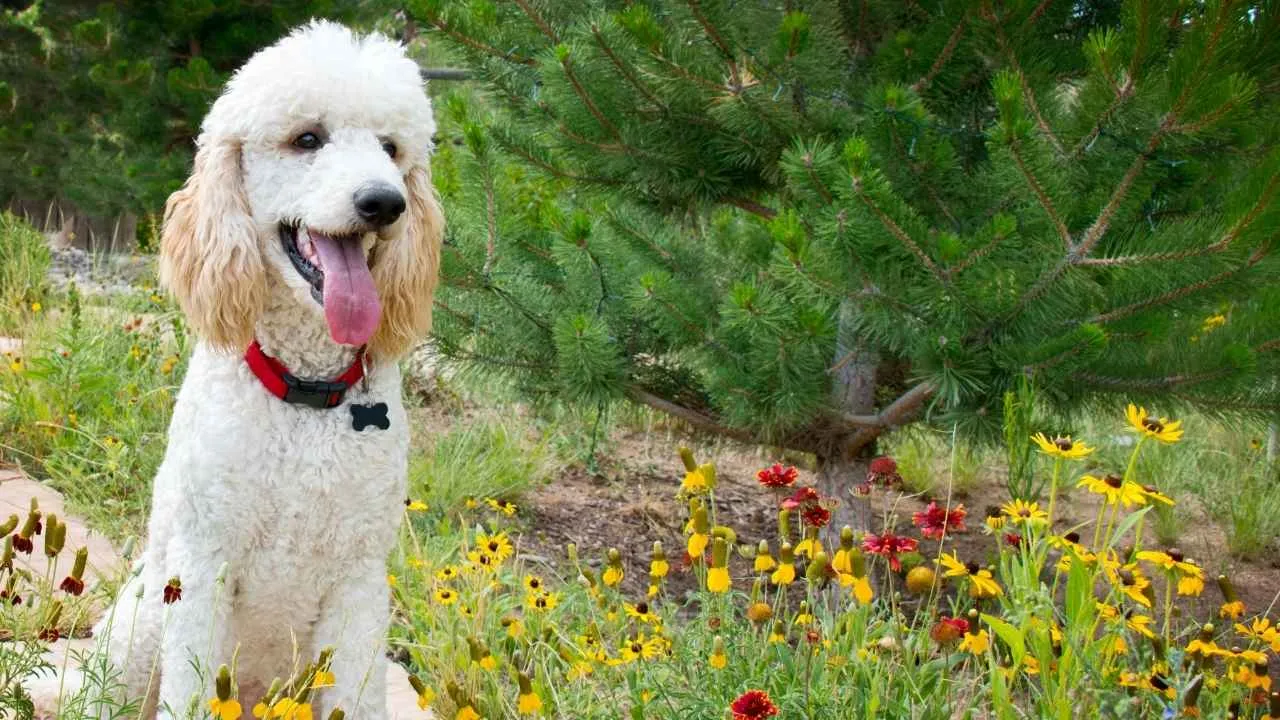
Poodles don’t shed much, but don’t let that fool you. Their continuously growing, curly coats require extensive grooming to stay clean and healthy.
Brushing should happen daily or at least every other day. Mats form close to the skin and can become painful if ignored.
Professional grooming every 4–6 weeks is standard. Haircuts, bathing, nail trims, and coat shaping are all part of the routine. Ears need weekly cleaning due to trapped moisture, and eye care is often daily to prevent staining and debris buildup.
Dental care is another major responsibility, especially in smaller Poodles. WebMD notes that regular brushing is essential. In addition to brushing, provide dental chews and toys designed to reduce plaque and tartar. These help mechanically clean the teeth while also satisfying your Poodle’s need to chew.
Diet also plays a role in dental health. Feeding high-quality kibble can help reduce plaque buildup compared to soft foods. Some veterinary dental diets are specifically formulated to support oral hygiene and may be worth discussing with your vet.
They are clean dogs—but only because their humans work hard to keep them that way.
3. Siberian Husky
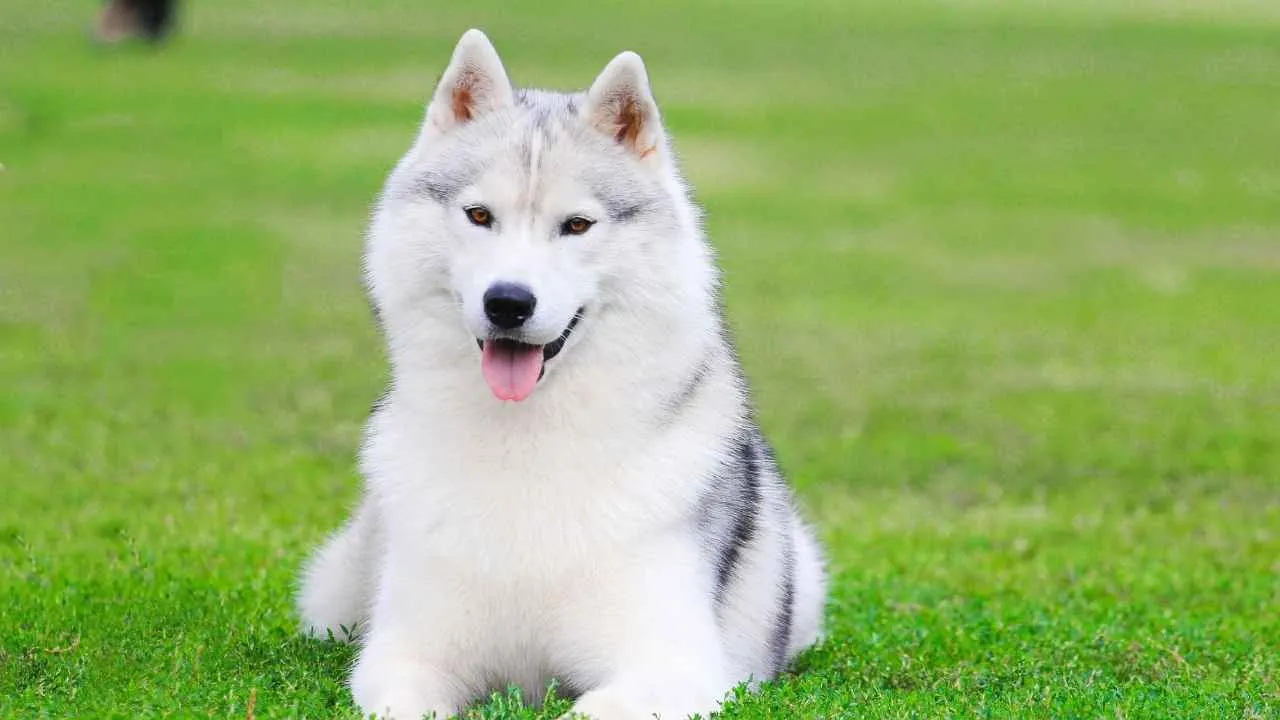
Huskies don’t need frequent baths, but make no mistake—they require intense grooming. Their thick double coat sheds year-round and explodes twice a year during “coat blowing” season.
During heavy shedding, daily brushing is required to prevent hair from covering your home. Undercoat rakes are your best friend. Bathing should be done every 3–4 weeks, or sooner if your Poodle gets dirty. Use a dog-specific shampoo made for curly or non-shedding coats, and work it gently through the coat without scrubbing.
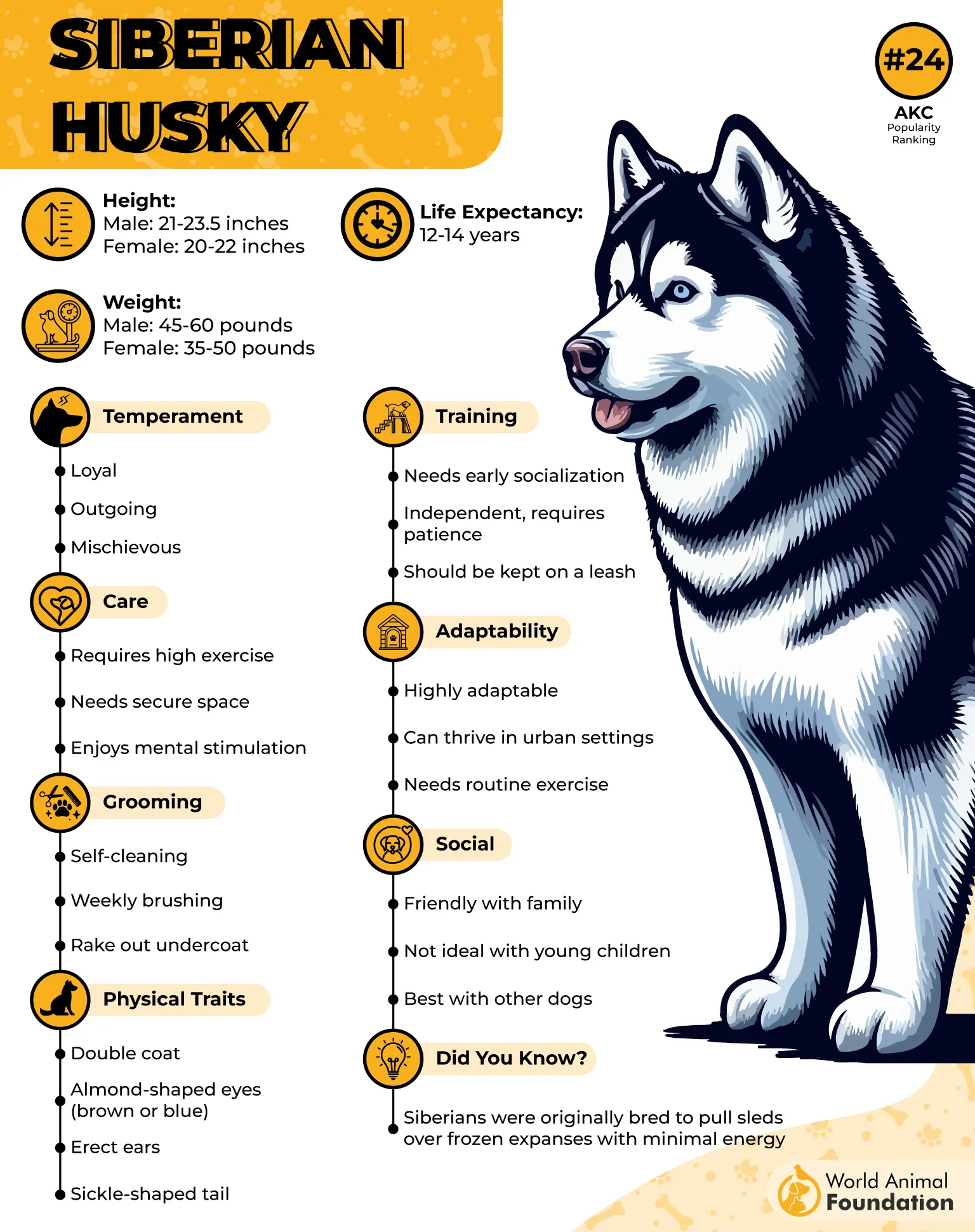
Rinse thoroughly, as leftover product can cause itching and dull the coat. A light conditioner helps keep curls soft and easier to manage. They’re naturally clean and rarely smell, so over-bathing is discouraged. Too many baths strip their coat’s protective oils.
That said, shedding management is a full-time job. Fur will appear everywhere—clothes, furniture, vents, and food bowls.
Huskies also need regular paw cleaning, especially after outdoor adventures. Pay close attention to ear, eye, and dental care. Check ears weekly and clean them with a vet-approved solution, especially after bathing or swimming.
Wipe the eye area regularly to prevent tear staining. Brush teeth several times a week to maintain good oral hygiene, particularly in smaller Poodles.
They’re clean dogs, but the cleanup around them never stops.
4. Newfoundland
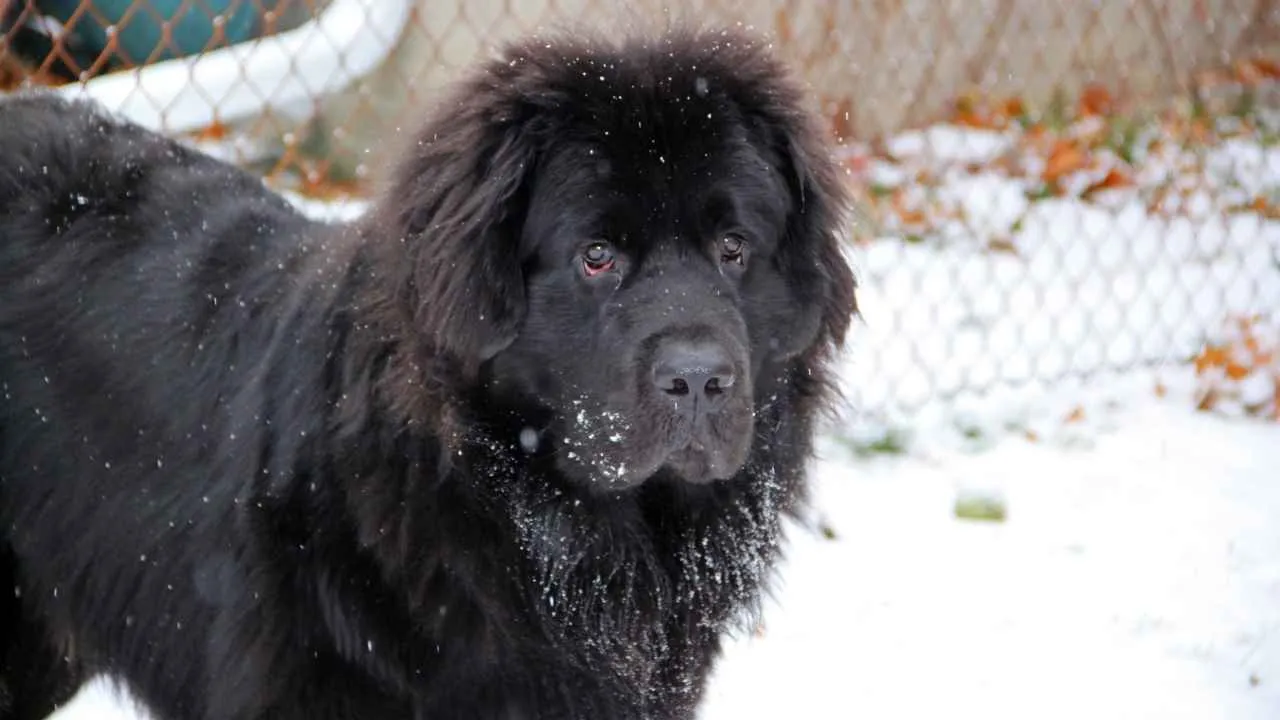
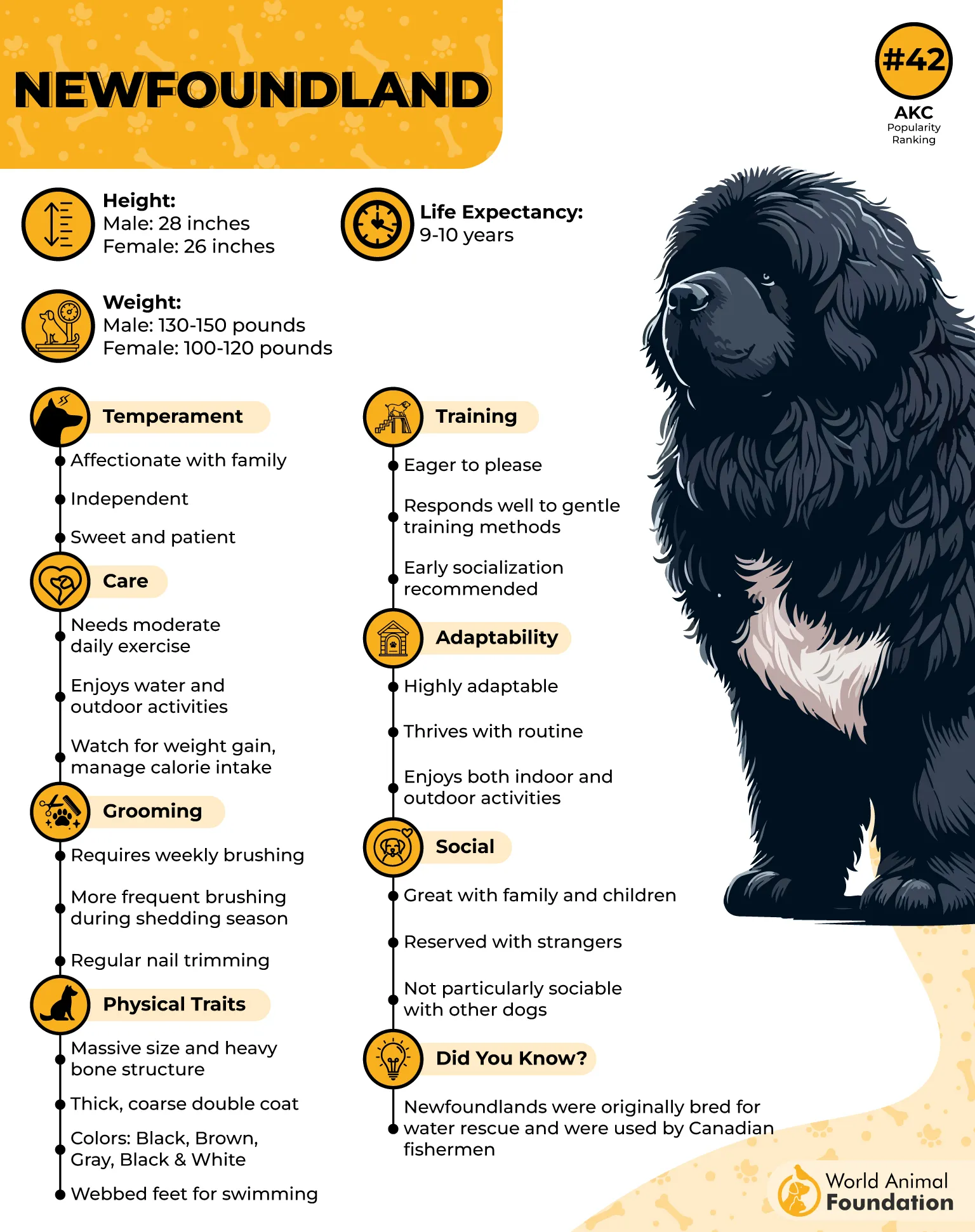
Newfoundlands are massive, fluffy, and famously slobbery. Cleaning them is a big-dog operation in every sense.
Their thick double coat mats easily and requires extensive brushing several times a week. Full grooming sessions can take hours. Bathing is physically demanding due to their size, often requiring professional facilities or specialized setups.
Drool management is a daily reality. Water bowls, floors, and walls need frequent wiping. Managing Newfoundland drool at home is all about routine, preparation, and a good sense of humor. Newfoundlands are gentle giants, but their loose lips and large jowls make drooling part of daily life.
The first step is acceptance and readiness. Keep drool towels or microfiber cloths in strategic spots—near water bowls, doorways, and favorite resting areas. Many Newfoundland owners keep a designated “drool rag” handy at all times.
Wiping the mouth after meals, drinks, or excitement prevents drool from traveling across walls, furniture, and clothing.
Managing water bowl mess is crucial. Newfoundlands tend to drip water everywhere after drinking. Use a wide, heavy bowl placed on a waterproof mat or tray to catch spills and drool. Some owners find that raised bowls reduce dripping, while others prefer splash-resistant designs. Refresh the water daily and clean the bowl often to prevent slime buildup.
Their dense fur traps moisture, making skin care crucial to prevent infections.
5. Chow Chow
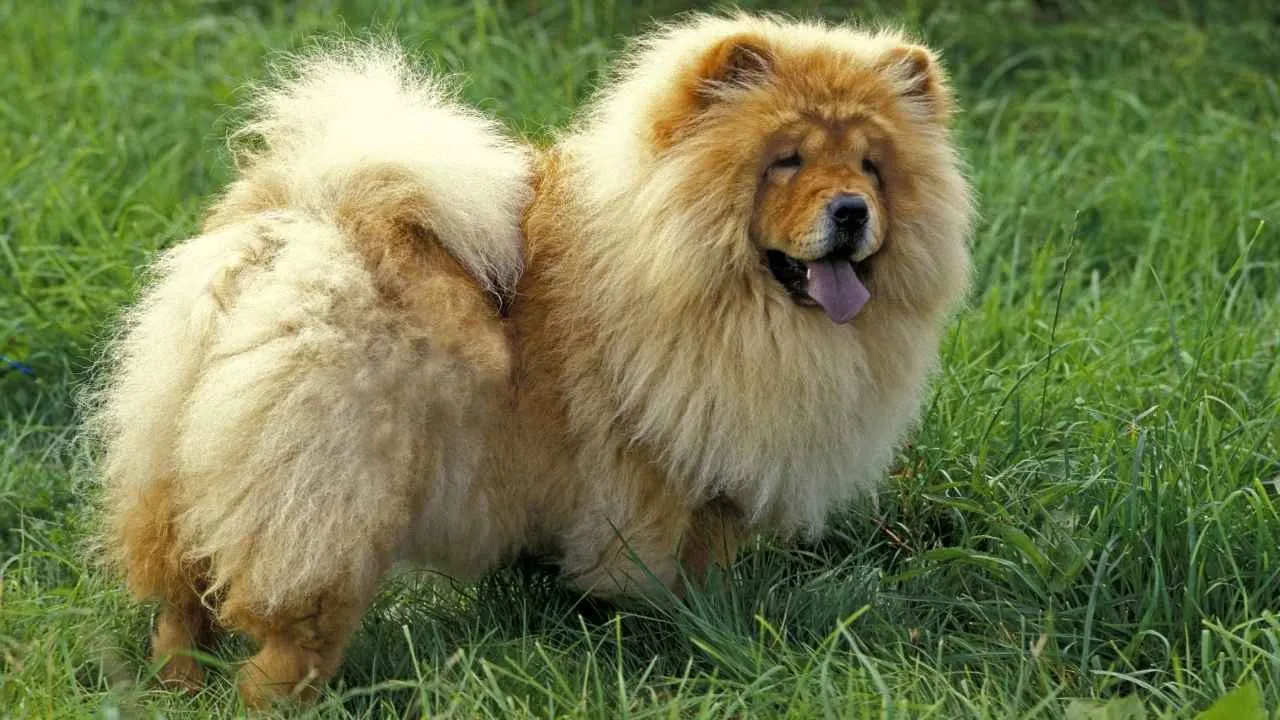
Chow Chows look like teddy bears—but grooming them is no joke. Their thick double coat requires consistent maintenance to stay healthy.
Brushing two to three times a week is the minimum. During shedding seasons, daily brushing is often necessary. Bathing should be regular but not excessive, using dog-specific shampoos to protect their skin.
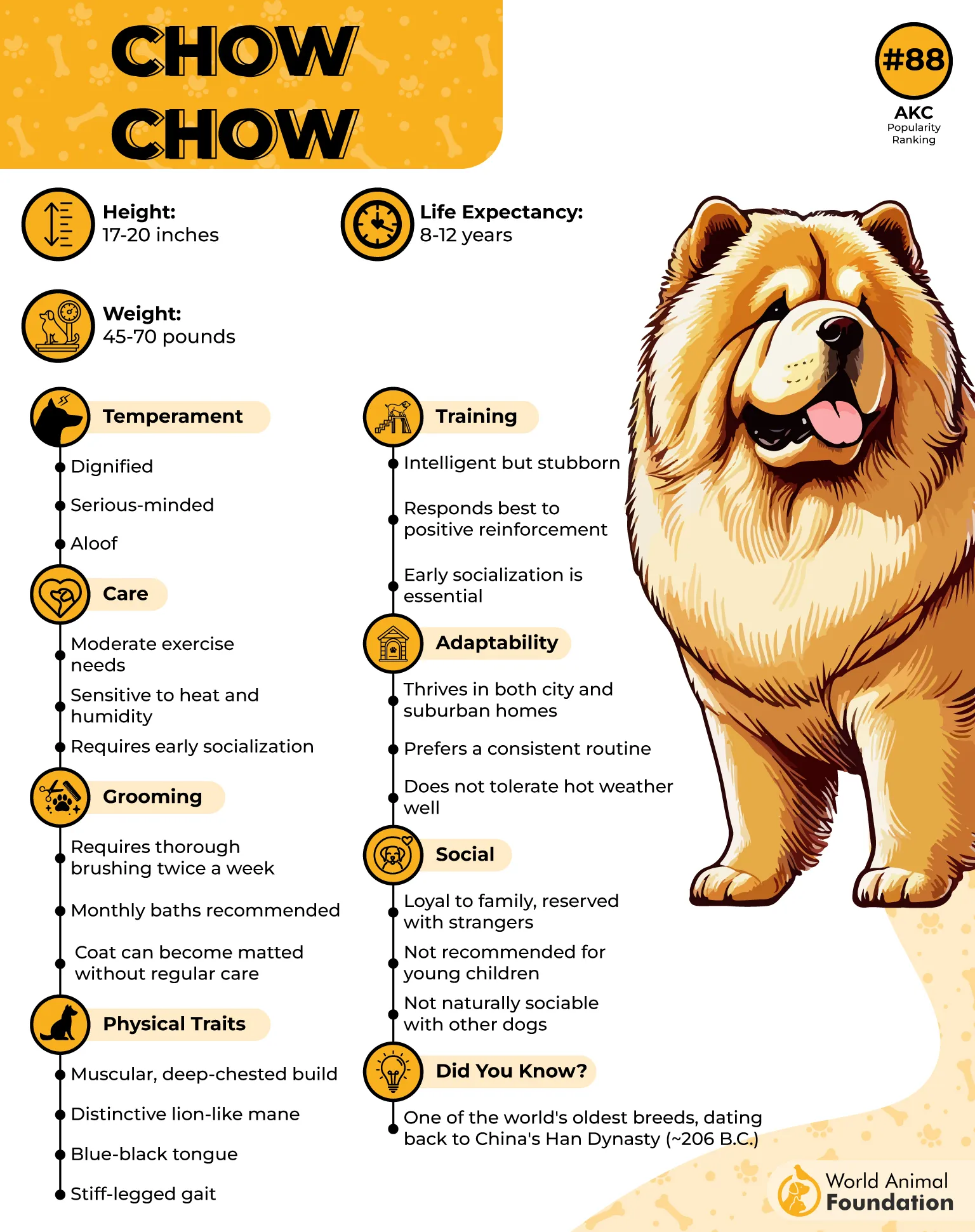
AKC says that eye and ear care is important because they’re prone to infection. For eye care, start by checking your Chow’s eyes daily. Look for redness, excessive tearing, squinting, or discharge. Using a soft, clean cloth or cotton pad dampened with warm water or a vet-approved eye solution, gently wipe from the inner corner of the eye outward.
For ear care, inspect the ears once or twice a week. Even though Chow Chows have upright ears, wax, dirt, and moisture can still build up inside. Check for redness, bad odor, swelling, or discharge—these can indicate infection. Healthy ears should be clean and pale pink inside.
6. Akita
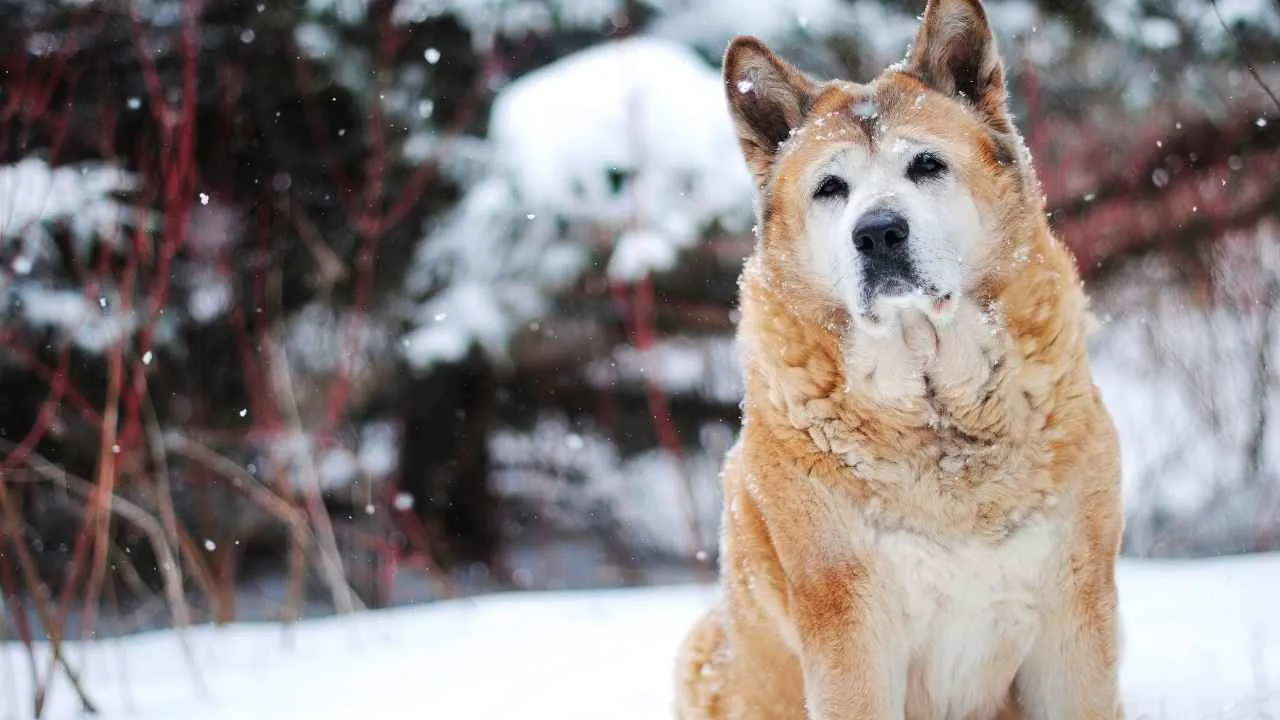
Akitas are naturally clean dogs, but their double coat sheds heavily and requires frequent brushing.
During shedding seasons, daily grooming is essential to manage fur buildup. Grooming an Akita’s coat at home is very manageable when you follow a consistent routine. Akitas are naturally clean dogs, but their dense coat sheds heavily—especially during seasonal “coat blows.”
Regular grooming keeps their coat healthy, reduces shedding around the house, and prevents skin problems. Bathing should be infrequent—over-bathing can damage their coat. Monthly or seasonal baths are enough.
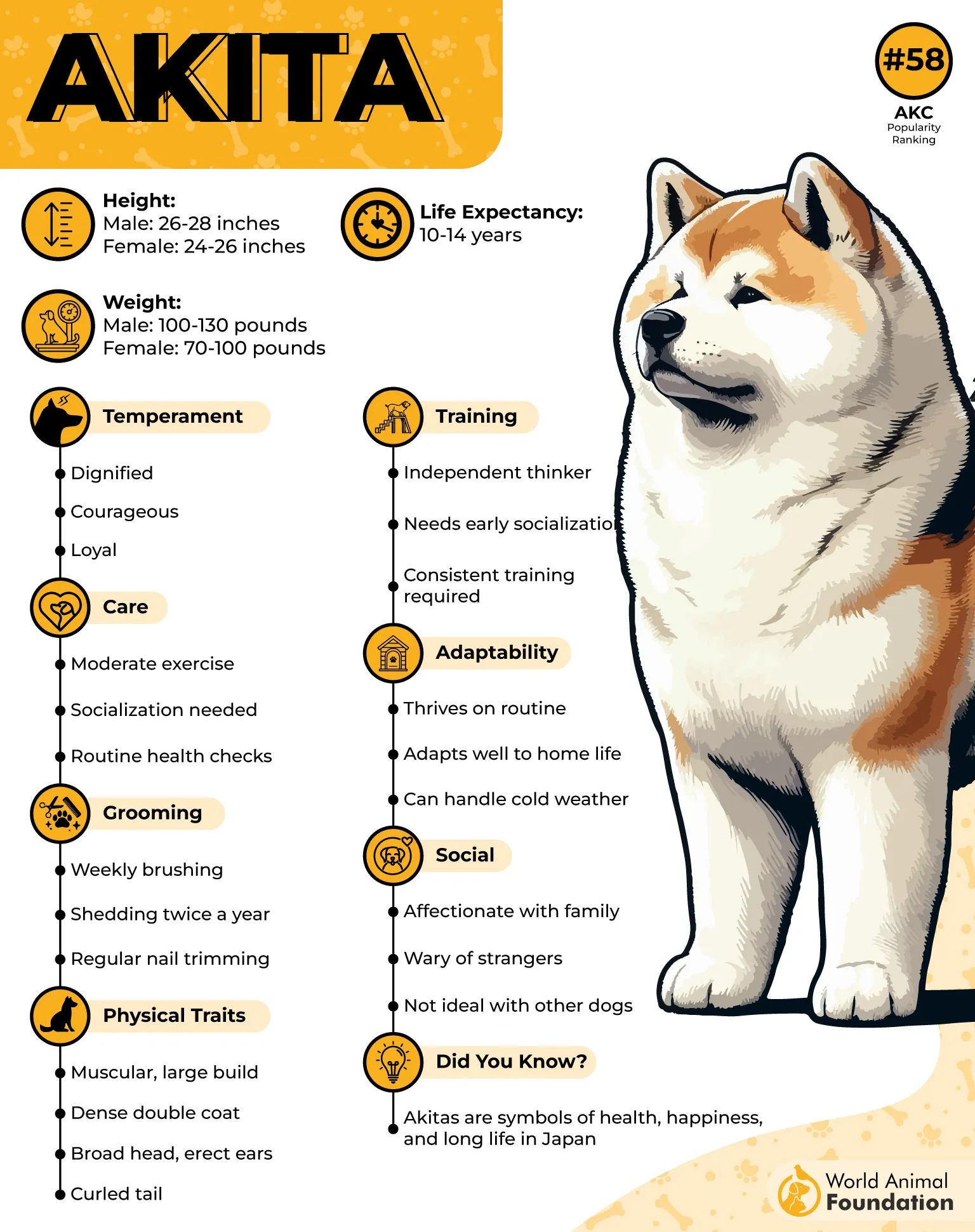
They groom themselves like cats, but owners must manage the shedding.
Professional grooming every few months helps maintain coat health. With consistent brushing, minimal bathing, and careful drying, an Akita’s coat stays clean, weather-resistant, and beautiful. Grooming also becomes a bonding routine, helping your Akita stay comfortable and looking their best at home.
Akitas are low-odor, high-shedding dogs that demand consistent upkeep.
7. German Shepherd
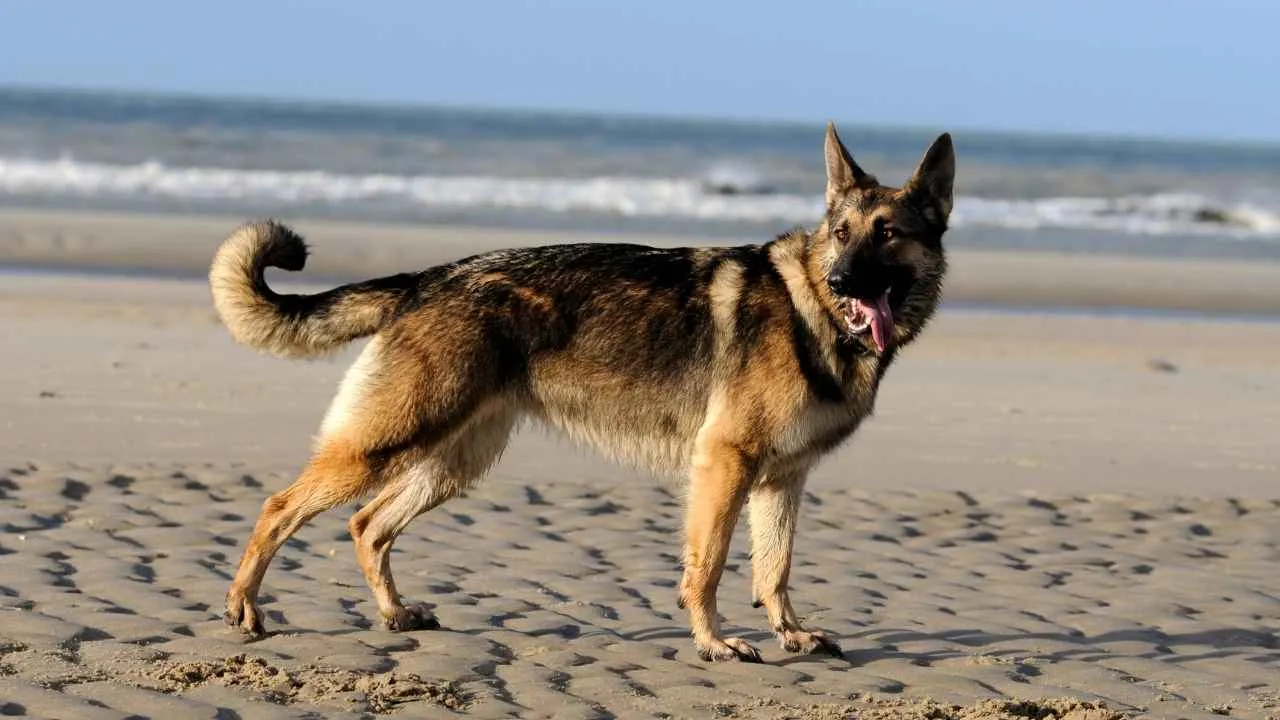
German Shepherds are famously nicknamed “German Shedders” for a reason.
Their thick coat sheds year-round and blows out heavily twice a year. Start with brushing before bathing. German Shepherds should be brushed two to three times per week, and daily during heavy shedding seasons in spring and fall.
Use an undercoat rake or slicker brush to remove loose fur from the dense undercoat, followed by a bristle brush to smooth the topcoat.
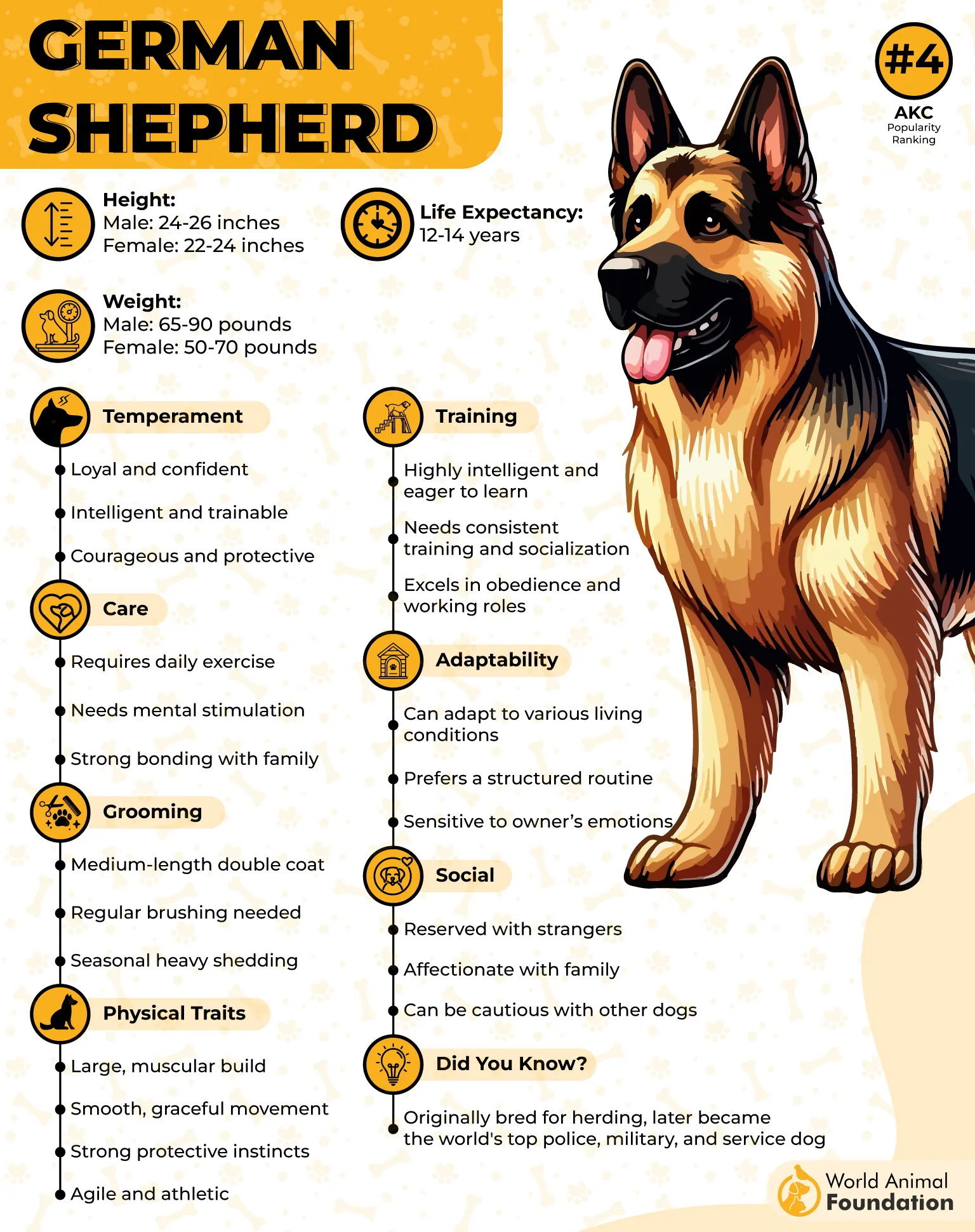
When it’s time for a bath, keep it occasional rather than frequent. Most German Shepherds only need a bath every 6–8 weeks or when they’re visibly dirty. Use lukewarm water and a dog-specific shampoo made for double-coated breeds.
Wet the coat thoroughly, parting the fur with your fingers to reach the skin. Massage shampoo gently into the coat, then rinse very thoroughly—leftover residue can cause itching and dry skin.
Brushing 2–3 times a week is required, daily during shedding seasons.
Ears and nail care are part of the routine to avoid skin infections. They’re intelligent, loyal dogs—but not low-maintenance cleaners.
8. Old English Sheepdog
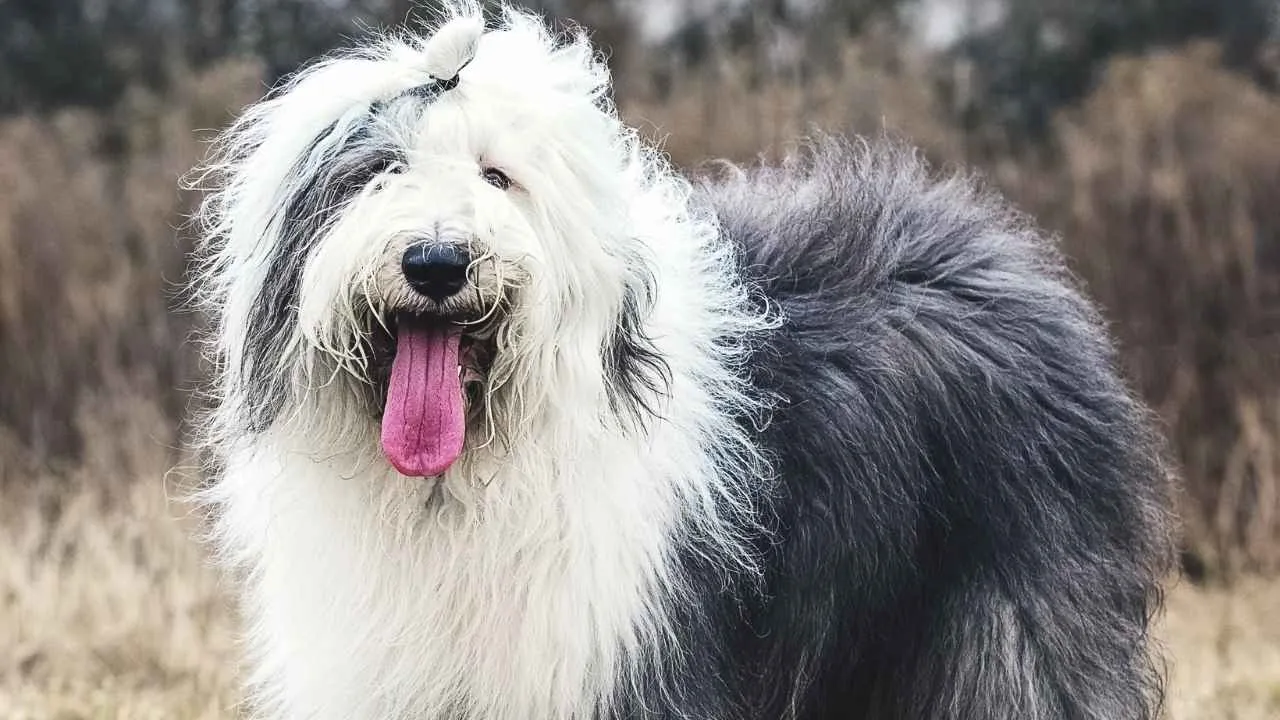
Old English Sheepdogs are pure fluff—and pure grooming commitment. Their long coat mats quickly and needs daily or near-daily brushing.
Cleaning an Old English Sheepdog at home is absolutely possible—but it’s a commitment. Their thick, shaggy coat is beautiful, but it traps dirt and moisture and tangles easily. A consistent routine is the difference between a fluffy, happy sheepdog and a matted nightmare. Here’s how to keep them clean and comfortable at home.
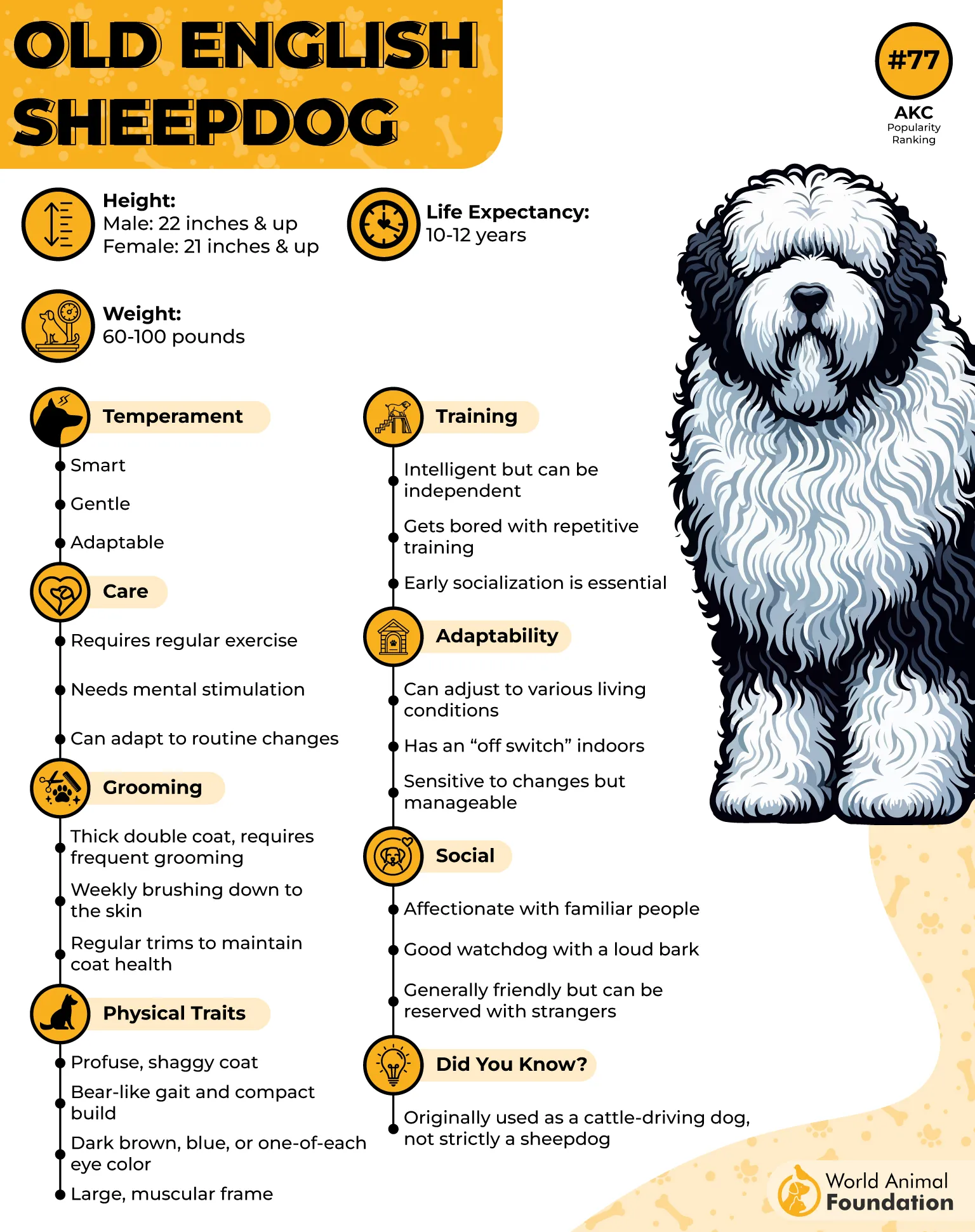
Before any bath, thorough brushing is non-negotiable. Use a slicker brush and a wide-tooth metal comb, working in sections from the skin outward. Part the coat as you go so you’re not just brushing the surface.
Professional grooming every 4–6 weeks is often mandatory to prevent matting. Neglected coats turn into painful mats fast.
Between full baths, daily or near-daily brushing is the secret to success. Spot-clean muddy legs, wipe the beard after meals, and keep the coat free of debris. Full baths are usually needed every 6–8 weeks unless your sheepdog gets especially dirty.
These dogs are joyful—but grooming them is a serious investment.
9. Komondor
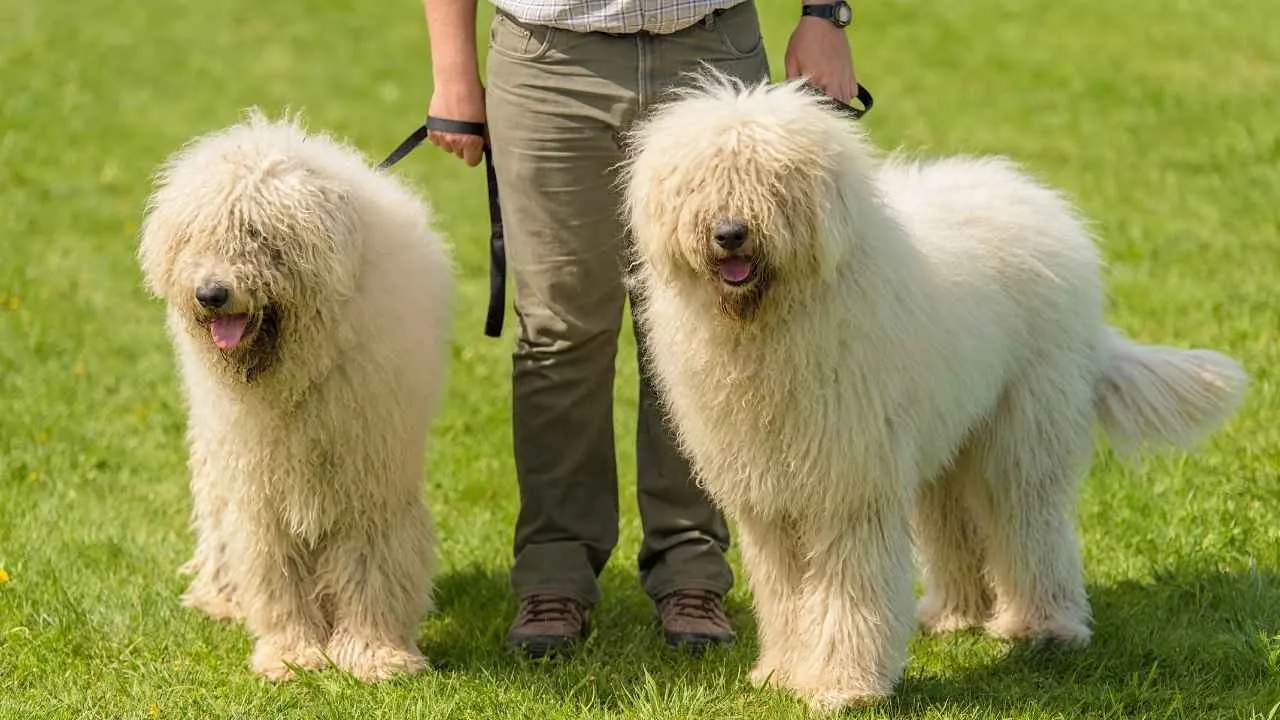
The Komondor’s corded coat is unique and demanding.
Cords must be manually separated to prevent painful matting. Maintaining a Komondor’s coat at home is very different from grooming most dogs. As per PetMD, their famous corded coat doesn’t need brushing or clipping—instead, it requires hands-on care, patience, and consistency.
When done correctly, home maintenance keeps the cords clean, healthy, and free from painful matting or skin problems. The foundation of Komondor coat care is cord separation.
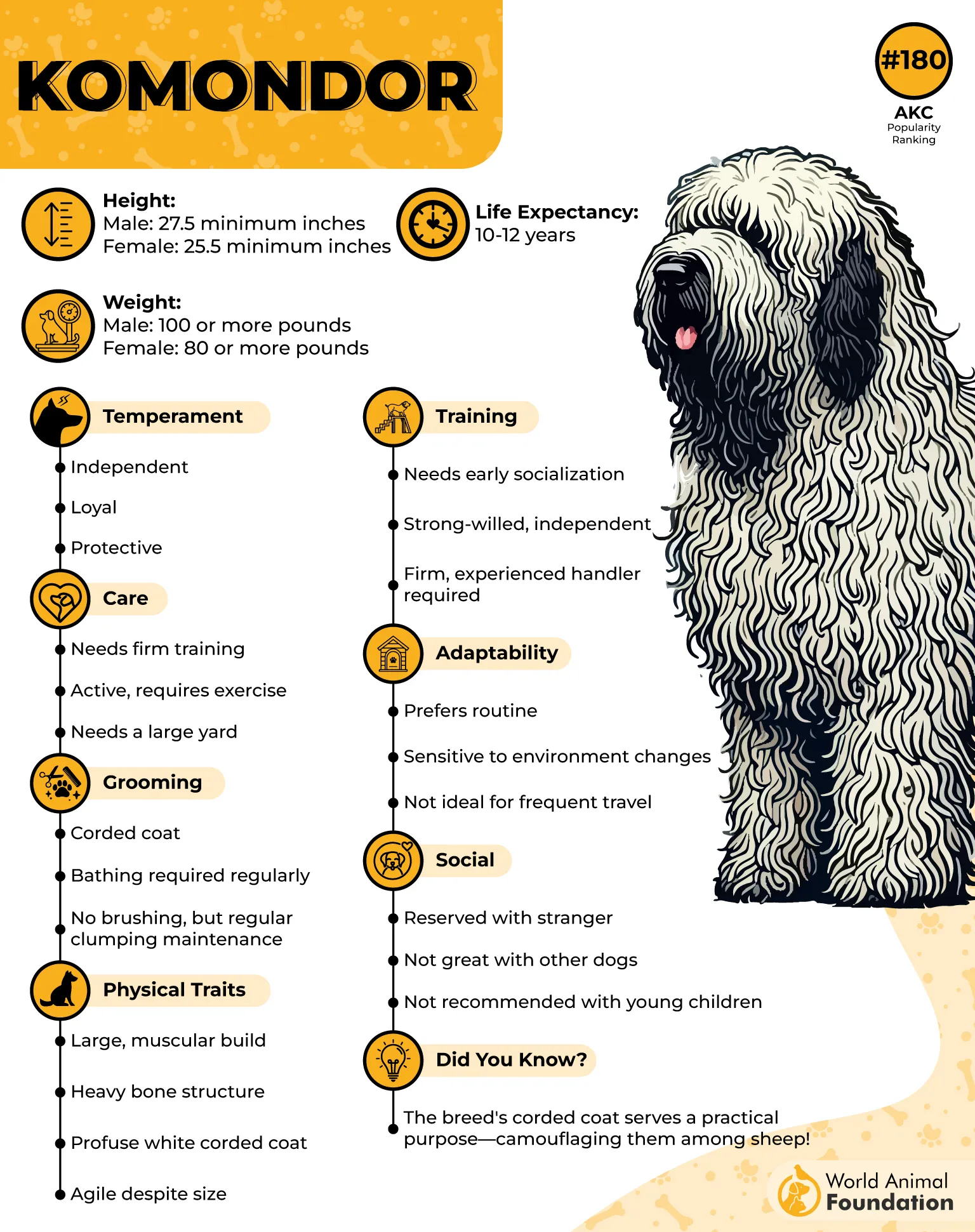
As the puppy coat transitions into cords (usually between 8 and 12 months), you’ll need to separate the hair by hand regularly. Using your fingers, gently pull the coat apart to the skin, forming distinct cords. This prevents large mats from forming and allows airflow to reach the skin. Cord separation should be performed weekly at first, then as needed throughout adulthood.
Bathing this dog must be done carefully and infrequently—usually every 4 to 6 weeks or when the dog is truly dirty. Use a diluted, dog-safe shampoo and gently squeeze it into the cords instead of rubbing. Rubbing causes matting and damages the cord structure. Rinse thoroughly by squeezing clean water through the cords.
Bathing takes hours—and drying can take days. Moisture trapped in cords can cause serious skin issues.
10. Bouvier des Flandres
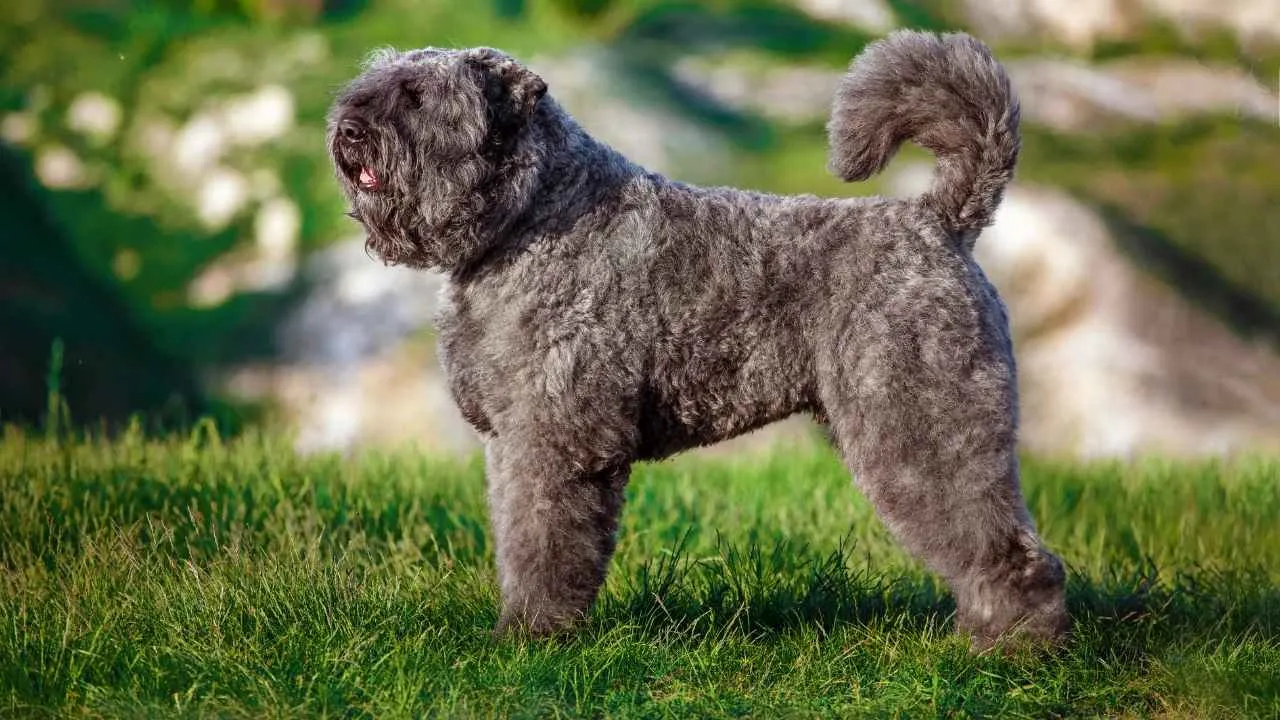
Bouviers have thick, rough coats that require frequent brushing.
Their fur mats easily without consistent care. Washing and cleaning it at home is completely manageable when done correctly, but it does require time and preparation.
Their thick, rough double coat is excellent at trapping dirt, moisture, and debris, which means cleaning must be thorough to avoid matting and skin issues. The key to success is following a structured routine rather than rushing the process.
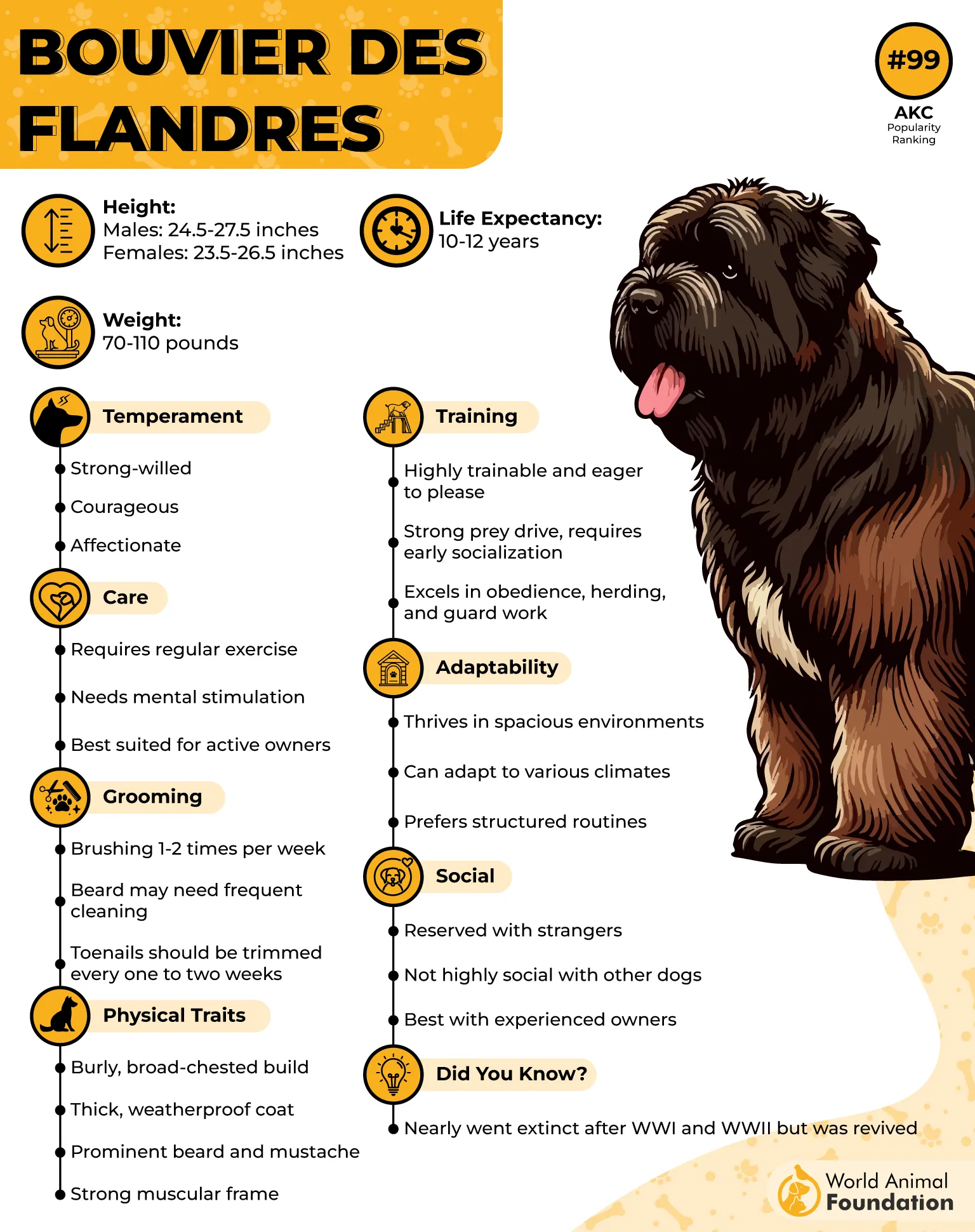
Before bathing, brushing is essential. Always brush your Bouvier’s coat completely while it is dry. Use a slicker brush, then a metal comb, to reach down to the skin. Focus on high-tangle areas such as behind the ears, under the legs, around the beard, and along the belly.
When bathing, preparation makes a big difference. Use a non-slip mat in the tub or wash area, gather large towels, and have dog-specific shampoo designed for rough or dual coats, and a handheld sprayer, if possible.
Wet the coat slowly using lukewarm water, starting from the legs and working upward. Because the coat is dense, you’ll need to part the fur with your fingers to ensure water reaches the skin.
Professional grooming is often needed to manage texture. Beards and leg hair trap food and dirt.
Consistent grooming, regular bathing, trimming, and coat maintenance are essential. Bouviers reward grooming effort with loyalty and charm.
Conclusion
Dogs with extensive cleaning routines aren’t for everyone as they require more frequent grooming—but for the right owners, they’re absolutely worth it. These breeds demand time, patience, and commitment, but they also offer beauty, companionship, and unforgettable presence.
Before choosing one, be honest about your lifestyle. Grooming isn’t optional with these dogs—it’s part of the bond. Shih Tzu, Cocker Spaniel, Border Collies, and Bichon Frise are also certain breeds that require routine brushing and grooming.
If you’re ready to commit, these high-maintenance breeds will repay you with love, loyalty, and a whole lot of fluff.
