





Dogs communicate with far more than just barks, and science backs it up. A study in Animal Cognition found that dogs use distinct vocal patterns to express emotions, proving their “voices” are far more nuanced than we often realize.
For noise-sensitive owners, understanding this can make choosing the right companion much easier.
Some breeds naturally vocalize more because of their working backgrounds, using sound to alert, herd, or protect. Other calm dogs, however, rely on body language, eye contact, and quiet signals instead. These subtle communicators create a calmer home environment.
Research from the University of Portsmouth’s Dog Cognition Centre also shows that dogs adjust their vocal use depending on human response. In other words, quieter homes often encourage quieter dogs.
This makes selecting a naturally soft-spoken breed especially valuable for sensitive households. A peaceful match leads to better bonding and less stress.
In this guide, we explore six exceptional, low-noise companions perfect for those who value tranquility.
Top Dog Breeds Perfect for Noise-Sensitive Owners
1. Whippet

The Whippet immediately stands out to noise-sensitive owners because of its naturally hushed nature and calm indoor presence. This adult dog breed tends to settle into a quiet household rhythm with ease, creating an atmosphere that feels gentle and uncluttered.
Their soft expressions and light-footed movement add to their peaceful charm.

Whippets stay quiet largely due to their sighthound lineage, which relies more on observation and precision than vocal alerts. In calmer homes, they lean on subtle communication—leaning into a person, seeking eye contact, or offering a relaxed body posture.

Their temperament tends to be mild, making them excellent for households that value serenity.
Training & Behavior Notes for Noise Control
• Positive reinforcement helps maintain polite house manners
• Exposure to soft household sounds builds confidence
• Quiet cue training works well due to their sensitivity
• Short sessions prevent overstimulation
Health & Grooming Factors That Influence Comfort
• Thin coats require warmth to prevent discomfort
• Monitor for minor skin sensitivities
• Weekly brushing keeps the coat smooth
• Regular check-ins for dental health support overall calmness
Whippets have a balanced energy cycle: sprint outside, snooze inside. They love short bursts of exercise, then settle into remarkably quiet downtime, making them excellent companions in low-noise environments. Their relaxed state indoors pairs beautifully with the lifestyle of someone who values peaceful routines.
The AKC suggests that this breed suits owners who enjoy steady, predictable days filled with soft interactions and long lounging periods. They adapt well to neighborhoods with moderate activity levels and thrive in homes where calm people, soft voices, and gentle schedules are the norm.
For noise-sensitive owners seeking grace and tranquility, the Whippet fits naturally.
2. Basenji

The Basenji appeals to noise-sensitive owners because of its unique reputation as the “barkless dog.” Instead of loud vocalizations, it communicates through murmurs and expressive body language. This makes them refreshingly peaceful in homes where excessive sound becomes overwhelming.
Their quiet tendencies come from their African hunting background, where stealth was more valuable than noise. Basenjis rely heavily on movement, posture, and gaze to share what they’re thinking, contributing to a home atmosphere that feels soft and controlled.
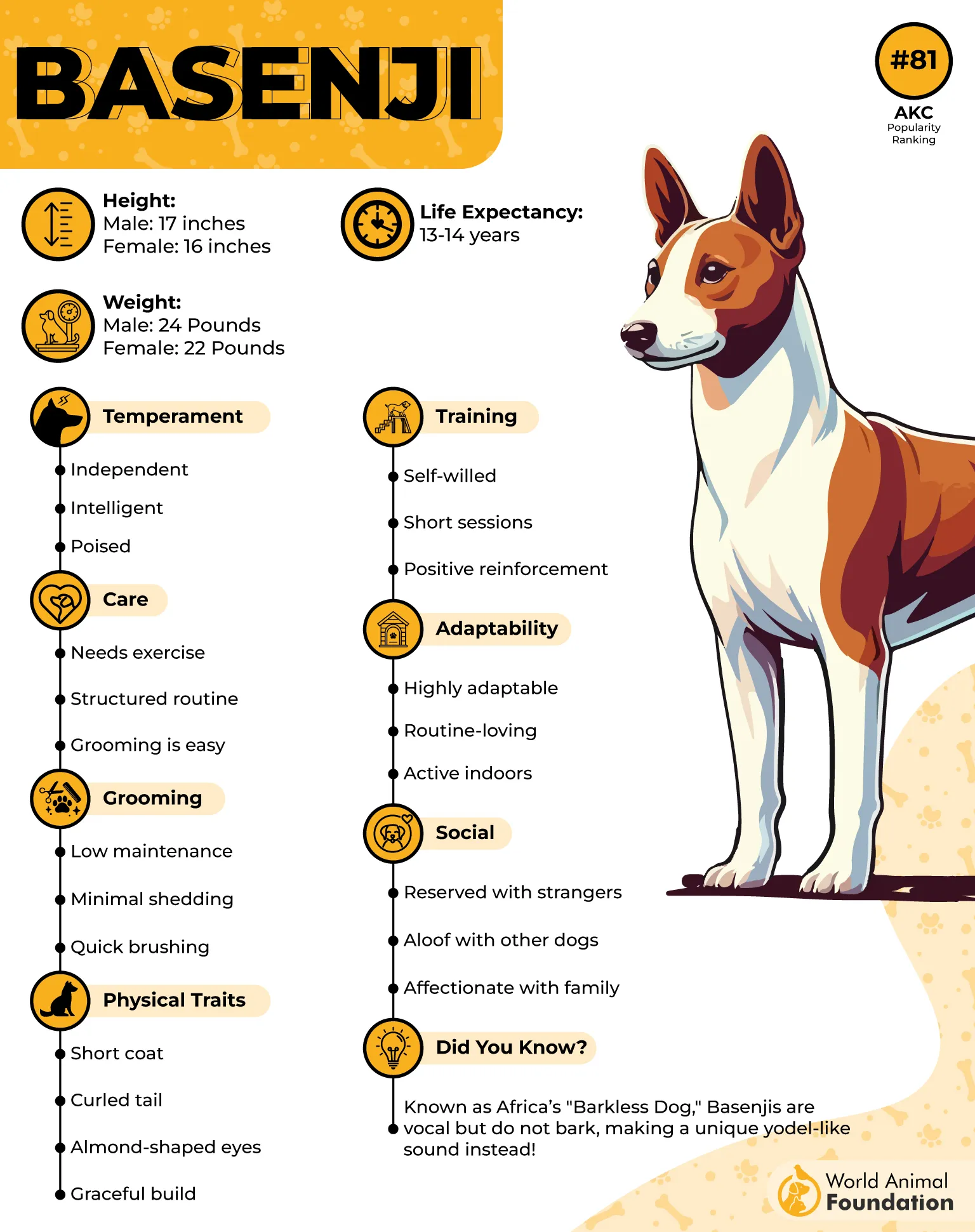
Their temperament is alert yet composed, giving them a presence that feels engaged without being loud.
Training & Behavior Notes for Noise Control
• Consistent routines help them feel secure
• Mental games channel their sharp minds peacefully
• Voice cues should stay gentle
• Calm leash work reduces frustration noises
Health & Grooming Factors That Influence Comfort
• Their short coat benefits from simple weekly brushing
• Cleaning ears helps prevent irritation-related vocal sounds
• Maintaining joint health supports relaxed behavior
• A tidy environment reduces stress
WebMD notes that the Basenji is active and curious, thriving on structured walks and enrichment activities that stimulate without creating chaos. Their energy remains steady, making them dynamic outdoors yet pleasantly quiet indoors.
This blend works especially well for owners who enjoy calm homes but still appreciate an adventurous spirit.
Basenjis match beautifully with thoughtful, organized owners who enjoy clear routines and peaceful downtime. They adapt well to neighborhoods that offer safe walking paths and controlled spaces without excessive noise pollution.
For someone wanting a quiet companion with a strong personality and a clean communication style, the Basenji is an intriguing fit.
3. Japanese Chin

The Japanese Chin fits naturally into the lifestyle of noise-sensitive owners thanks to its soft demeanor and refined communication style. This breed tends to float through the home with gentle curiosity, creating a serene presence.
Their charming expressions and light movement make them engaging without overwhelming the senses.
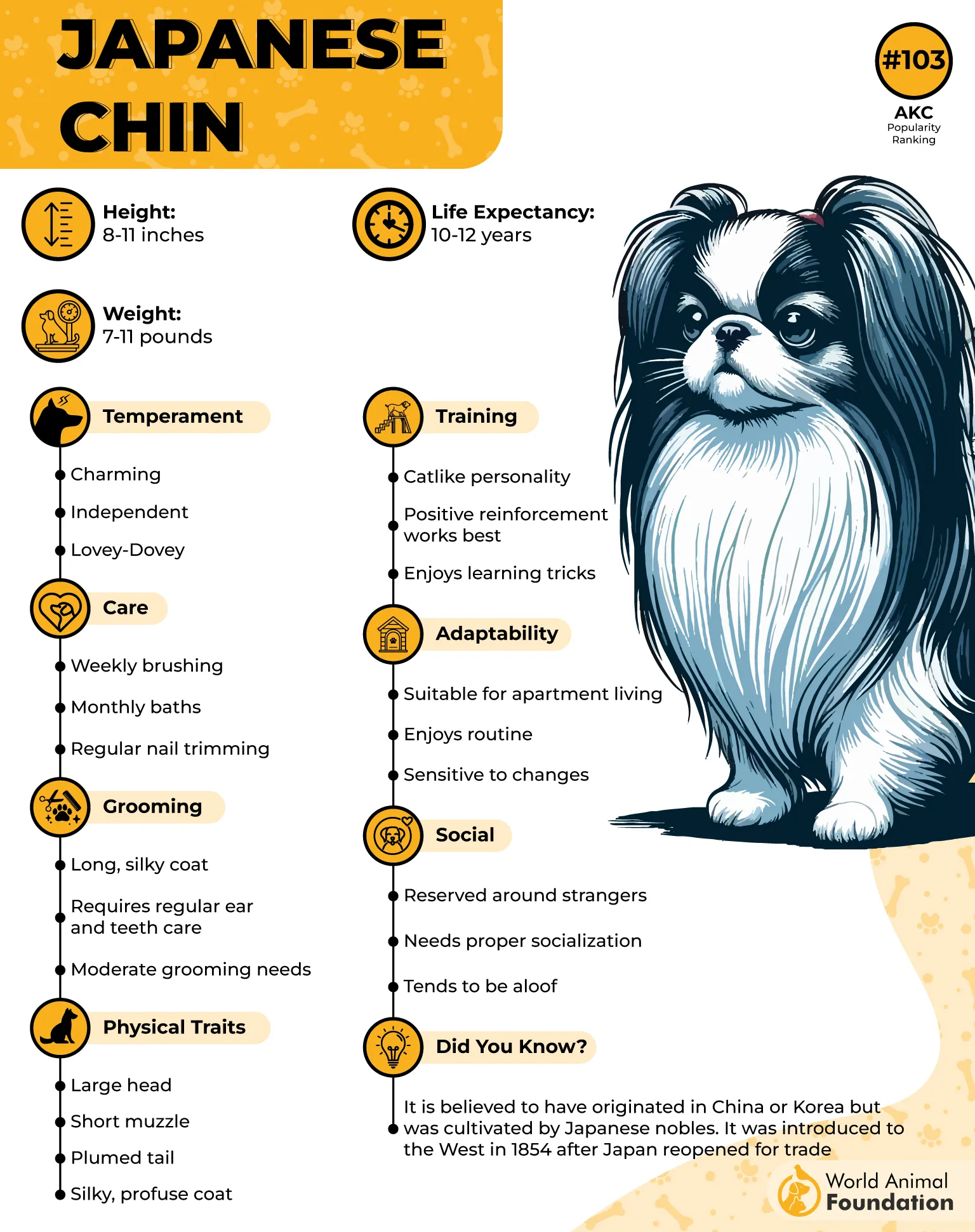
PetMD reveals that their quiet nature and calm temperament come from centuries spent as cherished indoor companions, where subtle cues were preferred over vocal demands. Japanese Chins communicate with delicate head tilts, feather-light paw touches, and soft eye contact.
They often adapt beautifully to peaceful environments, mirroring the calm energy around them.
Training & Behavior Notes for Noise Control
• Reinforce calm greetings with rewards
• Short and proper training sessions suit their attention span
• Soft verbal cues maintain a peaceful routine
• Socialization helps prevent anxious noises
Health & Grooming Factors That Influence Comfort
• Their flat face benefits from monitored airflow
• Regular coat combing prevents tangles
• Eye care boosts comfort and reduces fussing
• Maintaining a clean environment supports relaxation
Japanese Chins are moderate in energy, preferring elegant bursts of play followed by relaxed lounging. They enjoy interactive toys and short indoor activities, making them a strong match for quieter homes. Their small size allows them to stay active without generating loud disruption.
These dogs thrive with owners who enjoy calm companionship and appreciate subtle canine communication. The Japanese Chin fits well in apartments, quieter townhomes, or serene neighborhoods with low activity.
For noise-sensitive individuals who love gentle, expressive dogs, this breed brings peace, warmth, and understated charm.
4. Coton de Tulear

Noise-sensitive owners often gravitate toward the Coton de Tulear because of its warm, mellow personality and minimal tendency to vocalize.
Cotons have a naturally friendly presence that feels comforting rather than overwhelming. Their cloud-like coat and cheerful but soft mannerisms make them delightful in low-noise settings.
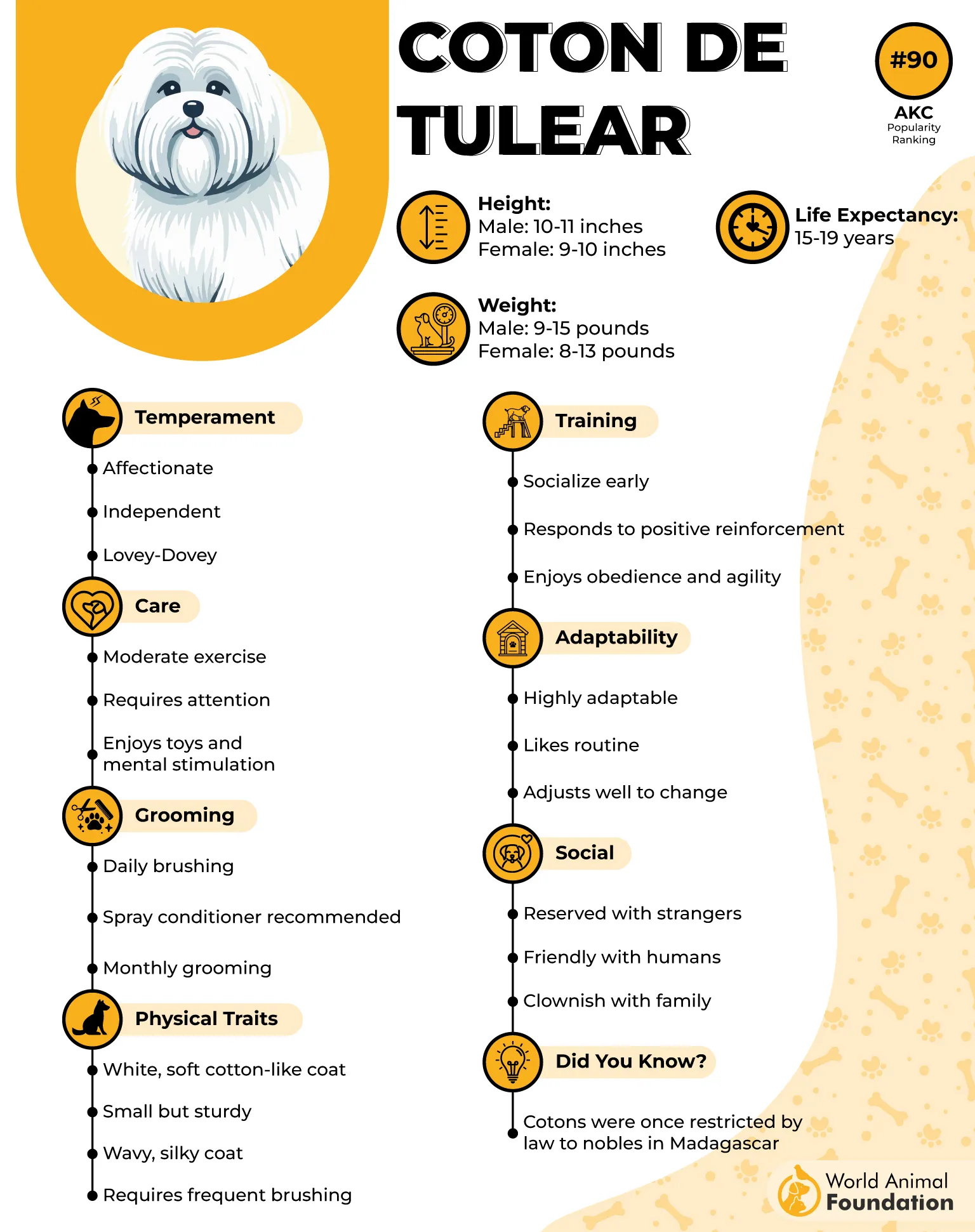
This small dog breed’s quiet nature stems from its history as a beloved companion dog in Madagascar, living closely with families and learning to communicate gently.
Cotons often rely on expressive eyes, body relaxation, or light tail swishes instead of vocal sounds. Their temperament is affectionate and adaptable, thriving in steady, calm atmospheres.
Training & Behavior Notes for Noise Control
• Reward-based training helps shape quiet habits
• Routine bonding moments reinforce emotional security
• Soft commands work best with their sensitive nature
• Engaging toys prevent bored vocalization
Health & Grooming Factors That Influence Comfort
• Daily coat care prevents matting
• Tear staining requires gentle cleaning
• Regular ear checks support comfort
• Balanced nutrition keeps coat and mood healthy
Cotons have a playful spirit without excessive intensity. They enjoy gentle walks, short playtimes, and companionship-centered activities that keep energy balanced and the home quiet. Their ability to settle quickly after activity is ideal for owners who prefer a predictable calm.
This breed pairs well with owners who appreciate affectionate dogs that enjoy human connection. The Coton de Tulear thrives in peaceful communities, quiet apartments, and homes that maintain a steady rhythm.
For someone looking for a cheerful but low-noise canine companion, the Coton offers a comforting match.
5. Bolognese

The Bolognese is a wonderful match for noise-sensitive owners because of its serene temperament and naturally quiet presence. This breed carries an air of stillness, which makes them remarkably pleasant in calm households. Their soft expressions and gentle structure create a soothing atmosphere.
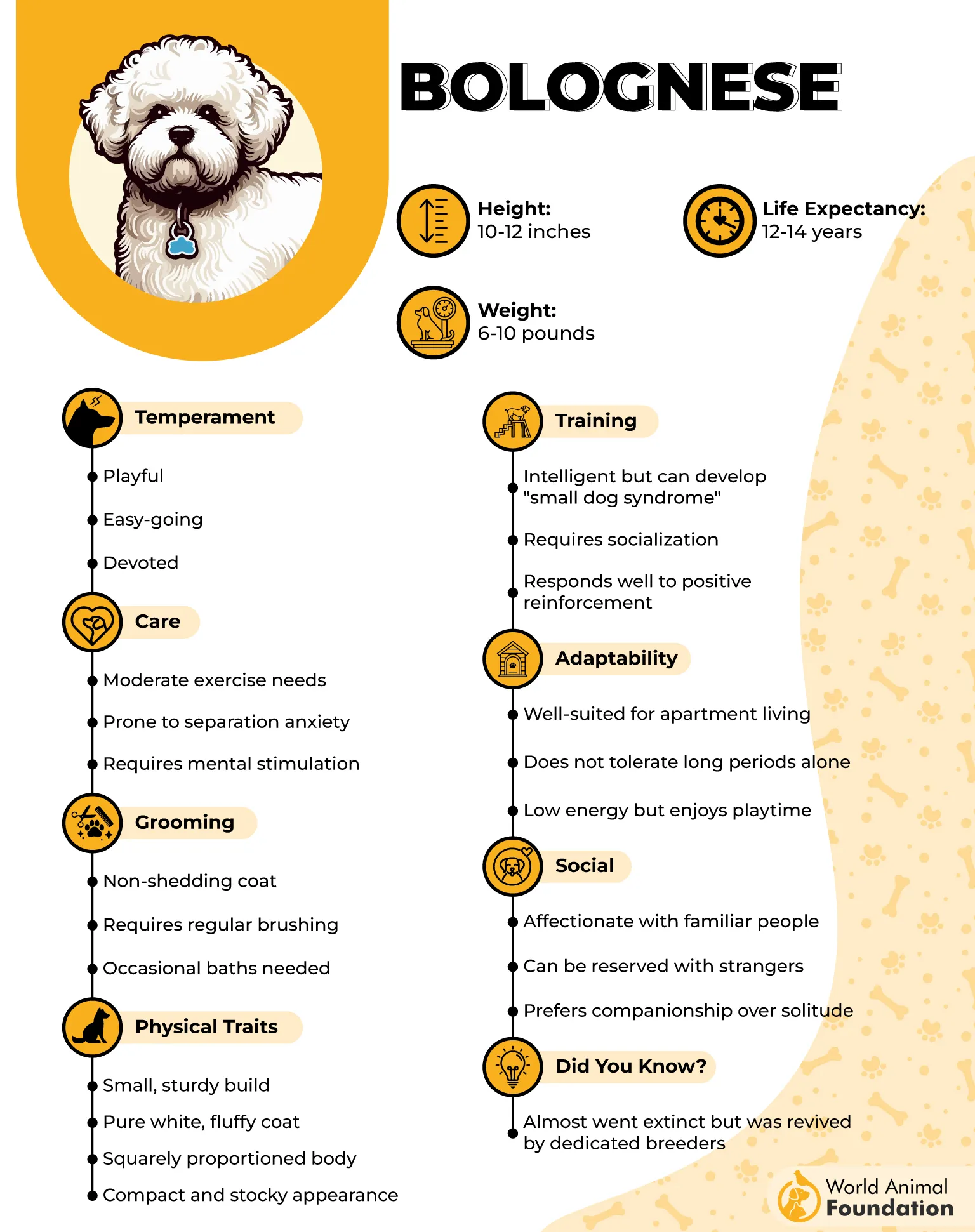
Their quiet tendencies come from their heritage as lap companions for European nobles, where being calm, polite, and soft-spoken was part of their role.
Bolognese dogs express themselves with subtle cues like gaze shifts, relaxed posture, and quiet nudges. Their temperament leans toward thoughtful, observant behavior that keeps sound levels low.
Training & Behavior Notes for Noise Control
• Calm praise reinforces good manners
• Gentle consistency supports emotional balance
• Indoor enrichment reduces stress
• Reliable routines help them stay settled
Health & Grooming Factors That Influence Comfort
• Regular coat maintenance prevents discomfort
• Eye care keeps irritation low
• Light exercise supports joint comfort
• Healthy skin care promotes relaxation
These dogs prefer easygoing routines with short bursts of play and long stretches of calm companionship. They enjoy unhurried walks, soft toy interactions, and resting near their favorite humans. Their energy fits beautifully into households that prefer quiet, rhythmic days.
Bolognese dogs pair best with owners who enjoy steady, nurturing lifestyles and appreciate peaceful interaction. They thrive in neighborhoods with soft ambient noise and homes where calm routines are valued.
For owners seeking a quiet, deeply loyal, and gentle companion, the Bolognese brings tranquility and warmth.
6. French Bulldog

French Bulldogs appeal strongly to noise-sensitive owners because of their relaxed temperament and typically low barking levels.
These dogs enjoy close companionship and often choose presence over sound when communicating. Their calm energy and expressive faces make them wonderfully manageable in peaceful homes.
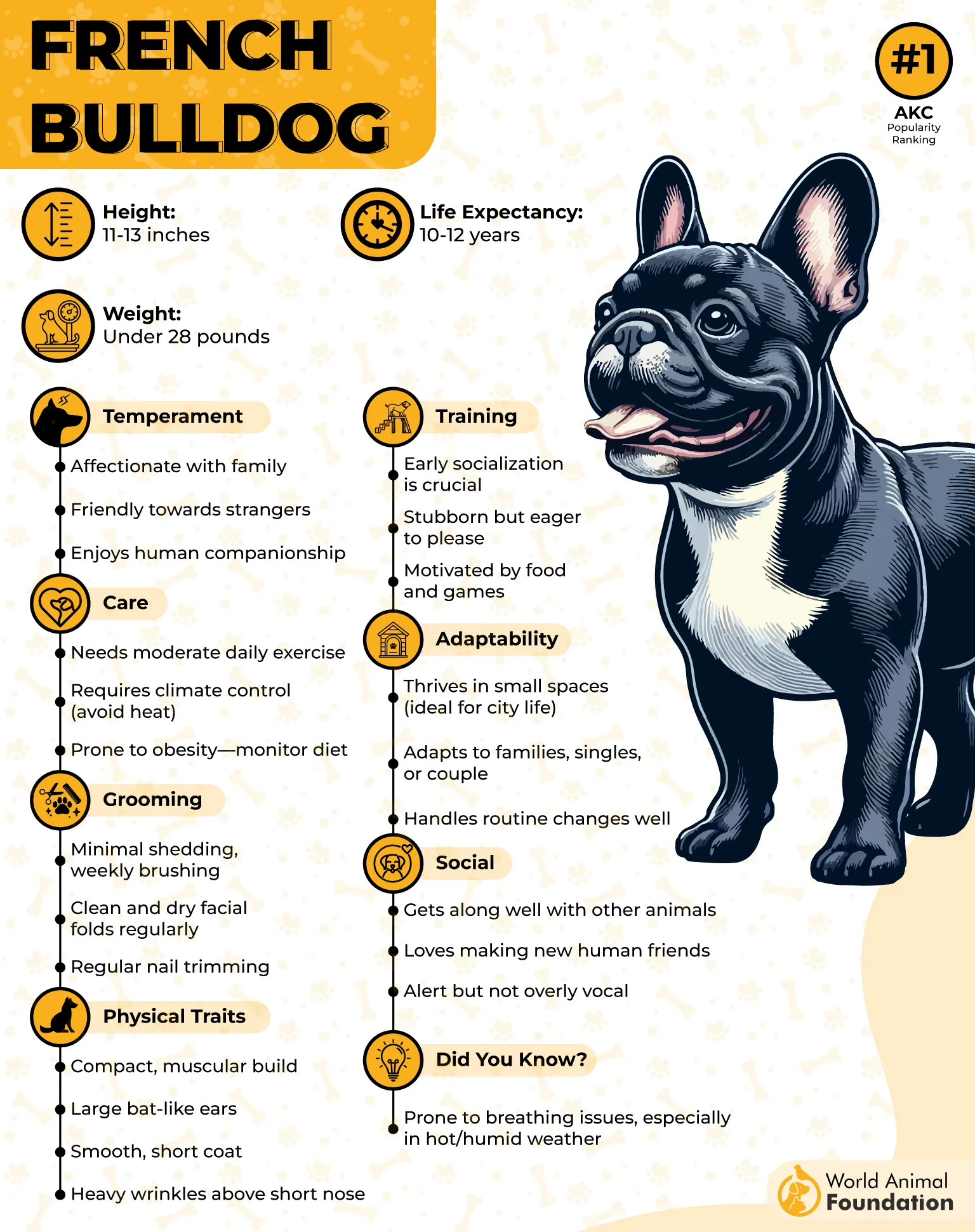
They stay quiet due to their breeding background as companion dogs that relied more on physical closeness than vocal alerts. French Bulldogs often communicate through soft snorts, eye contact, and subtle shifts in body language.
Their temperament is steady and affectionate, making them ideal for homes seeking comfort and low noise.
Training & Behavior Notes for Noise Control
• Short training sessions maintain engagement
• Soft voice cues work well with their sensitivity
• Routine bonding builds emotional security
• Indoor play keeps energy balanced
Health & Grooming Factors That Influence Comfort
• Monitor breathing for comfort
• Clean skin folds gently
• Light brushing supports coat health
• Stable temperatures keep them relaxed
French Bulldogs have a modest energy level that allows for enjoyable walks without overwhelming stimulation.
They appreciate predictable routines and cozy resting spots, which naturally keep household noise minimal. Their steady behavior style suits owners who prefer calm evenings and non-chaotic days.
They are an excellent fit for owners seeking a quiet companion in apartments, small homes, or suburban neighborhoods.
French Bulldogs thrive with gentle interaction and warm, consistent care. For noise-sensitive individuals wanting a loyal, quiet, and emotionally intuitive dog, this breed provides a soothing match.
Conclusion
Choosing a quiet dog breed starts with understanding that most dogs vary significantly in temperament and respond well to consistent training and proper care. Even an individual dog can thrive with adequate stimulation and daily walks.
Beyond the six featured quiet breeds, other dogs like Shiba Inu, Basset Hounds, Greyhounds, Beagles, and mixed breeds can also offer less barking for apartment dwellers. Many working breeds, hunting breeds, and even large breeds become pretty chill with mental stimulation and regular grooming.
If you love dogs and want help finding a good match or managing separation anxiety, reach out—your next great companion could be closer than you think.
