




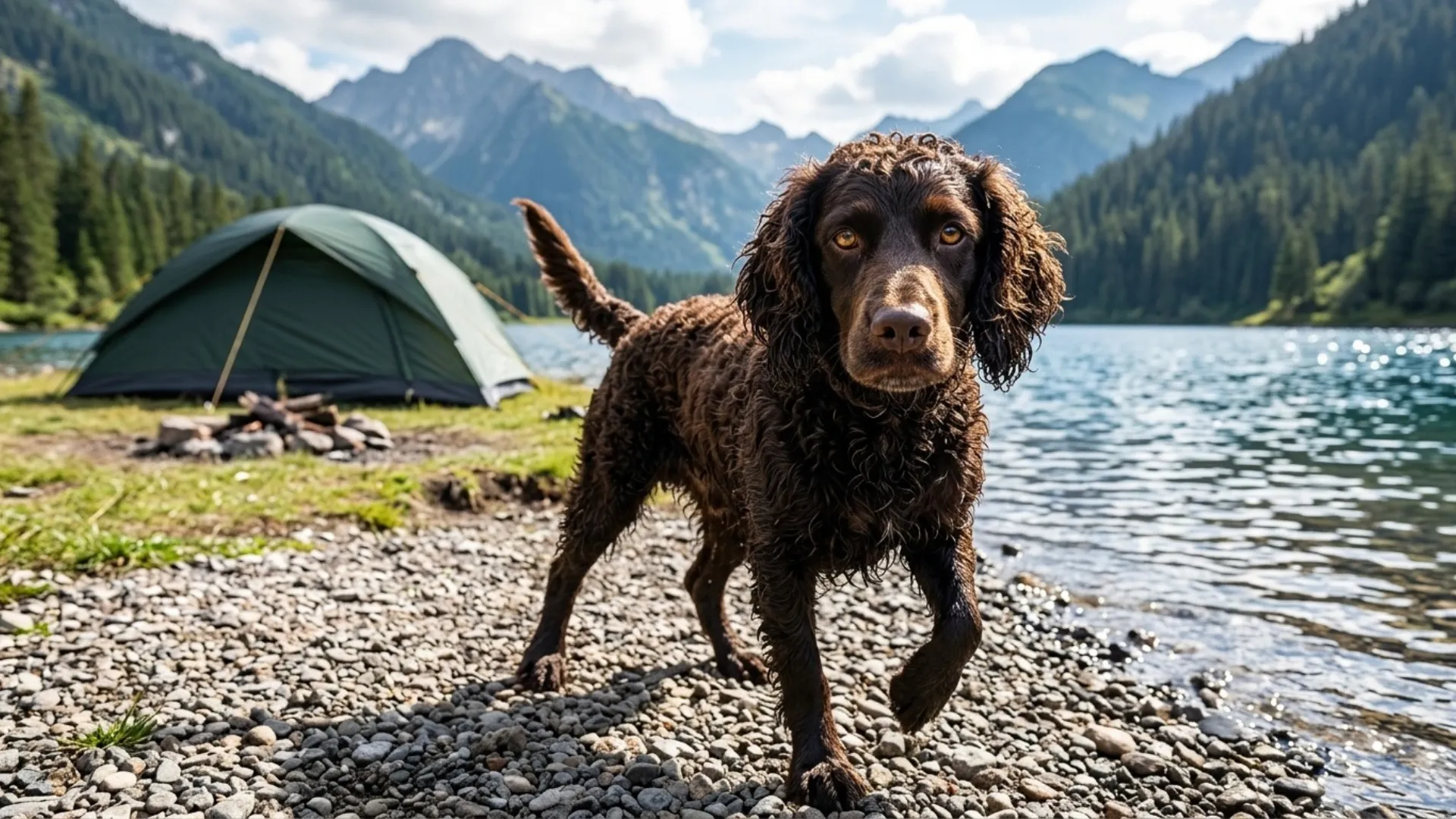
A great camping trip gets even better when your dog joins the fun. From exploring winding trails to splashing along the shore, every day brings a new adventure. But not every dog is suited to long hikes and lakeside fun. Some breeds thrive in the water, while others shine on rugged trails.
The best camping companion brings energy, stamina, and a willingness to learn. They should also handle new places and follow your commands when it matters. If your family loves spending time outdoors, choosing the right breed can make each trip easier and more enjoyable.
This guide explores nine dog breeds that suit lakeside camping in different ways. You’ll discover their outdoor strengths and what each one needs. Before setting off, plan for safe swimming, regular breaks, and plenty of fresh water. After all, the best adventures are the ones you both enjoy safely.
Dog Breeds Perfect for Lakeside Camping Adventures
Here we go, one by one.
1. Labrador Retriever
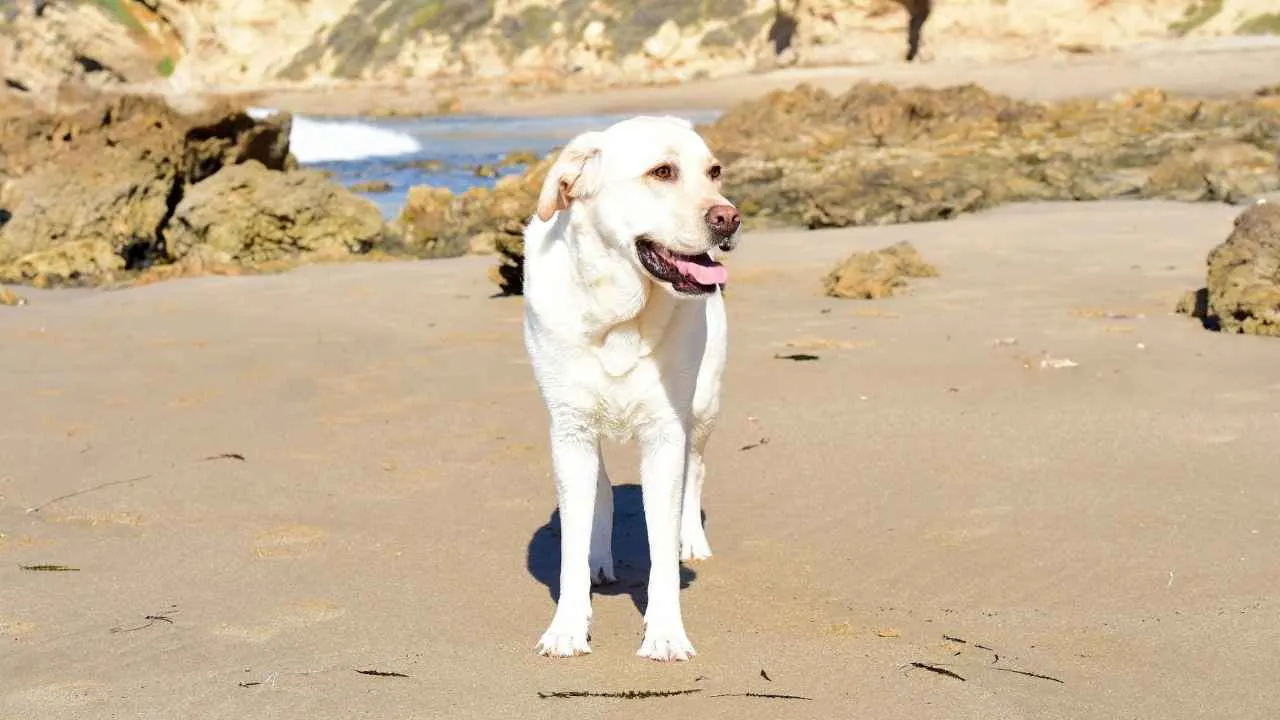
Labrador Retrievers bring energy, affection, and versatility to lakeside camping trips. Bred as a sporting and hunting dog breed, they were developed to retrieve game and work alongside people. According to Wikipedia, Labradors are often friendly, energetic, and playful.
These traits can make them wonderful pets for active families who enjoy outdoor adventures. Many love swimming, fetching floating toys, and splashing through shallow water.
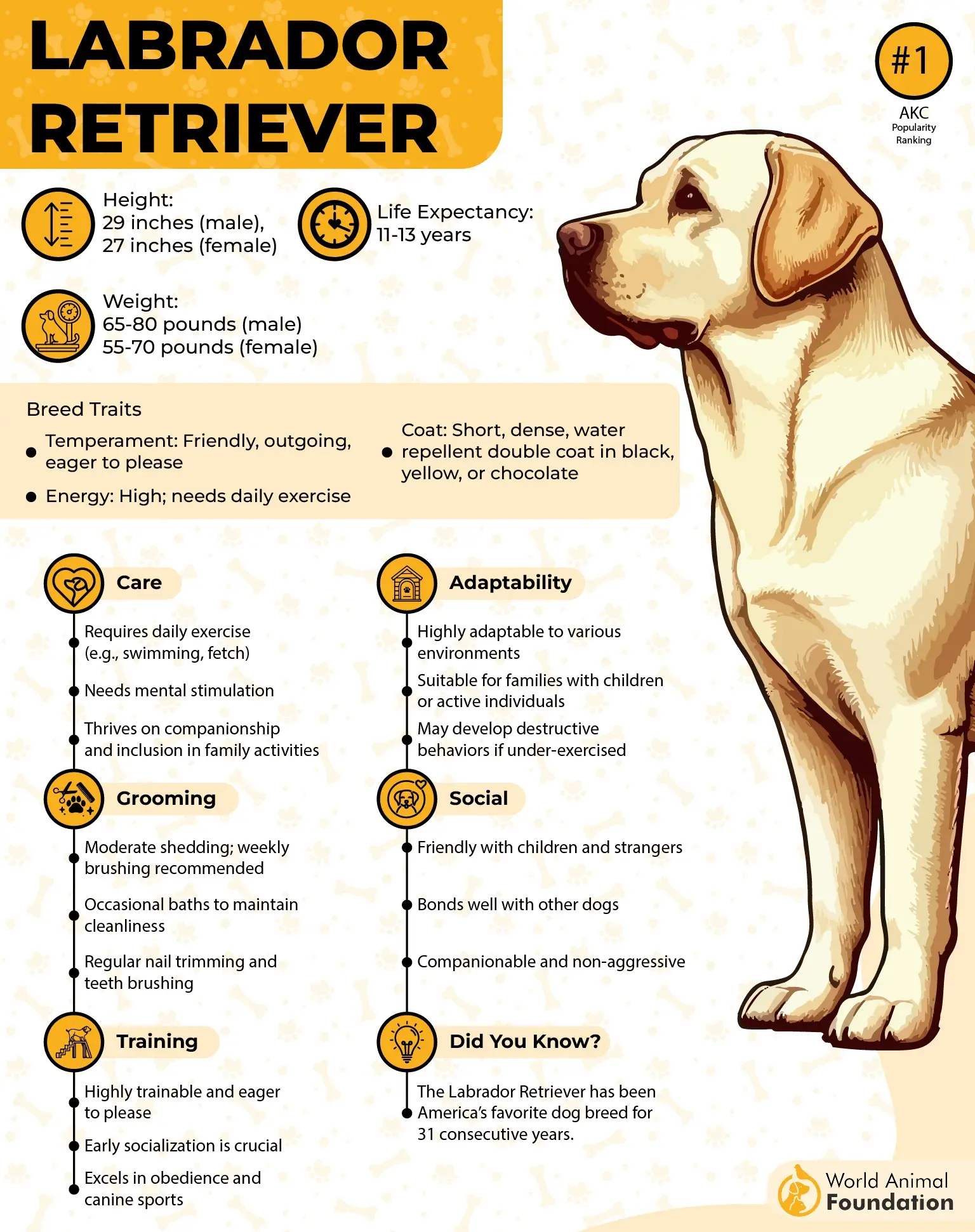
Their enthusiasm also makes hiking a fun way to explore new trails together. However, owners should match each outing to their dog’s fitness and provide breaks when needed. Keep your lab on a leash near busy campsites until you can trust its response to commands.
Consistent training helps dogs greet fellow campers calmly and avoid rushing toward other pets. Labradors are intelligent, so combine physical activity with games that make them think. Their friendly nature and eagerness to work make them a rewarding companion.
2. Nova Scotia Duck Tolling Retriever

The Nova Scotia Duck Tolling Retriever is a medium-sized dog breed built for focused activity. Developed in Nova Scotia, Canada, it helped hunters attract and retrieve waterfowl. According to Royal Canin, “tolling” comes from the Middle English word “tollen,” meaning “to lure.”
These dogs would dart along shorelines to draw curious ducks within range, then hide while hunters took over. Their history explains why they enjoy games that involve movement, searching, and retrieving.
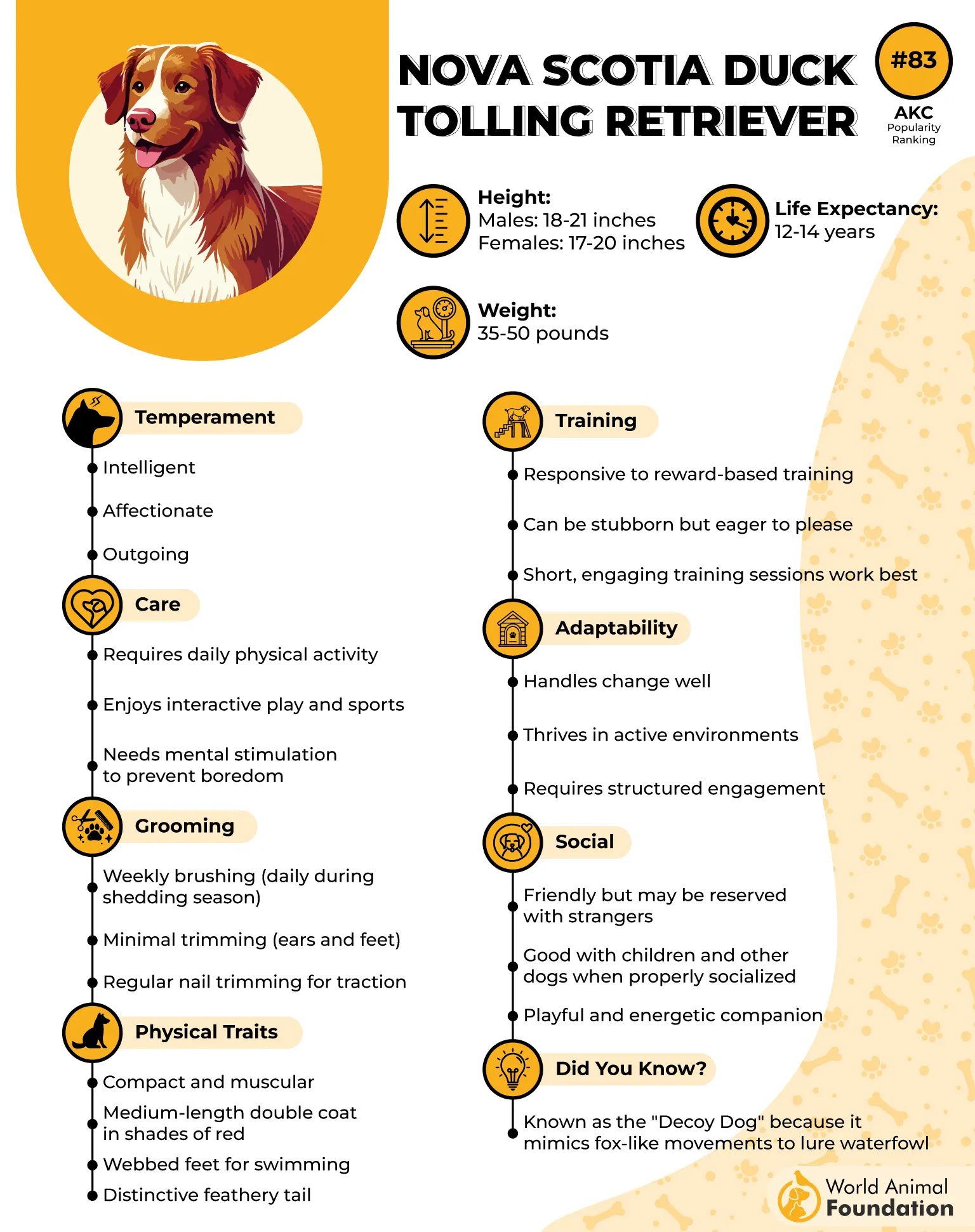
During outdoor adventures, try tossing a floating toy into safe, shallow water or hiding a dummy for your dog to find. Their webbed toes help them swim, making lakeside play a natural fit. Living near water can be a good idea for owners who can offer safe swimming opportunities.
These clever pets need more than nonstop action, though. Short training sessions, scent games, and regular rest help keep them focused. Their versatile nature makes them rewarding companions for active owners who enjoy purposeful play.
3. Portuguese Water Dog
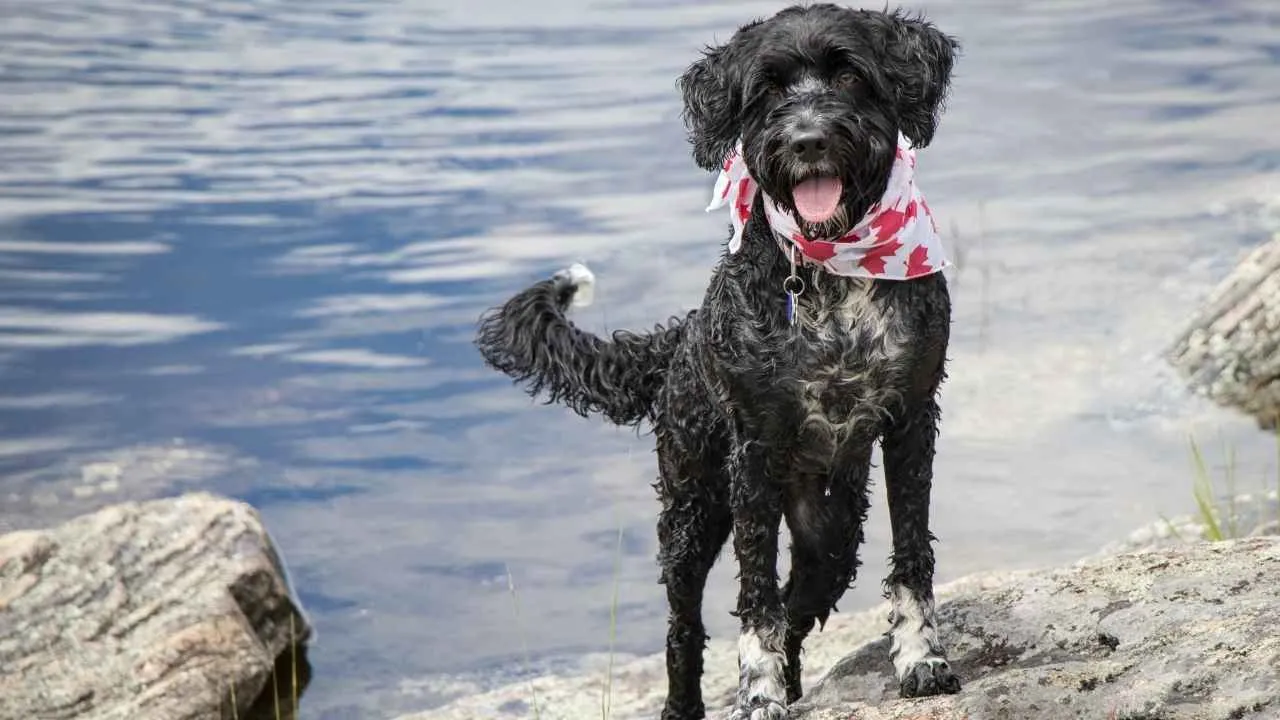
The Portuguese Water Dog was bred to help fishermen with demanding tasks at sea. These dogs retrieved lost gear, carried messages between boats, and helped drive fish toward nets. Their webbed feet support strong paddling, while their love of water makes lakeside camping a natural fit.
According to Purina, despite their high energy level, Portuguese Water Dogs can be surprisingly self-controlled and highly trainable. Their history of waiting quietly in boats before springing into action may help explain this balance.
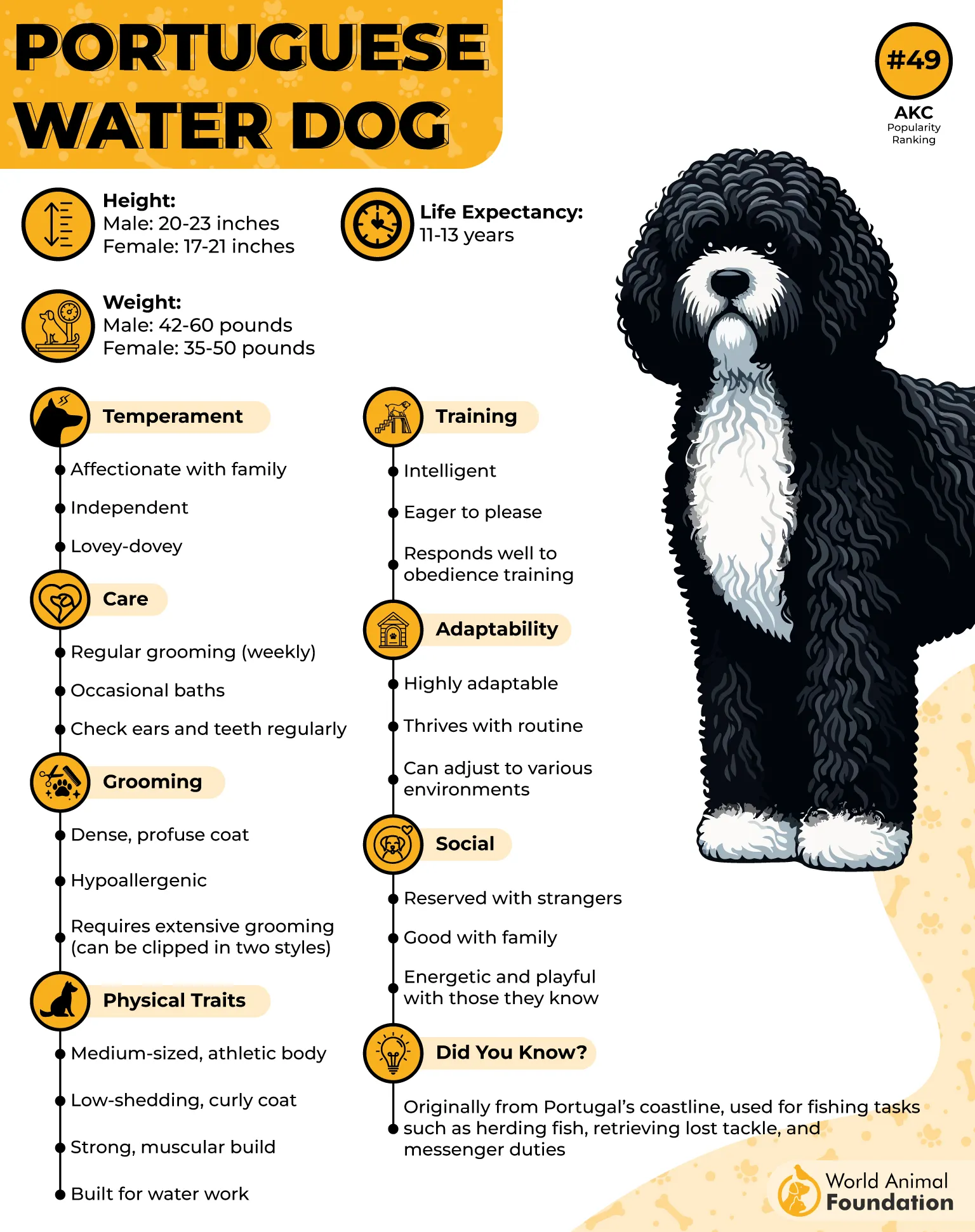
They form close bonds with family and enjoy joining in with a lot of daily activities. They can also make cheerful friends on outdoor adventures when properly socialized. Still, without enough exercise, training, and mental stimulation, boredom may lead to unruly behavior.
After playing in the rain, rinse away mud and check their coat for tangles. Dry them well and keep a close eye on them near water, since even confident swimmers need supervision.
4. Chesapeake Bay Retriever
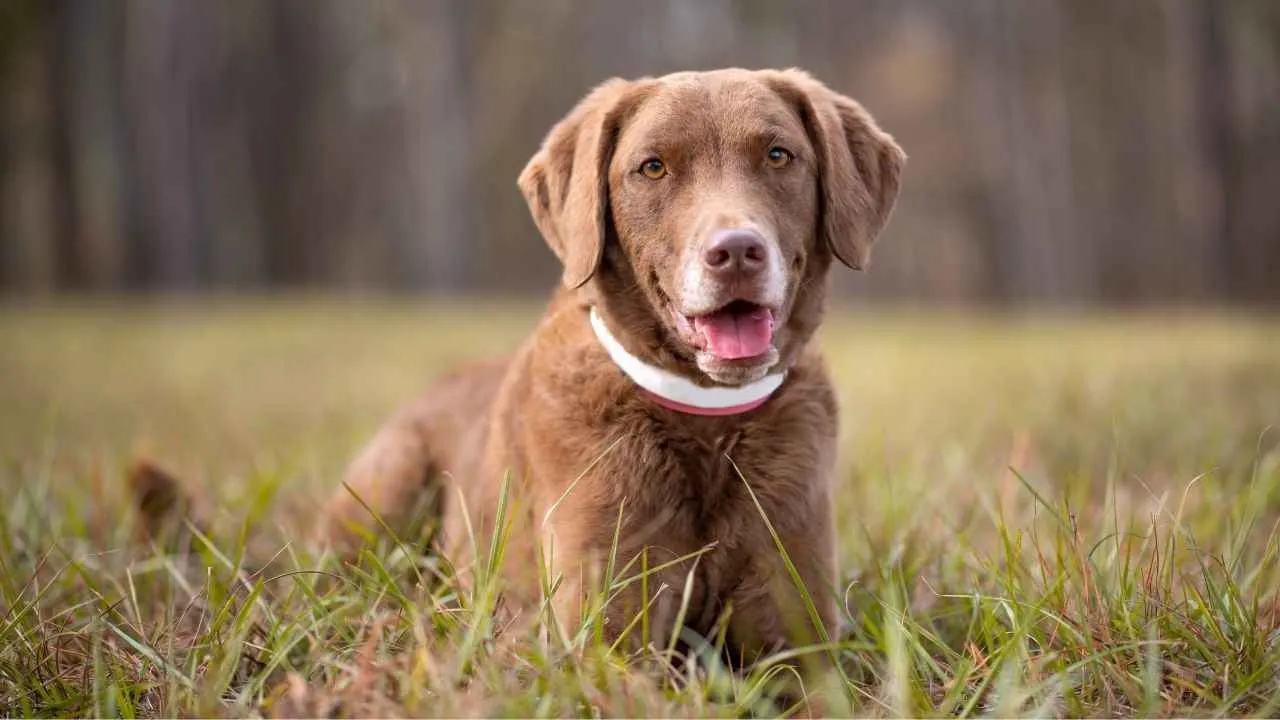
The Chesapeake Bay Retriever was developed around Maryland’s Chesapeake Bay to retrieve waterfowl in cold, rough waters. Its dense, slightly oily double coat helps repel water and provides protection during chilly swims.
This sturdy build makes the breed a strong partner for outdoor adventures, especially for owners who enjoy challenging lakeside activities. Although it may be less outgoing than other retrievers, Hill’s Pet notes that the breed generally likes children and is often friendly toward strangers.
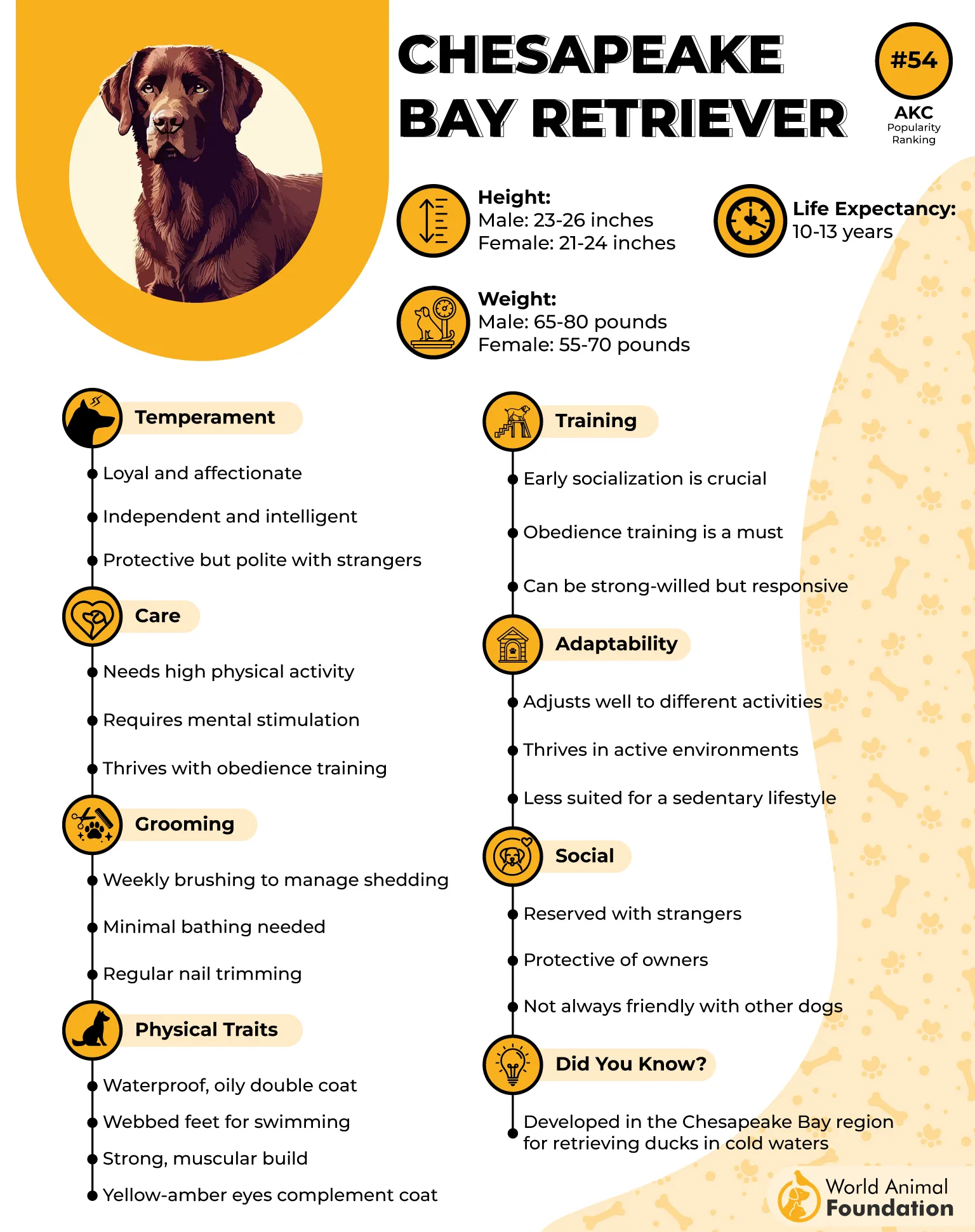
Many also live well with other animals, but some may show aggression toward unfamiliar dogs. For this reason, early socialization and firm, fair training matter. Keep your Chessie on a leash around crowded campsites and when meeting new dogs.
Hiking can help burn energy, but plan breaks during long outings and watch for signs of fatigue. This capable, loyal dog can thrive outdoors when its strength is matched with thoughtful handling and steady guidance.
5. Irish Water Spaniel
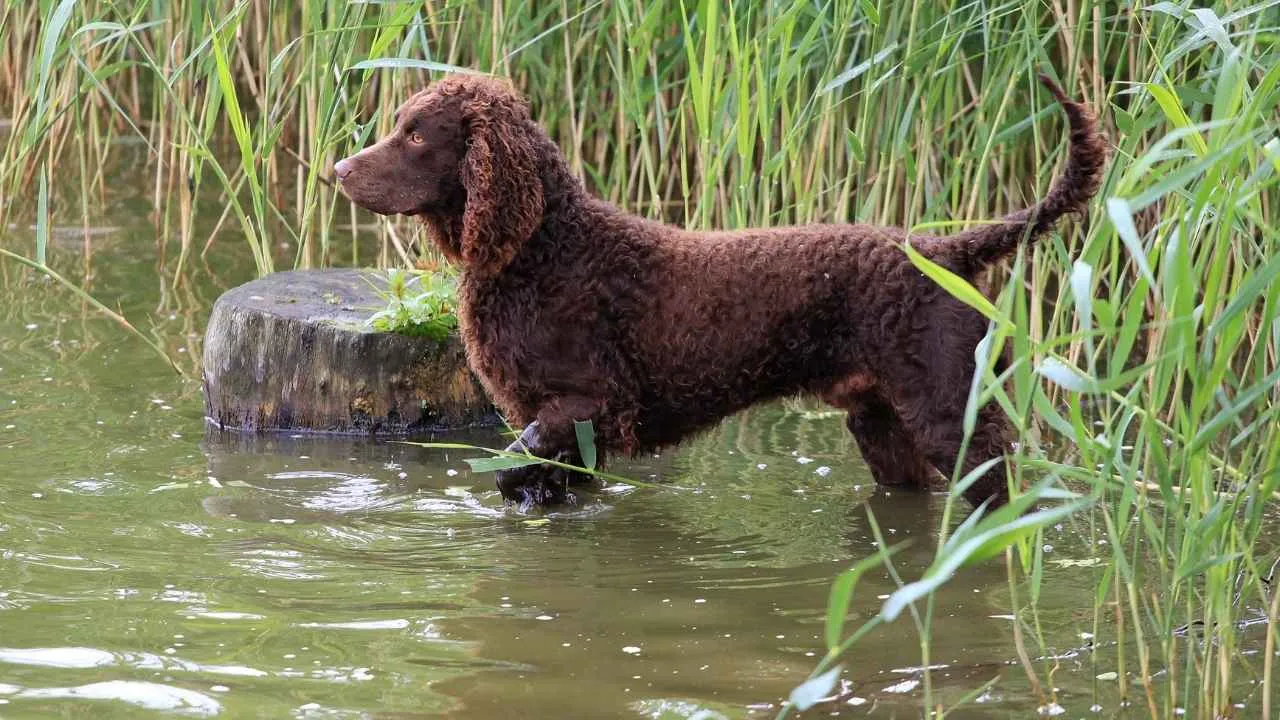
The Irish Water Spaniel stands out with its tight curls and distinctive topknot. Developed in Ireland during the 1830s, this sporting breed was bred to retrieve game from lakes and marshes. Britannica explains that its liver-colored coat sheds water and helps protect it from the cold during swims.
The curls cover most of its body, while its face and distinctive rat-like tail remain smooth. Playful and trainable, this dog can be a lively partner for outdoor adventures, from lakeside games to hiking trails.
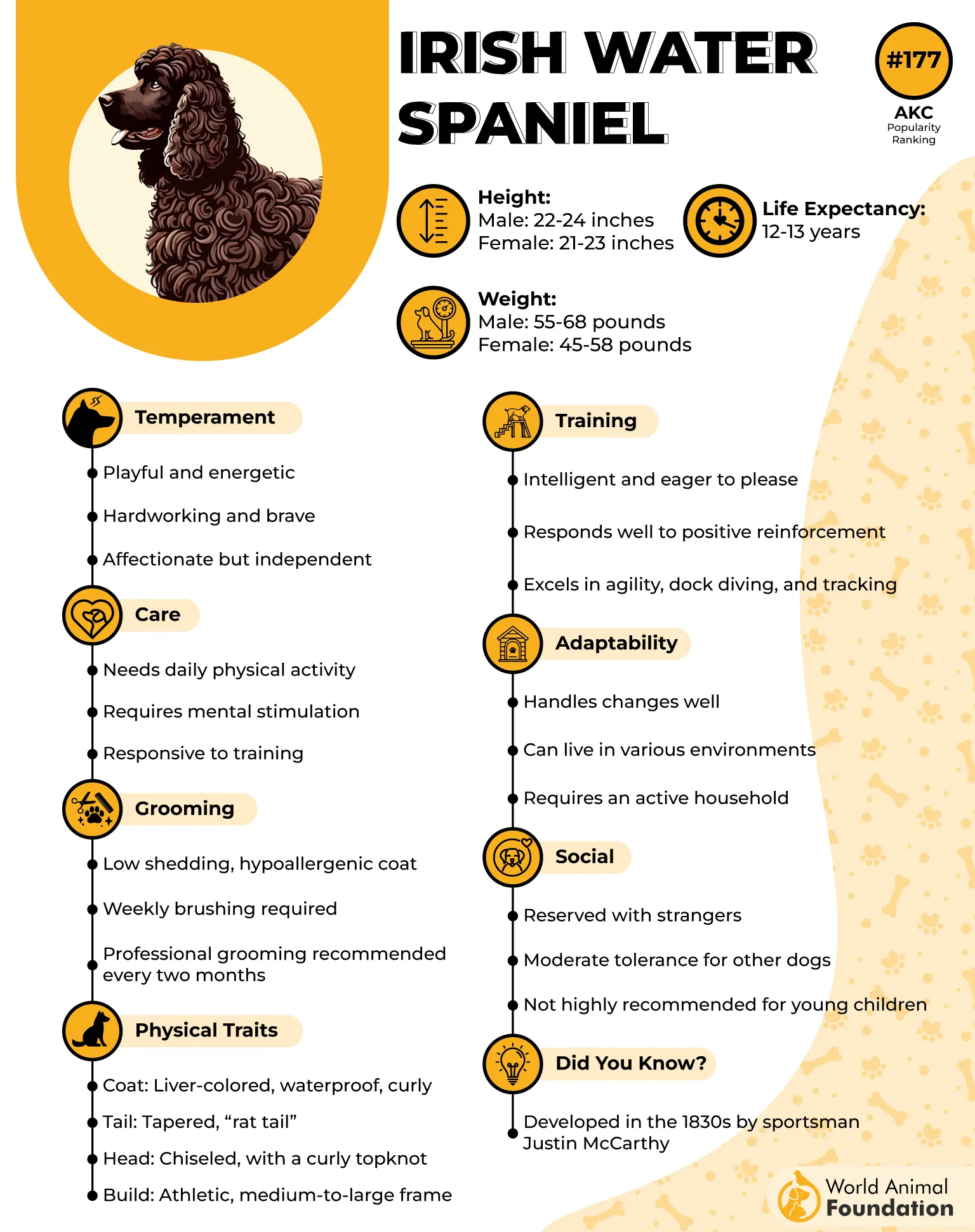
Its curiosity may tempt it to jump into the water whenever an opportunity appears, so teach reliable recall before off-leash play. After each swim, check its ears for moisture and debris, then dry them carefully. Its dense coat also needs regular grooming to prevent tangles and mats.
Early training helps this intelligent dog adjust to busy campsites, unfamiliar people, and new surroundings. With consistent care and clear boundaries, it can enjoy active trips while staying safe and comfortable.
6. German Shorthaired Pointer
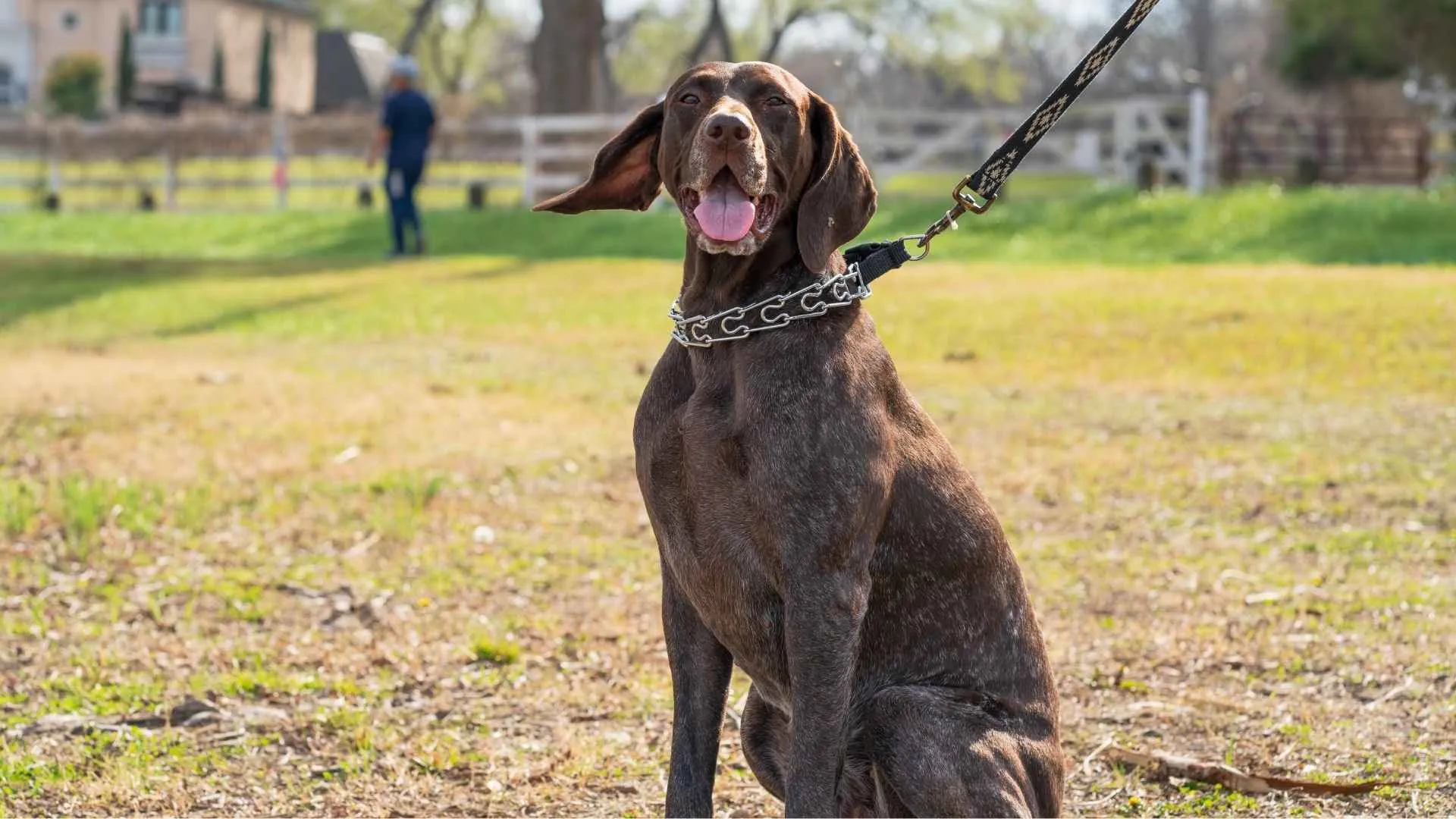
The German Shorthaired Pointer is a versatile pointer dog breed built for action. Originally developed as a hunting dog, it can track scents, locate game, and retrieve items from land or water. Orvis describes this hardy, agile breed as highly trainable, friendly, and eager to work.
Its lean build supports stamina, making it a strong partner for hiking and other outdoor adventures. From exploring new trails to searching for hidden toys, this dog needs a lot of activity to stay content.
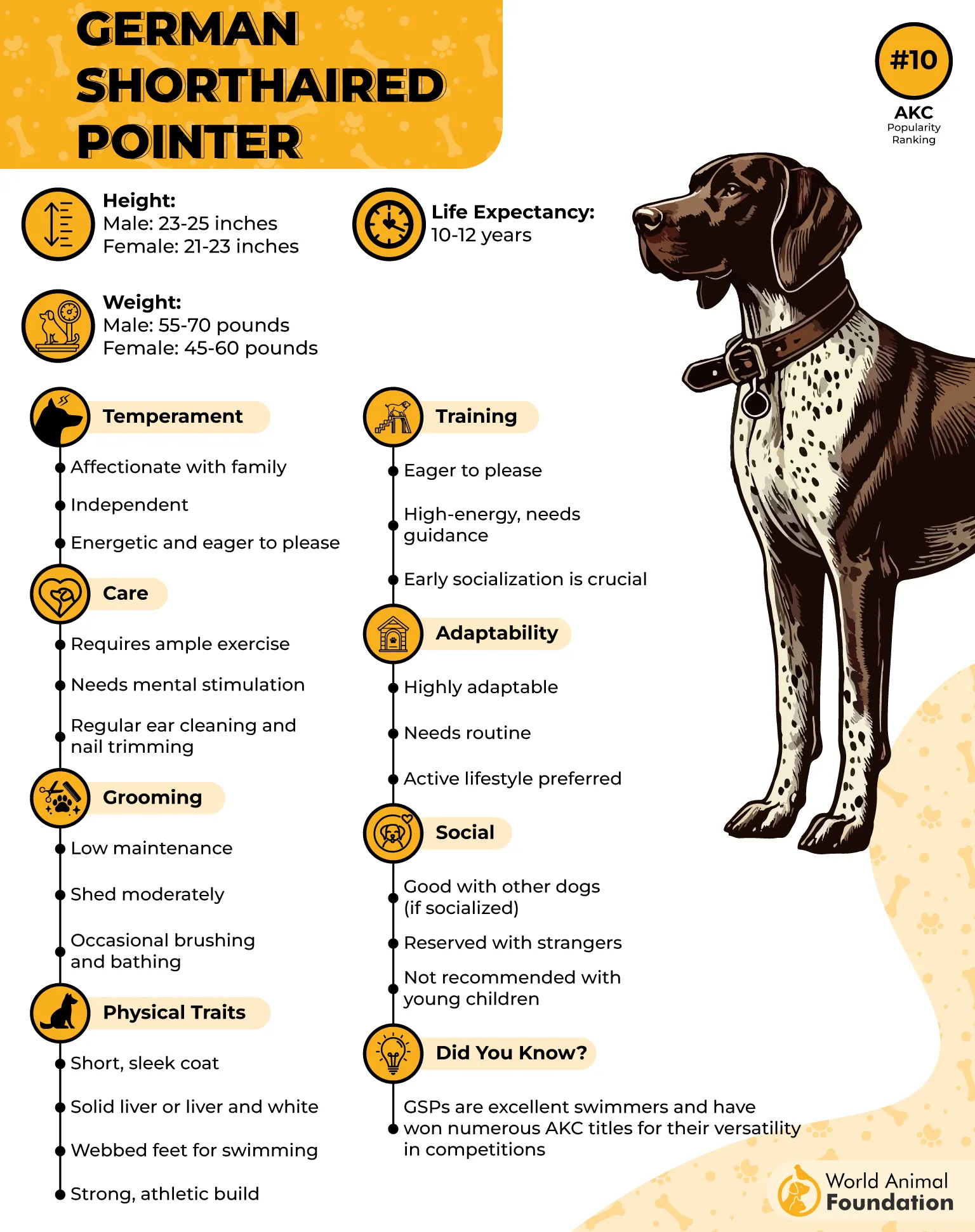
Scent games can turn a simple campsite into an engaging world of discovery, giving its sharp mind a useful task. However, this energetic breed may not suit every first-time owner; it takes thought, patience, and consistent training to meet its needs.
Keep your dog on a leash near wildlife, roads, or unfamiliar campsites. Also check the ground for hazards, including sharp stones and abandoned fire pits. With enough exercise and guidance, this athletic companion can make every trip more rewarding.
7. English Springer Spaniel
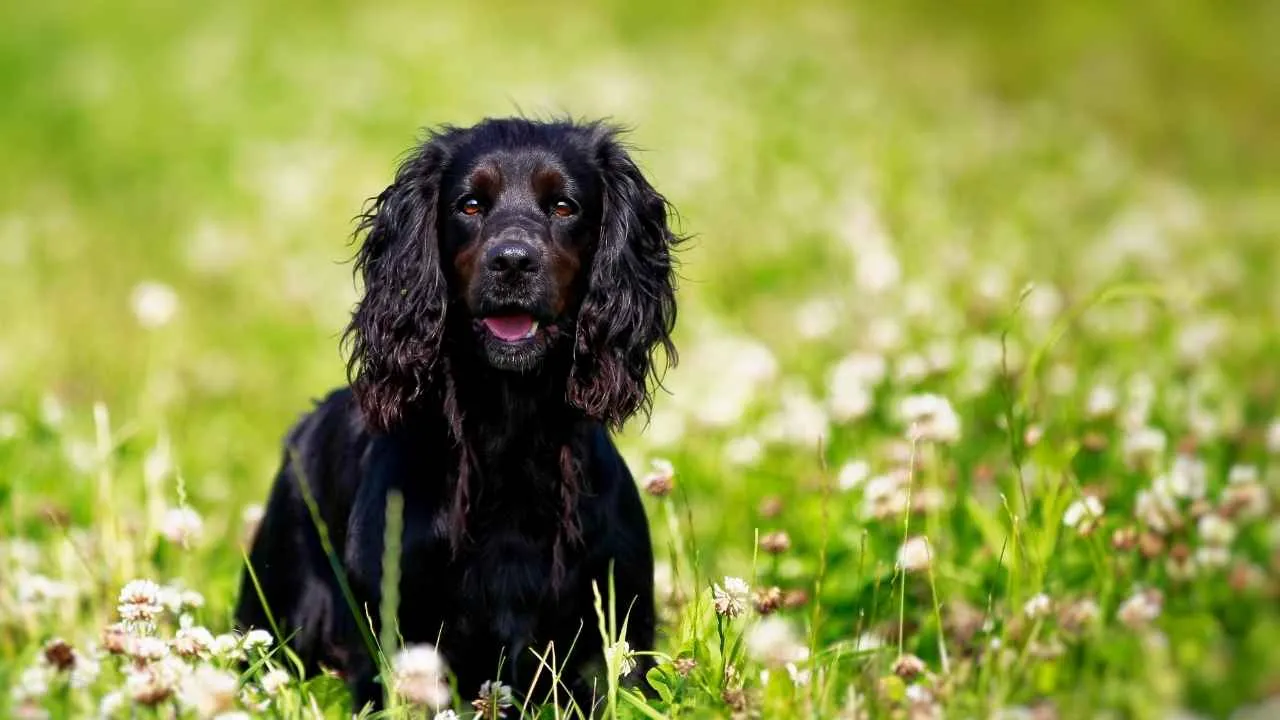
The English Springer Spaniel was bred to flush game birds from cover and retrieve them for hunters. Its sharp nose makes new trails full of scents to investigate, from woodland leaves to tracks near the campsite. This affectionate dog breed is happy, playful, and energetic, according to PDSA.
It often thrives when included in family plans and can get along well with children and other pets. During outdoor adventures, hide treats around a safe area and let your dog sniff them out. These simple games offer mental exercise after a long day of hiking.
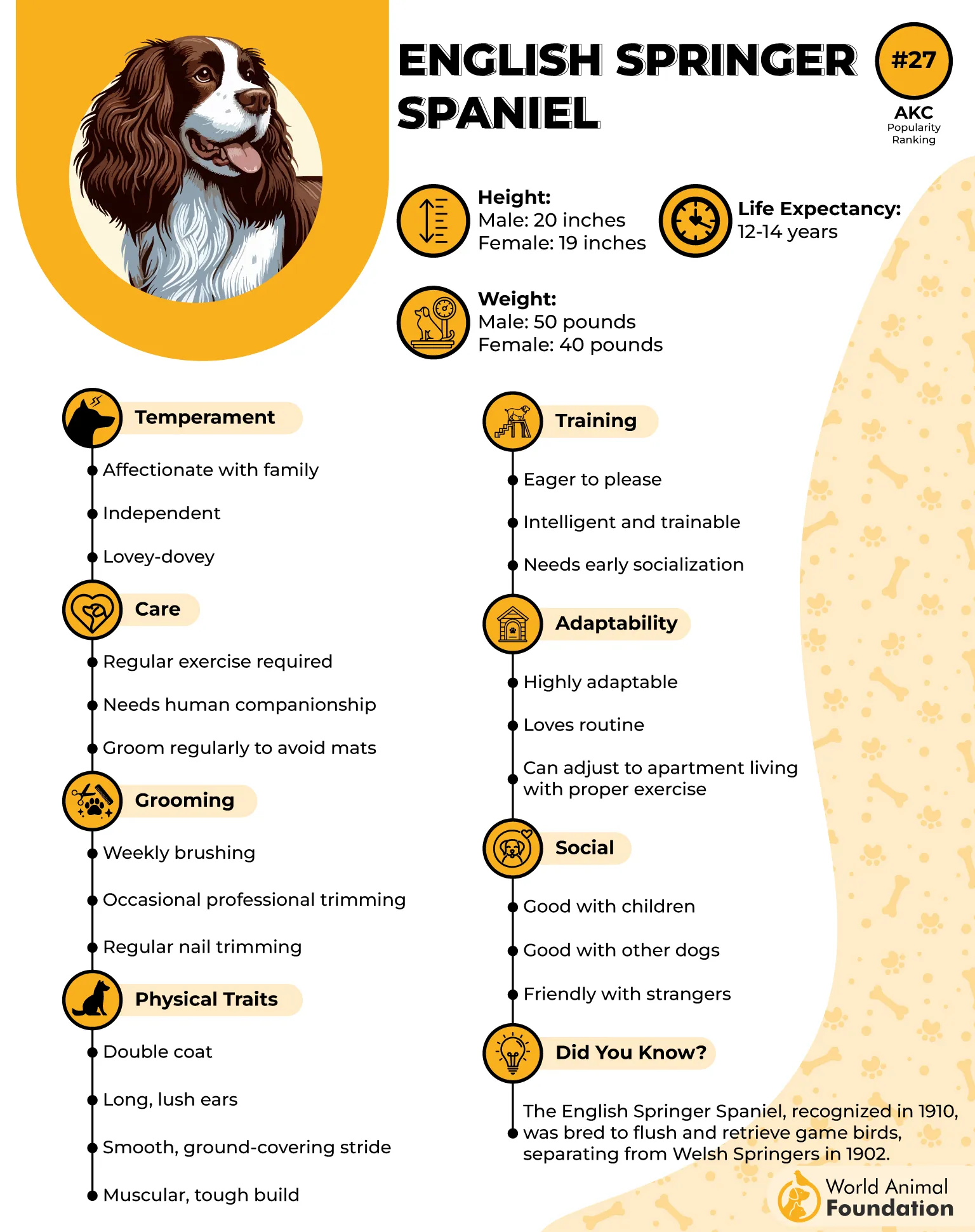
Many Springers also enjoy agility activities that challenge their speed and focus. Their enthusiasm around birds can be hard to manage, so keep them on a leash where wildlife may appear and practise reliable recall.
After walks through thick brush, check their coat for burrs and inspect their floppy ears for dirt or moisture. Brush them once or twice a week, with clipping about every three months. Their alert nature and eagerness to join in make them lively camping companions.
8. Barbet
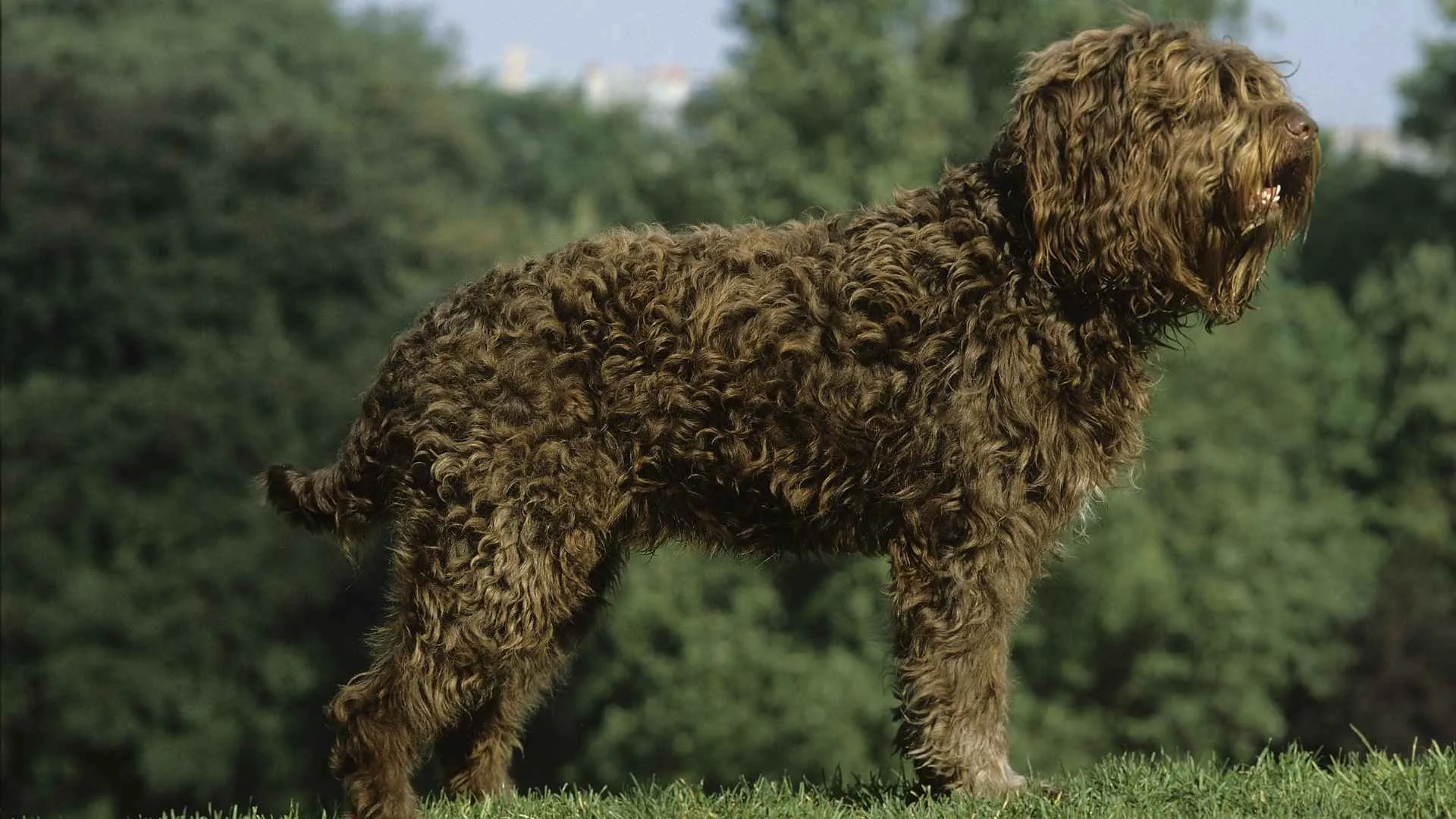
The Barbet is a rare dog breed with deep roots in France. Bred to hunt waterfowl, this sturdy swimmer has a dense, curly coat that covers its body from head to tail. The American Kennel Club describes its coat as coming in black, gray, brown, or fawn, sometimes with white markings.
Despite its shaggy look, the Barbet is strong, intelligent, and quick to learn. Its calm nature can make it a pleasant companion for outdoor adventures, from lakeside games to hiking through the mountains.
Give this dog time to explore unfamiliar trails and campsite sounds at its own pace. Gradual introductions and consistent training help it feel secure in new places. Keep it on a leash near fire pits, wildlife, and busy areas.
Its coat needs a lot of care, especially after muddy swims, so brush it well to prevent mats and tangles. Meeting its exercise needs is a good idea before settling down with camping friends. With some thought and preparation, this keen swimmer can enjoy an active life outdoors.
9. American Water Spaniel
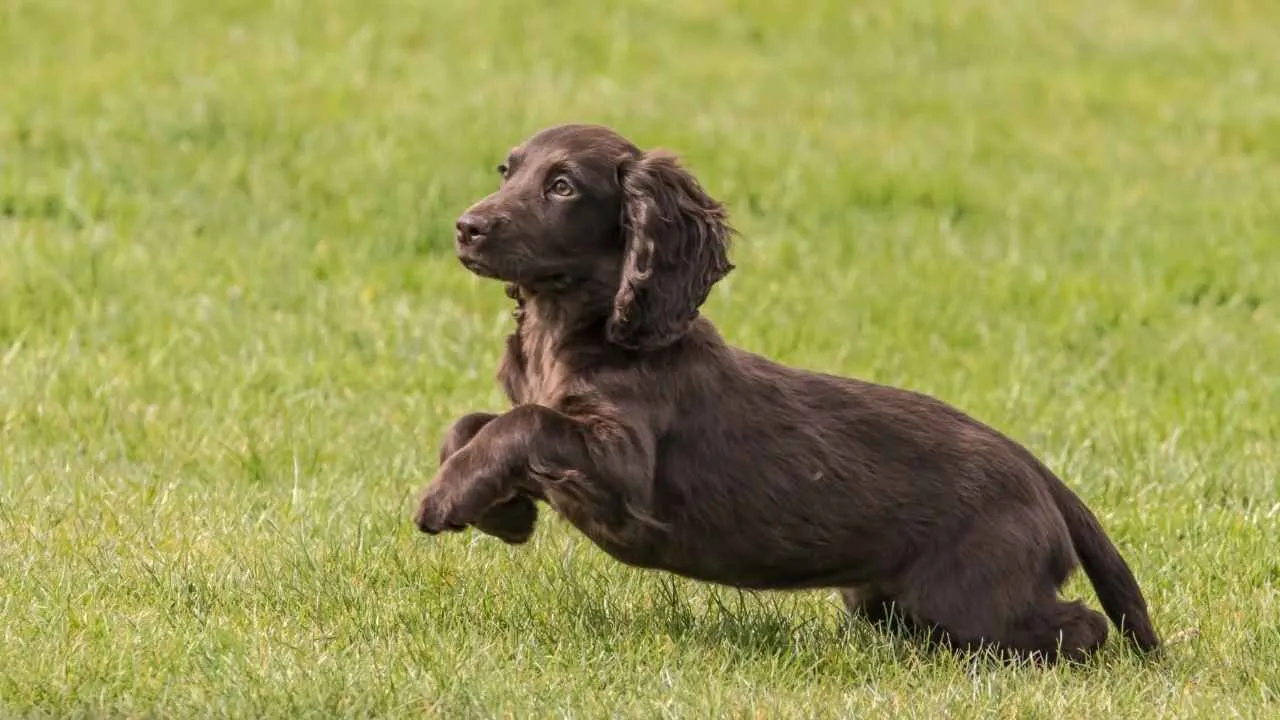
The American Water Spaniel is a compact sporting dog originally developed around the Great Lakes region of the United States. PetMD explains that its exact origins remain unclear, but the breed was used to retrieve waterfowl and game birds.
Its manageable size can make packing easier for families with limited space, while its working background suits active outdoor adventures. These dogs enjoy staying close to their humans and need regular exercise to remain content.
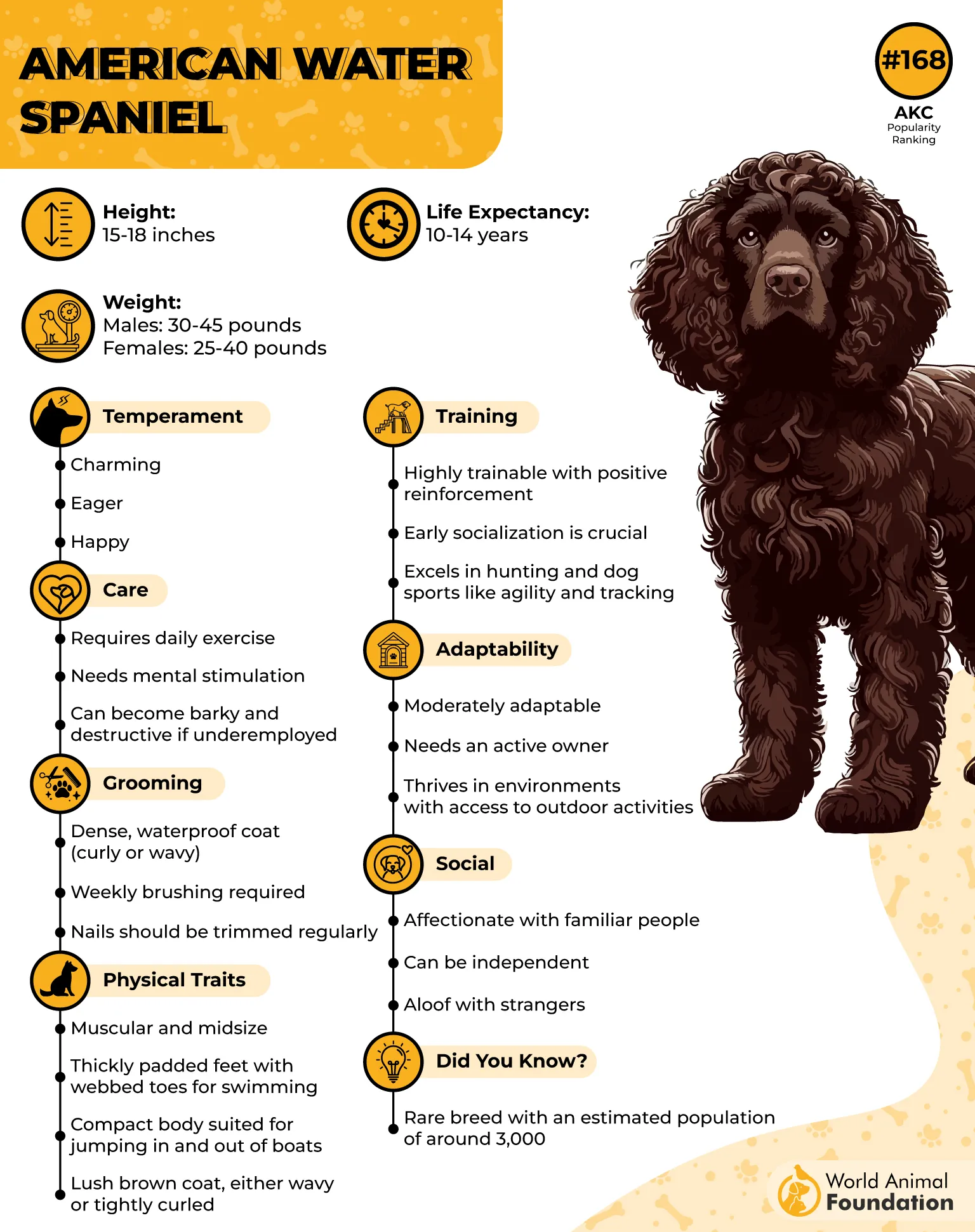
Plan short hikes, shoreline games, and safe places to explore rather than expecting your dog to manage hours of running right away. This spaniel breed was bred for practical work, so consistent training gives its energy a useful job. Practise commands such as “sit” and reliable recall before visiting busy areas.
Keep your dog on a leash near roads, wildlife, or crowded campsites. Even if you live in a city, regular outings can help meet its needs. With a lot of patience and activity, this adaptable companion can enjoy trips with people and other pets. Match each outing to its fitness, and let your dog rest often.
Conclusion
Every dog brings something special to lakeside camping, from strong retrieving skills to a keen nose for new trails. The right dog should match your lifestyle, activity level, and experience.
Before choosing a hiking dog breed, consider its fitness, trainability, coat care, and temperament. Some pets need a bit more exercise and determination from their owners than others. With this in mind, you can plan outdoor adventures that suit you both.
Keep your dog on a leash where needed, supervise all swimming, and provide fresh water. Help your companion interact safely with people and animals. With thoughtful preparation, you can explore new places and create lasting memories together.
