




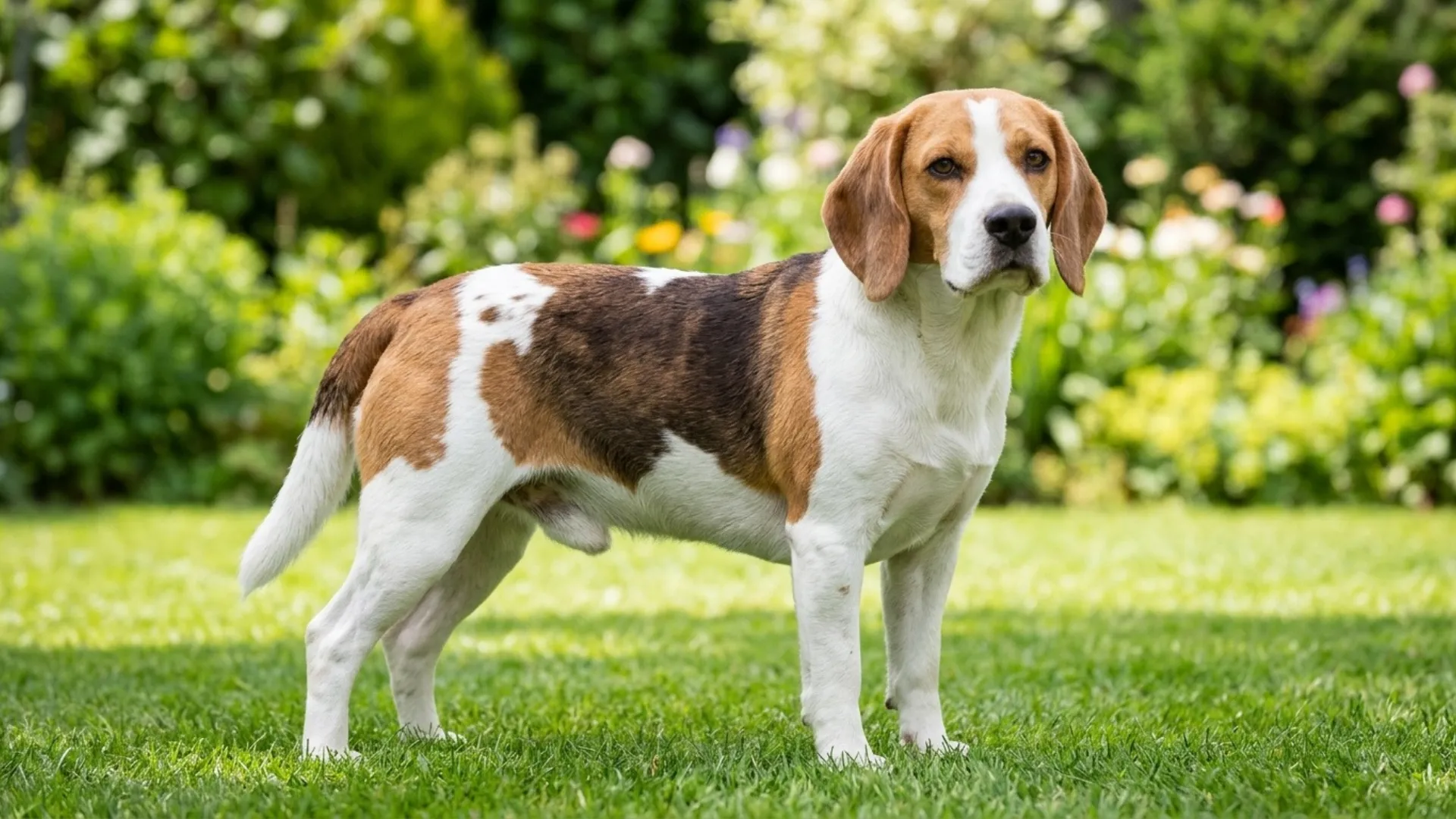
A dog’s coat can be more than a covering of fur; it can be a beautiful mix of contrasting colours, eye-catching patches, and distinctive markings. Parti-colour coats stand out because they combine a white base with coloured areas, giving each dog a unique appearance.
Some coats feature clearly defined patches, while others display delicate speckles or blended roan patterns. Beyond colour, coat length, texture, and grooming needs can also vary from breed to breed.
Whether you love bold contrasts or subtle markings, exploring these breeds reveals plenty of variety to admire. Each parti-colour coat has its own visual charm, making these dogs especially appealing to people who appreciate distinctive canine looks and the little details that make every dog special.
Key Takeaways
Parti-colour coats combine white fur with contrasting patches or markings.
Every breed displays its coat patterns in a distinctive way.
Some dogs have clearly defined patches, while others feature roan patterns or ticking.
Facial markings can give dogs a particularly striking appearance.
Coat colour is only one consideration; grooming needs, shedding, exercise, and temperament also matter when choosing a dog.
Dog Breeds Options with Unique Parti-Color Coats
1. American Cocker Spaniel

The Cocker Spaniel is a charming combination of soulful eyes, silky ears, and a playful personality, but its coat can be just as captivating as its character. Among its many colour variations, parti-coloured Cockers stand out for their beautiful two-tone coats, usually combining white with another shade.
Black and white, liver and white, orange and white, and red and white are some of the striking combinations that give these dogs their distinctive appearance. No two coats need to look exactly alike, making each dog visually unique.
Some Cocker Spaniels also have roan patterns, where white hairs mix closely with coloured hairs to create a softly speckled effect.
Blue roan, liver roan, orange roan, and lemon roan offer different expressions of this pattern. Their long, flowing coats make these colour contrasts especially eye-catching, although regular grooming is essential to prevent tangles and mats, according to the American Kennel Club.
Beneath their beautiful markings, Cockers remain affectionate, energetic companions who enjoy playtime, walks, and spending time with their families.
2. Beagle
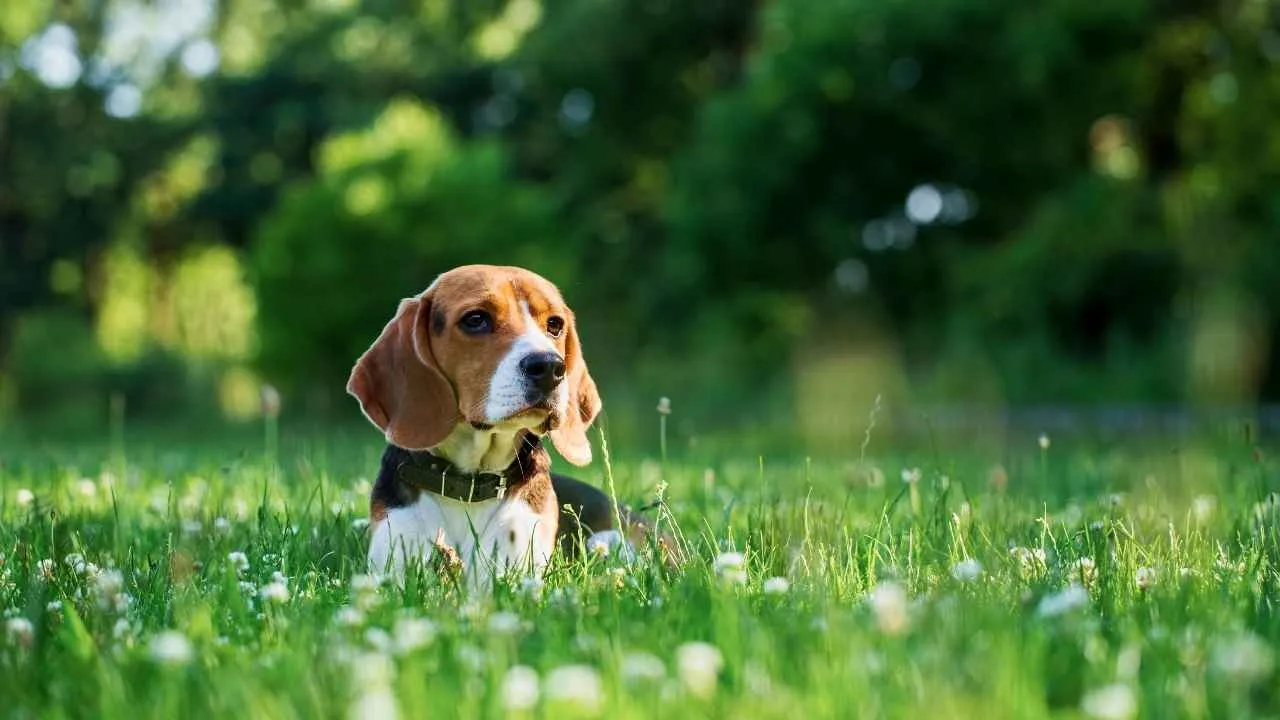
The Beagle’s coat may be short and easy to maintain, but its colours and markings give this cheerful hound plenty of visual appeal.
While the classic tri-colour pattern is especially recognisable, Beagles also come in combinations that create their own distinctive look.
Black, white, and tan often form a familiar three-colour pattern, with a dark saddle across the back. Other combinations include red and white, lemon and white, and shades of brown, blue, and tan.
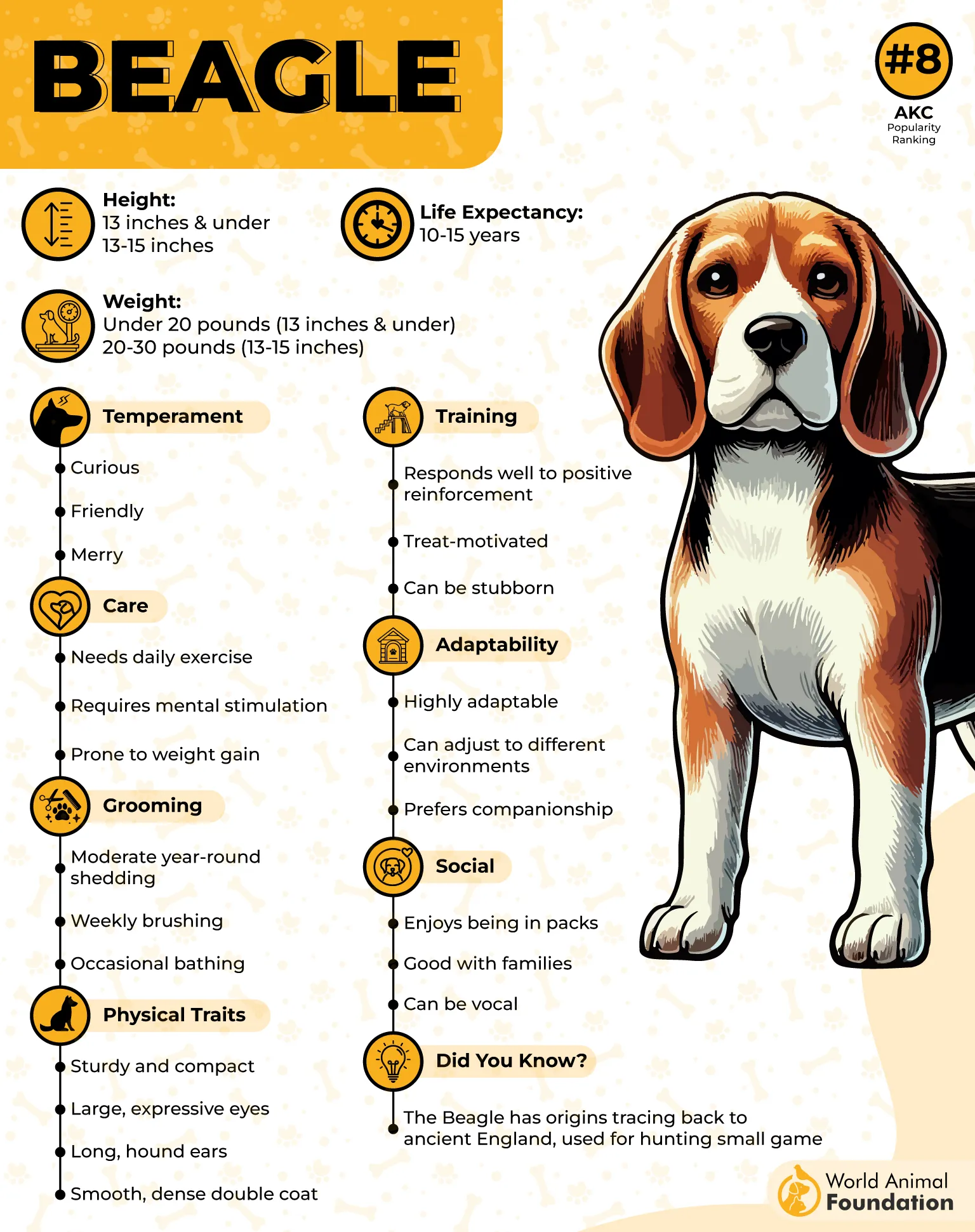
These contrasting patches of colour make each Beagle’s appearance unique, particularly when white markings meet darker areas across the body.
Beneath these eye-catching patterns is a dense, water-resistant double coat suited to outdoor adventures. Its short length makes routine grooming relatively simple, with regular brushing helping remove loose hair and keep the coat neat.
Combined with their floppy ears, expressive faces, and famously curious nature, Beagles are affectionate dogs. They have a distinctive charm that extends well beyond their colourful coats.
3. English Springer Spaniel
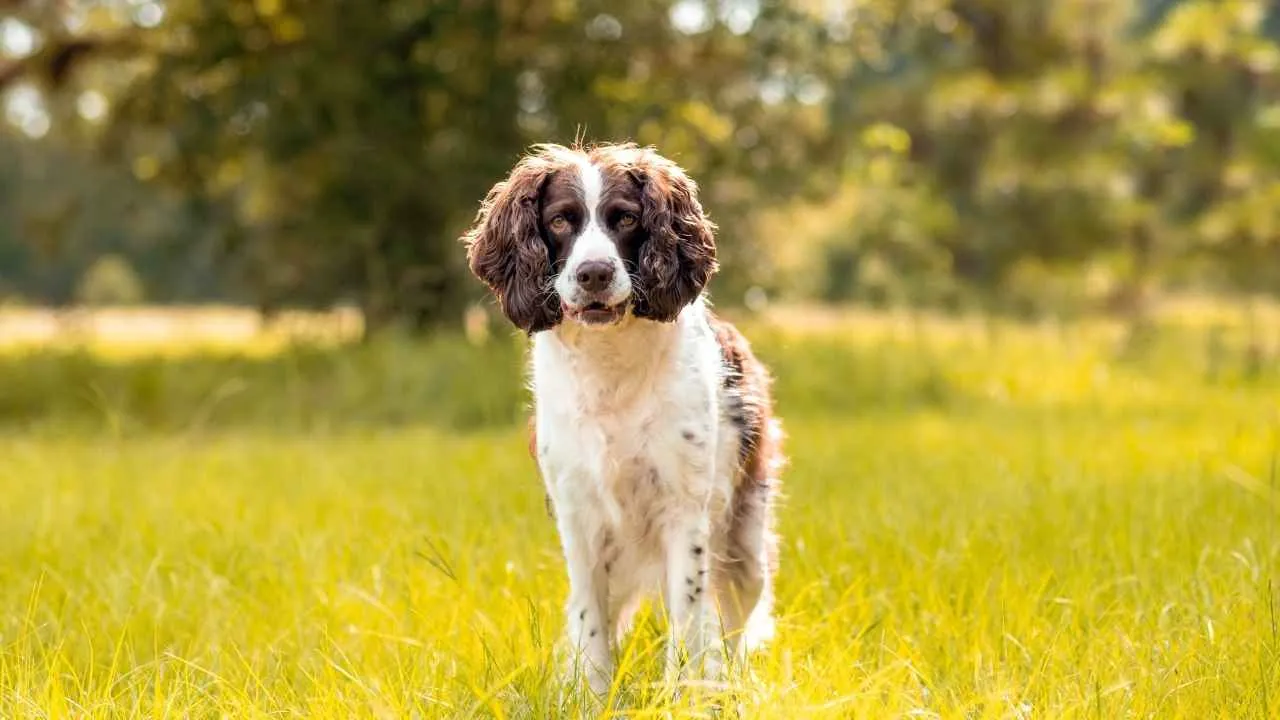
The English Springer Spaniel brings together a lively personality and a beautifully varied coat, with contrasting colours that make each dog stand out.
Its most recognisable combinations are black and white or liver and white, while some dogs also have tan markings that create a striking three-colour pattern. These tan points commonly appear around the eyebrows, cheeks, ears, legs, and beneath the tail, adding extra detail to an already distinctive coat.
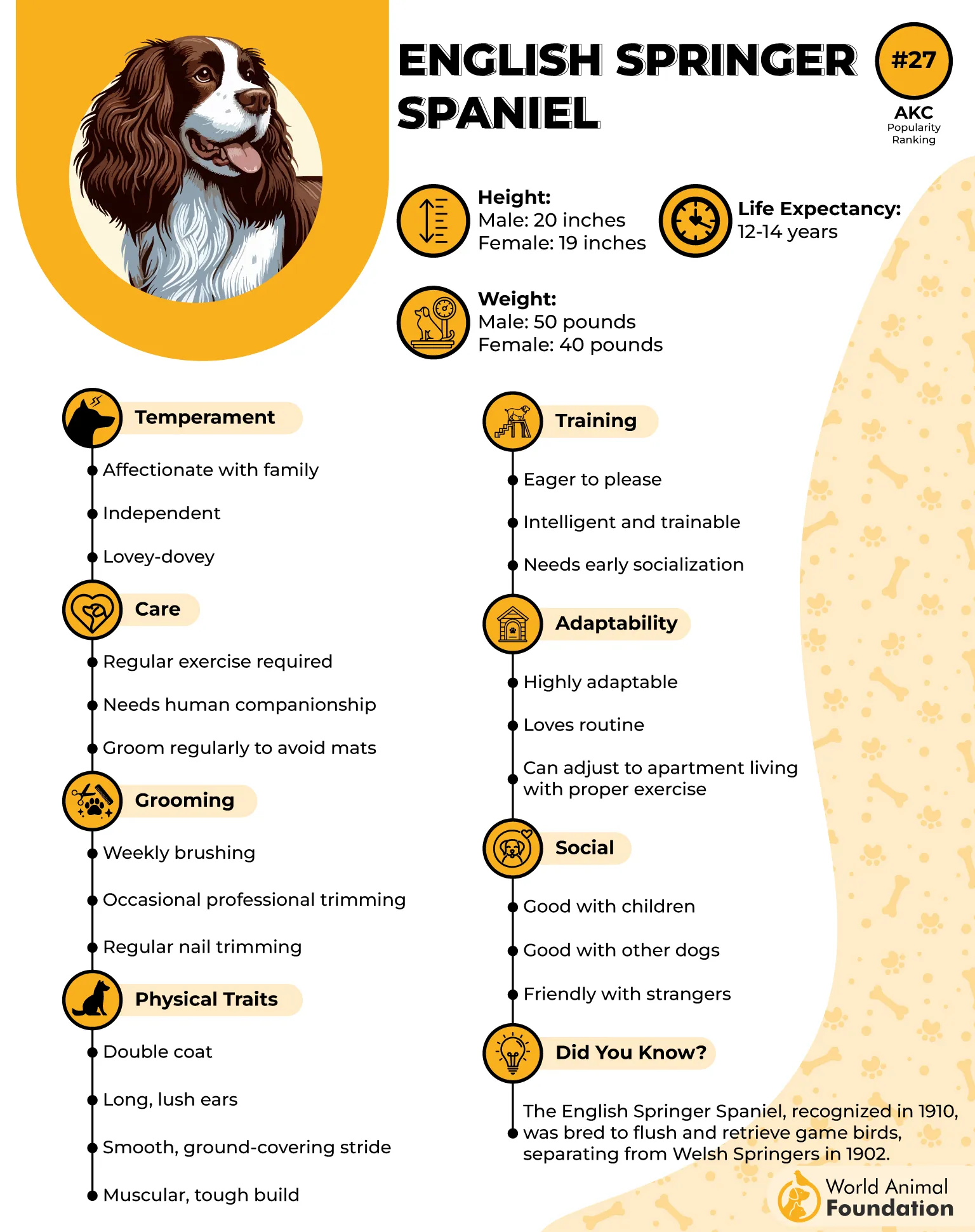
Roan patterns offer another eye-catching variation. In liver roan and blue roan Springers, coloured hairs mix with white to create a finely speckled appearance rather than clearly separated patches, as stated by the CKC breed standard.
Some white areas also feature small coloured flecks, known as ticking. The breed’s medium-length coat often has feathering on the ears, legs, chest, and underside, making its contrasting markings especially attractive.
Show-bred Springers generally have fuller coats, while working types tend to have shorter, more practical coats. Regular brushing helps keep their feathering smooth and free from tangles.
4. Papillon
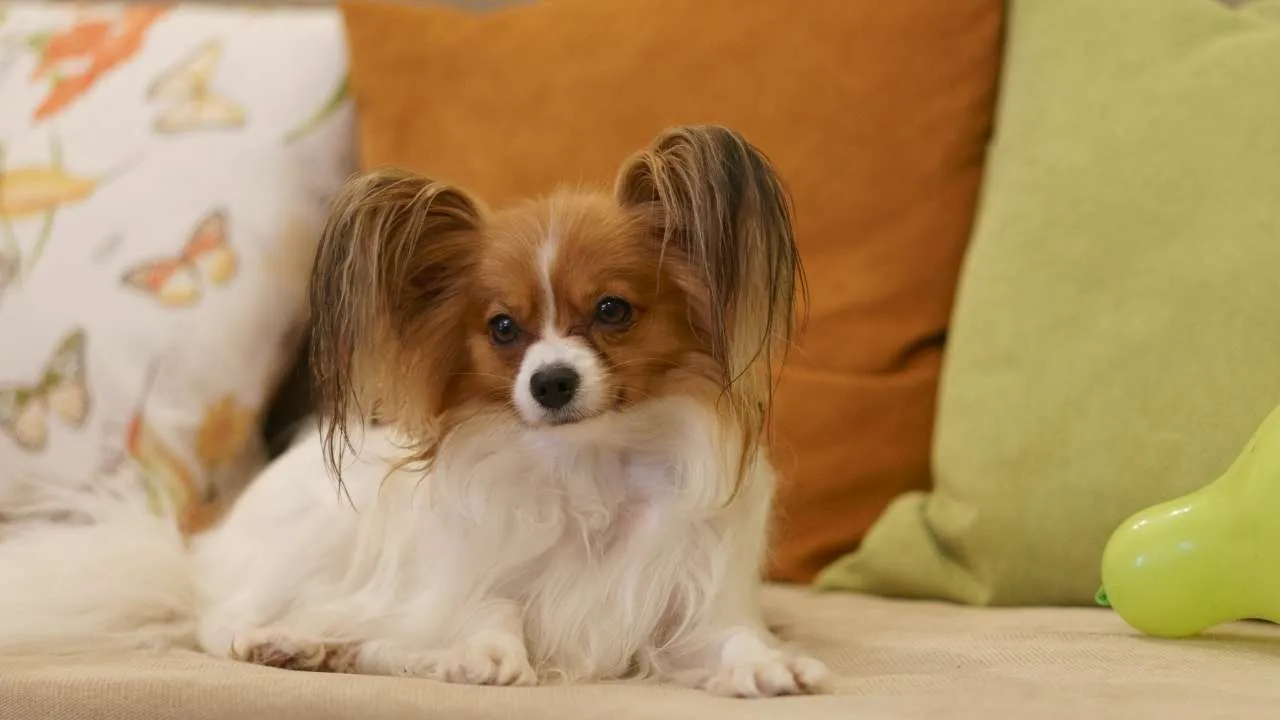
The Papillon’s coat is a beautiful mix of colour and contrast, giving this tiny, cute dog an appearance that is both delicate and distinctive. Its most common pattern features a white base marked with patches of black, red, or sable, creating a striking parti-colour look.
What makes the breed especially recognisable is the symmetrical colouring on its face, which complements its upright, fringed ears to create the butterfly-like appearance behind its French name, Papillon.
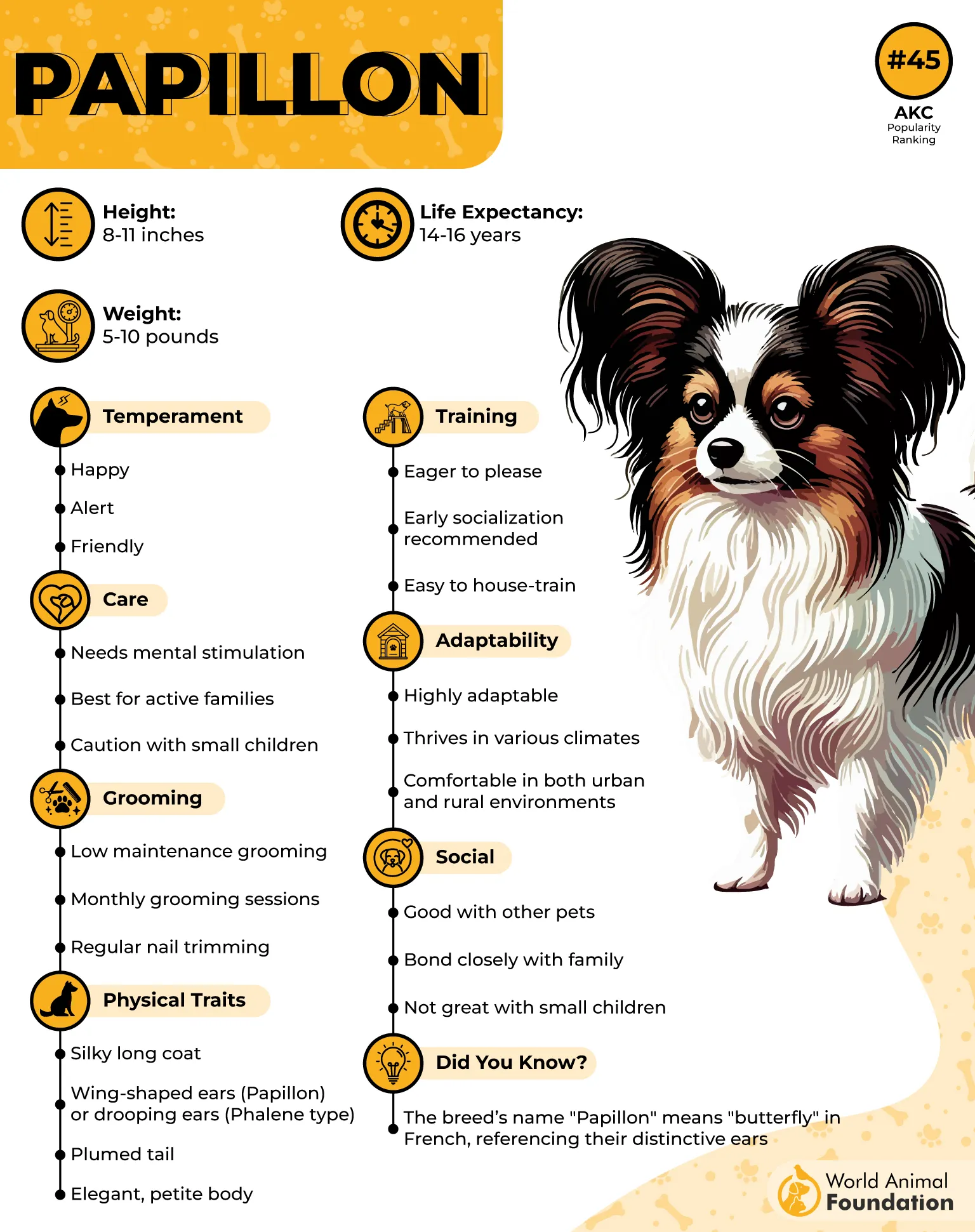
These contrasting markings frame its expressive face and add to its elegant charm. The long, fine, silky coat also features flowing fringes around the ears, a chest frill, feathering on the backs of the thighs, and a plumed tail carried over the back.
Although the coat looks luxurious, it has no undercoat and needs regular brushing to prevent tangles. With its distinctive patches and butterfly-like facial markings, the Papillon brings graceful detail to the world of parti-colour dogs.
5. Brittany
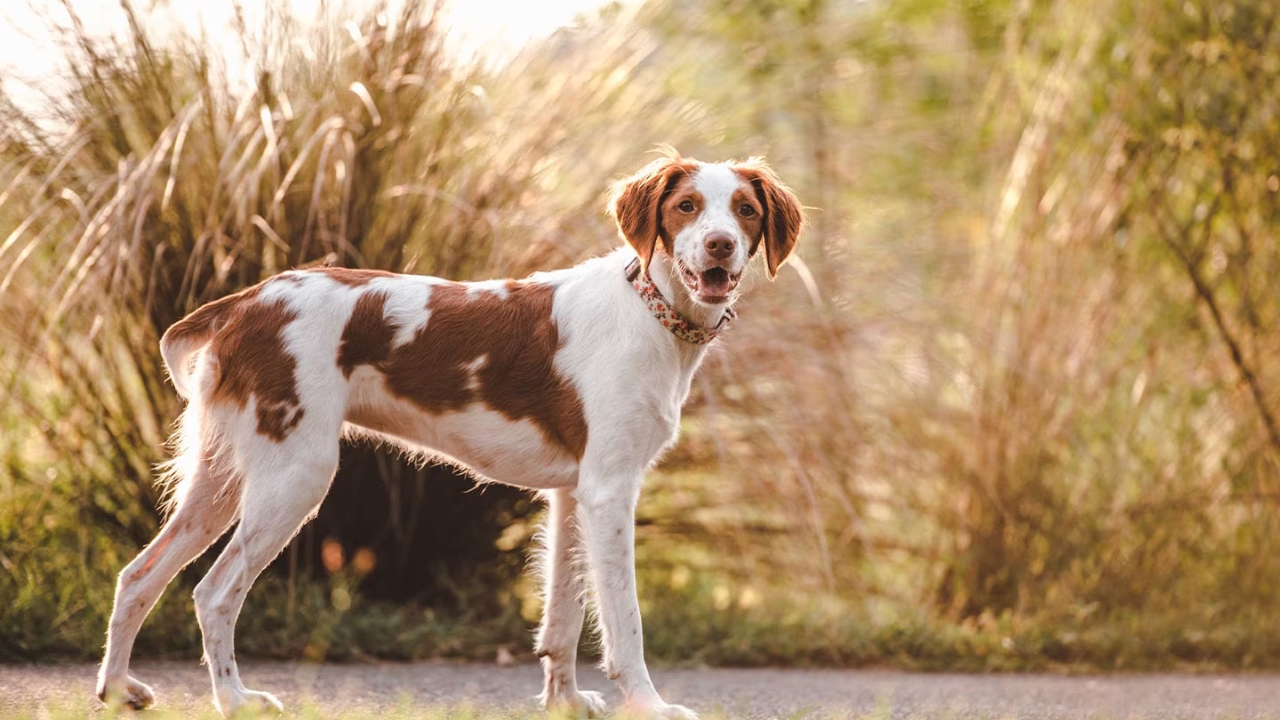
The Brittany’s parti-colour coat offers a beautiful range of patterns, from crisp white patches to soft, speckled blends of colour.
One of the most common combinations is orange and white, which can appear almost entirely white in some dogs or feature tiny coloured flecks called ticking across the muzzle, legs, and body. These markings vary in intensity, giving each Brittany its own distinctive look, as explained by PetMD.
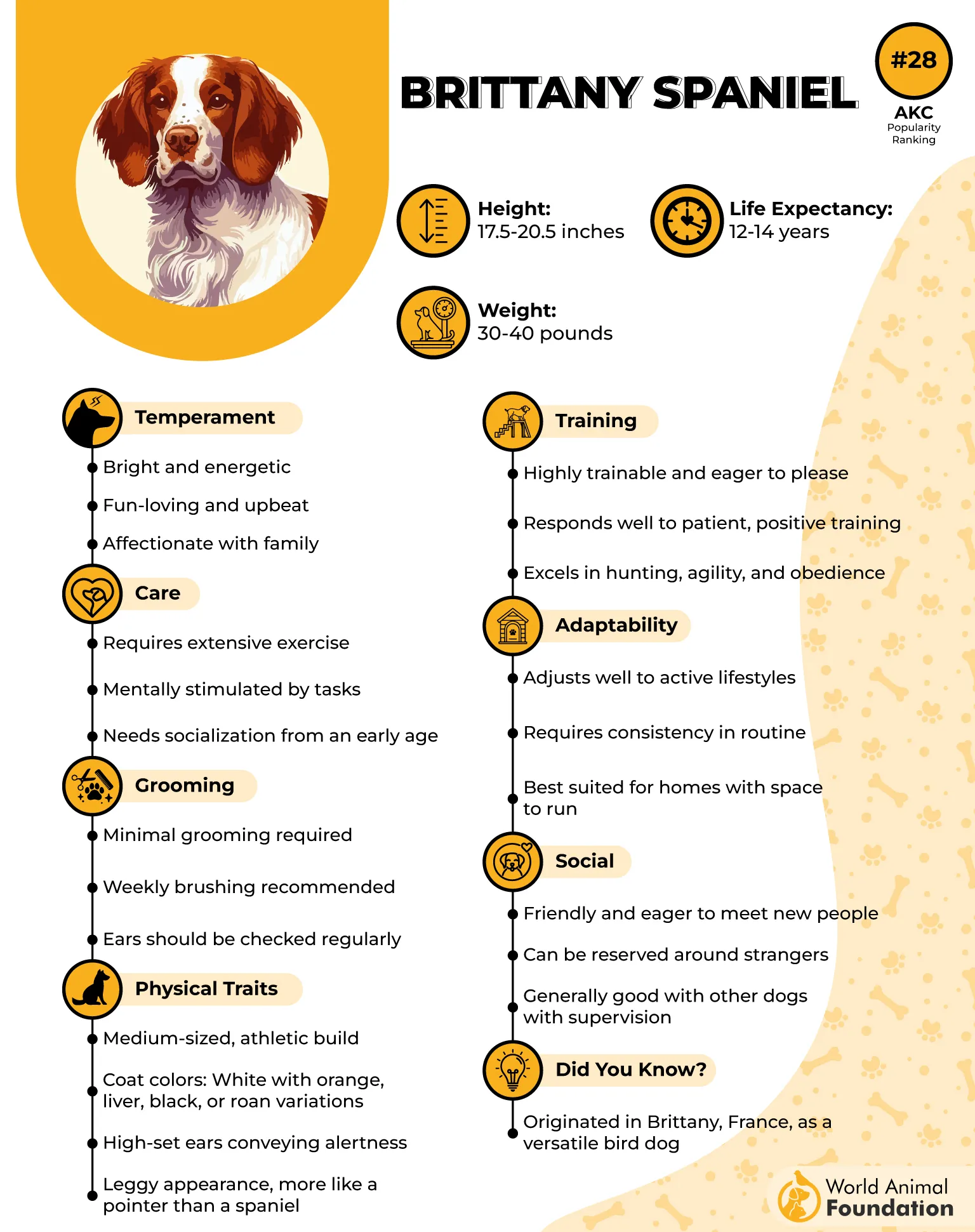
Another striking variation is orange roan, where orange colouring blends finely into the white coat, creating a softer, darker, speckled appearance rather than separate spots.
Brittanys can also have liver and white coats, combining a rich, chocolate-brown shade with white areas. Liver roan offers a similar blended effect, with the brown colouring dispersed through the coat.
Because these patterns can differ even among puppies, their final appearance is not always predictable. Whether boldly patched or delicately speckled, the Brittany’s varied coat gives this athletic breed plenty of visual character.
6. Japanese Chin
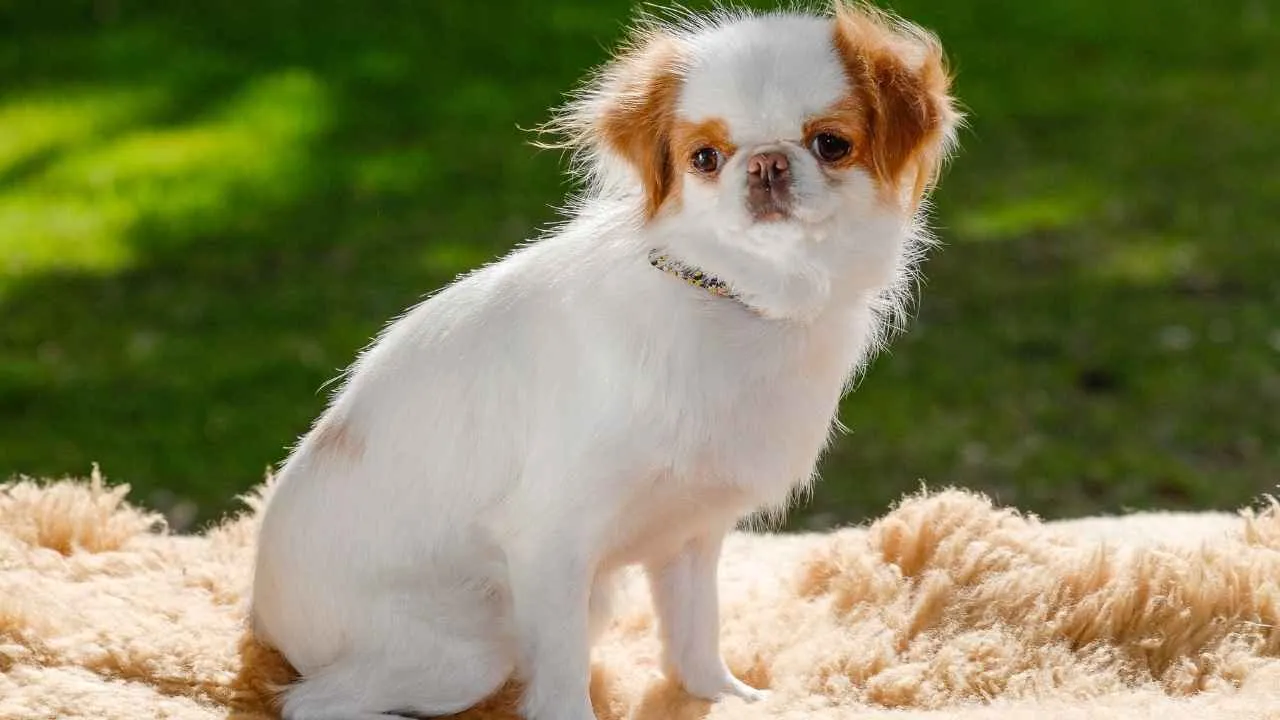
The Japanese Chin wears its parti-colour coat like a tiny work of art, with contrasting patches that enhance its elegant, expressive face.
Black and white is the most familiar combination, creating a bold contrast against its silky, flowing hair. Red and white coats offer a warmer appearance, with the red shade ranging from light tan to deeper reddish tones as the dog matures.
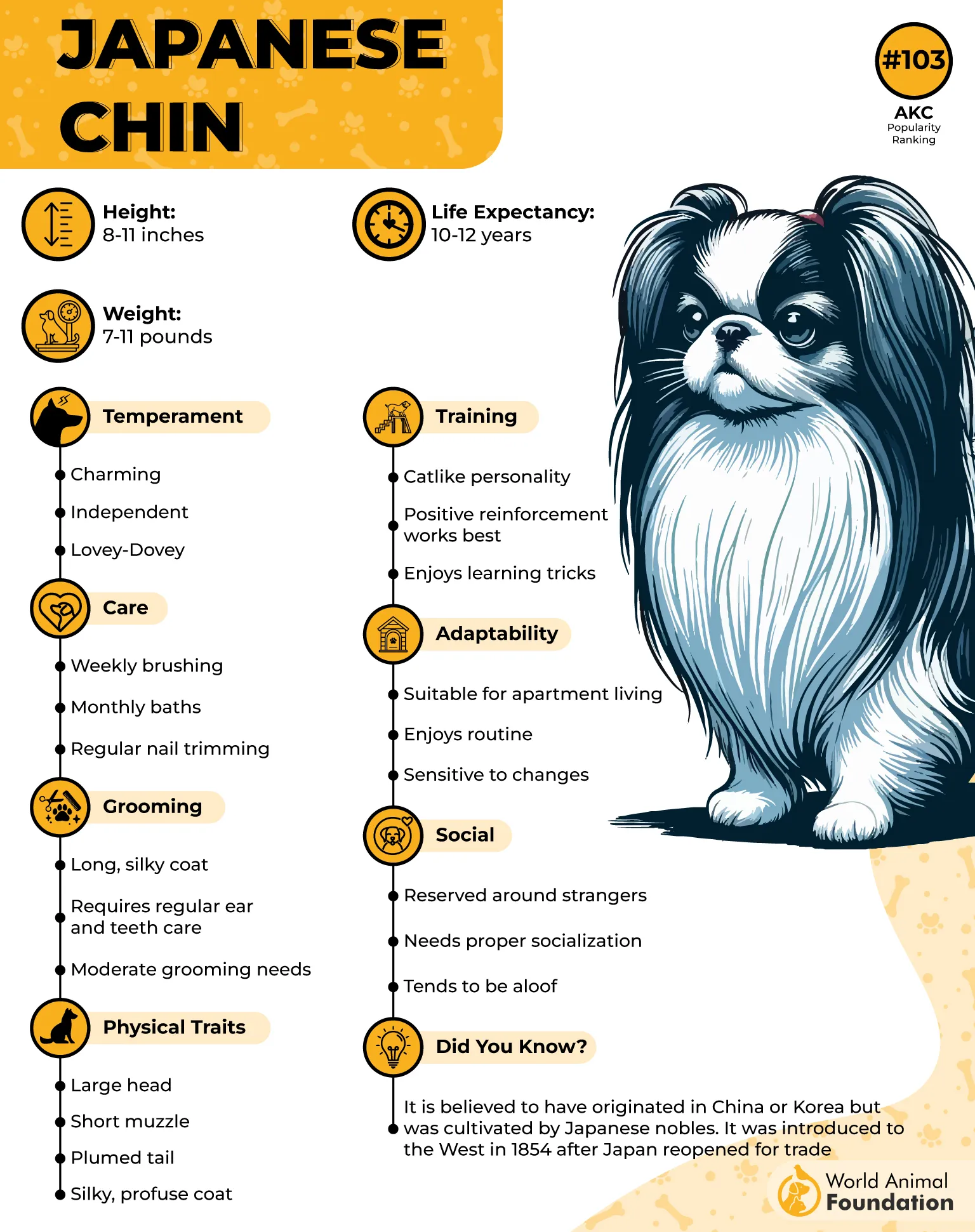
Sable and white provide another distinctive variation, often featuring darker pigmentation that gradually becomes lighter and clearer with age.
The rare tri-colour pattern combines black, tan, and white, adding another layer of contrast to this already striking little breed. Its facial markings are especially important to its appearance, with balanced, symmetrical patterns traditionally preferred in the show ring.
Beyond its colours, the Japanese Chin’s single, luxurious coat features feathered ears, a full chest ruff, flowing leg hair, and a plumed tail carried over its back. Together, these details make every colour combination graceful and eye-catching.
7. Jack Russell Terrier
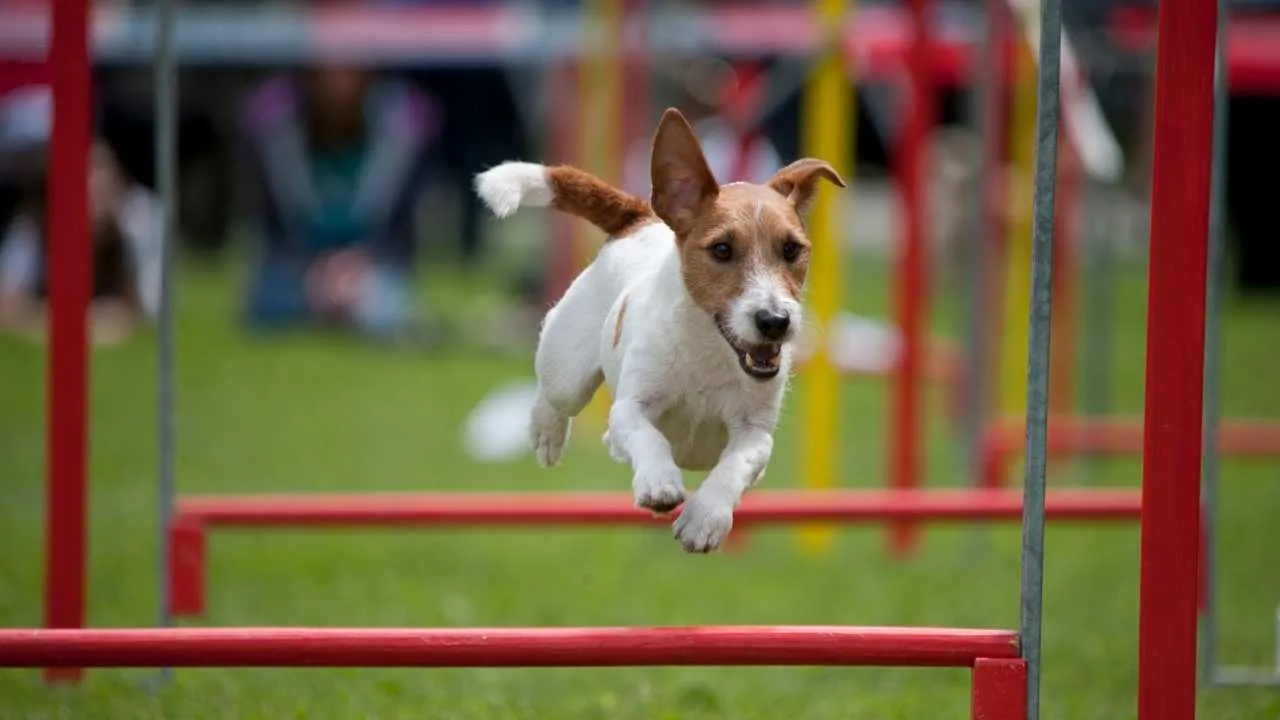
The Jack Russell Terrier’s parti-colour coat gives this lively little dog a classic, eye-catching appearance, with white serving as the base for patches of colour.
These markings create a distinctive contrast across this small dog’s compact body, often making each dog look a little different, according to PetPlan. Jack Russells can have smooth, rough, or broken coats, so their texture varies even when their colouring is similar.
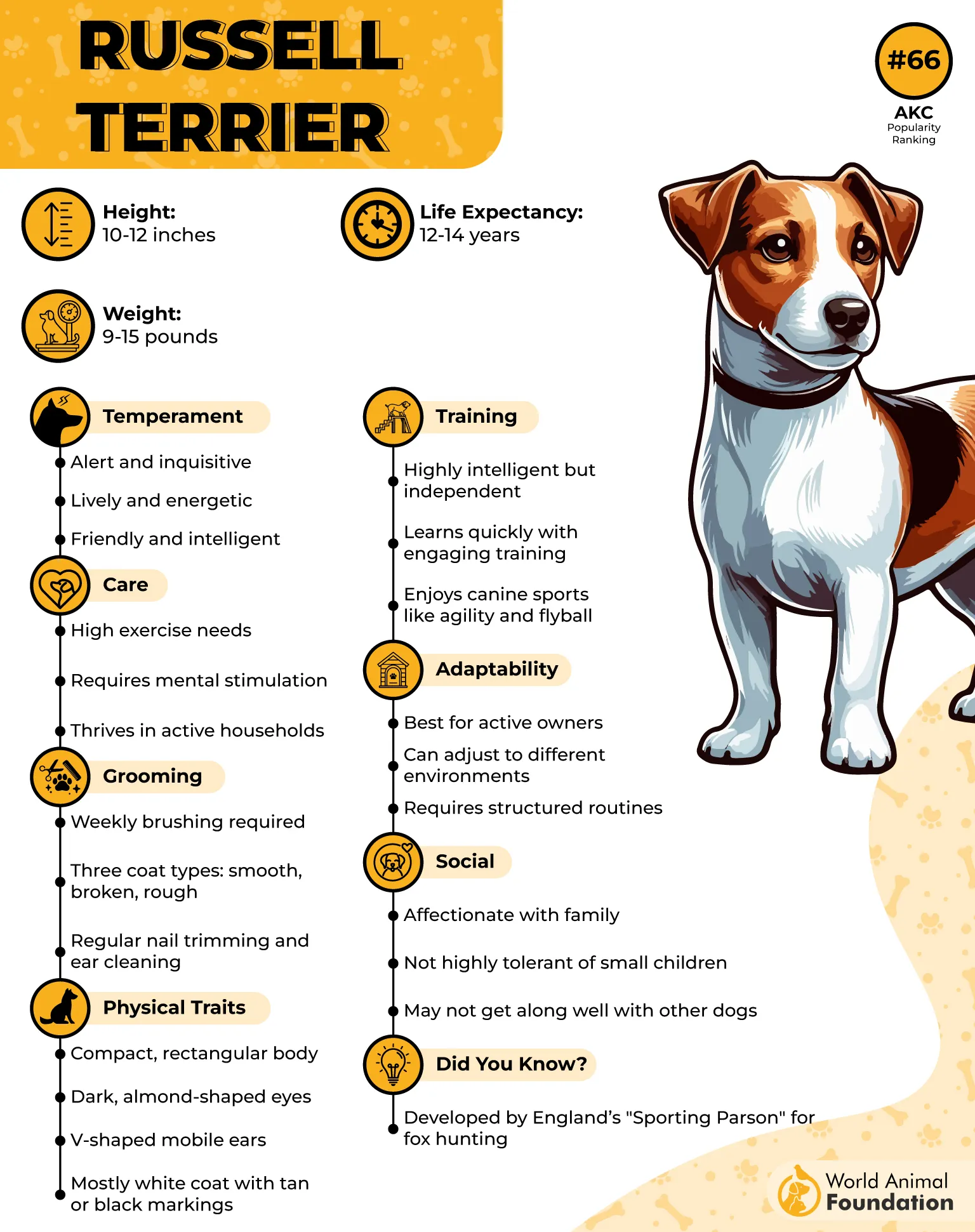
The smooth-coated variety has short, close-lying hair, while rough-coated dogs have a harsher, longer texture. Some have a mixture of both, adding another layer of character to their appearance.
Although their coat may look simple, Jack Russells shed considerably and benefit from regular brushing, particularly during seasonal moulting. Their colouring is only one part of their appeal, but the combination of white fur and contrasting patches gives them a recognisable, spirited look.
Beneath that distinctive coat is a fearless, curious terrier whose lively personality is every bit as memorable as its markings.
Conclusion
Parti-colour coats bring a special kind of beauty to the dog world, turning familiar breeds into striking combinations of white and contrasting shades.
Some have clearly defined patches, while others feature roan patterns, ticking, or delicate markings across their faces and bodies. These differences make parti-colour coats fascinating for dog lovers who appreciate variety in canine appearance.
However, coat colour is only one part of choosing a companion. Grooming needs, shedding, exercise requirements, and personality also deserve consideration before welcoming a dog home.
Whether you prefer subtle speckles or eye-catching patches, these breeds show how wonderfully varied canine coats can be. Their unique markings make each dog memorable, proving that a little contrast can create a truly remarkable appearance.
