





Chaos in a cute package is still chaos. The wagging tail and innocent eyes can fool anyone, but behind that charm can be a whirlwind of attitude, independence, and unexpected drama. Living with a headstrong companion is rarely boring, and definitely not for the faint of heart.
One day, you feel like a proud pet parent, the next, you are negotiating house rules like a full-time diplomat. Progress can feel slow, setbacks can test your patience, and consistency suddenly becomes your best friend. The journey is equal parts frustrating and hilarious.
This blog dives into the world of strong personalities, why they behave the way they do, and most importantly, how you can guide them with confidence and balance.
Top Dog Breeds Known for Their Unruly Nature and How to Manage Them
1. Basset Hound
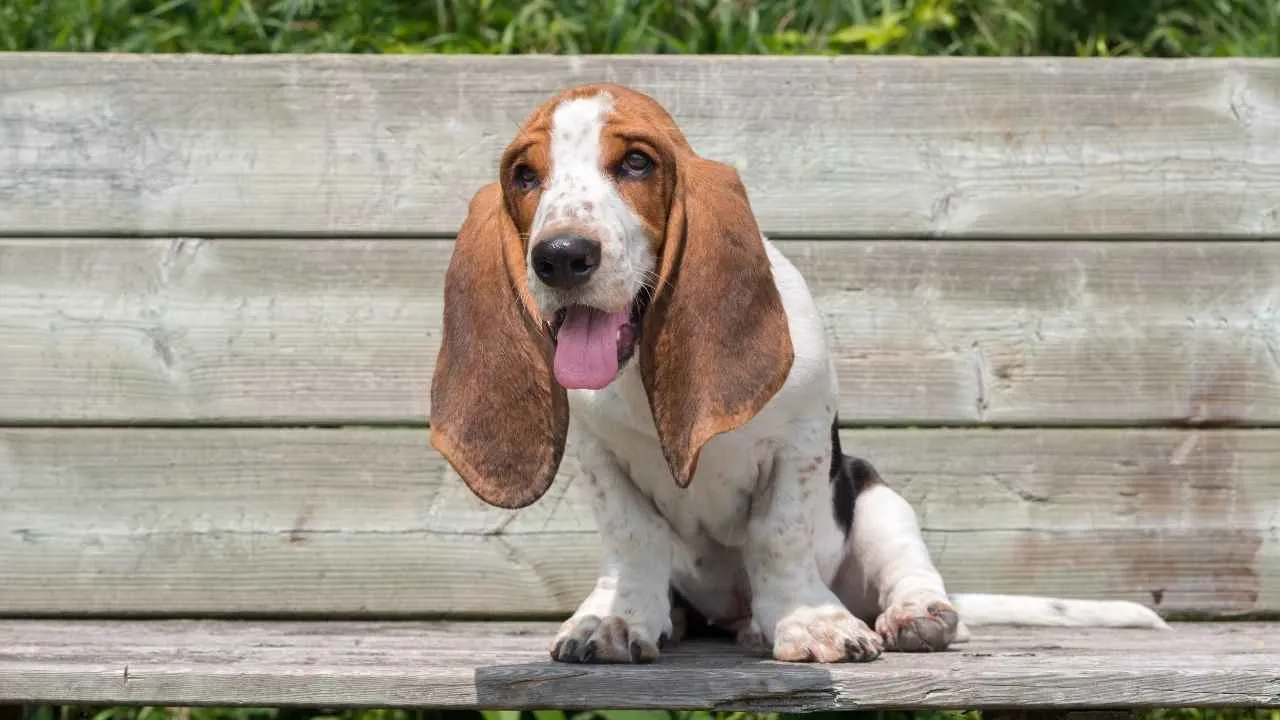
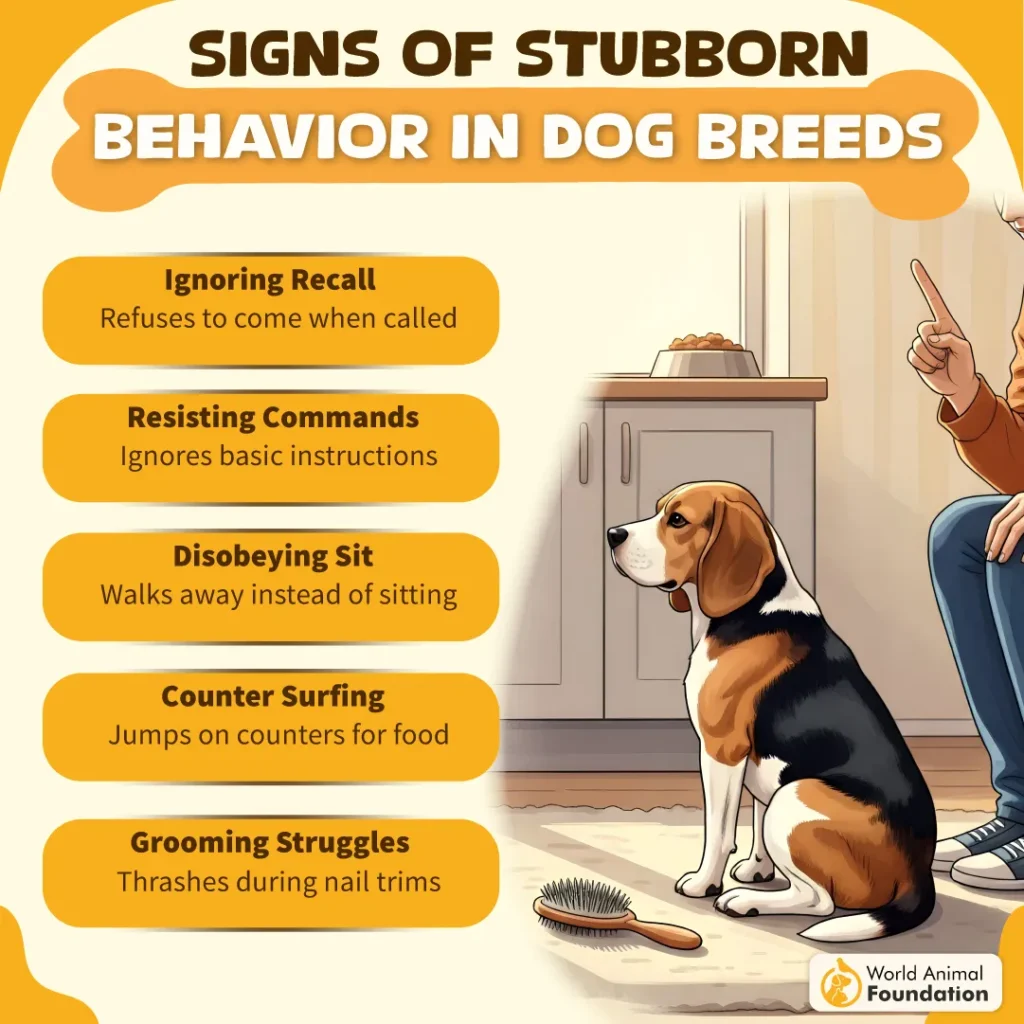
Training the Basset Hound feels like a comedy because they prioritize snacks over your commands. Purina notes that these dogs are strong-willed and often choose a fun distraction instead of listening. Without firm guidance, you might end up with an unruly pup that runs the household.
Since they have an independent nature, these dog breeds aren’t always eager to please during training sessions. Dog owners must use patient methods to keep a Basset Hound focused and engaged. Because they can be manipulative, staying steady is the only way to ensure they obey.
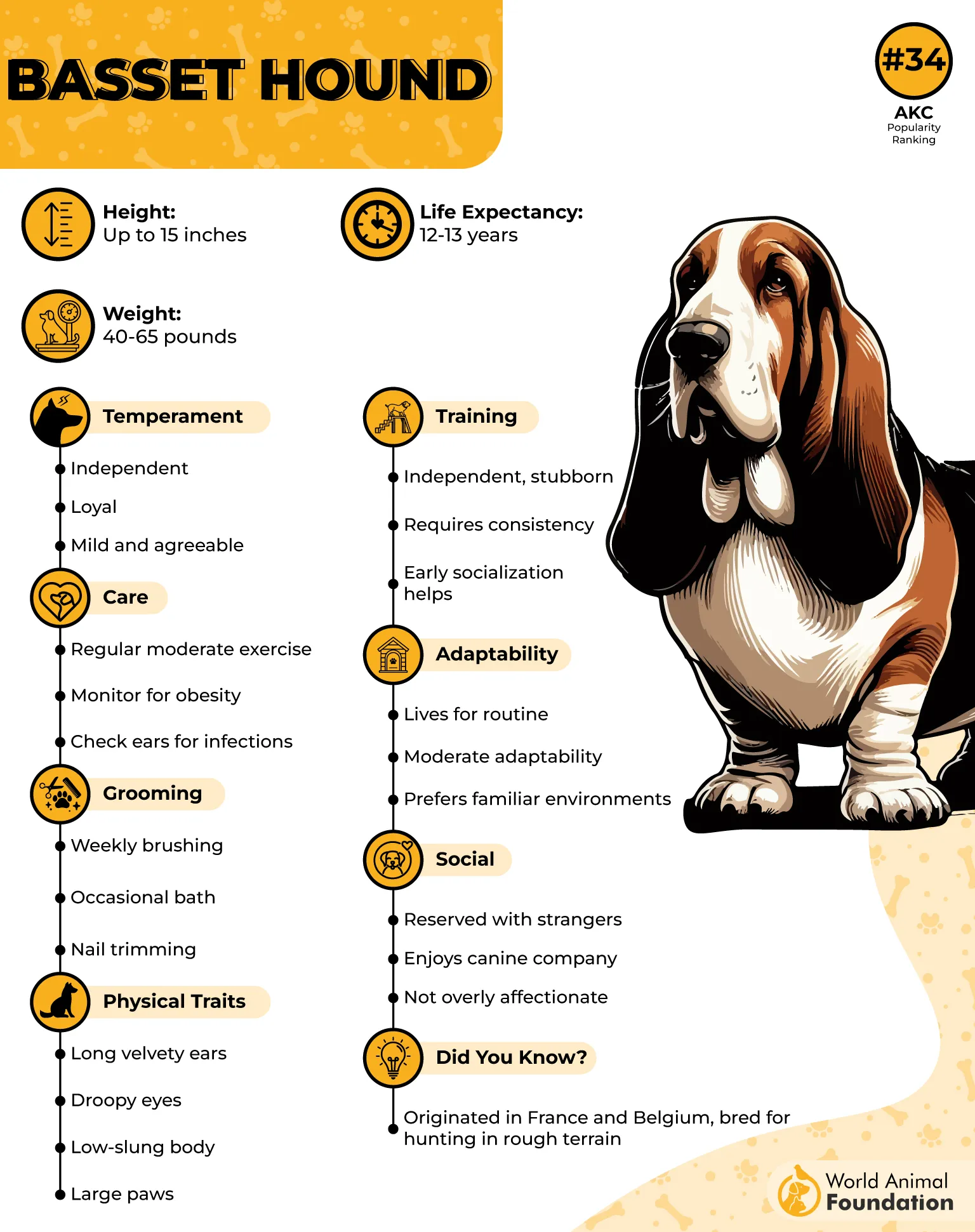
These sociable extroverts truly hate being left alone, which leads to loud and mournful howling. Friendly as they are, a Basset Hound may show fear-based aggression toward strangers if they feel cornered.
Positive Traits:
Unmatched scent tracking skills
Gentle and laid-back nature
Deeply charming social personality
2. Siberian Husky
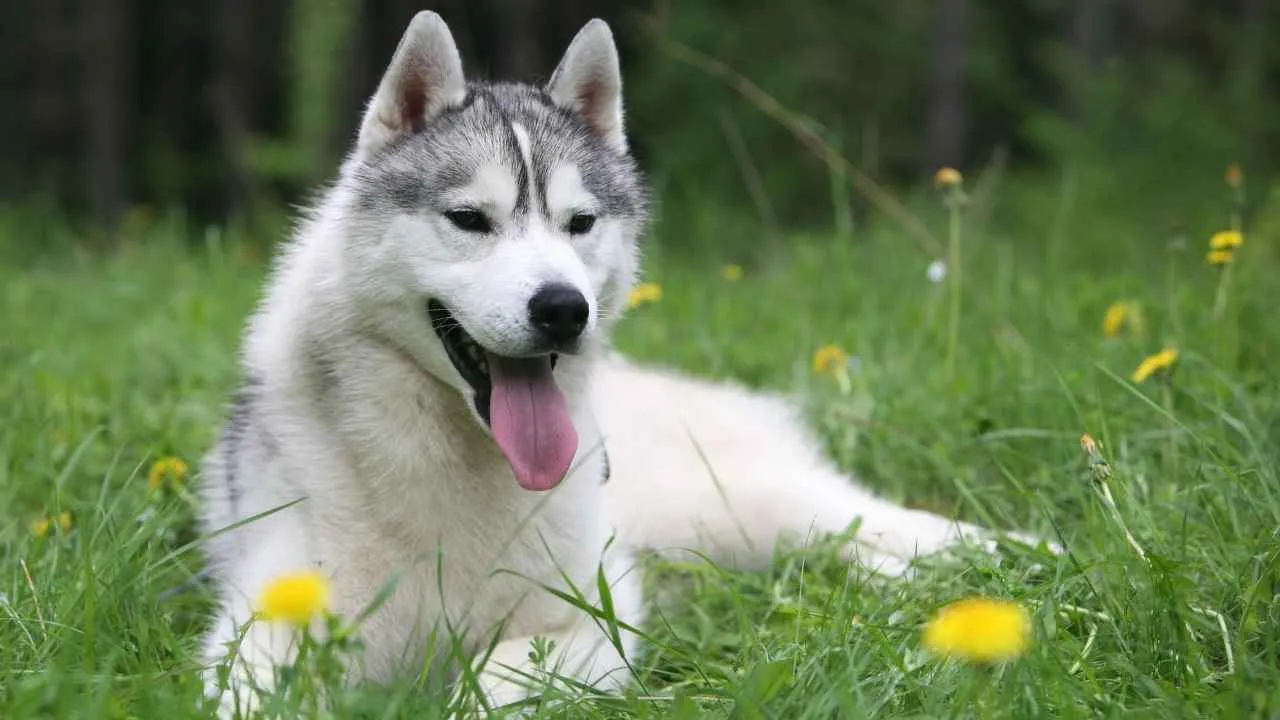
Life with a Siberian Husky is never boring, but they require constant mental and physical stimulation. If they lack activity, you might find your backyard excavated by a bored dog. They are famous escape artists who will howl their frustrations if they feel ignored.
Understanding their temperament is vital because this breed can sometimes display dominant or predatory aggression. A Siberian Husky might also show possessive traits, so early socialization and consistent training are a must for a peaceful home.
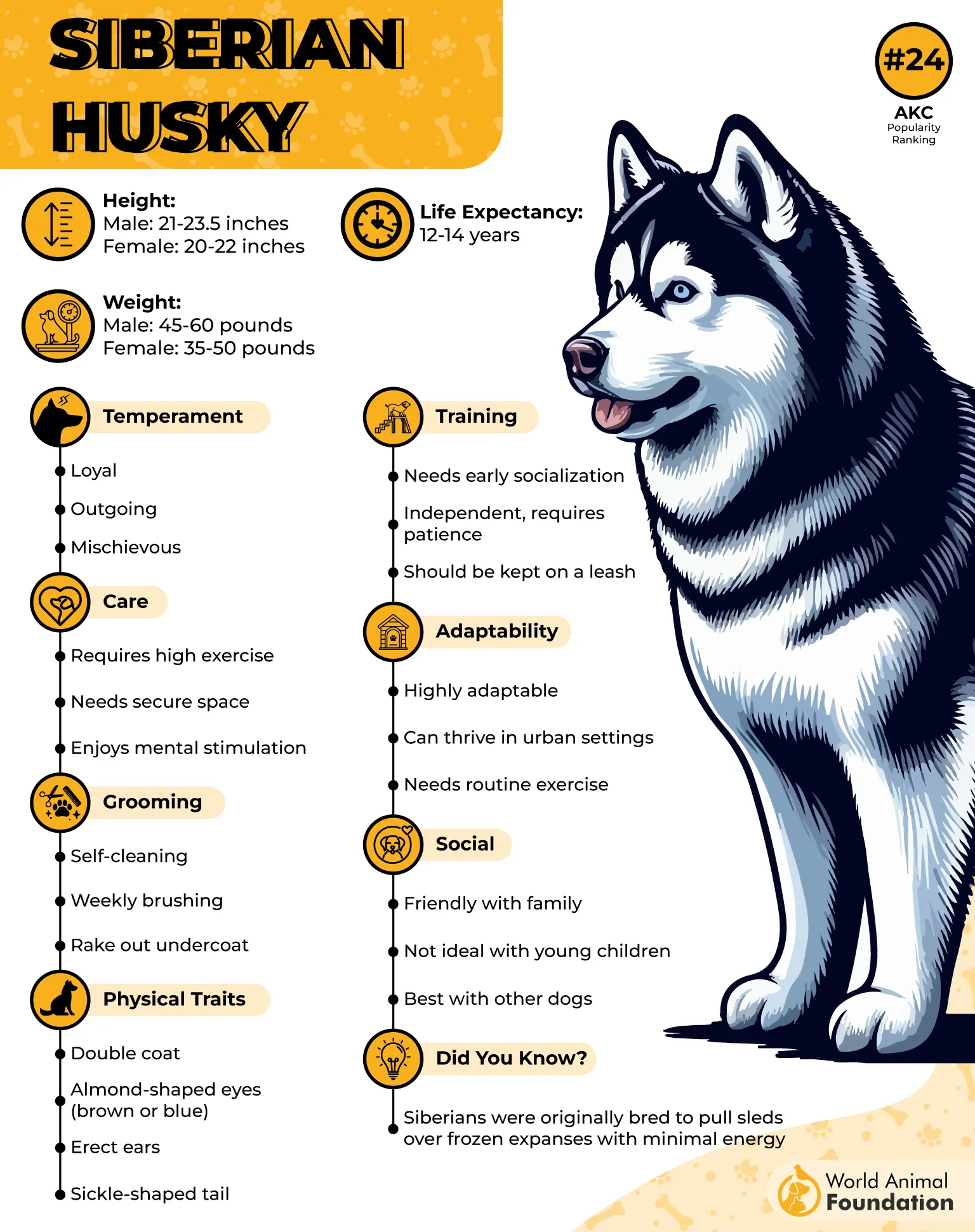
You should always treat your dog as an intellectual equal to earn their true respect. Interestingly, the Siberian Husky only needs a small amount of positive reinforcement to master a new trick. These beautiful dogs only respond to gentle handling, so skip the harsh corrections.
Positive Traits:
Adventurous and outgoing spirit
Strikingly beautiful vocal range
High endurance for activities
3. Scottish Terrier
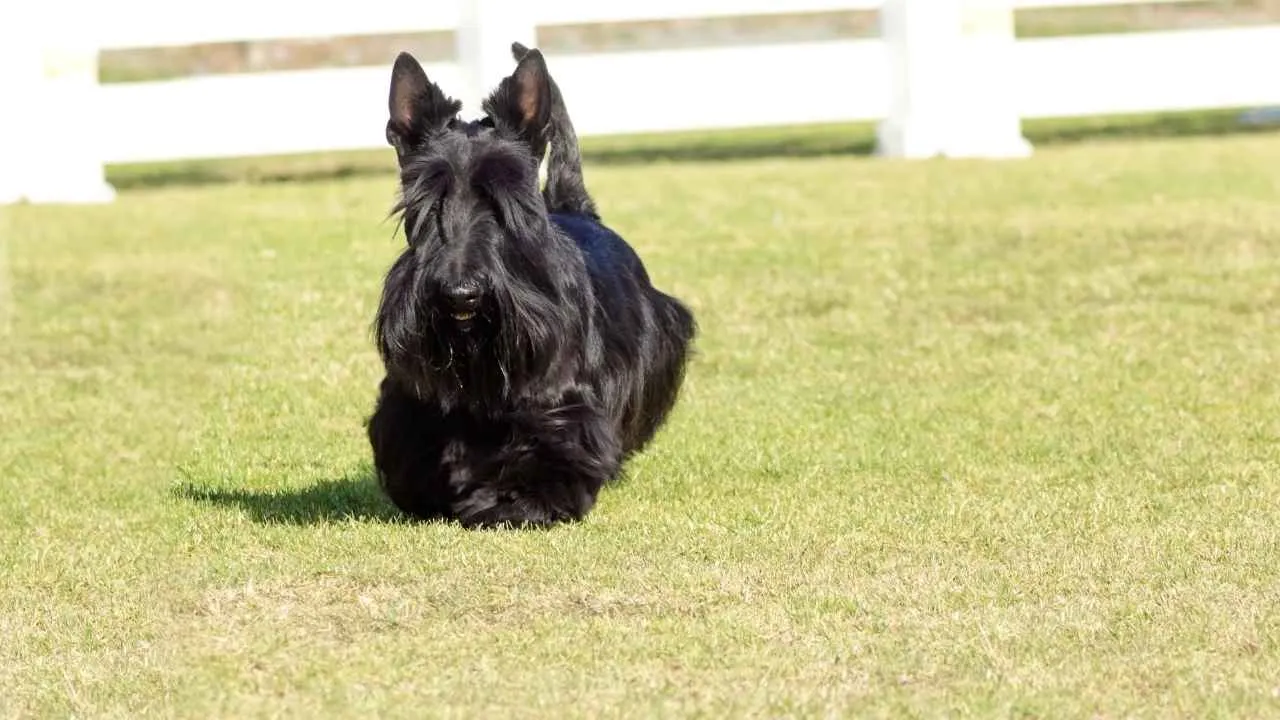
Don’t let that dignified beard fool you, as the Scottish Terrier can be quite moody and incredibly stubborn. These feisty dogs often bond deeply with just one person and may act aggressively. Because they tend to snap, they are better suited for homes without very small kids.
Personal pride is a huge deal, so never try to laugh at or humiliate your pet. A Scottish Terrier actually feels offended by silly costumes, as these items clash with their natural dignity. If you ignore or scold them harshly, they might give you the cold shoulder for weeks.
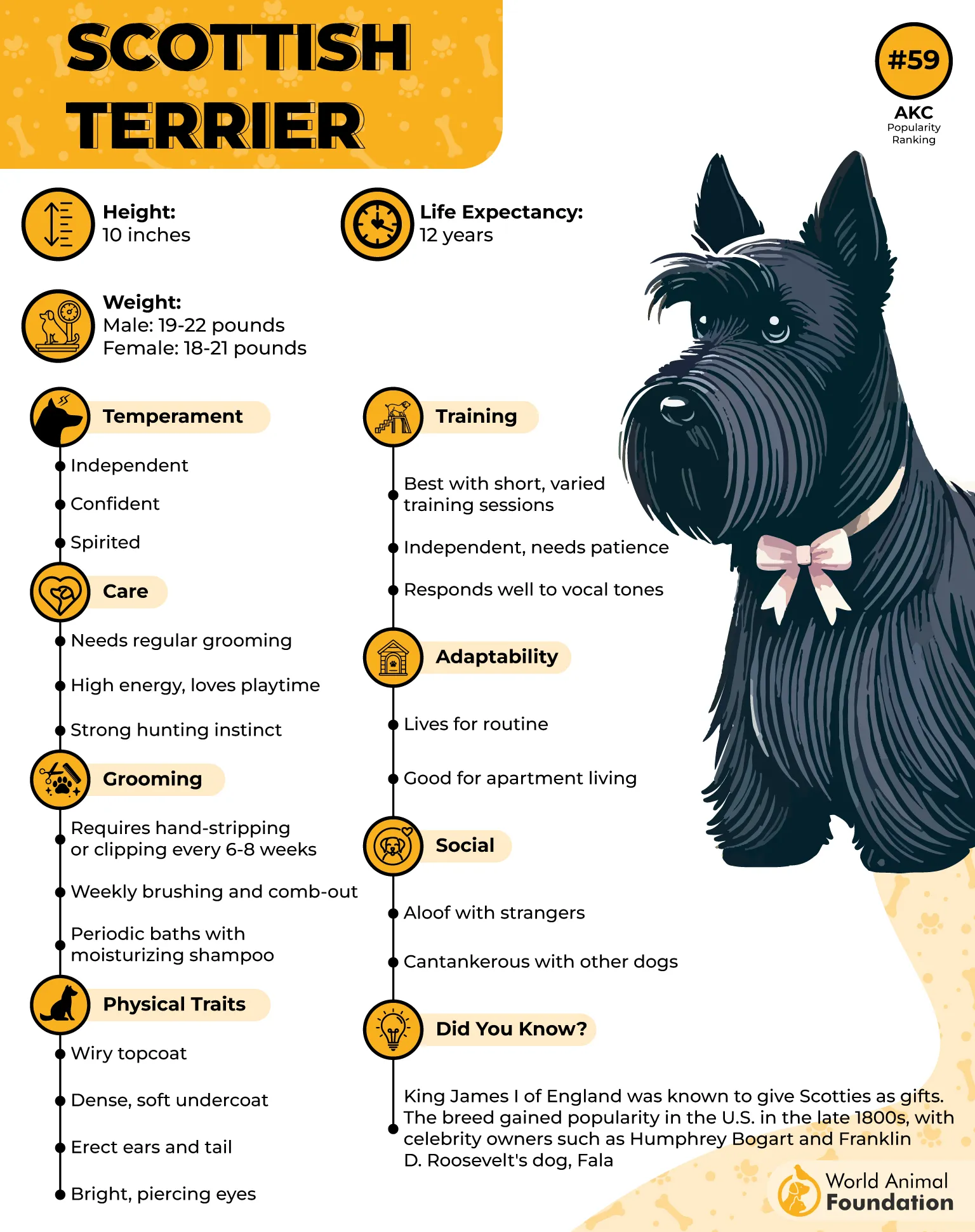
Training requires 100% consistency because they constantly look for a logical reason to obey your commands. If you relent even once, the Scottish Terrier will label you a pushover and ignore your rules. You must never back down, ensuring they understand that your instructions are mandatory.
Positive Traits:
Fearless and alert protector
Intense loyalty to family
Determined and resilient character
4. Afghan Hound
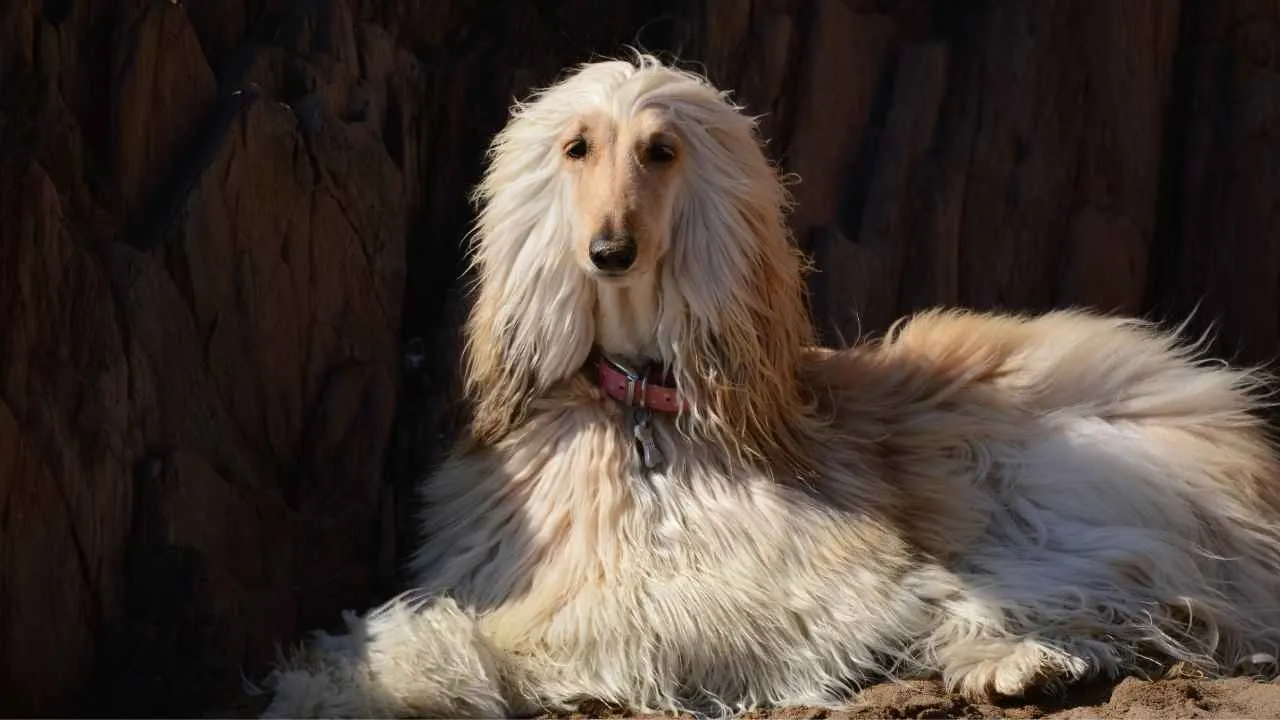
First-time dog owners might find the Afghan Hound quite a handful due to their intense need for regular exercise. These elegant dogs have an independent and standoffish streak that makes them feel like roommates. Their aloof nature means they won’t follow you around, demanding a very patient parenting style.
If you look at obedience rankings, these pups usually sit near the bottom because they love being disobedient. Even with great training, the Afghan Hound will likely choose when they feel like listening to you. Most people find that teaching basic household manners is a more realistic goal than perfect scores.
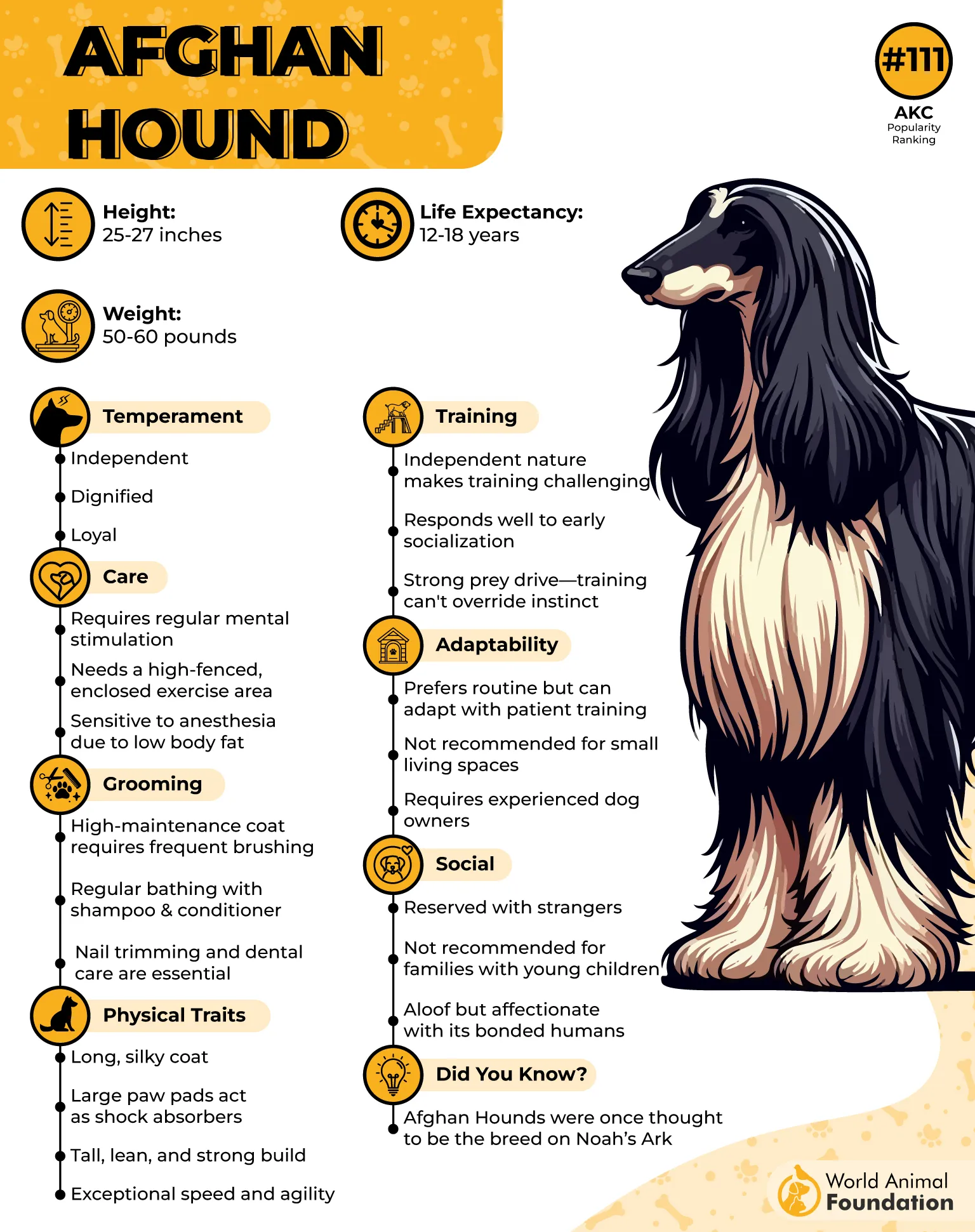
While Afghan Hounds are highly intelligent, they are often too stubborn, as mentioned by Hills Pet. These pups do best with positive reinforcement, though an Afghan Hound master will need a huge surplus of patience. Moreover, they view training as optional rather than a requirement.
Positive Traits:
Aristocratic and graceful presence
Fast and agile athlete
Quietly affectionate home companion
5. Jack Russell Terrier
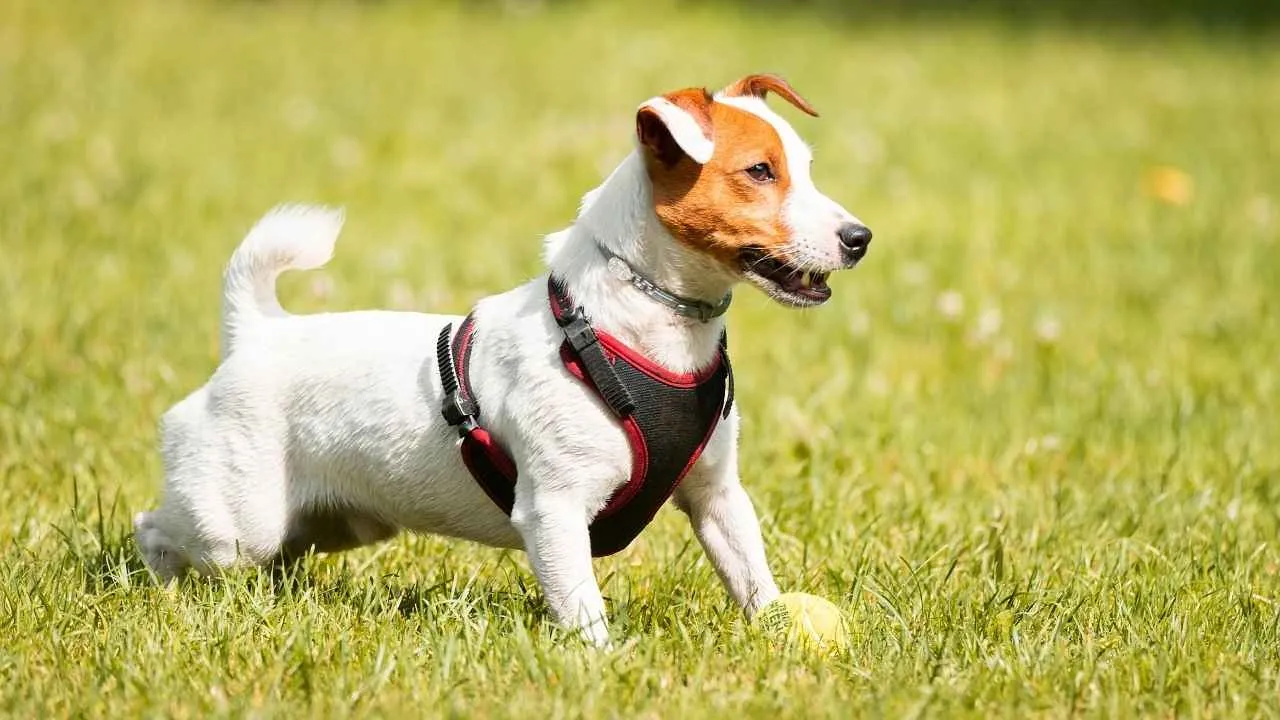
The Jack Russell Terrier packs a massive amount of energy and playful nature into a tiny, bold, and incredibly feisty body. Many people mistakenly think their small size equals a calm lap dog. In the wrong hands, they quickly become reactive.
These affectionate dogs can become a tiny wrecking ball if they are left unattended without a specific job. Most behavioral issues for a Jack Russell Terrier stem from a lack of enough exercise or discipline. Keeping them “employed” with games or puzzles is the best way to offer physical and mental stimulation.
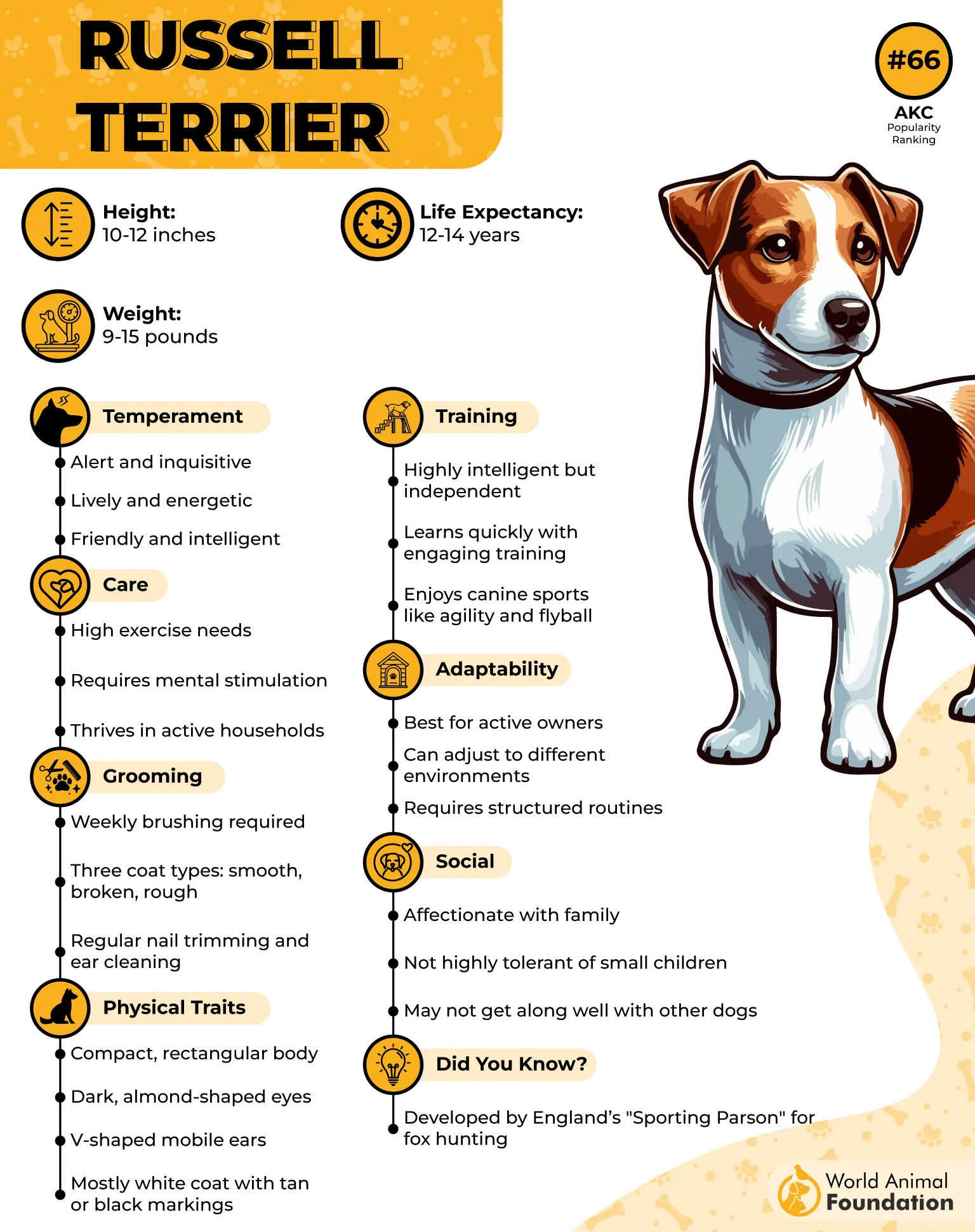
If your pet acts aggressively toward other dogs, a quick squirt of water can be very effective. This surprise tactic stops a Jack Russell Terrier immediately without the need for harsh scolding. It is a simple way to refocus their attention.
Positive Traits:
Boundless energy for play
Highly clever problem solvers
Bold and courageous heart
6. Shar Pei
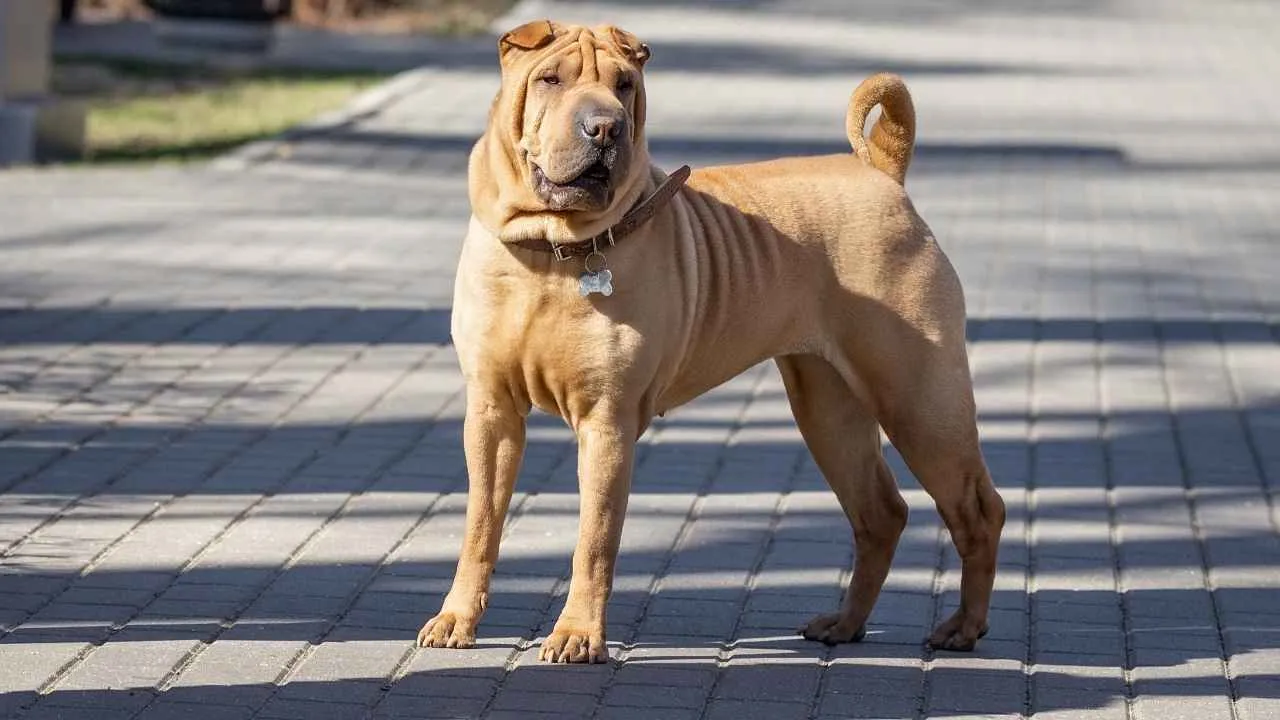
A naturally protective nature can lead to aggression toward strangers or other animals if not managed properly. The Shar Pei is territorial and may struggle with separation anxiety. Therefore, socialization is the key to ensuring their strong protective instinct doesn’t turn into a problem.
This breed is often described as a stubborn mule because they are wildly confident and very bullheaded. PDSA adds that novice owners may find the Shar Pei quite a challenge, as these dogs prefer their own rules. You must be prepared for a strong-willed companion that requires a firm hand to lead.
Managing their strong instincts is not optional; it is essential. When their prey drive or territorial side kicks in, you need a strategy that works in the moment. The goal is simple: shift their attention before excitement turns into chaos.
Positive Traits:
Calm and serene indoors
Excellent guard dogs
Unique and thoughtful mind
7. Chihuahua
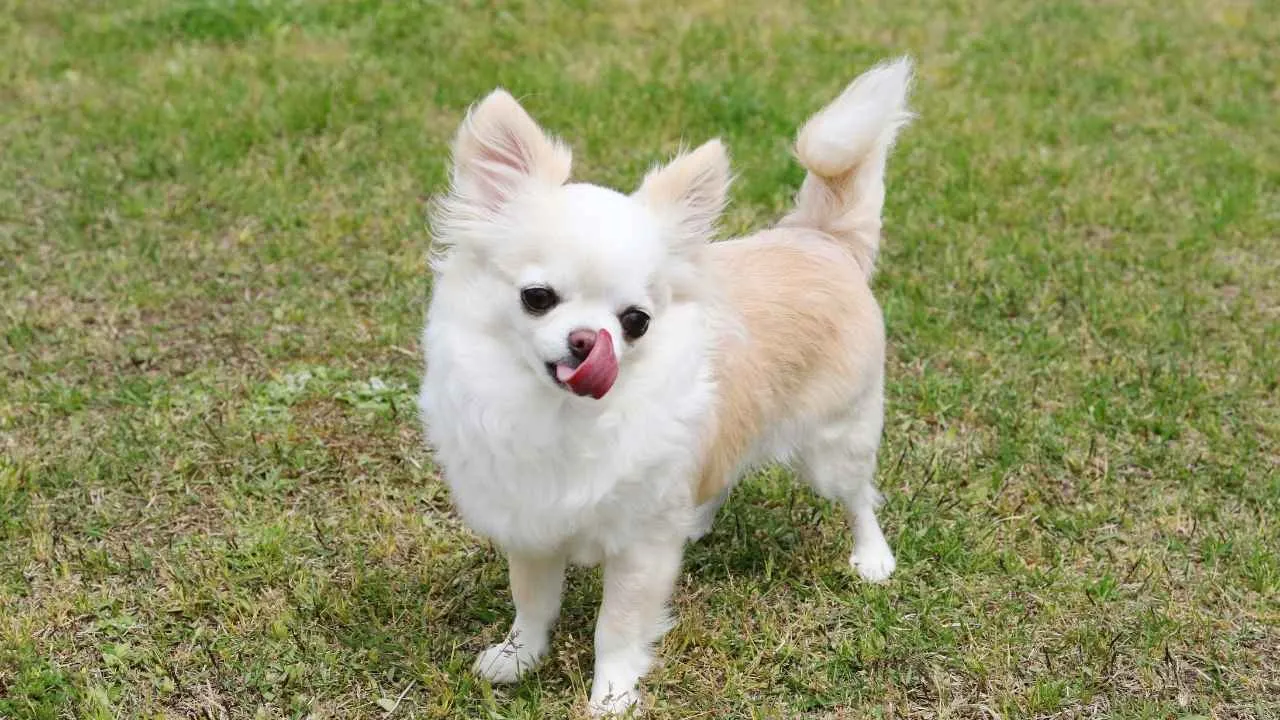
Genetics and individual personality play a huge role in why a Chihuahua might act aggressively. While they are small, their predisposed temperament can lead to feisty behavior if they feel threatened. It is important to remember that even the smallest dog can have a big attitude.
Many owners skip training because these pups are so small and easy to manhandle physically. This lack of effort allows bad habits to grow, often leading a Chihuahua to act out. Treating them like a “real dog” with proper boundaries is the best way to stay friendly.
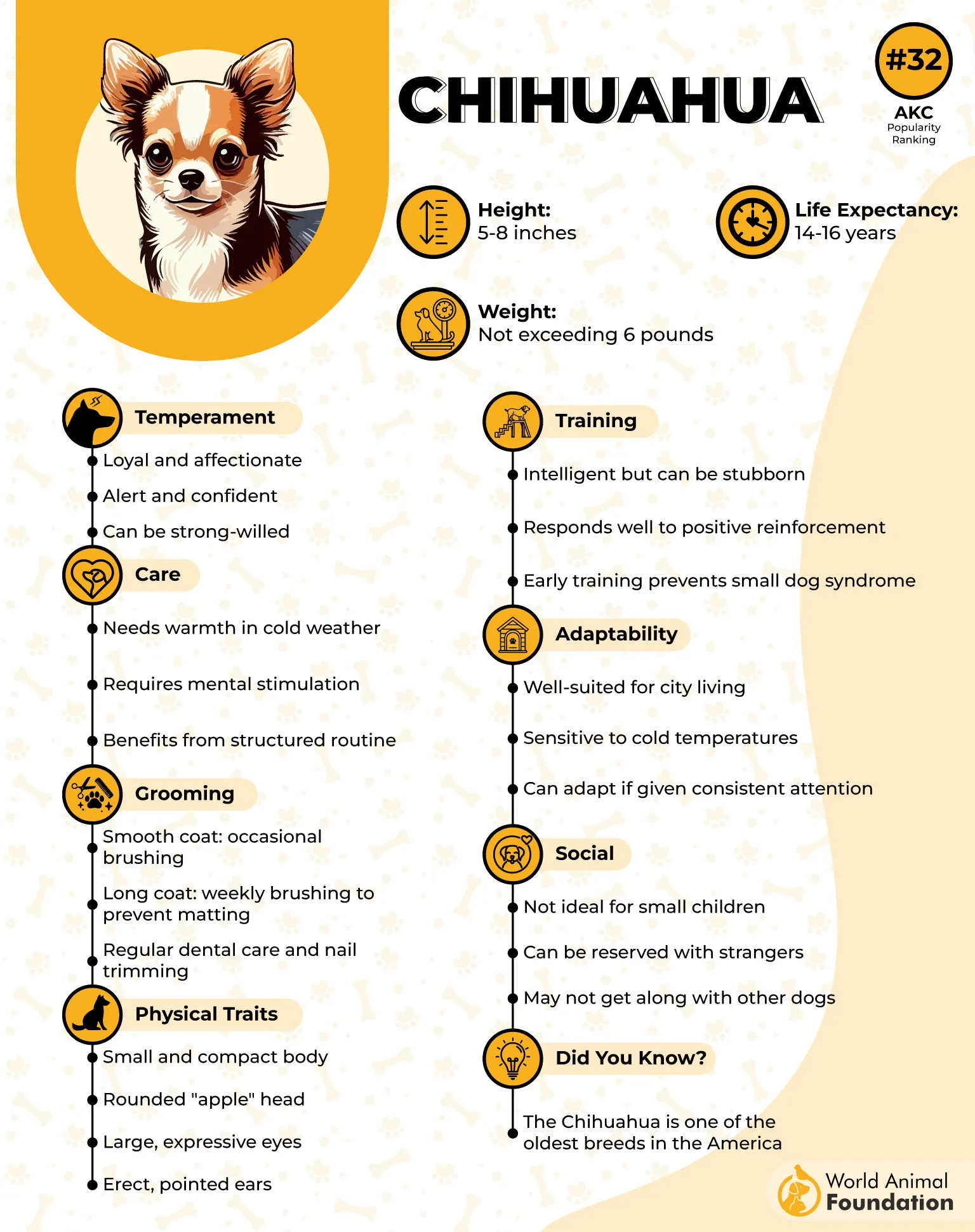
Early socialization is the most effective tool to curb fear and anxiety in a young pup. Many people neglect this because they think a Chihuahua is harmless, but exposure to new situations is vital. Introducing them to various people helps them grow into confident, well-adjusted adults.
Positive Traits:
Spunky and fun-loving attitude
Very long lifespan potential
Deeply devoted family pets
8. Akita

The Akita often focuses on pack hierarchy, which can lead to assertive behavior if their status is challenged. This aggression is most frequently directed at children or adults outside of their immediate family. This is an incredibly loyal dog, but it can be very suspicious of strangers.
These dogs do not easily forgive anyone who puts them through an unpleasant or humiliating experience. If they don’t feel a strong attachment, an Akita might simply walk away in silence. Their respect must be earned through kindness and mutual understanding rather than through force.
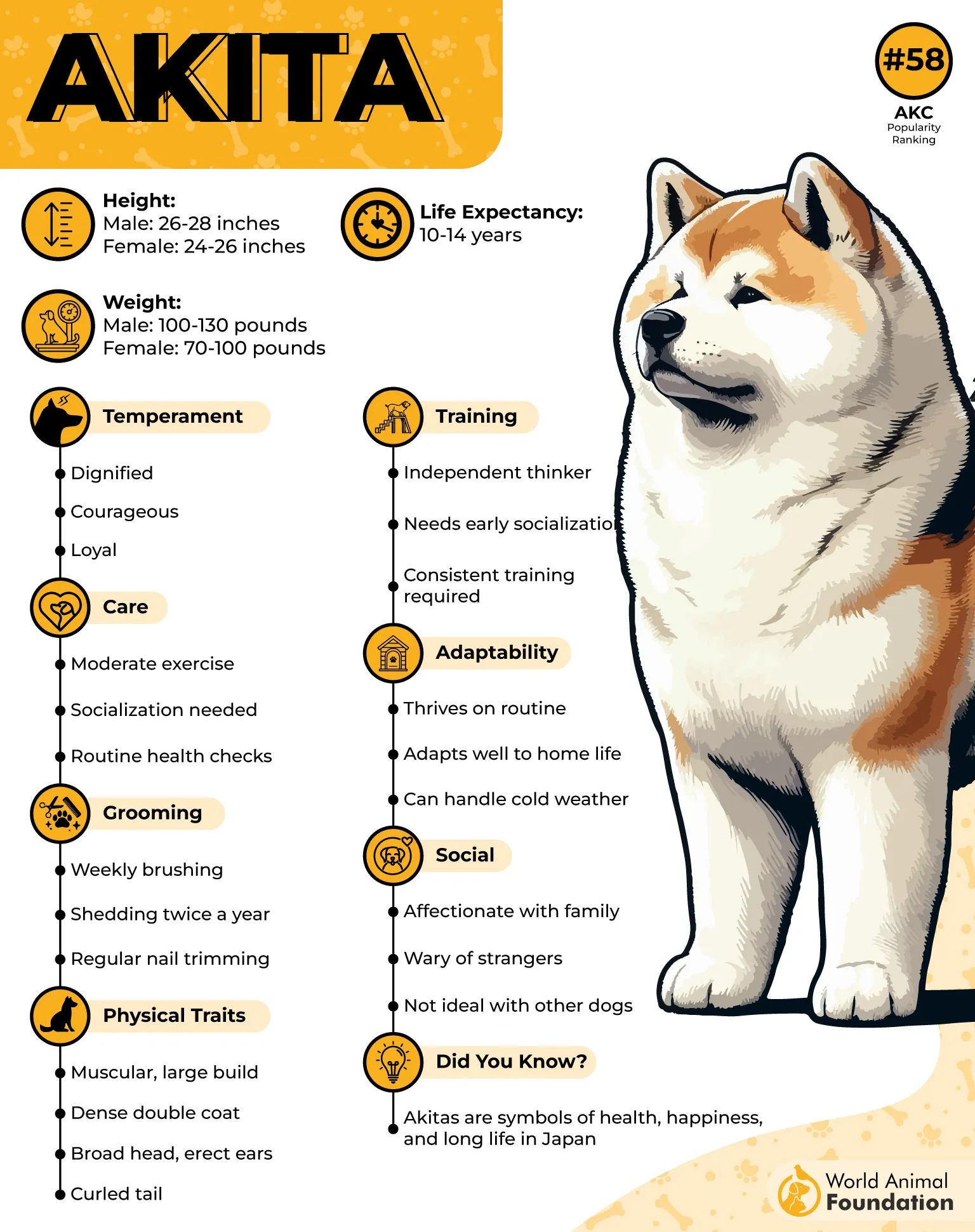
Starting socialization as early as possible is the best way to help these puppies adapt. You must be incredibly consistent with your commands, as the Akita will become confused by mixed signals. Use treats and affection to reward good choices to keep your precious bond strong.
Positive Traits:
Profoundly dignified canine nature
Quiet and clean habits
Stalwart and brave protector
9. Chow Chow
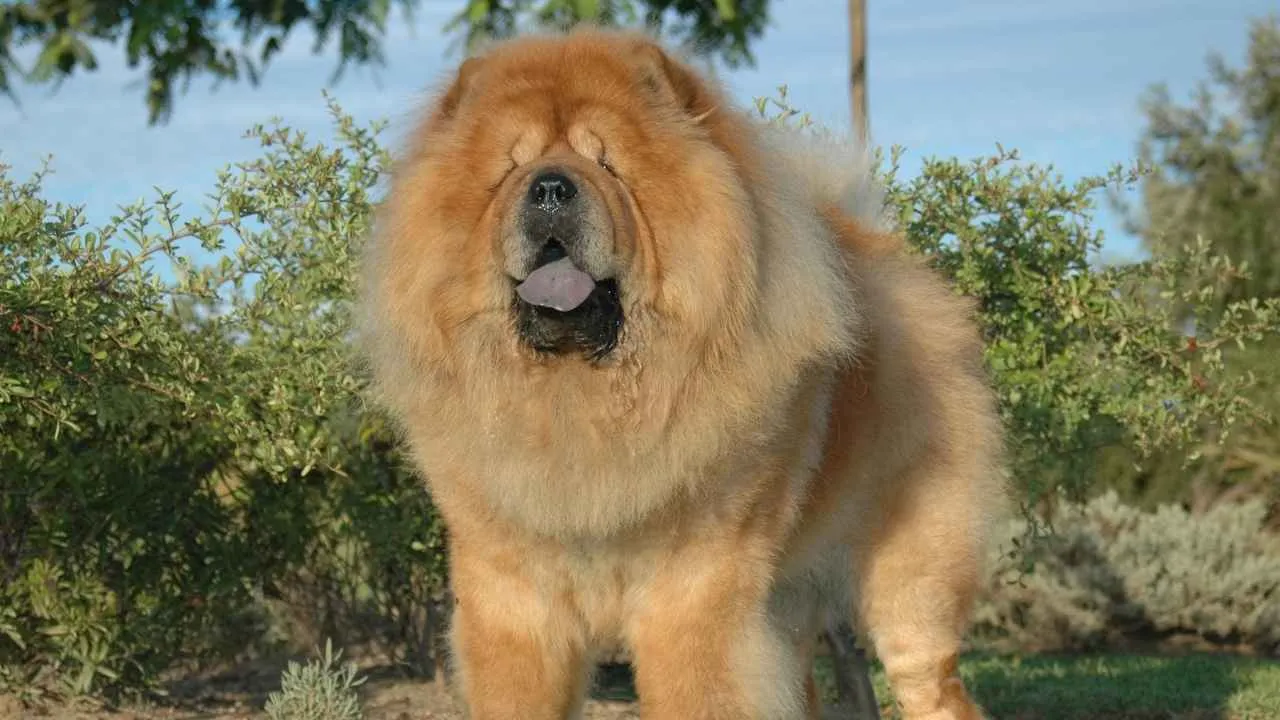
Originally bred as guard dogs, these pets are not naturally social and tend to be aloof. They can be quite aggressive toward other dogs, which fits the history of Chow Chows. This breed is perfectly suited for an experienced handler who understands their needs.
This working breed is highly intelligent but incredibly stubborn, often choosing exactly when they feel like obeying. Owners often joke that a Chow Chow knows every command but simply decides to ignore them. This independent streak makes them fascinating, yet occasionally frustrating.
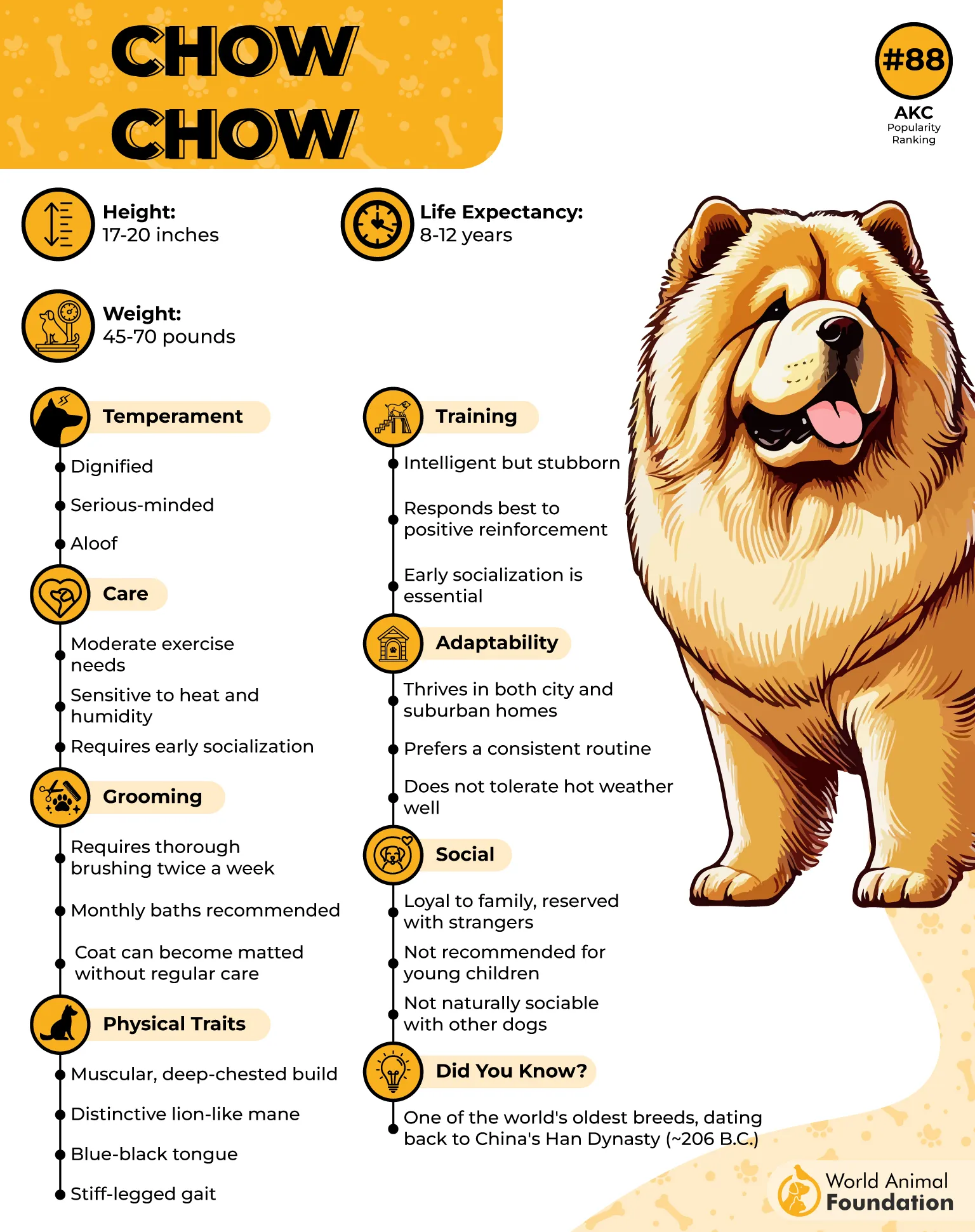
Proper training requires a focus on positive reinforcement rather than any form of physical or verbal punishment. Harsh treatment can feed into the natural aggression, which can lead to dog bites. Establishing fair, consistent rules with a patient attitude can prevent it from becoming dangerous dog breeds.
Positive Traits:
Strongly independent personality
Meticulously clean and tidy
Serious and discerning guardian
10. Shiba Inu
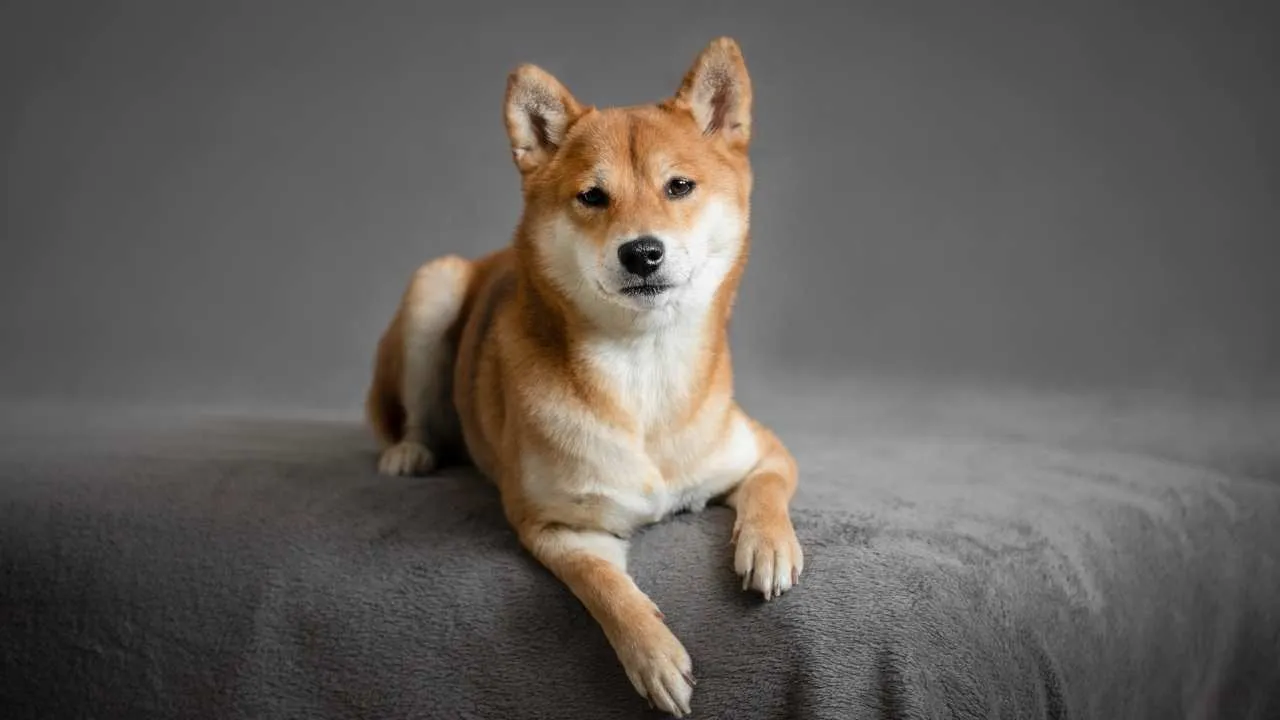
Fear is a common reason for aggressive behavior, which usually stems from a lack of proper socialization at a young age. When these dogs feel insecure or scared, a Shiba Inu may use aggression to protect themselves. Ensuring they feel safe and confident is the first step toward a well-behaved pet.
With a mind of its own, these dogs truly dislike being subordinate to anyone else’s will. The Shiba Inu possesses strong territorial behaviors and a high hunting drive, combined with a distrust of strangers. This combination creates a fiercely independent but loyal companion.
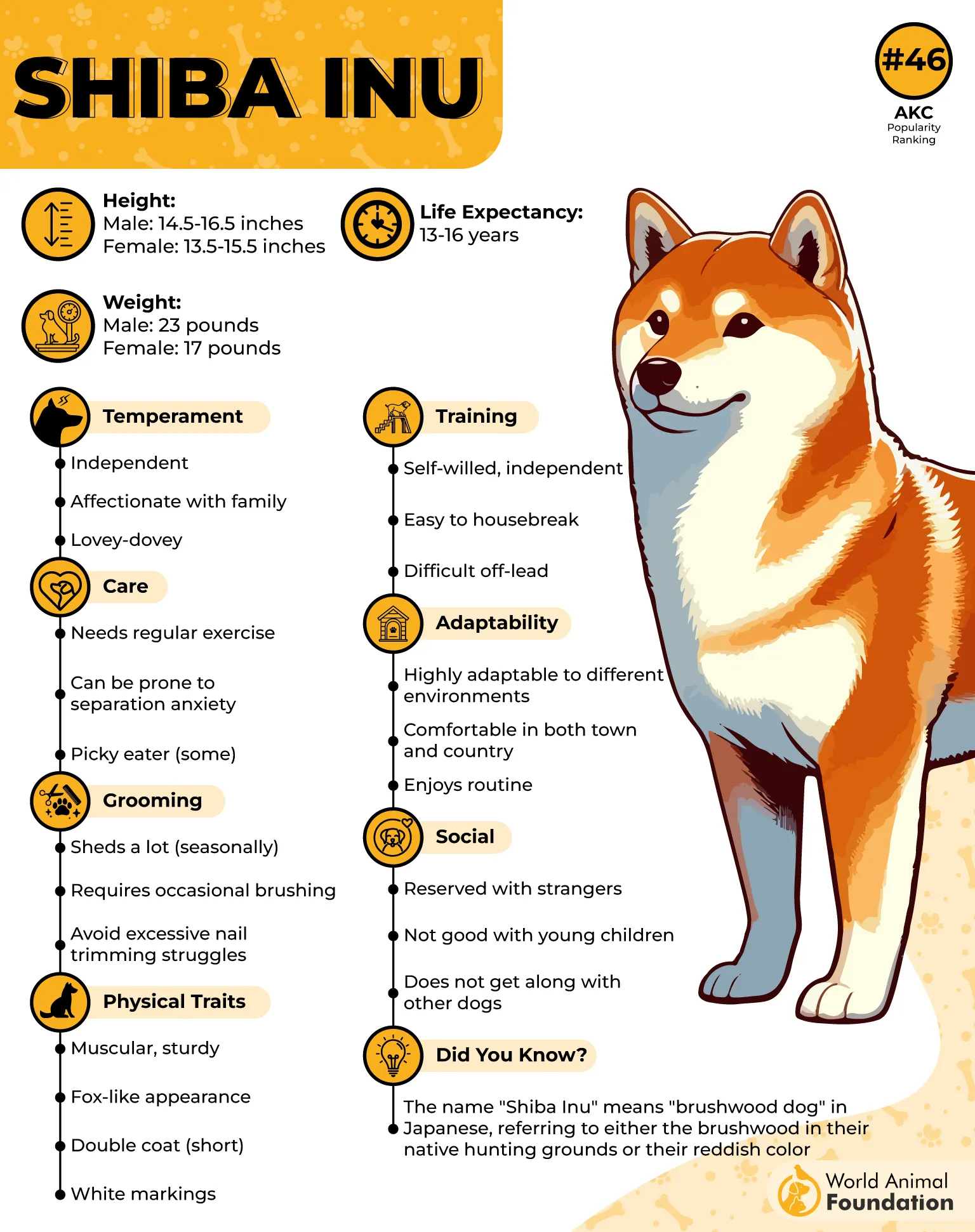
Enrolling your puppy in obedience training is a fantastic way to give your pet a great head start. Look for trainers who use positive reinforcement for a Shiba Inu instead of punitive methods. These programs help their learning capacity grow as they transition into confident adults.
Positive Traits:
Inquisitive and spirited mind
Remarkable self-grooming instincts
Keenly alert to surroundings
Conclusion
Living with a strong-willed dog demands patience, structure, and genuine understanding from the beginning. What seems like defiance is often instinct or anxiety showing up daily.
Consistency separates chaos from harmony inside any home. Clear boundaries, constant exercise, stimulation, and early socialization prevent unwanted habits from escalating quickly and build lasting mutual trust.
With commitment and steady leadership, even challenging companions can grow into highly loyal, confident, and deeply rewarding partners for life when guided with patience and clarity consistently.
