




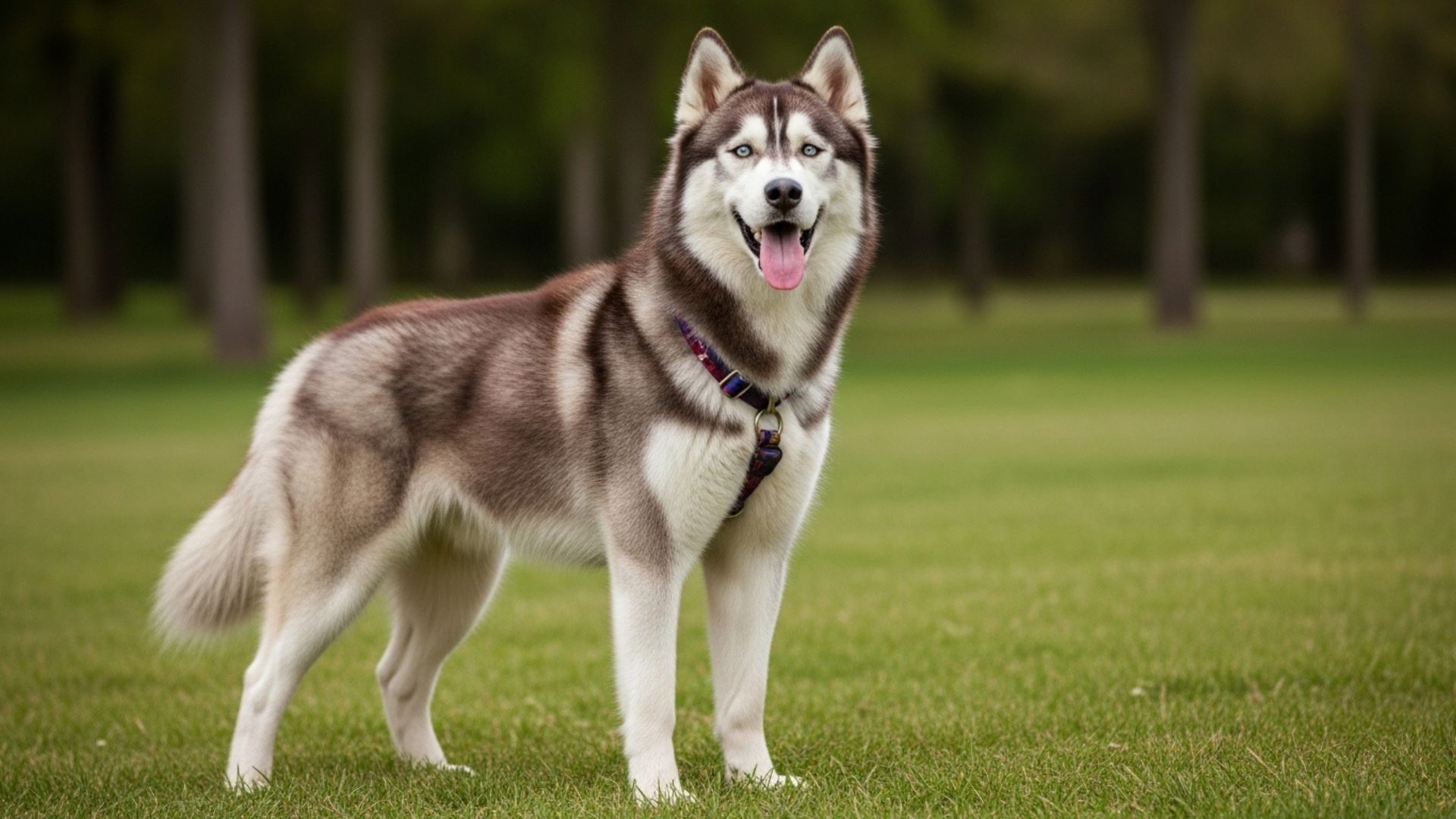
Aggressive or unruly behavior in dogs is often misunderstood as a simple temperament flaw, but research shows it is far more complex. Large-scale studies involving over 9,000 dogs reveal that aggression toward humans is influenced by a mix of breed, behavior, age, environment, and owner experience.
Fearfulness, lack of early socialization, and insufficient physical and mental stimulation are strongly associated with problematic behavior, while proper training and exposure to other dogs or other animals can reduce aggression.
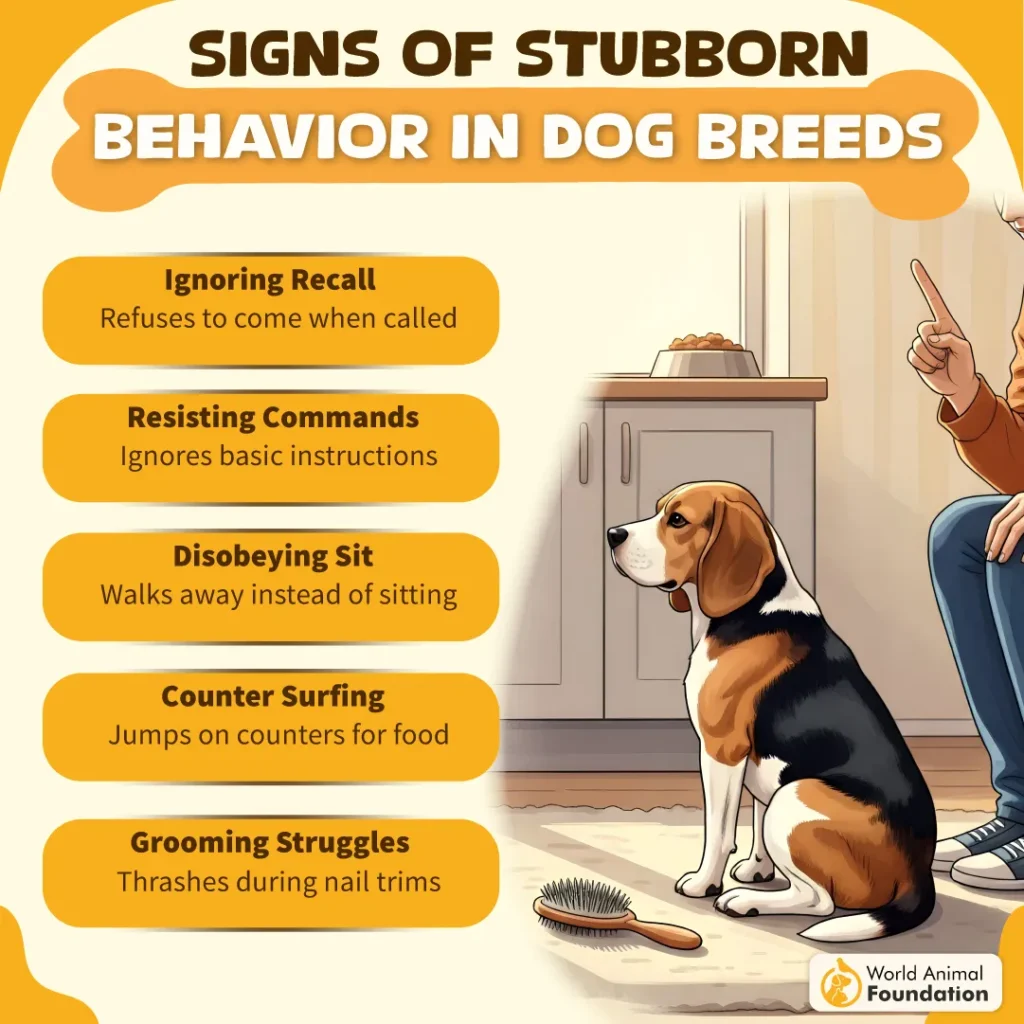
Small dog breeds or first-time owners often report more challenges, not necessarily because the dog’s temperament is worse, but because training sessions are inconsistent or too brief.
Understanding a dog’s independent nature, intelligence, and history allows owners to set boundaries, provide exercise, and use positive reinforcement effectively.
This article explores seven top dog breeds known for their unruly attitudes and why it matters, and why careful guidance is essential for harmonious cooperation between humans and pets.
Key Takeaways
Many strong-willed breeds were developed for demanding tasks that required independence.
Lack of early socialization can intensify aggression, fear, or dominance issues.
Consistent, reward-based training is essential for managing challenging behaviors.
Understanding breed traits helps prevent unrealistic expectations.
These dogs are not ideal for first-time or unprepared owners.
Top Dog Breeds Known for Their Unruly Attitudes and Why It Matters
1. Jack Russell Terrier
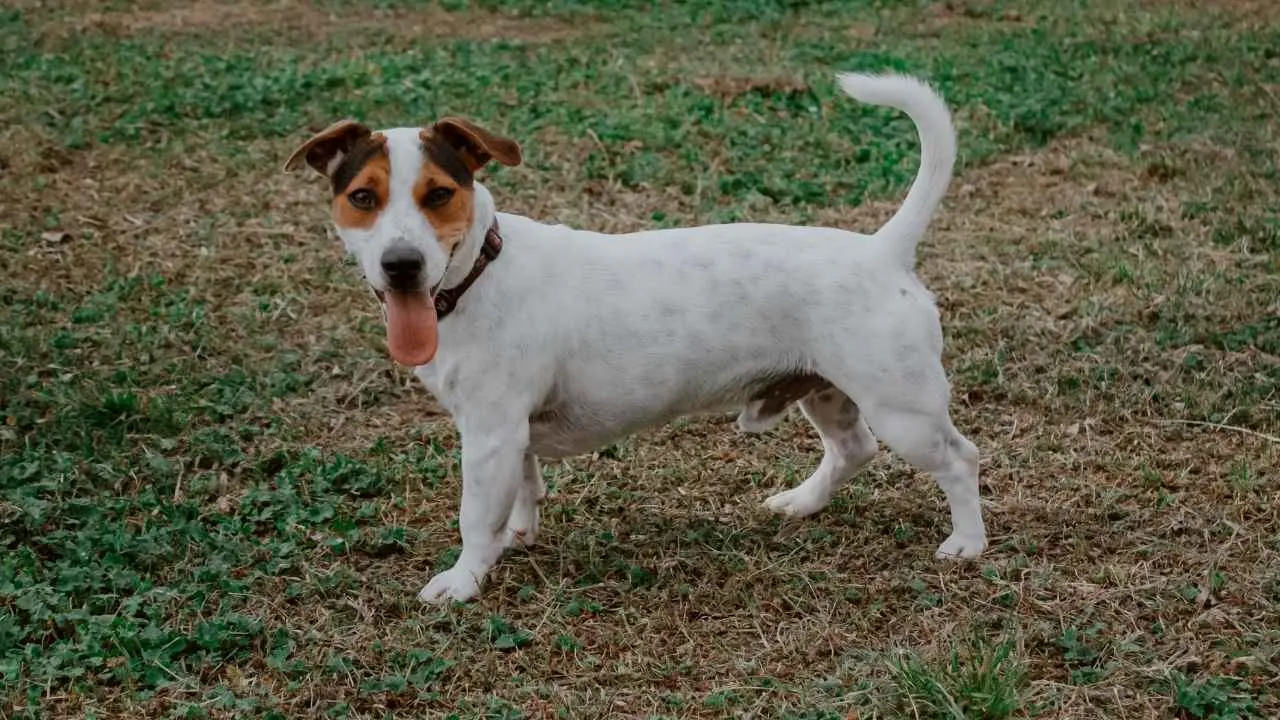
Bubbly on the surface and bold to the core, the Russell Terrier is a small dog with a surprisingly big attitude.
Originally bred for fox hunting, this compact terrier still carries the confidence, drive, and stubborn independence of a working dog.
Its bright eyes and alert ears reflect a sharp mind that’s always looking for the next challenge, which is exactly why this breed can feel unruly in the wrong home.
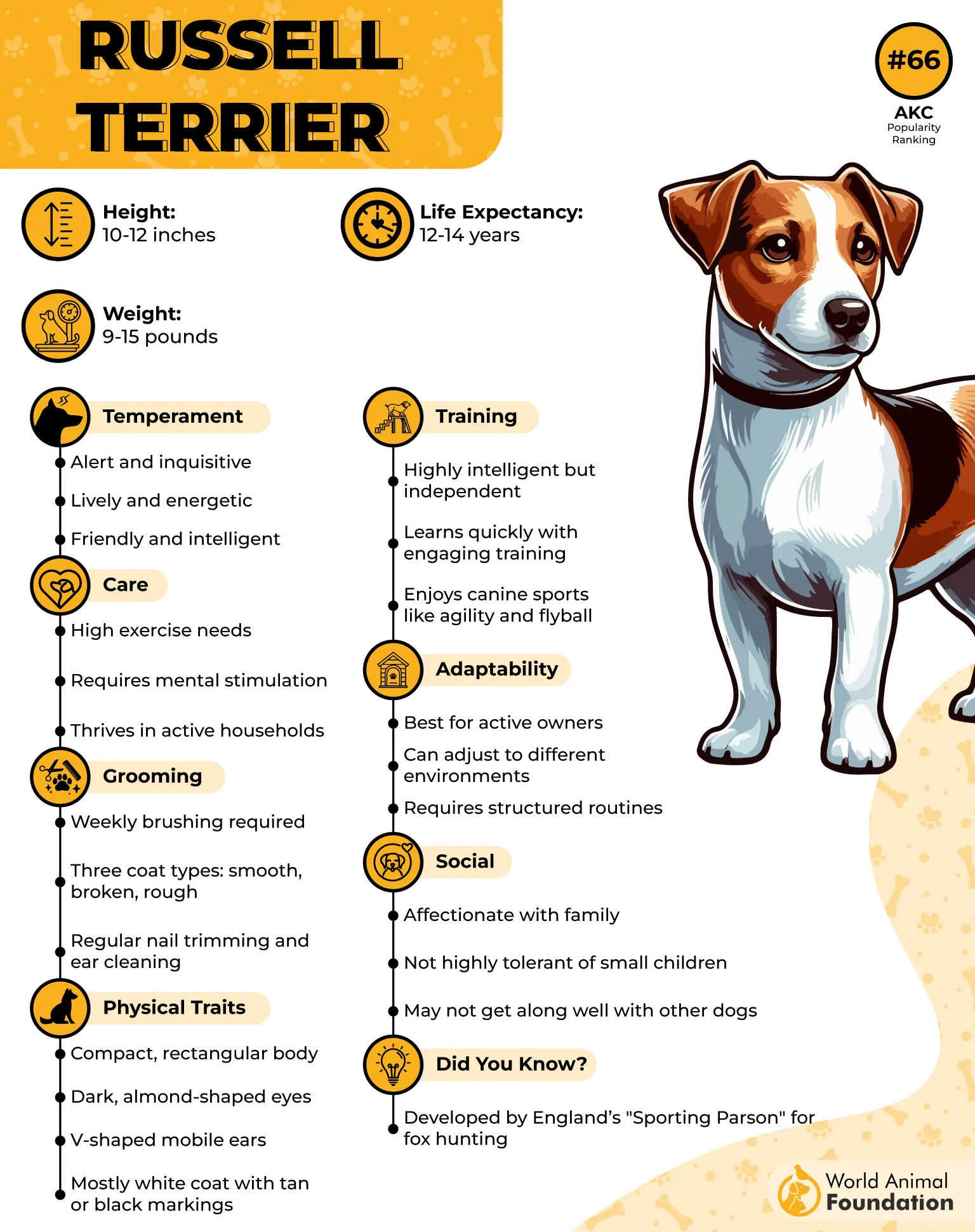
Russell Terriers are energetic, curious, and rarely content sitting still. Without enough physical activity and mental stimulation, their enthusiasm can quickly turn into mischief.
They thrive with active families who enjoy outdoor adventures and structured play. Training them requires patience, creativity, and a good sense of humor, as they learn fast but lose interest just as quickly.
Their strong prey drive and fearless nature make early socialization essential, as stated by the American Kennel Club. Understanding this spirited temperament matters because when properly engaged, a Russell Terrier’s unruliness becomes its greatest strength.
2. Beagle
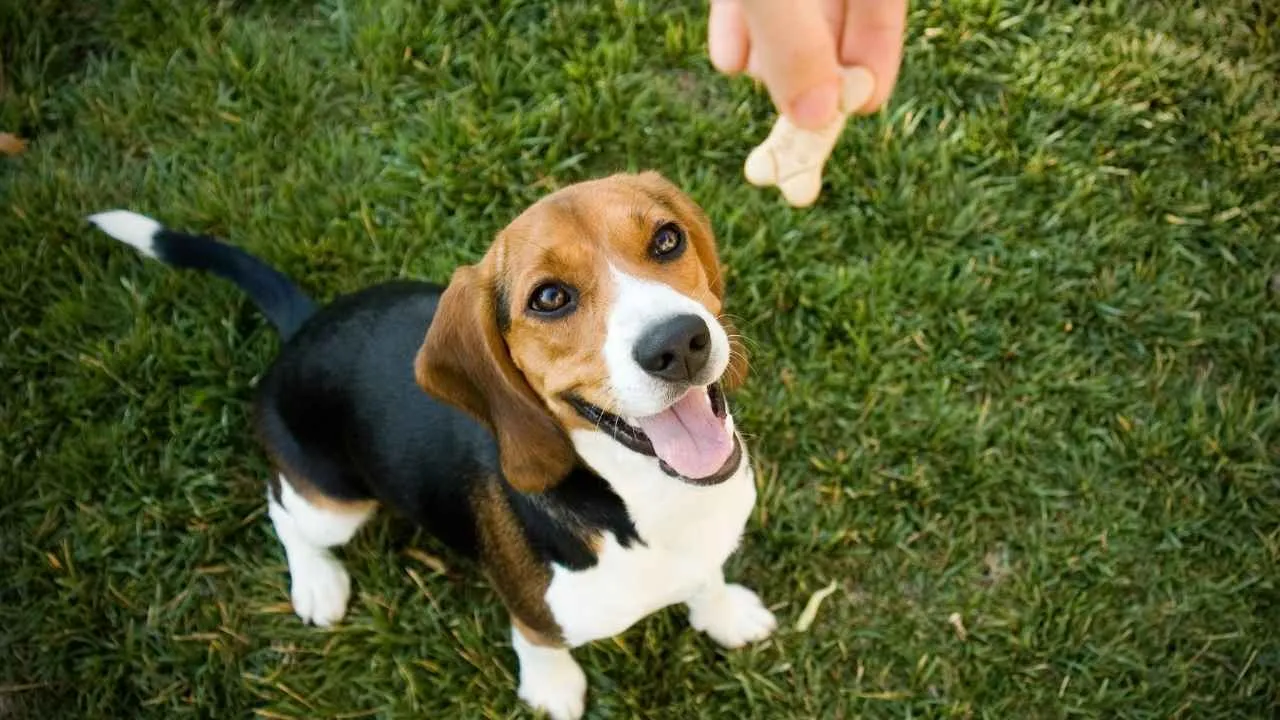
Beagles are affectionate, social, and endlessly curious, but their charm often comes with a stubborn streak that earns them a place among dogs with unruly attitudes.
Bred as scent hounds, they experience the world nose-first, and once a Beagle locks onto an interesting smell, everything else, including your commands, can fade into the background.
This strong instinct makes them adventurous, vocal, and occasionally difficult to manage.
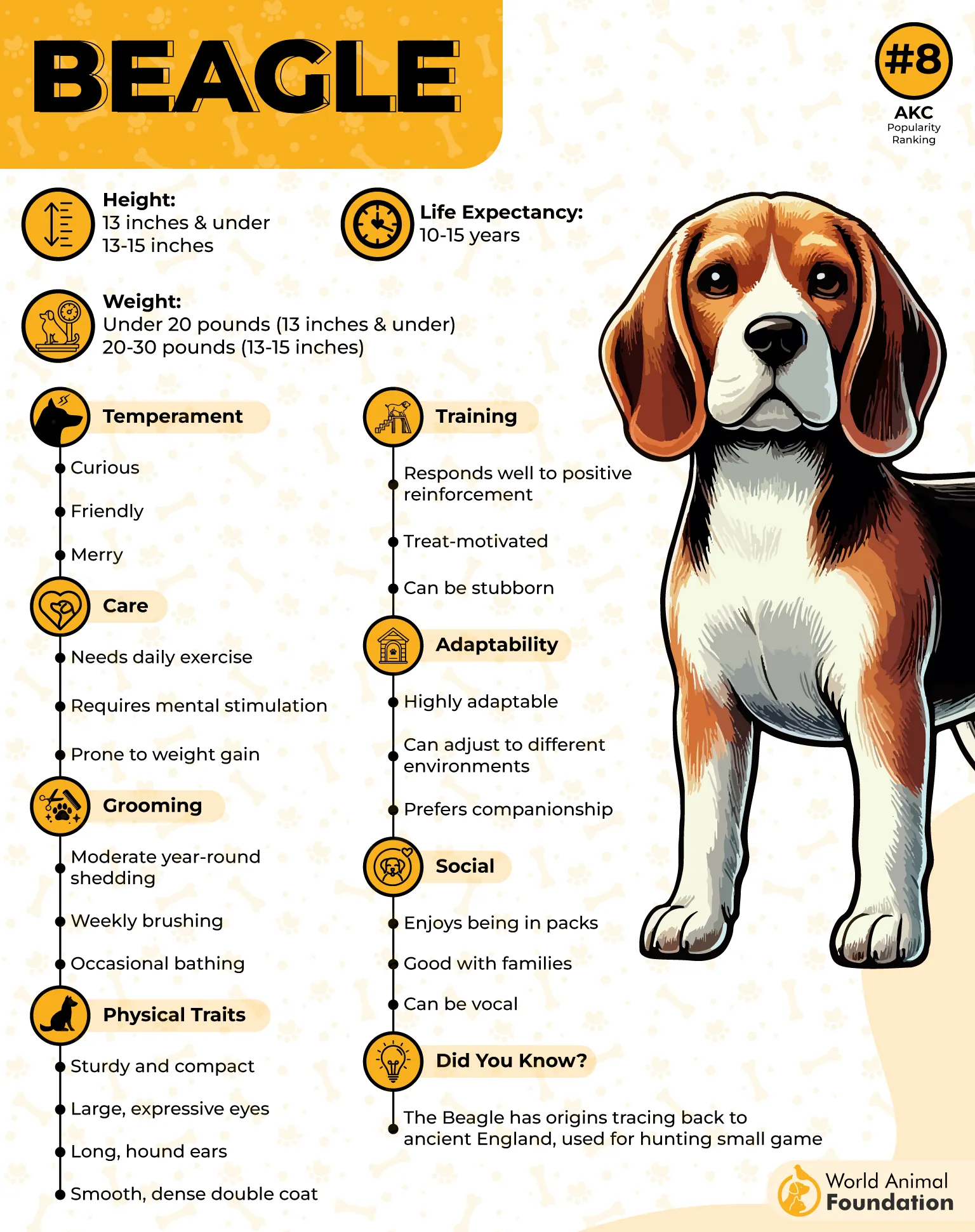
They thrive in busy households where they’re rarely alone, as boredom can quickly lead to excessive barking, chewing, or escape attempts.
Beagles are intelligent but wilful, so training requires patience, consistency, and positive reinforcement. Their high energy levels mean daily exercise and mental stimulation aren’t optional; they’re essential.
Without them, a Beagle’s playful nature can turn disruptive. Understanding this breed’s unruliness matters because it’s not bad behaviour; it’s deeply rooted instinct.
When their needs are met, Beagles are loyal, joyful companions who bring warmth and life into any home.
3. Siberian Husky
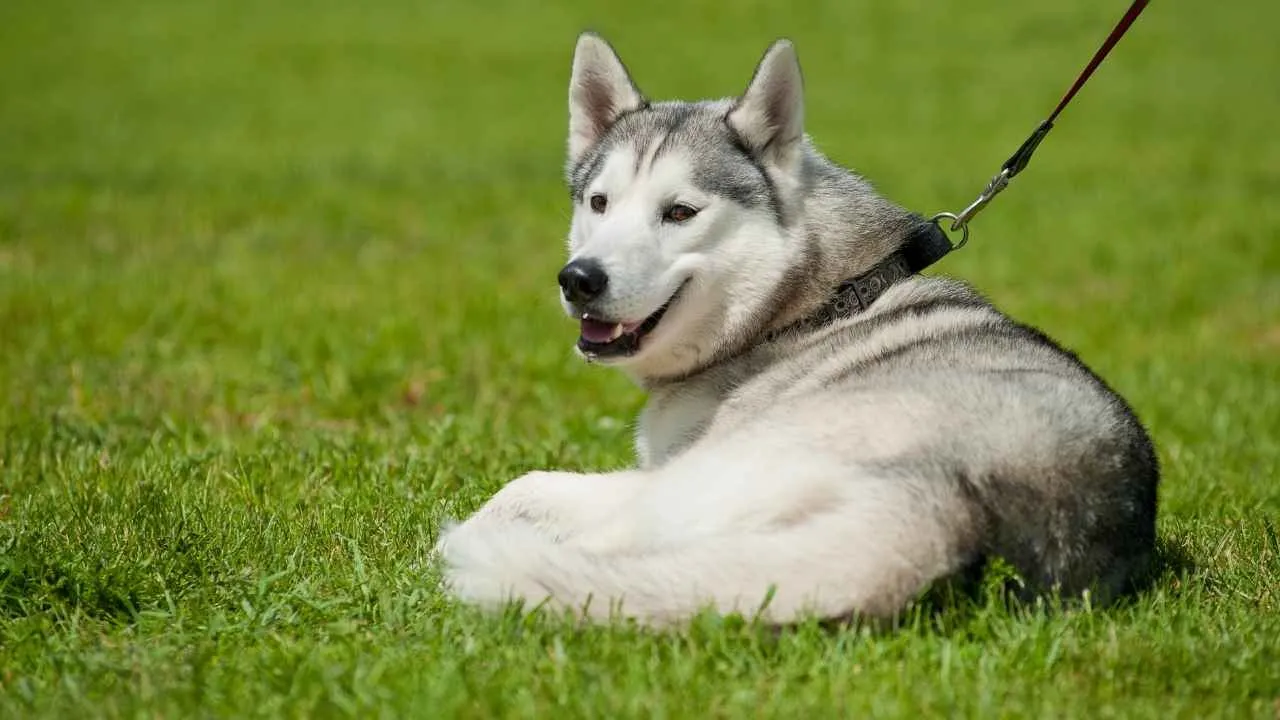
The Siberian Husky’s unruly reputation is rooted in both history and instinct.
Celebrated for their role in the 1925 serum run to Nome, these dogs earned global admiration for their endurance, intelligence, and sheer determination.
That same drive, however, can be challenging in everyday life. Huskies are fiercely independent, endlessly energetic, and famously skilled at escaping even well-secured spaces.
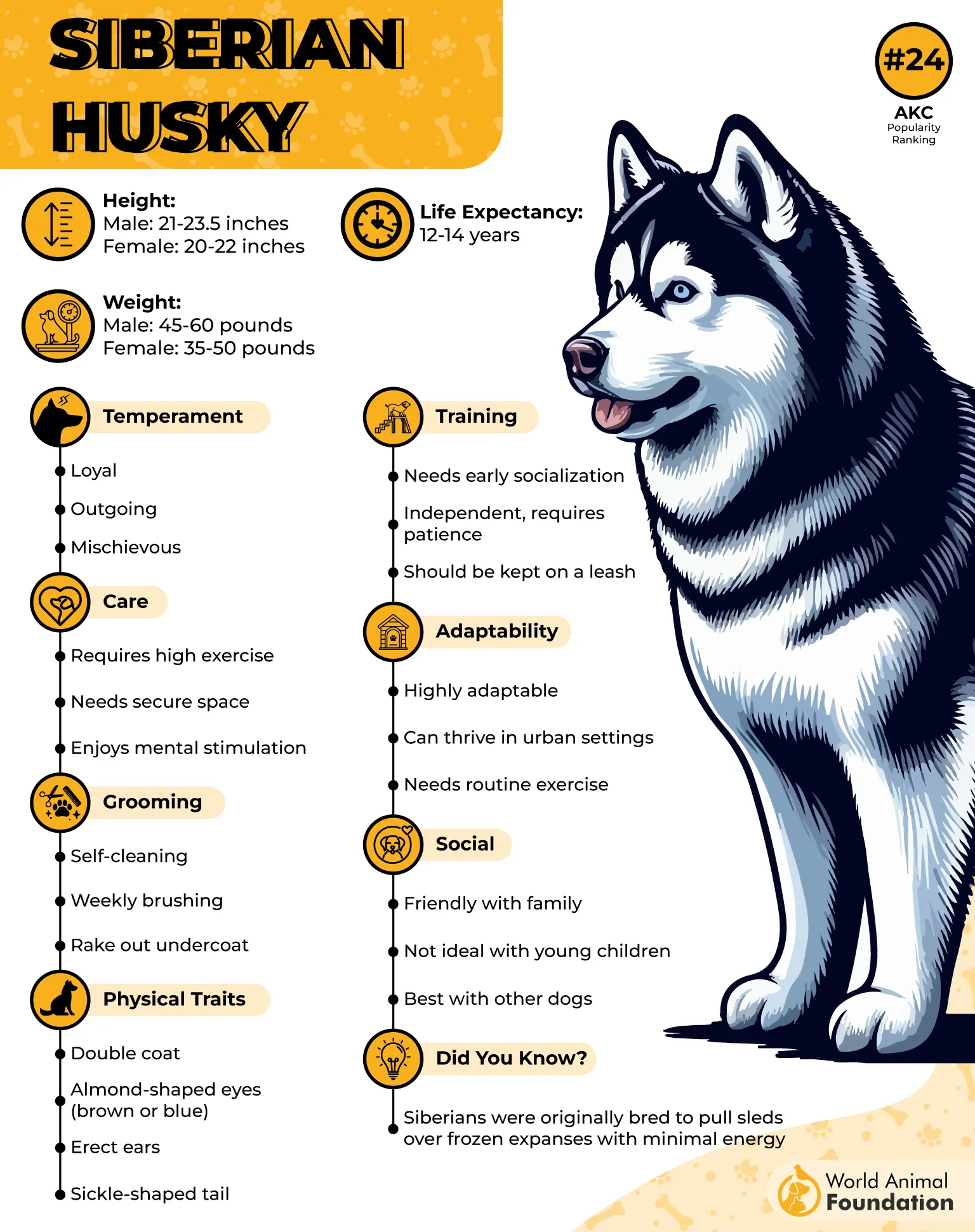
They dig, roam, howl, and follow their own logic, often ignoring commands if something more interesting catches their attention.
Friendly to a fault, they’ll greet strangers with enthusiasm rather than suspicion, making them poor guard dogs but wonderful social companions.
Huskies thrive on movement, purpose, and companionship, and they struggle when bored or left alone too long, as explained by Orvis. Their “unruliness” isn’t misbehavior; it’s a mismatch between instinct and environment.
Understanding this matters because with patience, structure, and plenty of exercise, the Siberian Husky’s wild spirit becomes a source of joy rather than frustration.
4. Chow Chow
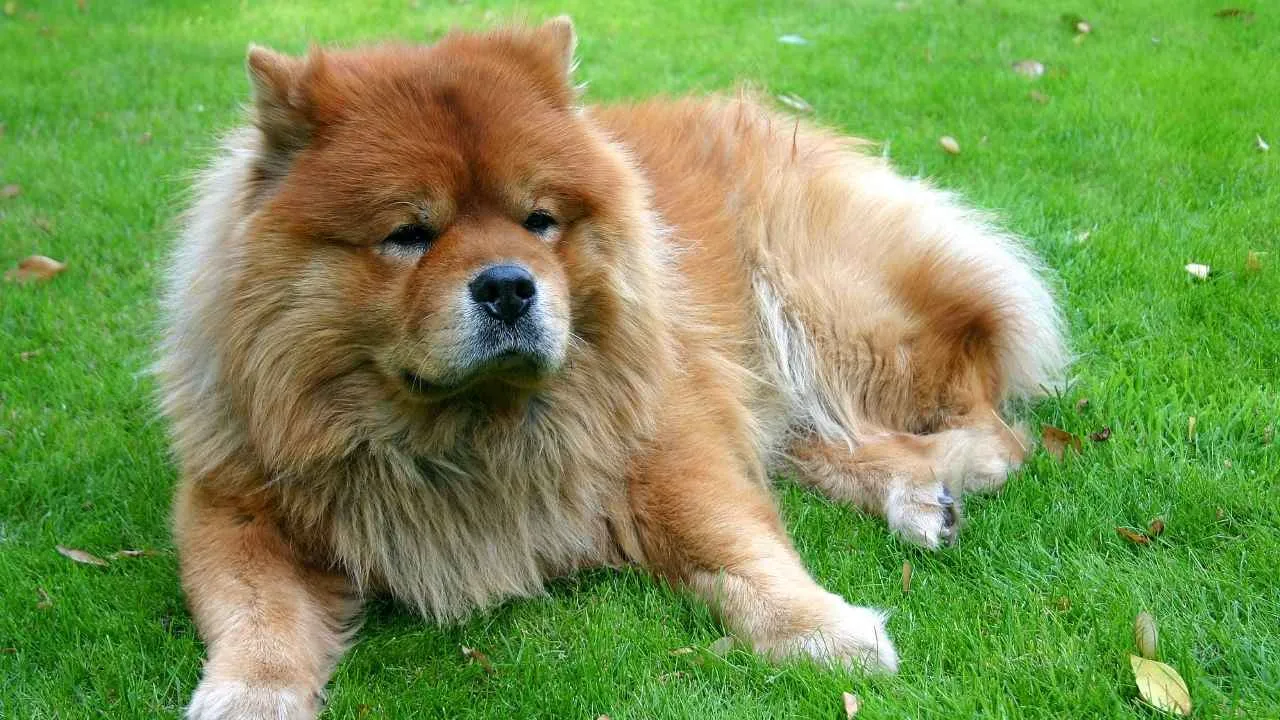
The Chow Chow may look like a calm, plush lion, but beneath that regal exterior lies a strong-willed and deeply independent personality.
One of the oldest dog breeds from China, the Chow Chow was shaped by centuries of hunting and guarding work, and that history still shows in its behavior today.
This is not a dog that lives to please. Aloof, stubborn, and fiercely protective of its space, the Chow Chow often chooses when, and if, it wants affection or interaction.
Its unruly reputation comes from this self-governing nature. Chow Chows dislike being rushed, handled roughly, or pushed into unfamiliar situations, and they don’t hesitate to set boundaries.
Without early socialization and consistent training, their wariness of strangers and intolerance for chaos can become problematic.
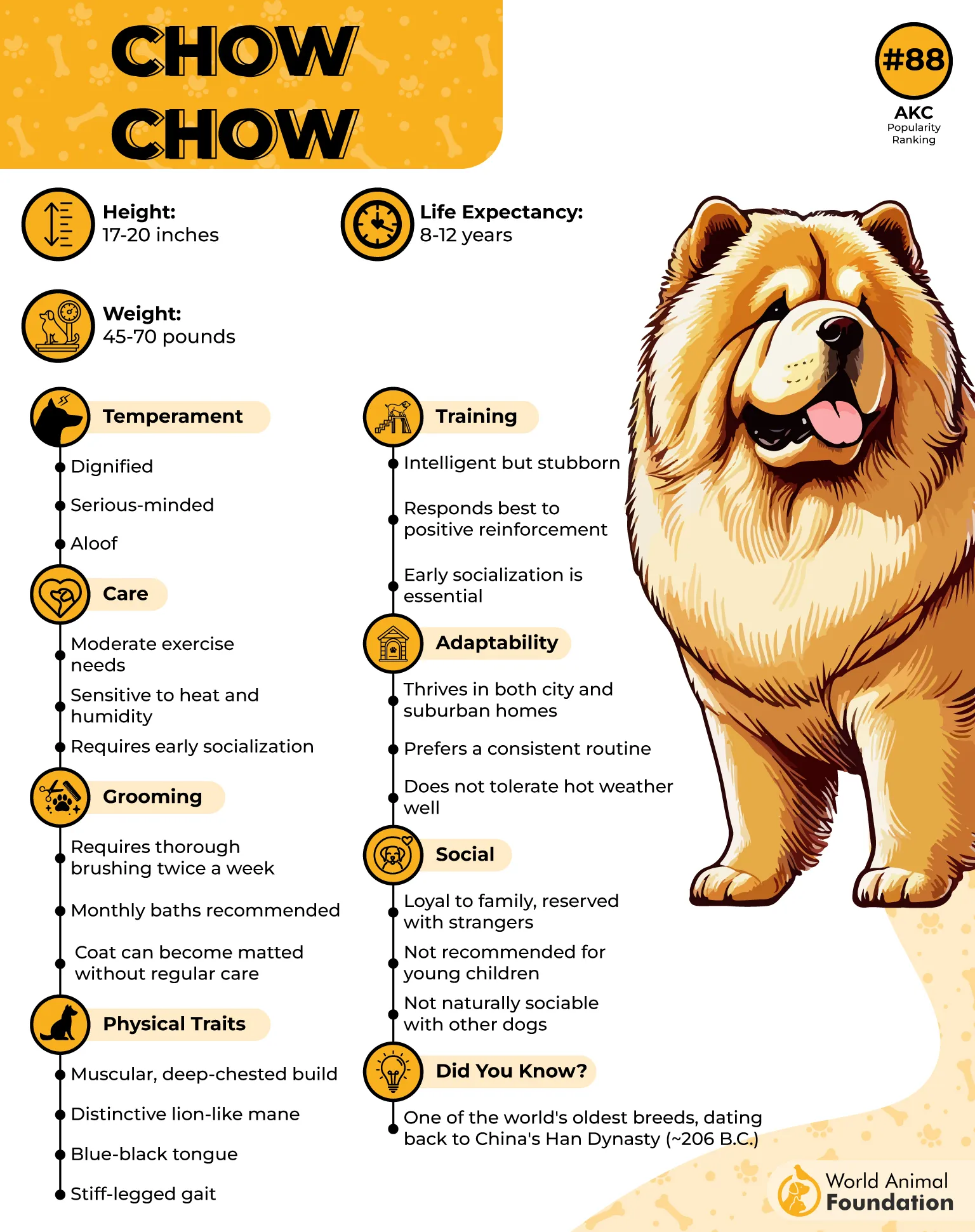
Understanding this temperament matters because the Chow Chow isn’t “difficult” by accident; it’s dignified, territorial, and loyal by design. In the right home, with patient and respectful owners, that unruliness becomes quiet devotion.
5. Dalmatian
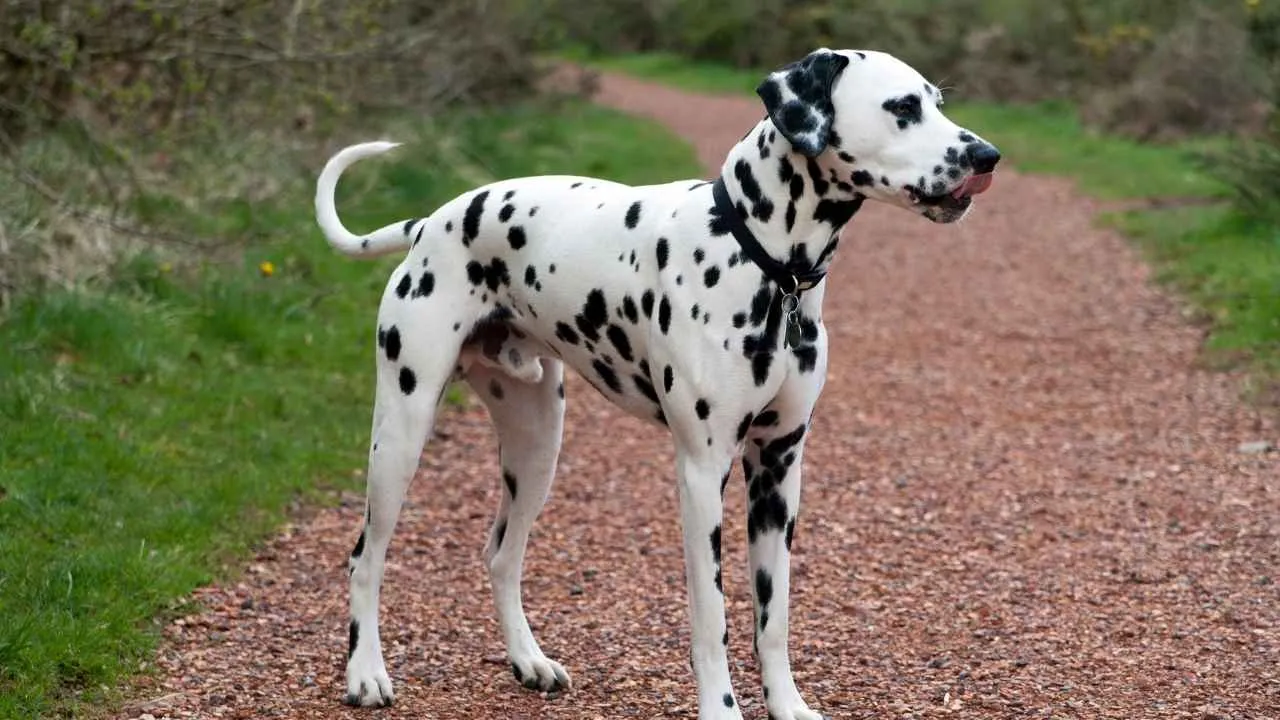
Famous for their striking spots and boundless energy, Dalmatians have a long working history that explains their often “unruly” reputation.
Originally bred to run alongside horse-drawn carriages and guard stables, these dogs are built for stamina, speed, and constant movement.
That heritage shows clearly in modern homes. Intelligent, sensitive, and highly social, Dalmatians crave both physical exercise and mental challenges.
Without them, boredom can quickly turn into destructive habits like chewing, barking, or restlessness, according to Pet Plan.
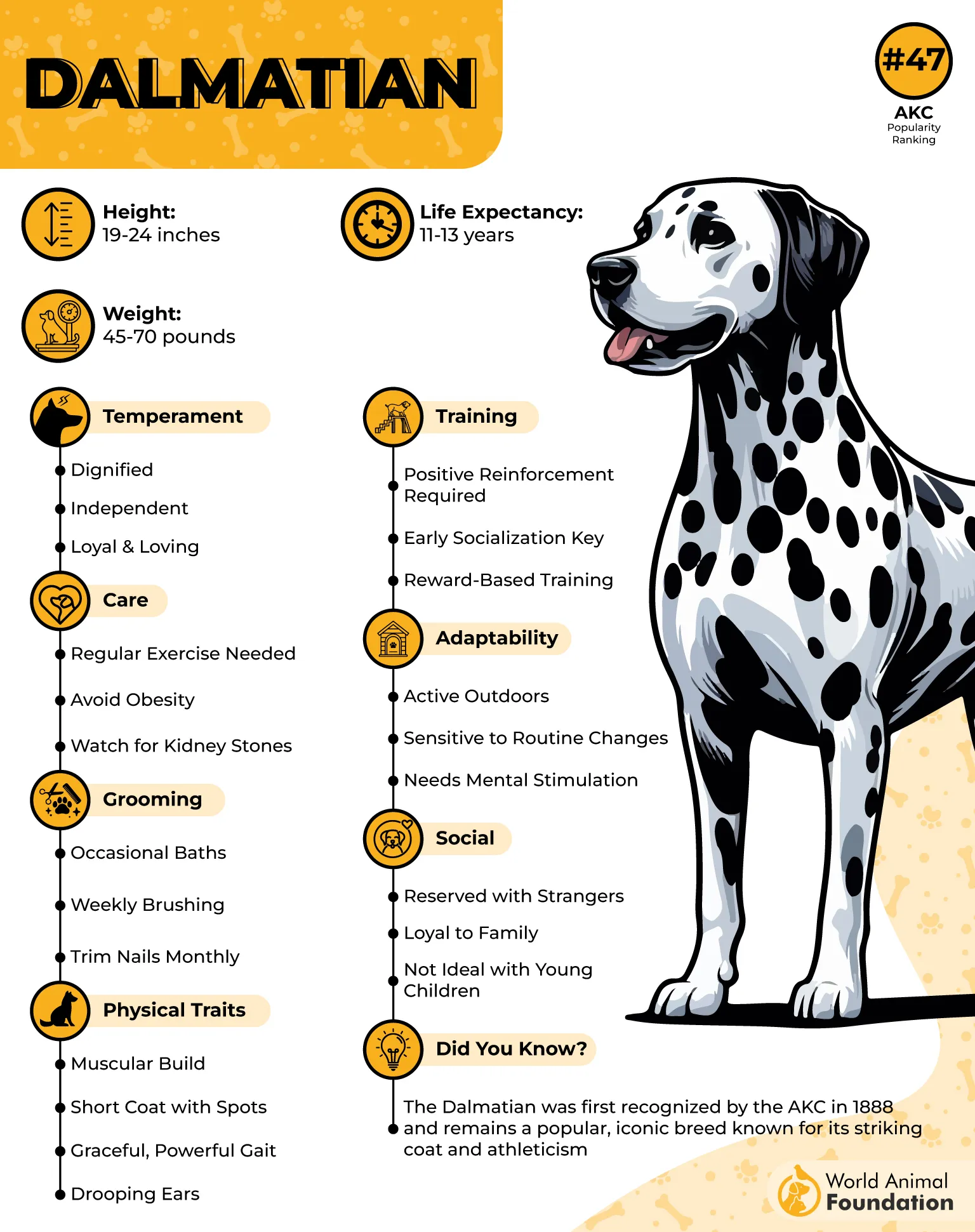
They are affectionate and playful with their families but can be reserved around strangers, which means early socialisation and consistent training are essential.
Dalmatians respond best to positive reinforcement, as harsh methods can overwhelm their sensitive nature. Often mistaken as hyperactive or difficult, they are actually misunderstood.
Their unruly behavior usually reflects unmet needs rather than bad temperament. For active, experienced owners who enjoy long walks, runs, and interactive games, a Dalmatian’s lively spirit becomes a joyful, loyal companion rather than a challenge.
6. Shar Pei
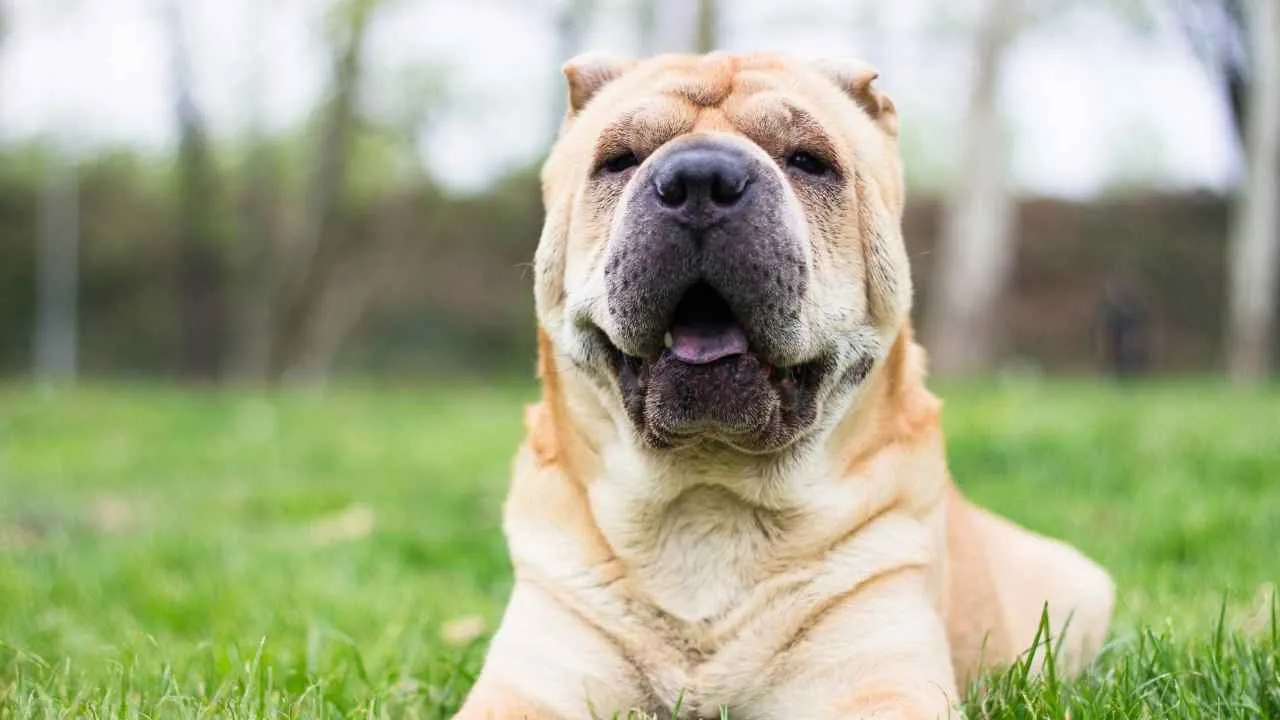
With roots stretching deep into ancient China, the Shar Pei carries a history that helps explain its strong-willed, sometimes unruly reputation.
Long before modern dog breeds emerged, this compact, wrinkled dog worked as a hunter, herder, and protector, roles that demanded independence and vigilance.
That legacy still shapes its behavior today. Loyal and deeply attached to its family, the Shar Pei can be wary of strangers and fiercely protective of its space, traits that may come across as aloof or bossy if misunderstood.
Its serious expression and deep-set eyes often cause other dogs to misread its intentions, adding to social tension.
While calm and affectionate at home, the Shar Pei needs early socialisation and steady, reward-based training to keep its confidence from tipping into stubbornness.
This breed’s “unruly” side isn’t a flaw but a reflection of its past. When respected and guided properly, the Shar Pei becomes a devoted, dignified companion with a strong sense of loyalty.
7. Akita
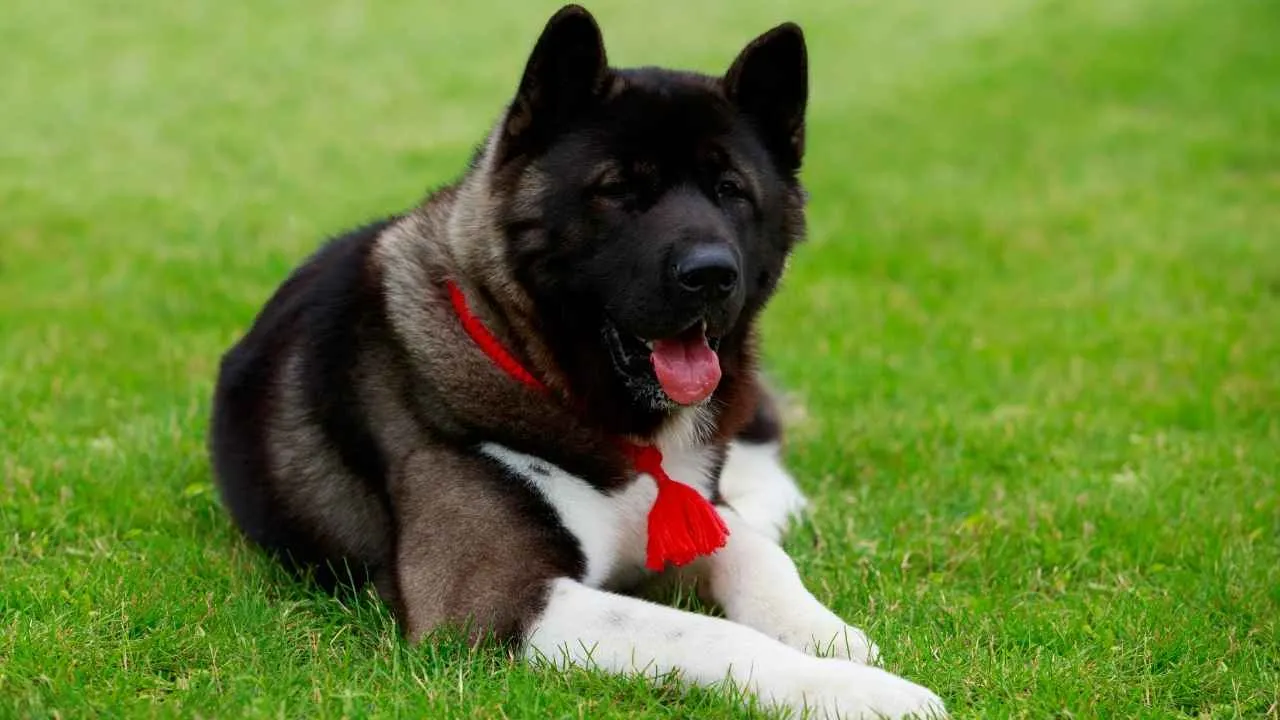
Akitas are powerful, confident dogs with a reputation for being challenging, and that reputation exists for a reason.
Strong-willed and deeply independent, they often show aggression toward other dogs, especially unfamiliar ones, making careful handling essential.
Their natural dominance and curiosity can easily turn into confrontations if boundaries are not clearly set.
While loyal and affectionate with their families, Akitas tend to be protective of their people, home, food, and space, which can come across as possessive or stubborn behavior.
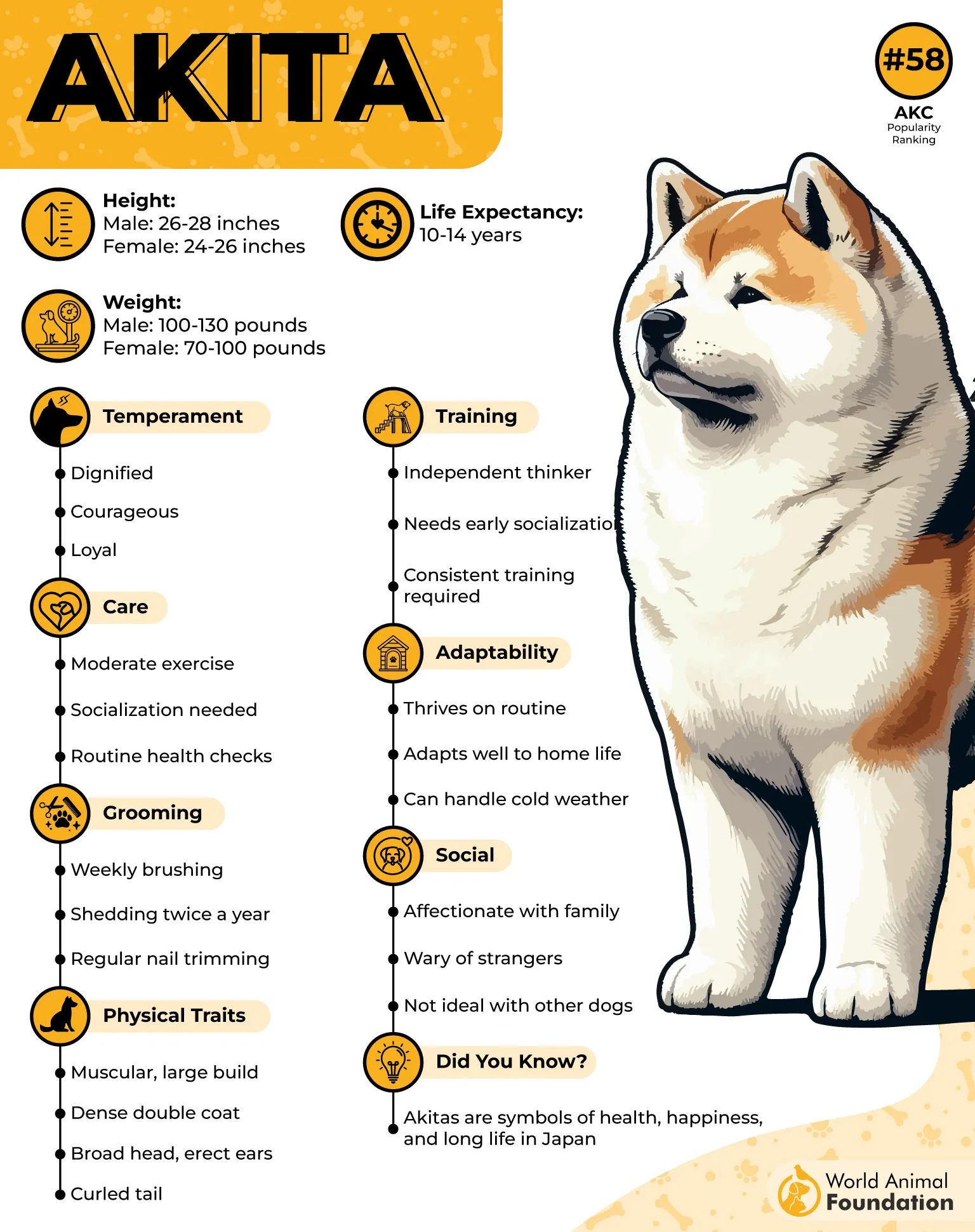
Without early socialization, they may become wary of strangers and intolerant of other animals. Their hunting instincts also mean small pets can trigger prey-driven reactions.
Akitas are intelligent and trainable, but they get bored quickly and will walk away if training feels repetitive or pointless.
This “unruly” streak matters because it demands experienced ownership, according to Akita Rescue. With firm, consistent training and respect for their instincts, Akitas become devoted guardians. Without it, their strength and independence can quickly overwhelm unprepared owners.
Conclusion
Unruly dog breeds are often mislabeled as “difficult,” but their behaviors reflect intelligence, independence, and working instincts rather than flaws.
Without consistent training, early socialization, and proper guidance, a dog’s stubborn streak or tendency to ignore commands can create challenges for owners, kids, and other animals in the household.
Proper training sessions, obedience, mental stimulation, and ample exercise help channel energy constructively and establish respect for boundaries.
When matched with experienced handlers who understand breed-specific attitude and qualities, even strong-willed dogs can thrive, becoming loyal, playful, and obedient companions.
Recognizing a breed’s independence and natural traits ensures expectations are realistic, turning what is labeled “unruly” into positive behavior. Ultimately, responsible ownership transforms temperament into trust, cooperation, and harmony between humans and their dogs.
