





What if your dog could be more than just a loving companion? What if they could also make you feel safer at home? Some dogs have a natural instinct to watch over their families, stay alert to unfamiliar situations, and step up when something feels wrong.
But choosing a protective dog is about much more than size or appearance. A reliable guardian needs the right temperament, proper socialization, consistent training, and a strong bond with its family.
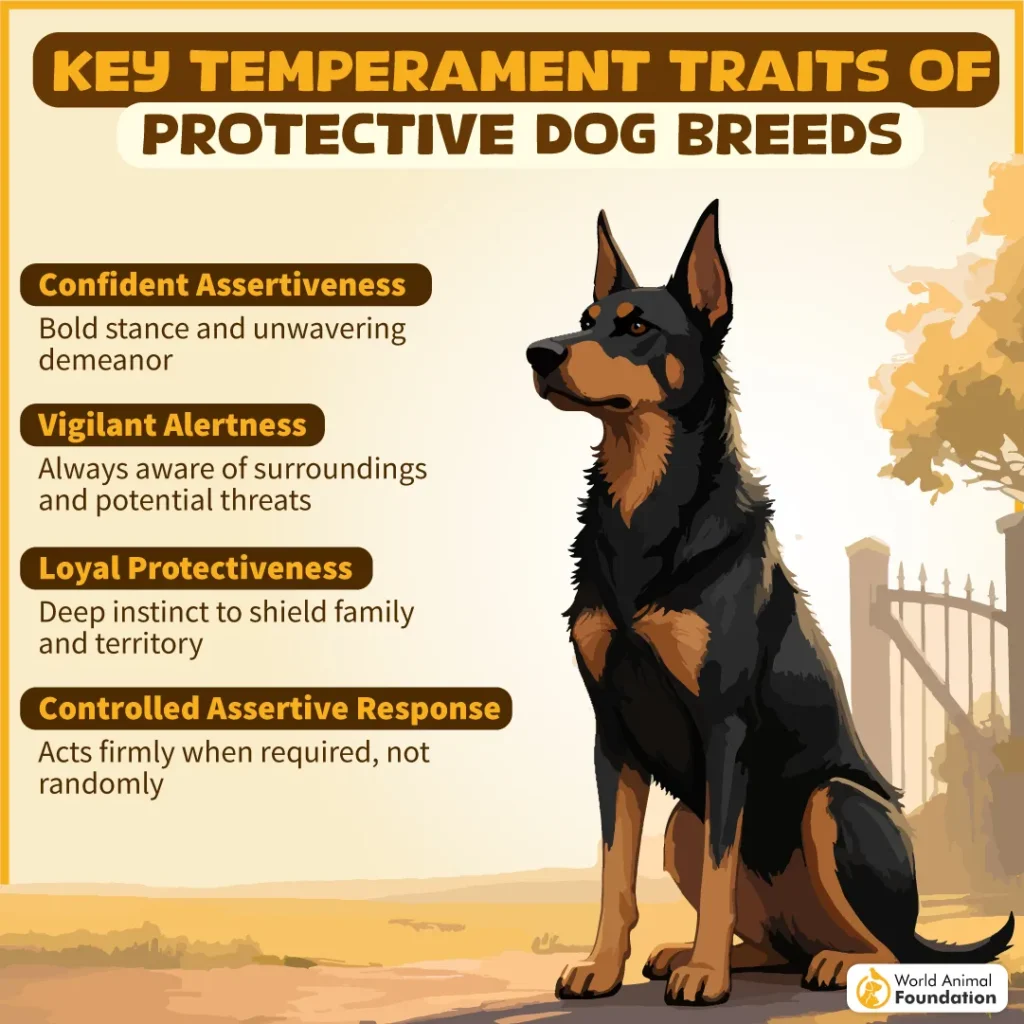
So, what makes a dog truly protective? It’s the combination of alertness, courage, loyalty, trainability, and the ability to respond appropriately rather than simply reacting to everything around them.
In this article, we’ll explore the top dog breeds known for their unmatched protective instincts and what makes each one stand out as a devoted family guardian.
Top Dog Breeds Known for Their Unmatched Protective Instincts
1. German Shepherd
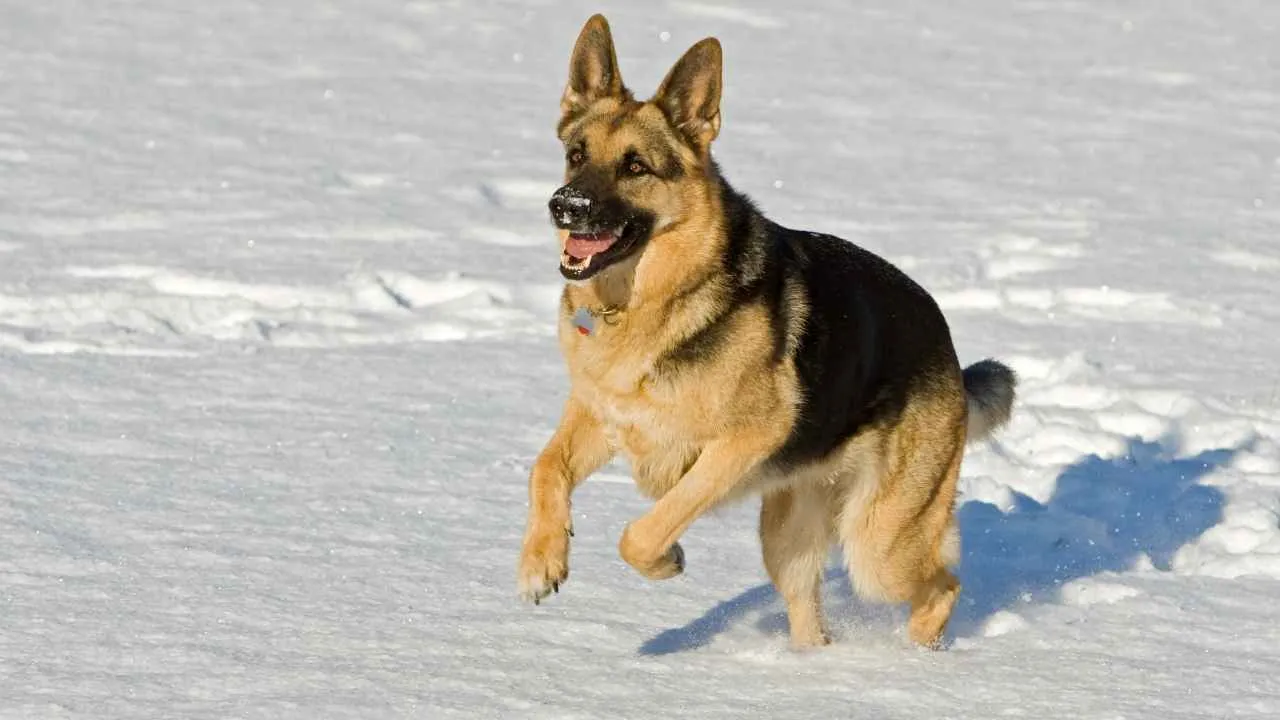
German Shepherds are large, athletic, and highly intelligent dogs with a strong sense of loyalty. Their confidence and bravery make them exceptional protectors of their families and homes.
They are often cautious around strangers and quick to bark when they sense something unusual. This alert nature, combined with their strong bond with their people, makes them one of the most reliable breeds for security and protection duties.

What Makes German Shepherds Stand Out?
Their intelligence and willingness to learn are major strengths. They need regular training, clear guidance, and plenty of mental stimulation. They also enjoy having a job to do.
These traits have made them popular working dogs in police and military roles, where they may assist with tracking, patrol work, search and rescue, and detecting drugs or explosives.
They can also work as service and guide dogs. At home, their playful and affectionate side comes out, especially with their families.
Training and Care Needs
According to PetMD, German Shepherds need about one to two hours of exercise each day, along with activities that keep their minds busy. Without enough exercise or stimulation, they can become bored and destructive.
Early socialization and consistent training are important, especially around children, guests, other dogs, and pets. They can be wonderful family companions when properly guided, but some may become overly protective or aggressive without good socialization.
2. Rottweiler
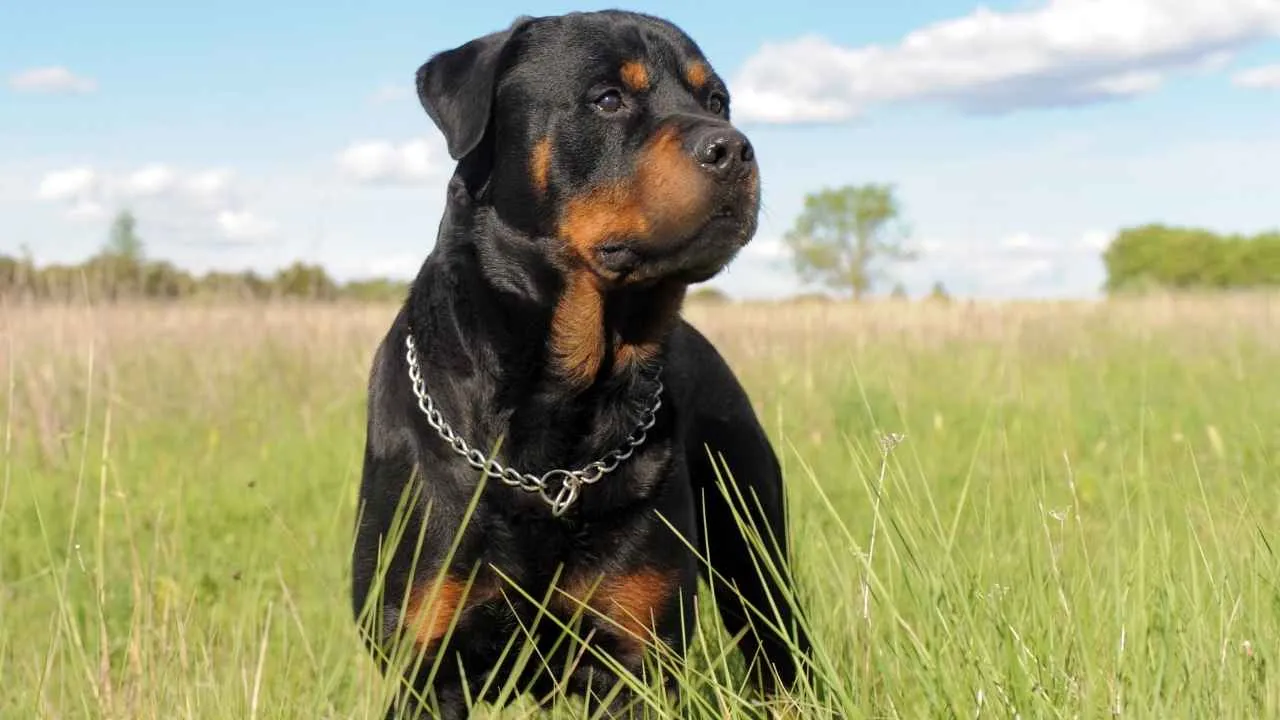
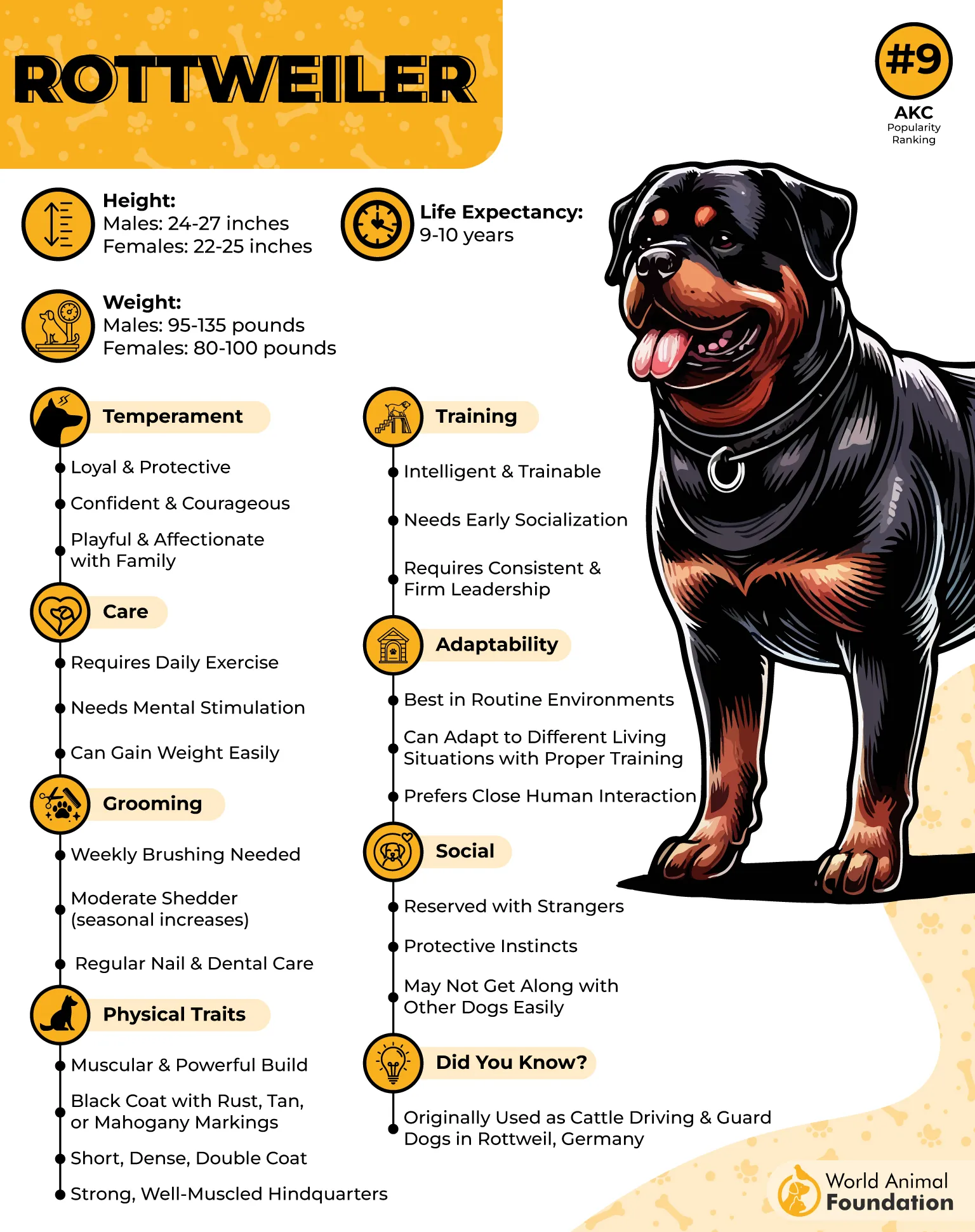
Rottweilers were developed as working and guardian dogs. They helped control livestock, pull carts, and protect their owners from robbers.
These demanding jobs required strength, courage, intelligence, and a willingness to work. Those qualities still shape the breed today. Rottweilers are confident and devoted dogs that can be calm and affectionate with their families while staying alert around unfamiliar people.
What Makes Rottweilers Stand Out?
Rottweilers are naturally confident and can act independently when needed. They are not usually prolific barkers, but they may bark when they encounter unfamiliar people or situations. Their protective instincts need careful direction from an early age.
They learn quickly, although they can sometimes be stubborn when they do not want to follow a command. Early and continuous socialization is essential, especially around children, visitors, and other dogs.
Training and Care Needs
Rottweilers need at least 60 minutes of daily exercise, along with mental stimulation and activities that give them a sense of purpose. Walks, hikes, backyard play, and dog sports can help keep them engaged.
Without enough activity, they may become bored and start chewing, digging, or causing damage. Training should begin during puppyhood and continue throughout their lives. They are best suited to experienced owners who can provide firm, patient, and consistent guidance.
3. Doberman Pinscher
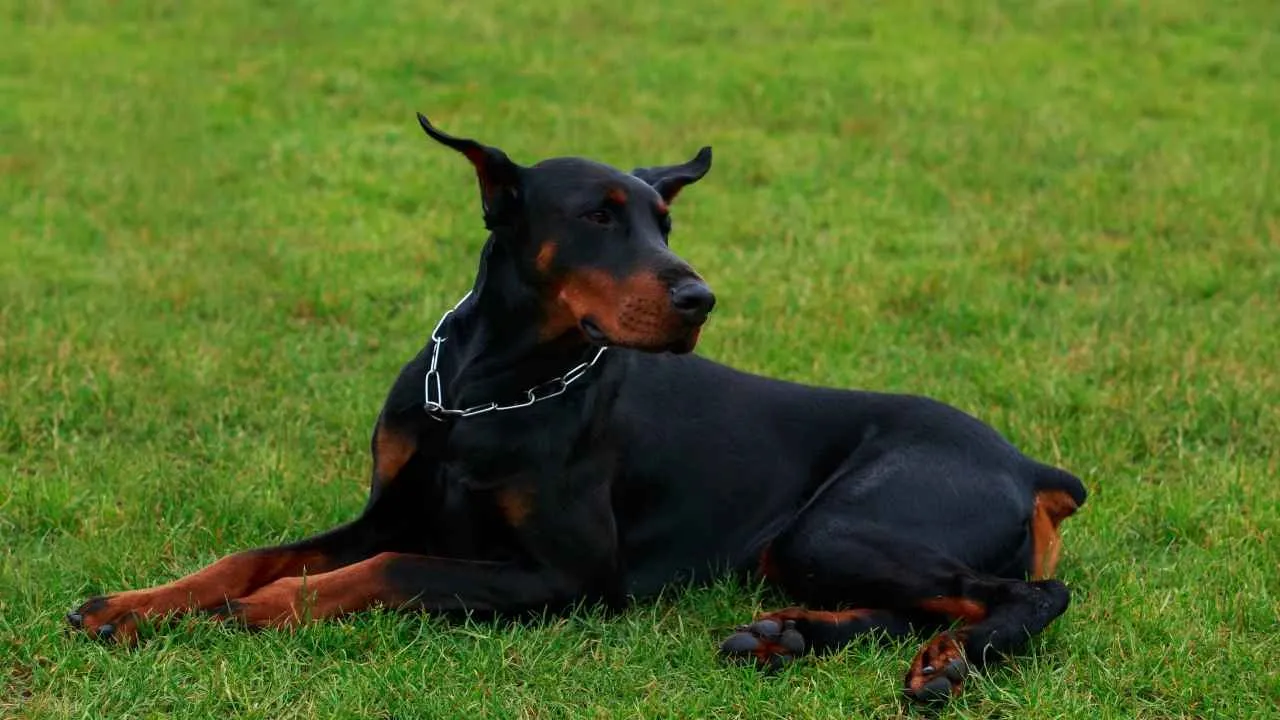
Doberman Pinschers were developed in Germany in the late 1800s by Louis Dobermann, a tax collector, according to Britannica. The breed likely came from several working and hunting breeds.
Today, Dobermans are known for their intelligence, unwavering loyalty, and sharp awareness. They are valued as family companions as well as security, police, military, and search-and-rescue dogs. Their alert nature and strong loyalty make them excellent guardians.
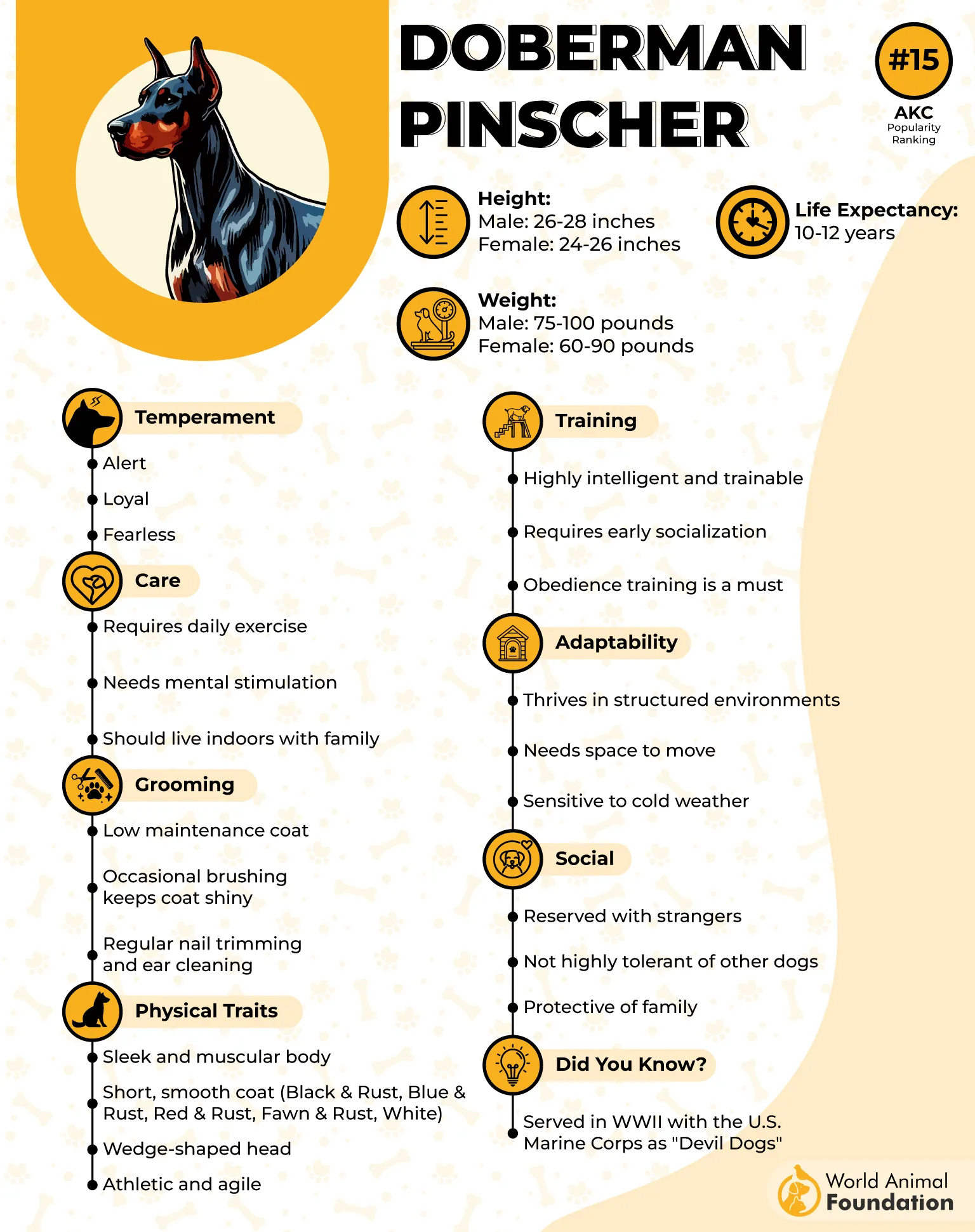
What Makes Dobermans Stand Out?
Dobermans are highly attentive and usually quiet, sounding an alarm when something seems wrong. They are naturally protective of their families and territory. They can be reserved with strangers but are affectionate and sensitive with people they trust.
Their intelligence also allows them to learn complex tasks quickly. However, their protective nature needs proper direction. Early and consistent training and socialization help them respond appropriately to people, other dogs, and new situations.
Training and Care Needs
Dobermans have very high energy levels and need regular physical exercise and mental challenges. Training, games, and other activities help keep them engaged and prevent boredom-related destructive behavior.
Their strong prey drive means they may chase small animals, so secure fencing and leash use are important outdoors. They can live with cats and other dogs when properly socialized, although some may be aggressive toward unfamiliar dogs, especially males.
4. Belgian Malinois
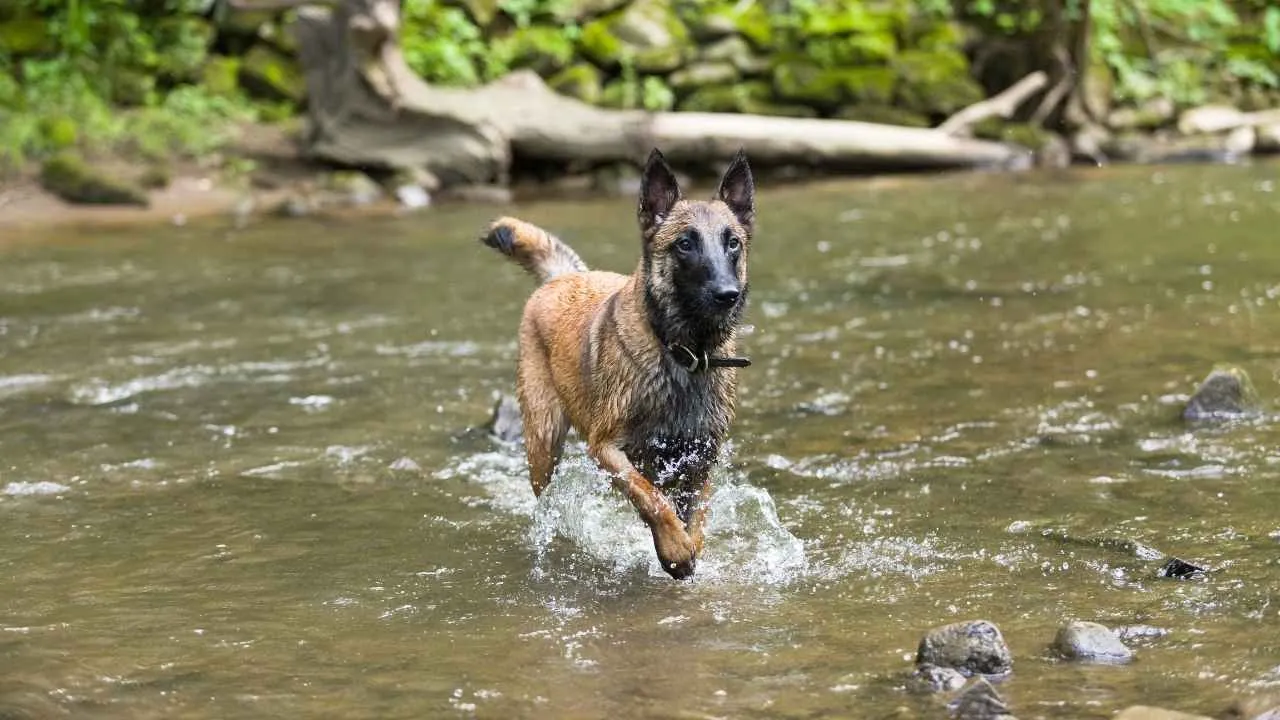
Belgian Malinois are confident, intelligent, and hardworking dogs with strong protective instincts. Originally bred for herding in Belgium, their intelligence and drive later made them valuable in police, military, and search-and-rescue work.
They are also used for bomb and drug detection. These dogs are playful and energetic without usually being hyperactive. They are highly focused, respond quickly to their handlers, and rarely give up when faced with a challenge.
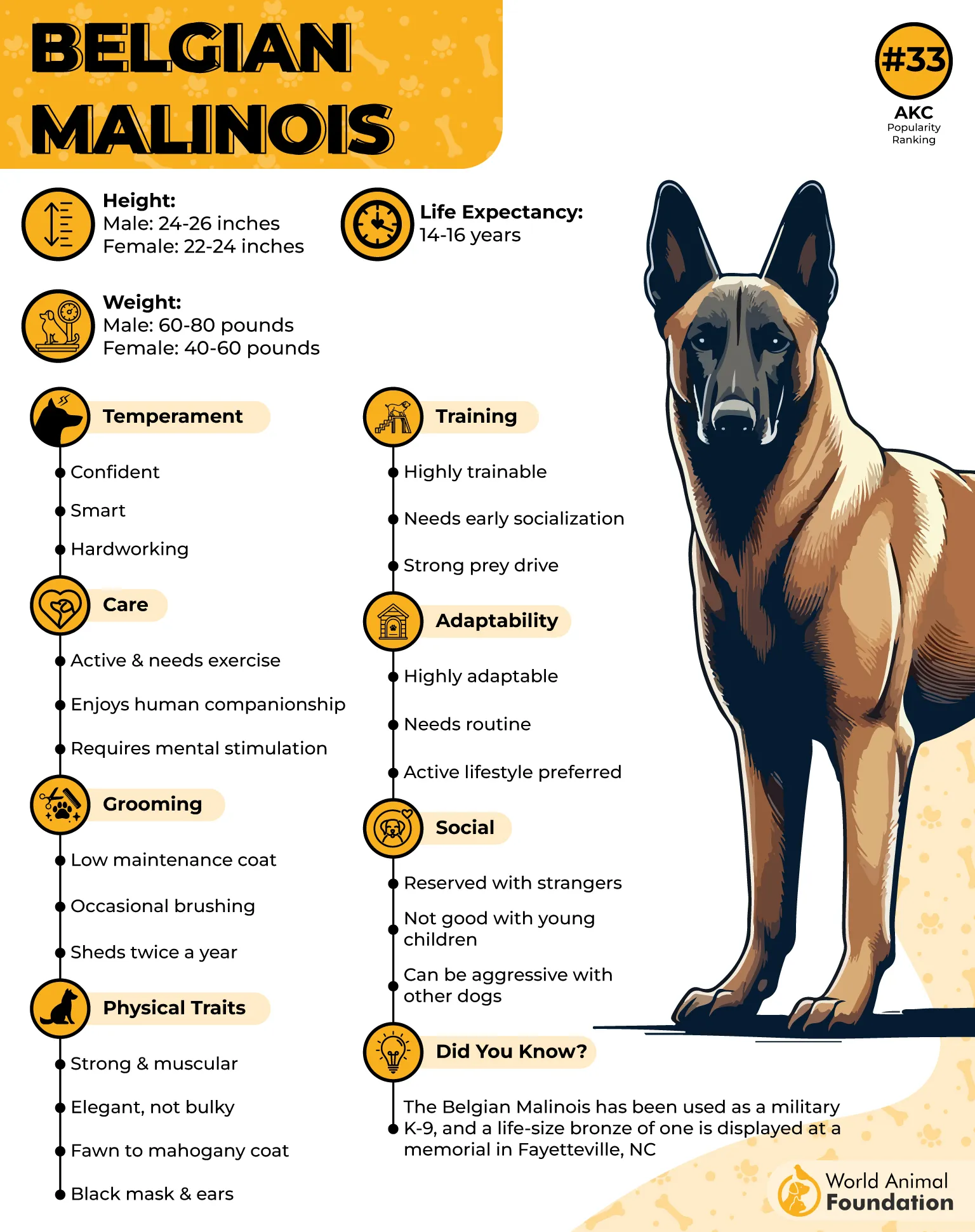
What Makes Belgian Malinois Stand Out?
Belgian Malinois are naturally alert and protective of their people and territory. They can watch a property closely and sound an alarm when someone approaches. Their strong physique and fearless nature can also discourage unwanted visitors.
However, they are often reserved around unfamiliar people and dogs. They also have a strong prey drive and may chase moving objects, cats, other dogs, or even cars.
Training and Care Needs
Belgian Malinois need far more than a daily walk. They require extensive exercise, mental stimulation, and long-term training. Running, hiking, biking, agility, tracking, herding, and obedience work can help meet their needs.
Without enough activity, they may become bored and destructive. They are not ideal for apartments, long periods alone, first-time dog owners, or less active households.
5. Bullmastiff
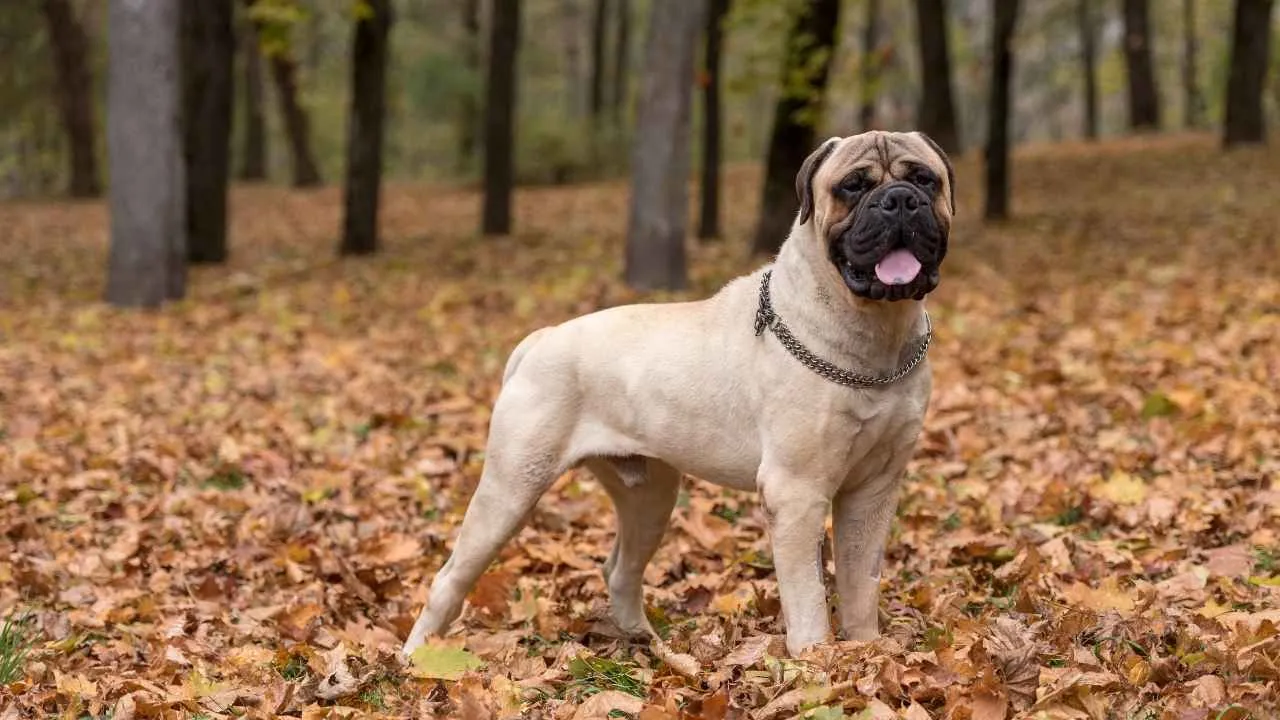
Bullmastiffs were developed in England by gamekeepers to guard against poachers. They were created by crossing Bulldogs with Mastiffs, producing a powerful dog that could listen to commands and protect its territory.
They are usually quiet dogs and are not known for excessive barking, but their confident presence alone can make them effective deterrents.
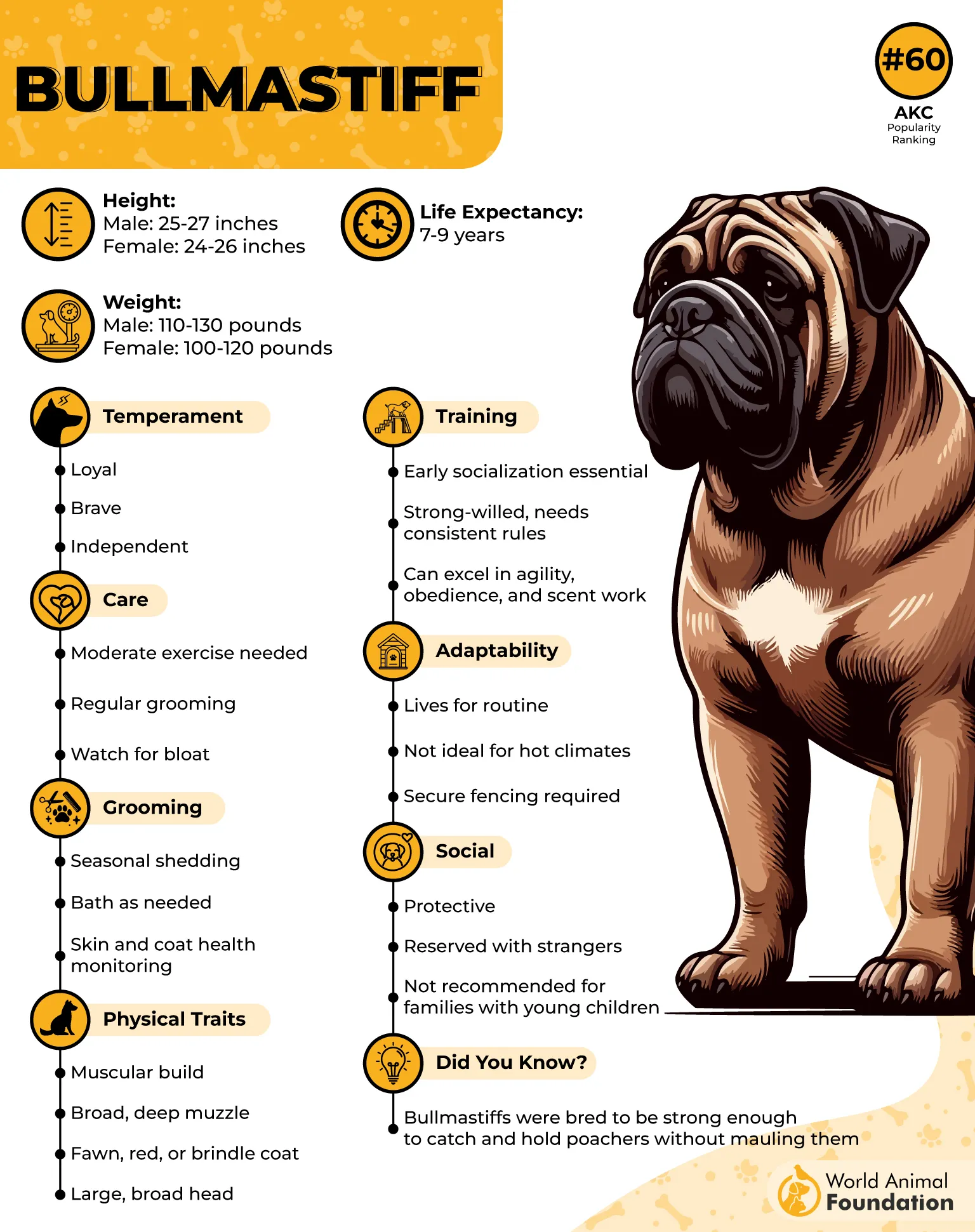
What Makes Bullmastiffs Stand Out?
Bullmastiffs are naturally alert and may be reserved around strangers, while remaining loving and devoted to their people. They form strong bonds with their families and enjoy being close to them. Their intelligence and reliable nature also make them responsive to training.
Early socialization helps them become more comfortable around visitors, children, other dogs, and new situations. Their large size and strength mean that training should begin early, especially while they are still puppies and easier to manage.
Training and Care Needs
Bullmastiffs need daily exercise, such as long walks and playtime in a securely fenced yard. They are not ideal running partners because they lack the stamina for long-distance running.
Training should teach basic cues such as sit, stay, and down, along with calm leash walking and appropriate behavior around people and other dogs. They enjoy human company and should not be left alone for long periods.
6. Akita
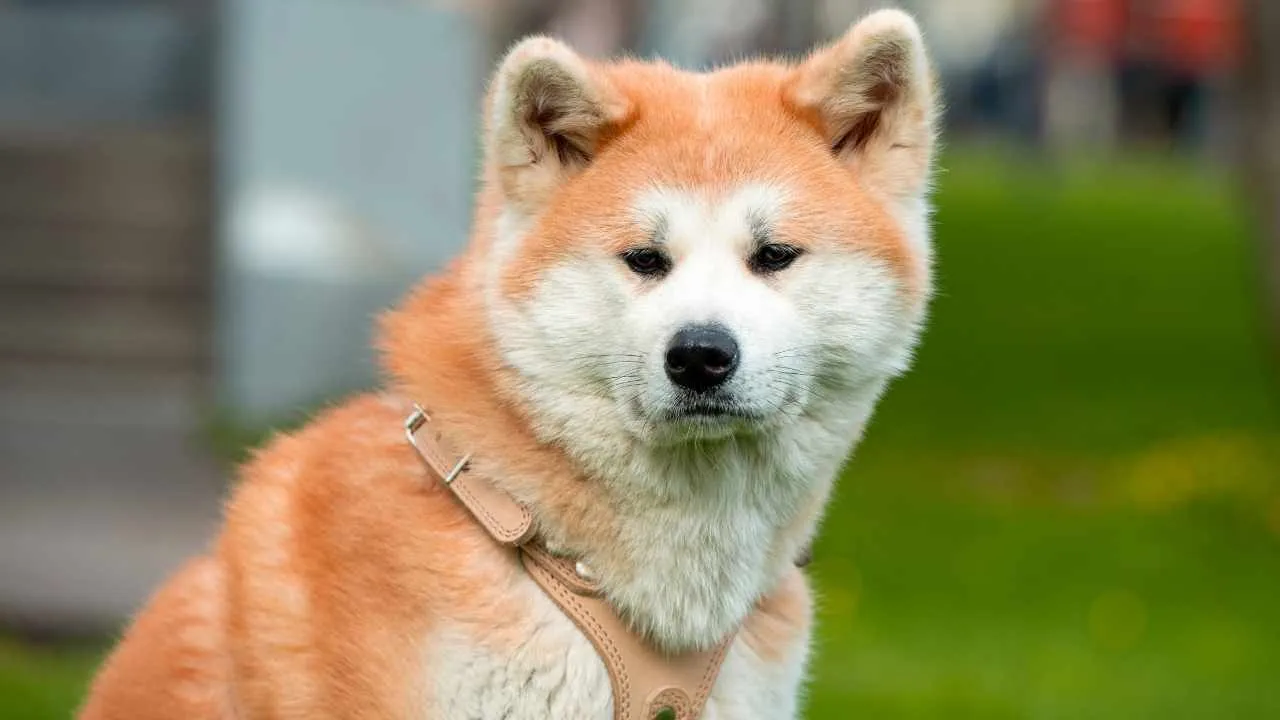
Akitas are powerful Japanese dogs with a long history of hunting and guarding. They are known for their courage, intelligence, and deep loyalty to their families. The famous story of Hachiko, who waited for years for his late owner, reflects the breed’s remarkable devotion.
Akitas are affectionate and playful with their families but often reserved around strangers, as mentioned by Orvis. They are also excellent watchdogs and will alert their people when someone enters their territory without being excessive barkers.
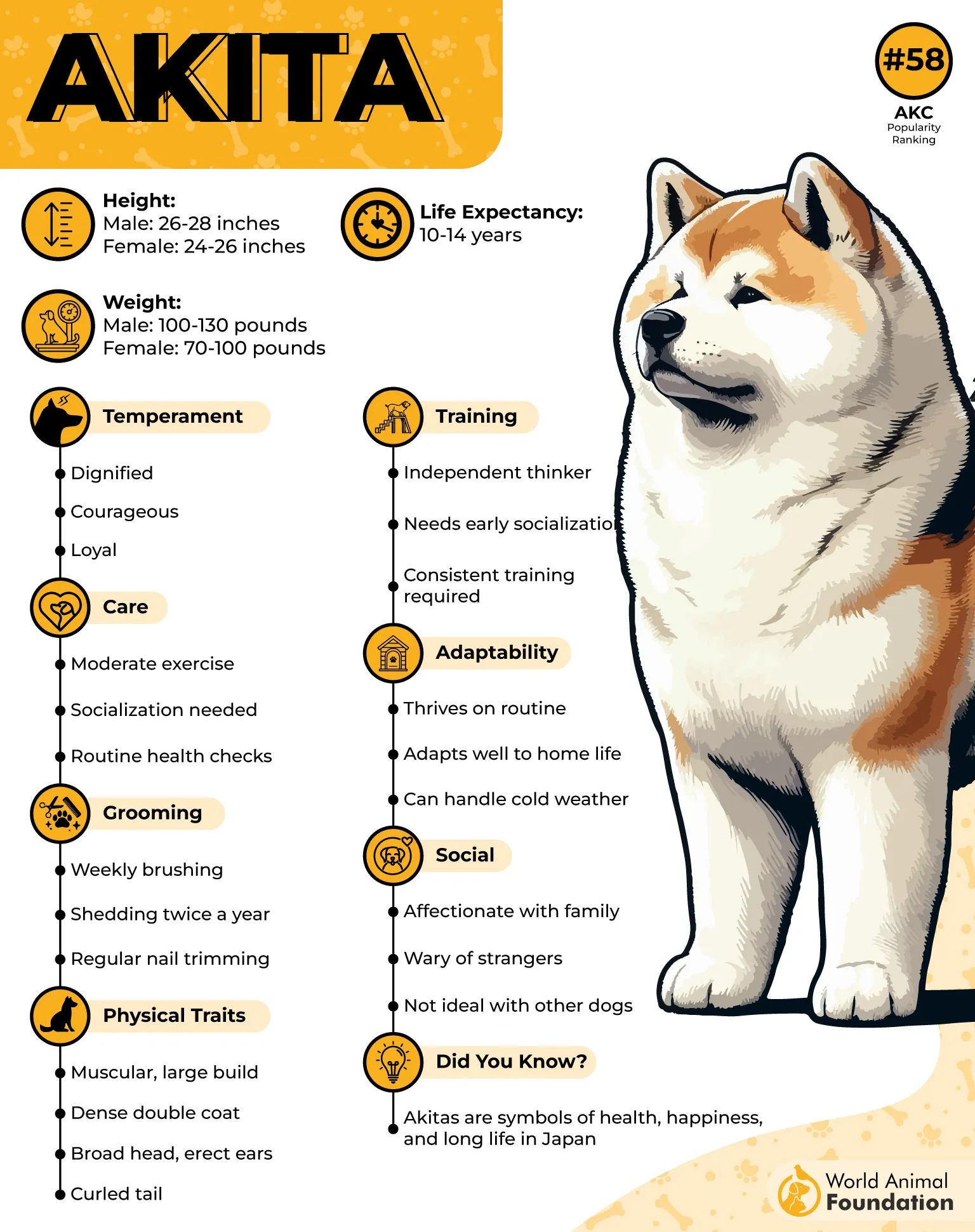
What Makes Akitas Stand Out?
Akitas are naturally watchful and protective. They may place themselves between their family and a perceived threat. Their independent nature means they can make decisions on their own, but this also makes early training and socialization essential.
They can be cautious with unfamiliar people and may show aggression toward unfamiliar dogs. They usually tolerate pets they have grown up with, although they can be dominant.
Children in the family may receive strong protection, but all interactions with children and other pets should be supervised.
Training and Care Needs
Akitas are strong-willed and best suited to experienced owners who can provide firm, consistent guidance. They enjoy mental and physical challenges, including long walks, hikes, play, and puzzle activities.
Their thick, plush coats need consideration in warm weather because they can be sensitive to heat, making cooler climates more suitable. Akitas become strongly attached to their families and do best in active homes where they can spend plenty of time with their people.
7. Cane Corso
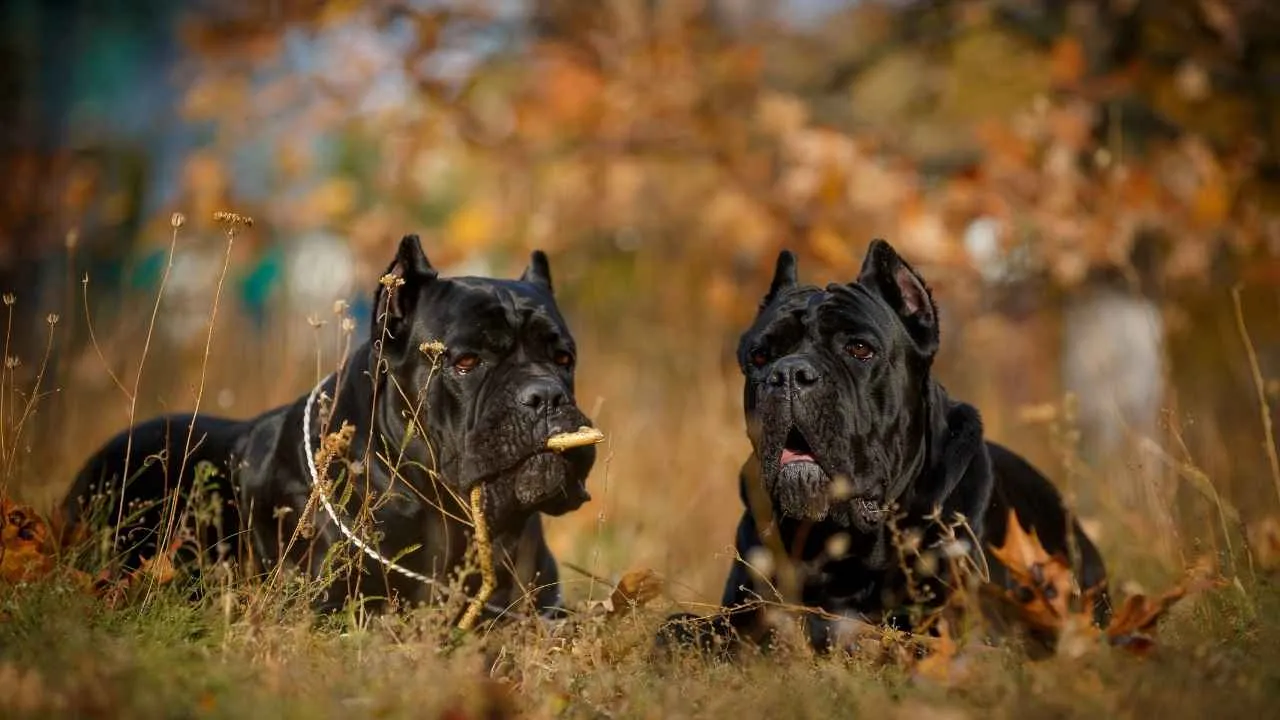
Cane Corsos, also known as Italian Mastiffs, are exceptional working dogs with a long history of protection. Their ancestors were linked to ancient Greece and Rome, and the breed later worked as watchdogs, farm dogs, hunters, and even canine soldiers.
Their name is often translated as “guard dog of the courtyard,” which fits their natural protective instincts. Despite their imposing appearance, Cane Corsos can be affectionate, loyal, and deeply devoted to their families.
What Makes Cane Corsos Stand Out?
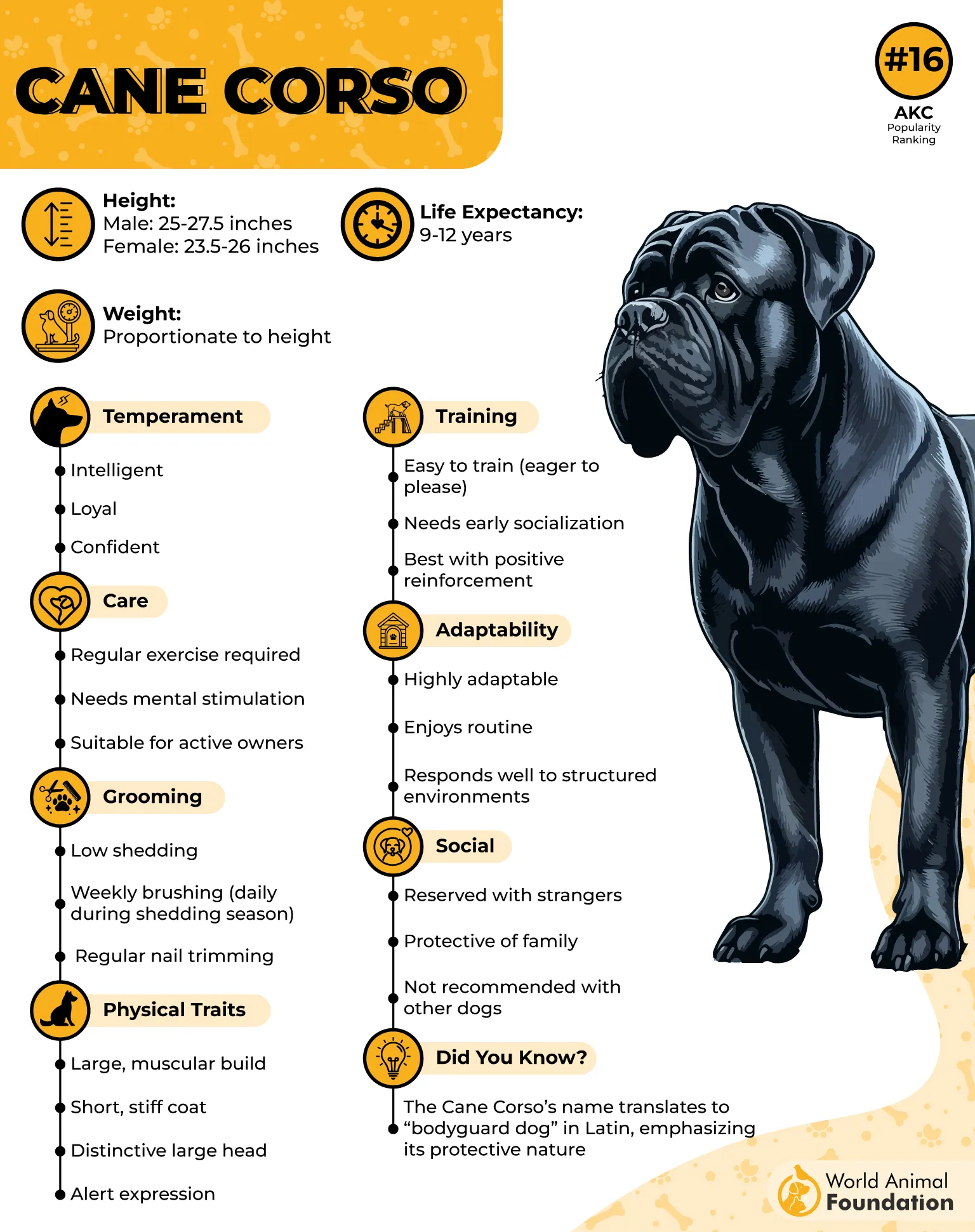
Cane Corsos are intelligent, confident, and eager to please, but they can also be willful and naturally cautious around unfamiliar people and animals. They take their role as family guardians seriously and may be suspicious of potential intruders.
Their protective instincts need proper direction, so early socialization is essential. They should be introduced to different people, animals, and situations from a young age. With consistent positive-reinforcement training, they can learn to respond calmly and appropriately.
Training and Care Needs
These muscular working dogs need plenty of daily exercise and regular mental stimulation. These highly obedient dogs are best suited to experienced owners who can devote time to training, socialization, and activity.
Their short, smooth coats are relatively easy to maintain, although moderate shedding occurs throughout the year. Cane Corsos are generally healthy but may be prone to obesity, hip and elbow dysplasia, epilepsy, and bloat.
Conclusion
Choosing a protective dog is about more than finding the strongest or most intimidating breed. The dogs in this guide stand out for their strong loyalty, courage, intelligence, alertness, and natural guarding instincts.
But those qualities need the right direction. Early socialization, consistent training, daily exercise, and a suitable home environment all play a major role in helping a protective dog become a confident and reliable protector.
Before choosing a breed, take time to consider your lifestyle, experience, family, and ability to meet the dog’s physical and mental needs.
The best four-legged protector is not simply the dog that looks the toughest. It’s the one that trusts you, understands your guidance, and knows when to protect and when to relax.
