




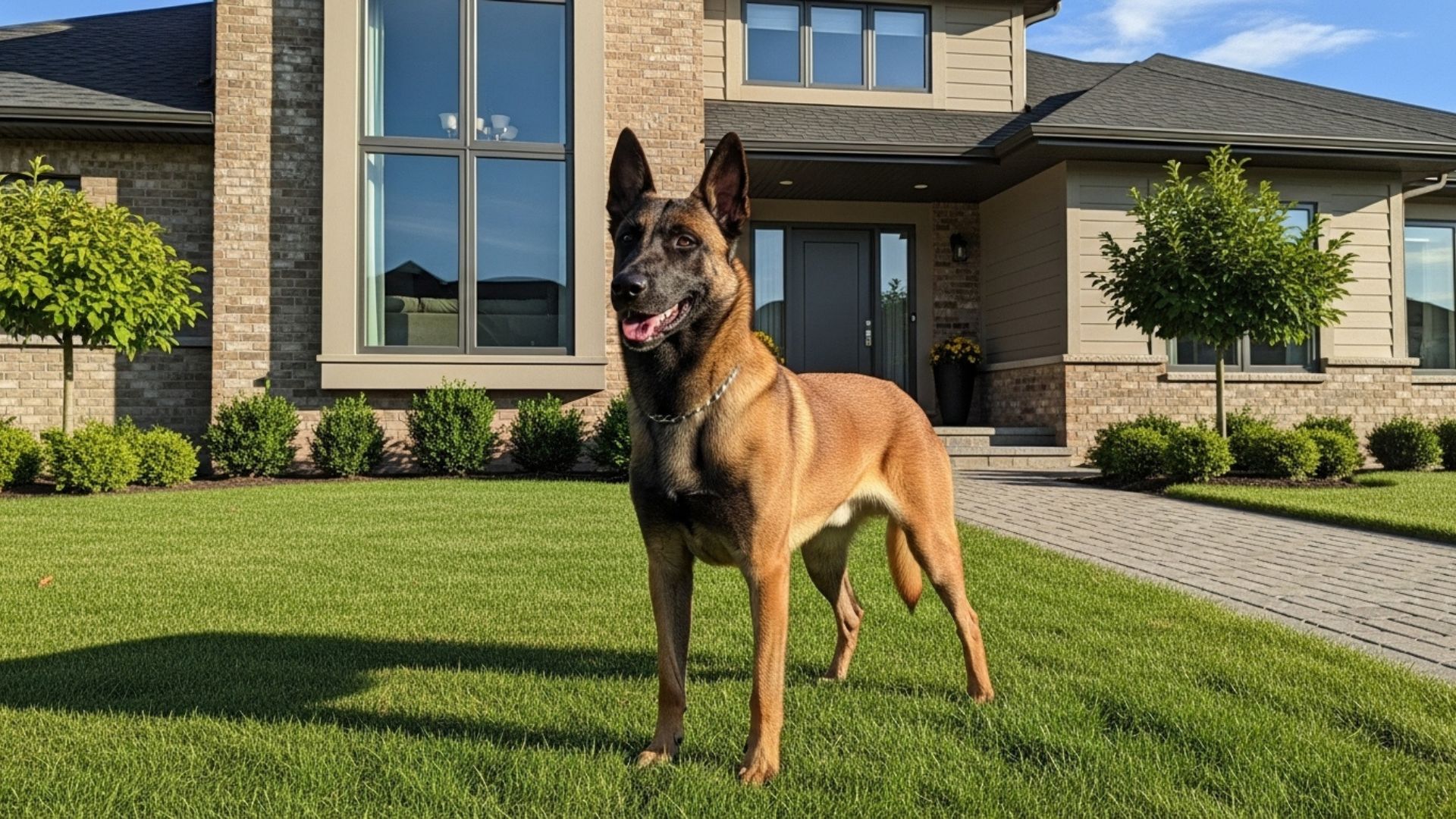
When people hear the words “guard dog,” they often picture a tough, intimidating protector pacing the yard. But the truth is, today’s guard dogs are much more than security systems with fur.
Many of them are deeply loyal, emotionally intelligent, and surprisingly gentle with the people they love most. They don’t just protect your home—they become part of your family.
Dogs have been standing beside humans as protectors for thousands of years. In fact, ancient philosophers like Plato and Aristotle wrote about dogs guarding livestock and homes, proving that our need for safety and companionship goes way back. What has changed, though, is how we see them.
Over the last 100–200 years, dogs have slowly shifted from being viewed mainly as workers to being cherished and affectionate companions—without losing those natural guarding instincts bred into them over generations.
In this article, we’ll explore dogs that do exactly that—combining loyalty, intelligence, and a strong sense of duty—so you can find the right protector for your home and heart.
Key Takeaways
Meet guard dogs like German Shepherds and Dobermans who protect fiercely but love deeply.
See why Cane Corsos and Bullmastiffs are calm yet fearless family guardians.
Discover how Belgian Malinois and Ridgebacks use brains and bravery to keep you safe.
Get tips on training these loyal protectors to fit right into your home.
Dog Breeds Known For Their Guarding Instincts
1. German Shepherd
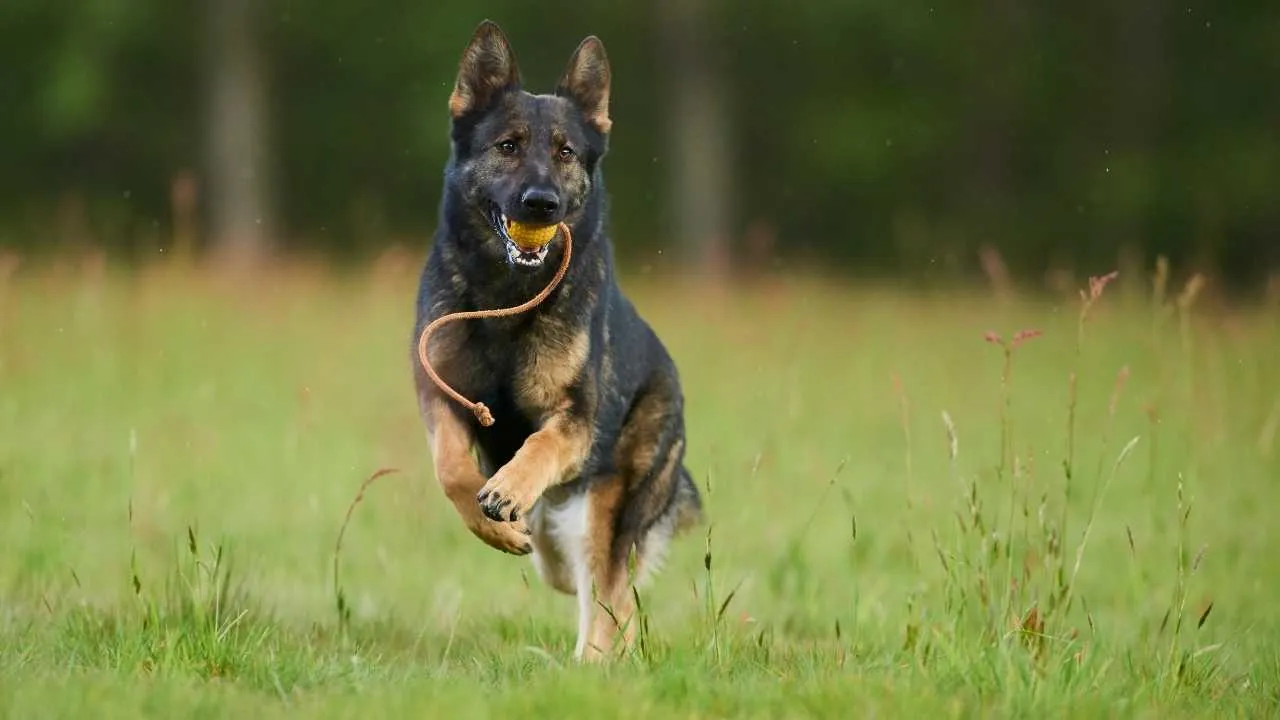
German Shepherds are one of the best guard dog breeds in the world—and for good reason. They are intelligent, brave, and highly alert. These dogs were bred to work, protect, and stay focused under pressure.
That’s why they are widely used in police, military, and search-and-rescue roles. With their loud bark, strong presence, and sharp instincts, they naturally deter threats and take their guarding role seriously.
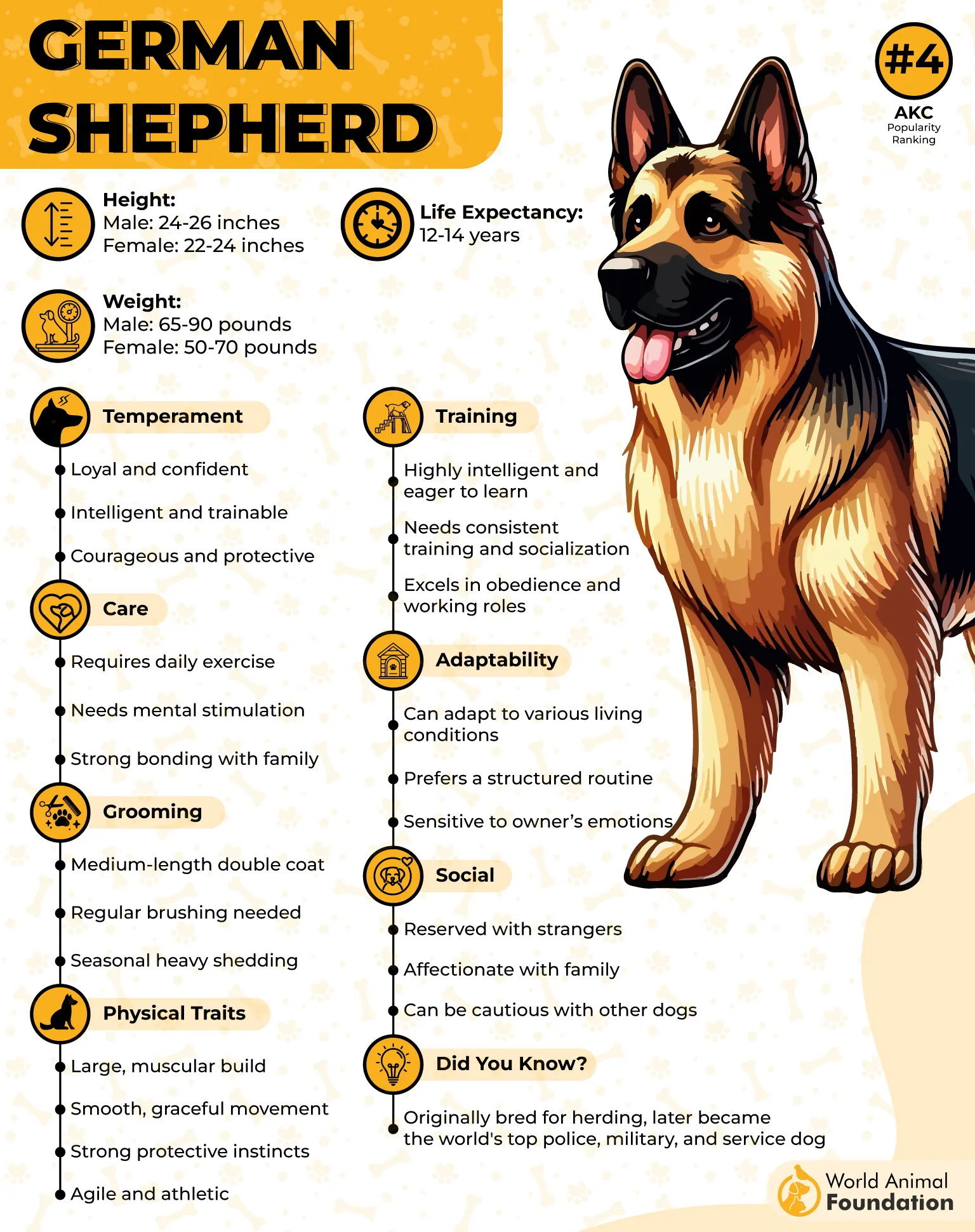
Why do they excel as guard dogs
Extremely intelligent and easy to train
Naturally loyal and protective of family
Widely trusted in security and police work
Alert, observant, and fearless when needed
Despite their tough reputation, German Shepherds are very affectionate with their families. They thrive on companionship and love being involved in daily activities. When socialized early, they do well with children and other pets.
They are considered a safe and reliable breed when properly trained. However, they can become overprotective if not guided well, so clear boundaries and obedience training are important.
German Shepherds are active, athletic dogs that need both mental and physical exercise every day. They enjoy having a job to do and excel in activities like agility, tracking, herding, and dock diving.
2. Doberman Pinscher
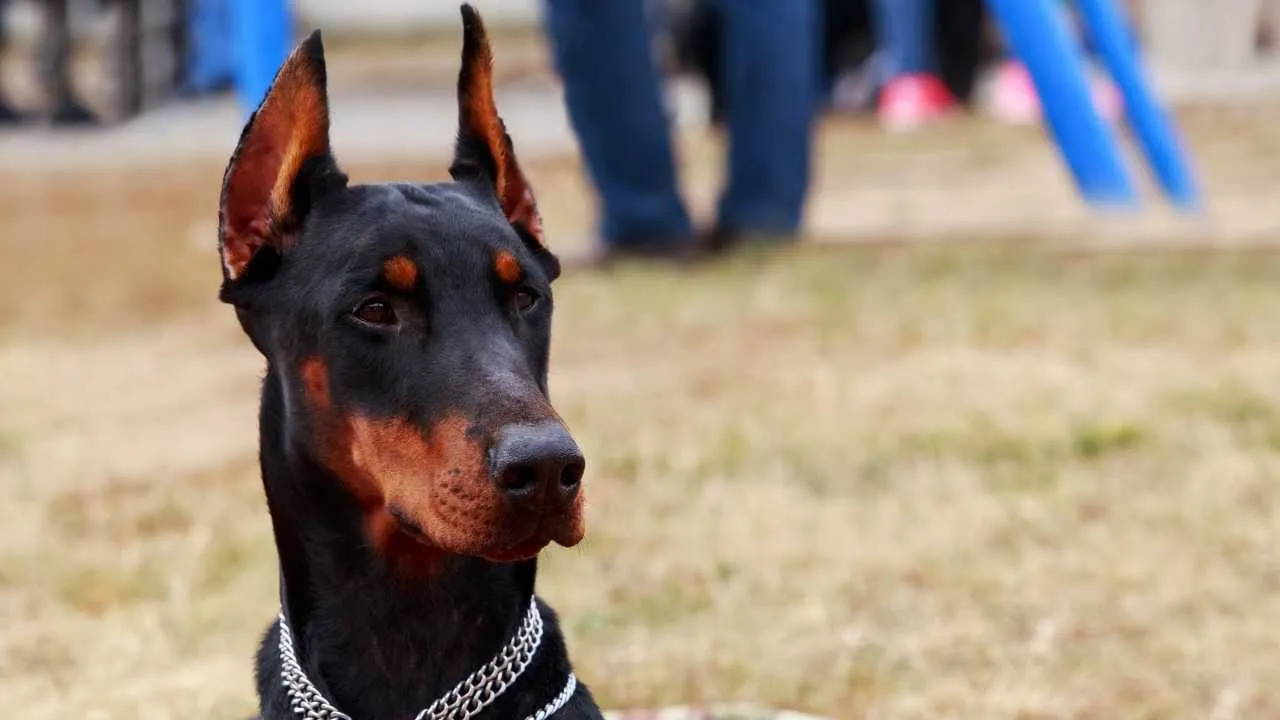
Dobermans are often called elegant protectors—and the name fits perfectly. They are sleek, fast, and naturally alert. Bred as protection dogs, they have sharp instincts and a fearless nature.
Their quiet confidence and strong presence alone can stop trouble before it starts. This makes them excellent guard dogs for personal protection.
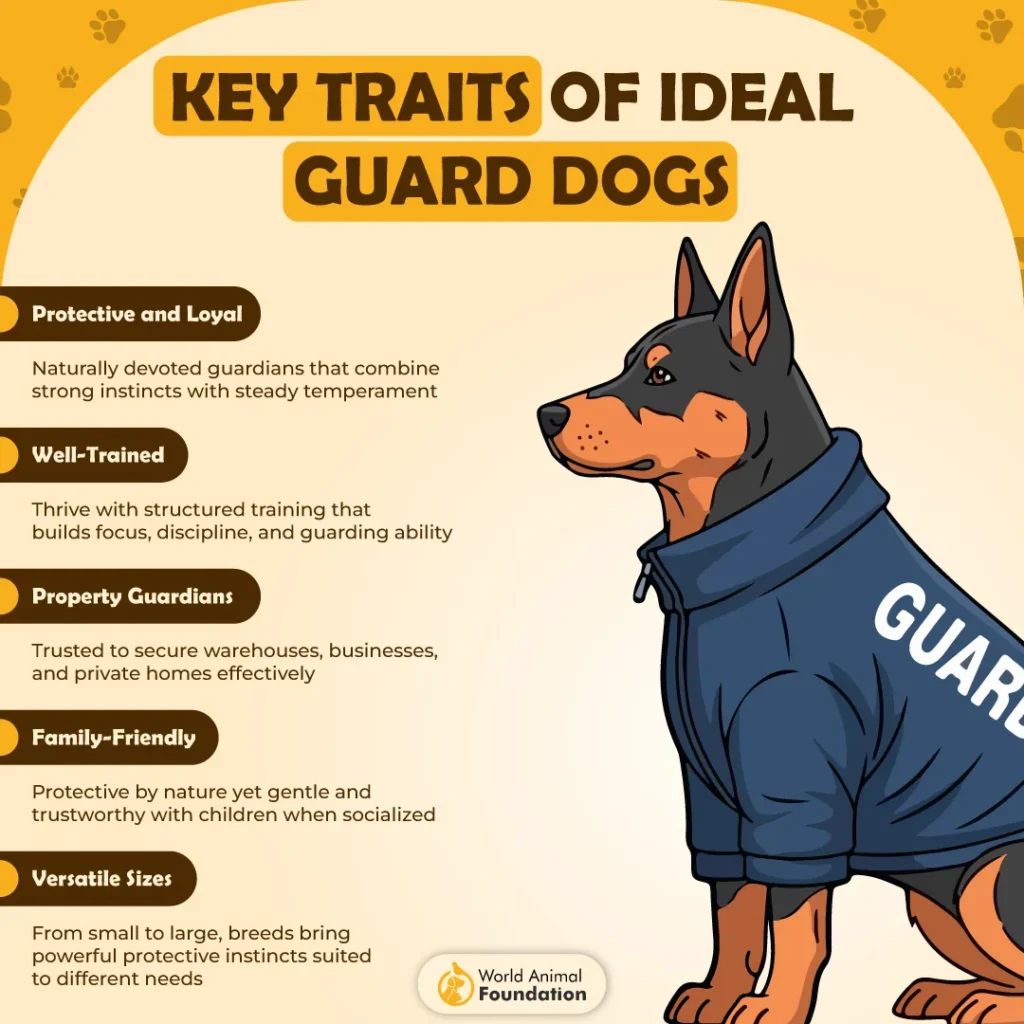
Why Dobermans stand out as guard dogs
Highly intelligent and easy to train
Fearless, fast, and always alert
Incredibly loyal to their family
Known for focus and decisive action
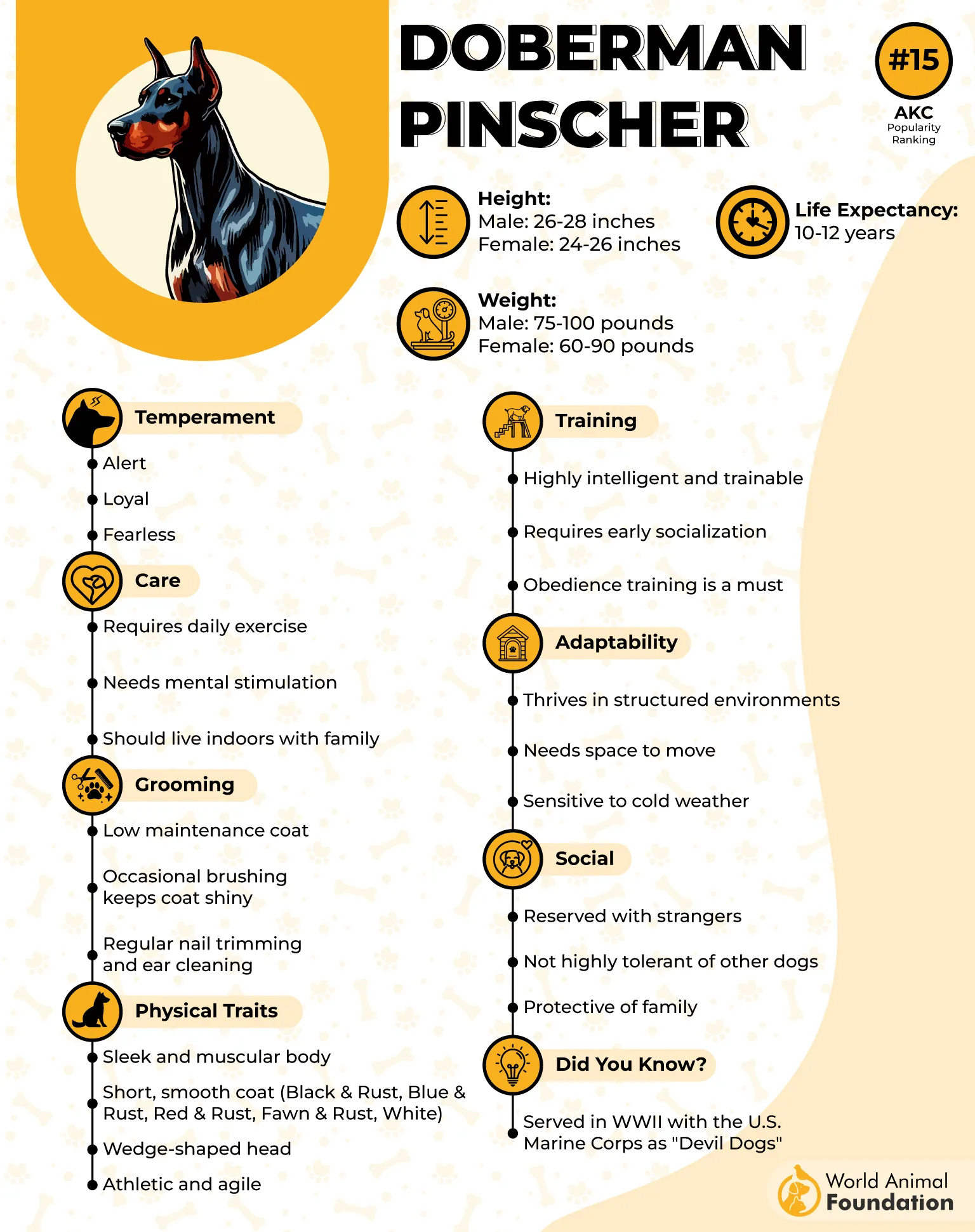
Despite their tough image, Dobermans are deeply affectionate with their people, according to PetPlan. They thrive on human interaction and form strong bonds with their families.
Modern Dobermans are more balanced in temperament than their reputation suggests. They are usually social with people and other dogs, unless they sense a real threat. Off duty, they can even be playful and goofy at home.
Dobermans are energetic dogs and need daily walks, runs, or jogs. They do best with clear leadership and structured training. Early socialization and obedience training are essential to keep their protective instincts under control.
3. Rottweiler
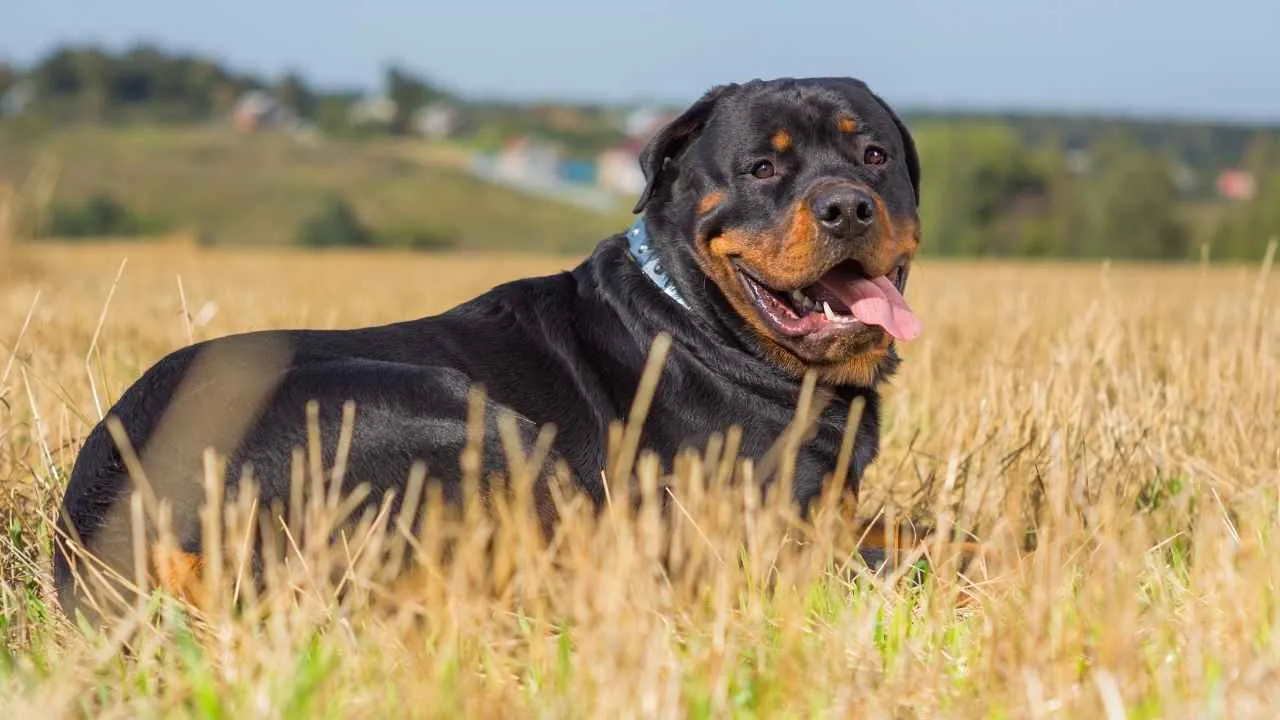
Rottweilers have a strong, commanding presence that naturally puts strangers on alert. Their muscular build and confident stance make them excellent deterrents.
Originally bred as herding dogs, they later proved their value in roles like guarding, police work, guide work, and search and rescue. Descended from ancient mastiffs, they are confident working dogs with a deep-rooted protective instinct.
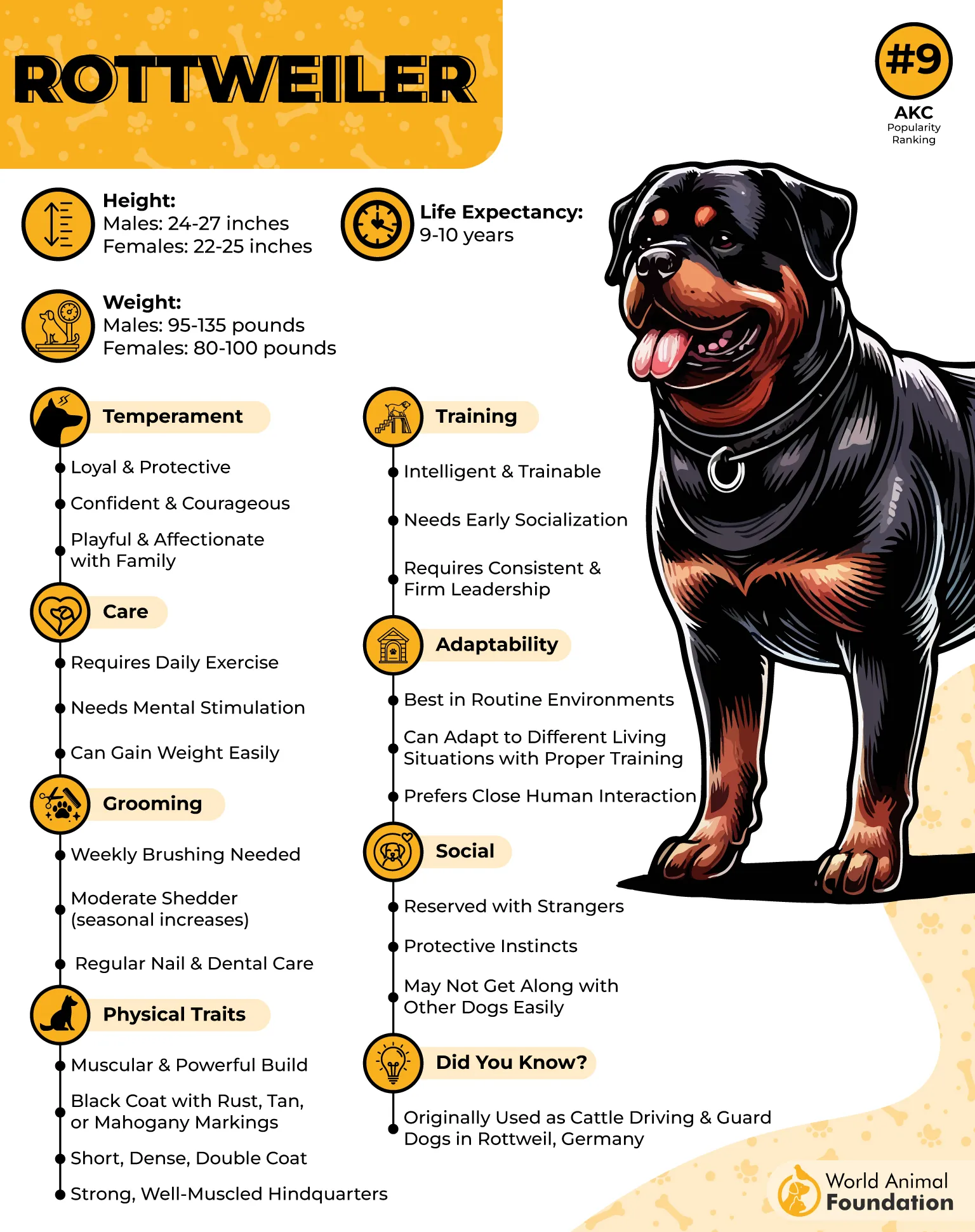
Why Rottweilers excel as guard dogs
Naturally protective and alert
Loyal and deeply devoted to their family
Intelligent and eager to please
Confident, versatile working dogs
Behind their tough exterior, Rottweilers are affectionate and playful with their families. When raised in a loving family home, they form strong bonds and are gentle with children and other pets.
Despite their reputation, they are not naturally dangerous. Most are calm, laid-back, and even goofy at home. They may seem aloof to strangers at first, but this hesitation is part of their guarding instinct.
Consistent training and early socialization are essential for this breed. Without structure, boredom can lead to excessive barking or chewing.
Positive reinforcement works well, as Rottweilers respond best when they feel guided by a confident leader. With proper training, they balance strength and gentleness beautifully.
4. Cane Corso
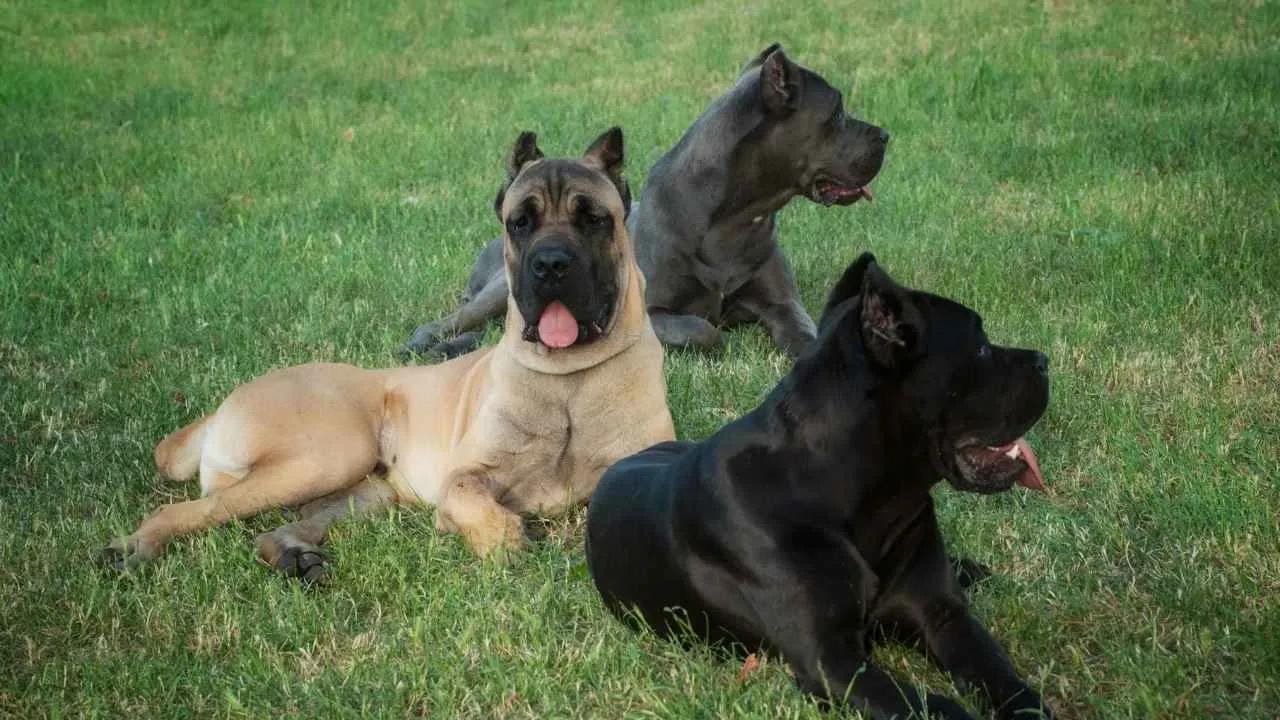
The Cane Corso is an impressive guard dog with deep roots in Italian history. This powerful breed descends from ancient Roman dogs and was used for guarding homes, hunting, and even warfare.
Its name translates to “bodyguard dog,” which perfectly describes its purpose. With a strong build, athletic frame, and deep, intimidating bark, the Cane Corso is a natural protector.
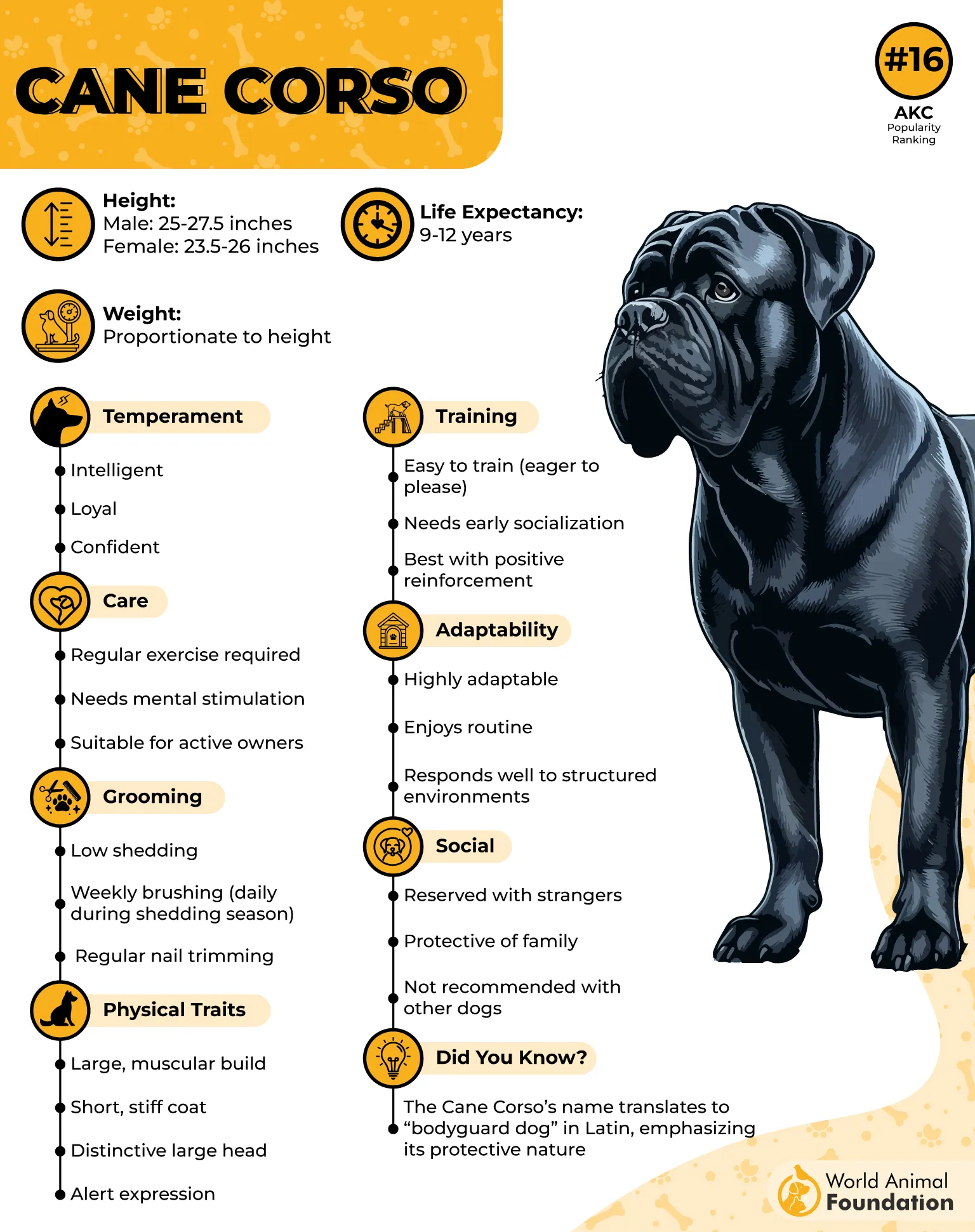
Why Cane Corsos excel as guard dogs
Strong guarding instincts bred over centuries
Fiercely loyal and devoted to family
Confident, alert, and naturally territorial
Powerful presence that deters intruders
While the Cane Corso can be suspicious of strangers, it is affectionate and devoted to its family members. These dogs form deep bonds with their people and are eager to please.
However, they are not ideal for first-time dog owners. Their strength, confidence, and stubborn streak require an experienced pet parent who can provide firm, consistent leadership.
Early training and proper socialization are essential for this breed. Without structure, a Cane Corso may try to take control of situations. Obedience training helps channel its instincts in the right direction. They need regular exercise to stay mentally and physically balanced.
5. Bullmastiff
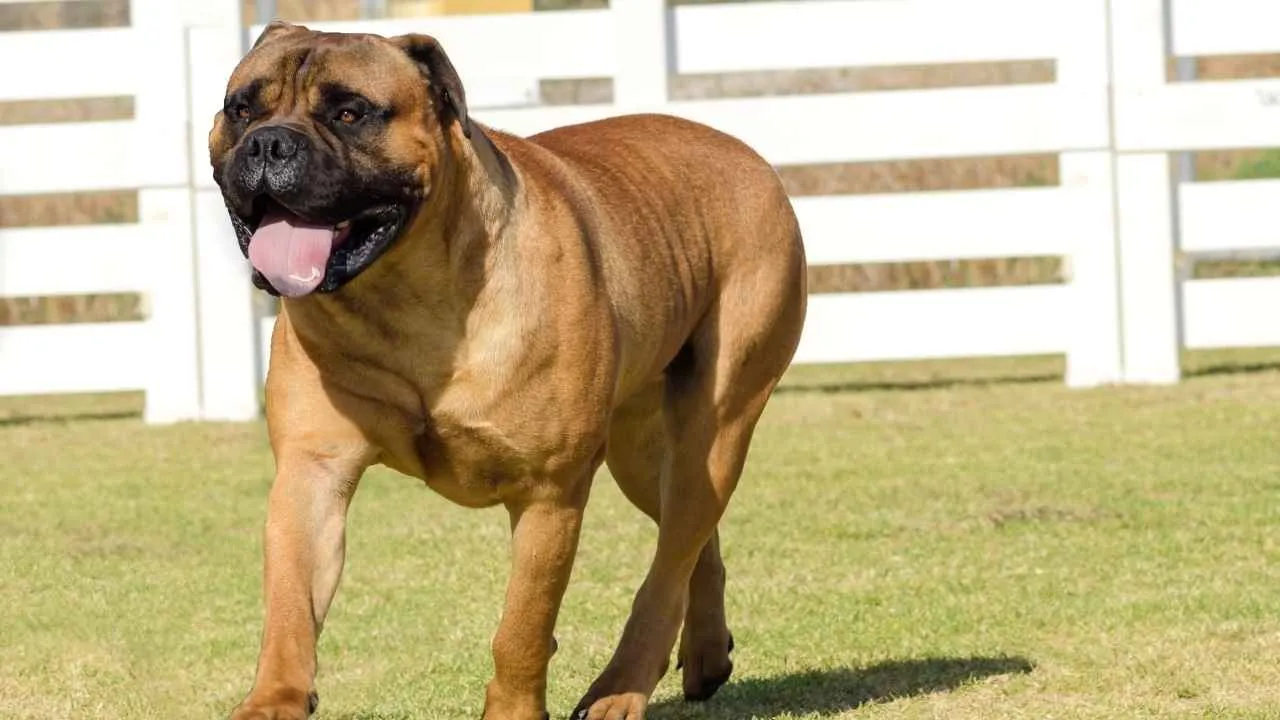
The Bullmastiff is a powerful dog with a long history as a trusted guard. Developed in the mid-19th century by English gamekeepers, this breed was created to stop poachers quietly and fearlessly.
Known as the Gamekeeper’s Night-Dog, according to Omlet, the Bullmastiff was trained to track and hold intruders down rather than bite. This instinct still shows today, making them a loyal family guardian breed.
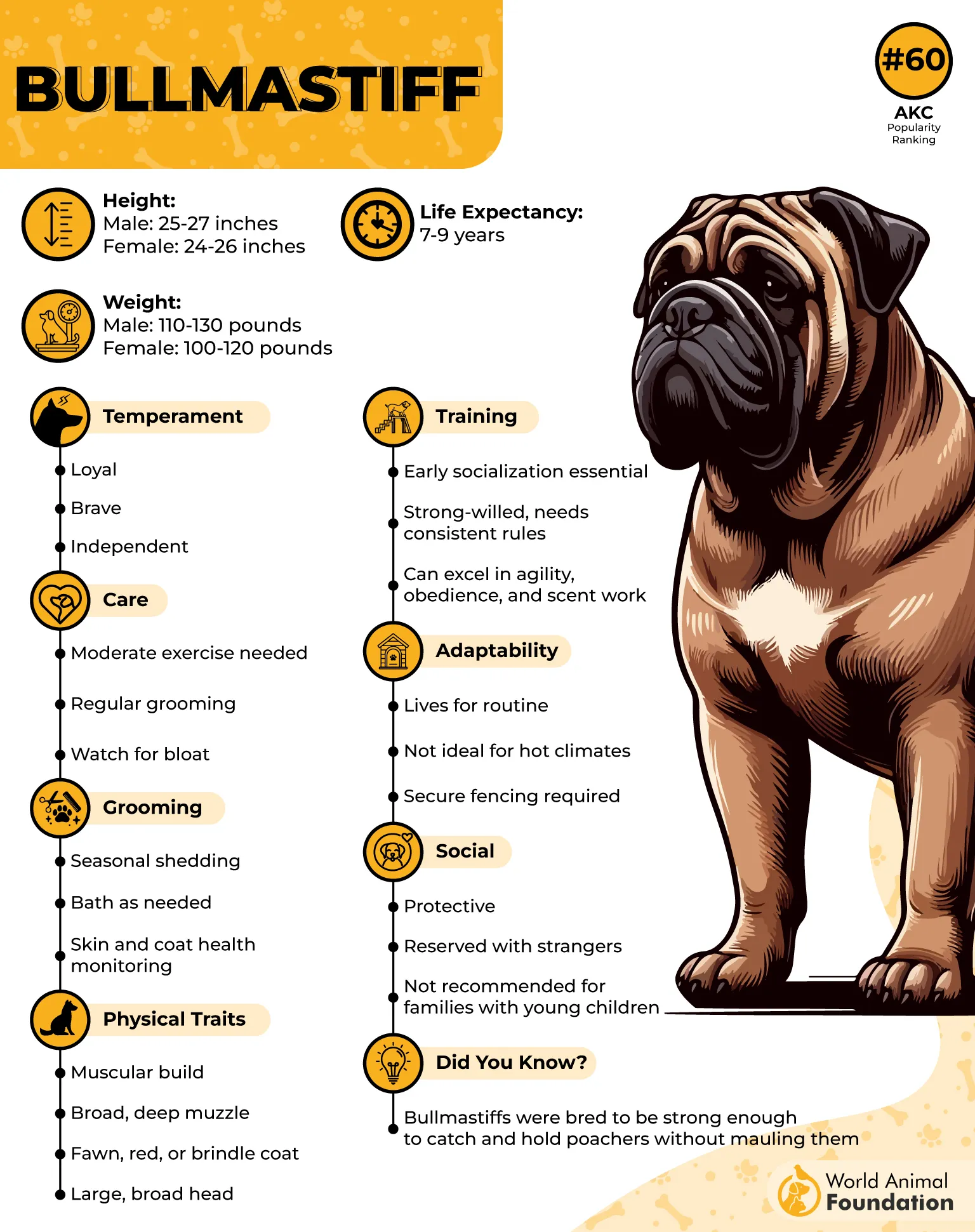
Why Bullmastiffs excel as guard dogs
Naturally confident, fearless, and calm demeanor
Quiet but highly alert and territorial
Loyal and deeply protective of family
Courageous without being overly aggressive
Despite their intimidating look, Bullmastiffs are affectionate and gentle with their families. They are patient with children and enjoy being part of daily family life.
They do not bark without reason, but they react quickly when they sense danger. While often suspicious of strangers, they are not hostile without cause—this balance makes them excellent family guardians.
Bullmastiffs are intelligent and quick learners, which makes training manageable with consistency. Early socialization is important to help them stay calm around new people and other dogs.
6. Rhodesian Ridgeback
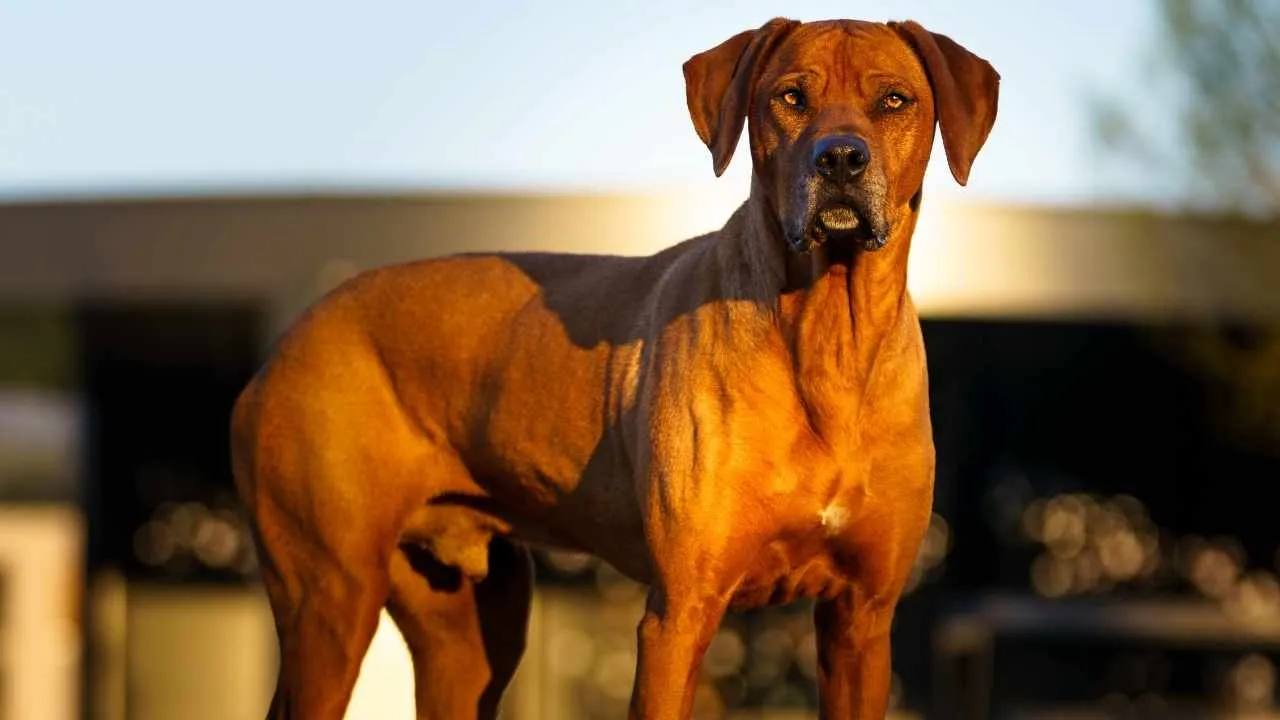
The Rhodesian Ridgeback is easy to recognize by the unique ridge of hair running along its spine. This watchful breed was originally developed to hunt large game, including lions, so bravery comes naturally to it.
Because of this history, Ridgebacks are confident, courageous, and not easily intimidated—making them reliable protection dogs and family pets in modern homes.
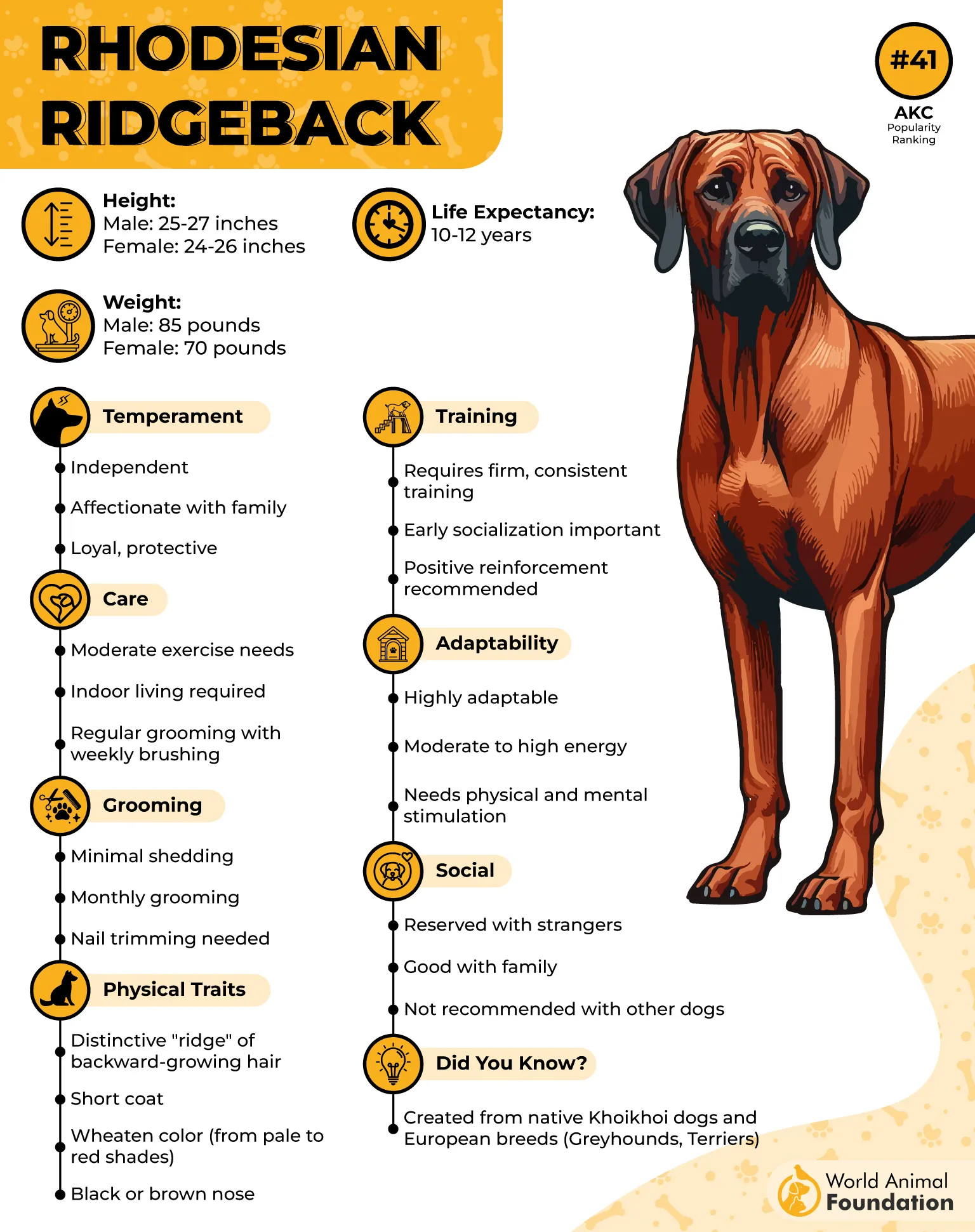
Why Rhodesian Ridgebacks excel as guard dogs
Naturally brave
Deeply loyal to their family
Alert and watchful around strangers
Strong protective instinct without excess barking
With their families, Ridgebacks are affectionate, patient, and dignified. They form strong bonds and are known to be gentle and caring at home.
However, they can be aloof with strangers and sometimes wary of unfamiliar dogs. Their strength and independence mean they must be taught how to interact properly with children, especially from a young age.
Ridgebacks are intelligent but can be stubborn and domineering. Early obedience training and socialization are essential to give them structure and clear boundaries.
7. Belgian Malinois
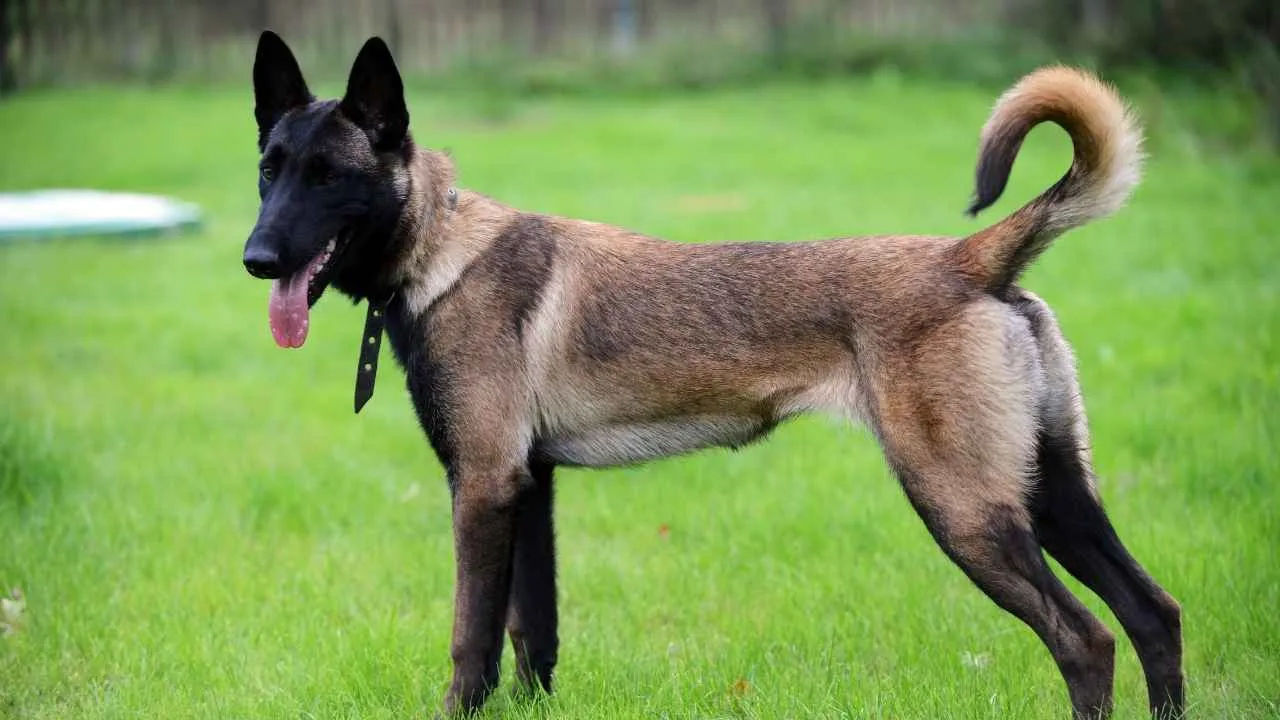
The Belgian Malinois is one of the most respected guard dogs in the world. Long used in police and military work, this breed gained global attention when a Malinois named Cairo assisted SEAL Team 6 in a major 2011 operation, as mentioned by the American Kennel Club.
Another Malinois, Conan, was honored in 2019 after being injured during a raid in Iraq. These real-life roles highlight just how brave, focused, and dependable this breed is under pressure.
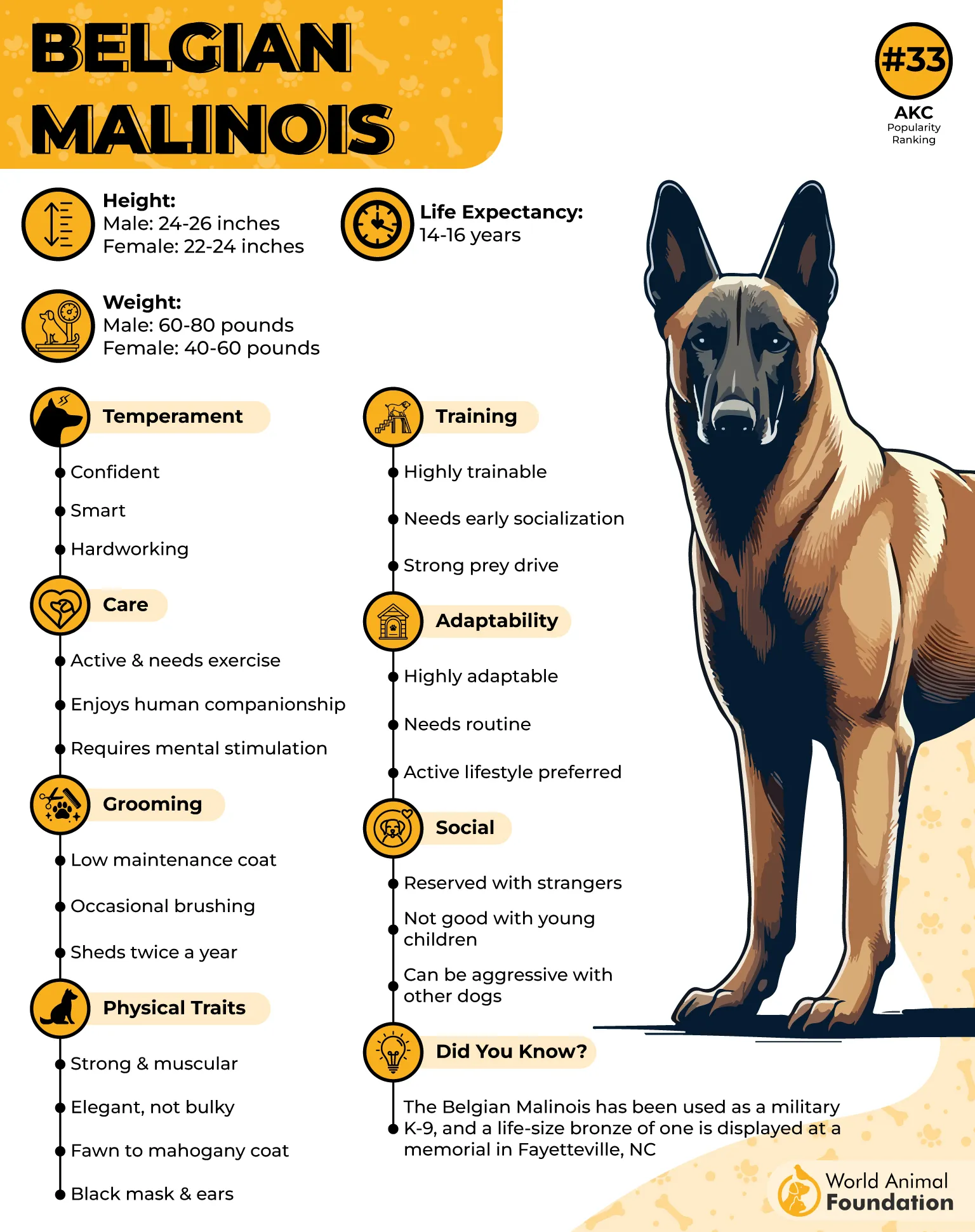
Why Belgian Malinois excel as guard dogs
Highly intelligent and fast learners
Trusted in police, military, and K-9 units
Agile, alert, and naturally protective nature
Strong loyalty and work ethic
At home, Belgian Malinois are affectionate and deeply loyal to their families. They are eager to please but can be territorial or jealous if not trained properly.
This breed thrives on structure and purpose. They need regular exercise and mental stimulation, and do best with active families.
Training and socialization are essential for a Belgian Malinois. Without guidance, their intensity can become overwhelming. They need daily exercise and enjoy activities like agility, tracking, scent work, and herding.
Conclusion
Choosing a dog with strong guarding instincts isn’t just about security—it’s about trust, loyalty, and partnership. The breeds discussed all share key traits like intelligence, bravery, and deep devotion to their families.
With the right training, socialization, and care, these dogs become more than protectors. They become steady, loving companions who stand by you through everyday life and unexpected moments alike.
If you’re considering welcoming one of these guardians into your home, take time to assess your lifestyle, experience, and commitment level.
A well-trained guard dog thrives on guidance, purpose, and connection. When those needs are met, the reward is unmatched—a loyal presence that protects not just your home, but your peace of mind too.
Looking for more protective dog breeds? You can also check out the Staffordshire Bull Terrier, Giant Schnauzer, Boerboel, Black Russian Terrier, Boxer, and Anatolian Shepherd.
