




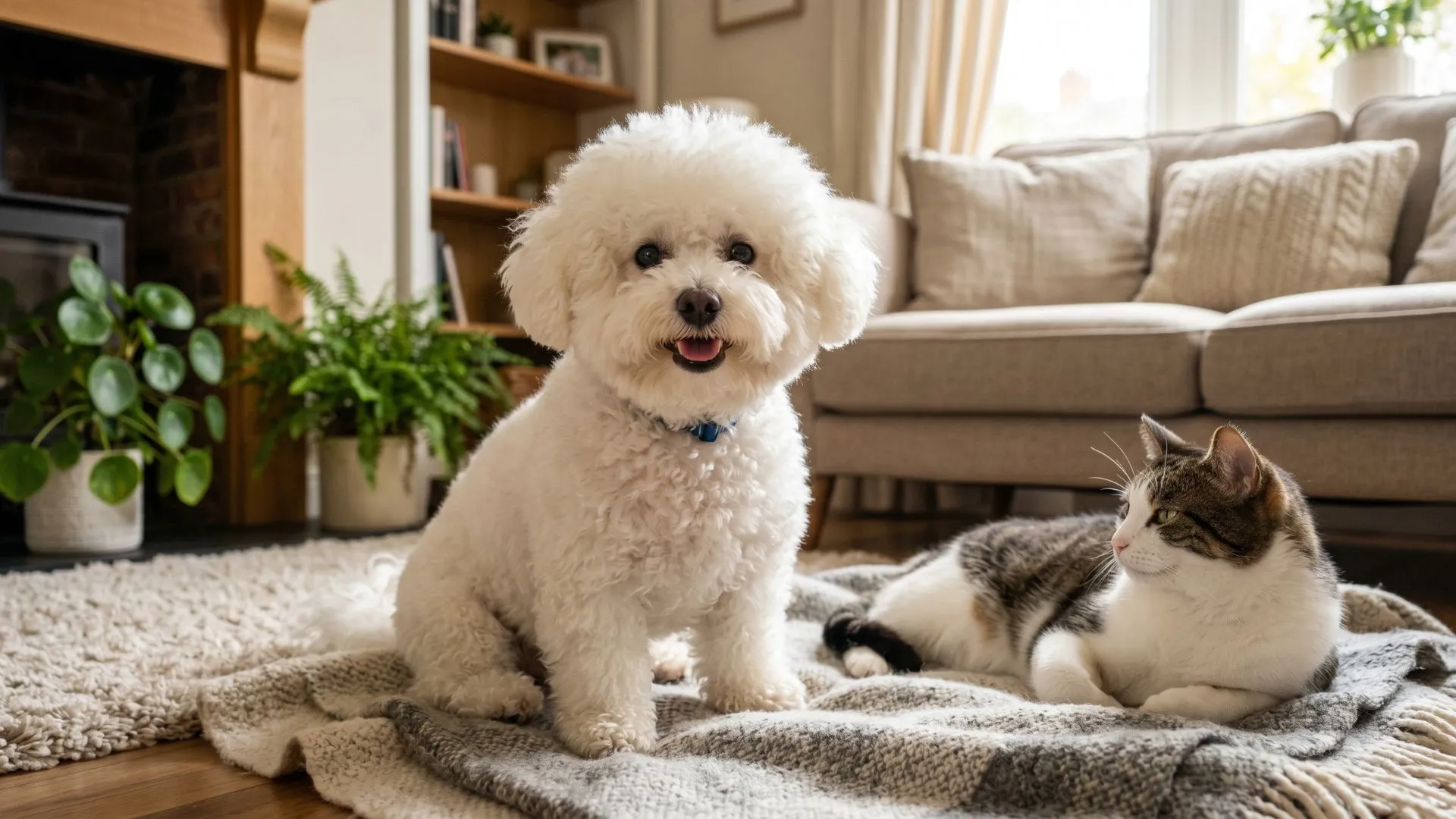
Bringing dogs and cats together in one home can create a loving and balanced environment when the right breeds and personalities are involved. While dogs and cats are often seen as opposites, certain dog breeds naturally show patience, calmness, and social behavior that help them coexist peacefully with feline companions. Their easygoing temperaments make them more likely to adapt well in multi-pet households.
Cat-friendly dogs typically have lower prey drives, gentle personalities, and a willingness to respect boundaries. Many sporting, working, and companion breeds were historically bred to cooperate closely with humans and other animals, which contributes to their calm and tolerant behavior around cats in the home.
Successful introductions are just as important as breed compatibility. Dogs and cats should be introduced gradually, with supervised interactions and safe spaces where cats can retreat comfortably.
With patience, positive reinforcement, and proper training, many dogs can develop trusting relationships with cats, creating a peaceful home where wagging tails and happy purrs coexist naturally. This article contains all the information about top dog breeds known for gentle interaction with cats.
Top Dog Breeds Known for Gentle Interaction with Cats
1. Basset Hound
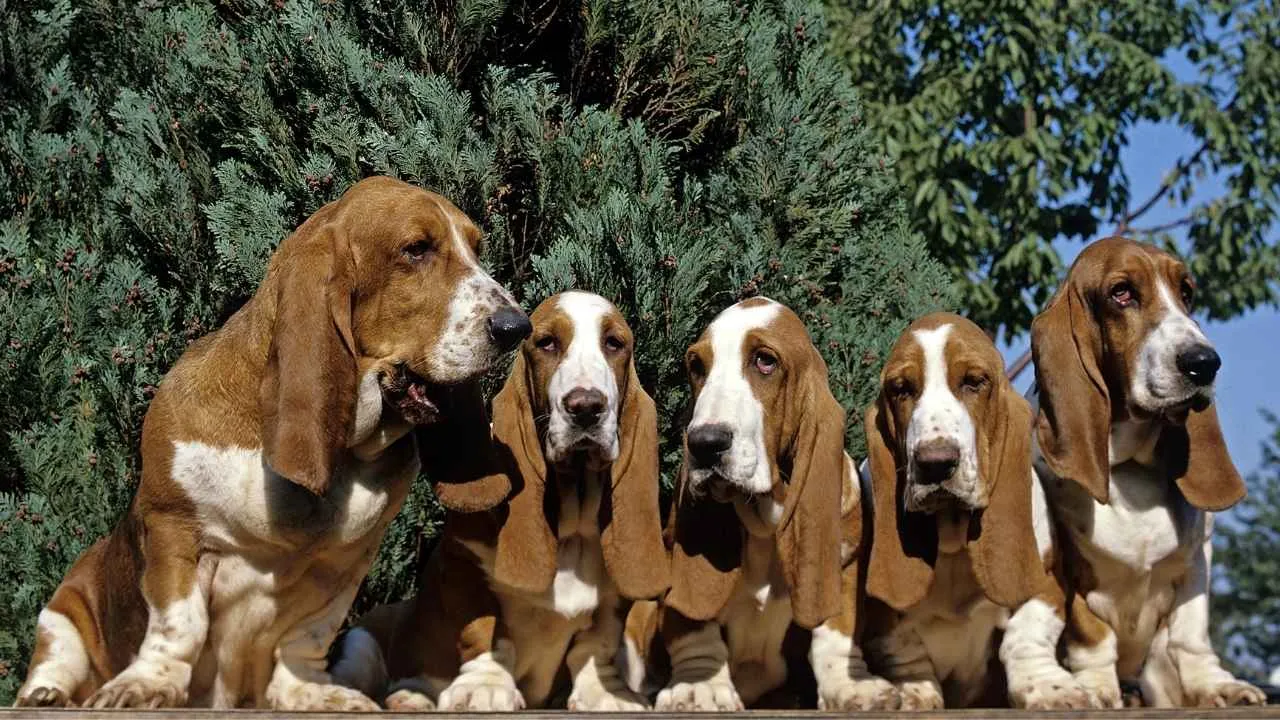
Basset Hound dogs are sturdy scent hounds with short legs that were originally bred for hunting small game and are now loved as relaxed and affectionate family companions.
The Gentle Companion That Respects Feline Boundaries
Despite their hunting background, Basset Hounds are usually peaceful housemates that prefer lounging over chasing. Their slow-moving style and easygoing temperament often help cats feel comfortable sharing the same space without feeling threatened or overwhelmed.
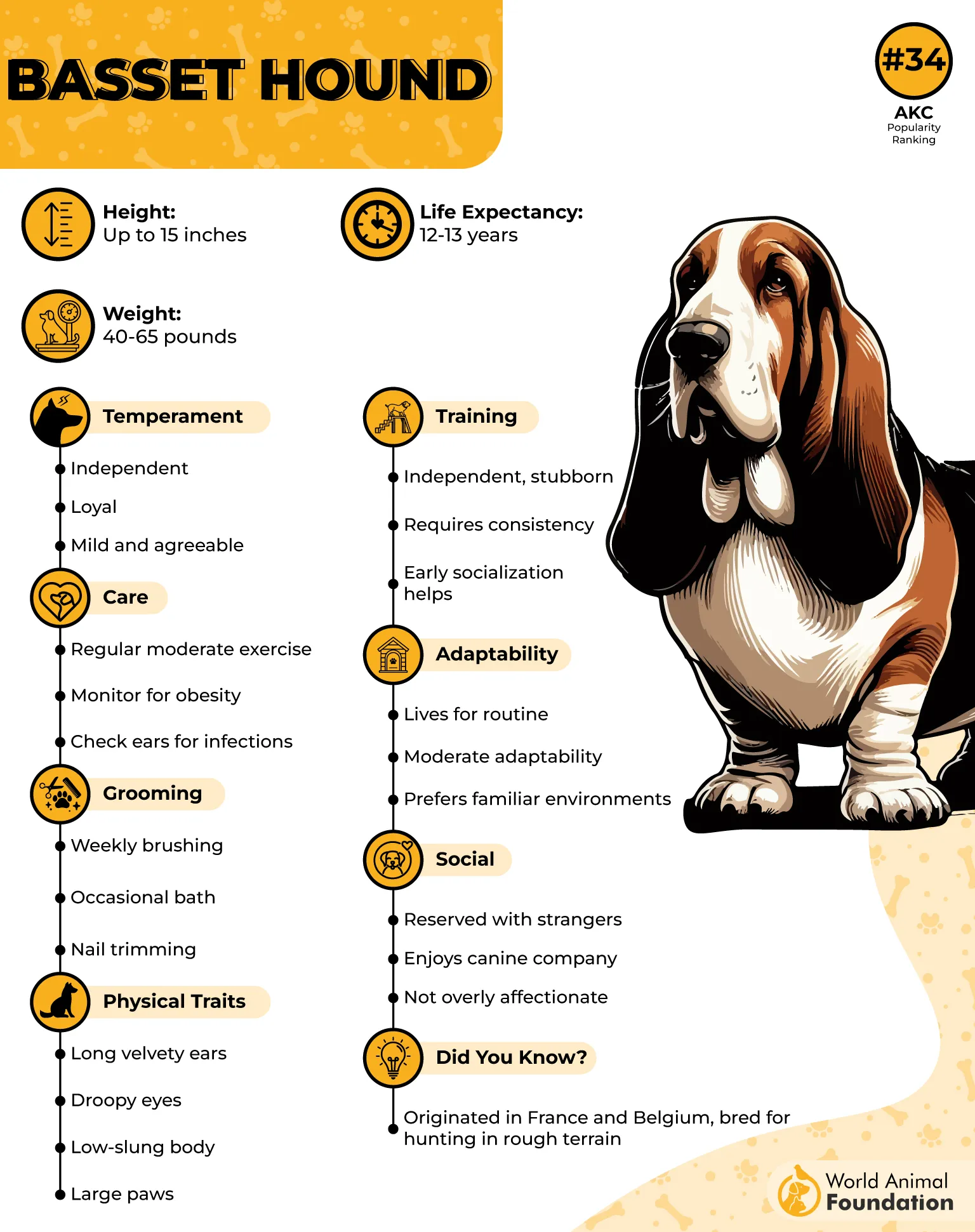
According to Purina, this breed tends to respect feline independence, especially when introduced properly from an early age. Basset Hounds are social and loyal companions who enjoy company but rarely display pushy or overly territorial behavior, making them a reliable choice for multi-pet households.
Although they are low-energy indoors, they still benefit from daily walks and mental stimulation to prevent boredom.
Fact: The name “Basset” comes from the French word “bas,” meaning “low,” a reference to the breed’s short legs and close-to-the-ground build.
2. Beagle

The Beagle is a cheerful scent hound recognized for its floppy ears, expressive eyes, and remarkable nose.
According to PetMD, Beagle dogs come in several coat colors and are known for their smooth double coat and constantly wagging tail. Originally bred for rabbit and hare hunting, this sociable breed is known for its affectionate personality and strong pack instincts.

A Calm and Friendly Dog Perfect for Homes with Cats
Because Beagles were developed to work closely with other dogs, they often adapt well to living alongside cats when introduced patiently. Their friendly and playful nature usually encourages peaceful companionship instead of territorial behavior in shared homes.
Although intelligent and eager to please, these hunting dogs can become distracted by interesting scents, so early training is important around smaller pets. With structure, supervision, and positive reinforcement, they can learn respectful boundaries and comfortably share space with feline companions.
These energetic dogs thrive in active households where they receive exercise, games, and mental stimulation to prevent boredom.
Fact: The name “Beagle” is believed to come from an old French term meaning “gape throat,” referring to the breed’s loud baying voice while hunting in packs.
3. Bichon Frise
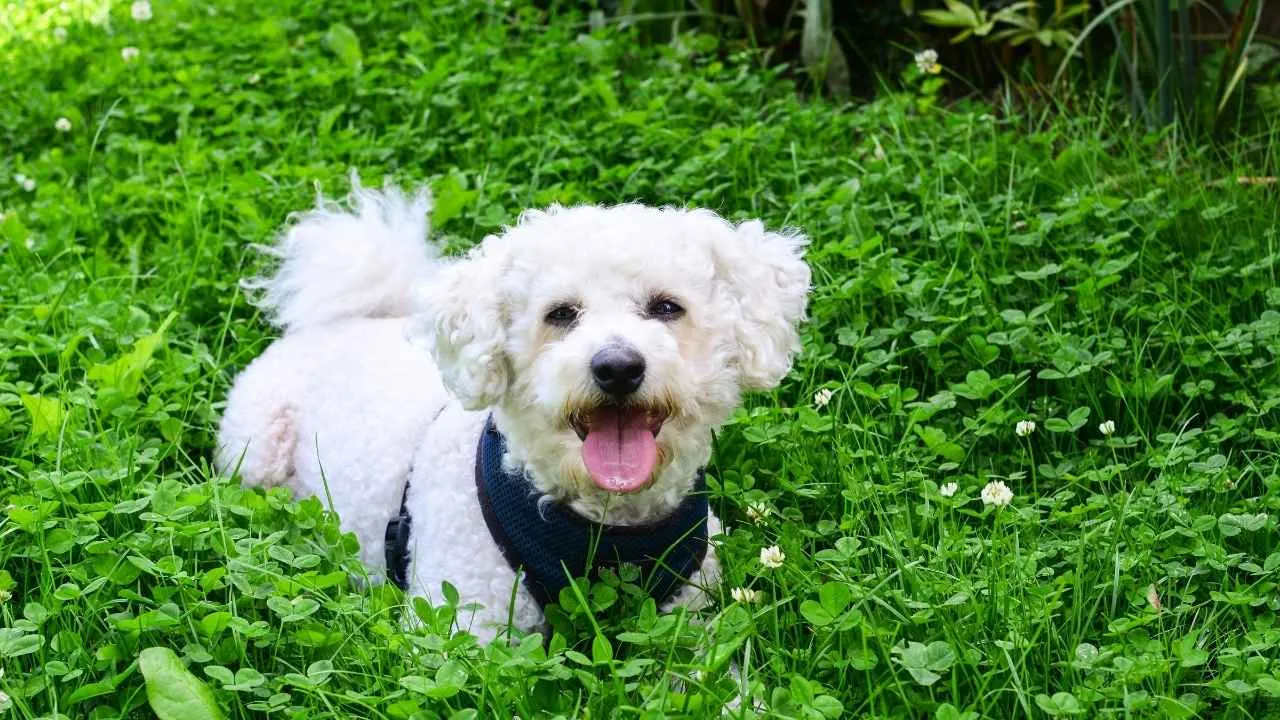
The Bichon Frise is a cheerful companion breed admired for its fluffy white coat and affectionate personality. Originally linked to Mediterranean water spaniels, this small dog later became a favorite in European royal courts and family homes alike.
According to WebMD, Bichon Frise dogs are small companions with lively personalities that were once favored by Renaissance royalty before becoming popular as show, therapy, and family dogs.
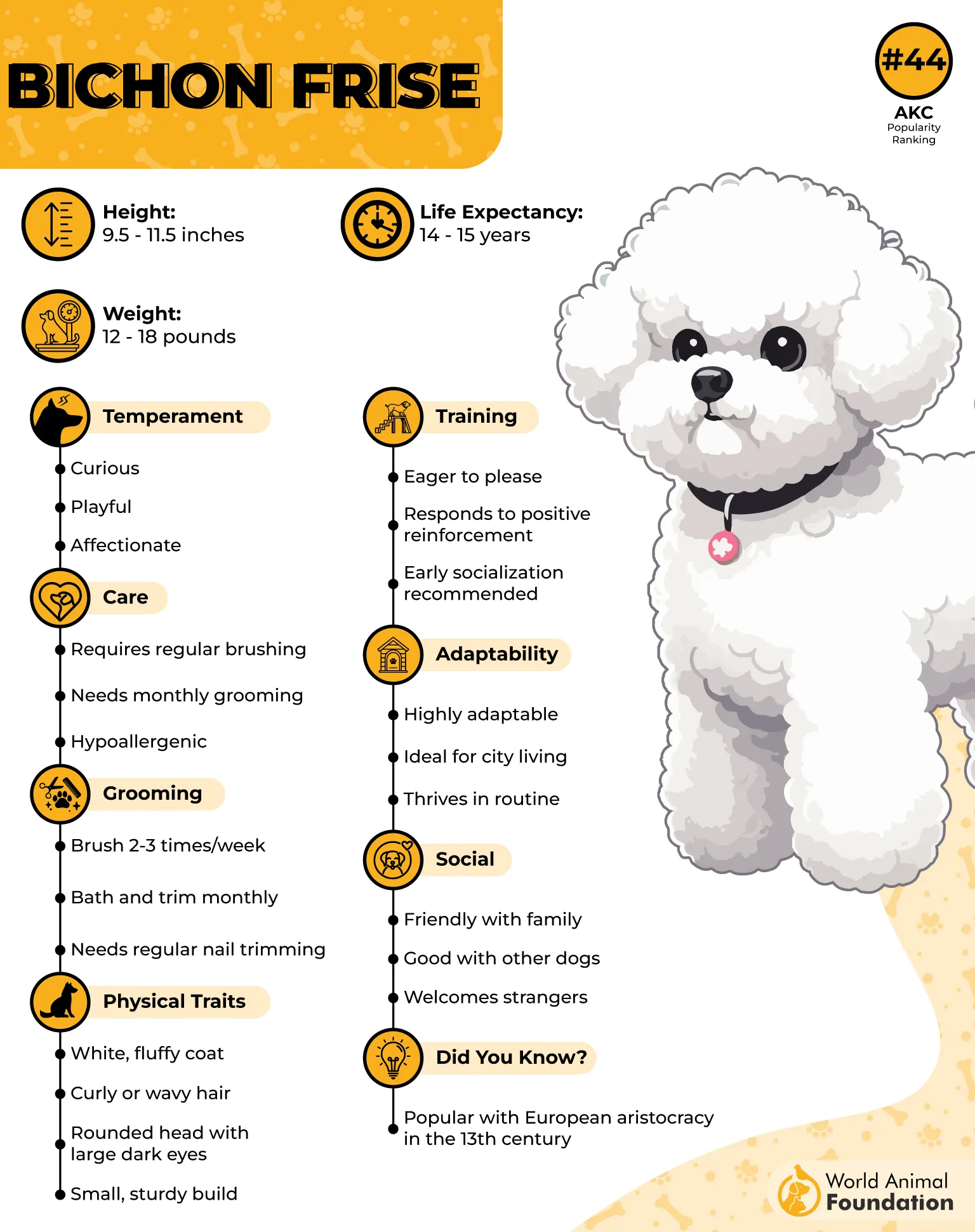
The Patient Breed That Adapts Easily to Multi-Pet Living
Friendly and people-oriented, the Bichon Frise usually settles comfortably into homes with cats when introductions are handled gradually. Their playful but gentle temperament helps reduce tension, making them more likely to approach feline companions with curiosity rather than dominance.
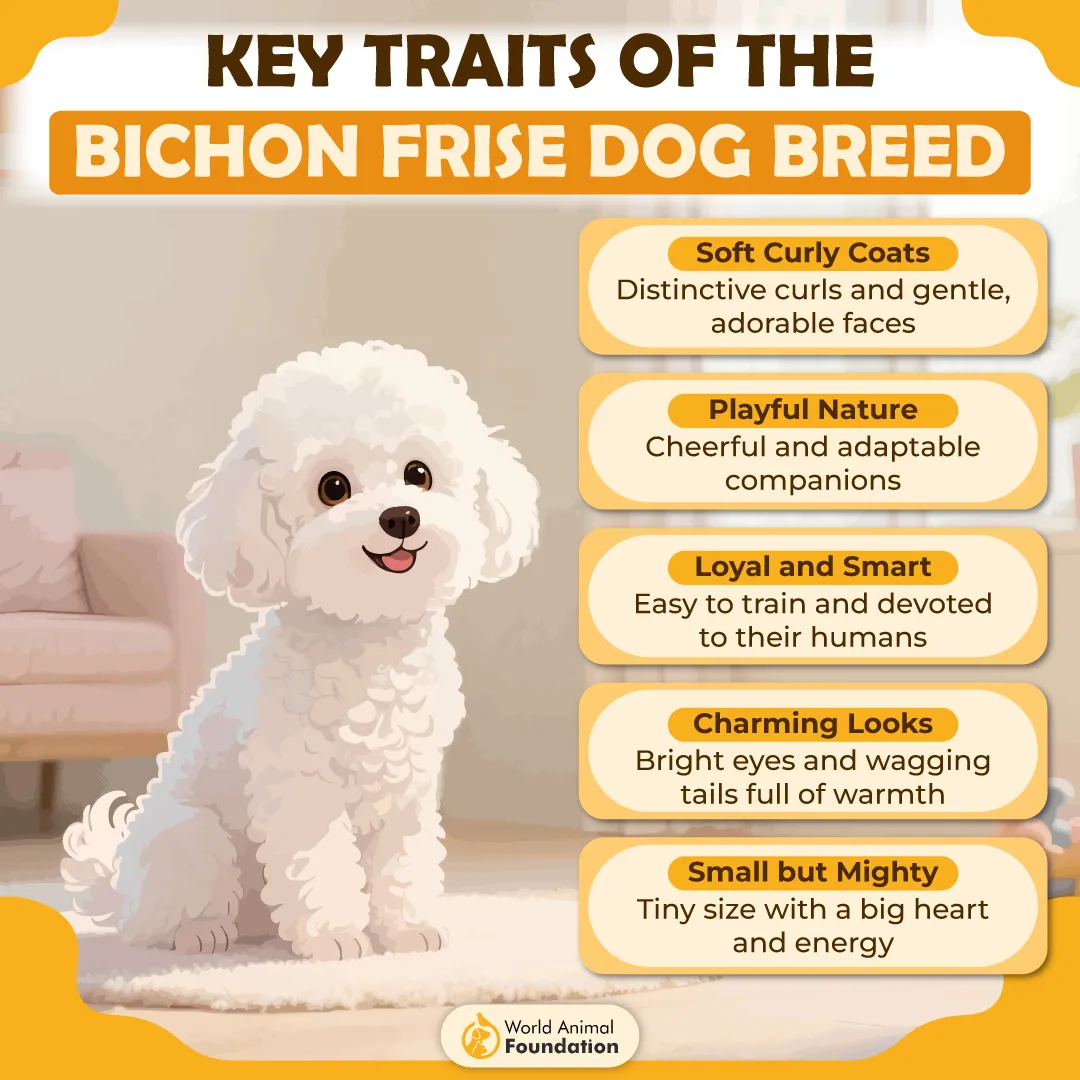
These intelligent little dogs enjoy companionship and thrive in calm indoor settings where they can socialize with both humans and pets. Because they are naturally adaptable and non-aggressive, Bichons often coexist peacefully with resident cats while sharing routines, lounging spots, and family attention.
Although lively and affectionate, they dislike being left alone for long periods and prefer interactive households.
Fact: Street performers once trained Bichon Frises to perform tricks at fairs and circuses because of the breed’s quick-learning nature and entertaining personality.
4. Cavalier King Charles Spaniel
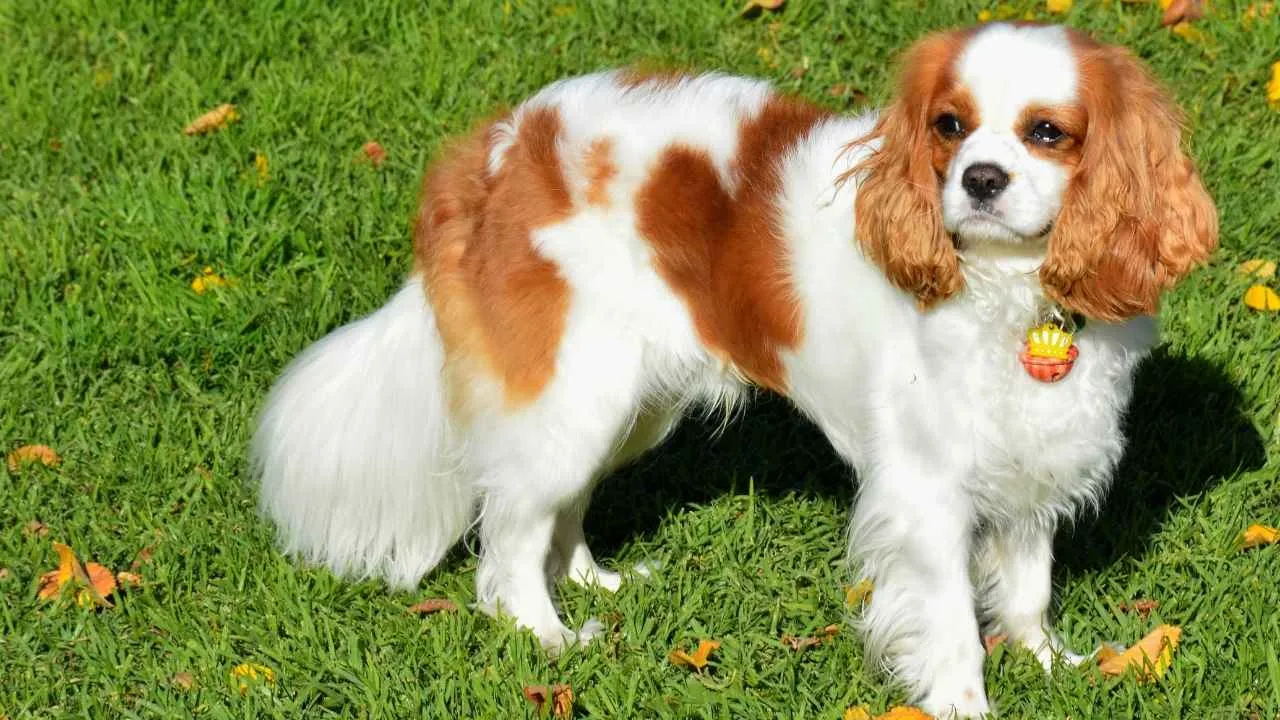
The Cavalier King Charles Spaniel is a graceful toy breed from England known for its silky coat, feathered ears, and soulful “Cavalier eyes.” Originally cherished by royalty, this affectionate companion comes in four coat colors, including Blenheim, Ruby, Black and Tan, and Tricolor.
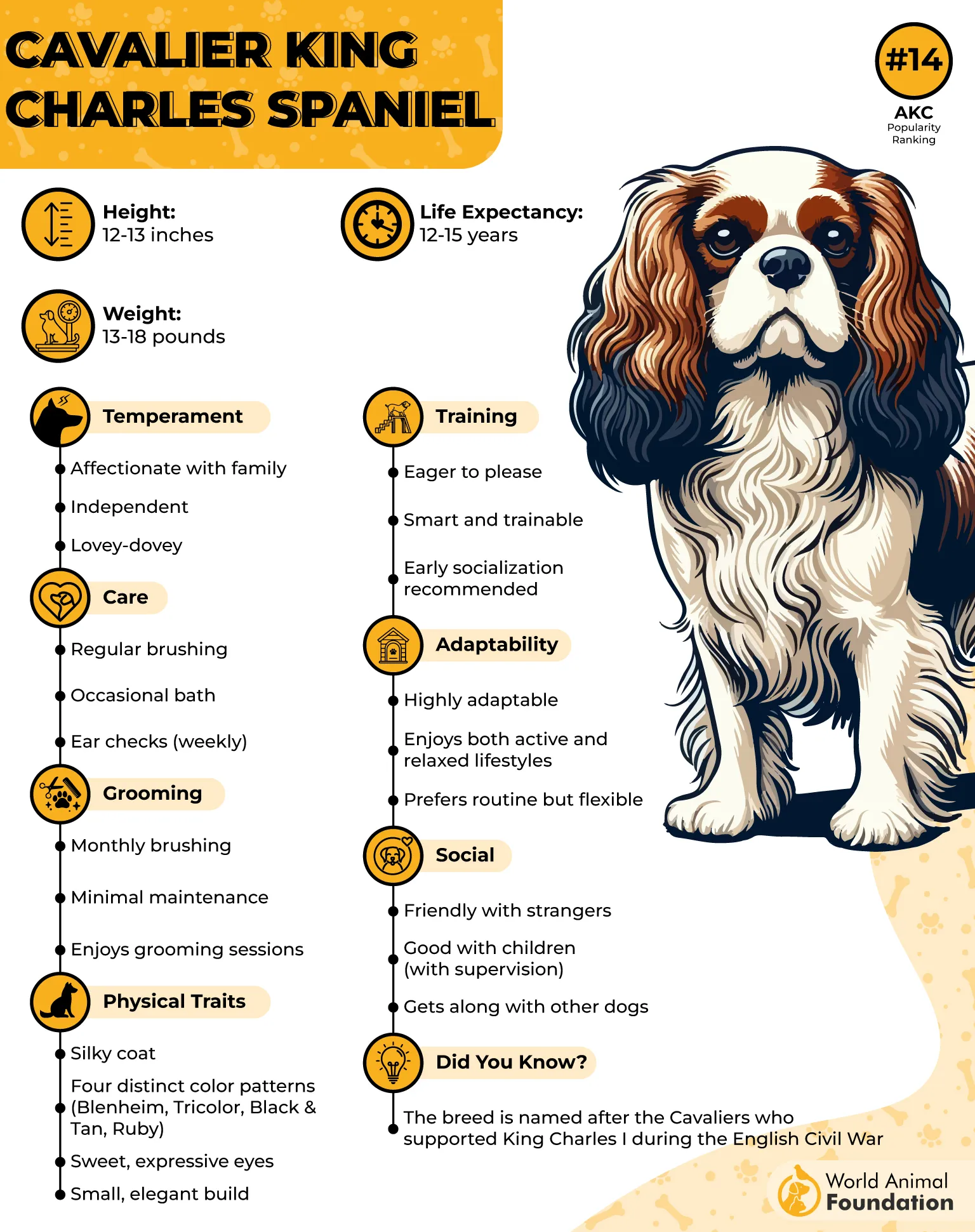
A Social and Easygoing Dog Known for Peaceful Interactions
Cavaliers are naturally friendly dogs that enjoy being around people, cats, and other pets. Their calm temperament and patient attitude help them settle comfortably into multi-pet homes.
This breed thrives on companionship and dislikes conflict, making peaceful coexistence with cats much easier. With proper introductions and socialization, Cavaliers often learn to respect boundaries and happily share couches, play spaces, and quiet routines with household felines.
Although they enjoy cuddling indoors, Cavaliers also appreciate moderate walks and playtime to stay mentally satisfied.
Fact: King Charles II of England adored these spaniels so much that he reportedly allowed them to roam freely throughout royal palaces.
5. Golden Retriever
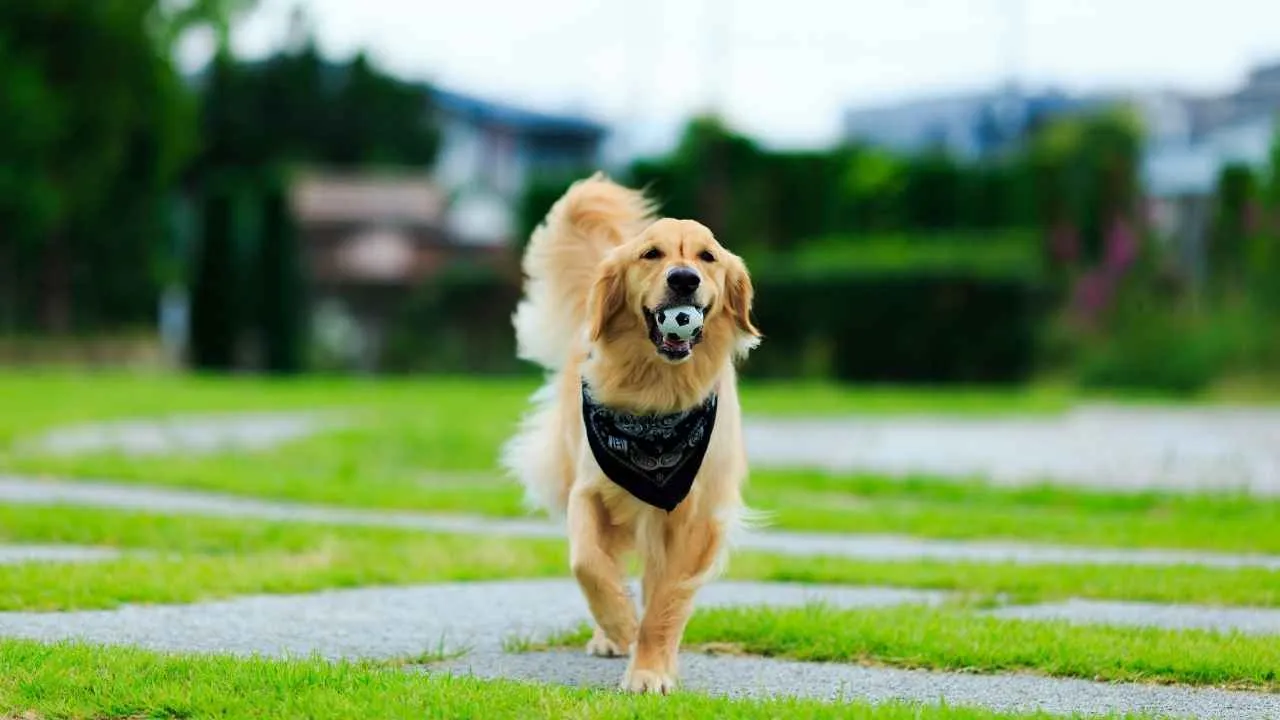
The Golden Retriever is a Scottish sporting breed admired for its lustrous golden coat, kind eyes, and affectionate temperament. Originally bred as a retriever, this intelligent and social dog is known for forming strong bonds with both people and other household pets.
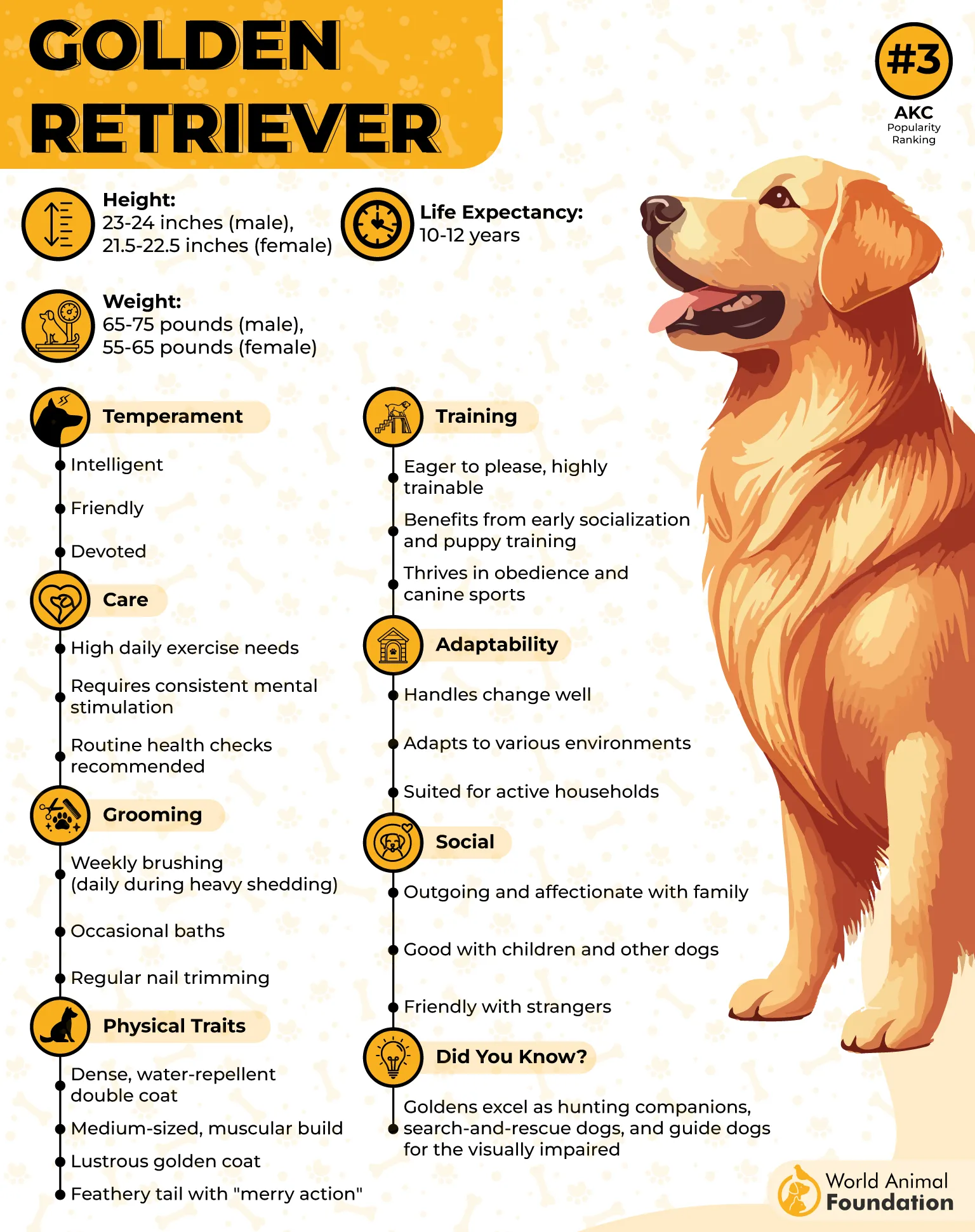
The Relaxed Companion That Bonds Well with Feline Friends
Golden Retrievers are naturally gentle and cooperative, which helps them adapt smoothly to homes with cats. Their friendly attitude and low tendency toward aggression often allow feline companions to feel safe and comfortable around them, especially after proper introductions.
This breed thrives on companionship and enjoys being included in daily family routines. While playful and energetic outdoors, Goldens are usually patient indoors and respond well to structured training, making peaceful coexistence with cats much easier in multi-pet homes.
Because they are eager to please, Golden Retrievers quickly learn household boundaries and routines.

Fact: Golden Retrievers have “soft mouths,” meaning they can carry objects gently without damaging them, a trait developed from their history as retrieving dogs.
6. Poodle

The Poodle is a clever and elegant breed originally developed in Germany as a water retriever. Recognized for its curly, low-shedding coat and athletic build, this affectionate dog is highly adaptable and thrives in active family homes.
A Loyal and Affectionate Breed Comfortable Around Cats
Poodles are deeply people-oriented dogs that enjoy companionship and household interaction. Their friendly and playful personality often allows them to live peacefully with cats, especially when socialized early and given positive introductions in shared spaces.
Highly intelligent and eager to please, Poodles respond beautifully to training and can quickly learn calm indoor manners around feline companions. Their gentle nature and emotional awareness help them adapt well to homes where routines, patience, and mutual respect between pets are encouraged.
Although energetic, Poodles are happiest when mentally stimulated with games, training, and family activities.
Fact: The breed’s famous haircut originally had a practical purpose, helping protect vital joints and organs while the dogs retrieved ducks in cold water.
7. Pug
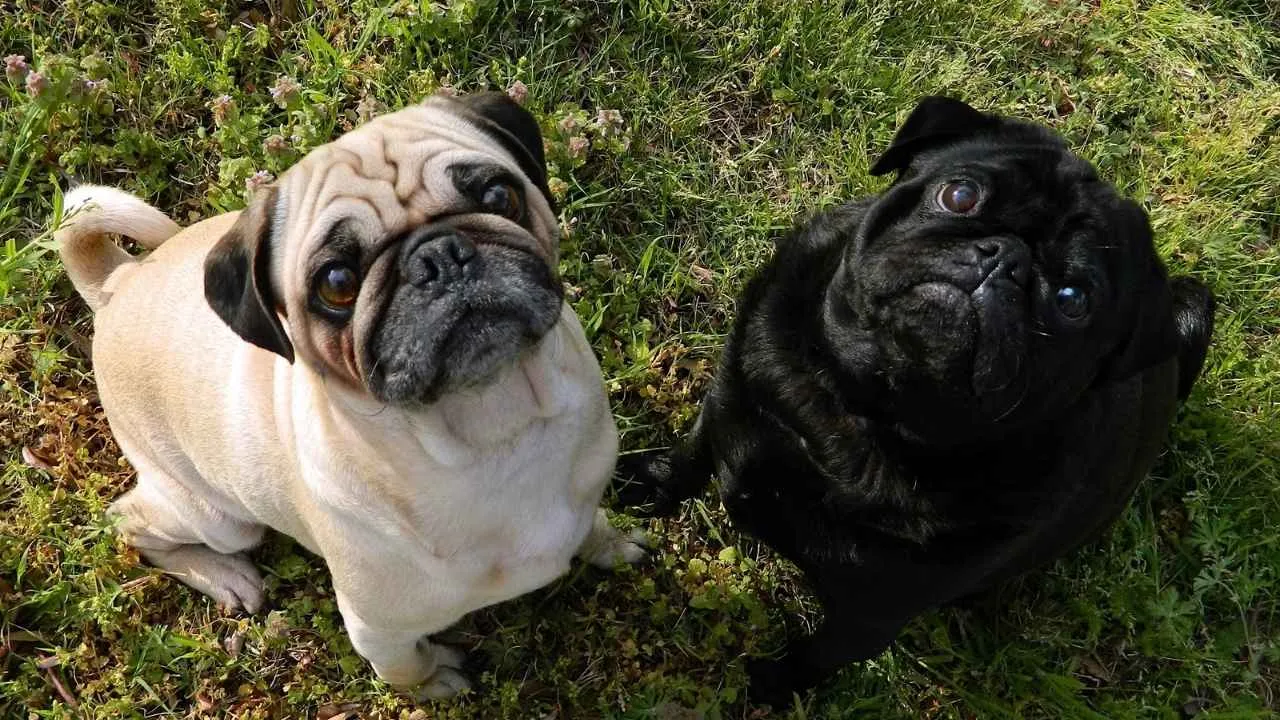
The Pug is a charming toy breed from China known for its wrinkled face, curled tail, and expressive eyes. With their affectionate nature and compact build, these playful companions thrive in both apartments and family homes.
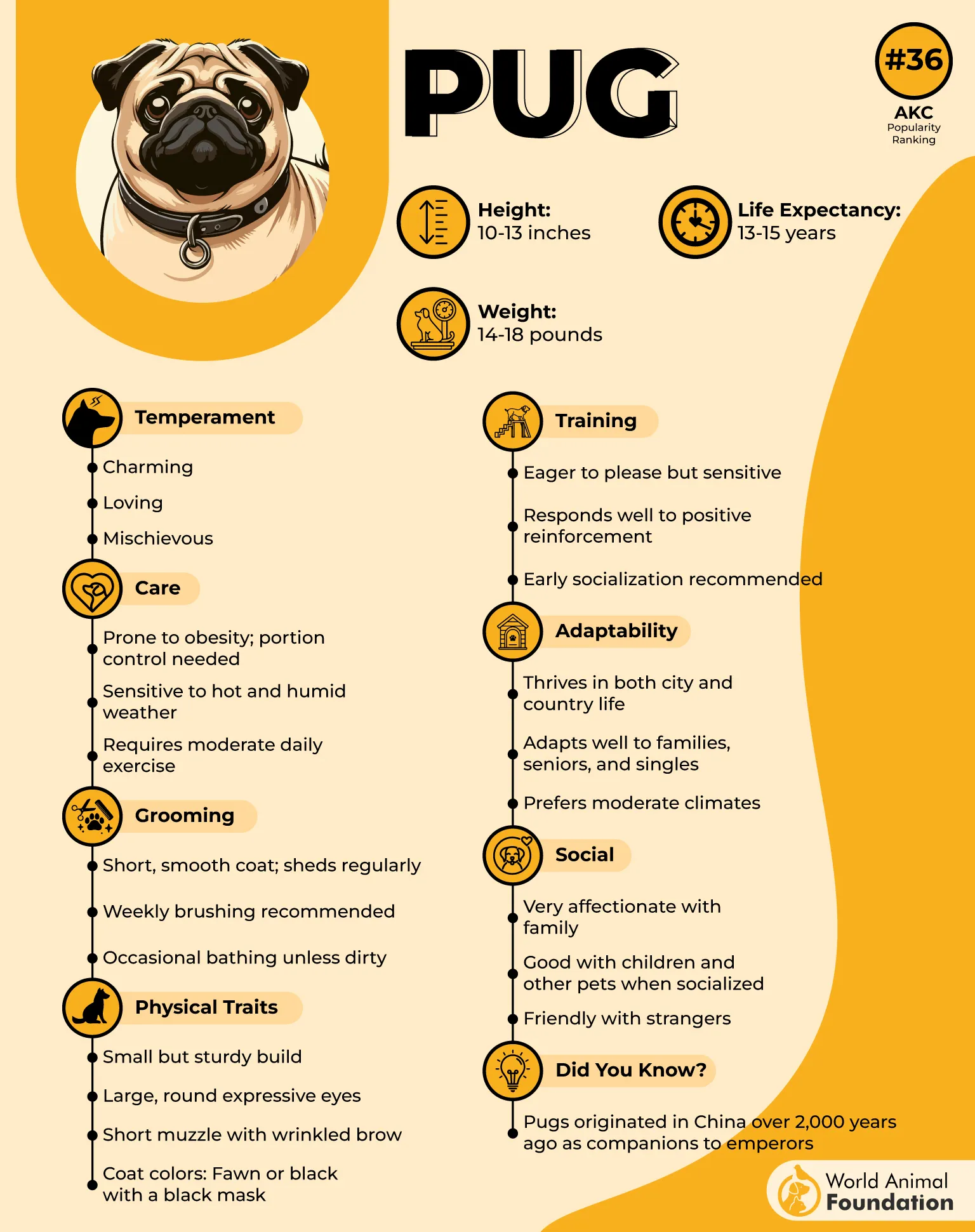
The Soft-Tempered Dog That Thrives in Harmonious Homes
Pugs are naturally sociable and usually adapt well to living alongside cats thanks to their calm and easygoing nature. Rather than constantly chasing or intimidating feline companions, they prefer cuddling with their humans or quietly relaxing nearby, creating a peaceful atmosphere in multi-pet households.
Their friendly temperament also makes them welcoming toward strangers, children, and other pets when socialized properly. Although playful and sometimes clownish, Pugs are not overly hyperactive, which helps reduce tension around more independent cats that value personal space and predictable routines.
These dogs dislike being left alone for long periods and flourish in homes filled with companionship and gentle interaction.
Fact: Pugs were originally bred in ancient China to serve as royal lap dogs and later became favorites among European nobility, including Marie Antoinette.
8. Maltese
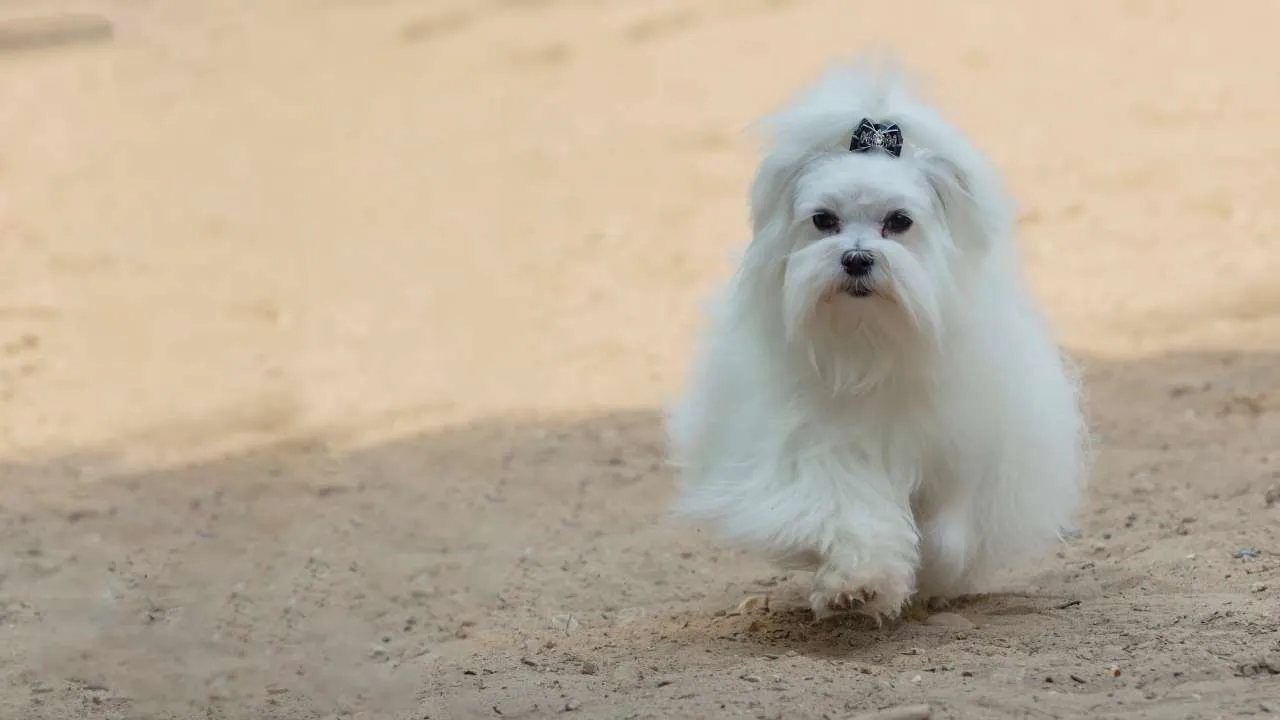
The Maltese is admired for its silky white coat, expressive dark eyes, and affectionate personality. Small yet confident, these intelligent dogs bond closely with their families and are known for being lively, alert, and eager to please.
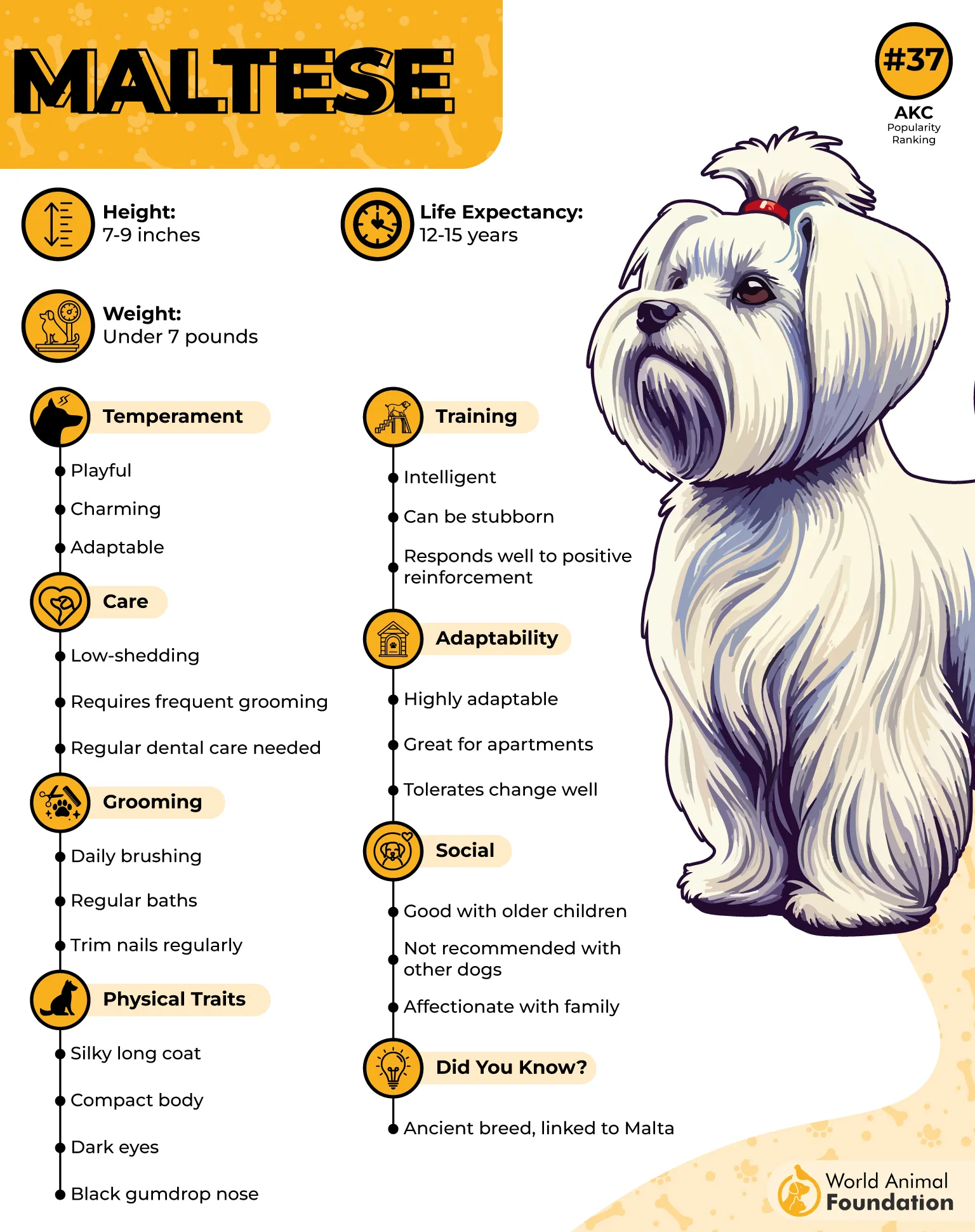
A Playful Yet Gentle Breed That Avoids Aggressive Behavior
Maltese dogs usually interact peacefully with cats when introduced patiently and given proper boundaries. Their gentle temperament and preference for companionship often make them more interested in friendly play or cuddling than dominating other pets in the home.
Although puppies can be energetic and attention-seeking, mature Maltese dogs tend to settle into a calmer rhythm. Interactive toys, short games of fetch, and daily walks help release energy, preventing restless behavior that could disturb feline housemates or create tension indoors.
This breed thrives on positive reinforcement and early socialization, especially around unfamiliar animals.
Fact: Despite their tiny size, Maltese dogs are considered fearless watchdogs and can be surprisingly alert and vocal when they notice unfamiliar sounds or strangers nearby.
9. Boston Terrier
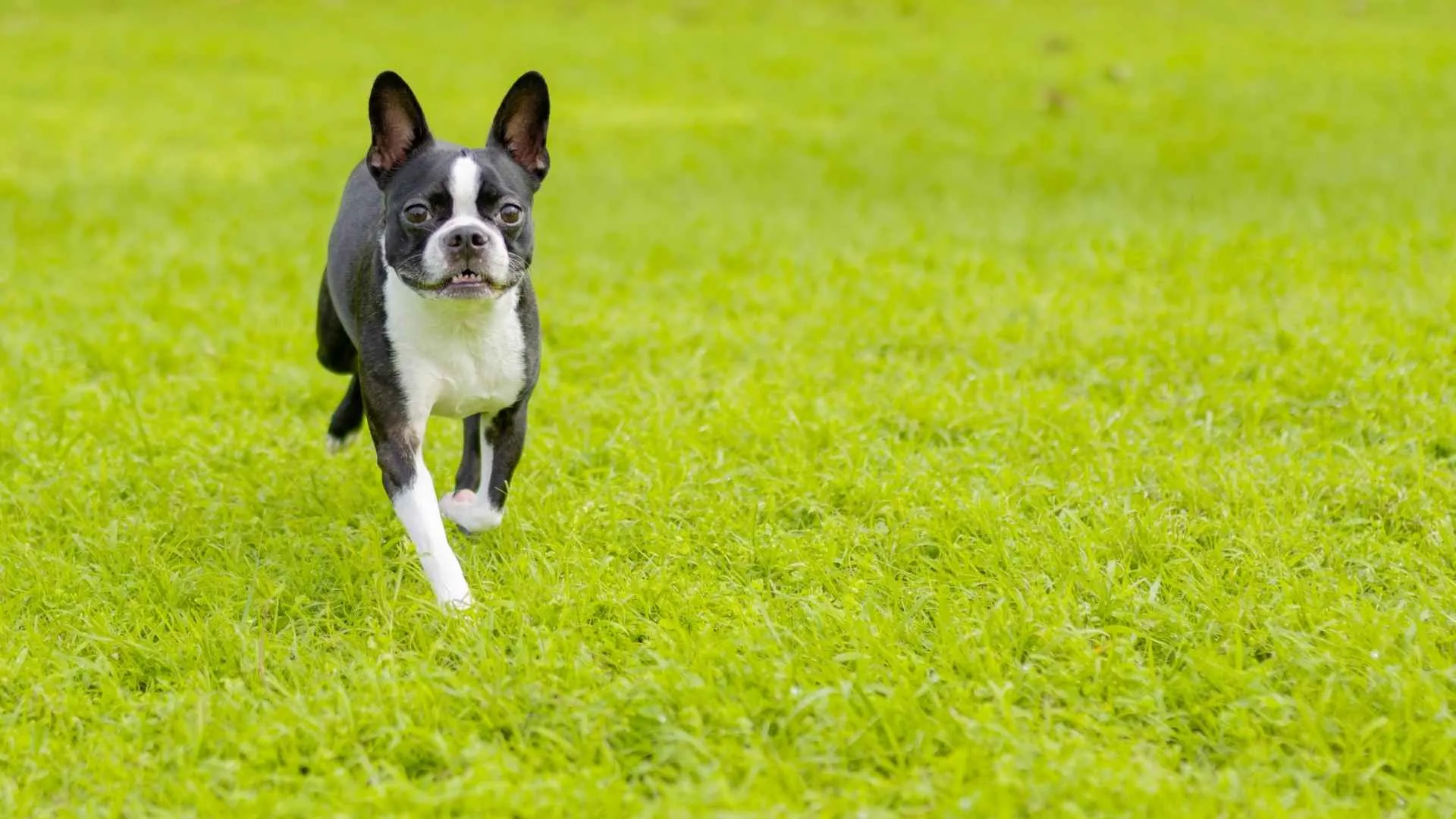
The Boston Terrier is a small non-sporting breed recognized for its tuxedo-like coat, bright eyes, and friendly personality. Originally developed in the United States, this compact companion is admired for being affectionate, playful, and highly people-oriented.
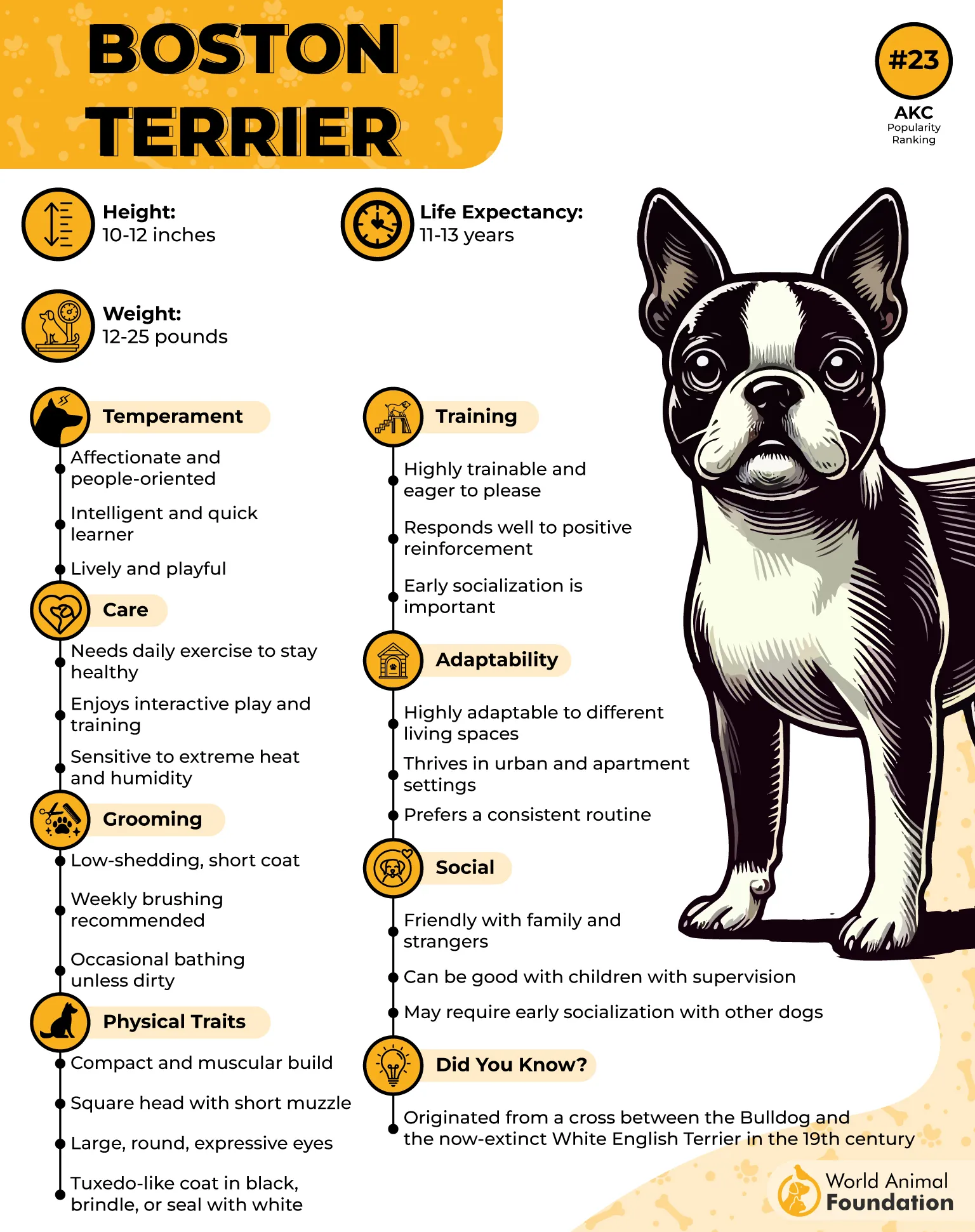
The Well-Mannered Dog That Coexists Smoothly with Cats
Boston Terriers’ love of companionship often helps them build peaceful relationships with feline housemates, especially when introductions are handled patiently.
Unlike more intense terrier breeds, Boston Terriers are generally content relaxing with their family rather than causing chaos indoors. They enjoy interactive games, short play sessions, and spending time near their humans, which makes them less likely to bother independent cats constantly.
These intelligent dogs respond best to praise-based training and early socialization. Although playful and energetic, they are typically respectful and adaptable in shared living spaces.
Fact: Boston Terriers were nicknamed “The American Gentleman” because of both their polished manners and their black-and-white coat that resembles a formal tuxedo.
10. Newfoundland
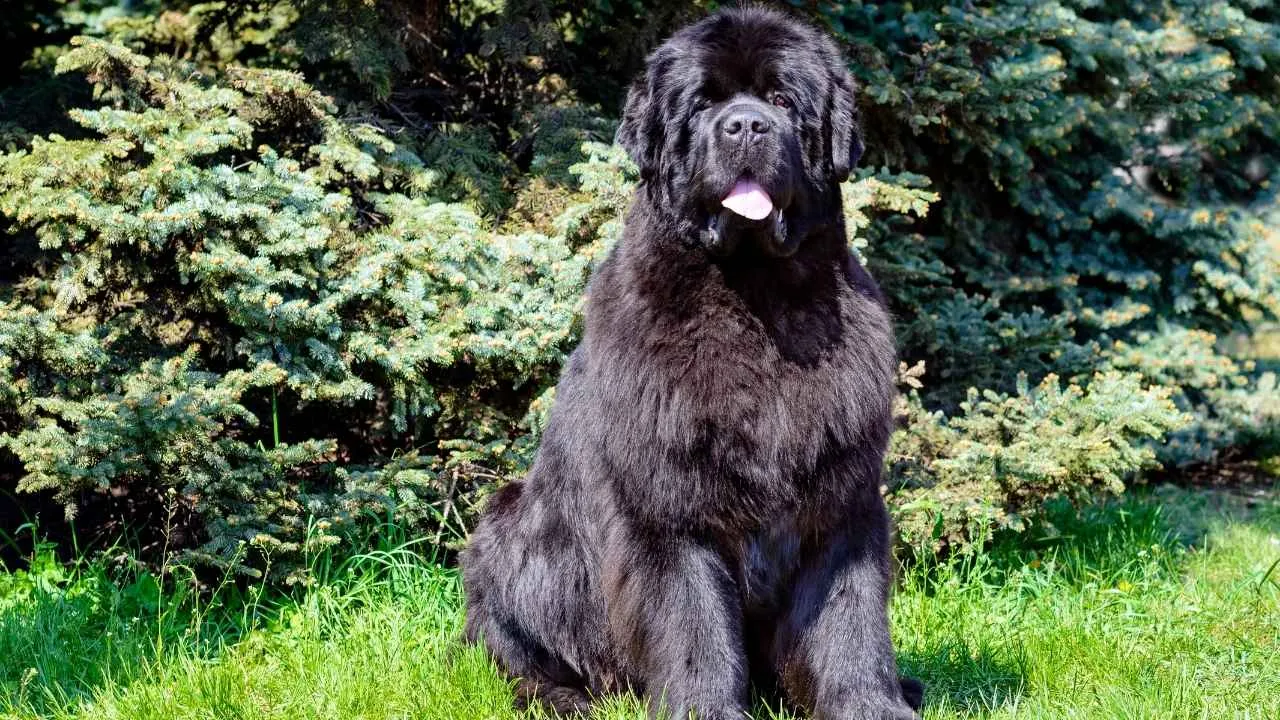
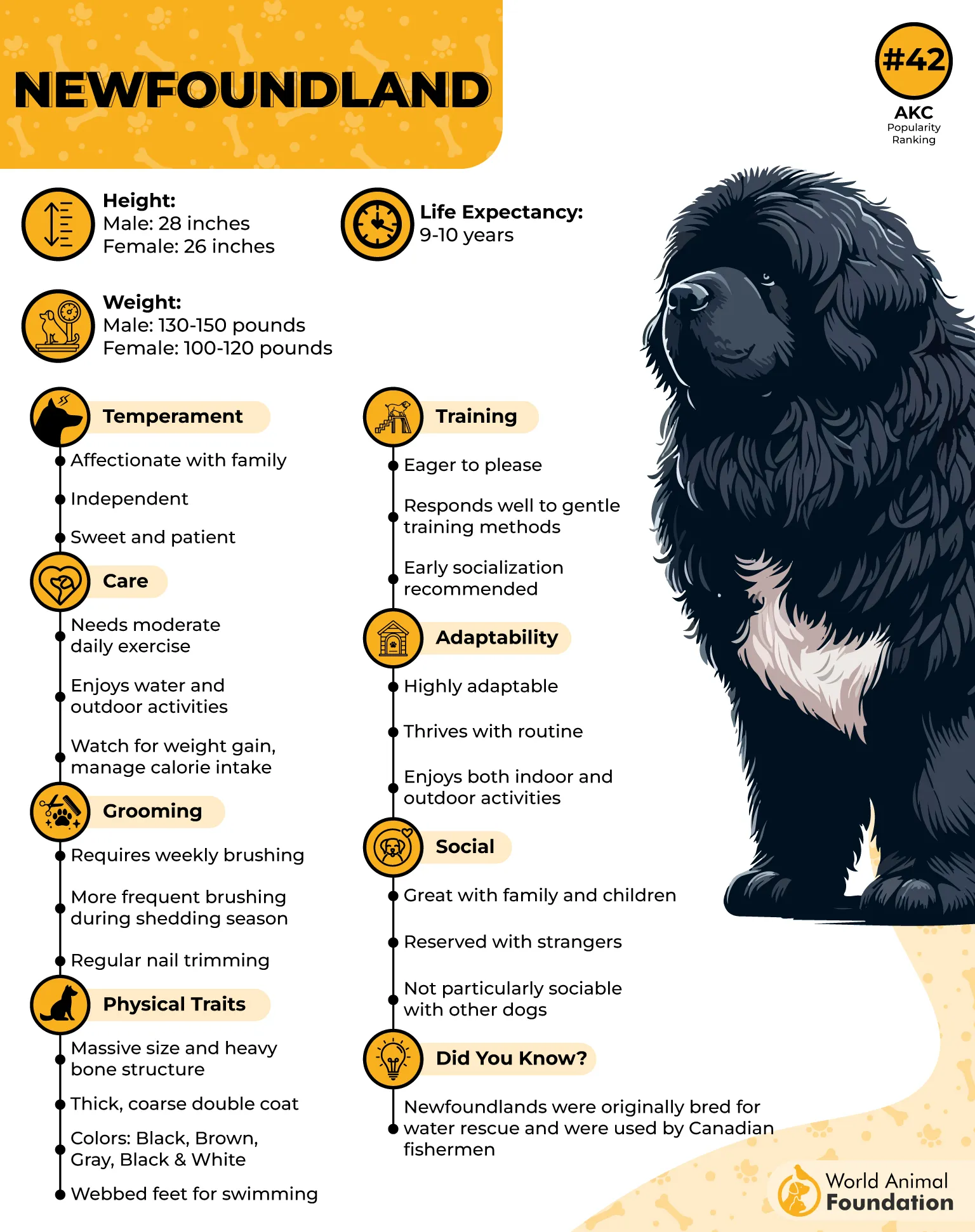
The Newfoundland is a giant Canadian working dog recognized for its thick water-resistant coat, webbed paws, and remarkable swimming skills. Originally bred to assist fishermen and perform water rescues, this gentle giant is admired for its calm, loyal, and affectionate temperament.
A Friendly Family Companion Ideal for Mixed-Pet Households
Newfoundlands are famously patient and easygoing, qualities that help them coexist peacefully with cats and other pets. Their relaxed personality and low tendency toward aggression often create a comfortable environment where feline companions can feel secure and respected.
Despite their enormous size, these cat-friendly dog breeds are soft-hearted family companions who usually prefer calm interaction over rough play. They enjoy being close to their people and often extend the same gentle attitude toward children, elderly family members, and household animals alike.
Because they thrive on companionship, Newfoundlands need regular attention, moderate exercise, and mental stimulation to stay balanced and content.
Fact: Newfoundlands earned the nickname “nanny dog” because of their famously protective and patient behavior around children.
Conclusion
Living with both cats and dogs can be a peaceful experience when the right canine temperament is involved. Gentle, patient, and emotionally balanced breeds often adapt beautifully to homes where feline companions already rule the space.
Many of these dogs succeed because they are calm indoors, socially adaptable, and respectful of boundaries. With proper introductions, steady routines, and thoughtful supervision, they can form trusting relationships with cats while keeping the household relaxed and harmonious.
Several breeds in this list were originally developed for companionship, rescue work, or cooperative tasks, which helped shape their loyal and tolerant personalities. Their affectionate nature, combined with low aggression and family-oriented behavior, makes them especially suitable for mixed-pet homes.
Whether large or small, energetic or laid-back, these dogs thrive best when given attention, training, and positive social experiences. A well-matched dog and cat can share not only a home, but also companionship built on patience, comfort, and mutual respect.
