




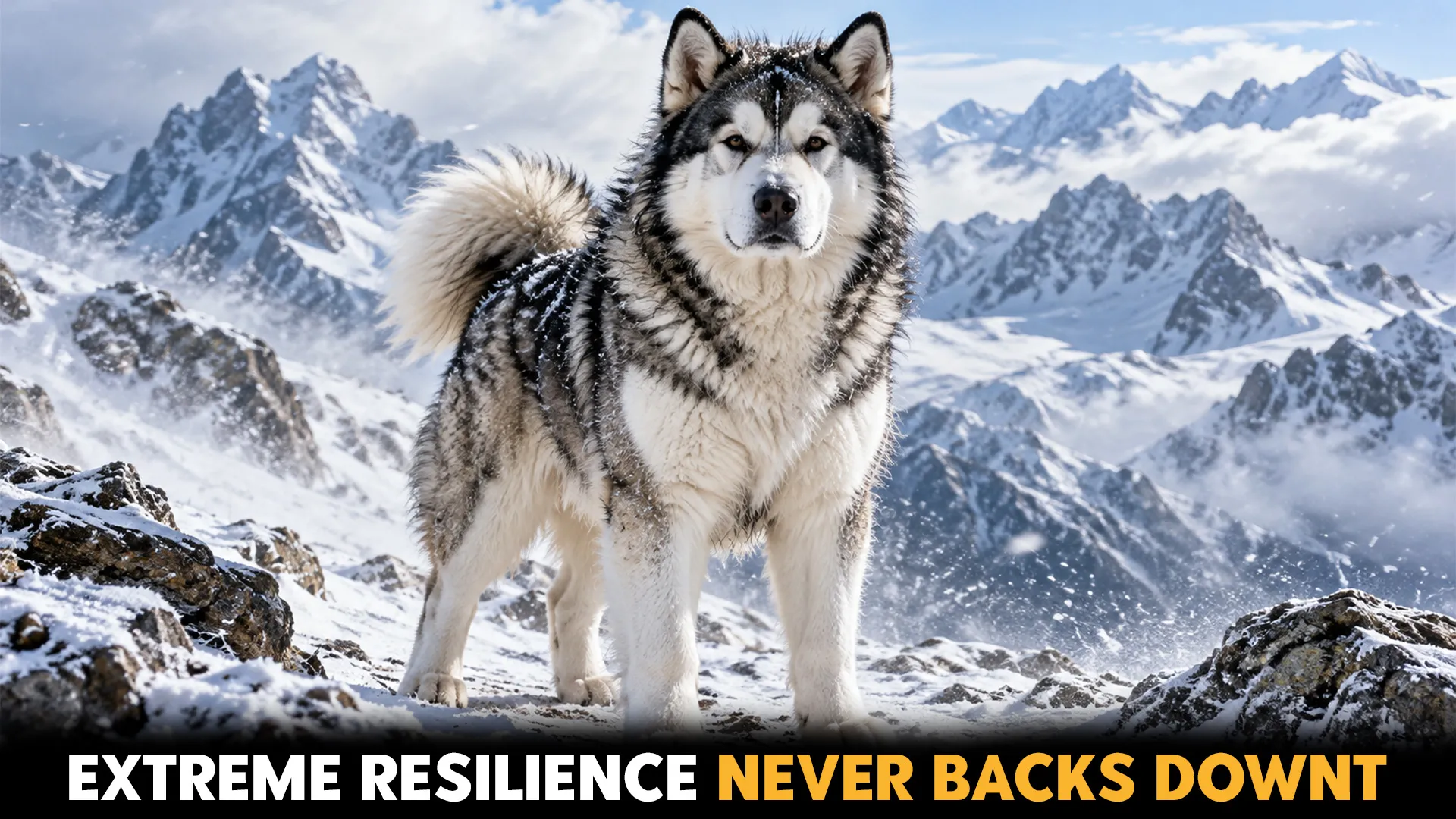
Some dogs dash through snowstorms, trek across rocky mountains, or work for hours without losing their determination. Their toughness goes beyond a powerful body or fluffy coats. Generations of demanding work have shaped these canines to handle harsh climates, challenging terrain, and physically exhausting tasks with impressive endurance and strength.
If you admire top dog breeds known for extreme resilience and hardiness, this list introduces ten remarkable companions with fascinating histories. From sled dogs built for pulling heavy loads to vigilant guardians with strong protective instincts, each breed has unique traits that reflect its original purpose.
However, even resilient dogs need appropriate care, balanced exercise, and consistent training. Let’s meet these hardworking companions and see what makes each one stand out among athletic dogs.
Top Dog Breeds Known for Extreme Resilience and Hardiness
1. Siberian Husky
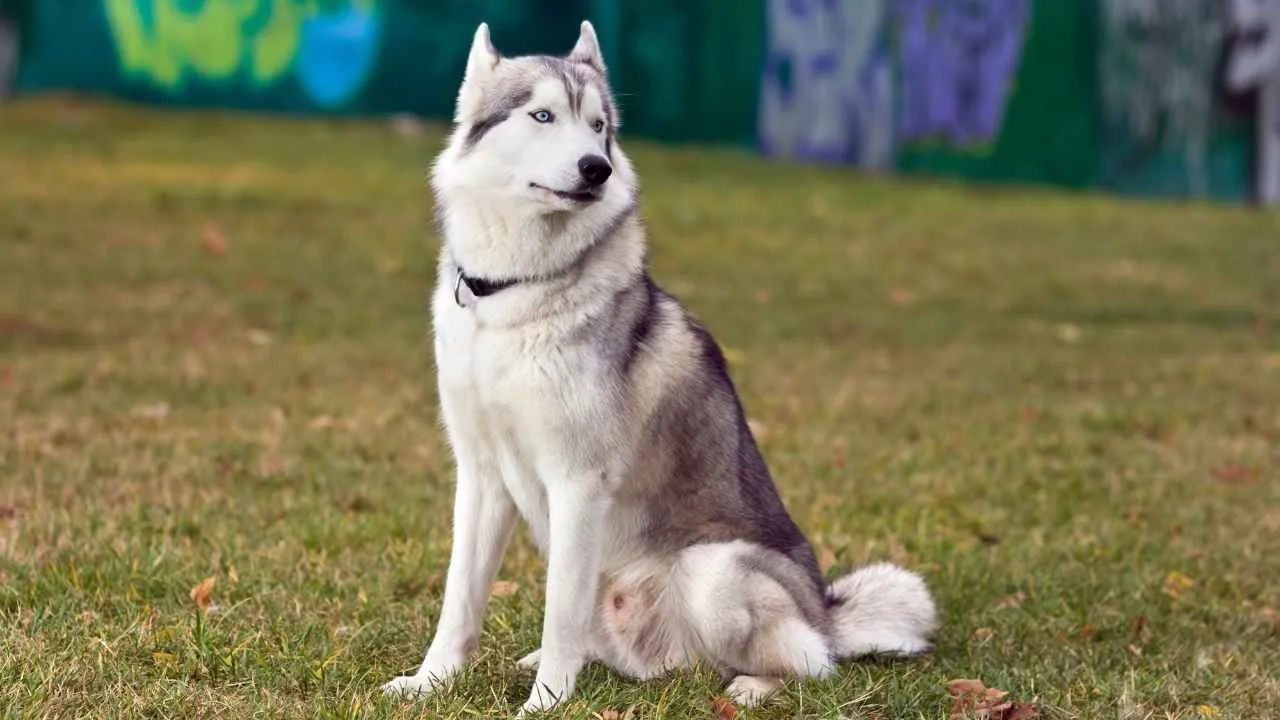
When icy winds sweep across frozen landscapes, the Siberian Husky looks ready for the challenge like no other worker. Originally bred by the Chukchi people of northeastern Siberia, this high-energy helper developed the stamina to pull sleds vast distances in freezing temperatures.
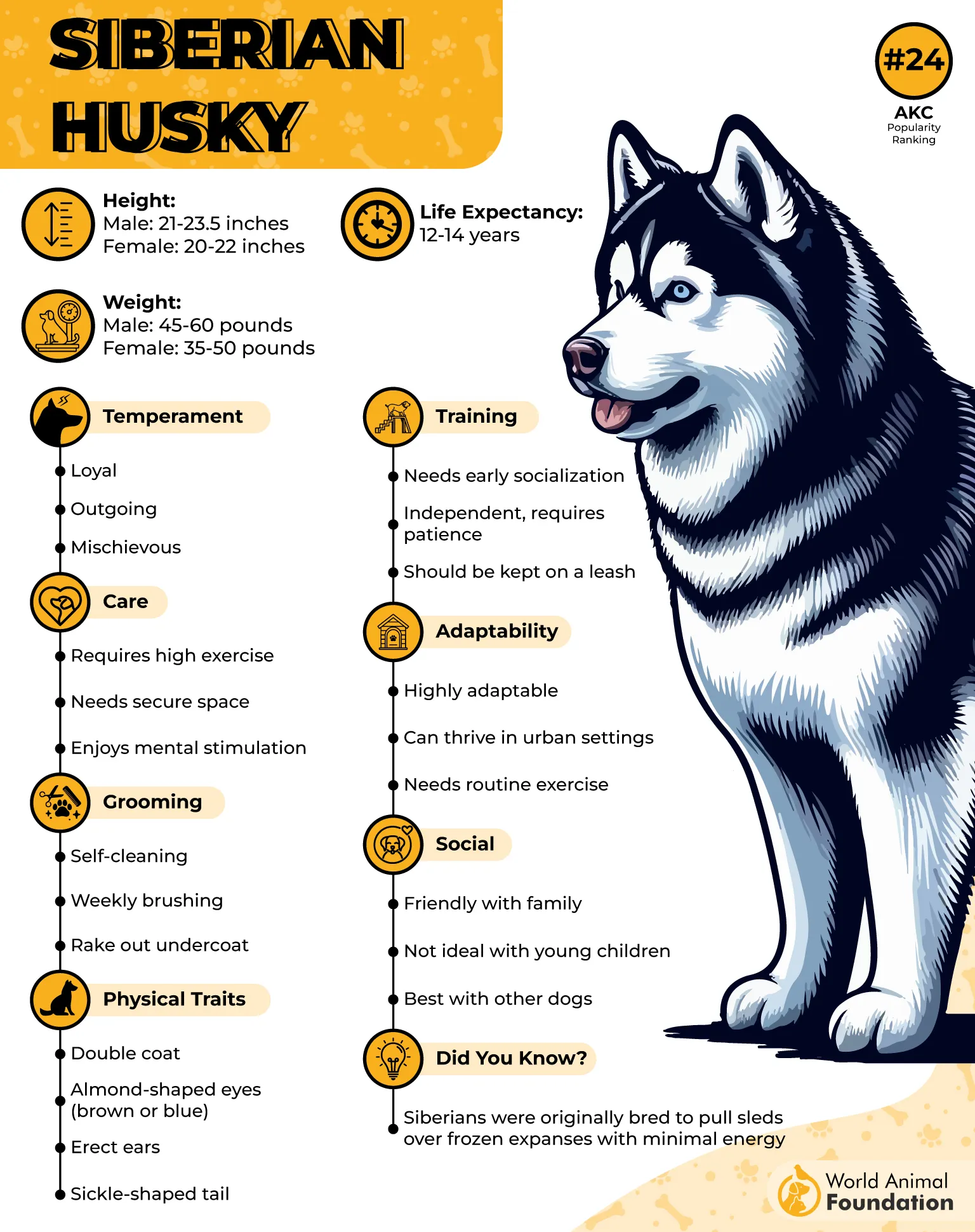
Its thick double coat provides insulation in cold climates, while a compact frame and efficient movement help conserve energy. Striking eyes, erect ears, and a bushy tail add to the breed’s charm. A white Siberian Husky looks especially eye-catching against snowy terrains.
Don’t mistake this endurance athlete for an average dog or a quiet house companion. Huskies thrive on running, outdoor adventures, and mental stimulation. Britannica mentions that their independence also calls for patient obedience work and secure enclosures because a tempting scent or moving animal could trigger a chase.
For pet parents in warmer regions, shade, fresh water, and exercise during cooler hours help protect their dogs from extreme weather. A Husky’s playful personality and fearless spirit reward active dog owners who appreciate an adventurous lifelong companion.
2. Alaskan Malamute
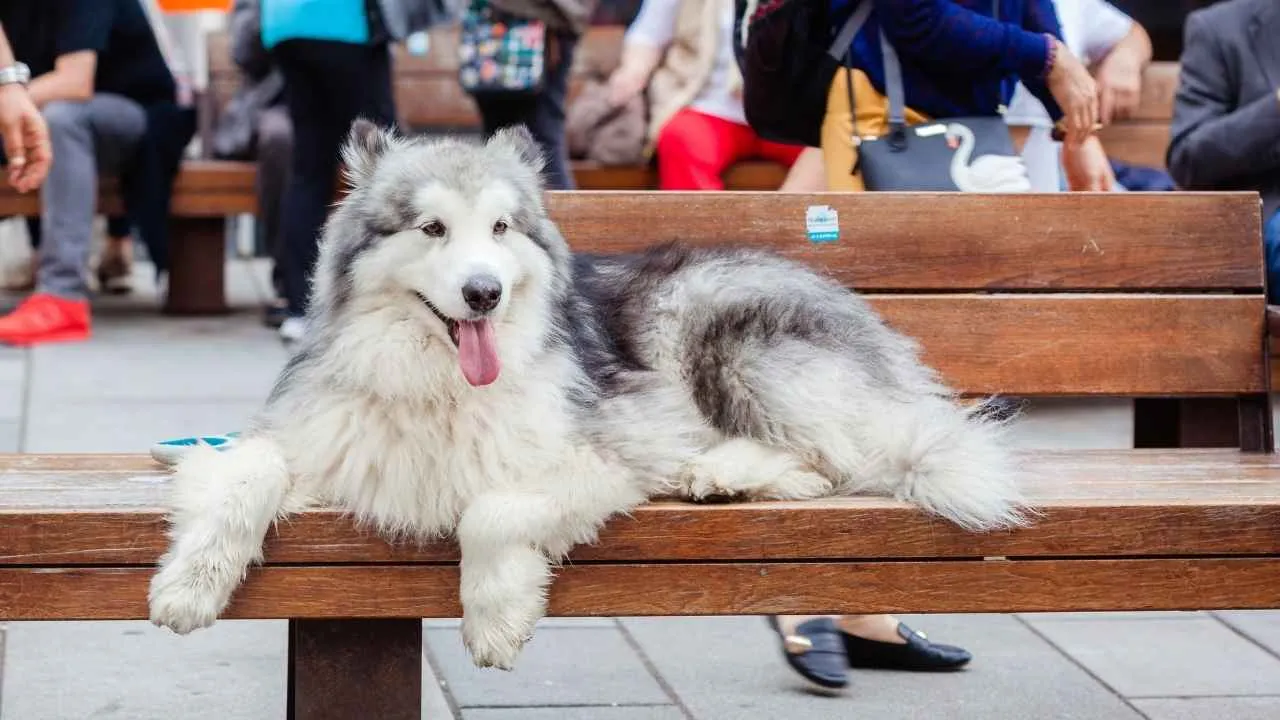
Built for heavy hauling rather than quick sprints, the Alaskan Malamute earns its reputation through impressive physical strength and endurance. The Mahlemut people of Alaska relied on these powerful workers to transport supplies across challenging Arctic terrain.
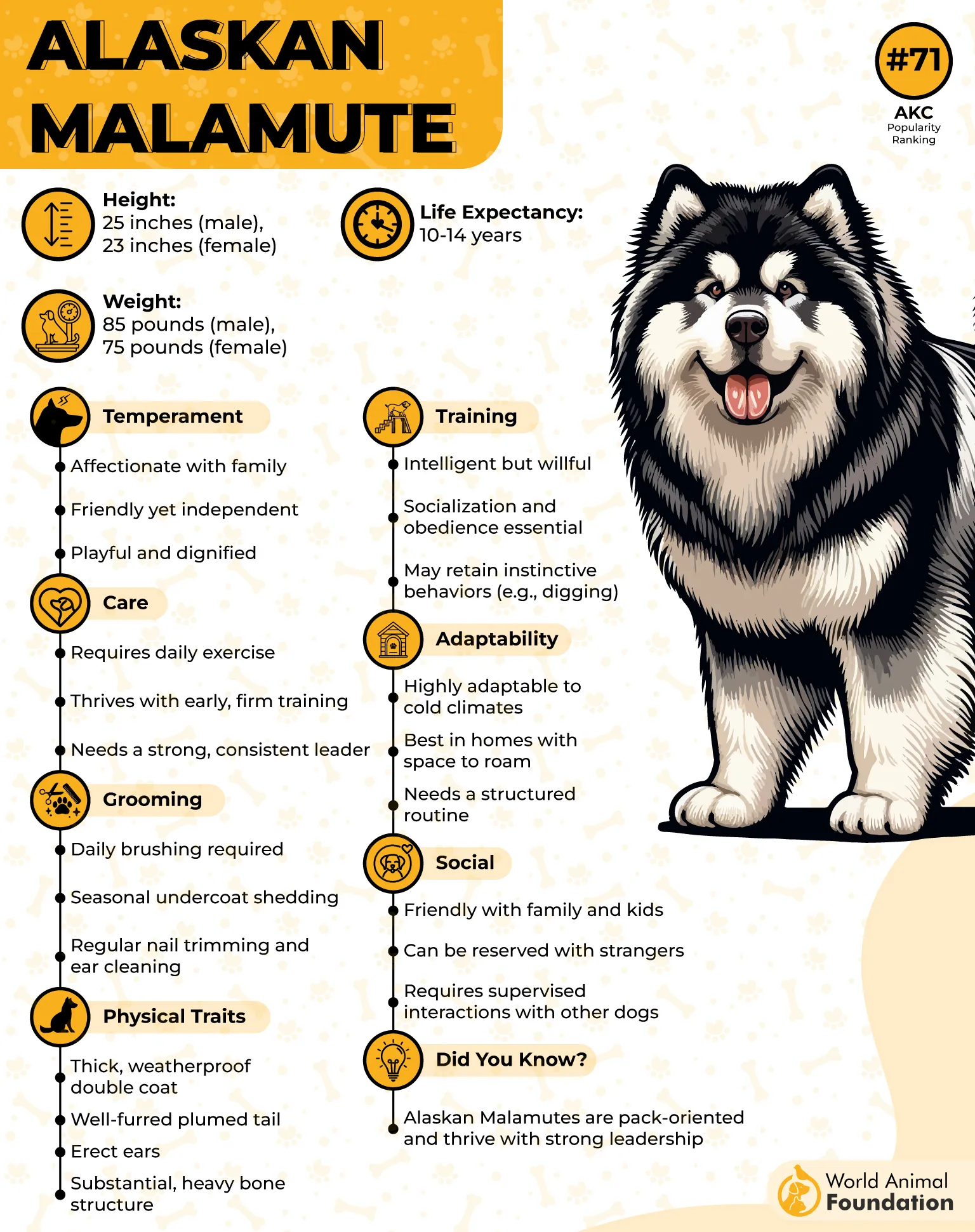
A broad chest, sturdy build, muscular shoulders, and a dense double-layered coat help the breed manage demanding outdoor work in cold weather. Its substantial frame supports pulling heavy loads over long distances, making the Malamute one of the most recognizable northern working dogs.
Unlike the faster Siberian Husky, Malamutes specialize in strength and sustained effort, handling heavy sleds across frigid temperatures. Hiking, suitable pulling activities, and structured outdoor challenges provide healthy outlets for their drive.
According to Omlet, behind the tough exterior lives an affectionate, playful companion with a determined mind. Early socialization and structured training help establish household boundaries, and regular brushing controls loose hair during seasonal shedding.
These dogs need committed owners who understand their exercise requirements, grooming workload, and independent behavior. Their friendly nature also means their impressive size doesn’t automatically make them excellent guard dogs.
3. Anatolian Shepherd
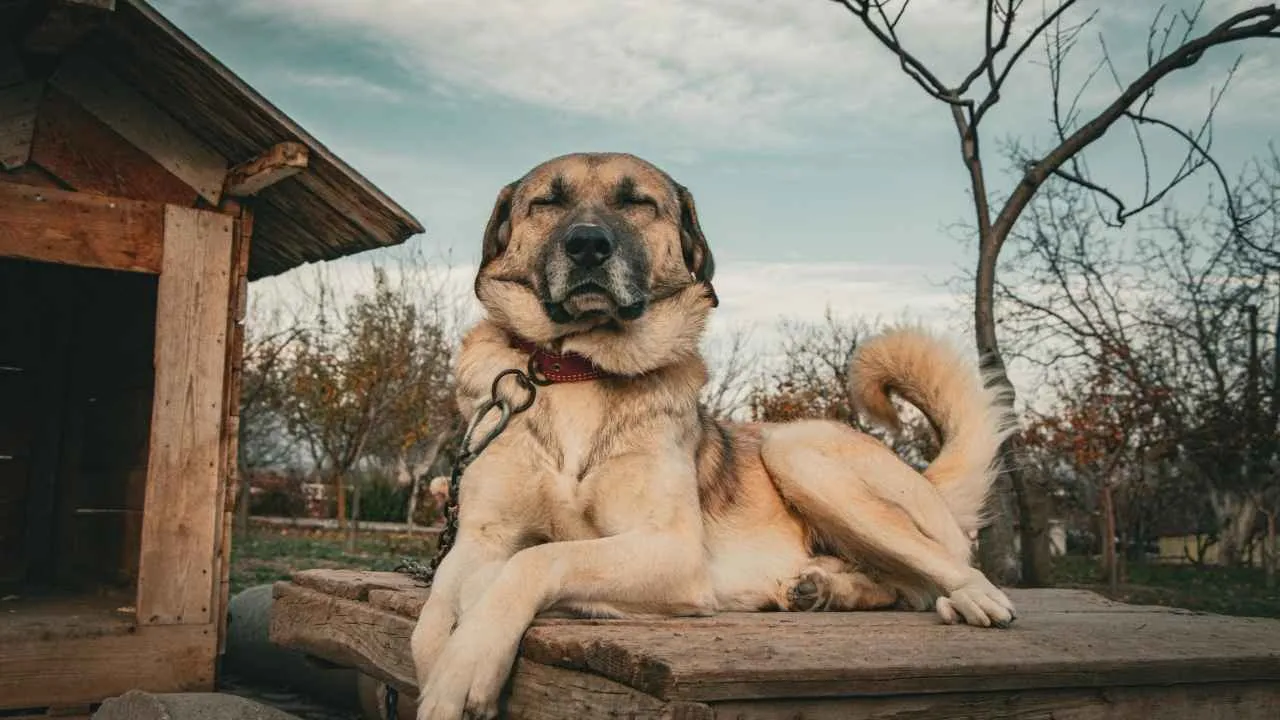
Patrolling sun-baked pastures and craggy mountainous regions, the Anatolian Shepherd stands out for its independence, alertness, and unwavering determination. Originating in Turkey, this livestock guardian developed a muscular build and the confidence to work without constant human direction.
Its short-to-medium coat offers protection against changing conditions, and its sturdy body supports extended patrols across rural land.
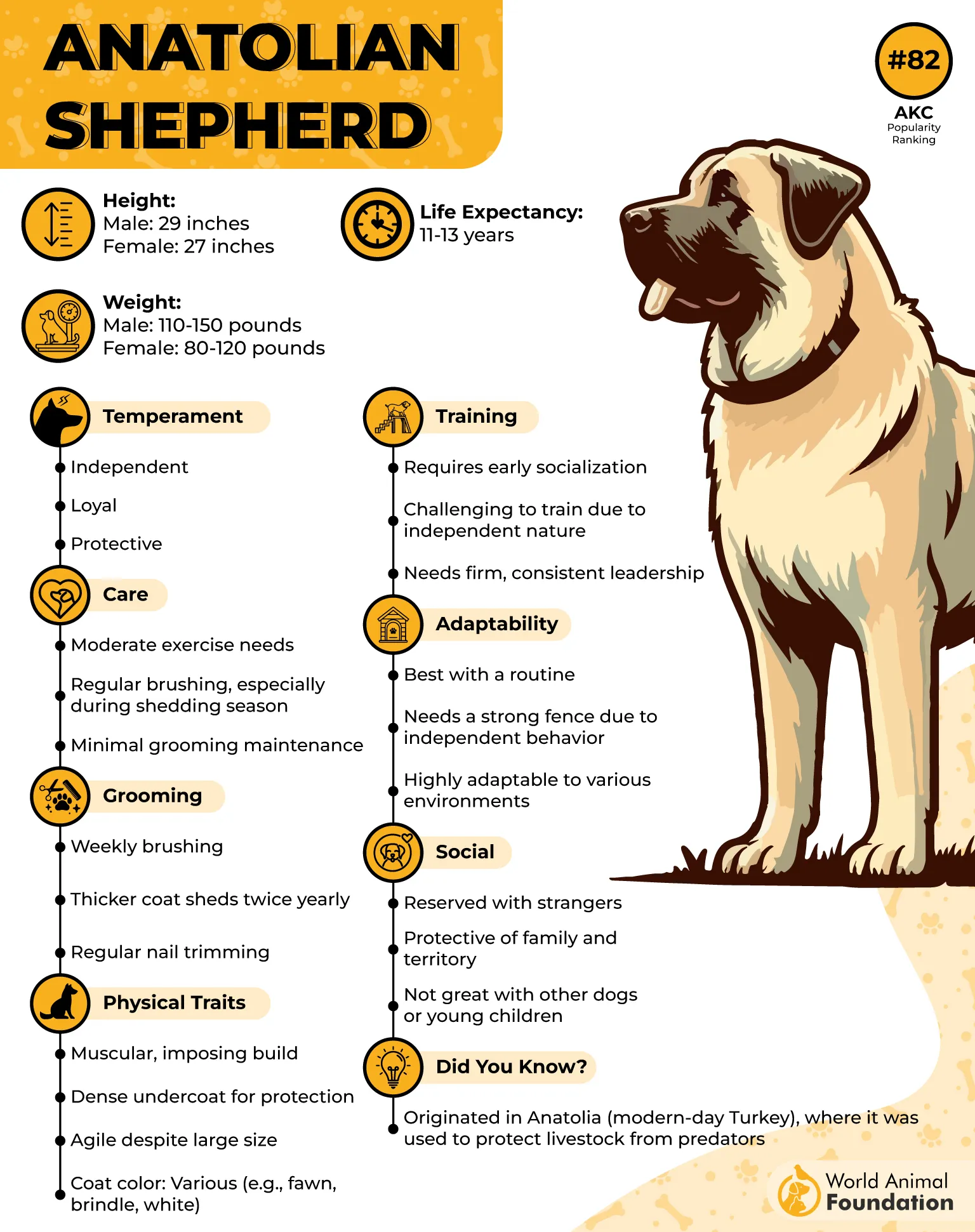
Anatolian Shepherds assess unfamiliar situations carefully rather than rushing into every disturbance. Purina states that their protective nature makes early socialization, secure fencing, and clear boundaries essential. These large dogs also need room to move and opportunities to exercise their minds.
Their guarding instinct reflects generations of independent work, so inexperienced handlers could struggle with their self-directed behavior.
Properly trained Anatolian Shepherds benefit from calm guidance, structured routines, and responsible supervision. For experienced owners, this breed offers a fascinating combination of physical hardiness and thoughtful protection.
4. Tibetan Mastiff
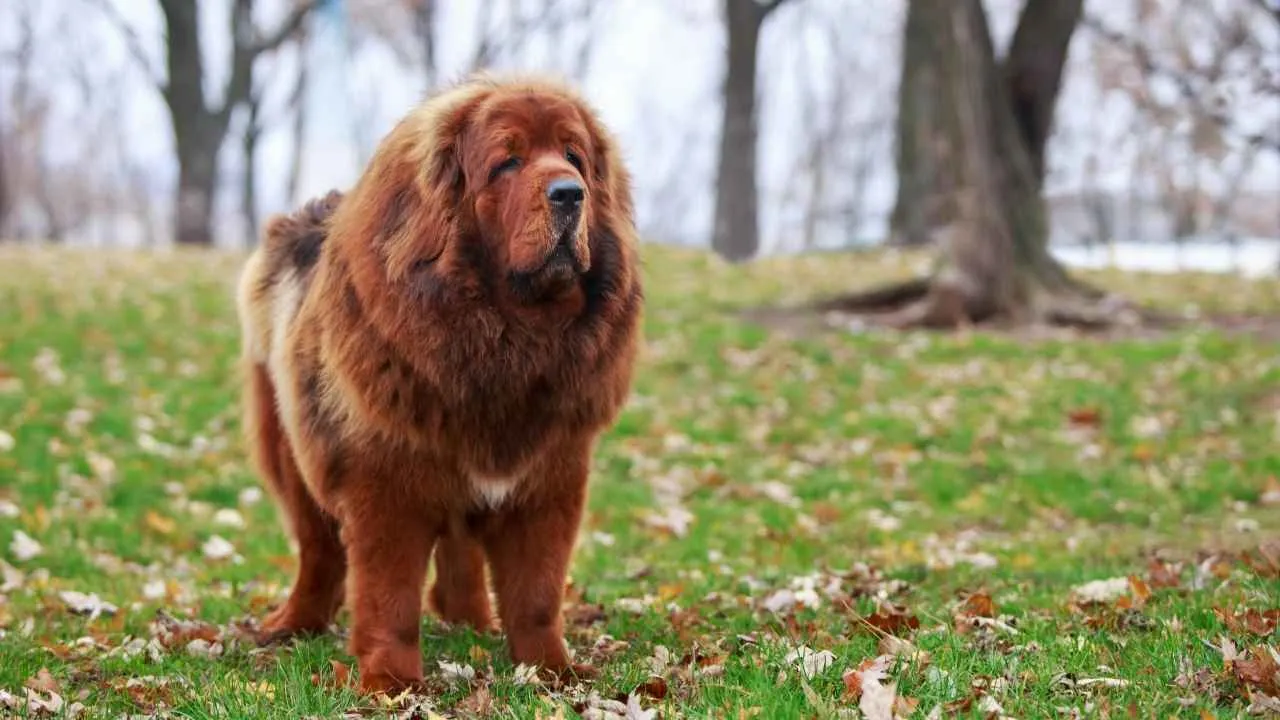
High-altitude environments demand a special combination of strength, alertness, and self-reliance, and the Tibetan Mastiff embodies these qualities through a history of guarding homes, settlements, and flocks across the Tibetan Plateau. Its massive frame, thick coat, heavy mane, and watchful expression create an intimidating appearance.
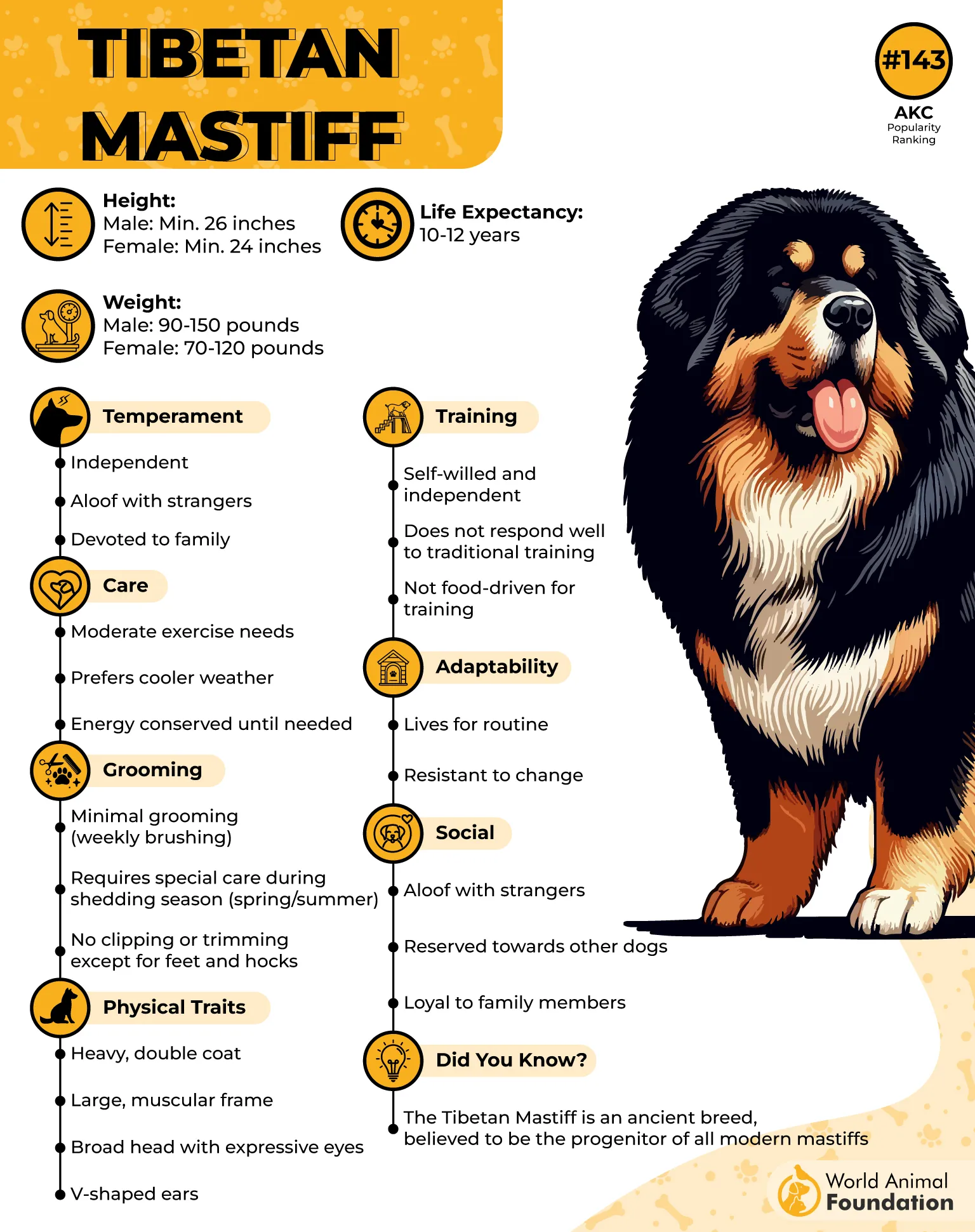
A heavy undercoat helps the breed endure extreme cold, making it well suited to harsh conditions. Its powerful presence also supports the demanding work for which this guardian developed.
AKC notes that Tibetan Mastiffs possess an independent personality and tend to evaluate strangers carefully. Known for their protective instincts, they call for patient training, early socialization, and secure outdoor boundaries. Owners should also understand their tendency to bark at night when they detect unfamiliar activity.
Despite their formidable size, these dogs form deep bonds with familiar family members. They appreciate predictable routines and respectful handling rather than harsh discipline.
Their considerable grooming needs, territorial behavior, and space requirements deserve careful consideration before adoption. With experienced guidance, the Tibetan Mastiff’s fearless nature and devotion become easier to appreciate.
5. Norwegian Elkhound
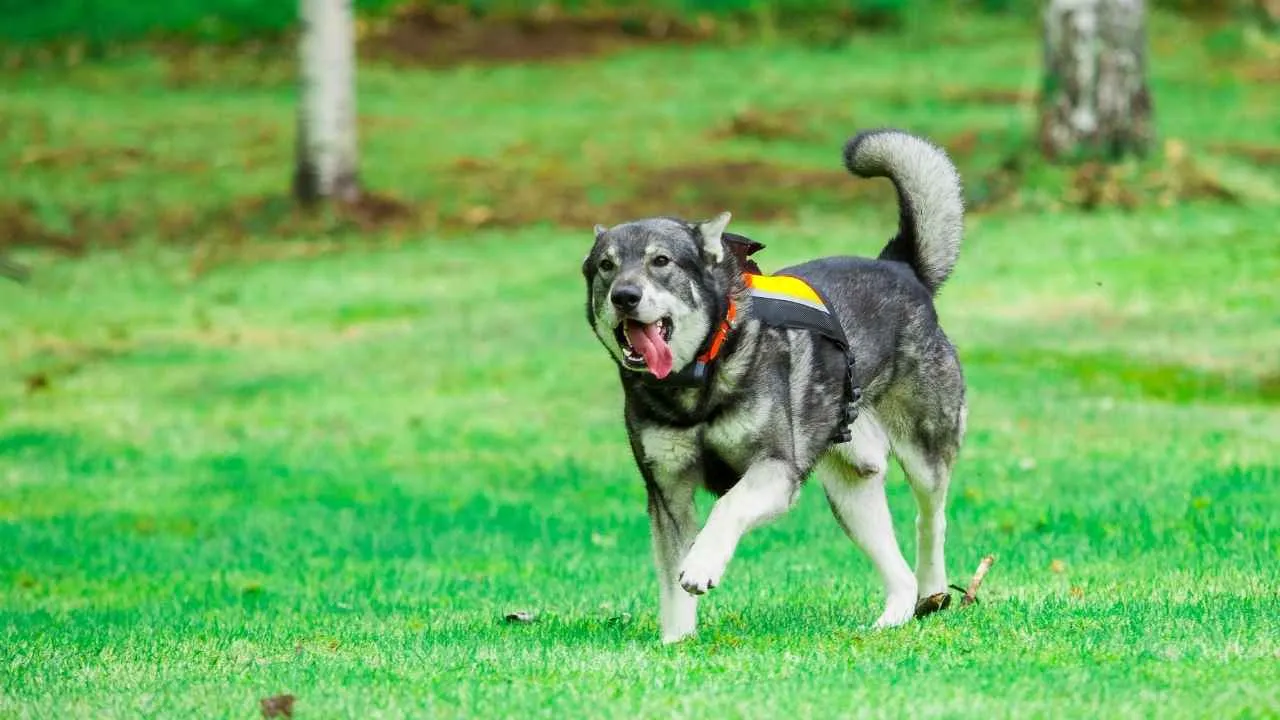
Compact compared with giant guardians, the Norwegian Elkhound proves that toughness doesn’t depend on enormous size. This Nordic hunter developed the stamina, sharp senses, and determination needed to track large game across forests and rugged Scandinavian terrain.
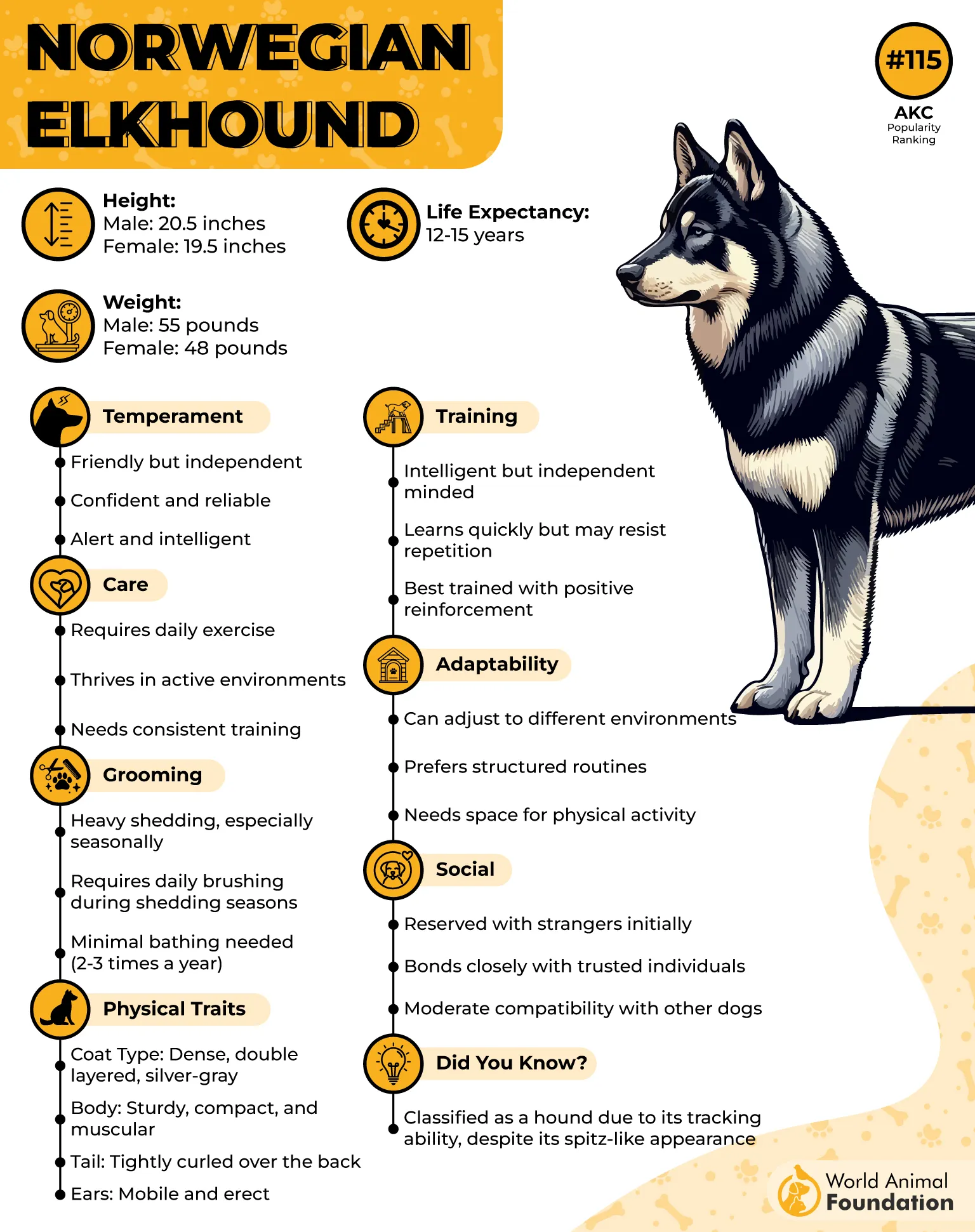
Its sturdy build, upright ears, curled tail, and dense gray coat reflect its origins in cold environments. Norwegian hunters relied on these dogs to locate moose and keep the animals occupied through persistent barking until hunters arrived.
That adventurous instinct remains apparent today. Norwegian Elkhounds excel at hiking, scent games, and outdoor activities that challenge their bodies and minds. Their strong desire to investigate interesting smells also makes secure enclosures and reliable recall training important.
Regular brushing helps control shedding, particularly when the dense undercoat comes loose during seasonal changes. Regular exercise also reduces boredom-related behaviors, including excessive vocalizing. Friendly with familiar people and alert to unusual activity, this breed offers an appealing mix of companionship and working-dog determination.
6. Akita
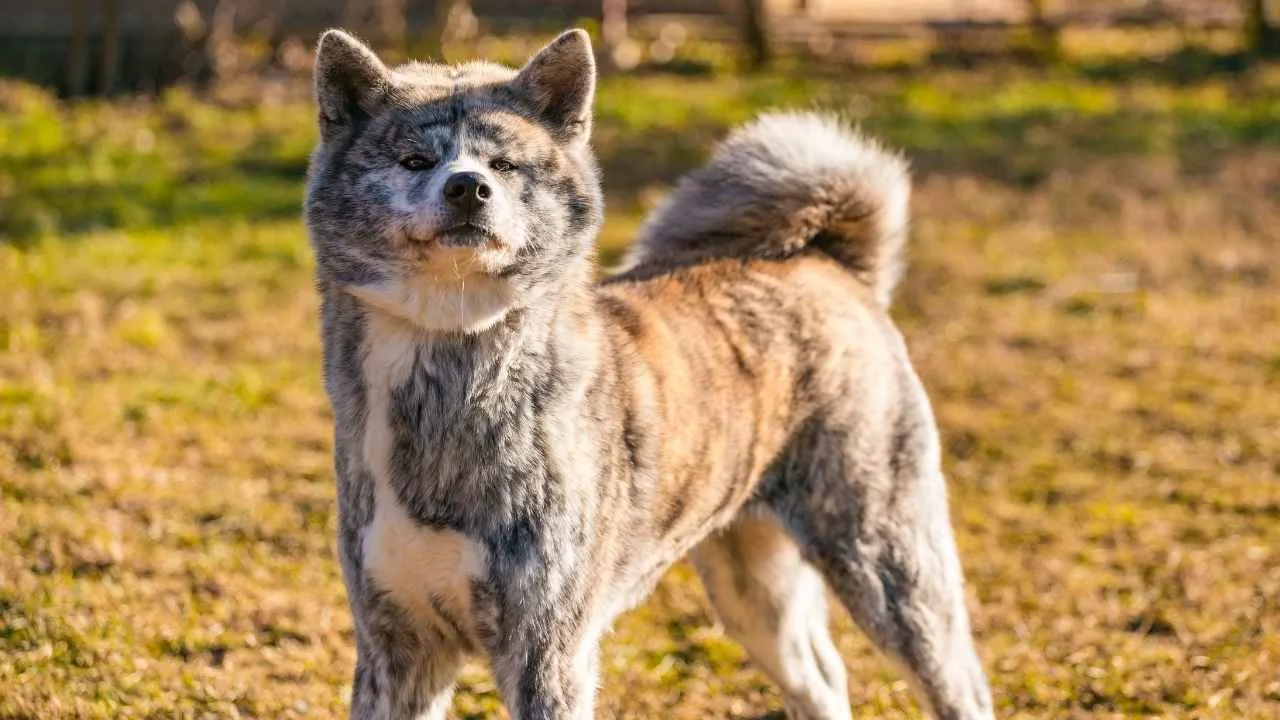
A dog that faces difficult conditions with quiet determination deserves recognition, and the Akita has that quality in abundance. This Japanese breed developed in mountainous regions, where its hunting and guarding history demanded courage, stamina, and independence.
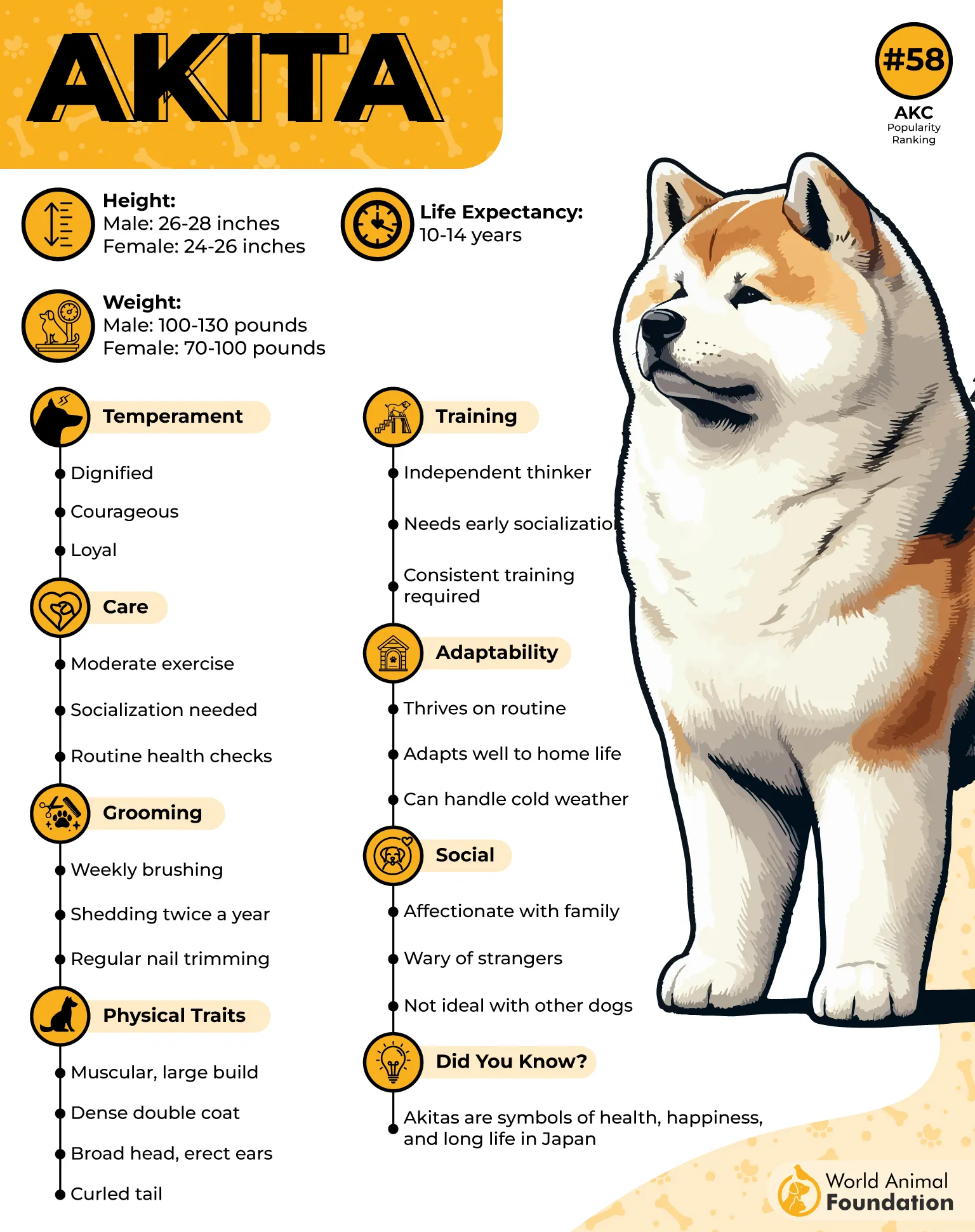
Its broad head, curled tail, muscular body, and protective double coat create a striking appearance and a distinct silhouette. The dense outer layer and insulating undercoat help the Akita tolerate chilly weather, and its physical strength supports demanding outdoor activity.
Akitas are known for their loyalty and deep devotion to family. However, their independent streak requires patient obedience training, respectful handling, and early introductions to unfamiliar people and animals. Regular walks, purposeful play, and opportunities to explore support their physical and mental well-being. Routine brushing also helps manage loose hair during heavy shedding periods.
An Akita’s loyalty runs deep, making this breed a compelling companion for experienced owners who appreciate independence alongside affection. Its guarding instinct deserves responsible guidance rather than encouragement toward unnecessary aggression.
7. Australian Cattle Dog
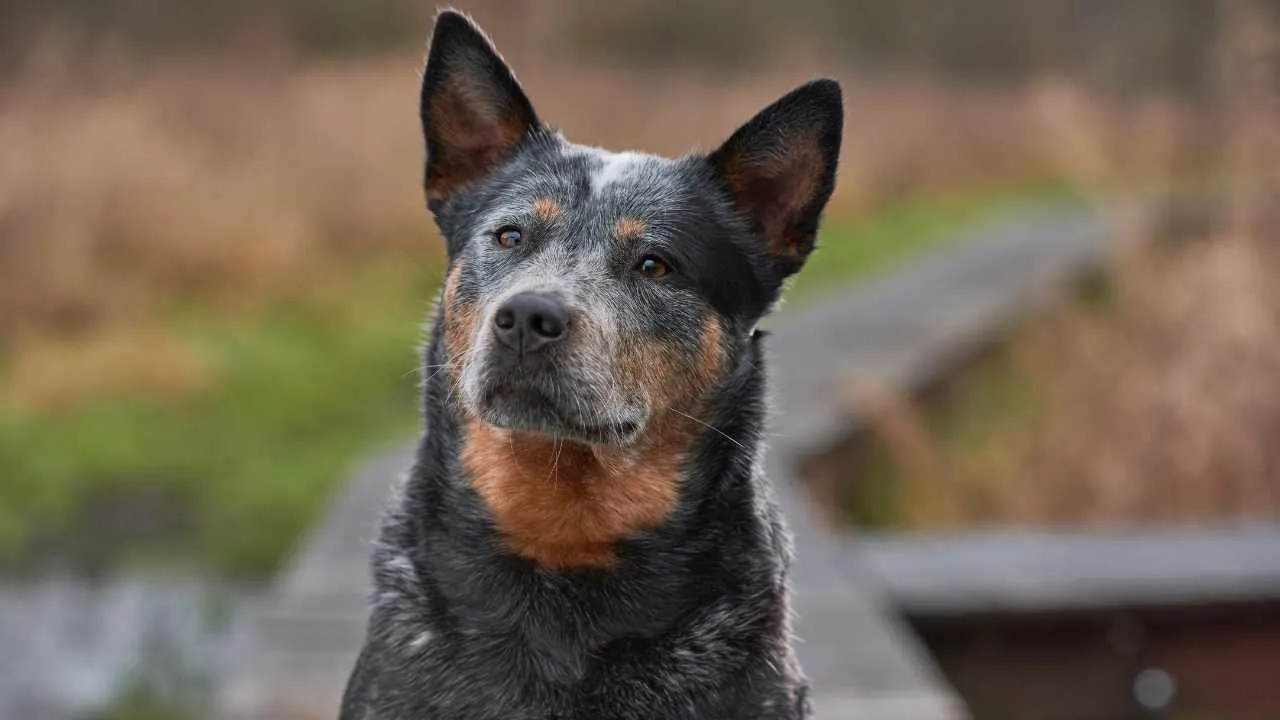
For a dog that treats a working day like an exciting challenge, the Australian Cattle Dog deserves a spot among the hardiest dog breeds. Developed in Australia to move cattle across extensive ranches, this compact worker combines agility, concentration, and exceptional stamina.
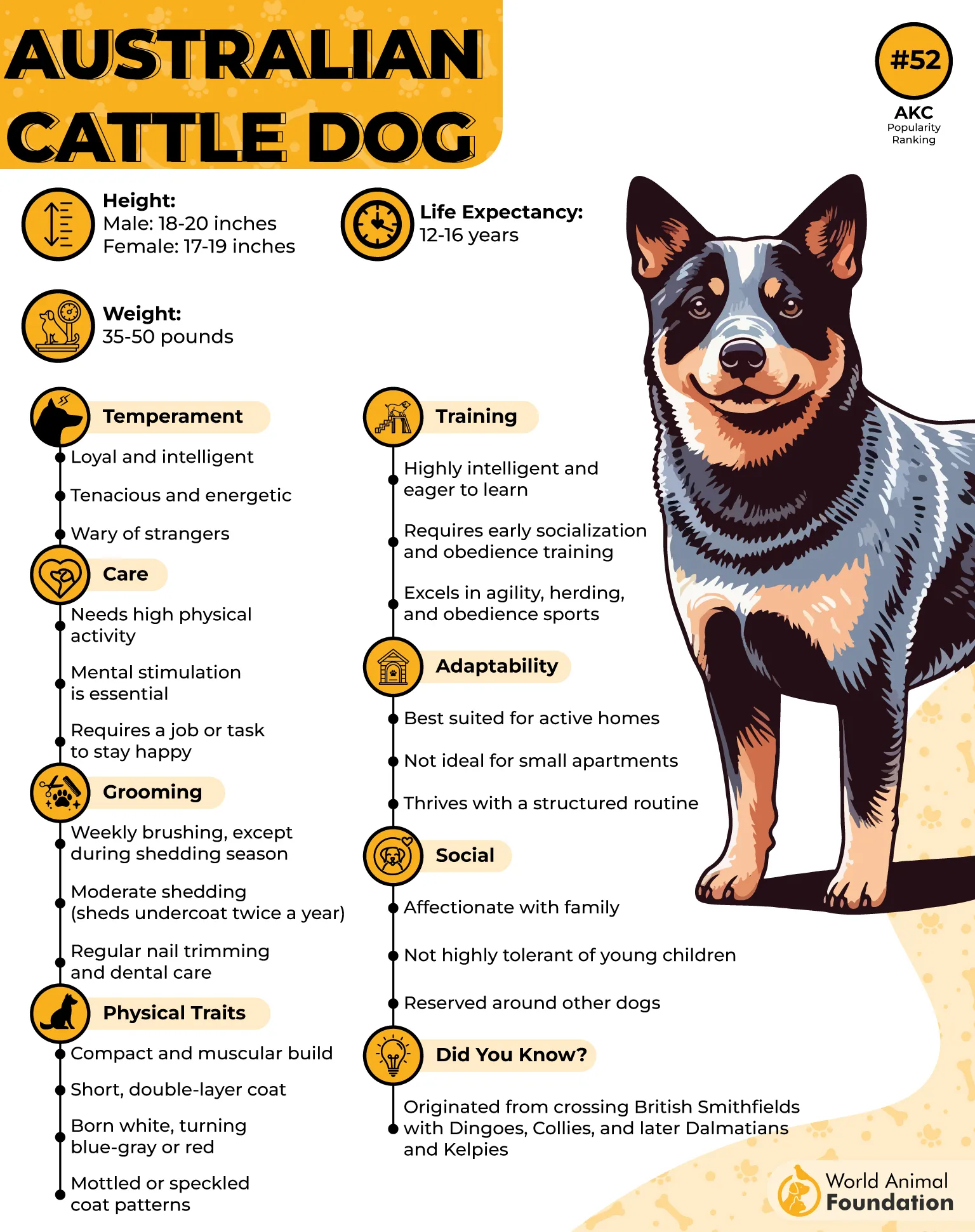
Its muscular frame supports quick turns and sudden bursts of speed. A weather-resistant coat protects against changing outdoor conditions, and blue or red speckling gives the breed a recognizable appearance.
Australian Cattle Dogs approach tasks with intense focus. Their herding background explains their quick reactions and tendency to nip at heels when instinct takes over. Structured training helps direct these behaviors toward appropriate activities.
Long walks alone rarely satisfy this high-energy companion. Try agility courses, scent games, obedience challenges, or supervised herding activities to engage both body and mind. Without enough activity, boredom could lead to destructive chewing or unwanted chasing.
Beneath its energetic exterior lies a devoted companion that values involvement in everyday life. Owners who enjoy active routines will appreciate the breed’s versatility, intelligence, and determination.
8. Belgian Malinois
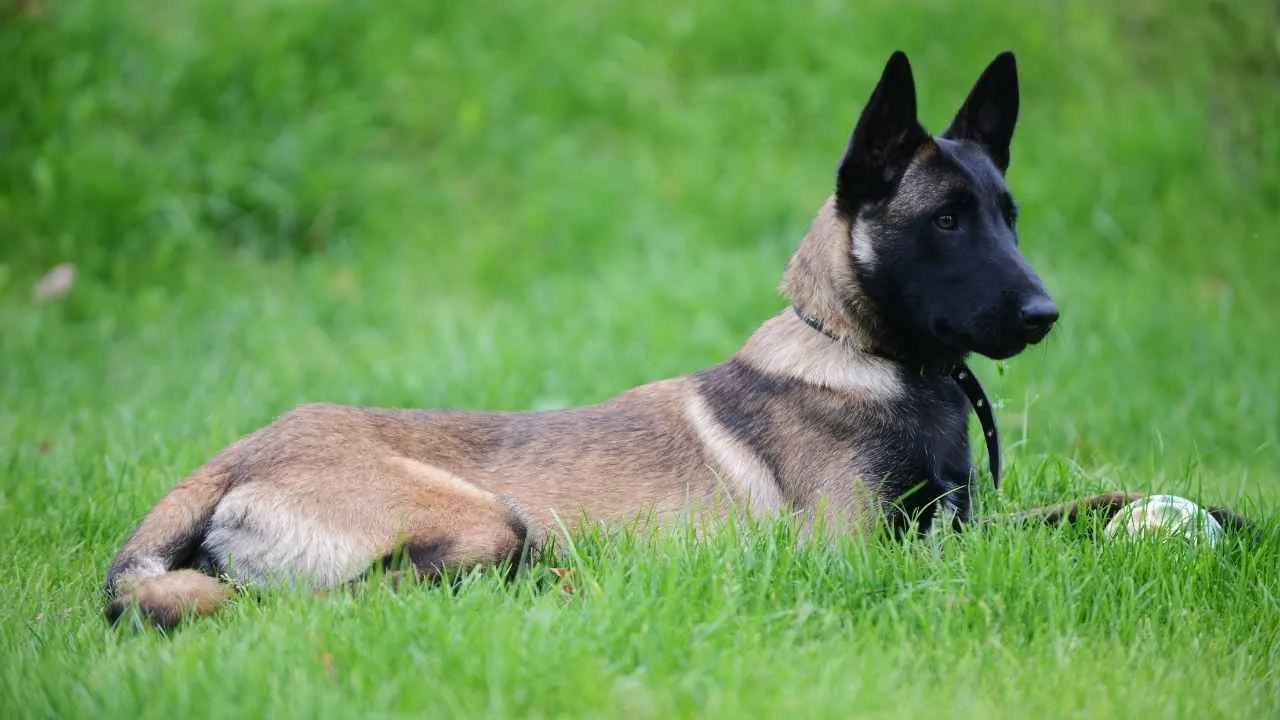
Speed, precision, and relentless focus make the Belgian Malinois stand apart from many other working dogs. Known for their intelligence, their combination of agility, trainability, and physical conditioning explains their popularity as police dogs and in military roles.
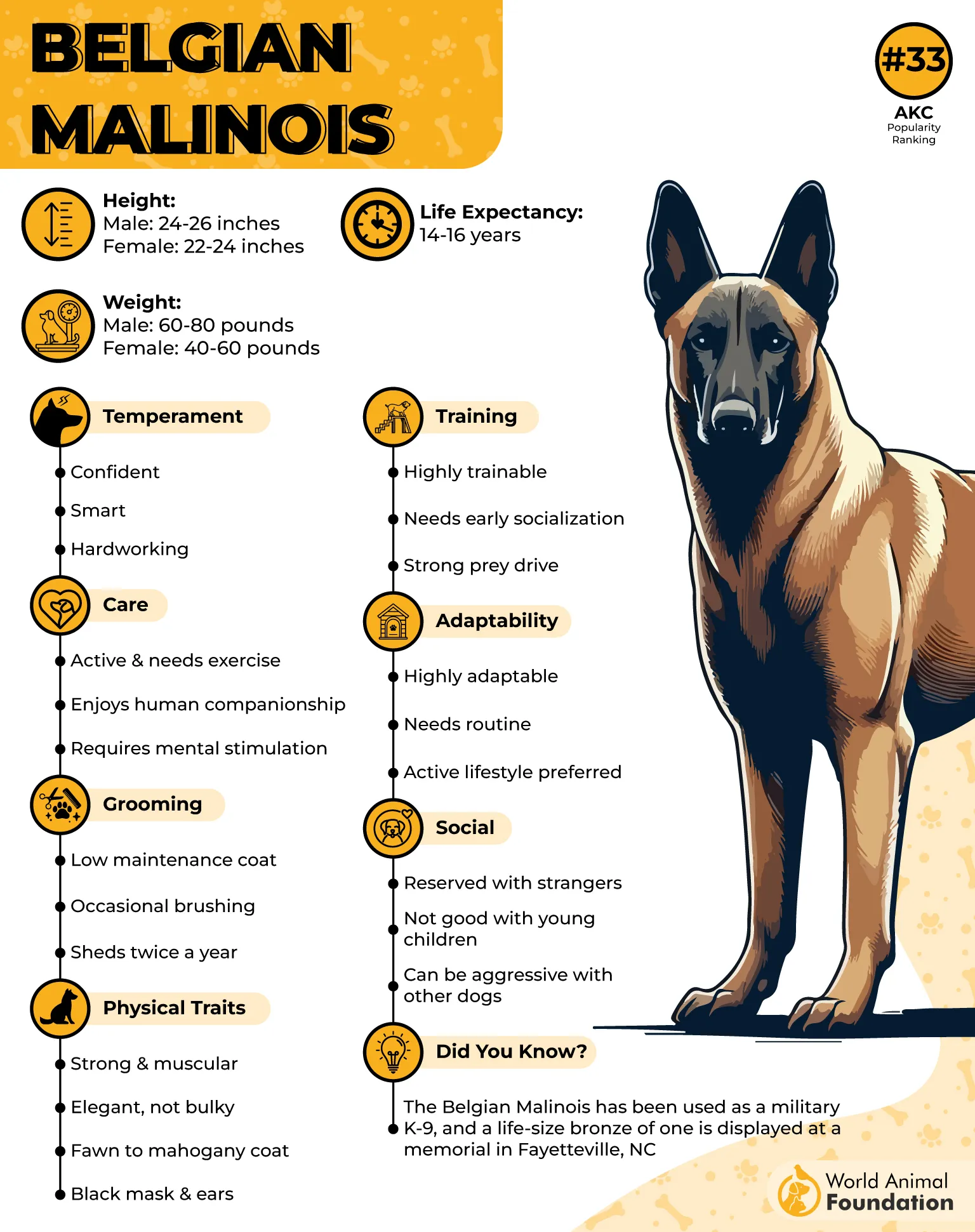
A lean, muscular build, short fawn coat, dark facial mask, and alert expression reflect the breed’s working heritage. Belgian Malinois serve in law enforcement, detection work, and search and rescue operations because of their responsiveness and ability to learn complex tasks.
However, these abilities come with considerable responsibilities. A Malinois needs daily exercise, structured lessons, and challenging activities that engage its problem-solving skills. A short stroll around the block won’t satisfy its working drive.
Early socialization and positive reinforcement help develop sound behavior and confidence. Handlers must also teach calmness and provide adequate rest instead of relying on constant stimulation. This breed rewards dedicated owners with remarkable responsiveness and commitment. Its resilience shines brightest when conditioning, mental challenges, and a close human bond work together.
9. Karelian Bear Dog

Few dogs approach challenging wilderness work with the fearless determination of the Karelian Bear Dog. Developed in Finland and neighboring regions, this hunter earned recognition for tracking formidable wildlife across rugged forests and demanding terrain.
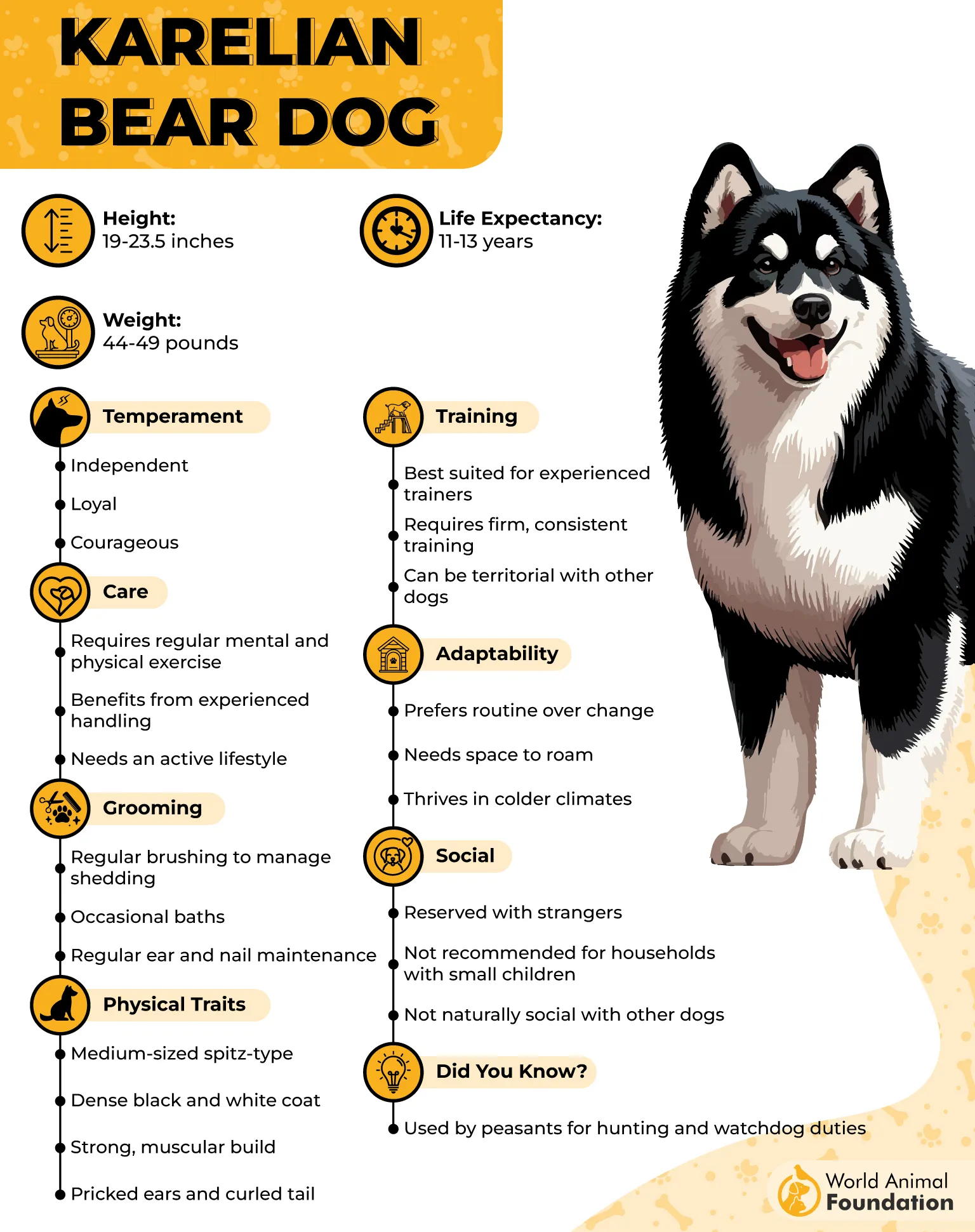
Its black-and-white coat, erect ears, sturdy legs, and curled tail reflect its northern spitz heritage. Hunters valued its keen sense of smell, independence, and bold approach to large game, including bears.
Karelian Bear Dogs rely on independent judgment rather than waiting for constant direction. Their strong hunting instinct makes them skilled outdoor partners, but those same qualities demand supervision around wildlife and smaller pets.
Daily exercise, scent-based games, and structured training provide appropriate outlets for their natural drive. Secure fencing and reliable recall practice also matter, particularly in areas where wildlife could trigger a chase.
Although devoted to familiar people, this breed has a serious working temperament that calls for experienced handling. Its resilience reflects both physical conditioning and the determination to continue working through extreme weather.
10. Great Pyrenees
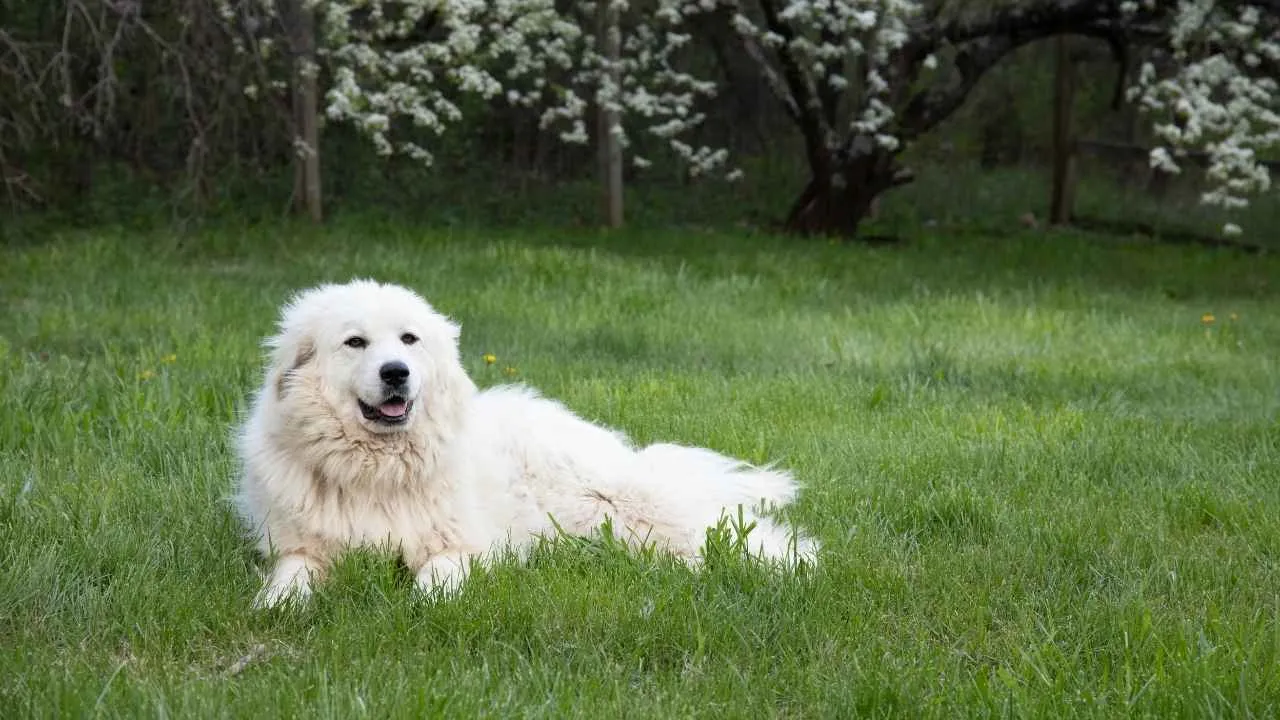
A peaceful expression doesn’t always mean a dog lacks courage, and these gentle giants demonstrate this through centuries of guarding livestock in the mountainous Pyrenees region between France and Spain.
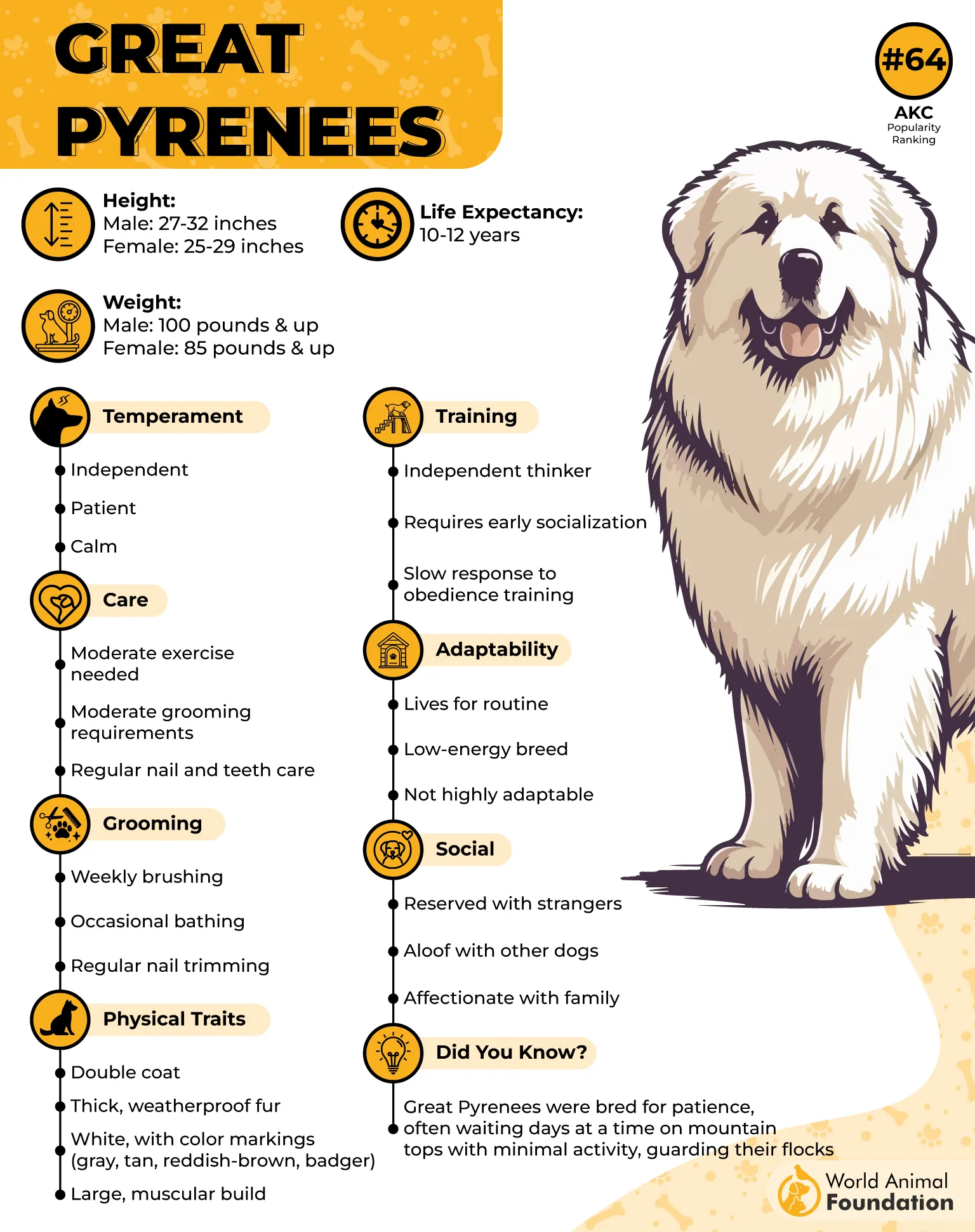
Its impressive size, thick white coat, and sturdy frame suit long hours outdoors in chilly mountain conditions. Farmers relied on these guardians to protect sheep and other animals, often working independently across remote pastures.
Great Pyrenees dogs assess unfamiliar situations calmly before deciding how to respond. Their protective instincts remain strong, and nighttime barking is common when they detect unusual activity. Early socialization, patient training, and secure boundaries help manage these natural behaviors.
Despite their imposing stature, these dogs are known for their affectionate manner with familiar family members. Moderate walks and safe opportunities to roam support their well-being, although their thick coat requires regular brushing to control shedding and prevent tangles.
A Great Pyrenees combines quiet companionship with an instinctive sense of responsibility. Owners who appreciate an independent guardian will find plenty to admire in this mountain-bred dog.
Conclusion
From snow-loving sled dogs to vigilant mountain guardians, these ten breeds demonstrate how generations of purposeful work have shaped remarkable canine endurance. Each offers a different combination of strength, intelligence, independence, and adaptability.
Before choosing a hardy companion, consider your climate, daily schedule, training experience, and ability to meet the dog’s exercise needs. The best match isn’t simply the strongest dog on the list; it’s the one whose temperament and natural abilities suit your lifestyle.
