




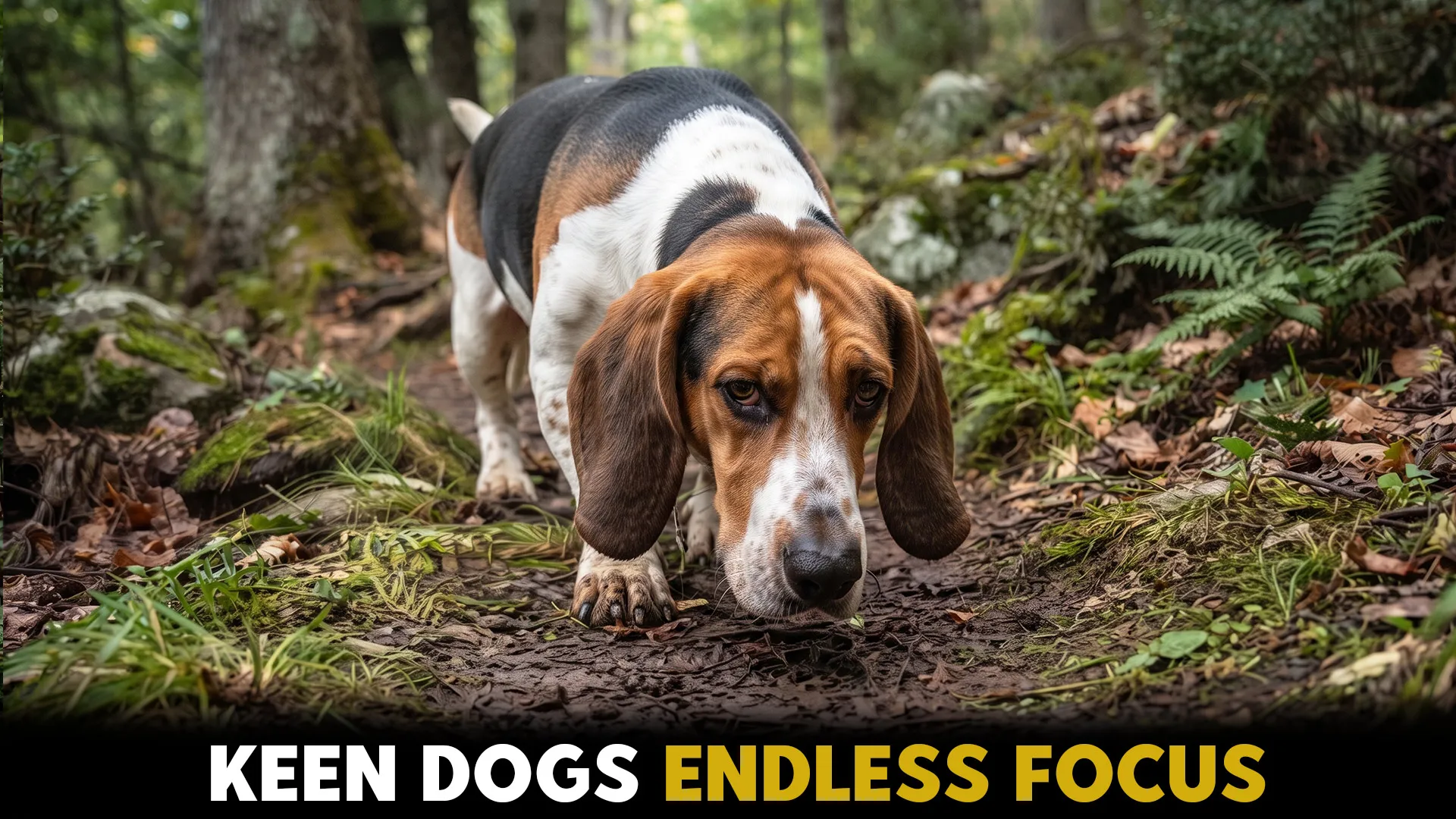
Tracking wild game requires more than speed. A capable hunting dog breed combines an exceptional nose, stamina, focus, and trainability to follow scent across forests, fields, and marshes. Yet no single breed excels in every situation.
Breed diversity gives hunters valuable choices, with scent hounds, treeing dogs, and versatile gun dogs each bringing distinctive abilities to the field. Their differences can make one breed better suited to birds, small game, or larger animals.
Choosing the right companion can turn a challenging outing into a rewarding adventure. Understanding each breed’s strengths helps hunters match a dog’s natural abilities to their tracking needs.
FACT: A dog’s sense of smell is vastly more sensitive than a human’s, making scent tracking one of its most remarkable hunting abilities.
Top Dog Breeds Ideal for Tracking Wild Game
1. Bloodhound
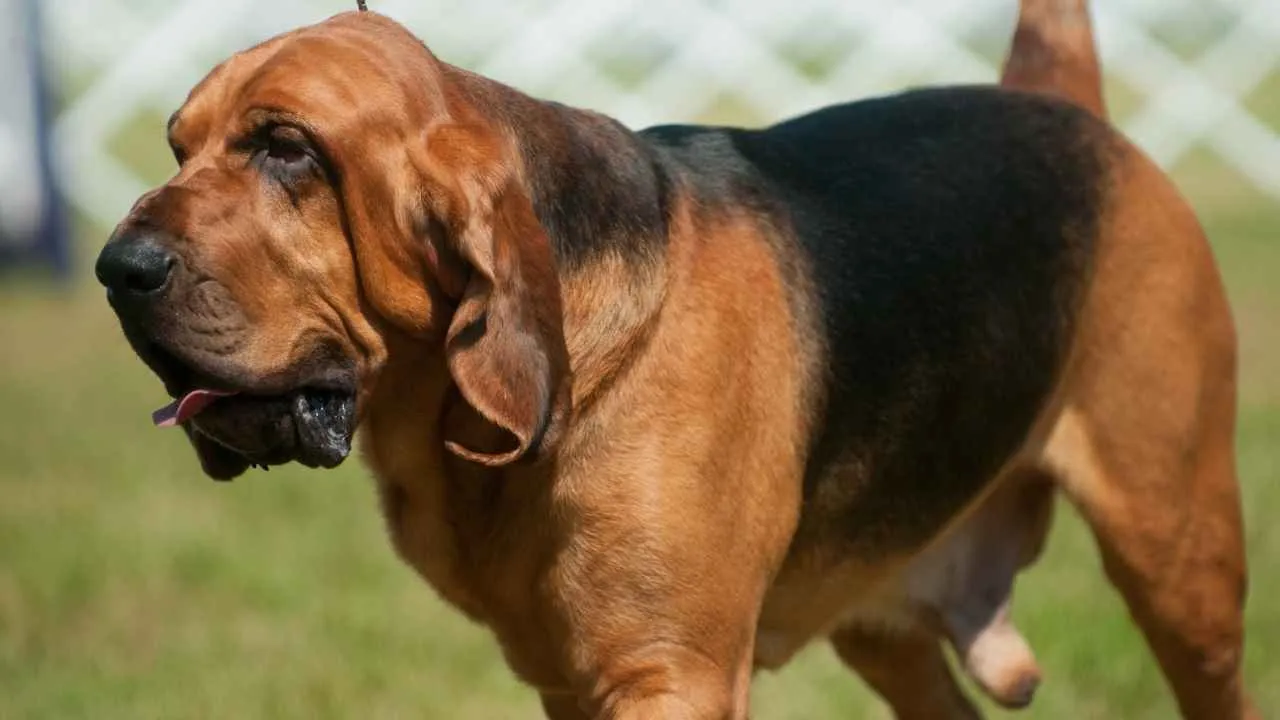
A Bloodhound’s nose is its defining advantage in the field. Often regarded as having one of the most powerful scenting abilities among dogs, this breed can detect trails that are days old, giving hunters an edge when game has traveled far from where it was first encountered.
That remarkable nose is paired with an almost scientific level of scent discrimination. Veteran Bloodhounds can distinguish an individual scent from countless surrounding odors, allowing them to stay focused on a specific trail rather than simply following general animal activity.
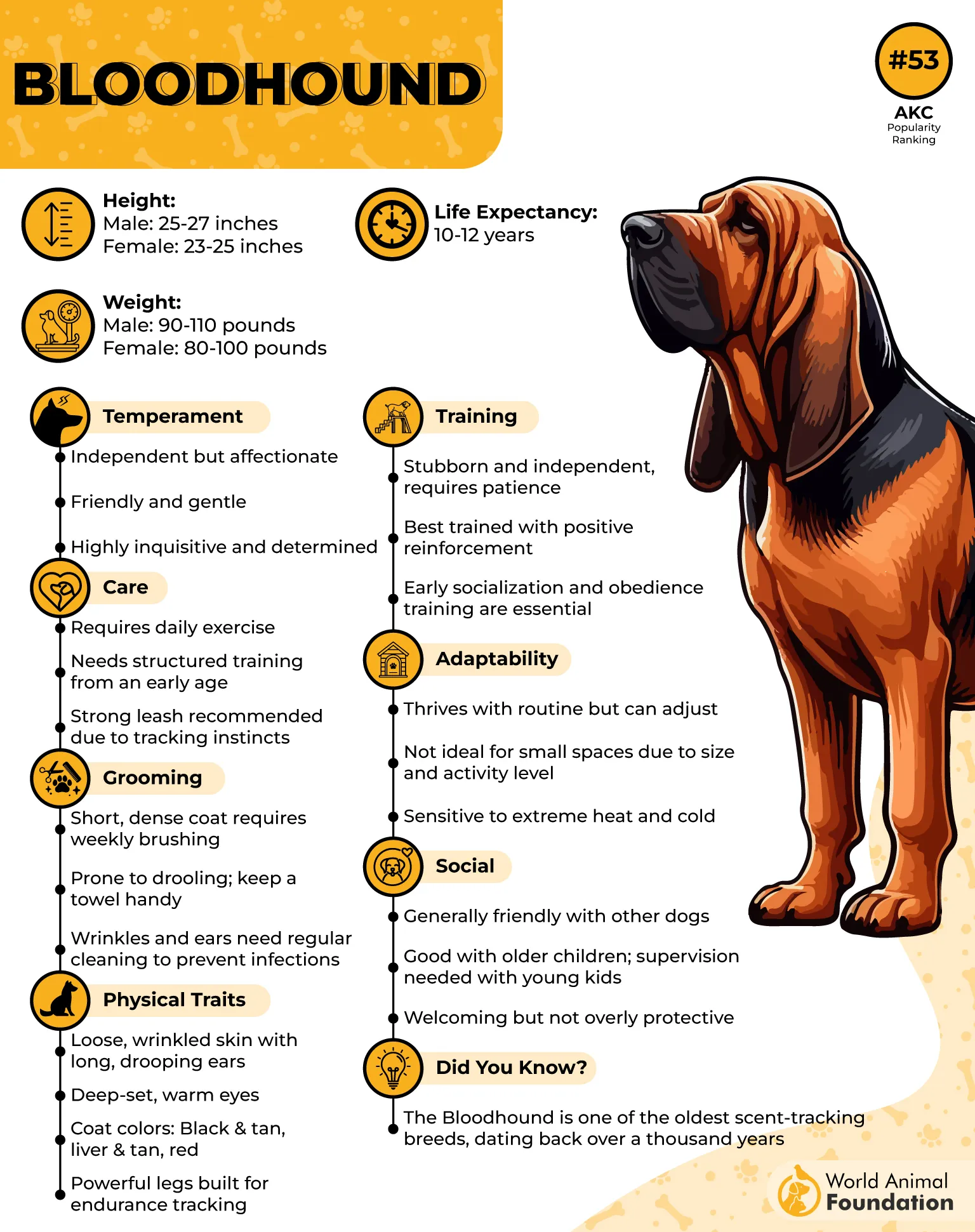
Once a Bloodhound locks onto a scent, its determination becomes equally impressive. These dogs can methodically pursue wounded big game through dense timber, rocky ground, and open terrain, continuing even when the trail becomes difficult or distractions arise.
Away from the trail, the Bloodhound is typically gentle, calm, and affectionate with its family. Yet that relaxed temperament contrasts sharply with its working mindset, when its powerful nose and persistent nature turn it into a focused tracking specialist.
2. Beagle
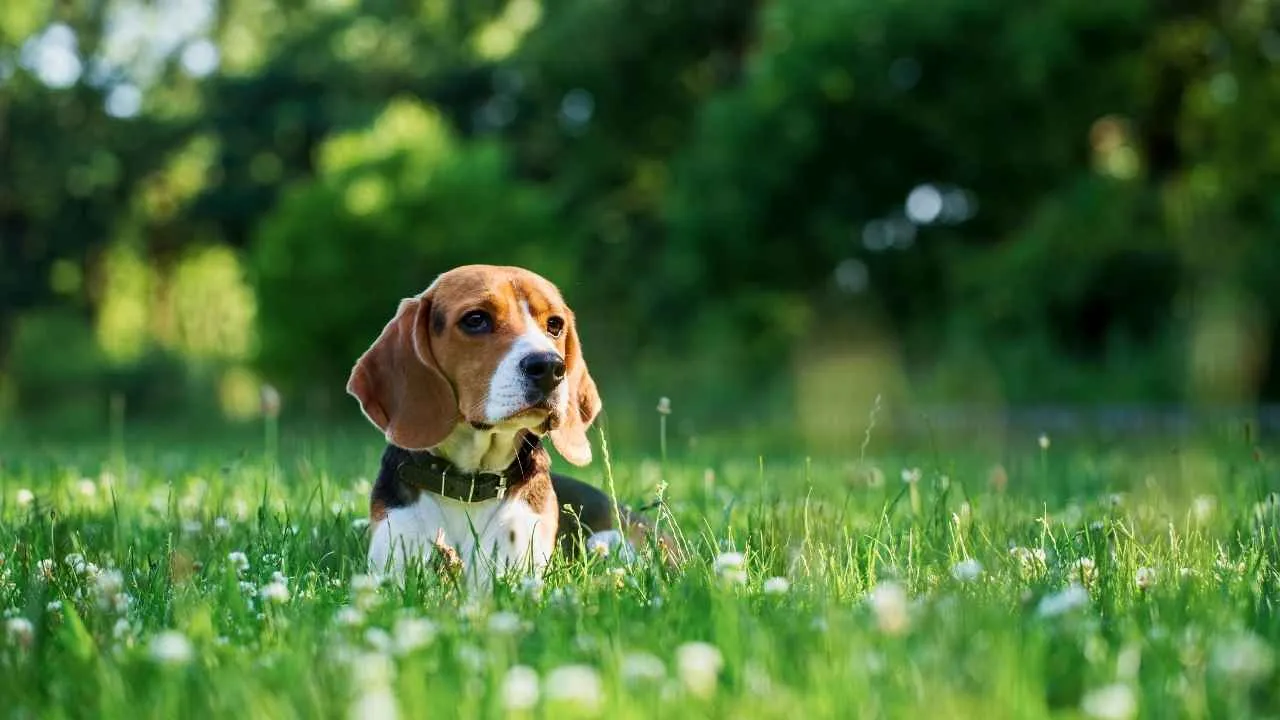
The Beagle may be compact, but its hunting instincts are anything but small. Built to work through dense brush and narrow spaces, this determined scent hound is especially well suited to tracking rabbits, hares, squirrels, and other small game.
With an exceptionally keen nose, the Beagle can pick up and follow scents with impressive persistence. Its strong tracking instinct has made the breed a loyal hunting companion, whether working independently or alongside a pack.
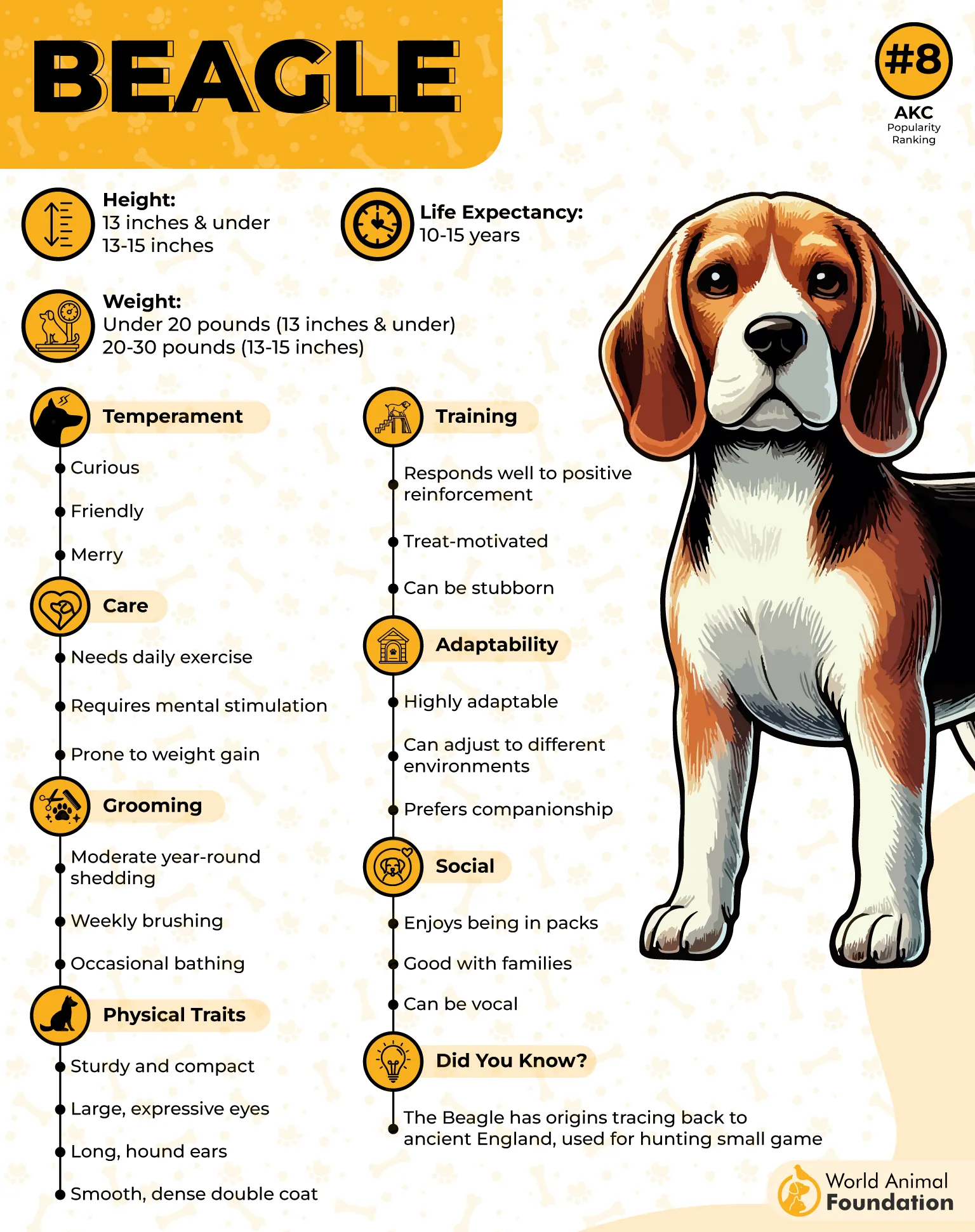
An energetic nature also makes tracking a valuable outlet for this breed. Scent work provides both physical exercise and mental engagement, helping channel the Beagle’s enthusiasm into a purposeful task. According to Hill’s Pet, they are cheerful dogs that enjoy receiving affection.
Training is often easier when started young. Beagles can learn commands quickly, but their sociable, curious personalities may lead to distractions, while their tendency to vocalize can add another challenge in the field.
3. Basset Hound
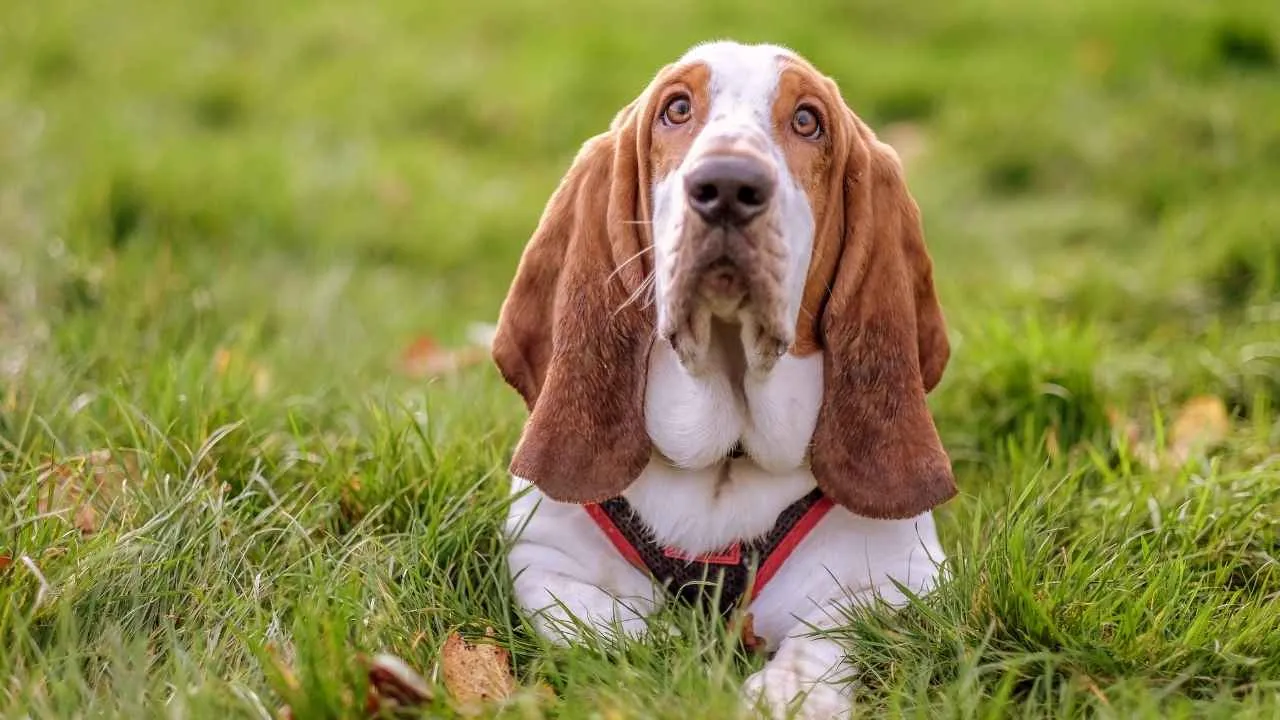
The Basset Hound may be short and sturdy, but its tracking instincts are anything but modest. With an exceptional nose and a natural love for following scents, this affectionate breed can stay focused on a trail for miles.
Its low-slung frame and long ears are especially suited to ground-scenting work. Those distinctive ears may help sweep scents toward the nose as the Basset moves steadily along a trail, making it well suited to slow, methodical tracking.
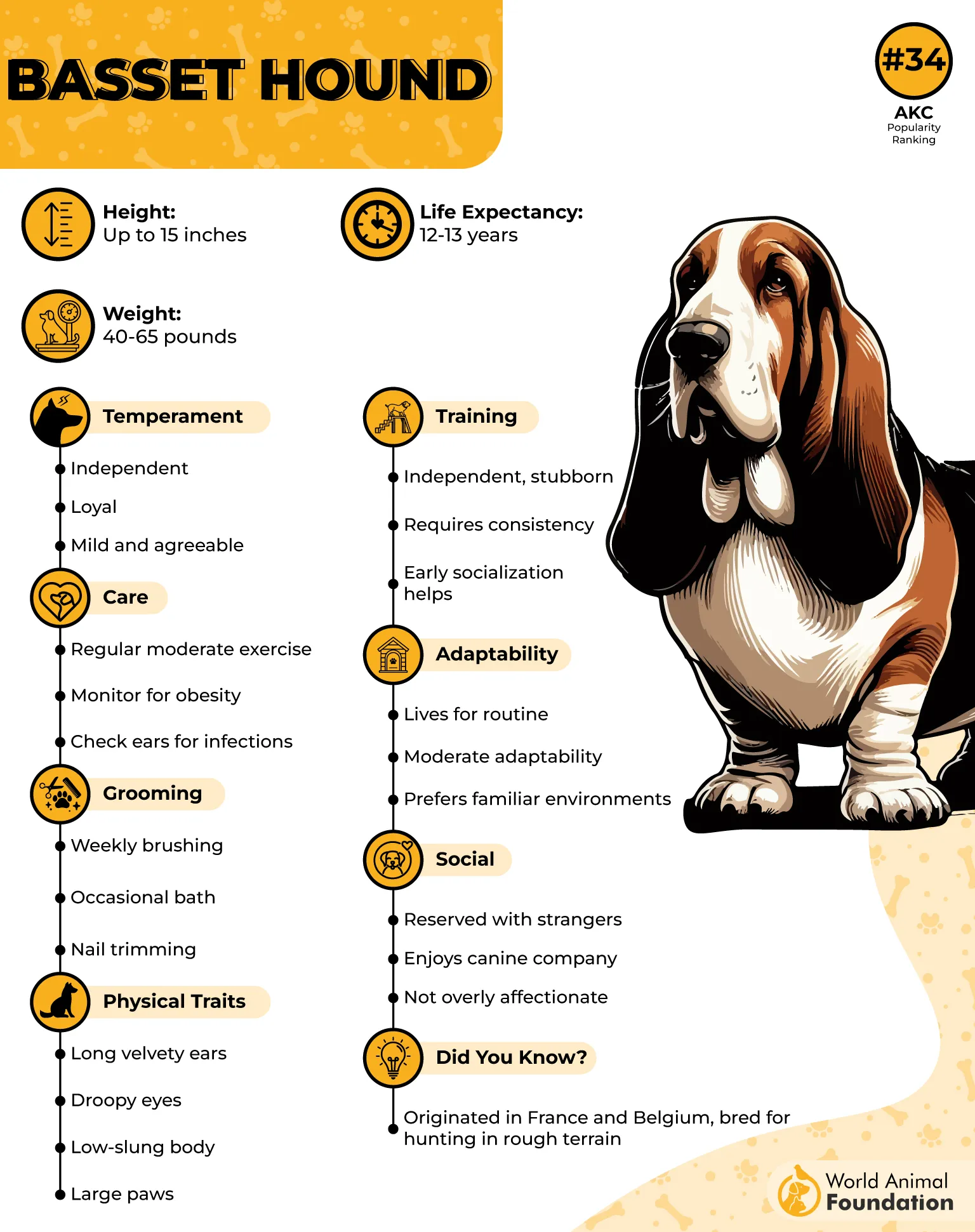
Bassets were developed as scent hounds and have the stamina to work despite their compact build. Their calm pace can be an advantage when a trail requires patience rather than speed, allowing them to carefully investigate changing scent patterns.
Their independent hunting background can make training somewhat challenging, as they may prefer following an interesting scent over responding immediately to a command. Still, their gentle, sociable nature makes them pleasant companions around families, dogs, and other pets.
4. Black And Tan Coonhound
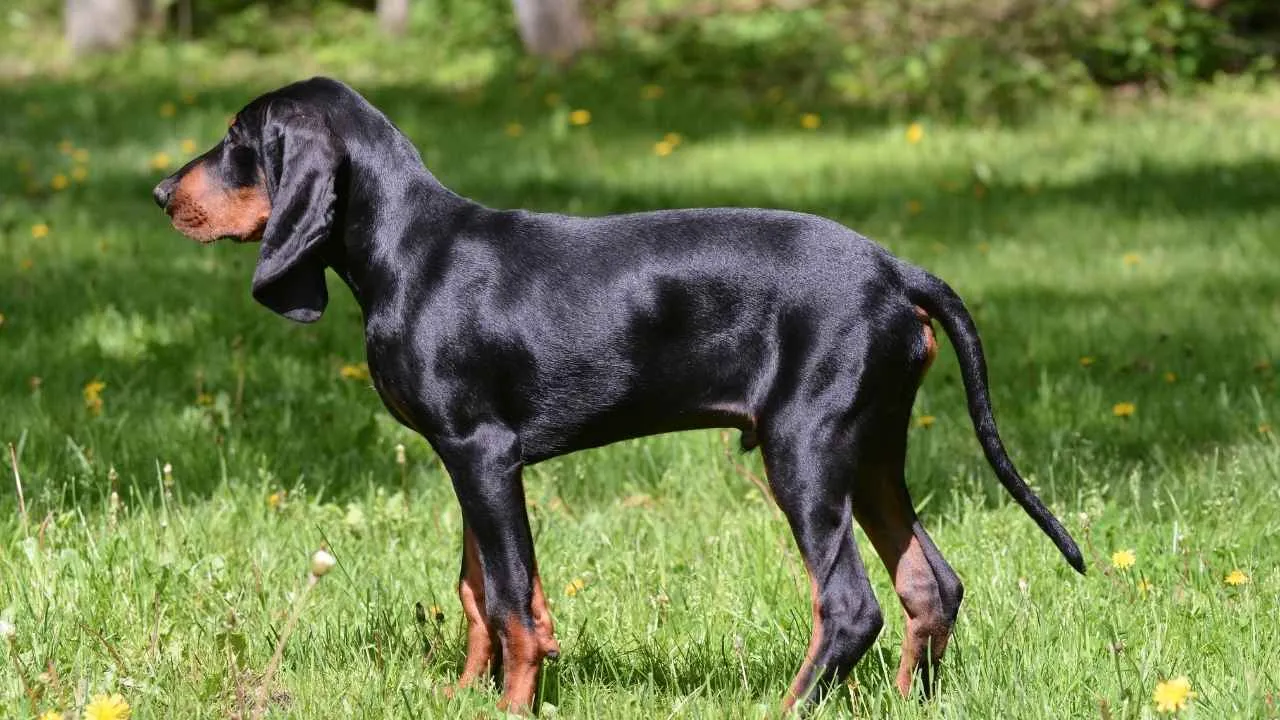
The Black and Tan Coonhound brings rugged American grit to the hunt, with a history rooted in scent-driven work. As one of six coonhound breeds, it was developed to pursue game by following scent trails across challenging landscapes.
Powerful and persistent, this hound is especially impressive when a trail becomes faint. Its exceptional “cold nose” allows it to pick up and follow lingering scents that other dogs may struggle to detect, making it valuable for demanding tracking work.
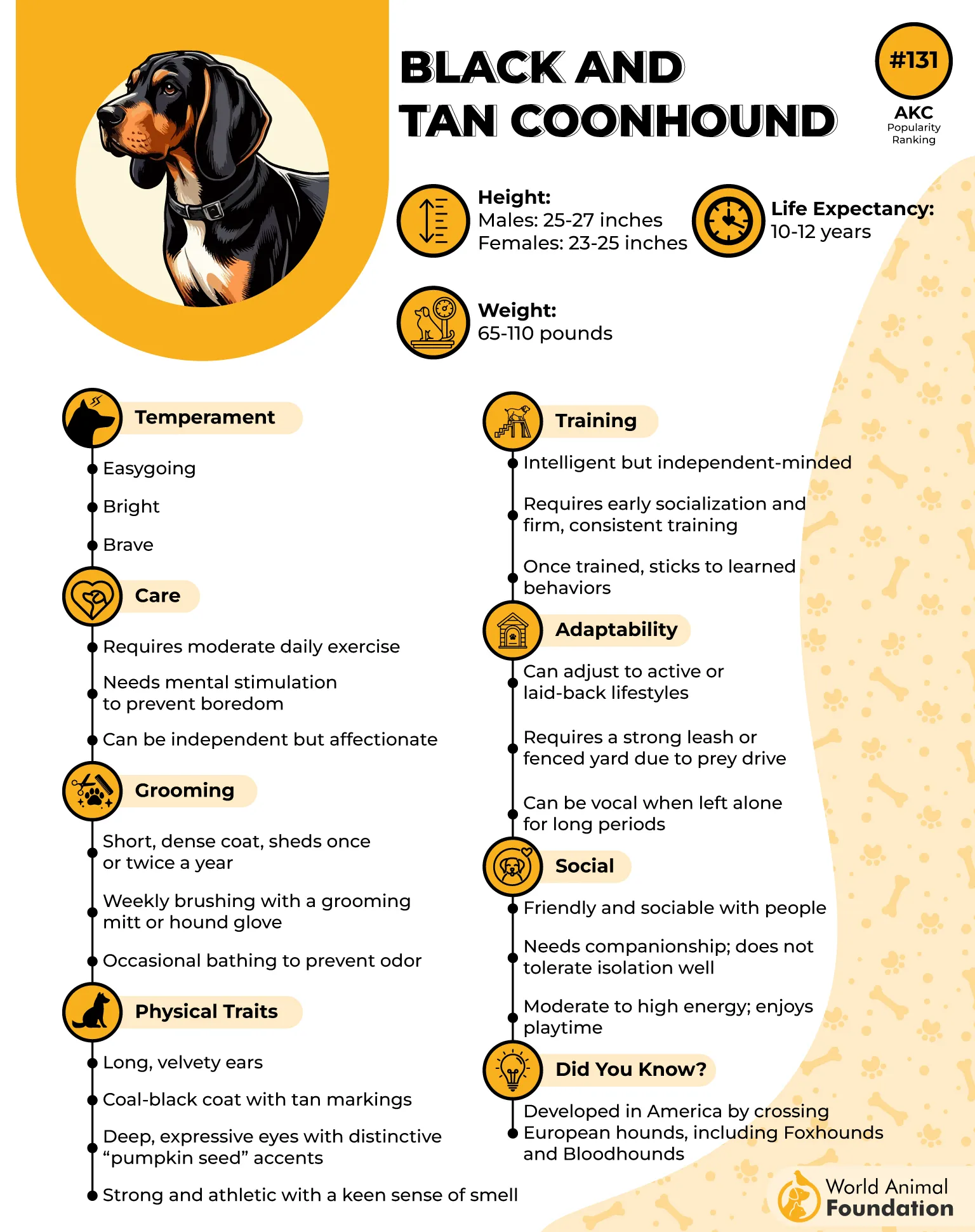
That determination suits hunters who need a dog capable of staying on task over long distances and uneven ground. The breed’s stamina, strength, and strong working instincts make it well suited to extended pursuits where patience matters as much as speed.
However, intense concentration can become a challenge once the Black and Tan Coonhound locks onto a scent. Consistent training and firm handling are important for keeping its independent streak under control without dulling the drive that makes this breed such a capable tracker.
5. German Shorthaired Pointer
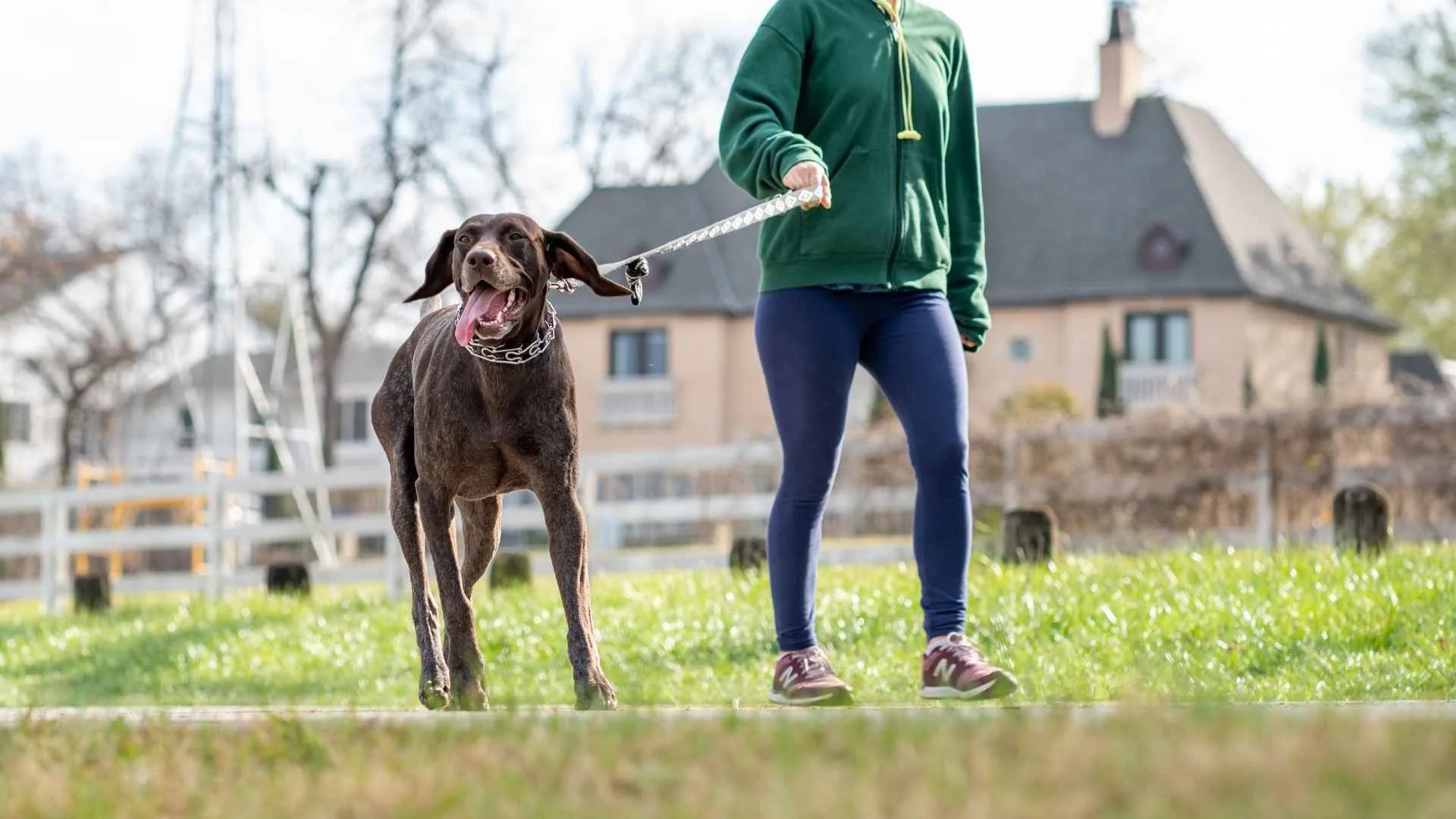
German Shorthaired Pointers bring together speed, stamina, and a powerful nose, making them highly capable hunting partners. Their natural pointing instinct helps hunters pinpoint game birds, while their keen scenting ability supports reliable tracking in the field.
Built for demanding work, these athletic dogs can stay active for long stretches without losing momentum. Their agility allows them to move confidently through thick cover, rugged terrain, and wide-open fields, covering substantial ground while following a trail.
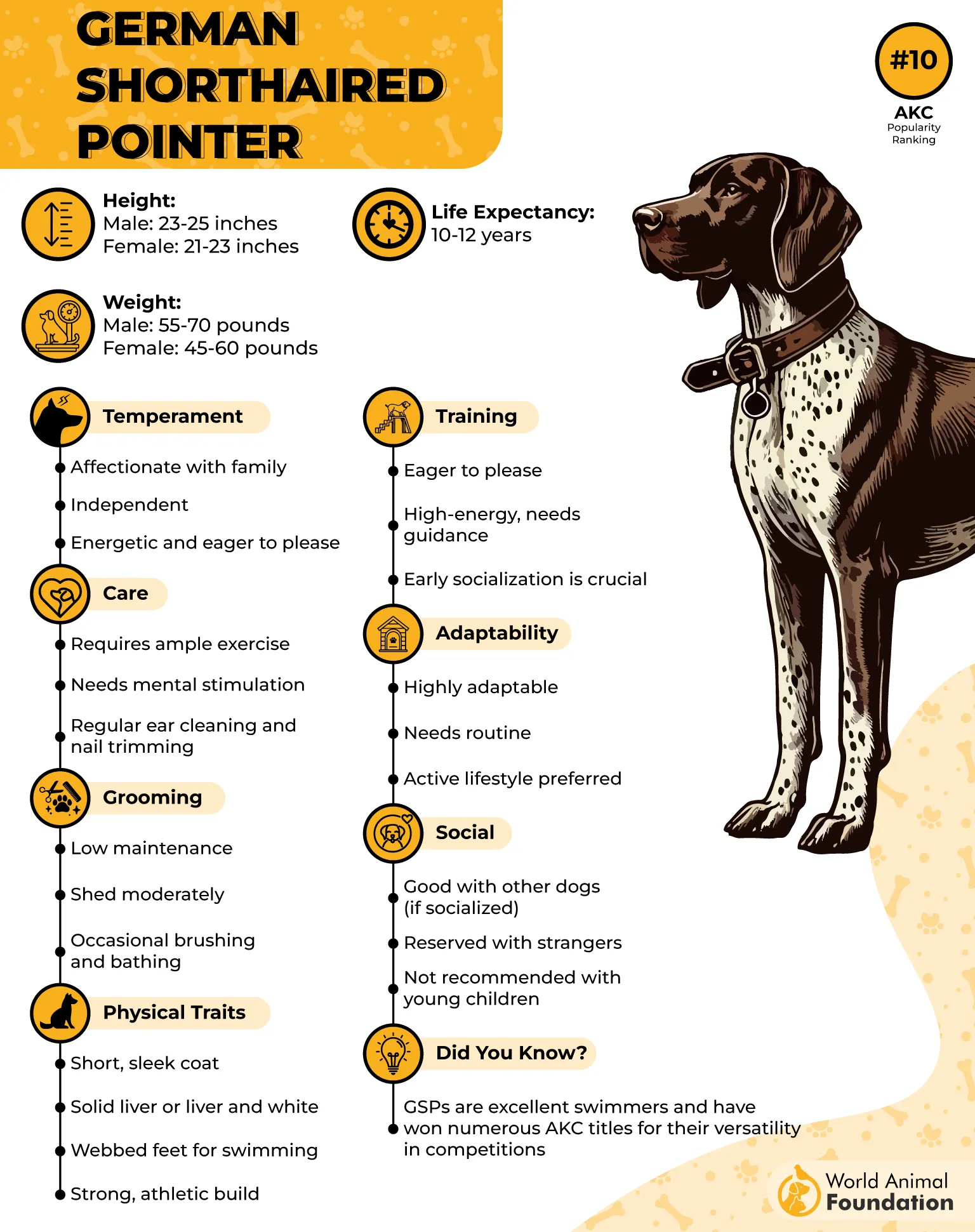
Their versatility extends beyond tracking. German Shorthaired Pointers can point, flush, and retrieve game, including waterfowl, and their comfort in water adds another dimension to their hunting ability. They are also intelligent and responsive, allowing them to adapt to different tasks and hunting conditions.
Although highly trainable, they mature mentally more slowly than many breeds, so early training requires patience and consistency. Their substantial energy and need for regular physical and mental activity suit handlers looking for a dog capable of spending long days working in the field.
6. Weimaraner
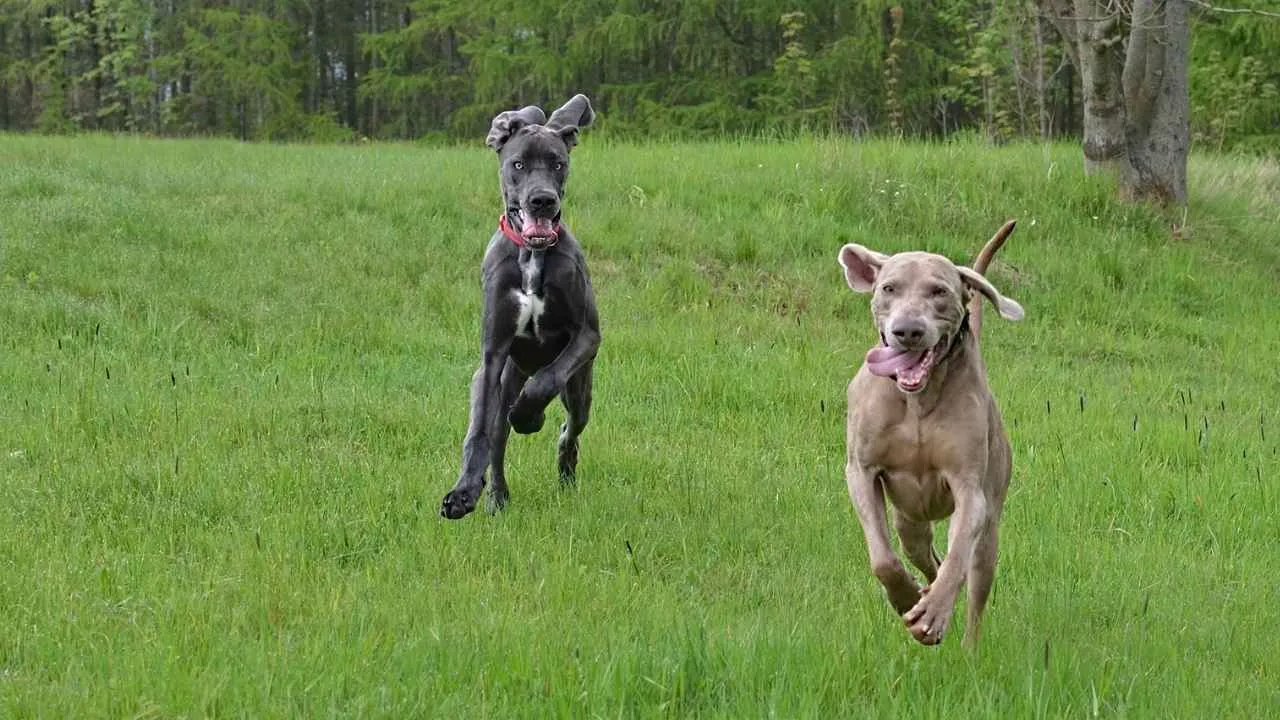
The Weimaraner brings a sophisticated yet athletic presence to the hunting field, backed by sharp intelligence and an eagerness to learn. Its quick-thinking nature allows hunters to train it effectively for demanding tracking work. According to Orvis, Weimaraners are also known by the name Weimaraner Vorstehhund.
Built for action, this German sporting breed has the stamina to pursue game across long distances and challenging terrain. Its speed, agility, and physical drive make it well suited to extended fieldwork.
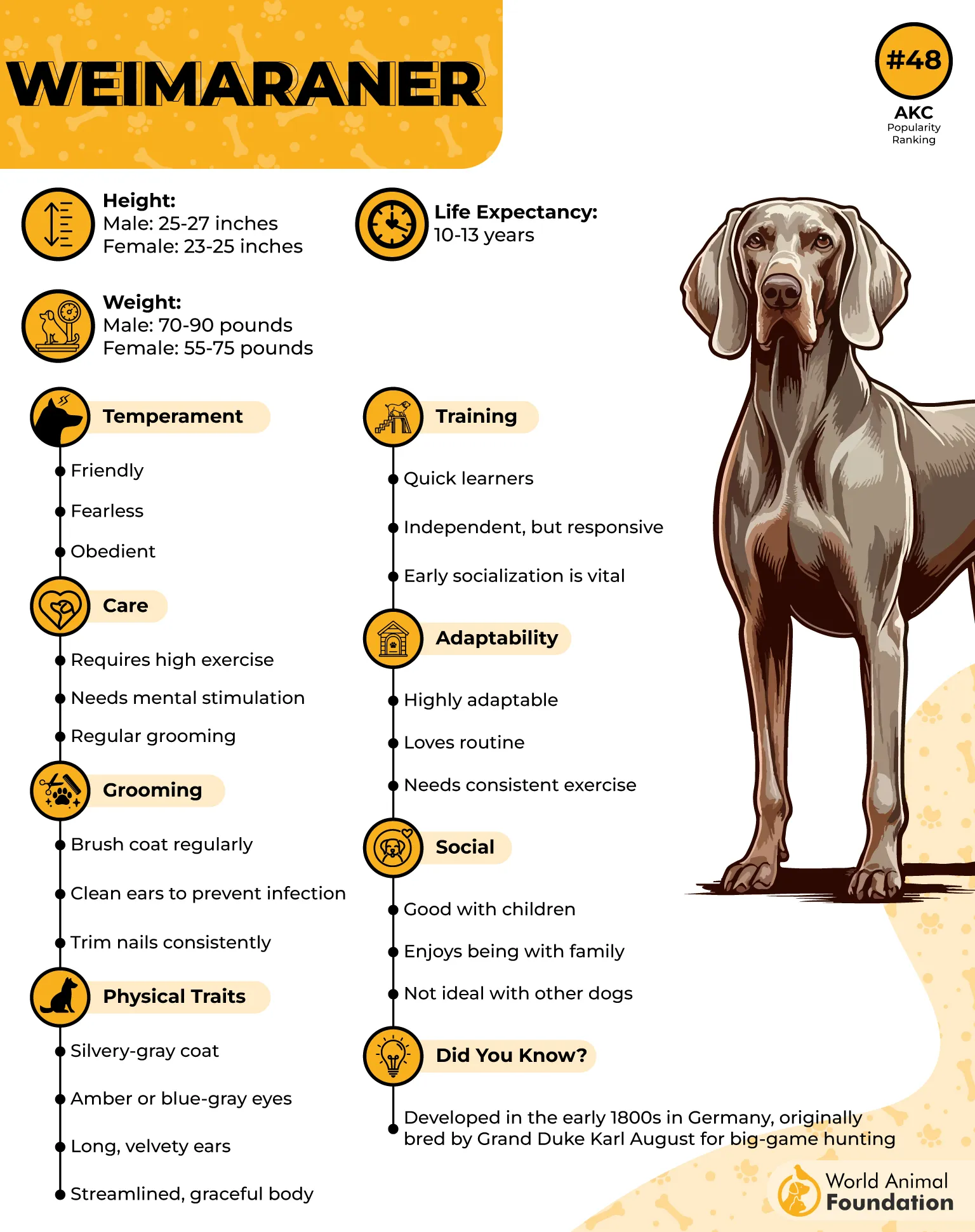
Weimaraners are also remarkably versatile hunters, capable of both tracking and retrieving. Historically developed for hunting larger game, they later became valuable all-purpose hunting companions as hunting practices changed.
Beyond its working abilities, the breed is distinguished by its sleek silver-gray coat and energetic character. Friendly and obedient, Weimaraners thrive when given regular physical exercise and mental stimulation, making them especially suited to active households.
7. Plott Hound
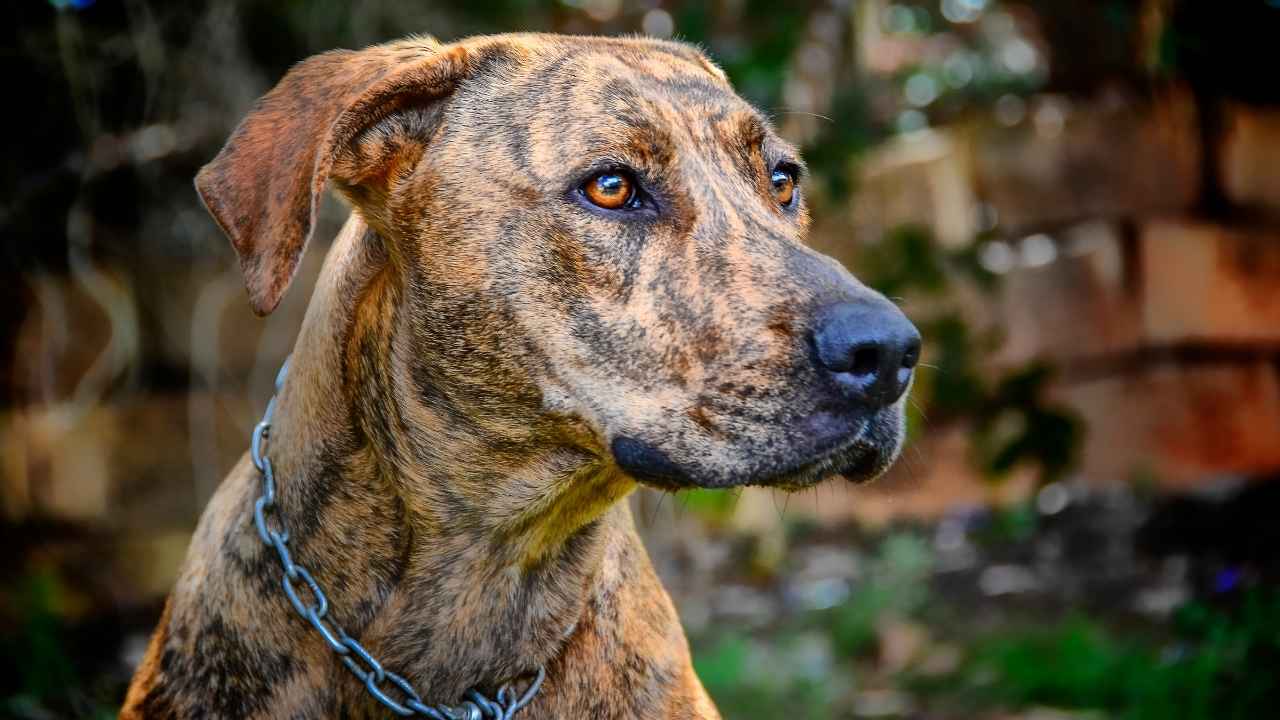
The Plott Hound brings a bold, rugged presence to the hunt, with roots tracing back to German Hanover Hounds. In 1750, Johannes Plott brought five of his finest hounds to North Carolina, where they were put to work tracking bears through the rugged mountain terrain.
His son, Henry, continued developing the line, shaping the determined and fearless hunting dog recognized today. The breed remains a capable choice for pursuing formidable game, including bears and wild boar.
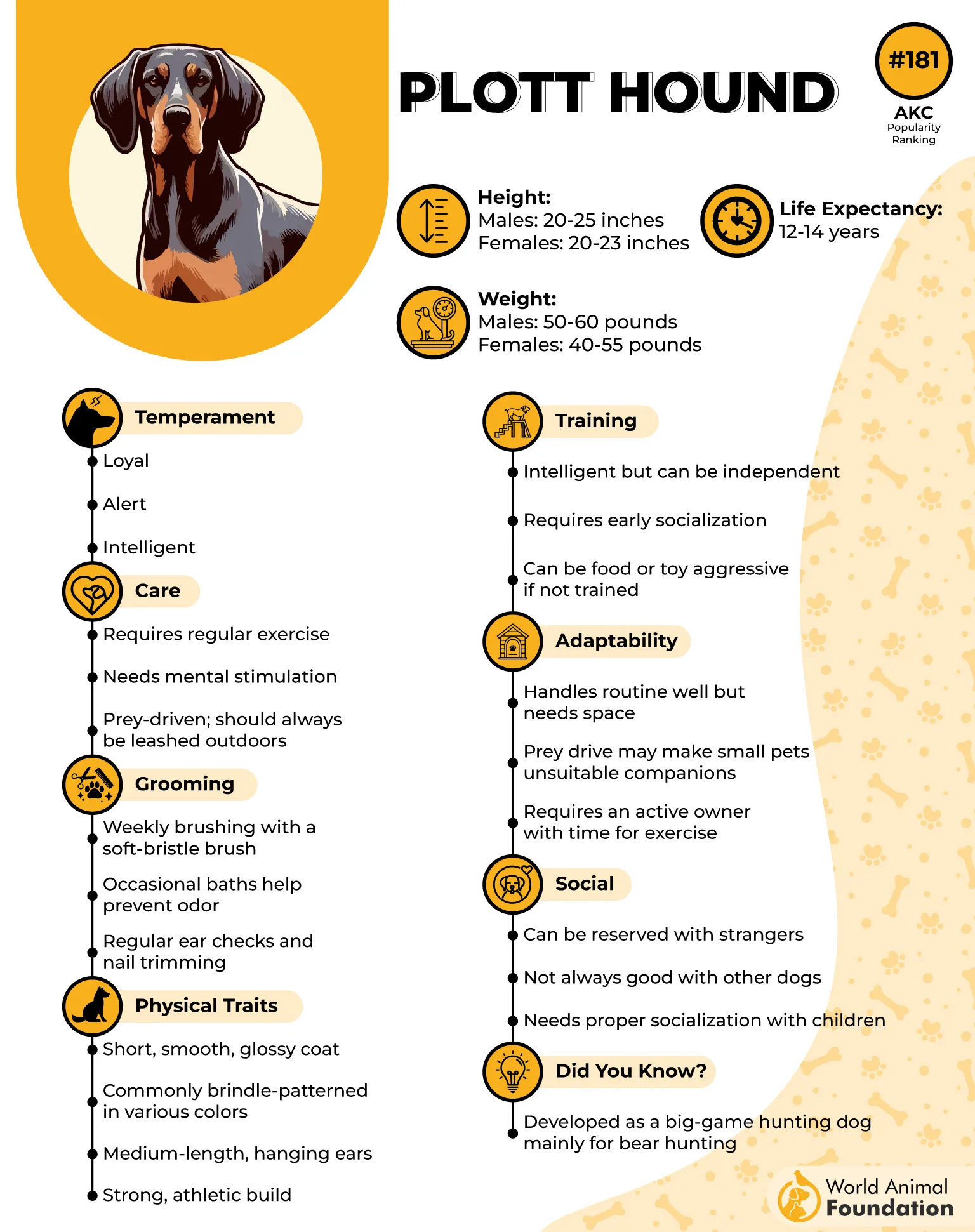
Built for demanding work, Plott Hounds are known for their stamina and confidence when navigating difficult terrain. Hunters often work them in packs, allowing their persistence and drive to shine during extended pursuits.
Their distinctive brindle-striped coats give them a striking appearance, although solid-colored coats can also occur. Like many hounds, they feature long, drooping ears that complement their streamlined build and rugged hunting character.
8. American Foxhound
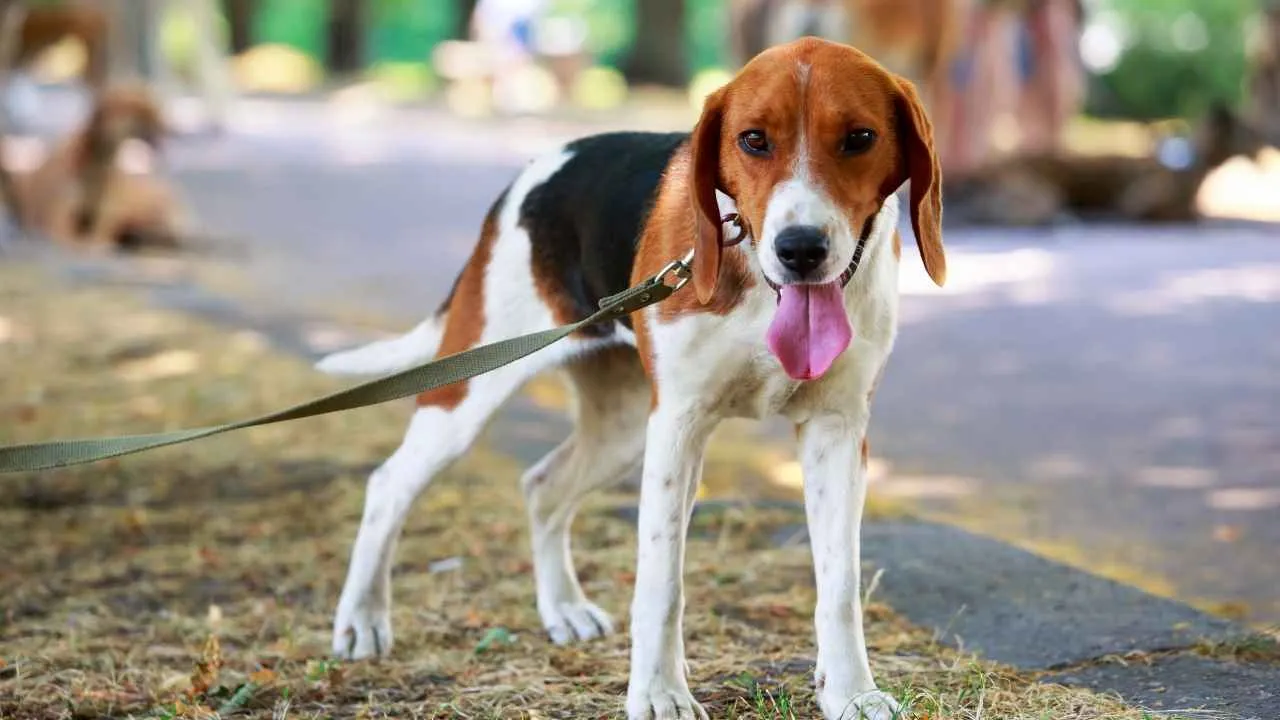
The American Foxhound traces its roots to Irish, French, and English Foxhounds, selectively developed to create a lighter, faster dog suited to America’s varied landscapes. Even George Washington maintained his own Foxhound pack at Mount Vernon, reflecting the breed’s long-standing connection to American hunting traditions.
Built for endurance, this scent hound can follow a trail over considerable distances without easily tiring. Its distinctive, bell-like voice also helped hunters stay aware of the dog’s progress while pursuing game through challenging terrain.
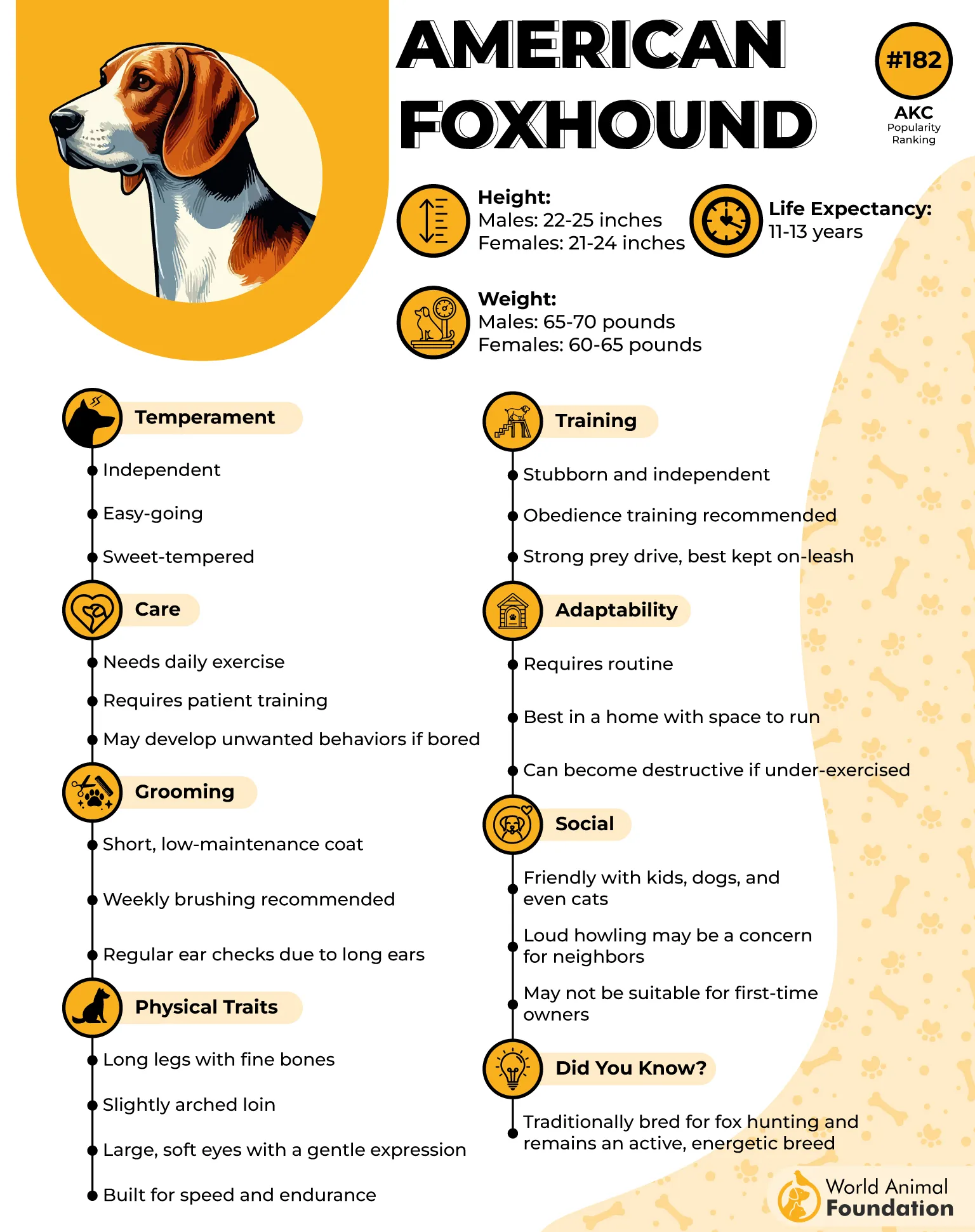
Today, American Foxhounds can be found in several working types, including field trial, fox hunting, trail, and pack hounds. Each reflects a different approach to pursuit, from fast tracking over rough ground to working alongside mounted hunters.
Despite their sporting heritage, these dogs are generally easygoing and loyal companions. Their short coat requires relatively little grooming, while their keen nose, stamina, and strong running ability remain especially valuable for extended tracking work.
9. Harrier
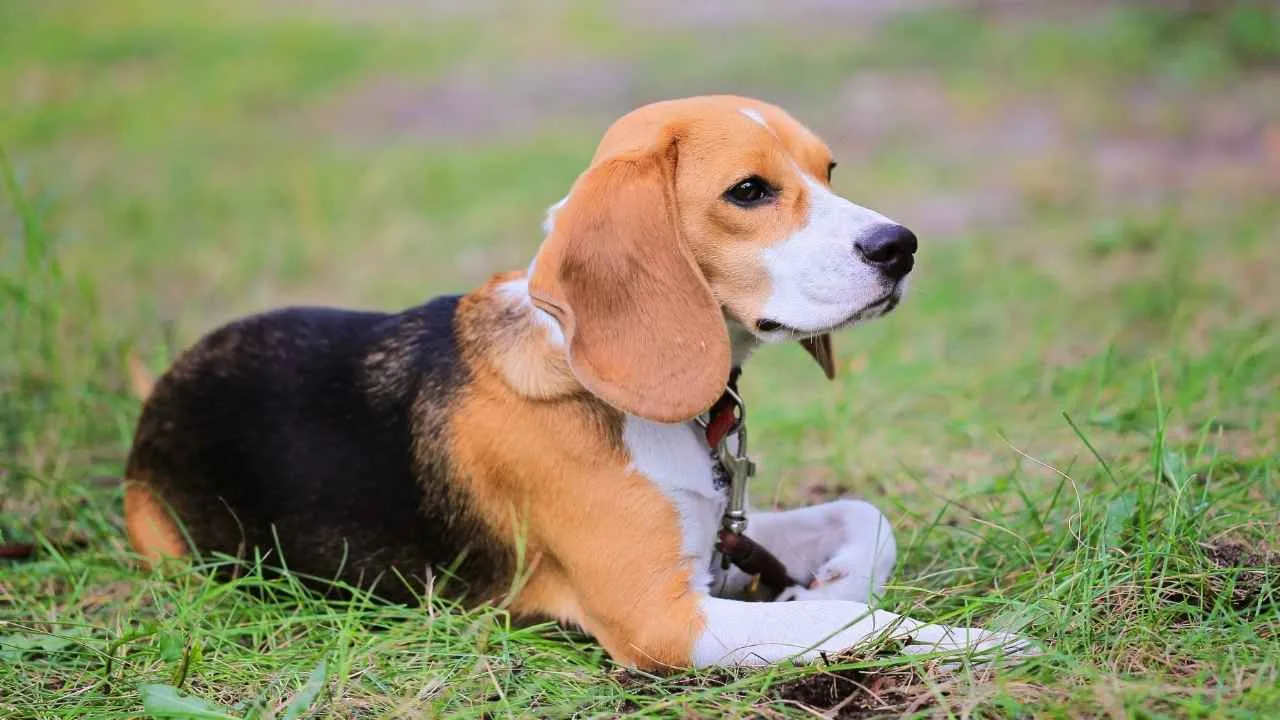
The Harrier is a medium-sized scent hound from the United Kingdom, built to cover ground efficiently while following a trail. Larger than a Beagle but smaller than a Foxhound, it combines a muscular, well-balanced frame with impressive stamina, making it particularly suited to long pursuits.
Its keen nose is a major asset when tracking wild game, while its agility helps it navigate varied terrain. Bred to work for hours, the Harrier has the endurance needed for demanding hunts without the bulk of a larger hound. According to the AKC, the Harrier is a fast, prey-driven hound that thrives in a pack.
Daily activity is essential for this energetic breed. Aim for around two hours of exercise through hiking, jogging, long walks, or cycling. Tracking and agility activities can provide useful mental challenges alongside physical exercise.
Cheerful and social, Harriers generally enjoy people and other dogs, though their prey drive can make smaller pets less suitable companions. They usually respond well to praise and treats but may show some stubbornness, so early training, socialization, and consistent commands are important.
10. Hanoverian Scenthound
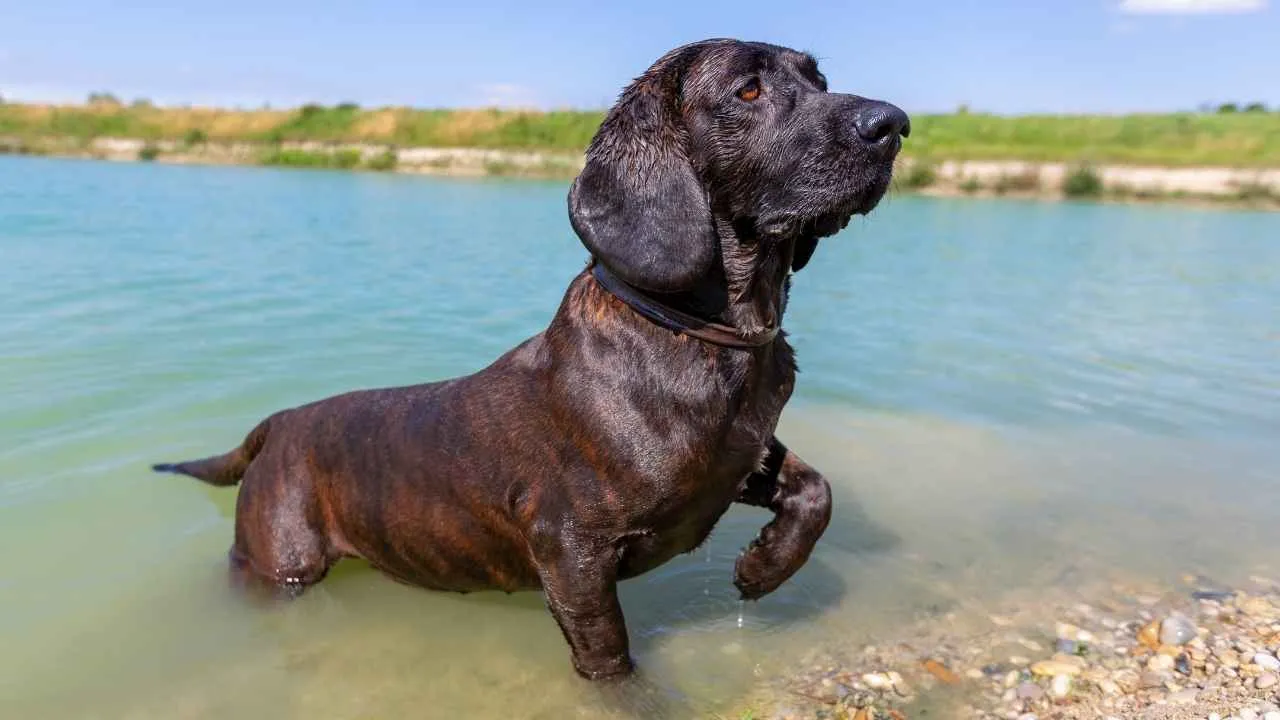
The Hanoverian Scenthound is a medium-sized, rugged breed developed for demanding tracking work. Its exceptional nose can follow an extremely faint blood trail over considerable distances, making it particularly valuable when wounded game must be located. Calm and composed in the field, this hound combines endurance with remarkable persistence.
Its tracking ability has deep historical roots, dating to medieval hunting hounds that worked alongside hunters before firearms became common. As early guns were often inaccurate, wounded animals could escape far from the original shooting site. The Hanoverian Scenthound’s precise scenting ability and stamina became essential for following these trails and recovering game.
Intelligent and responsive to training, the breed benefits from structured instruction beginning early. Its independent streak can make training challenging, while its strong prey drive requires careful management around smaller animals. It is generally loyal and balanced, with sufficient confidence to remain focused during demanding tracking tasks.
Daily physical activity and mental challenges are important for this energetic working hound. A home with secure outdoor space is particularly suitable, giving it opportunities to move and investigate scents. Within the family, it may form an especially strong bond with one person while remaining affectionate and respectful toward others.
Conclusion
Choosing the right dog for tracking wild game depends on more than a strong sense of smell. The best breeds combine scenting ability, stamina, focus, intelligence, and the determination to follow a trail through challenging terrain.
From specialized scent hounds to versatile hunting companions, each breed brings different strengths to the field. Some excel at following faint blood trails, while others offer the endurance and persistence needed for longer searches.
Training also plays an important role in developing these natural abilities. Early, consistent guidance can help channel prey drive, build reliability, and strengthen communication between dog and handler.
Ultimately, the ideal tracking dog is one whose instincts and working style match the hunter’s needs. With proper training, exercise, and care, these capable breeds can become valuable partners when locating and recovering wild game.
