




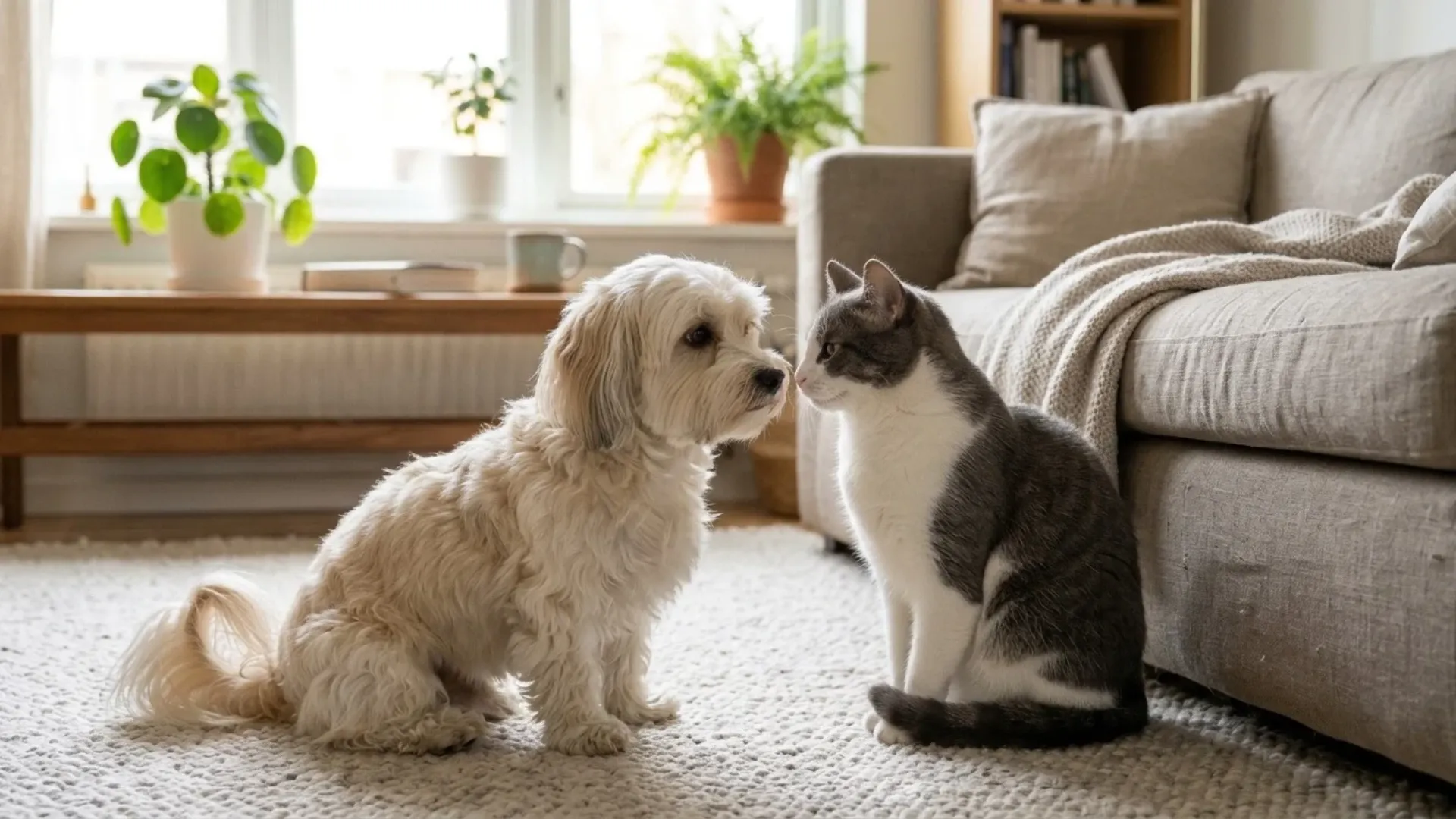
Okay, so cats and dogs are basically fluent in each other’s language, and nobody told us. Dogs and cats sharing a home correctly read one another’s body language roughly 4 out of 5 times, even when a single tail flick or sideways glance means totally opposite things in each species.
That number comes from a Tel Aviv University study, which watched dogs and cats living under one roof and found some pairs just click, reading each other better than most people read their own friends.
Which raises the real question for anyone picturing a mix of breeds at home. Forget the vague, generic idea of “cat-friendly” dogs; what actually matters is whether a dog can clock a slow blink or a twitchy tail before things go sideways.
Some breeds are basically born fluent in fanciful felines. Scroll down and meet them.
Dog Breeds Ideal for Homes with Dogs and Cats
1. Golden Retriever

A Golden Retriever tends to approach new things slowly, with soft eyes and a loose, swinging tail, all signals a cat reads as calm rather than predatory. Around food bowls and favourite windowsills, this breed rarely competes for territory, happily letting a resident cat claim the best spot first.
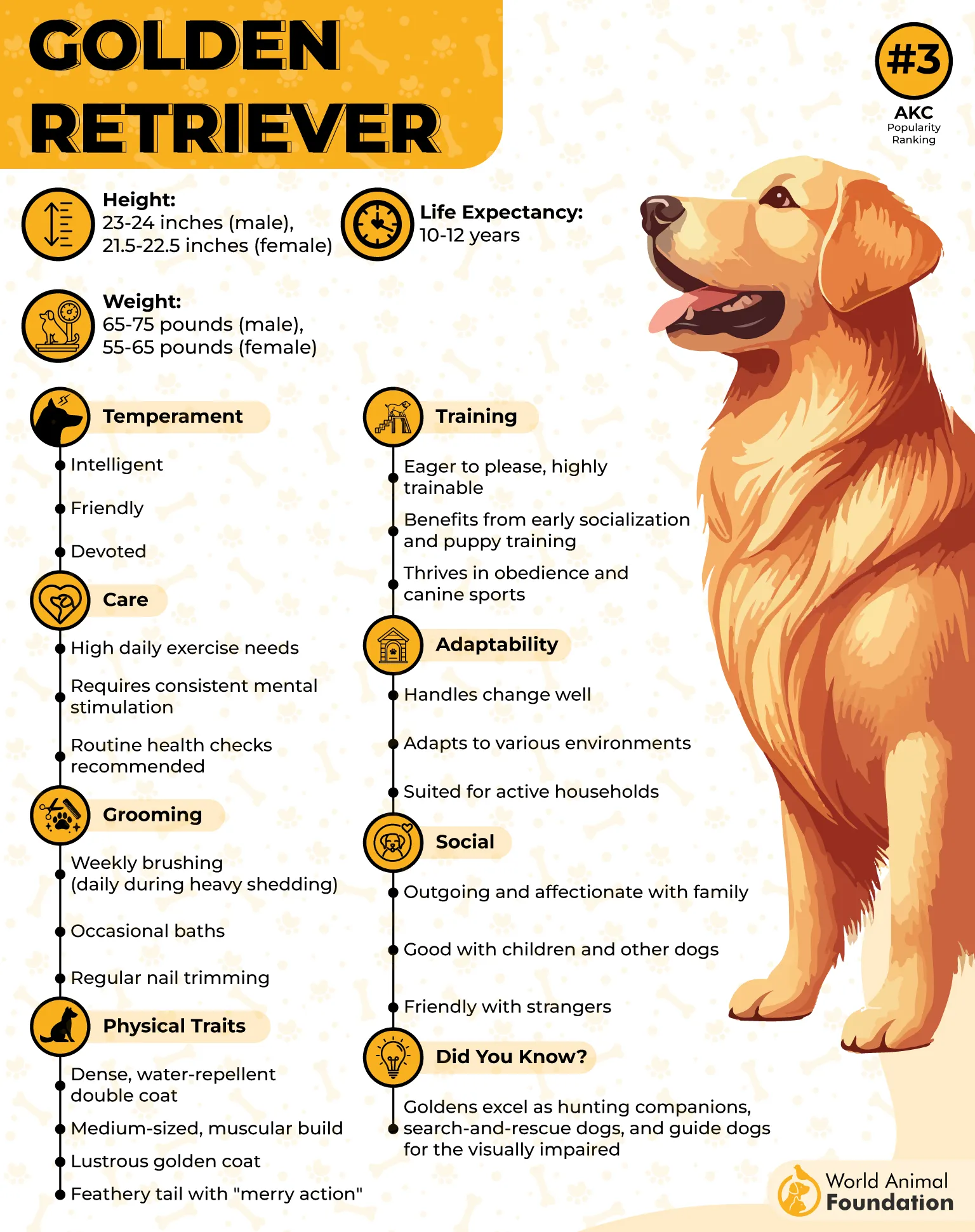
This breed can go from a backyard sprint to a full nap in minutes, which cats appreciate more than constant low-key energy. Goldens also tend to wait for an invitation rather than crowding a nervous cat, letting the relationship build at its own pace.
Introduction timeline: Most goldens settle into calm cohabitation with a cat within 2 to 3 weeks of supervised meetings.
Warning sign: An overeager nose-to-nose greeting can feel like an ambush to a cautious cat, so slow the approach down.
Their play style leans toward fetch and retrieving, not chasing small creatures, so a cat is rarely mistaken for a toy. The American Kennel Club describes the breed as carrying an endearing love of life into everything it does, home included. A confident, curious cat usually makes the perfect pair for this breed’s enthusiastic nature.
2. Labrador Retriever

Labrador Retrievers greet new faces with a wagging tail and an open, friendly posture, body language cats find easy to decode. When it comes to shared territory like food bowls or a sunny sofa spot, this breed rarely guards what’s theirs, making room for a family cat without a fuss.
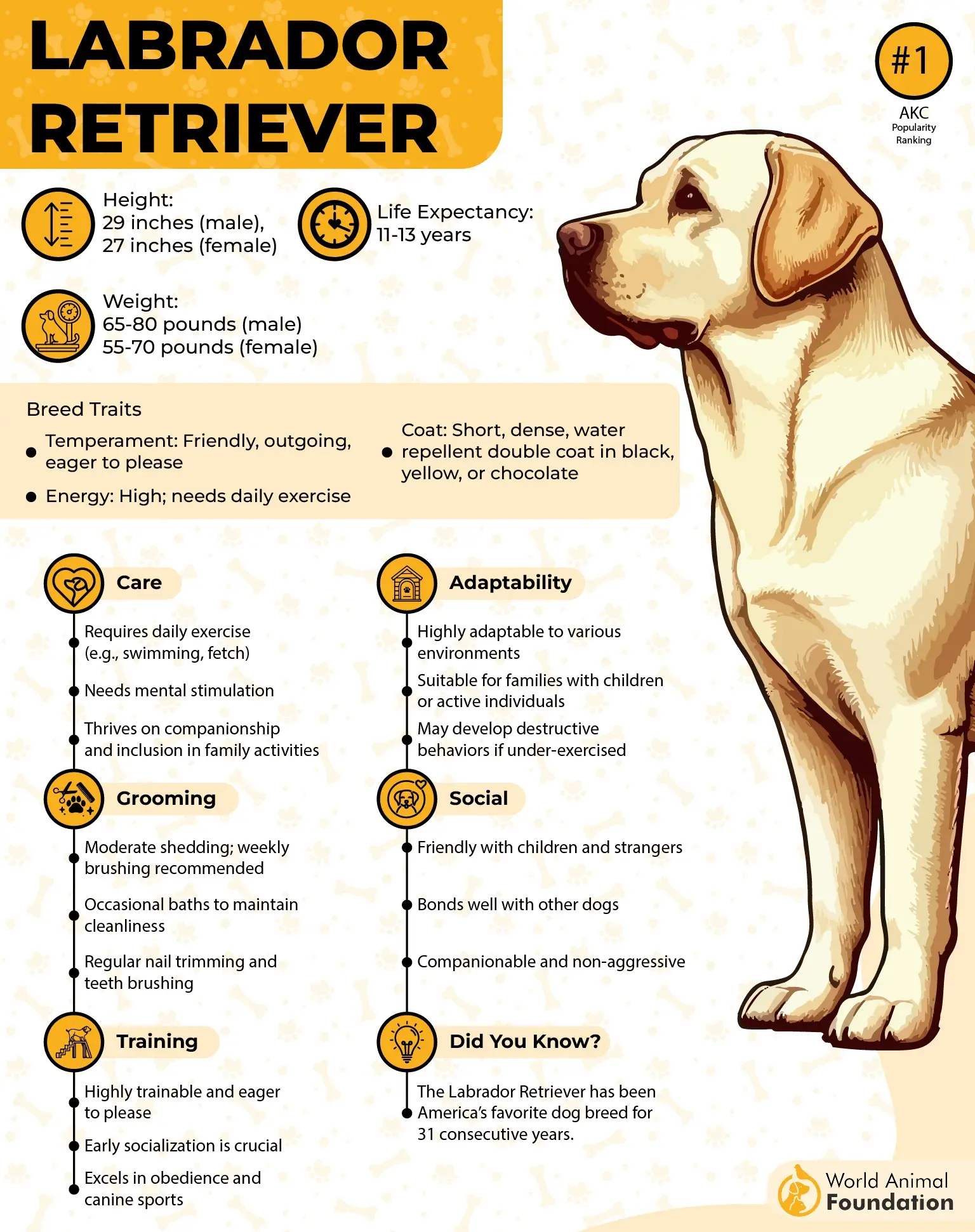
A Labrador can switch from zoomies in the yard to flopped-out stillness surprisingly fast, which helps a cat relax around them. They also tend to let a cat set the pace of the friendship rather than pushing for attention too soon.
Introduction timeline: Expect 3 to 4 weeks before a Labrador and a resident cat settle into an easy routine.
Warning sign: An enthusiastic tail can knock over a small or elderly cat with zero bad intention behind it.
Labs play with big, bouncy energy, which an older or more cautious cat might read as too much too soon. PetMD points out that Labrador Retrievers are among the most popular breeds in the US, and for good reason, with a temperament that extends warmly to feline housemates too.
A playful, self-assured cat that can stand its ground is the ideal match for this breed’s lively, exuberant nature.
3. Cavalier King Charles Spaniel

Cavaliers communicate with soft, half-lidded eyes and a gentle, unhurried approach, almost a mirror of how a relaxed cat behaves. They rarely fuss over food bowls or favourite chairs, content to share space rather than stake a claim over it.
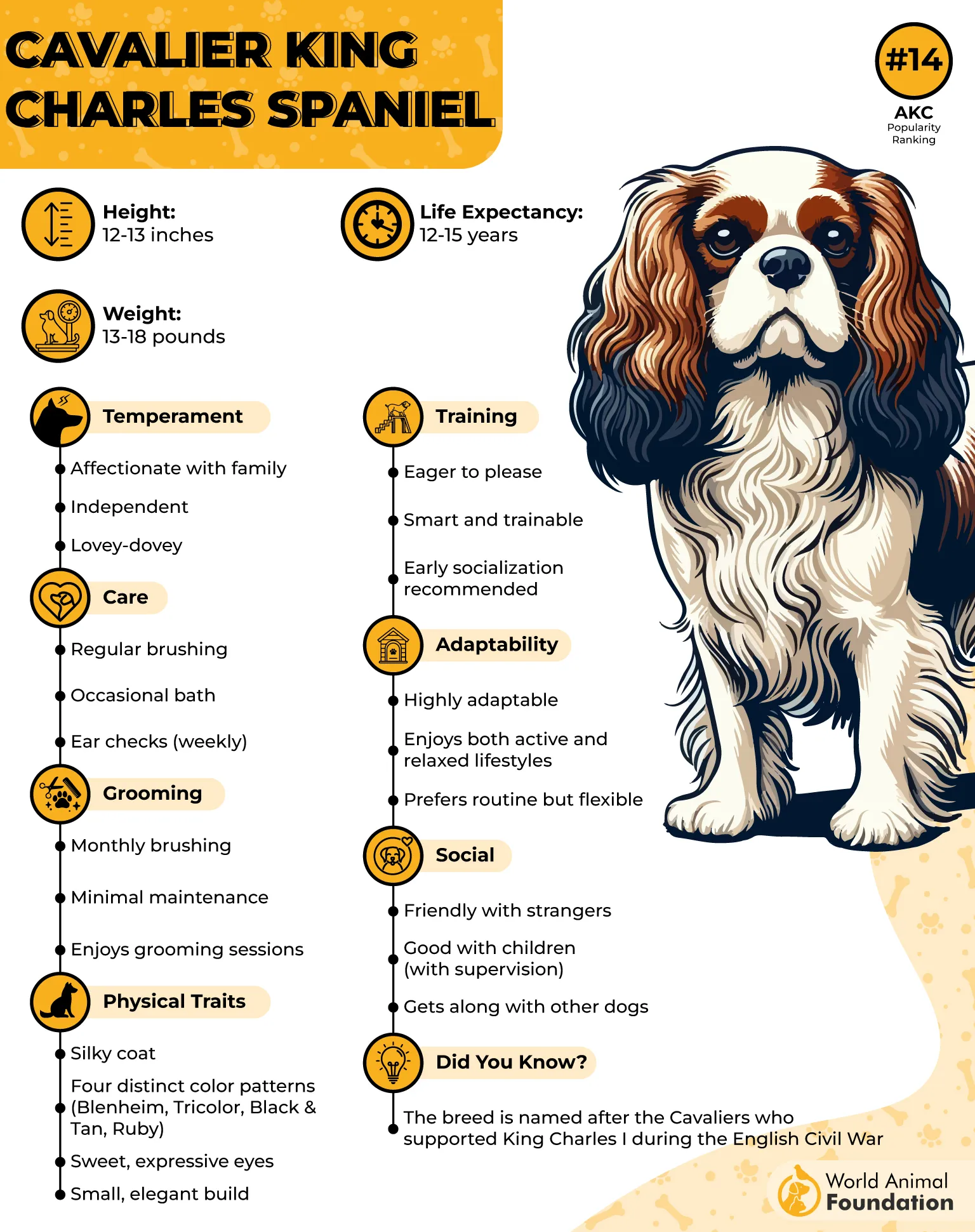
This breed moves easily between a short burst of play and a long, settled snooze on the nearest lap. Cavaliers also tend to let a cat approach first, rather than bounding over uninvited.
Introduction timeline: Most Cavaliers bond calmly with a resident cat within 1 to 2 weeks.
Warning sign: Their eagerness for affection can turn into following a cat around the house, which some cats find smothering.
Play for a Cavalier is quiet and toy-focused, rarely involving the kind of chase that worries a cat. A calm, affectionate cat that enjoys company makes the most harmonious fit for this breed’s gentle, easygoing personality.
4. Havanese

Havanese dogs move in short, bouncy steps and rarely stare directly at a cat, a habit that reads as curious rather than confrontational. They show little interest in guarding food or favourite napping spots, happy to let a cat choose first.
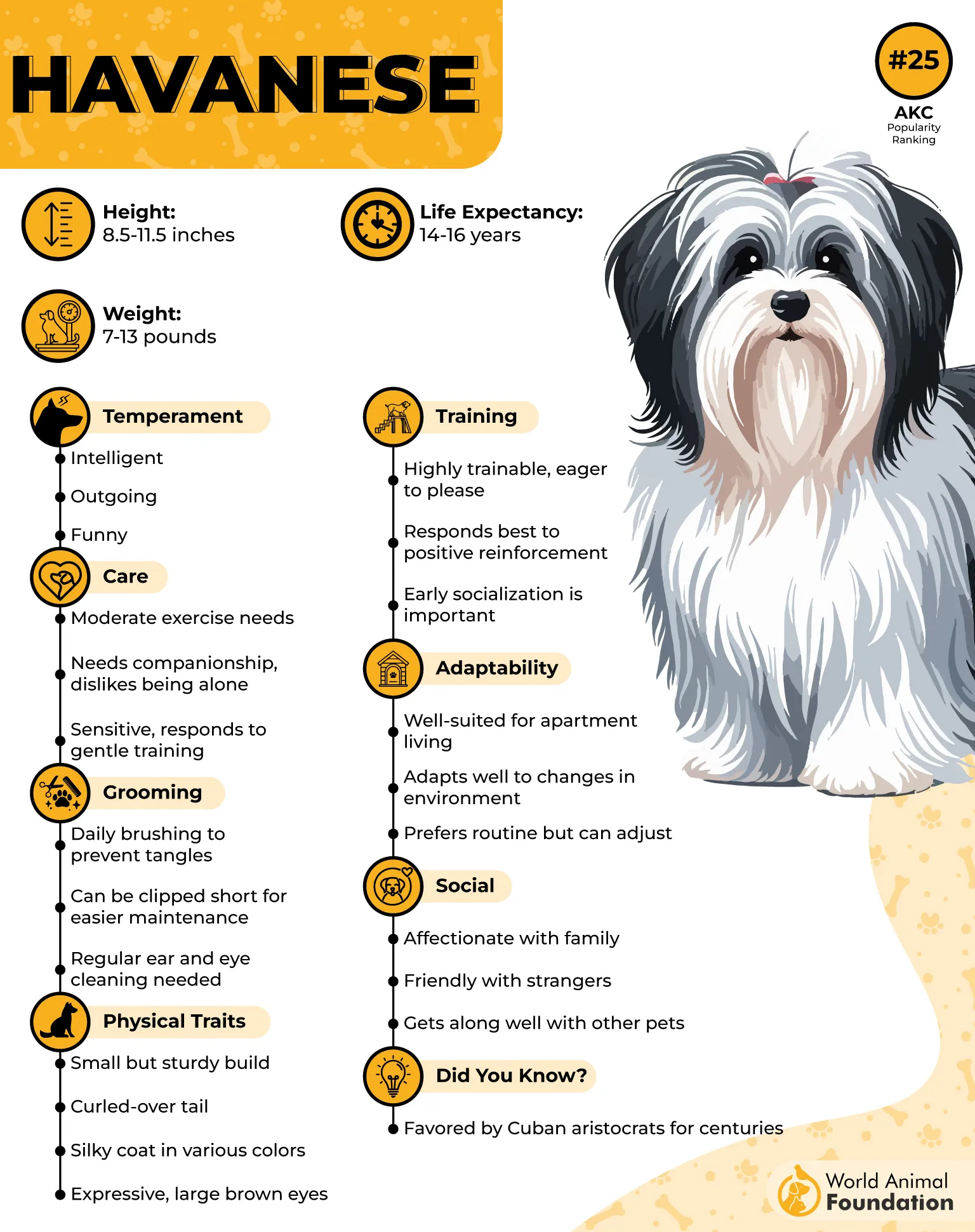
This small breed settles quickly after a burst of play, curling up calmly rather than staying wound up. Havanese also tend to wait patiently for a cat to make the first move instead of crowding them.
Introduction timeline: Expect a comfortable routine within 2 weeks for most Havanese and resident cats.
Warning sign: Their love of following people from room to room can extend to cats, which may annoy a more independent feline.
Their play style is bouncy and vocal rather than chase-driven, so a cat is unlikely to feel hunted. A playful, people-oriented cat tends to match this breed’s sociable energy best, making for a genuinely compatible companion.
5. Bichon Frise
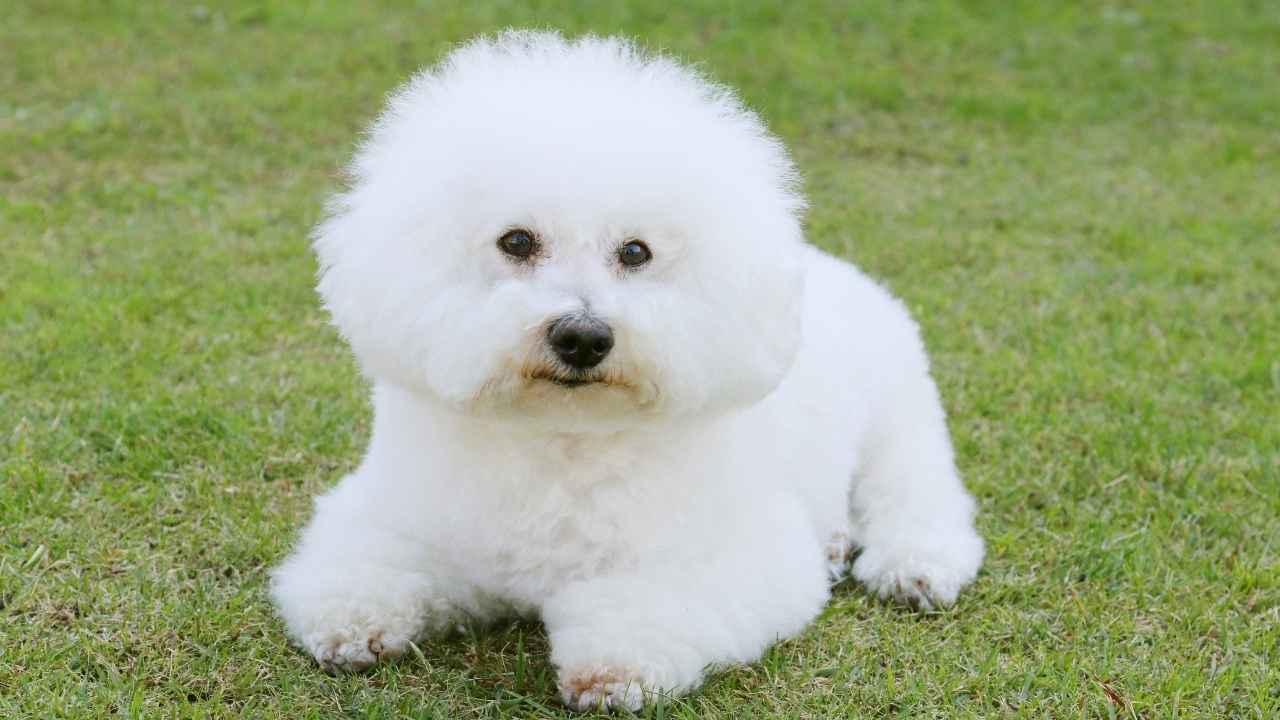
A Bichon Frise tends to approach new animals with a soft, sideways posture rather than a direct march, which cats find far less alarming. Around shared resources like food bowls or window perches, this breed shows little interest in competing, happy to coexist instead.
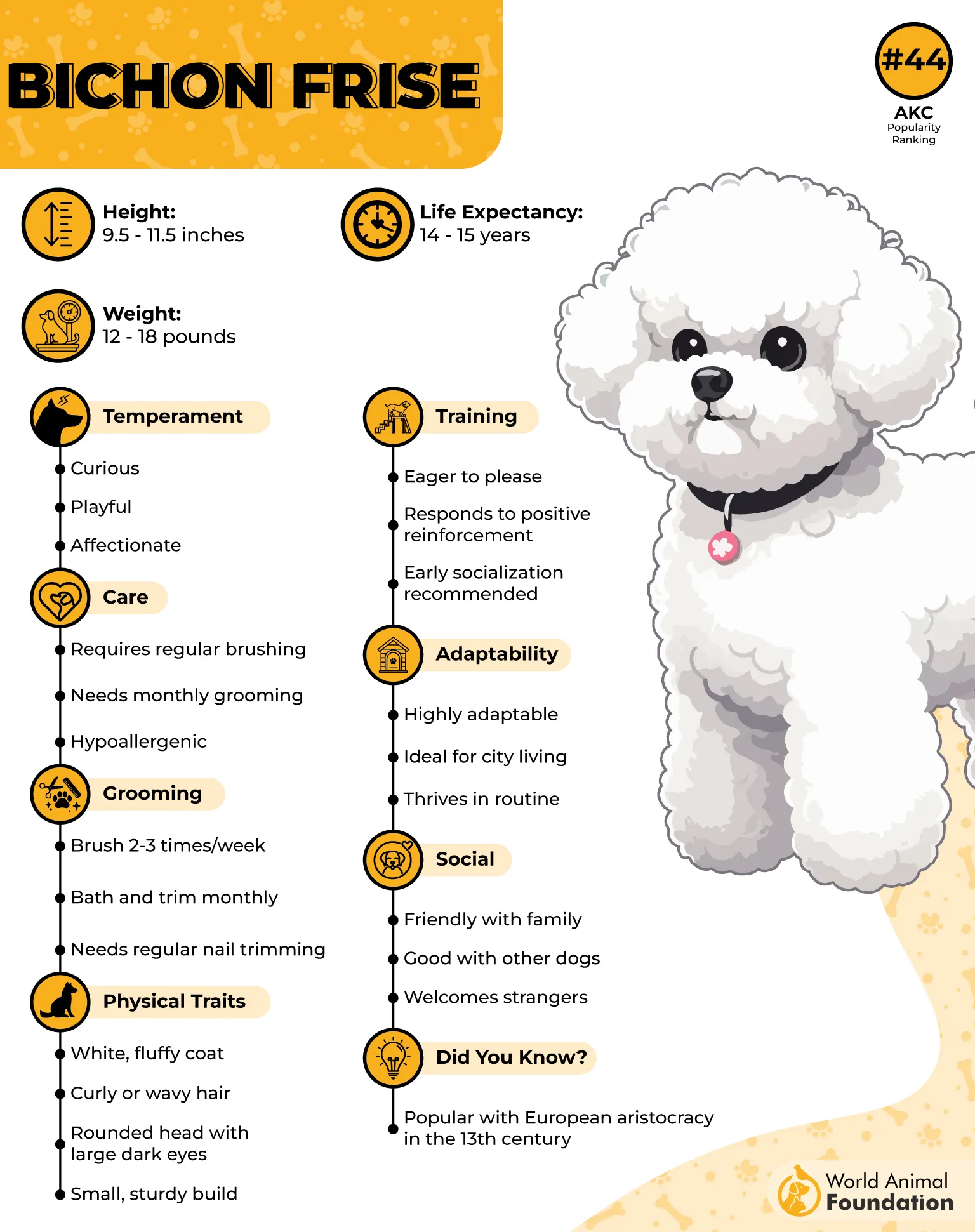
This breed can go from playful bouncing to a calm, curled-up nap in a matter of minutes. Bichons usually let a cat dictate the distance between them, rather than pushing for closeness too soon.
Introduction timeline: Most Bichons and resident cats find a comfortable rhythm within 2 to 3 weeks.
Warning sign: High-pitched excited barking during play can startle a sound-sensitive cat, so keep early sessions low-key.
Play for a Bichon is light and bouncy, closer to a dance than a chase, so it rarely reads as predatory to a watching cat. A relaxed, social cat that enjoys gentle company fits this breed especially well.
6. Coton de Tulear
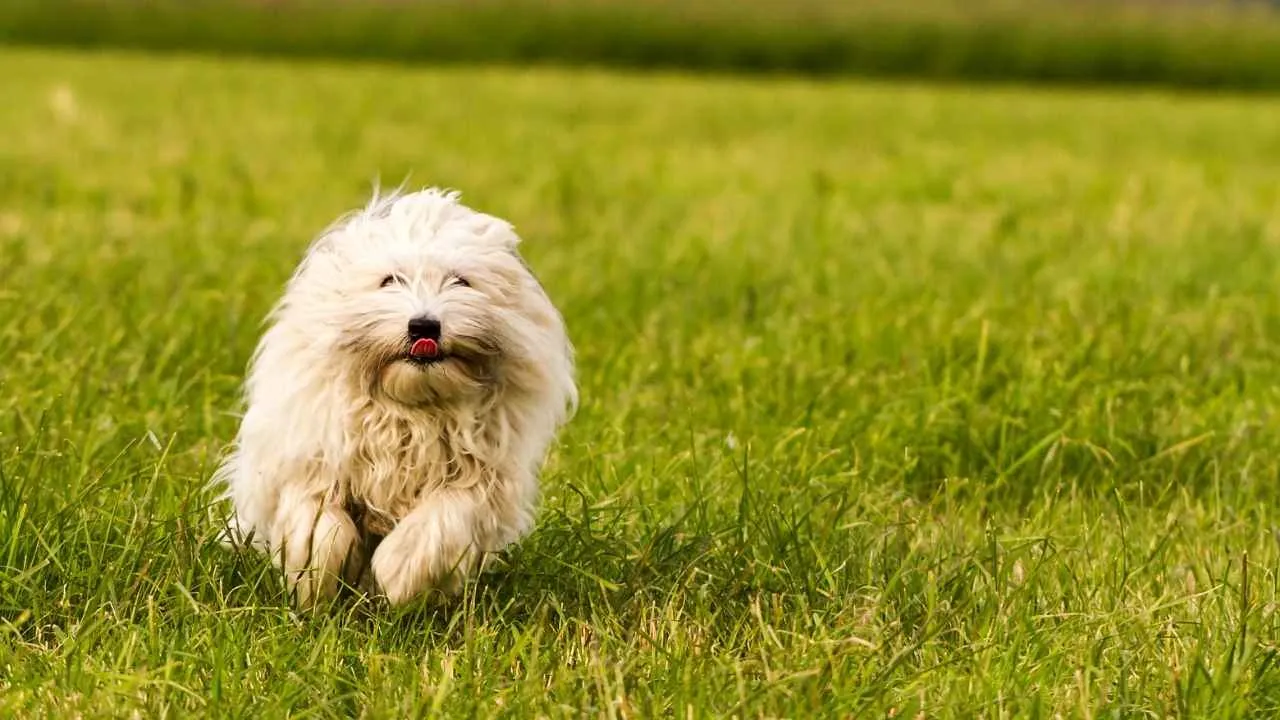
Coton de Tulears move with a soft, cottony gait and tend to approach sideways rather than head-on, a style cats read as polite rather than pushy. They rarely compete over a food bowl or a favourite chair, happy to share the space with a family cat.
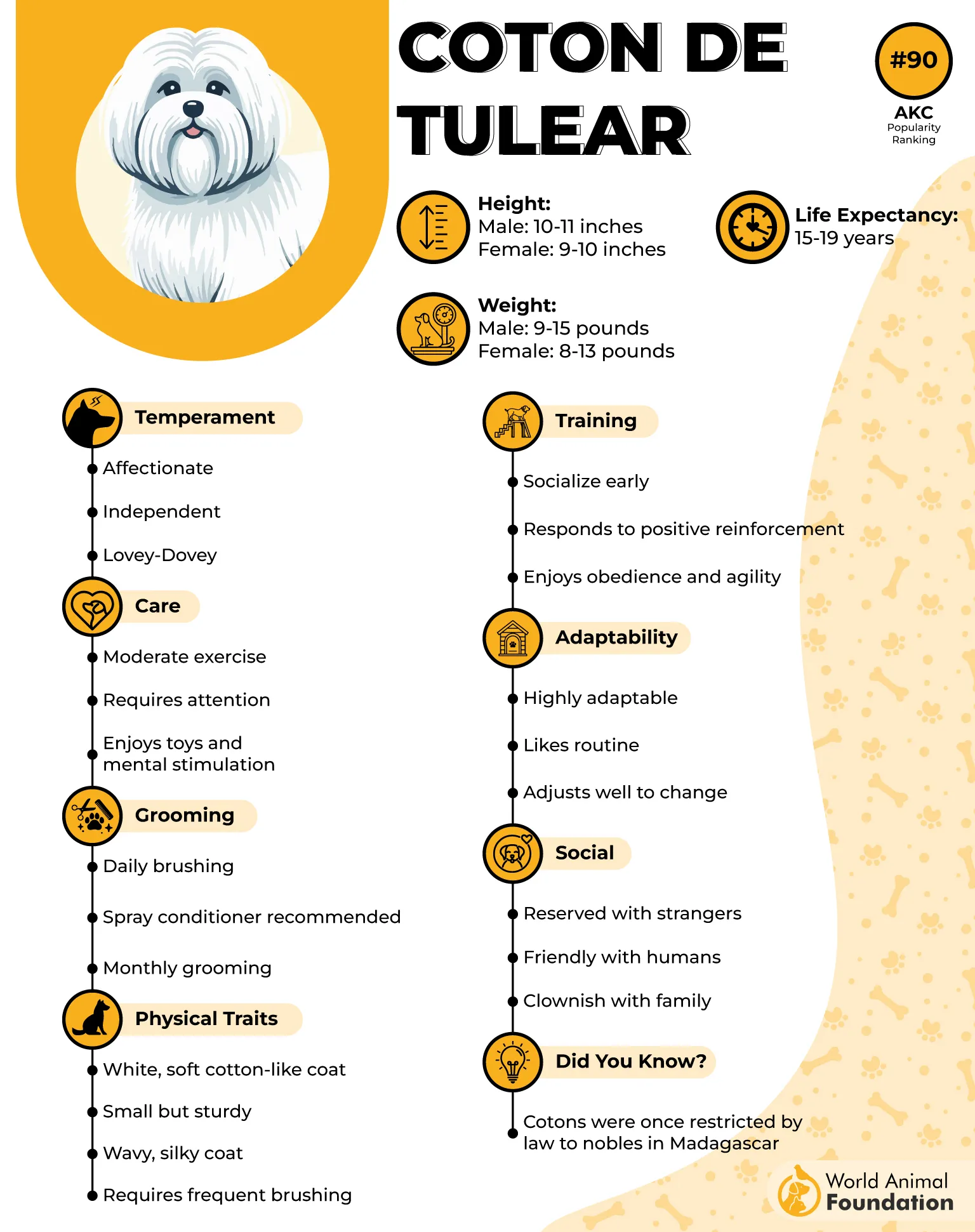
This breed shifts easily from playful bursts to long stretches of calm, quiet companionship. Cotons also tend to respect a cat’s personal space, waiting for an invitation rather than inviting themselves over.
Introduction timeline: Many Cotons settle into easy cohabitation with a cat within 2 weeks.
Warning sign: Their chatty, almost talkative vocal habits can unsettle a cat that prefers a quiet household.
Their play style is gentle and low-key, rarely involving the fast bursts that could be mistaken for a chase. A calm, confident cat tends to be the ideal match for this easygoing, adaptable breed.
7. Newfoundland
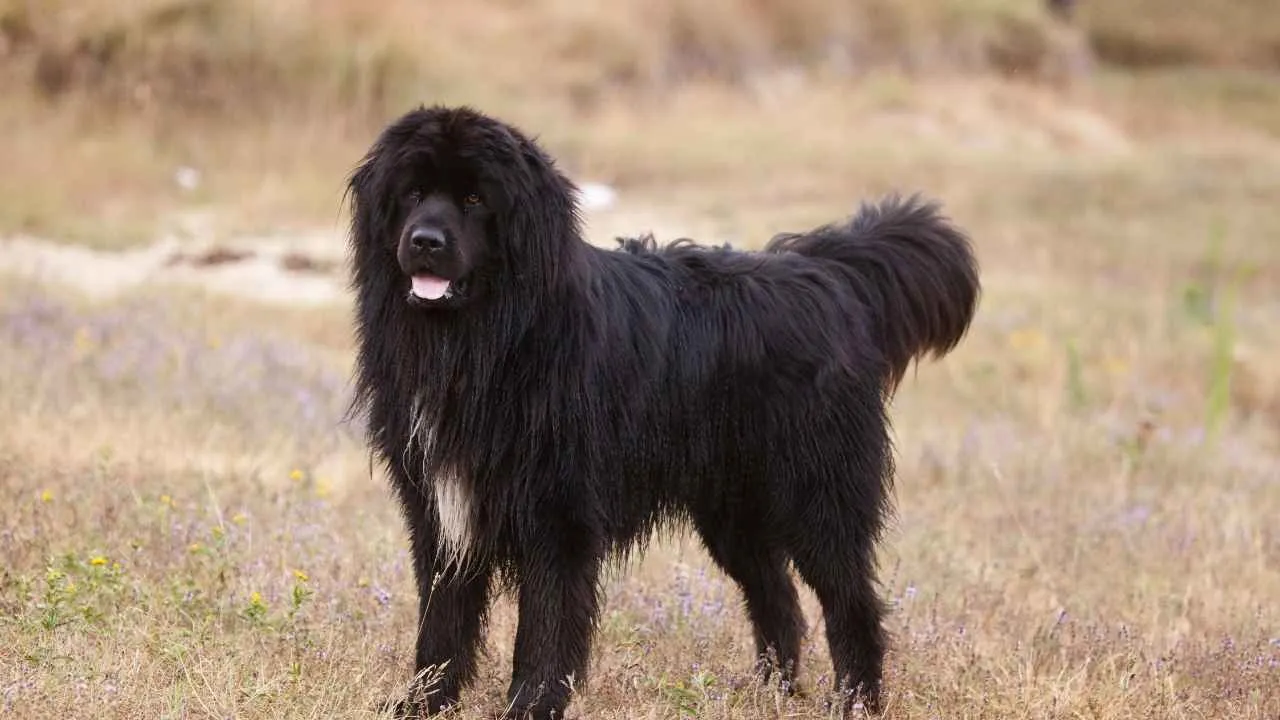
A Newfoundland moves at a slow, deliberate pace that rarely startles a cat, and their sheer size means they are in no hurry to compete for anything. Food bowls, beds, and favourite spots are generally treated as shared property rather than something worth guarding.
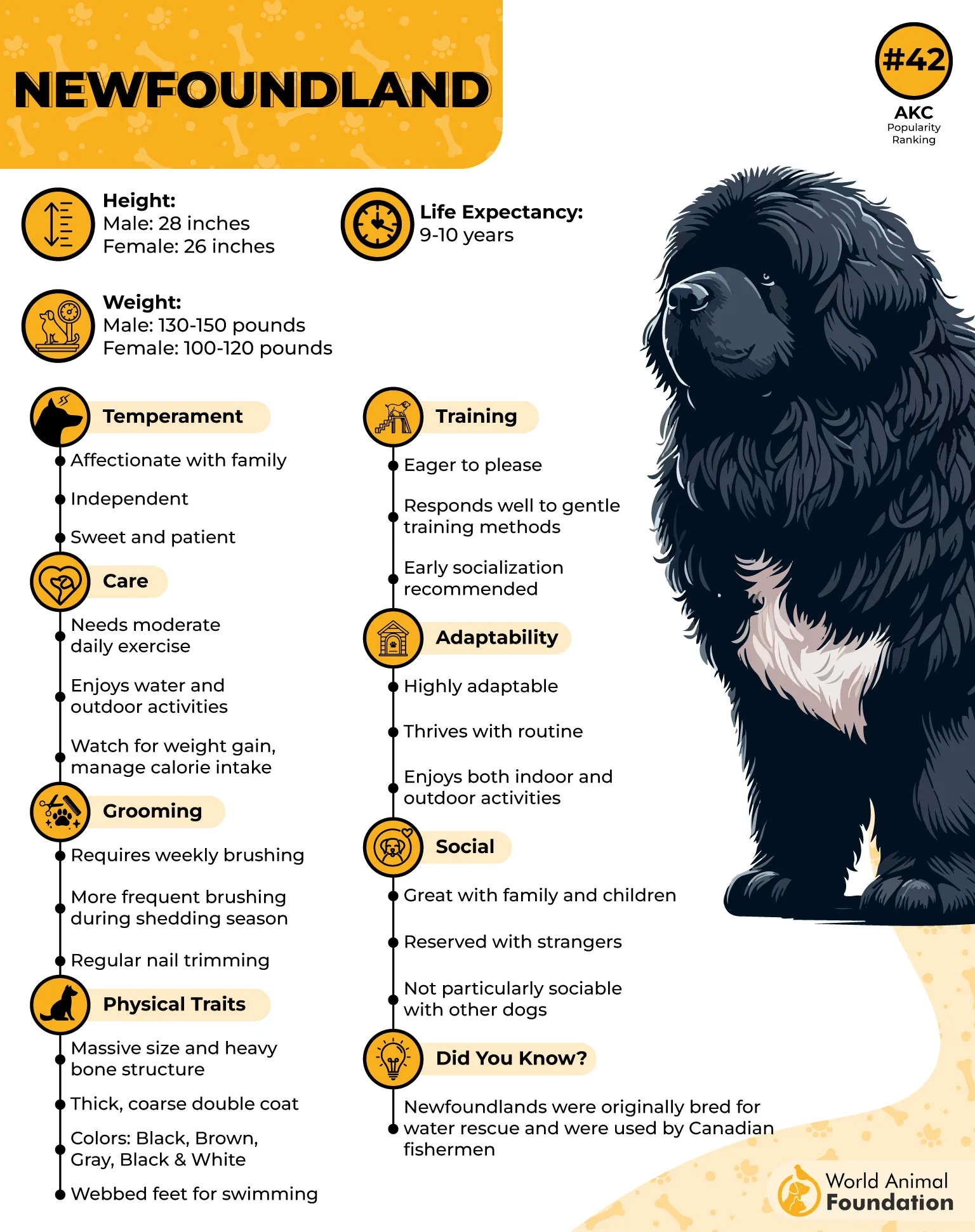
For all their bulk, a Newfoundland downshifts from mild activity to full stillness with ease, spending much of the day resting. They tend to let a cat set the terms of the relationship, waiting rather than approaching first.
Introduction timeline: Expect 3 to 4 weeks for a Newfoundland and a cat to find a calm routine, given the breed’s slow, careful nature.
Warning sign: Sheer size means an accidental step or lean can startle a smaller cat, even with the gentlest intentions.
Play for a Newfoundland is slow and low-energy, nothing like the fast, pouncing style that reads as a threat to a cat. Orvis describes the breed as a heavy-coated workhorse with gentle, intelligent eyes, a calm presence that suits even a nervous cat. A laid-back, unbothered cat makes the easiest match for this gentle giant.
8. Bernese Mountain Dog
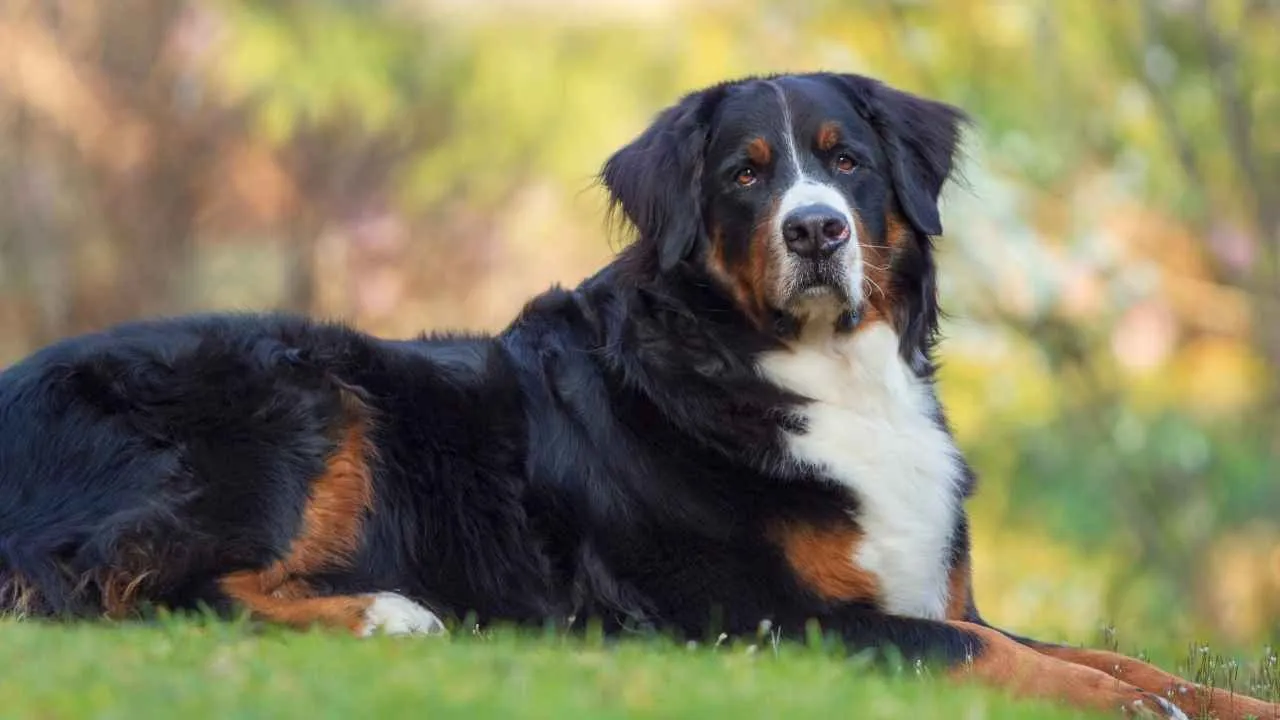
A Bernese Mountain Dog tends to move calmly and predictably around the house, rarely dashing or lunging in ways that would spook a cat. It shows little interest in guarding food bowls or favourite resting spots, content to let a resident cat share the space.
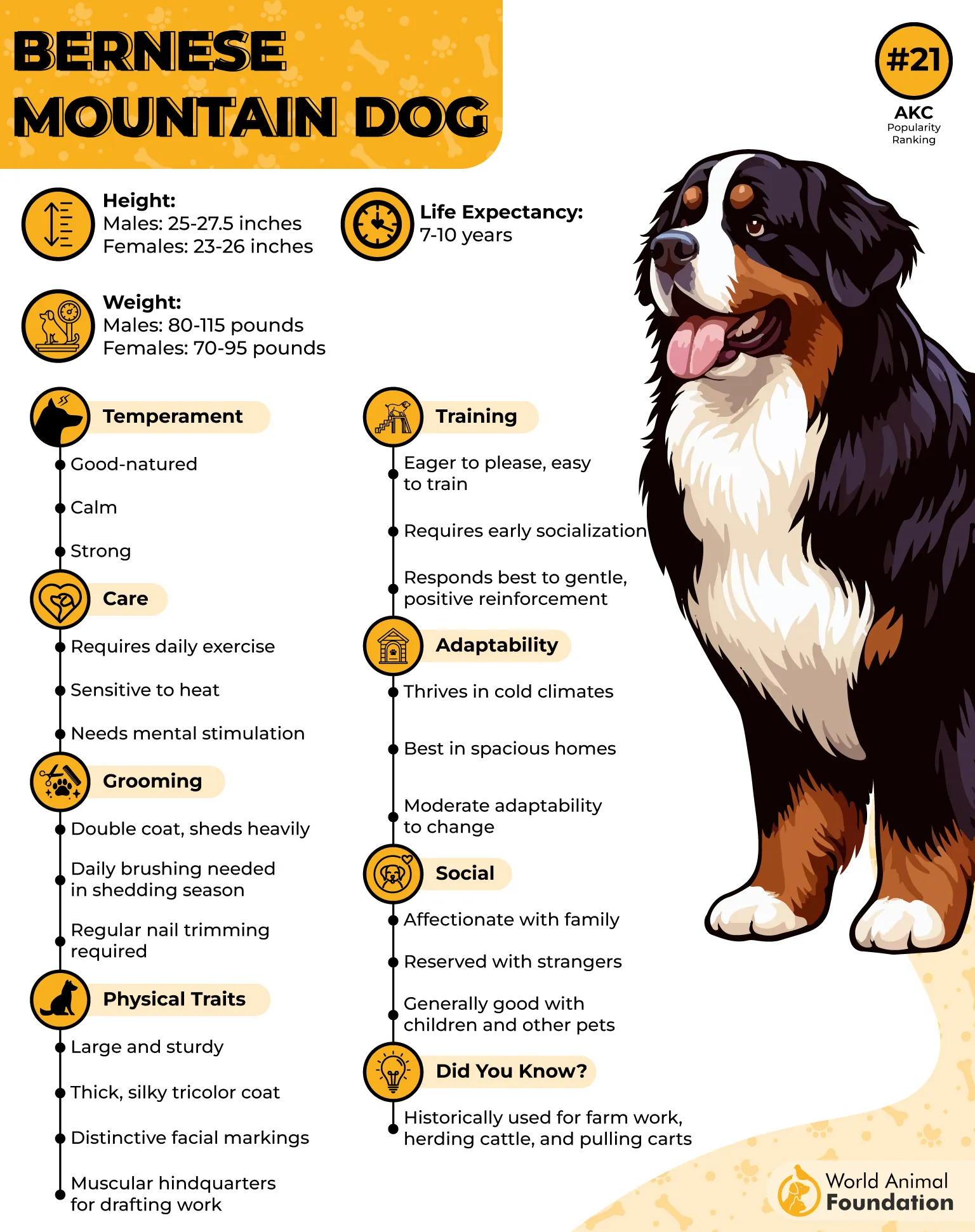
This large breed settles into stillness easily after a short burst of activity, spending much of its day resting calmly. Bernese Mountain Dogs also tend to wait for a cat to approach rather than crowding them.
Introduction timeline: Most Bernese Mountain Dogs and resident cats find a settled routine within 3 weeks.
Warning sign: Size alone can intimidate a nervous cat at first, even when the dog’s intentions are entirely friendly.
Play for this breed is slow and gentle rather than fast and chase-driven, so a cat rarely feels hunted. PDSA recommends socialising a Bernese Mountain Dog puppy early with plenty of different experiences, a habit that helps it take a new cat in stride. A confident, easygoing cat tends to be the best match for this gentle giant.
9. Papillon

A papillon moves with light, quick steps and often tilts its head rather than staring directly, body language that reads as curious rather than threatening to a cat. It shows little interest in guarding food bowls or windowsills, perfectly happy to share.
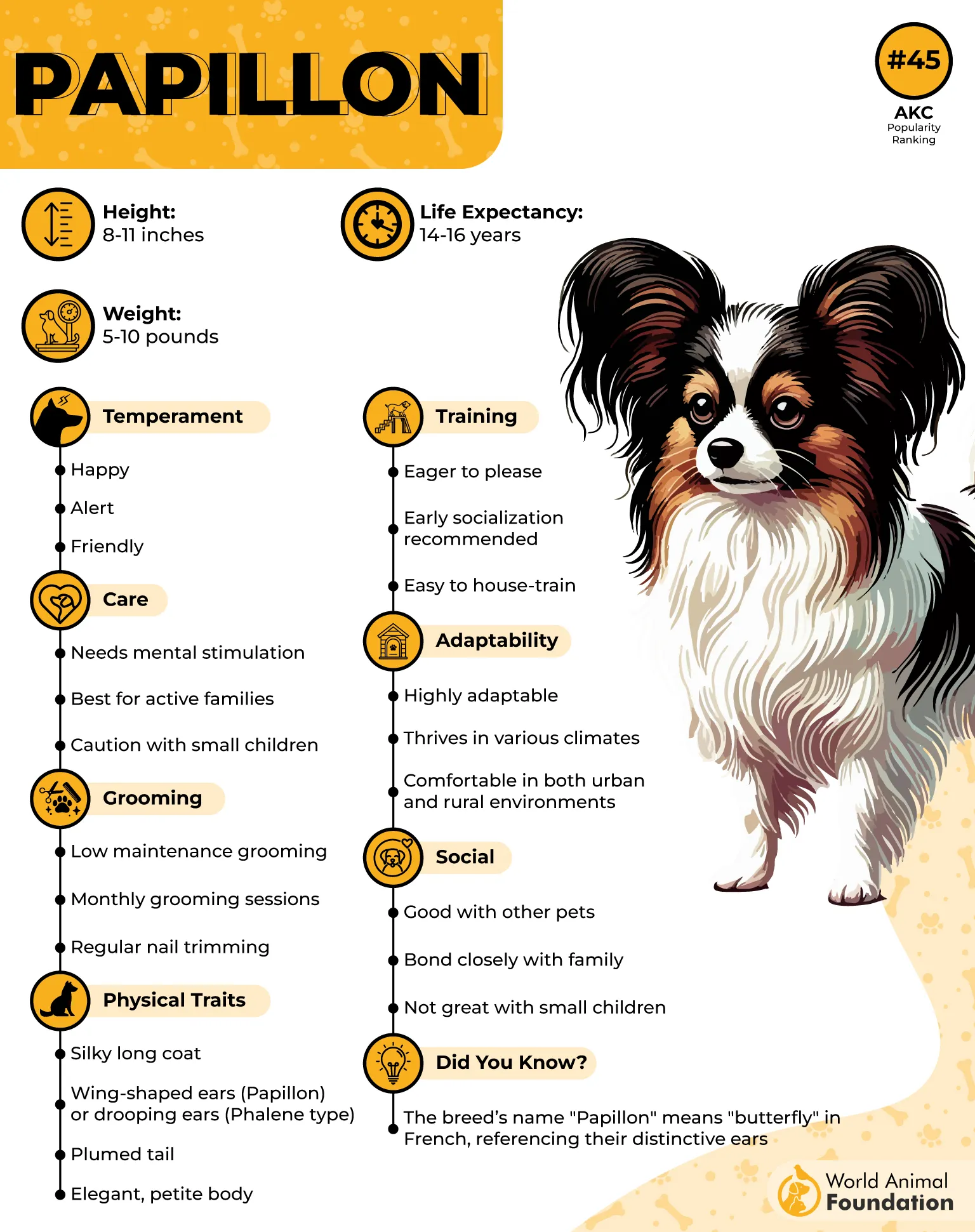
This tiny breed can switch from playful zipping around the room to calm stillness in a cat’s lap surprisingly fast. Papillons also tend to let a cat set the pace, rather than chasing after attention.
Introduction timeline: Expect around 2 weeks for a papillon to settle comfortably alongside a resident cat.
Warning sign: Small size means a startled cat’s swipe could cause real injury, so early introductions need close supervision.
Play for a papillon is quick and darting, which could occasionally be mistaken for prey-like movement by a cat with a strong instinct. Purina notes the breed can feel at home in any climate, in any home where it is loved, cats included. A calm, patient cat who isn’t easily riled tends to be the better match here.
10. Tibetan Spaniel
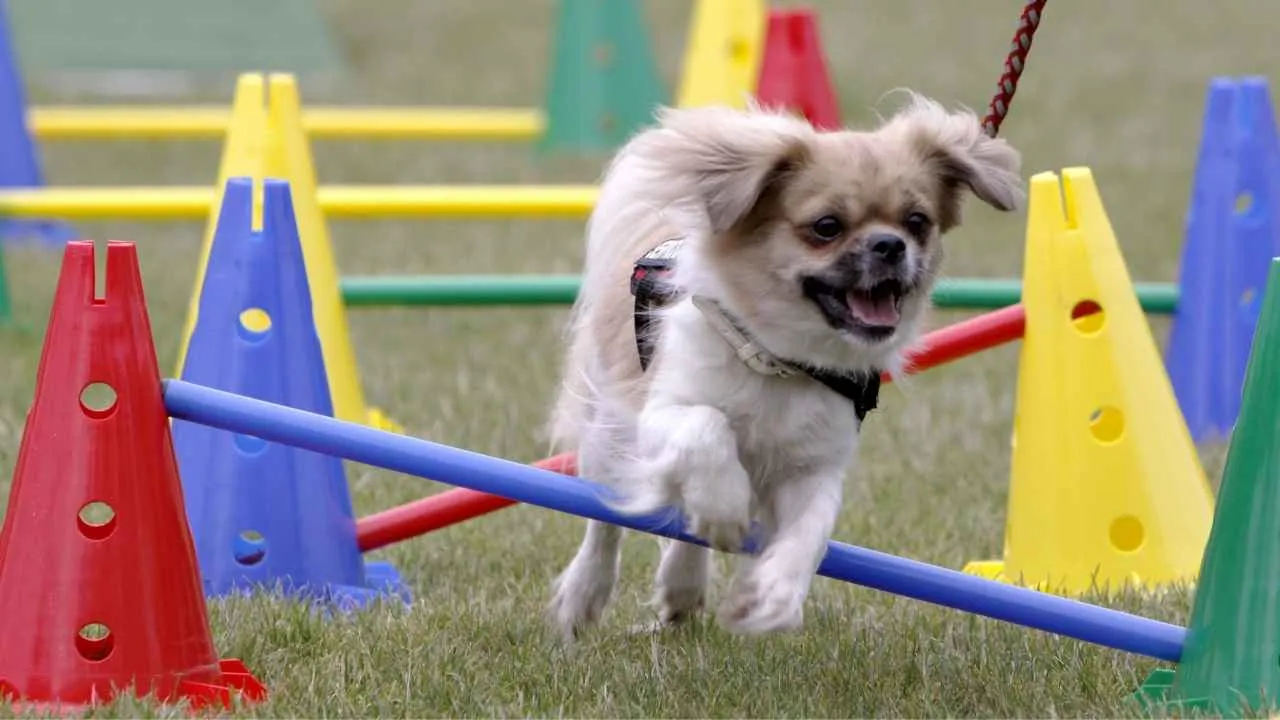
Tibetan Spaniels have an independent, almost cat-like way of observing a room before engaging, which often earns quiet respect from an actual cat. They rarely fuss over a food bowl or a favourite windowsill, treating shared space as perfectly normal.

This breed moves easily between short bursts of curiosity and long stretches of calm, settled watching from a high perch. Tibetan Spaniels also tend to observe a cat from a distance before approaching, rather than rushing in.
Introduction timeline: Most Tibetan Spaniels and resident cats reach a comfortable routine within 2 weeks.
Warning sign: An independent streak can look like indifference at first, which some cats actually prefer over an overly eager dog.
Play for this breed is low-key and self-directed, rarely resembling the kind of chase that worries a cat. An independent, confident cat who values their own space tends to be the perfect pair for this breed’s reserved, kind temperament.
Conclusion
From gentle Goldens to watchful Tibetan Spaniels, these ten beloved dog breeds prove that a happy, cat-friendly household has less to do with size or reputation and more to do with how a dog actually speaks cat.
Family homes and apartments and flats alike can work beautifully, as long as the match is right for your cats and dogs.
So, before you bring a new puppy home, spend real time watching how they move around your cat, not just what the breed profile promises. Trust those small, quiet signals, and you will find the perfect companion for your whole family.
