




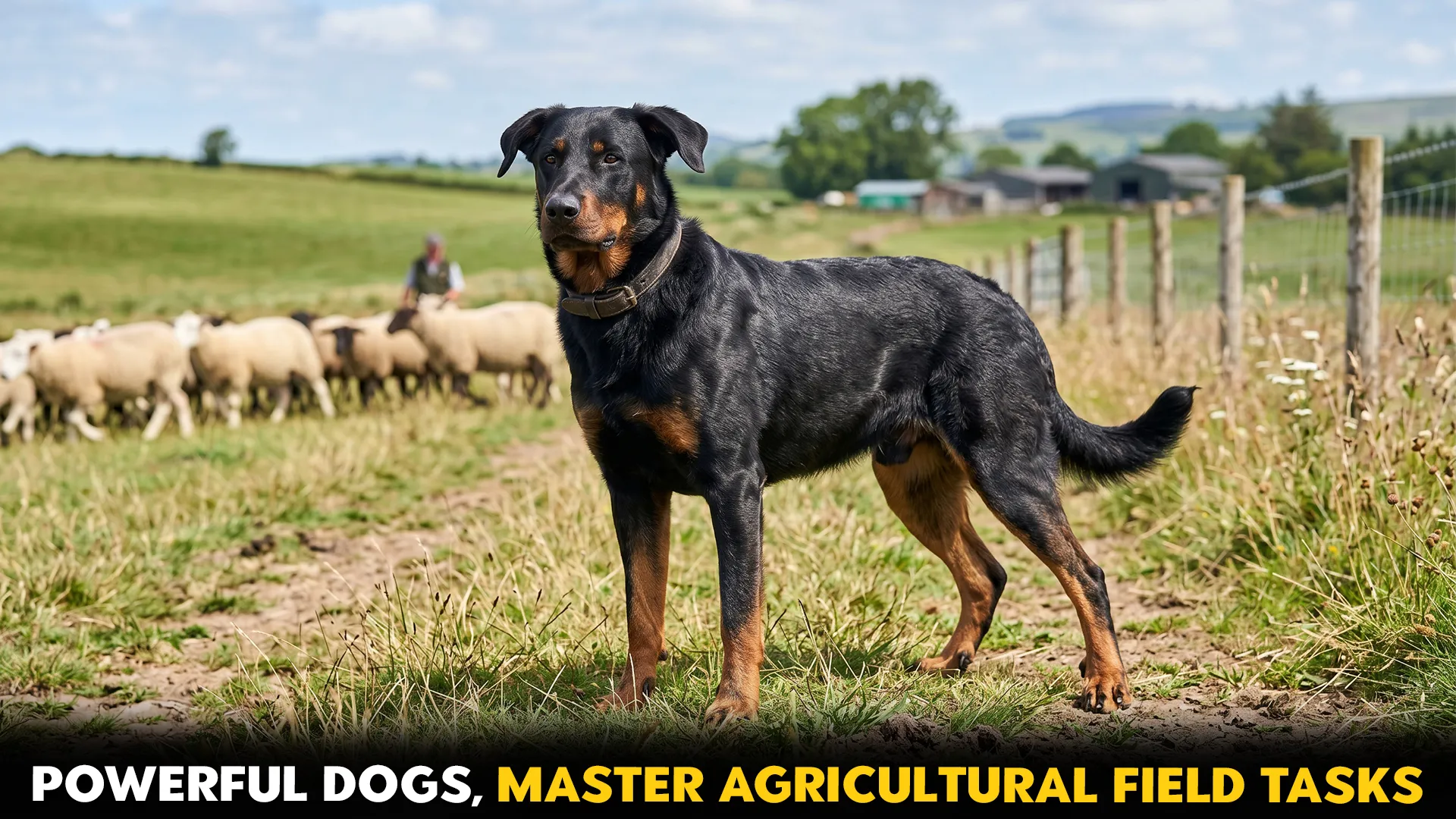
Ever wondered how farms stay so organized even without constant human control? The secret often lies in powerful, highly intelligent dogs that seem to understand livestock almost instinctively.
These dogs have been bred for centuries to manage animals, protect property, and support farmers in daily tasks that require both strength and precision.
What makes these dogs truly remarkable is their unique mix of physical endurance and sharp mental ability. They can work for long hours across tough terrain, respond quickly to subtle signals, and even make independent decisions when managing livestock.
Their bodies are built for action, while their minds are wired for problem-solving, which is why they excel in fast-moving agricultural environments where timing and control matter.
This rare combination of intelligence, strength, and adaptability is what makes them some of the most valuable companions in agriculture today.
Key Takeaways
Powerful herding dogs combine intelligence, stamina, and instinct to manage livestock with ease and precision.
Breeds like Australian Cattle Dog, Belgian Malinois, and Shetland Sheepdog show unique but equally skilled herding styles.
These dogs thrive only when given daily physical work and strong mental challenges to stay balanced and happy.
From Beauceron to Entlebucher Mountain Dog, they prove themselves as loyal working partners, not just family pets.
Powerful Dog Breeds Ideal for Herding and Agricultural Tasks
1. Australian Cattle Dog
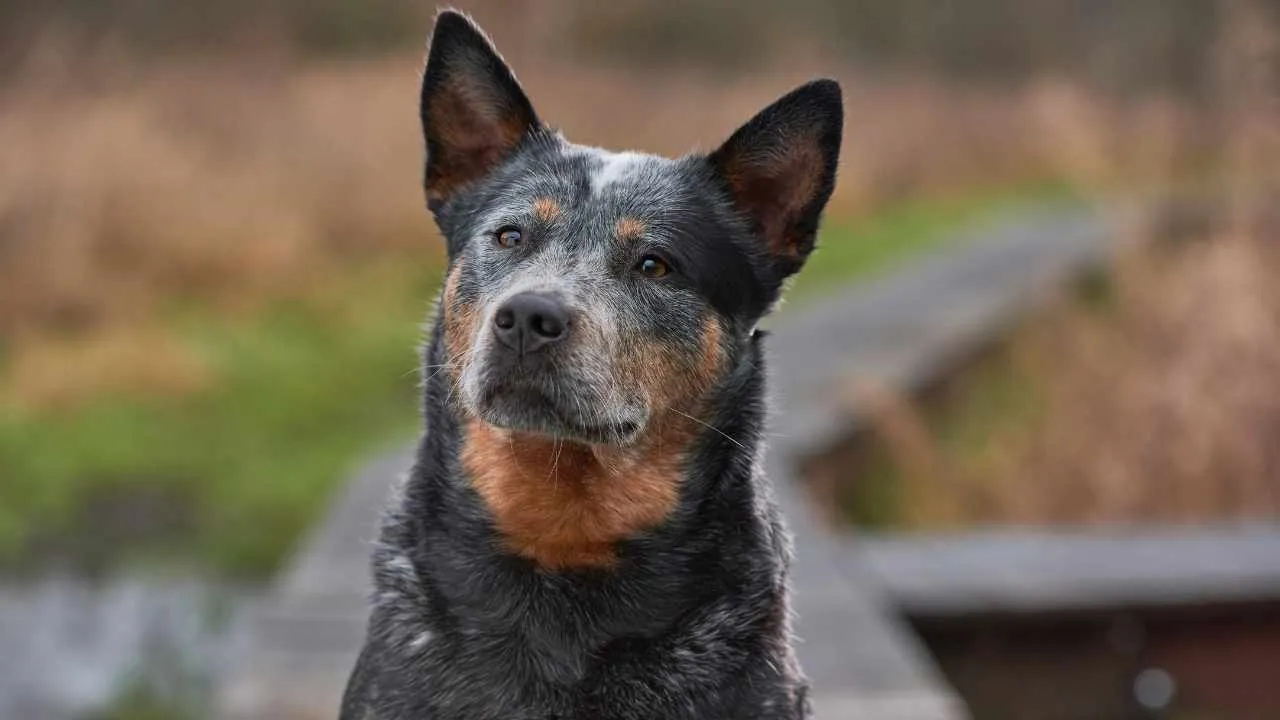
The Australian Cattle Dog, also called the Blue Heeler or Red Heeler, is a powerful herding breed developed in 19th-century Australia. It was created to handle cattle in the harsh outback and is closely linked to the Dingo.
Britannica mentions that this breed is known for moving livestock by nipping at their heels, making it highly effective for controlling animals on large farms and open land.
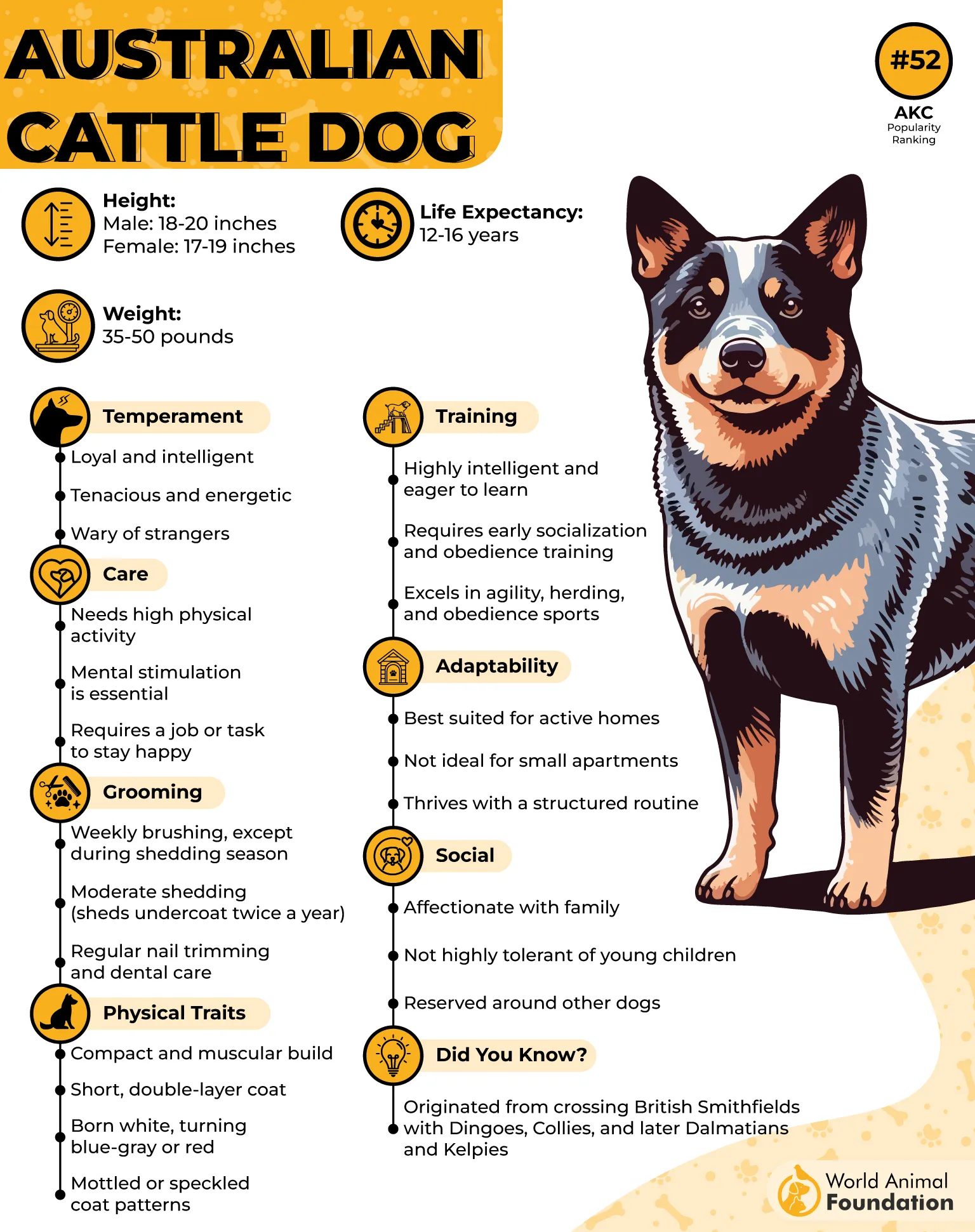
Key traits include
Highly intelligent and quick to learn
Strong work drive and endless energy
Loyal, alert, and highly protective
Naturally wary of strangers
Excellent endurance and agility
This breed is compact, muscular, and built for hard work. Its dense coat protects it from rough weather and outdoor conditions.
It is born white and later develops blue-gray or red coloring with speckled or mottled patterns. It is smart but independent, and can sometimes outthink its owner if not properly guided.
The Australian Cattle Dog needs daily exercise and mental stimulation. It becomes bored without work and may develop destructive behavior. It does best on farms, during long runs, or in dog sports like agility and obedience.
Early training and socialization are important to manage its strong herding instinct, including nipping. When properly trained, it becomes a loyal, focused, and highly dependable working companion.
2. Beauceron
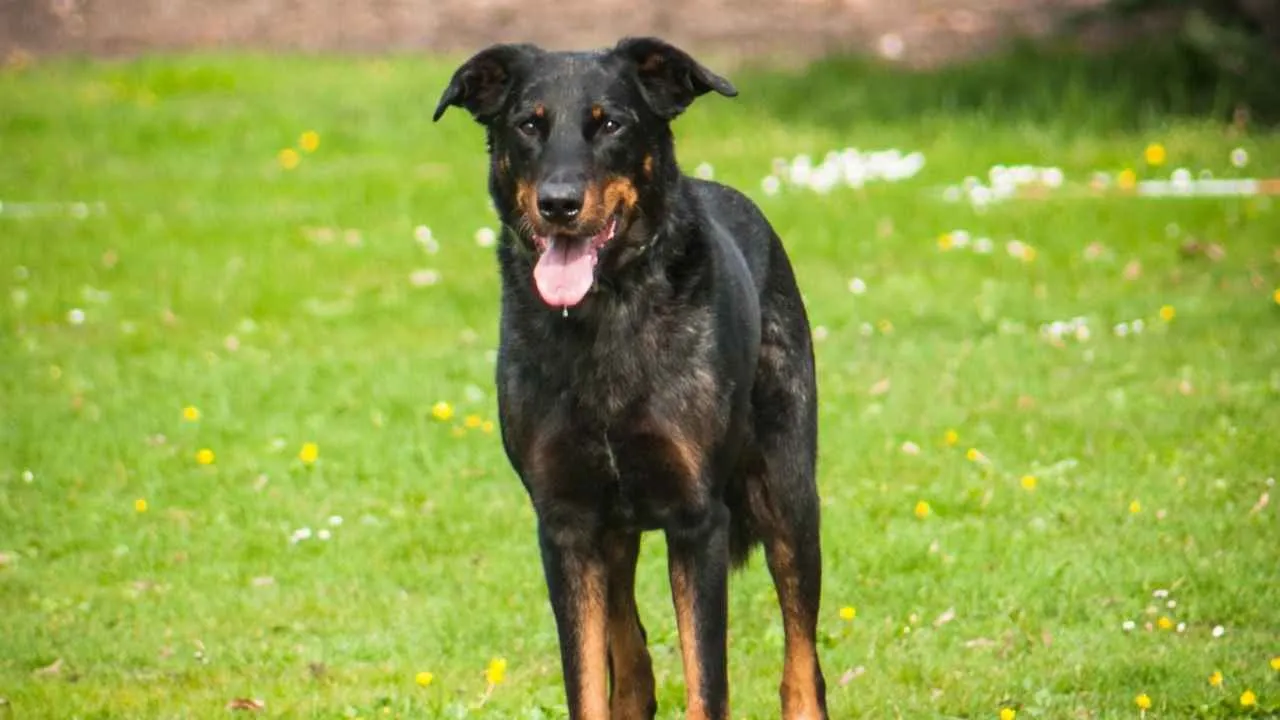
The Beauceron is a strong herding breed known for its intelligence, confidence, and versatility. It is often compared to having the mind of a Border Collie in a large, muscular body.
Originally developed as a French farm and livestock dog, it is capable of herding, guarding, and protecting livestock with great control and precision.
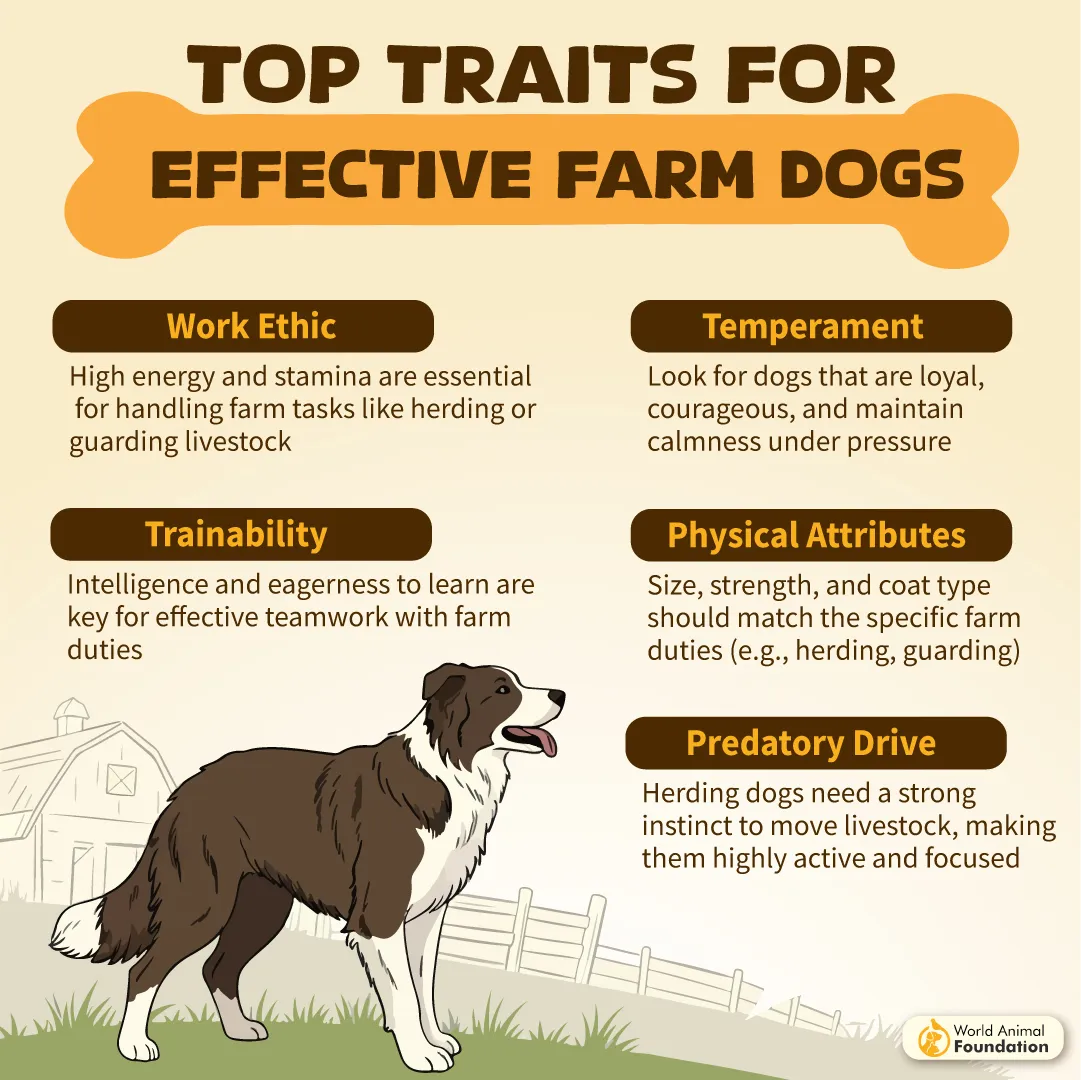
Key traits include
Highly intelligent and quick to learn
Strong, athletic, and full of endurance
Loyal, protective, and confident
Can be dominant and needs firm guidance
Naturally alert and excellent as a watchdog
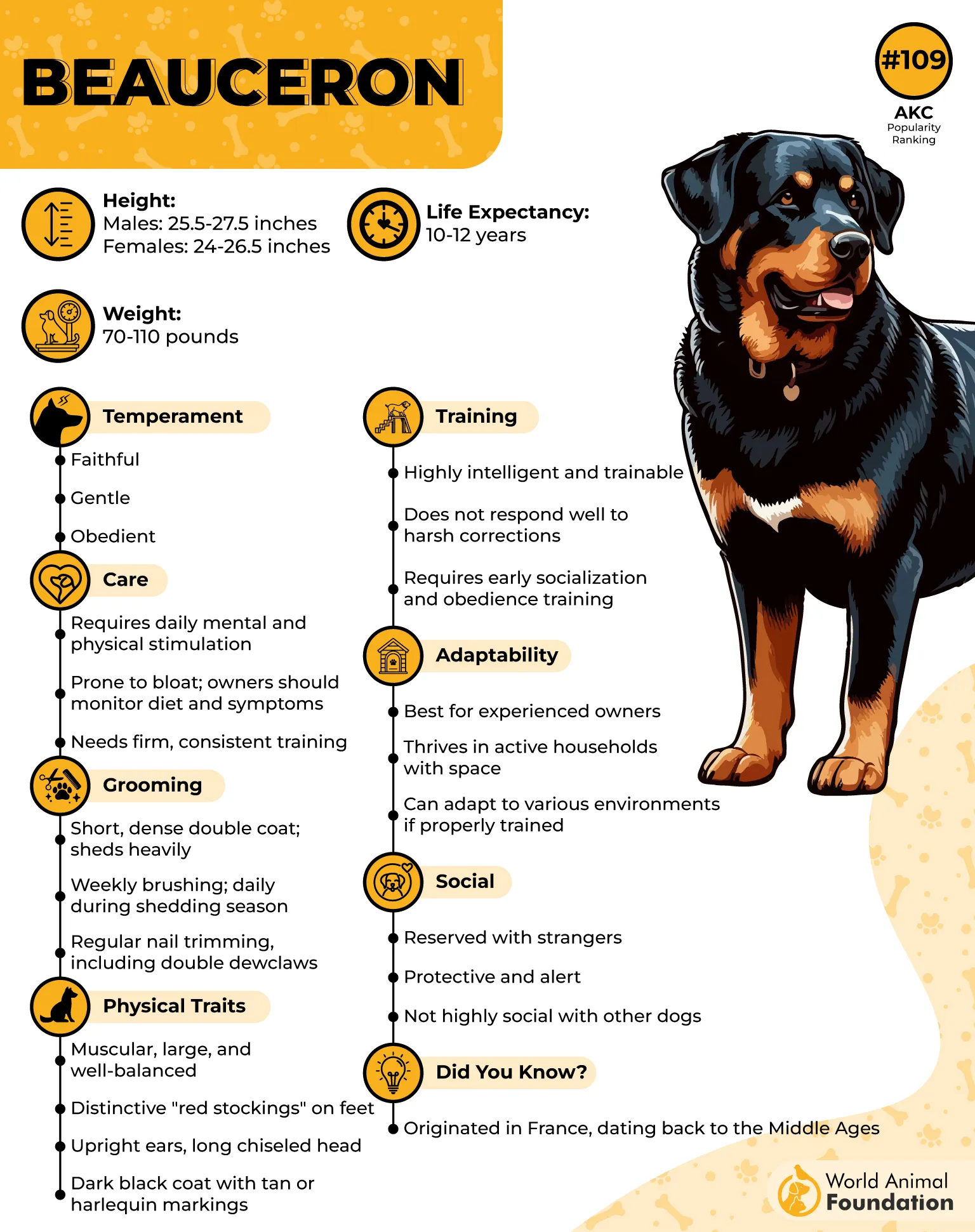
This breed is large, muscular, and well-balanced, with a short but thick coat that protects it in outdoor conditions. It is known for its black and tan coloring, often with distinctive rust-colored markings on the legs, which is why it is also called “Bas-Rouge,” according to the American Kennel Club.
Its strong build and alert expression make it look both powerful and composed at the same time.
The Beauceron is not ideal for first-time owners because it needs clear leadership and consistent training. It is highly intelligent and learns quickly, but it does not respond well to harsh handling. Early socialization and obedience training are essential to manage its strong personality.
When properly trained, it becomes a calm, reliable, and highly protective working dog that performs well in herding, guarding, and active farm tasks.
3. Old English Sheepdog
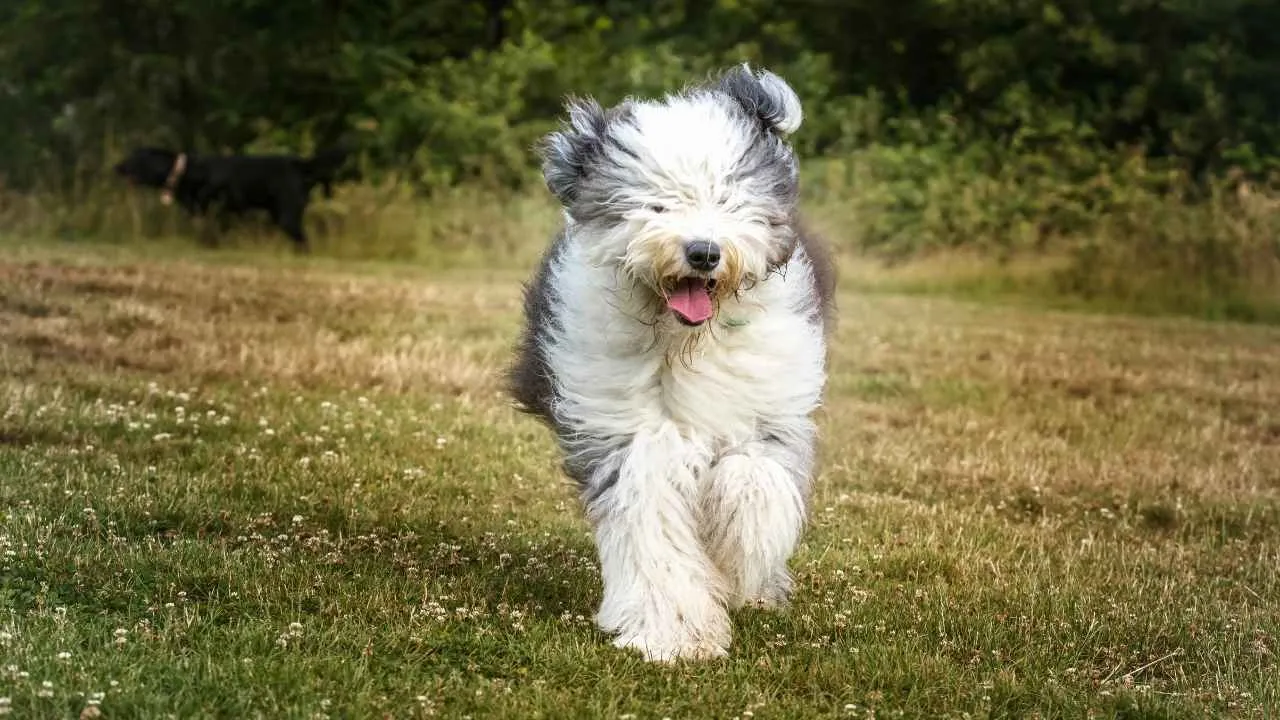
The Old English Sheepdog is a large, shaggy coat herding breed known for its thick coat, strong build, and gentle, playful nature. It was originally developed as a drover dog to move livestock, and even today, it keeps a natural herding instinct.
Despite its soft appearance, it is a strong, agile worker with good endurance and a calm but alert personality.
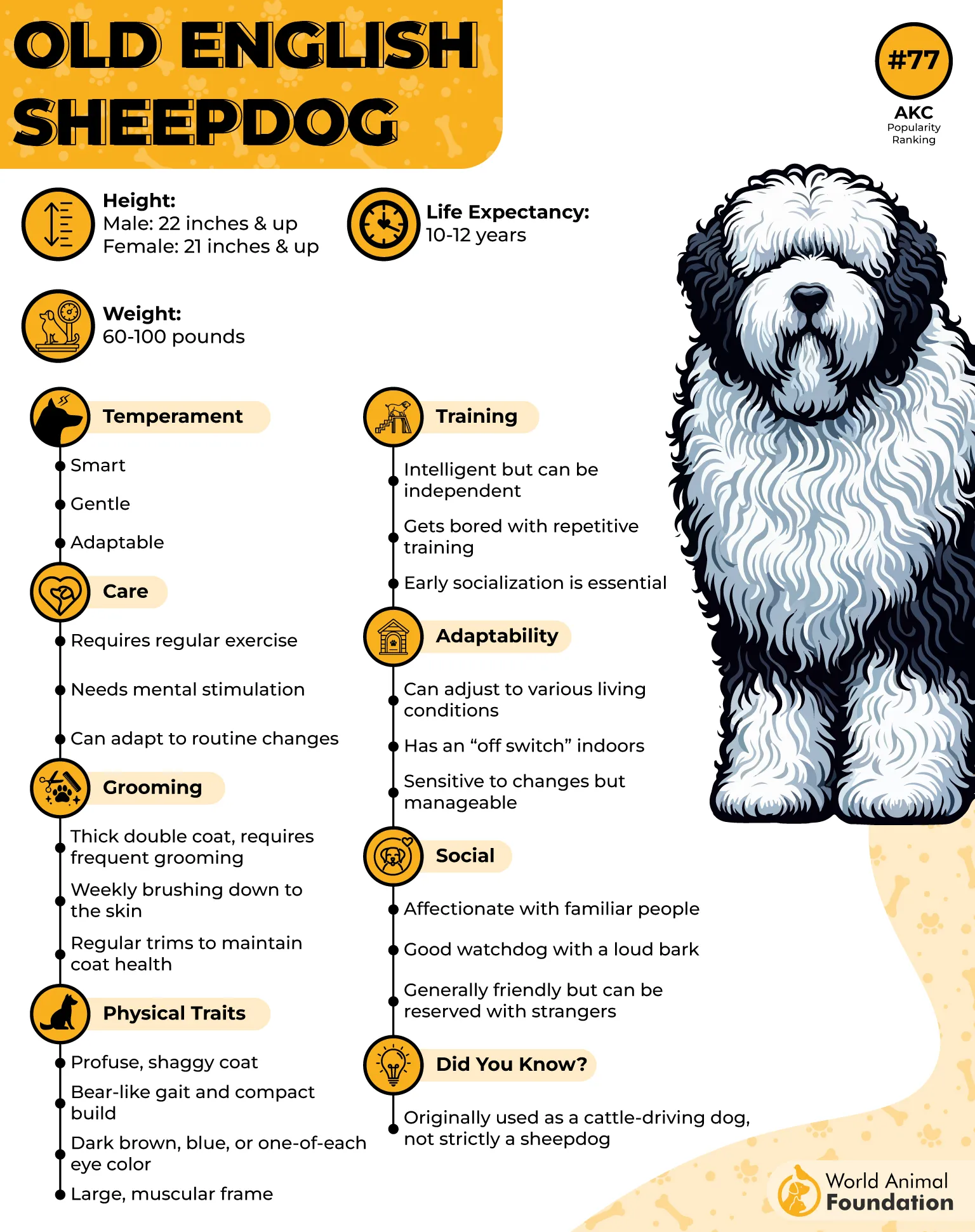
Key traits include
Intelligent, loving, and highly trainable
Strong herding instinct and natural watchdog ability
Playful, social, and great with families
Needs regular exercise and mental activity
Can become bored with repetitive training
This breed has a muscular, compact body hidden under a dense double coat. It moves with a distinctive, bear-like gait and has excellent strength for farm work.
Its coat often covers its eyes, but it does not affect its vision. It is known for its loud, ringing bark, which makes it a reliable watchdog in rural and farm settings.
The Old English Sheepdog is cheerful, affectionate, and full of energy. It thrives on activity and enjoys both work and play, including herding tasks, jogging, and outdoor exploration. Early socialization is important, as it may try to herd children or small animals without guidance.
It also needs consistent grooming and regular stimulation to stay healthy and happy. When well-trained, it becomes a loyal, gentle, and hardworking farm companion with a fun-loving personality.
4. Belgian Malinois
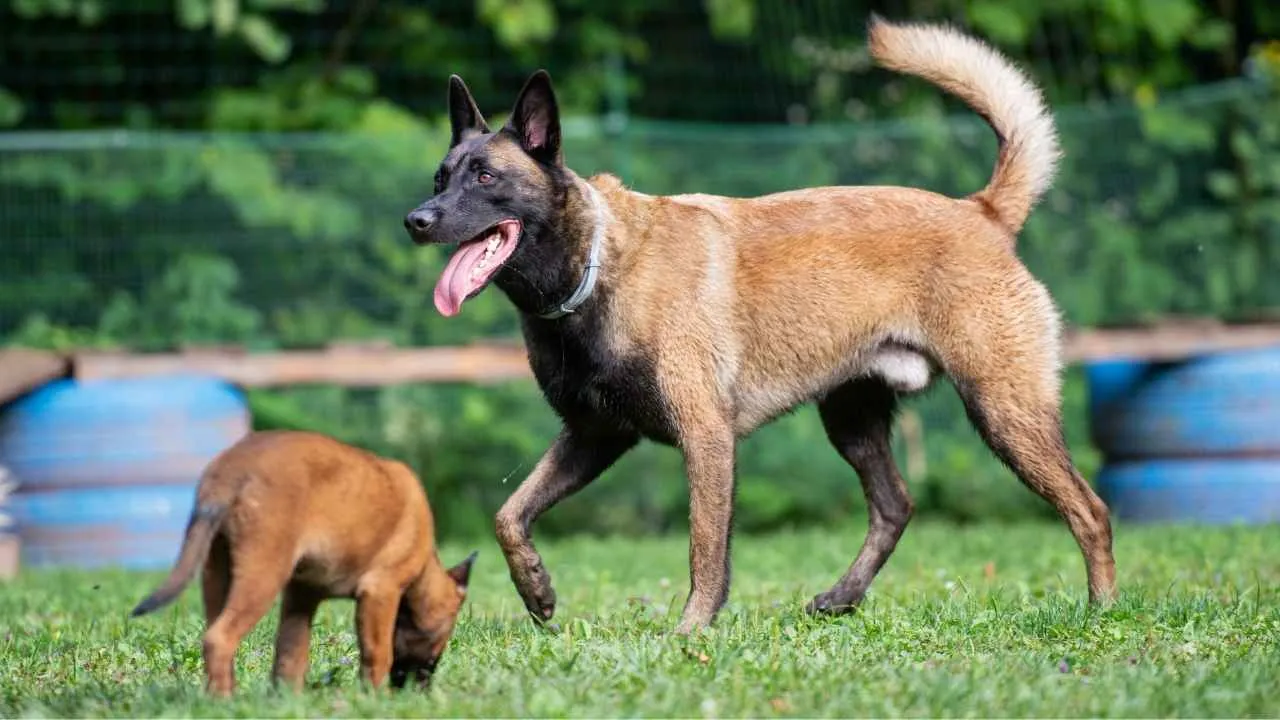
The Belgian Malinois is a confident, intelligent, and extremely hardworking herding breed originally developed in Belgium near the city of Malines.
It was first bred for herding livestock, but its sharp mind, strong drive, and quick learning ability have made it a top choice for police work, search and rescue, and protection tasks. This is a true working dog that thrives only when it has purpose and constant engagement.
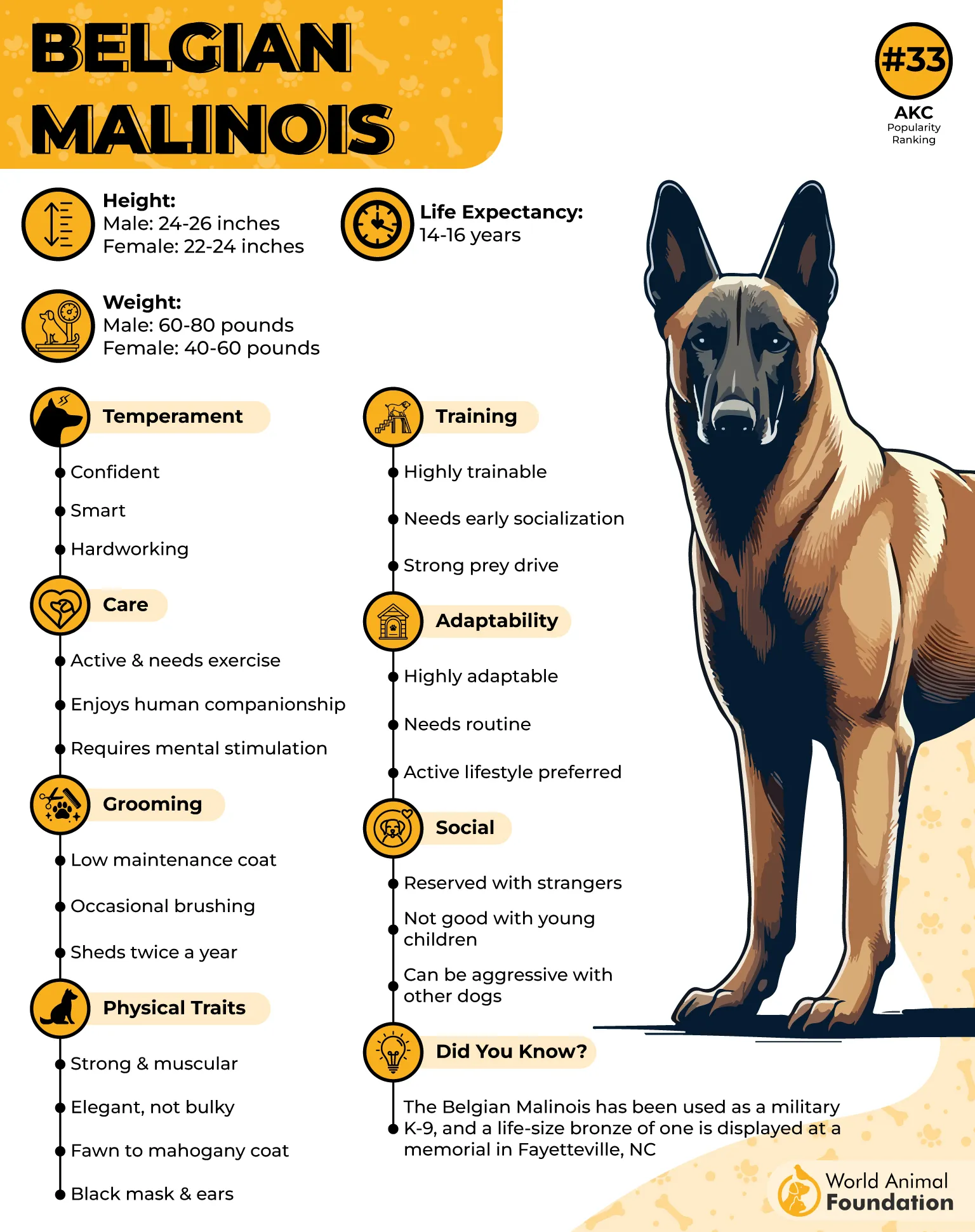
Key traits include
Extremely intelligent and highly trainable
Strong loyalty and a deep bond with the handler
High energy and intense work driveStrong herding and prey drive instincts
Best suited for active, experienced pet parents
This breed is athletic, muscular, and well-balanced, with a proud head carriage and alert expression. Its coat ranges from fawn to rich mahogany, often with a black mask that highlights its sharp, focused eyes.
The Belgian Malinois needs daily, intense physical and mental activity to stay stable and happy. Simple walks are not enough. This energetic dog excels in tasks like herding, agility, tracking, obedience, and protection work. Without proper stimulation, it can become destructive or overly restless.
Early training and lifelong socialization are essential to manage its strong prey drive, which may lead it to chase moving objects or herd children. When guided properly, it becomes an intensely loyal, energetic, and world-class agricultural and working companion.
5. Icelandic Sheepdog
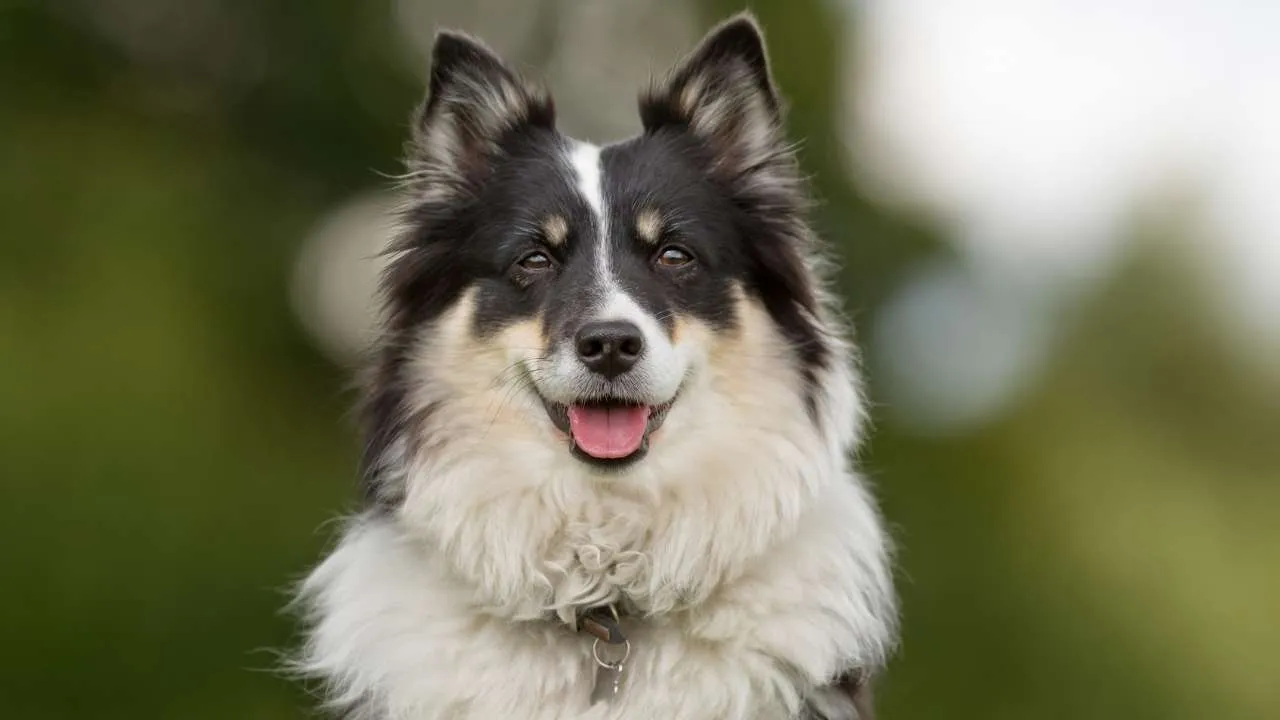
The Icelandic Sheepdog is Iceland’s only native dog breed and a lively, friendly herding dog with strong devotion to its family. PetMD says that it was originally brought to Iceland by Viking settlers and has been used for herding sheep, cattle, and horses.
This breed is known for its cheerful personality and strong bond with humans, always preferring to stay close to its owner and making a good family dog.
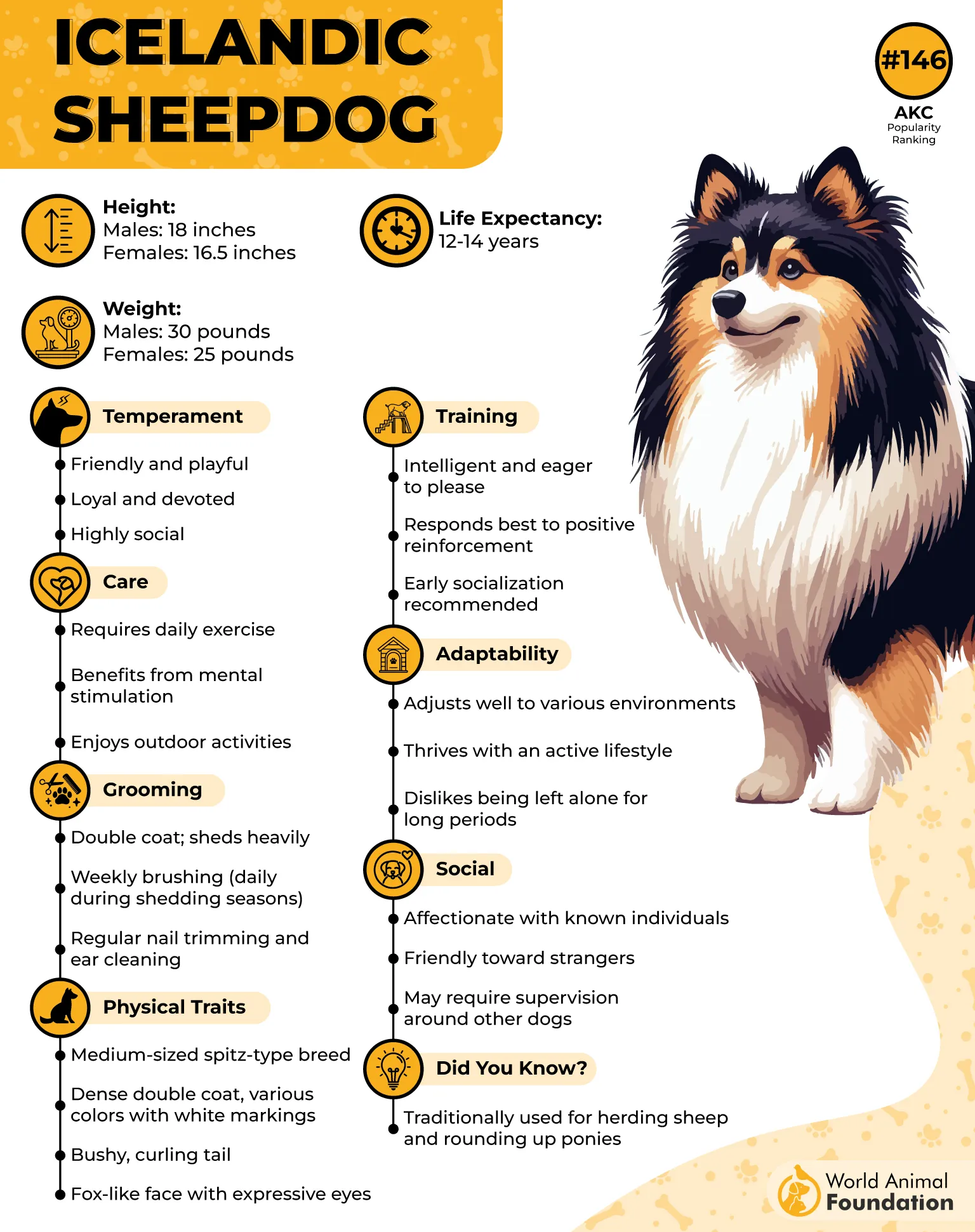
Key traits include
Friendly, affectionate, and highly social
Intelligent and eager to please
Strong herding instinct and alert nature
High energy and loves outdoor activity
May bark and chase moving objects
This breed is small to medium in size and belongs to the Nordic spitz family. It has a thick double coat, pointed ears, and a curled tail, giving it a fox-like appearance. Its dense coat protects it in harsh weather, making it well-suited for outdoor farm life and cold environments.
The Icelandic Sheepdog is highly trainable and responds best to positive reinforcement. Early socialization is important to help it grow into a well-mannered adult. It needs regular exercise, such as walking, hiking, or farm work, to stay happy and balanced.
Without enough activity, it can become noisy or restless. When properly trained and engaged, it becomes a loyal, cheerful, and hardworking herding companion that thrives in active agricultural settings.
6. Shetland Sheepdog
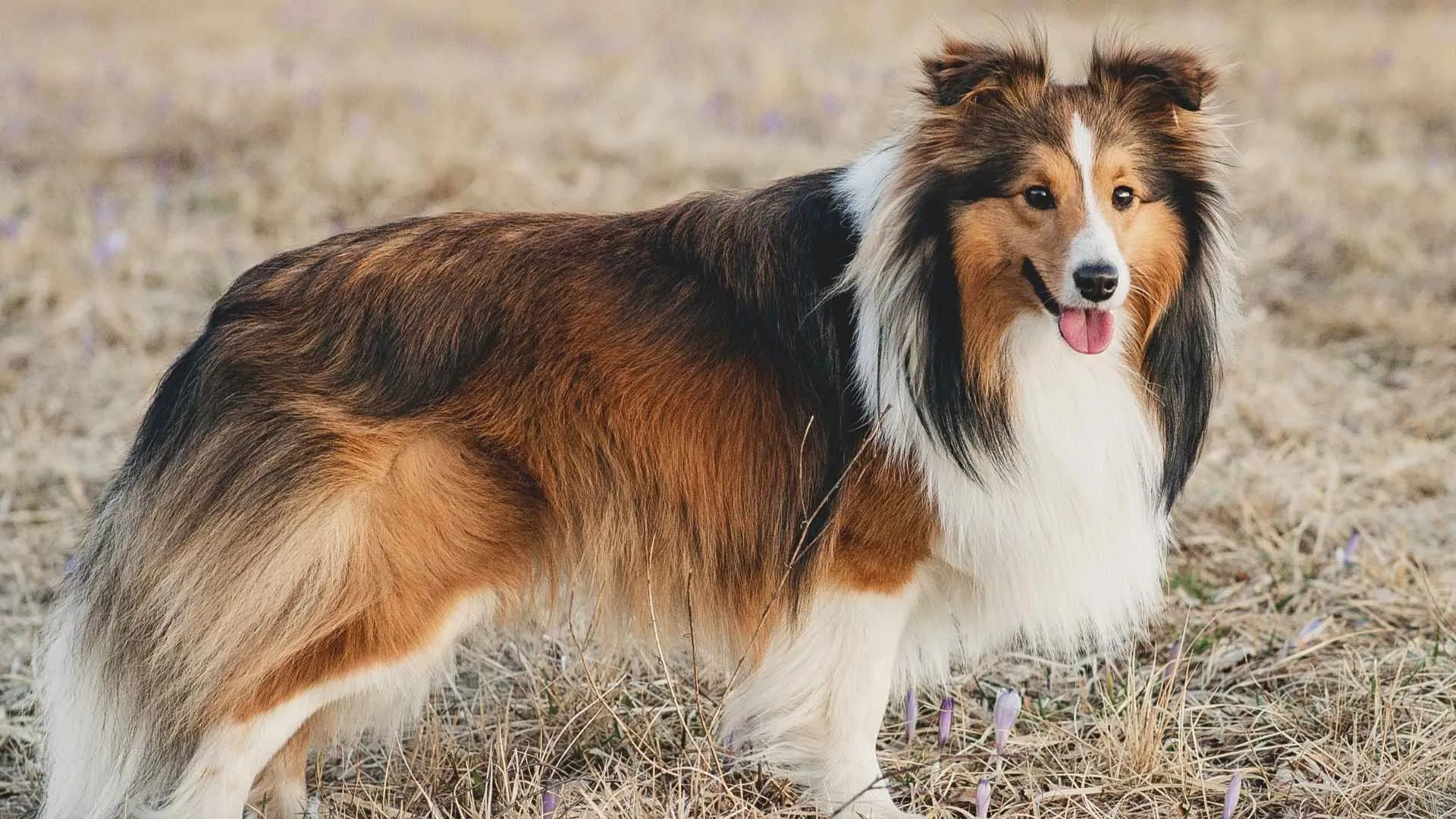
The Shetland Sheepdog, or Sheltie, is a small but extremely intelligent herding breed developed in Scotland’s rugged Shetland Islands. It was bred to control sheep, poultry, and ponies in harsh conditions with limited food resources.
Despite its small size, it is a fast, agile, and highly capable working dog with strong herding instincts and sharp intelligence.
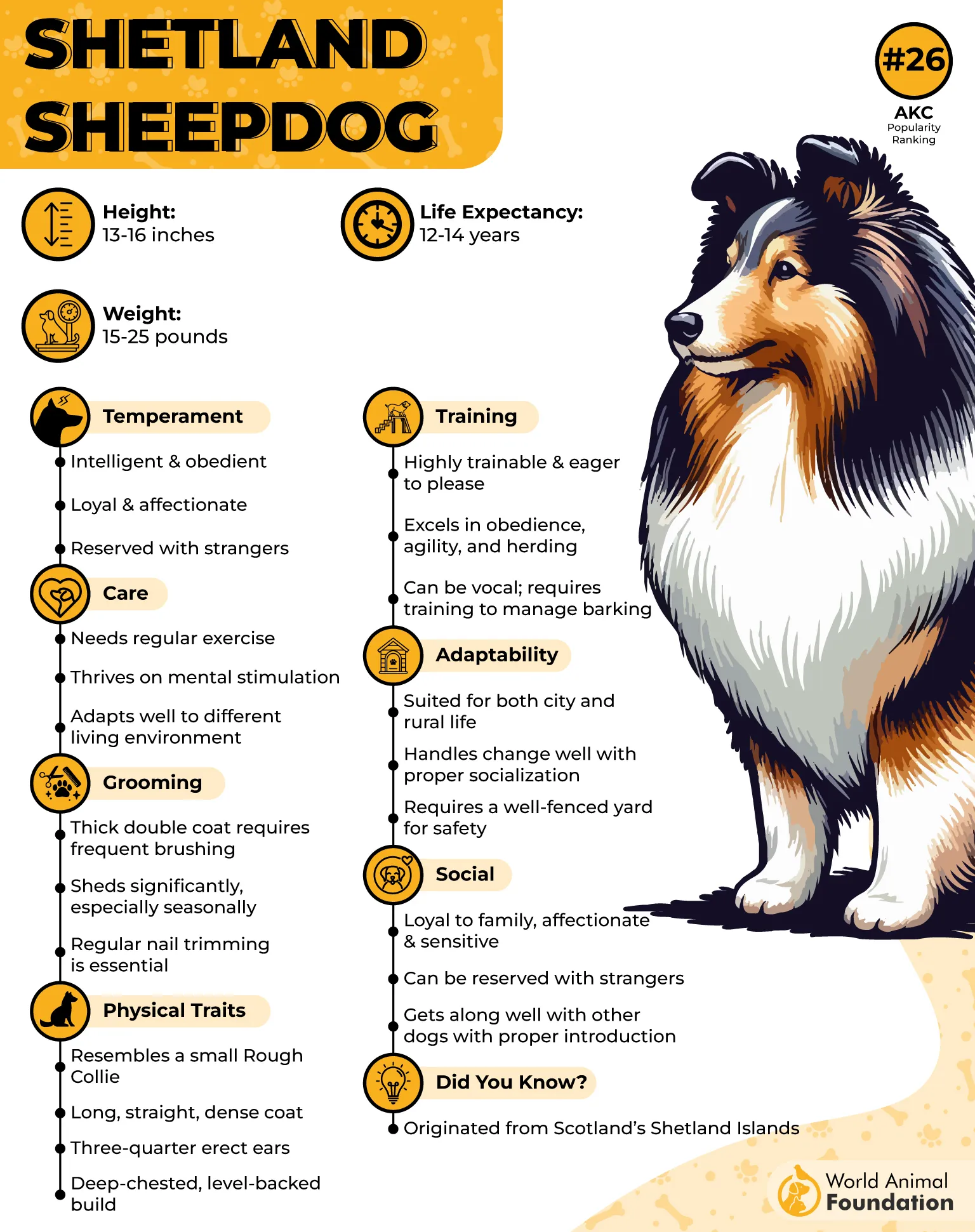
Key traits include
Highly intelligent and very easy to train
Quick, agile, and energetic herding dog
Loyal, affectionate, and family-oriented
Naturally vocal and alert watchdog
May be shy or cautious with strangers
This breed has a strong resemblance to a smaller rough-coated Collie, with a long, dense double coat that protects it in cold and harsh weather.
Its coat comes in sable, black, or blue merle with white markings. The Sheltie is sturdy and well-balanced, built for speed, control, and endurance in farm environments.
The Sheltie is highly trainable and excels in obedience, agility, and herding tasks. It is sensitive and responds best to gentle, positive training methods. Early socialization is important to prevent shyness and manage its strong barking and chasing instincts.
It needs daily physical and mental exercise to stay happy, as boredom can lead to excessive barking or destructive behavior. When well-guided, it becomes a loyal, bright, and highly reliable herding companion.
7. Pyrenean Shepherd
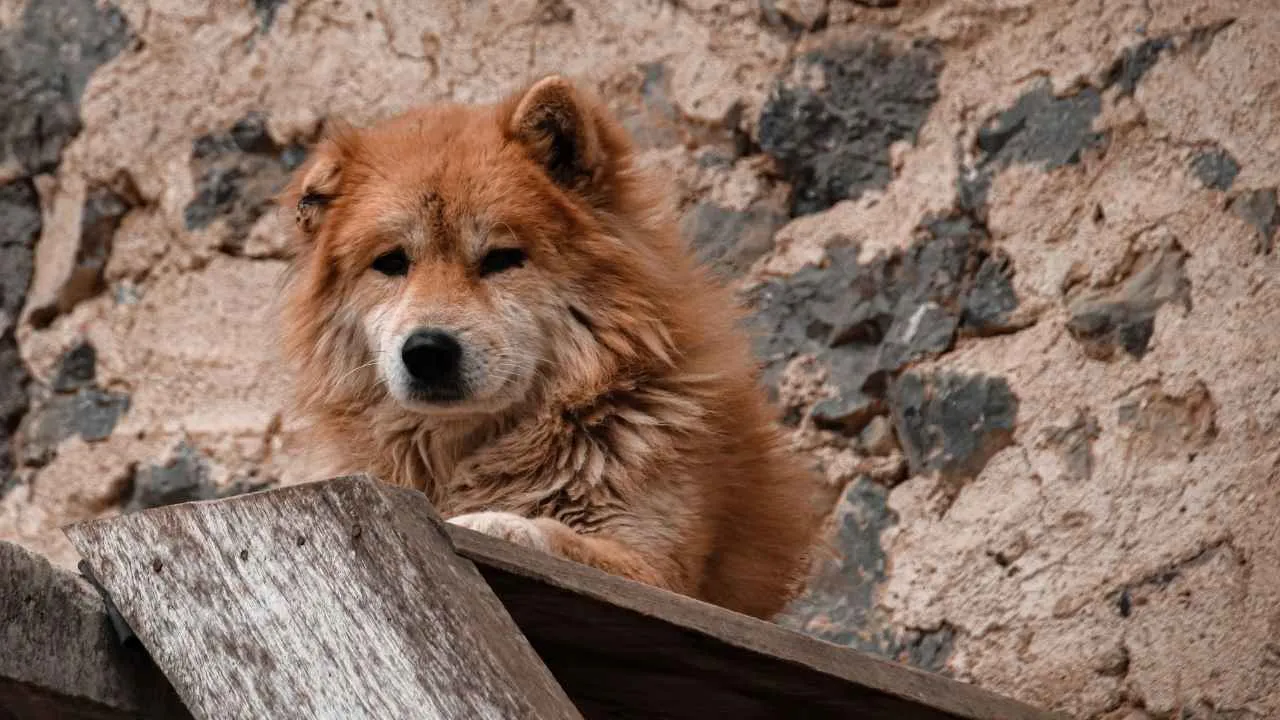
The Pyrenean Shepherd, also known as the Pyr Shep, is a small but extremely energetic herding breed that comes from the Pyrenees mountains of Southern France.
It is an ancient sheepdog developed to work closely with shepherds in rough terrain, helping control and move livestock with speed, intelligence, and constant alertness.
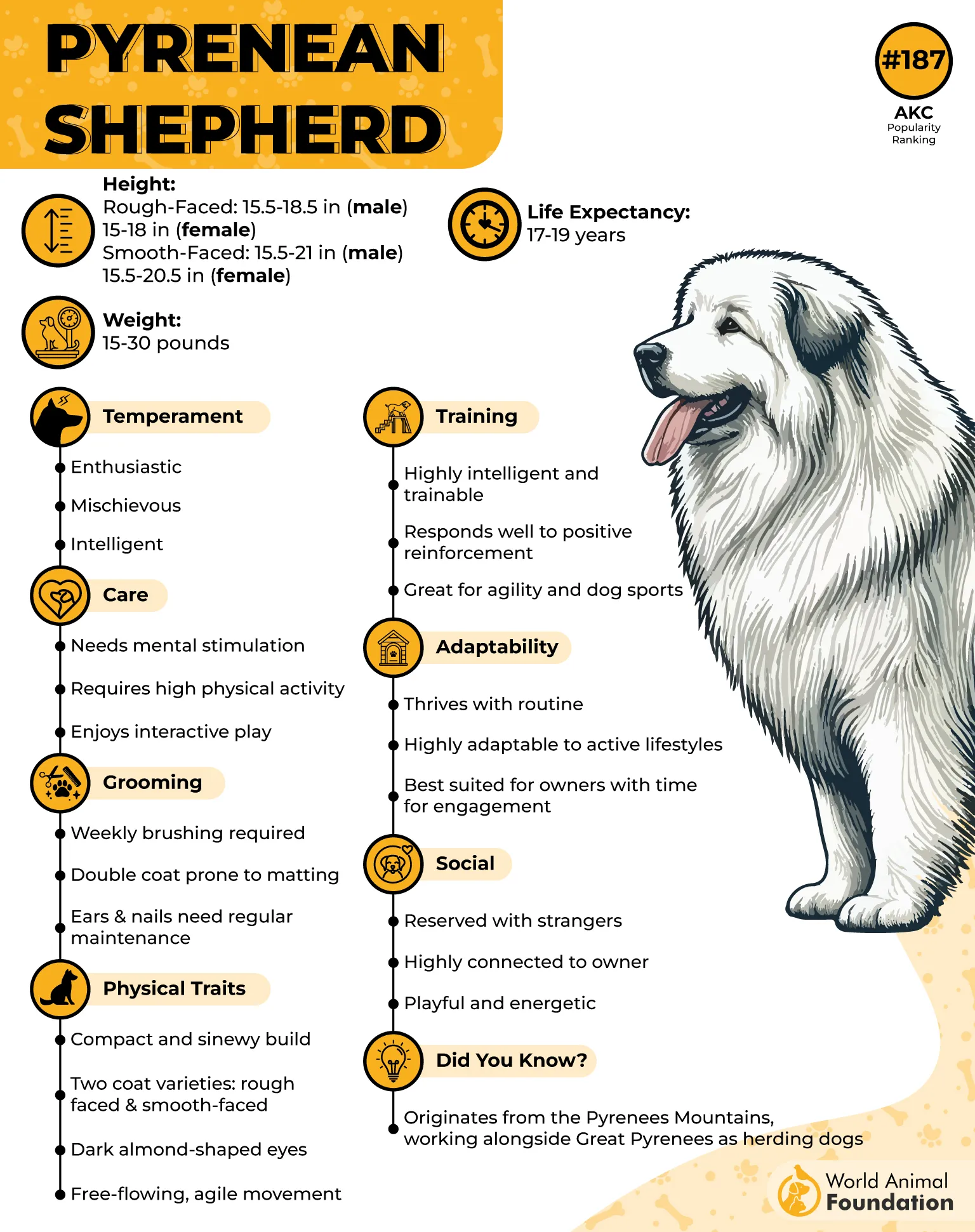
Key traits include
Highly intelligent and quick to learn
Extremely energetic and always active
Strong herding instinct with natural drive
Loyal, alert, and closely bonded with owners
Needs experienced handling and training
This breed is lean, agile, and built for endurance rather than bulk. It has a lively expression with alert eyes and comes in two coat types: rough-faced with a windswept look, and smooth-faced with a shorter, finer coat.
The Pyrenean Shepherd is highly trainable and responds best to positive, reward-based methods. It is extremely connected to its handler and loves mental challenges as much as physical ones. It excels in agility, obedience, and other dog sports, making it a versatile working companion.
However, it requires constant activity and purpose—without it, the breed becomes restless. Early socialization and proper training are important, as they can be strong-willed and naturally protective. When well-guided, it becomes a loyal, sharp, and tireless herding partner.
8. Entlebucher Mountain Dog
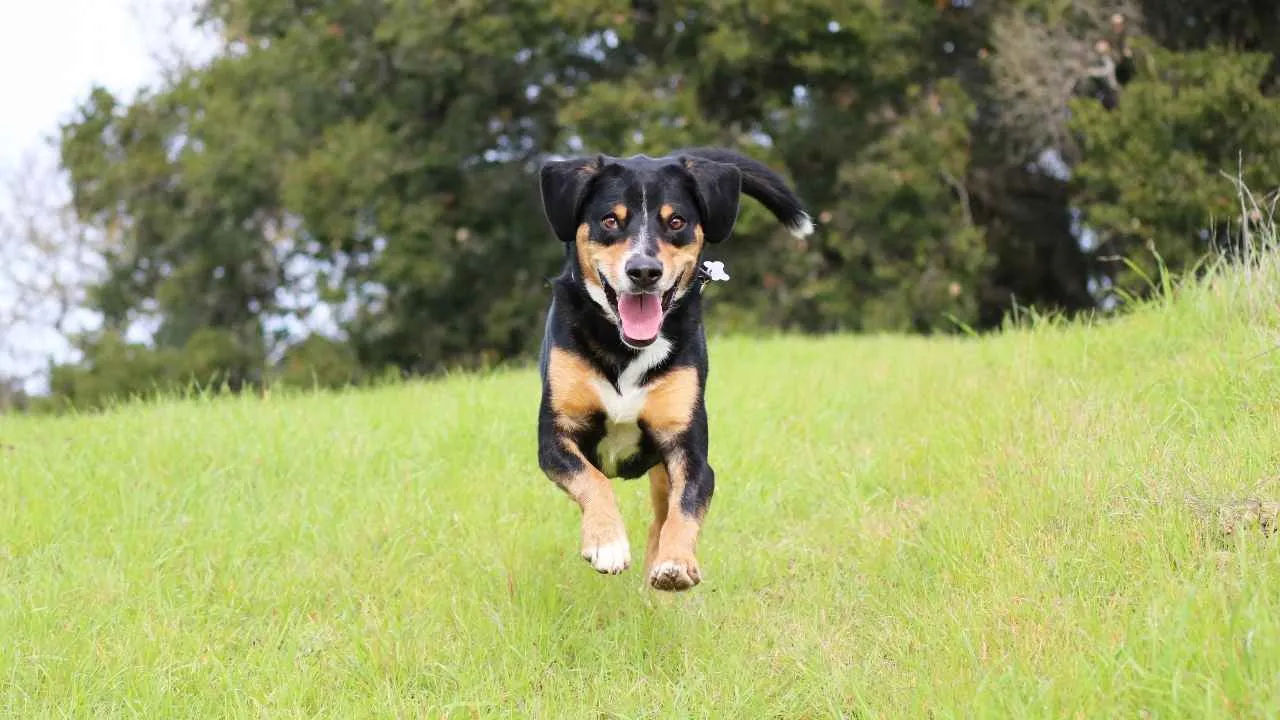
The Entlebucher Mountain Dog, also known as the “Laughing Dog” of the Swiss Alps, is a strong and energetic cattle herder developed in Switzerland’s mountainous regions. It was originally bred in the late 1800s to move and protect cattle on steep, rocky terrain.
As the smallest of the Swiss mountain dogs, it is compact but powerful, with a confident and hardworking personality.
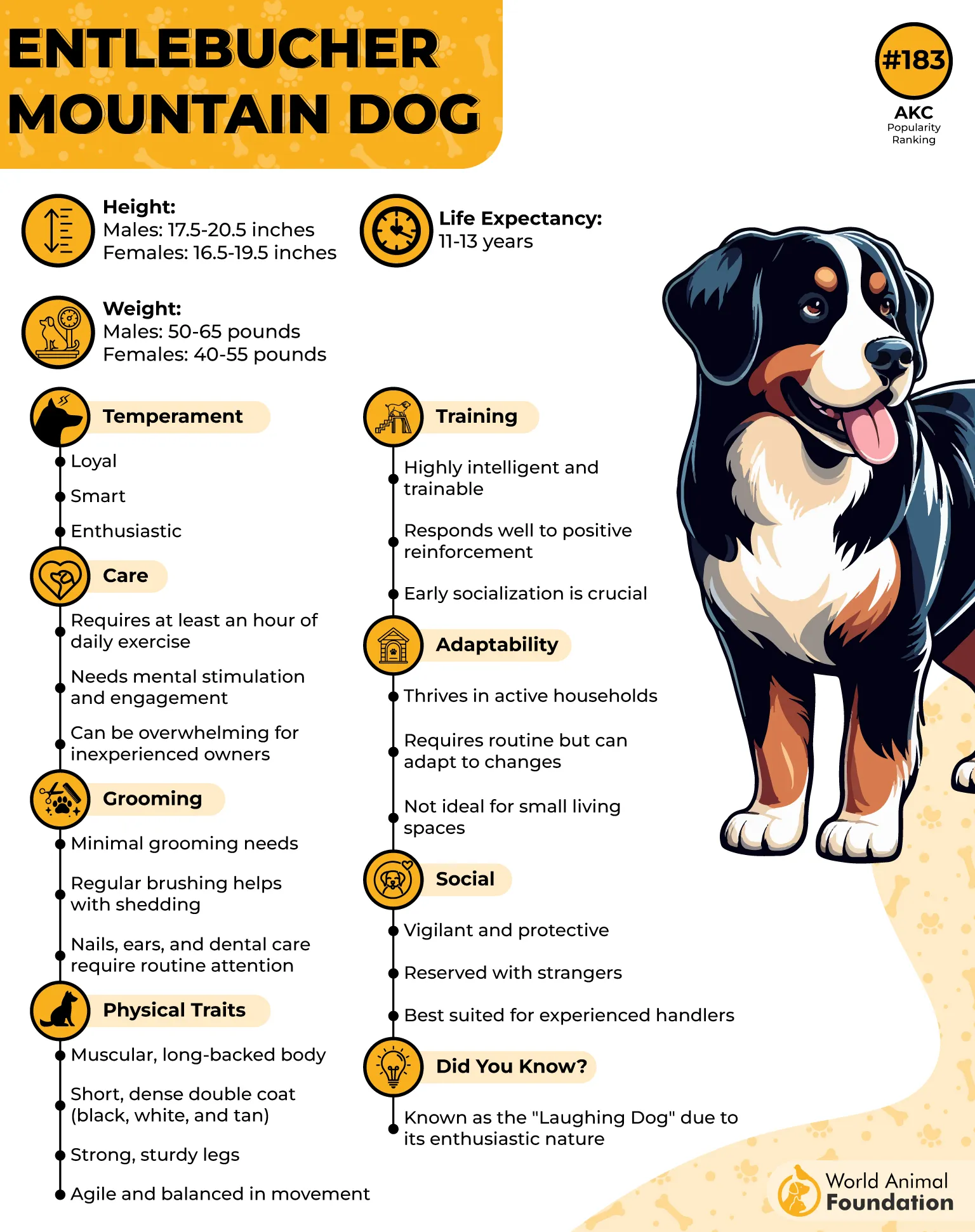
Key traits include
Highly intelligent and quick problem solver
Extremely energetic and work-driven
Loyal, alert, and protective of family
Naturally strong herding instincts
Best suited for active, experienced owners
This breed is muscular and sturdy with a long body and short, strong legs. Its striking tricolor coat (black, white, and tan) gives it a bold appearance, while its expressive face shows constant alertness and curiosity.
The Entlebucher is very trainable and responds best to positive reinforcement and varied training routines. It gets bored easily, so mental stimulation is just as important as physical exercise. It needs at least an hour of daily activity and excels in hiking, agility, herding trials, and other demanding tasks.
Without enough work, it may develop unwanted behaviors like barking or chewing. Early socialization is important, as it can help one be cautious with strangers. When properly trained and engaged, it becomes a loyal, energetic, and highly dependable herding partner.
9. Bouvier Des Flandres
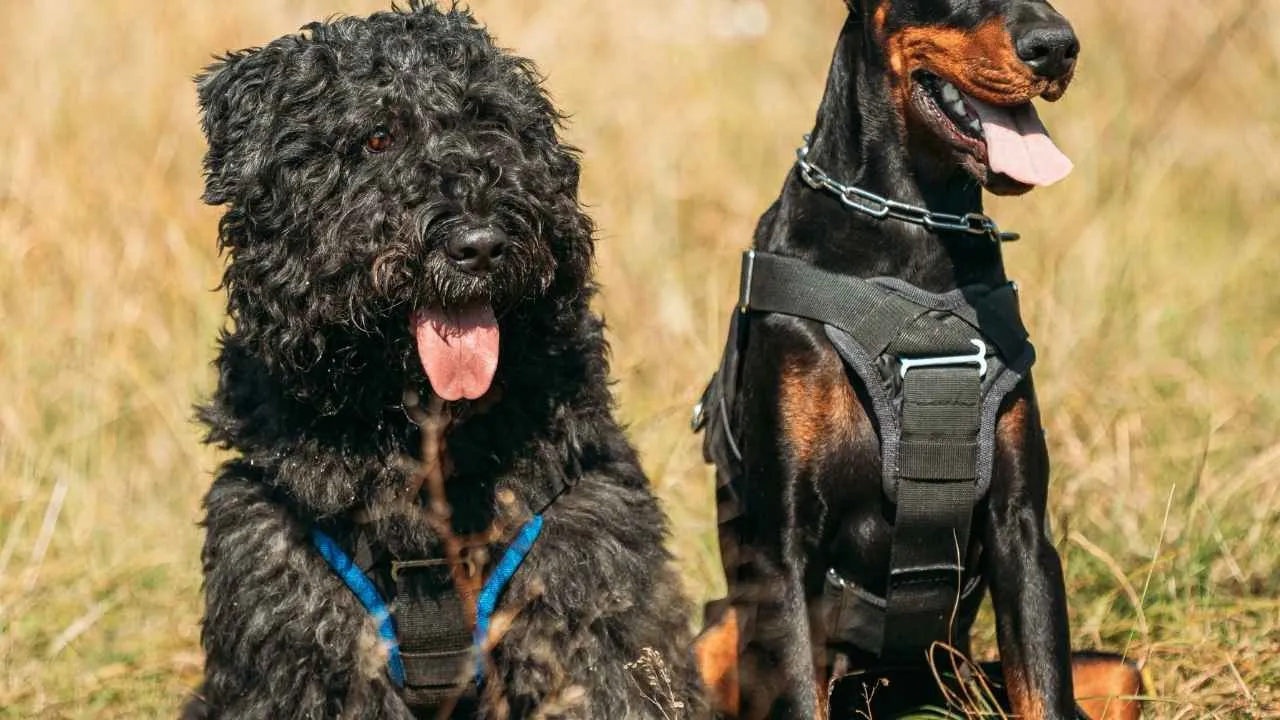
The Bouvier des Flandres is a large, powerful herding and farm dog originally developed in Belgium and France to handle demanding barnyard and pasture work.
It is known for its strength, intelligence, and calm but determined nature. This is a true all-purpose working dog that has historically helped with herding, guarding, and general farm duties.
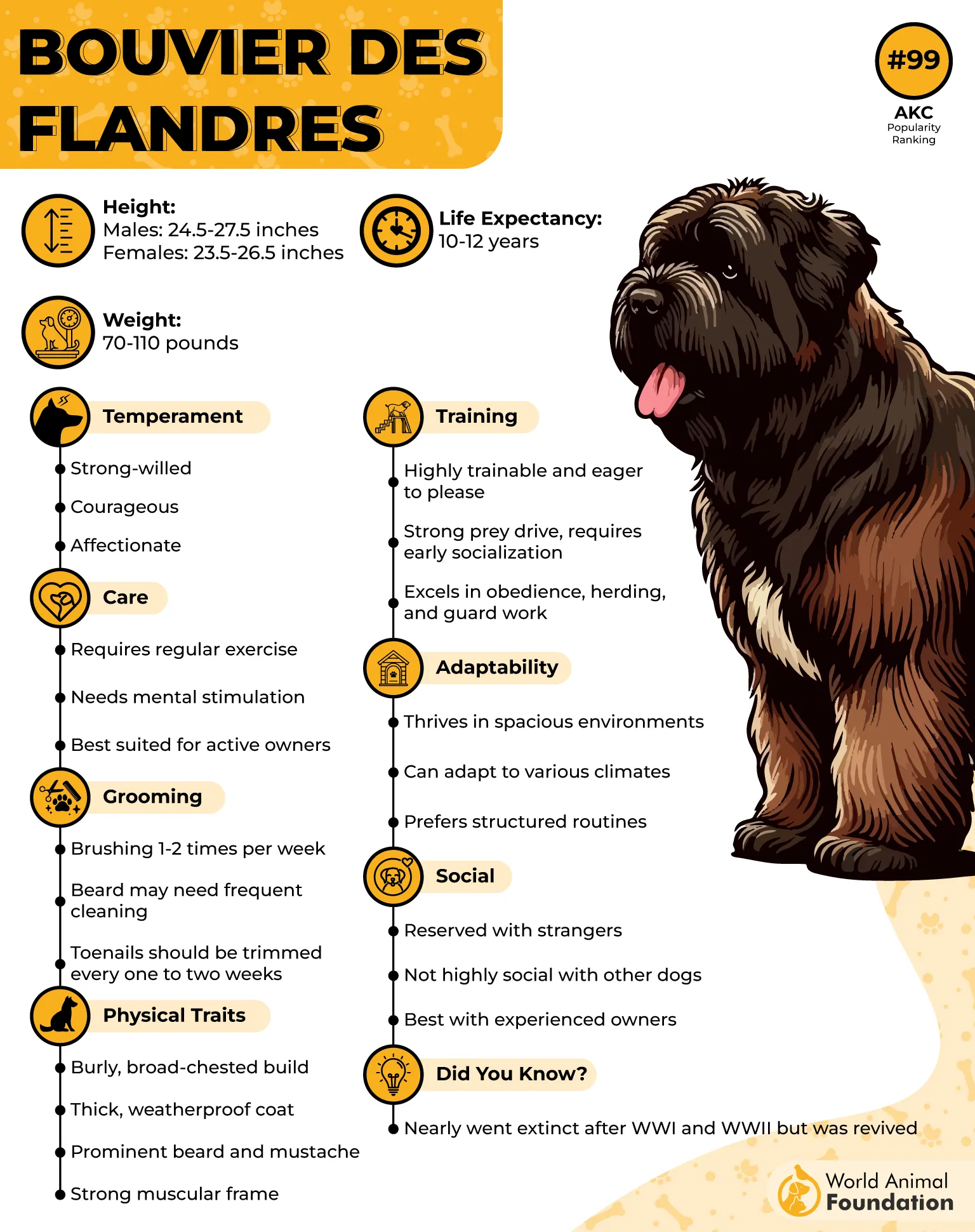
Key traits include
Strong, intelligent, and highly trainable
Steady temperament with natural confidence
Excellent watchdog and guardian instincts
High work drive and strong endurance
Needs experienced, active owners
This breed is muscular and heavily built, with a rough, weather-resistant coat that protects it in harsh outdoor conditions. It has a large, expressive head with a beard, mustache, and eyebrows that give it a serious yet intelligent appearance.
The Bouvier is highly trainable and capable of excelling in many roles, including herding, obedience, search and rescue, and protection work. It learns commands well and tends to remember them for life, but it matures slowly and needs patient guidance.
Early socialization is important to manage its protective nature. It requires regular exercise and mental engagement, as boredom can lead to destructive behavior. When properly trained and engaged, it becomes a loyal, steady, and highly dependable working partner on farms and in active households.
Conclusion
From powerful cattle movers to intelligent mountain and farm helpers, herding dog breeds are built on a rare mix of strength, stamina, and sharp intelligence.
Each breed carries its own style of work, but all share the same core purpose—helping humans manage livestock and life on the farm with loyalty, focus, and unmatched dedication.
With the right environment, training, and commitment, they don’t just perform tasks—they become dependable companions that bring energy and order to agricultural life. Choosing one is not just about lifestyle; it’s about welcoming a working legacy that has supported farming communities for generations.
Looking for more such dog breeds? You can also check out the Australian Shepherd, German Shepherd dog, Great Pyrenees, Pembroke Welsh Corgi, Bearded Collie, Bergamasco Sheepdog, and Belgian Laekenois.
