




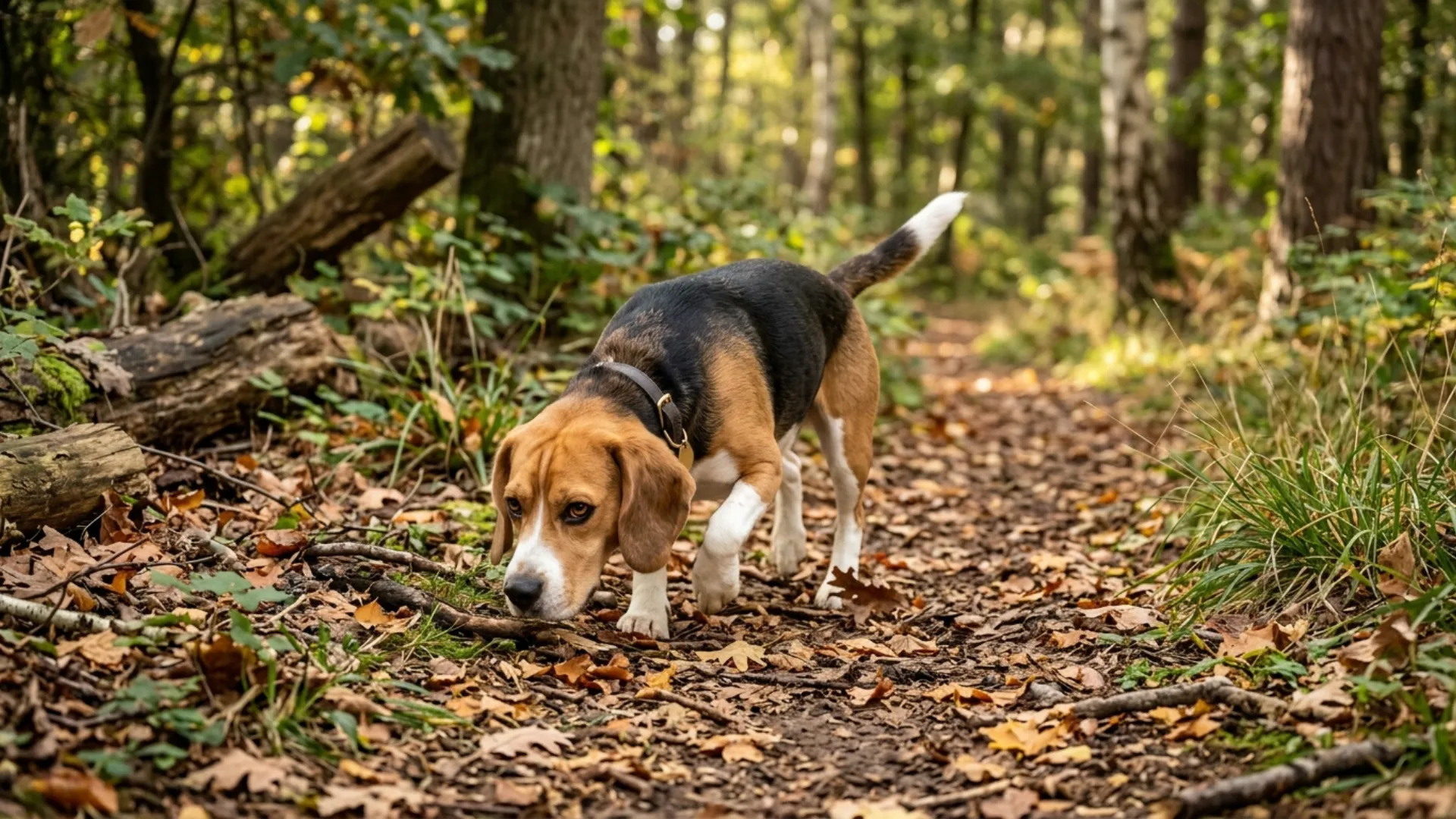
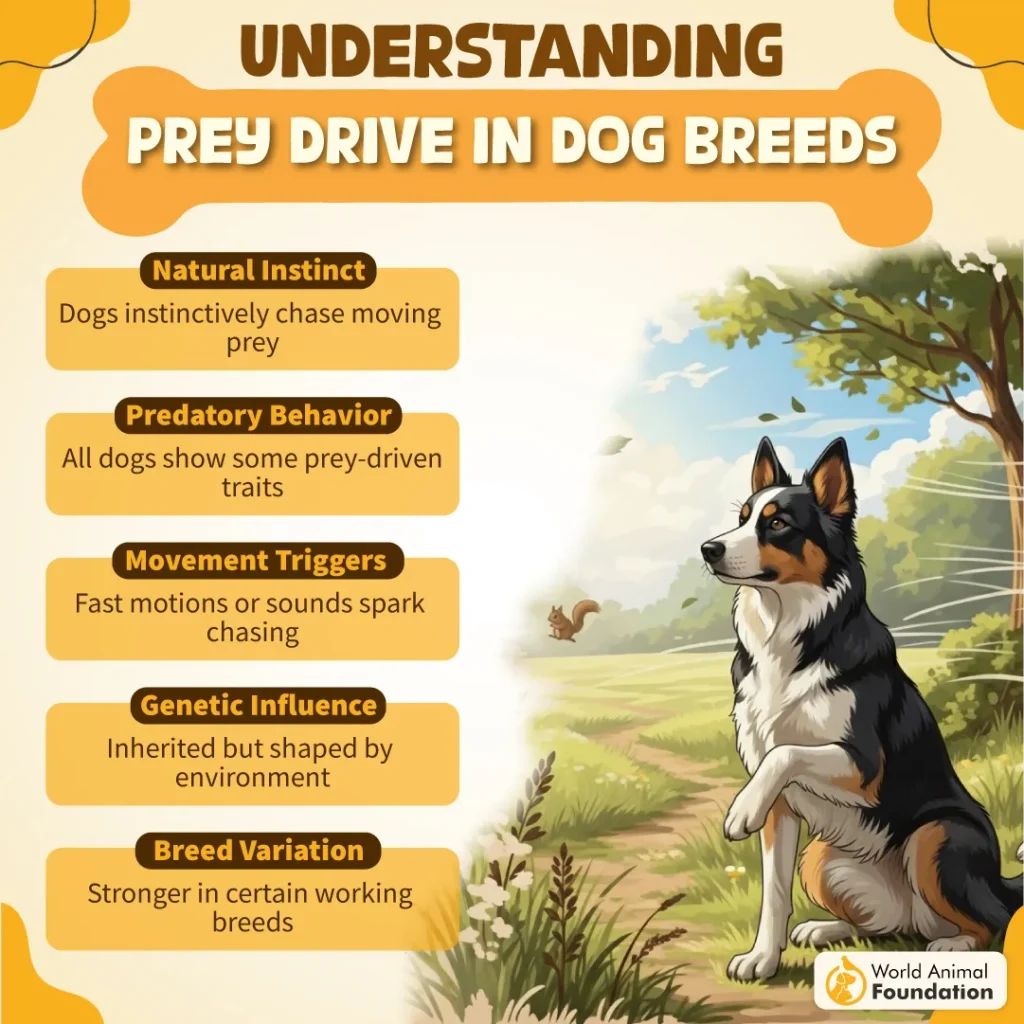
Have you ever wondered why certain breeds instinctively chase squirrels, birds, or even a ball the moment it starts moving? This behavior is called prey drive, a deeply rooted instinct that has been passed down through generations of selective breeding.
Prey drive in dogs is not only associated with hunting, but it can also be found in a wide range of other breeds, from terriers and sight hounds to herding and sporting dogs. Understanding this trait is essential because it influences training exercises and interactions with smaller pets and even off-leash reliability.
Remember, prey drive is not aggression making a dog difficult to own, but it means owners should be prepared to manage these instincts responsibly instead of trying to suppress them. Let’s understand why dogs possess this natural behavior and which dogs are most likely to display it.
Dog Breeds – High Prey Drive and What It Means
1. Greyhound
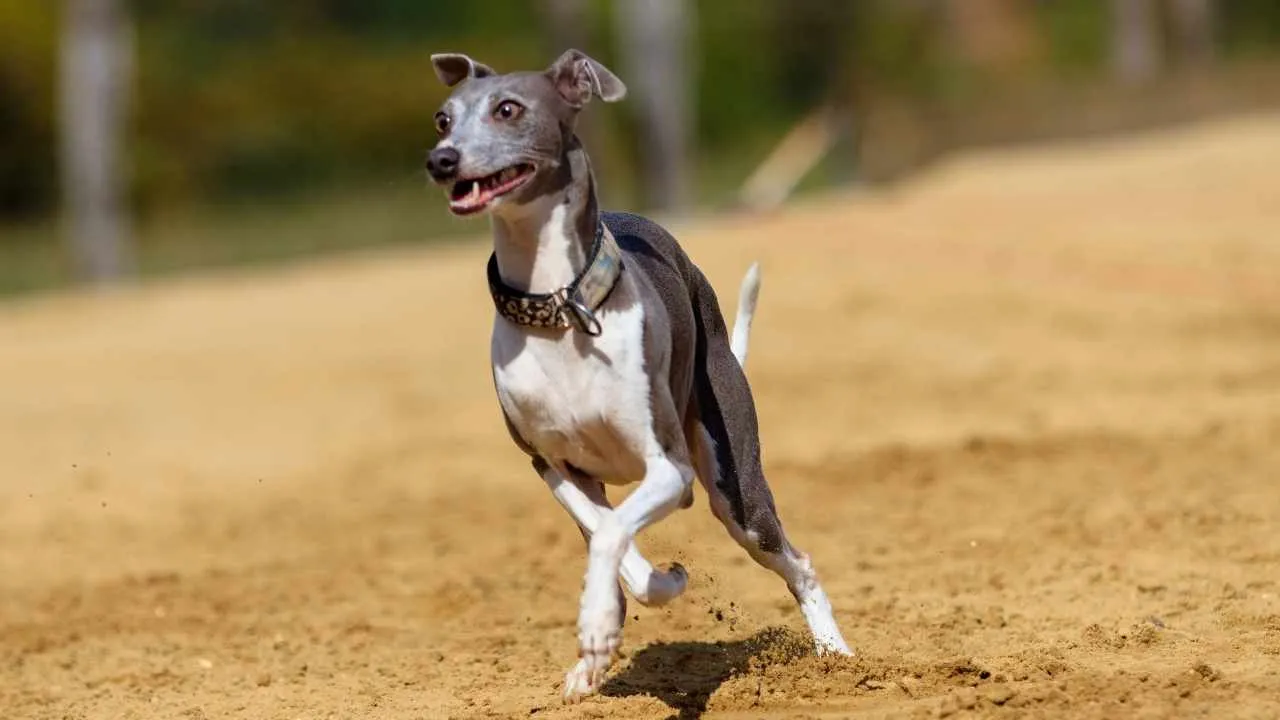
Exhibiting a rich history as sight hounds, Greyhounds have been celebrated as hunting companions for thousands of years. Owing to their background, these canines have a strong prey drive, compelling them to chase after small animals, including cats or chickens.
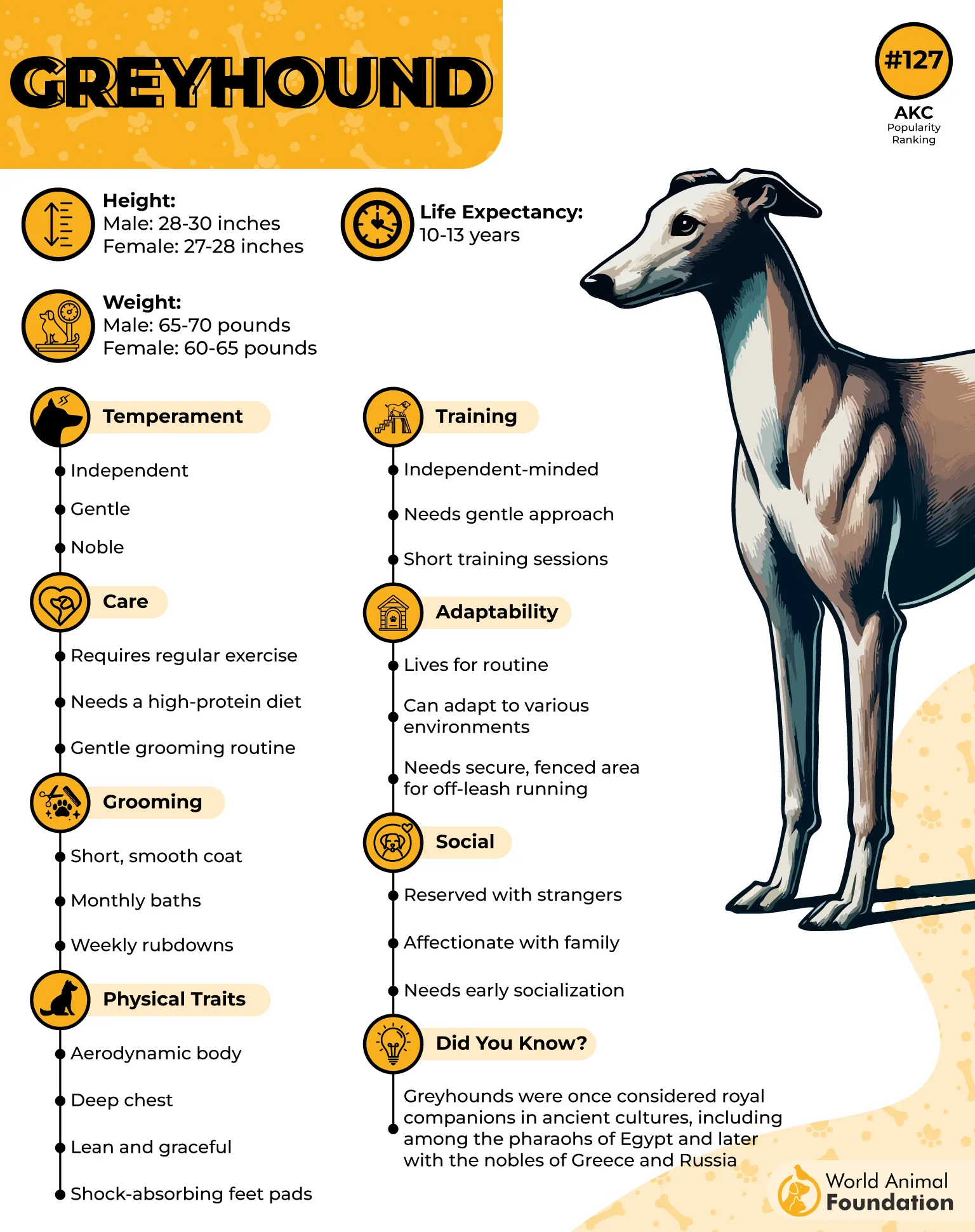
They are affectionate dogs with a lazy temperament and need short bursts of activity to burn off their energy levels. They are satisfied with short walks and lots of interaction with humans, and love sleeping almost 18 hours a day.
Being high prey drive dogs, Greyhounds must learn how to adapt to other pets under the same roof. This takes patience and careful introductions. With early socialization and training, they get along well with other animals whom they know, but show predatory behavior towards other unknown animals.
2. Beagle

One of the most popular breeds, Beagles are athletic and brave dogs that love following scents, jumping walls, and digging under fences in order to chase their target. Their hunting prowess has been polished over many years as they used to hunt small animals in their past and are still trained to do so.
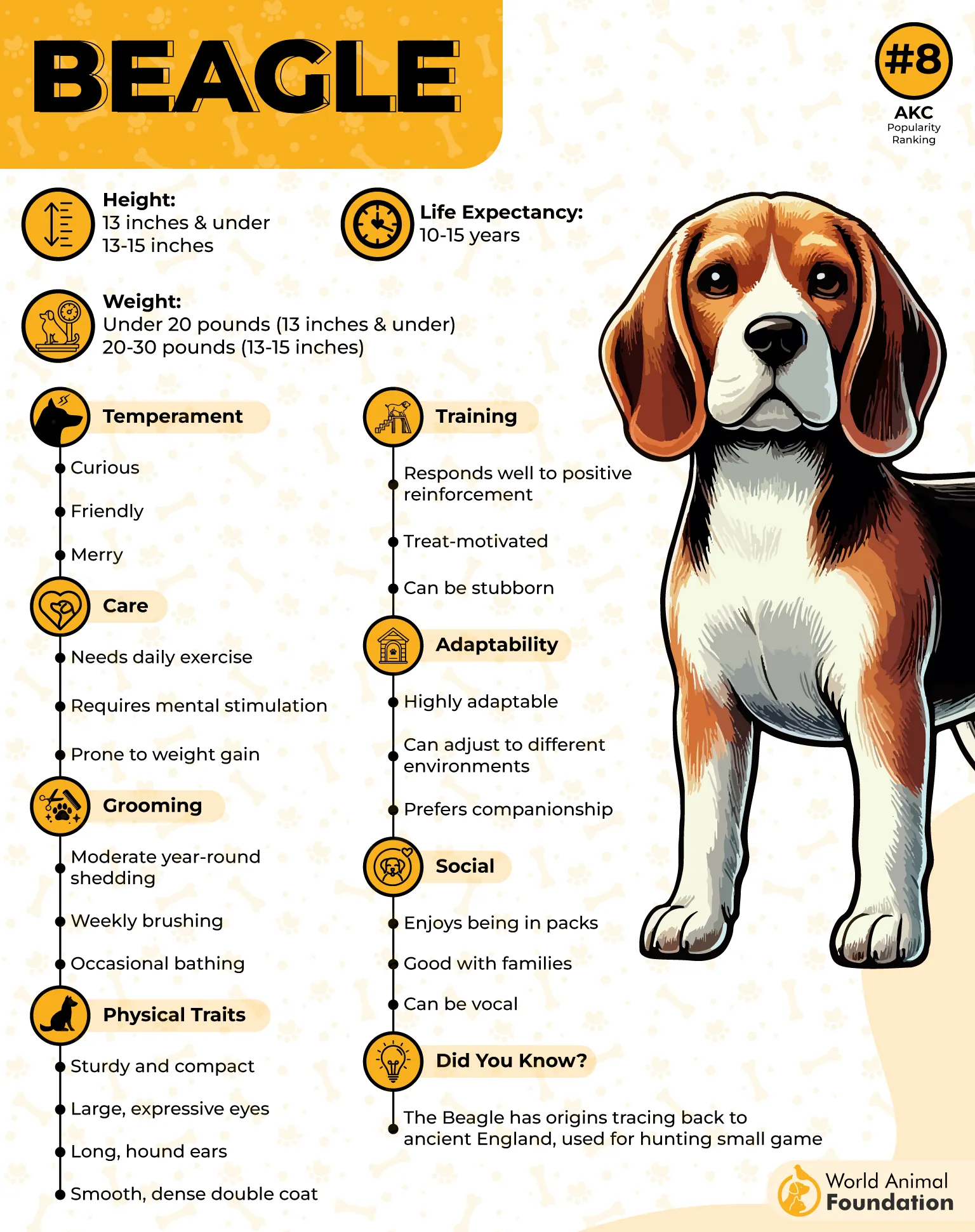
Beagles are known for a specific type of hunting called beagling, also known as a nose on paws, thanks to their extraordinary sense of smell. Their intense prey drive sequence can be dangerous because they stop listening if they sense any exciting smell around.
As long as they are provided with introductions at a young age to your other pets, they get on well with them. However, supervision is necessary as their hunting nature drives them to chase after small animals such as cats or rabbits.
3. Rhodesian Ridgeback
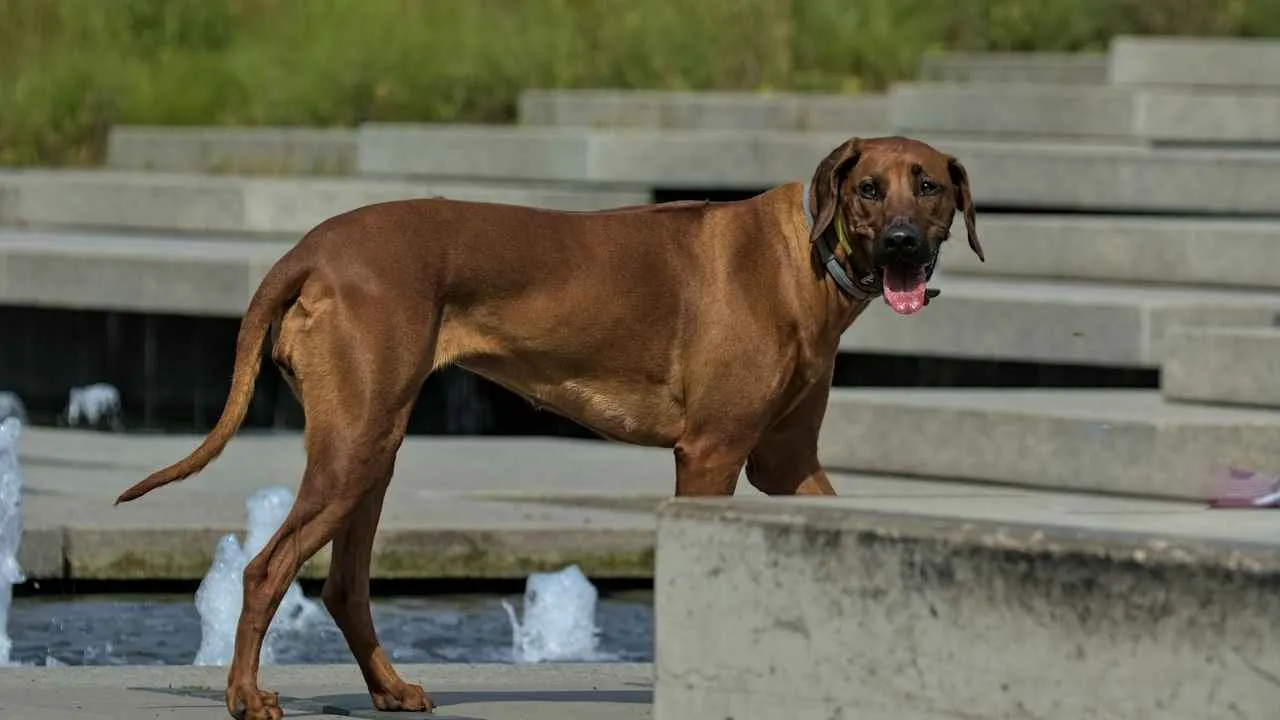
Rhodesian Ridgebacks’ prey drive is recognized as one of the strongest, as they were used for hunting and tracking large game in Southern Africa, which also justifies their athleticism as well as independence. They still have stamina and energy just like their ancestors, and are happiest in an active lifestyle.
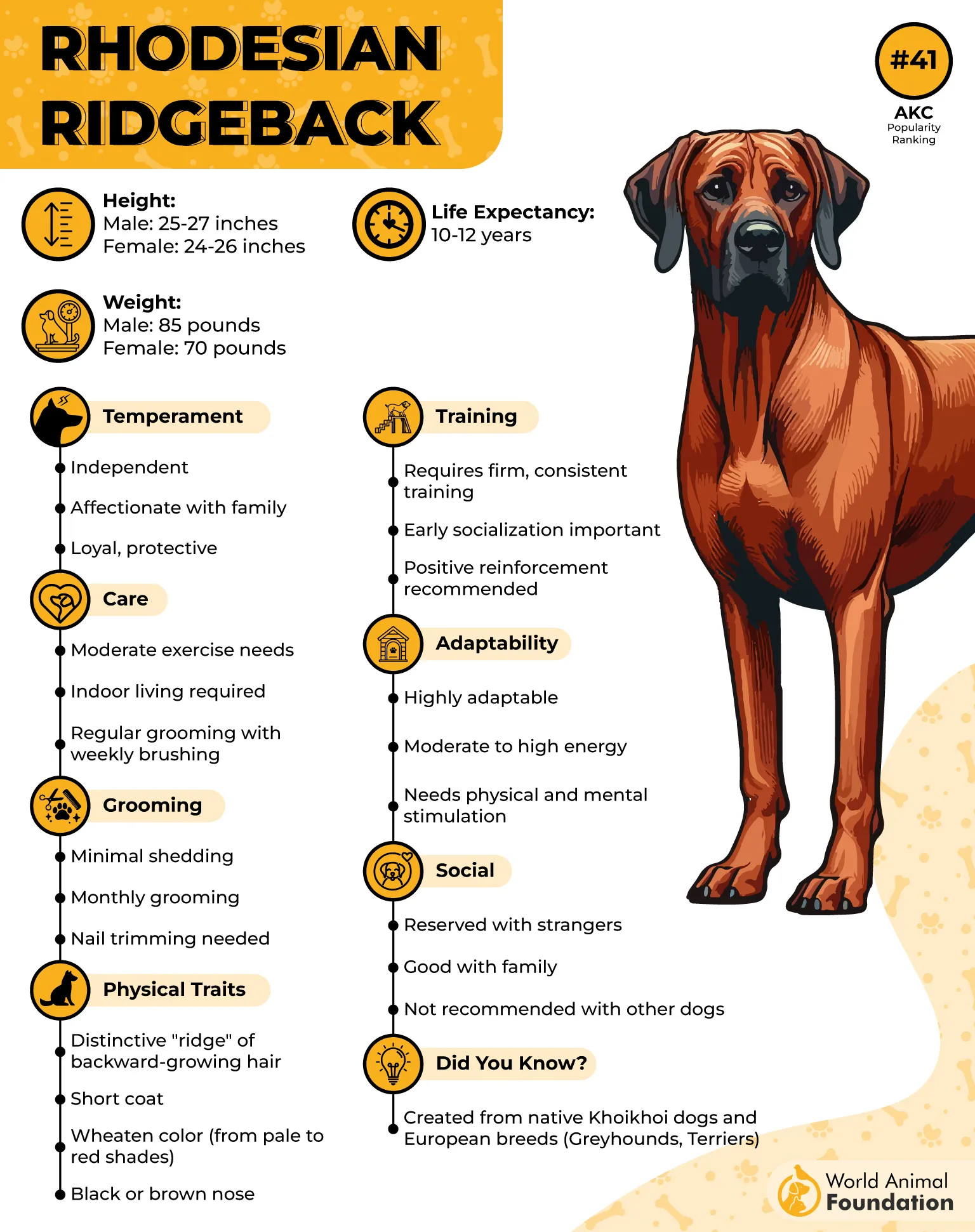
The drive of these high prey dogs is stimulated after seeing any fast movement, and after that, they become highly focused and completely unresponsive, especially when training is lagging. Therefore, fenced-in yards and leash training are very important to prevent conflicts.
Rhodesian Ridgebacks are incredibly loyal companions that bond strongly with their owners and stay reserved towards strangers. They do well with cats and small dogs when socialized with them at puppyhood, and this also curbs their aggression towards other dogs at the park or in new environments.
4. Saluki
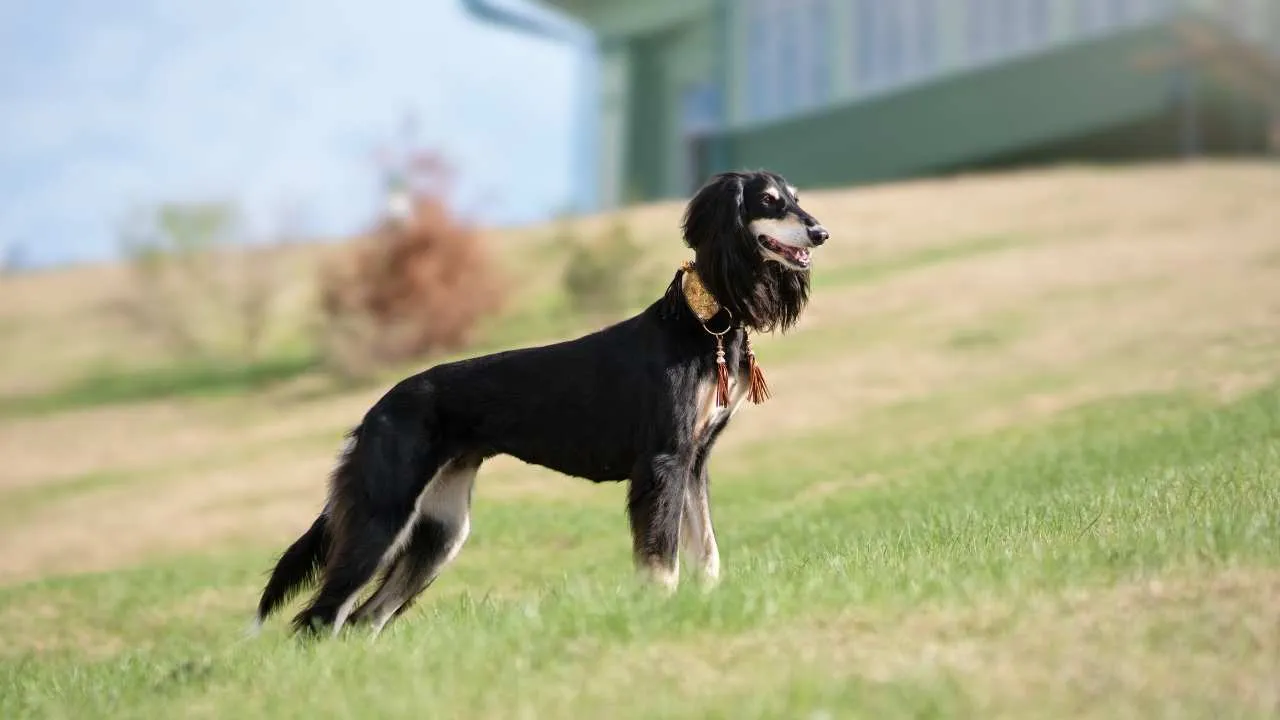
Originally bred to pursue games over vast terrains as sight hounds, Salukis are one of the oldest hunting dog breeds. They boast powerful bodies, long legs, and remarkable hunting skills, which ultimately prove their strong prey drive. Salukis are also referred to as the royal dogs of Egypt.
Despite having hunting instincts, they are calm and reserved dogs that bond closely with their family members and remain aloof towards the unknown. Salukis are naturally inclined to catch small animals such as pocket pets, cats, and guinea pigs; that’s why they are not good options for multi-pet households.
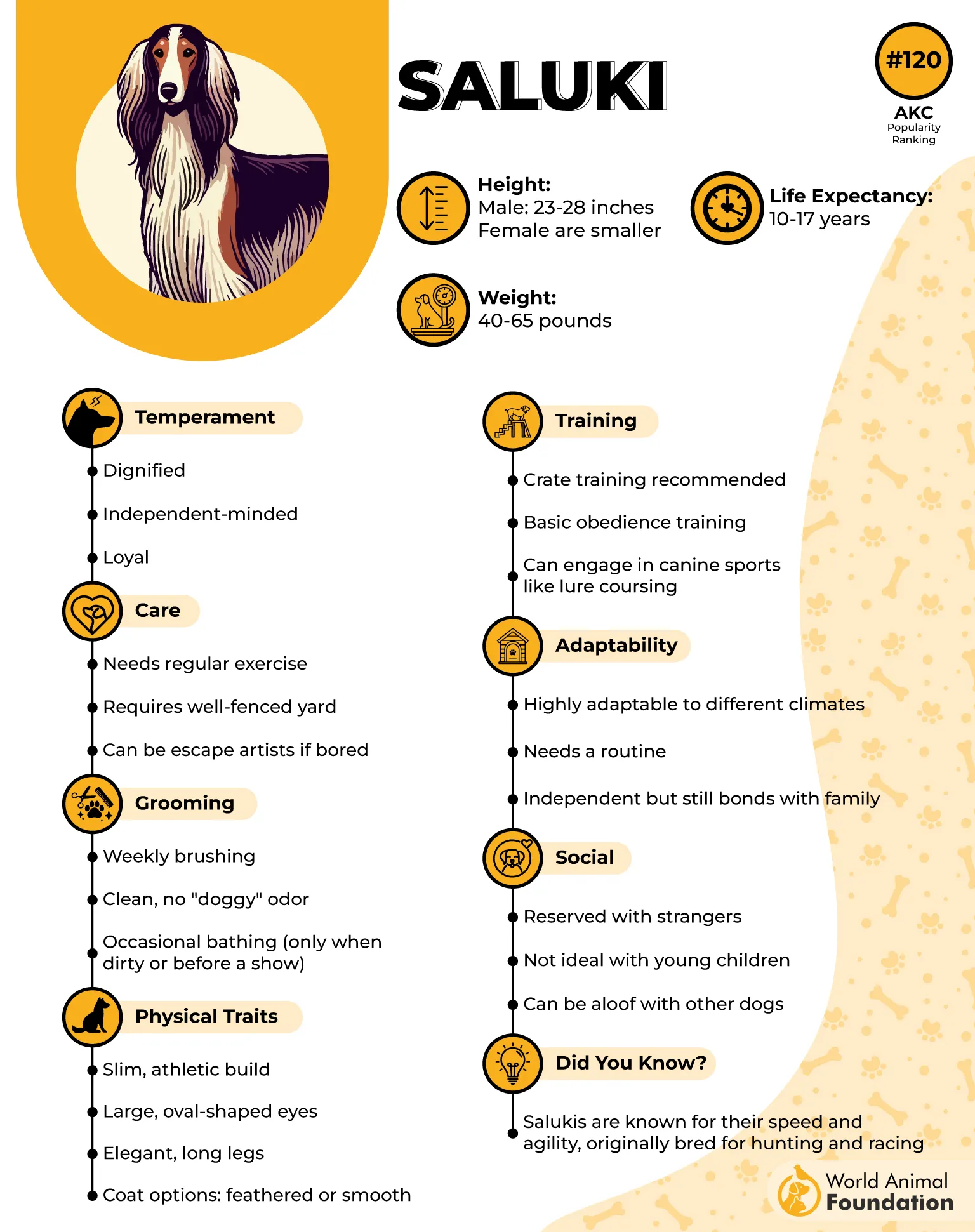
Since they prefer quiet environments, Salukis are not child-friendly dogs, yet they do well around other dogs when raised together as pups. According to PetMD, these dogs, if not engaged well or left alone for a longer time, develop destructive behaviors, including separation anxiety.
5. Weimaraner
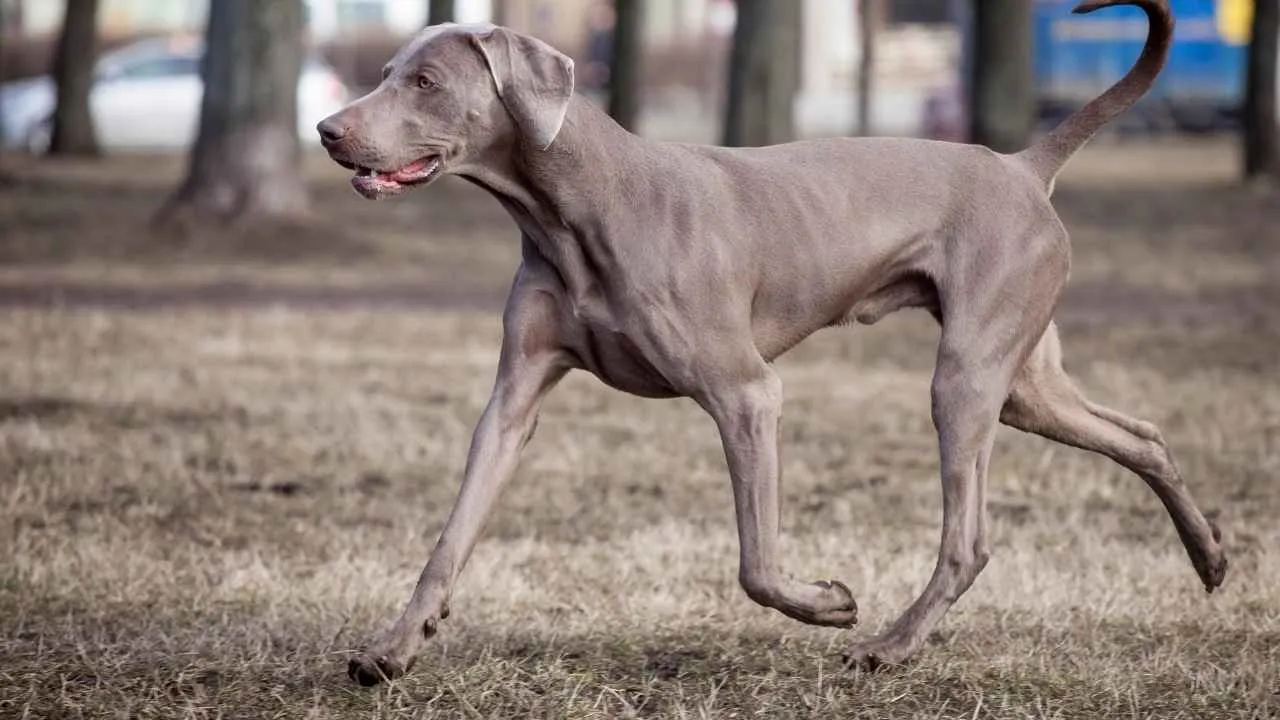
These Gray Ghosts capture attention wherever they go, and credit goes to their sleekness, energy, and unique coat color. Weimaraners are tracking dogs that are not only blessed with beauty but also speed, fearlessness, durability, and a strong prey drive.
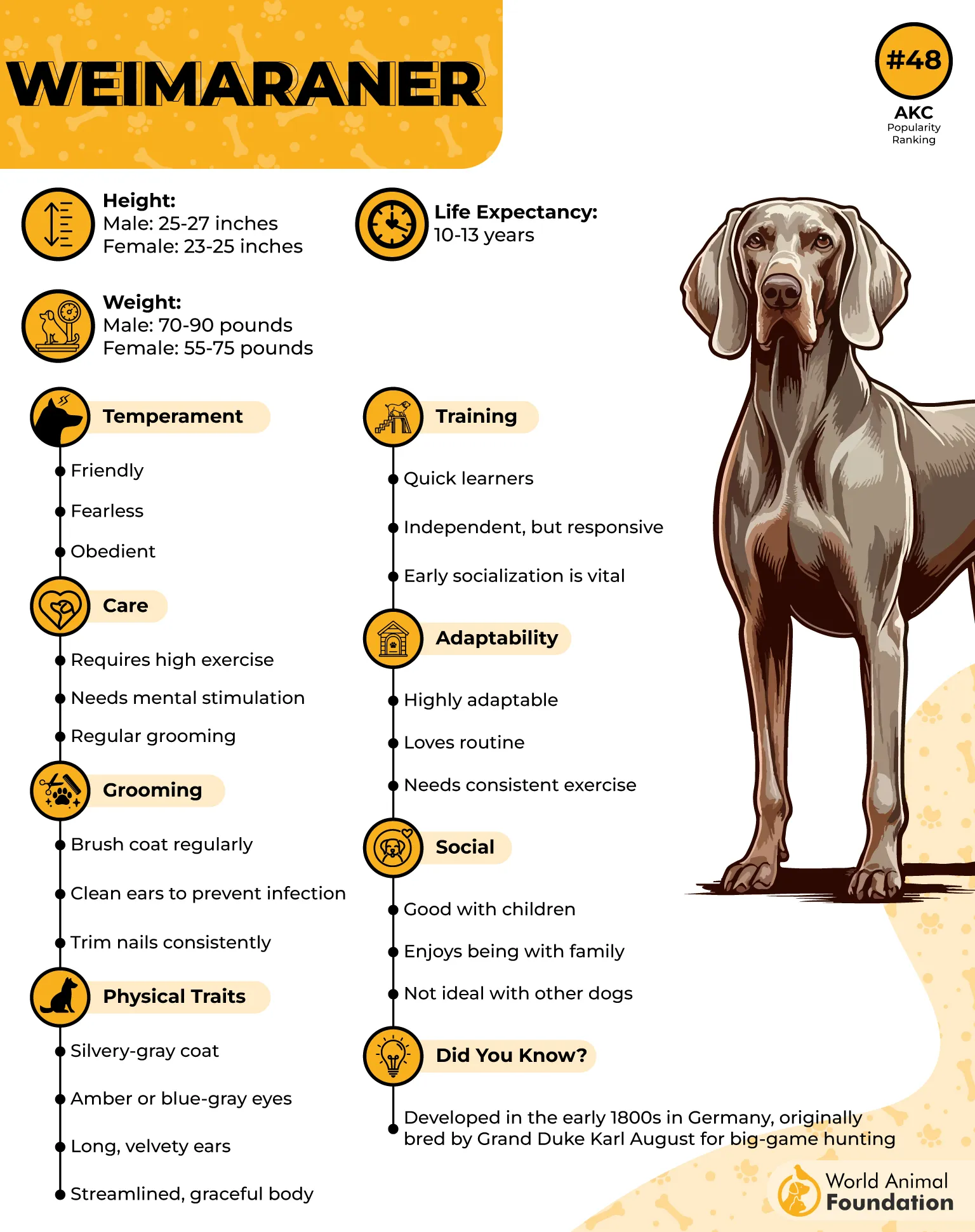
With exceptional endurance and stamina, Weimaraners make great companions for people who love adventure, such as hiking, hunting, and other outdoor activities. When they are on a hike with you, make sure they are not off lead, acting as a threat to wildlife.
Weimaraners thrive in those houses where they are provided with ample space and significant physical and mental enrichment. As high prey drive dogs, they should not be left alone with small animals like rabbits, squirrels, or birds; otherwise, their desire to chase them will be stimulated.
6. Australian Cattle Dog
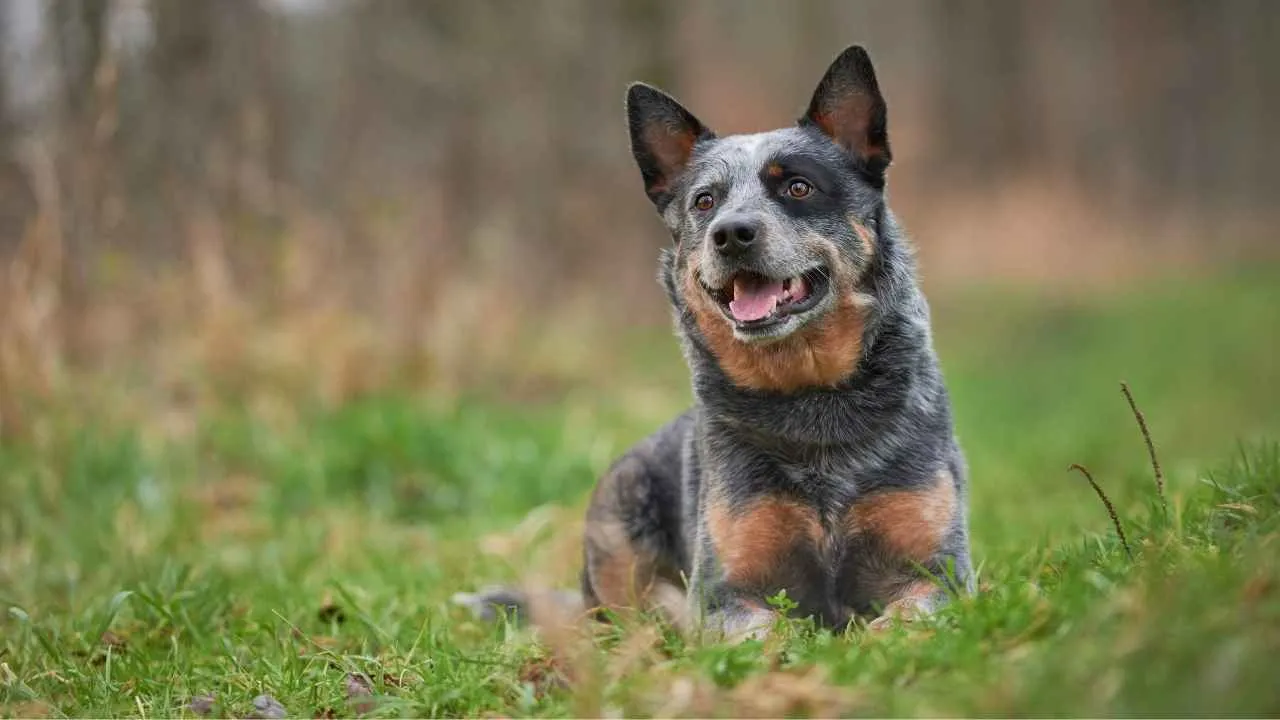
Australian Cattle Dogs come in compact yet muscular frames, with an alert expression. They were born to be a herding breed in Australia, where they had to manage livestock in harsh conditions, according to Purina. They are also called Blue Heelers due to nipping behavior, stemming from their past working practice.
Originally developed for herding livestock, these dogs naturally display behaviors such as stalking, chasing, and nipping. In multi-pet households, these instincts can be managed by providing plenty of physical exercise, mental stimulation, and engaging toys.
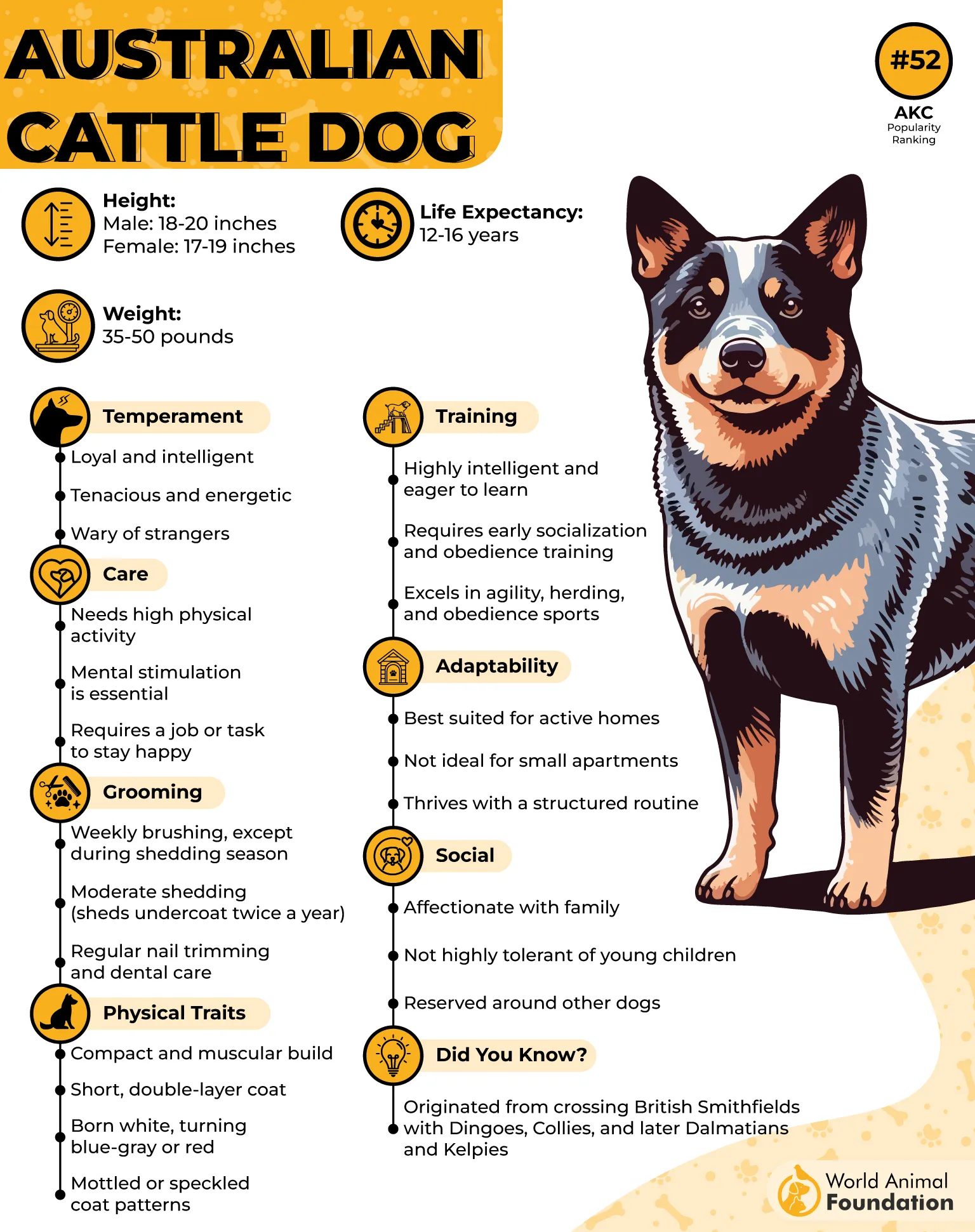
For playing games of fetch, homes must have securely fenced areas where they can play safely without chasing wildlife or passing vehicles. Early training on teaching a soft mouth and not to chase or nip small ones, especially kids, is vital, though it can be a challenge for new pet parents.
7. Jack Russell Terrier
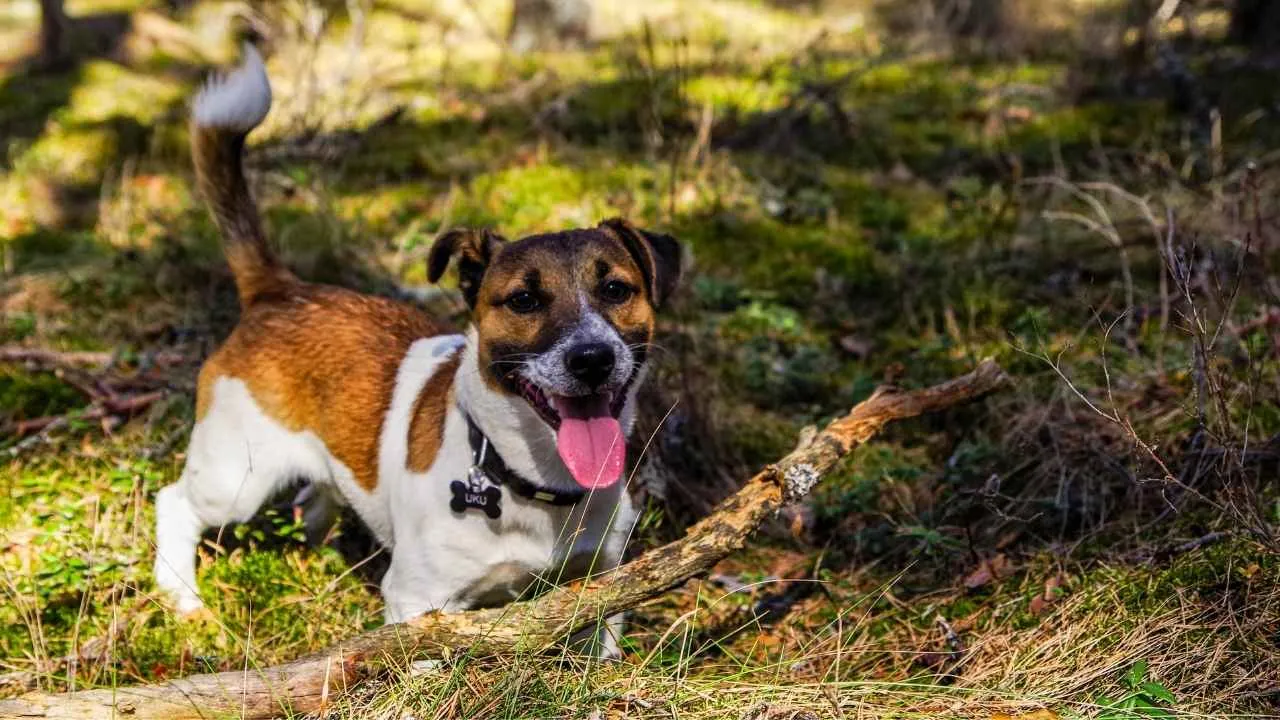
Small in size but mighty enough to display a lively and energetic personality. Jack Russell Terriers are agile hunting dogs with a strong prey drive and minds as well. They used to bolt foxes underground and run with horses and hounds for several hours while withstanding bites and scratches.
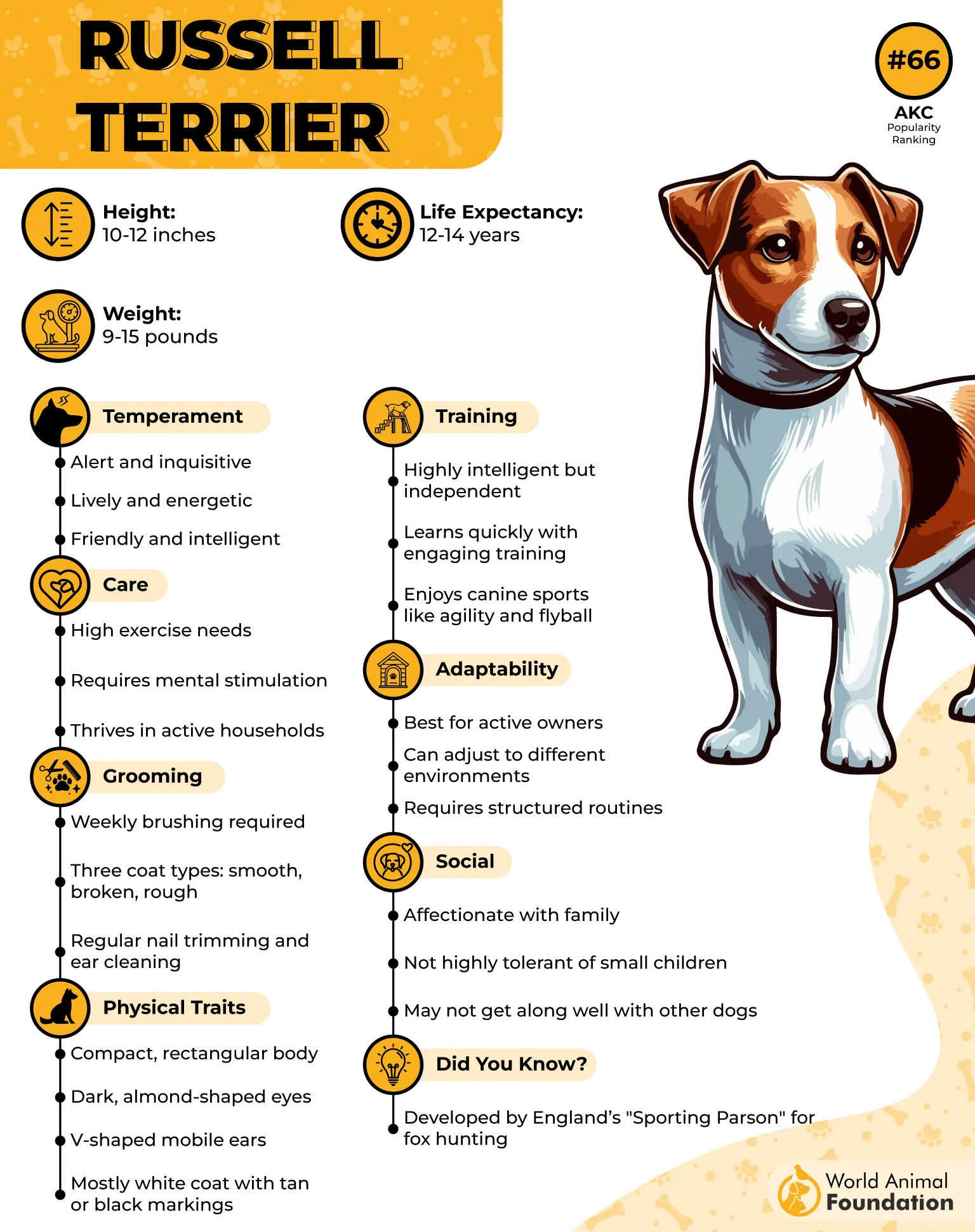
Jack Russell Terriers can be problematic for houses with more than one pet, as the intensity of their prey drive is so strong that they might chase and kill the small animals with their powerful jaws. They are super intelligent dogs with an independent nature, making early obedience crucial, as noted by the AKC.
To burn off their energy levels, mental stimulation is as important as physical activities. Thus, agility sports, puzzle toys, and trick training are some of the options for managing their excitement. Jack Russell Terriers are only suited to experienced pet owners.
Conclusion
A high prey drive dog is not a flawed breed, but in fact, it is an instinct that has been carefully shaped through generations of breeding. While this behavior can present challenges, it is also the reason many dogs excel in hunting, tracking, and canine sports. Thus, owners should focus on managing them through consistent training, engagement, and proper supervision.
When matched with the right lifestyle and expectations, dogs with a high prey drive can become loyal, intelligent, and rewarding for years to come.
