




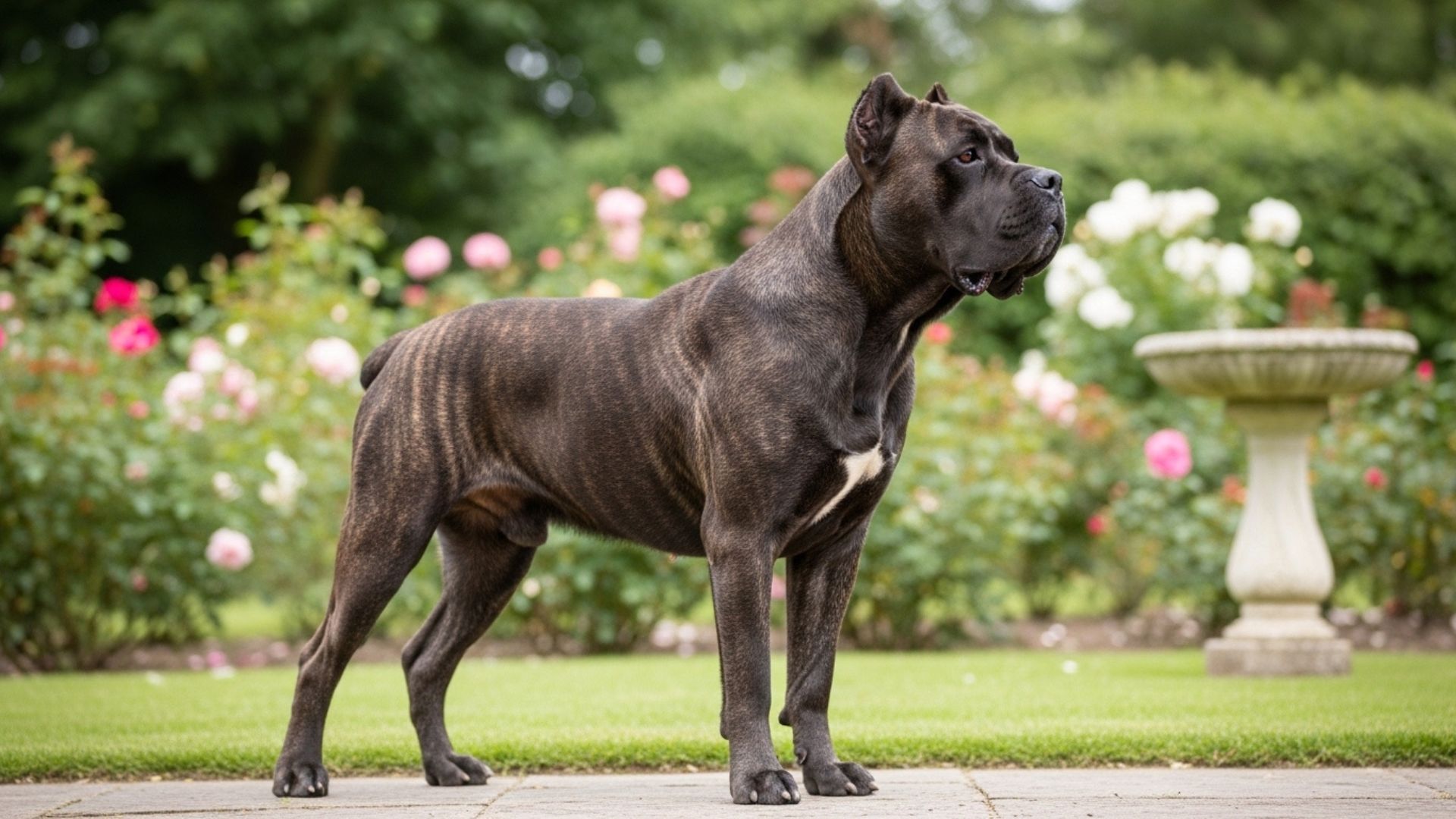
Personal protection becomes important the moment safety feels uncertain. It enters daily thought when silence feels heavier, and awareness sharpens instinct.
A protection dog offers more than physical presence. It provides reassurance that someone is always watching, always alert, always ready. The bond formed through protection is built on trust, consistency, and controlled strength. These dogs are not defined by aggression but by reliability under pressure.
Their ability to remain focused while guarding people and property sets them apart from ordinary companions. Protection brings confidence to routine life, changing how space is experienced and how boundaries are respected.
In this article, readers will explore what defines elite personal protection, the traits that matter most, and how protection roles differ across environments.
Key Takeaways
Personal protection is not about aggression but about awareness, timing, and a steady presence that never switches off.
German Shepherds and Belgian Malinois stand out for their ability to stay alert under pressure while responding with control instead of chaos.
Breeds like Cane Corso and Rottweiler rely on calm judgment and physical presence, often preventing threats before action is required.
As the list unfolds, it becomes clear how true personal protection depends on trust, discipline, and dogs that know exactly when to step forward.
Top Dog Breeds for Ultimate Personal Protection
1. German Shepherd
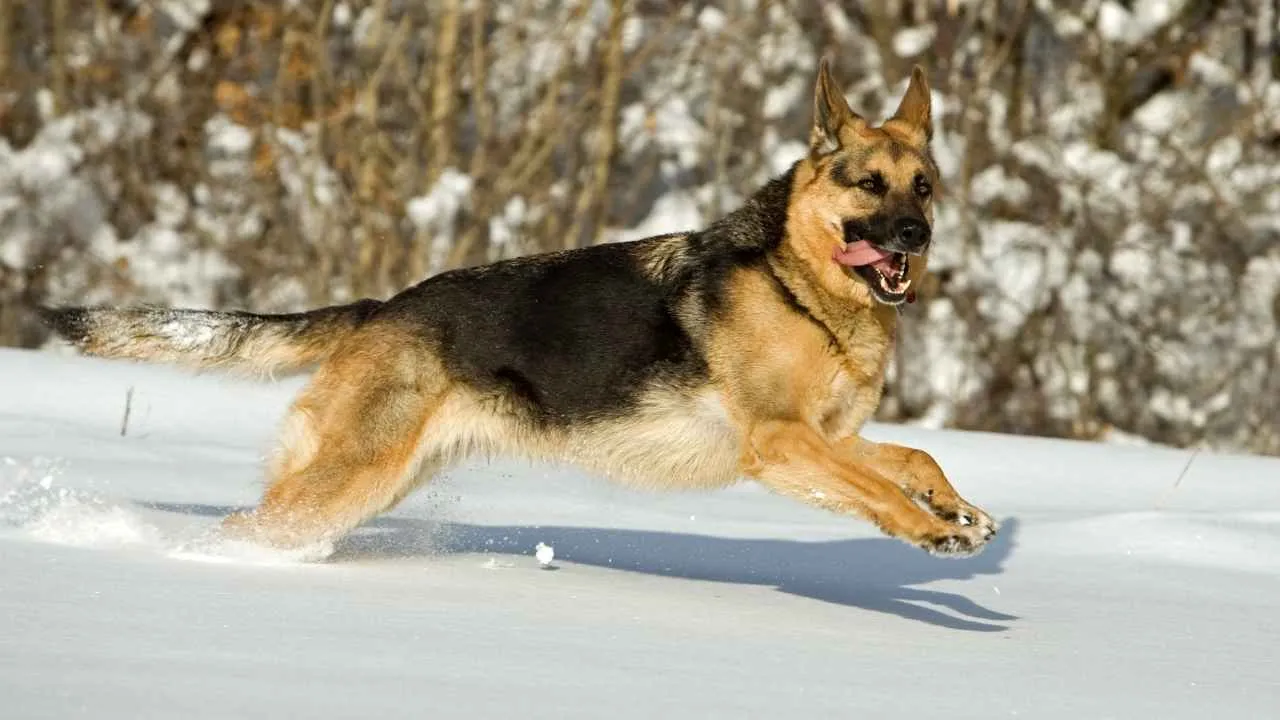
German Shepherd shows strong decision-making when situations change fast, which is vital in personal protection. This breed reads human intent, body language, and surroundings with precision. That awareness turns everyday presence into a reliable layer of security.
Built for Real Protection Work
German Shepherd operates with purpose, blending physical ability with trained discipline. This balance explains why the breed fits serious protection roles rather than symbolic guarding.
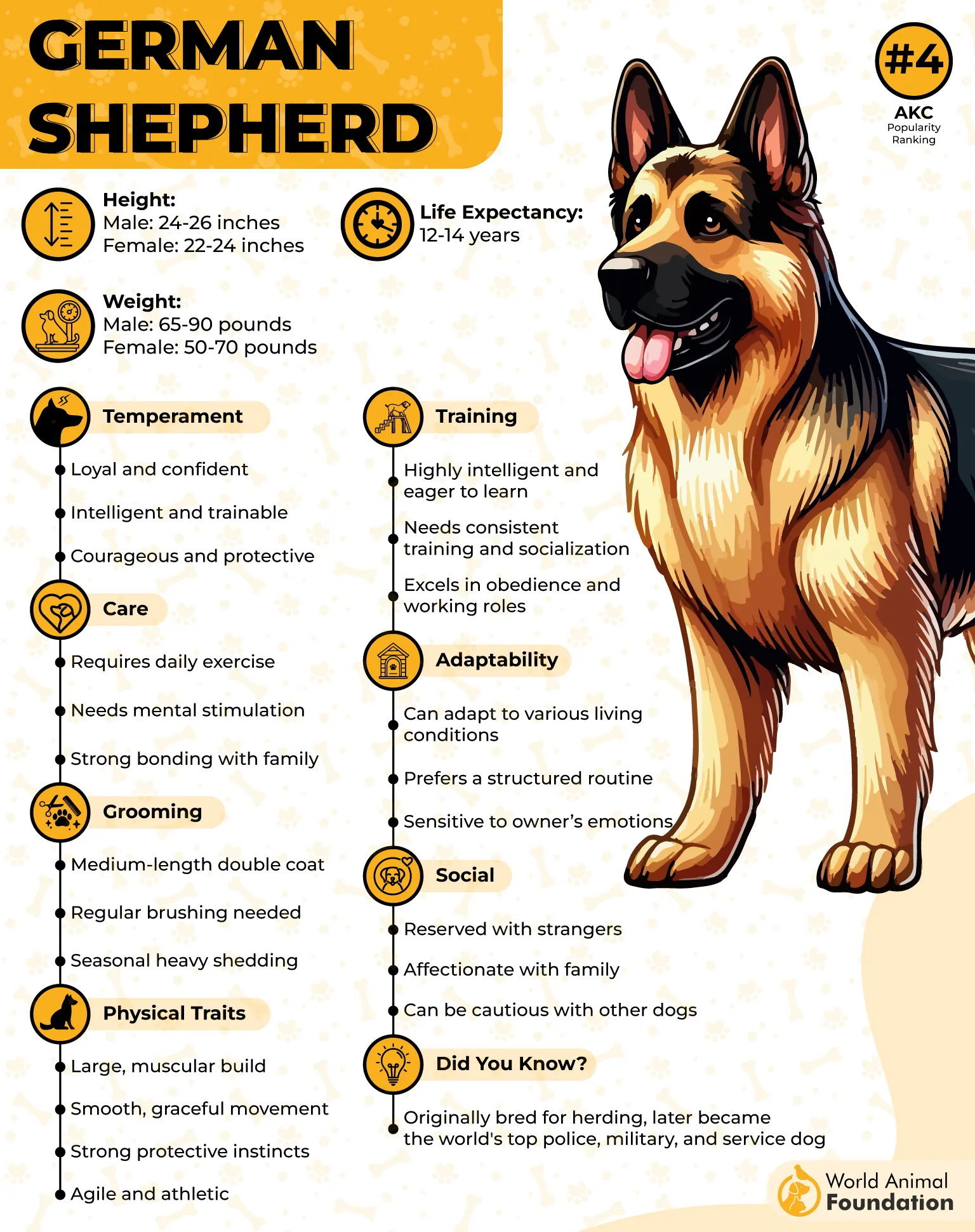
That working edge shows up in practical ways:
Controlled defensive response
Strong territorial awareness
Fast obedience under stress
Trusted in High Risk Roles
As the best guard dog breed, the German Shepherd has earned its place in police and military service through consistency, not reputation alone, as Britannica stated. Protection, guarding, and security align naturally with how the breed thinks and moves.
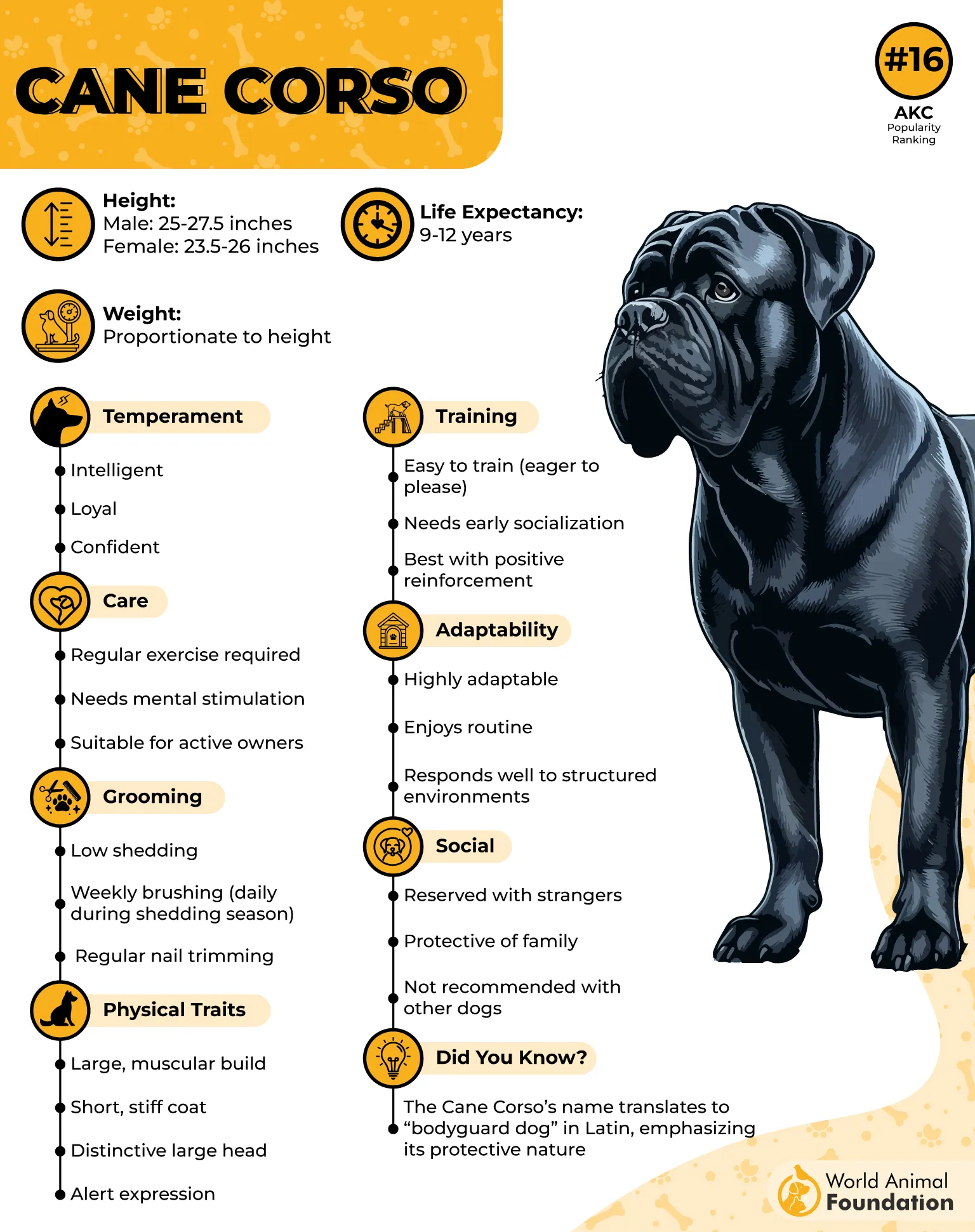
2. Cane Corso
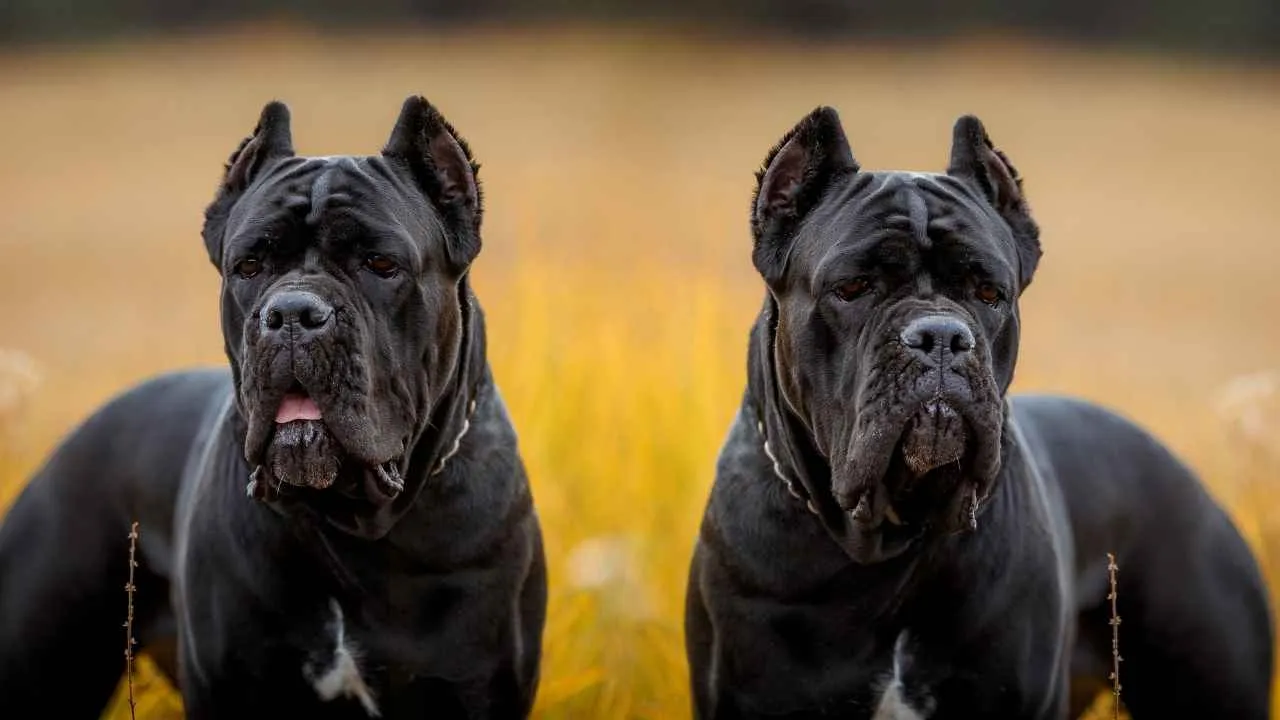
Cane Corso commands attention through calm confidence rather than constant motion. This breed reads situations quickly and positions itself with purpose, which matters in personal protection scenarios. The steady watchfulness helps create a sense of control around the home and property.
Intelligence Behind the Guard
Cane Corso processes commands and surroundings with sharp focus, making protection work structured instead of chaotic. Their working background shows in how they assess risk before reacting.
That mindset shows up clearly in daily behavior
Strong situational awareness
Quick response to familiar cues
Controlled reactions under pressure
Protective Instincts at Work
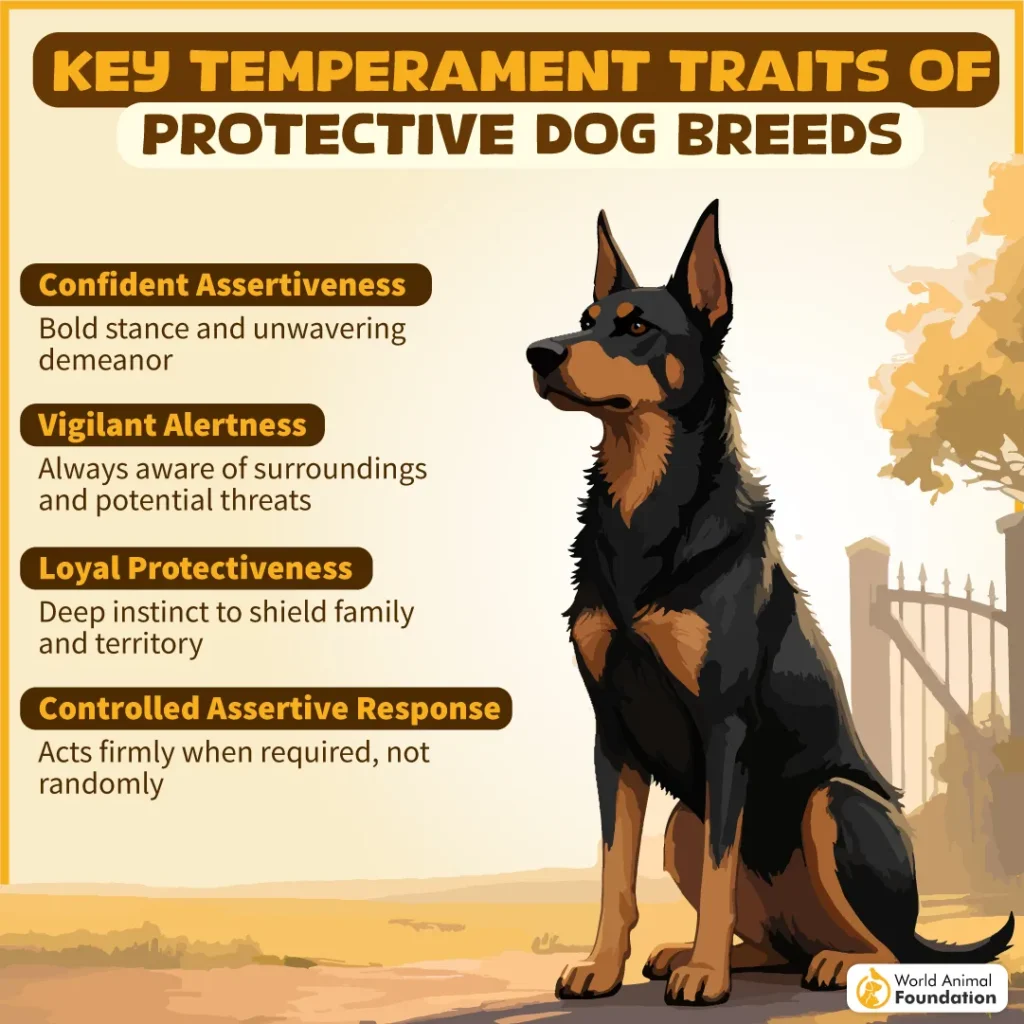
Loyalty runs deep and expresses itself through proximity and quiet monitoring. Cane Corso tends to stay close to what it considers important, especially in unfamiliar settings. This natural guarding behavior often appears without prompting or exaggerated alertness.
Note: Male and female Cane Corsos may express protectiveness differently, with some leaning toward dominance and others showing stronger territorial focus.
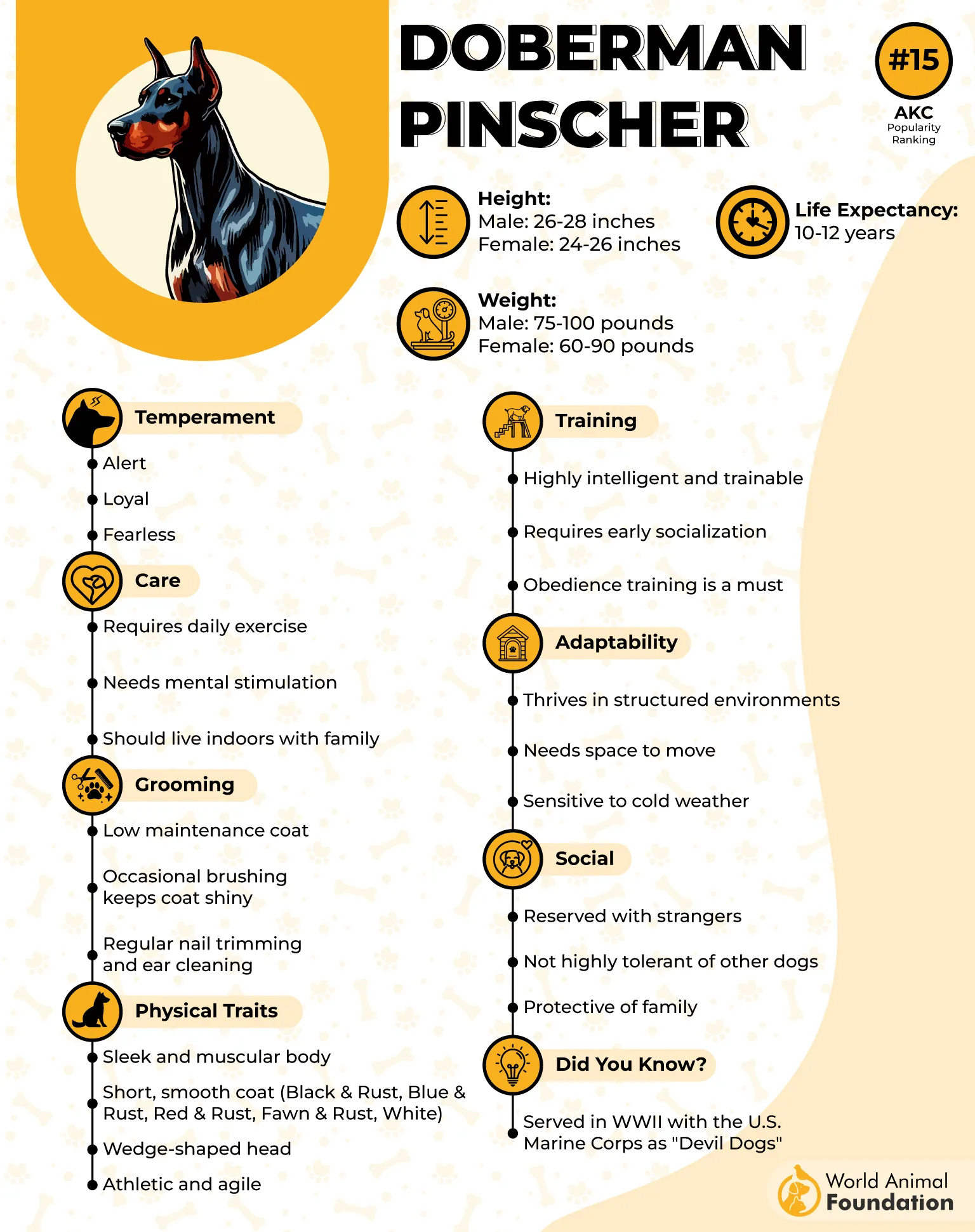
3. Doberman Pinscher
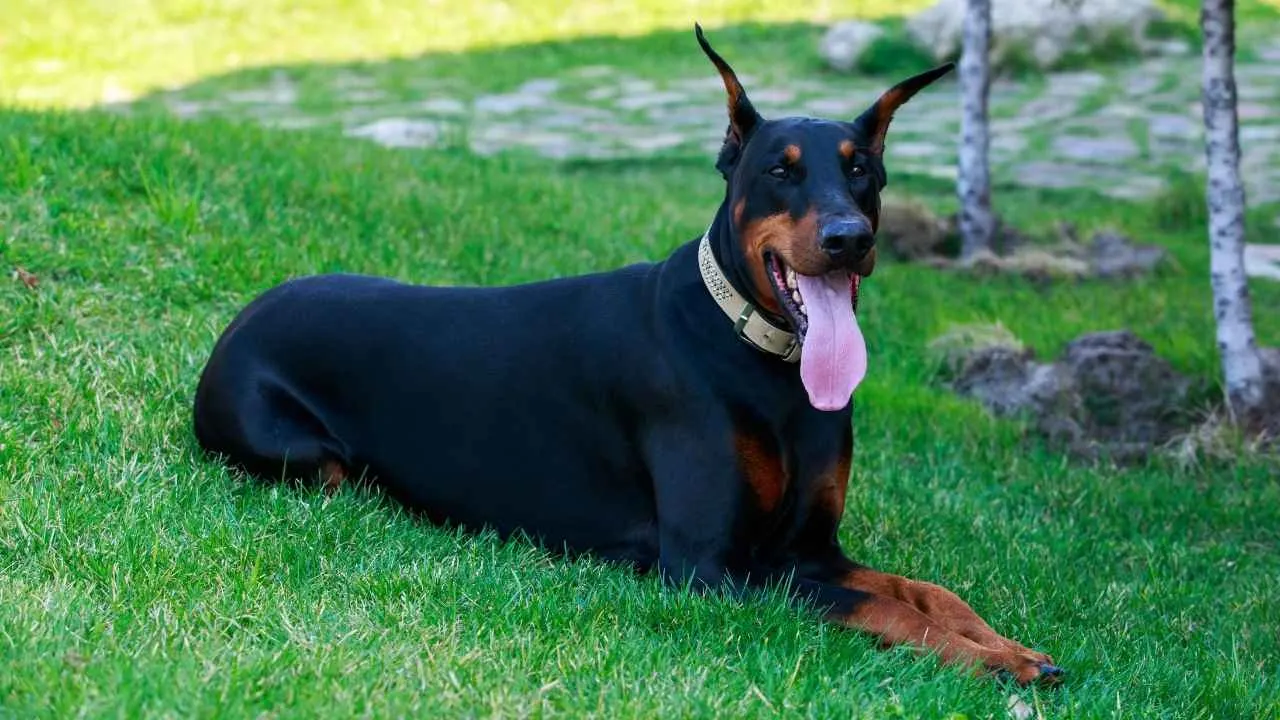
Doberman Pinscher projects confidence through posture, focus, and controlled movement. That natural authority plays a real role in personal protection, often stopping problems before they begin. A firm outline and steady gaze make this breed instantly noticeable around home boundaries.
Precision in Protective Work
Doberman Pinscher responds quickly to direction and reads situations with sharp awareness, as per Hills Pet. Protection strength comes from timing and judgment, not noise or chaos.
That edge shows itself clearly in daily scenarios:
Fast reaction to unfamiliar activity
Consistent alert posture
Clear focus on the assigned space
Guarding With Control
Doberman Pinscher is widely recognized for disciplined protection work and police service roles. Fearlessness shows through calm behavior rather than reckless action. That balance allows protection to remain measured, intentional, and responsive when it matters
4. Boxer
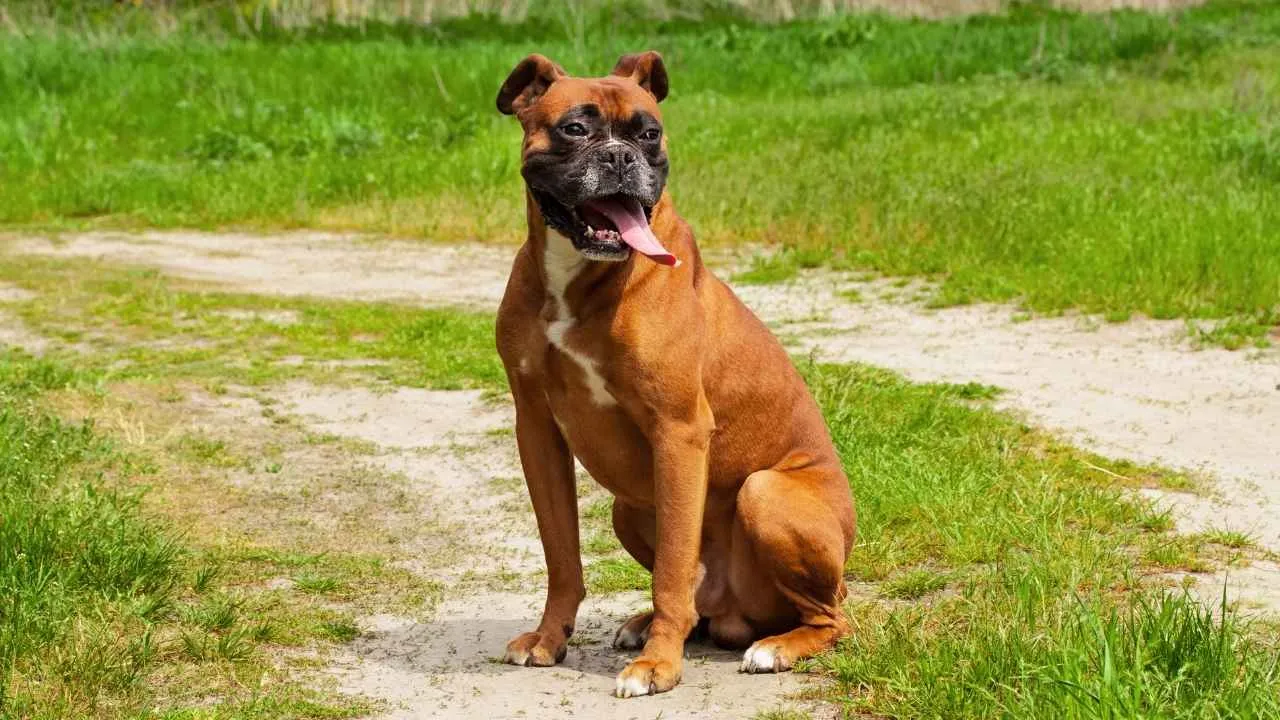
Boxer shows alert posture and quick reactions that matter in personal protection settings. Strong eye contact and constant awareness make this breed effective at noticing changes around the home. That readiness pairs well with a natural willingness to step forward when a situation feels off.
Control Under Pressure
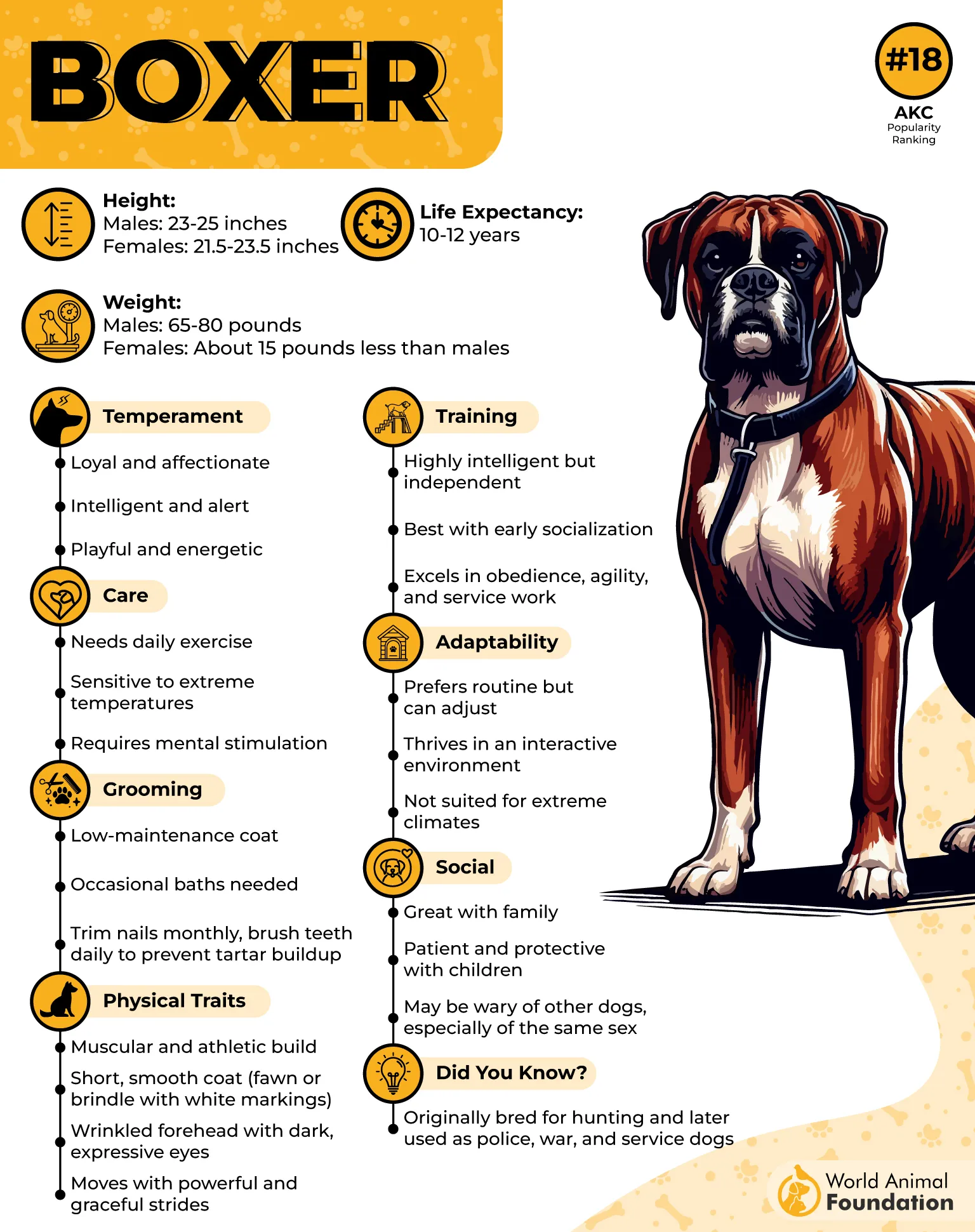
Boxer balances strength with restraint, which helps in real-world protection rather than reckless behavior. Its working attitude stays focused when direction is clear.
A closer look explains why this balance works
Fast response to unfamiliar movement
Steady nerves during noise or chaos
Clear territorial awareness
Social Sense With Boundaries
Boxer handles familiar people with ease while staying watchful around strangers. Early exposure shapes how confidently the dog reads intent without panic. This measured judgment supports protection roles where timing and accuracy matter.
5. Rottweiler
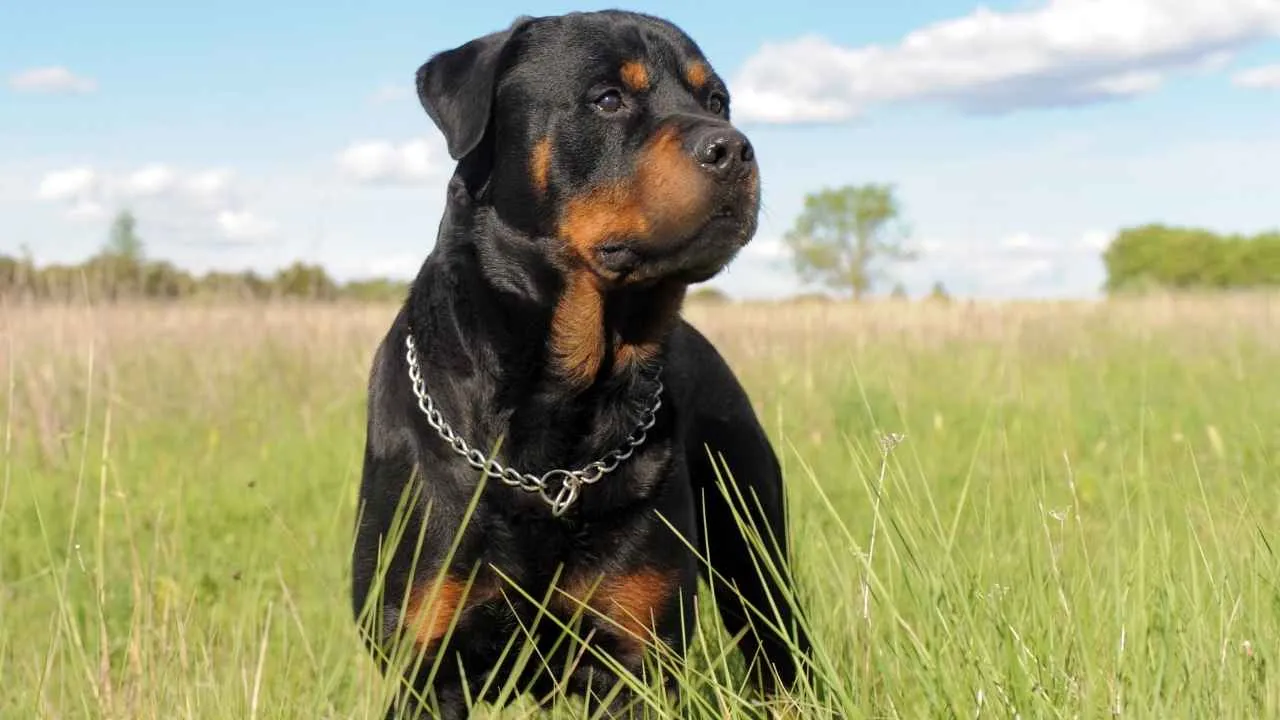
Rottweiler projects a steady, self-assured presence that naturally discourages unwanted attention. This breed assesses situations calmly, making decisions based on what is happening rather than reacting blindly. In personal protection settings, that composure matters as much as physical power.
Protective Instincts in Action
Rottweiler protection work relies on controlled strength and clear judgment rather than constant aggression. The breed is known for reading intent quickly, especially around familiar people and spaces.
That reliability shows up in specific protective behaviors
Strong territorial awareness
Willingness to intervene when needed
Physical power backed by bite force
Built for Experienced Handling
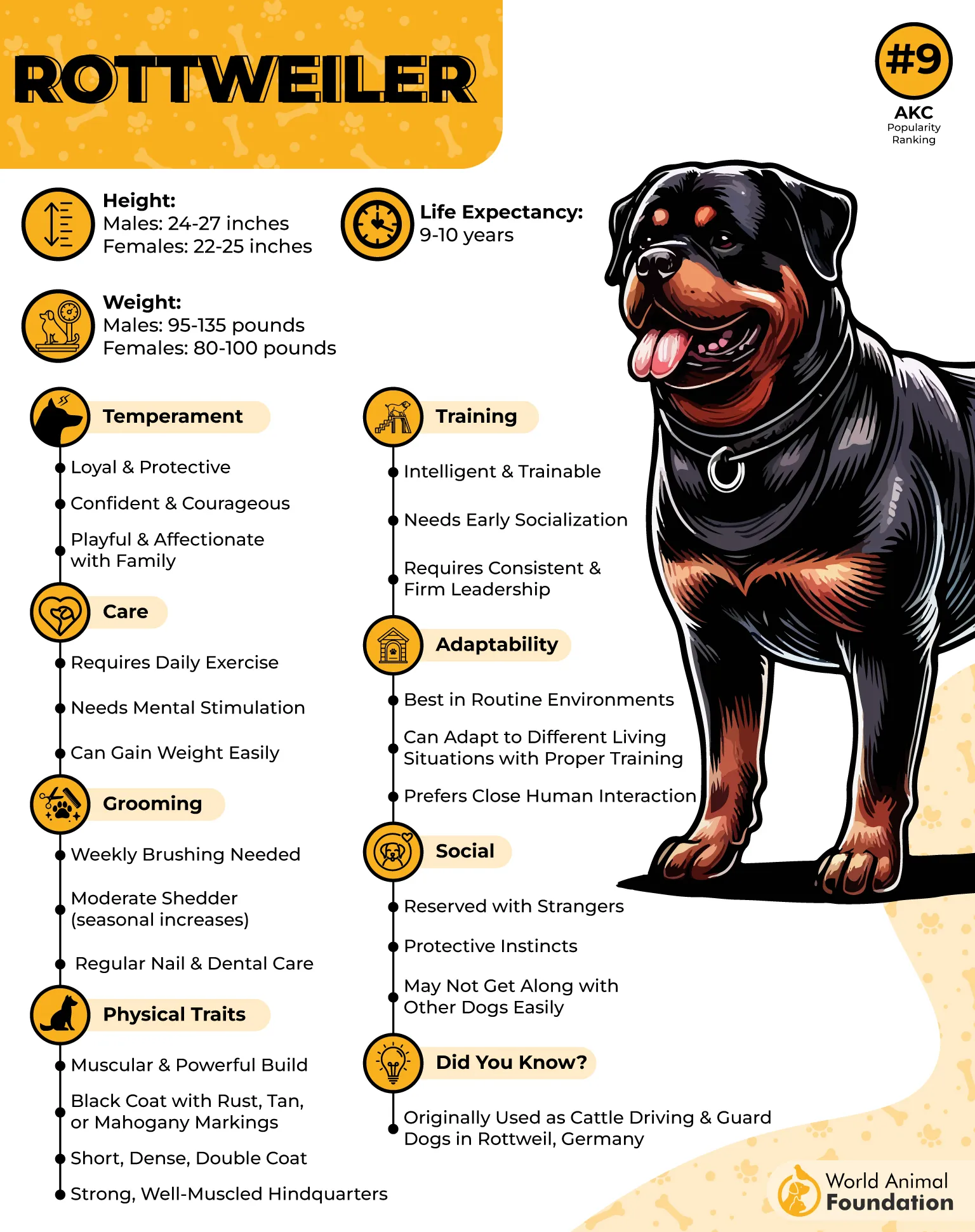
Rottweiler suits handlers who can manage authority without intimidation. This breed responds best to calm leadership and structured routines tied to real purpose. When placed in the right hands, protection becomes intentional rather than reactive.
Important Note: Early social exposure and obedience training are critical so the dog understands when protective action is appropriate.
6. Akita
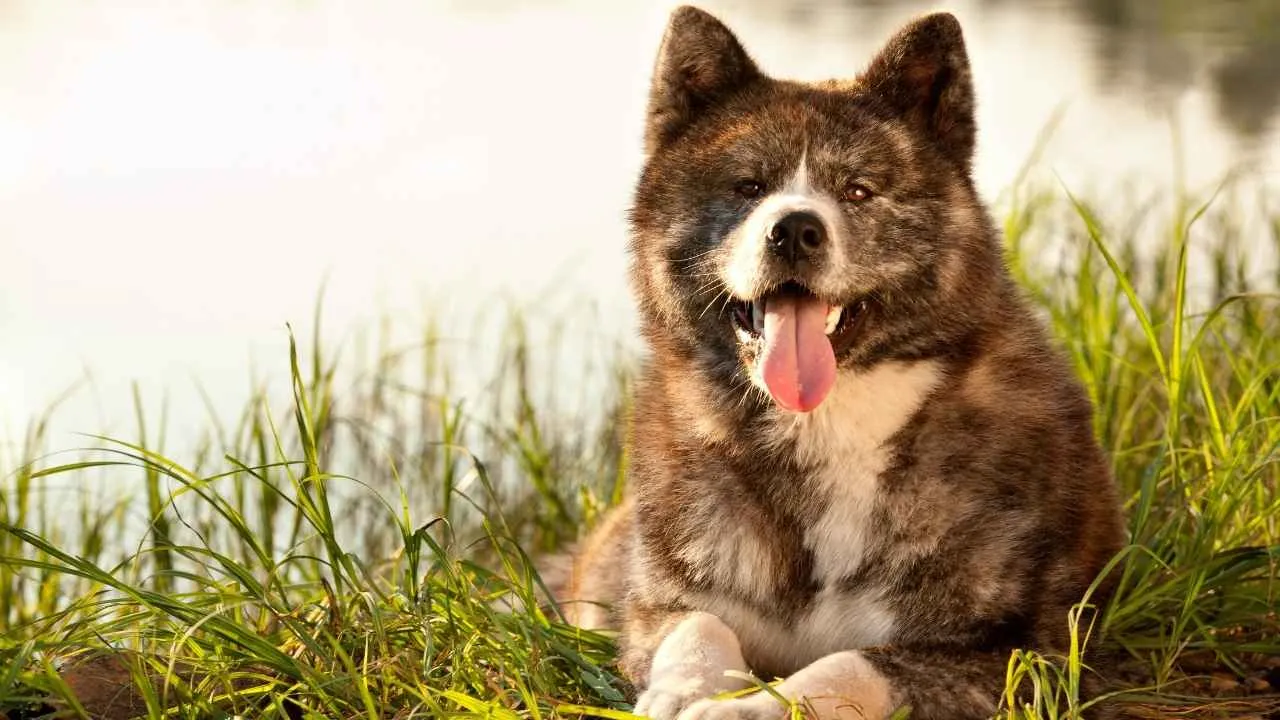
Akita projects authority through posture and stillness rather than noise. That quiet confidence matters in personal protection, where awareness and restraint reduce unnecessary escalation. Their watchful eyes track movement closely, especially when someone approaches familiar territory.
Built to Step In
Protection work relies on timing, and this breed reacts with purpose instead of panic. Akita reads intent quickly and holds ground without constant prompting.
That mindset shows up clearly in moments that matter:
Territorial awareness
Controlled alert barking
Swift response when challenged
Power Without Chaos
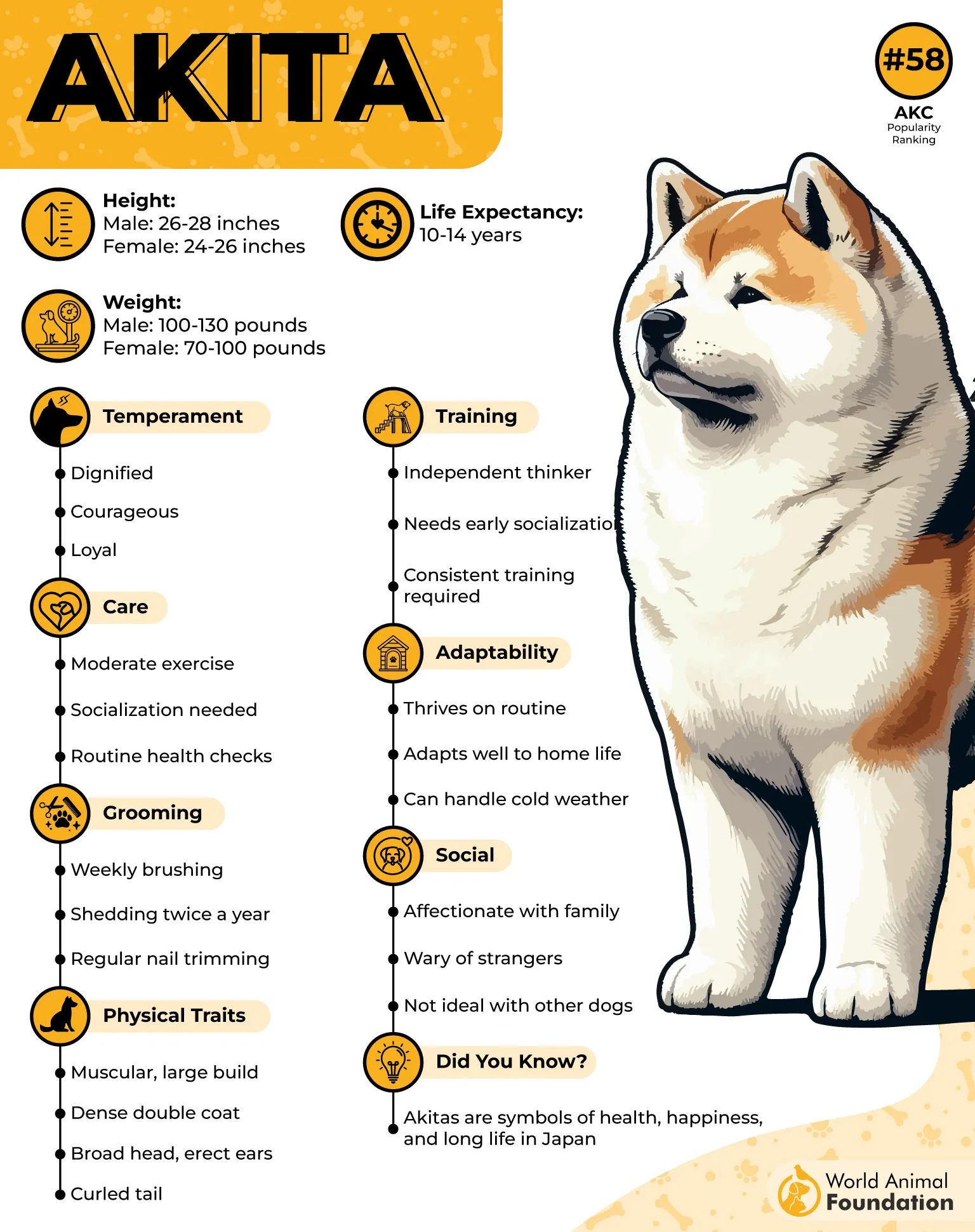
A strong neck, heavy bone structure, and decisive stride support physical intervention when needed, as per Orvis. Movement is direct and efficient, avoiding wasted motion during tense moments. This physical confidence reinforces their role as a reliable personal protection companion.
Note: Akitas are known for selective trust, which makes early social exposure important for balanced protection behavior.
7. Belgian Malinois
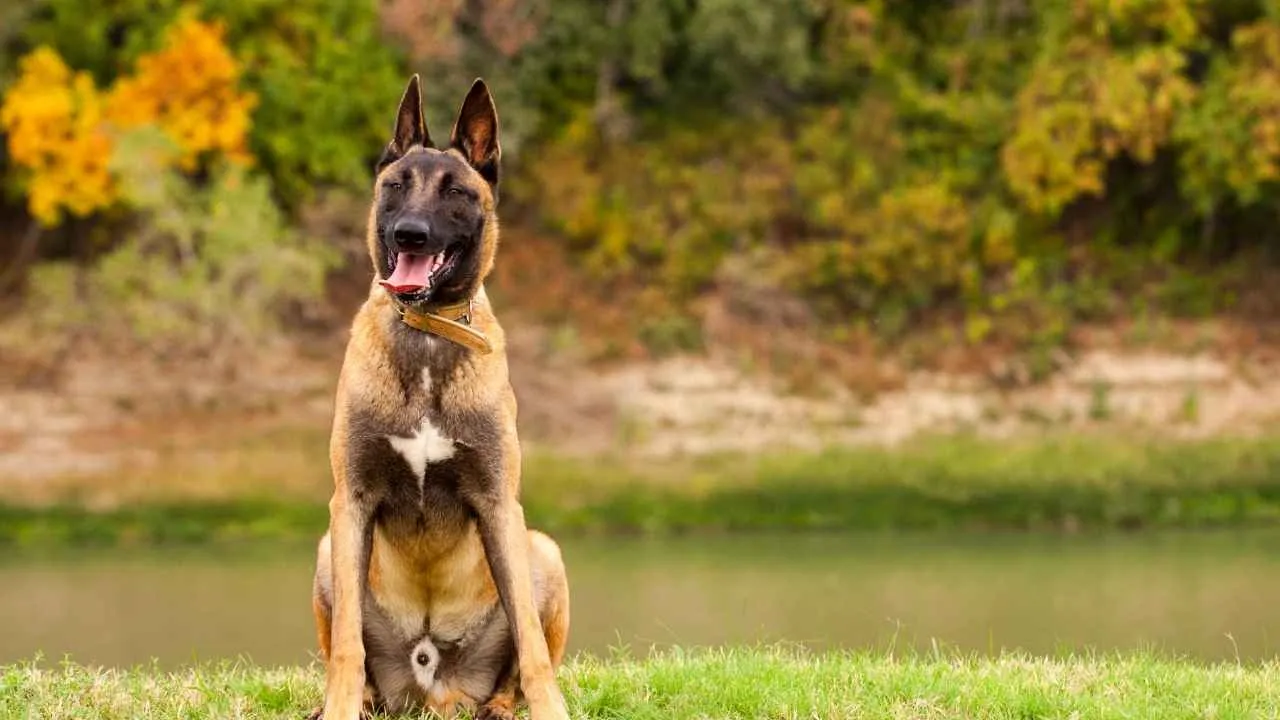
Belgian Malinois operates with sharp focus when a real threat appears, which is why this breed dominates serious personal protection work. Fast decision-making and controlled intensity allow it to react without hesitation. In close-range defense scenarios, that precision can decide outcomes within seconds.
Detection That Supports Defense
Belgian Malinois brings more than physical presence to protection, relying heavily on advanced scent and tracking ability. This skill strengthens security before danger escalates.
That edge shows up clearly in practical protection tasks:
Highly reliable bite work control
Strong scent discrimination
Rapid response to handler cues
Proven in Real Operations
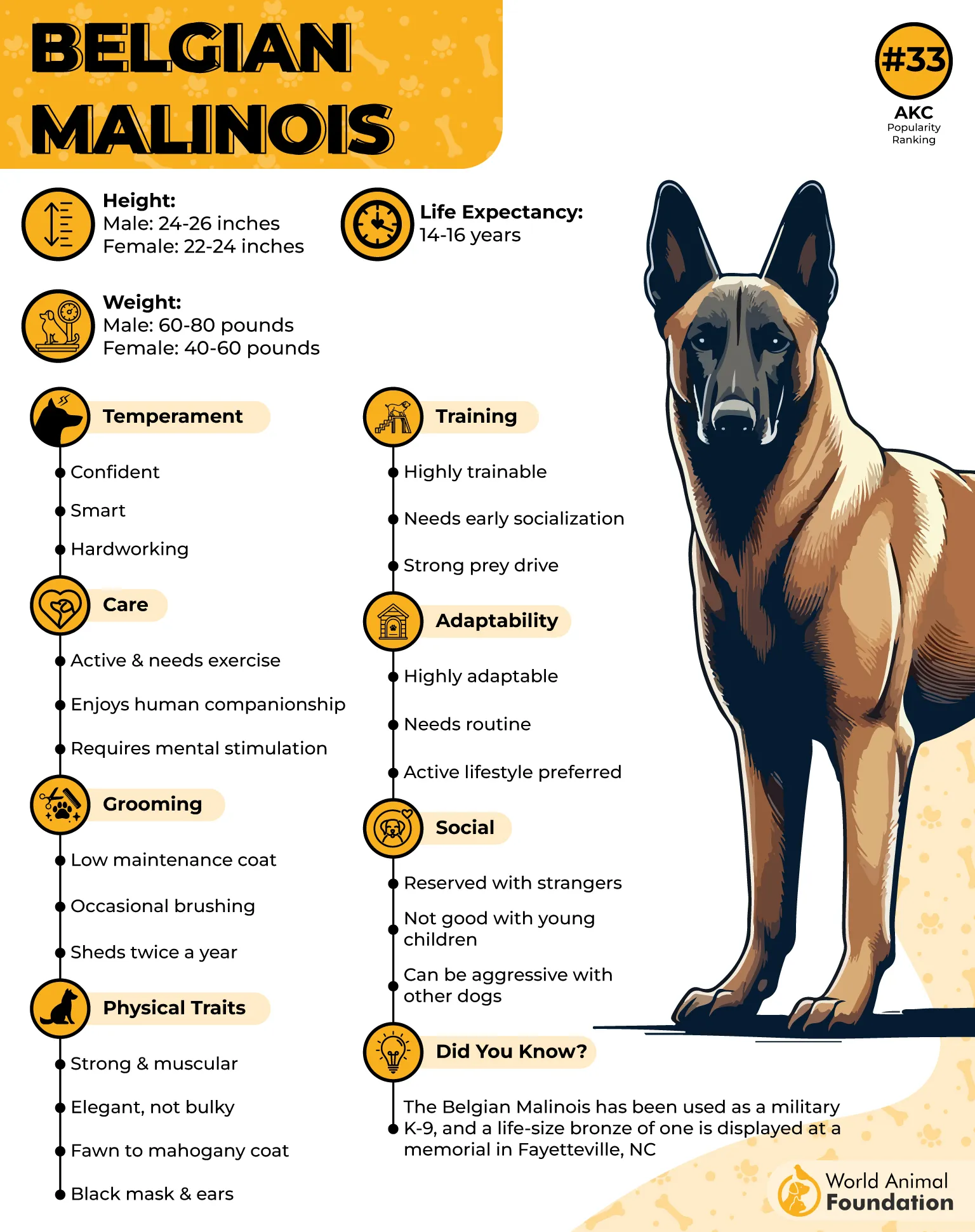
Belgian Malinois has been repeatedly chosen for elite police and military missions that demand absolute reliability. One Malinois named Cairo supported the 2011 SEAL Team 6 operation, while another named Conan was honored after a 2019 raid injury.
These real-world deployments reflect how the breed performs when protection is not theoretical but immediate.
8. Rhodesian Ridgeback
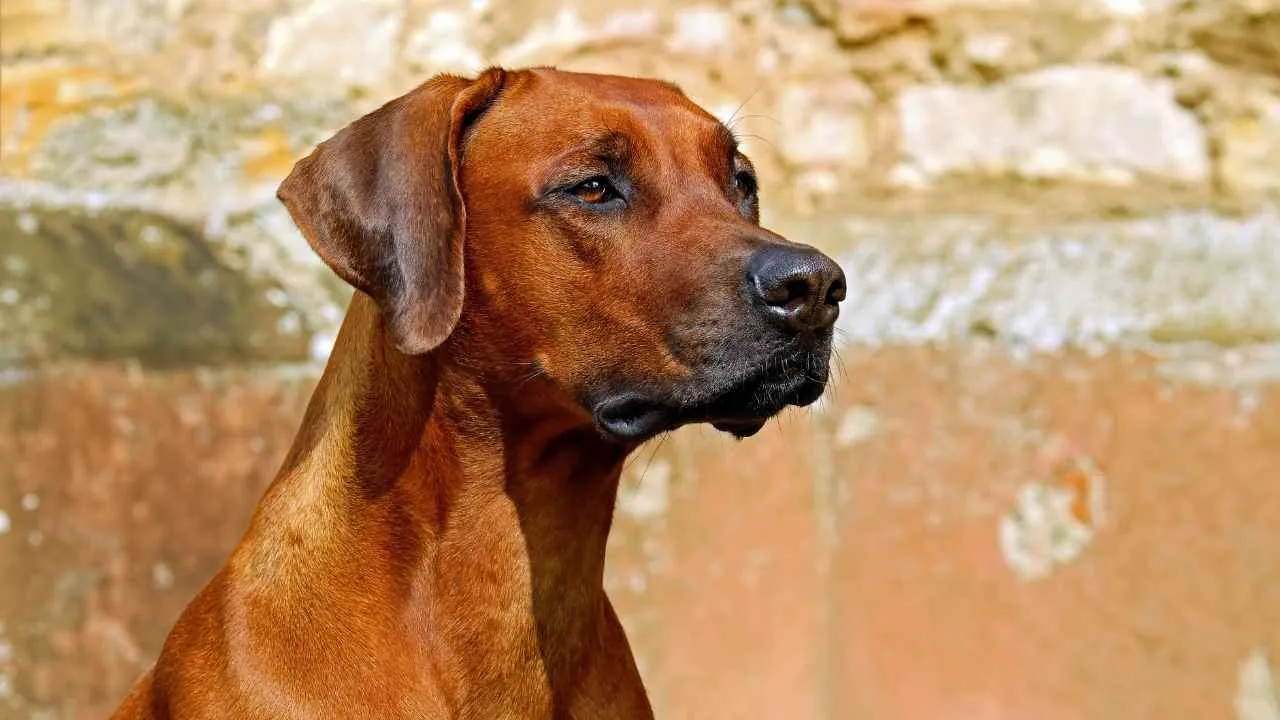
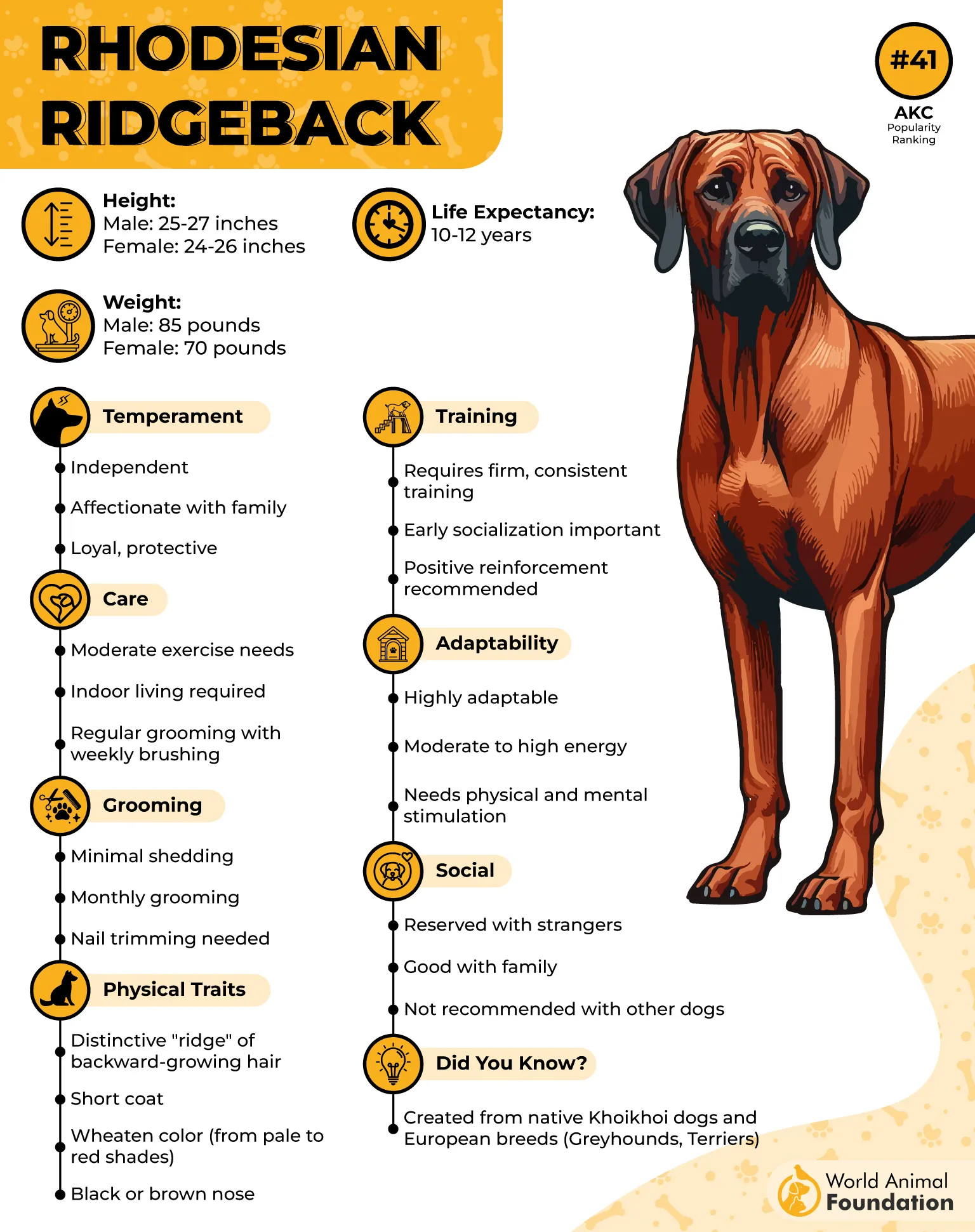
Rhodesian Ridgeback approaches protection through presence rather than noise. This breed is known for staying observant and composed, which makes unfamiliar movement hard to ignore. That steady watchfulness creates pressure on potential threats without drawing constant attention.
Built to Hold Ground
Rhodesian Ridgeback brings physical confidence and mental resolve into protective roles around the home. Strength, independence, and tolerance for confrontation shape how this breed responds when boundaries are tested.
That mindset shows up clearly in real situations
Strong defensive stance
Low reactivity to minor disturbances
Reliable response to genuine threats
Family Bond With Clear Limits
Rhodesian Ridgeback stays deeply connected to its household and remains tolerant in familiar settings. That loyalty pairs with a natural seriousness toward outsiders, especially when routines feel disrupted. Teaching early boundaries with children supports safer interaction and mutual respect.
Important Note: Formal protection training is discouraged, as it can push natural guarding behaviors too far.
9. Dutch Shepherd
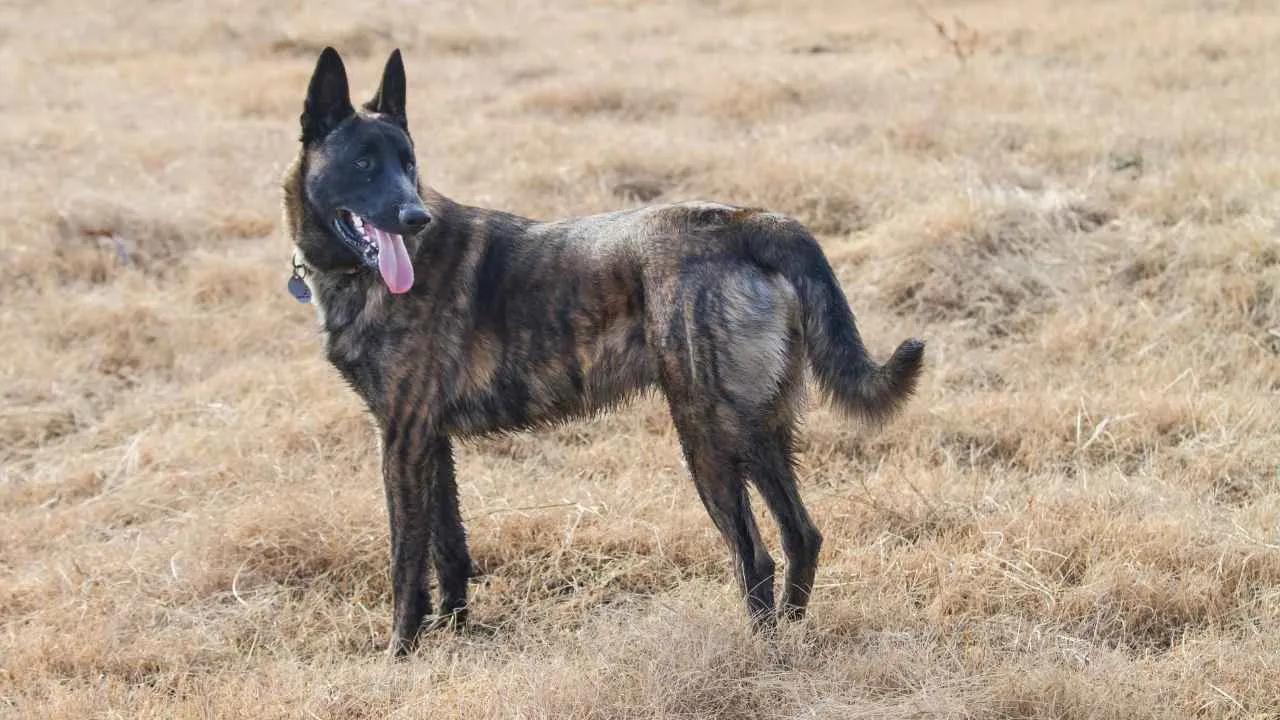
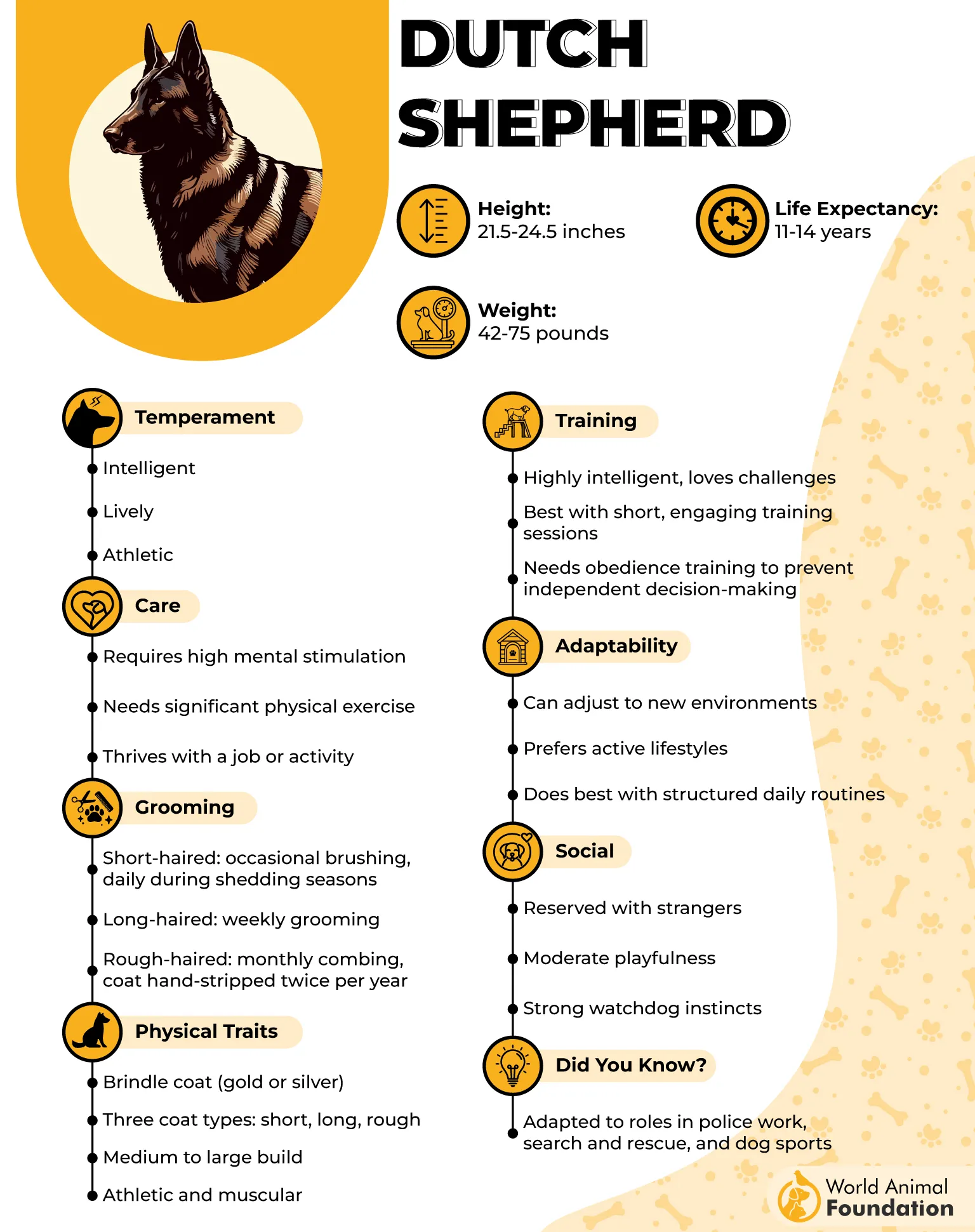
Dutch Shepherd works with sharp spatial awareness, a skill shaped by years of patrolling borders and sensitive zones. That same focus translates cleanly into personal protection, where noticing movement near property lines matters. The breed stays engaged without pacing or wasted motion.
Task Driven Protection Style
Dutch Shepherd responds best when given a clear job, which makes protection work feel natural rather than forced. Precision and discipline show up quickly once direction is set.
That work-minded edge shows through in moments like these:
Fast response to an unfamiliar presence
Controlled pressure under command
Reliable follow-through on alerts
Built for Real Situations
Dutch Shepherd adapts well when conditions change, a trait proven through work that ranged from herding to guarding active farms. Protection scenarios benefit from that flexibility, especially when environments are unpredictable. The dog reads context instead of reacting blindly.
10. Boerboel
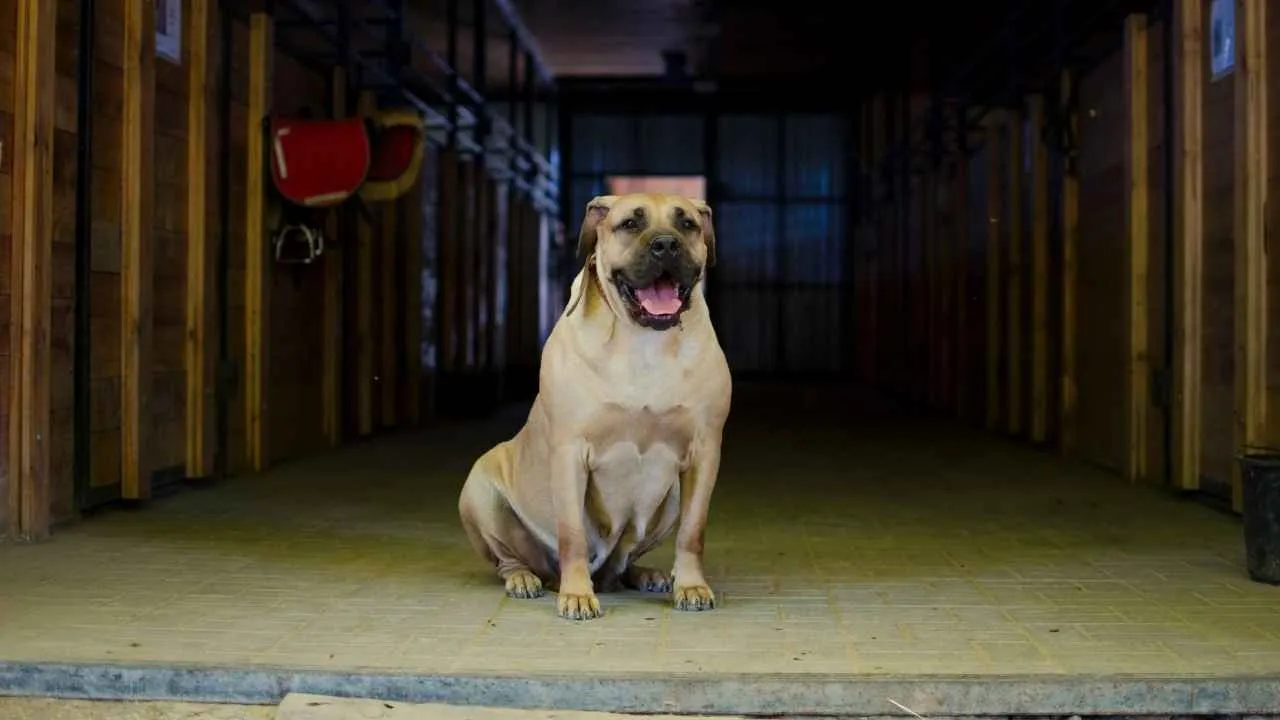
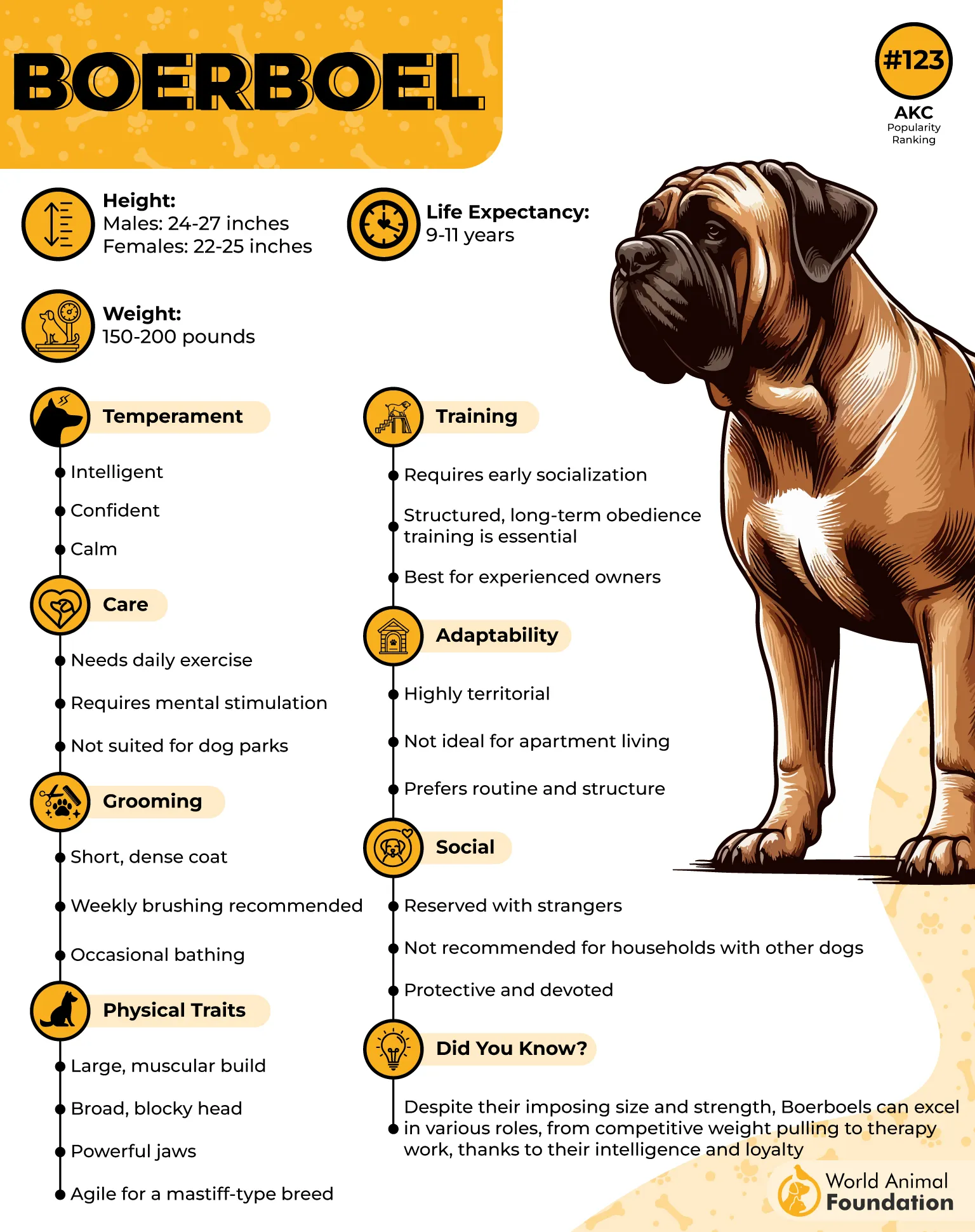
Boerboel projects confidence through its solid presence and controlled posture, which play a direct role in personal protection. This breed assesses situations calmly and positions itself between its people and potential threats. That natural readiness reduces the need for constant commands when boundaries matter.
Protective Judgment in Real Time
Decision-making is a defining strength during guard situations, especially around unfamiliar people. Boerboel evaluates intent before reacting, which helps prevent unnecessary escalation.
That instinct shows up clearly in moments like these
Strong territorial awareness
Immediate response to intrusion
Steady pressure without chaos
Training Matters More Than Strength
Boerboel responds best to structured guidance and clear leadership from early stages. Its intelligence allows quick learning, but independence means boundaries must stay consistent. This breed suits handlers who understand how to guide protective instincts without forcing them.
Conclusion
Personal protection relies on calm judgment, steady presence, and trust built through daily structure. These breeds stand out because they balance strength with awareness, making them excellent guard dogs in real situations, not just in theory. A true personal protection dog responds with purpose, not panic, and that reliability comes from proper training started at a young age.
While some breeds carry a loud bark and strong deterrent presence, they can still become great family pets when guided correctly. Many have proven value alongside military units, but they thrive best with experienced owners who respect boundaries and responsibility.
