




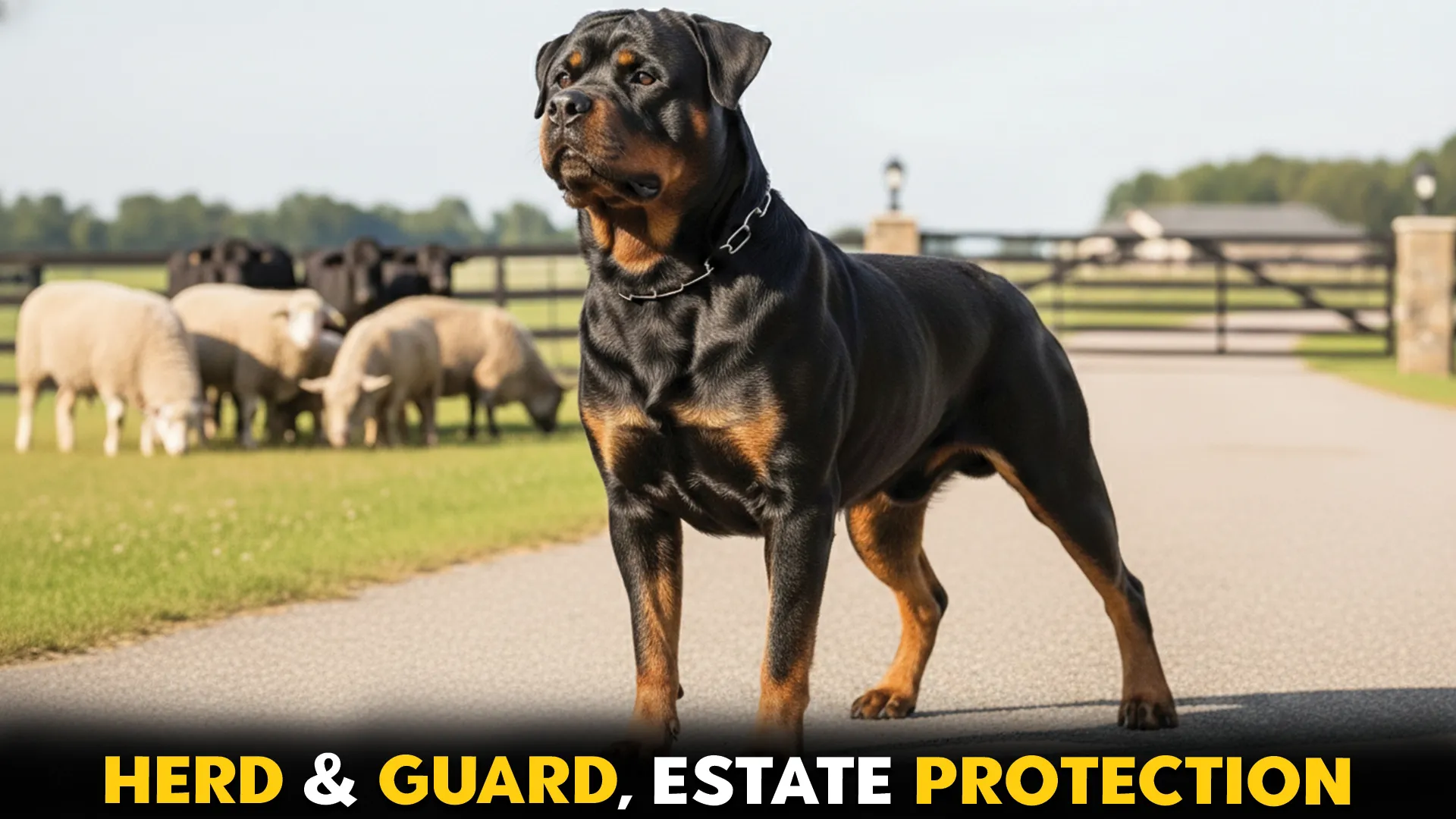
Let’s be honest, some dogs don’t just hang around; they take their responsibilities very seriously. Certain breeds come hardwired with a job description, whether that means organizing movement, standing guard with quiet confidence, or keeping a watchful eye on what matters most.
These dogs are thinkers, doers, and natural leaders with instincts you can’t train into just any pup.
They thrive when given purpose and tend to stay mentally engaged, often inserting themselves into daily routines as willing supervisors. If you’re drawn to dogs that bring structure, protection, and personality to the table, these standout breeds know exactly how to step up.
Did you know?
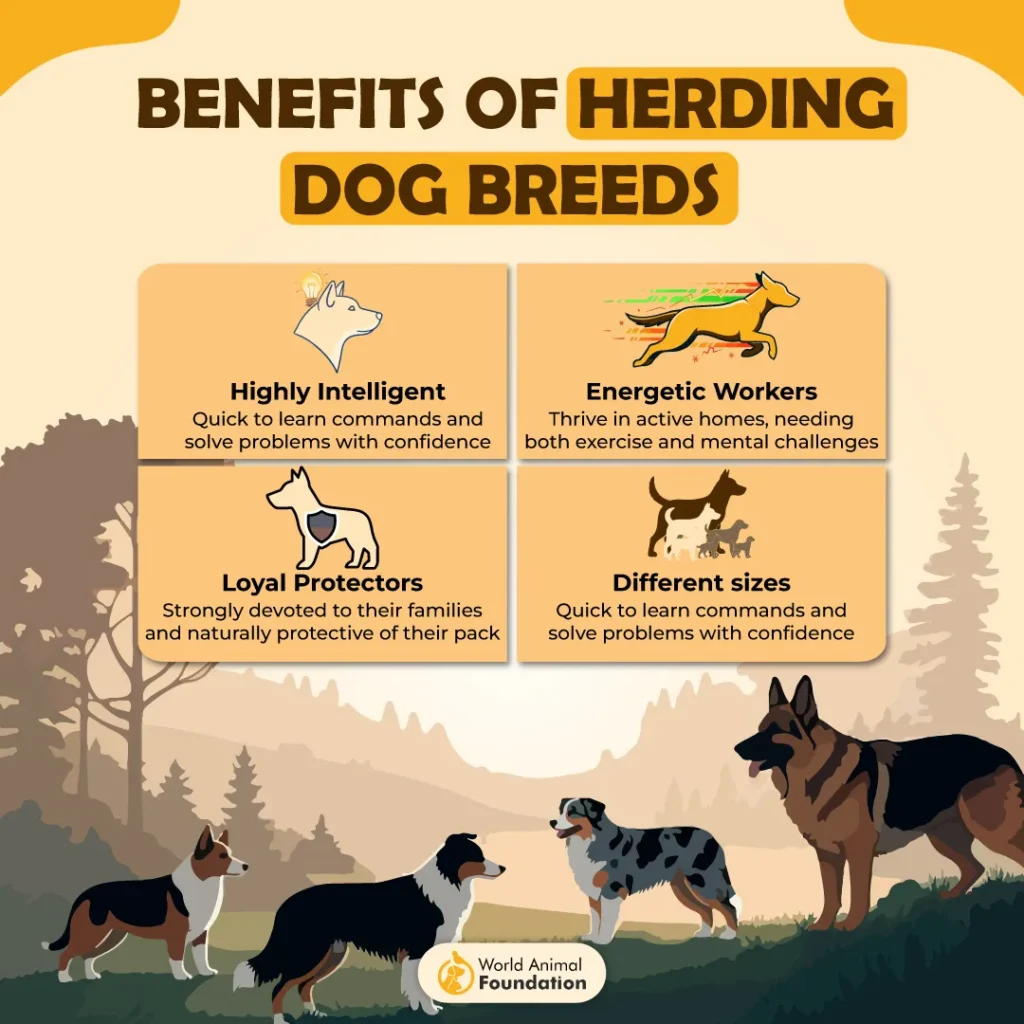
Dog breeds are organized into breed groups based on the traits or qualities for which they were originally bred. The Herding Group was originally part of the Working Group until 1983, when it was reclassified to reflect herding dogs’ historical role of moving livestock rather than performing physical labor or protection duties.
Top Dog Breeds for Herding, Guarding, and Real Estate
1. Briard
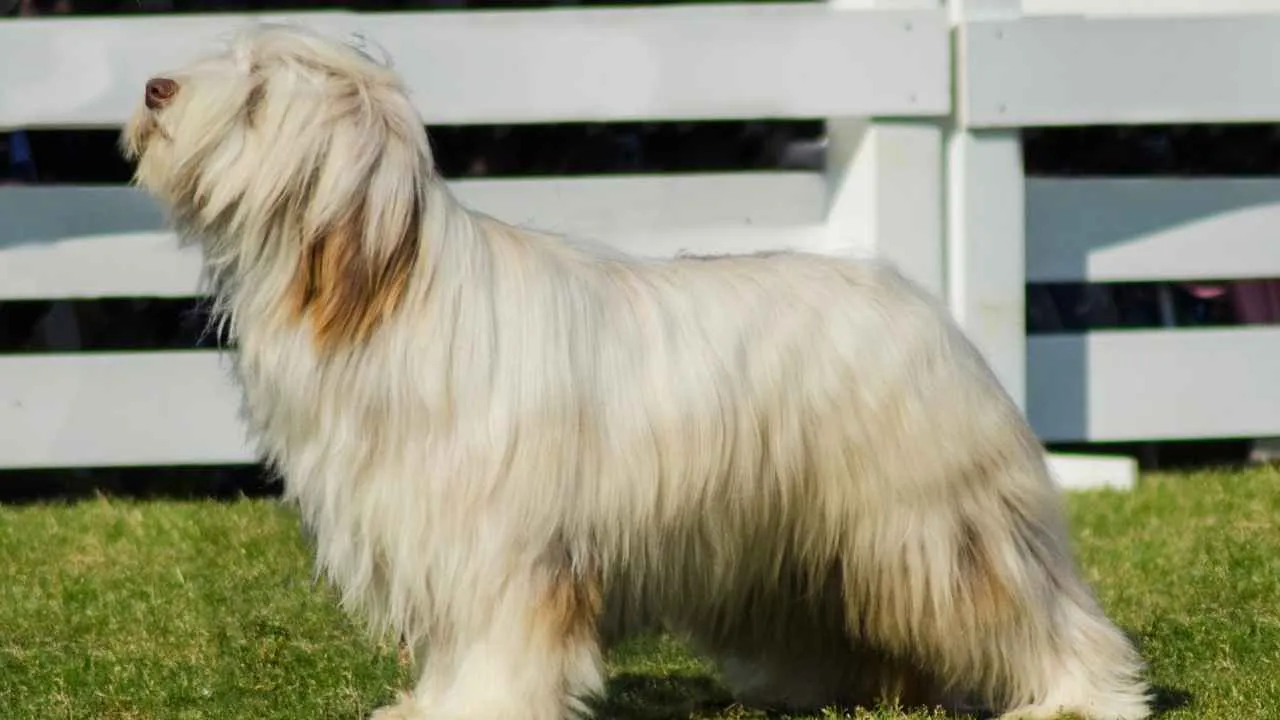
Meeting a Briard feels like being evaluated by a calm professional. This large French herder moves with purpose, reads space naturally, and seems very aware of who belongs where at all times, quietly observing everything around them.
Long before modern jobs existed, Briards worked the pastures of northern France as dual-purpose dogs, herding sheep efficiently while standing firm against danger with confidence and independent decision-making skills developed over generations of serious work outdoors in daily life.
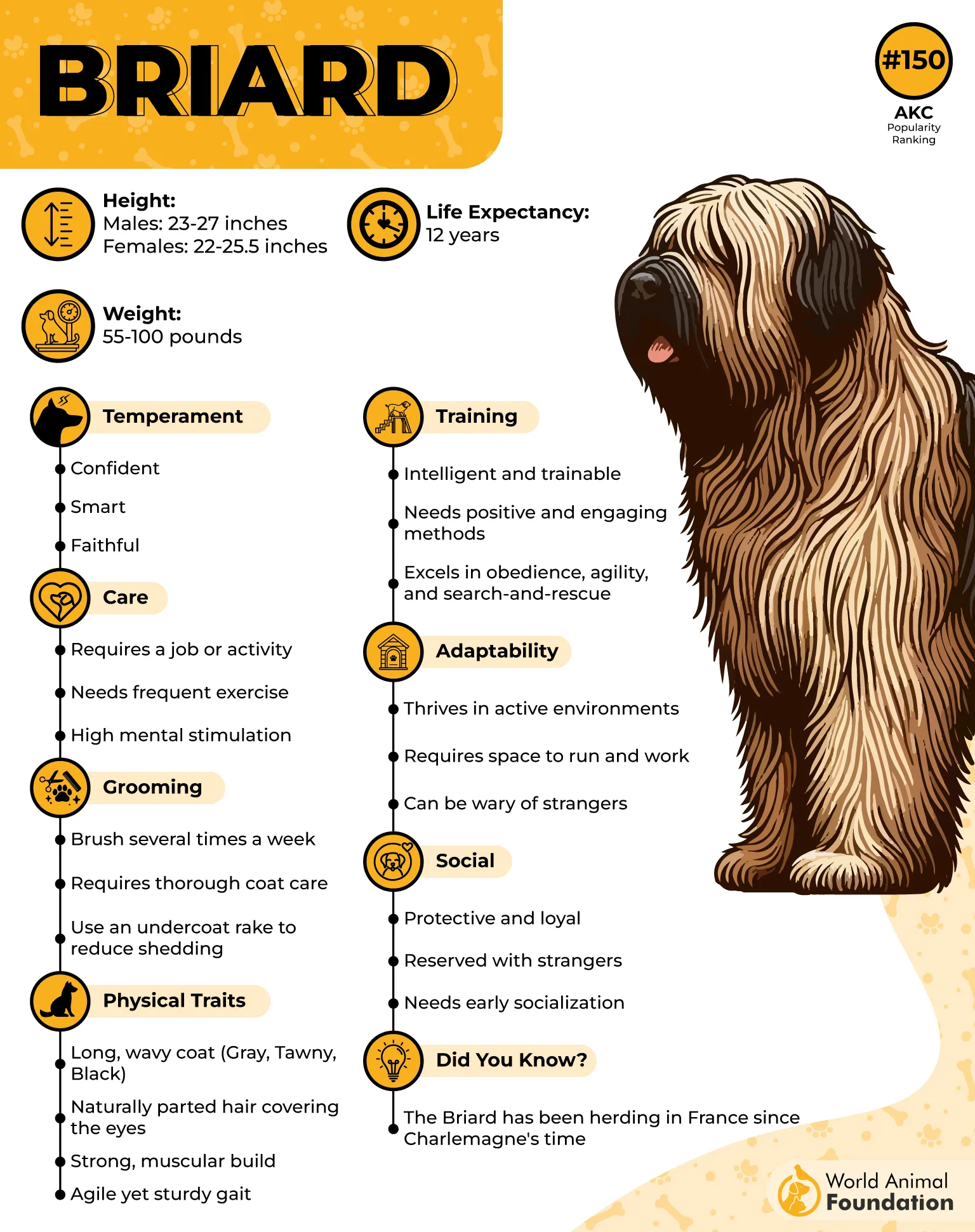
That combination shows up whenever boundaries matter. Briards track movement, stay alert without constant noise, and approach property like something valuable requiring oversight, structure, and steady presence rather than casual wandering through spaces without purpose or clear responsibility today naturally.
Special Considerations For this Breed
Needs consistent mental challenges that allow independent thinking
Early coat care routines prevent long-term grooming struggles
Can become overly intense without clear daily expectations
2. Rottweiler
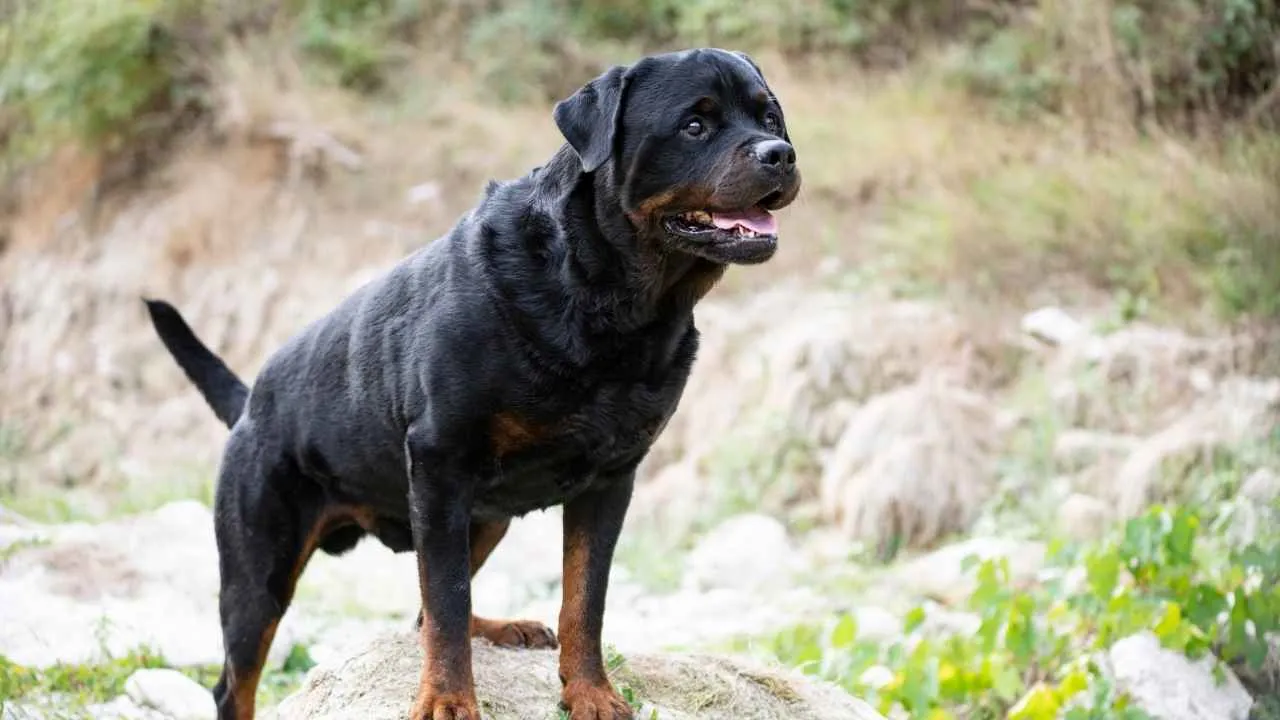
A Rottweiler has a way of standing still that somehow says everything. Broad, muscular, and unbothered, this dog watches quietly, processing situations before reacting, giving off an unmistakable sense of control mixed with an unexpectedly affectionate streak once trust settles in.
Temperament varies widely, ranging from playful clown to reserved one-person companion. Many Rottweilers prefer staying close, following familiar people from place to place, calmly observing changes and responding only when something truly deserves their attention and involvement.
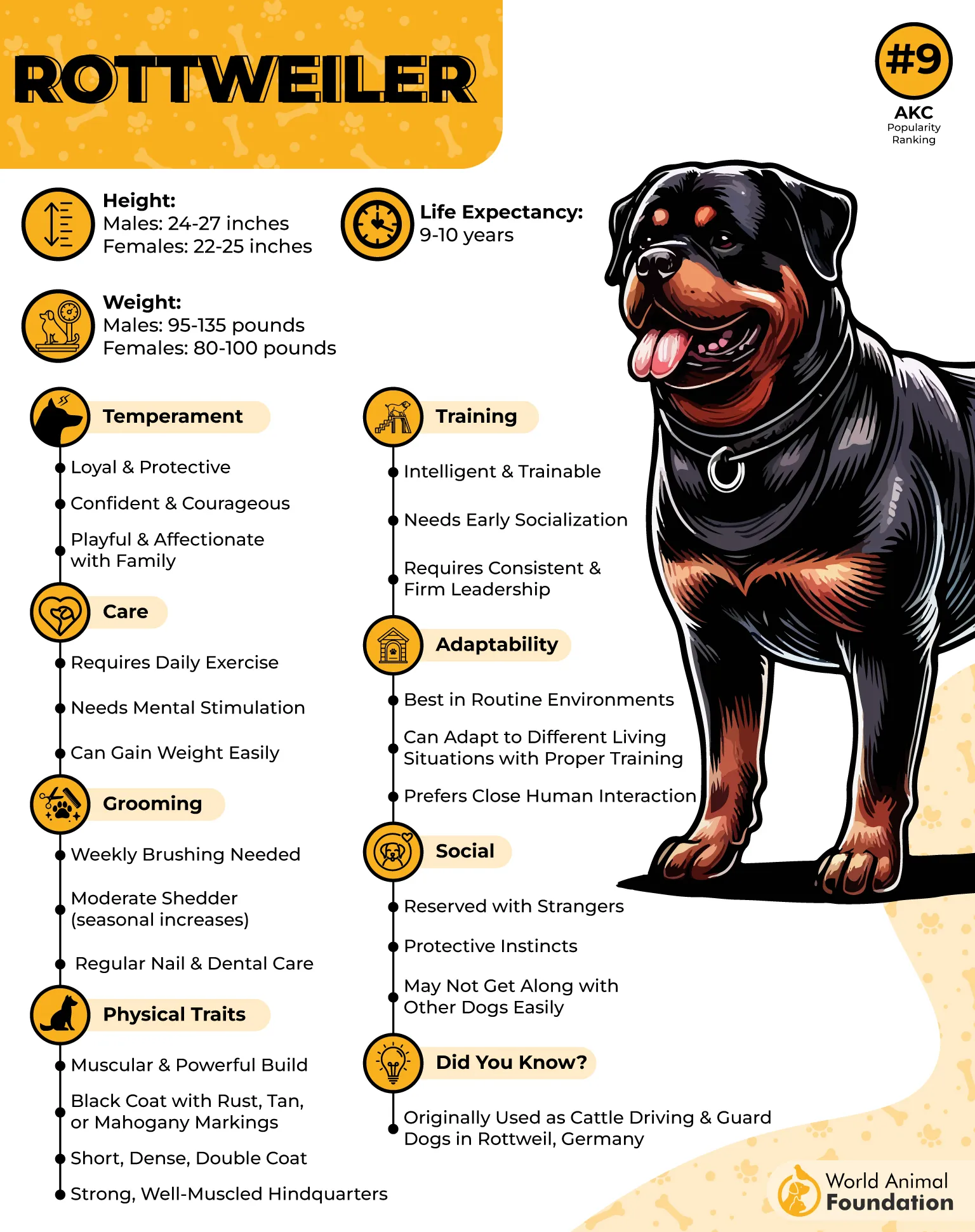
Their working background began as cattle-driving dogs, managing herds while staying close to their handlers. They were also trusted to guard carts, money, and goods, shaping a breed known for strength, steadiness, and reliability during long, demanding days alongside humans.
Special Considerations For this Breed
Requires early exposure to varied environments to stay adaptable
Needs daily physical outlets to prevent boredom-related behaviors
Strength makes leash manners especially important
3. Polish Lowland Sheepdog
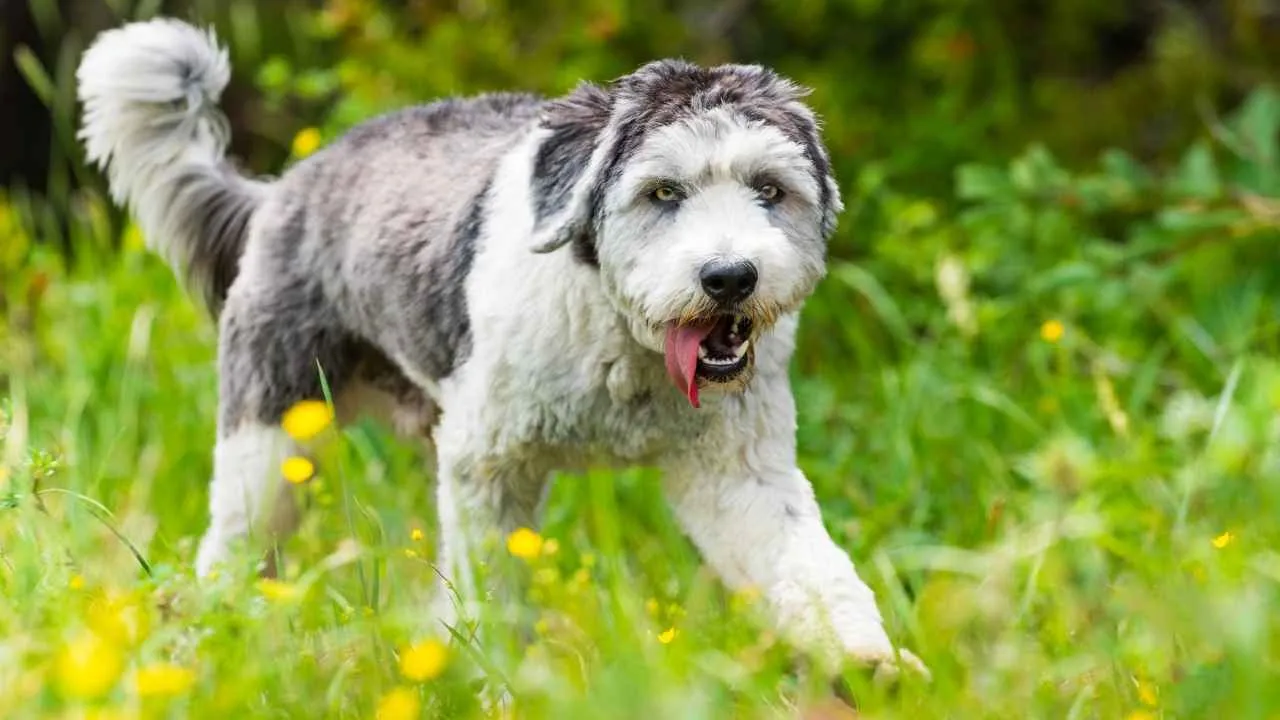
The Polish Lowland Sheepdog looks delightfully scruffy while quietly clocking every detail. This medium-sized farm dog carries itself with alert curiosity, expressive eyes, and a habit of positioning itself where it can keep tabs on everything happening nearby.
Life as a farm dog required flexibility and memory. These dogs handled livestock while learning routines quickly, adapting to daily changes without constant direction, and developing a strong sense of responsibility that helped farms run smoothly and predictably.
That farm-bred awareness translates well to watching land and property. They notice unfamiliar movement fast, stay mentally engaged, and prefer vantage points that allow them to monitor surroundings with confidence rather than pacing aimlessly or disengaging.
Special Considerations For this Breed
Strong memory means bad habits stick as easily as good ones
Can become vocal if under-stimulated mentally
Regular coat maintenance is necessary to avoid matting
4. Bergamasco Sheepdog
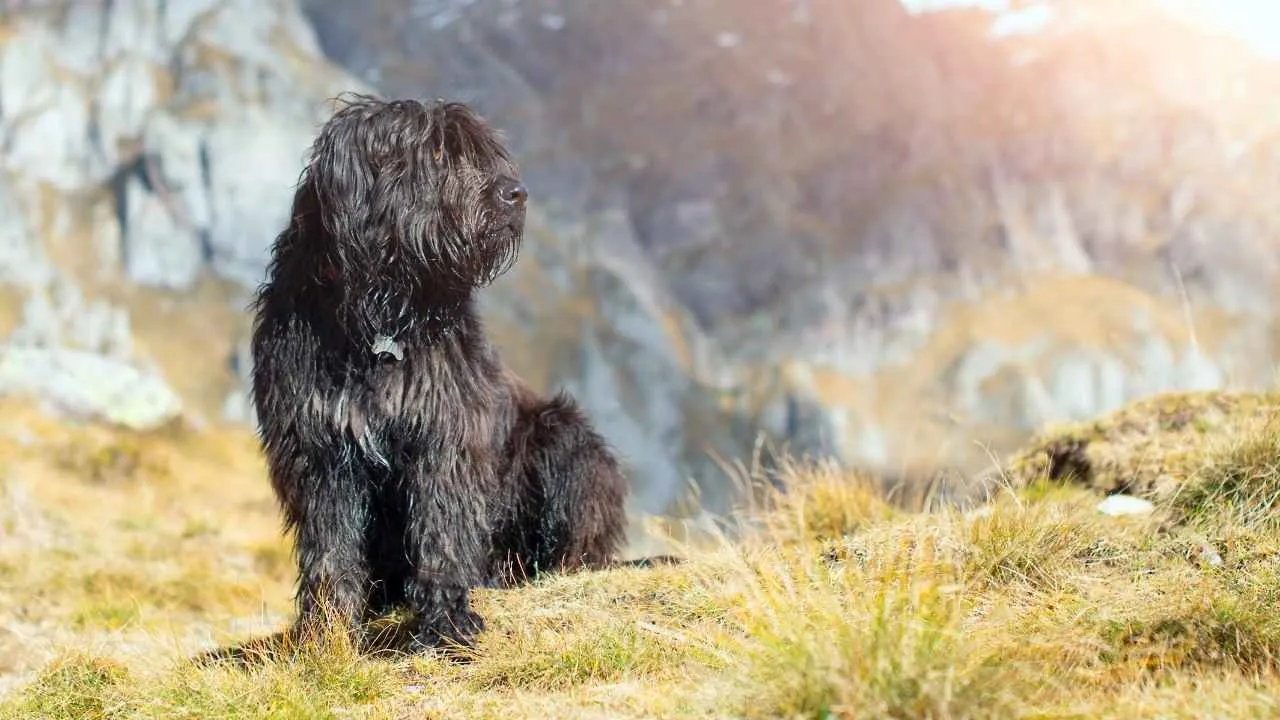
The Bergamasco Sheepdog feels like a calm presence anchored to the ground. With its flocked coat and steady posture, this dog approaches situations thoughtfully, favoring observation and patience over impulsive reactions or unnecessary displays of energy.
Intelligence defines much of the Bergamasco’s personality. Bred to think independently, these dogs learned to assess situations on their own, making quiet decisions while remaining attentive, loyal, and deeply connected to the work happening around them.
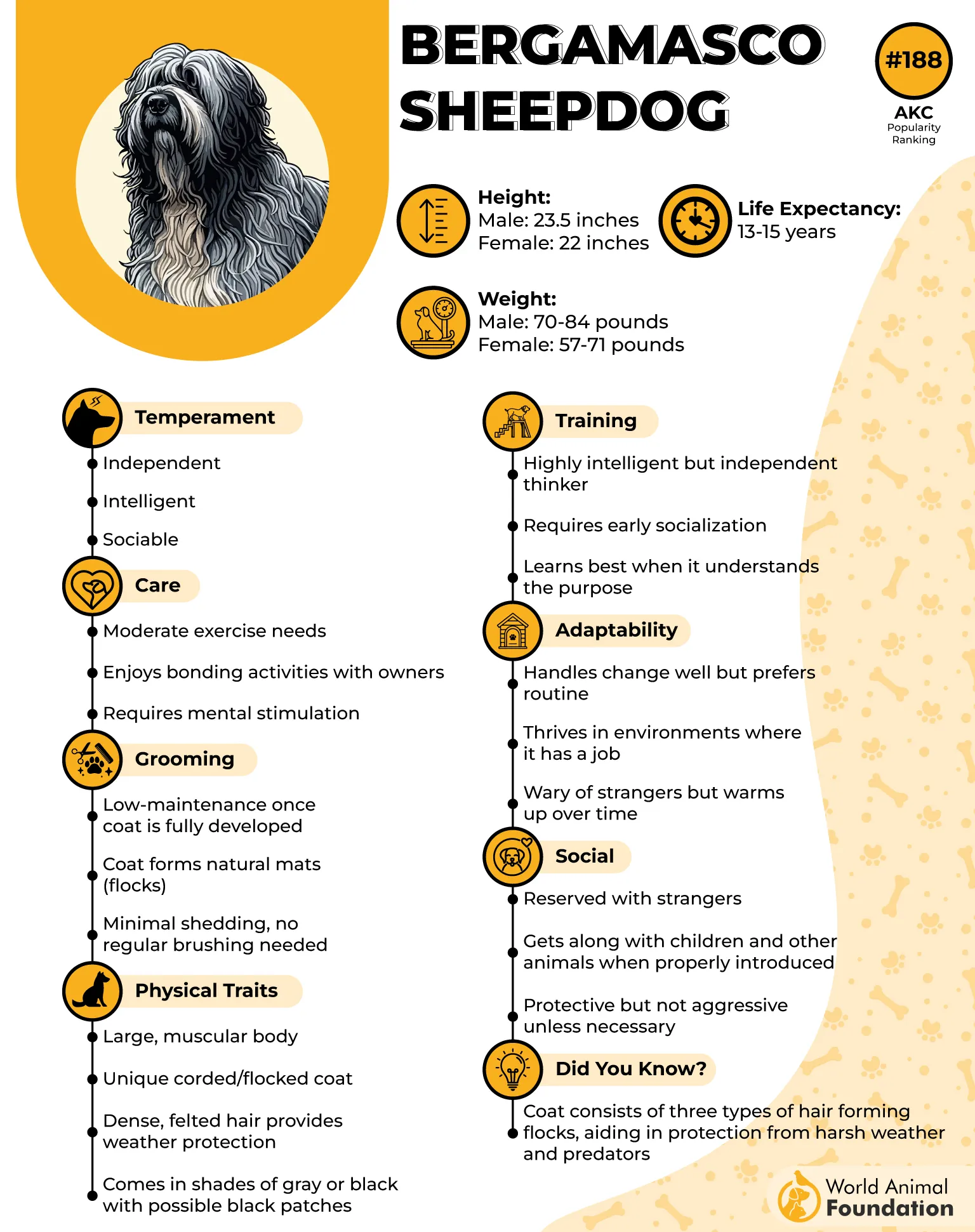
As herding dogs, they guided flocks calmly while staying alert to threats. That same approach applies to property, where they naturally monitor space with steady focus, intervening only when something genuinely requires their attention.
Special Considerations For this Breed
Sensitive to harsh tones or inconsistent handling
Coat formation needs guidance during early development
Does not thrive when left alone for extended periods
5. Puli

The Puli enters like a bundle of motion wrapped in cords, light on its feet and mentally switched on. Compact yet powerful, this dog thrives on activity and seems happiest when movement, patterns, and responsibilities keep their sharp mind busy.
Historically, the Puli worked side by side with shepherds herding sheep across open terrain. Their speed, agility, and sharp minds were essential for controlling livestock, while the corded coat developed to protect them from harsh weather and long days spent working outdoors.
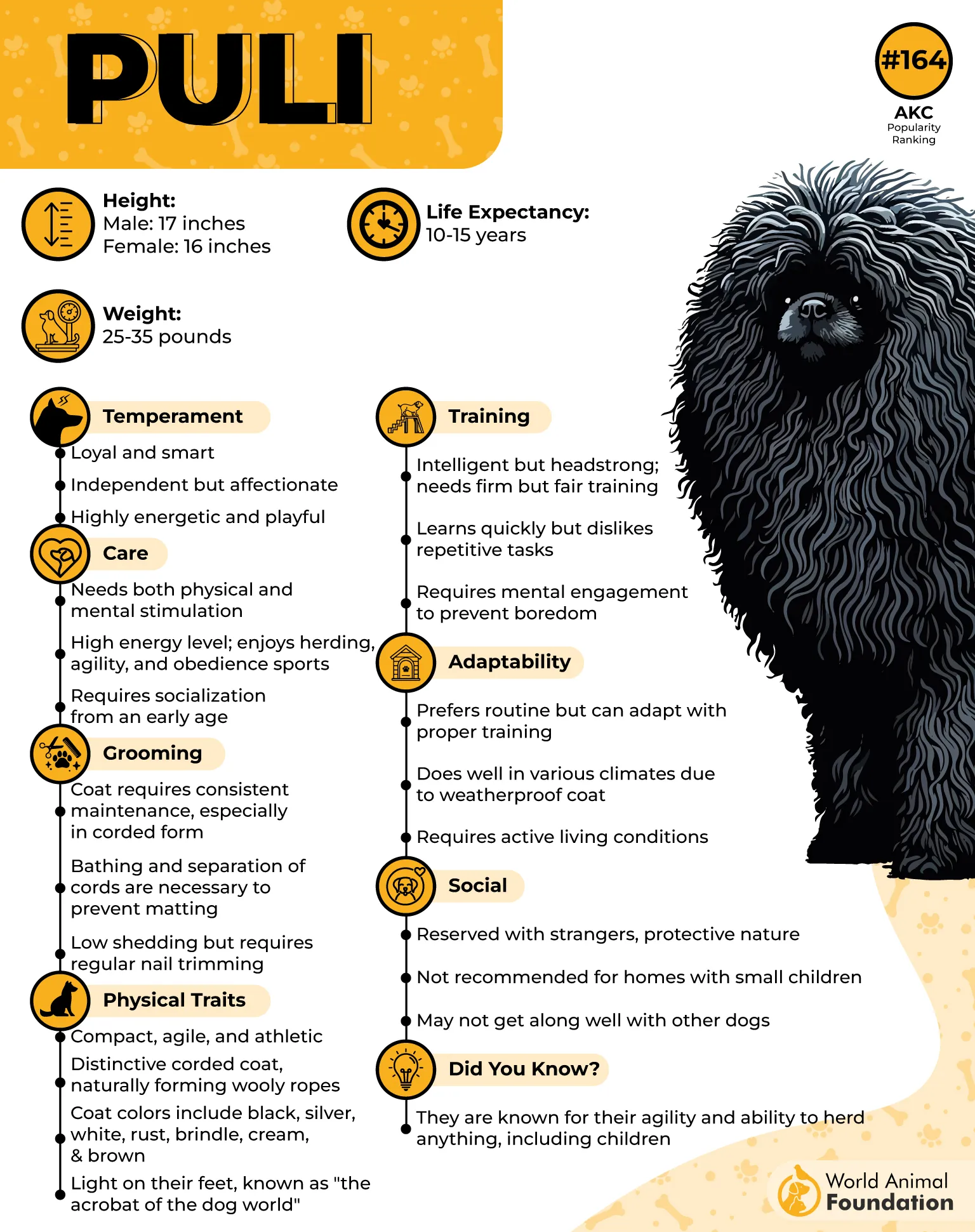
As mentioned by the American Kennel Club (AKC), the Puli likes to keep its brain busy and its opinions heard. They learn quickly, push back on repetition, and happily do things their own way, so patient, fair guidance, and early socialization really matter.
Special Considerations For this Breed
Repetition quickly leads to disengagement
Coat style choice affects long-term upkeep
Needs both mental puzzles and physical outlets daily
6. Belgian Malinois
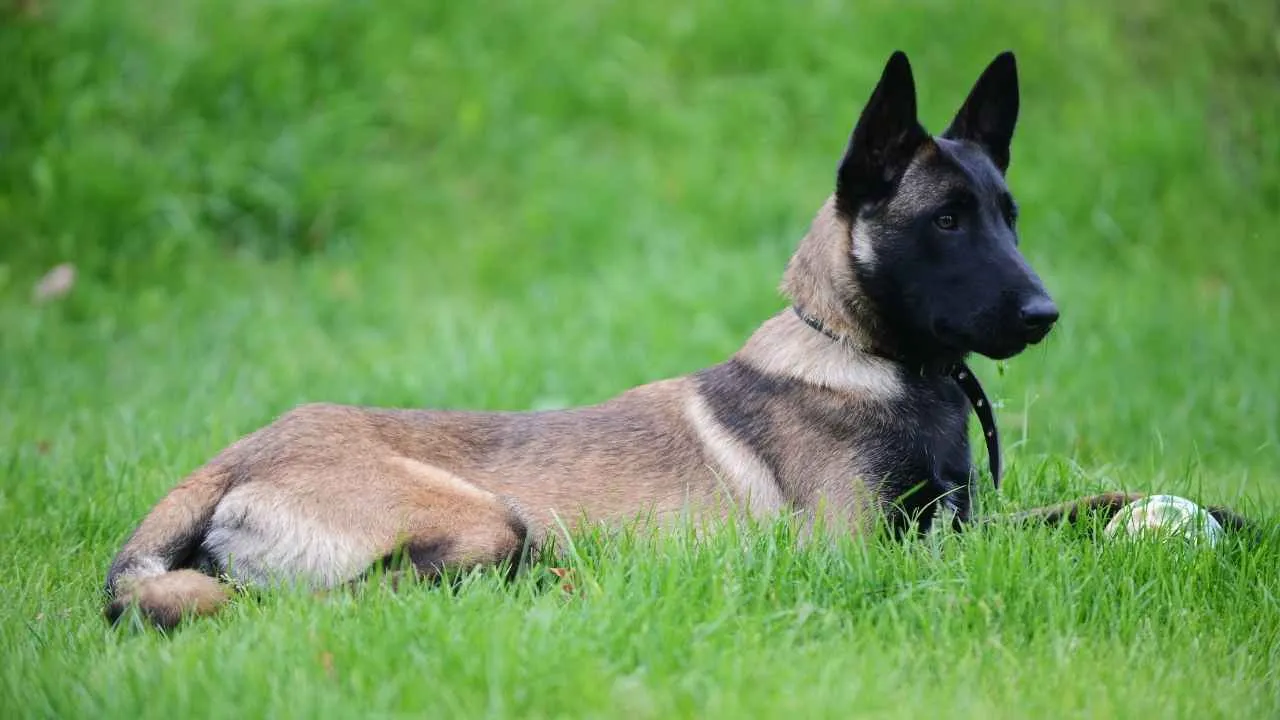
A Belgian Malinois feels like pure momentum in dog form. Always alert, always ready, this breed approaches daily life with intensity and focus, rarely doing anything halfway. They bond deeply but expect engagement in return, not passive companionship.
Malinois are often assigned very specific roles rather than general ones. They excel in tasks that require precision, speed, and quick decision-making, including detection work, controlled herding, protection duties, and advanced sport training that rewards accuracy over brute strength.
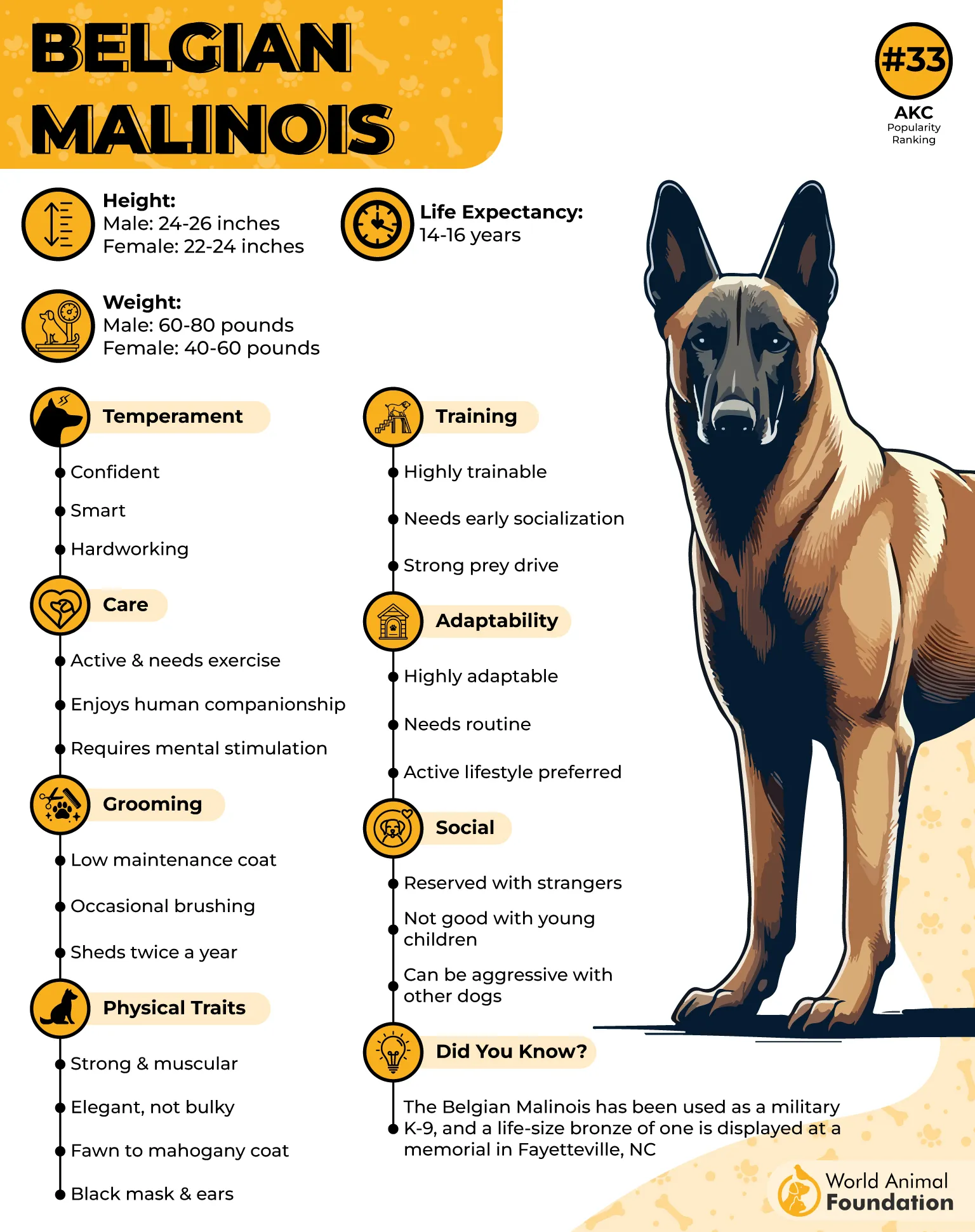
As herding or livestock dogs, they don’t rely on presence alone. Instead, they control movement through timing and positioning, darting in and out with purpose. They read shifts instantly, adjusting their approach before most dogs would even notice any change.
Special Considerations For this Breed
They can have problems getting along with other family pets.
Needs proper training and can become destructive when under-stimulated.
Requires experienced, proactive handling
7. German Shepherd
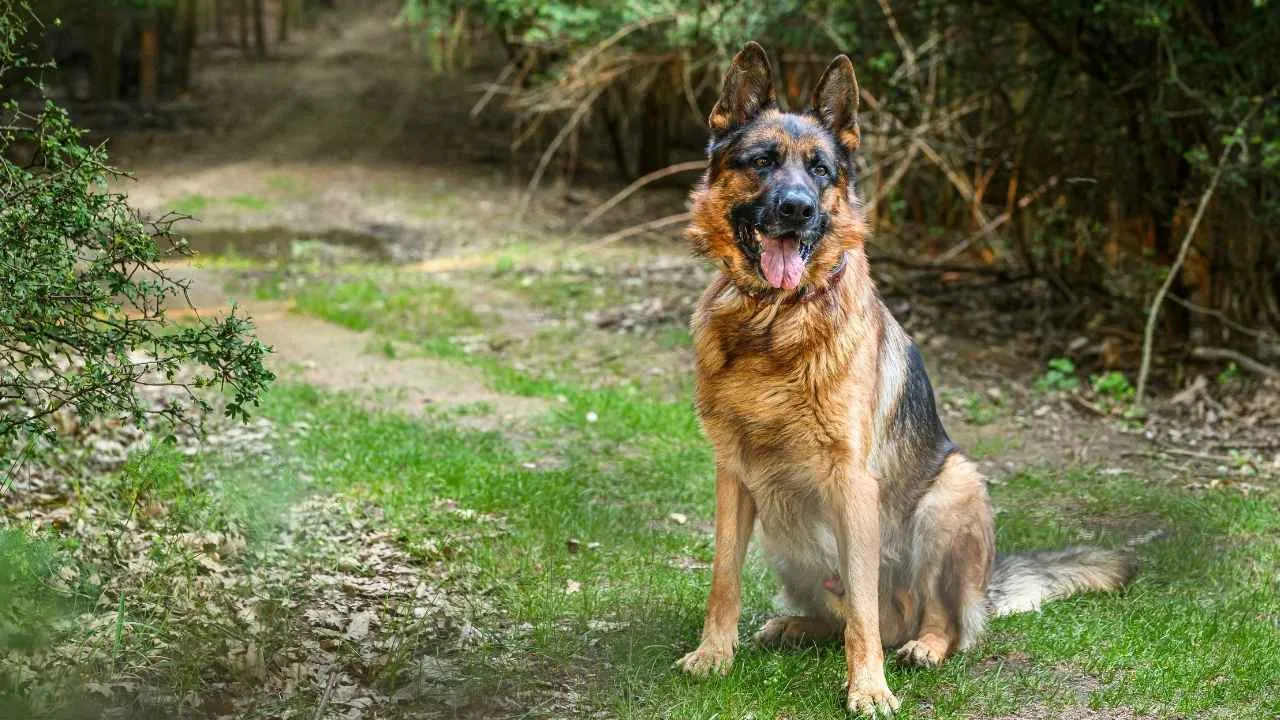
German Shepherds don’t ease into situations. They arrive focused, upright, and clearly prepared to engage. There’s an unmistakable seriousness to how they observe their surroundings, paired with a quiet confidence that suggests they expect structure and clarity from the world around them.
The herding breed traces back to late nineteenth-century Germany, where dogs were selectively developed for intelligence, consistency, and reliability. That foundation produced a dog built to work all day, remember routines, and adapt quickly to changing demands. They are not a livestock guardian dog breed, but they can sometimes be used for this purpose due to their versatility.
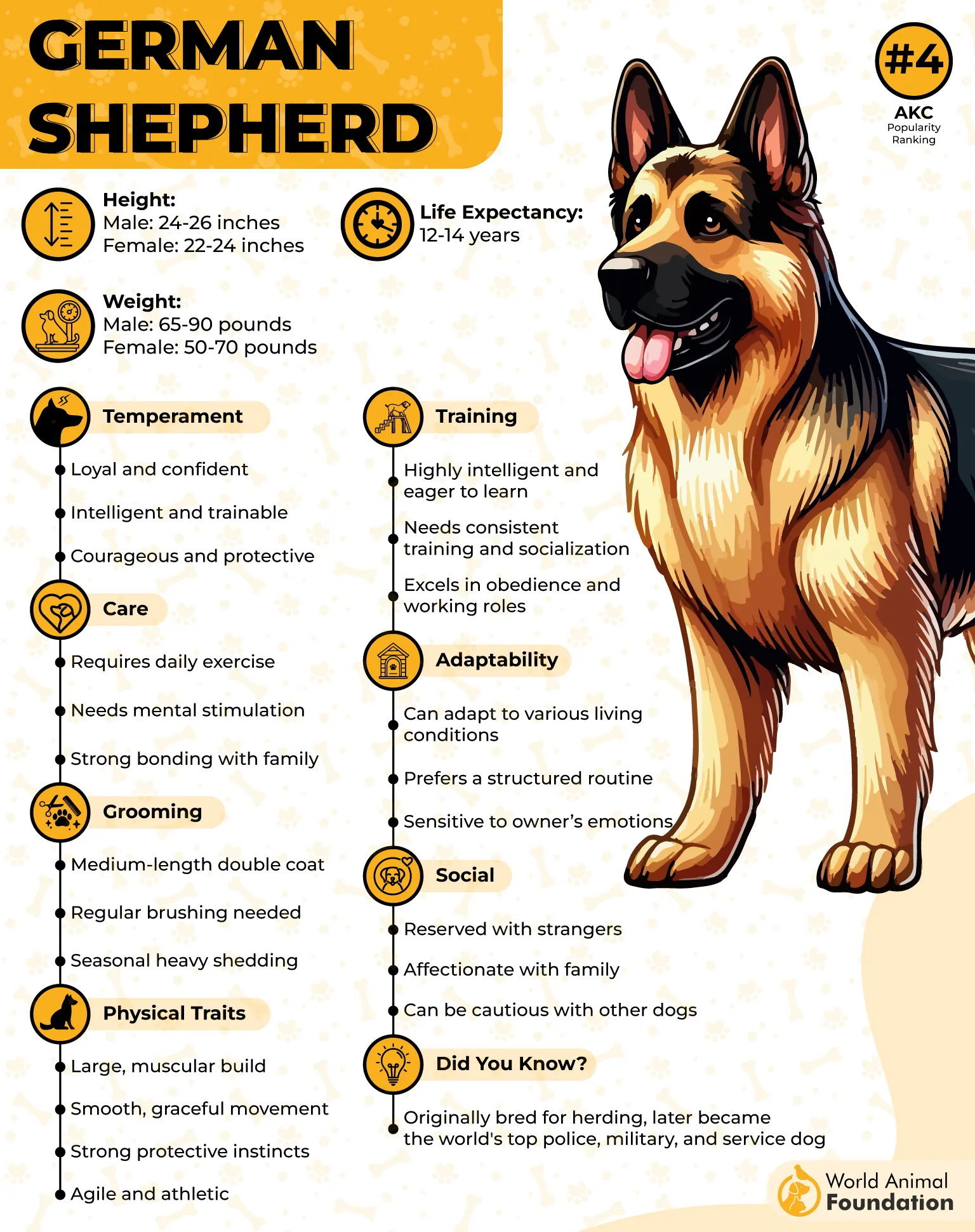
When it comes to exercise, German Shepherds need more than motion. Repetitive walks fall flat. They require structured activity that mixes movement with problem-solving, such as tracking games, obedience drills, or task-based play that gives their energy direction instead of letting it spill everywhere.
Special Considerations For this Breed
Can develop anxiety if routines feel inconsistent
They can be good family dogs, but only with proper training and socialization.
Needs help learning how to truly rest
8. Bearded Collie
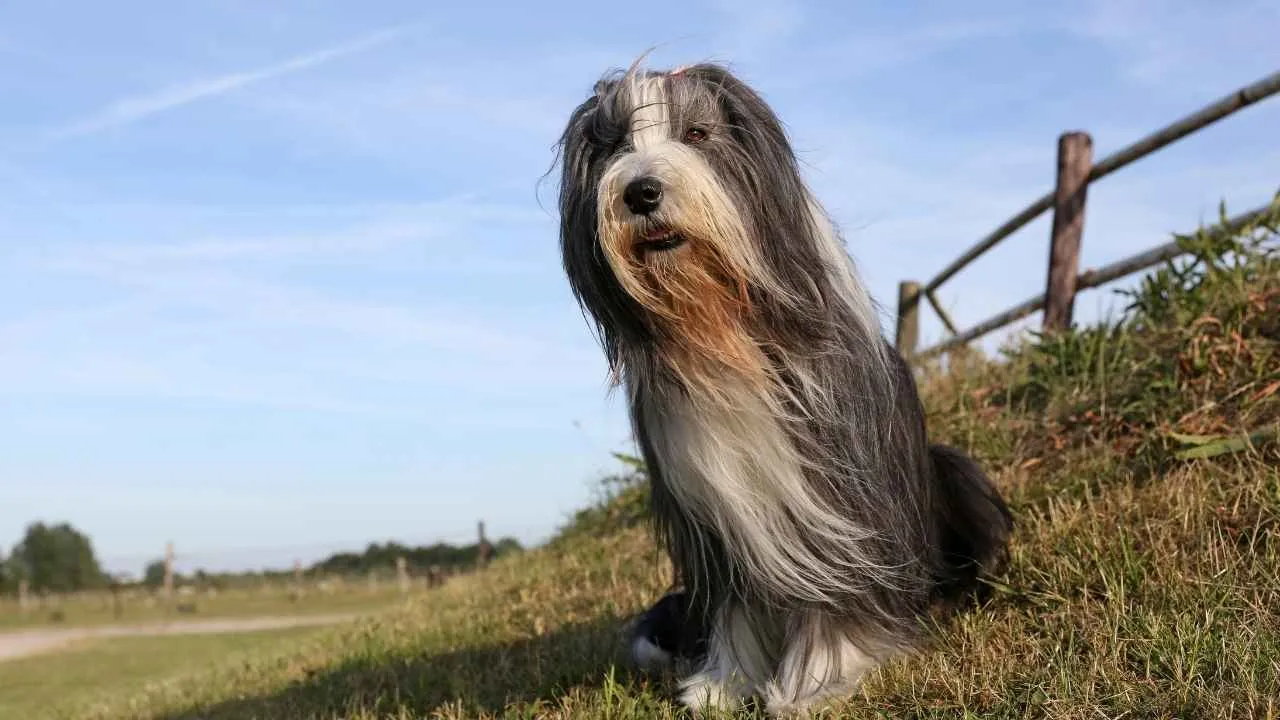
Bearded Collies bring chaos wrapped in fluff and enthusiasm. They bounce into situations with visible joy, rarely subtle, often expressive, and almost always curious. Underneath the cheerful exterior is a dog that notices patterns and reacts fast.
Historically, the Bearded Collie originated in Scotland as a working sheepdog, bred specifically for herding in rugged terrain. Their work required them to stay active for long periods while remaining responsive to changing conditions, weather, and herd livestock throughout the day.
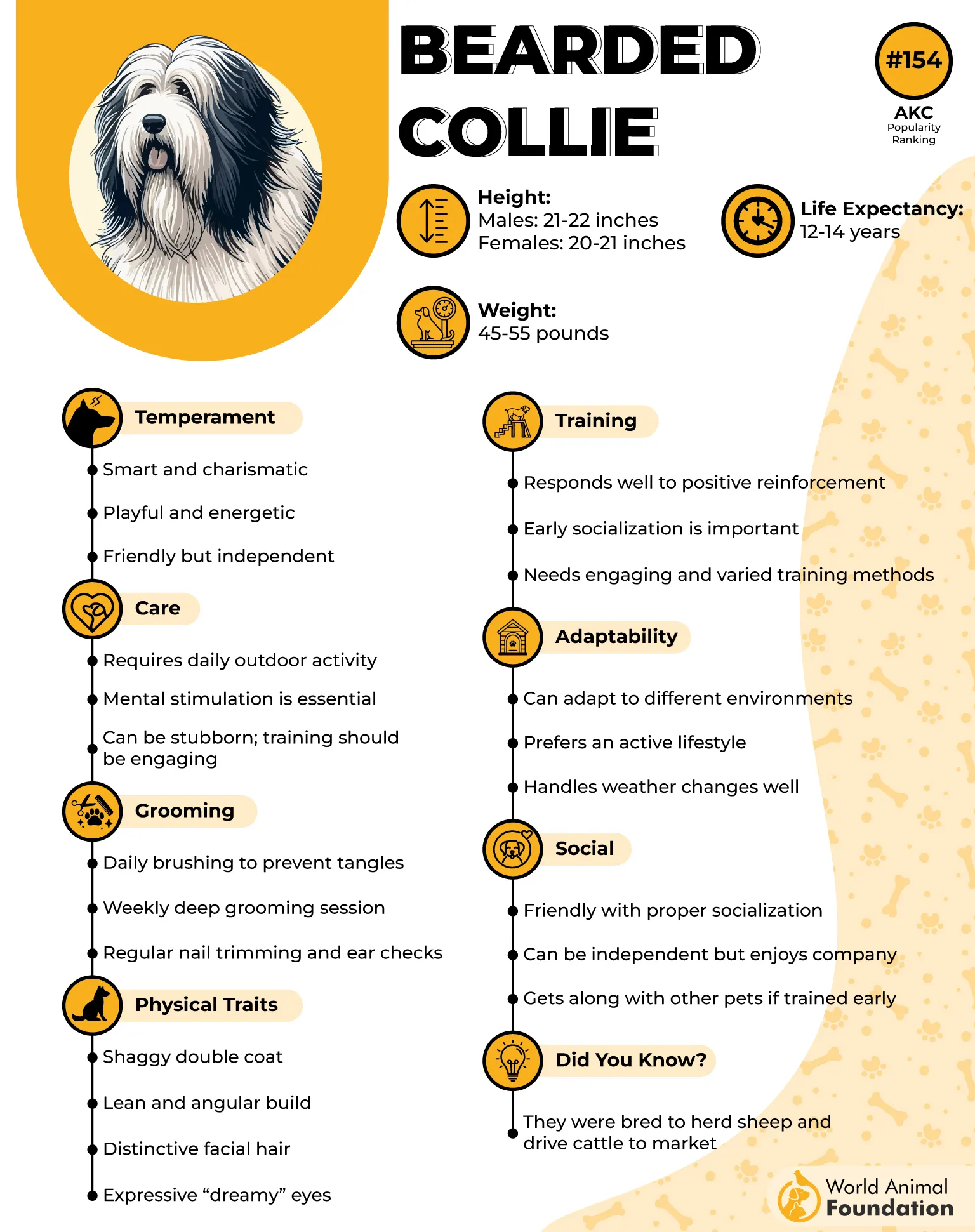
As per PetMD, Bearded Collies need regular grooming thanks to their thick double coat. Daily short brushing and a longer weekly session help prevent mats and debris, and starting early with puppies makes the routine far less dramatic for everyone involved.
Special Considerations For this Breed
High vocal tendencies when bored
Slow emotional maturity compared to size
Coat neglect compounds quickly
9. Doberman Pinscher
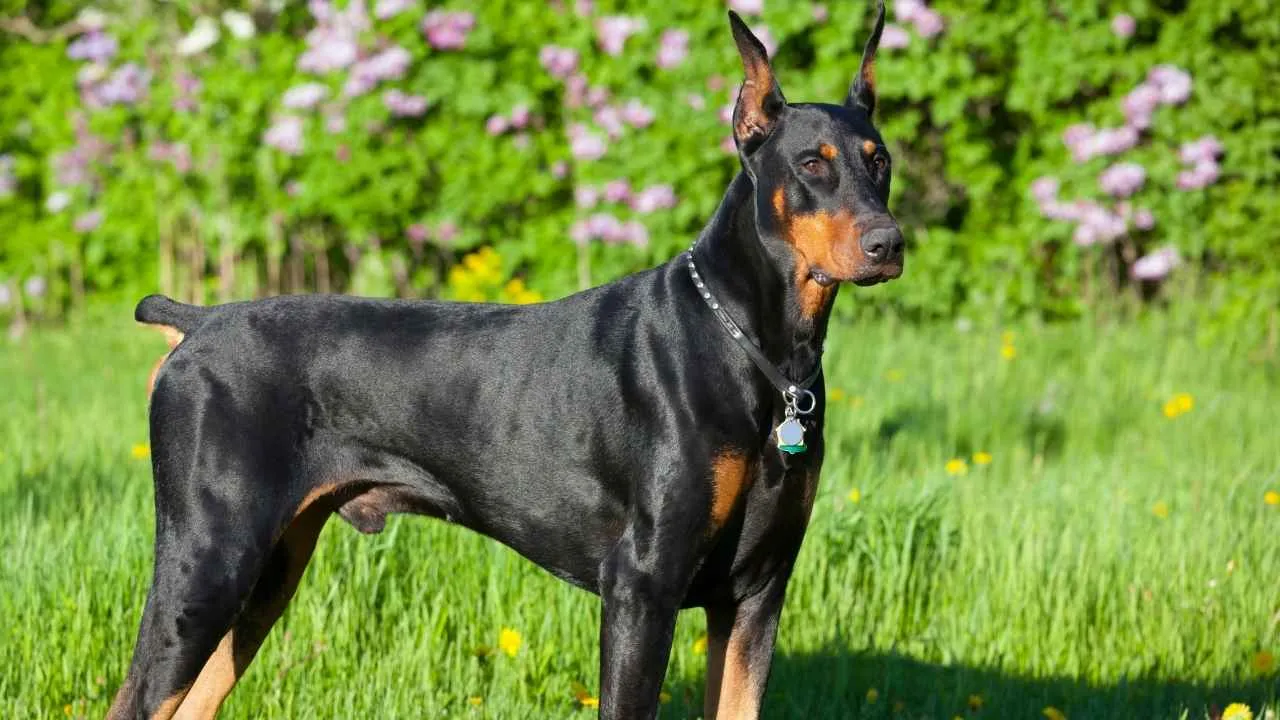
Dobermans move like they know they’re being watched. Sleek, deliberate, and emotionally tuned in, they carry a heightened awareness that makes them feel permanently “on duty,” even during downtime. They tend to stay close, tracking movement and changes instinctively.
Their behavior is deeply people-oriented. Dobermans don’t enjoy emotional distance and can become restless or reactive if left without consistent interaction. They read situations fast, which means unclear boundaries or mixed signals often create tension rather than independence.
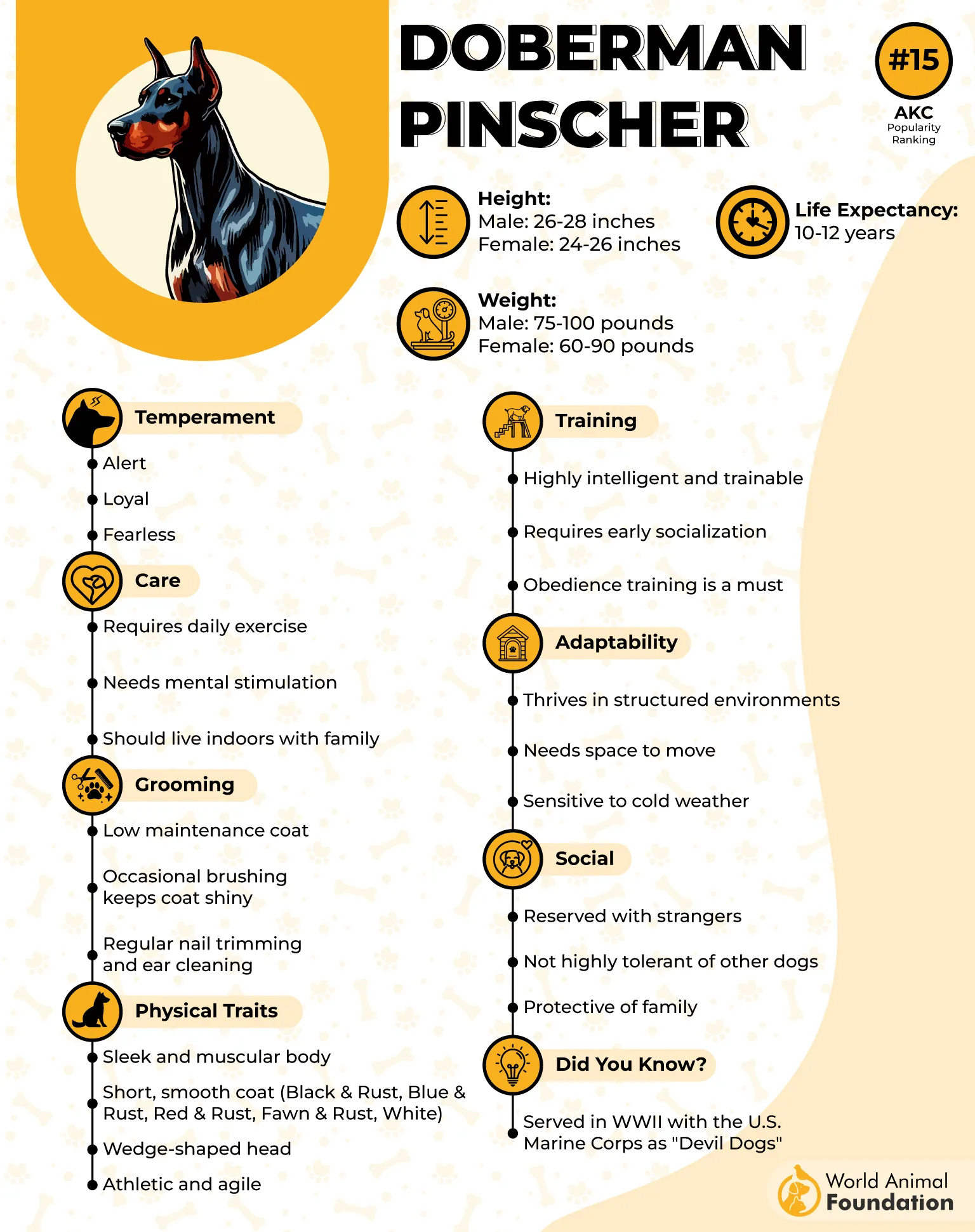
As noted by WebMD, Dobermans pick things up quickly and actually enjoy having something to work on. Early training and socialization go a long way, helping channel their intensity into good manners and confident behavior instead of letting things get overwhelming.
Special Considerations For this Breed
Prone to separation-related stress
Reacts poorly to harsh training methods
Excellent guard dogs, but they need consistent training to stay well-controlled.
Conclusion
Every dog in this list brings something very different to the table, from sharp instincts and steady focus to high energy drive and deep emotional awareness. The key is matching what a breed naturally needs with what you can realistically offer. When that balance clicks, the relationship feels effortless and deeply rewarding.
These dogs are not just companions; they are partners with purpose. Take your time, trust your instincts, and choose the dog whose strengths align with your lifestyle. The right fit does more than work well; it feels right.
