





Getting your first dog is exciting in a way that quickly turns overwhelming. One moment you are watching cute dog videos, and the next you are comparing kibble brands, crate sizes, and training styles. Sound familiar?
As Oprah Winfrey once said, “Dogs are my favorite people,” and many dog owners would agree. But choosing the right breed as a first-time owner can feel confusing, especially when every dog seems adorable in its own way. The wrong match, however, can turn a peaceful routine into a stressful adjustment period.
With around 95 million U.S. households owning a pet, according to the American Pet Products Association, you are definitely not alone in this journey. The key is finding a dog that fits your lifestyle, not just your heart.
This guide highlights beginner-friendly breeds that are affectionate, adaptable, and much easier to live with, especially when you are still learning the ropes of dog ownership.
Top Dog Breeds for First-Time Pet Parents
1. Labrador Retriever
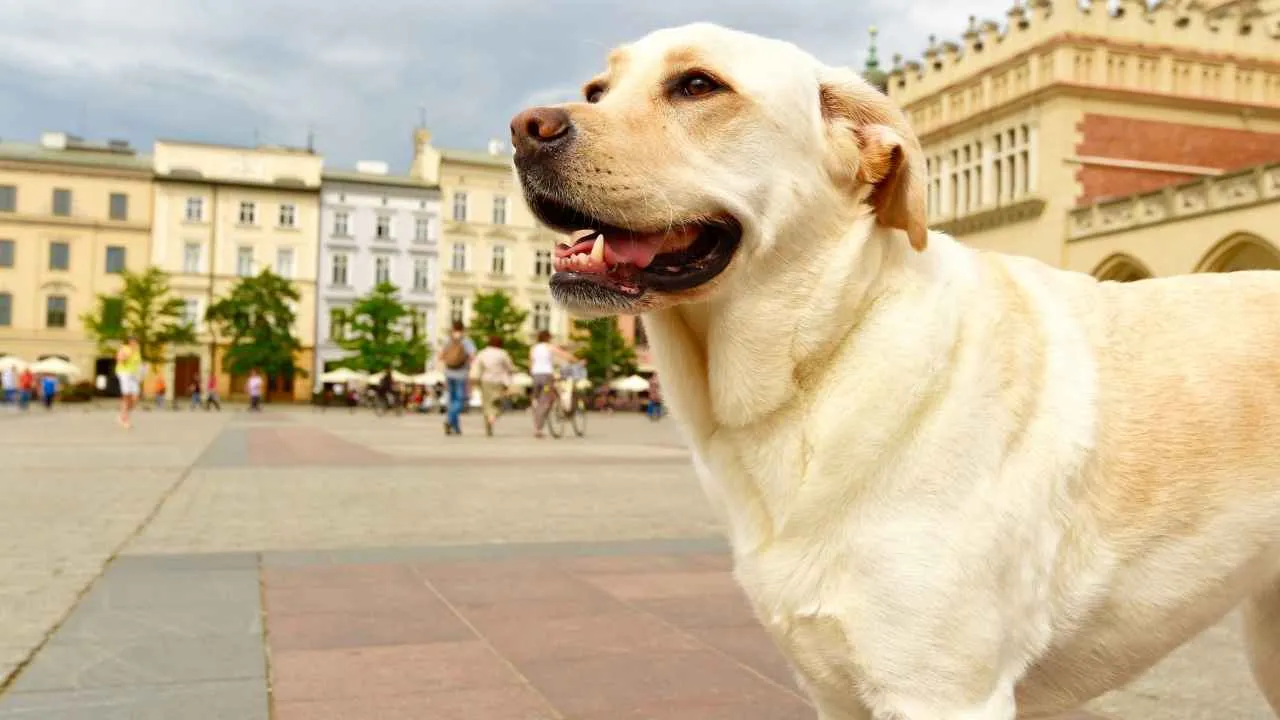
The Labrador Retriever originated in the United Kingdom as a retriever gun dog, where it was originally bred for hunting and sporting purposes. Today, it is one of the most popular breeds worldwide and is widely recognized for its versatility.
According to Dogs NSW, Labradors are commonly used as therapy dogs, assistance dogs, and in police and military work due to their intelligence, adaptability, and steady temperament.
Labradors are known for their friendly and social nature. They are generally non-aggressive, get along well with strangers, and are often described as “velcro dogs” because of their strong attachment to their families. This close bond also makes them highly trainable and responsive to human guidance.
One of their most interesting traits is their “switch-like” energy pattern; they can be highly active and playful outdoors, yet calm and relaxed indoors.
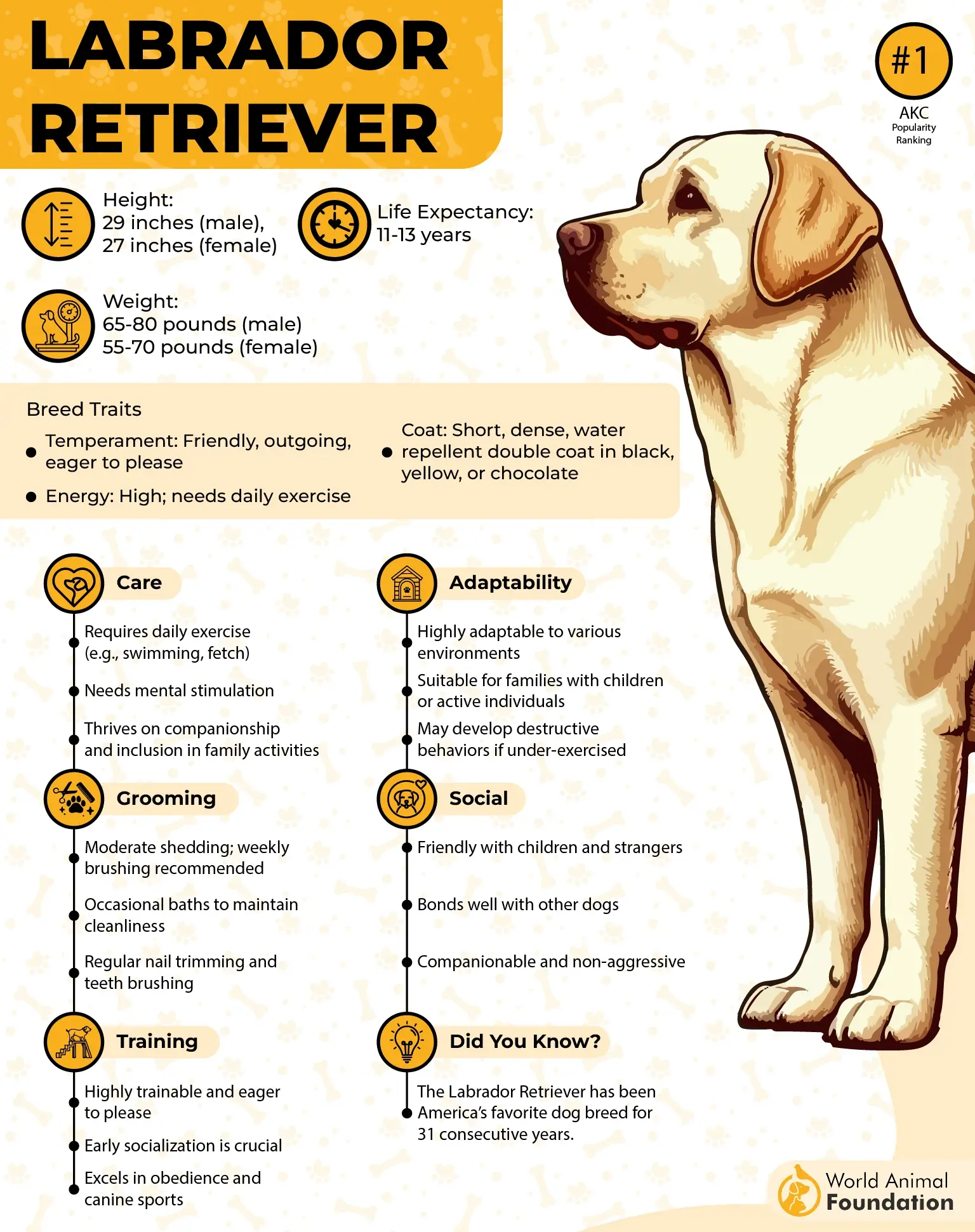
Labradors are highly food-motivated, which makes training easier when reward-based methods are used. They also have a natural tendency to chew, so providing appropriate toys is important. With moderate to high energy levels, they typically need about 1–2 hours of daily exercise to stay healthy, mentally stimulated, and to prevent weight gain.
Their short, dense coat is low-maintenance, requiring only weekly brushing and occasional bathing. Overall, Labradors are affectionate, adaptable, and well-suited to families and first-time dog owners who can meet their exercise and attention needs.
2. Golden Retriever
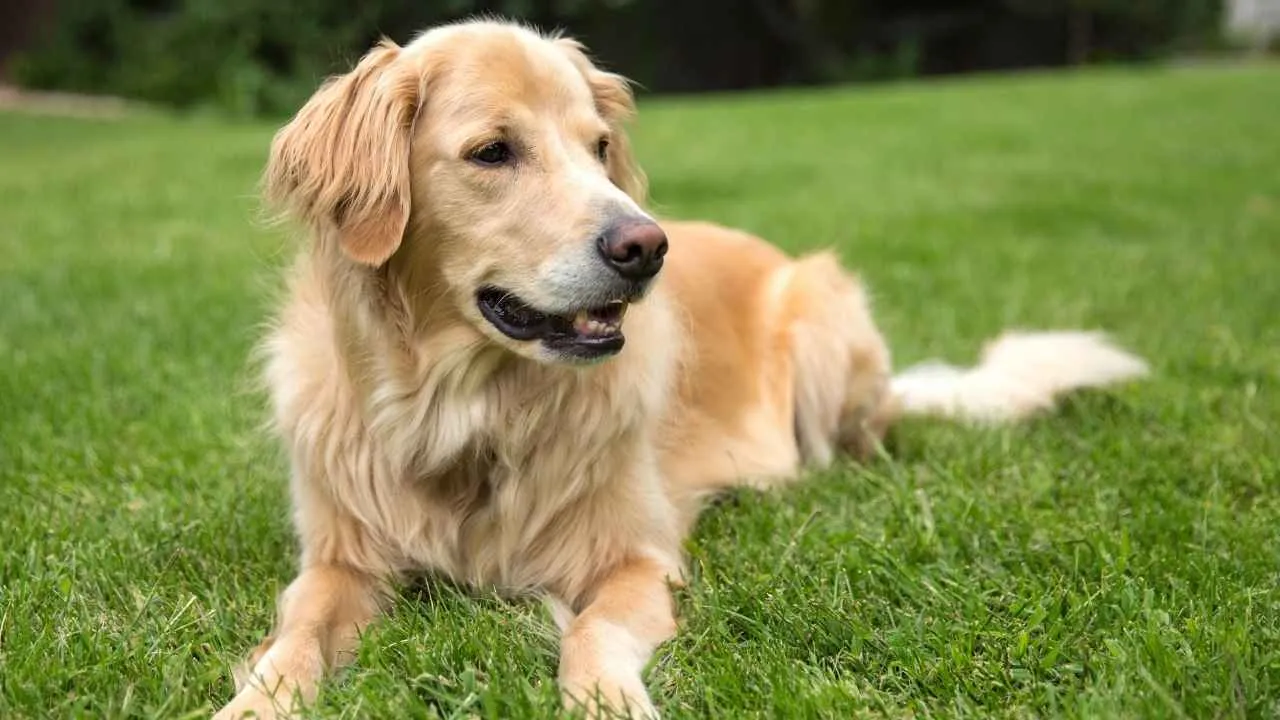
The Golden Retriever was developed in the United Kingdom in the 19th century by Sir Dudley Marjoribanks (Lord Tweedmouth), who crossed Tweed Water Spaniels with Flat-Coated Retrievers to create an intelligent and reliable retriever breed. Over time, it has become one of the most popular family dogs in the world, known for its gentle temperament and versatility.
Golden Retrievers are often described as “nanny dogs” because of their patient, friendly, and protective behavior around children. They are also highly social with other dogs, making them an excellent choice for multi-pet households.
With an active background, they are well-suited for outdoor lifestyles. Their webbed feet and water-resistant double coat make them strong swimmers, while their soft mouth allows them to retrieve objects without damaging them.
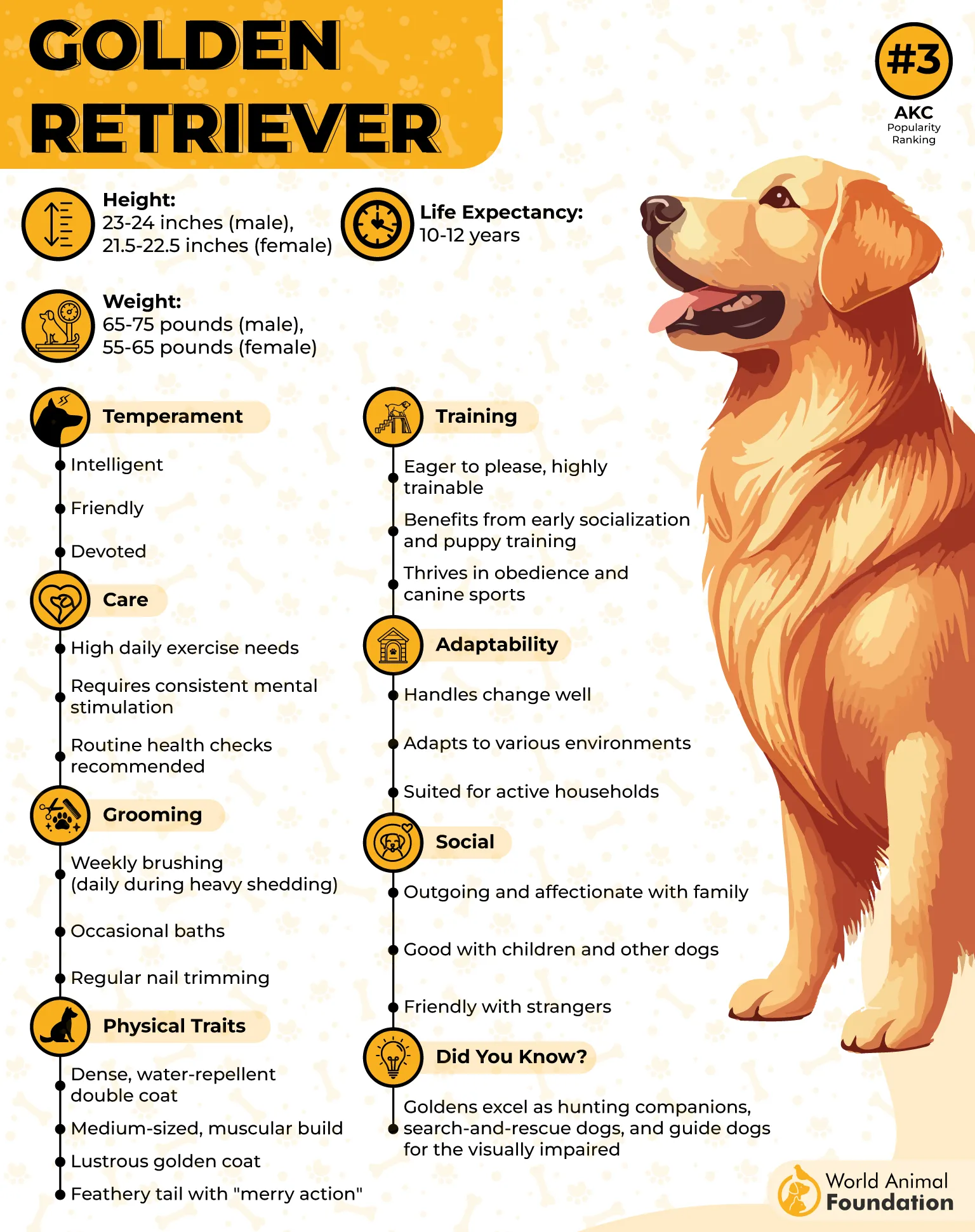
Golden Retrievers are highly adaptable and can adjust easily to different lifestyles, whether it is an active household or a calm, relaxed home. They are affectionate, emotionally aware, and often display playful, almost “clown-like” behavior with their families.
They may roll over in excitement, carry objects around the house, or simply stay close to their owners as a form of companionship.
Training works best when kept short and engaging, sessions of around 5–10 minutes with positive reinforcement help maintain focus and enthusiasm.
3. Cavalier King Charles Spaniel
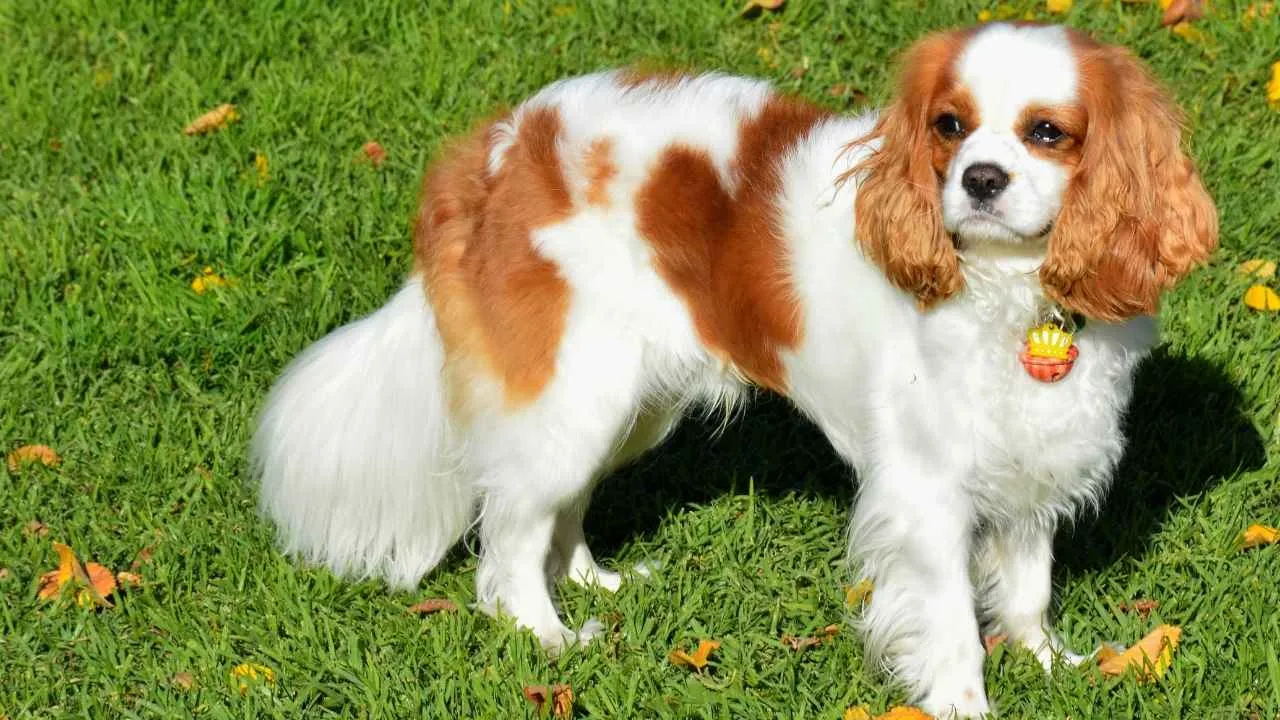
The Cavalier King Charles Spaniel traces its name and popularity back to King Charles I and his son, who were famously devoted to these small companion dogs and often carried them in court during the 17th century. This royal connection helped establish the breed as a long-standing favorite among lap dog enthusiasts.
Cavalier King Charles Spaniels are small dogs, typically weighing around 13–18 pounds and standing about 12–13 inches tall. They are known for their calm, gentle, and deeply affectionate temperament, often preferring to spend most of their time close to their owners.
This is not a highly energetic breed, so short daily walks combined with indoor play (around 20–30 minutes) are usually enough to meet their physical and mental needs. Often called “love sponges,” they thrive on human companionship and can develop separation anxiety if left alone for long periods.
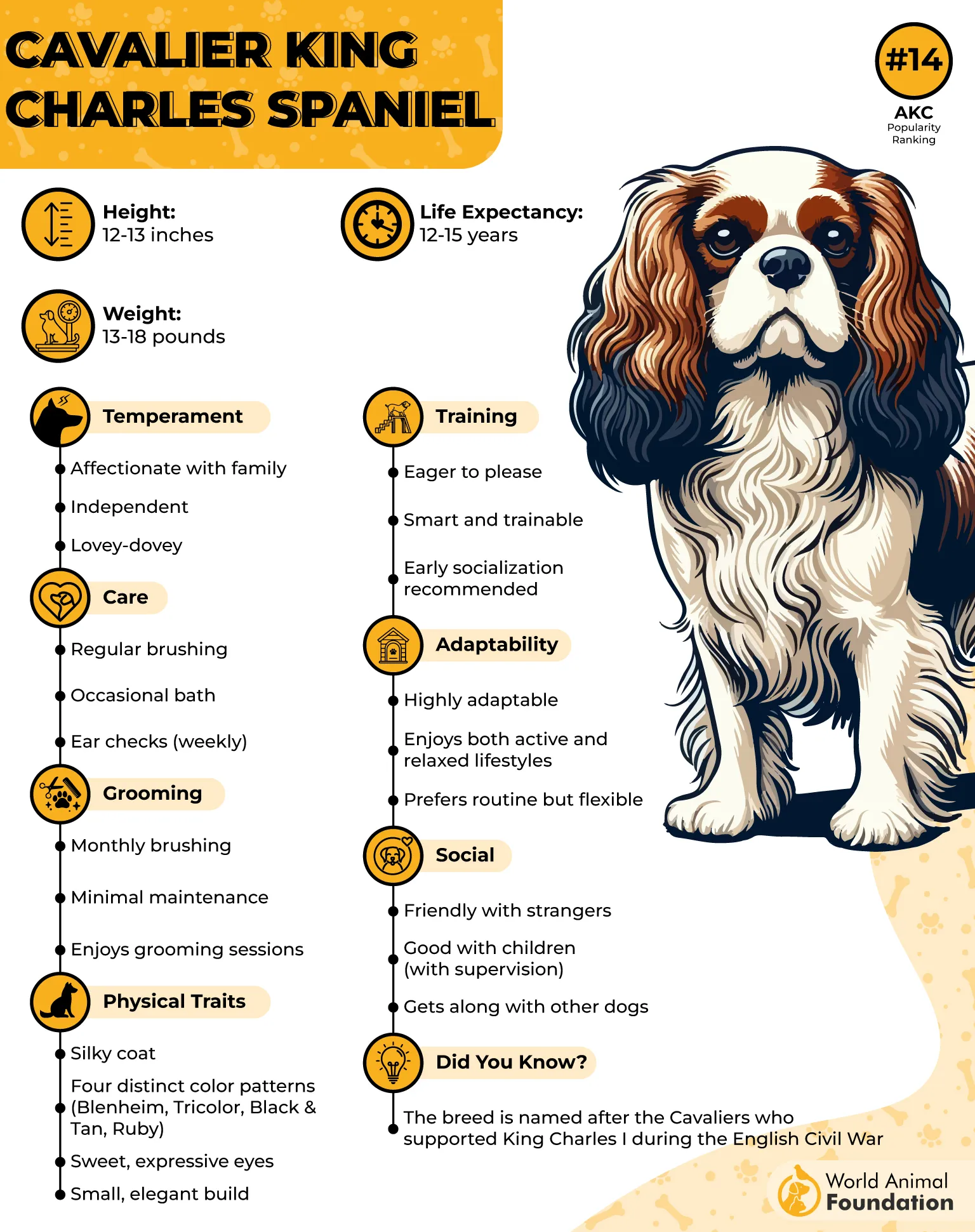
Although primarily a lap companion, Cavaliers can show a mild prey drive and may become interested in moving objects such as squirrels, birds, or passing cars. They are generally patient, tolerant, and very affectionate with family members.
They also perform well in canine sports such as obedience, agility, and AKC rally when properly trained. With a typical lifespan of 12–15 years, they are generally healthy but still benefit from regular veterinary checkups for early detection of potential health issues.
4. Poodle
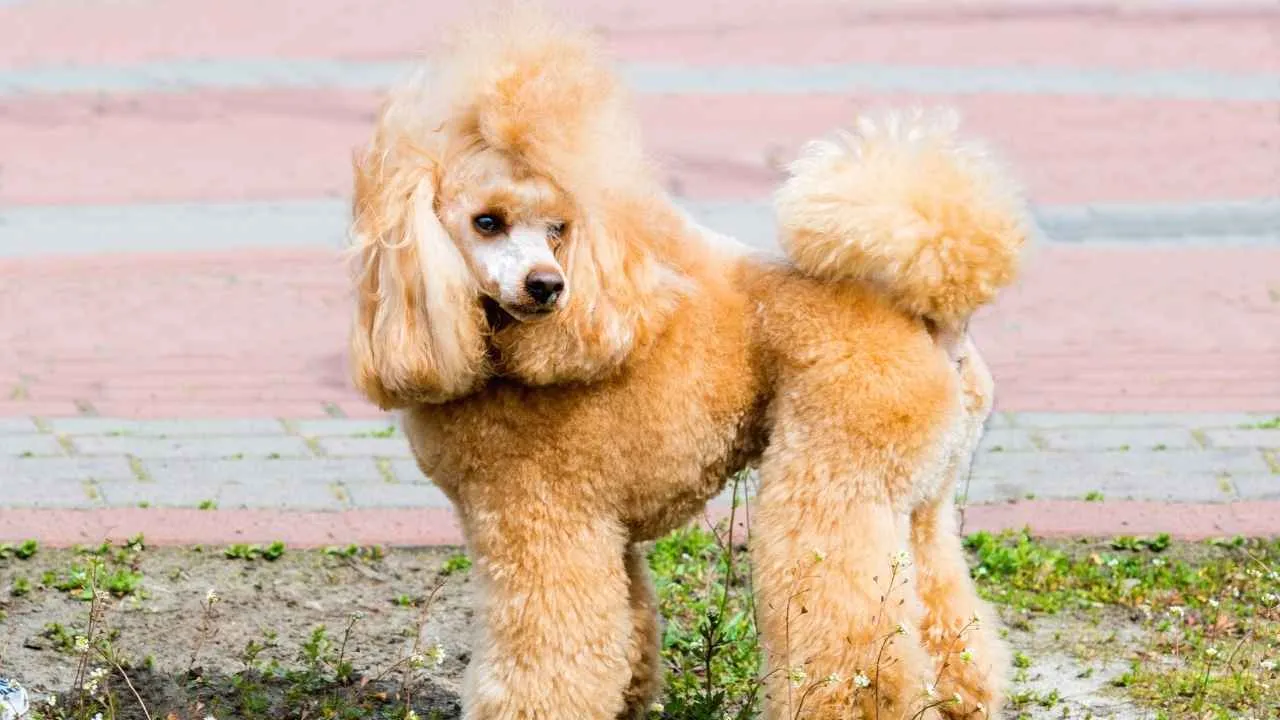
The Poodle originated in Germany and is available in multiple size varieties, including Standard, Medium, Miniature, and Toy. Historically, this breed was developed as a water retriever in the 17th century, and later became popular in European circuses due to its intelligence and trainability.
Often ranked among the most intelligent dog breeds, Poodles are quick learners and can pick up commands in very few repetitions. They are also capable of recognizing and responding to a large number of human words and cues, making them highly responsive companions.
For first-time dog owners, especially those who prefer a clean home environment, Poodles are often a great match. They are considered low-shedding and low-odor dogs, although they do require regular grooming to maintain their coat.
Poodles are athletic, active dogs that enjoy swimming, running, and hiking. Despite their elegant appearance, they are energetic and need regular physical and mental stimulation.
They are highly adaptable and can adjust well to both small apartments and larger homes. With proper care, they tend to remain healthy throughout their lives, as they are generally less prone to certain genetic issues compared to many other breeds.
A minimum of about one hour of moderate daily exercise is recommended to keep them happy, balanced, and mentally engaged.
5. Bichon Frise
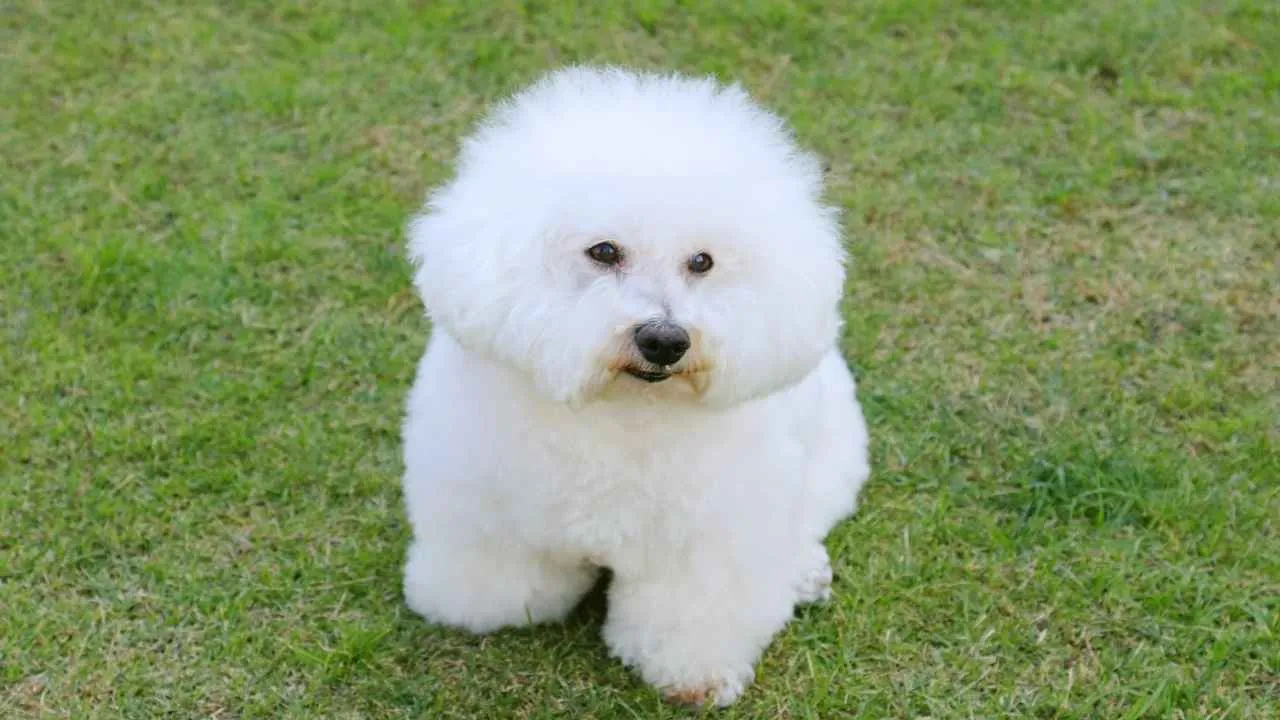
The Bichon Frise is a small, affectionate companion breed that has long been associated with European nobility. According to Purina UK, this charming dog has appeared in portraits of royal families in Spain and France and was often kept as a lap companion. The breed also has a history as a circus performer, which contributes to its playful and entertaining personality.
Bichon Frises are known for their dense, curly white coats that help trap loose hair, which is typically removed through regular brushing. This coat type often makes them a preferred option for people with mild allergies, although no dog is completely hypoallergenic.
Due to their small size, typically around 12 inches tall and weighing 7–12 pounds, they are highly portable and adapt well to various environments, including apartments, travel, and social outings.
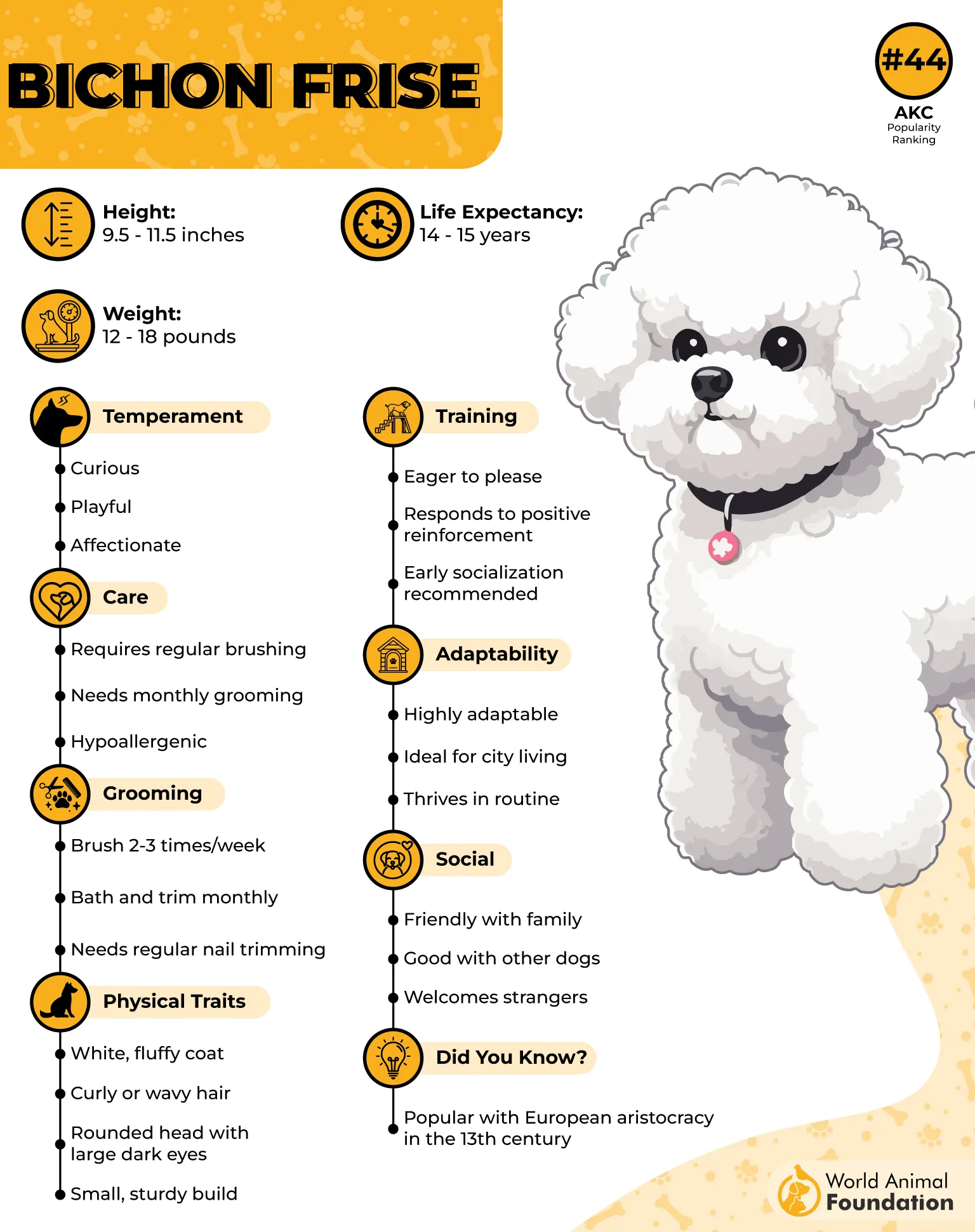
Despite their lively nature, Bichon Frises have relatively low exercise requirements, needing around 30 minutes of daily activity. They are alert and make good watchdogs, often notifying their owners of unfamiliar sounds or strangers without showing aggression.
They experience short bursts of energetic play followed by long periods of rest, a behavior sometimes playfully referred to as the “Bichon blitz.” Regular grooming is essential, including brushing several times a week and professional grooming every 4–6 weeks to maintain coat health and prevent matting.
6. French Bulldog
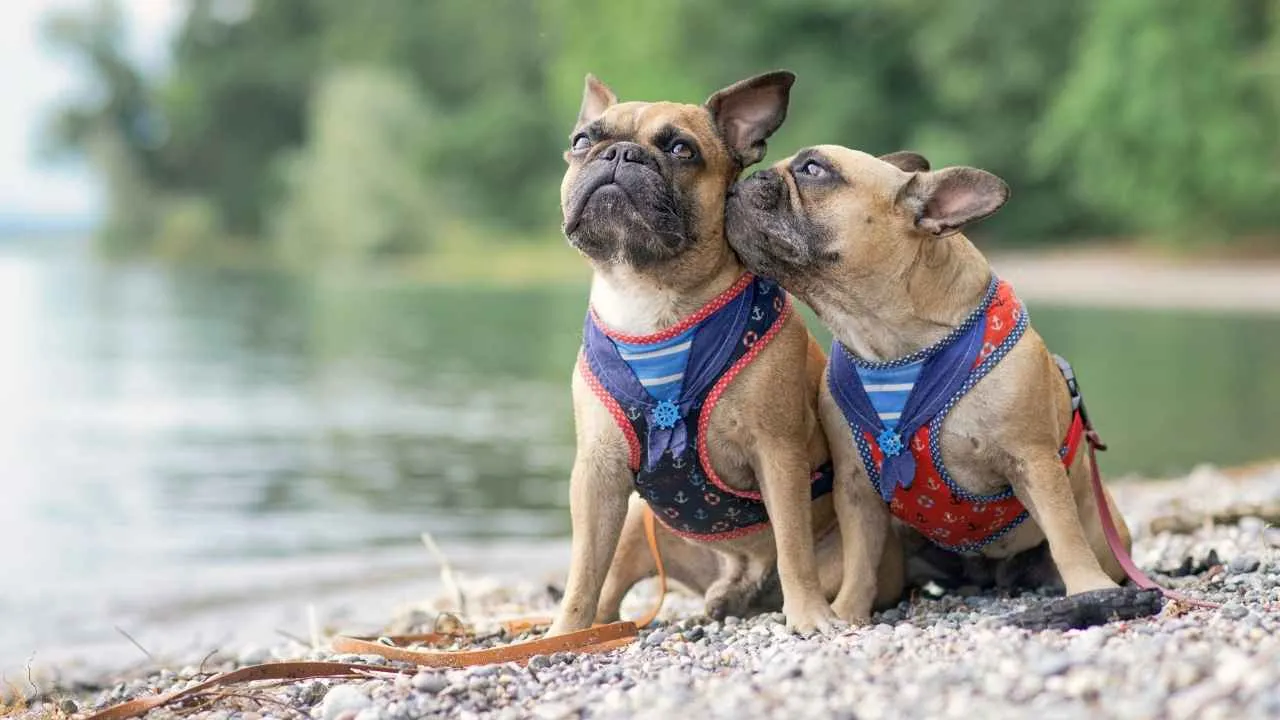
The French Bulldog was developed in 19th-century France, where it is believed to have originated from a mix of small English bulldog-type dogs and local ratting breeds. Initially kept as companion animals, they quickly became popular among urban families and artisans due to their compact size and affectionate nature.
This is a brachycephalic breed, meaning it has a short muzzle and flat face, which can sometimes lead to breathing difficulties. Because of this, intense exercise and prolonged outdoor activity, especially in hot or humid weather, should be avoided.
French Bulldogs are generally friendly and sociable, not only with humans but also with other pets, making them a good fit for multi-pet households. While they are not traditional guard dogs, they are alert and may notify their owners of unusual sounds or activity.
They have a short coat that is easy to maintain, typically requiring weekly brushing and occasional baths. Special attention should also be given to cleaning their facial folds to prevent irritation.
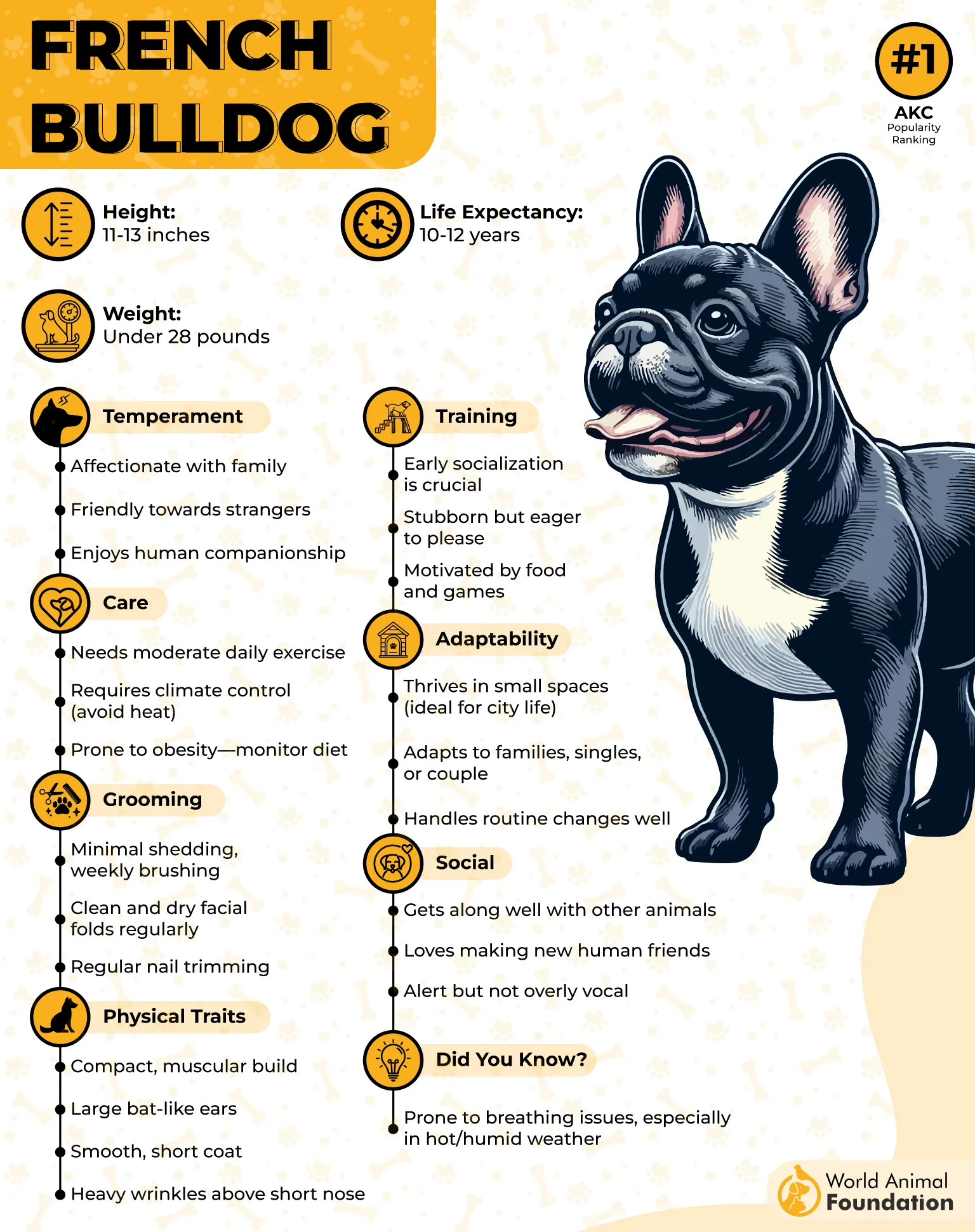
French Bulldogs are low-energy dogs that enjoy a relaxed indoor lifestyle and are often described as excellent “couch companions.” They can sometimes be stubborn, so consistent and gentle training works best, with positive reinforcement being especially effective.
7. Shih Tzu
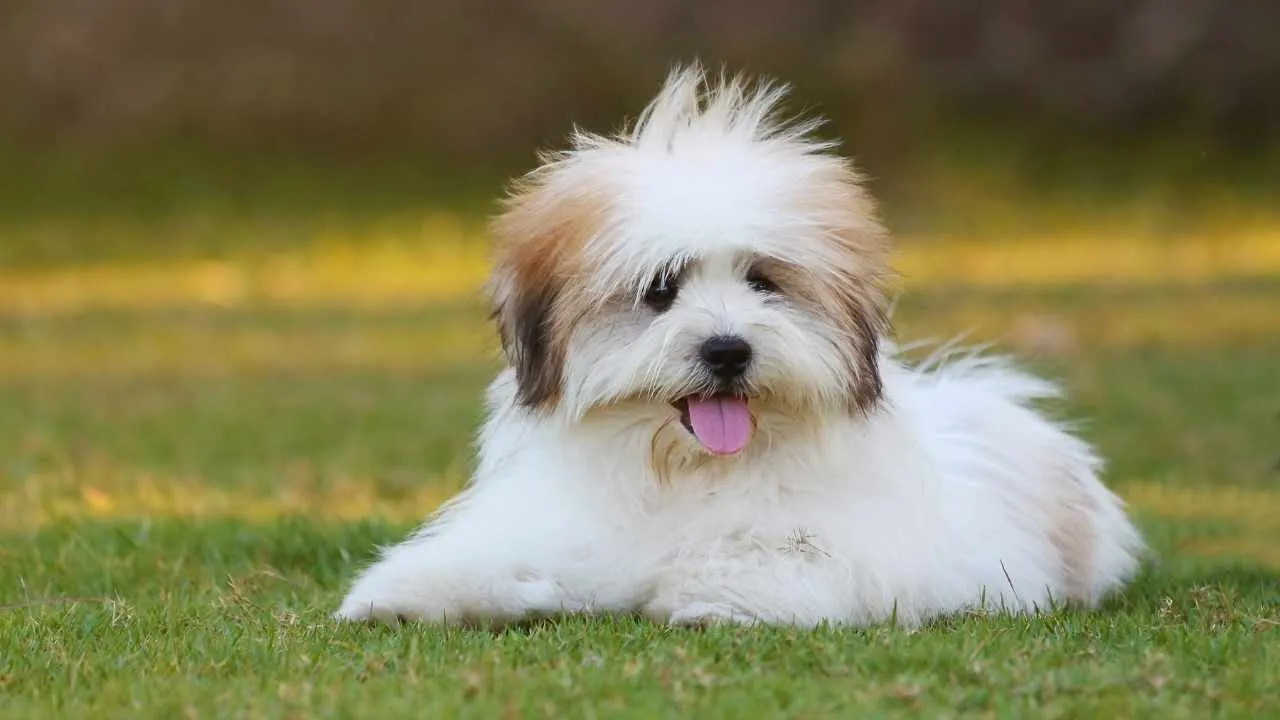
The Shih Tzu is a small companion breed believed to have been developed in Tibet, with roots linked to breeds such as the Lhasa Apso and Pekingese. Historically, it became highly valued in Chinese imperial courts, where it was kept as a royal lap dog and treasured companion. For a long time, these dogs were so prized that they were rarely traded outside the imperial system.
Shih Tzus are known for their calm temperament and affectionate nature, making them especially suitable for seniors or first-time dog owners. With a typical lifespan of 10–16 years, they offer many years of companionship and are generally well-suited to indoor living.
Their coat is often described as hair rather than fur, which may make them more suitable for some allergy-sensitive owners, although regular grooming is still required.
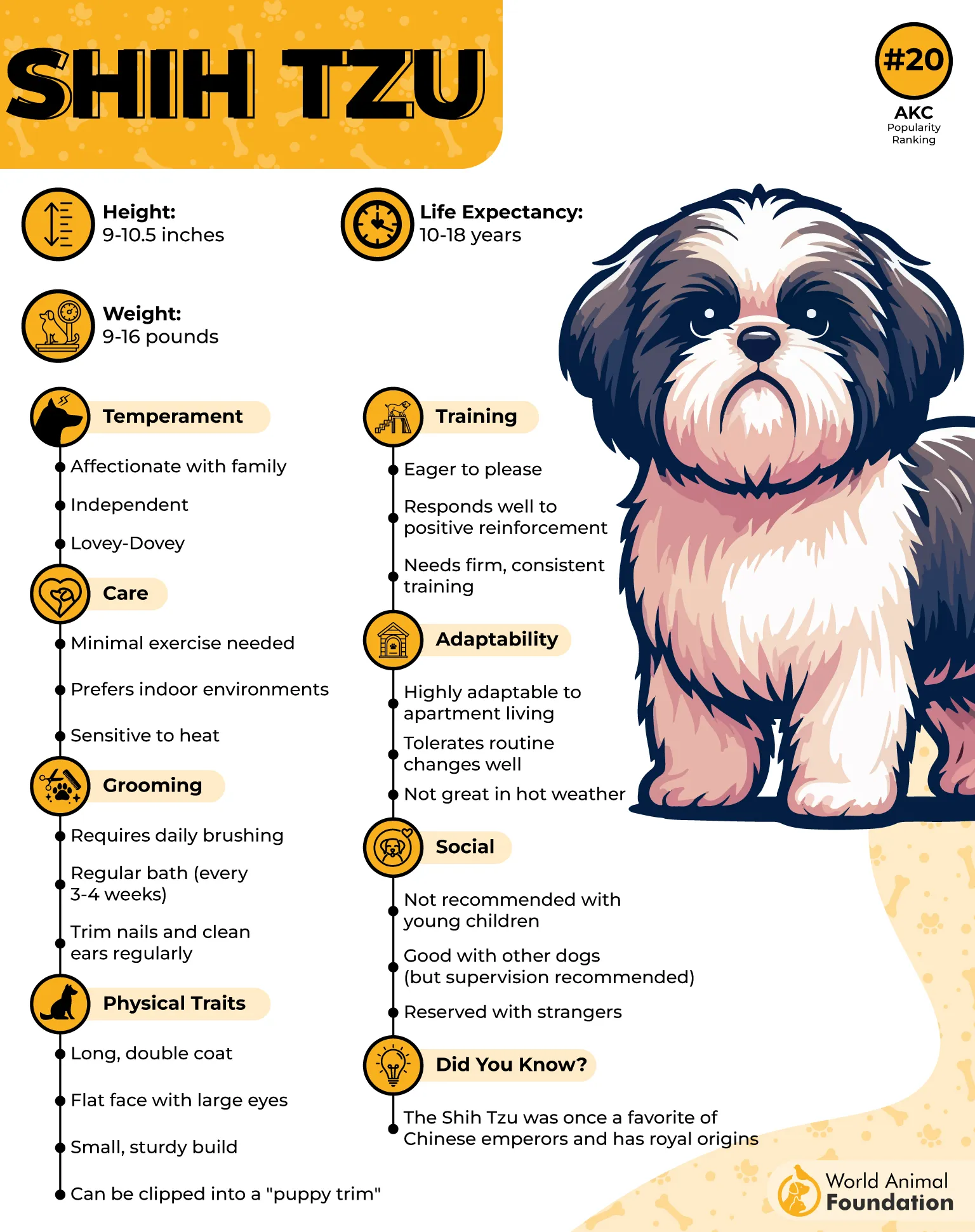
Despite their elegant and lion-like appearance, Shih Tzus have a confident and sometimes stubborn personality, which can occasionally lead to unwanted behaviors if not guided properly. However, they are generally friendly with people and may alert their owners to unfamiliar visitors, reflecting their history as palace watchdogs.
They are playful but not highly demanding in terms of exercise, usually needing around 20–30 minutes of light indoor activity or short walks each day. Their preference for indoor living and affectionate nature make them excellent companions in calm, home-centered lifestyles.
8. Pug
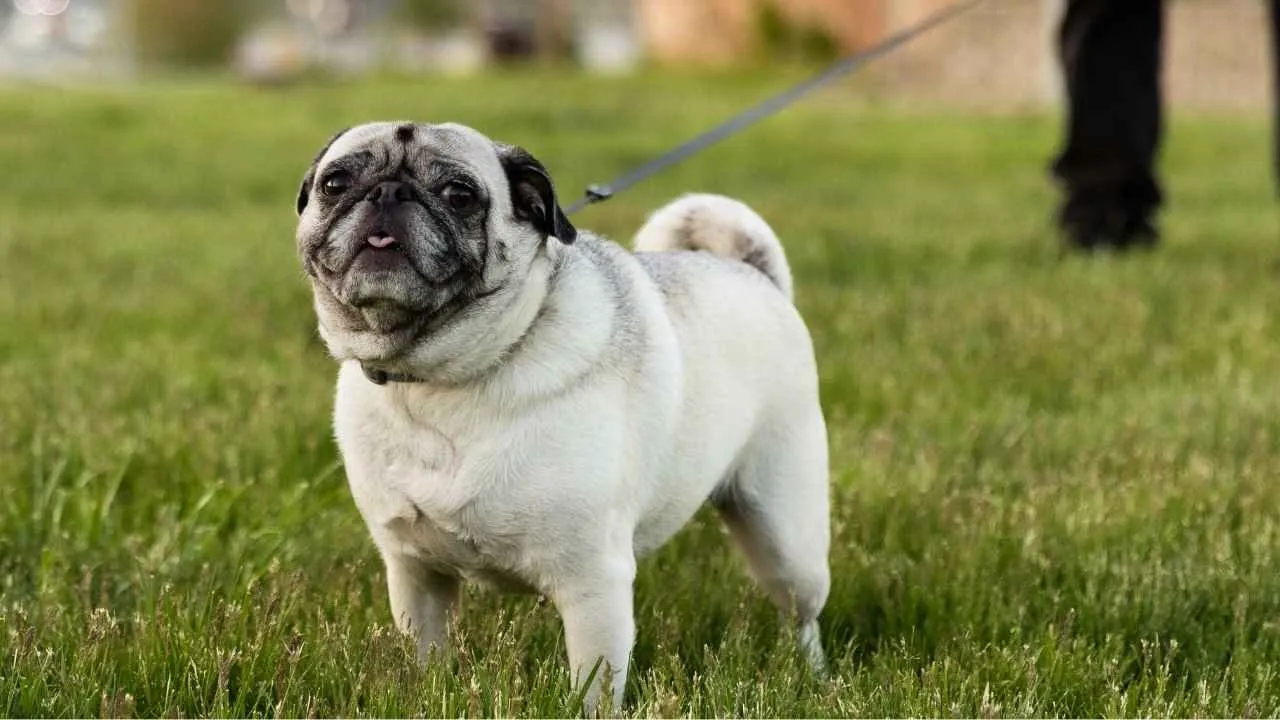
Living by the Latin motto “multum in parvo,” meaning “a lot in a little,” the Pug has a long history as a cherished companion. According to the American Kennel Club, Pugs were once favored by Chinese emperors and later became beloved mascots of the Dutch House of Orange. Their round heads, expressive eyes, and deeply wrinkled faces give them a uniquely human-like charm.
Pugs are often called “cuddly companions” due to their affectionate, people-loving nature. They are typically food-motivated, which makes them relatively easy to train using reward-based methods. Known for their playful and humorous behavior, they often entertain their families with quirky movements and amusing sounds, making them natural entertainers in the home.
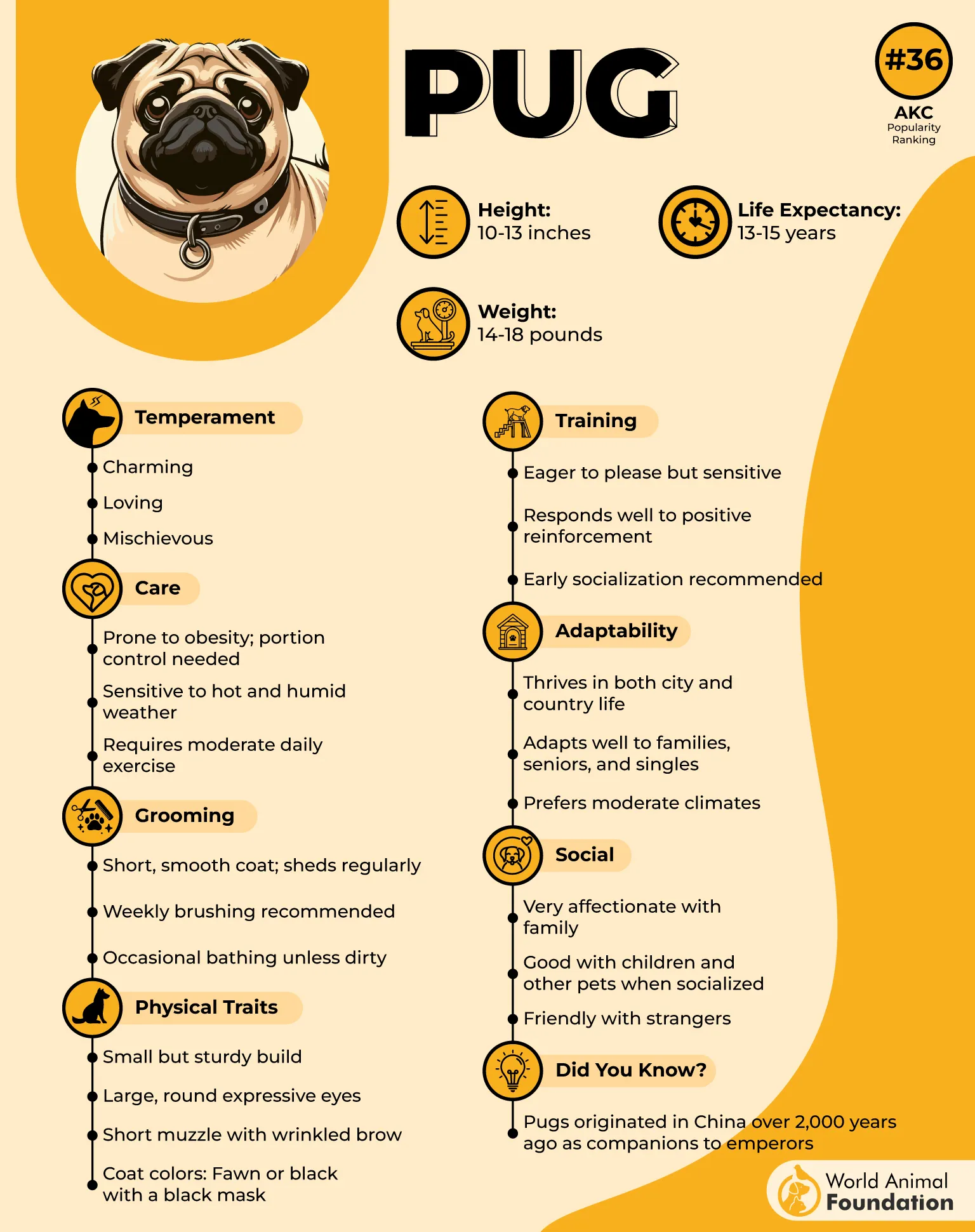
Pugs have a short coat that is easy to care for, although they do shed and benefit from regular brushing. As a brachycephalic breed, they are sensitive to heat and should be kept in a cool, comfortable indoor environment, avoiding excessive outdoor exertion.
They thrive on human companionship and form strong bonds with their owners. Because of this, they may develop separation anxiety if left alone for long periods, making them best suited to homes where they receive regular attention and affection.
9. Havanese
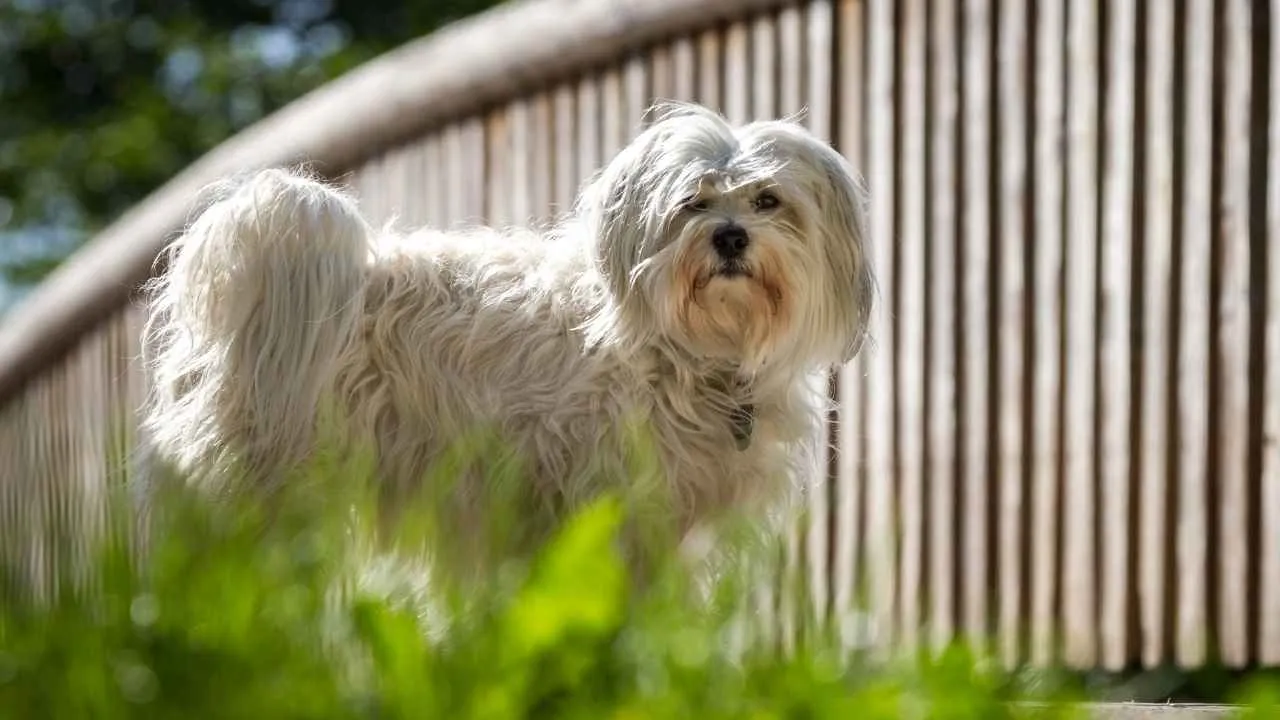
The Havanese is the national dog of Cuba, developed from the now-extinct Blanquito de la Habana (“little white dog of Havana”). This small companion breed has long been valued for its affectionate personality, intelligence, and strong emotional connection with humans.
Because of their gentle and adaptable nature, Havanese dogs are used in a variety of roles today, including therapy work, assistance tasks, performance activities, tracking, and scent detection. Their natural eagerness to interact with people and high emotional awareness make them especially responsive working companions.
Weighing around 7–13 pounds, they are small and easy to travel with, adapting well to different environments. Historically, they were also used in circuses due to their intelligence and desire to entertain, often displaying playful, puppy-like behavior well into adulthood.
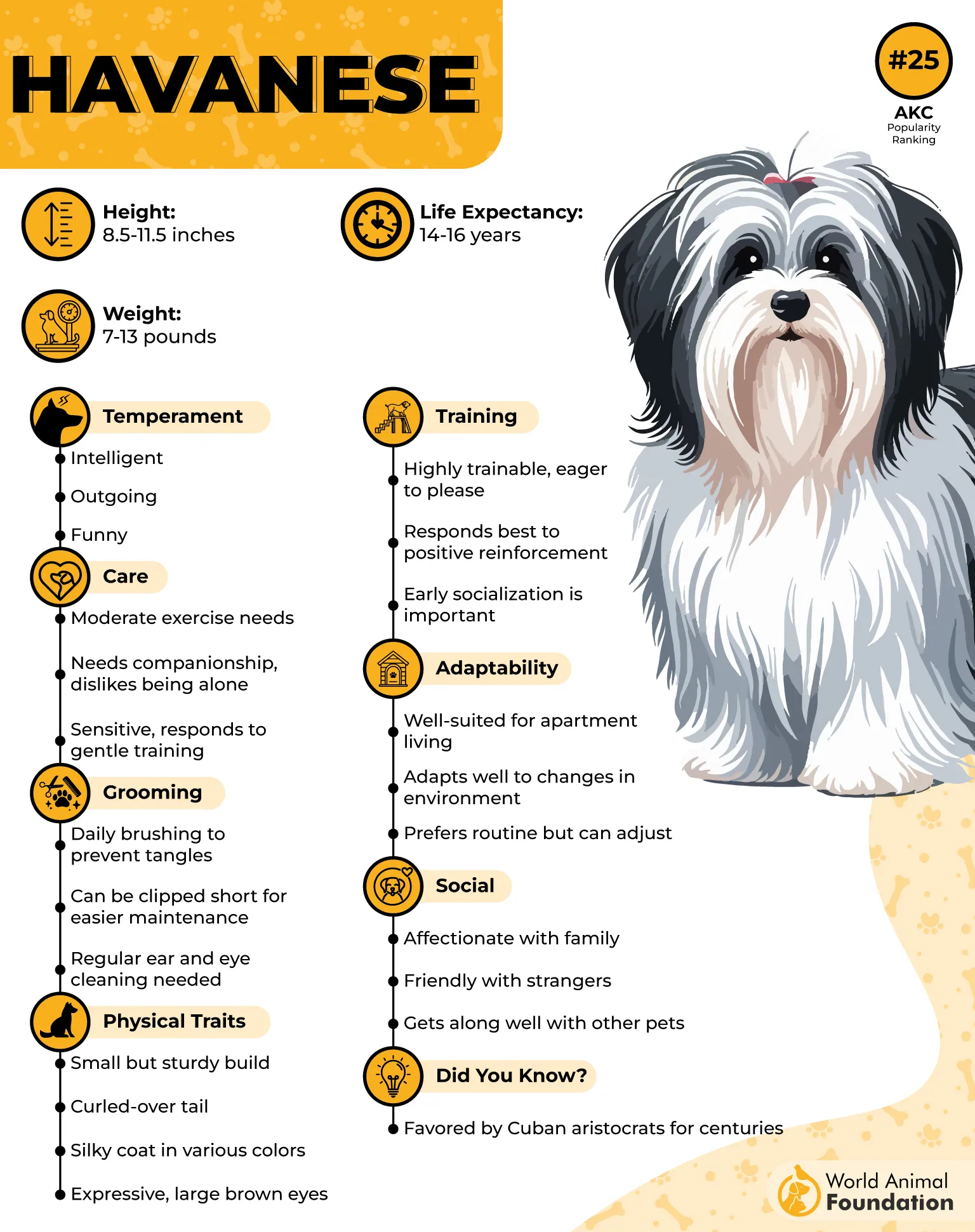
Havanese dogs are often called “family clowns” because of their cheerful, engaging personalities. They love to please their owners and generally get along well with children, other pets, and even strangers when properly socialized early.
Early socialization is important to ensure balanced behavior and confidence. These dogs are highly attuned to human emotions and often respond in ways that reflect their owner’s mood, making them deeply intuitive companions.
Conclusion
Choosing your first dog is more than a lifestyle decision—it’s the start of a real relationship. The right breed can fill your home with warmth, teach you patience you didn’t know you had, and give you a reason to get off the couch… or stay on it a little longer without guilt. When their needs for exercise, grooming, and affection are met, dogs return that care with unwavering loyalty and companionship.
Whether you are drawn to the endlessly affectionate Golden Retriever, the apartment-friendly French Bulldog, or the small but spirited Maltese, the most important factor is alignment. A dog should match your daily routine, energy level, and living situation—not just your Instagram feed.
At the end of the day, compatibility matters more than appearance, every single time.
