




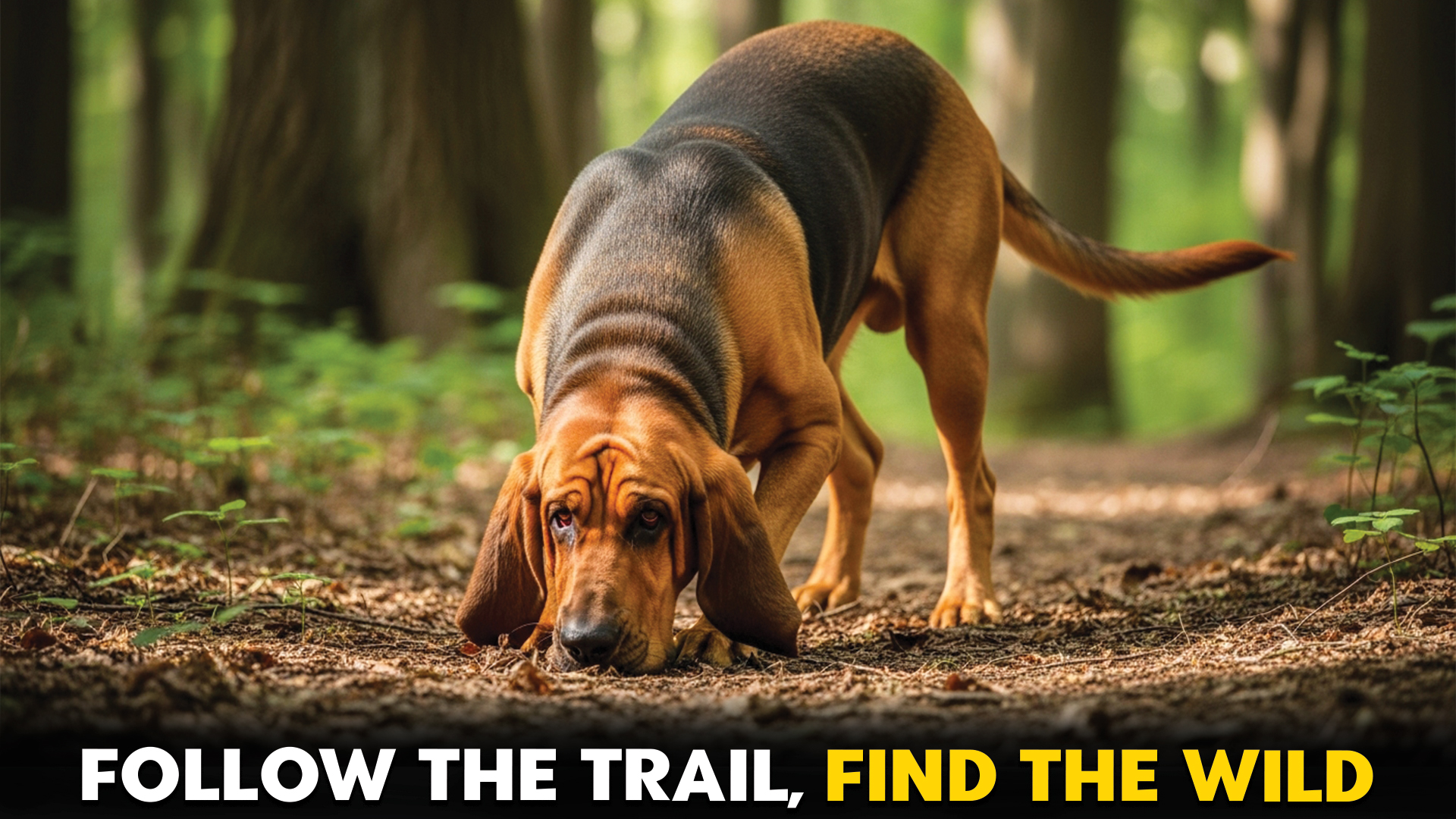
When it comes to finding and tracking wildlife, some dogs are clearly built for the task. Long before modern tools, dogs were helping humans locate animals using instinct, training, and an impressive sense of smell.
Those natural talents still shine today, whether a dog is following scent trails, flushing birds, or keeping moving wildlife in sight across rugged terrain.
The right dog depends on what you want to track and the environment you spend time in. Different breeds thrive in different settings. In this guide, we explore dog breeds known for sharp noses, steady stamina, strong focus, and a genuine love of working alongside their people.
Fun Fact
Dogs smell the world differently than humans. With each breath, a portion of the air they inhale goes directly to specialized scent-detecting tissue, allowing odor molecules to build up and helping dogs interpret smells in remarkable detail.
Dog Breeds for Finding and Tracking Wildlife
1. Labrador Retriever
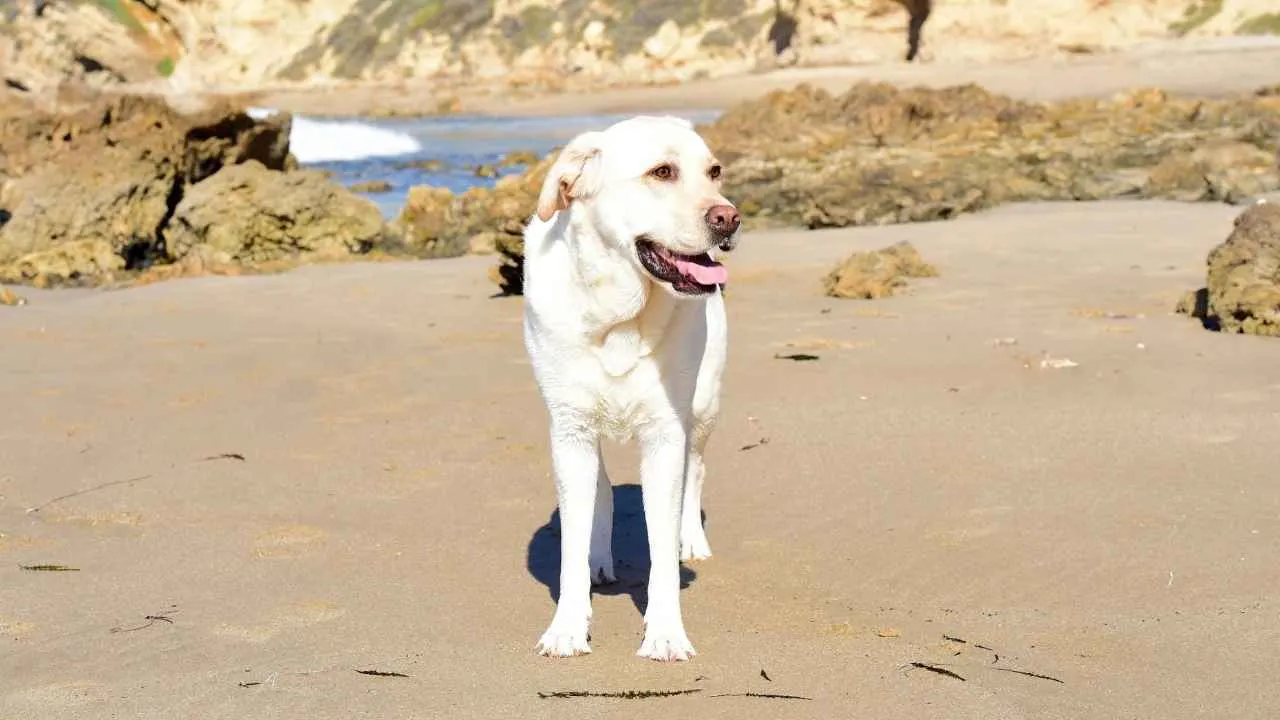
Spend five minutes around a Labrador Retriever, and it becomes clear why they are such a popular dog breed and why so many people trust them to get things done. Friendly, adaptable, and always eager to be involved, Labs bring enthusiasm without chaos and confidence without attitude.
They slide easily between focused work and relaxed companionship, which makes them especially easy to live and work with.
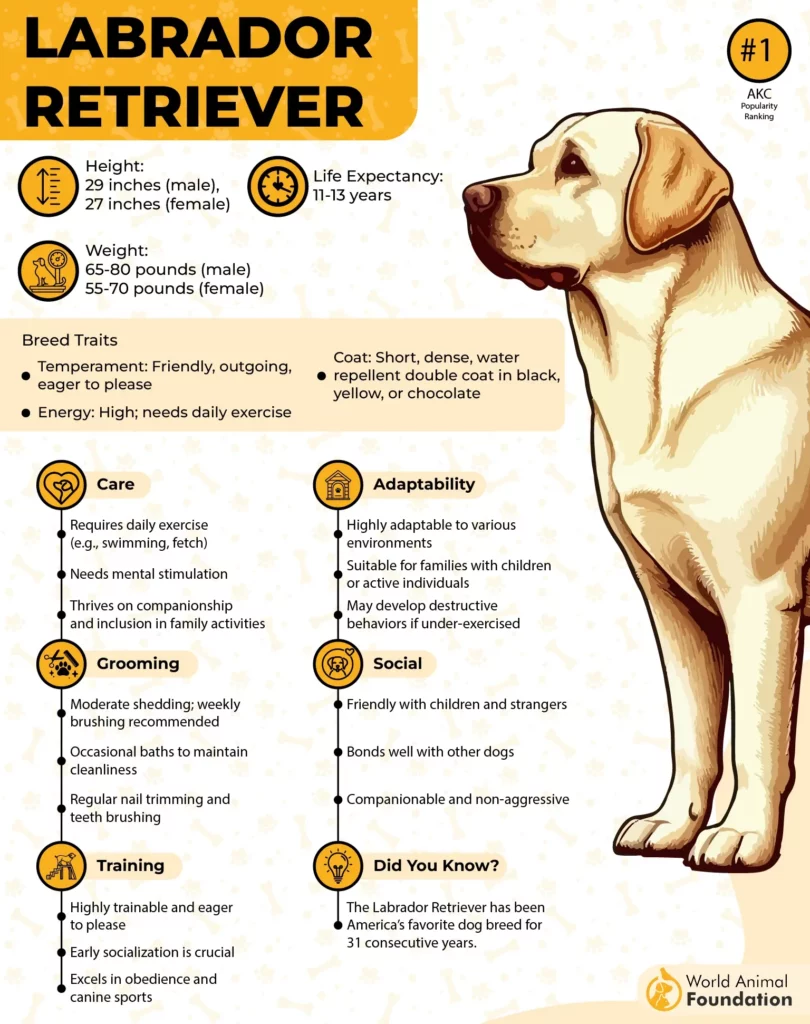
Labradors are built like they mean business, even if they carry it with a grin. Their broad, muscular bodies, water-friendly coats, and naturally strong swimming ability allow them to move comfortably through rough terrain or chilly water. Add in webbed feet and a powerful tail, and you get a dog that handles long, active days without slowing down.
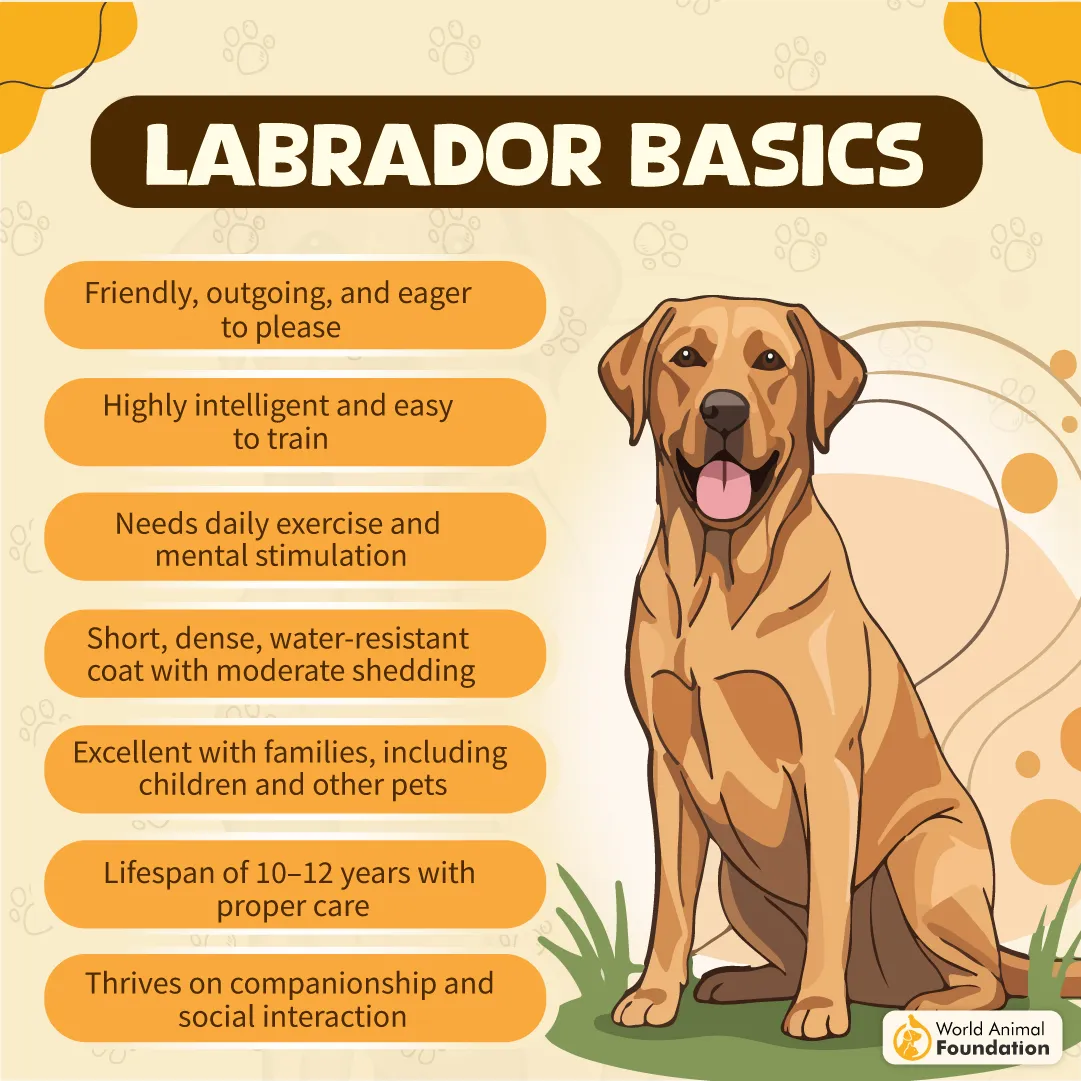
As mentioned by Purina, Labradors are usually up for whatever activity you can give them, as long as it’s enough. They love long walks, games, and family time, and without regular exercise and proper training, they can quickly become bored or overweight.
Special Considerations For This Breed
Strong food motivation requires mindful portion control
Does best with dog owners who enjoy staying active and involved
2. Treeing Walker Coonhound
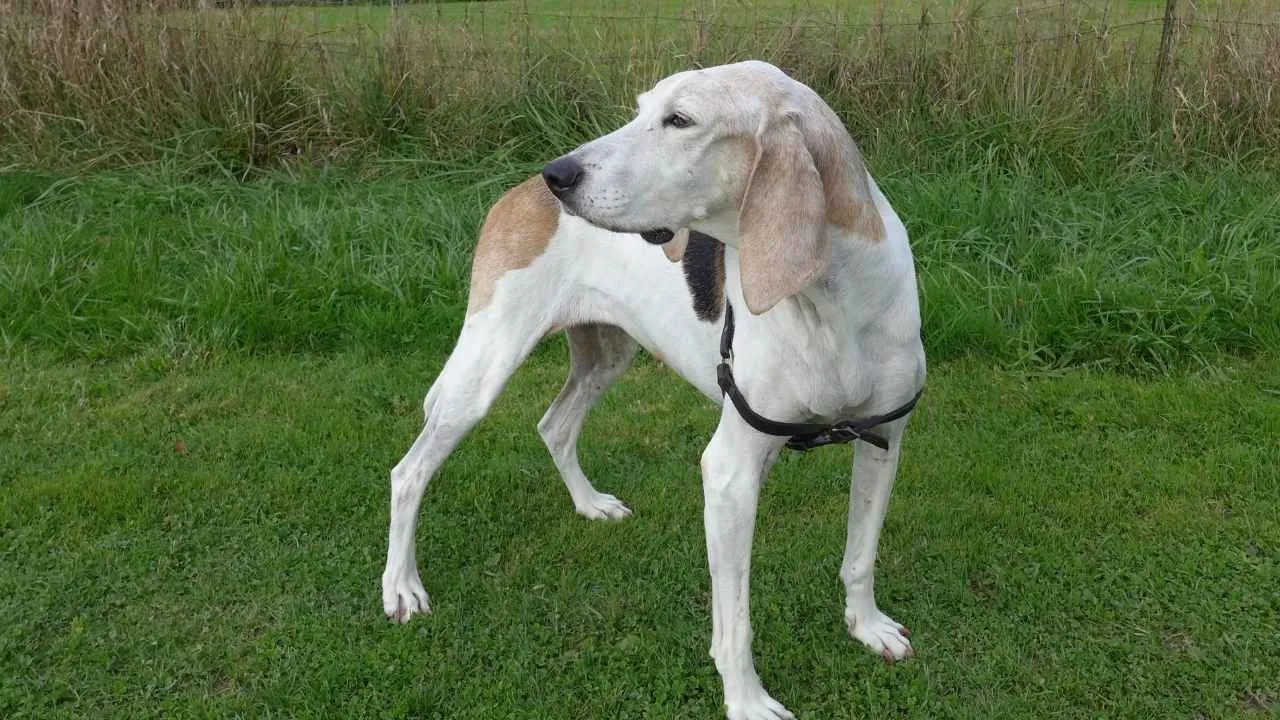
Watch a Treeing Walker Coonhound move, and it becomes obvious that this dog was made to cover ground. Long legs, a streamlined body, and a confident stride allow it to move quickly and efficiently. Speed and stamina work together here, turning long outings into something this breed genuinely enjoys.
Once a scent hits its nose, focus locks in fast. Treeing Walkers are known for following trails with determination, using their voice to signal progress and location along the way. That loud, distinctive howl is not random noise. It is communication, letting their human know exactly when the trail is active and when the job is done.
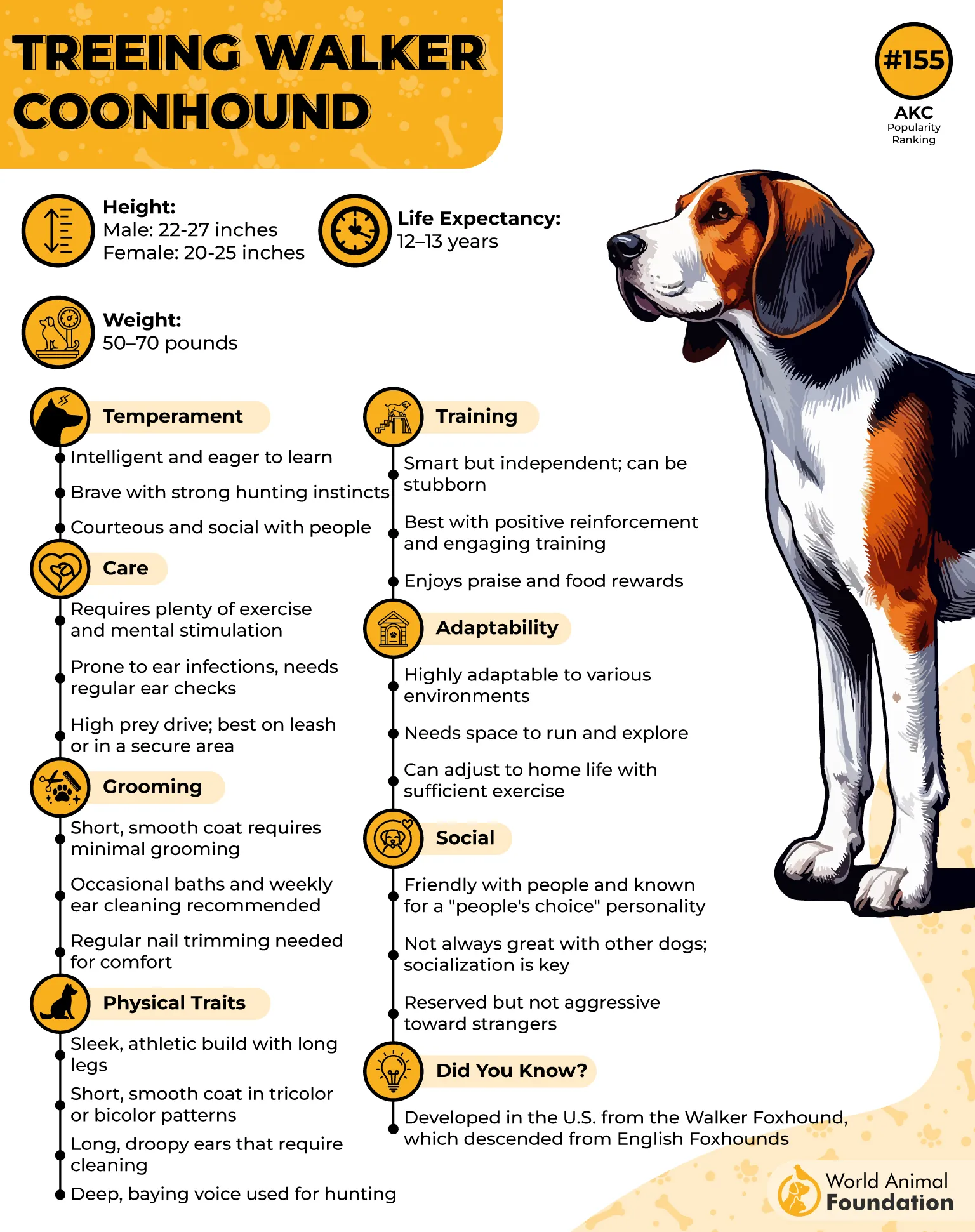
Raccoons are the classic specialty, and this breed was developed to trail them until they take refuge above ground. The Walker stays put beneath the tree, alert and persistent, making sure the animal stays exactly where it is until help arrives.
Special Considerations For This Breed
Strong vocal tendencies may surprise first-time owners
Needs secure, well-fenced boundaries outdoors to prevent wandering and chasing.
3. Pharaoh Hound
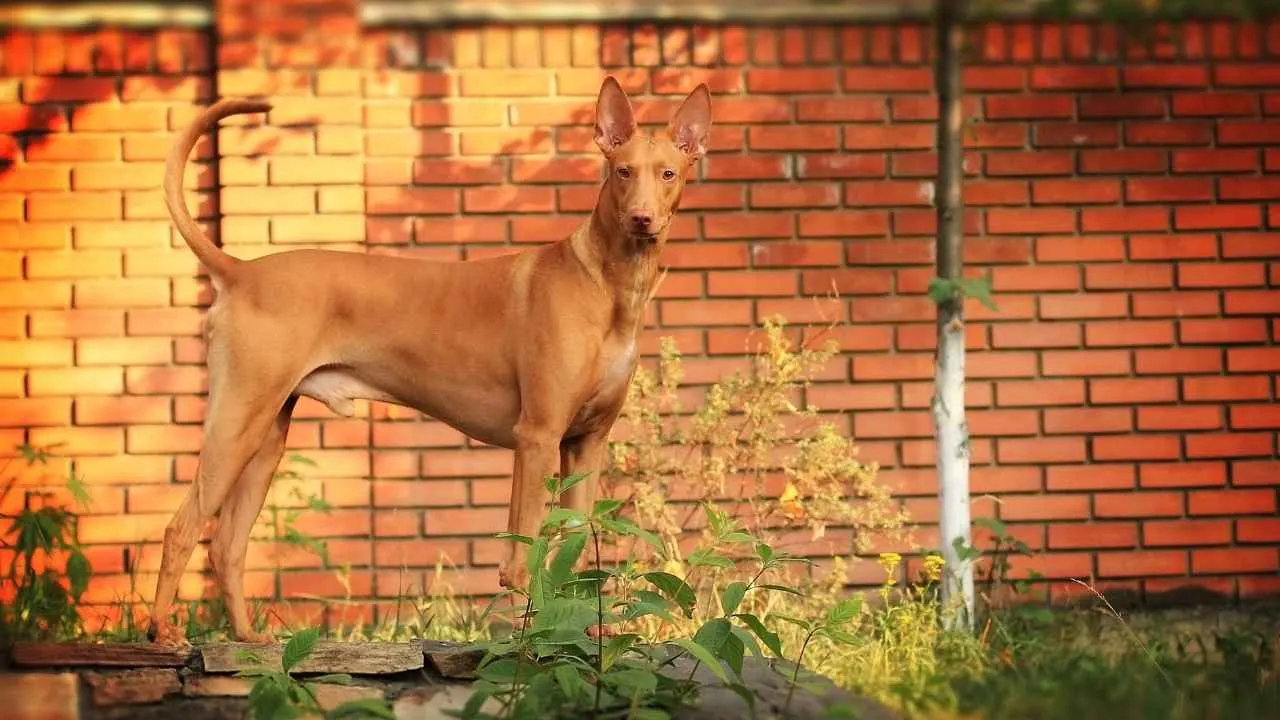
At first glance, this breed looks like it stepped straight out of a museum exhibit and decided to go for a sprint. The Pharaoh Hound carries an elegant, almost regal vibe, but underneath that polished look is a playful, alert dog that loves action and attention.
Out in open spaces, those sharp eyes do most of the work. Built to hunt by sight, Pharaoh Hounds spot fast-moving wildlife quickly and react in a flash. Speed, focus, and persistence allow them to chase small game across rocky ground without hesitation.
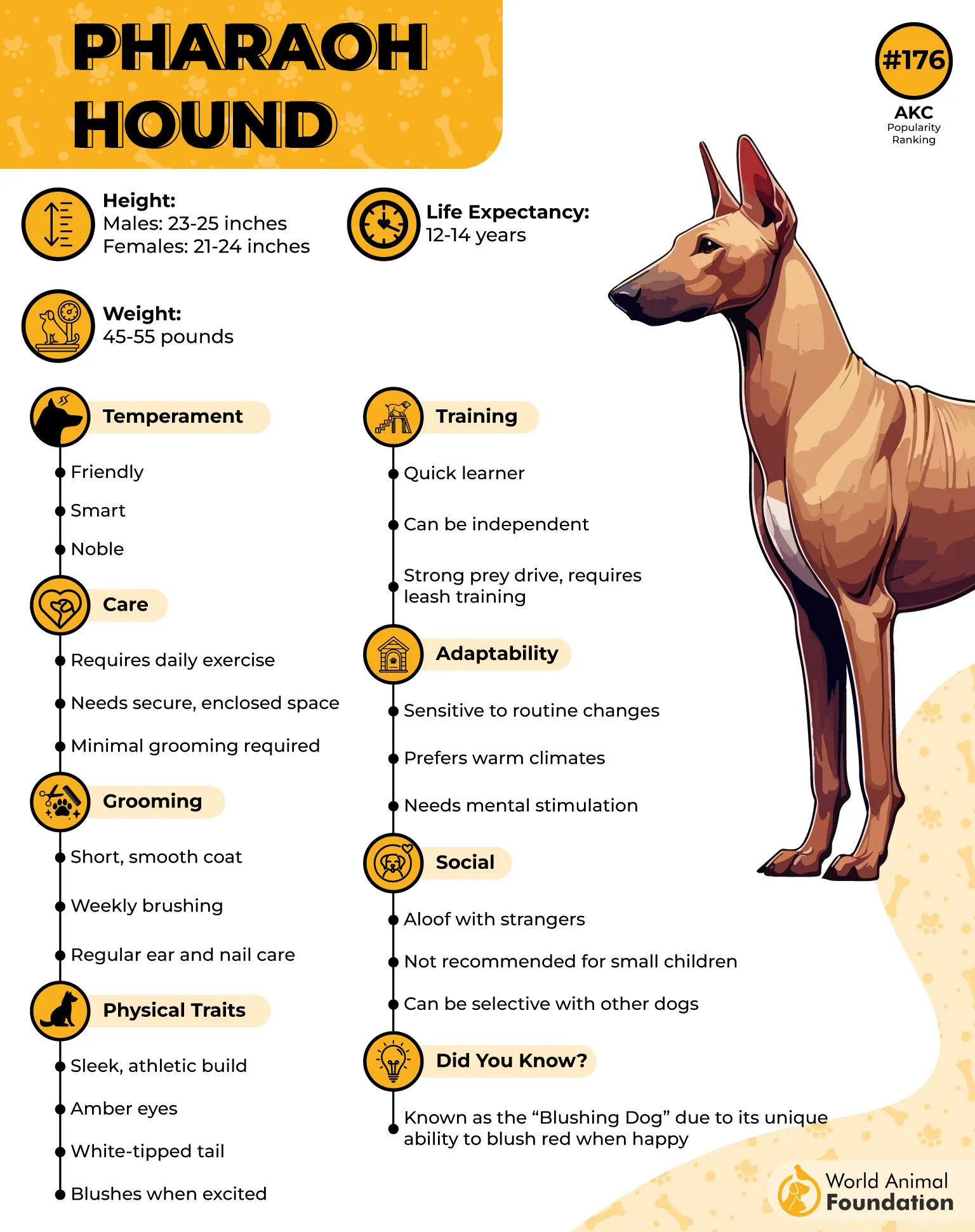
This energetic dog fits best with owners who enjoy staying active and present. Families who appreciate daily play, structured exercise, and secure outdoor areas tend to do well. Calm homes with clear boundaries help balance their independence and enthusiasm.
Special Considerations For This Breed
Training works best in low-distraction environments
Needs regular activity to prevent restlessness
4. Norwegian Elkhound
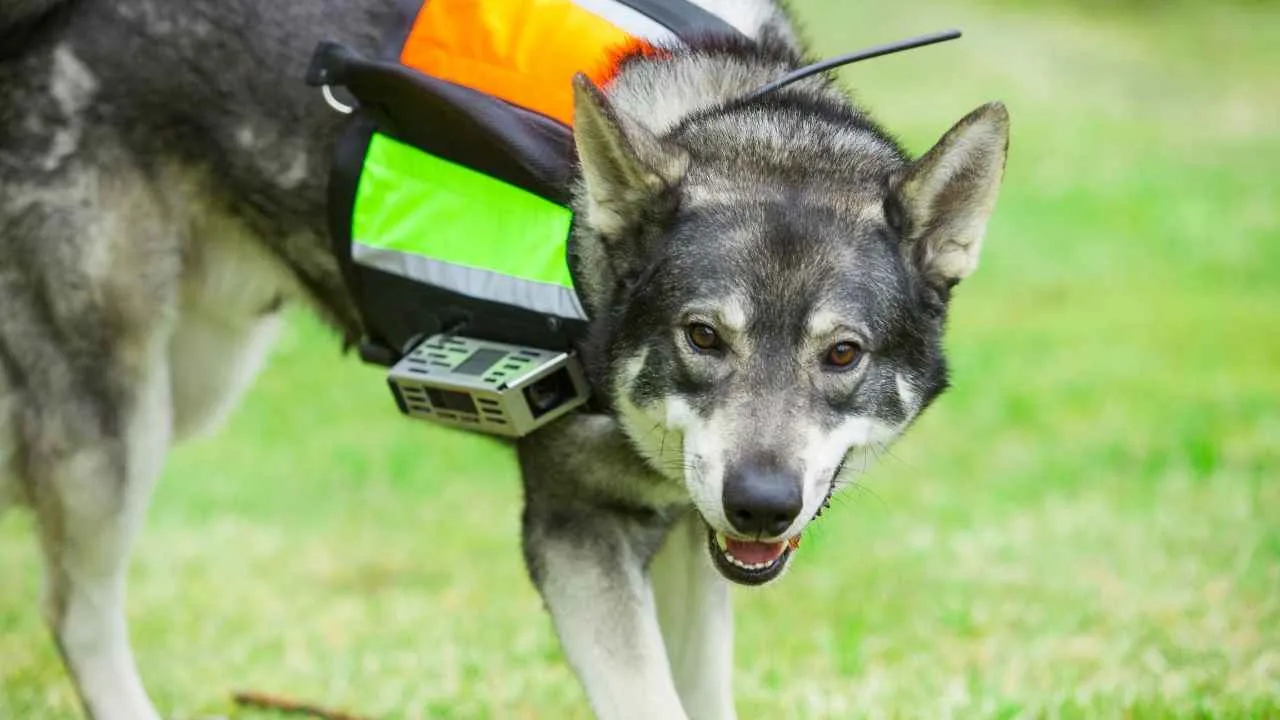
Picture a dog that looks like it belongs in a legend rather than a living room. The Norwegian Elkhound carries itself with purpose, confidence, and a deep-rooted connection to the wild north. This is a breed shaped by rugged landscapes and demanding work, not convenience.
Cold winds, deep snow, and endless terrain never slowed this dog down. The same endurance that once kept pace with Viking life still shows today, powering mile after mile with steady focus. Thick coats, sharp senses, and mental grit make harsh conditions feel almost routine.
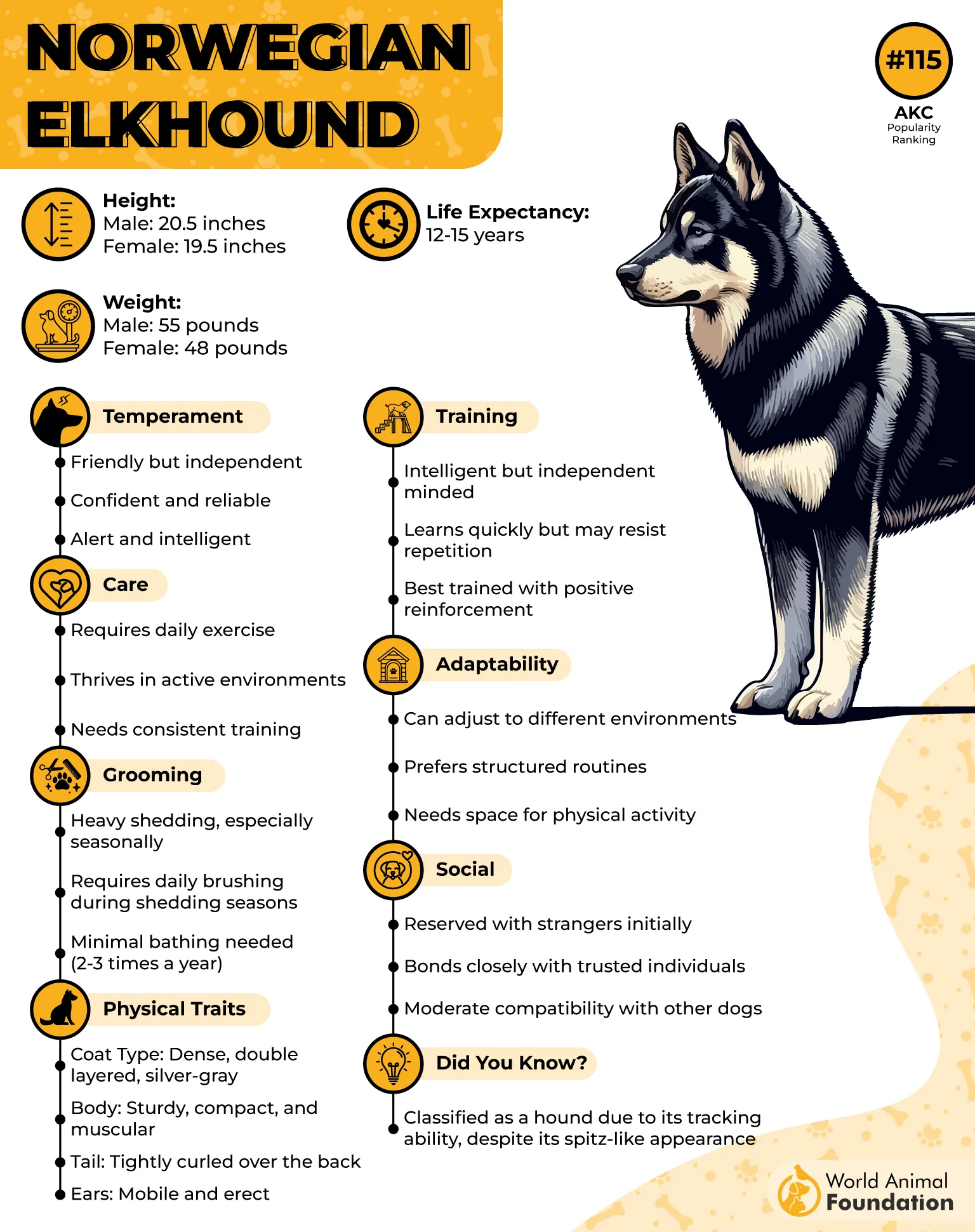
This hunting dog works with strategy, not chaos. It follows scent trails over long distances, keeps large game occupied, and knows exactly when to bark and when to stay quiet. That balance takes brains, bravery, and impressive staying power.
Special Considerations for This Breed
Boredom hits hard if daily activity is skipped, and they will find their own entertainment
Independent thinking means training works best as a partnership, not a power struggle
5. Karelian Bear Dog
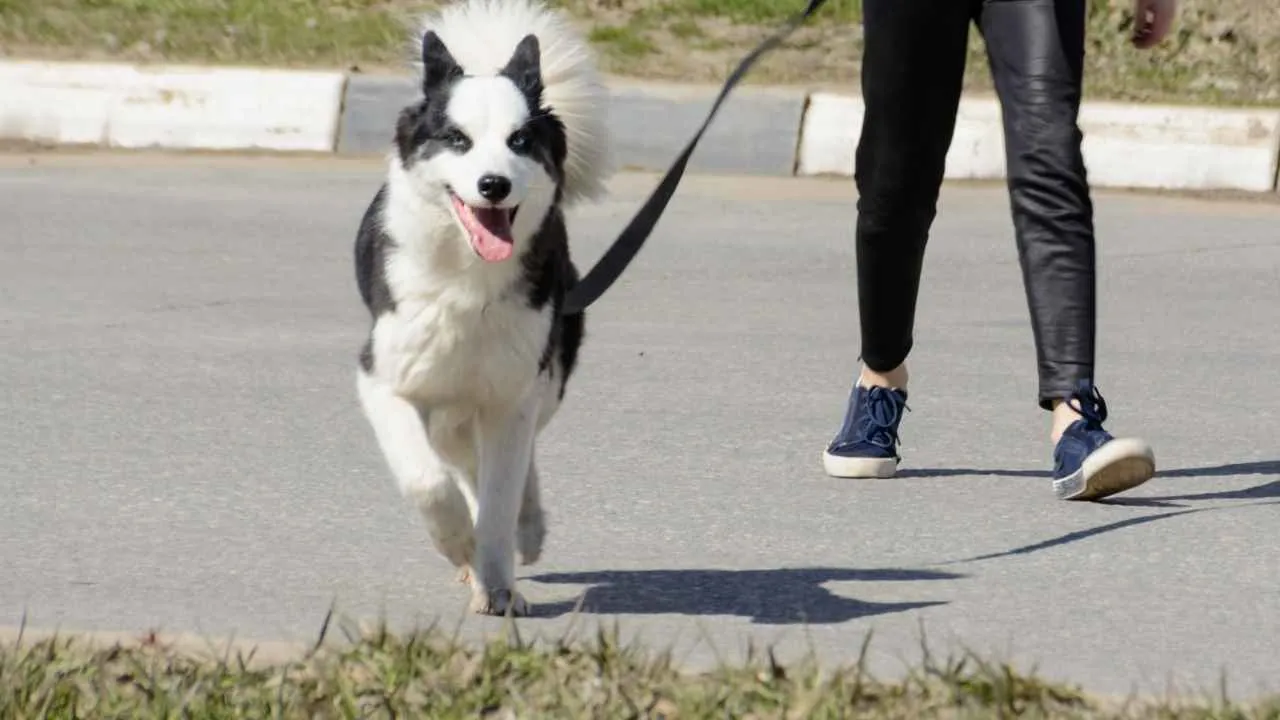
This breed walks in with main-character energy and zero interest in small talk. Built for serious outdoor work, the Karelian Bear Dog brings intensity, confidence, and focus that feels almost electric. Everything about this dog says it prefers action over lounging.
As noted by PetMD, the Karelian Bear Dog’s behavior is driven by strong instincts, so being off-leash can lead to sudden chasing. They also tend to bark when unsure, especially around unfamiliar people, animals, or new situations.
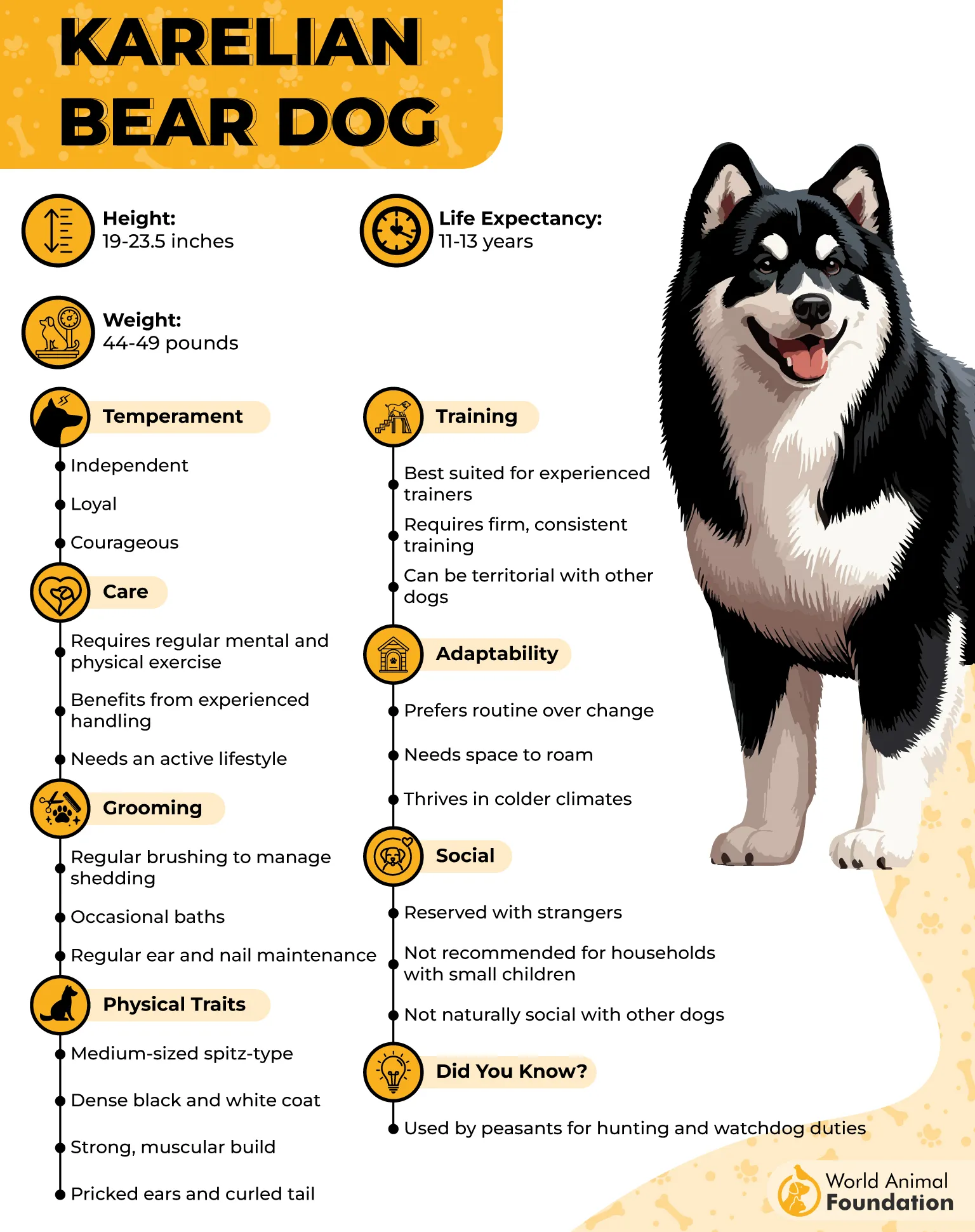
When it comes to wildlife, this breed does not think small. It locates and confronts large game like bears, wild boar, moose, and deer, using speed, agility, and fearless movement. Size never slowed it down, and hesitation was never invited.
Special Considerations For This Breed
Strong confidence means guidance must be firm, fair, and consistent from the start
Outdoor space matters since narrow living areas can frustrate this high-drive personality
6. Plott Hound
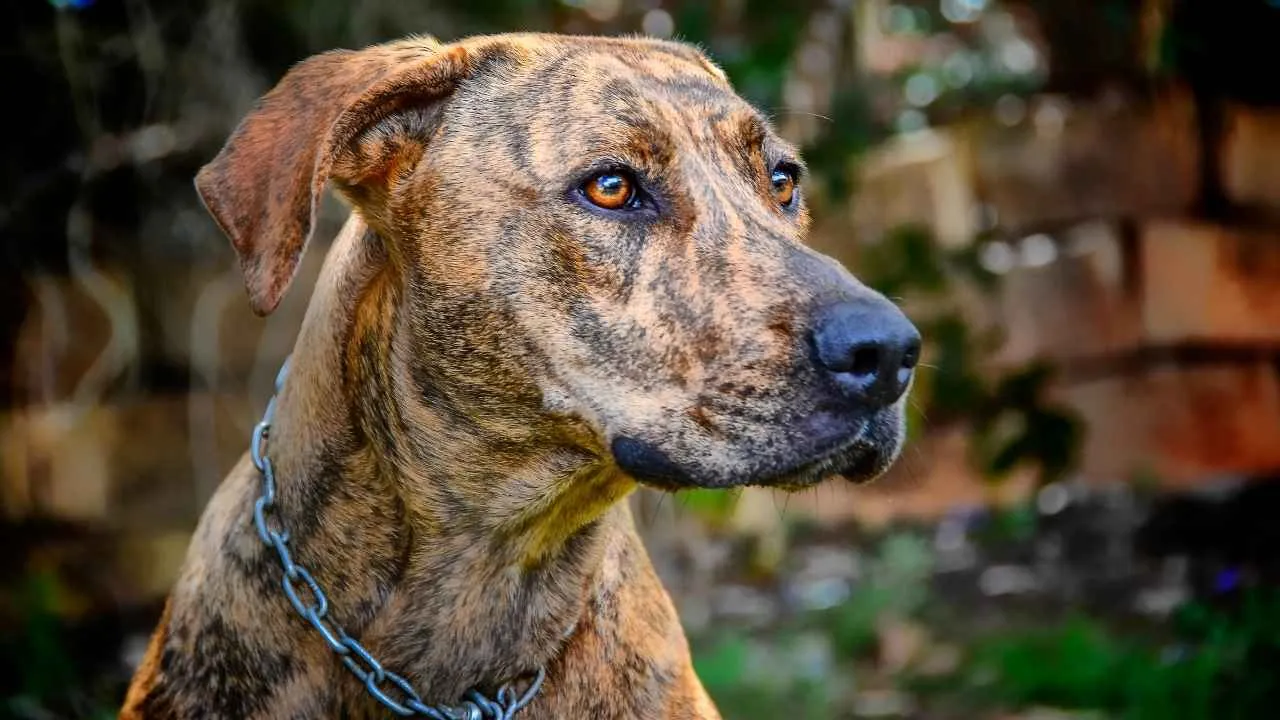
This is the kind of dog that walks into a room like it owns the place, and honestly might. The Plott Hound carries itself with bold energy, sharp instincts, and zero interest in being boring. Purpose-driven and alert, this breed is happiest when there’s something to investigate, chase, or figure out, preferably all before breakfast.
This breed earned its reputation by tracking and confronting bears, a job that demanded courage, speed, and focus. Plotts don’t hesitate once a scent is locked in. They push forward through rough ground, relying on determination and stamina rather than brute force alone.
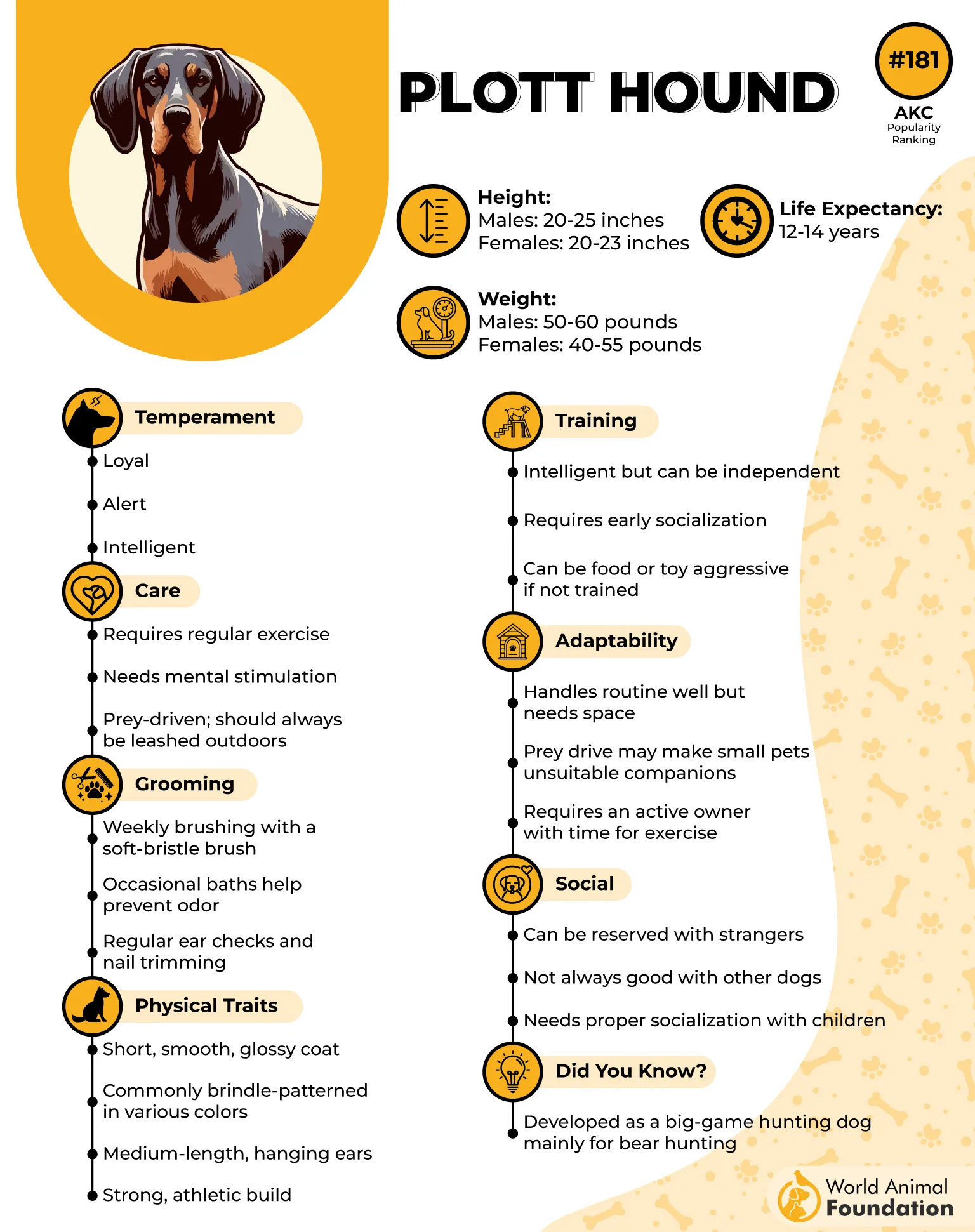
According to the American Kennel Club (AKC), the Plott is a smart, confident dog that bonds closely with its family but needs early socialization, daily mental challenges, clear training, and patient owners who are comfortable with a vocal, energetic personality at home.
Special Considerations For This Breed
Strong prey drive makes secure fencing a must
Independent streak requires patient, confident handling
7. German Wirehaired Pointer
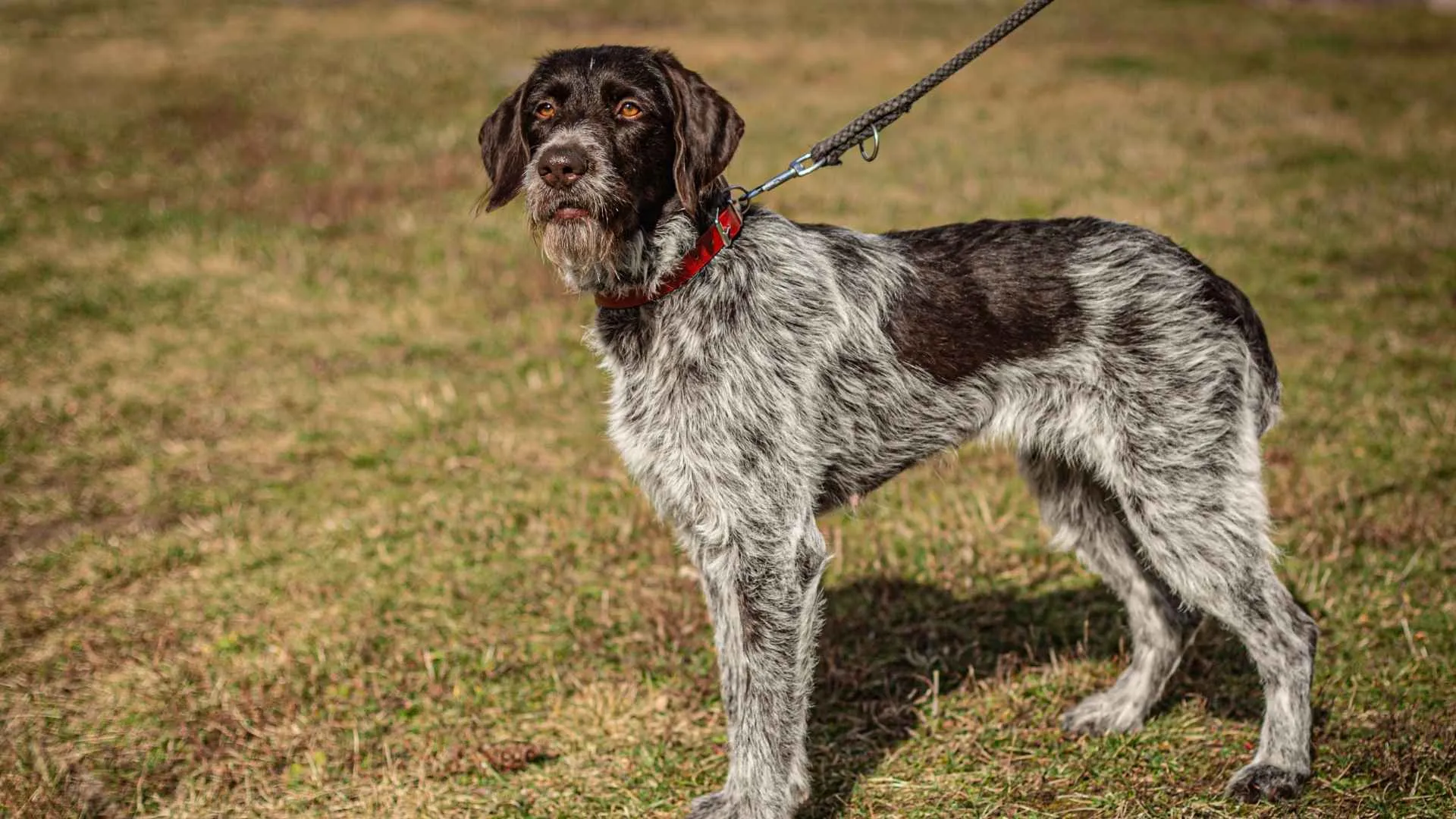
Built with an all-access pass to fields, forests, and water, the German Wirehaired Pointer pairs a tough, weather-ready coat with a sharp mind that’s always scanning for the next assignment. These hunting companions treat variety like a personal challenge.
This dog points, retrieves, tracks, and adapts without missing a beat, moving seamlessly from land to water and back again. Endurance, scenting skill, and problem-solving all show up together, unannounced and impressive.
What really keeps things interesting is how wide their search interests run. From waterfowl to upland bird hunting, wounded game to scent trails hugging the ground, this breed follows clues wherever they lead, switching gears confidently while staying focused on the task at paw.
Special Considerations For This Breed
Training works best when it feels cooperative, not bossy.
They crave human involvement, and too much alone time can lead to restless or destructive habits.
8. English Springer Spaniel
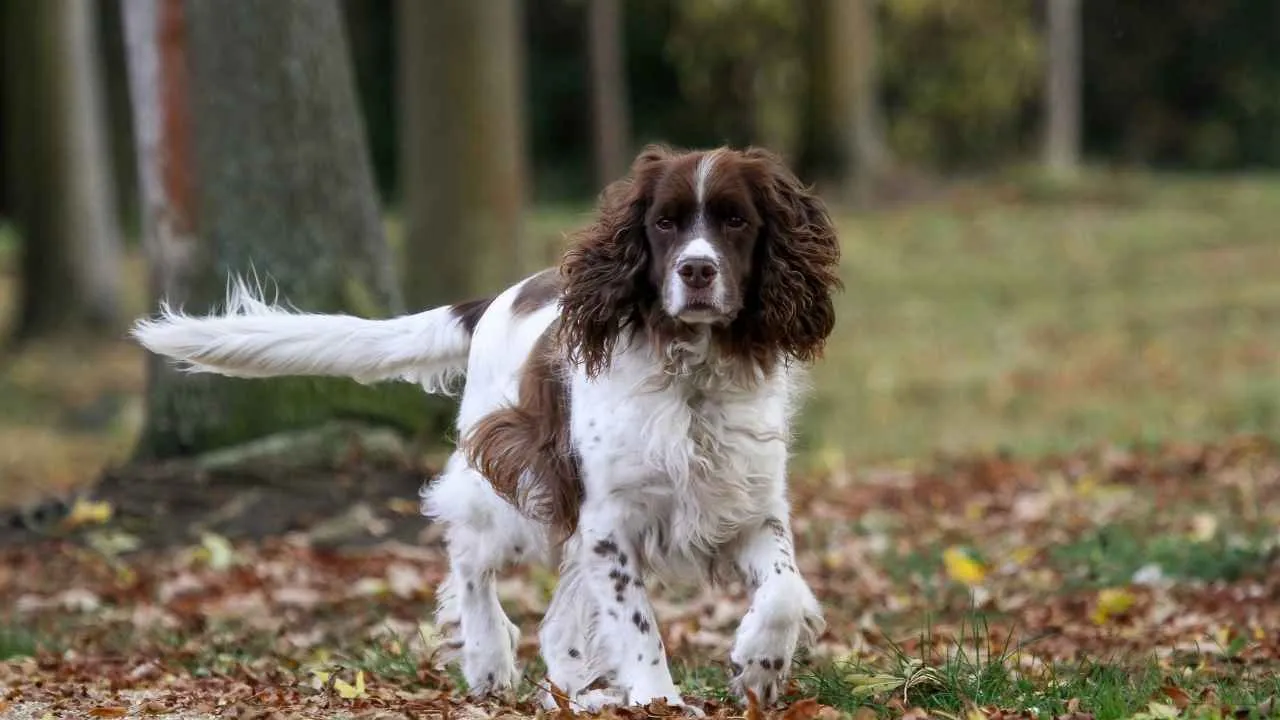
This hunting breed can fool people with its silky ears and polished look, but that refined appearance hides a tireless worker. Springers were shaped to be close-working partners, bouncing through dense cover all day and still wagging like nothing ever happened.
These dogs were bred specifically to locate and flush upland birds like pheasant, quail, grouse, woodcock, and bobwhite, then retrieve on land or water without hesitation. Their noses stay busy, their bodies stay low, and birds rarely sneak past unnoticed.
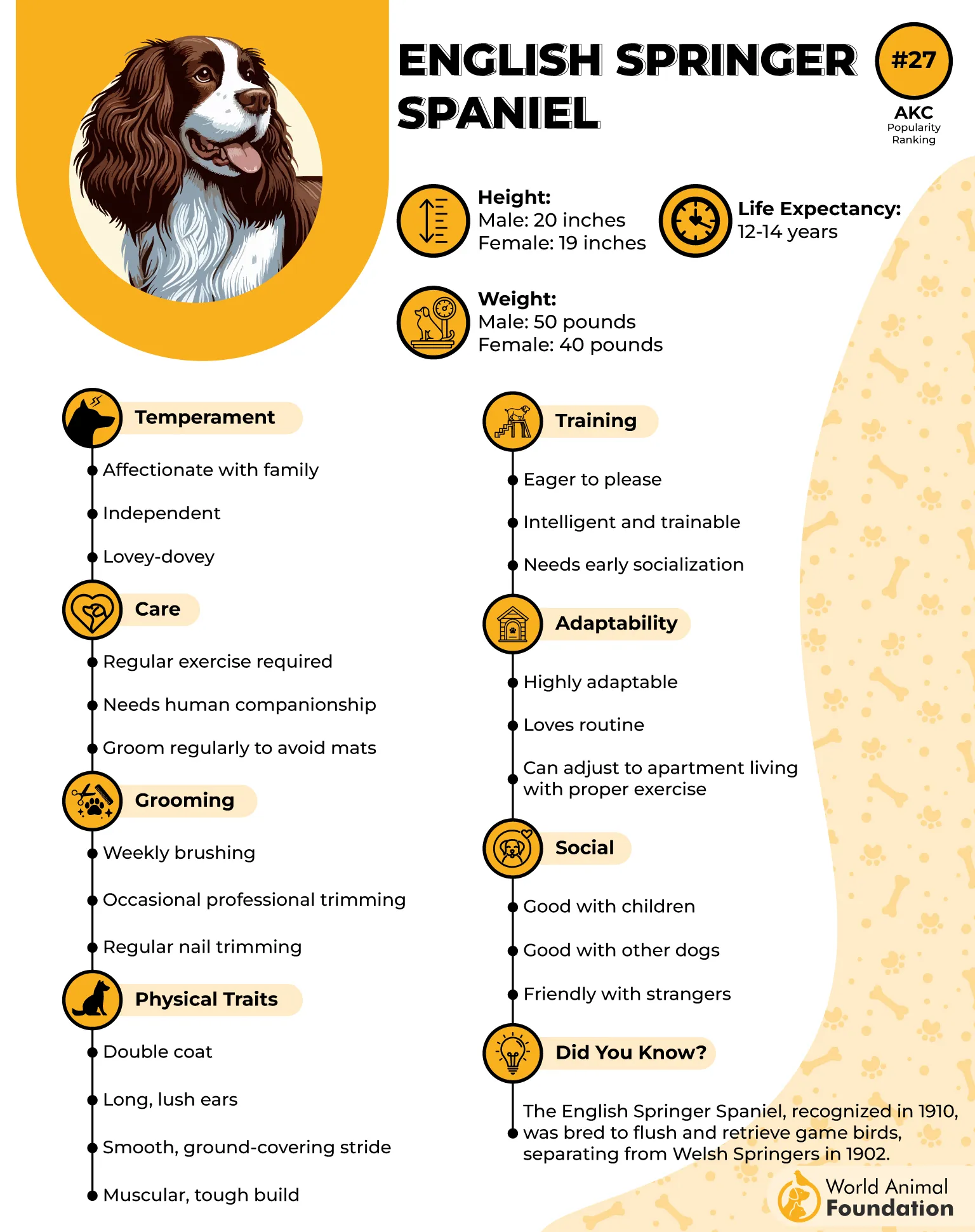
What really sets these bird dogs apart is how they hunt in constant motion. Springers stay within close range, pushing birds into flight, then instantly switching gears to retrieve. Long ears help stir scent, webbed feet handle water landings, and their stamina keeps the whole operation humming for hours.
Special Considerations For This Breed
Long, floppy ears need regular checks, especially after working through wet cover or brush.
Training should stay consistent, because curiosity can easily pull their focus elsewhere.
9. Irish Water Spaniel
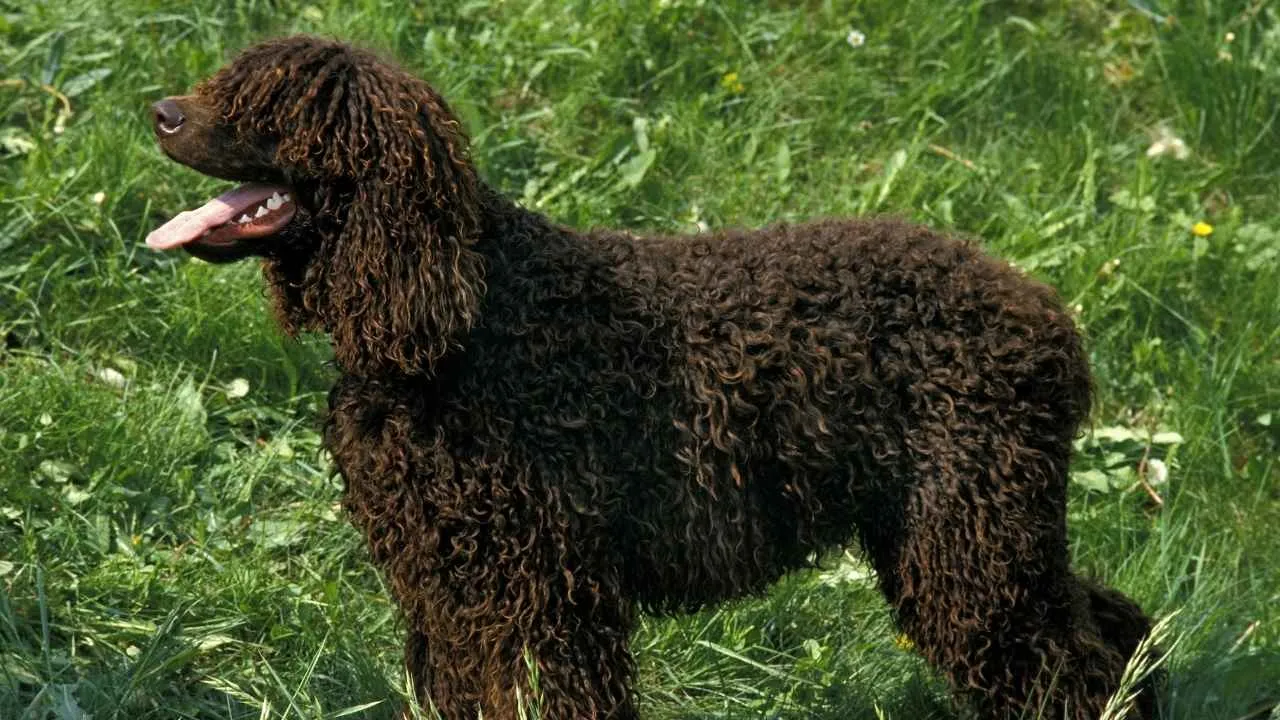
This is the kind of dog that lives for chaos. With a curly coat and confident posture, the Irish Water Spaniel doesn’t tiptoe around rough conditions. Cold water, muddy banks, and long days outdoors are exactly where this breed feels most alive.
Once wildlife enters the picture, their focus sharpens fast. Irish Water Spaniels are especially skilled at tracking and retrieving water birds in lakes, marshes, and rivers. They hunt birds by relying on scent and patience, working methodically rather than charging in without a plan.
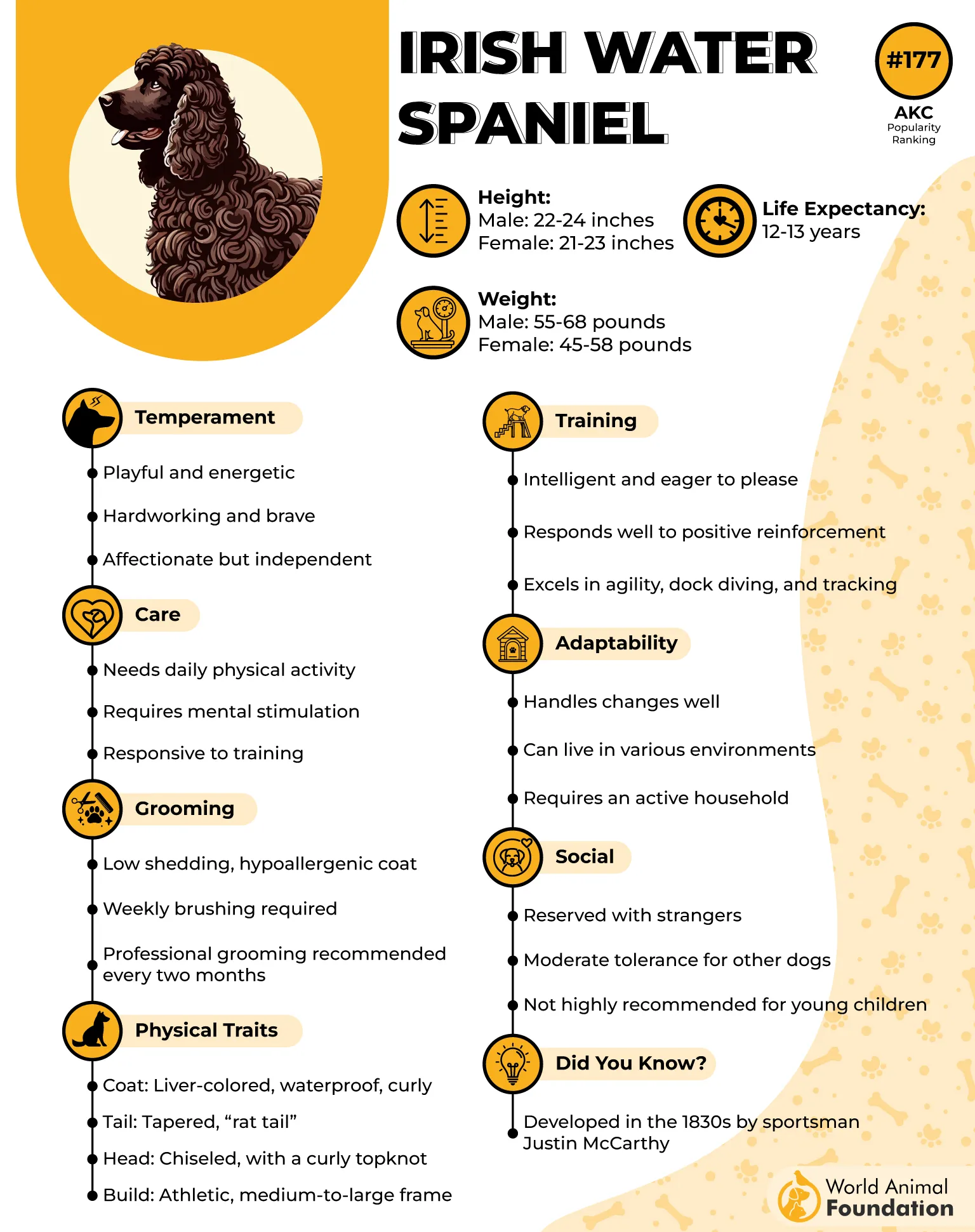
Training feels like a back-and-forth conversation instead of a lecture. They’re intelligent, energetic, and keen to cooperate, but they lose interest if things get repetitive. Keep sessions upbeat and varied, and they respond with enthusiasm and real effort.
Special Considerations For This Breed
They perform best in environments with water, space, and room to explore
Mental challenges are just as important as physical exercise
10. Boykin Spaniel
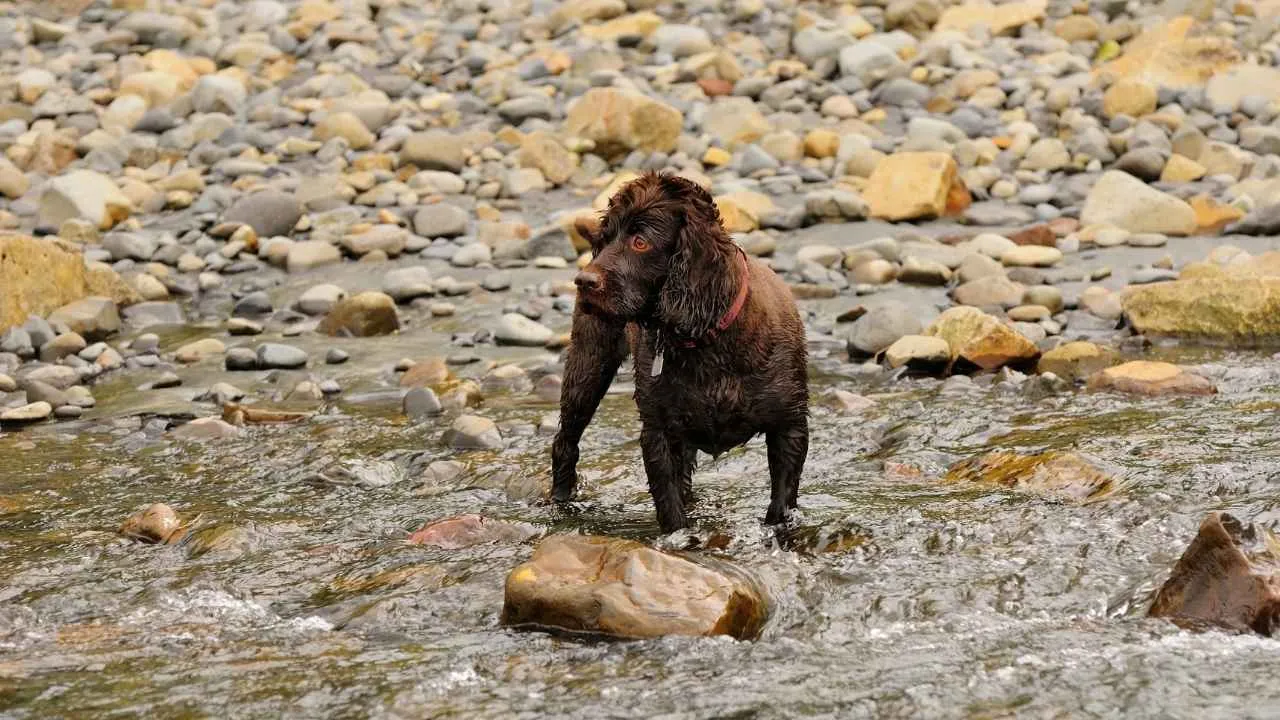
This small brown spaniel came to life in South Carolina thanks to hunters who wanted a dog that fit easily into boats and long days outdoors. The Boykin was shaped by real working needs, not show trends, and it shows.
Living with a Boykin means sharing your space with constant motion and curiosity. They are great family dogs and thrive on attention and routine interaction, preferring involvement over isolation. When ignored or under-stimulated, that cheerful energy can spill into restless behavior.
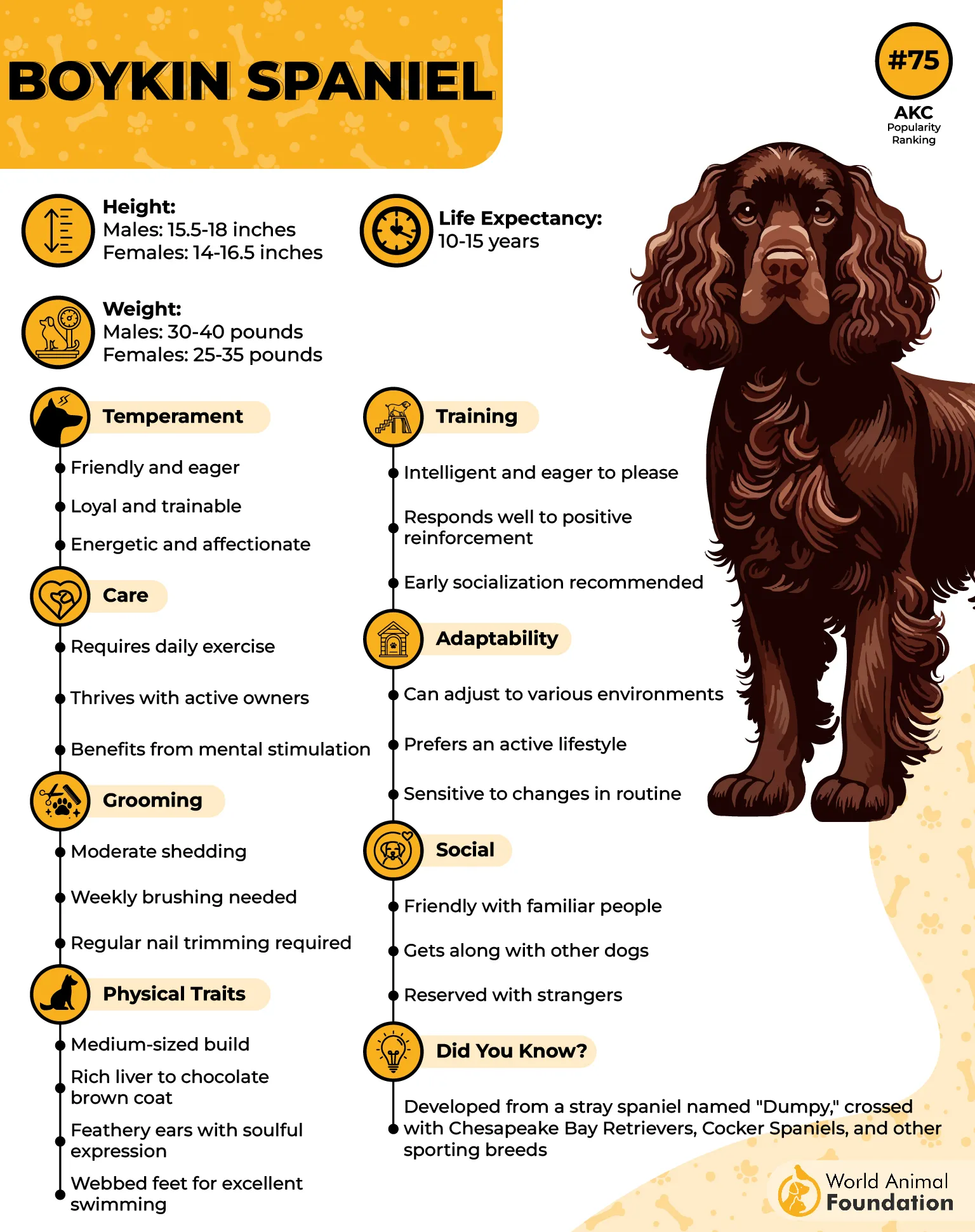
Out in the field, the Boykin works close and with purpose, sweeping cover methodically rather than ranging far. It flushes birds decisively, retrieves with confidence, and tracks moving game through brush or water while staying responsive to its handler.
Special Considerations For This Breed
Boykin Spaniels are high-energy dogs and need daily exercise to prevent restlessness and boredom.
Regular grooming and ear checks are important, especially after water or field activities.
Conclusion
Finding the right dog for tracking wildlife is about more than skills on paper. Every breed has its own personality and working style, which affects your time outdoors together. When a dog’s instincts fit your lifestyle, the partnership simply works.
The companionship feels natural, steady, and genuinely fun. With the right match, these dogs grow into trusted teammates whose abilities shine when guided with patience, consistency, and a shared love of being out there together.
If you want to further explore such wonderful dogs, some other breeds you can look up include German Shorthaired Pointers, Golden Retrievers, Chesapeake Bay Retriever, Brittany Spaniel, and American Foxhound.
