




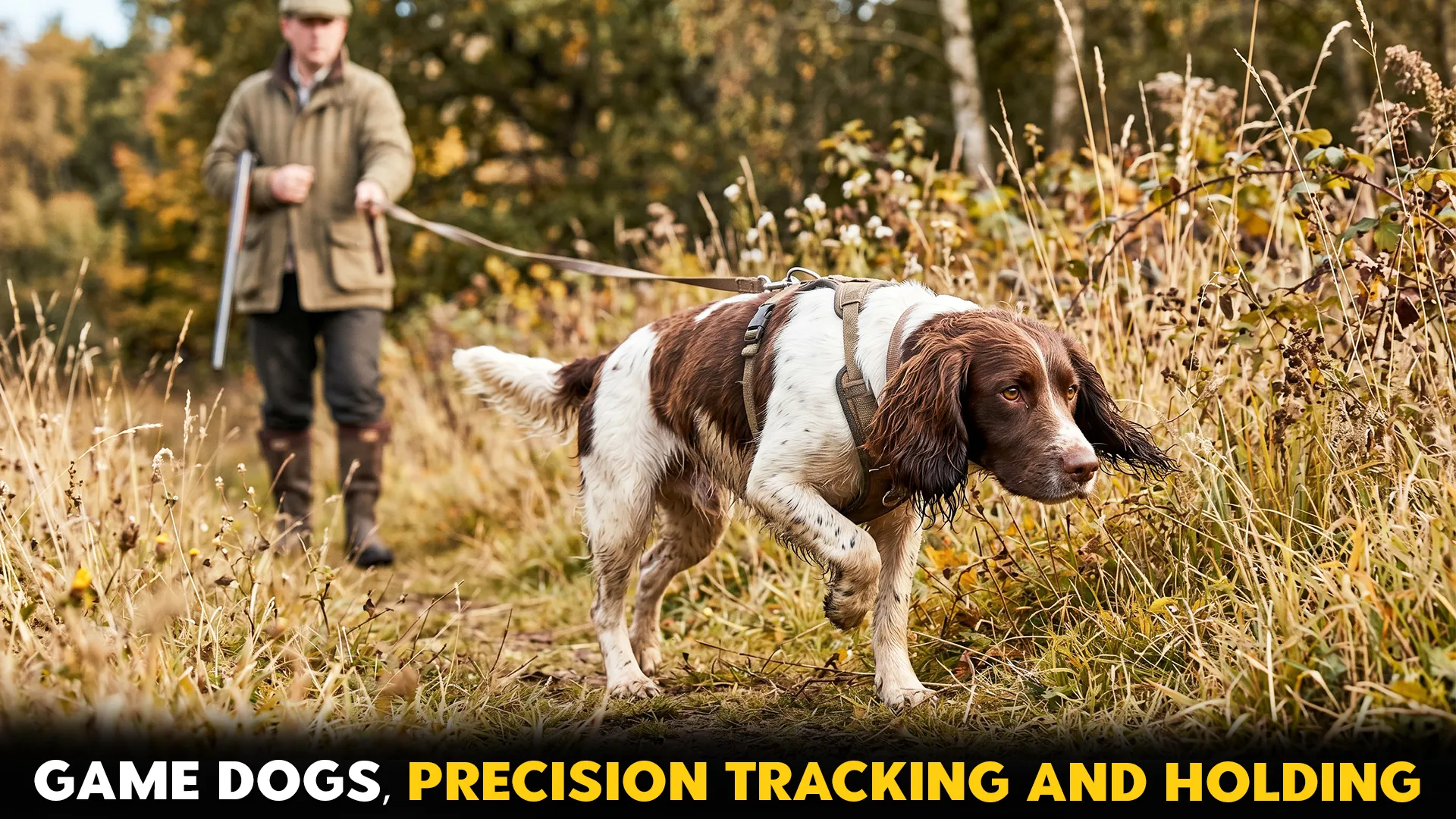
Small game hunting has always been more than just a sport—it’s a skill-based partnership between human and dog where timing, instinct, and teamwork matter just as much as speed or strength. From dense forests filled with rabbits to wide fields where birds scatter at the slightest sound, success often depends on a dog’s ability to find, track, and hold game under pressure.
That’s why choosing the right breed isn’t just preference—it’s strategy.
What makes many hunting dog breeds so fascinating is their specialization. Some are built to freeze and “point” game from a distance, others are trained to flush animals out of cover, and a few rely purely on their powerful sense of smell to track trails for miles without losing focus.
In today’s world, these breeds aren’t just working dogs in the field—they’re also companions, athletes, and highly intelligent partners that thrive on purpose. Whether you’re an experienced hunter or just curious about how these incredible dogs operate, understanding their roles gives you a whole new appreciation for how deeply connected humans and dogs have been in the world of hunting.
Best Dog Breeds for Finding and Holding Small Game
1. English Springer Spaniel
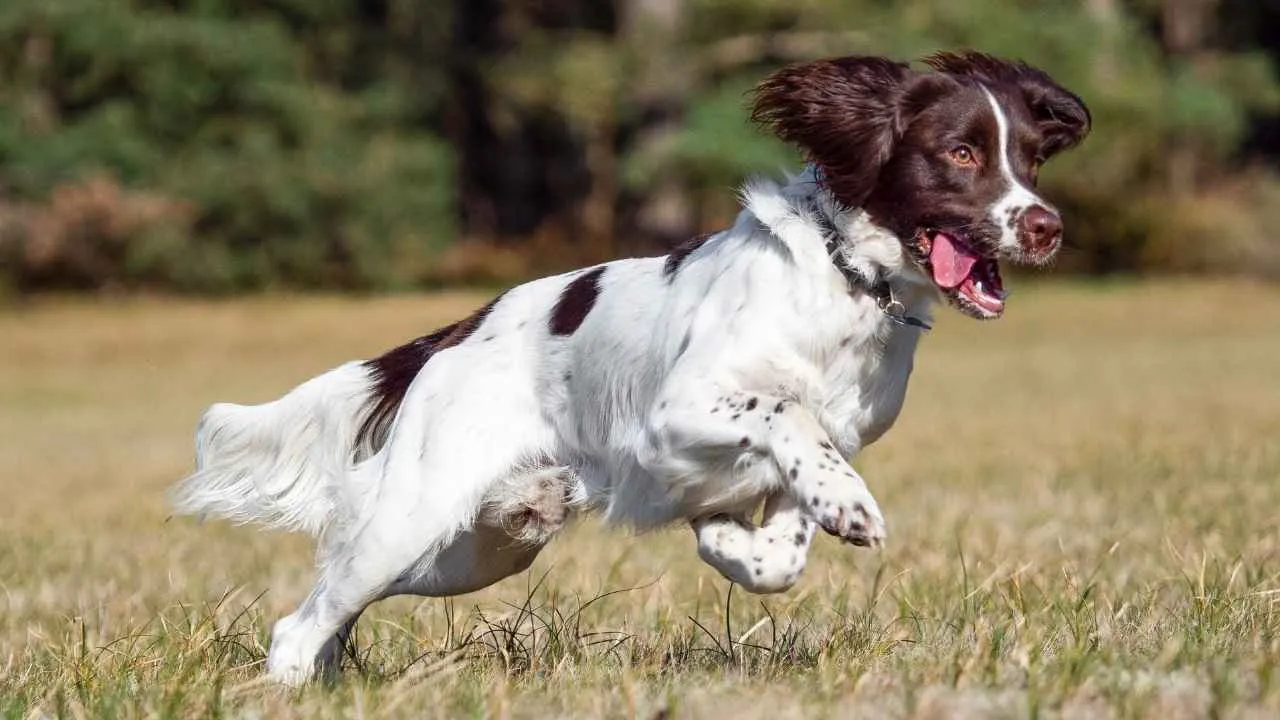
The English Springer Spaniel is basically the chaotic-good genius of small game hunting. It works close to the hunter and explodes into dense cover to flush birds and rabbits. According to hunting experts, it’s one of the most reliable upland flushing dogs in the world.
These hunting dog breeds don’t just chase—they strategically push game into the air, making shots easier for hunters. They’re known for their “springing” motion, which is literally where their name comes from.
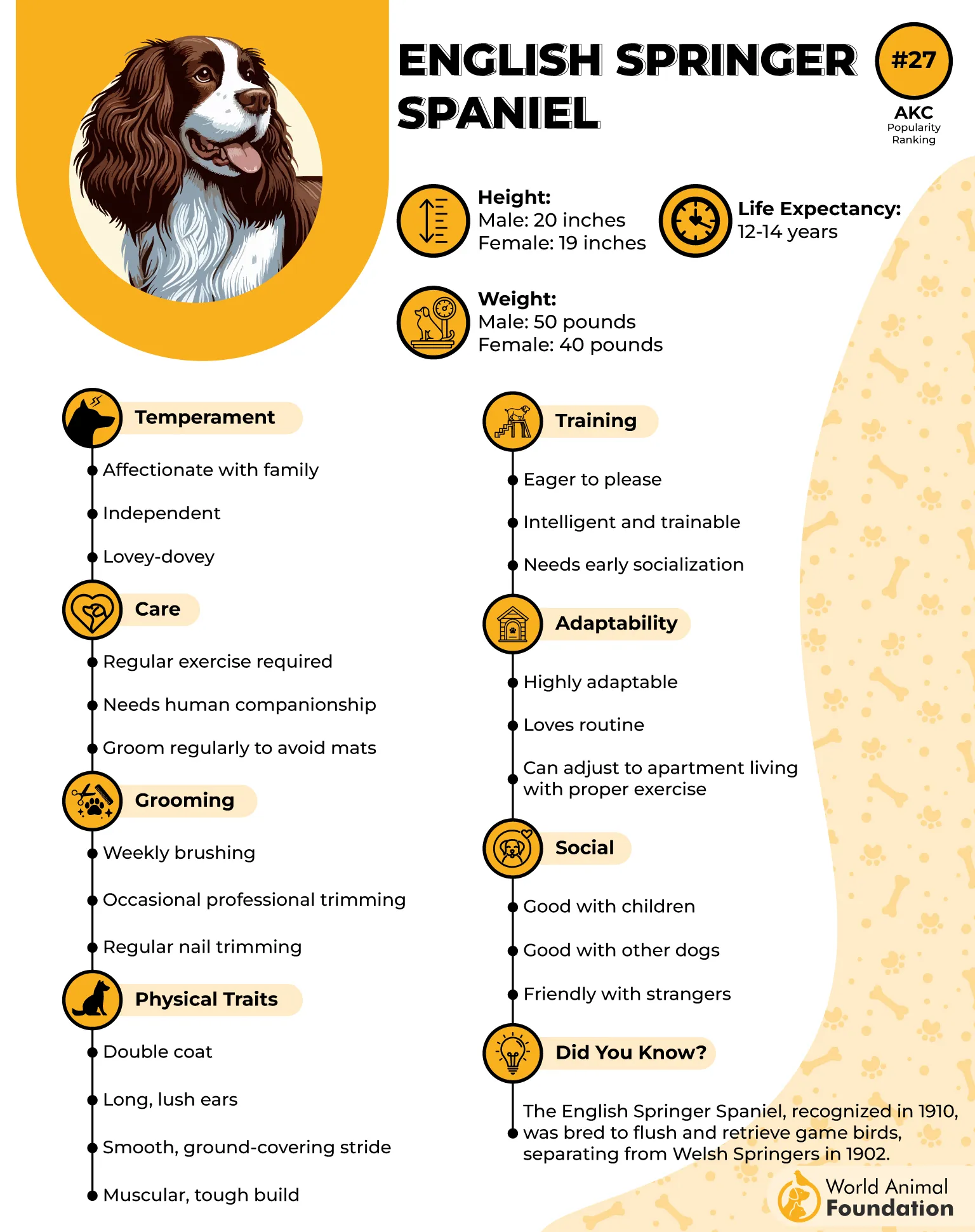
These versatile hunting dogs also have strong retrieving instincts, meaning they don’t just flush—they bring game back too. This makes them incredibly versatile compared to single-role dogs. Many hunters say they are “always switched on in the field.”
Energy-wise, they are intense and require daily work. Without activity, they get restless fast, so they’re best for active handlers.
At home, though? Surprisingly affectionate and family-friendly, which is why they’re so popular.
What Sets Them Apart From Other Pets
Dual-role hunter: both flusher + retriever in one package
Extremely close-working style keeps them easy to control in thick terrain
2. Brittany
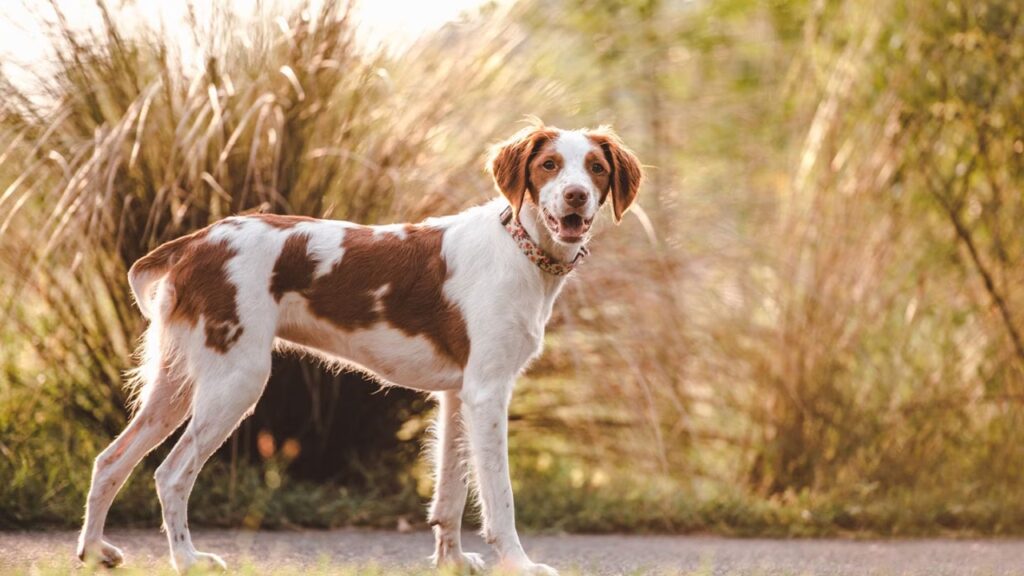
The Brittany is a high-speed, high-focus bird dog built for upland hunting. It is lighter and faster than most spaniels, with an instinct to protect, allowing it to cover ground quickly while staying close to the handler.
Unlike wide-ranging pointers, Brittanys work in a tighter zone, which gives hunters more control. They are especially good in mixed terrain where agility matters more than raw power.
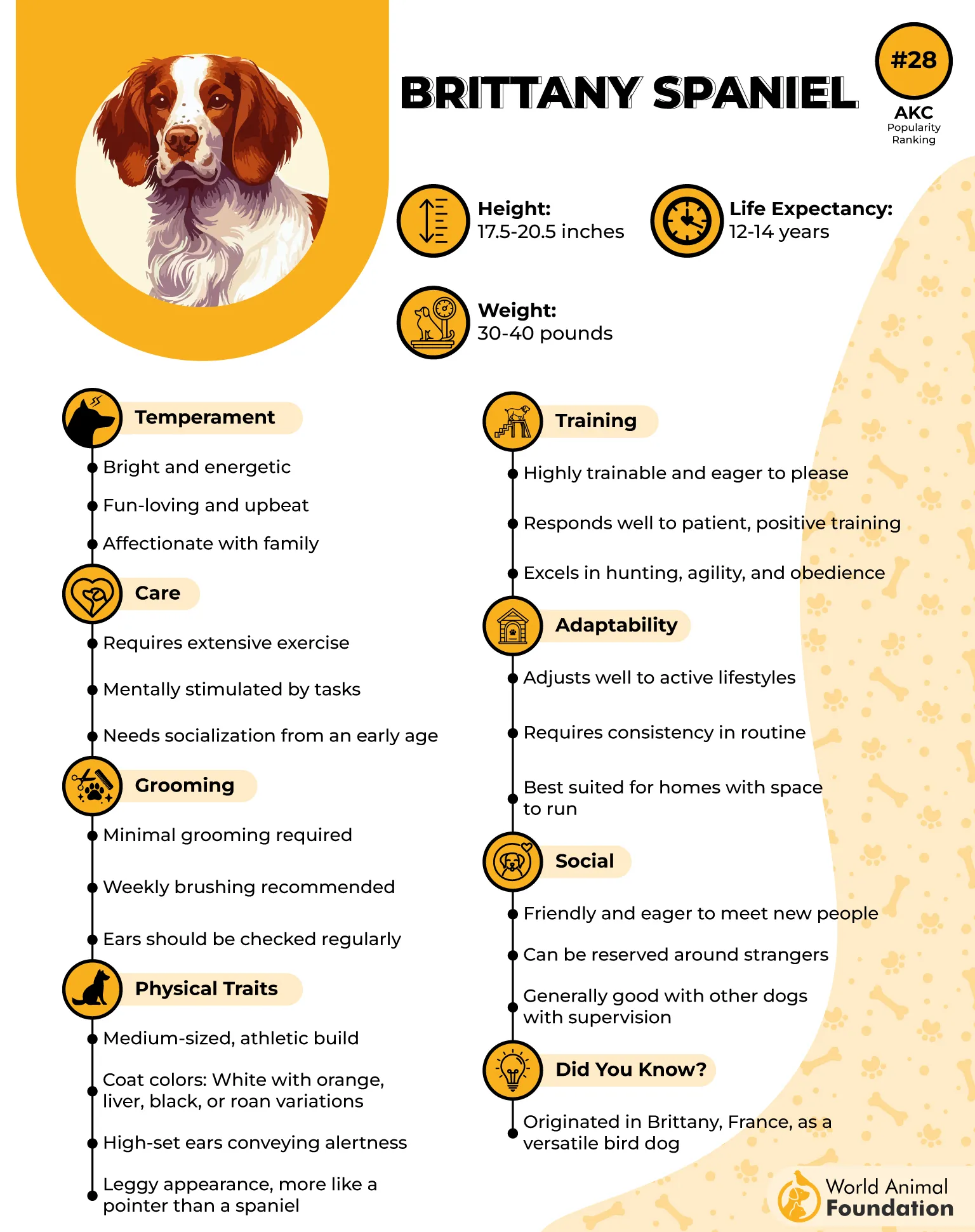
Their personality is enthusiastic and responsive, making them highly trainable in the field. Many hunters describe them as “always ready before you even are.” They are also surprisingly adaptable off the field and can behave like calm house dogs when exercised properly.
Orvis mentions that this is a lightweight, fast upland specialist, great at upland bird hunting. It stays closer to the hunter than many pointers.
However, these versatile bird dogs do require consistent mental stimulation, or they get bored quickly.
What Sets Them Apart From Other Pets
Compact athletic build designed for fast upland coverage
Strong handler connection improves field control and accuracy
3. German Shorthaired Pointer
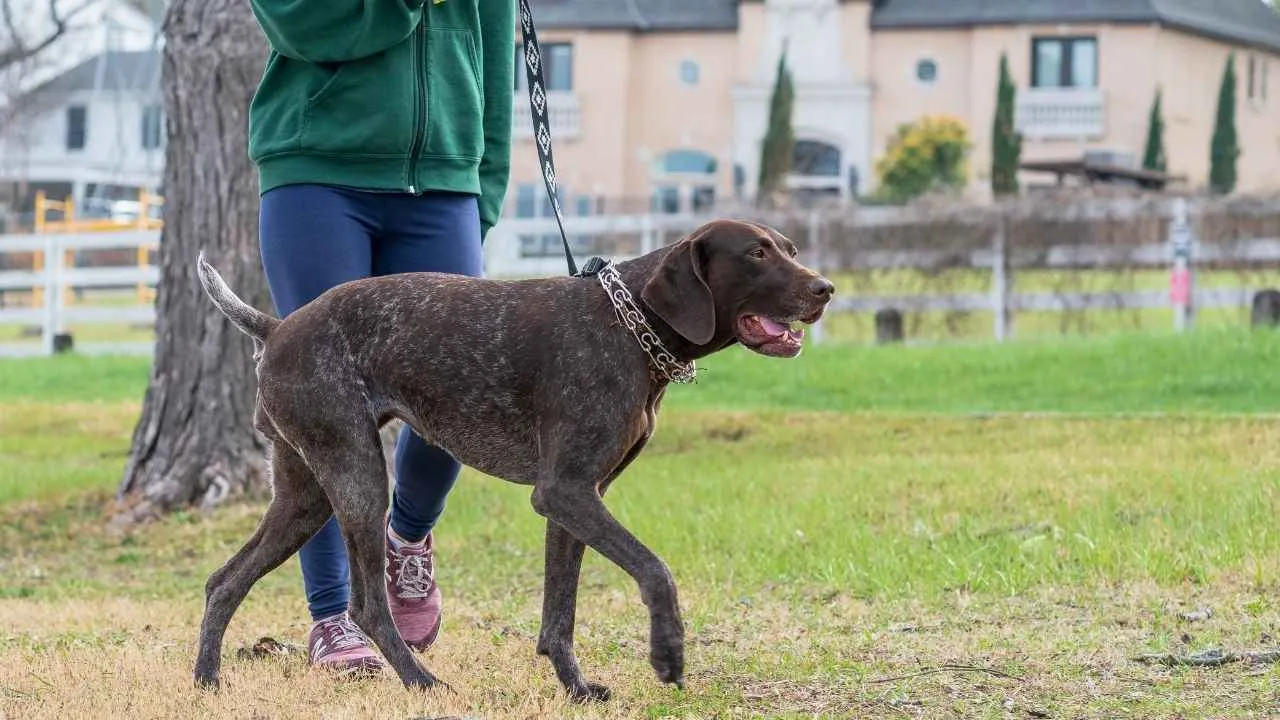
The German Shorthaired Pointer (GSP) is the multitool of hunting dogs. It can point, track, and retrieve both on land and water, making it one of the most versatile small-game hunters.
It is famous for covering huge distances efficiently while maintaining scent precision. Hunters love it because it adapts to almost any terrain without slowing down.
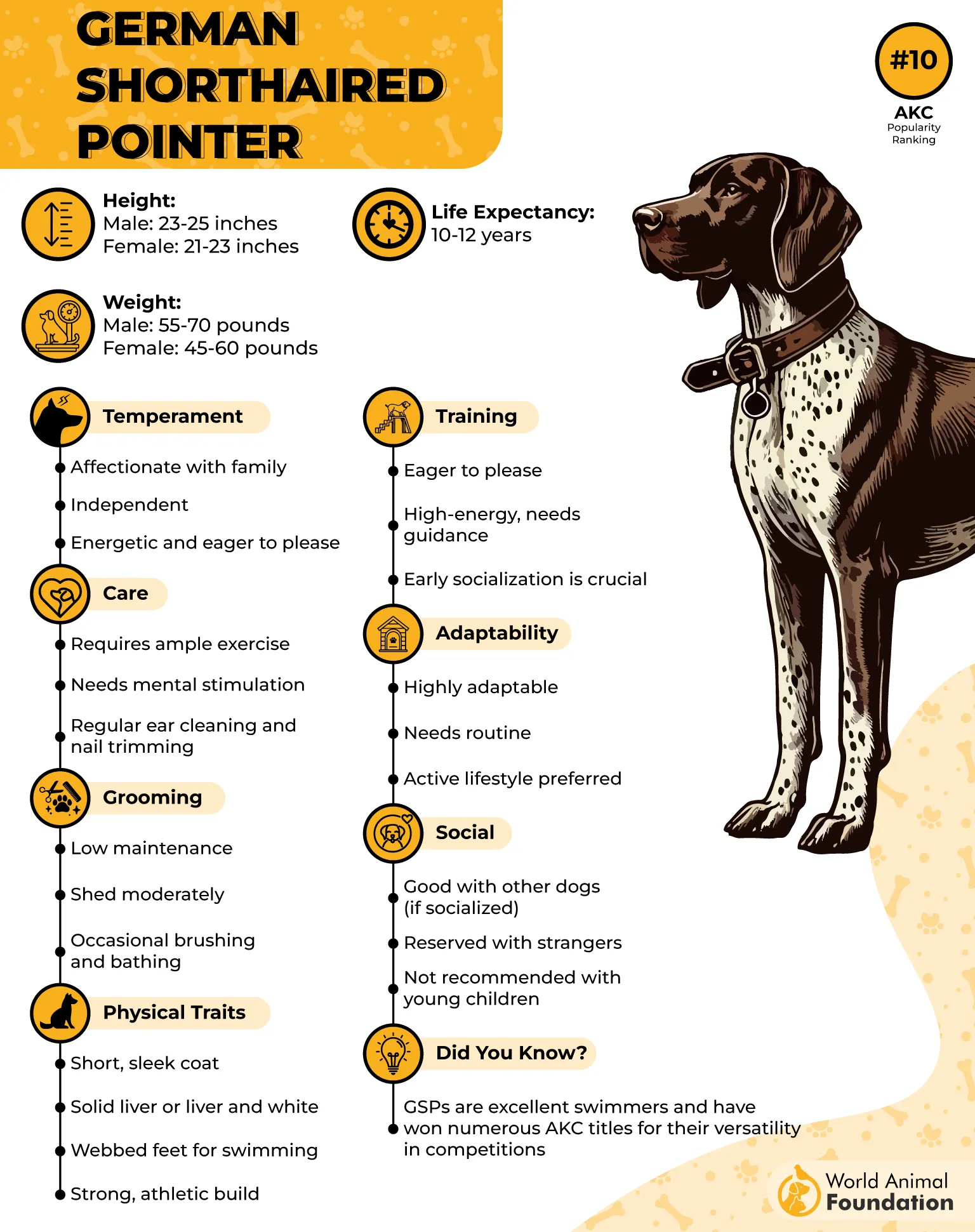
Its pointing stance is iconic—literally freezing mid-air when it locks onto the game. This helps hunters locate small game even in dense environments. GSPs are highly intelligent but require structured training. Without guidance, their energy can become overwhelming.
This is a top-tier, all-around upland game hunting machine. It points game before flushing and covers huge ground efficiently. This dog also works well on both birds and small game.
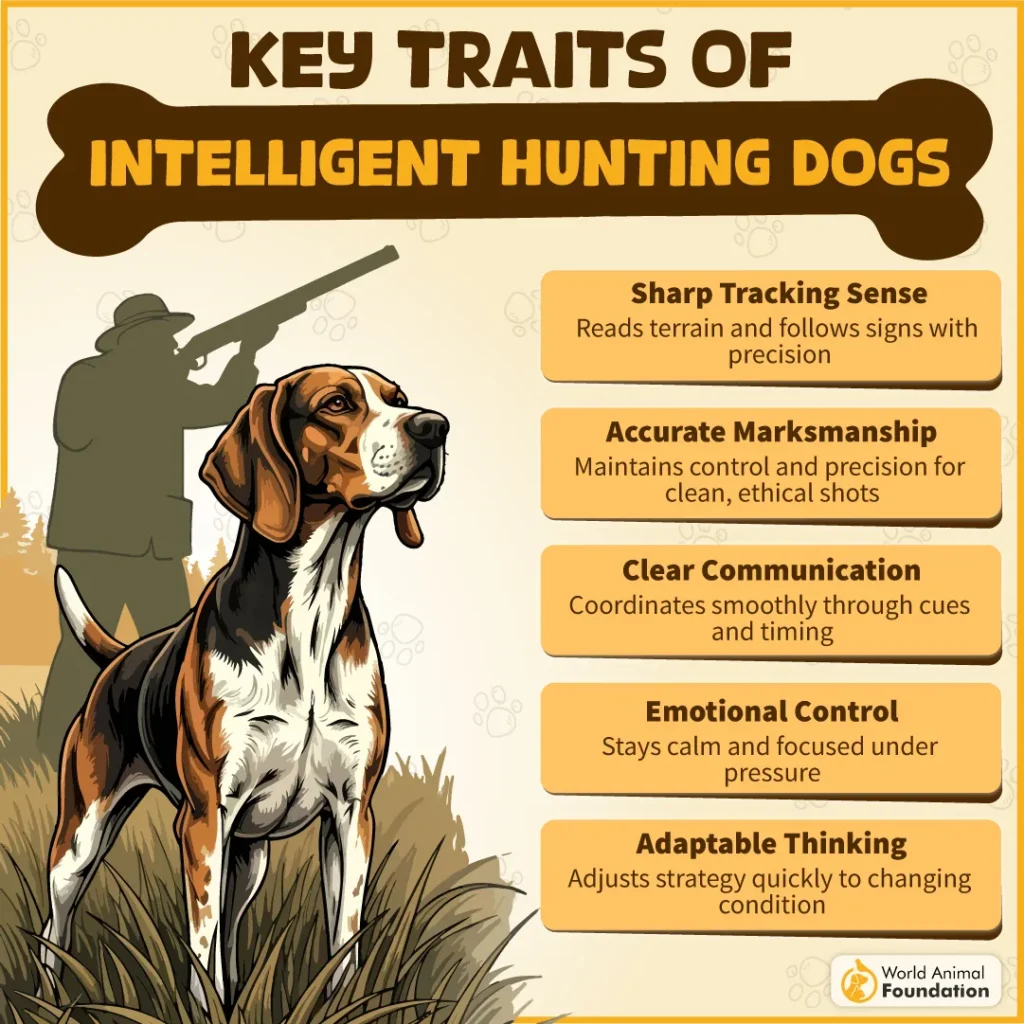
These pointer dogs are also extremely social and form deep bonds with their owners, making them loyal partners in the field.
What Sets Them Apart From Other Pets
Elite versatility across pointing, tracking, and retrieving roles
High endurance allows long hunting sessions without fatigue
4. Vizsla
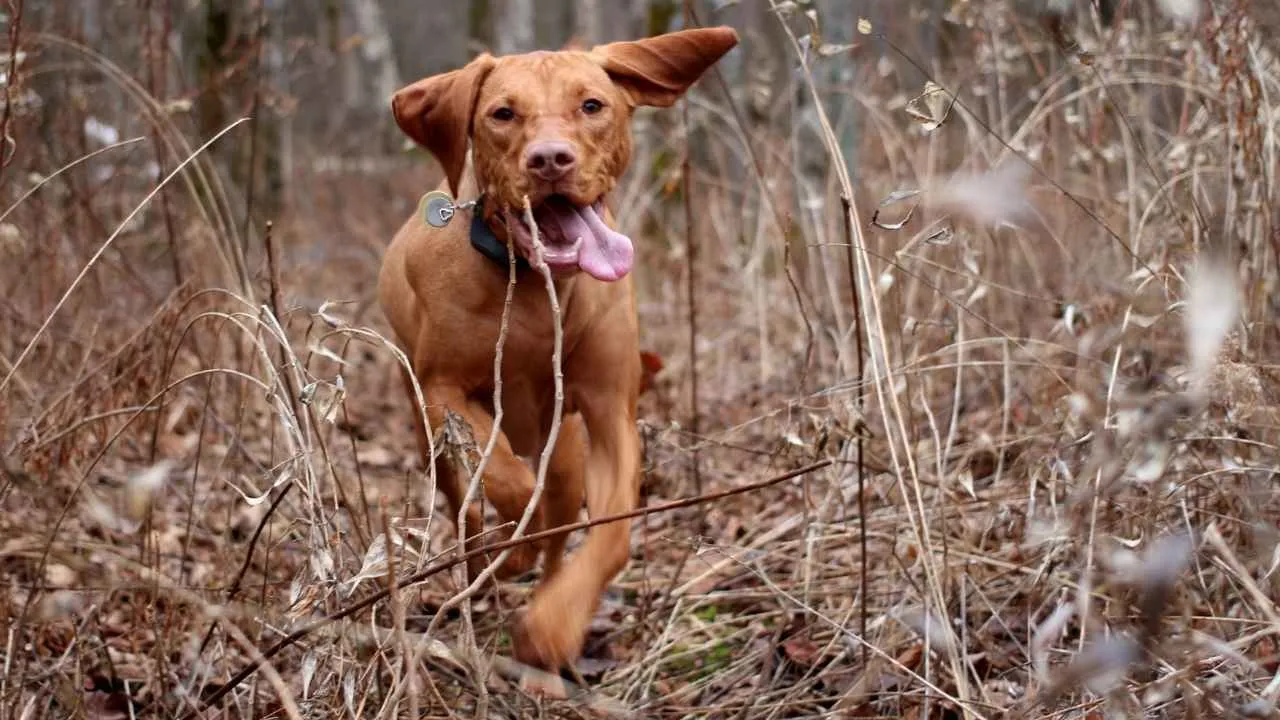
The Vizsla is known as the “Velcro dog” because it sticks so closely to its handler. This makes it extremely effective for hunting small game, as it naturally stays within working distance.
It is a pointer-retriever breed with strong scenting ability and fast movement. Vizslas excel in open fields where they can cover ground efficiently.
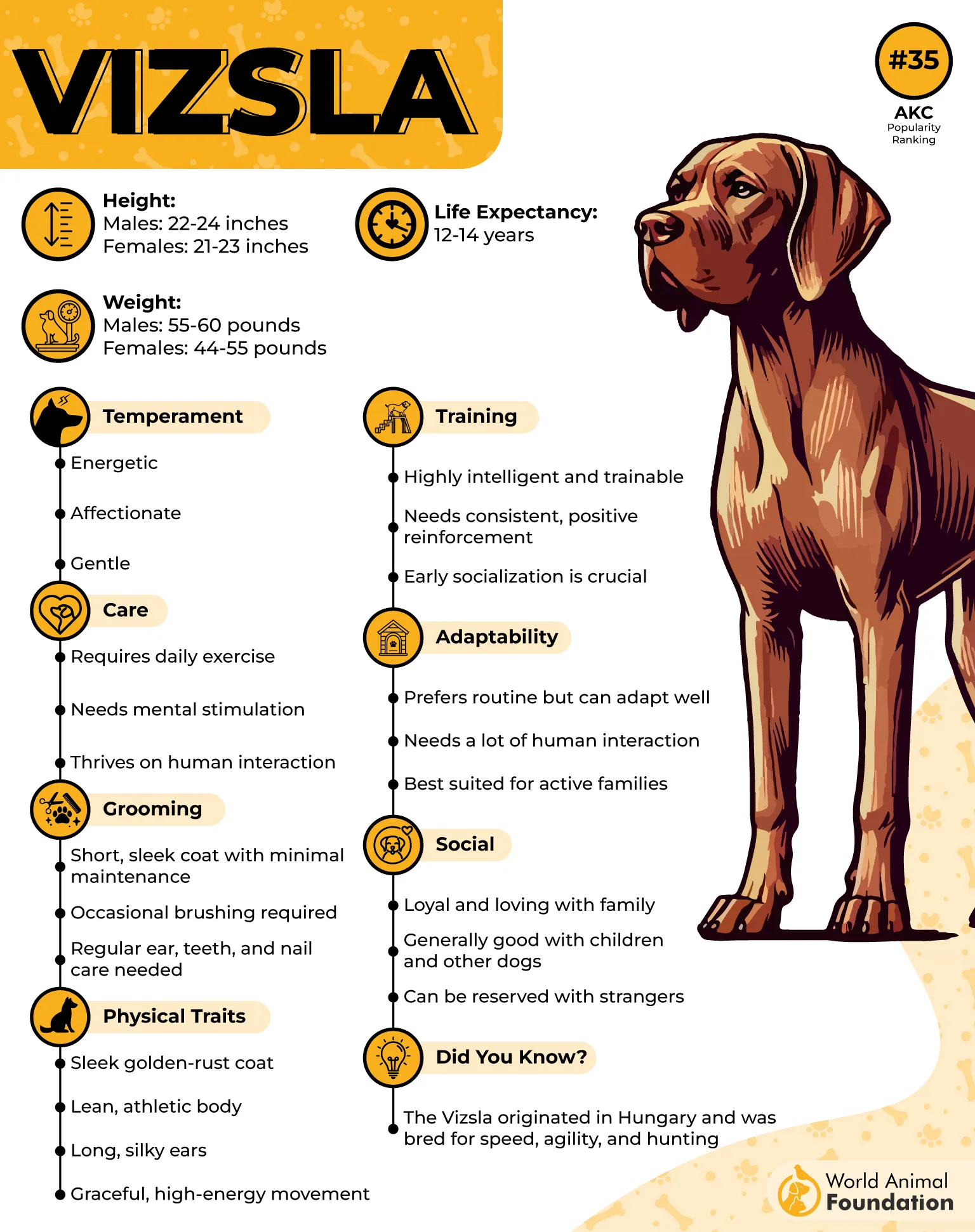
Their temperament is sensitive and affectionate, as per Hills Pet, which helps with training responsiveness. However, this top hunting dog breed requires gentle handling and consistency.
They are also extremely active and need daily exercise to stay balanced. Without it, they become restless and destructive.
Hunters often praise their emotional intelligence, saying they “hunt with you, not just for you.”
What Sets Them Apart From Other Pets
Extremely strong handler bonding improves field coordination
Lightweight speed makes them excellent for open-terrain hunting
5. English Setter
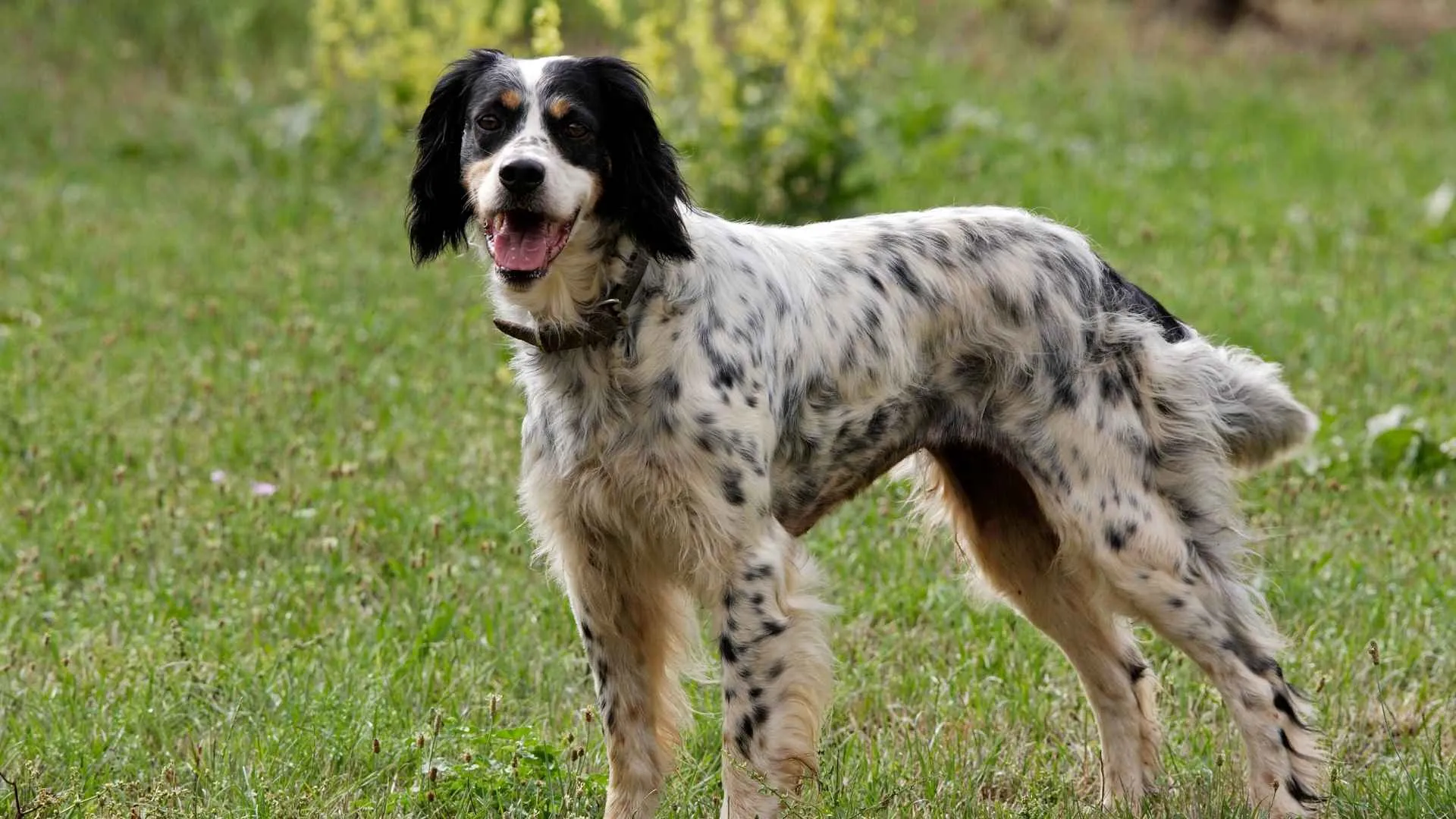
The English Setter is a graceful, methodical pointer that uses a slow, sweeping style to locate small game. It is known for “setting”—freezing or crouching when it detects prey.
This breed works at medium-to-long range, covering fields calmly rather than aggressively. That makes it ideal for hunters who prefer controlled, patient hunting styles.
It has a soft temperament and responds well to positive reinforcement. Training is usually smooth, but consistency is key.
English Setters are also known for their beauty—flowing coats and elegant movement make them visually iconic in the field.
They perform best in open upland terrain where scent tracking is easier.
What Sets Them Apart From Other Pets
Controlled, elegant hunting style reduces chaos in the field
Excellent scent-pointing ability across wide open landscapes
6. Beagle
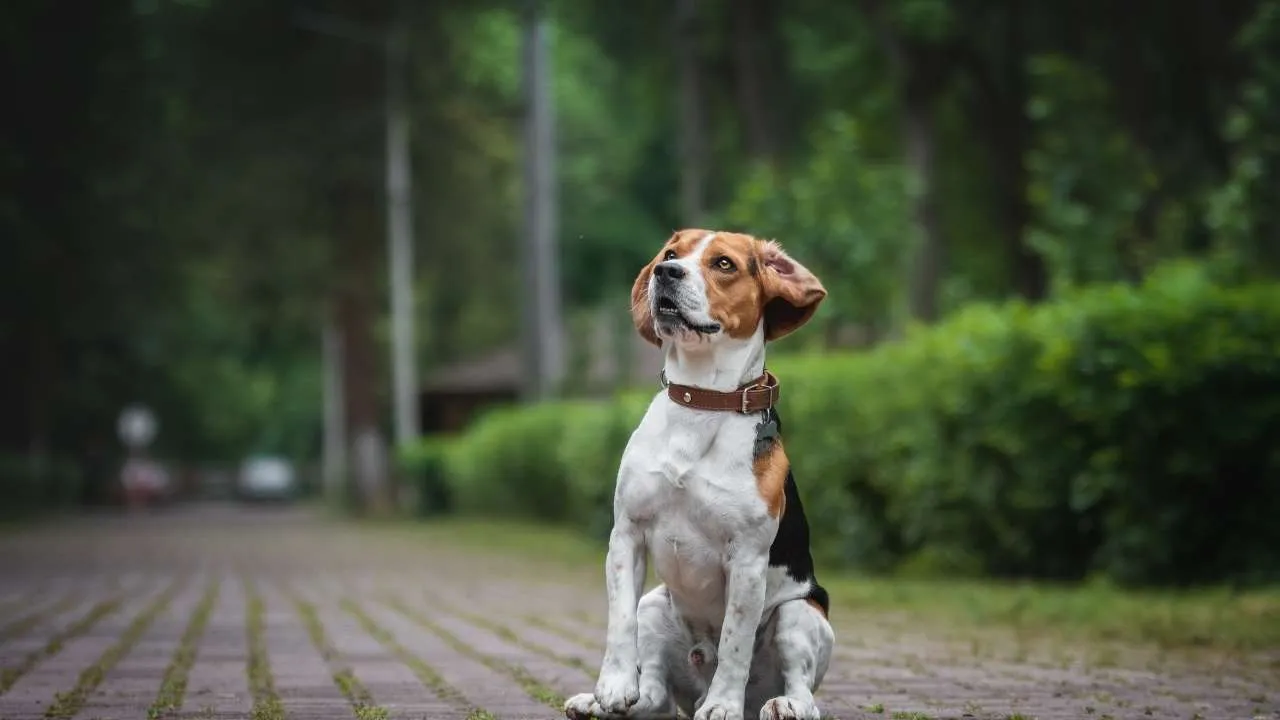
The Beagle is a small-game scent machine. It has one of the strongest noses in the dog world and is especially famous for rabbit hunting.
This pointing dog works primarily as a tracking hound, following scent trails relentlessly until it locates prey. Once locked in, it becomes extremely persistent.
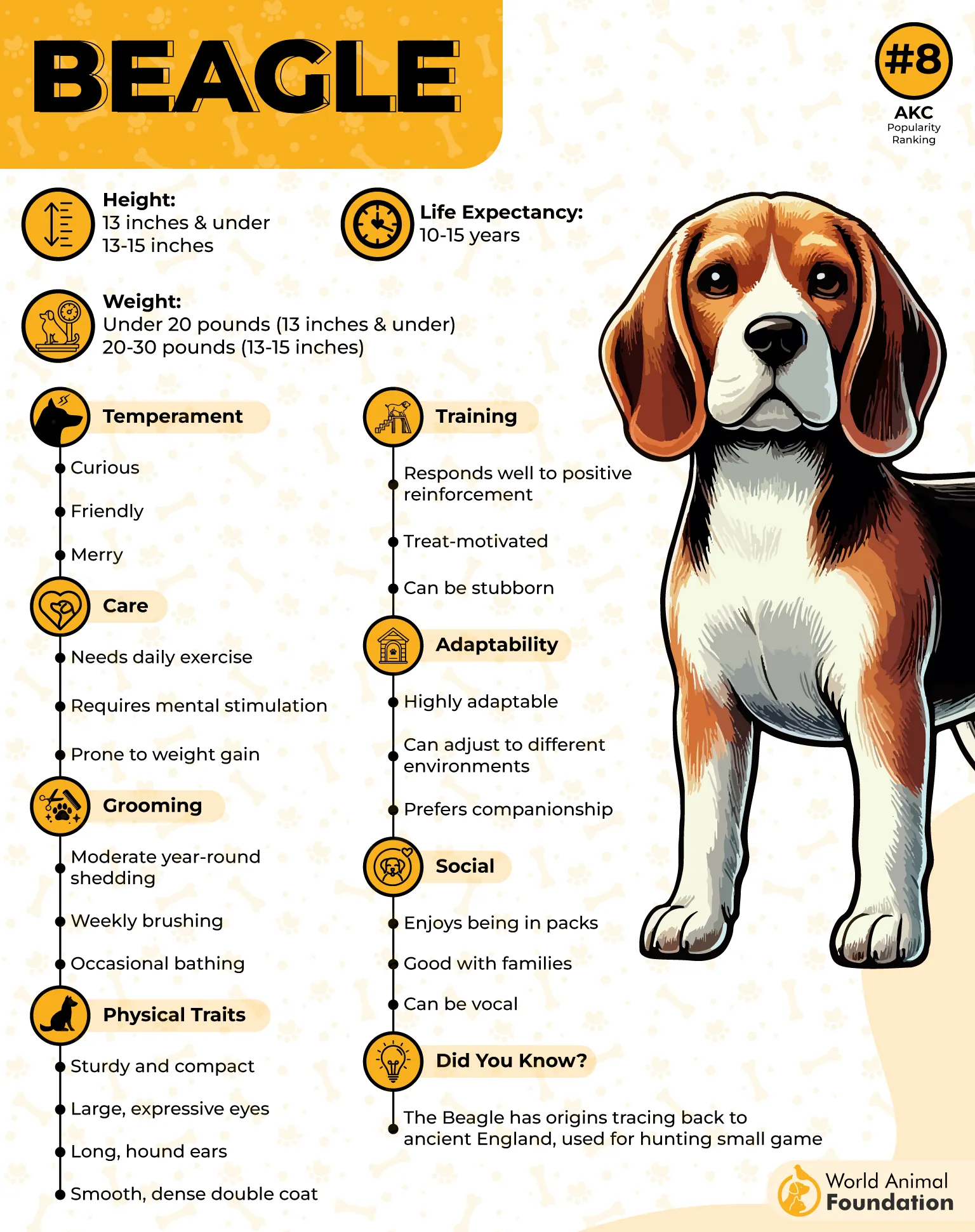
PetPlan claims that Beagles are vocal hunters, using their signature baying sound to alert handlers. This makes them great for tracking visibility even in dense cover.
They are compact, hardy, and incredibly determined. However, they can be stubborn due to their independent tracking instincts.
Off the field, these family pets are friendly and social, making them popular family dogs too.
What Sets Them Apart From Other Pets
Exceptional scent tracking ability for rabbits and small game
Vocal hunting style keeps communication clear in dense terrain
7. Cocker Spaniel
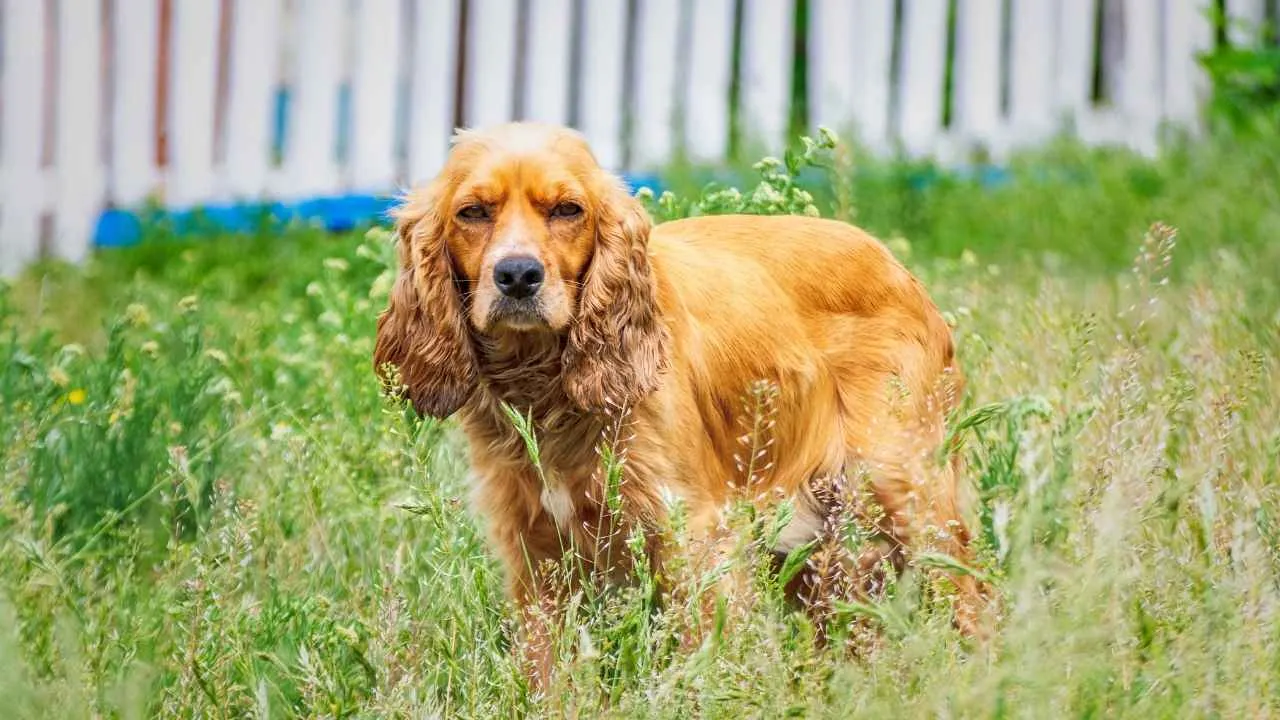
The Cocker Spaniel is a small but powerful flushing dog designed for hunting in dense cover. It excels at pushing rabbits and birds out of tight spaces.
Compared to Springer Spaniels, Cockers work closer and more carefully. Their natural hunting instincts make them ideal for thick brush and heavily vegetated terrain.
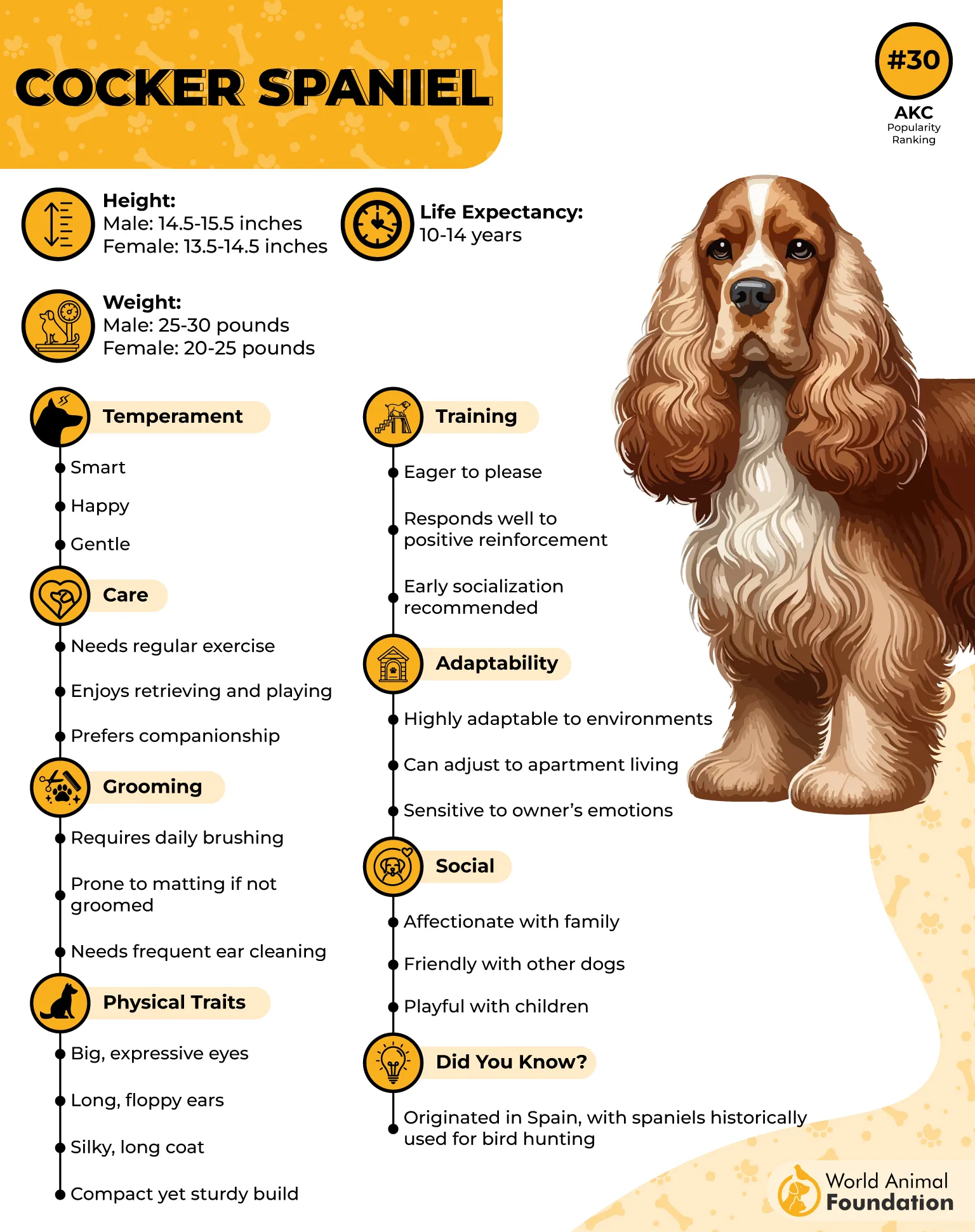
They are intelligent and eager to please, which makes training relatively easy. Hunters often praise their precision and control. It is small in size but very capable in dense cover. This dog, with phenomenal capability at retrieving downed birds, works in tight brush where bigger dogs struggle.
Despite their small size, these hunting companions are surprisingly tough in the field. Their compact build allows them to navigate areas that larger dogs struggle with.
At home, they are affectionate and highly social, often bonding closely with family members.
What Sets Them Apart From Other Pets
Small size allows access to dense cover and tight hunting zones
Precise flushing style improves shot accuracy in thick terrain
Conclusion
Small game hunting dogs are not just tools in the field—they’re highly skilled partners built through generations of instinct, training, and trust.
Whether it’s a Beagle tracking scent trails with unstoppable focus, a German Shorthaired Pointer covering vast terrain with precision, or a Springer Spaniel flushing game from dense cover, each breed brings a unique style of intelligence and purpose to the hunt.
What makes them truly special is not just what they do, but how naturally they do it, turning complex hunting tasks into seamless teamwork between dog and handler.
Choosing the right hunting dog isn’t about picking the “best” breed overall—it’s about finding the one whose natural strengths match your environment, your hunting style, and your level of experience.
