





Choosing which dog breed to share your home with can be a hard decision, especially when so many sizes and personalities exist, and each dog seems to promise something different.
How do you know which one will truly fit your home, your schedule, and your family’s pace without bringing stress into your daily routine?
Many families today hope to welcome a calmer pet because quiet moments at home often matter just as much as fun and playful times together.
Before you choose, it helps to think about how much space you have, how much time you can give each day, and what your daily habits look like.
Matching energy levels at home matters too, because a calm dog can blend into family life with less stress and fewer behavior struggles over time.
With these ideas in mind, the following list of top dog breeds for families who prefer a relaxed lifestyle can guide you toward a gentle, loving match for your home.
Top Dog Breeds for Families Who Prefer a Relaxed Lifestyle
1. Bulldog

The Bulldog, also called the English Bulldog, is easy to spot because of its wide stance, muscular low profile, and short, wrinkled face that many families find charming and friendly. This medium-sized dog breed carries a strong build, yet it moves with a slow and steady pace that feels calm inside the home.
Because of their compact body and relaxed style, Bulldogs fit well into smaller homes and apartments without needing large outdoor spaces. They enjoy quiet indoor life and often rest near their family, which helps them feel safe and included during the day.

Daily care for this calm dog breed stays simple, yet steady routines help keep them comfortable and healthy over time. Short walks support light movement, while gentle play helps them stretch without causing strain on their body.
According to PetMD, Bulldogs are a brachycephalic, or short-nosed, breed, so they do not handle heat well and need cool spaces during warm days. Some health issues may need lifelong care or even surgery, which families should plan for before choosing this dog.
Helpful Bulldog facts to know:
They often seek cool floors or shaded spots when resting.
Raised bowls can support an easier feeding posture.
Facial folds need gentle cleaning each week.
2. Pug

Pugs are loved for their charming, loving, and sometimes mischievous personality, which brings smiles and laughter into calm homes each day. They tend to stay close to their people, since they enjoy being part of family moments and quiet time together.
This affectionate breed builds strong bonds with kids because they enjoy gentle play and offer steady comfort during calm family routines. Pugs are often seen as one of the laziest dog breeds, since they enjoy long naps and calm time.
They usually greet visitors with friendly interest, which helps homes feel warm and welcoming during social visits. Training works best when lessons feel fun, since Pugs respond well to praise, treats, and cheerful voices during short practice sessions.
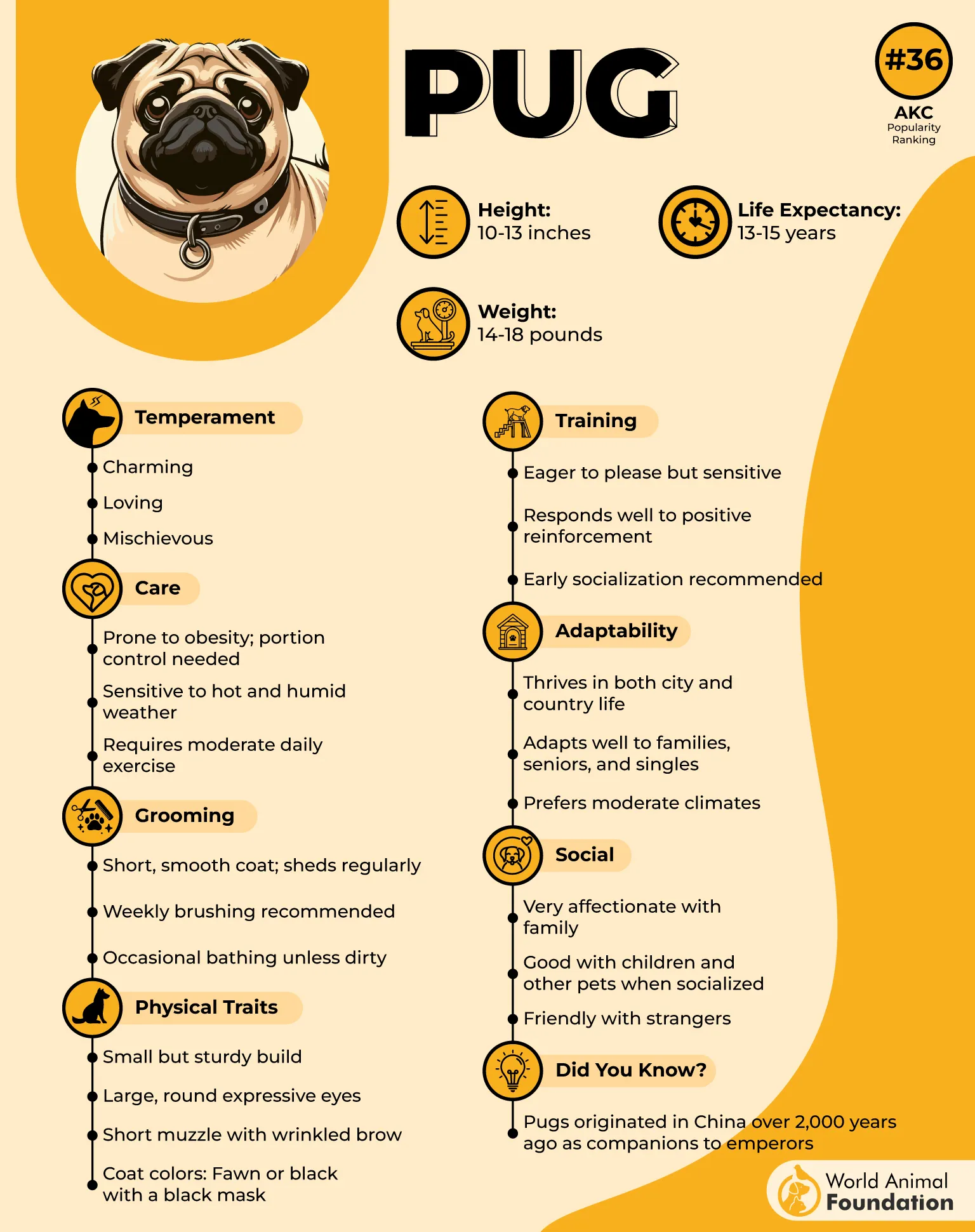
According to the American Kennel Club, because they are highly trainable, simple routines help them learn good habits without stress or confusion over time. Clear rules at home help prevent stubborn moments, since mixed signals can lead to unwanted habits that grow harder to change later.
Regular daily walks support their routine, while calm indoor time helps them stay balanced in apartments and smaller living spaces.
Quick Pug notes for families:
They stay popular today, with many famous pet parents around the world.
Their long history as companion dogs shaped their people-focused nature.
The motto “multum in parvo” fits their big heart in a small body.
3. Cavalier King Charles Spaniel

The Cavalier King Charles Spaniel comes from Britain, where this spaniel-type breed once rode in drafty coaches and later rested during long carriage trips with nobles, noted by Hill’s Pet.
Because of this early history, the dog grew used to staying close to people, which shaped its role as a true companion over many generations. Over time, families welcomed Cavaliers into homes because their gentle ways made them easy to live with during calm daily routines.
They soon became family favourites, since their soulful eyes and soft presence helped people feel relaxed and comforted each day. This calm breed thrives on close contact with people, so they often follow family members from room to room with quiet devotion.
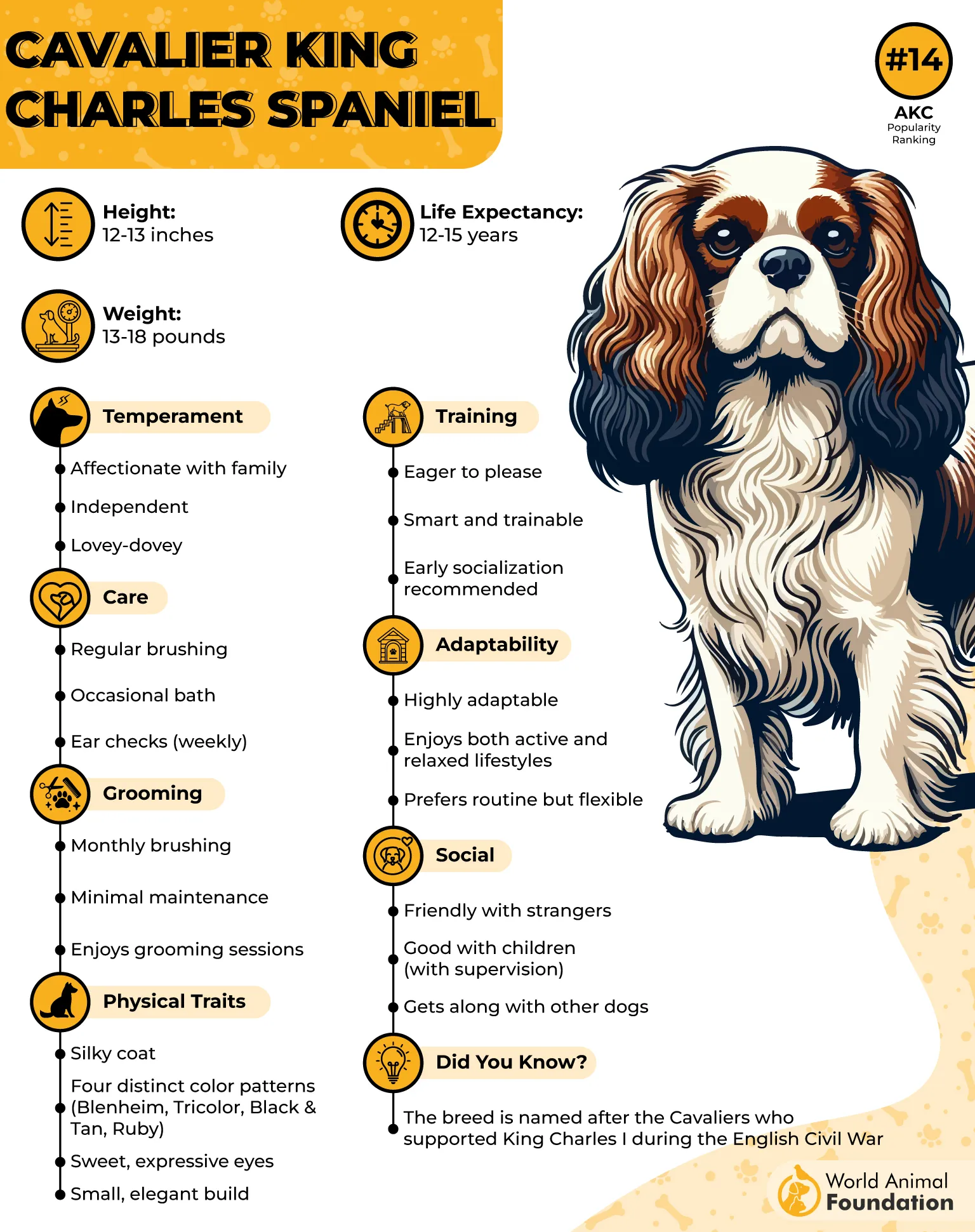
They usually greet guests with polite interest, which helps homes feel warm without loud or pushy behavior during visits. Cavaliers fit well into steady family routines, since they enjoy simple patterns that include short outings and calm indoor time.
Their calm demeanor makes great family pet, and busy families feel supported, while empty nesters often enjoy their loyal company at home.
Why this breed suits gentle homes:
They do well in apartment living and smaller living spaces.
They need only minimal exercise to feel content.
Their laid-back nature supports calm living for families.
4. Saint Bernard
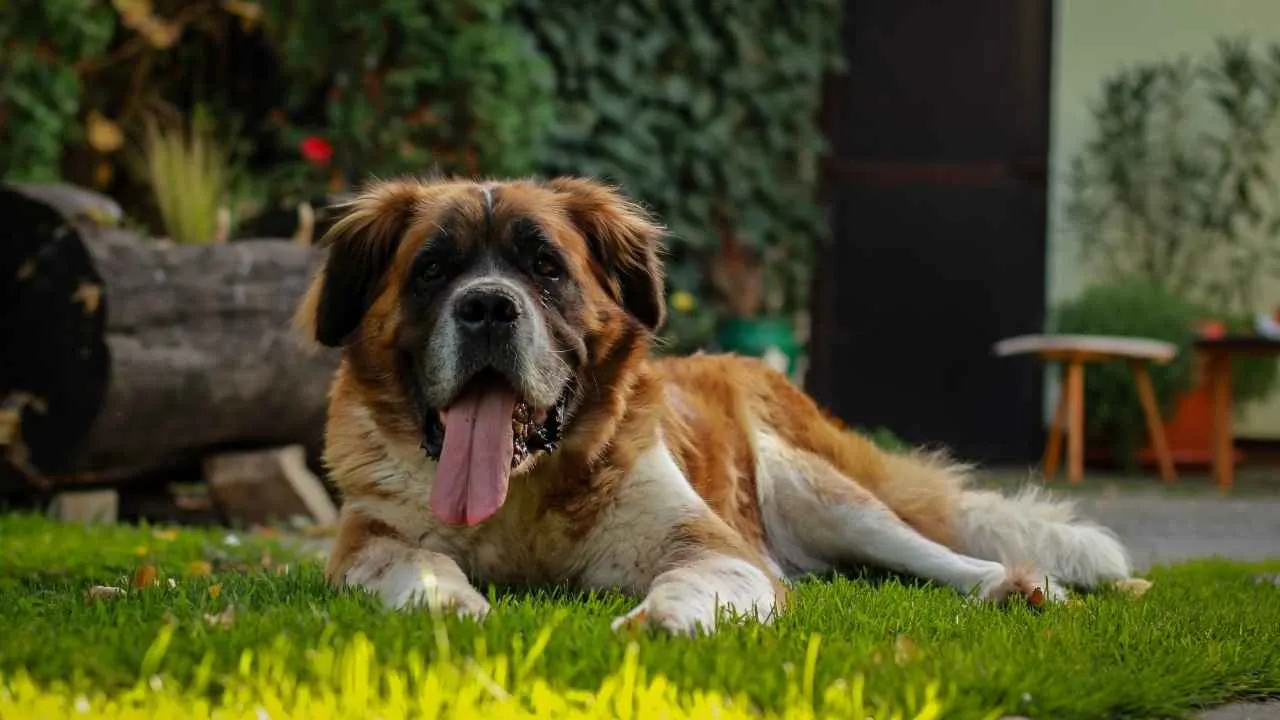
The Saint Bernard is a large working dog from the Western Alps of Italy and Switzerland, where it was first bred for rescue work by the hospice of the Great St. Bernard Pass, according to Wikipedia.
Because of this history, families should expect a giant breed that moves slowly indoors, yet still needs wide paths and open areas to move safely. Their playful, charming, and inquisitive nature makes them one of the world’s most famous and beloved breeds among calm family homes today.
They are known as one of the calm dog breeds, which supports a more laid-back lifestyle for families who enjoy quiet routines. Safety with small children starts with space, since their large bodies can bump little ones by accident during turns or greetings.
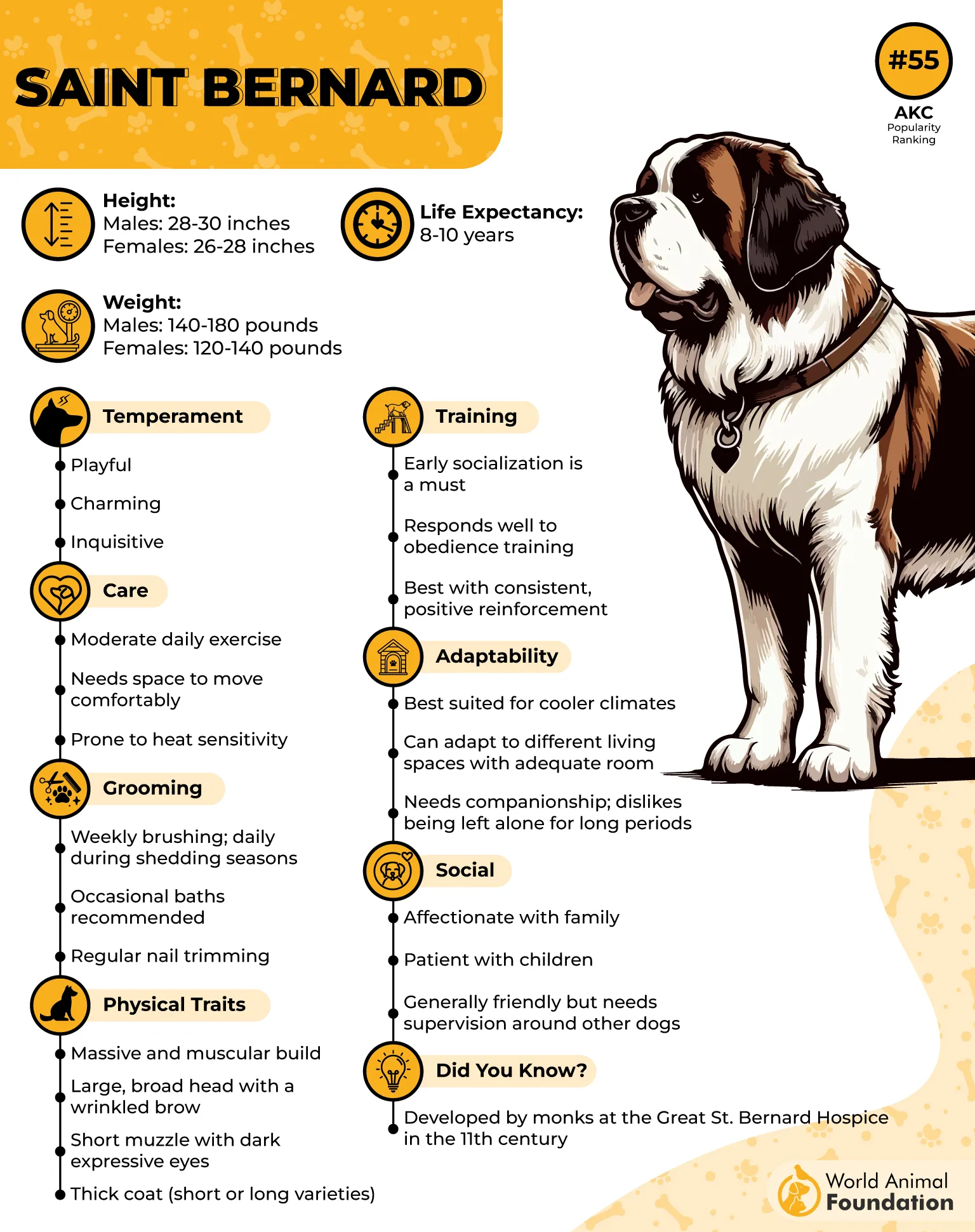
Parents can teach kids to approach calmly, avoid sudden hugs, and respect rest time to support gentle and safe daily interactions. Home setup matters for comfort and safety, so clear walkways help prevent slips, and wide sleeping areas support full-body rest.
Because they are low-energy dogs, soft rest spots in cool areas help them relax between short, easy outings.
Important home tips for Saint Bernard families:
Their gentle nature makes them a great family dog in calm homes.
Grooming needs include regular brushing to manage heavy shedding.
As a Molosser breed, they do best with steady routines and quiet spaces.
5. Shih Tzu
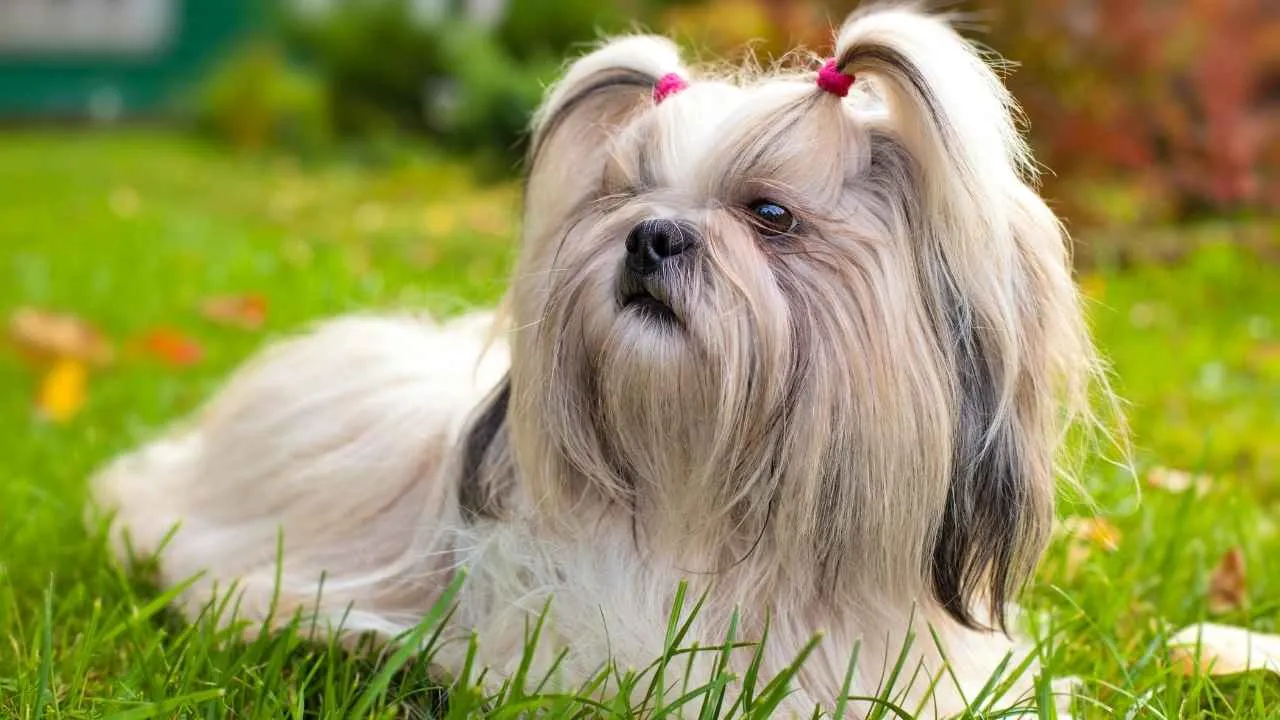
The Shih Tzu is a surprisingly solid toy breed with a big personality, which makes this little dog feel warm and present in calm homes. They are outgoing, trusting, affectionate, intelligent, and lively, yet they still enjoy long hours of quiet time indoors with their people.
Their grooming needs matter, since regular grooming keeps their long coat clean, soft, and free from tangles that can cause discomfort. Pet owners often find that simple routines each week help keep care easy, which supports a low-maintenance lifestyle over time.

This dog adapts well to indoor life, since small spaces suit them and daily life indoors feels safe and comforting for their gentle pace. While some dogs prefer long walks outside, this laid-back dog is often happy resting in your lap after light physical activity.
According to Purina, Shih Tzus are fairly low maintenance when it comes to exercise, which fits homes that enjoy a low-energy rhythm each day. Their quiet nature helps them settle well in apartments, since calm homes help them feel relaxed and secure.
Helpful Shih Tzu notes for families:
They were house pets during much of the Ming Dynasty.
Their name means “lion” in Chinese.
They are highly adoptable because of their affectionate nature
6. Whippet

The Whippet is best known for speed, strength, and agility, yet this muscular dog surprises families with a calm nature inside the home.
According to the Royal Canin, although they once made their name as hunting dogs and later in racing sports, today they are known as laid-back canine companions who often enjoy quiet family life with steady routines.

They spend a lot of time sleeping each day, since deep rest helps balance their quick energy during short bursts of play. After brief moments of fun, they return to long rest time, which makes them easy to live with in peaceful homes.

Short outings work best for this dog, so regular walks help them stretch and reset without feeling overstimulated. Because they enjoy calm routines, fixed times for movement and rest support better daily balance.
Why Whippets suit relaxed homes:
They are not known for barking, which keeps indoor spaces peaceful.
Well-trained dogs usually get along well with children and other dogs.
They adapt well to small living spaces due to their quiet indoor habits.
Their low-maintenance needs make daily care simple for busy families.
7. Clumber Spaniel
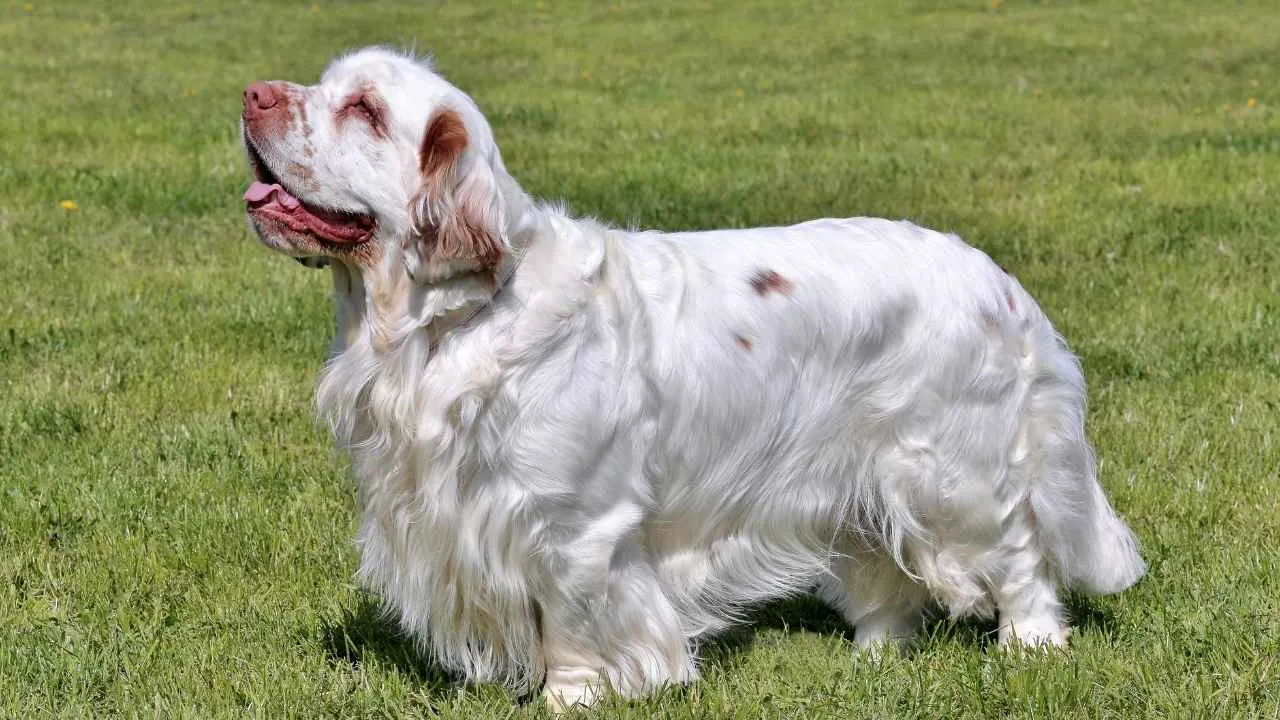
The Clumber Spaniel traces its roots back to the 1700s and stands among the oldest spaniel breeds, which shaped its steady and thoughtful temperament over time. This dog was also one of the earliest dogs shown in competitions, which helped families notice its calm presence both in public and at home.
Clumber Spaniels are easygoing by nature, and their gentle temperament supports peaceful days in homes with children of different ages. They show patience with kids during slow play, which helps parents feel more relaxed during shared family time.
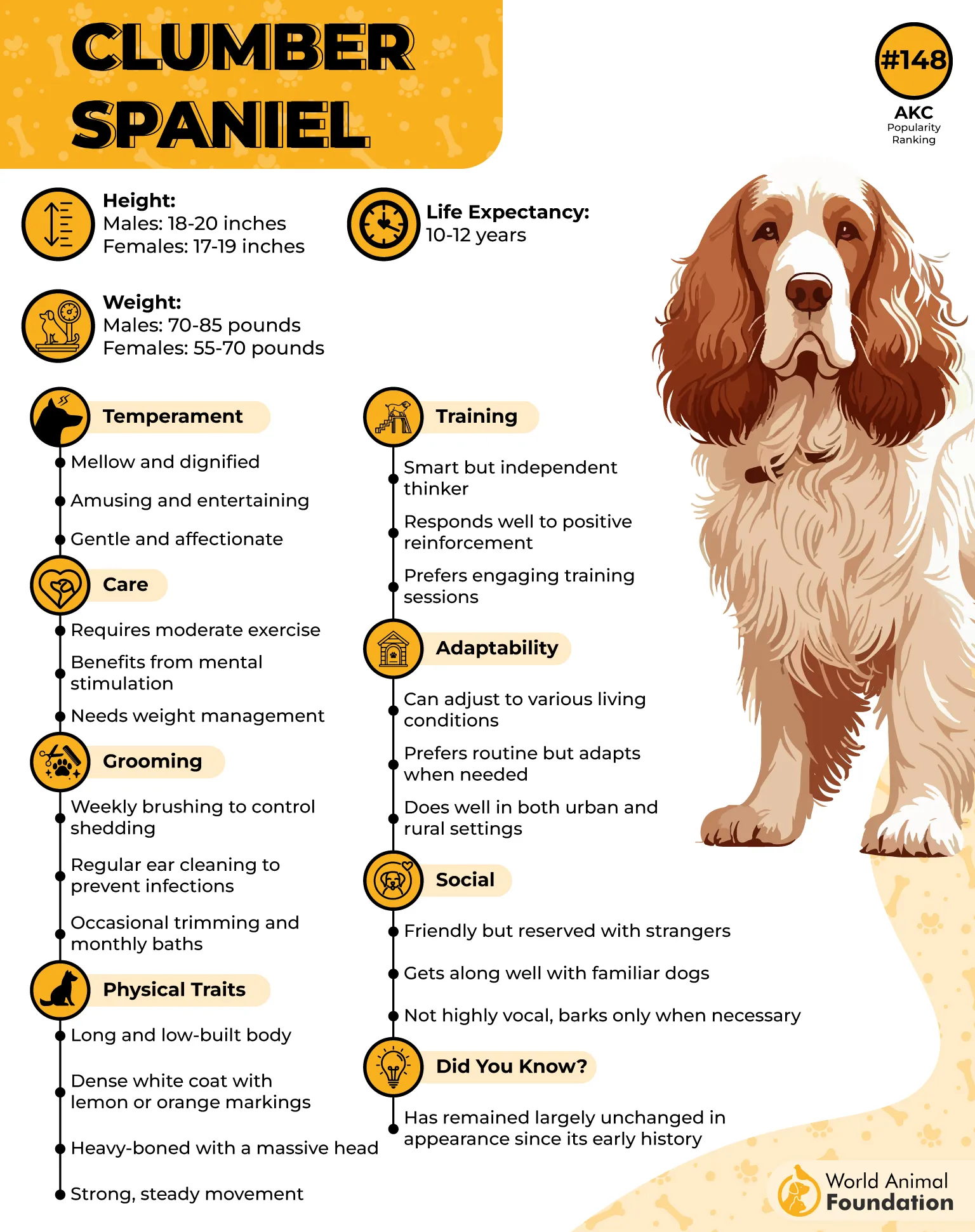
Calm routines suit dog breeds well, since steady schedules help them feel secure and settled throughout the day. According to Omlet, they enjoy being outside and playing, yet they remain one of the calmest dog breeds both in and out of the house.
They do not make good guard dogs, since their friendly nature leads them to greet others with soft interest instead of alert behavior. With kind guidance and daily mental stimulation, families can shape good habits that last through each stage of life.
Why this dog can be a perfect match for families:
They are an excellent family pet for fit parents who enjoy steady routines.
They get along well with other pets when introduced with care.
They do well with as much exercise as families can offer each day.
8. Irish Wolfhound

The Irish Wolfhound is a muscular hound, gracefully built along classic greyhound lines, and capable of great speed despite a calm presence at home. According to WebMD, as one of the gentle giants of the dog world and the tallest dog breed, this dog needs thoughtful space planning to move safely and rest with ease.
Families should plan wide paths through rooms, since larger breeds need clear walkways to avoid bumps and stress during daily movement. Open layouts help them turn and settle without feeling crowded, which supports a laid-back dog breed lifestyle inside calm homes.
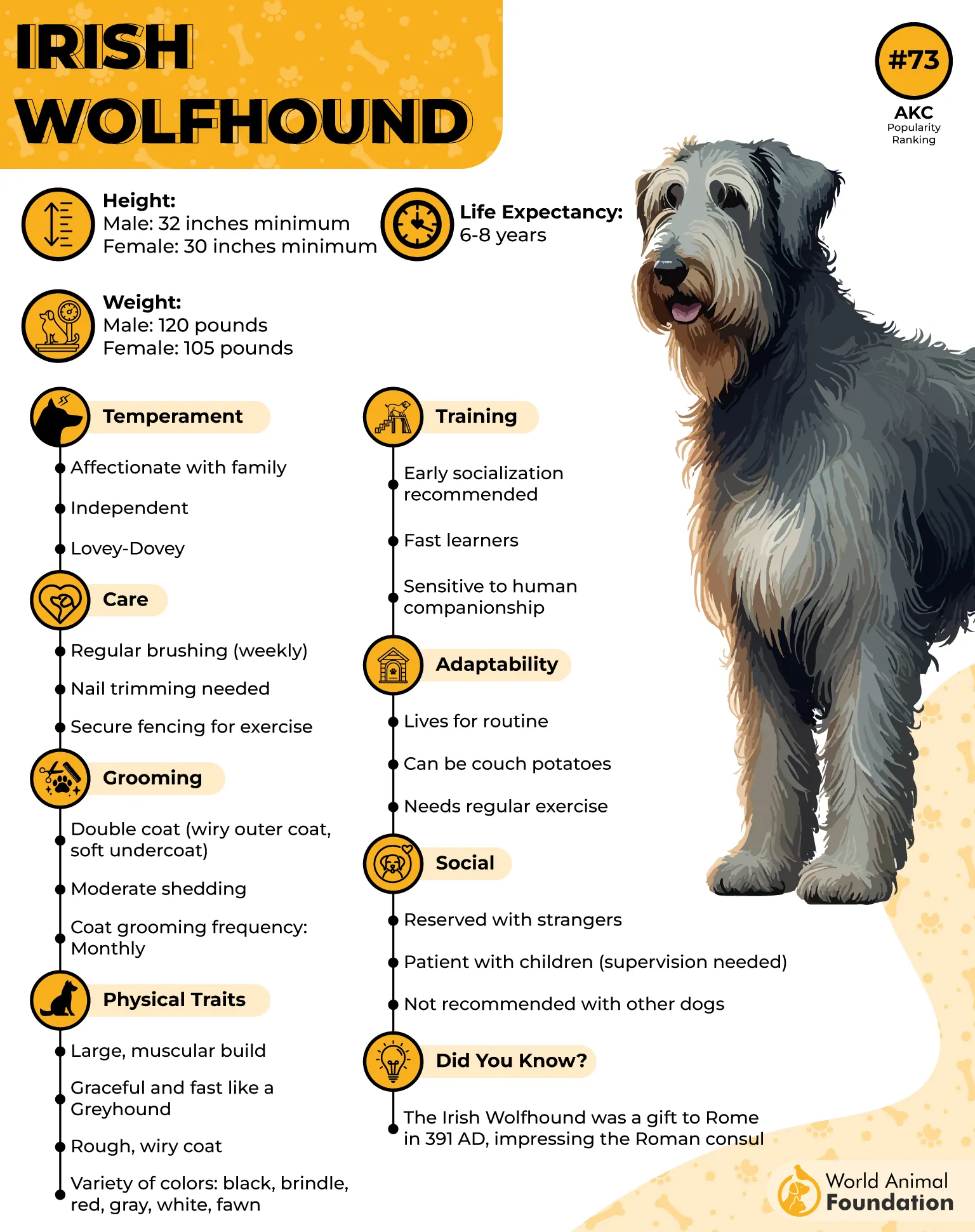
In modern times, this dog has become a devoted companion that enjoys being near family during quiet hours at home. They love a steady family rhythm, since shared routines help them relax and feel included without constant activity.
They have moderate energy levels and feel content spending long hours resting on the couch near their people. Positive reinforcement training supports gentle guidance, since calm praise builds trust and helps shape polite habits over time.
Why does this canine suit a calm family life?
They are gentle giants with sweet, loyal behavior.
They are highly adaptable for families who can offer space and patience
Their devoted companion nature supports peaceful, steady home routines.
9. Newfoundland
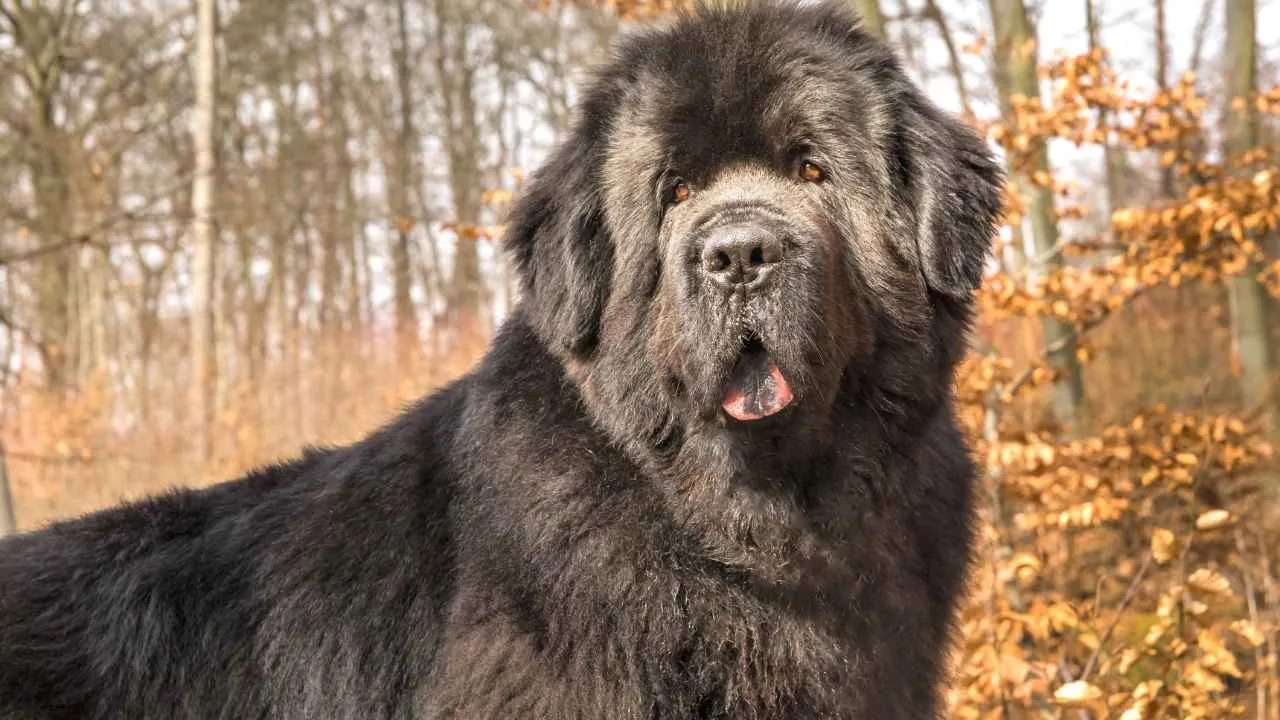
The Newfoundland is a powerful working dog, often black and white, though some can be black, gray, or brown in color. According to Britannica, they are known as ‘nanny dogs’. Known for strong swimming skills, this family dog has a natural love for water and often feels happiest near lakes, pools, or beaches.
They were bred to help fishermen, so water feels natural and safe to them during daily life. Still, families should supervise swim time near pools and offer short breaks to prevent overwork or strain.
Weather care matters for this large breed, since their thick coat protects in cold climates but needs attention in warm months. Shaded rest areas, fresh water, and limited physical activity during heat help prevent stress or health risks.
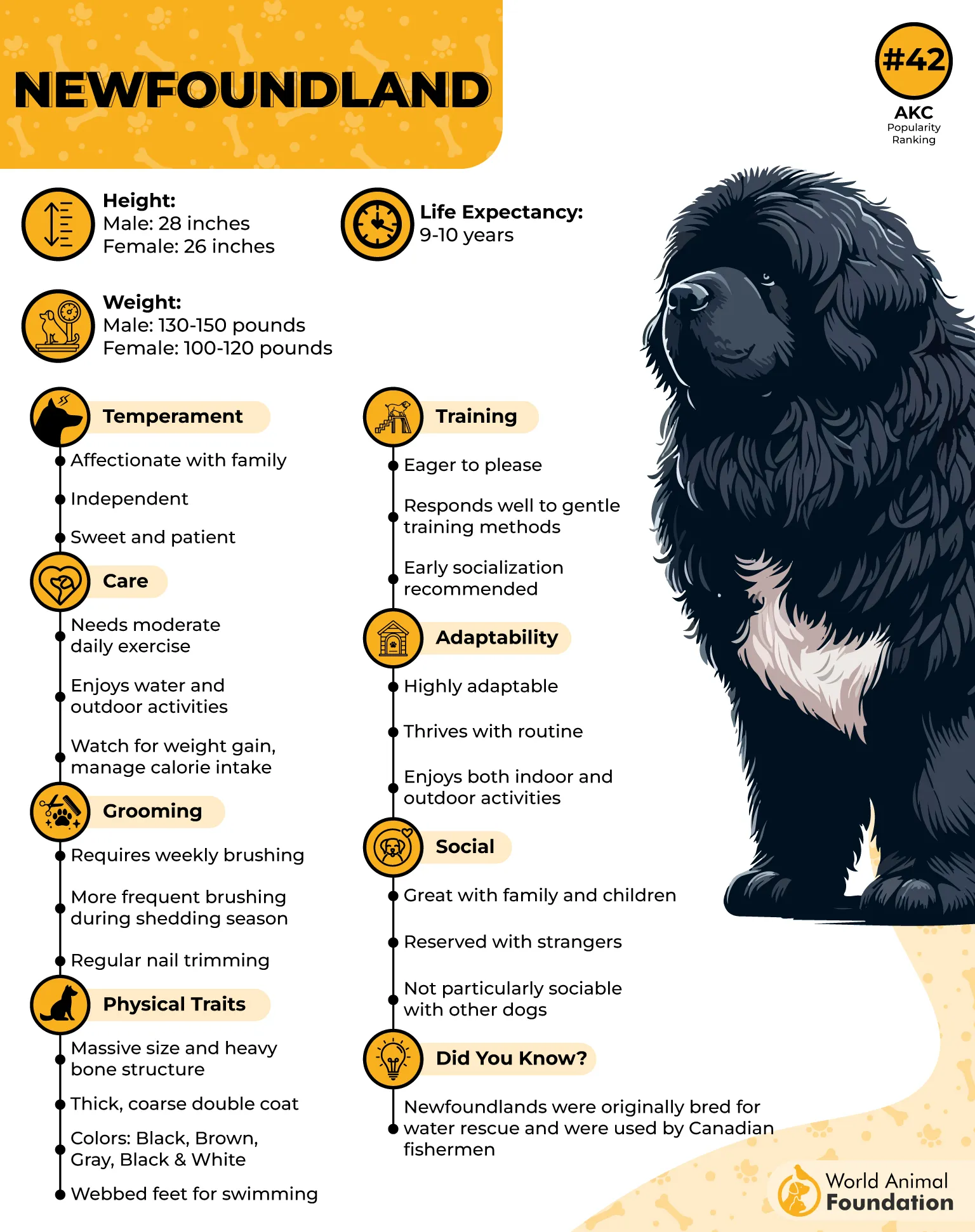
Despite their size, they are not a high-energy breed and often show low energy indoors, which makes them seem like a lazy dog breed at home. A daily walk keeps joints healthy, yet they prefer calm time afterwards with their people.
Their gentle demeanor helps them comfort children and adults during stressful moments, which strengthens their role as a steady support dog. With obedience training and early guidance around other pets, they grow into polite and highly adoptable companions.
Care reminders for Newfoundland families:
Regular grooming supports heavy shedding and coat health.
Meeting grooming needs prevents matting and skin issues.
Mental stimulation prevents destructive behavior in quiet homes.
Their independent nature responds best to calm leadership.
Conclusion
Choosing the right dog for your home requires careful consideration, especially when balancing energy levels, space, and family routines. Calm dogs bring balance to busy households, offering steady companionship that fits naturally into daily life.
Every family has unique needs, so it’s important to explore different breeds and their temperaments to find the best match. Some pups are content with short daily walks, while others are a lazy dog breed that enjoys long hours of rest, making their needs easier to manage.
Time, patience, and consistent care are key to helping any dog settle comfortably in your home. The right pup will adapt to your lifestyle while offering love, gentle support, and affection, becoming a central part of your family’s rhythm.
By choosing carefully and understanding what each breed requires, families can enjoy the joys of companionship without stress. Ultimately, welcoming the new pup into your life can transform your home, bringing joy, calm, and steady companionship every day.
