




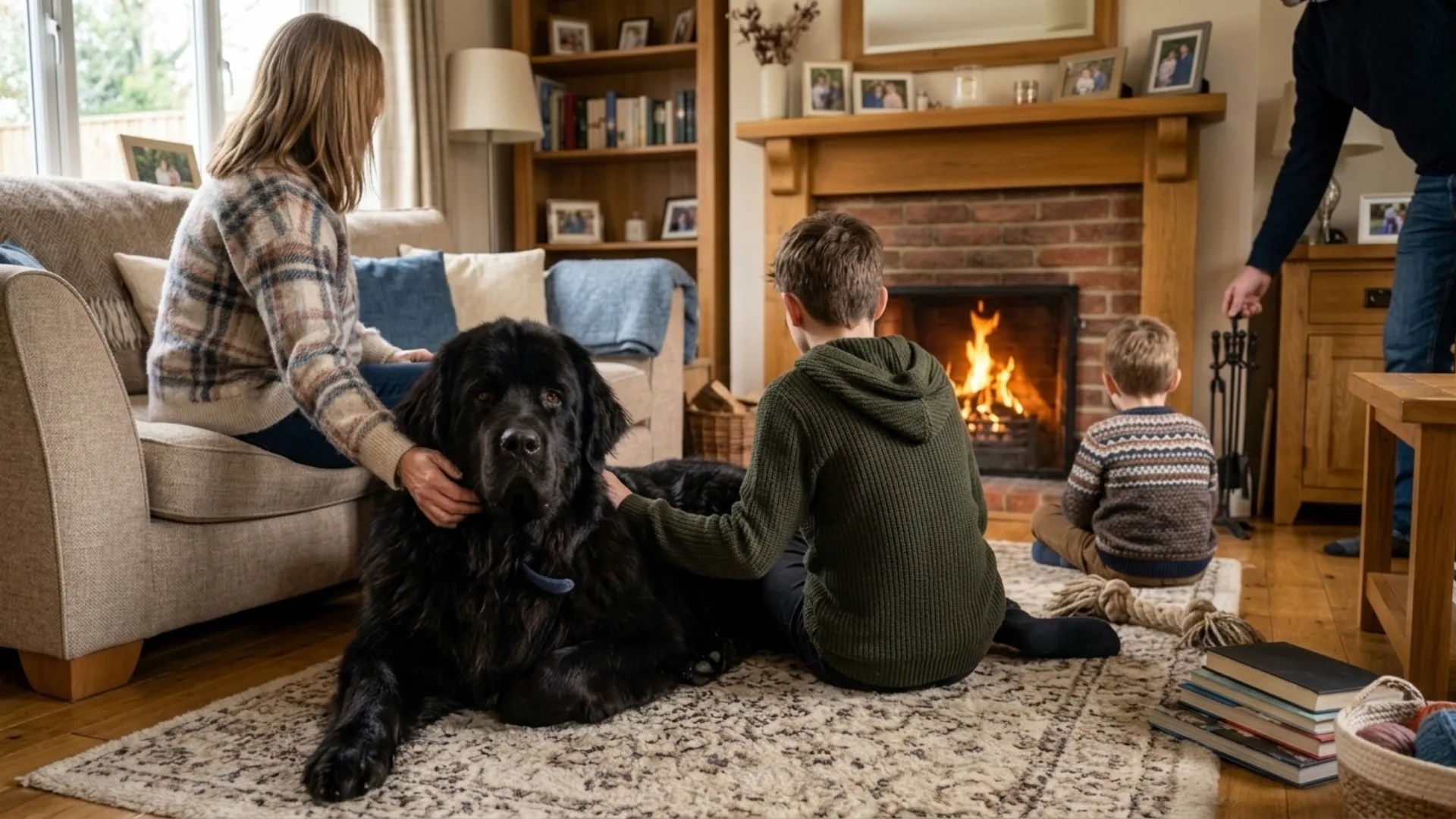
For many families, the perfect dog isn’t the one that can run the fastest or keep up on endless adventures; it’s the one that brings a sense of peace to everyday life.
Science has shown that dogs possess unique social traits that help them form strong emotional bonds with people, making them exceptional companions in family settings.
While any loving dog can offer comfort and affection, breeds with calm temperaments, gentle personalities, and a natural desire for close human companionship are often especially suited to slower-paced households.
These dogs are happiest sharing quiet moments, following their favorite people from room to room, or simply resting nearby after a leisurely walk.
If your ideal day includes relaxed mornings, cozy evenings, and plenty of time together at home, choosing a breed known for its steady and affectionate nature can make all the difference. Here are nine gentle dog breeds that thrive in calm, loving family environments.
Gentle Dog Breeds for Families Who Enjoy Slow‑Paced Days
1. Cavalier King Charles Spaniel

The Cavalier King Charles Spaniel is a wonderful match for families who enjoy calm, slow-paced days filled with companionship.
Blending the affectionate nature of a toy breed with the cheerful spirit of a sporting spaniel, this elegant dog is gentle, adaptable, and happiest by its family’s side.
Its expressive round eyes, silky coat, and friendly personality make it easy to adore. Cavaliers are equally content joining a leisurely walk, playing briefly in the yard, or curling up on the sofa for hours.
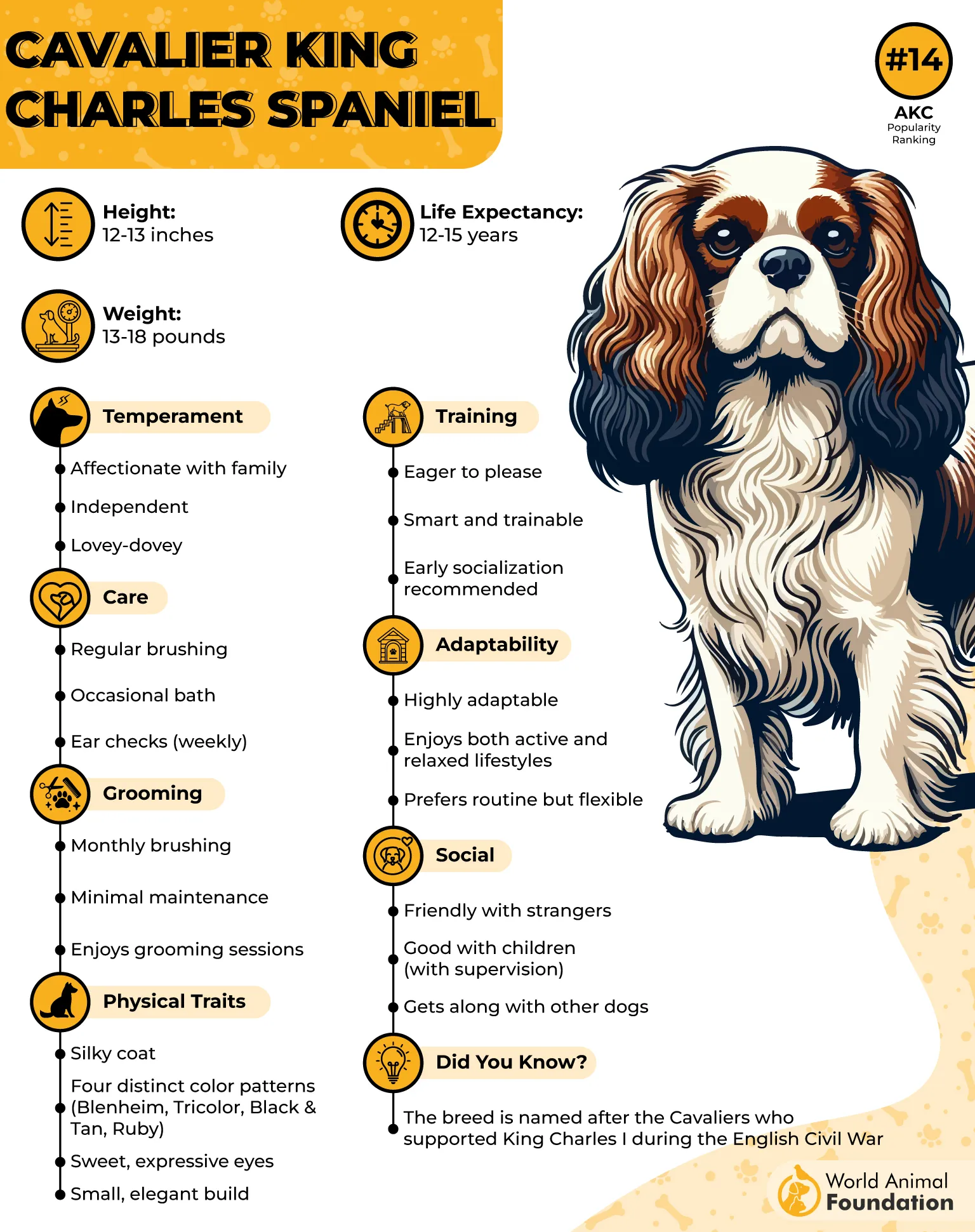
They typically get along well with children, strangers, and other pets, making them excellent family companions, according to the American Kennel Club.
While generally easy to care for, they are predisposed to health conditions such as eye disorders, hip dysplasia, patellar luxation, mitral valve disease, ear infections, and syringomyelia, so responsible breeders should perform health screenings.
Regular brushing, routine ear and nail care, moderate daily exercise, early training, and a balanced diet help keep this loving breed healthy and comfortable throughout life.
2. Basset Hound
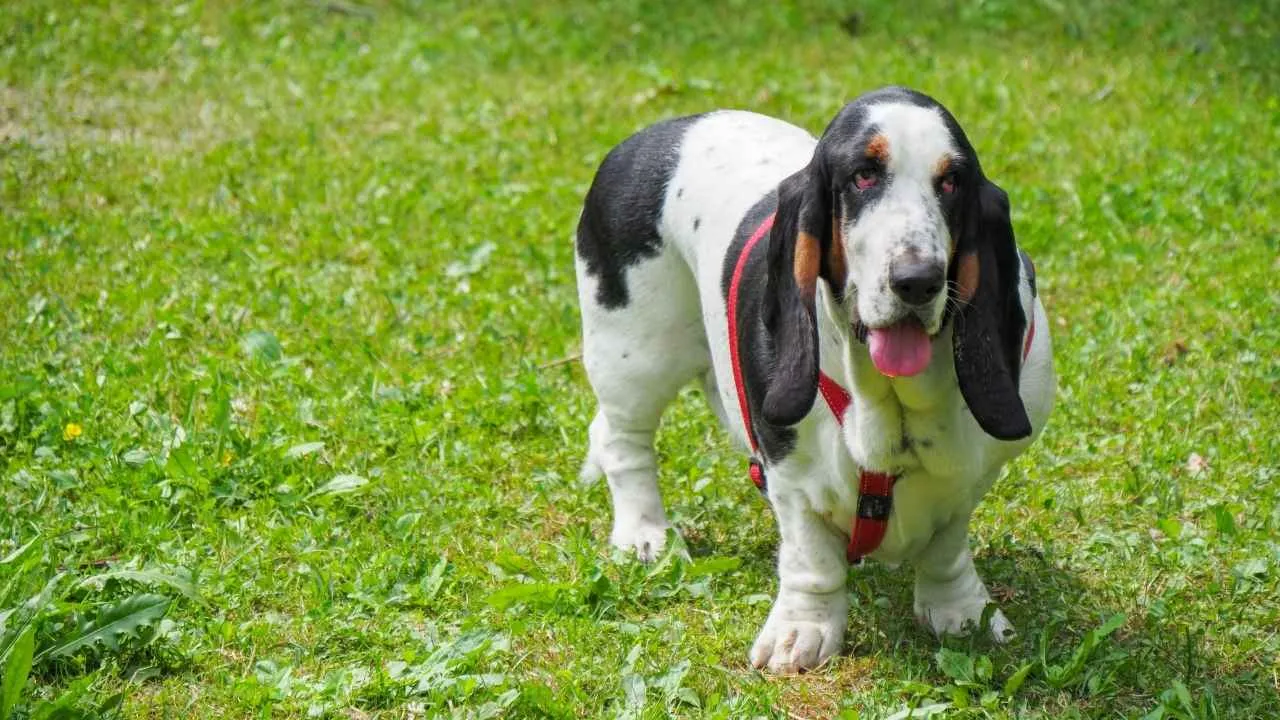
The Basset Hound is a calm, affectionate companion that fits naturally into families who appreciate a slower, more relaxed way of life.
Originally developed in France as a scent hound for tracking small game, this sturdy, short-legged breed is now treasured for its gentle temperament and loyal nature.
Basset Hounds are patient with children, friendly with familiar people and dogs, and enjoy close companionship, making them happiest in homes where they are rarely left alone.
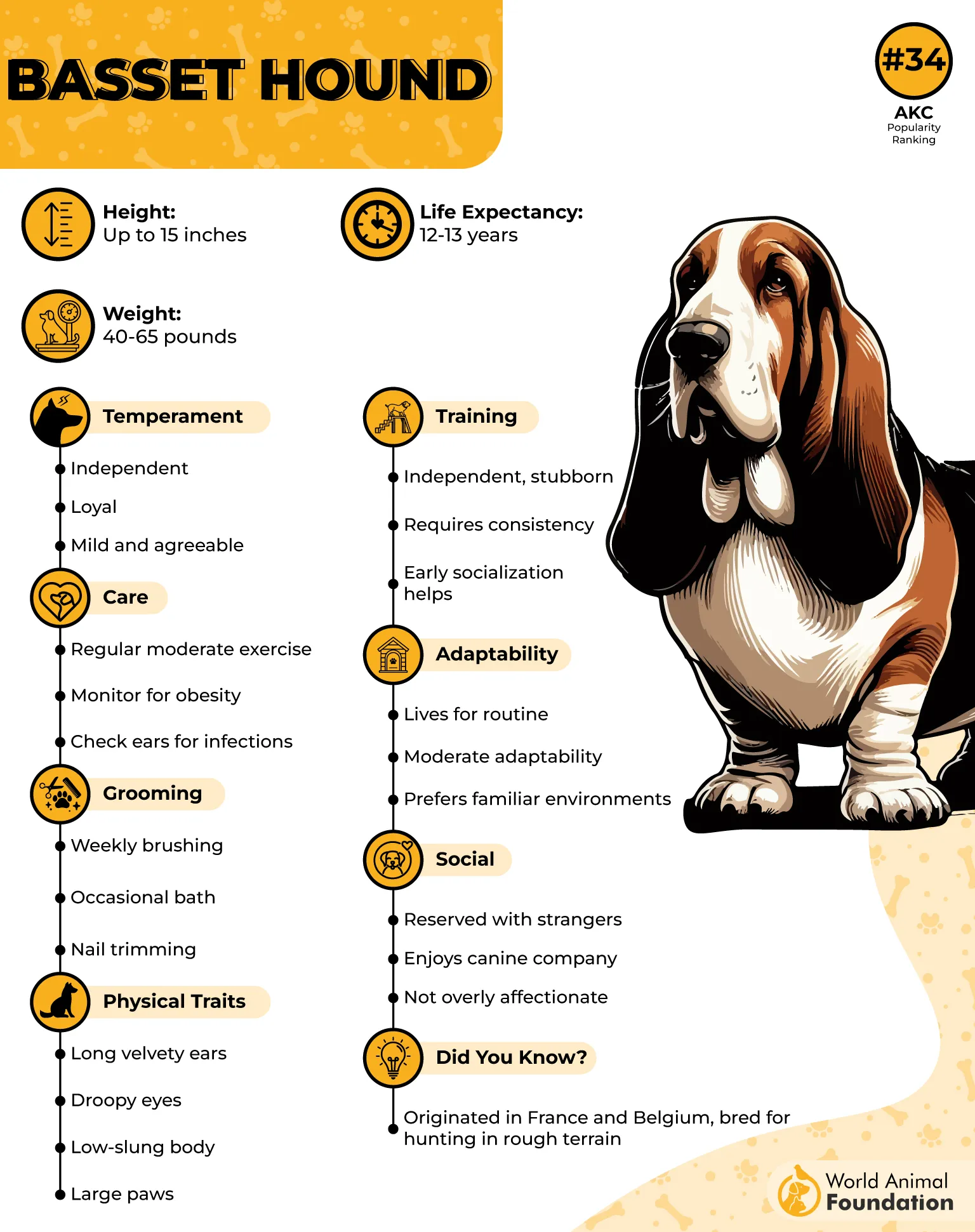
Although they can seem laid-back, they still benefit from about an hour of daily exercise, especially slow walks that allow them to follow scents.
Their exceptional sense of smell often outweighs their interest in recall, so leash walks are important. The breed is prone to spinal and joint issues, ear and skin infections, eye conditions, obesity, and bloat, making routine veterinary care essential.
Weekly brushing, regular cleaning of their ears and skin folds, a balanced diet, and gentle, scent-based training help keep them healthy and content.
3. French Bulldog
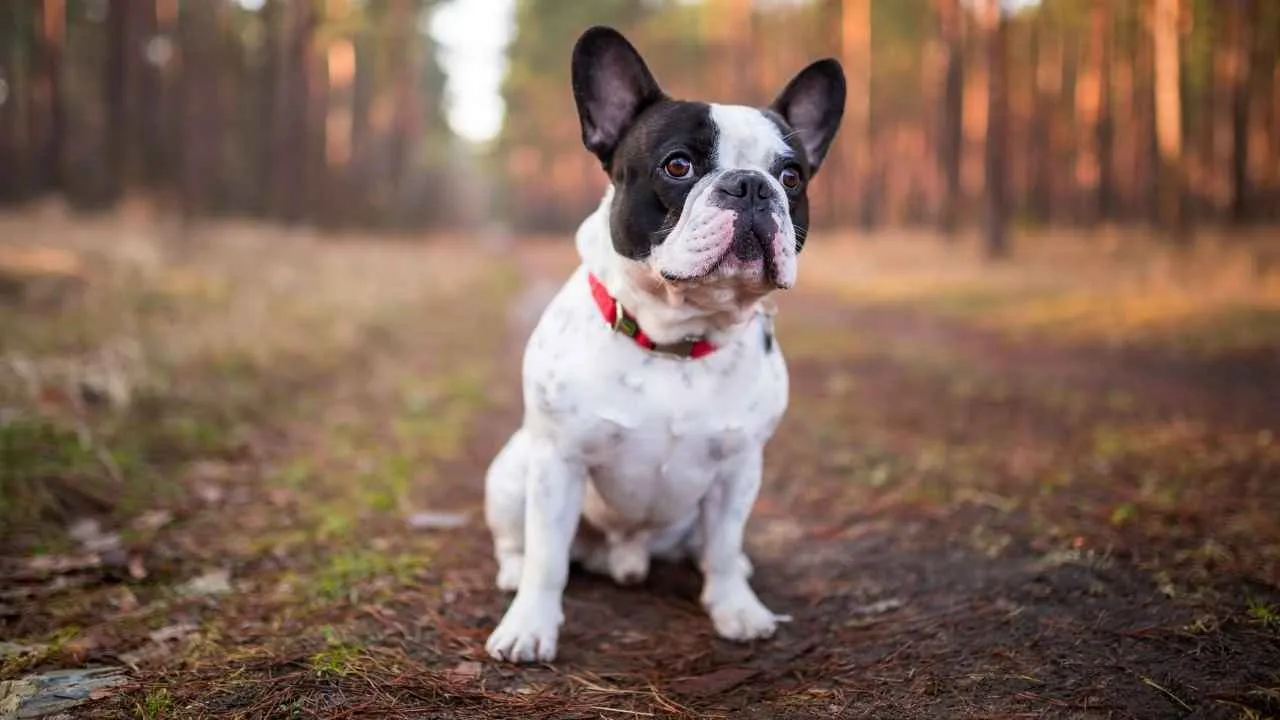
The French Bulldog is a lovable companion whose easygoing personality makes it an excellent choice for families who enjoy a quieter, slower-paced lifestyle.
Recognized for its signature bat-like ears, wrinkled face, and sturdy build, this small breed is playful, affectionate, and forms strong bonds with its people, as stated by Pawlicy Advisor.
Frenchies usually get along well with children and other pets when properly socialized and are well suited to apartment or city living because they bark infrequently and require only moderate daily exercise.
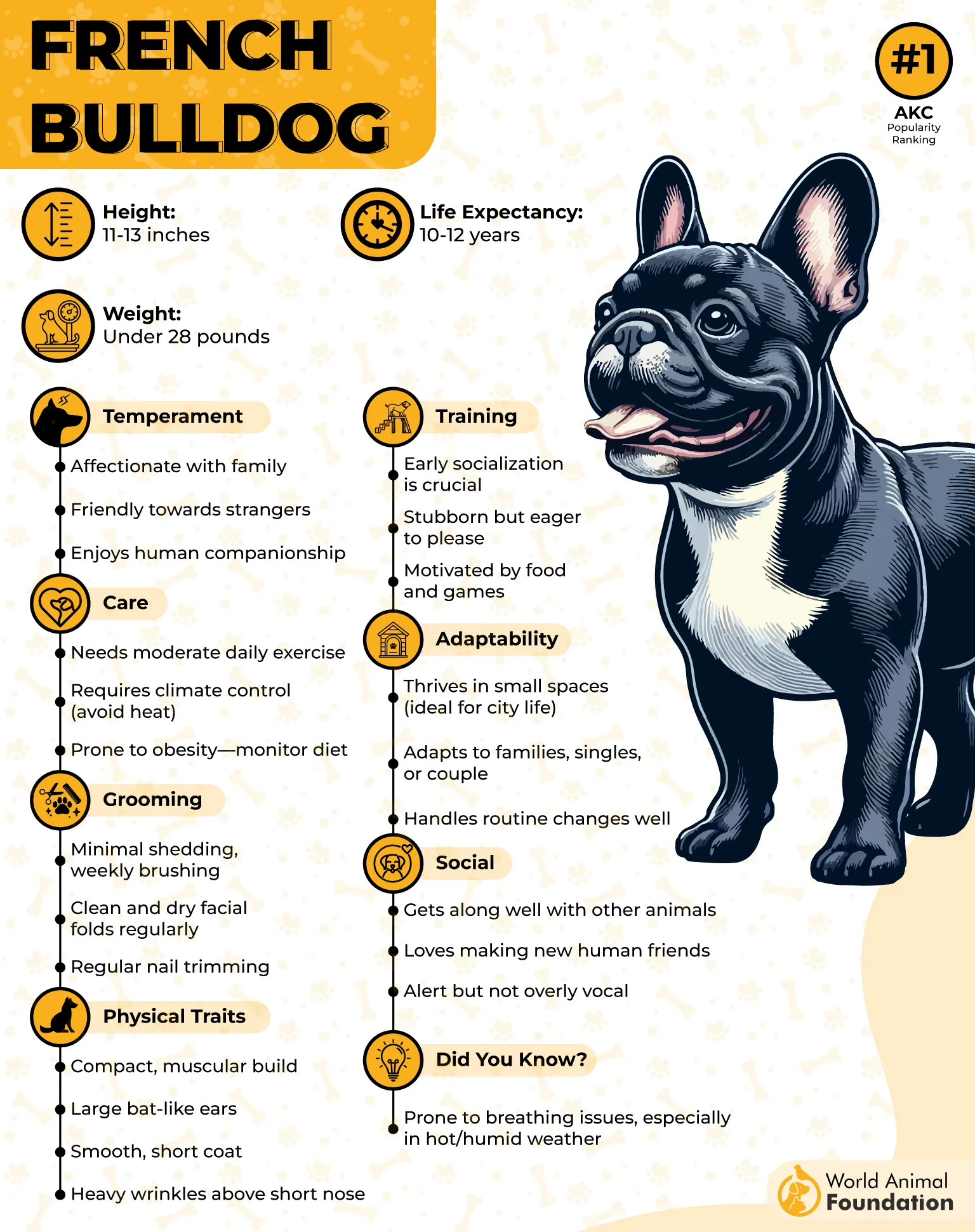
Short walks and gentle play are generally enough, but care should be taken in hot weather because their flat faces make them prone to breathing difficulties and overheating.
Their short coat needs weekly brushing, while skin folds require regular cleaning to prevent irritation. A balanced diet and careful portion control help reduce the risk of obesity.
French Bulldogs are also predisposed to conditions such as BOAS, hip dysplasia, patellar luxation, spinal disorders, allergies, skin problems, and certain eye diseases, making responsible breeding and routine veterinary care especially important.
4. Newfoundland
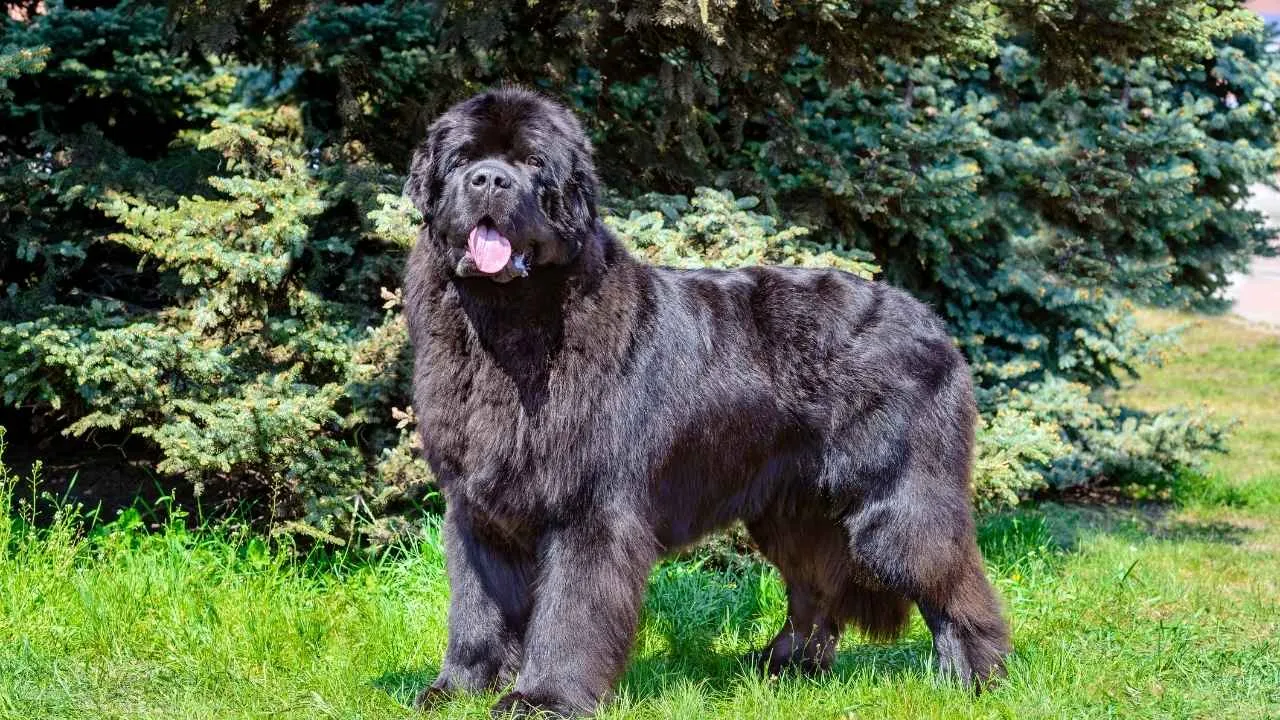
The Newfoundland is a gentle giant whose calm nature and deep devotion make it a wonderful companion for families who enjoy a slower, more peaceful lifestyle.
Originally bred in Newfoundland, Canada, to help fishermen haul nets and perform water rescues, this powerful breed remains an excellent swimmer thanks to its webbed feet and water-resistant double coat.
Despite its impressive size, the Newfoundland is famously patient, affectionate, and especially gentle with children, earning its reputation as a “nanny dog.”
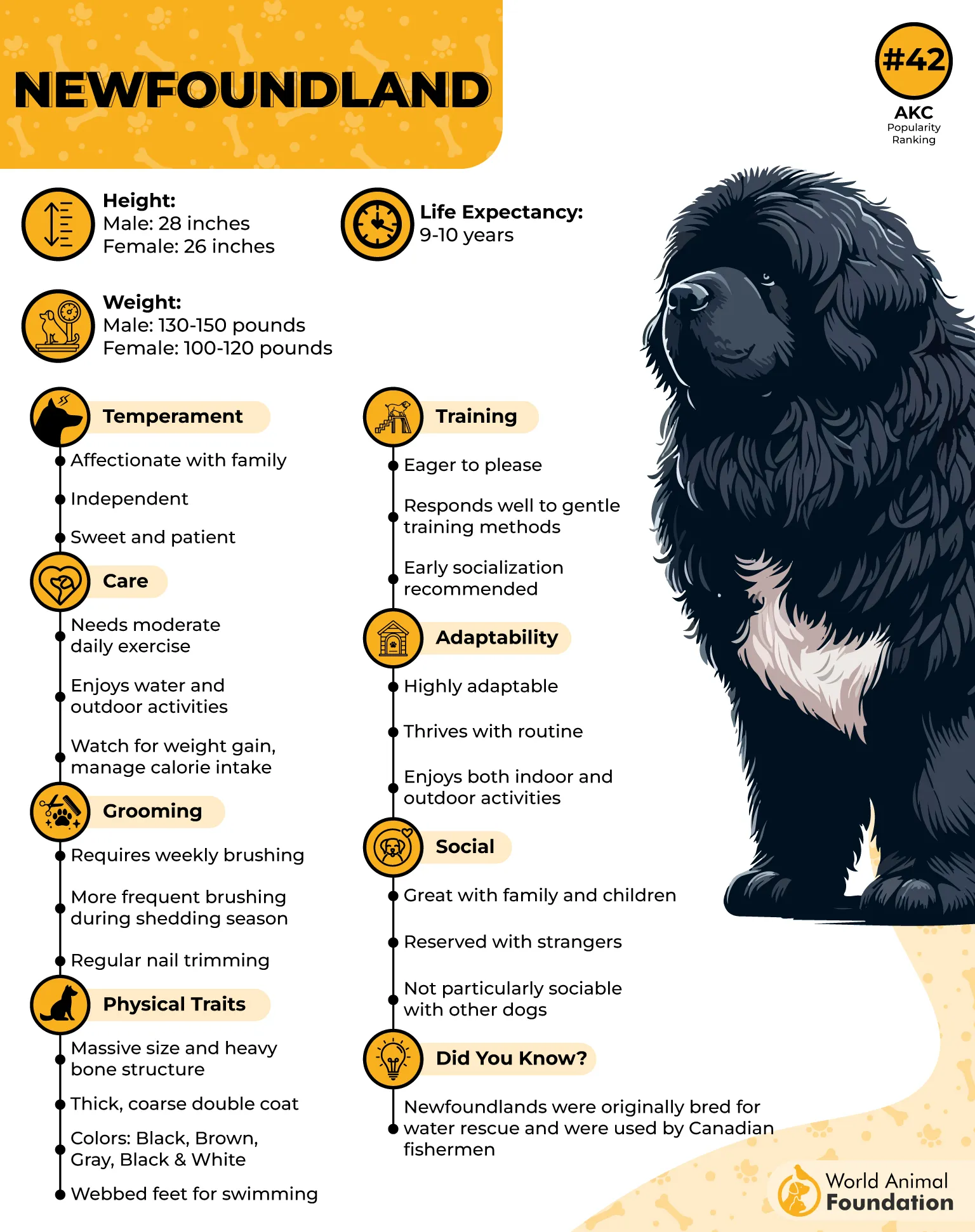
These loyal dogs enjoy moderate exercise, including relaxed walks and swimming, but are just as happy spending quiet time with their families.
Their thick coat requires weekly brushing and regular grooming, while proper nutrition and weight management are essential to protect their joints.
Newfoundlands are predisposed to health conditions such as hip and elbow dysplasia, cystinuria, and subvalvular aortic stenosis, so responsible breeding and routine veterinary care are important. With loving care, they become steadfast, dependable companions for years.
5. Irish Wolfhound
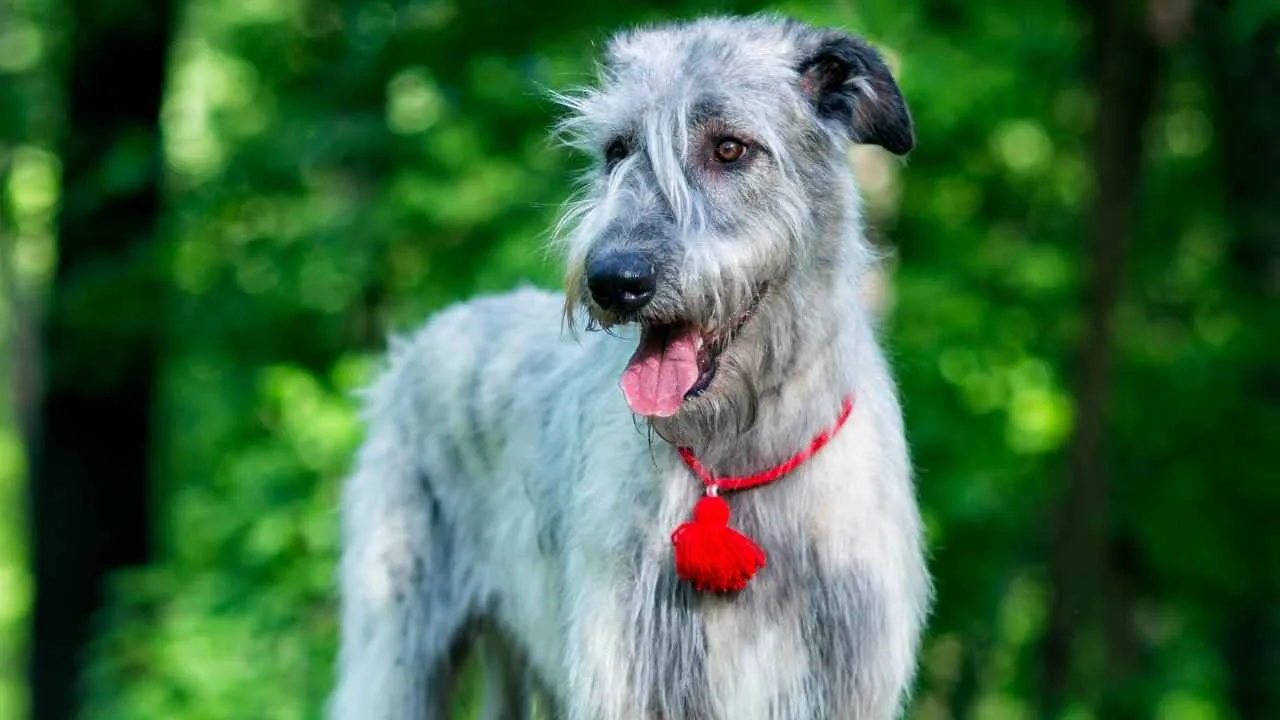
The Irish Wolfhound is a true gentle giant, admired for its towering height, calm temperament, and unwavering loyalty.
Originally bred to hunt large game by sight, this athletic hound still enjoys the freedom to run, but at home it is a quiet, affectionate dog that thrives on close family bonds.
Despite its impressive size, the breed is known for its patience, kindness, and gentle nature, making it well suited to households that value peaceful companionship.
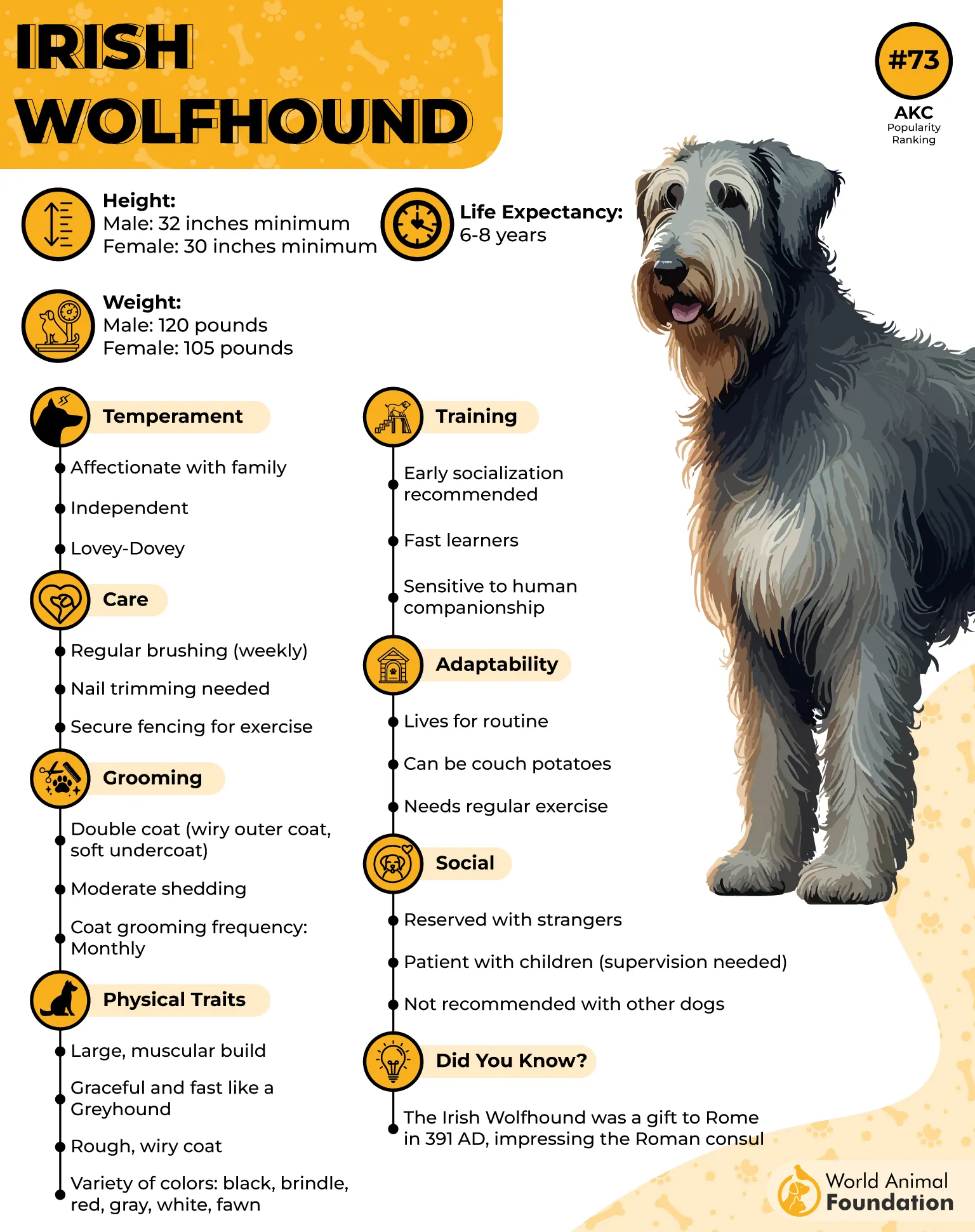
Irish Wolfhounds are especially devoted to their families and respond best to a loving, respectful environment where human interaction is part of everyday life.
They require a securely fenced area and regular exercise to satisfy their instincts, yet they are remarkably relaxed indoors once their activity needs are met, as explained by the Irish Wolfhound Club of America.
While alert and courageous, they are not naturally suspicious or aggressive, making them poor guard dogs but exceptional companions. Their dignified presence and affectionate personality have made them cherished family dogs for generations.
6. Clumber Spaniel
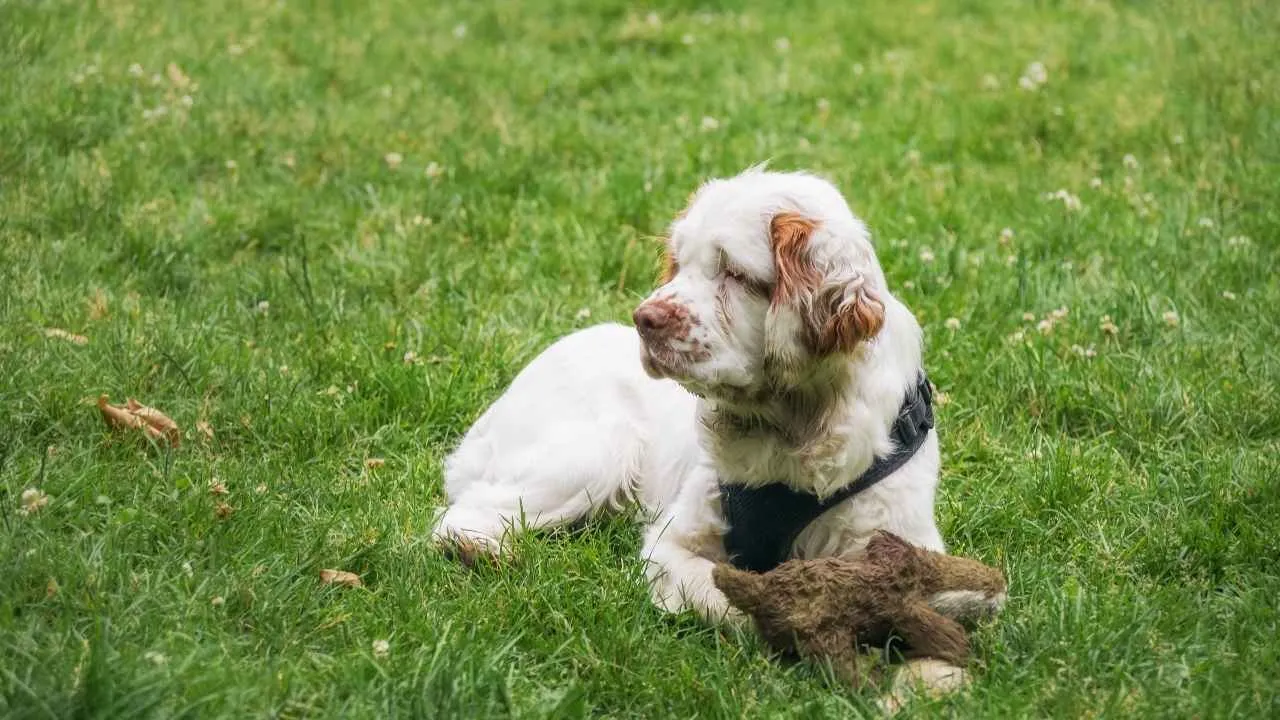
The Clumber Spaniel combines quiet confidence with a gentle, affectionate nature, making it an excellent companion for families who enjoy a peaceful, unhurried lifestyle.
Originally developed at Clumber Park in England to work through dense undergrowth, this sturdy spaniel is still admired for its endurance, intelligence, and remarkable scenting ability.
While it remains a capable hunting and retrieving dog, the modern Clumber is equally valued as a calm family companion that thrives on close human relationships.
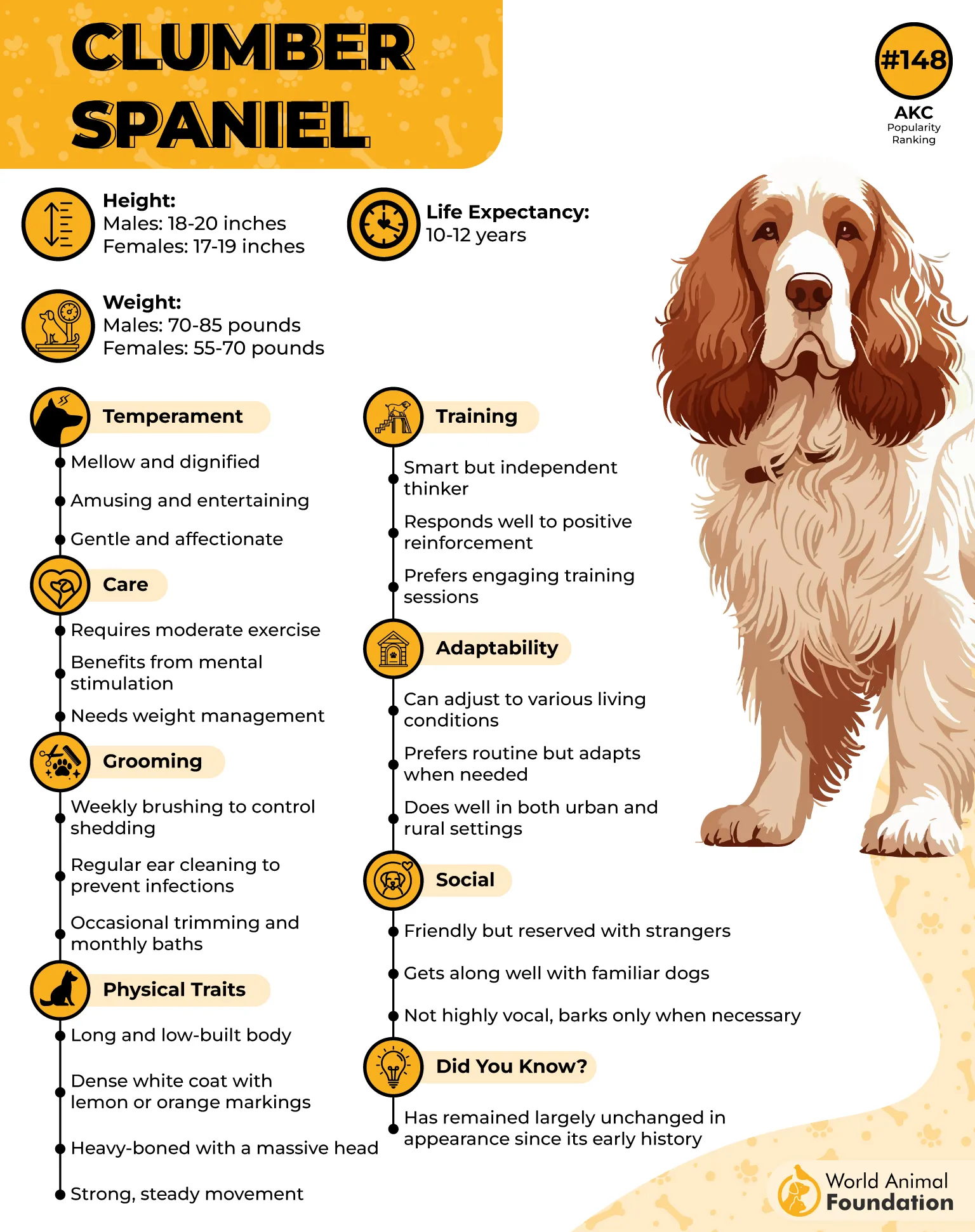
It enjoys daily walks and purposeful outdoor activities but is relaxed and content at home once its exercise needs are met.
Thanks to decades of careful breeding, the breed’s overall health and working ability have improved significantly.
Even so, responsible owners should be aware of potential health concerns, including hip and elbow disorders, eye conditions such as ectropion, entropion, and progressive retinal atrophy (PRA), exercise-induced collapse, and back problems.
Regular veterinary care, weight management, and consistent grooming help this loyal, easygoing breed stay healthy and active.
7. Pekingese
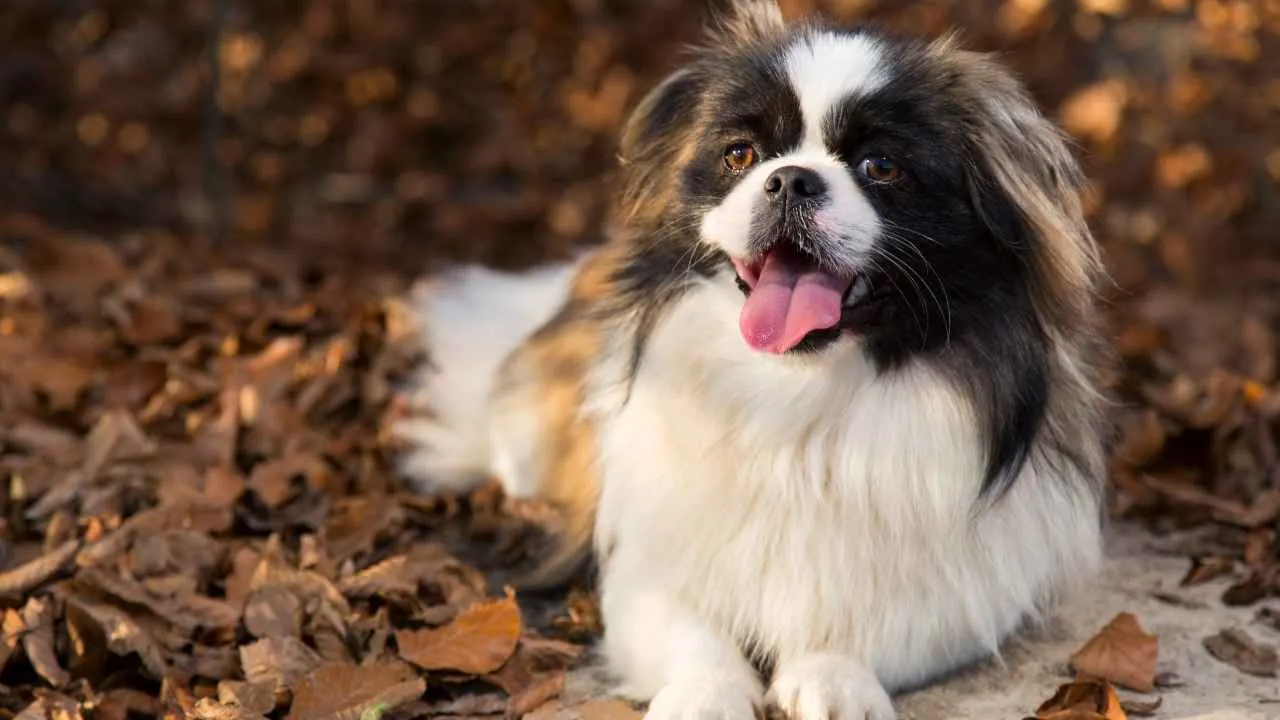
The Pekingese is a devoted little companion with a big personality, making it an excellent choice for families who enjoy a quiet, relaxed lifestyle.
Bred solely to be a companion dog, this affectionate breed forms deep bonds with its owners and often develops a special attachment to one family member.
Pekingese require only moderate daily exercise, with short walks and gentle play usually enough to keep them happy.
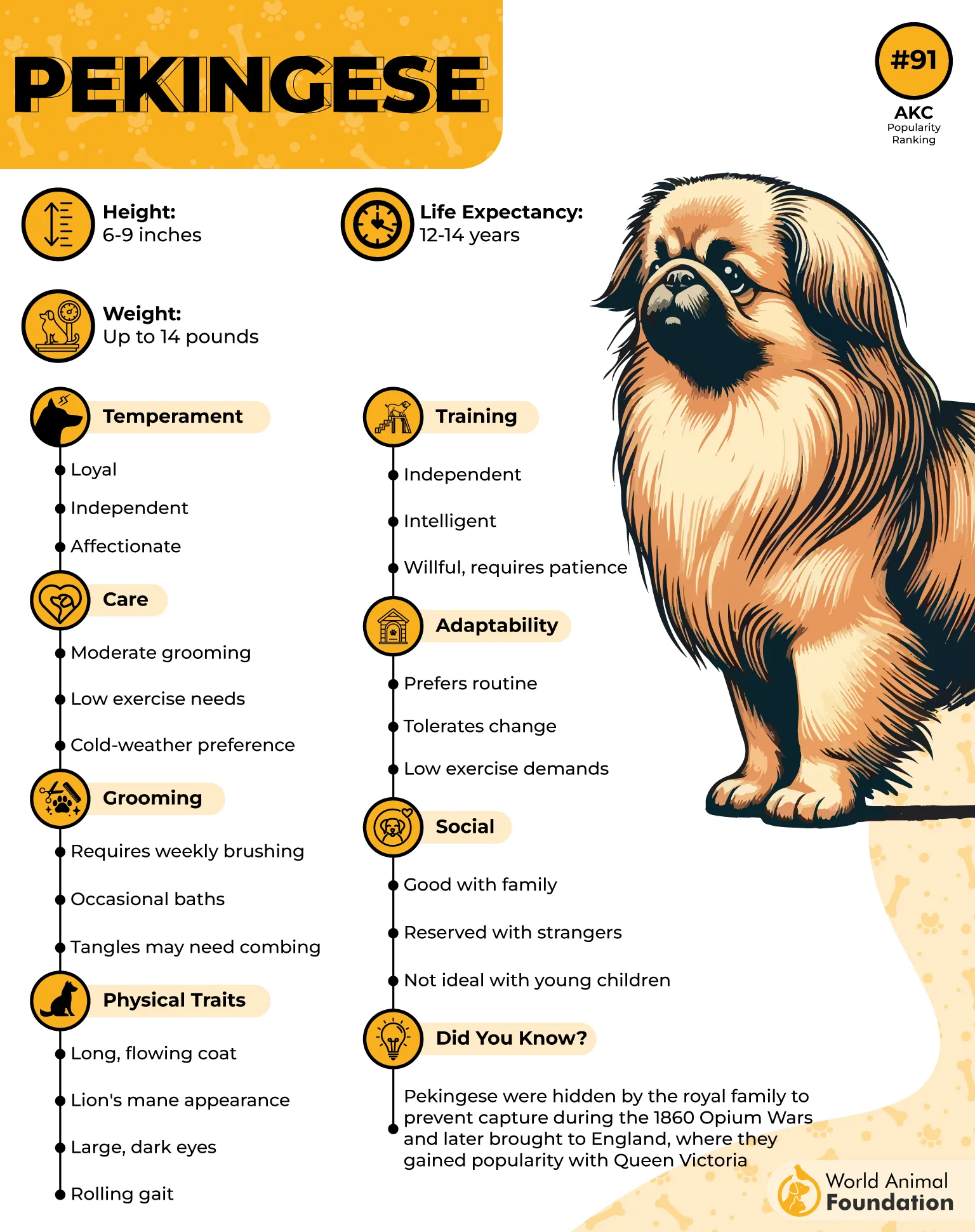
They thrive in calm homes where someone is around for much of the day, as they can become anxious if left alone for long periods. Their luxurious coat needs daily brushing, and their facial folds require regular cleaning to prevent skin irritation, according to PDSA.
Because they are a brachycephalic breed, Pekingese are prone to breathing difficulties, especially in hot weather, along with eye disorders, skin fold infections, and BOAS.
Early socialization, patient reward-based training, a balanced diet, and routine veterinary care help these loyal, charming dogs enjoy a comfortable and healthy life.
8. Saint Bernard
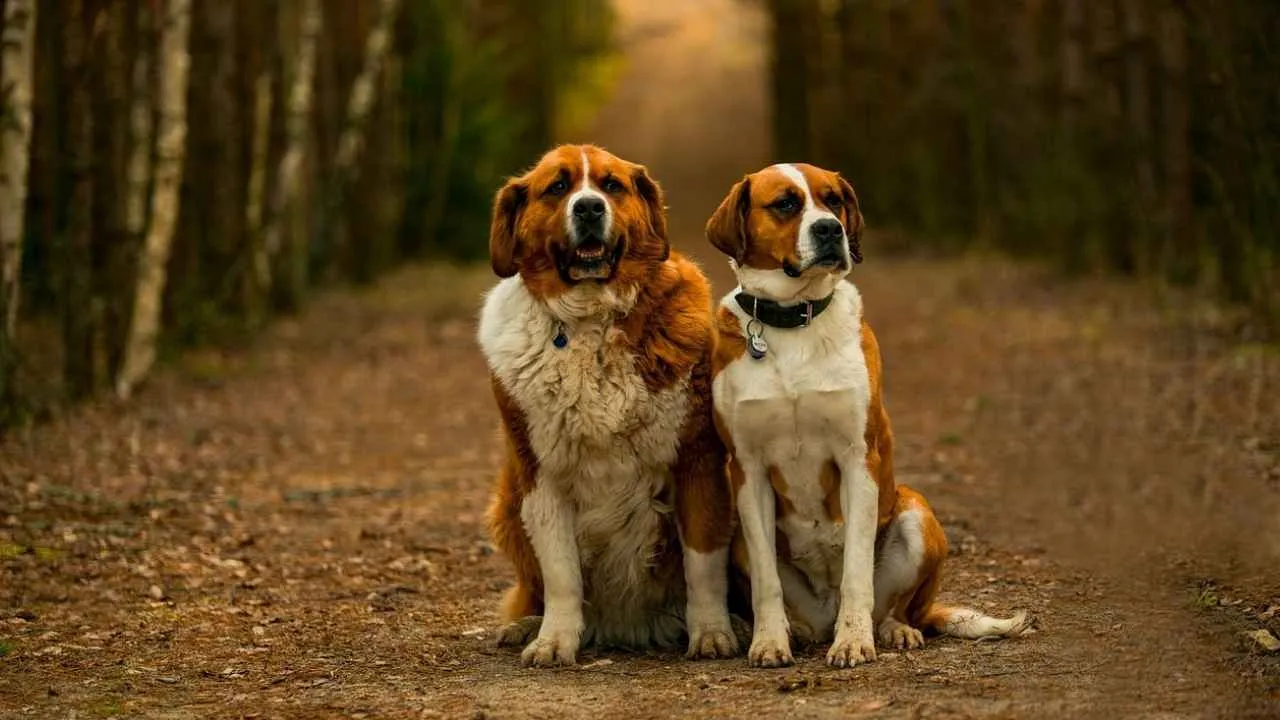
The St. Bernard is the definition of a gentle giant, making it an ideal companion for families who cherish peaceful days and close companionship.
Originally bred to rescue stranded travelers in the Swiss Alps, this powerful yet kind-hearted breed is celebrated for its patience, loyalty, and calm temperament.
Often called a “nanny dog,” the St. Bernard is naturally gentle with children and forms deep bonds with its family, preferring to stay close rather than spend time alone.
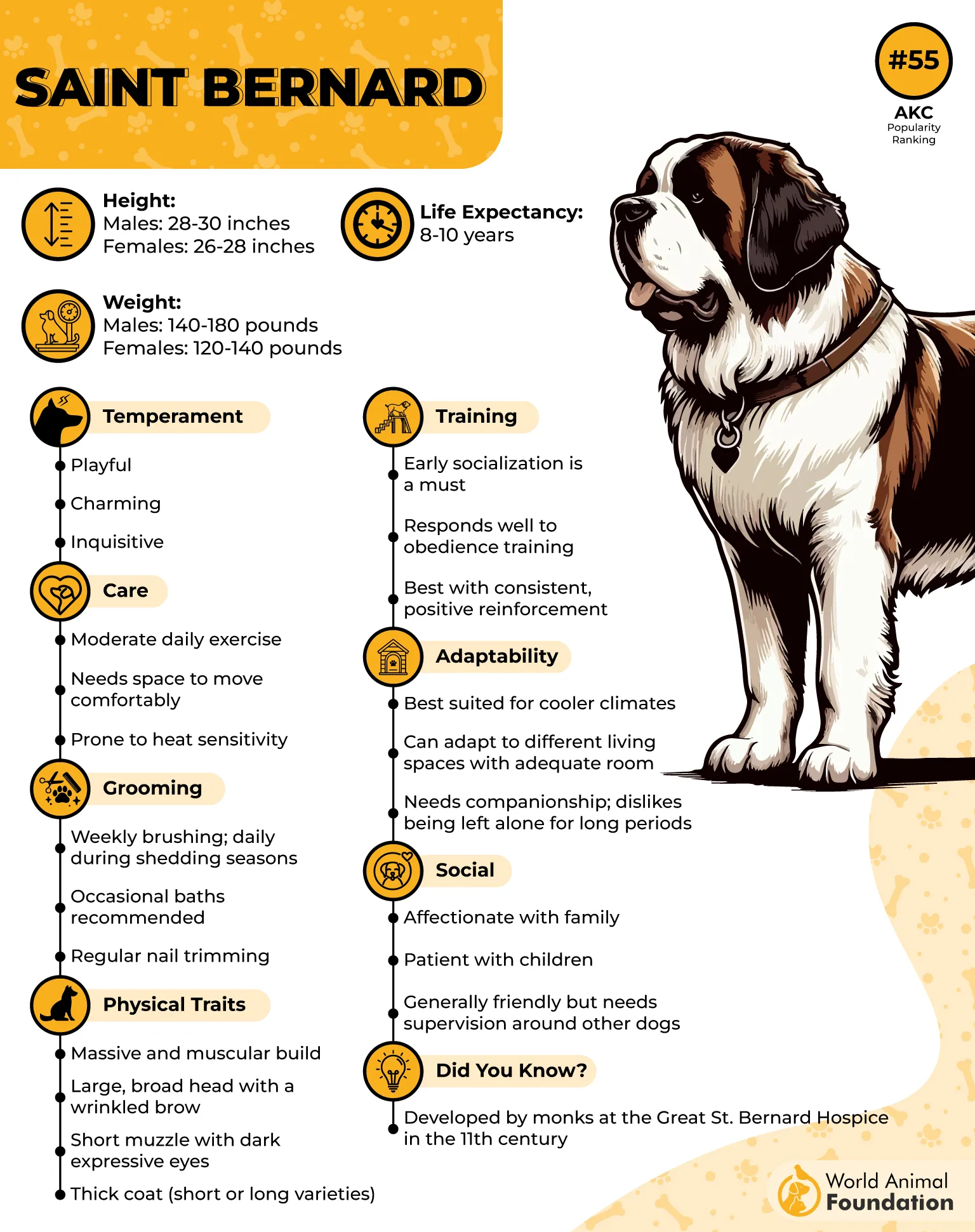
Despite its massive size, it requires only moderate daily exercise and is happiest enjoying leisurely walks before relaxing at home.
Early training and socialisation help this intelligent breed develop into a well-mannered adult. Their thick double coat needs regular brushing, and owners should be prepared for heavy shedding and drooling.
St. Bernards are also prone to health conditions including hip and elbow dysplasia, bloat, heart disease, eye disorders, Wobbler syndrome, and certain cancers, making regular veterinary care and weight management especially important.
9. Pug
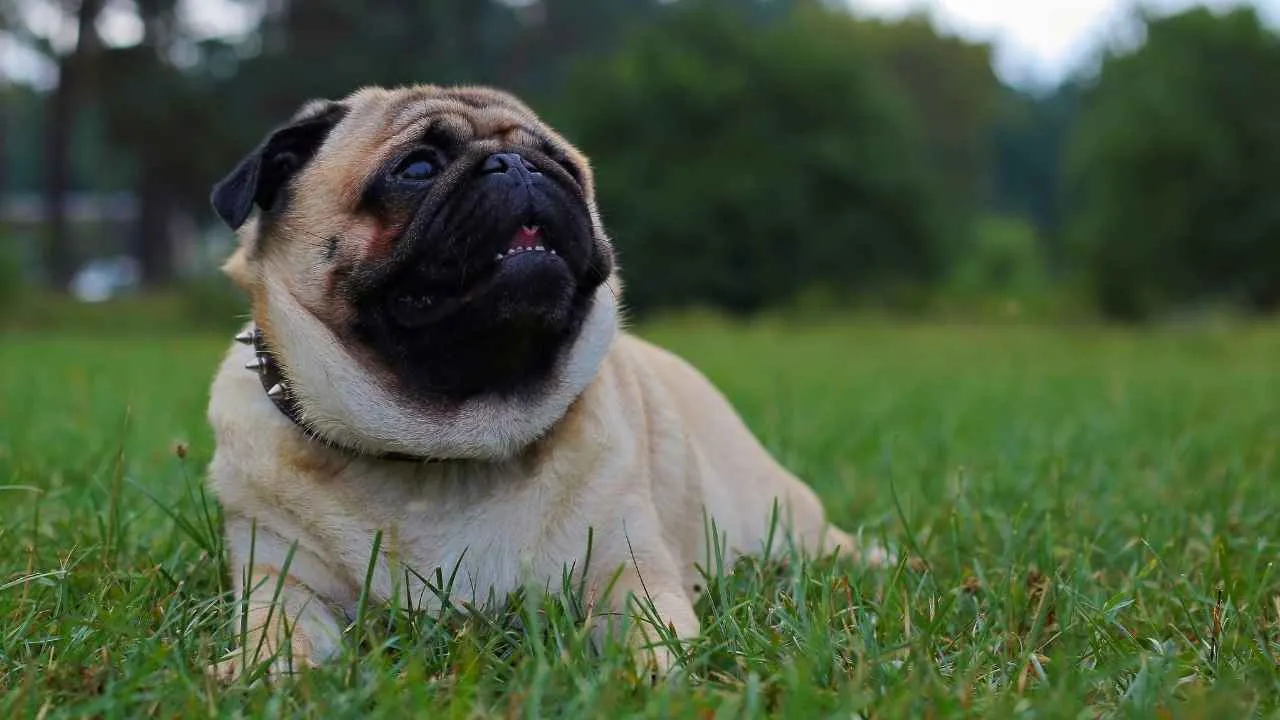
Pugs may be small in size, but they have a warm, affectionate nature that makes them wonderful companions for families who enjoy a quieter pace of life.
Originally bred in ancient China as companion dogs for royalty, they have spent centuries doing what they love most, staying close to their people.
While playful in puppyhood, most Pugs become noticeably calmer by around two years of age, preferring cozy naps, gentle walks, and interactive toys over energetic games like fetch.
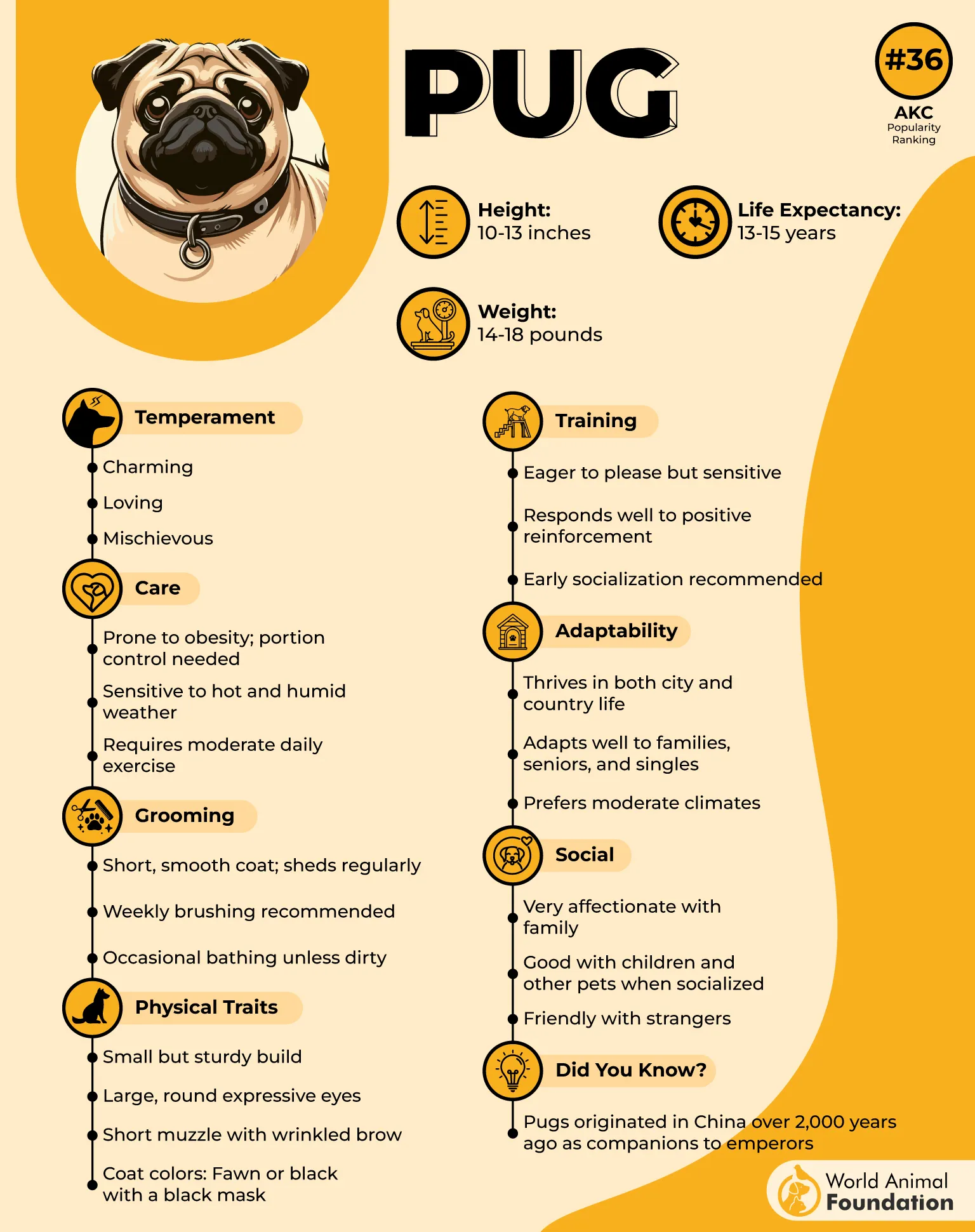
Their cheerful personality, loyalty, and love of human company make them happiest in homes where they are rarely left alone.
Thanks to their compact size, they adapt well to apartments and smaller living spaces, though their flat faces mean they should avoid strenuous exercise and hot weather.
Regular grooming, especially cleaning their facial folds, helps keep them comfortable, while a balanced diet is important since they are naturally prone to weight gain and obesity.
Conclusion
A gentle dog can bring a special kind of comfort to everyday life, especially for families who value quiet moments over constant activity.
Whether it’s a giant Newfoundland resting peacefully at your feet, a loyal Clumber Spaniel enjoying a leisurely walk, or a cuddly Pug content to curl up beside you, these breeds prove that companionship doesn’t have to be loud or demanding.
While each dog has its own personality, grooming needs, and health considerations, they all share an affectionate nature that suits a calm, family-focused lifestyle.
Choosing the right breed means looking beyond appearance and considering your home, routine, and ability to meet a dog’s needs throughout its life.
With thoughtful care, patience, and plenty of love, any of these gentle companions can become a cherished member of the family, filling your home with quiet loyalty, steady friendship, and countless peaceful moments for years to come.
