





Getting a dog when you’re budget-conscious can be super tricky. Size, food intake, grooming requirements, exercise needs, adoption availability, and breed-specific health risks can all change what you actually spend after the cute “we got a dog!” photos are posted.
PDSA currently estimates minimum ongoing costs of about $90 per month for a small dog, $110 for a medium dog, and $150 for a large dog, excluding unexpected veterinary bills.
If you are looking for a budget-friendly option, choose a low-maintenance breed. Basically, picking a lower-maintenance breed can reduce routine spending, but an emergency fund or suitable insurance still needs a seat at the table.
These top dog breeds for budget-conscious families have nominal adoption costs, breeder estimates, grooming costs, food costs, and veterinary considerations.
Top Dog Breeds for Budget-Conscious Families
1. Chihuahua
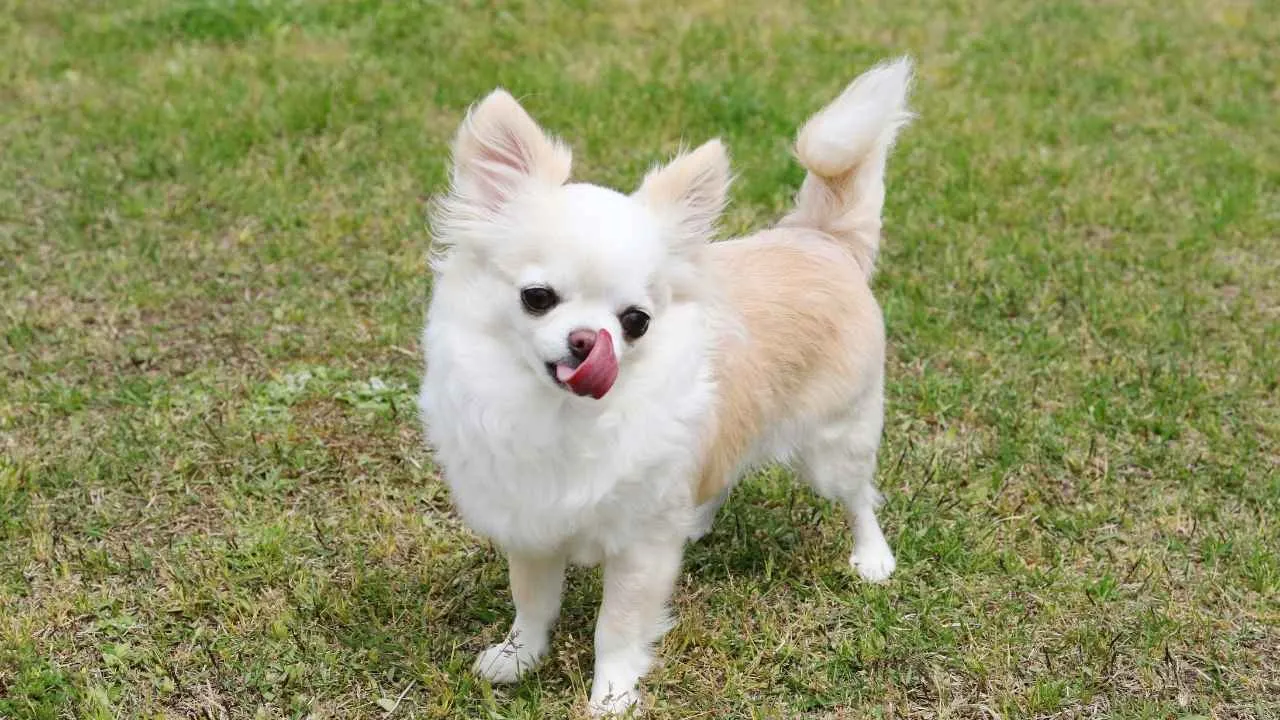
The breeder-bought Chihuahua puppies cost roughly $500–$2,500, while shelter adoption may run only $50–$300, depending on the organization and what veterinary work is included. Rescue fees can represent serious value when vaccination, microchipping, and spaying or neutering have already been handled, so adoption is very much the easy option on the pocket.
Spending less upfront should never mean buying a suspiciously cheap puppy from an irresponsible source, because skipping health screening can lead to much bigger bills later.
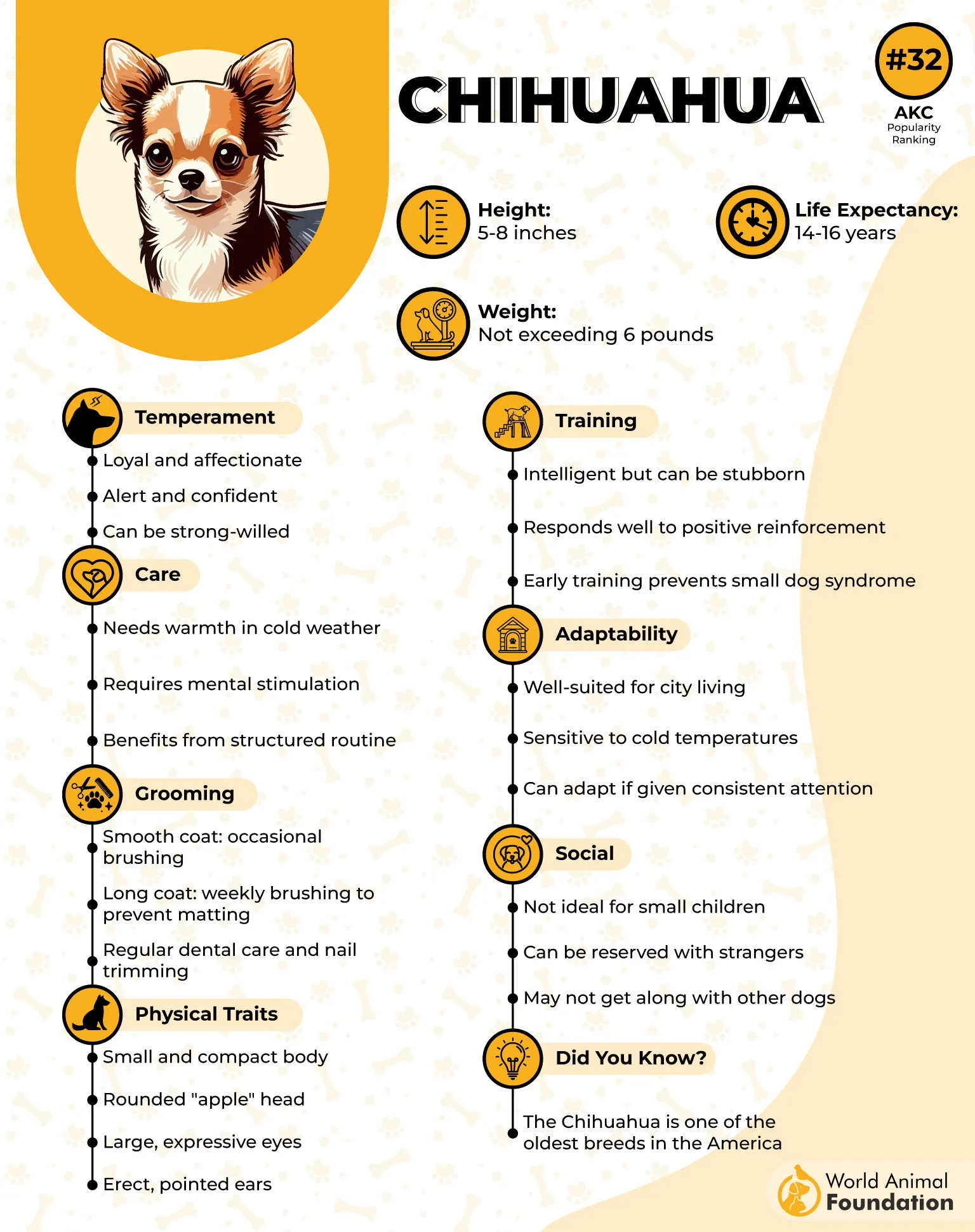
Food is another area where the Chihuahua earns its budget credentials, and it costs roughly $240–$720 per year, or about $20–$60 per month. Tiny stomach, tiny serving size, fewer dramatic moments staring at an empty 30-pound food bag wondering where your paycheck went.
Smooth-coated Chihuahuas also have delightfully uncomplicated grooming needs, with weekly brushing often doing most of the heavy lifting, while long-coated dogs require somewhat more maintenance.
Cost Breakdown Of Keeping This Dog
Food win: Small portions can make good-quality food far less painful to budget for than feeding a large breed.
DIY-friendly coat: Smooth-coated Chihuahuas can usually skip routine professional salon appointments in favor of brushing and nail care at home.
2. Beagle

Beagles were bred to work in packs and tend to enjoy humans and other dogs, making them an appealing choice for families that want an active social companion. The AKC describes them as merry and energetic.
Their short, dense double coat is one reason they can be kinder on a grooming budget than breeds that require regular clipping or elaborate coat maintenance. Weekly brushing removes loose hair, and they generally do not need frequent baths unless they have rolled in something that makes everyone in the house regret their life choices.
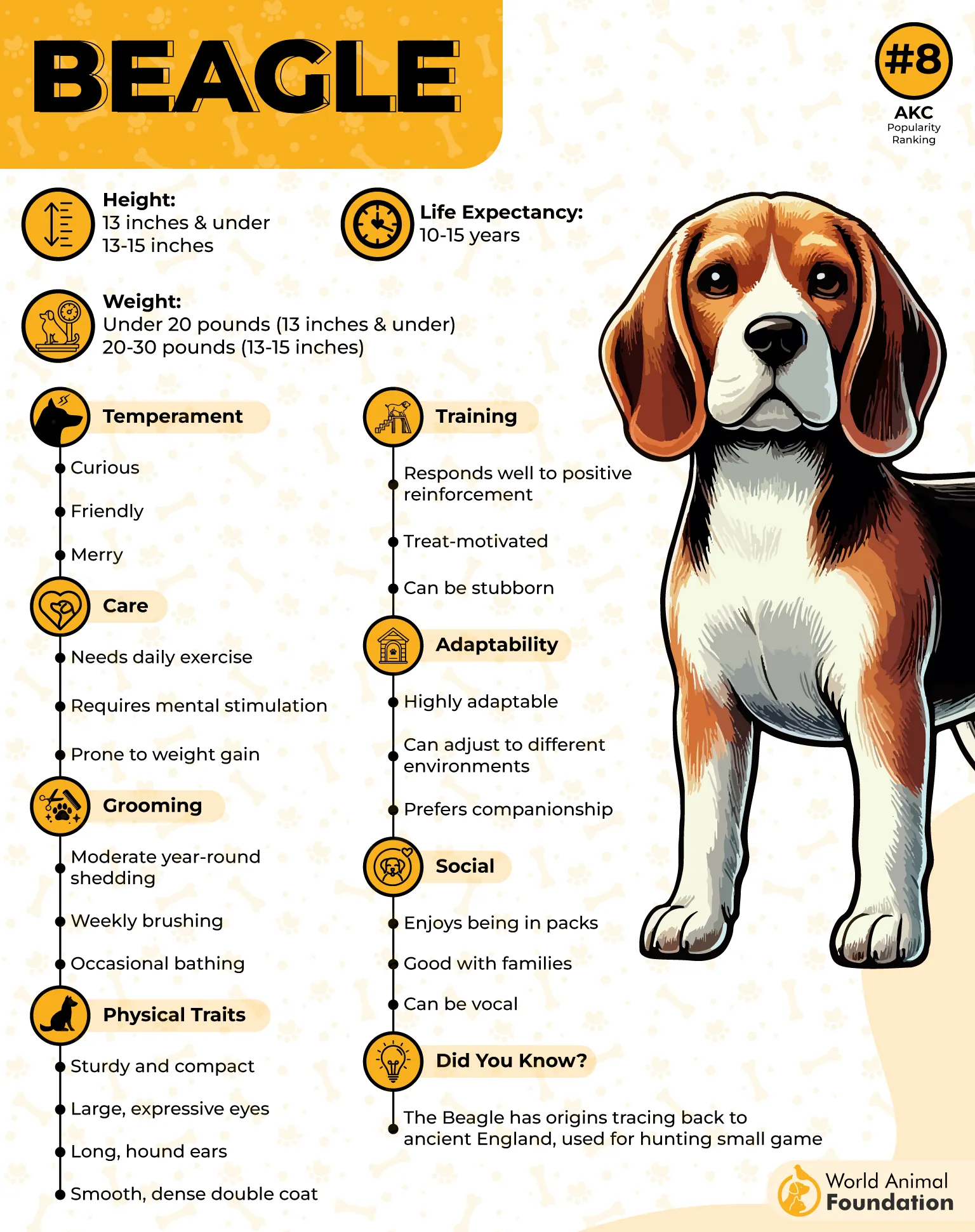
Food spending is approximately $40–$80 per month for premium dry food, plus $10–$30 for treats or supplements, with specialist diets potentially costing more. The real money-saving move is portion control because Beagles are famously food-motivated.
Budget families with time, secure walking habits, and an enthusiasm for sniff-heavy adventures therefore get much better value from this cheerful hound than households that need to outsource its activity.
Cost Breakdown Of Keeping This Dog
Salon spending stays modest: A brush, nail clippers, and ear-cleaning supplies can handle much of routine maintenance at home.
Entertainment can be free: Long walks, scent trails, hide-and-seek games, and family play satisfy natural Beagle instincts without monthly enrichment subscriptions.
3. Pug

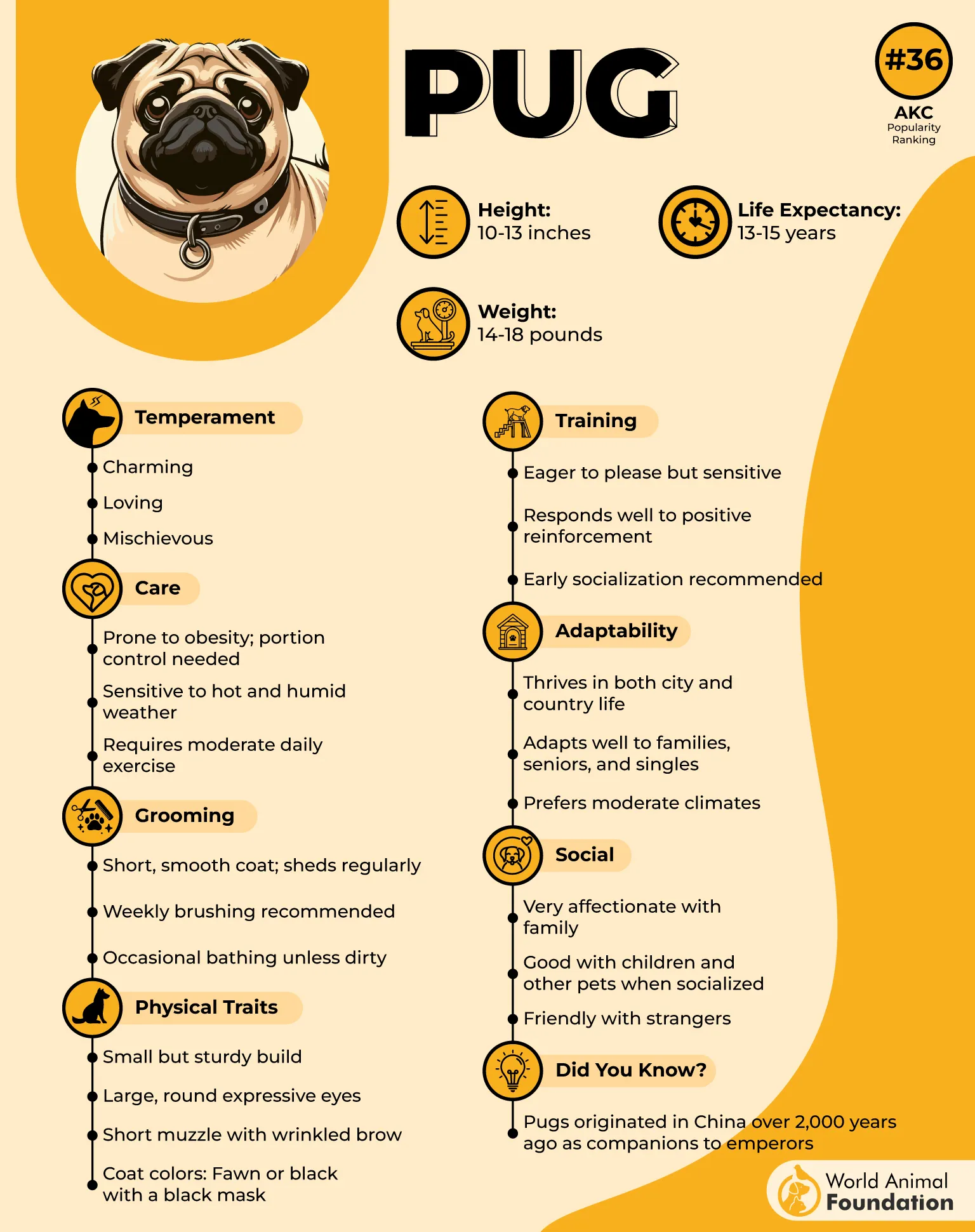
Pugs are adaptable and well-suited to different home environments, while moderate exercise rather than marathon-level activity generally keeps them satisfied. That means you probably will not need an enormous yard or a mountain of expensive sports equipment to keep one entertained.
The short coat looks low-maintenance because it is, at least from a clipping perspective, and weekly brushing can handle much of the routine coat care.
Petbarn estimate is higher at roughly $93 per month for a small dog, so anyone building a budget should use the newer baseline rather than assuming the historical figure still covers the essentials. This is exactly why dog budgets need occasional software updates too.
A healthy, appropriately bred or responsibly rescued Pug can have modest food, grooming, and exercise expenses. Still, anyone wanting the absolute lowest-risk veterinary budget should understand that this breed comes with extra uncertainty.
Cost Breakdown Of Keeping This Dog
Everyday savings: Moderate exercise, small meals, and a coat that does not need routine clipping keep several recurring categories reasonable.
Emergency cushion = essential: Breathing, eye, skin-fold, or other medical problems can wipe out routine savings quickly, so insurance or a dedicated vet fund deserves serious consideration.
4. Rat Terrier

Rat Terriers are sturdy, independent problem-solvers with a history of vermin hunting. For practical owners, their hardy working-dog background pairs nicely with a very uncomplicated coat.
WebMD says a weekly once-over with a soft brush or hound glove, and an occasional bath, is generally enough to maintain their short, dense coat. Weekly brushing and monthly bathing estimate annual ownership at around $1,050, divided among veterinary care, grooming or boarding, food and treats, and miscellaneous expenses.
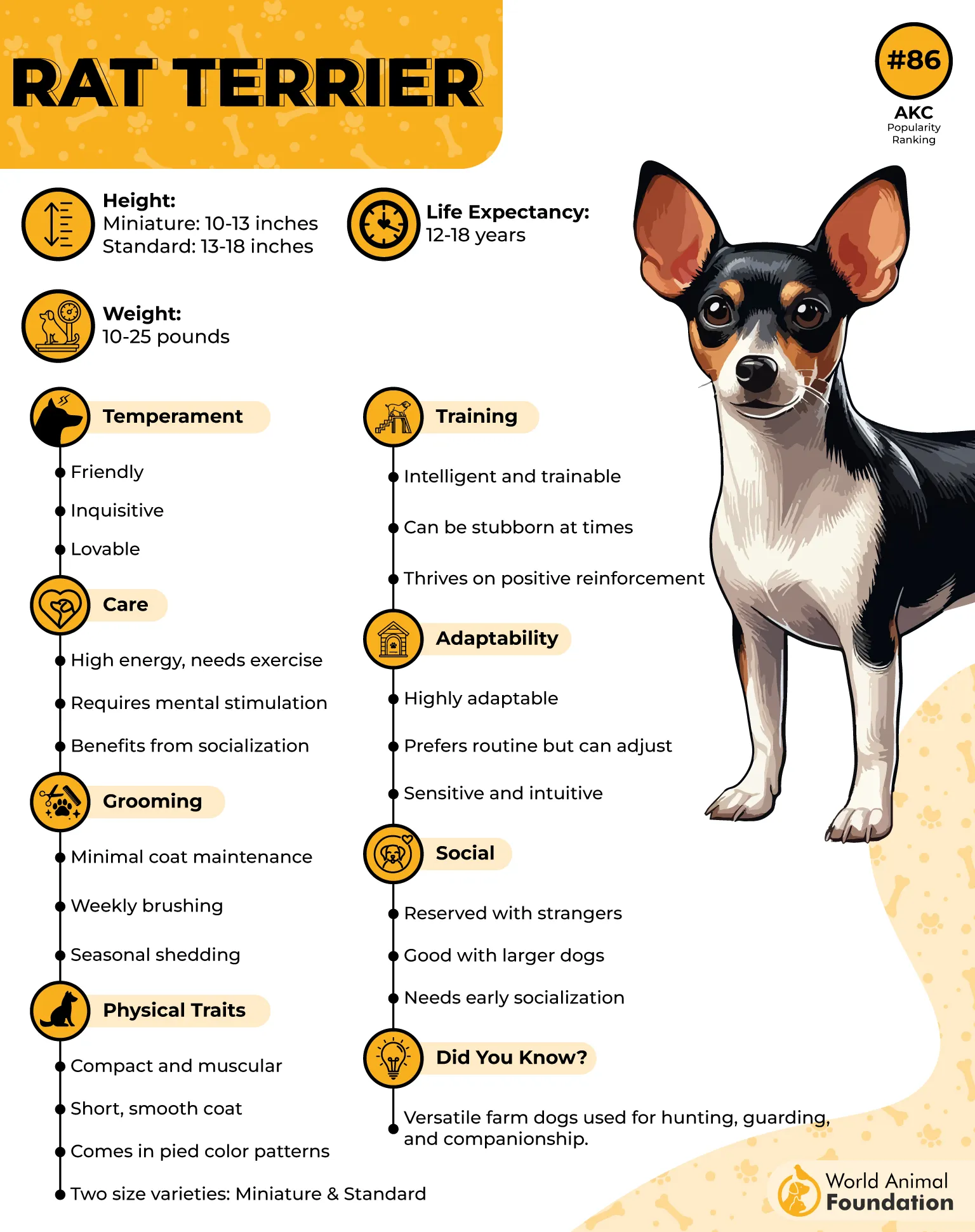
Exercise is not optional simply because the dog is small, yet much of it can be delivered for free through walks, fetch, training challenges, and securely enclosed play. They can burn energy through indoor play, although most benefit from daily walks and active games.
Training is another potentially inexpensive category because Rat Terriers are highly intelligent and respond well to positive methods. Short DIY sessions using kibble, inexpensive treats, cardboard puzzle games, and household objects can provide serious mental stimulation without a shopping spree.
Cost Breakdown Of Keeping This Dog
Big savings are found in grooming: Weekly brushing and occasional bathing can usually be done in your bathroom instead of in a salon chair.
Put money where it matters: Reserve part of the budget for vaccines and parasite prevention rather than spending heavily on cosmetic extras.
5. American Foxhound

The American Foxhound is a different kind of budget candidate because its strongest saving point is grooming, not food. It is a large, athletic hound, so feeding one will naturally cost more than feeding a small pup.
Its short, close coat is extremely easy to maintain with a brief weekly brushing and bathing mainly when the dog gets genuinely dirty. There is no fluffy coat demanding six-week sculpting appointments, de-matting marathons, or a cabinet full of detangling products.
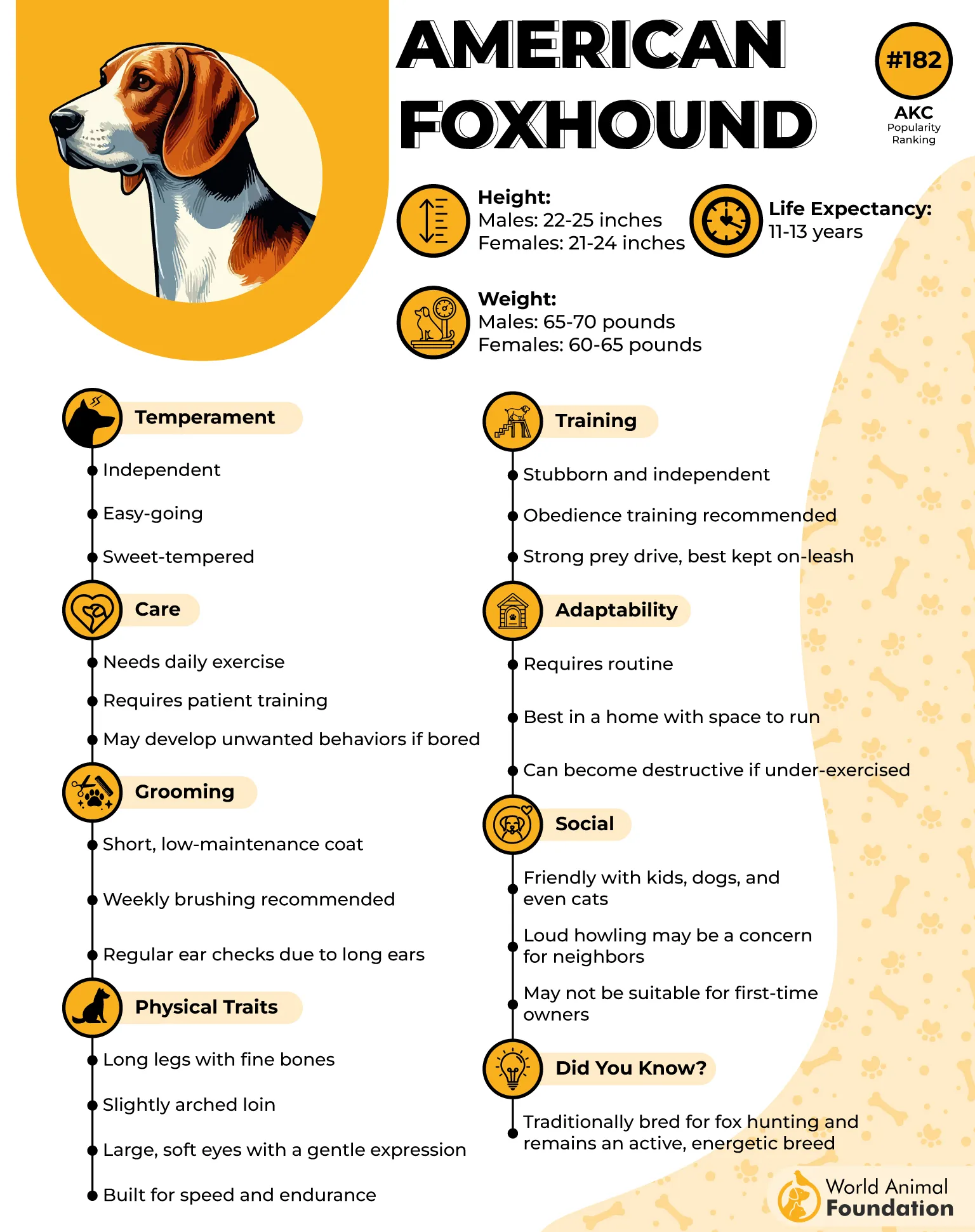
Purina recommends about 1 to 2 hours of daily exercise and explains that Foxhounds were bred for long periods of pursuit, with boredom potentially leading to destructive behavior. An active family that hikes, walks, runs, and trains its dog personally may spend very little on exercise.
This is a budget-friendly dog mainly for active households with space, time, and a willingness to DIY exercise—not for someone looking for the cheapest dog in absolute monthly dollars.
Cost Breakdown Of Keeping This Dog
Groomer avoidance is the jackpot: The hard, short coat needs remarkably little beyond weekly brushing and occasional washing.
Time saves cash: Households able to provide those long daily walks themselves avoid turning a high-energy hound into a recurring dog-walker bill.
6. Jack Russell Terrier

A Jack Russell Terrier is basically a tiny athlete that brings enormous energy, sharp intelligence, and a working-dog mindset into a body that does not demand large food portions or oversized supplies.
Britannica notes that coat care is reassuringly manageable, especially for smooth-coated dogs, though broken or rough coats also require regular brushing. The coat is kept mostly natural with minimal grooming, alongside routine nail and ear care.
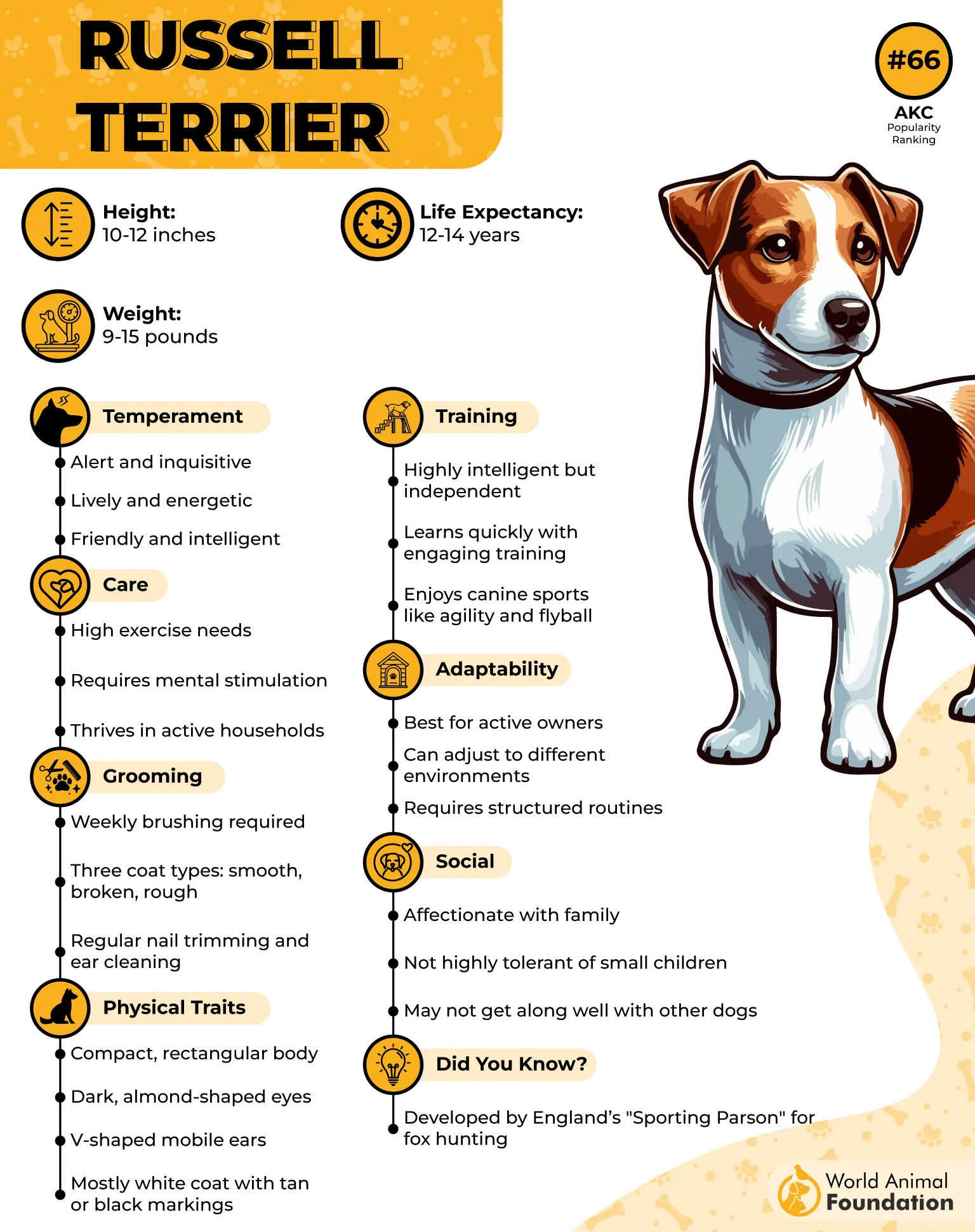
The potential expense is enrichment because boredom and Jack Russells are a chaotic duo. They are extremely intelligent, easily bored, and highly energetic; those traits do not require luxury solutions—hiking, fetch, trick training, homemade scent games, and long walks work beautifully.
Adopting this affectionate breed offers another opportunity to control initial expenses. Rescue dogs may sometimes arrive vaccinated or neutered, potentially removing individual setup charges, although every organization has its own policies.
Cost Breakdown Of Keeping This Dog
Low-cost body, high-energy brain: Food and coat care can stay moderate, while free physical activity provides most of the entertainment.
Your walking shoes are the subscription: Consistent owner-provided exercise can reduce reliance on paid walkers, daycare, and expensive enrichment services.
7. Whippet

Whippets look like they should be arriving at a fashion show in Milan, yet their maintenance routine is surprisingly low-drama.
Reputable puppy prices are roughly £800–£1,500 in the UK and $1,000–$2,500 in the US, depending on pedigree, health screening, and breeder reputation. Orvis highlights adoption by Orvis as the more cost-effective route when an appropriate adult Whippet is available through rescue.
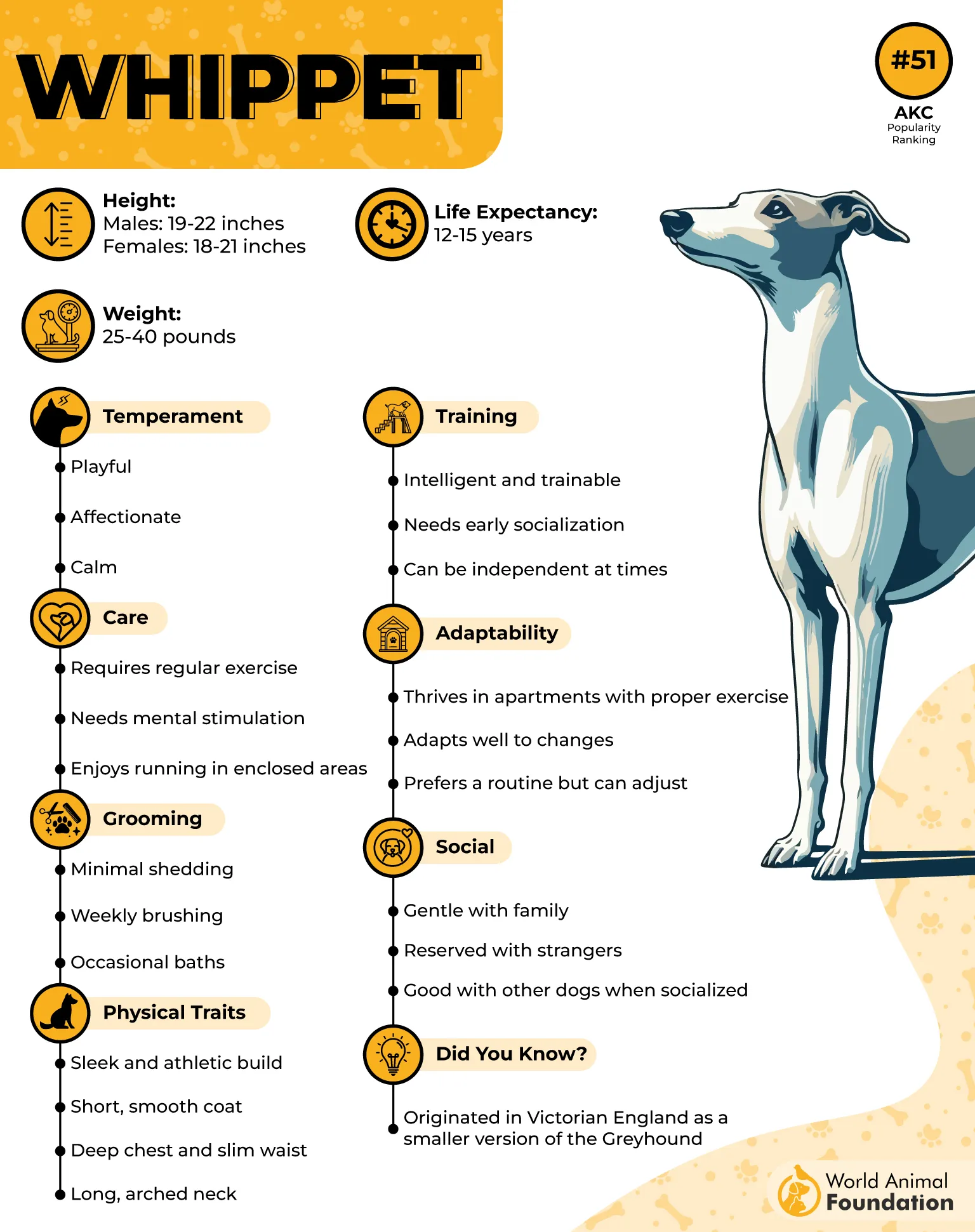
Whippet grooming is where the breed absolutely understood the budget brief. The short, smooth coat needs little more than regular brushing, occasional bathing, ear checks, and nail trims. There are no expensive trims, elaborate blowouts, or “your dog was matted, so that’s an extra fee” jump scares.
Exercise needs also differ from the endless-motion stereotype that people sometimes attach to fast dogs. Whippets enjoy intense bursts of sprinting and need safe activities. For adult dogs, settling down after appropriate exercise and walks is important; retrieving sessions or play in securely enclosed areas are recommended.
Cost Breakdown Of Keeping This Dog
Coat-care bargain: Simple brushing and occasional baths make repeated professional grooming largely unnecessary.
Spend strategically upfront: Rescue can reduce acquisition cost, while a well-bred puppy may cost more initially because health screening and responsible breeding are built into the price.
8. Bichon Frise
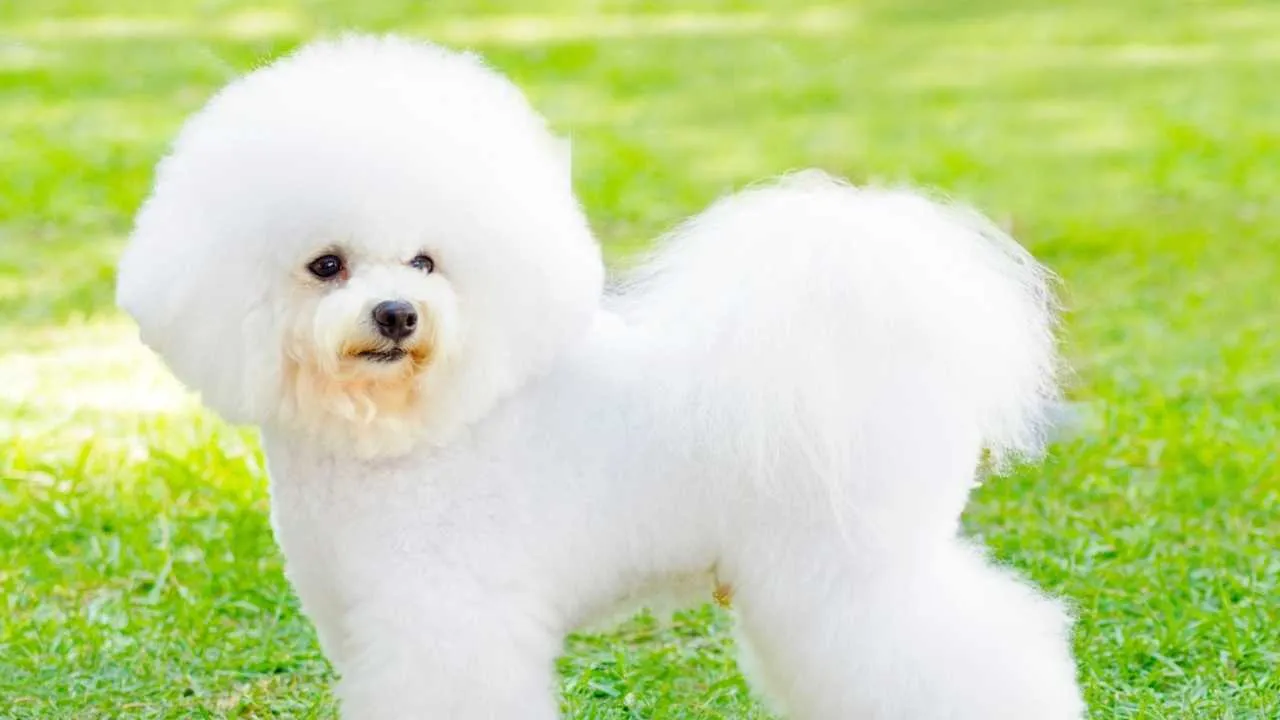
The Bichon Frise needs a slightly different disclaimer: this dog can be budget-friendly in food, housing, and exercise, but grooming can absolutely choose violence against your wallet.
Rescue groups and shelters can offer a budget-conscious path while simultaneously giving an adult dog another shot at family life. That makes patience during the search financially valuable.
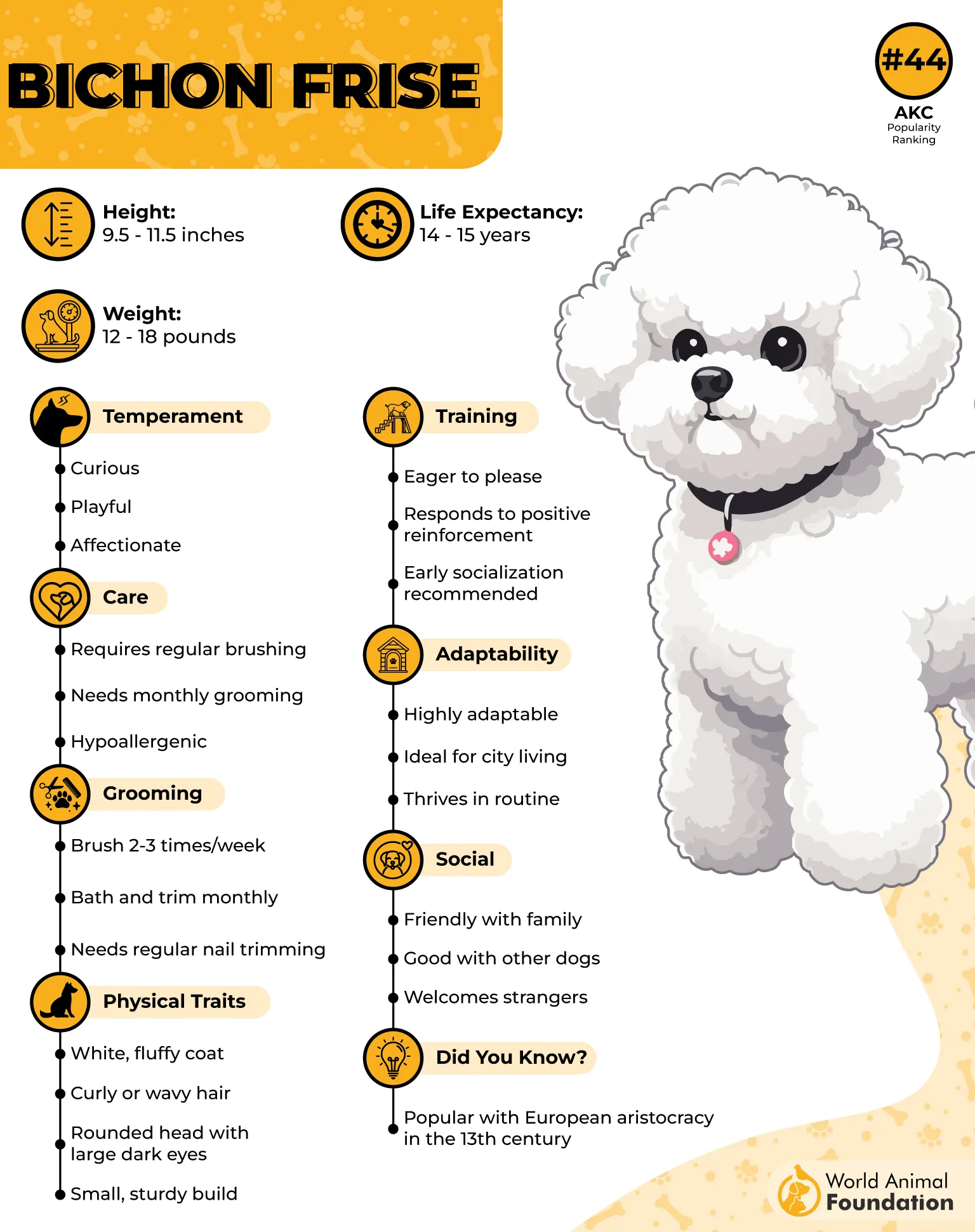
Bichons’ continuously growing hair requires frequent maintenance, typically trimming every four to six weeks to prevent matting. Owners who learn to brush, bathe, and dry, and to perform some safe home grooming, can substantially reduce salon spending, but this is not a breed where neglecting coat care counts as saving money.
For the household willing to master coat maintenance at home, however, a Bichon can shift from “grooming-money black hole” to a reasonably manageable small companion.
Cost Breakdown Of Keeping This Dog
Cheap to feed, not automatically cheap to fluff: Small portions help monthly spending, but salon clipping can become the dominant non-medical cost.
Adoption changes the equation: Rescue availability can make the initial purchase far gentler than buying a puppy at the upper end of breeder pricing.
9. Chinese Crested

The Chinese Crested comes in Hairless and Powderpuff varieties, and its smaller body naturally keeps food quantities, bedding, and general equipment relatively modest.
Buying this Chinese dog, however, is not necessarily within budget, as reputable puppies cost roughly $1,600–$3,700. The Hairless variety delivers one of dog ownership’s great plot twists because “no coat” does not equal “no grooming.” The exposed skin can be vulnerable to irritation, allergies, and sunburn, meaning appropriate skin care and sun protection may be required.
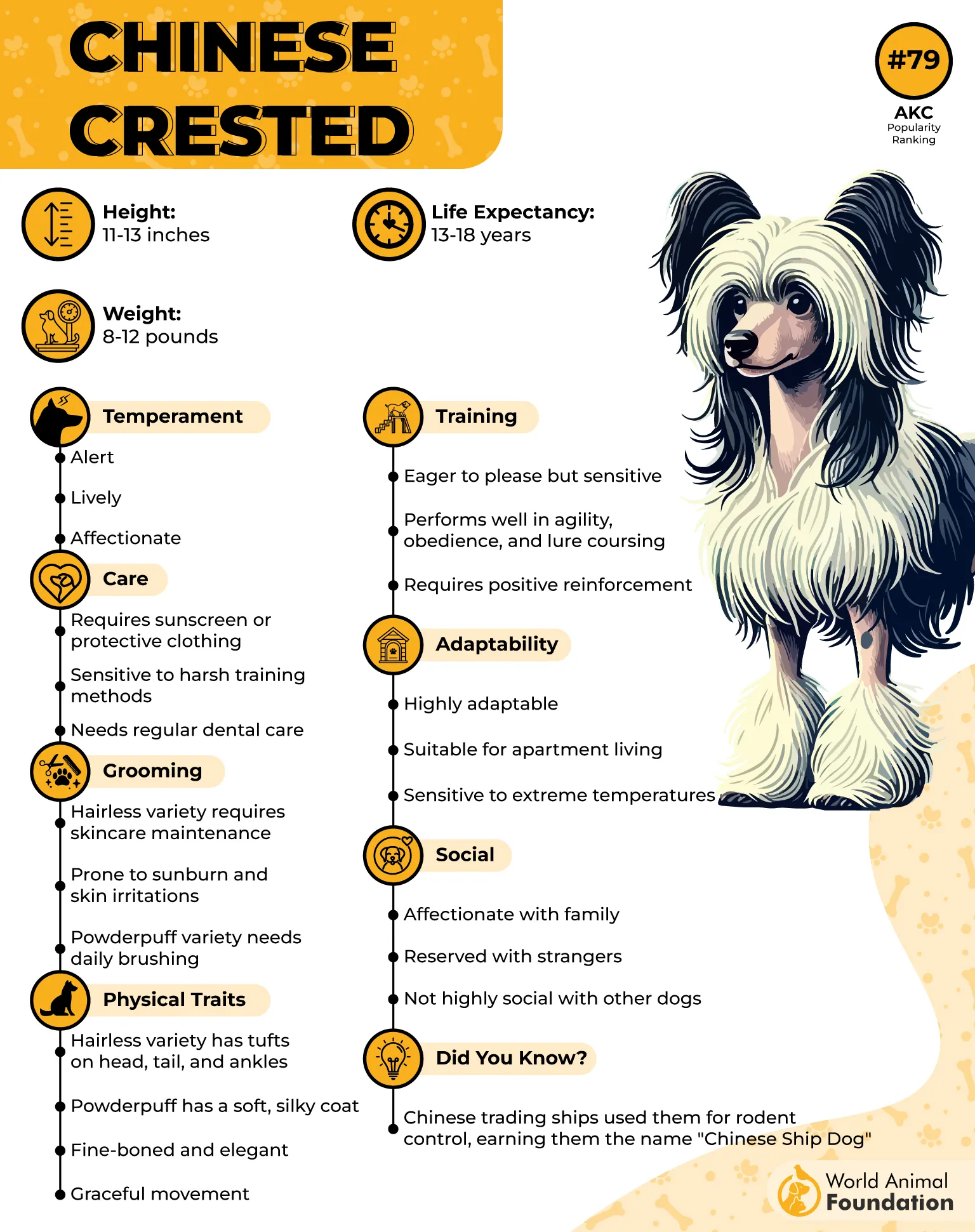
Powderpuffs reverse the calculation because their coats need regular brushing and can mat quickly. Learning to maintain the coat at home can reduce professional grooming costs, but prospective owners who hate brushing should not choose a Powderpuff solely because the dog is small.
Exercise is where both varieties offer genuine economy, as short daily walks and play sessions can usually satisfy their basic activity needs. This is the right dog to have if you are really trying to save some bucks!
Cost Breakdown Of Keeping This Dog
Small-dog economics help: Modest food portions and limited space requirements keep several routine purchases under control.
Low exercise overhead: Daily walks and home play usually provide adequate stimulation without access to paid sports facilities or large outdoor spaces.
10. Miniature Pinscher
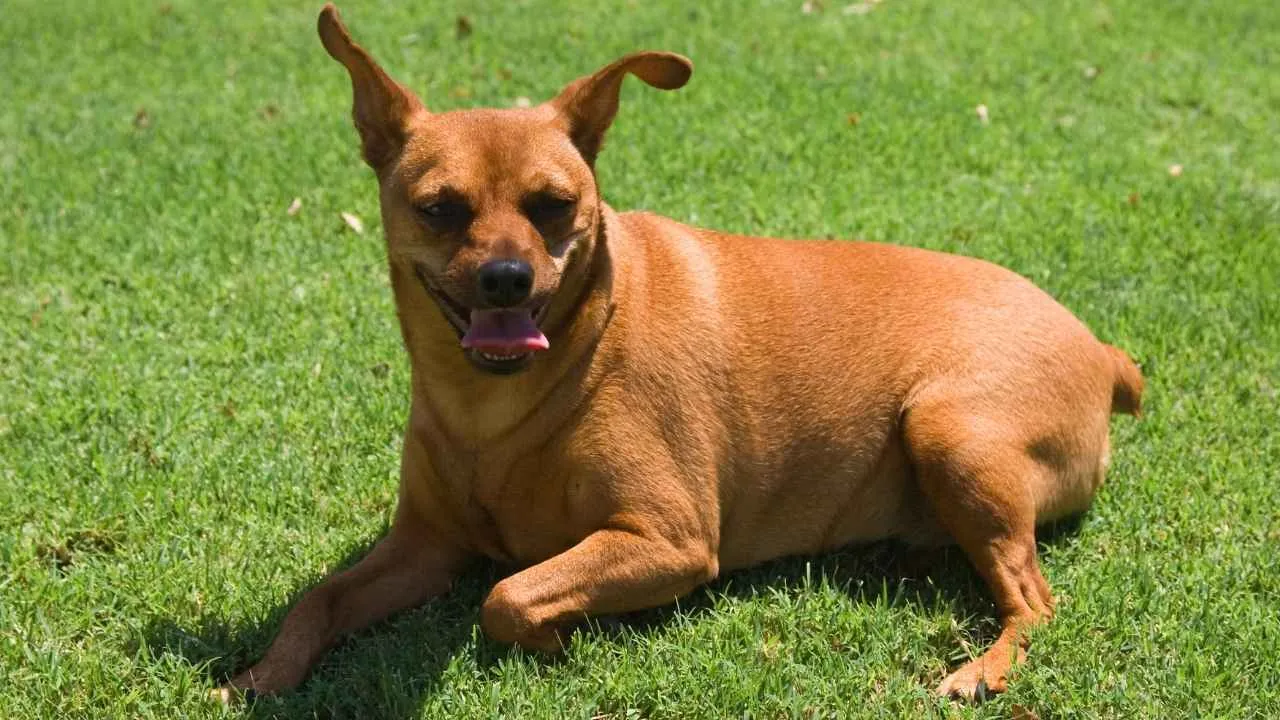
The Miniature Pinscher—or Min Pin—is tiny and proud, also one of the best dog breeds that come at a low cost. For owners trying to minimize food, equipment, and grooming spending without choosing a low-energy lapdog, the Min Pin deserves attention.
The cost is estimated at $1,000–$2,000 when purchasing from a reputable breeder, while breed rescues and shelters may cost substantially less. Once the dog is home, grooming becomes refreshingly simple.
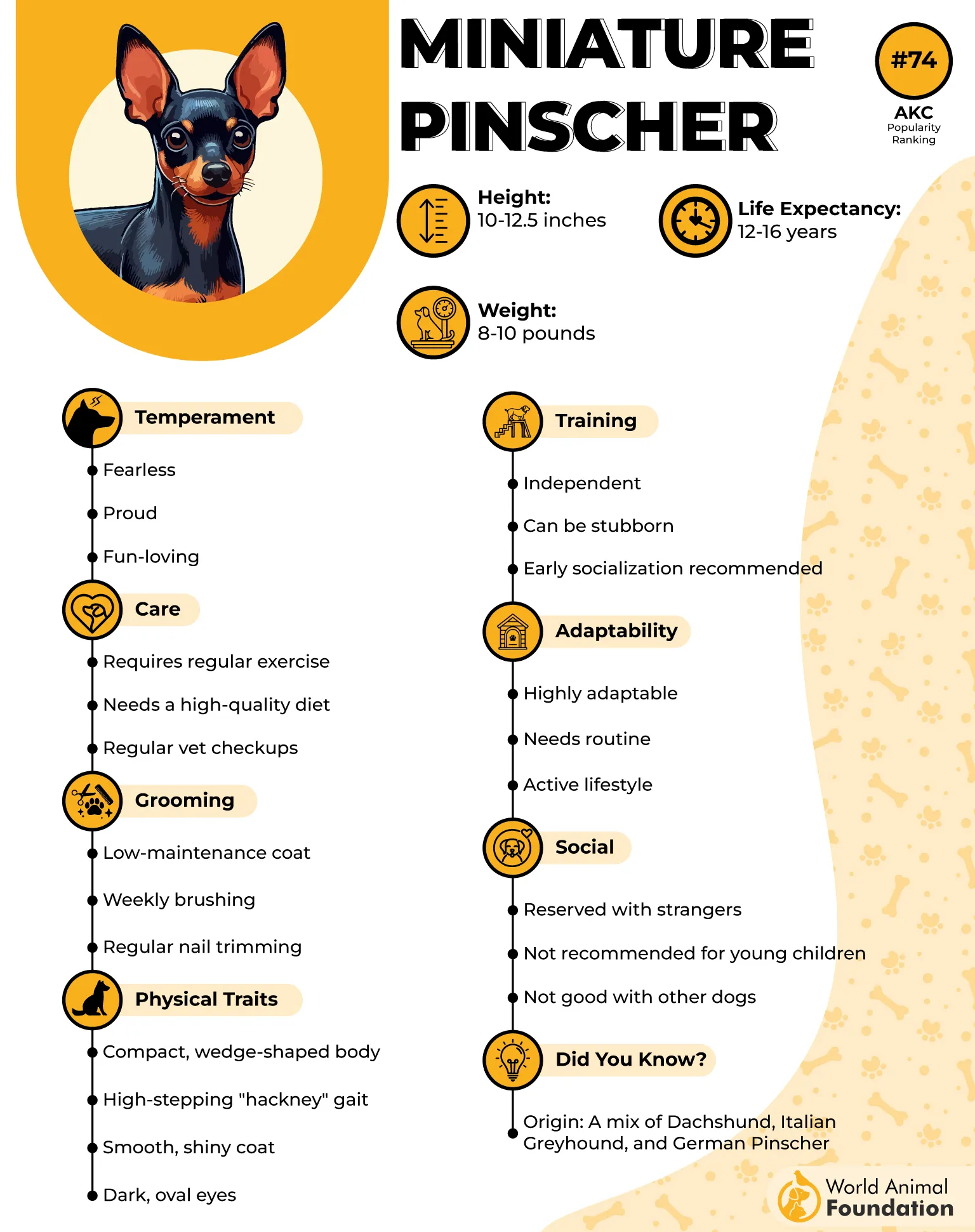
A weekly once-over with a soft brush or a hound glove, plus routine nail trimming, is enough. Their coat also tends to shed relatively little, eliminating the need for the repeated clipping schedule associated with continuously growing coats.
Min Pins are extremely active despite their dimensions, so keeping them happy requires commitment rather than expensive infrastructure. A couple of good daily walks plus play, and the breed can enjoy obedience, agility, and other mentally stimulating activities.
Cost Breakdown Of Keeping This Dog
Recurring grooming can stay near zero-salon territory: A basic brush and nail-care routine covers most cosmetic maintenance.
Redirect the savings: Money not disappearing into grooming appointments is better reserved for routine veterinary care, insurance, or an emergency fund.
Conclusion
The biggest money-saving strategy across almost every breed is also the least glamorous: adopt responsibly when possible, learn basic grooming, control portions, exercise the dog yourself, train consistently, and budget for preventive medicine before buying aesthetic extras.
Cavalier King Charles Spaniel, Shih Tzu, French Bulldog, Boston Terrier, and Labrador Retriever are some great companions that don’t require you to splurge on them! And that is the actual budget-pet-parent flex: not spending the least possible money, but spending intelligently enough that your dog’s needs stay covered without your bank account entering its flop era.
