




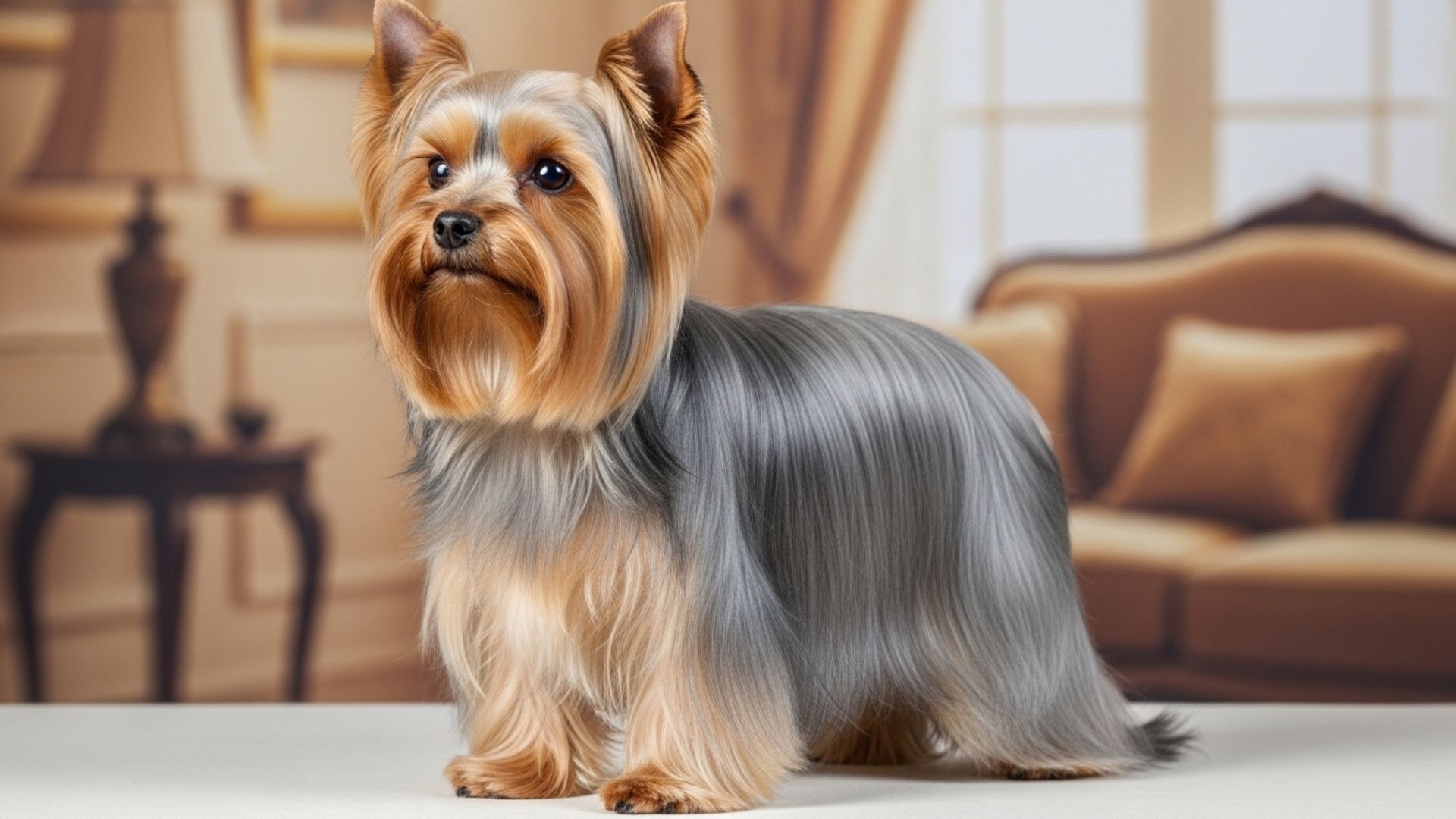
There’s something utterly captivating about a dog with a luxurious coat—the way silky strands catch the light, the soft swish of hair as they trot, and the cozy comfort it brings when they curl up on your lap.
Across the canine world, coats come in an incredible variety of lengths, textures, and patterns, from floor-length flowing locks to dense double coats built for harsh weather.
Grooming care and lifestyle considerations naturally play a role, as maintaining such coats requires daily attention, brushing routines, and occasional baths—but the reward is a healthy, striking coat that turns heads.
For families and pet lovers in the U.S., understanding these traits helps choose the perfect companion whose coat matches both lifestyle and heart. In this article, we will explore the 10 top dog breeds featuring the most luxurious coat types.
Top Dog Breeds Featuring the Most Luxurious Coat Types
1. Yorkshire Terrier
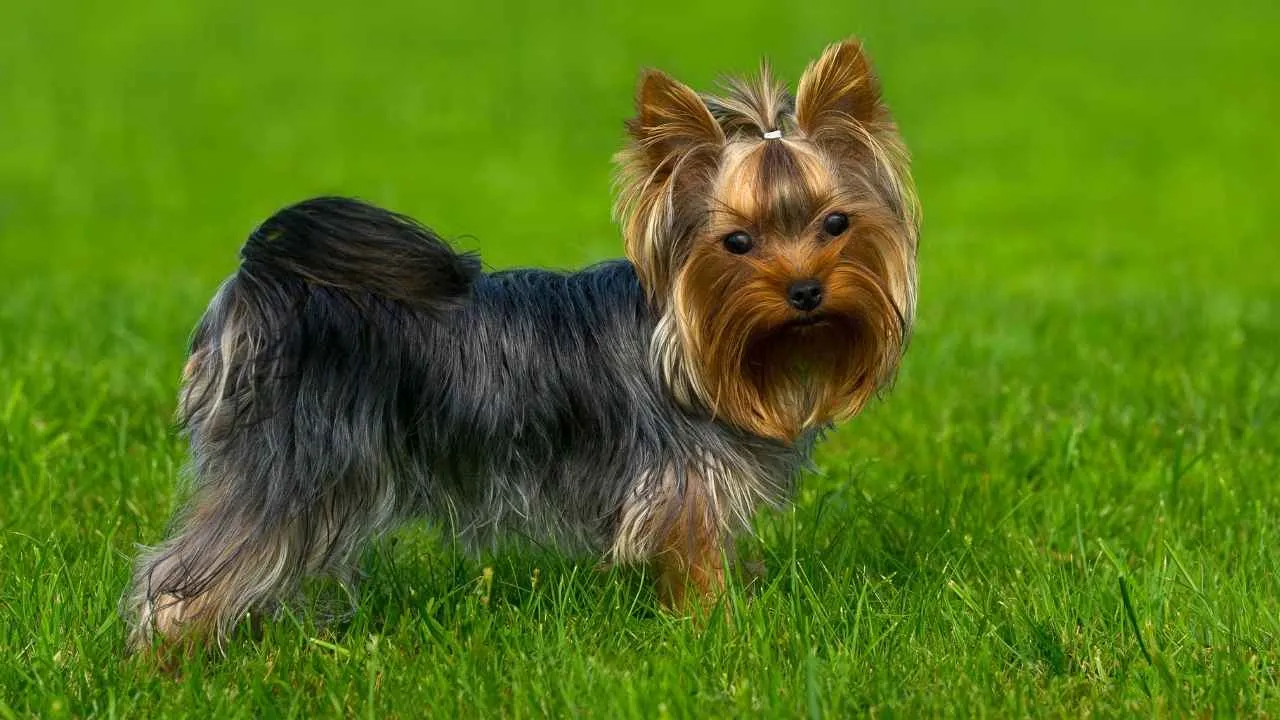
The Yorkshire Terrier, also known as a Yorkie, is a small, energetic toy dog from England. Despite its small size, its long, silky hair flows like human hair, giving it an elegant, refined appearance.
The coat naturally frames the face and, with care, can grow to floor length, making this small, long-haired dog breed stand out among companions. Its striking steel-blue and rich tan colors enhance its appeal, while its hypoallergenic coat makes it a great choice for families and pet lovers.
According to Wikipedia, they are lively, playful, and alert, with a feisty little watchdog at heart, yet they remain affectionate and loyal companions.
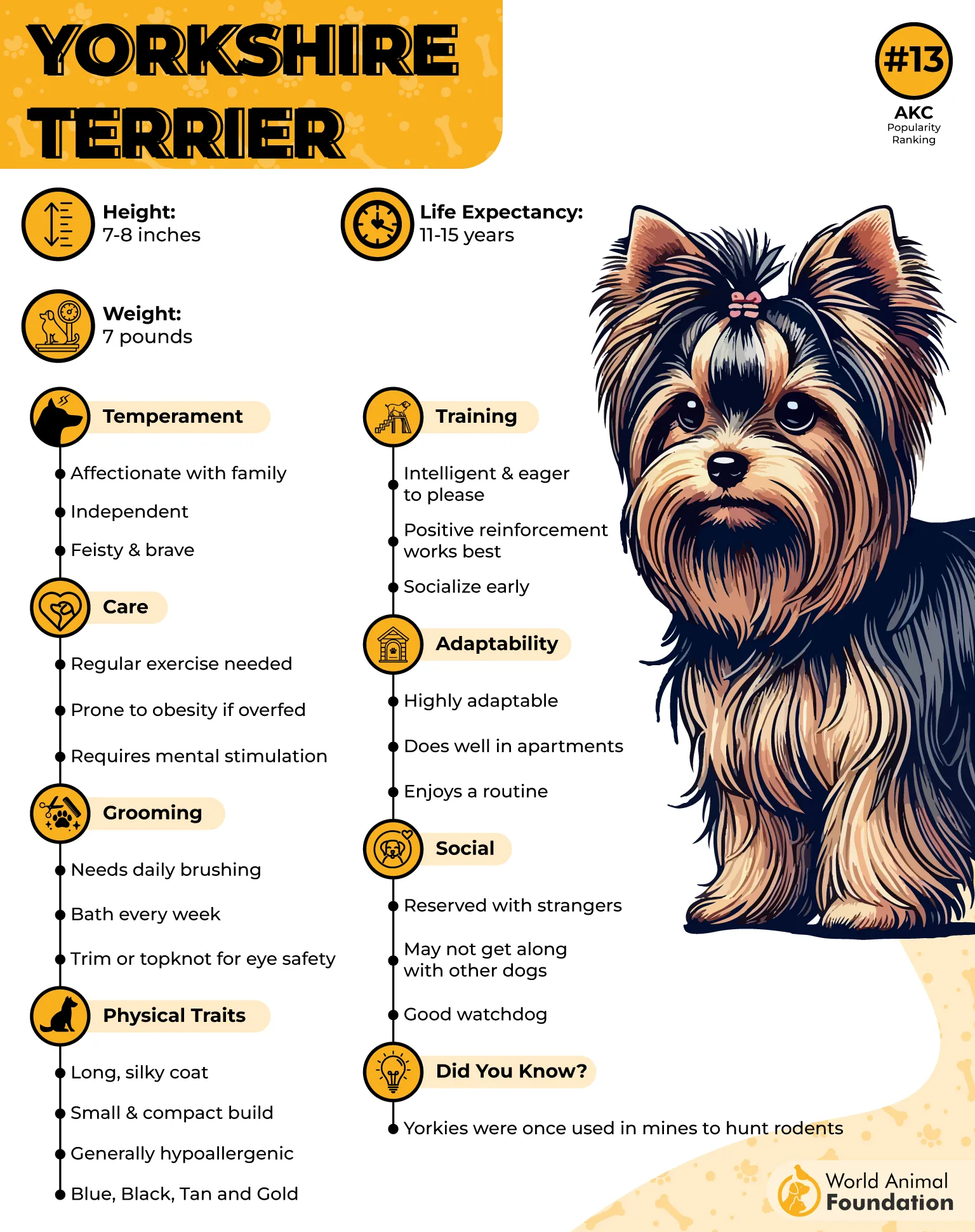
How to Take Care of Hair
Daily brushing is essential to prevent tangles, while baths keep the long, silky coat clean and soft. Many owners trim the hair around the face or choose professional grooming to maintain its luxurious look.
Despite being tiny, this breed thrives with consistent grooming, playtime, and affection. With proper care, the Yorkshire Terrier maintains its elegant appearance while staying a lively, loving, and popular toy dog.
2. Samoyed
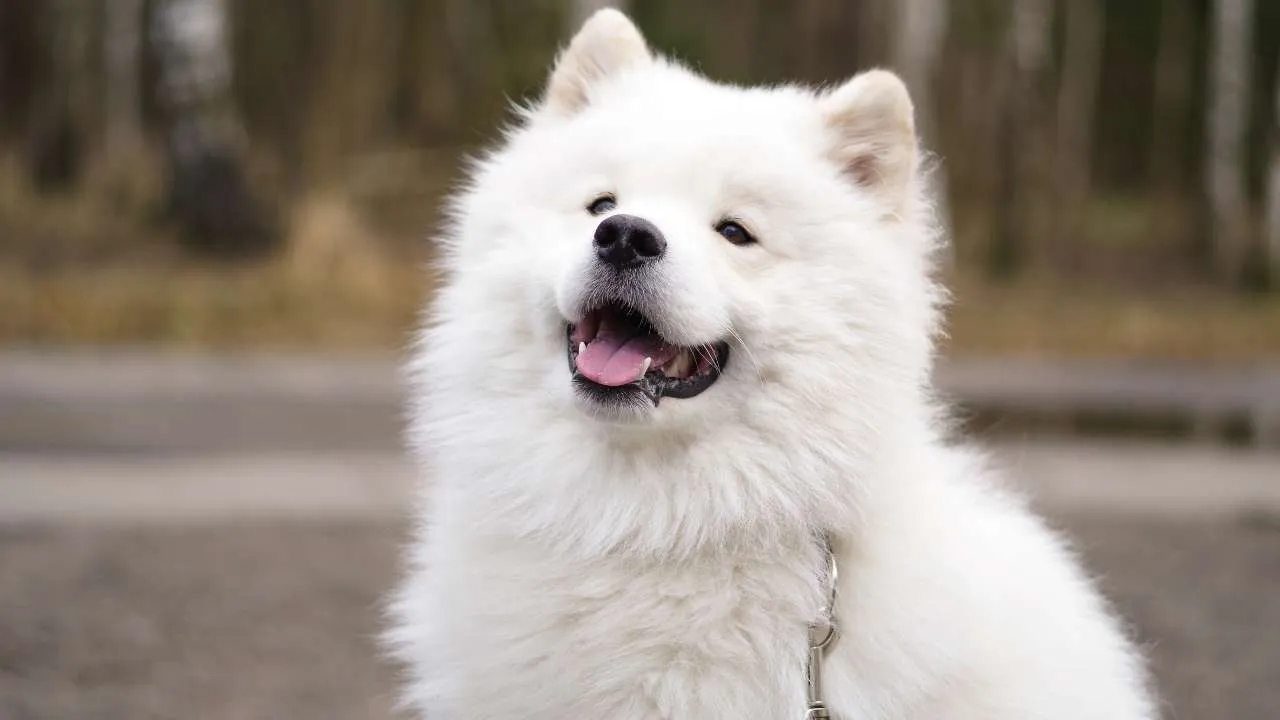
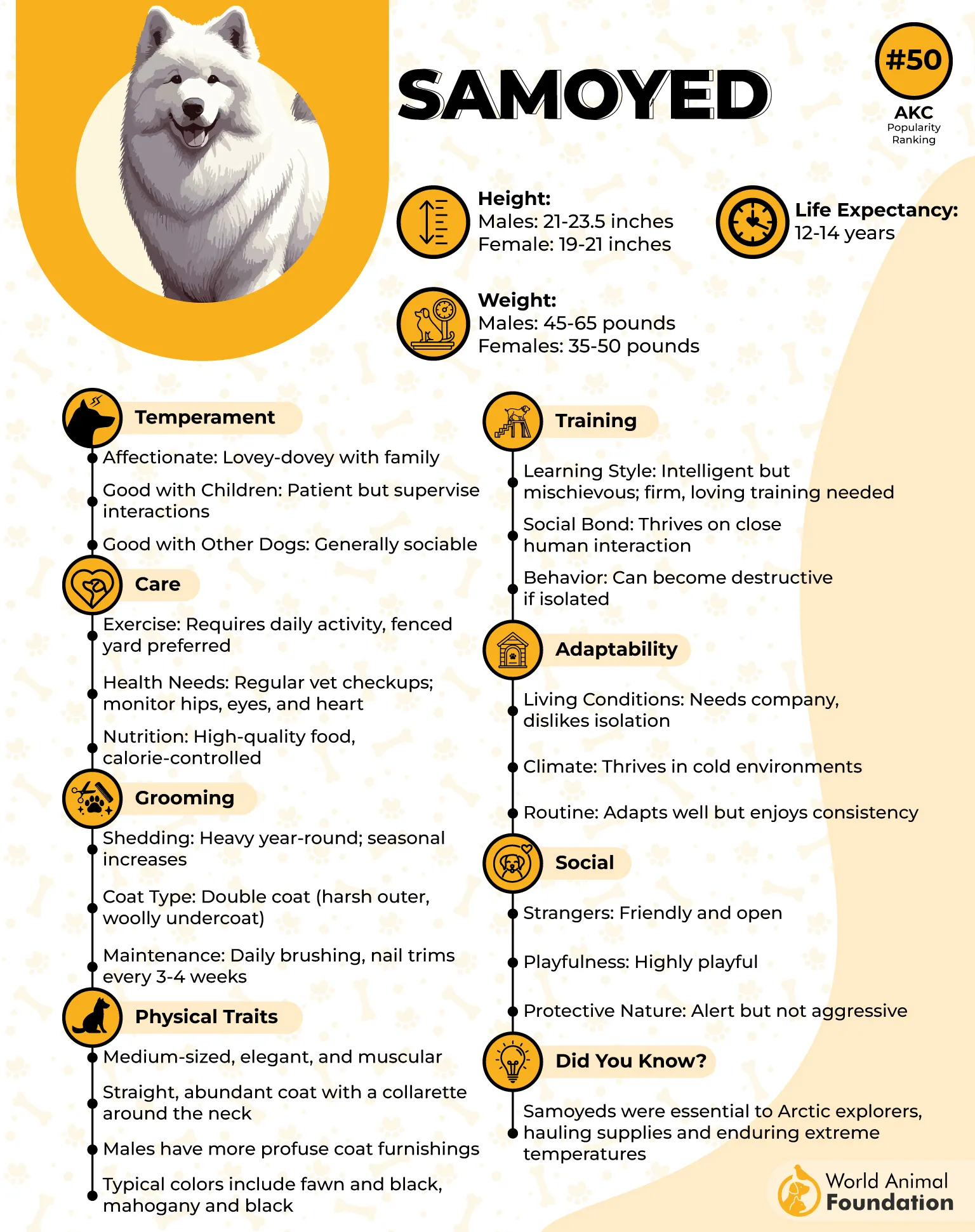
The Samoyed is a medium to large-sized dog from Siberia, known for its bright, cloud-like coat and friendly personality. This long-haired dog breed was originally bred for herding, pulling sleds, and hunting, and thrives in cold climates.
Its thick coat, with a dense undercoat, protects it from snow, wind, and freezing temperatures, while the elegant curls in its tail enhance its striking, instantly recognizable appearance.
PetMD says that Samoyeds are playful and alert, making great companions for first-time pet parents, combining herding instincts with a sociable nature.
How to Take Care of Hair
Regular brushing is essential to prevent mats and manage shedding, especially during seasonal coat changes. Baths keep the coat soft, bright, and cloud-like without stripping natural oils.
Many owners trim around the paws and tail for cleanliness, but the coat’s natural volume is part of its charm. With consistent grooming, this herding dog maintains its luxurious appearance while staying healthy and happy, thriving in the cold weather for which it was bred.
3. Afghan Hound
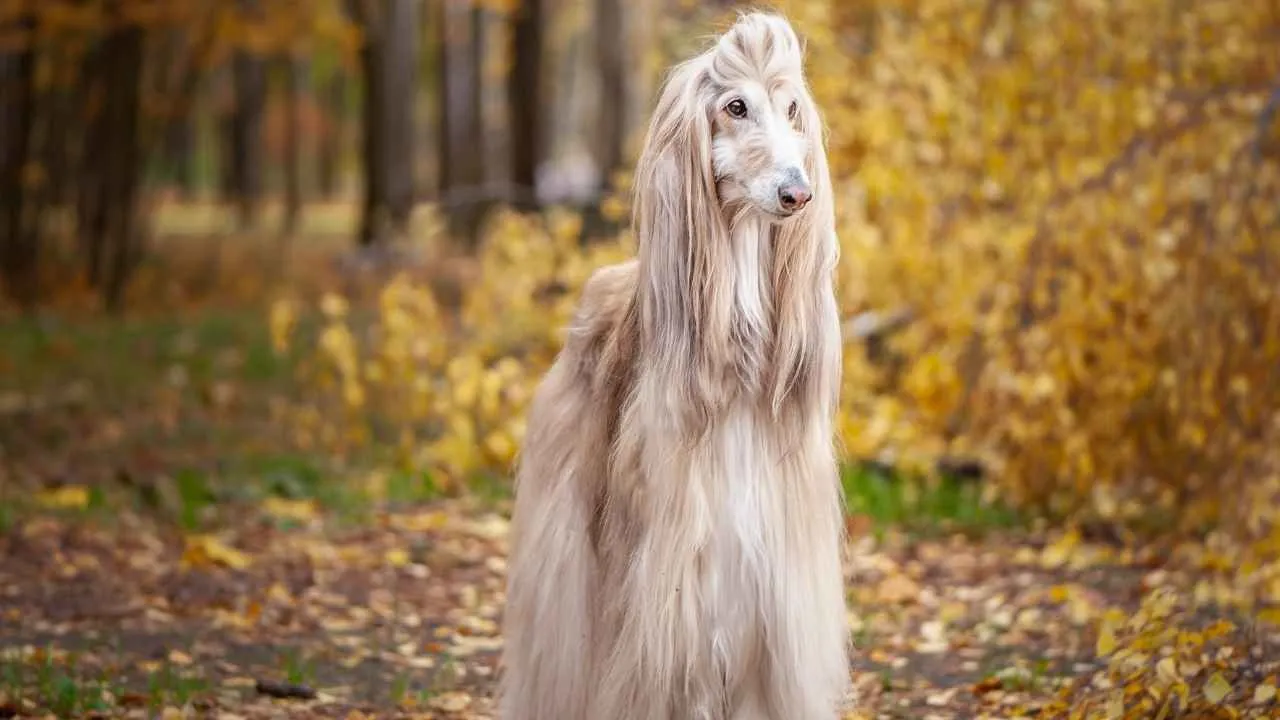
The Afghan Hound is an ancient breed, originating in the cold mountains of Afghanistan, where it was prized for hunting speed and agility.
Known locally as Sag-e-Tazi or Tazi Spay in Pashto, this long-haired dog breed is instantly recognizable by its flowing, silky coat and a tail that curls in a graceful ring at the end. When the dog runs, its long hair moves like a wave, enhancing the breed’s striking, elegant appearance.
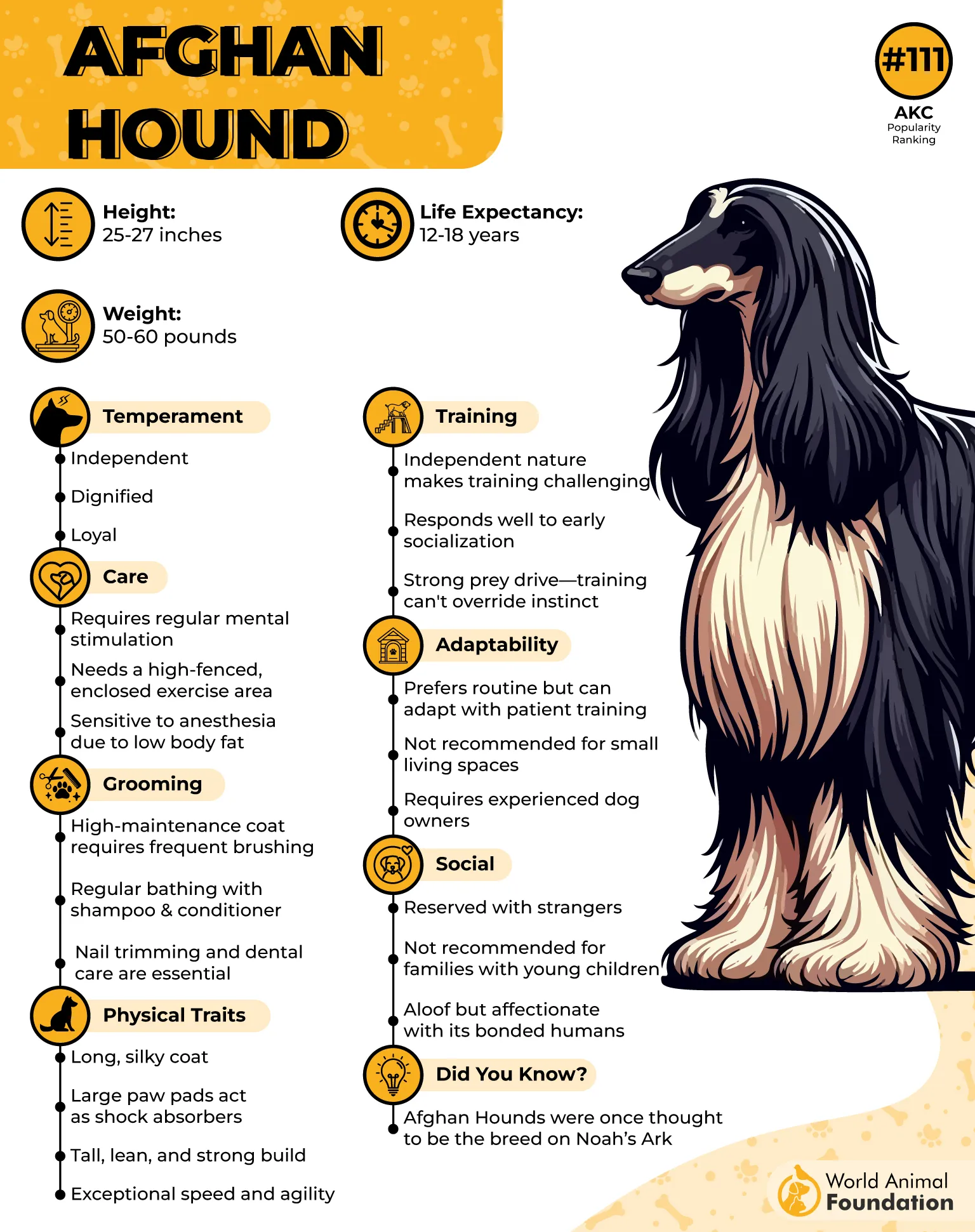
Afghan Hounds come in a variety of colors, and their long, face-framing hair adds to their regal, unique look. Despite their beauty, they are among the least obedient breeds and require patient puppy training and mental stimulation.
How to Take Care of Hair
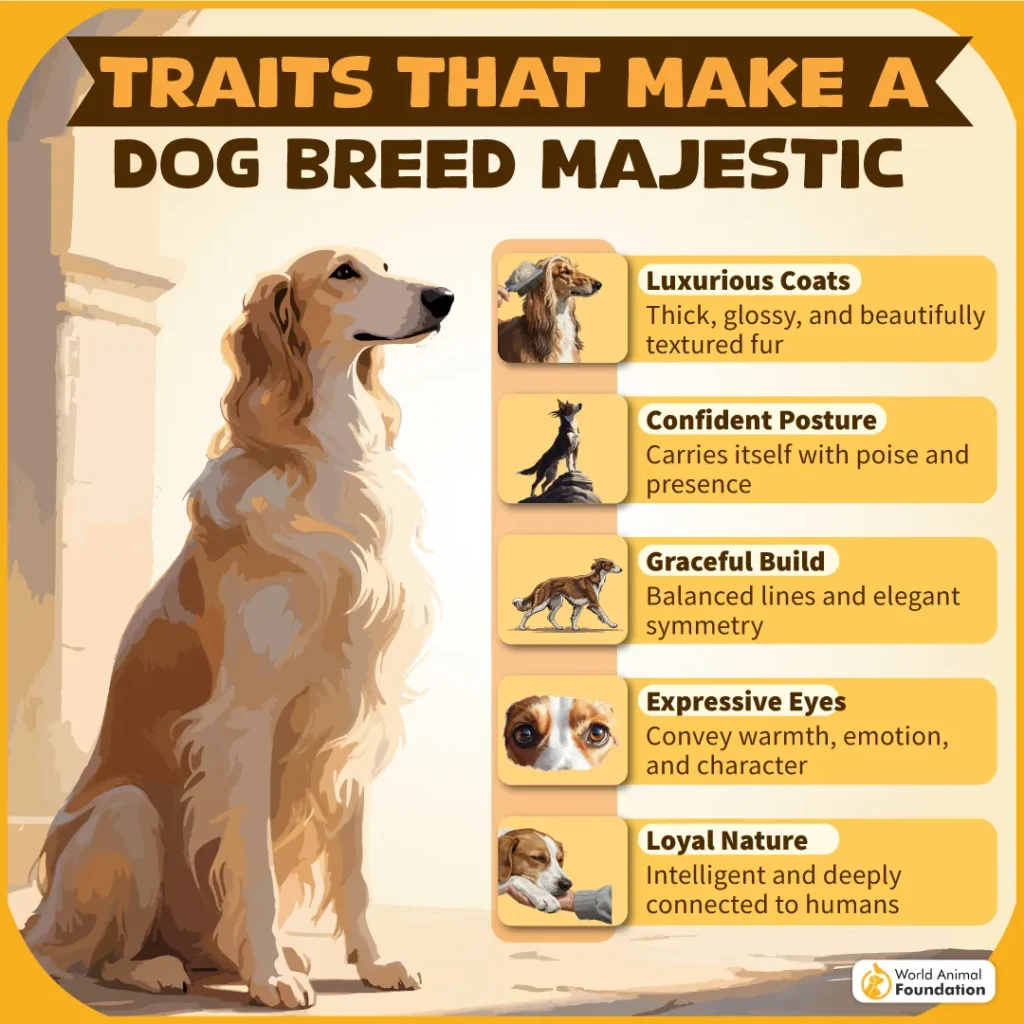
Regular grooming is essential to maintain the Afghan Hound’s silky coat and prevent tangles or mats. Daily brushing keeps face-framing long hair smooth, while baths preserve the natural shine and softness.
Because the coat is long and delicate, many owners schedule professional grooming to maintain its elegance. According to Purina, with structured care, this extremely agile and loyal breed remains a stunning, great family dog, admired for its flowing hair and graceful presence.
4. Lhasa Apso
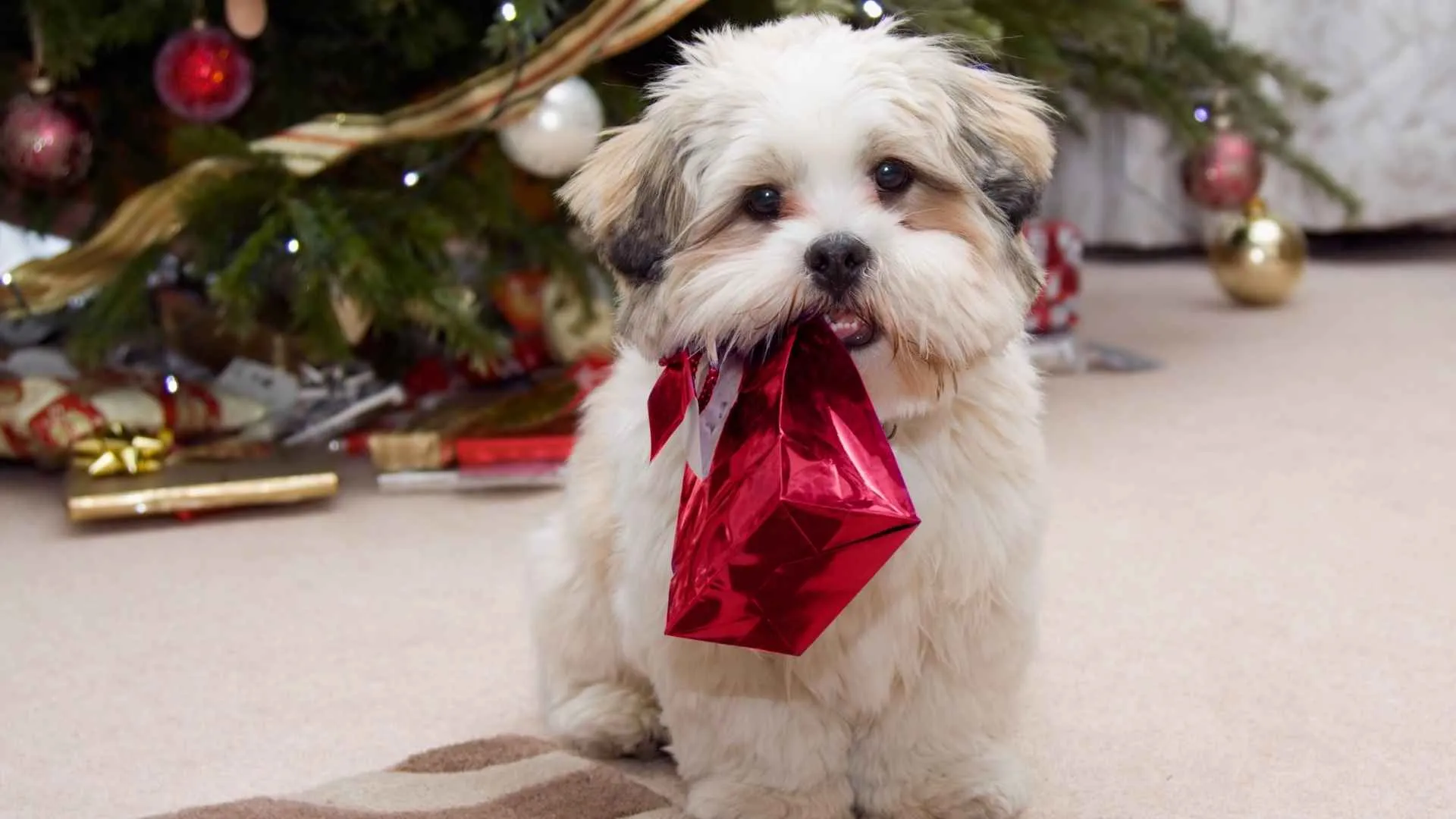
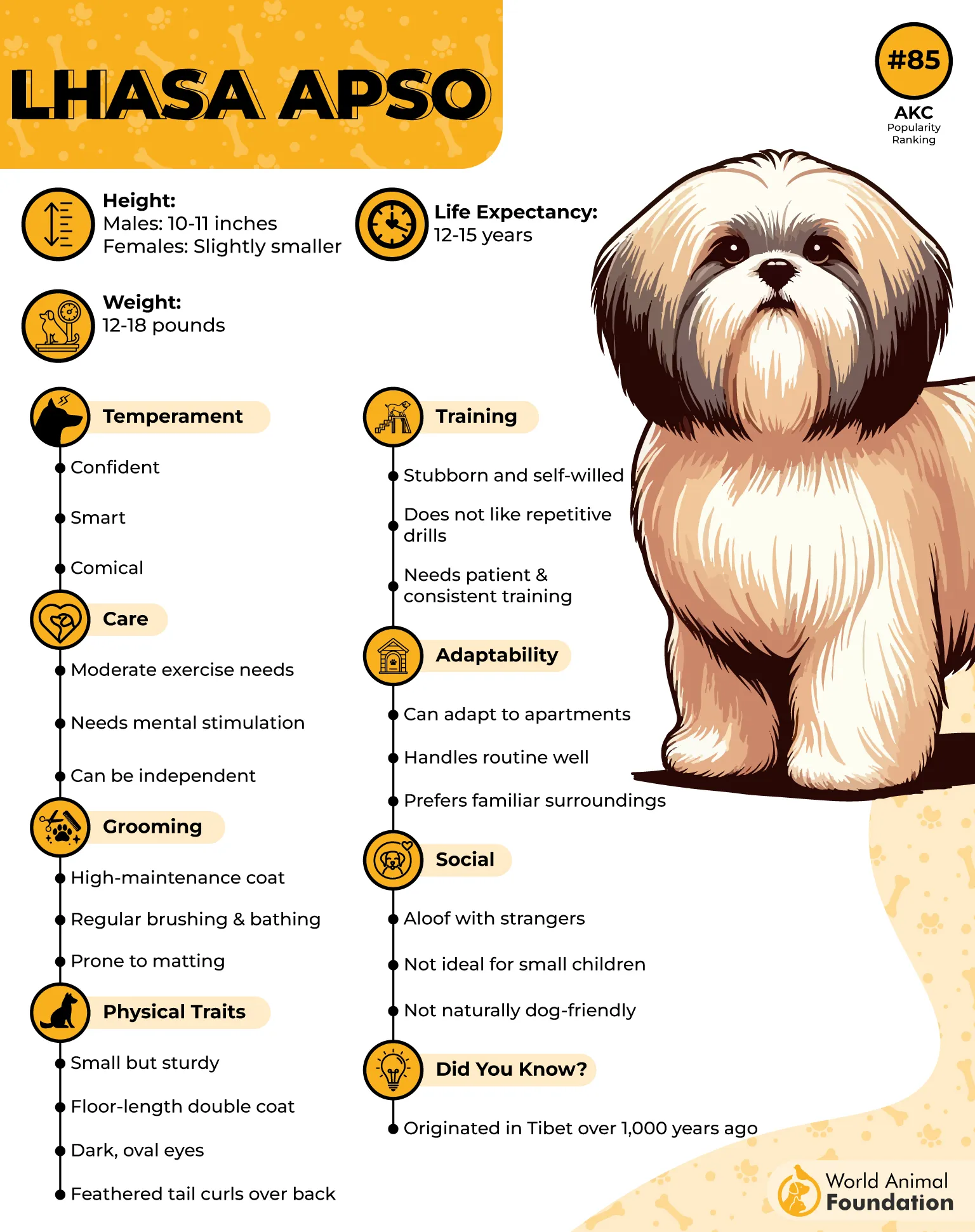
The Lhasa Apso is a thousand-year-old breed from Tibet, originally serving as an interior watchdog in royal palaces and temples. Its long, straight, heavy coat was designed to protect it from harsh mountain climates and to guard sacred sites.
Britannica notes that, known as “Apso,” which can also mean “goat,” the breed was considered sacred because it was believed to shield Buddhist monks and lamas from disease during temporary temple visits.
Confident, hardy, and intelligent, they are excellent companions, though they can be stubborn and independent and require patient training. They are friendly with other dogs and pets but often remain aloof around strangers, reflecting their historic role as vigilant guardians.
How to Take Care of Hair
Its long coat requires regular grooming, ideally several times a week, to prevent mats. Owners often style the hair to highlight its natural fall or trim around the face and paws for practicality.
With proper brushing, this long-haired breed maintains its striking appearance while staying healthy and hardy. Today, the coat’s beauty continues to reflect its ancient purpose, combining elegance with protective function.
5. Maltese
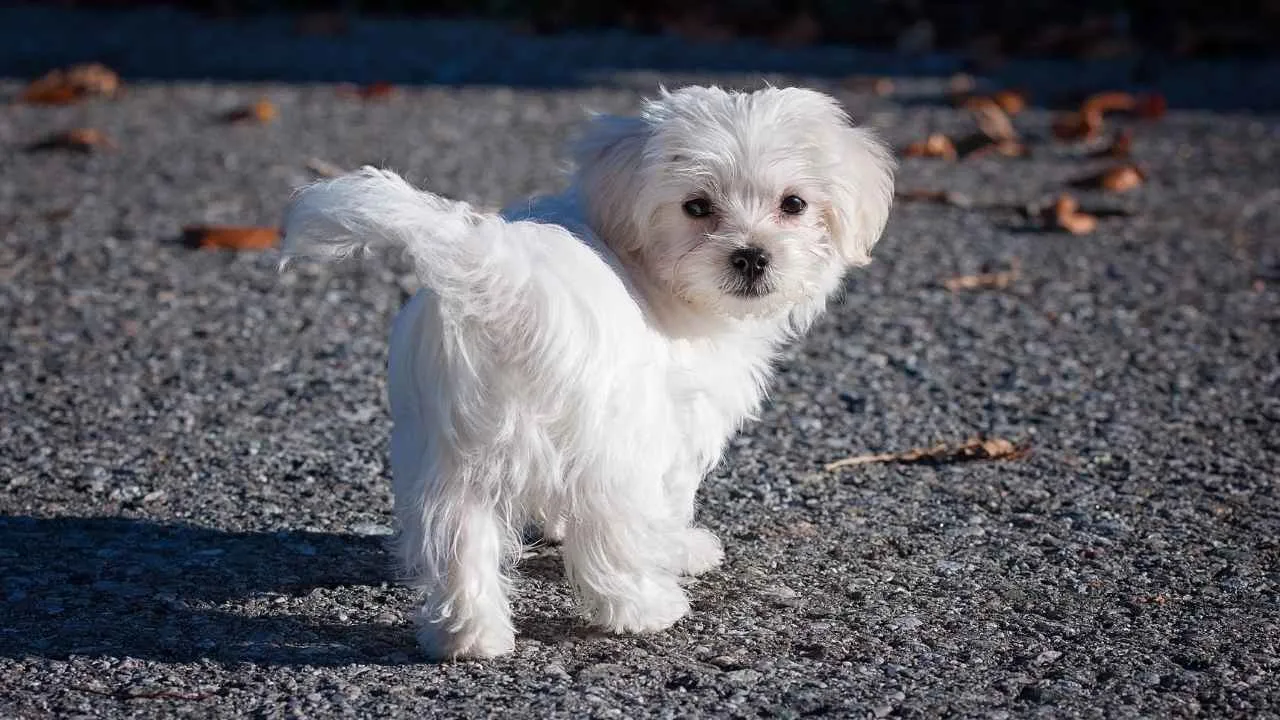
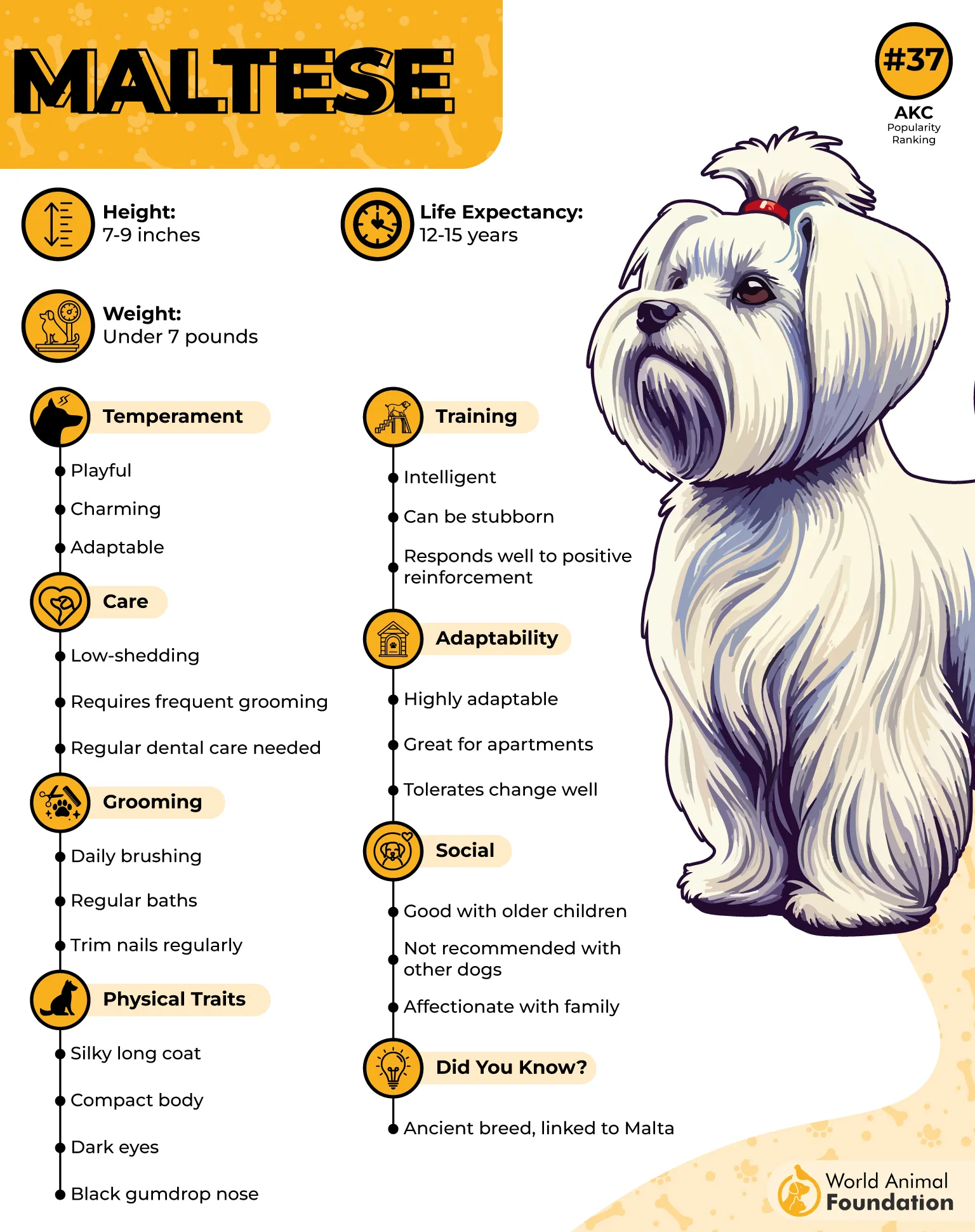
The Maltese is a small, affectionate dog breed from Malta, known for its silky, solid-white coat. This long-haired dog breed is distinguished by its pure, flowing fur, which feels soft to the touch and shines in the light, giving it a delicate, luxurious look.
Unlike many other breeds, the Maltese sheds little, making it relatively low-maintenance and ideal for families or households with other pets.
Hill’s Pet says that despite their small size, these energetic dogs are lively, playful, and eager to learn tricks, showcasing that tiny bodies can carry big personalities.
How to Take Care of Hair
The Maltese’s silky, long coat requires daily brushing to prevent matting and maintain its soft, luxurious texture. Baths help preserve the bright white color, while gentle trimming keeps the hair around the eyes and paws tidy.
Because the coat is light and fine, careful grooming is enough to keep it healthy and vibrant. This simplicity makes the Maltese’s coat truly special, reflecting both elegance and practicality for attentive owners.
6. Shih Tzu
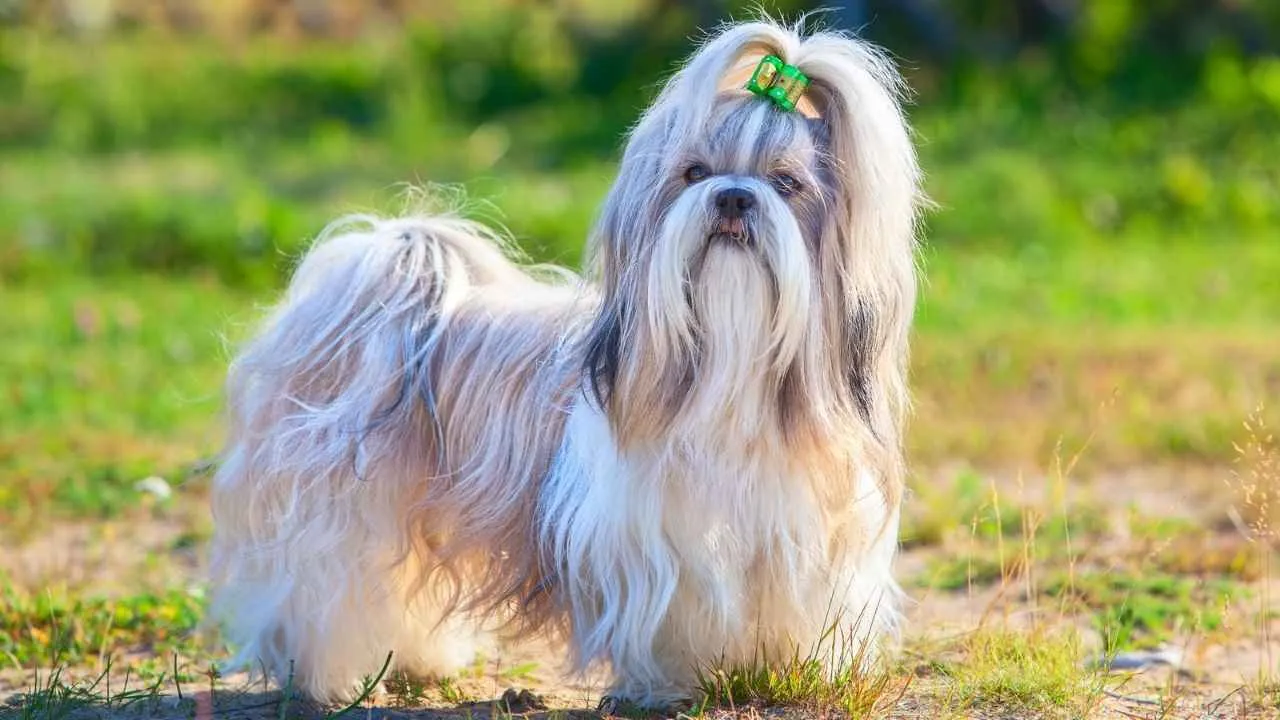
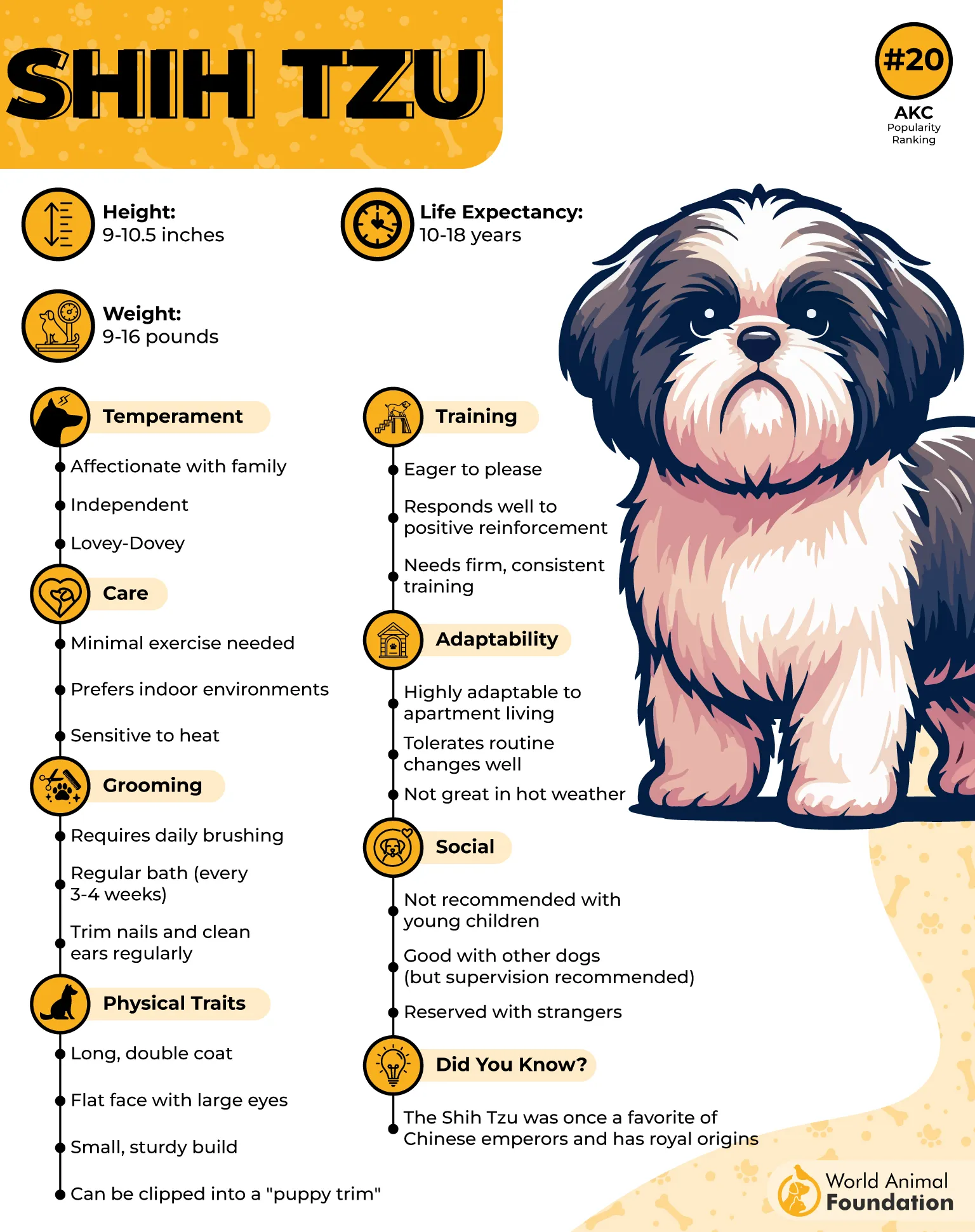
The Shih Tzu is a small, long-haired dog breed with sweet expressions, sturdy little bodies, and dark brown eyes that seem to sparkle with personality. This royal dog, descended from a cross between the Pekingese and Lhasa Apso, was once cherished by Chinese royalty.
Its long, flowing coat offers exceptional styling versatility, from elegant floor-length coat looks to practical trims. Facial hair can be styled into topknots or braids, highlighting the dog’s charming face while maintaining a balanced, comfortable appearance.
The Shih Tzu’s luxurious fur, combined with its affectionate nature, makes it a small dog that truly feels regal in both appearance and demeanor.
How to Take Care of Hair
Owners often choose grooming routines that balance style and comfort, such as tying the hair up to keep it off the eyes and trimming around the paws to improve mobility.
Gentle daily combing prevents mats and maintains a soft, silky texture, while occasional conditioning adds shine and smoothness. With consistent care, the Shih Tzu’s coat showcases its elegance without compromising the dog’s comfort, reflecting the breed’s royal heritage and affectionate personality.
7. Havanese
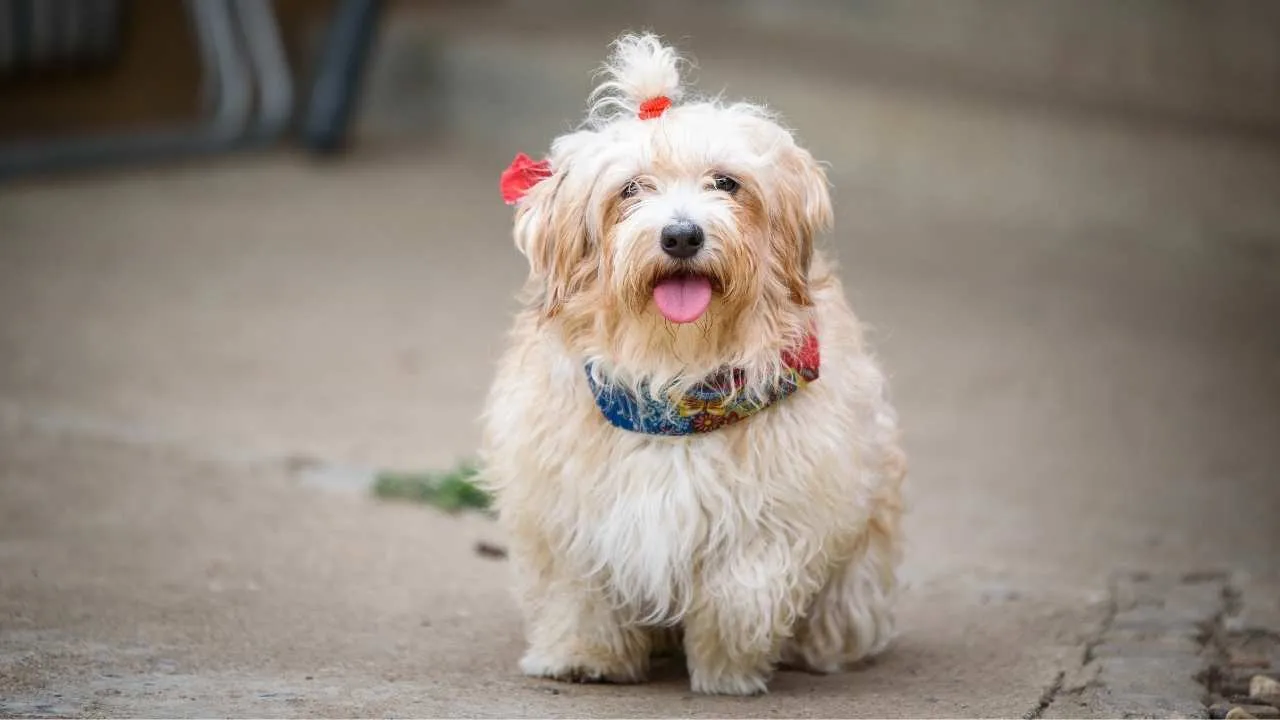
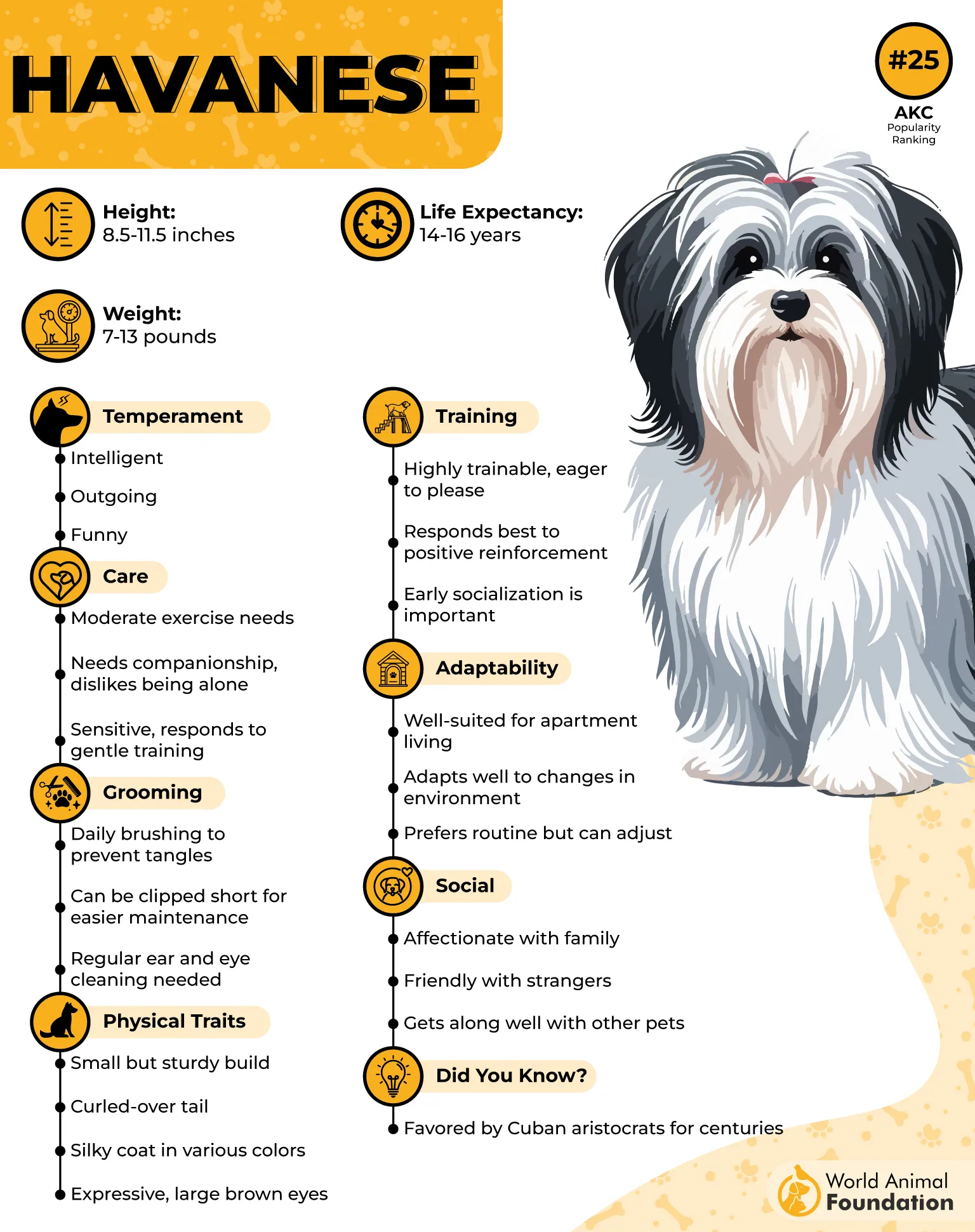
The Havanese is a Bichon-type dog and the national dog of Cuba, known for its soft, flowing coat that drapes elegantly over its small, sturdy frame. Unlike many long-haired dog breeds, the Havanese’s hair is lightweight and flexible, allowing it to adapt well to warmer climates without causing overheating.
This fluffy dog’s gentle, affectionate personality and playful energy make it a wonderful companion for families and individuals alike. While its coat can grow long and luxurious, many owners opt for shorter trims to maintain a manageable look that still highlights the dog’s natural charm.
The coat’s softness, movement, and versatility give the Havanese a unique appeal that balances beauty with practicality.
How to Take Care of Hair
The Havanese coat requires regular care to avoid tangles and maintain its silky texture. Baths keep the fur clean and soft, while trimming around the face, paws, and body can make daily care easier without sacrificing style.
Because the coat is naturally adaptable, families can choose longer styles for special occasions or shorter trims for everyday comfort. This flexibility, combined with the breed’s affectionate and playful nature, ensures the Havanese remains a manageable, luxurious companion.
8. Irish Setter
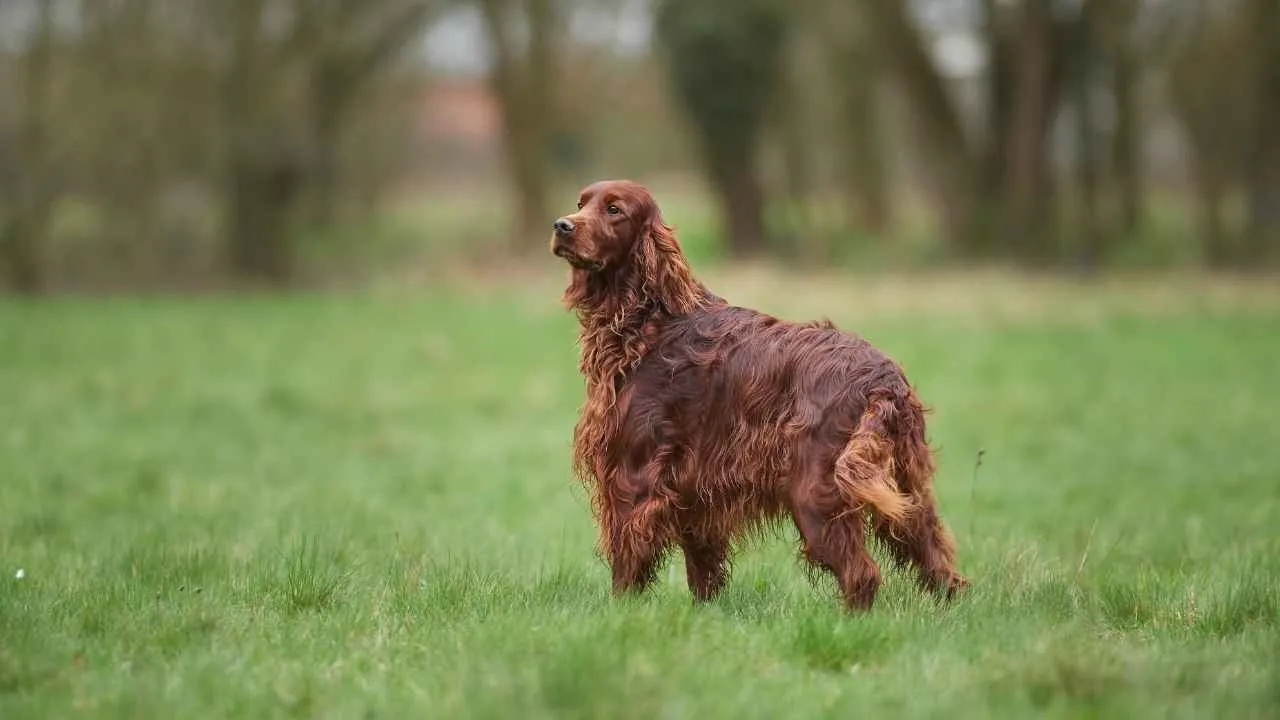
The Irish Setter is a striking, long-haired dog breed celebrated for its deep red tones and luxurious feathering. Sunlight highlights the natural shine in its coat, making the rich hues glow brilliantly during walks or outdoor play.
This energetic breed is perfect for active families who appreciate a dog that combines beauty with endurance. The coat’s flow and movement highlight the dog’s elegance, particularly when running or playing, giving the Irish Setter an appearance of effortless grace.
Known for its friendly, affectionate temperament, this breed adds warmth and vitality to any household.
How to Take Care of Hair
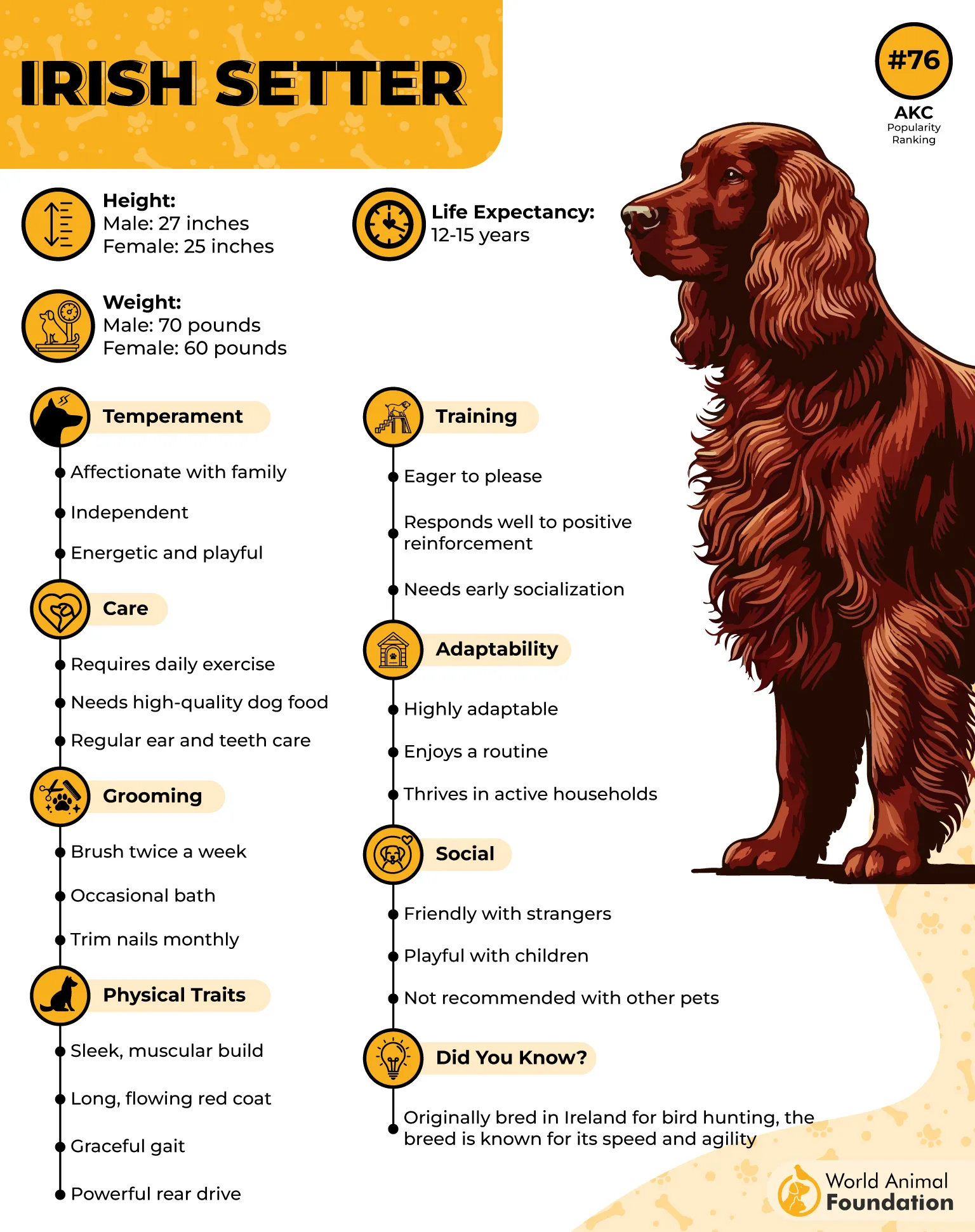
Brushing is essential to keep its coat smooth, prevent matting, and maintain the vibrant shine that sunlight emphasizes.
Families who enjoy outdoor activities should pay attention to feathered areas on the legs, ears, and tail, as these spots can collect debris. Baths refresh the coat, while trimming lightly around high-contact areas ensures comfort without diminishing the natural beauty.
With consistent grooming, this long-haired dog breed stays healthy, radiant, and ready for both play and companionship.
9. Pomeranian
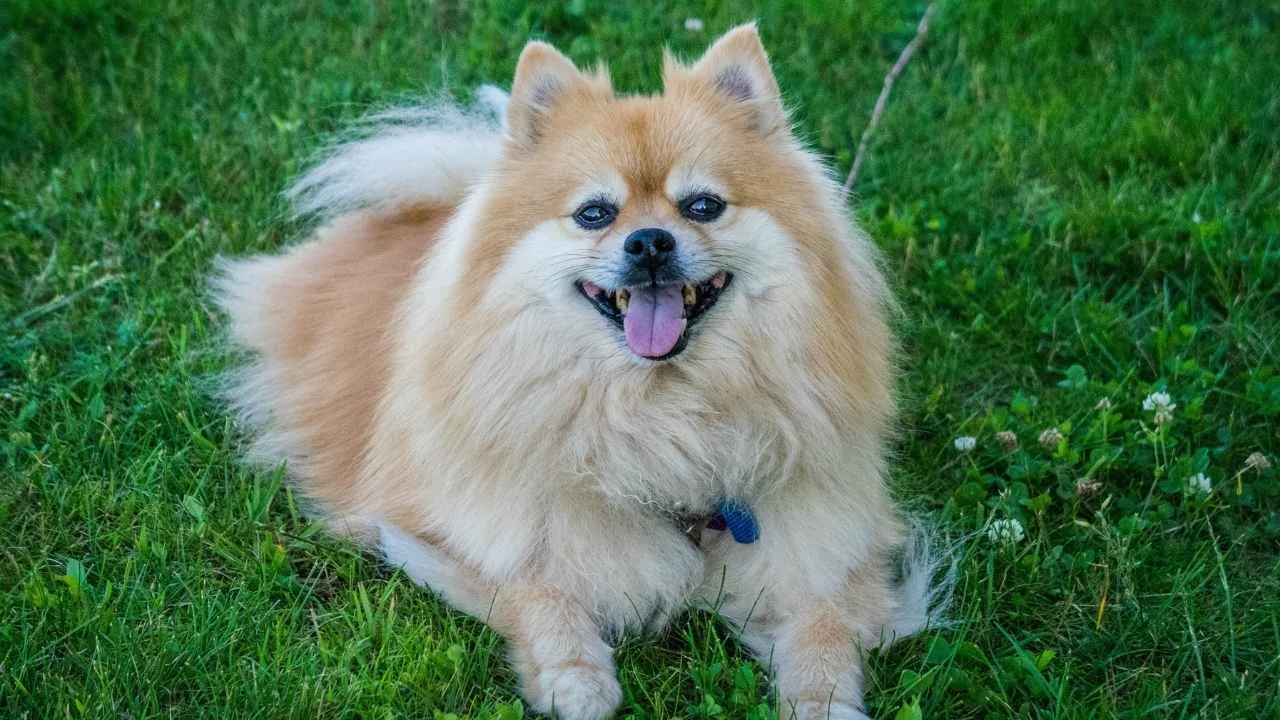
The Pomeranian, also known as Pome or Pom, is a small, long-haired dog breed known for its bold, fluffy silhouette. Its thick, dense base layer creates volume, giving the small dog a striking outline and making it appear larger than its tiny frame suggests.
Initially bred as a companion dog and favored by Queen Victoria, Pomeranians are lively, intelligent, and alert, combining charm with keen awareness.
Despite their small size, these bold dogs make great family pets, impressing with both personality and presence. Common coat colors range widely, and the plush outer fur enhances their energetic, spirited look.
How to Take Care of Hair
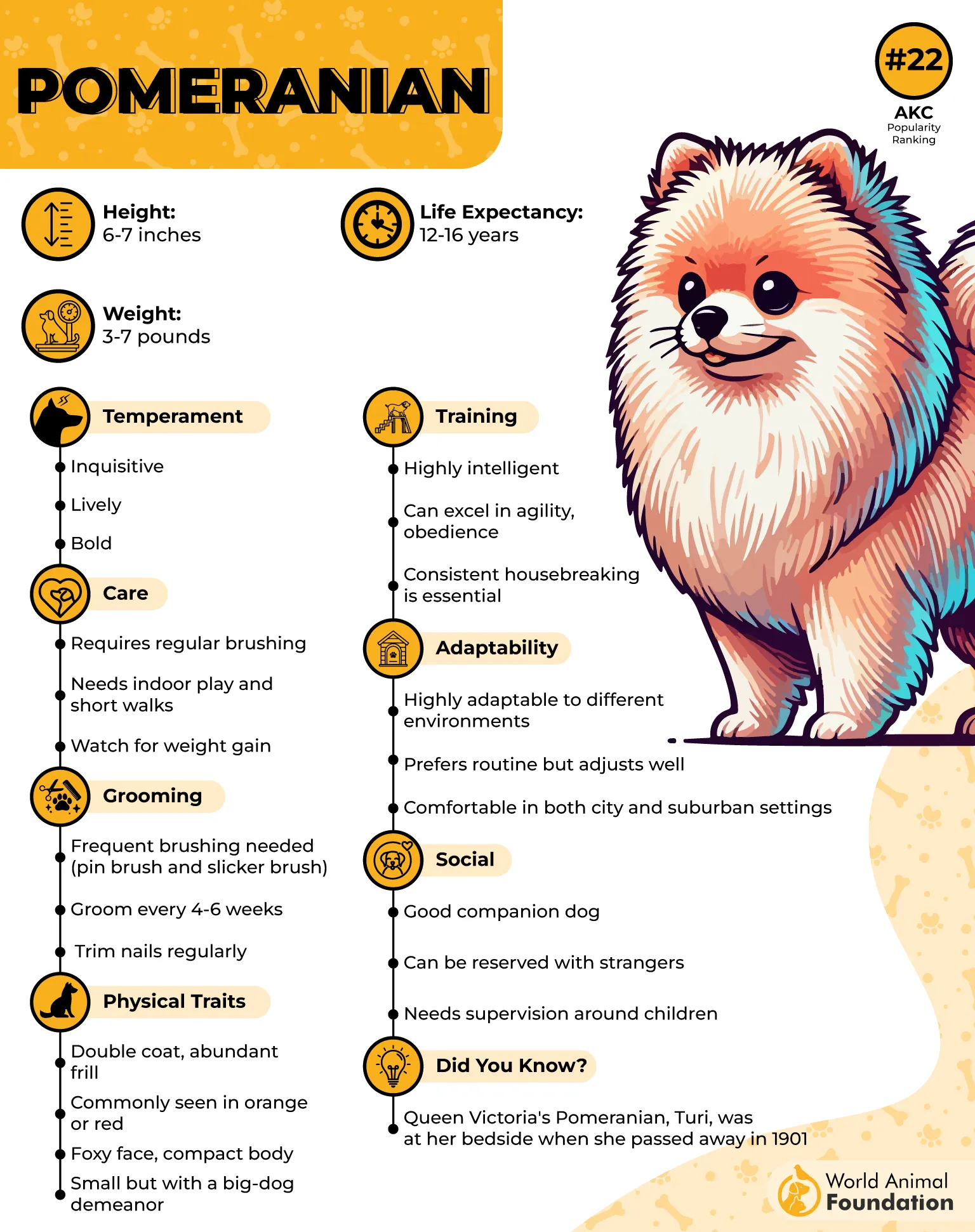
Pomeranians require frequent brushing, ideally once to twice a week, to keep the coat free of tangles and maintain its full, fluffy appearance. Many owners opt for styling trims to manage length while keeping the signature volume.
Even in small living spaces, consistent grooming helps keep the coat healthy and vibrant. With proper care, the Pomeranian’s luxurious, dense coat allows this tiny dog to leave a big impression, proving that size does not limit its striking impact or playful personality.
10. Saluki
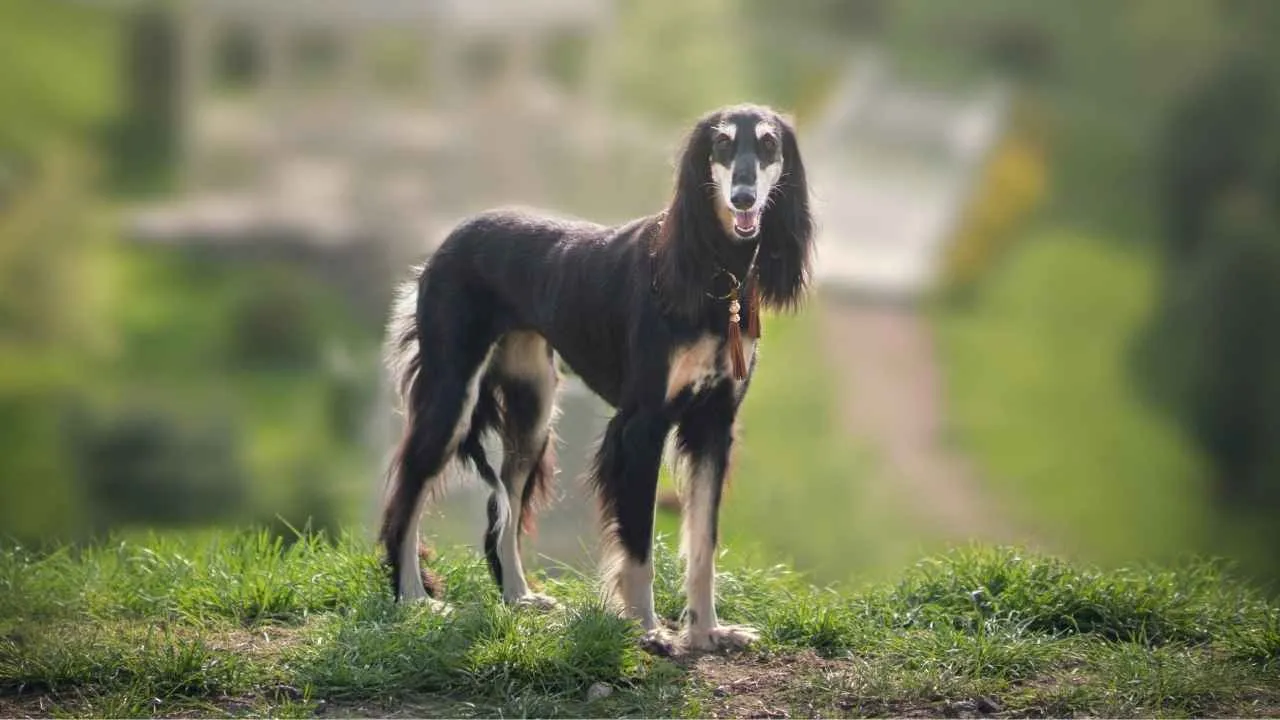
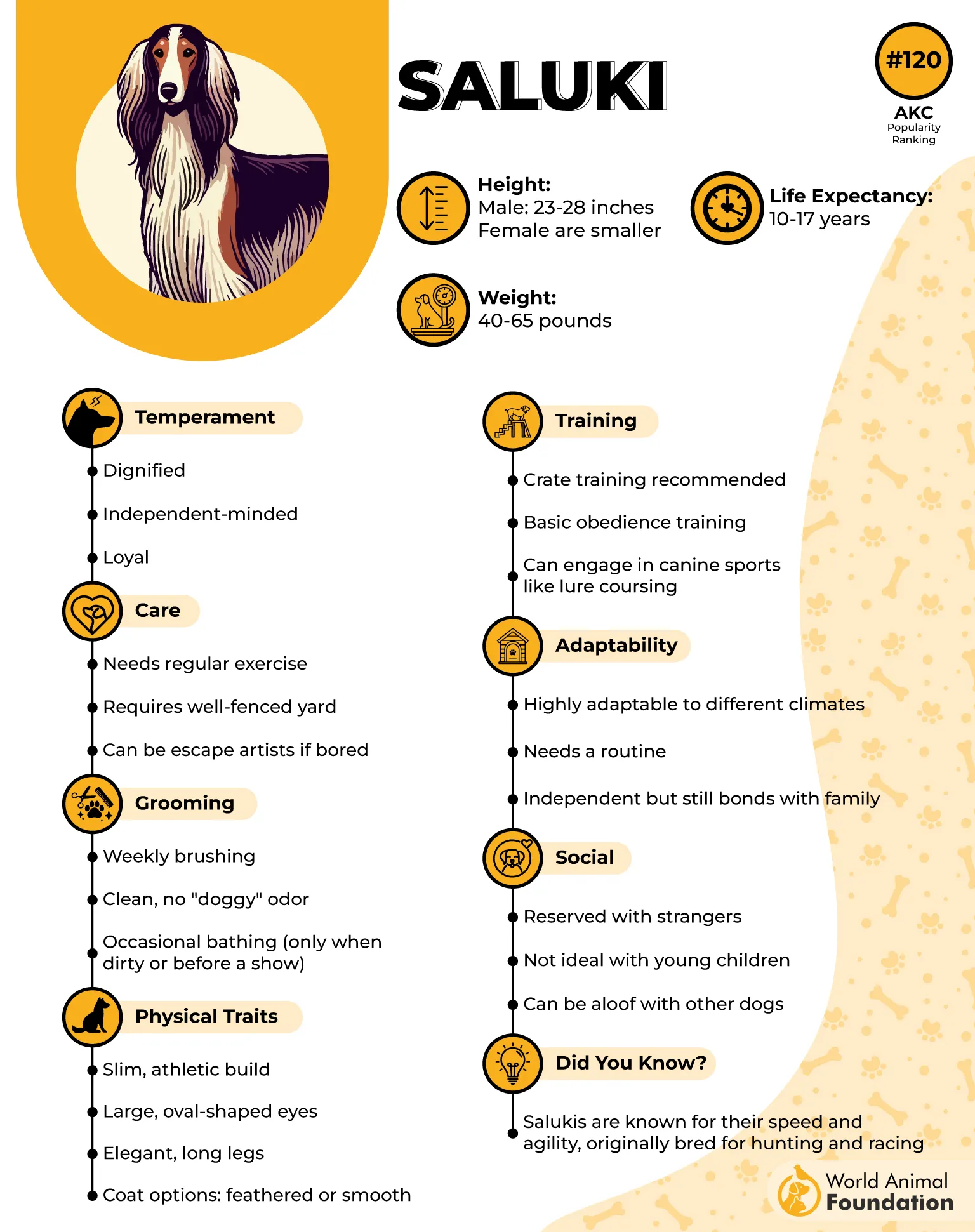
The Saluki, also known as the Arabian or Persian Hound, is one of the oldest known dog breeds from Egypt. This long-legged, deep-chested breed is built for speed and endurance and is often used in modern hunting to run alongside prey, relying more on sight than on scent or sound.
Its coat is minimalist yet refined, with short hair on the body contrasting beautifully with silky feathering on the ears, tail, and legs. These feathered areas flow gracefully as the dog moves, reflecting the Saluki’s natural elegance and effortless speed.
With light, smooth hair overall, the coat emphasizes refinement rather than volume, giving the breed an understated, regal appearance during long walks or active exercise.
How to Take Care of Hair
The Saluki’s coat is relatively low-maintenance compared to other long-haired breeds. Light brushing a few times a week keeps feathered areas tangle-free, while baths maintain softness and shine.
Owners often leave the body coat natural, focusing on the ears, tail, and legs to highlight their flowing movement. With minimal grooming, this ancient hound retains its graceful, agile presence while remaining a loyal and striking companion.
Conclusion
Luxury coats come in so many forms, from flowing, silky strands to dense, fluffy layers, each reflecting the unique charm of its breed. These stunning coats aren’t just for show—they require attention and care, teaching families that beauty also comes with responsibility.
Matching grooming routines to your lifestyle ensures dogs stay comfortable, happy, and healthy, while also encouraging children to learn gentle care habits and respect for pets. With regular brushing, baths, and a little patience, these coats remain soft, vibrant, and full of life.
Beyond the aesthetic, maintaining a dog’s coat strengthens the bond between owner and companion. The effort brings pride, joy, and countless moments of warmth, reminding families that love, care, and companionship are the true markers of a dog’s beauty.
