




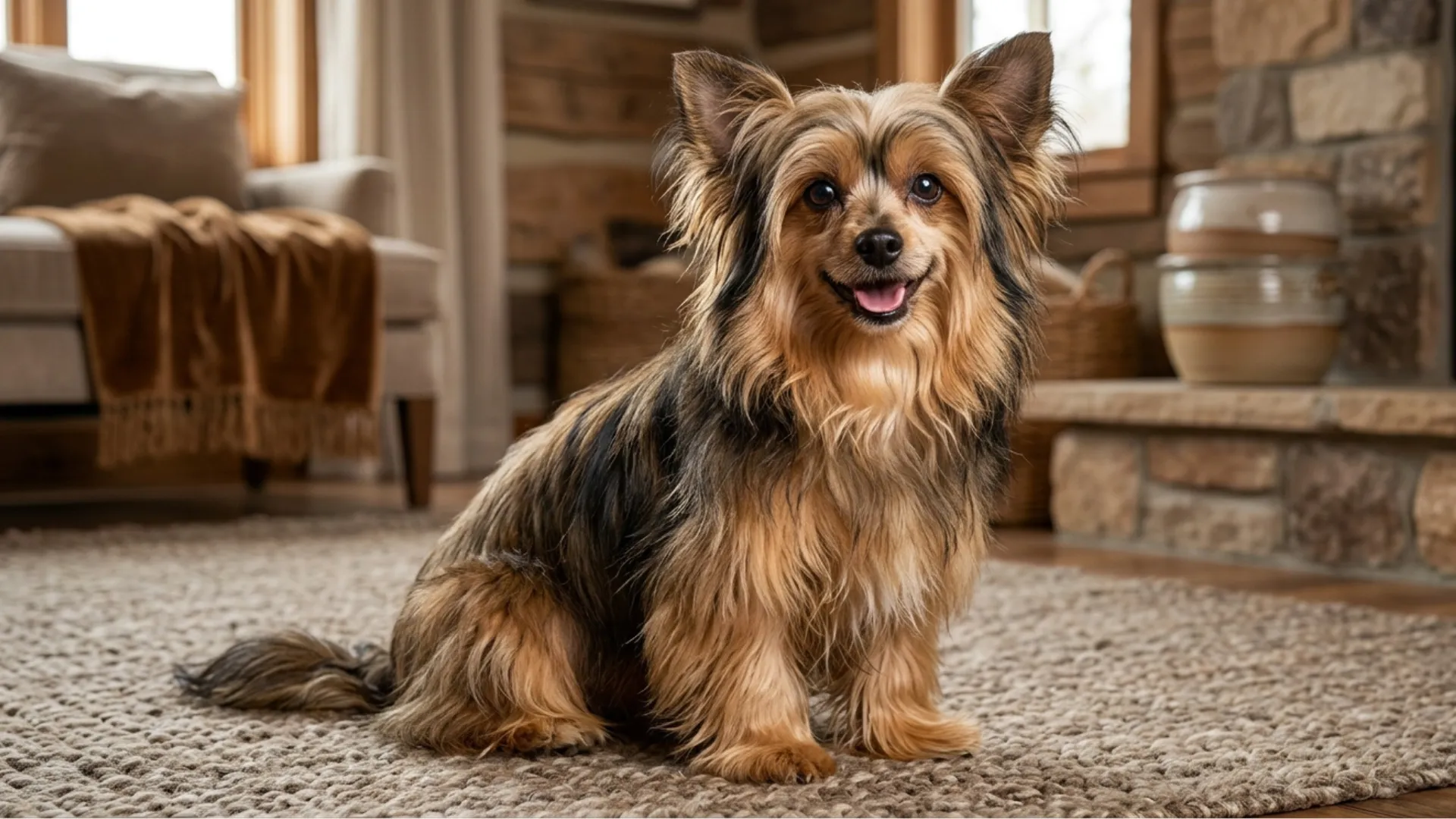
Sable coats give dogs a captivating look, with lighter shades blending into darker tips across the body, ears, head, and tail. Rather than describing one specific color, sable refers to a distinctive coat pattern that can appear in several beautiful variations.
From tipped and clear sable to shaded sable, these patterns can make each dog’s coat look almost like a natural ombre.
While sable coloring can be eye-catching, choosing a breed involves more than appearance. Grooming needs, temperament, activity levels, and household compatibility all matter when finding the right sable-coated companion.
Dog Breeds Featuring Striking Sable Coat Variations
1. Chinese Crested
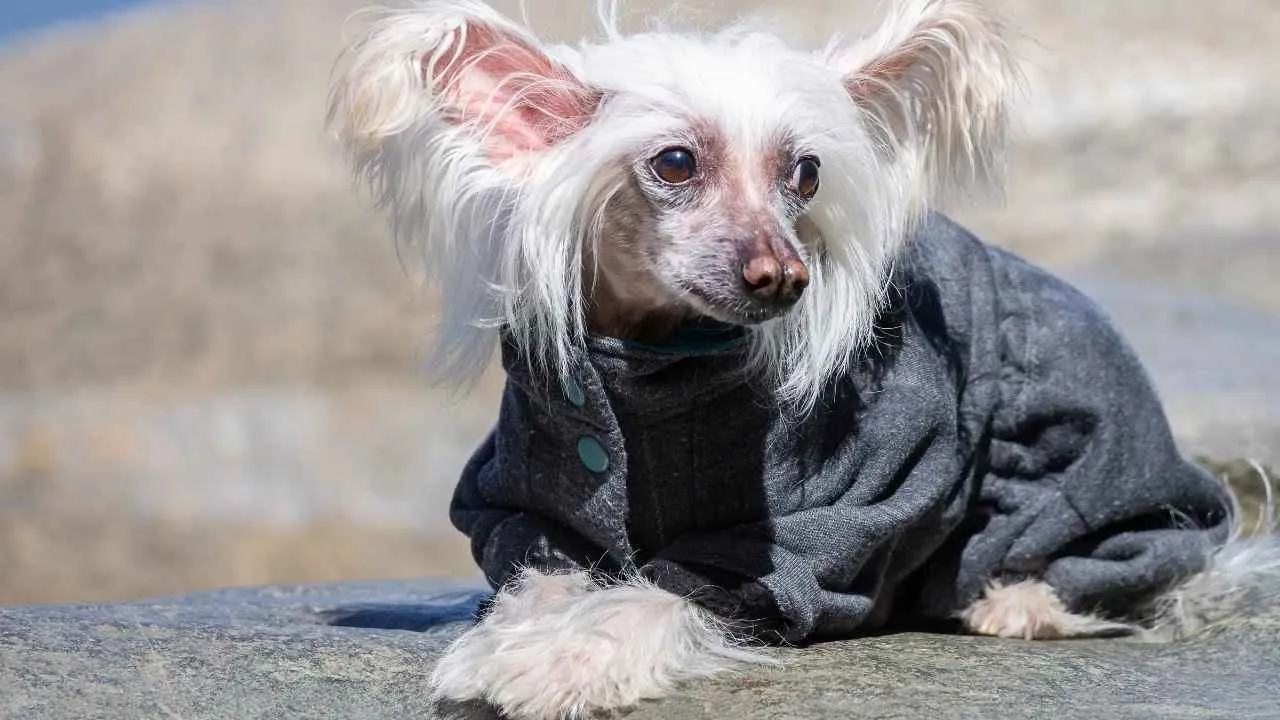
The Chinese Crested is a distinctive, fine-boned toy breed known for its elegant movement and affectionate personality. It comes in hairless and coated varieties, with both types being playful, devoted, and closely attuned to their families.
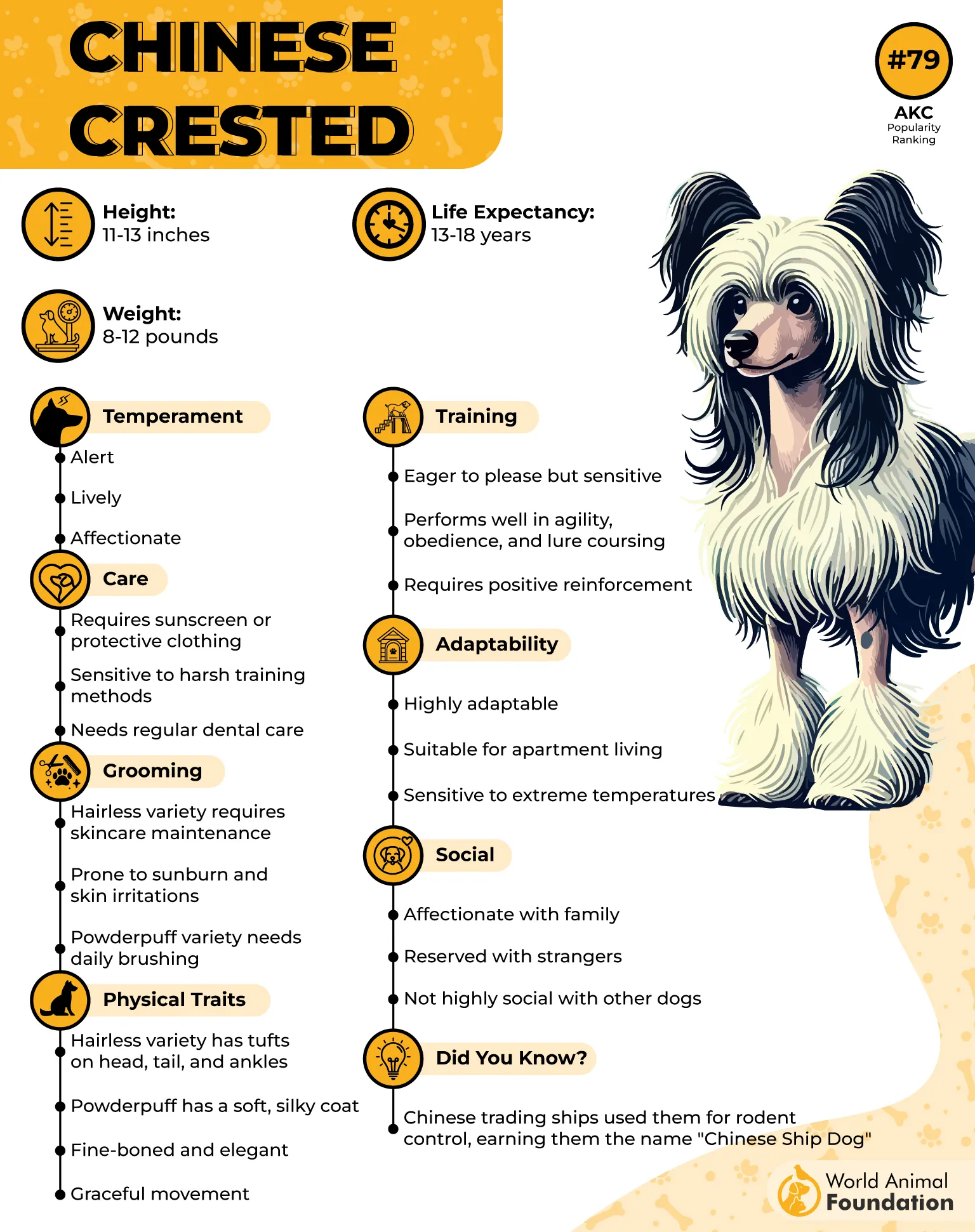
The hairless variety has smooth skin with tufts of hair forming its crest, tail, and ankle furnishings. The coated Powderpuff has a soft, silky coat that can display sable coloring, giving the breed another striking variation while retaining its graceful appearance.
How This Breed Stands Out
Feathered crest and tail: The Chinese Crested’s signature hair furnishings create a distinctive look, particularly on the head and flowing tail.
Sable markings in coated variety: The Powderpuff variety can feature sable coat coloring, adding warm, varied tones to its soft, silky appearance.
2. Komondor
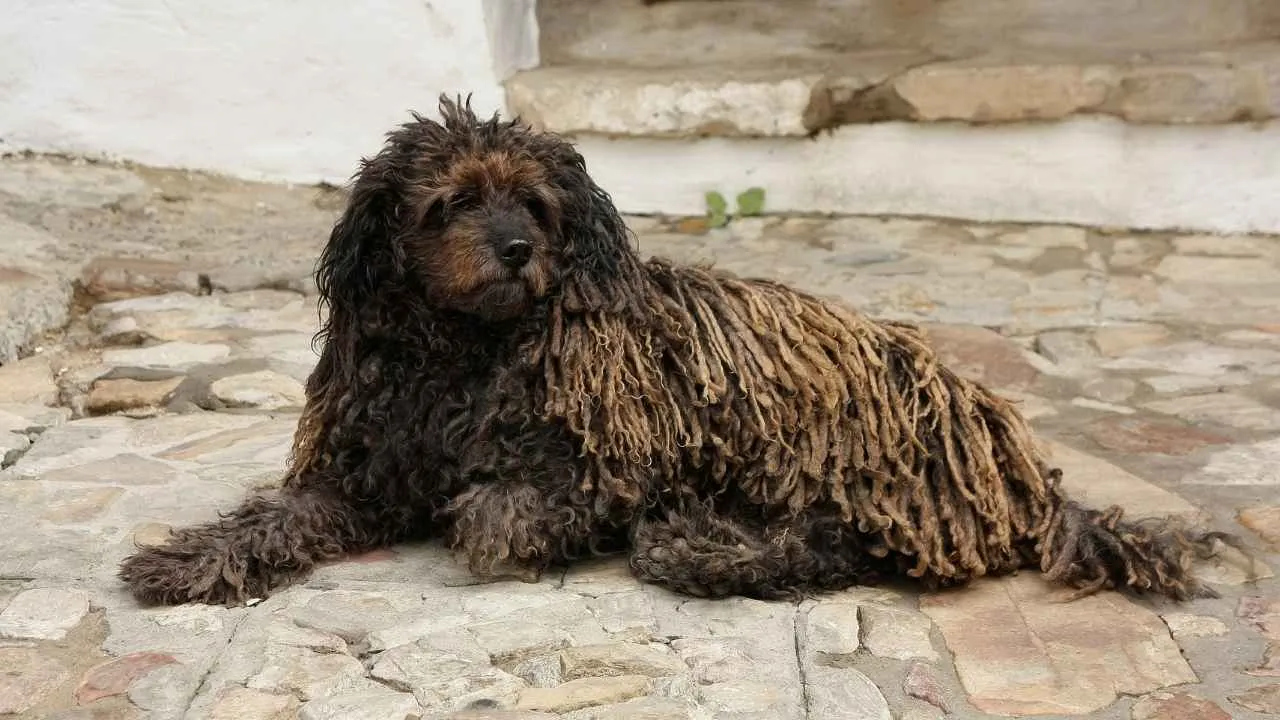
The Komondor is a powerful Hungarian livestock guardian distinguished by its massive build and unmistakable corded coat. Although traditionally white, subtle sable tones can appear beneath or within the cords, creating depth that becomes more noticeable as the coat develops.
According to PetMD, the outer coat traps shed undercoat to create the cords, which typically form around 2 years of age and require regular maintenance to keep them looking their best.
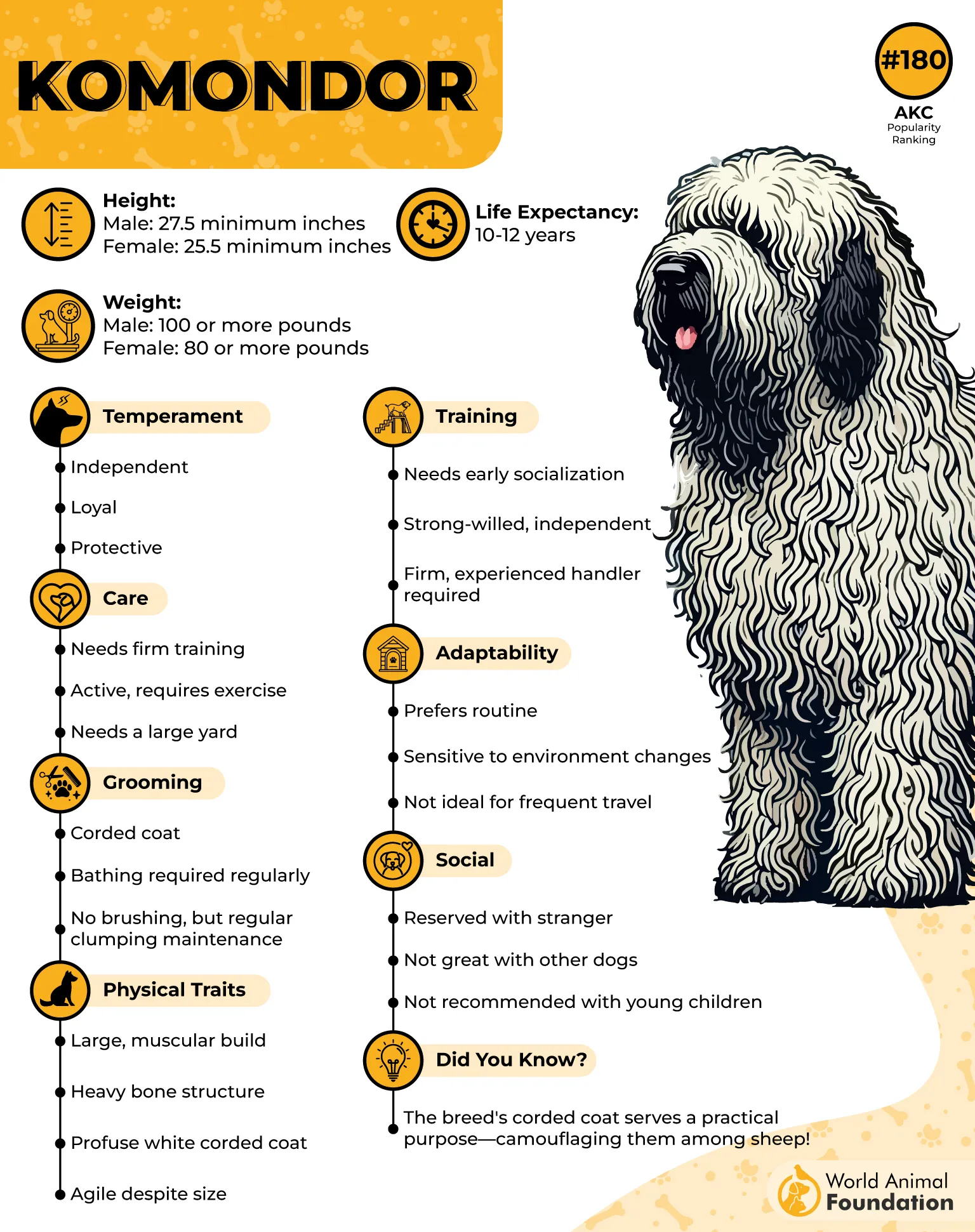
Komondor puppies begin with fluffy, shaggy coats that gradually mat and form larger clumps around eight to twelve months. These clumps are carefully separated into smaller sections, allowing the characteristic cords to develop while preserving the breed’s distinctive appearance.
How This Breed Stands Out
Sable tones beneath cords: Subtle darker shading can add depth beneath the Komondor’s dense cords, making its coat variation particularly intriguing.
Iconic corded coat: The long, naturally forming cords cover the dog from head to tail, giving the Komondor one of the most recognizable silhouettes among guardian breeds.
3. Border Collie
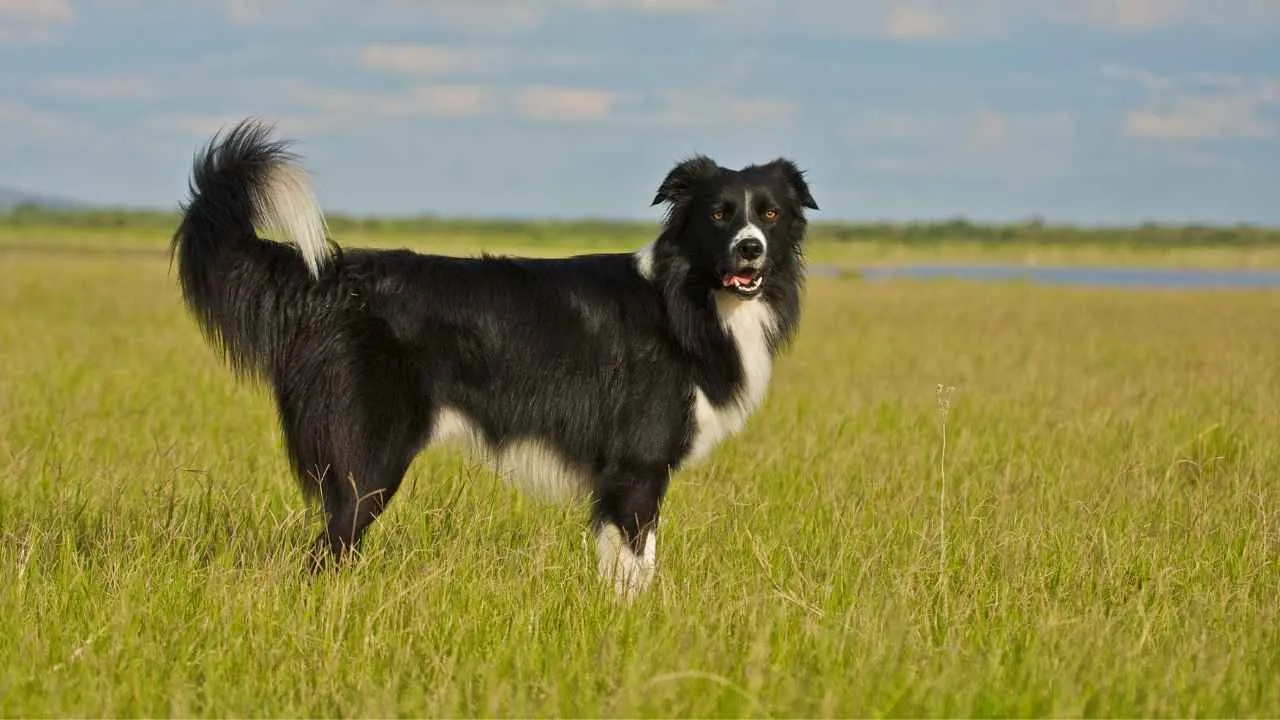
The Border Collie is best known for its intelligence, energy, and classic herding-dog appearance, but sable coloring offers a less common variation. Its sable coat combines a brown base with darker-tipped hairs, adding warmth and depth to the breed’s familiar outline.
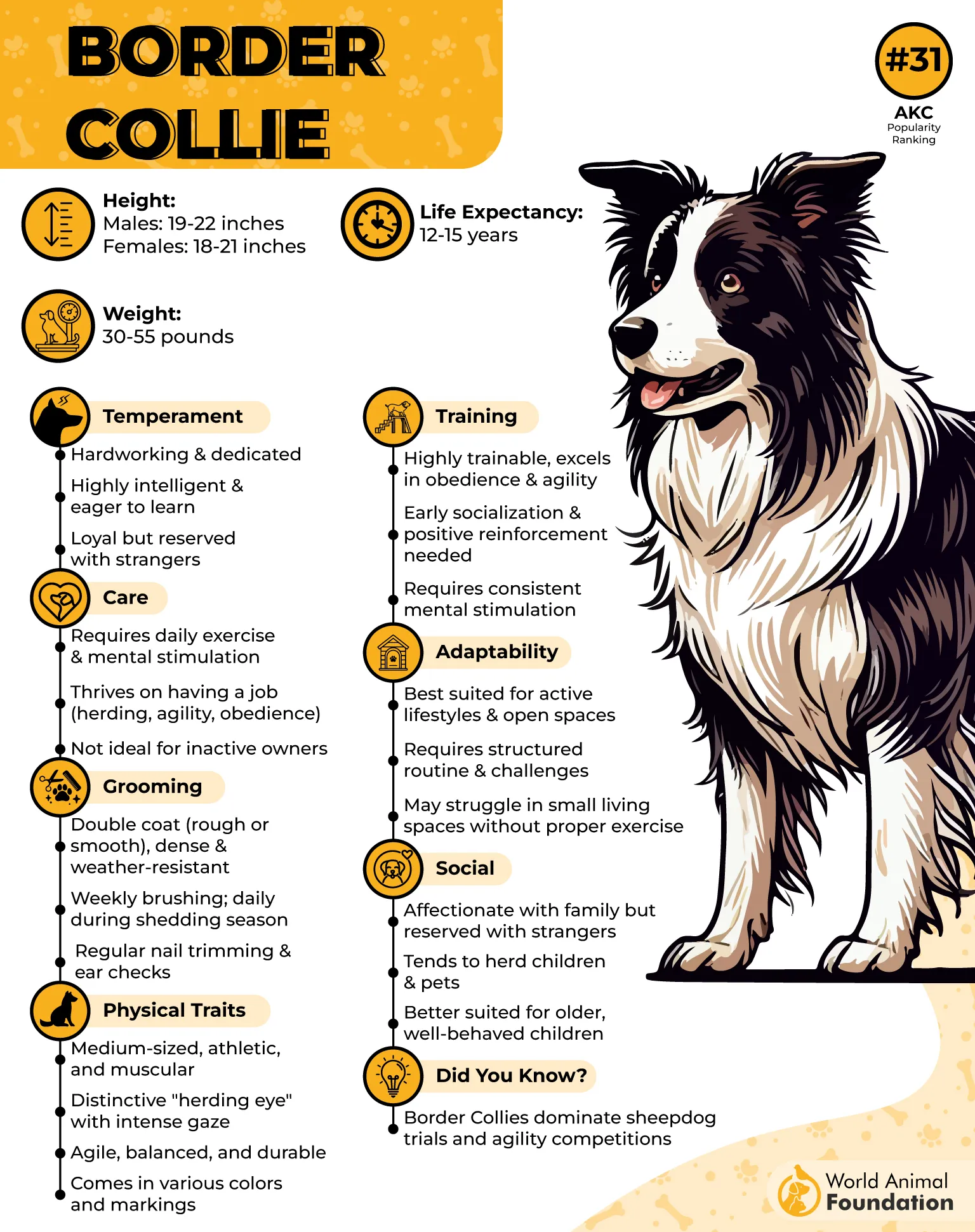
Sable Border Collies can occur in red, blue, or slate sable shades. Puppies may initially display lighter sable coloring that gradually becomes richer as they mature, while their lively nature makes training, structured play, and active pursuits especially rewarding.
How This Breed Stands Out
Sable-and-white patterning: Sable coloring paired with white markings creates a distinctive alternative to the Border Collie’s more familiar black-and-white appearance.
Expressive, intelligent gaze: The breed’s focused eyes reflect its sharp intelligence and intense attentiveness, qualities that shine during training and herding activities.
4. Australian Shepherd
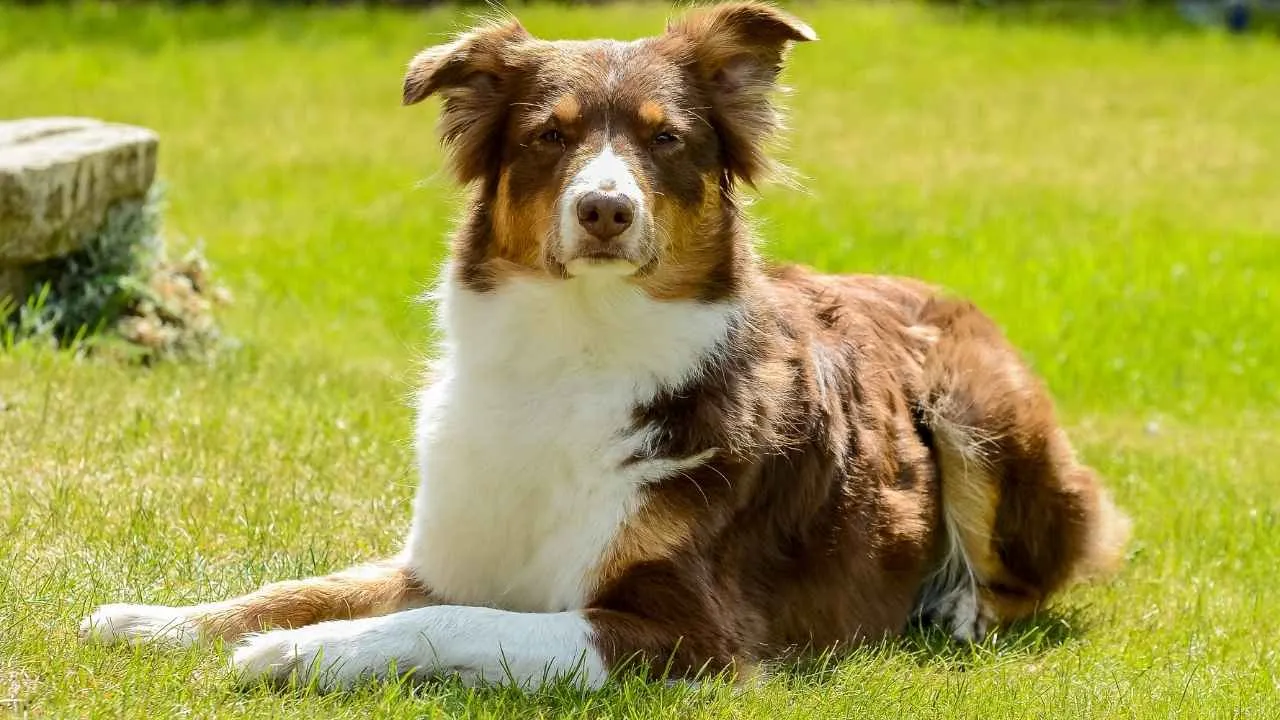
The Australian Shepherd is a highly intelligent, athletic herding breed recognized for its focused expression and versatile coat patterns. While merle is more familiar, sable variations can add warm, layered coloring to the Aussie’s rugged appearance.
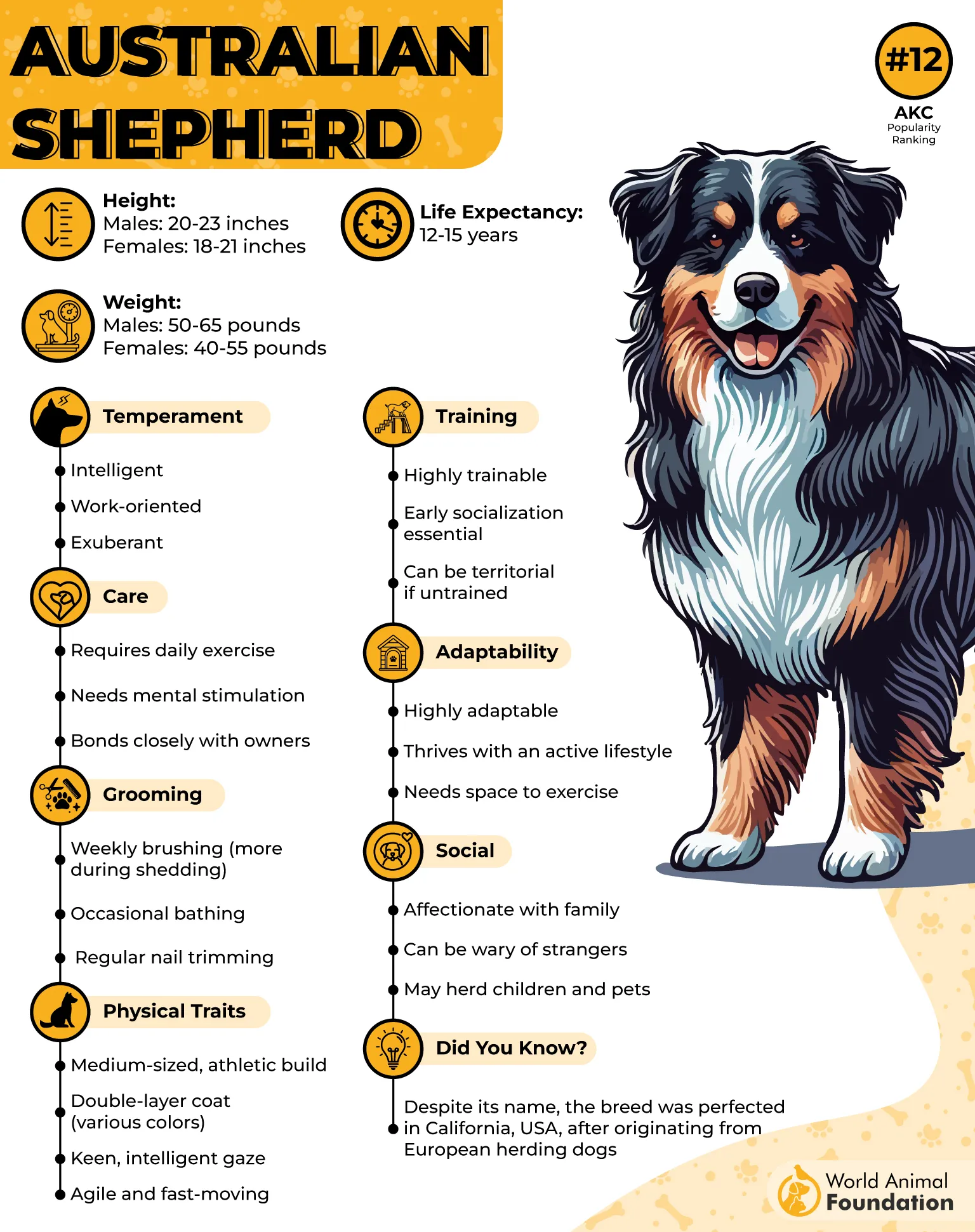
Built for active work, Aussies have muscular bodies and a strong instinct to herd, sometimes attempting to manage children, pets, or even birds. Their naturally bobbed tail is another distinctive feature, occurring in roughly one in five dogs and historically favored by ranchers for practical herding work.
How This Breed Stands Out
Sable merle possibilities: Sable coloring combined with merle patterning can create a richly varied coat with contrasting tones and an eye-catching appearance.
Naturally bobbed tail: Some Australian Shepherds are born with naturally short tails, a trait historically encouraged for its usefulness around working livestock.
5. Dachshund
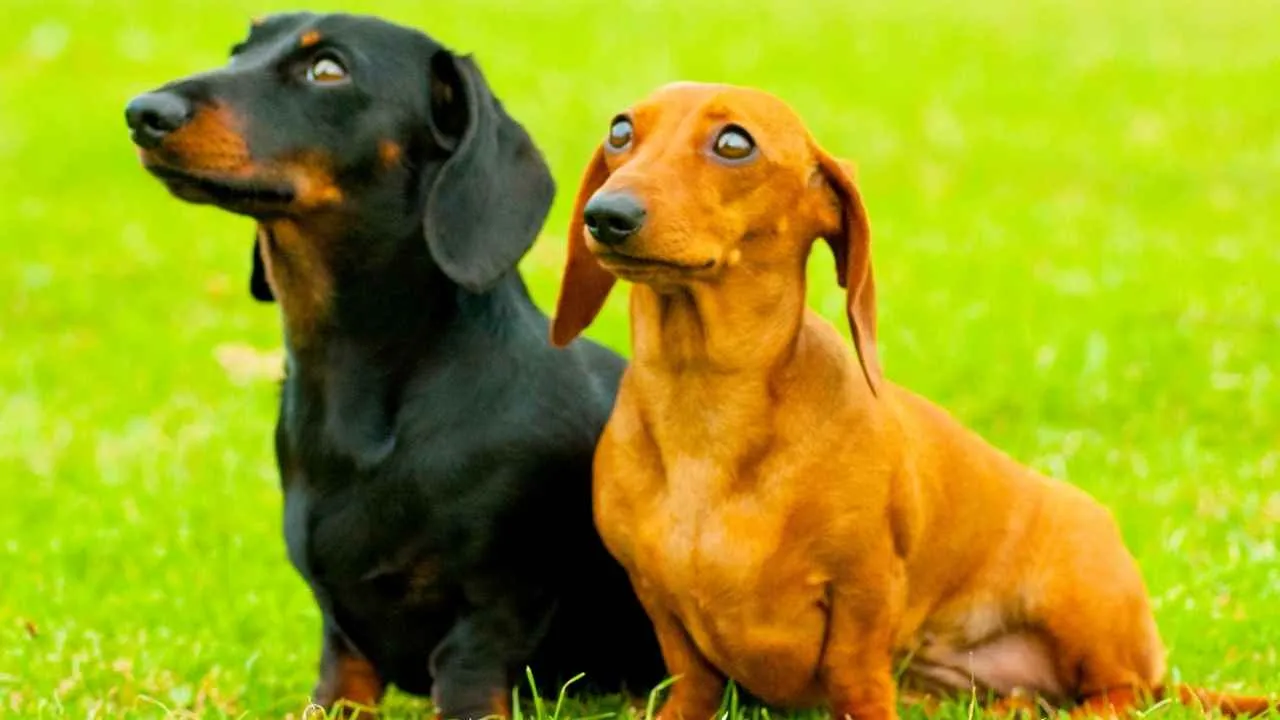
The sable Dachshund typically has a rich red base coat covered by black-tipped hairs, creating a darker appearance from a distance. This coloring is associated specifically with the long-haired variety, where the layered coat makes the sable effect especially noticeable.
According to Purina, Dachshunds shed moderately, while long-haired varieties need more frequent brushing to keep their coats in good condition.
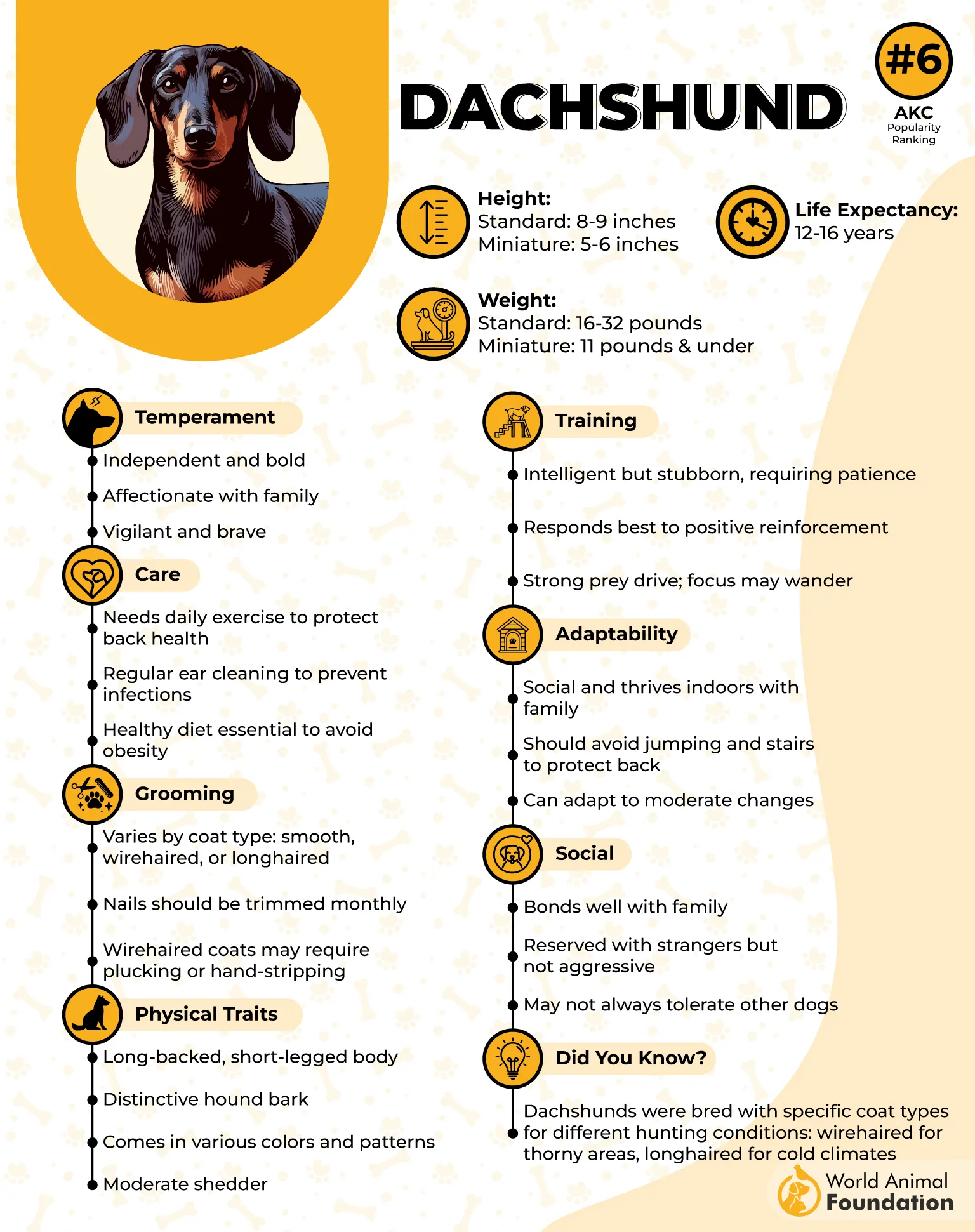
Beneath its distinctive coloring, the Dachshund retains the traits of its hunting heritage. Originally developed to pursue badgers and other burrowing animals, this bright, independent hound is playful and determined, responding best to patient but consistent training.
How This Breed Stands Out
Dark-tipped guard hairs: Black ends over the red base create the characteristic sable effect, sometimes making the coat appear almost black and brown.
Distinctive elongated body: The Dachshund’s famously long body and short legs reflect its specialized history as a burrow-hunting dog.
6. Great Dane
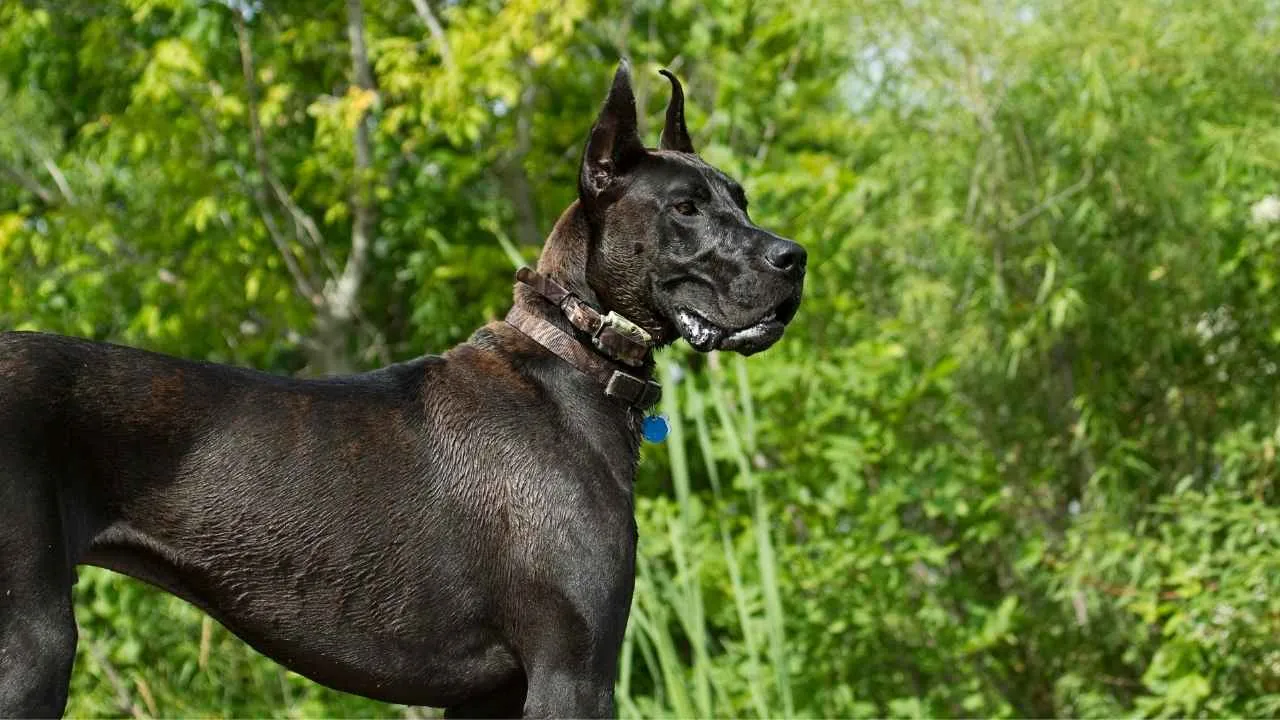
The Great Dane is an imposing yet gentle breed, admired for its regal presence, affectionate personality, and remarkable height. Its short, sleek coat comes in several colors and patterns, while deep golden-brown sable shading can add warmth and dimension to its appearance.
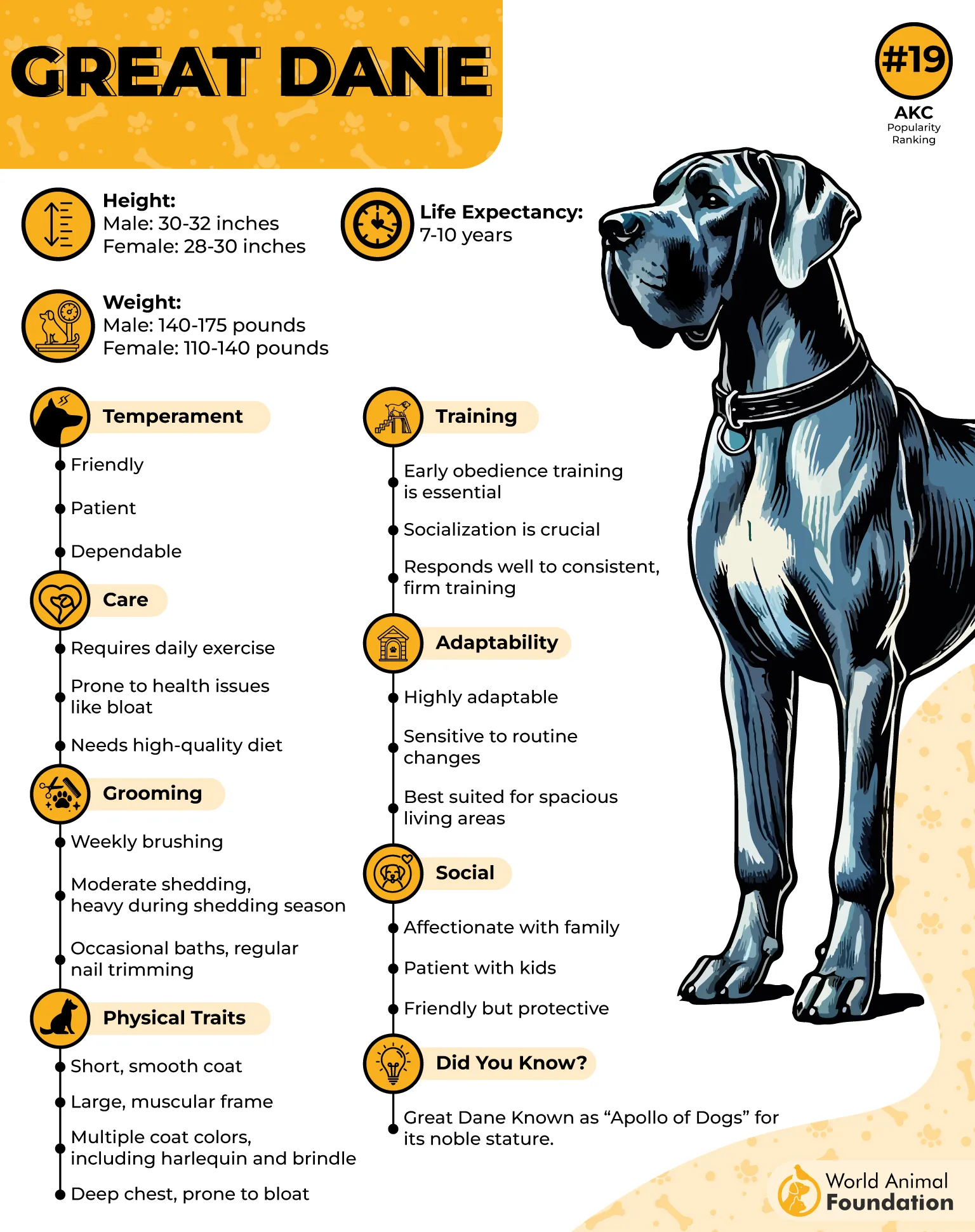
Despite standing as tall as 32 inches at the shoulder, the Great Dane moves with surprising grace and balance. These patient, people-oriented dogs generally do well with children and other pets, while their size and alert nature can also make them effective household guardians.
How This Breed Stands Out
Deep golden-brown overlay: Warm sable shading can create a rich golden-brown layer across the coat, giving this giant breed an especially striking appearance.
Towering, elegant stature: The Great Dane combines extraordinary height with a muscular build, long neck, and smooth, effortless movement.
7. Boxer
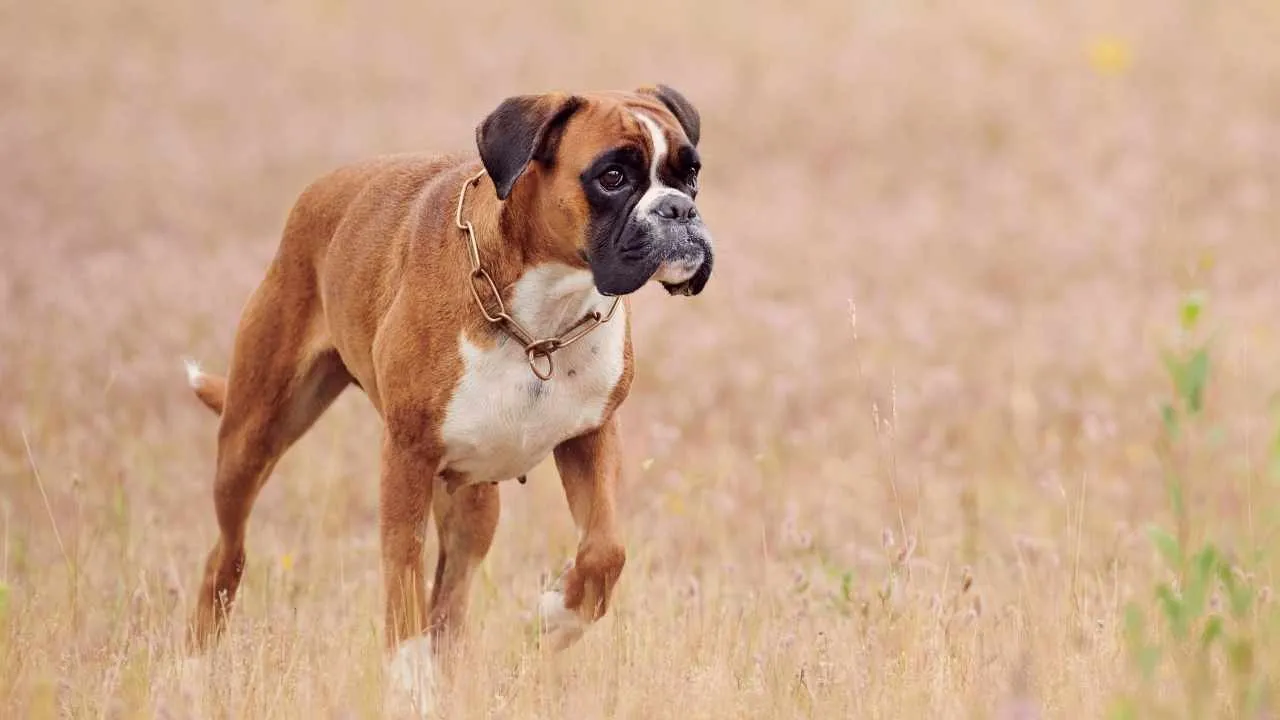
The Boxer is a muscular, athletic breed celebrated for its playful, affectionate personality and lively spirit. Its short, close-fitting coat is commonly fawn or brindle, while burnished fawn-brown coloring can give sable variations a rich, warm appearance.
According to WebMD, Boxers are larger than their long, slender legs may make them appear, with males generally being taller and heavier than females.

Beyond its energetic nature, the Boxer has a distinctly expressive head and a powerful, well-proportioned muzzle. These clever family dogs benefit from calm-behavior training and good leash manners, while their flat-faced structure means extra care is needed during hot weather.
How This Breed Stands Out
Burnished fawn-brown coloring: Rich fawn-brown tones can create a warm, polished effect across the Boxer’s short coat.
Distinctive square muzzle: The broad, prominent muzzle is the defining feature of the Boxer’s face, giving it a recognizable and alert expression.
Conclusion
The sable coat brings an especially distinctive dimension to several beloved dog breeds. From the Komondor’s cords to the Border Collie’s changing tones, each variation adds character to an already recognizable appearance.
The Australian Shepherd can combine sable and merle influences, while the long-haired Dachshund displays dark-tipped hairs over a red base. Great Danes can carry warm golden-brown shading, and Boxers offer rich fawn-brown tones.
These coat variations are not the only qualities that make these breeds appealing. Their differences in build, temperament, working heritage, and energy levels also shape what makes each dog unique.
Whether you admire subtle sable shading or a more dramatic pattern, these breeds demonstrate how much visual variety can occur within canine coats. Their distinctive coloring makes each one especially memorable.
