




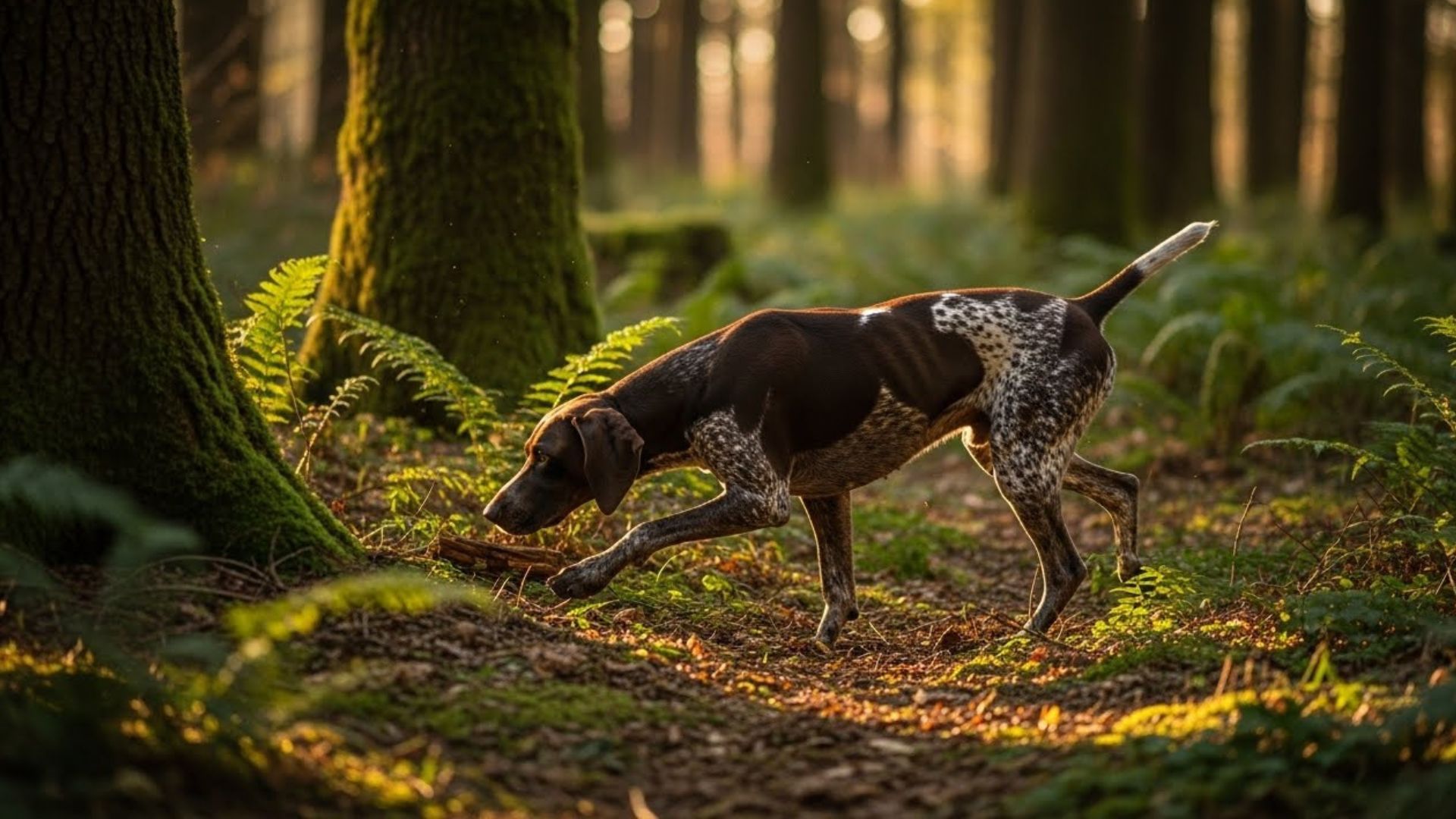
Since the earliest days of canine domestication, dogs have stood beside humans as trusted partners in the hunt. Long before farming or settled civilizations existed, hunters relied on their canine companions for sharp instincts, powerful noses, and unwavering determination.
Modern hunting and tracking dogs continue this legacy, combining athletic ability, endurance, and natural prey drive to remain essential allies in the field.
Tracking challenging or large game requires a rare combination of power, patience, and sensory precision. Only select breeds possess the focus to follow scent trails through dense brush, the persistence to stay on track for miles, and the courage to navigate rugged terrain without hesitation.
These traits—strength, intelligence, and deep-rooted instinct—are the result of generations of careful breeding and purposeful working roles.
In this guide, we explore the dogs that excel at hunting and trail tracking, uncovering what sets them apart and why they’re considered masters of the chase.
Dog Breeds Excel at Hunting and Trail Tracking
1. German Shorthaired Pointer
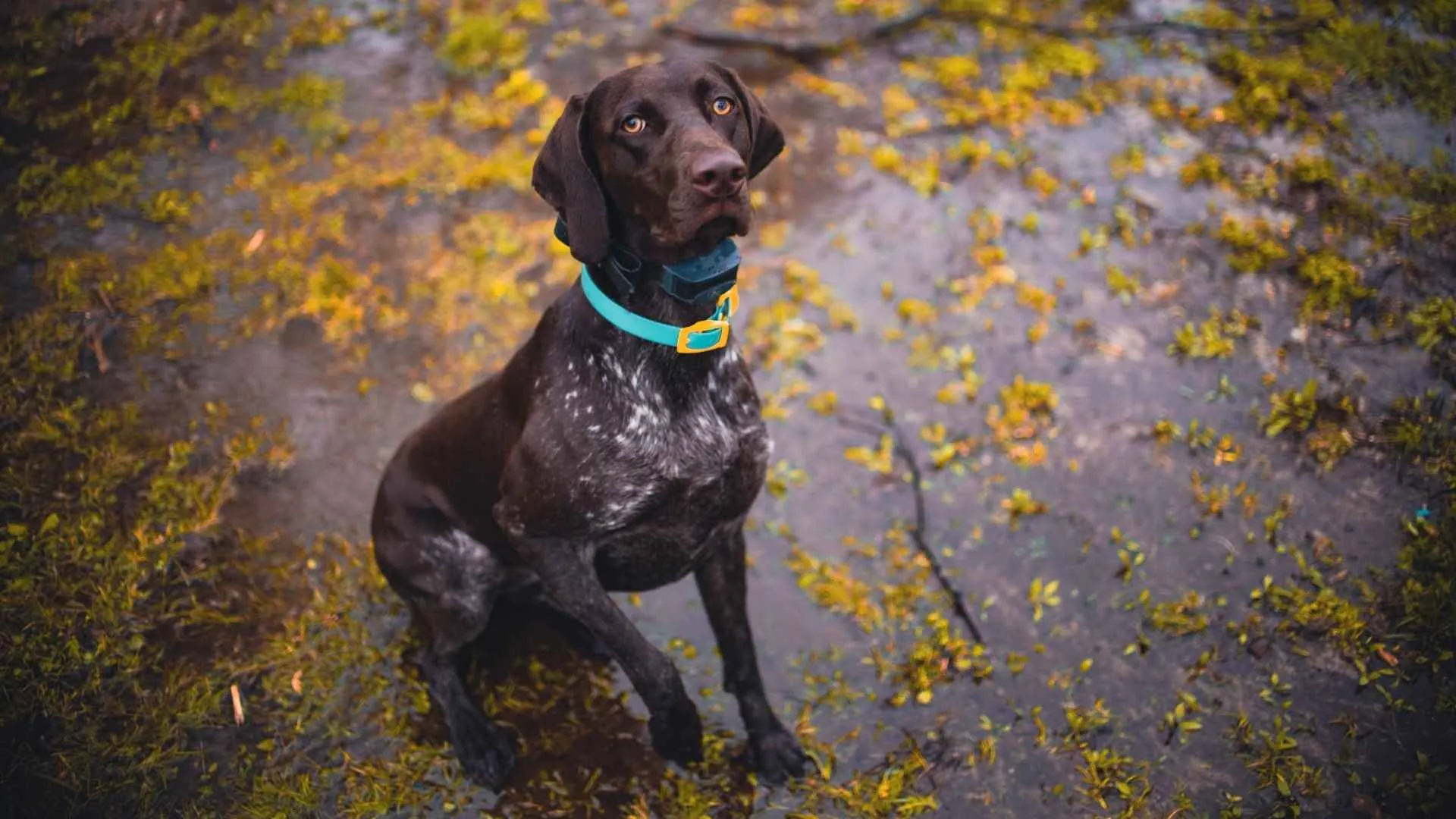
The German Shorthaired Pointer is often called the GSP or the “canine triathlete”. The AKC says that the German Shorthaired Pointer is a versatile, medium-sized hunting dog that excels in many tasks and thrives with vigorous activity, positive training, and plenty of affection.
With a sleek, short coat and athletic frame, this pointer excels in a wide range of field tasks and remains a favorite of sporting families.
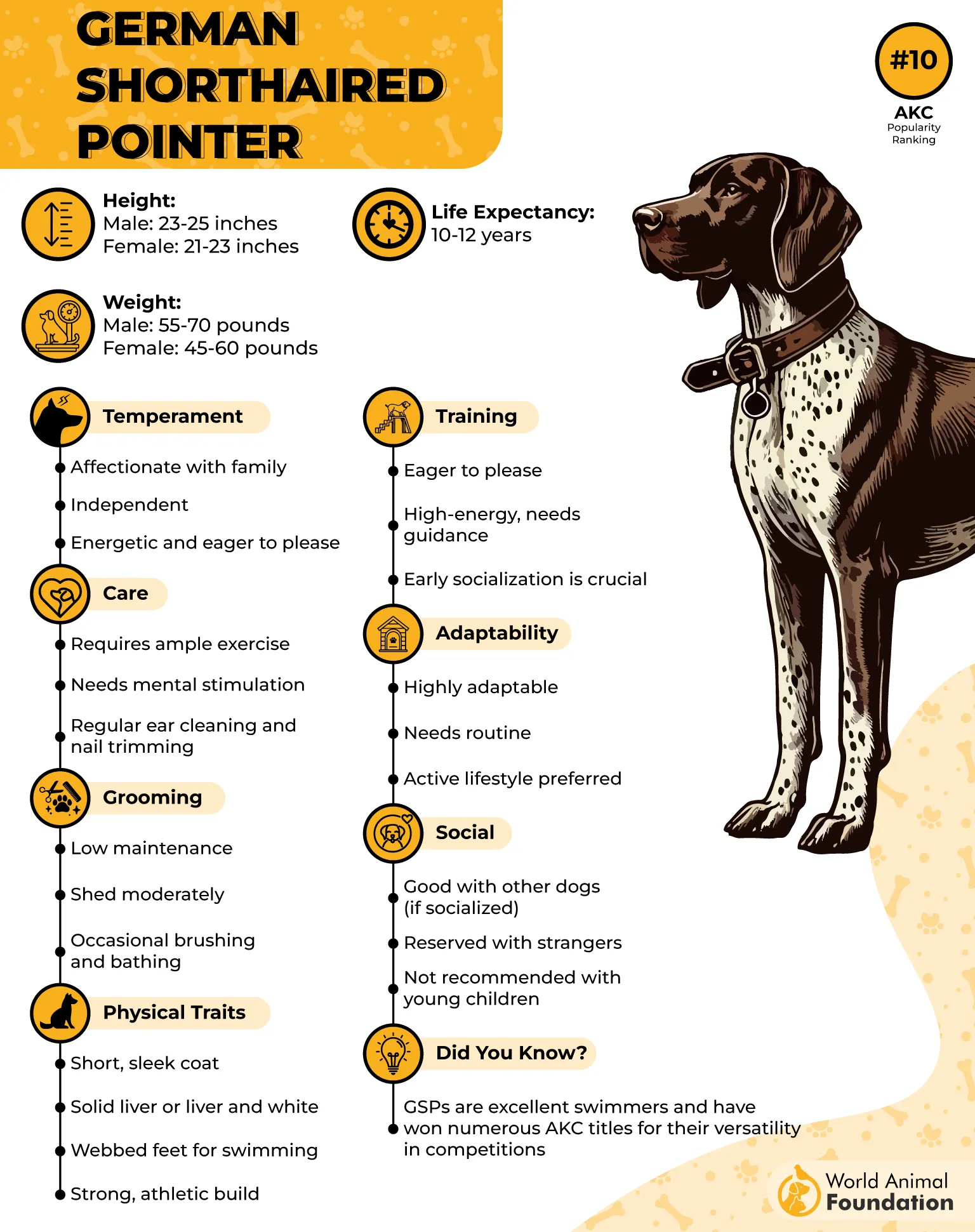
Bred for endurance and precision, GSPs thrive during long tracking sessions and intense hunting days, working seamlessly between pointing and retrieving. Their affectionate, eager-to-please nature makes them reliable partners who stay focused on their handler’s cues in rugged terrain.
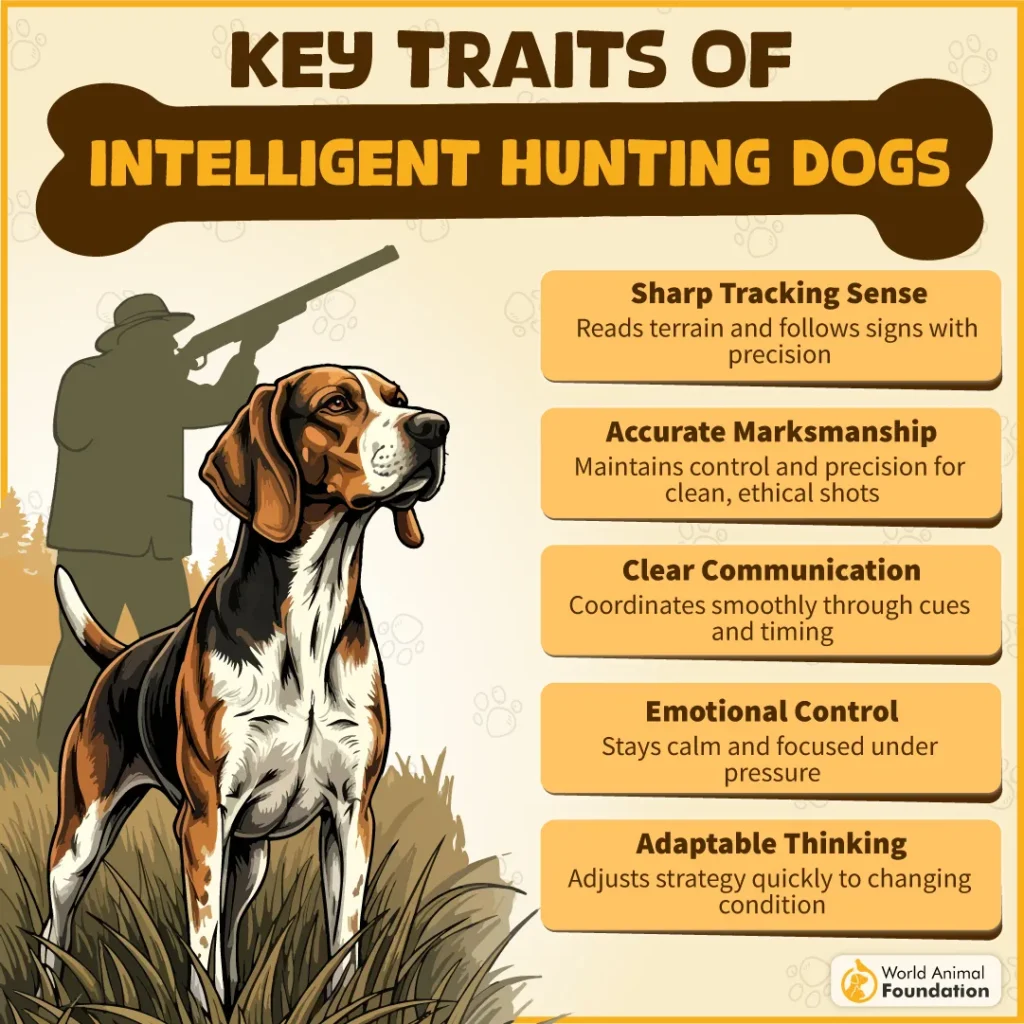
Because they require vigorous daily exercise, these dogs fit best with active, outdoorsy owners who can match their stamina. Their strong prey drive means they may bolt after scents, but their webbed feet and swimming ability allow them to perform confidently on land and in water.
With a history shaped by skilled European breeders, the GSP’s versatility comes from early hunters refining its pointing, tracking, and retrieving abilities.
Fun fact: the GSP earned its “triathlete” nickname for excelling in hunting, pointing, and retrieving.
2. Labrador Retriever
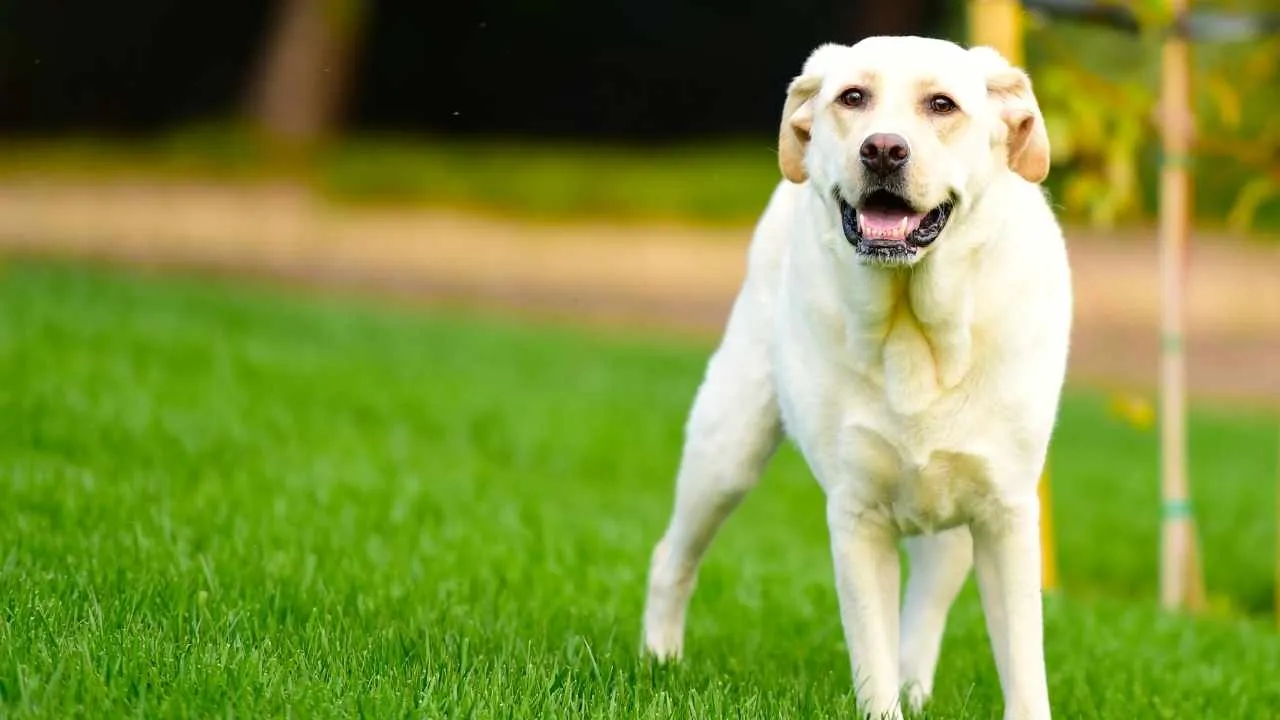
The Labrador Retriever, or simply “Lab,” is a medium-to-large working dog known for its short, weather-resistant coat and eager, friendly nature.
PetMD states that the Labrador Retriever is among the most popular dog breeds in the United States—and for very good reason.
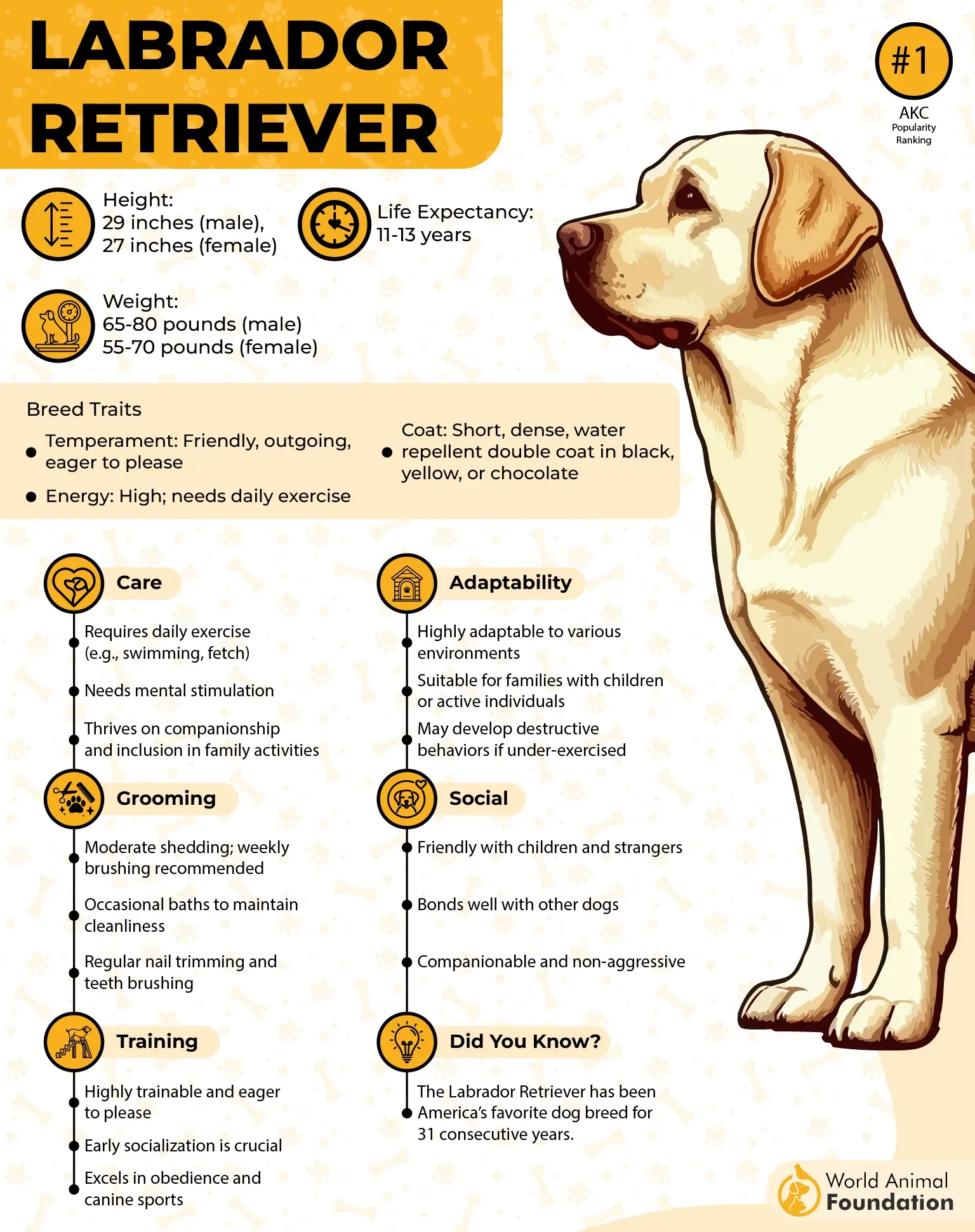
Highly athletic and adaptable, Labs thrive in active hunting environments where they can track, flush, and retrieve game with enthusiasm. Their steady temperaments and reliable recall make them excellent partners for hunters navigating diverse terrain or unpredictable conditions.
Because they have boundless energy, Labradors need consistent exercise—long walks, fast-paced jogs, or vigorous play sessions—to maintain peak performance in the field. Their intelligence and eagerness to please also allow them to excel in modern canine activities, from field trials to dock diving and scent work.
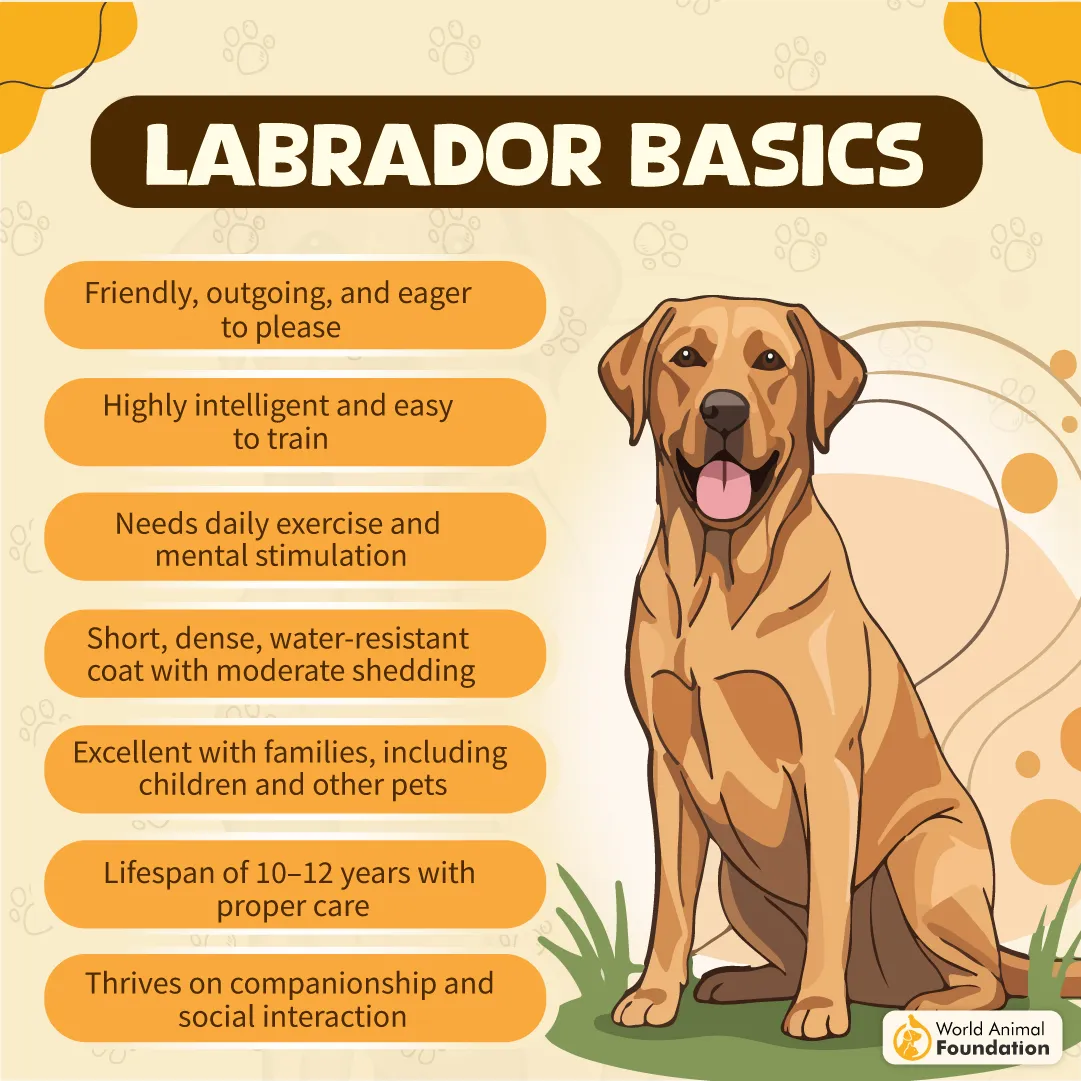
Friendly, loyal, and deeply bonded to their families, Labs balance their working drive with a warm, affectionate personality.
Fun fact: although named after Labrador, the breed actually originated in Newfoundland and was refined in England by British nobles.
3. Weimaraner
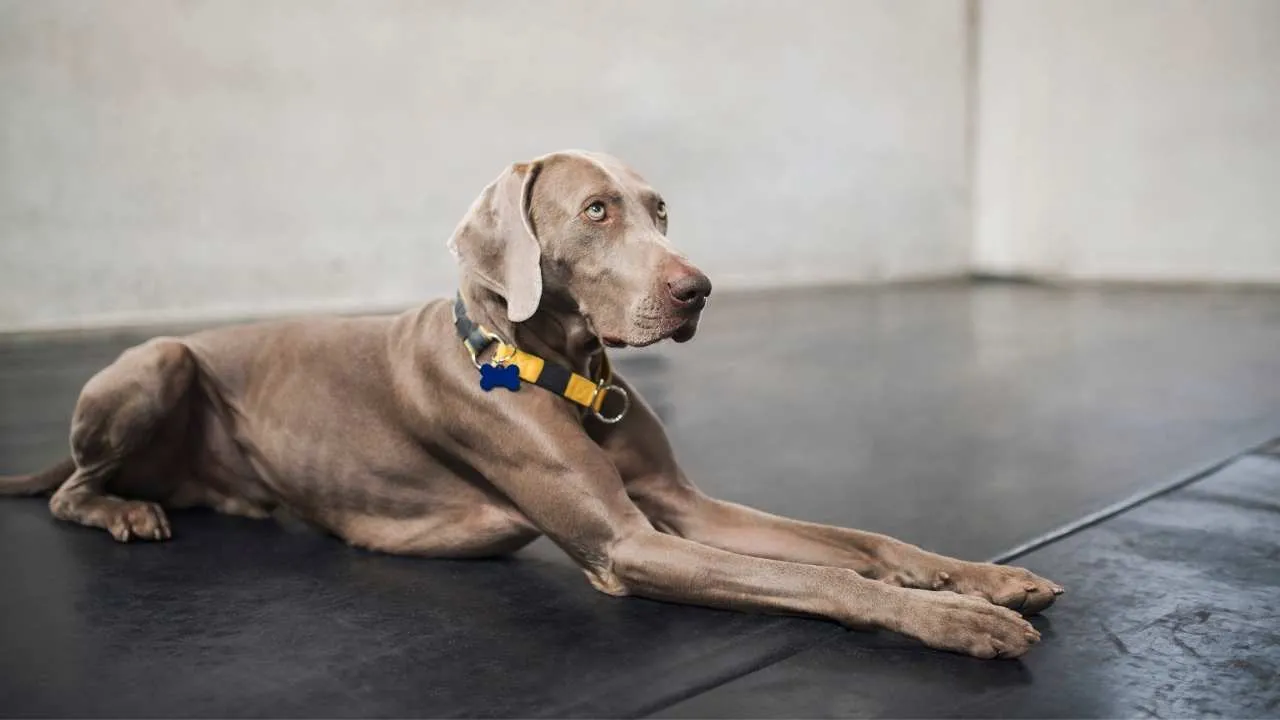
The Weimaraner, often called the “Silver Ghost,” is a sleek, powerful hunting breed originally developed for pursuing large game such as wild boar, deer, and even bears.
WebMD notes that Weimaraners are friendly dogs and make a great addition to family life. Known for its striking gray coat and athletic frame, this dog embodies speed, stamina, and precision in the field.
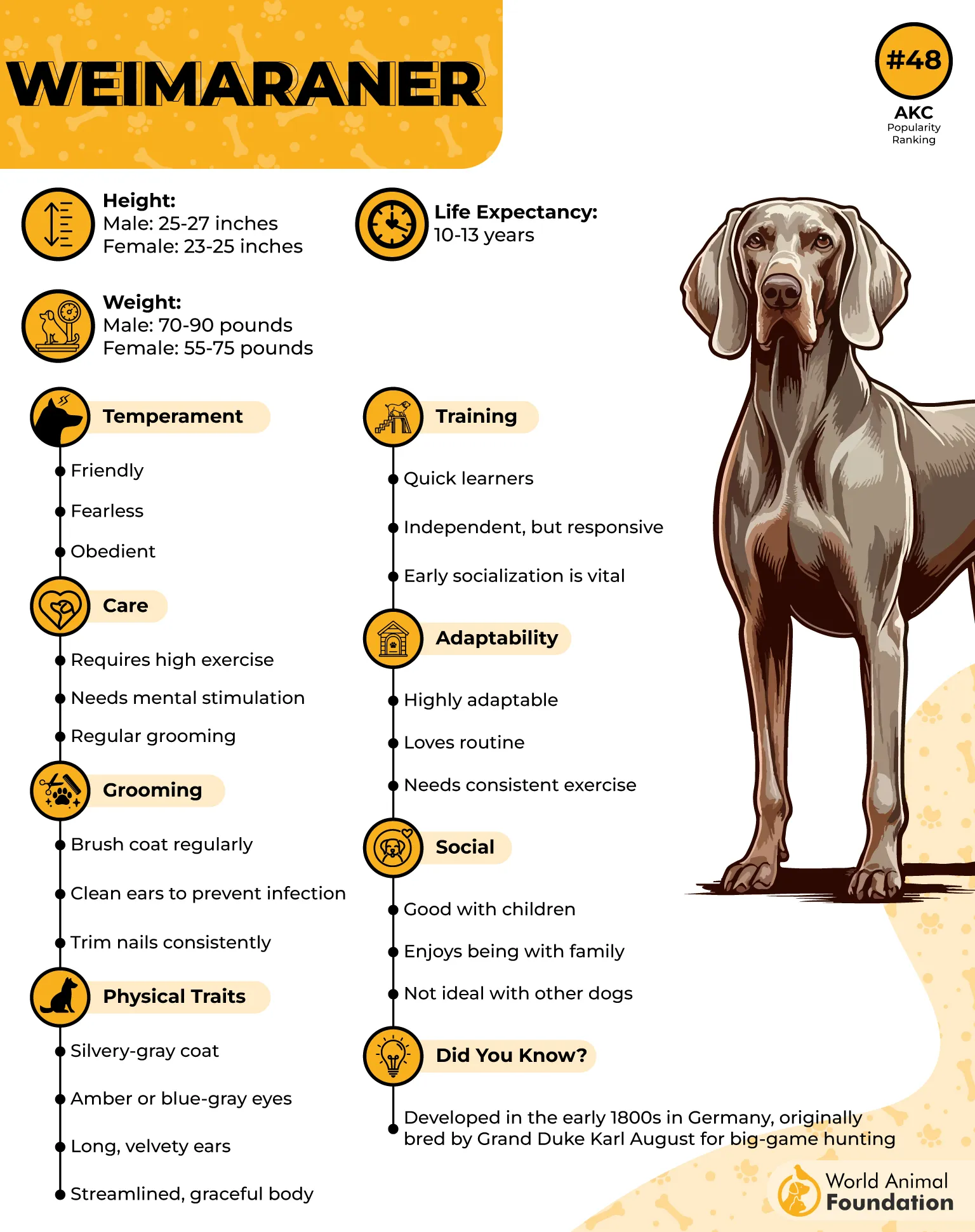
With a natural ability to cover both short and long distances, the Weimaraner adapts easily to varied terrain during trail tracking. Their desire to stay close to their handler also makes them excellent running and hiking partners, ideal for hunters who rely on teamwork in demanding environments.
Because these dogs have intense energy and high prey drive, they require significant daily exercise and mental stimulation. A simple game of fetch doesn’t suffice—active owners or those with wide-open land can best meet the needs of this tireless hunter.
Beyond their athleticism, Weimaraners have notable health considerations, including a predisposition to immune deficiencies and vaccine-associated issues in young pups.
Fun fact: Weimaraners can reach sprinting speeds of 30–35 miles per hour.
4. Irish Setter
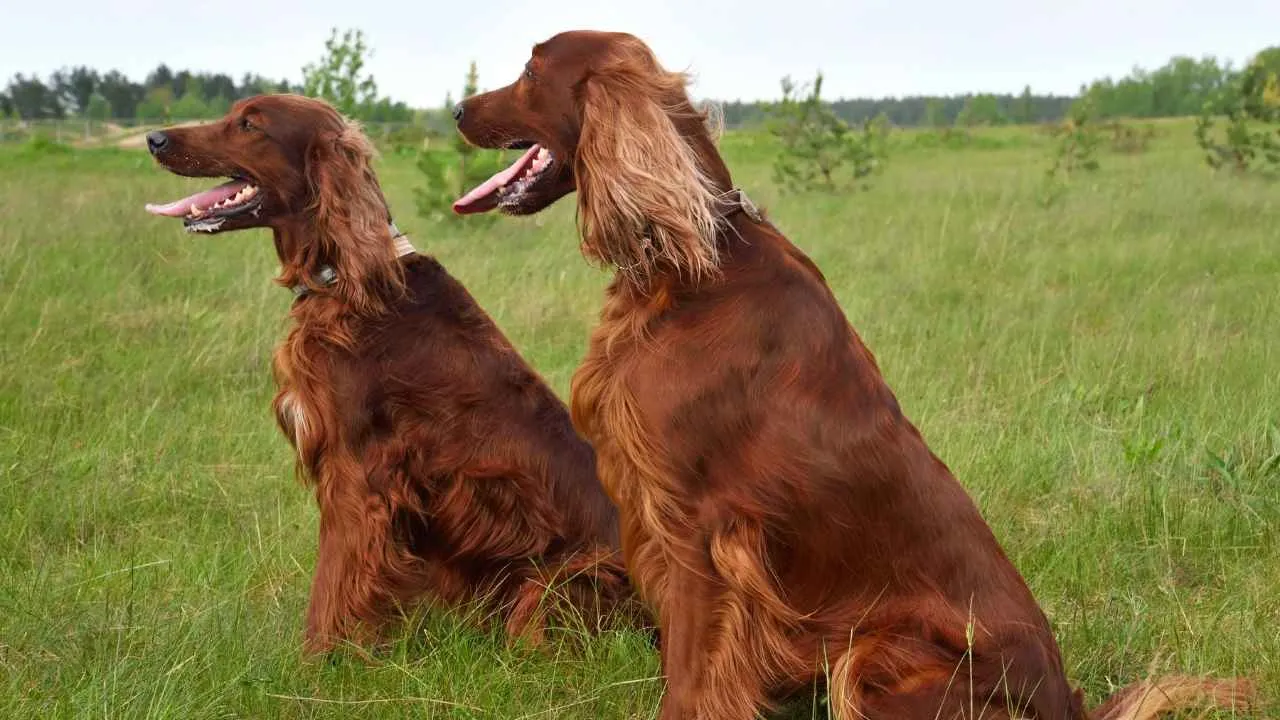
The Irish Setter, also called the Red Setter for its striking mahogany coat, is a swift, energetic sporting breed created from a mix of Pointers, Spaniels, and Setters.
With a long, feathery coat and an excitable, good-natured personality, this large hunting dog is built for speed and endurance in the field.
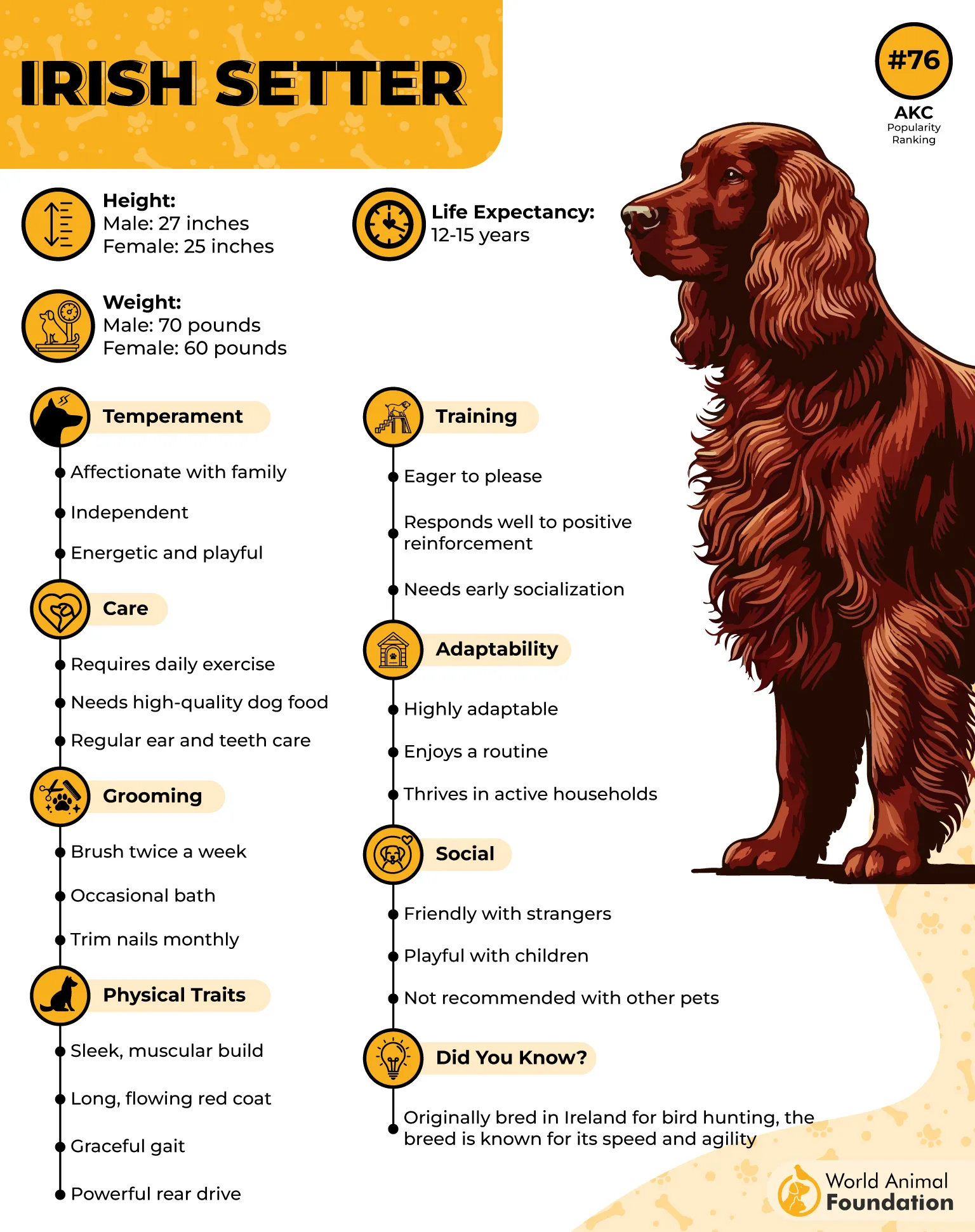
A natural tracker with its nose constantly working, the Irish Setter excels at locating gamebirds and performing classic “setting” behavior. Their immense hunting drive makes early recall training essential, especially for owners who plan to use them for trail tracking in varied terrain.
Because they were bred for active work, Irish Setters require plenty of exercise—long daily walks, off-lead exploration, and opportunities to run. Their love for mud and adventure makes them ideal for hunters seeking a field partner that can power through rough conditions.
Beyond hunting ability, they shine as gentle family companions and even therapy dogs, thanks to their affectionate, playful spirit.
Fun fact: UK breed standards specifically state that Irish Setters must be “demonstrably affectionate.”
5. Vizsla
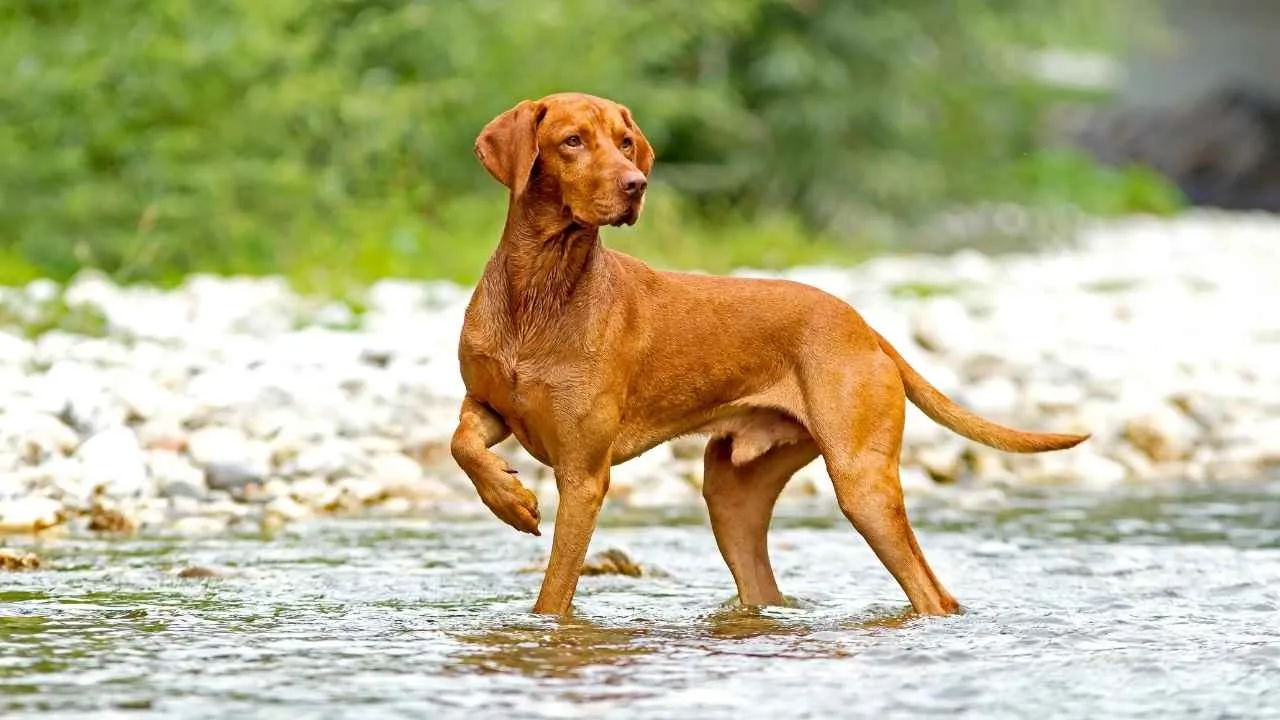
The Vizsla, also known as the Magyar Vizsla or Hungarian Short-Haired Pointing Dog, is a sleek, agile hunter originally developed as an all-purpose gundog. Its name is believed to mean “to seek,” fitting for a breed built around precision scent work and trail tracking.
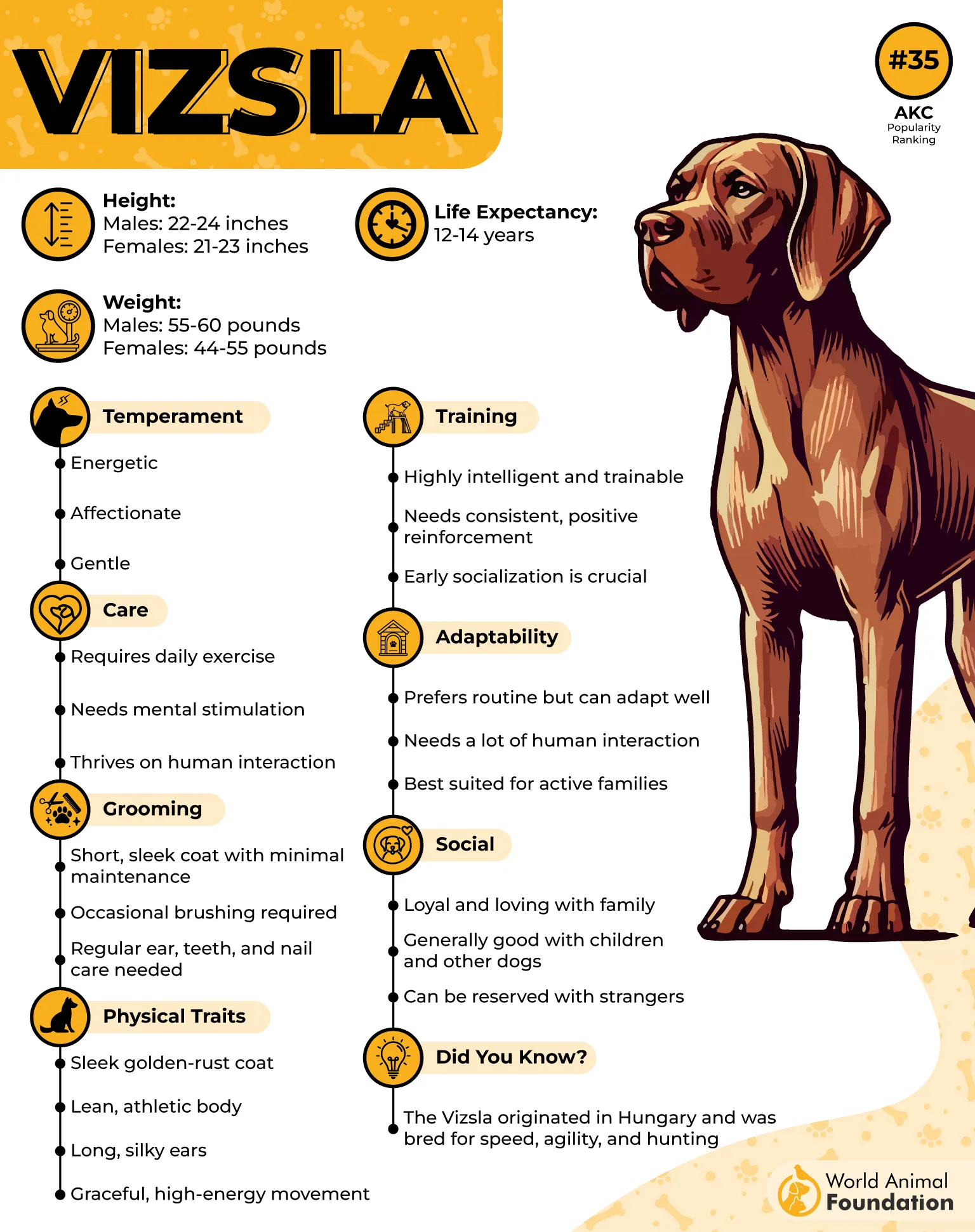
With explosive energy and a naturally sharp nose, the Vizsla excels in both land and water hunting, making it a strong choice for those seeking a versatile tracking partner. Their “velcro dog” nature keeps them close to their handler, a valuable trait during long, focused field sessions.
Because this breed is excitable and easily distracted, consistent training and clear expectations are essential. Techniques that emphasize scent control, impulse management, and structured working routines help them stay on task while navigating tempting wildlife trails.
Highly social and sensitive, Vizslas perform best when training builds confidence rather than pressure. Teaching them to settle after intense field work is just as important as developing their tracking ability.
Fun fact: Despite their toughness in the field, Vizslas are known to be surprisingly sensitive to cold weather.
6. English Springer Spaniel
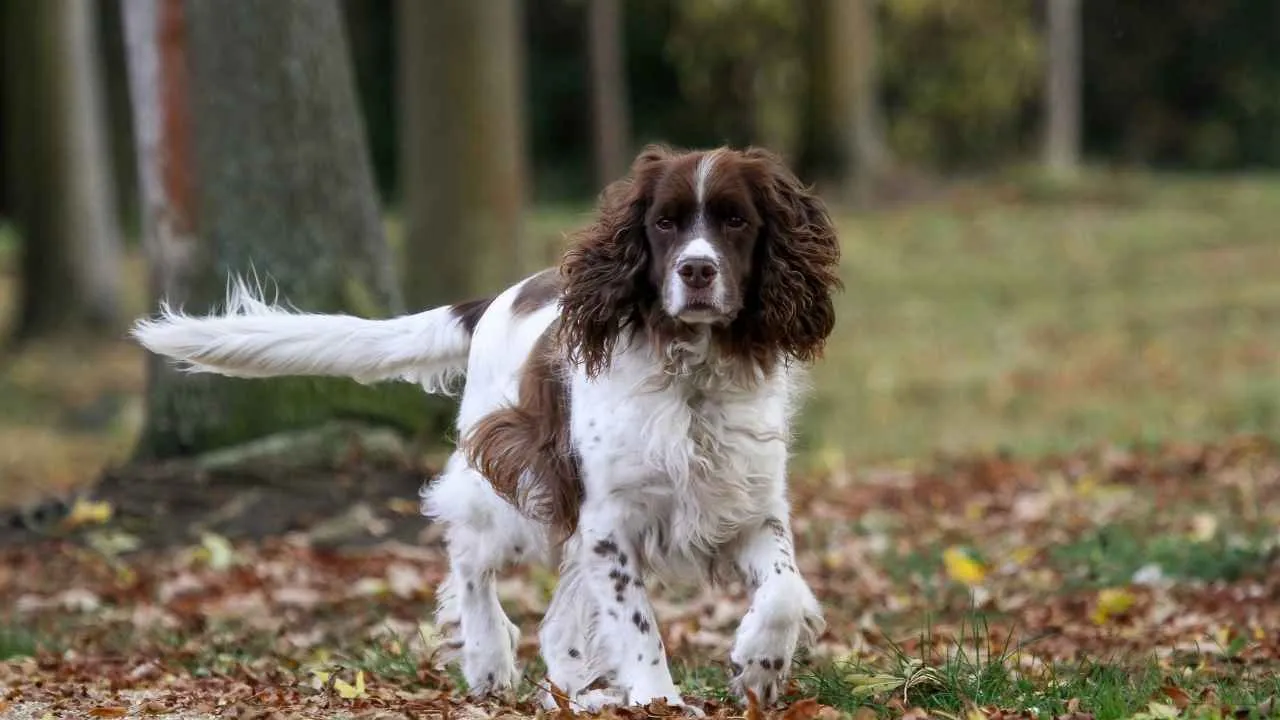
The English Springer Spaniel, also called a Springer, is a compact, energetic gundog known for its versatility in the field.
With a medium-length double coat and an eager expression, this breed has long been valued for its ability to flush and retrieve game across varied terrain.
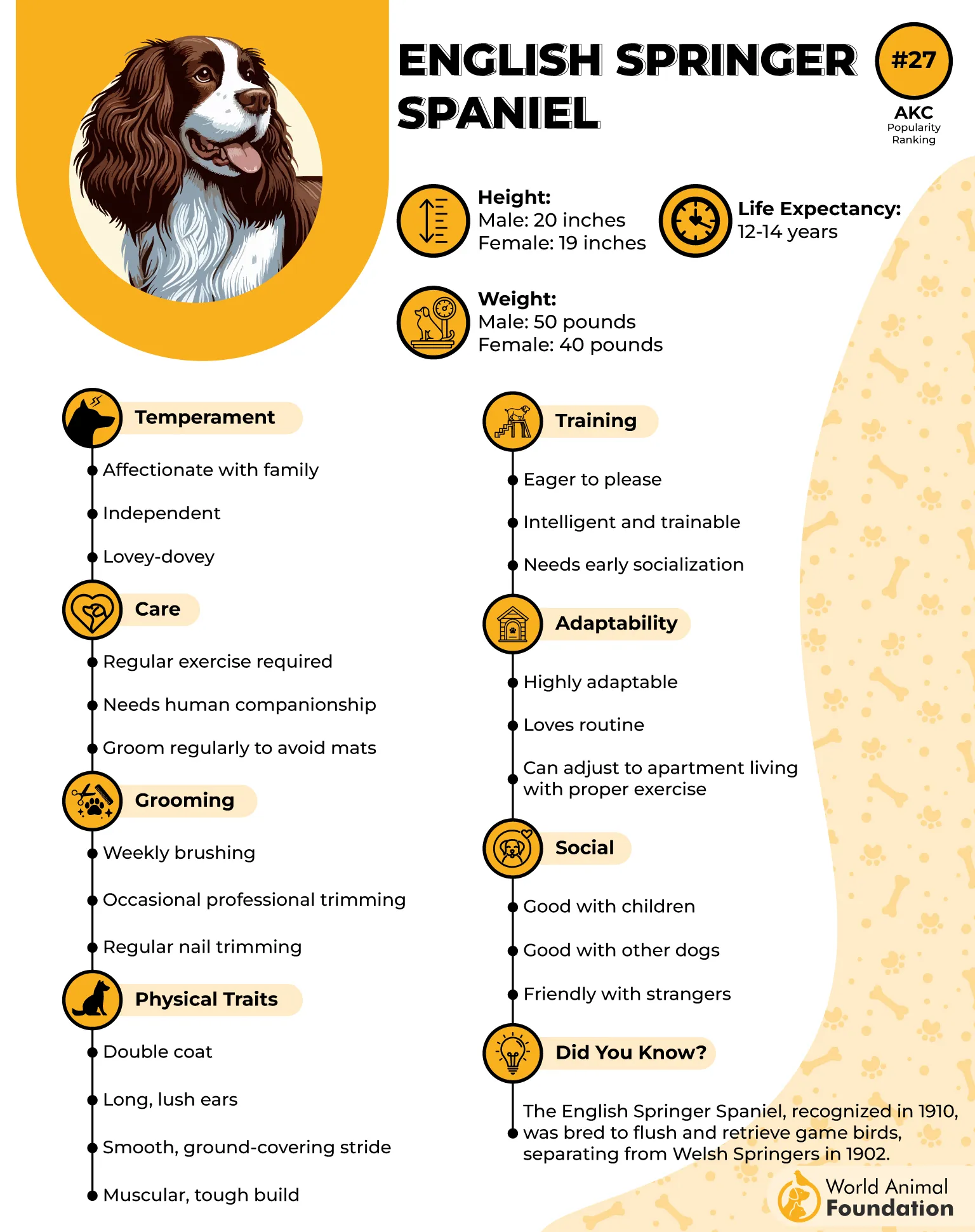
Springers excel in hunting and tracking thanks to their intense drive, strong scenting ability, and willingness to work in challenging environments. They can tackle waterfowl, upland birds, and even dense cover, making them a reliable partner for hunters who pursue diverse game.
Because they are active working dogs, Springers require regular conditioning and coat care to stay healthy. Brushing multiple times a week keeps their dense coat free of mats, while ear cleaning is essential to prevent infections in the field.
These dogs benefit from consistent grooming routines, nail trims, and dental care to support their long-term performance during hunts.
Fun fact: A determined Springer can retrieve in icy rivers and harsh conditions, proving its remarkable grit and heart.
7. American Foxhound
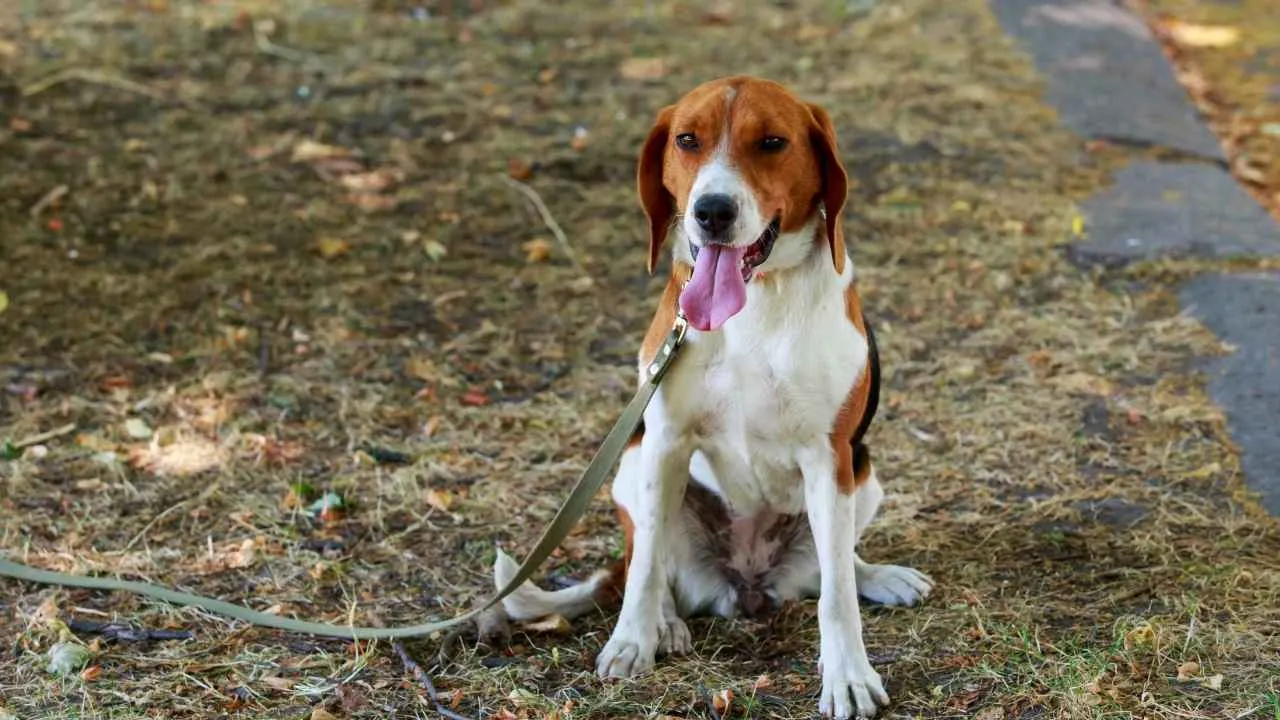
The American Foxhound, a classic scent hound with deep colonial roots, was developed in the United States specifically for tracking foxes across expansive terrain.
Known for exceptional stamina and a powerful nose, this hound excels in pack-based tracking where it follows scent trails with laser focus. Its endurance allows it to run effortlessly for hours, making it a top choice for hunters who pursue game on horseback or across rural landscapes.
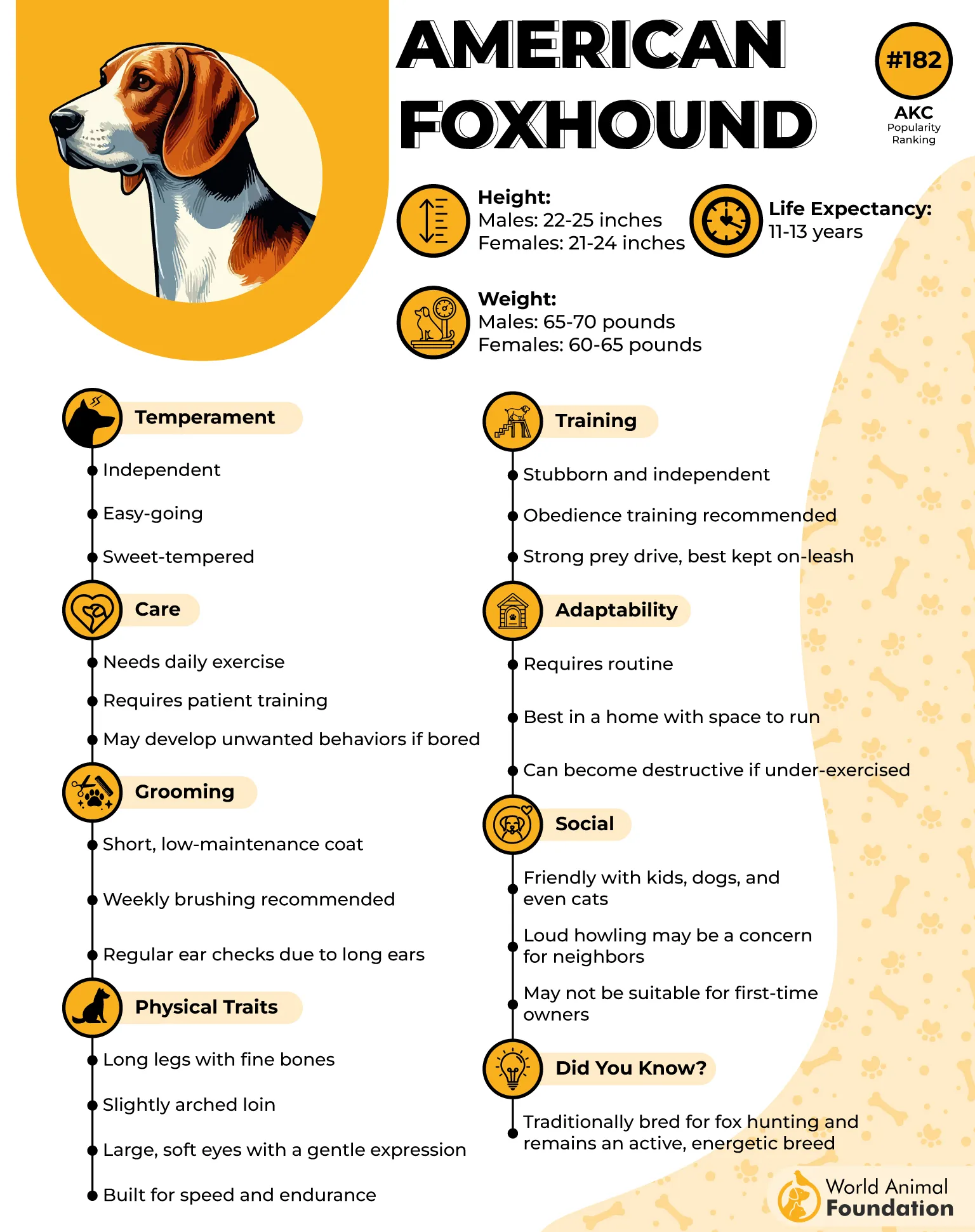
Because of their strong prey drive and independent nature, American Foxhounds require experienced handlers who understand high-energy working dogs. They thrive with structured, ongoing training and an environment that offers daily physical and mental challenges.
While friendly and good-natured, they are not ideal for city living or low-activity homes; instead, they suit active hunters seeking a committed tracking companion.
Fun fact: The breed’s history ties back to Revolutionary-era Virginia and early American estates.
Conclusion
Exploring the top hunting dog breeds reveals how skill, instinct, and dedication come together in the field. From powerful trackers that can locate upland game birds to versatile dogs able to flush birds, retrieve downed birds, or trail wounded game, these breeds were built for a purpose.
Whether you admire the keen sense of smell of classic trailers or the precision of bird dogs bred to hunt birds and handle upland game, the right hunting dog can transform every outing.
Even breeds like the Golden Retriever, known for their soft mouth and ability to retrieve small game, show how many hunting dog breeds excel at a variety of hunting tasks thanks to their unique hunting style and natural drive.
Beyond their skill in the field, many hunting breeds are also loyal companions at home. A well-trained hunter can be a great family dog, a wonderful pet, and a dependable hunting companion wrapped into one.
Bird hunters seeking the right hunting dog will find that other breeds—from energetic dogs built to hunt small game to loyal hunting companions that double as steady family partners—offer remarkable versatility. These dogs prove that performance and companionship can go hand in hand.
