




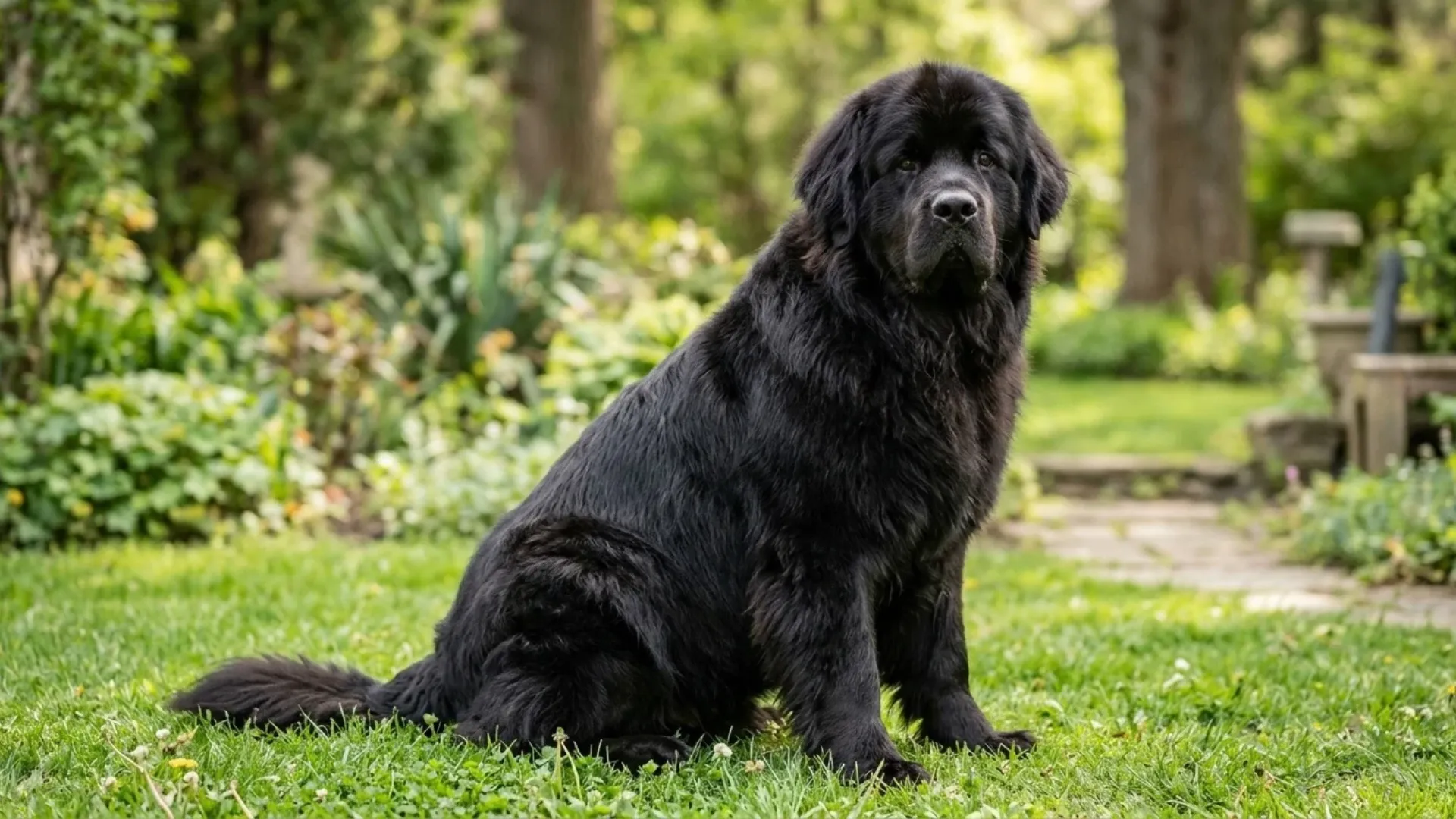
Some teddy bear dogs look as if they escaped a toy-shop shelf, learned to bark, and immediately hired a groomer. The effect comes from plush coats, rounded faces, tiny ears, and eyes so soulful they can make a lint roller feel like a household essential.
Yet many teddy bear dogs have an attitude—and a timetable. Some wear their cuddly look naturally; others need regular brushing, thoughtful trims, and an owner who will not panic when the vacuum starts filing overtime requests.
So, before falling for the face, meet the maintenance that comes with it in person first.
Dog Breeds Epitomizing the Classic Teddy Bear Look
1. Chow Chow
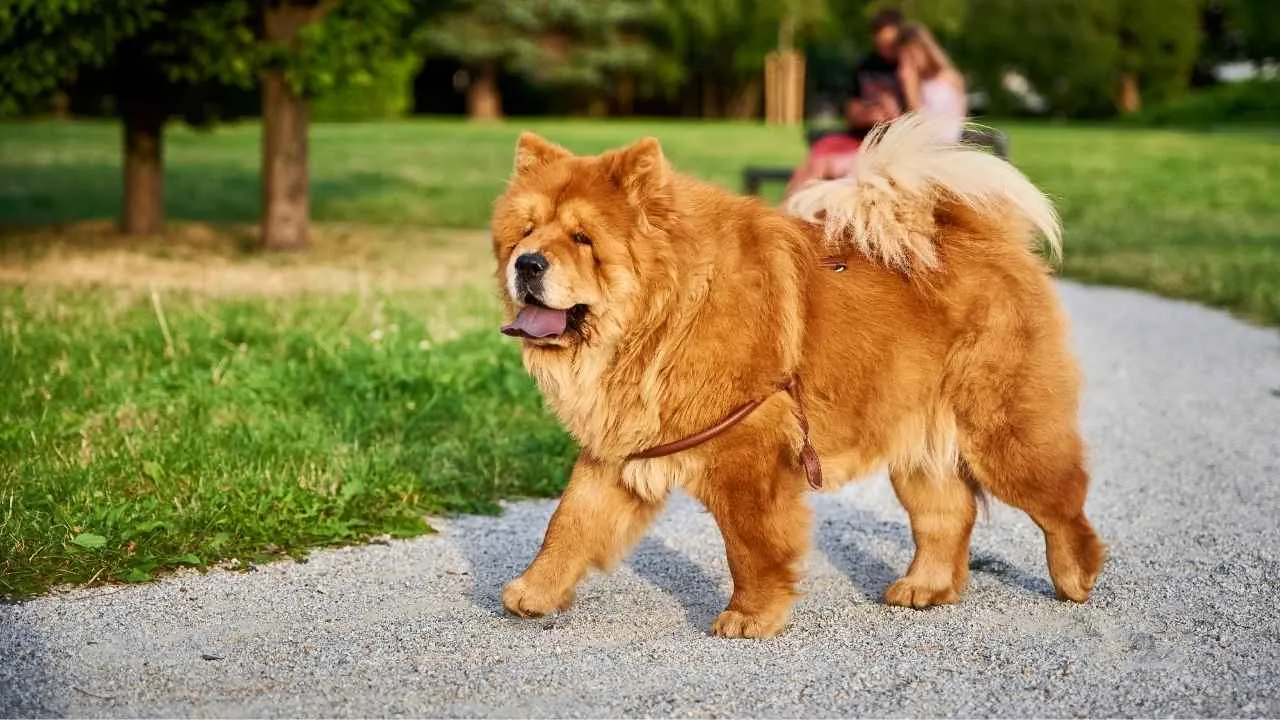
A Chow Chow wears its teddy bear-like appearance with majestic seriousness: a huge ruff frames its broad head, tiny ears peek through, and its blue-black tongue delivers the plot twist. This plush look is natural, not a salon illusion.
Coat type: Rough or smooth thick double coat with a dense undercoat.
Shedding: Heavy, particularly as the seasonal coat comes out.
Brushing: At least twice weekly; rough-coated dogs often need daily attention.
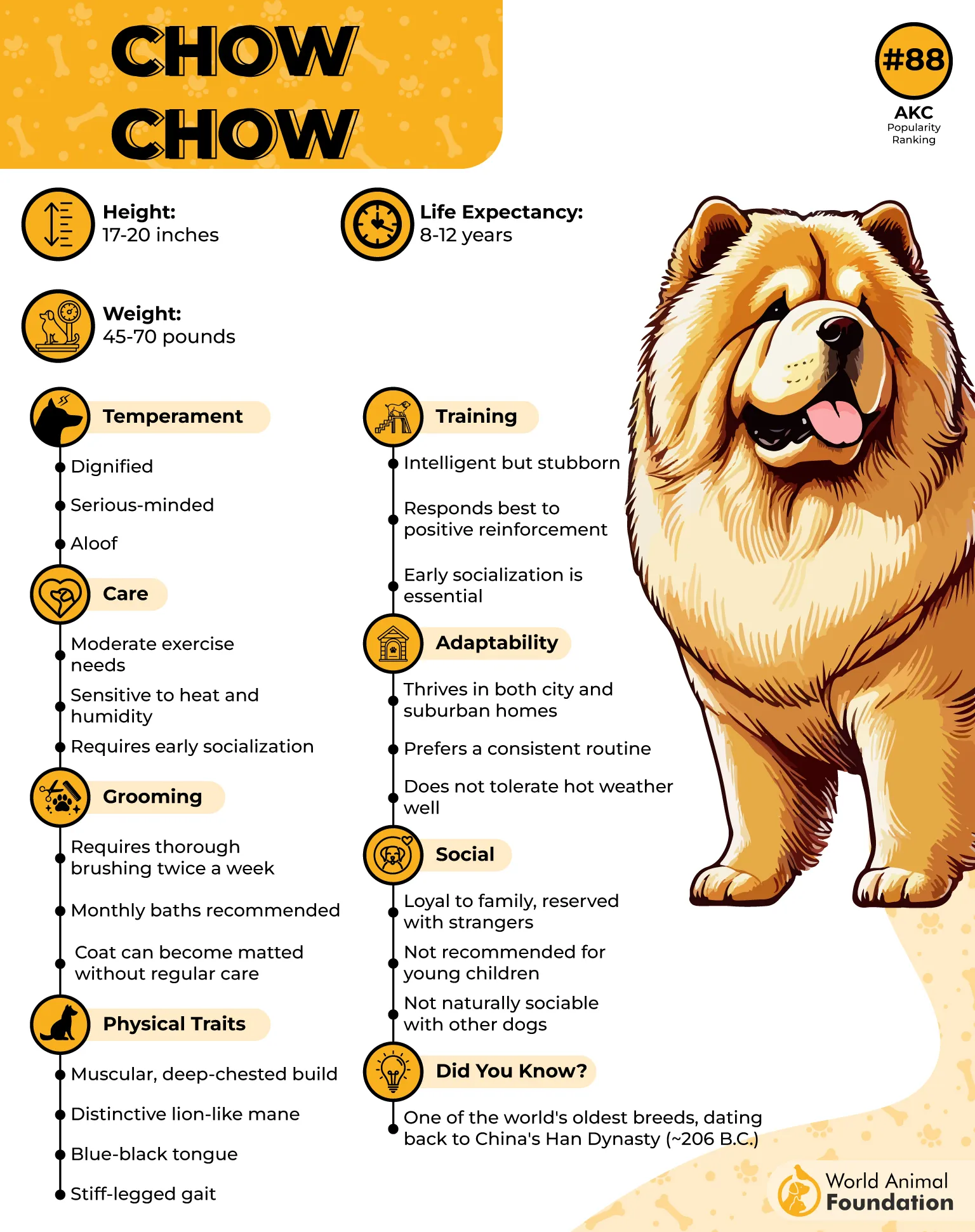
Beneath the fluff sits a dignified, independent companion, not a permanent cuddle toy. The AKC describes Chows as loyal yet aloof, so patient training and early socialisation are essential.
Grooming Tips: Brush the neck ruff and hindquarters in small sections, reaching the undercoat before tangles turn into felt.
This breed suits an experienced owner who enjoys quiet loyalty and respects a dog with strong opinions. Think less “party mascot,” more “tiny, furry landlord with impeccable standards.”
2. Keeshond
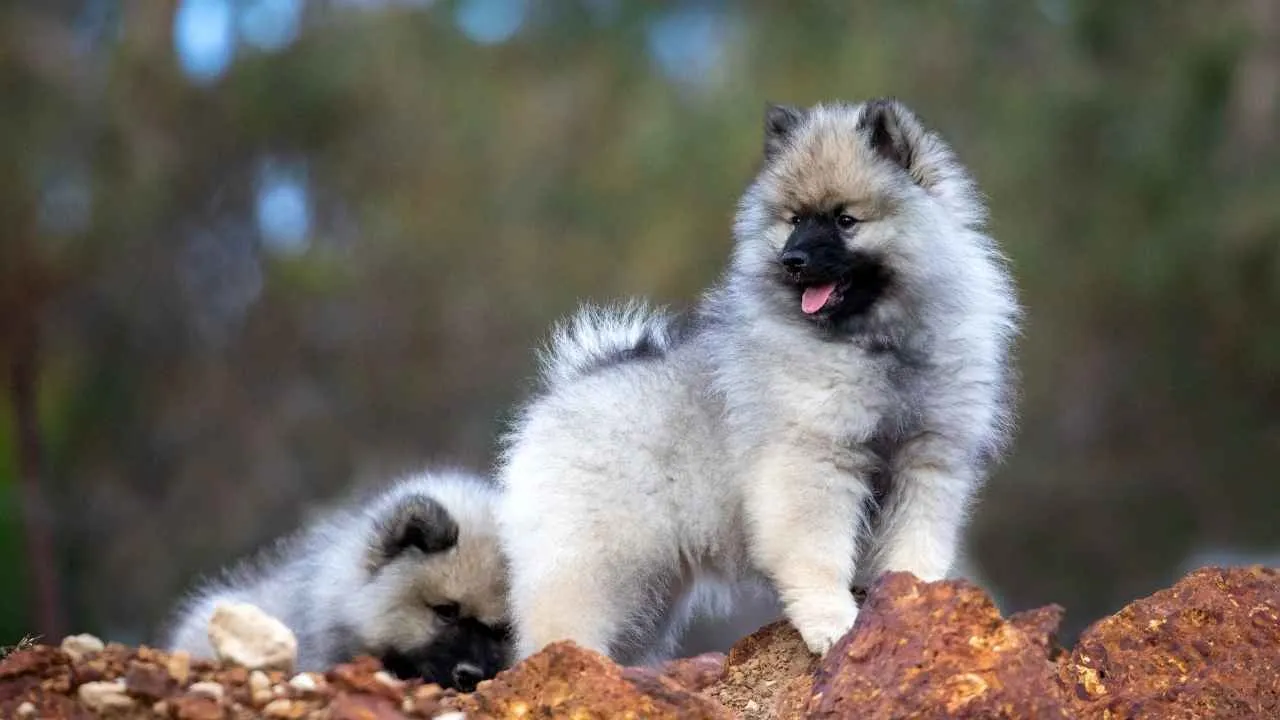
The Keeshond is the cheerful houseguest who somehow becomes everyone’s favourite by lunchtime. Friendly, affectionate, and happiest near its people, this Dutch companion dog brings a lot of heart along with its considerable volume of fluff.
Coat type: Plush double coat with a dense underlayer.
Shedding: Moderate year-round, with much heavier seasonal shedding.
Brushing: Several times weekly; daily sessions help during coat-blowing periods.
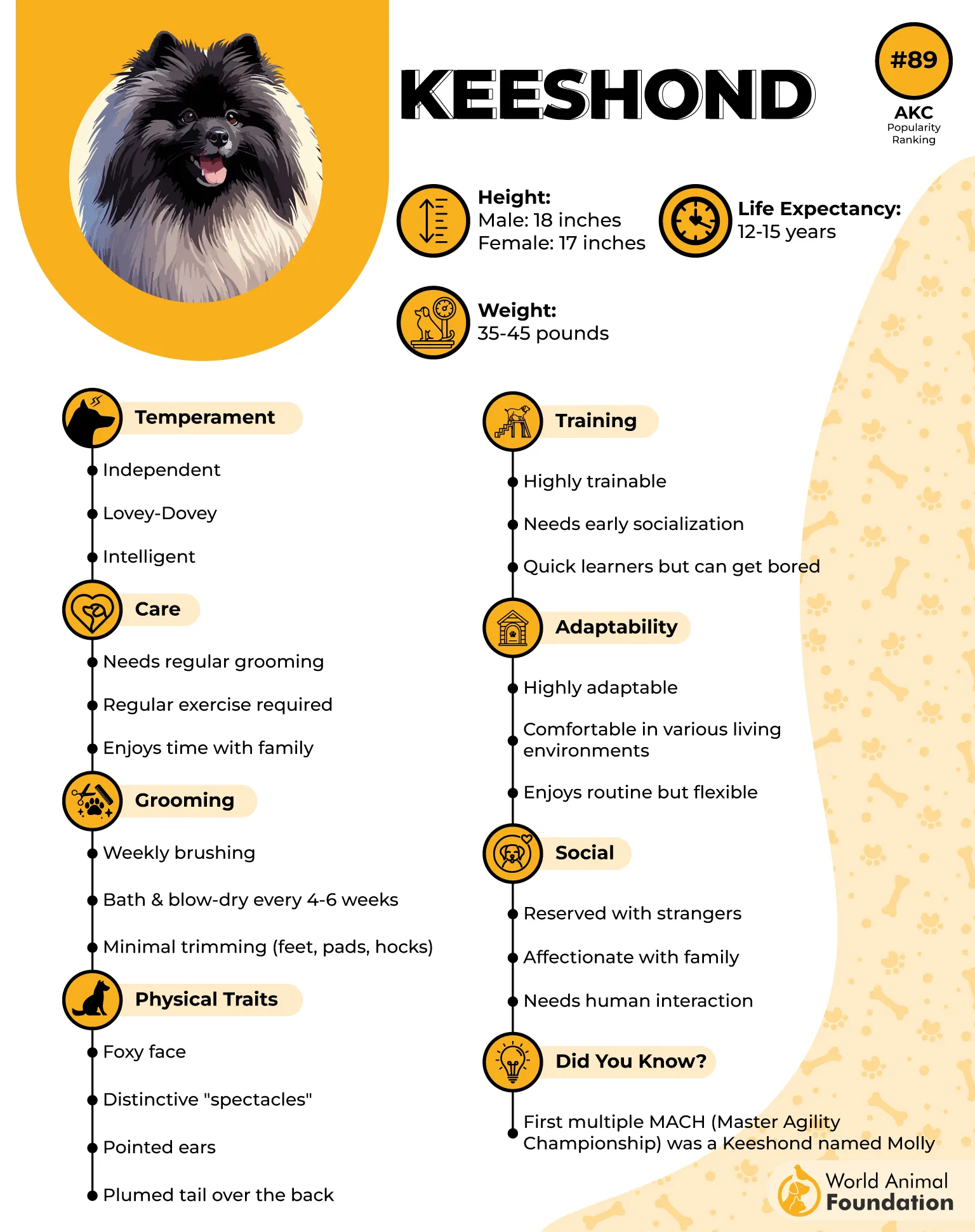
It fits families or individuals who are home often and do not mind an alert bark when something suspicious happens, such as a delivery driver having the audacity to exist. Their charming personalities and moderate energy also make daily walks and playtime more realistic than an extreme-sports routine.
Grooming Tips: Use a pin brush and comb during seasonal shedding, working from the skin outward instead of flattening the topcoat.
Visually, the mane-like ruff, curled tail, pointed ears, and dark “spectacles” around the eyes make this breed look like a storybook teddy bear with glasses. PetMD notes that this smiling fluffball was bred for companionship, and it shows.
3. Pomeranian

A Pomeranian suits someone who wants a tiny sidekick with main-character energy and is ready to make grooming part of the routine. Apartment living can work beautifully when barking habits, dental care, and safe interactions with larger dogs are managed early.
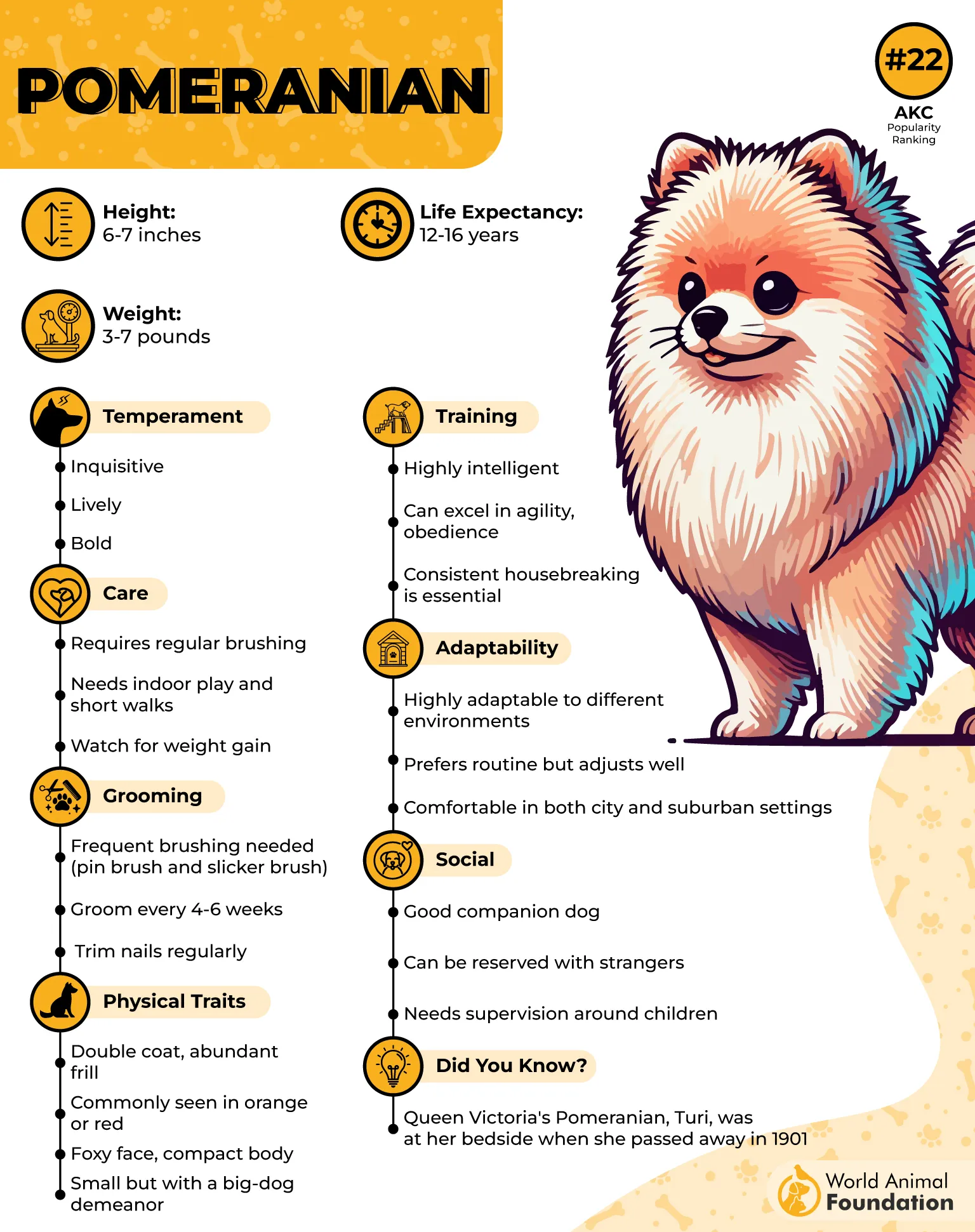
Coat type: Long double coat with an especially dense undercoat.
Shedding: Moderate, though seasonal shedding can be impressively dramatic.
Brushing: About twice weekly, with extra attention during shedding periods.
The teddy-bear version is a grooming style, not a separate type of Pomeranian. A carefully rounded trim can soften the outline around the cheeks and head, but shaving a double coat for the look is a risky shortcut with zero gold stars attached.
Grooming Tips: Line-brush the coat a few times weekly, especially behind the ears and under the front legs where tiny mats love to hide.
Behind that plush face is a bold, lively, clever little dog that may challenge a much larger canine with the confidence of a celebrity bodyguard. Dog historians trace this pocket-sized puff to northern sled-dog ancestors—an unexpectedly mighty backstory for such a small cloud.
4. Bichon Frise
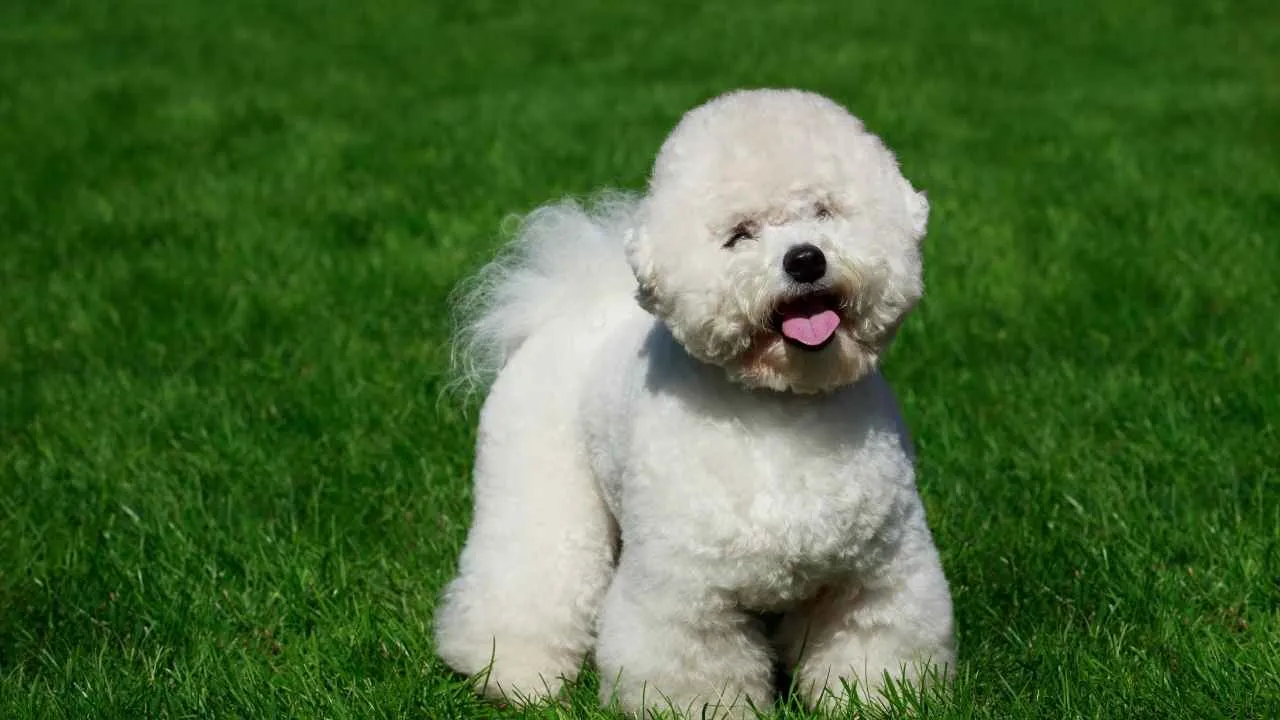
The Bichon Frise looks like a toy maker gave a cloud a face: dark round eyes, a button-black nose, and a white puffball outline. Its naturally springy curls supply the texture, while a well-shaped trim gives that famous teddy-bear silhouette its polish.
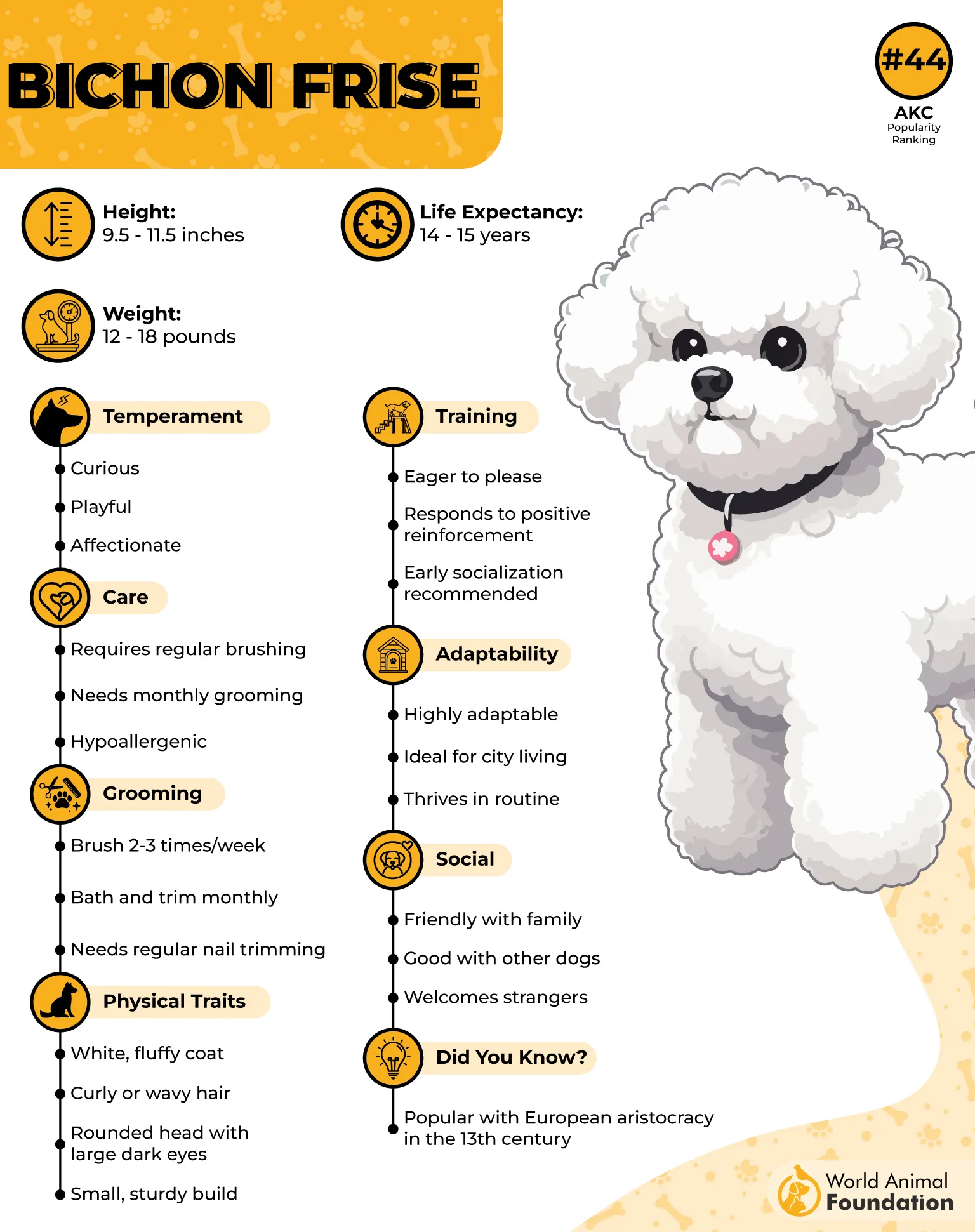
Coat type: Soft, dense, curly coat that continues growing.
Shedding: Low; loose hairs get caught in the undercoat.
Brushing: Two to three sessions weekly help prevent mats.
Under all that fluff is a cheerful little performer who enjoys people, children, and other dogs. Purina describes these teddy bear puppies as gentle, affectionate, playful, and eager to please—basically tiny entertainers who expect applause.
Grooming tip: Check behind the ears, under the legs, and around the collar for sneaky knots.
This is a lovely match for owners who want an adaptable companion and will faithfully book regular grooming appointments. The look is adorable; the upkeep is not imaginary.
5. Newfoundland
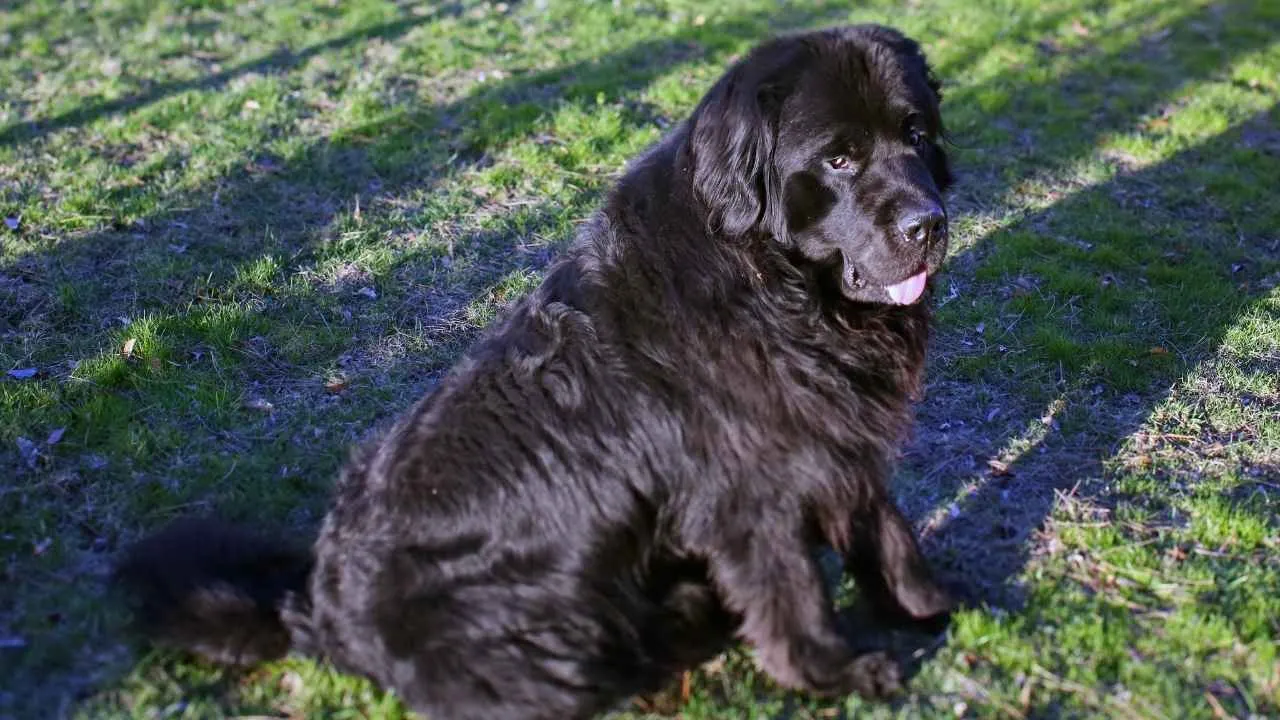
The Newfoundland’s personality is wonderfully softer than its giant, bear-like outline suggests. Known for being patient, trusting, and trainable, this working dog has the calm presence of a furry lifeguard who also happens to enjoy a cuddle.
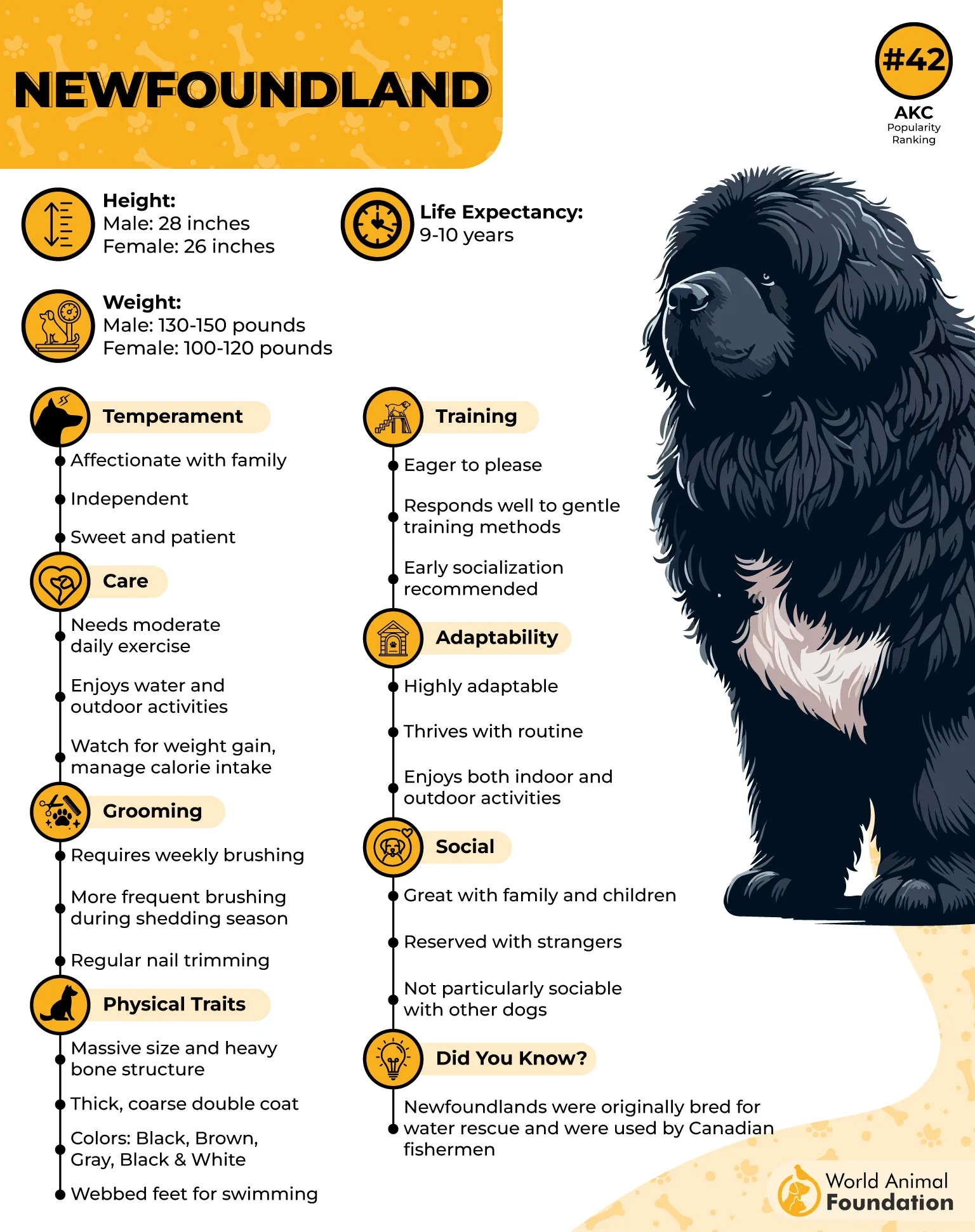
Coat type: Mid-length, water-resistant double coat with an insulating undercoat.
Shedding: Heavy, with major seasonal coat changes.
Brushing: At least weekly, with more frequent sessions during shedding.
A brown Newfoundland is the closest this list gets to an actual teddy bear that grew to enormous proportions. Experts note that the breed was developed for water work, which explains the powerful build beneath all that plushness.
Grooming tip: Work right down to the skin and ask a professional to handle stubborn mats.
This breed suits people with ample space, cool living conditions, and time for relaxed walks, swimming, and serious coat care. Also, keep a towel nearby; drool has entered the chat.
6. Samoyed
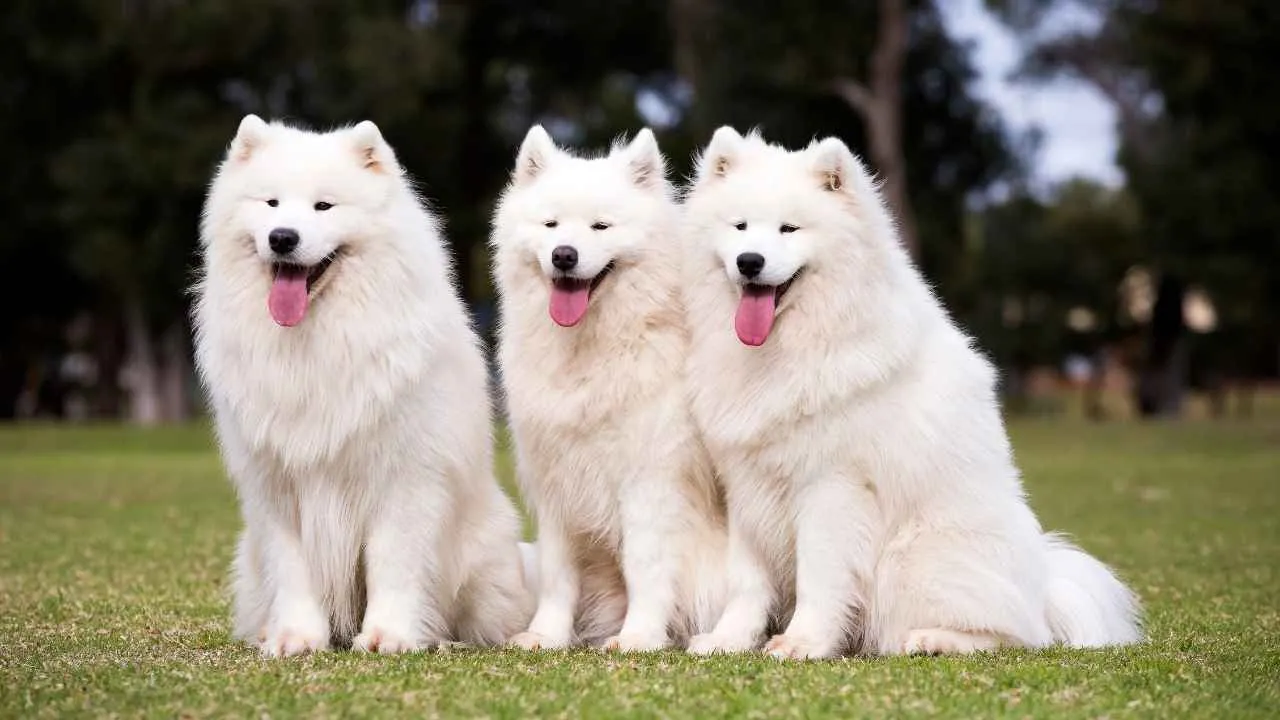
The Samoyed’s white fluff and permanently upturned mouth create a teddy-bear face that seems to have been stitched into a smile. Hill’s Pet explains that its full undercoat holds the outer hair away from the body, creating that wonderfully cloud-like outline.
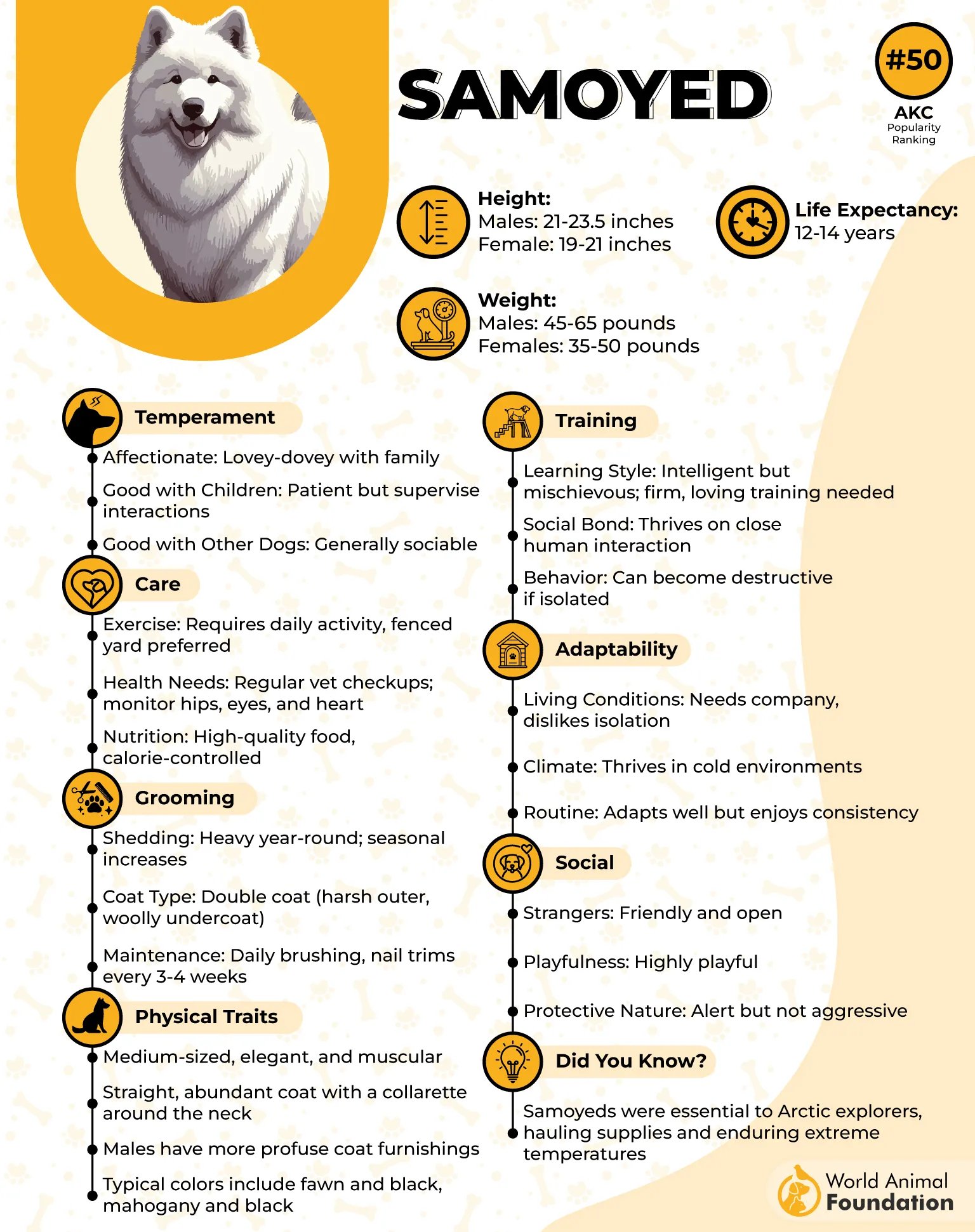
Coat type: Thick, straight double fluffy coat with a very full undercoat.
Shedding: Heavy year-round, with two especially intense shedding periods.
Brushing: Daily or near-daily care keeps loose fur under control.
Behind the grin is a social, busy dog that wants a place in family life, not a lonely role as decorative living-room furniture. Positive reinforcement training methods, games, and outdoor adventures give this former reindeer-herding helper something useful to do.
Grooming tip: Never shave the coat; it helps protect the dog from heat and cold.
A Samoyed suits active owners who are often home and see brushing as bonding time, not a personal betrayal by their vacuum cleaner.
7. Old English Sheepdog

An Old English Sheepdog is what happens when a shaggy teddy bear learns to herd livestock. Its profuse coat, hidden eyes, and rolling, bear-like gait create a look that is equal parts storybook charm and “where did the dog end and the rug begin?”
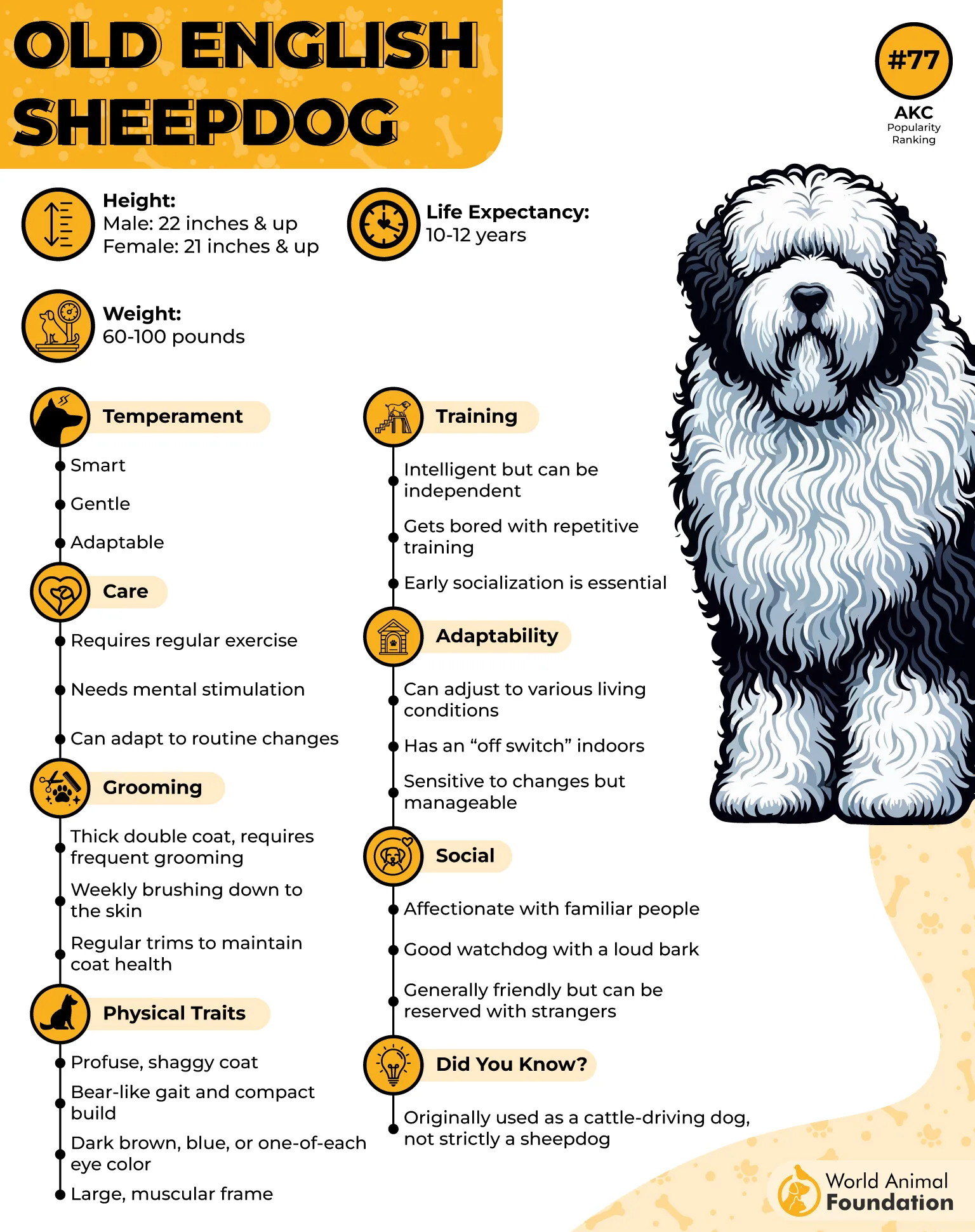
Coat type: Long, profuse double coat.
Shedding: Occasional shedding, though matting is the bigger chore.
Brushing: A thorough brush-down to the skin is needed at least weekly.
This teddy bear dog breed brings an agreeable, intelligent personality, plus enough herding instinct to keep life interesting. Dog lovers call it the archetypal shaggy dog, and that is less a nickname than a full-time lifestyle.
Grooming tip: Keep feet neatly clipped and consider a shorter pet trim for easier maintenance.
It suits committed owners who enjoy training, regular activity, mental stimulation, and coat care on a grand scale. First-time owners can manage one, provided they are prepared for the grooming calendar.
Conclusion
That teddy-bear face may win the first round, but the real keeper is the dog whose exercise needs, grooming routine, and personality work with your ordinary Tuesday—not just your most optimistic Sunday, when the floor is clean, the laundry is folded, and nobody has brushed a thing.
Before bringing home a living plush toy, meet adult dogs and ask a reputable breeder or rescue how often the coat needs brushing and professional care; then add that time and cost to your weekly routine before committing.
