




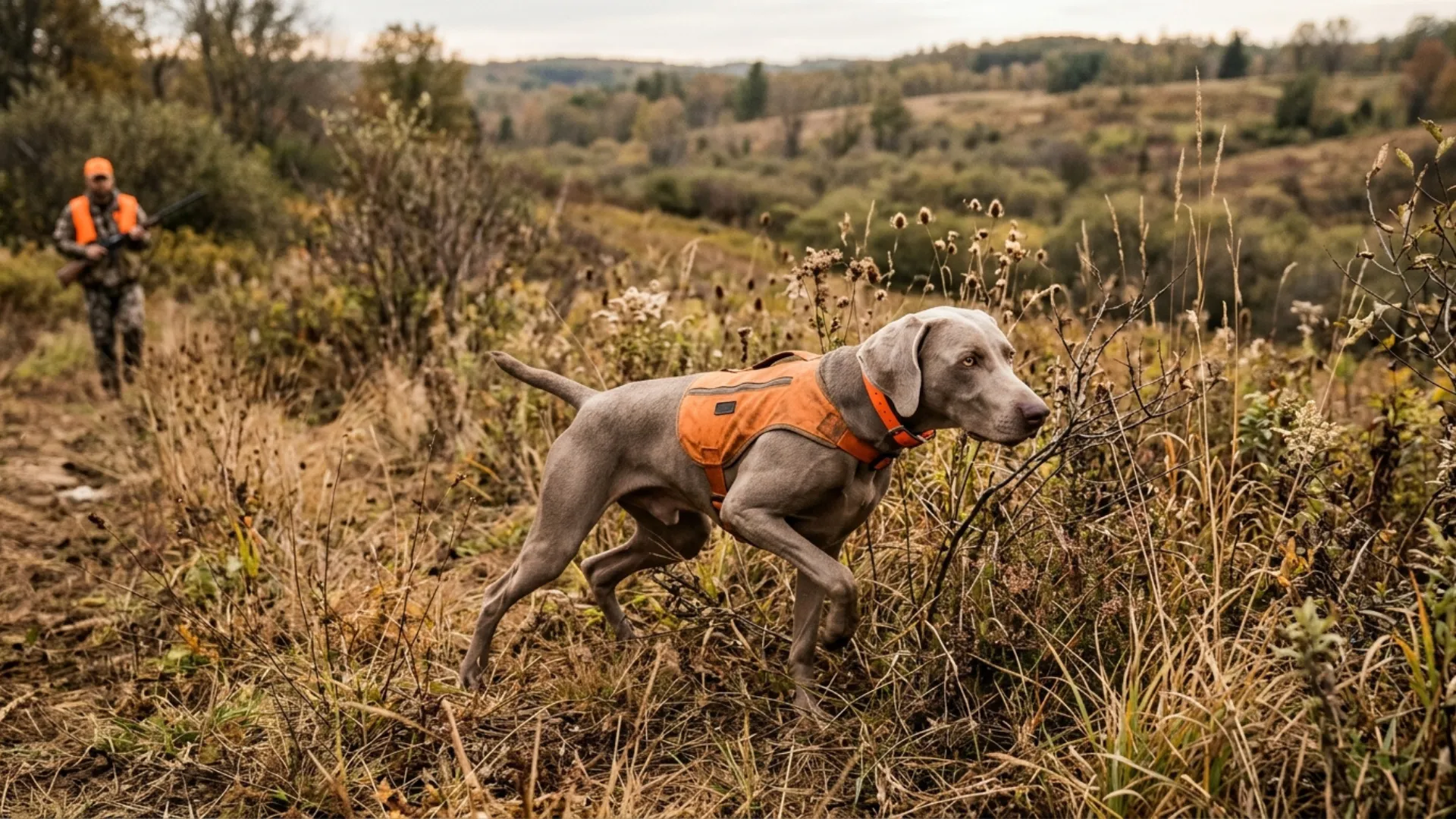
Imagine heading out into the crisp morning air, the fields stretching out ahead of you, and the thrill of spotting a bird on the wing. Now imagine doing all of that without a trusty dog by your side. For most upland hunters, that’s simply unthinkable.
Bird dogs aren’t just pets—they’re partners, guides, and sometimes, the secret to a successful hunt. They can sniff out hidden game, point you in the right direction, and even bring home your prize.
The bond between a hunter and a bird dog is truly special. It’s a mix of teamwork, trust, and a little bit of magic. And while every dog has its own personality and strengths, they all share one mission: helping you enjoy every moment of the upland experience.
In this article, we’ll explore the top dog breeds designed for upland bird hunting and how the right partner can make all the difference in the field.
Key Takeaways
Vizsla, Weimaraner, Brittany, Toller, English Setter, GSP, and Irish Setter excel in upland hunting.
Consistent, positive reinforcement unlocks their full hunting potential.
Daily vigorous activity and mental stimulation keep them happy and healthy.
With proper care, these dogs are loyal, affectionate family members.
Top Dog Breeds Designed for Upland Bird Hunting
1. Vizsla
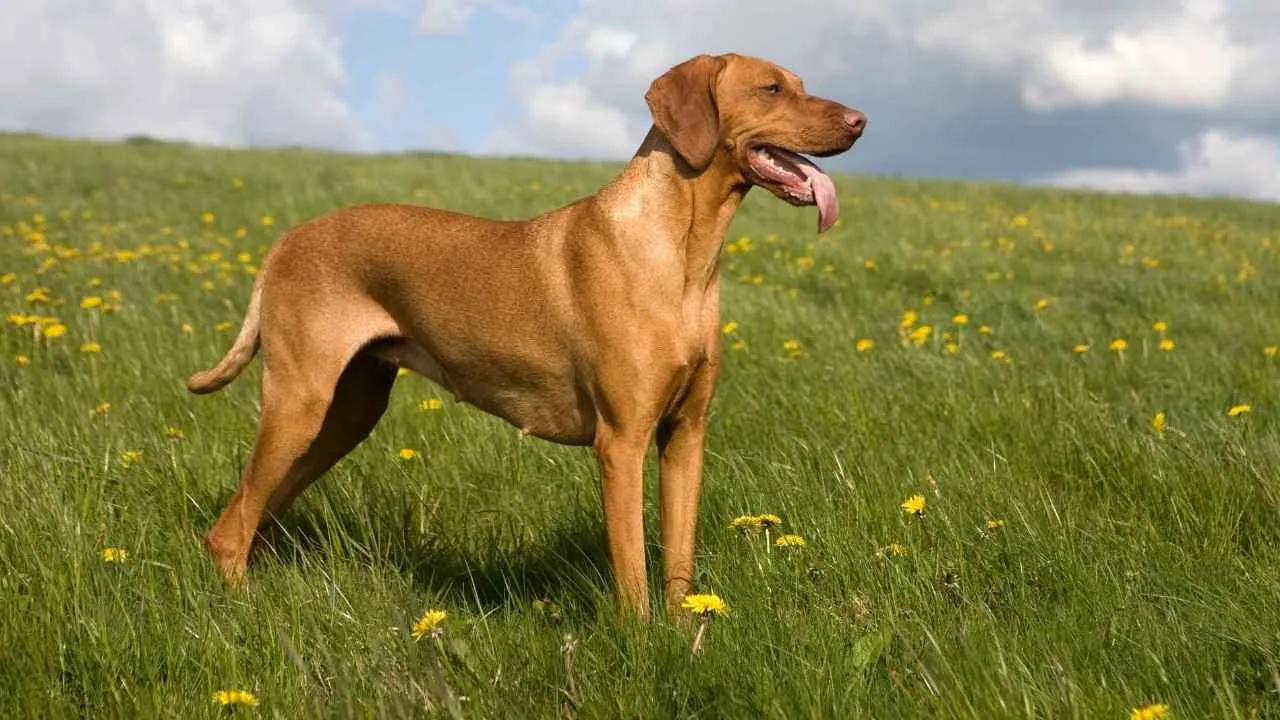
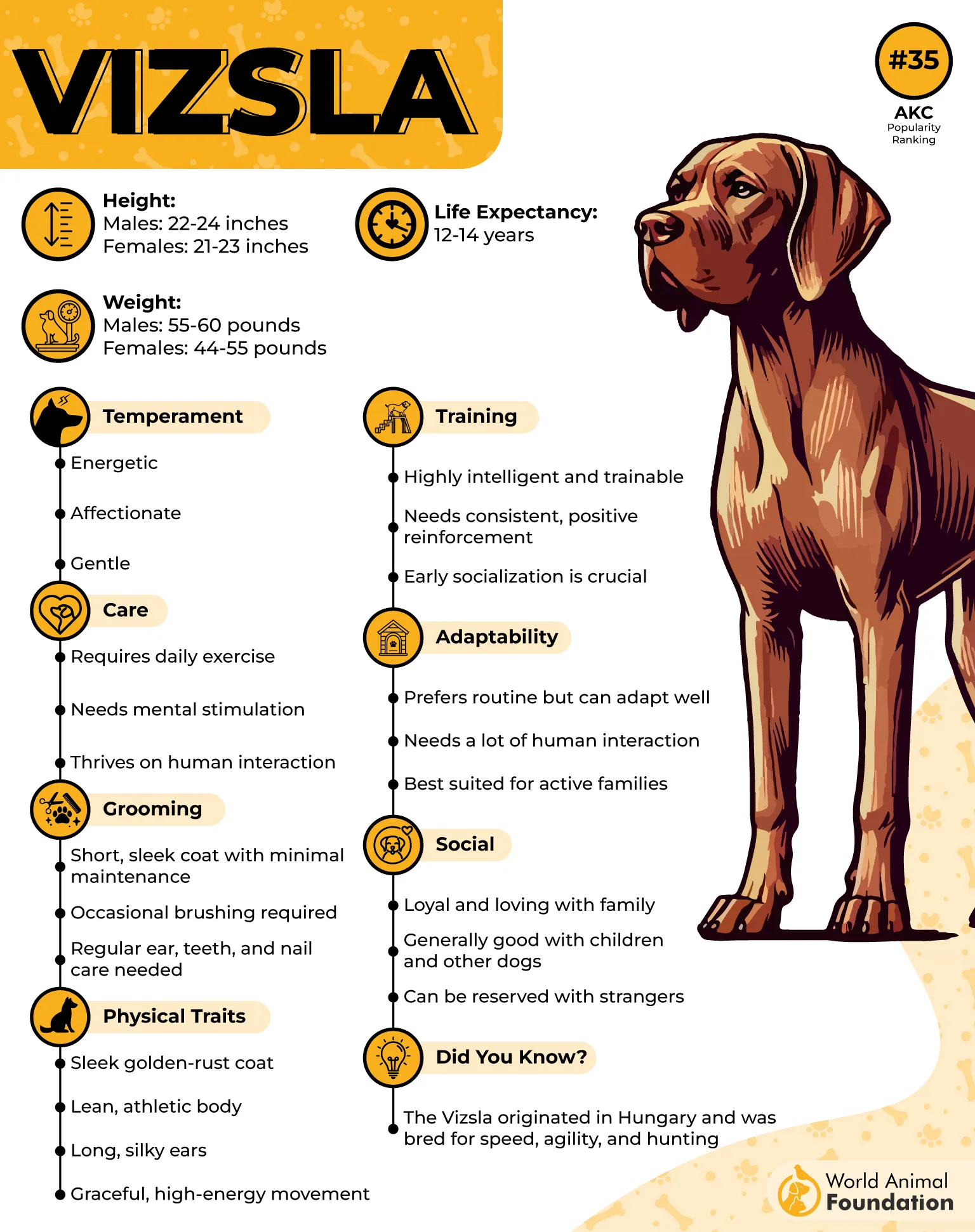
The Vizsla is a versatile hunting dog built for long days in the field. Known for their sleek, golden-rust coats, Vizslas move with grace, stamina, and intensity. In the uplands, they excel at finding and pointing birds, whether in open prairie, dense brush, or forested grouse country.
Hunters often describe them as athletic, fluid, and highly driven, with a natural ability to work closely with humans. Their loyalty and affectionate nature make them equally lovable at home.

Hunting Instincts and Training
Vizslas are born hunters with excellent noses and strong prey drives. They show pointing ability early and are natural retrievers.
Field trial lines often cover more ground at a faster pace, while hunting lines developed for foot hunters stay closer and work methodically. Training a Vizsla requires consistency and positive reinforcement. Effective methods include:
Reward Systems: Praise and treats encourage desired behaviors.
Consistency: Reinforce correct behavior every time to build reliable habits.
Verbal Commands: Simple cues like “Get the bird,” “Leave it,” or “Far enough” guide hunting behavior.
Experience: Time in the field refines instincts and builds confidence.Temperament and Versatility
Vizslas are people-oriented, sensitive, and eager to please. They thrive on attention and mental stimulation. Without a “job,” they can become mischievous, but proper training and socialization make them excellent companions.
They enjoy running, jogging, hunting, and snuggling alike. Their coat is easy to maintain, requiring occasional brushing and bathing, along with regular ear and dental care.
Whether pheasants, quail, or ruffed grouse hunting, Vizslas adapt to varied terrain and strategies, making them a top choice for upland bird hunting.
2. Weimaraner
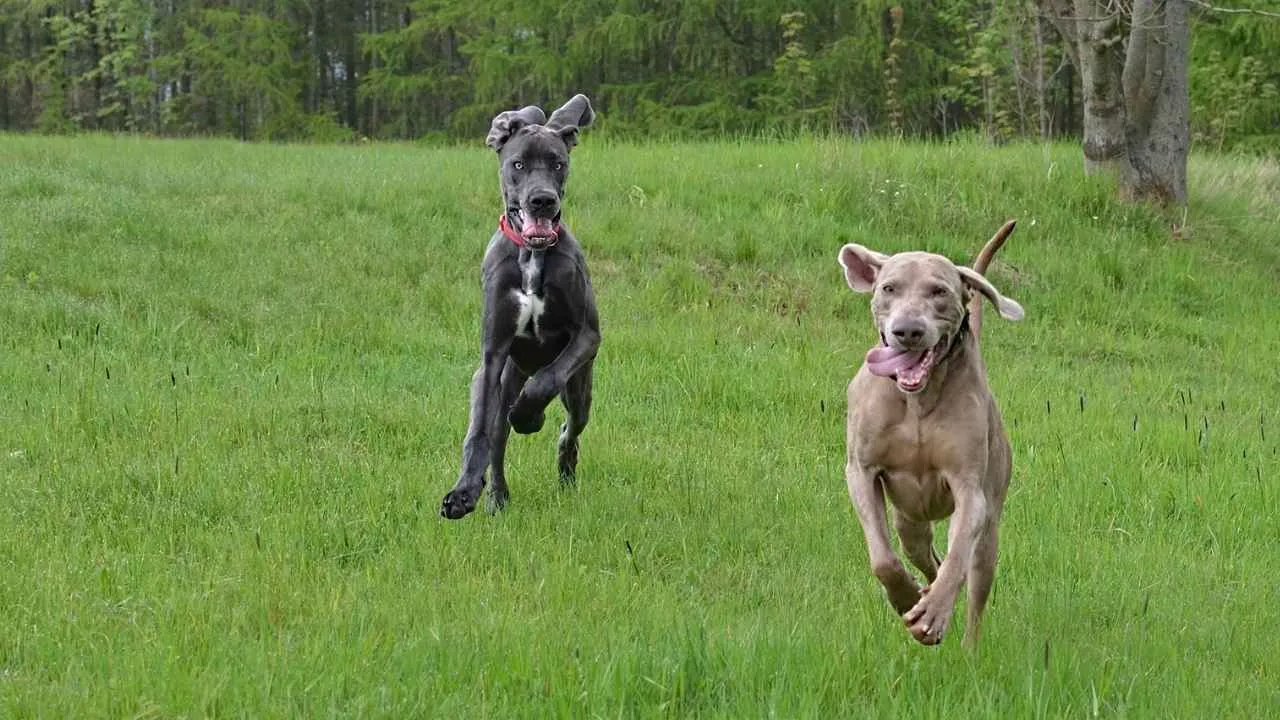
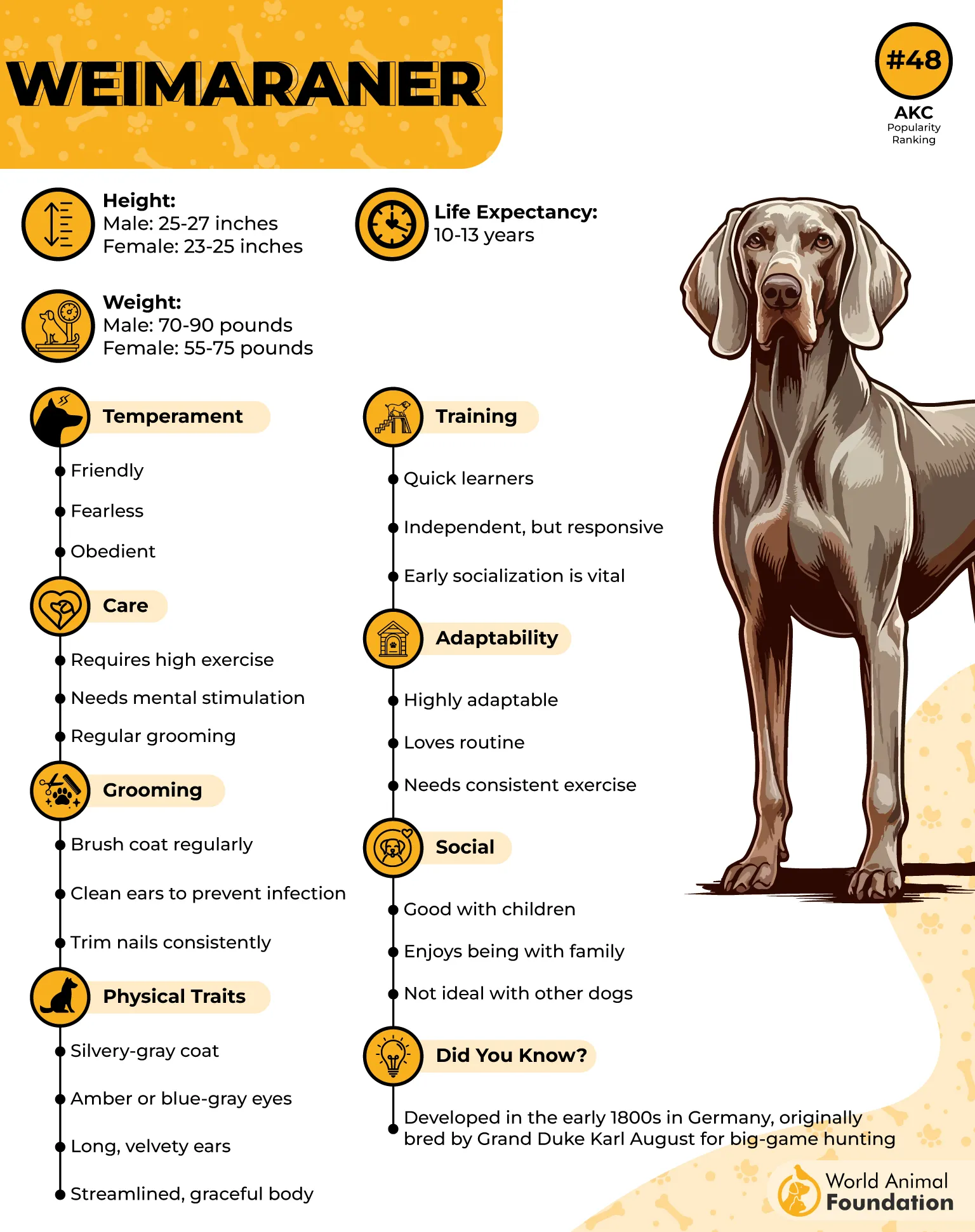
The Weimaraner, known as the “Gray Ghost,” is a sleek and energetic hunting dog. Famous for their silvery-gray coat and intense amber eyes, Weimaraners are fast, agile, and built for long days in the field.
Originally bred in Germany as versatile hunters, they can work upland game birds, waterfowl, and even predators. When on point, their speed, stamina, and focus are a breathtaking sight. Friendly, loyal, and people-oriented, they also make devoted family companions.
Hunting Skills and Training
Orvis states that Weimaraners have a strong prey drive, excellent noses, and natural pointing instincts. Those from field trial and German bloodlines cover more ground, work harder, and show greater intensity than many American show-line Weims. Effective training is crucial and works best with:
Consistency: Use steady commands and routines.
Reward-based methods: Treats and praise motivate them.
Specialized tools: E-collars or beeper-locators can help manage their speed and range.
Early exposure: Field experience with live birds builds confidence and skill.
Weimaraners respond well to advanced training like hunt tests, agility, and scent work. They can also handle water retrieves with practice, making them versatile in all kinds of upland and waterfowl scenarios.
Temperament, Care, and Lifestyle
Weimaraners are high-energy and require daily physical and mental activity. Running, hiking, hunting, and training keep them happy and well-behaved. They bond tightly with their owners and dislike long periods alone. Grooming is simple: brush weekly, trim nails, clean ears, and bathe as needed.
With proper socialization and consistent training, Weimaraners excel as both hunters and family companions. They are best suited for active households who can meet their exercise needs and provide a mix of hunting, play, and companionship.
3. Brittany
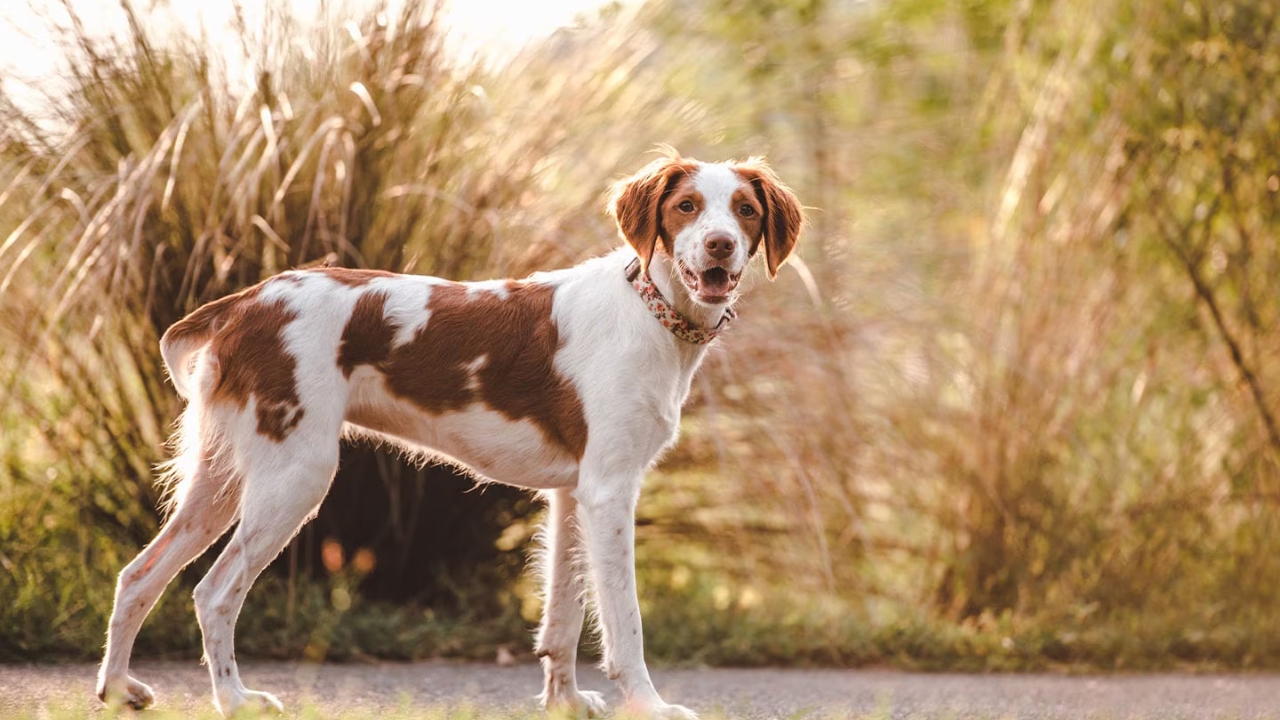
The Brittany is a lively, stylish, and agile hunting dog built for the uplands. With bold orange-and-white or liver-and-white coats, they are rugged yet quick and smooth on their feet. Brittanys excel at pointing birds in close cover, combining enthusiasm with intelligence.
They bond tightly with their owners, are eager to please, and thrive in active households. This makes them excellent companions for hunters who want a dog that is both a field partner and a family pet.
Hunting Instincts and Training
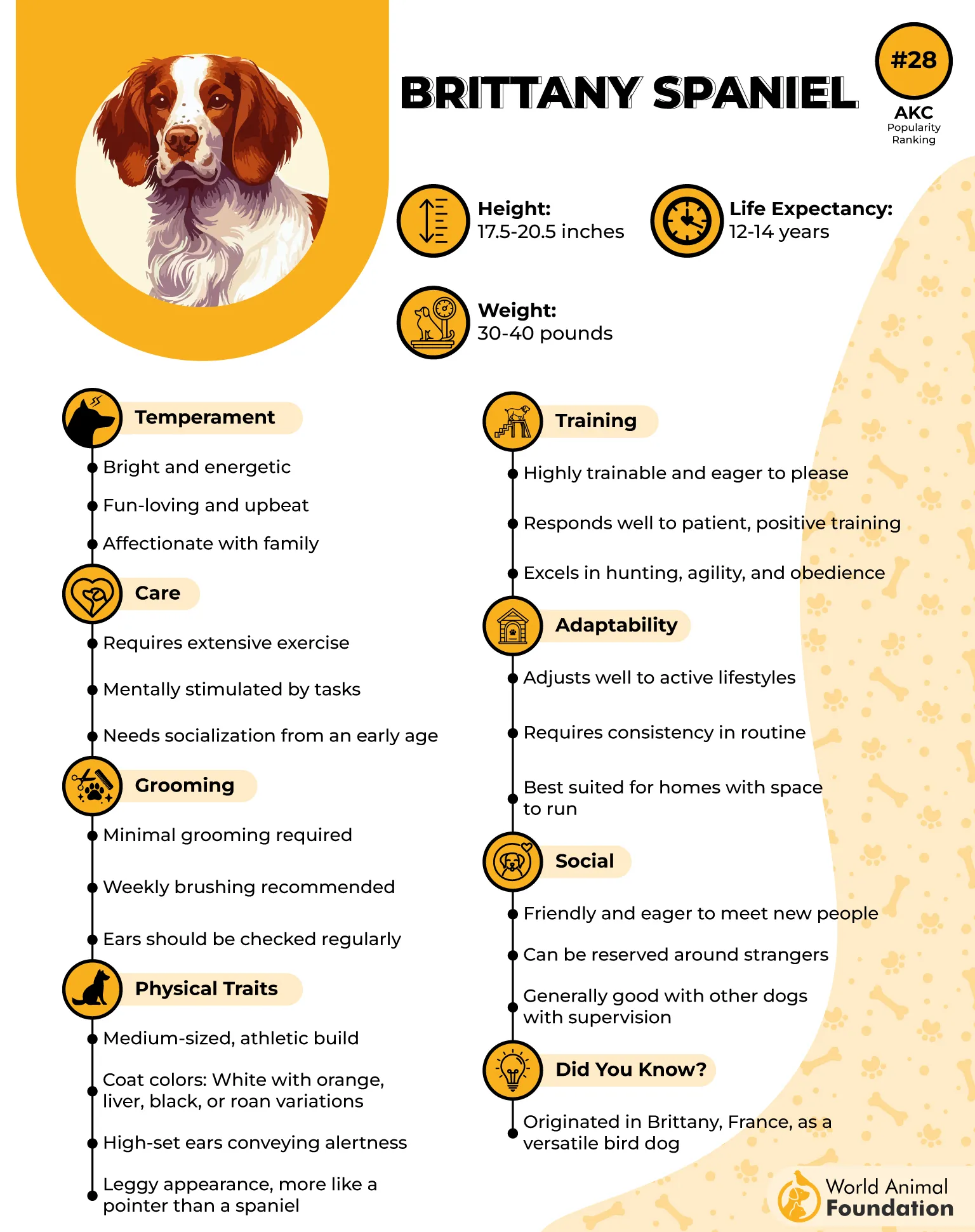
Brittanys are born hunters with natural pointing instincts and a strong desire to track and retrieve. They work best with patient, positive training and benefit from early socialization and puppy classes. Key training tips include:
Consistent reward systems: Praise and treats reinforce correct behavior.
Moderate-range hunting: Most Brittanys work effectively within 200 yards of the hunter.
Experience in the field: Frequent exposure to different birds and terrain sharpens skills.
Though not flashy on point, Brittanys are thorough and methodical hunters. Their intelligence can sometimes make them “manipulative,” so firm but gentle handling helps maximize their potential. With proper guidance, they excel in field trials, agility, obedience, and dog sports alongside hunting.
Temperament, Care, and Lifestyle
Brittanys are high-energy dogs that need daily exercise, including brisk walks, runs, and hunting practice. Their dense, feathered coat is easy to maintain with regular brushing, nail trimming, and ear care. Friendly, affectionate, and alert, they thrive both in the field and at home.
These versatile dogs adapt well to varied upland species and terrain, making them an ideal choice for hunters who value intelligence, stamina, and a loyal hunting companion.
4. Nova Scotia Tolling Duck Retriever
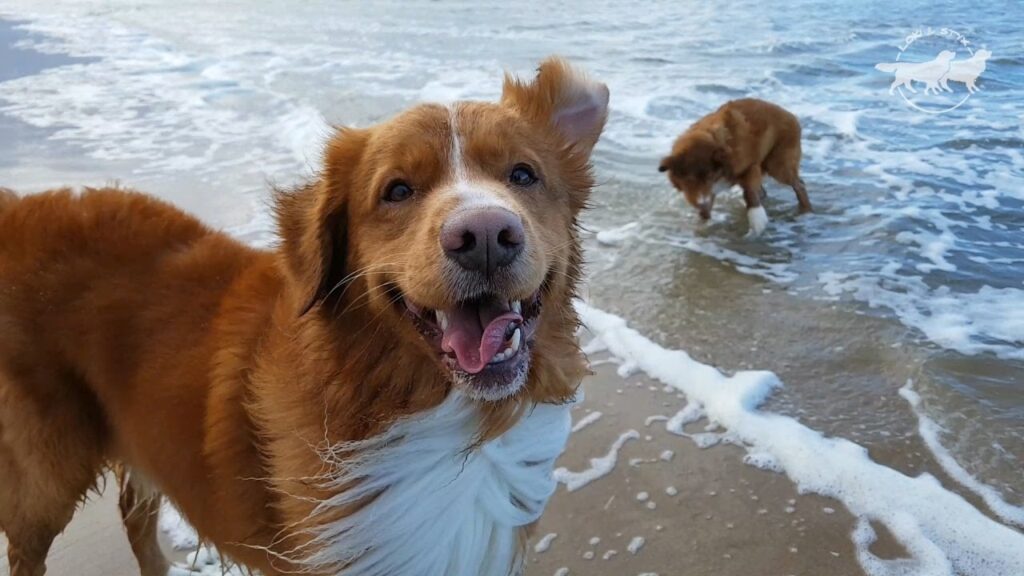
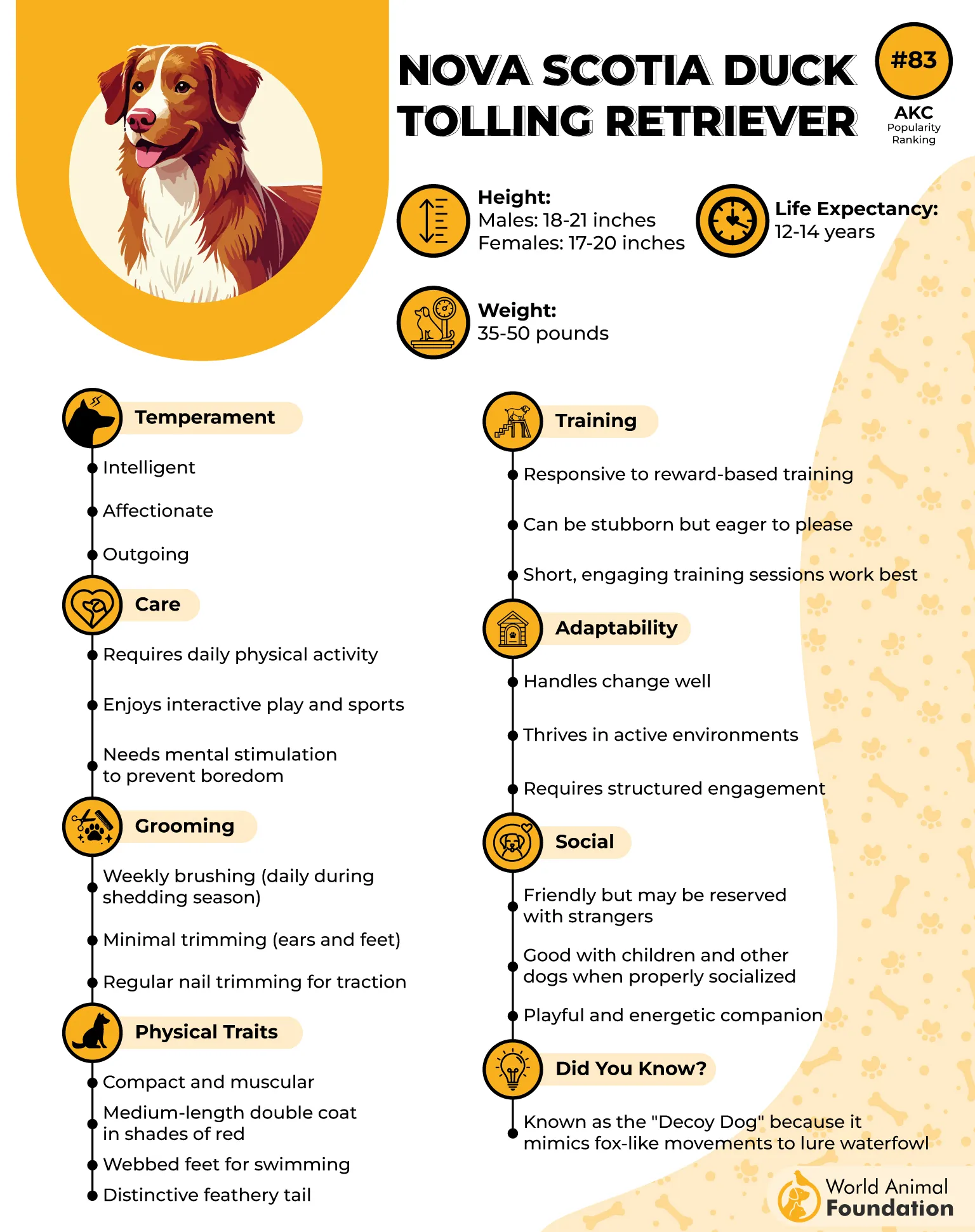
The Nova Scotia Duck Tolling Retriever, or “Toller,” is a medium-sized, red-coated hunting dog with a white-tipped tail. Originally bred in Nova Scotia, Canada, Tollers were designed to lure—or “toll”—ducks toward hunters and then retrieve them.
They are energetic, intelligent, and highly trainable, making them versatile hunters for both waterfowl and upland birds. Tollers are also affectionate family companions who thrive in active households.
Hunting Skills and Unique Abilities
Tollers are natural retrievers with strong noses, sharp eyesight, and high endurance. They combine several hunting skills:
Tolling: Playfully moving along shorelines to attract curious waterfowl.
Retrieving: Carrying birds gently back to the handler with a soft mouth.
Flushing and pointing: Using vision and scent to locate and drive game into range.
Moderate range: Their compact frame allows them to cover ground efficiently while remaining responsive to handlers.
Training works best with short, upbeat sessions and reward-based methods. Tollers can be sensitive, so harsh handling can reduce confidence. With consistent guidance, they perform reliably in hunting, obedience, agility, and dog sports.
Temperament, Care, and Lifestyle
Tollers are energetic, playful, and independent, yet people-focused. They need daily physical and mental stimulation, including runs, fetch, or water work. Their dense double coat sheds and requires brushing a few times a week.
According to PetMD, Tollers generally get along well with children and other pets when socialized early. With proper care, exercise, and training, they are good bird dogs and loyal, affectionate companions for active families.
5. English Setter
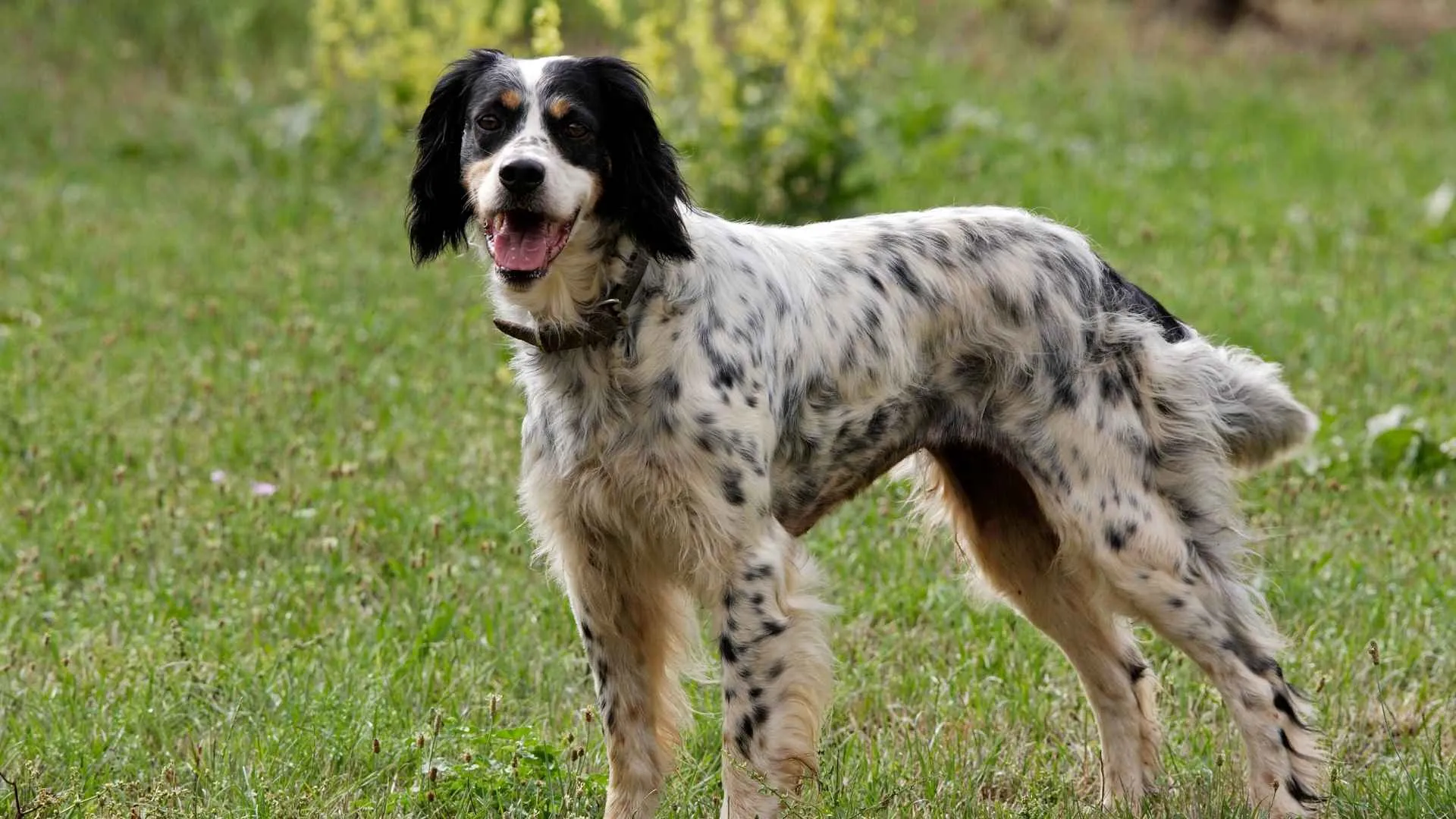
The English Setter is a medium-sized dog known for grace, charm, and a speckled “belton” coat. Bred in the United Kingdom for quail, grouse, woodcock, and pheasant hunting, this breed combines style with function.
English Setters are friendly, intelligent, and sensitive, making them excellent companions both in the field and at home. They bond closely with families and other dogs, but their high prey drive requires early training and consistent guidance.
Hunting Skills and Versatility
English Setters are natural hunters with strong noses, keen eyes, and a soft mouth. Key traits include:
Pointing: Freezing in place when locating birds to indicate game to the hunter.
Retrieving: Bringing downed birds back reliably on land or water.
Quartering efficiently: Covering ground in measured sweeps while remaining in sight and range of hunters.
Adaptability: Handling different terrains, from thick cover to open fields, and adjusting pace based on game type.
Experienced hunters often praise English Setters for teamwork, attentiveness, and balance between speed and thorough coverage. Hunting lines, such as Llewellin or field-trial stock, are bred specifically for stamina, drive, and cooperation in the field.
Temperament, Care, and Exercise
English Setters are affectionate, gentle, and playful. They thrive with daily vigorous exercise, such as off-leash runs, long walks, or jogging, but settle calmly indoors afterward. Grooming needs include weekly brushing of the silky coat, attention to feathered areas, regular nail trims, and ear care.
Positive, reward-based training works best due to its sensitive nature. With proper exercise, care, and socialization, English Setters excel as versatile hunting dogs and devoted family companions.
6. German Shorthaired Pointer
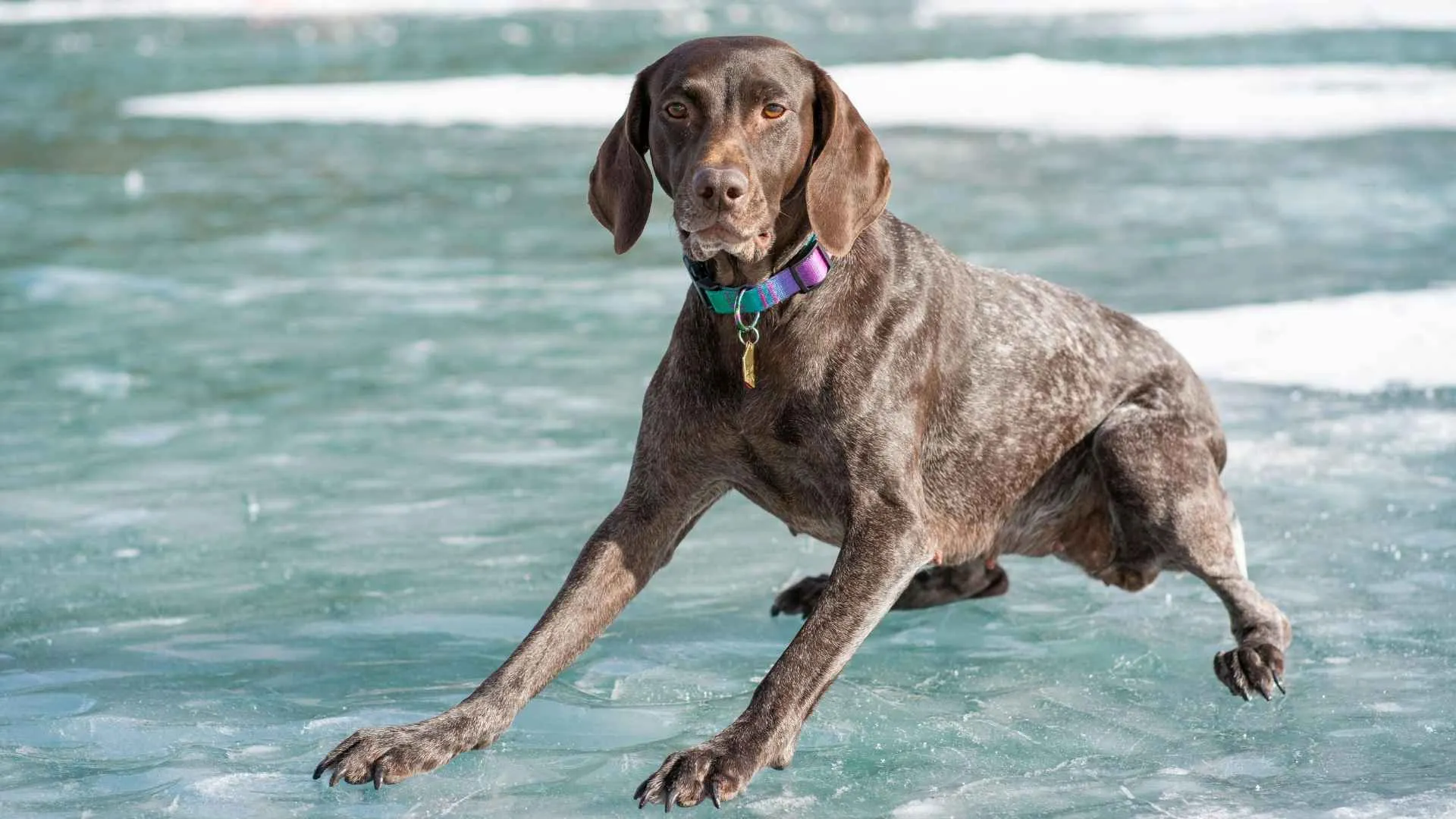
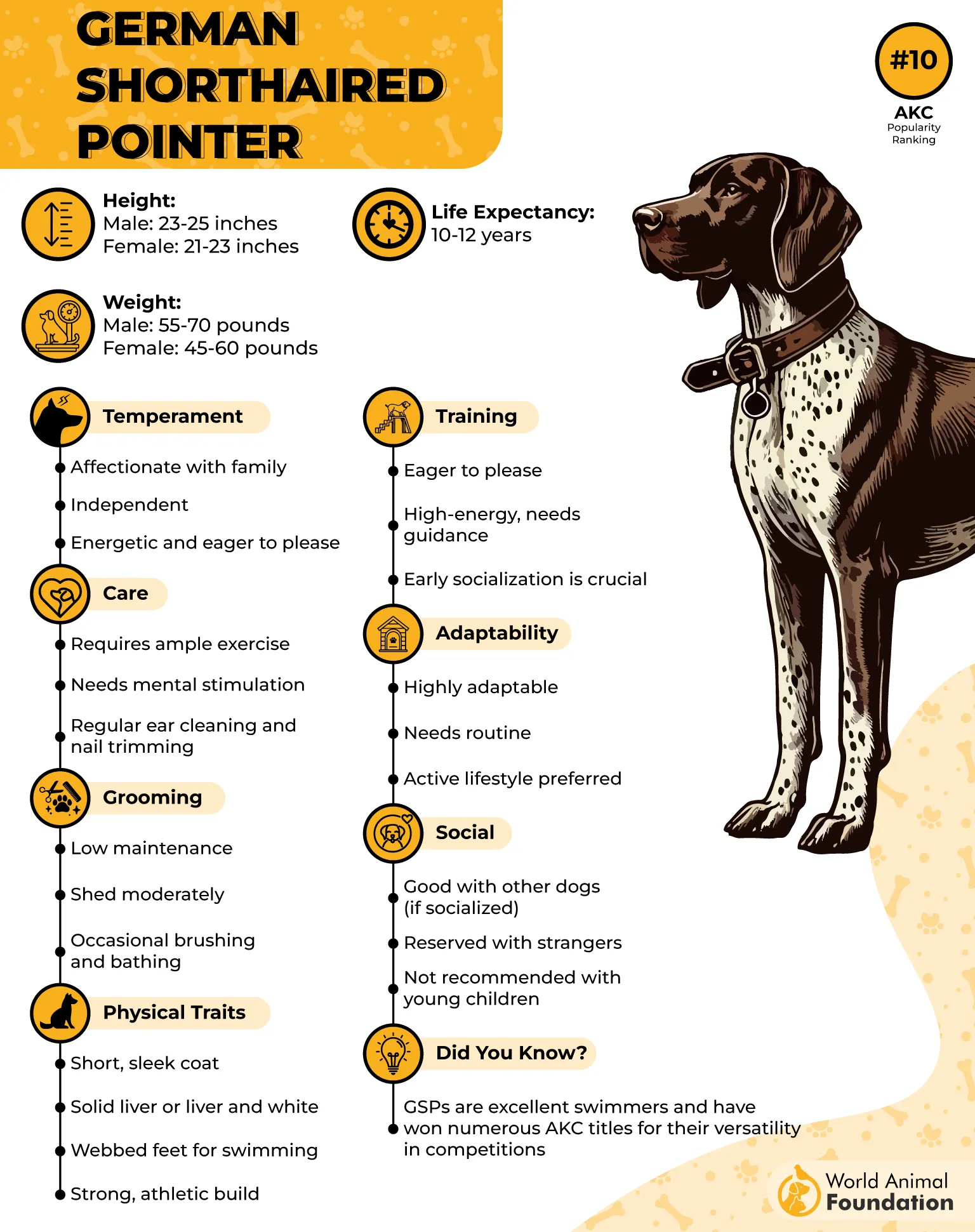
The German Shorthaired Pointer (GSP) is a medium-sized sporting dog celebrated for versatility, endurance, and athleticism. Bred in Germany for pointing, retrieving, and upland hunting, GSPs are bold, intelligent, and highly trainable.
They form strong bonds with their families and thrive on active lifestyles that include running, swimming, hiking, or dog sports. GSPs are affectionate at home but display sharp focus, speed, and stamina in the field.
Hunting Ability and Field Performance
GSPs are true all-purpose gundogs with exceptional bird-finding skills:
Pointing: A stopping and signaling game for hunters to flush.
Retrieving: Bringing back gamebirds and waterfowl reliably, using a soft mouth.
Versatility: Working on upland fields, wooded cover, or icy water with equal efficiency.
Adaptability: Adjusting range, speed, and quartering patterns according to terrain and hunting style.
Well-bred GSPs combine intelligence with drive, enabling them to handle both upland and waterfowl hunting. With proper training, they become steady, cooperative partners that excel in team hunts or solo work.
Experienced hunters recommend using positive reinforcement, consistent practice, and early exposure to guns and birds to maximize performance.
Care, Training, and Exercise
German Shorthaired Pointers need daily vigorous exercise to stay healthy and happy. This can include long runs, off-leash play, swimming, or dog sports. They have short, low-maintenance coats that shed moderately, requiring regular brushing, ear checks, and nail trims.
GSPs are intelligent and sensitive, responding best to consistent, reward-based training. When given structure, stimulation, and attention, these dogs excel as versatile hunting partners and loyal family companions, thriving both in the field and at home.
7. Irish Setter
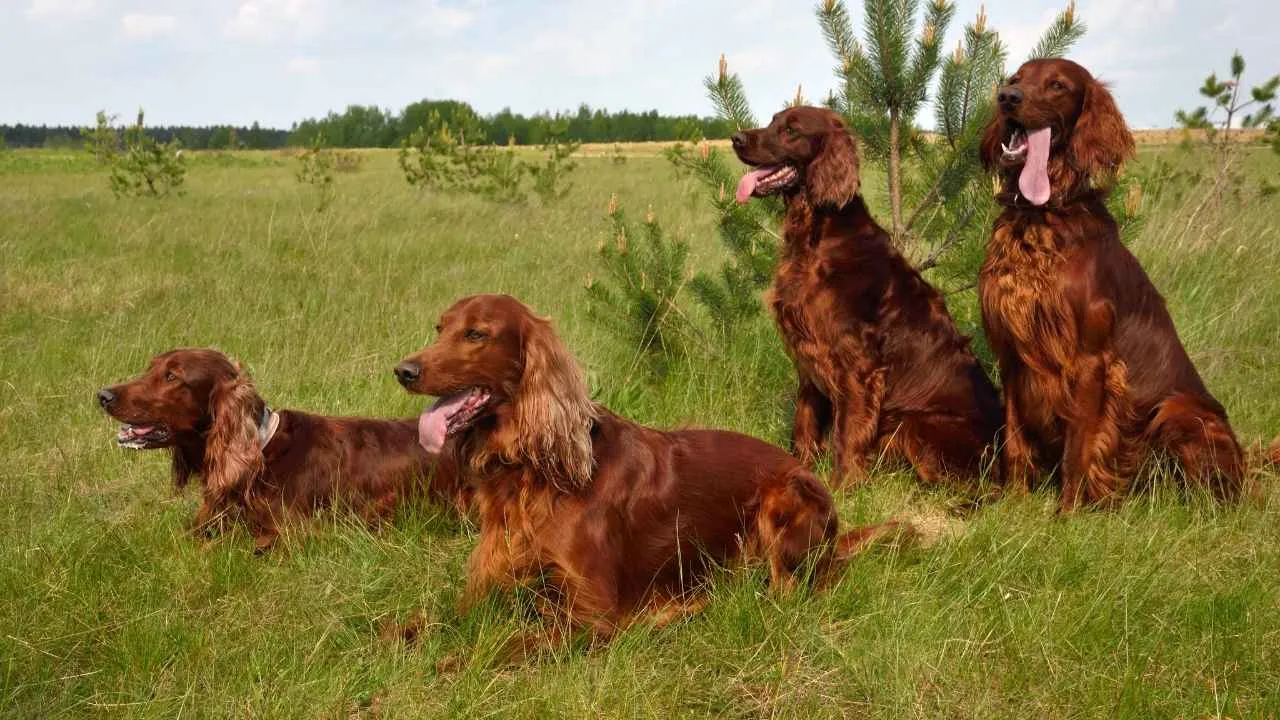
The Irish Setter is a medium-to-large sporting dog known for its stunning red coat, grace, and boundless energy. Originally developed in Ireland from English setters, spaniels, and Gordon setters, the breed excelled as a gentleman’s gun dog and field trial competitor.
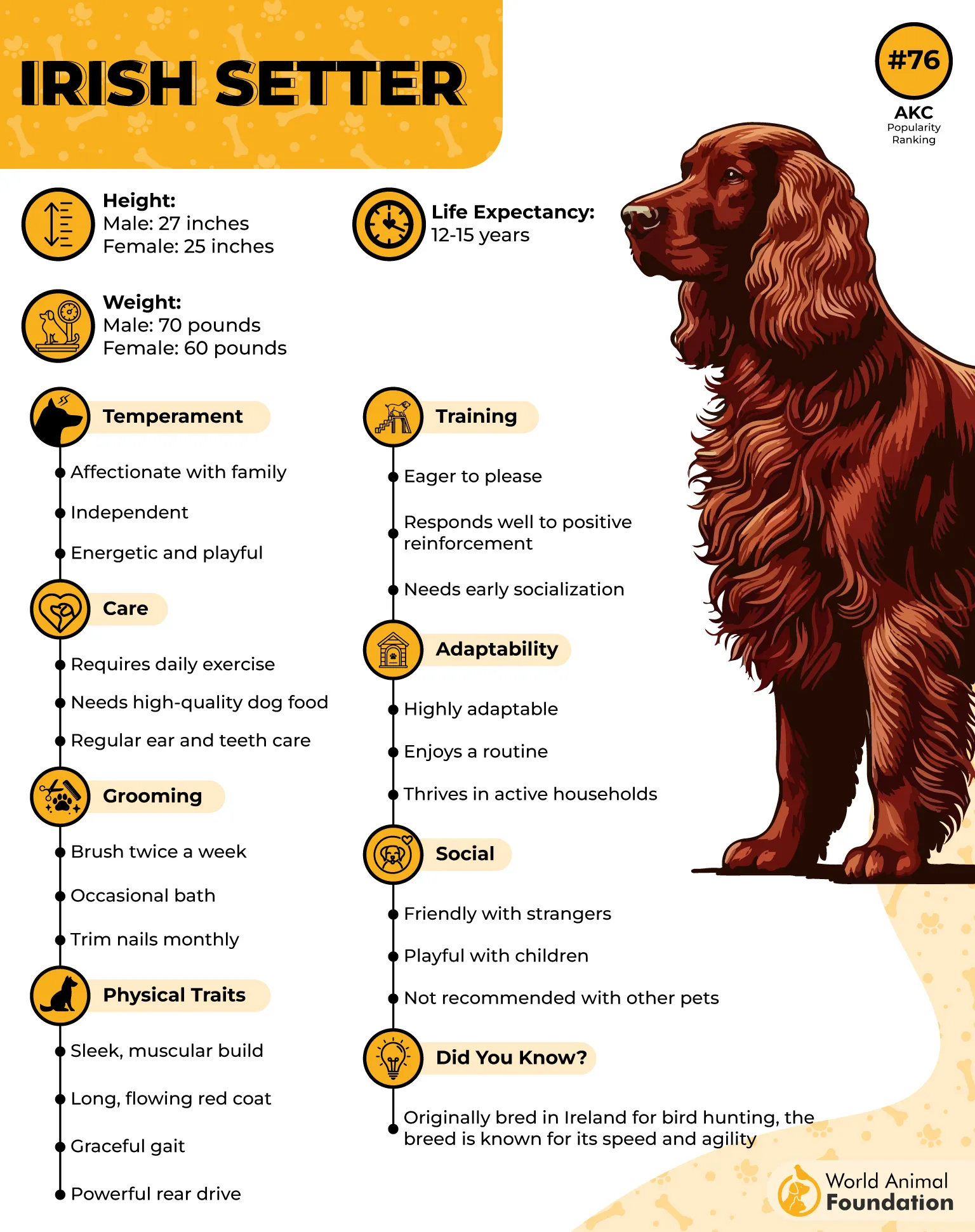
Athletic and elegant, males typically stand 25–27 inches and weigh 60–70 pounds, while females are slightly smaller. Irish Setters are outgoing, affectionate, and highly social, making them excellent companions for active families as well as skilled hunting partners.
Hunting Skills and Field Performance
Irish Setters are spirited bird dogs with natural hunting instincts and versatility:
Pointing & Quartering: Excel at locating gamebirds, holding a steady point, and working methodically in cover.
Retrieving Skills: Naturally inclined to retrieve to hand, both on land and in shallow water.
Intelligence & Trainability: Quick learners who respond best to positive reinforcement and consistent guidance.
Cooperative and Affectionate Nature: Work closely with hunters and other dogs, adjusting range and style according to the situation.
Field-bred Irish Setters combine elegance with endurance, covering ground efficiently while keeping a close connection to their handler. Their strong prey drive and keen nose make them highly effective in a variety of habitats, from dense brush to open fields.
With proper early training and exposure to different birds and terrains, these energetic dogs develop into versatile, dependable companions in the field, capable of matching or exceeding the performance of other classic pointing breeds.
Care, Training, and Exercise
Irish Setters thrive on daily vigorous exercise, which can include long walks, runs, hikes, or dog sports such as agility, flyball, or rally.
The AKC mentions that their medium-length, silky coats require brushing at least twice a week, occasional baths, nail trims, and ear checks to prevent mats and maintain skin and coat health.
Highly intelligent and eager to please, Irish Setters respond best to consistent, positive training, particularly when begun early. With proper exercise, mental stimulation, and gentle guidance, the Irish Setter flourishes as both a good house dog and a capable upland hunting dog.
Conclusion
All six of these sporting breeds bring their own unique combination of energy, intelligence, and hunting ability. They are not just skilled hunting partners but loyal companions who flourish in families that match their activity level and spirit.
Choosing one of these breeds means welcoming a devoted, playful, and athletic friend into your life. Take the time to research breeders, understand each breed’s needs, and invest in proper training. The right dog will reward your effort with years of adventure, companionship, and unforgettable moments in the field and at home.
Looking for more bird dog breeds? You can also check out the Labrador Retriever, English Springer Spaniel, German Wirehaired Pointer, English Cocker Spaniel, Chesapeake Bay Retriever, Golden Retriever, Brittany Spaniel, Wirehaired Pointing Griffon, Flat-coated Retriever, and Boykin Spaniel.
