




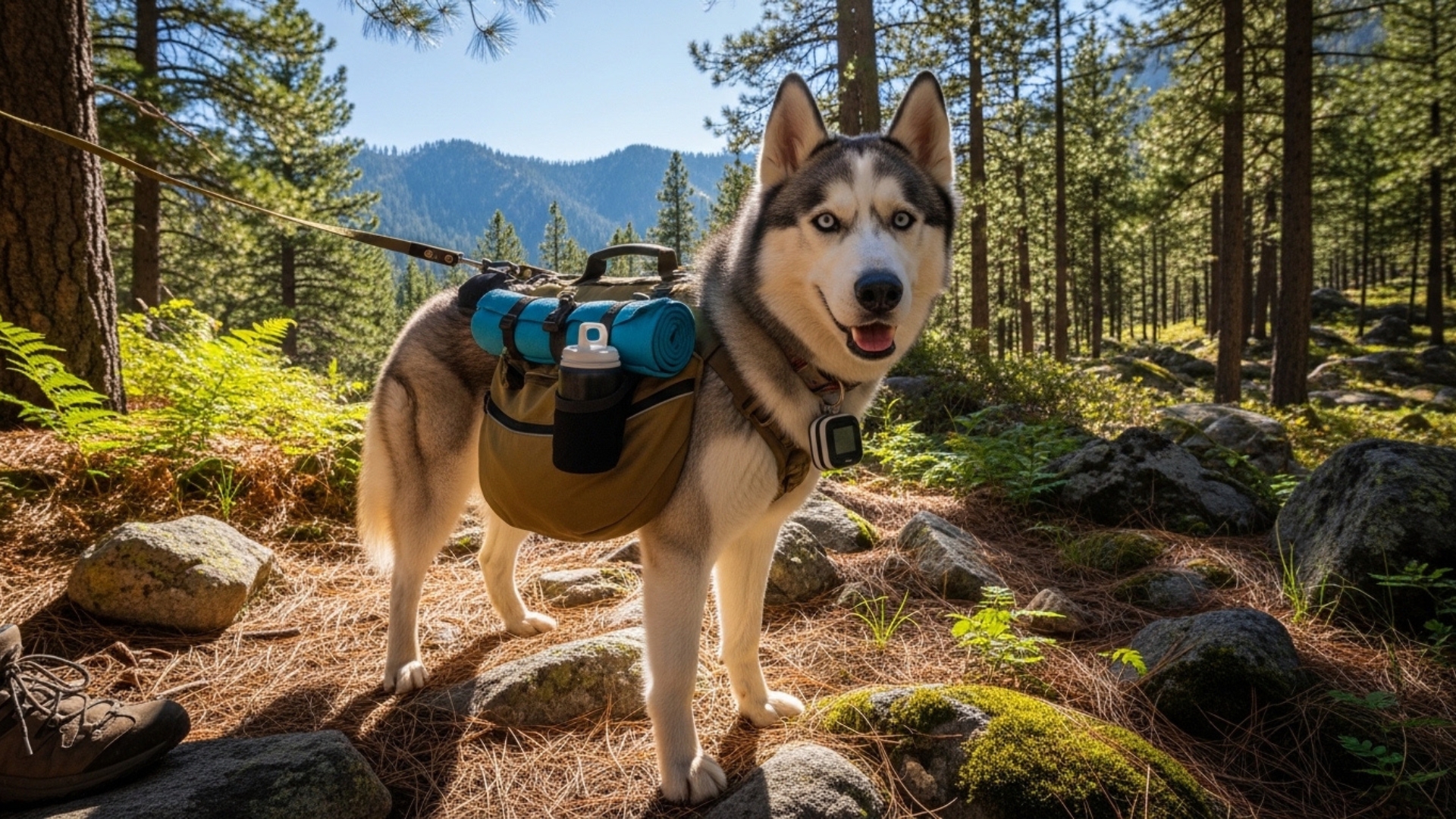
When you zip up your tent at night and see your dog’s nose nudging the flap as if to say, “Hey, let’s go have some fun!”, you know you’ve found a hiking companion who never seems to tire.
These dog breeds are energetic, playful, and protective. The right choice feels like the ultimate trail buddy: part comedian, part security system, and part natural compass.
Hiking with a dog is like trekking with a furry roommate who can’t talk but expresses everything through love, excitement, and loyalty. Experienced campers often say that the most memorable trips aren’t about conquering miles, but about sharing them with a dog that runs the trails by your side, showers you with affection, and keeps you safe like a devoted guardian.
Let’s meet 10 dog breeds built for endless camping adventures.
Dog Breeds Designed for Endless Camping Excursions
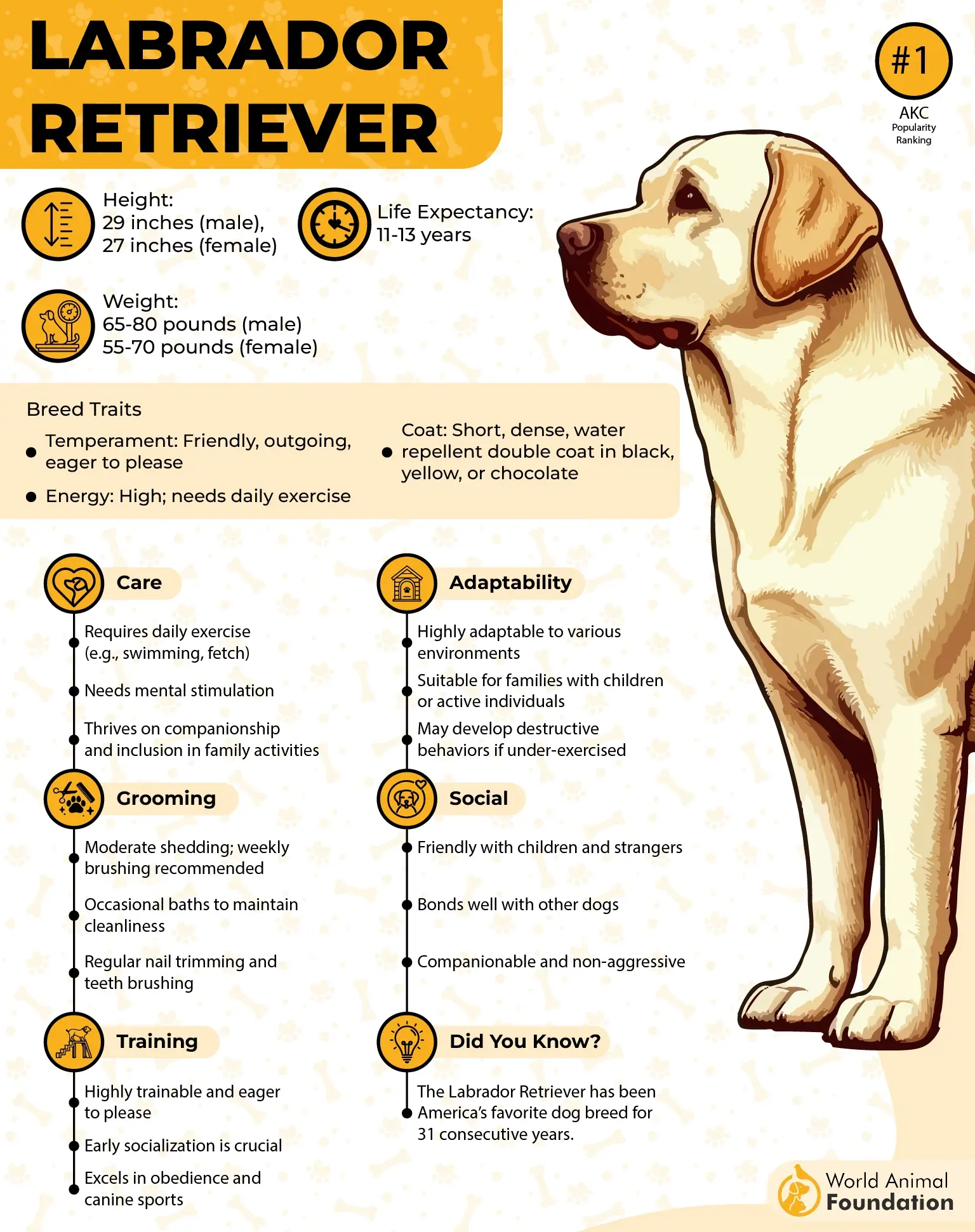
1. Labrador Retriever
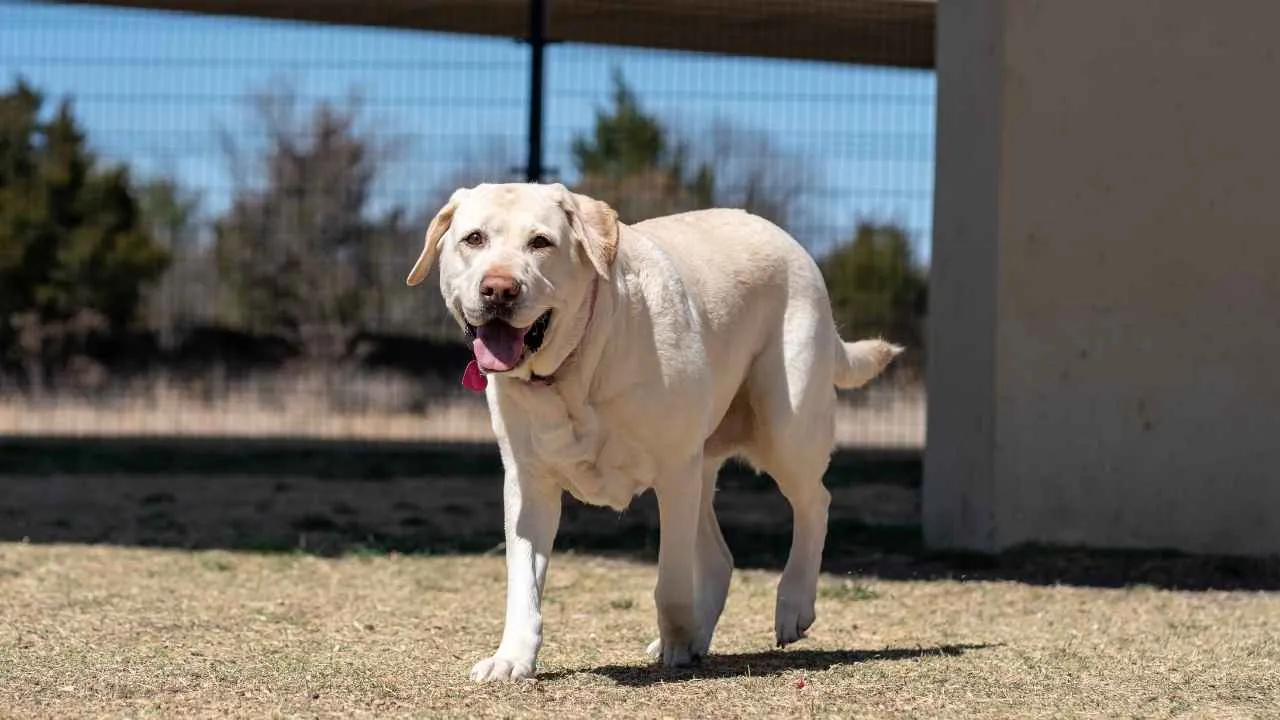
The Labrador Retriever is considered one of America’s most loving dog breeds. They are highly sociable and make friends with other dogs and neighbors.
Heat And Food Are Indicators
Labrador Retrievers tend to work hard and enjoy outdoor activities. However, they are heat-sensitive. So, shady rests and water breaks become mandatory on warm trips. These pups have a big stomach, so they have a natural tendency towards overeating. Add extra snacks for these dogs on hiking adventures.
Tail Energy Can’t Be Ignored
Because of a short and dense coat, they don’t need regular grooming. But in fall and spring, you will notice hair in sleeping bags, zipped gears, and in car seats. Brushing frequently during these seasons really helps.
Quick Snapshot
Grooming: They require regular brushing since this breed sheds heavily
Movement: This dog needs to be consistently involved in any activity
Temperament: Steady, gentle, and people-friendly
Watch outs: Avoid overexertion in heat and monitor for potential weight gain
Best For: Family-style trips, lakeside camps, and long fetch sessions
2. Border Collie
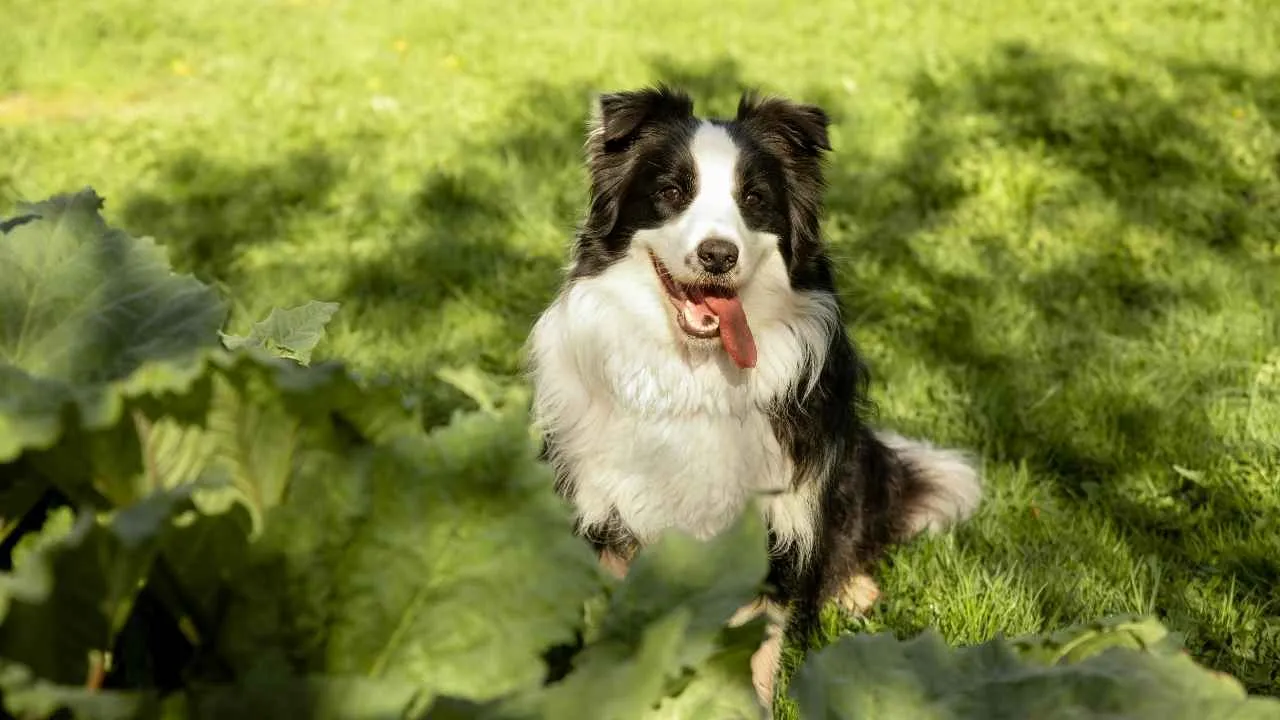
Border Collies have high energy, and they are smart, too. They are friendly and ready to cuddle you at night when you need a warm and gentle hug. They are good with friends but reserved with strangers.
Built For Long Days And Tough Weather
If you are into long hikes, this is the perfect fit. Herding instincts are what make them highly focused. Border Collies can even go outside in extreme weather conditions as long as water and shelter are provided.
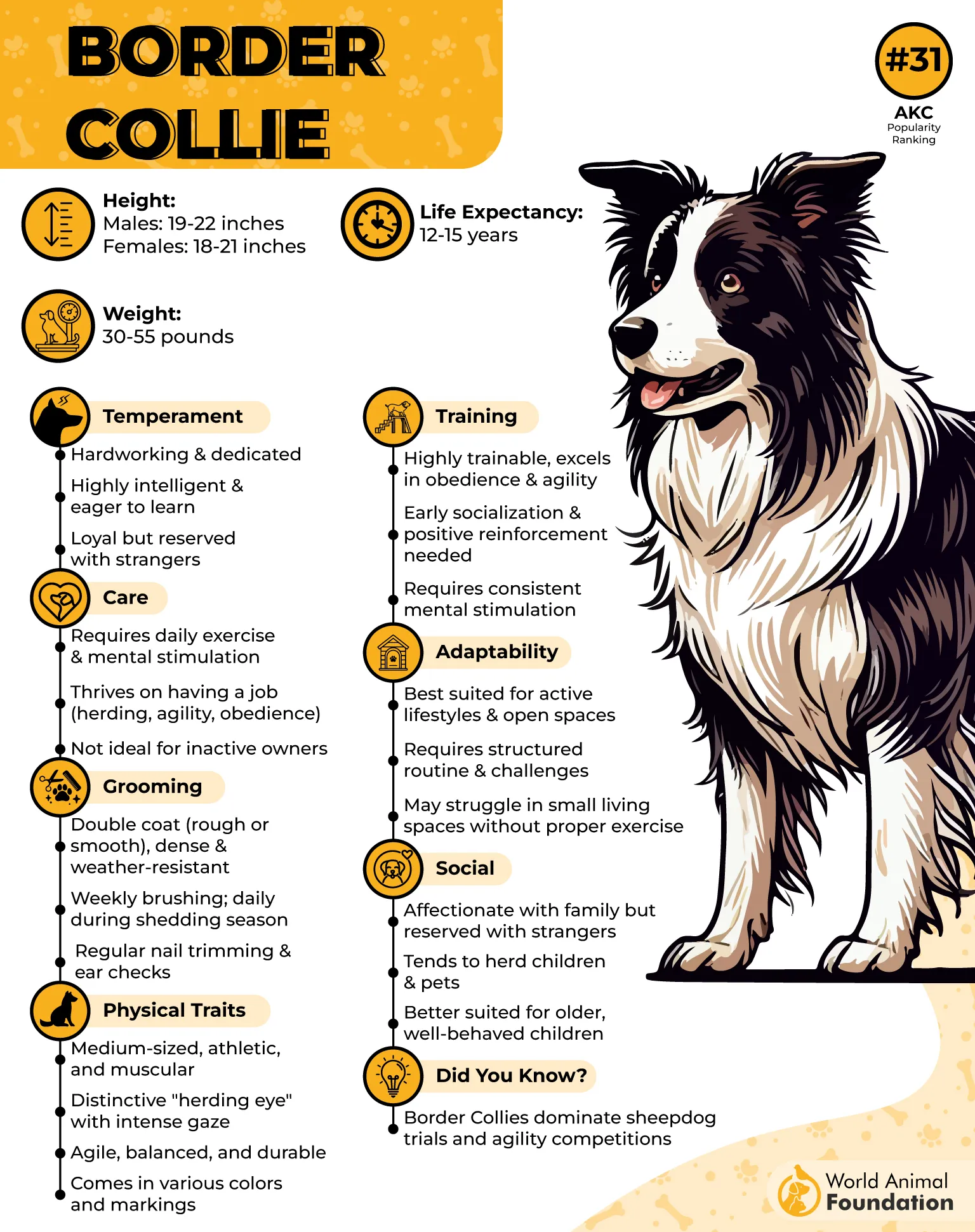
Don’t Pack Boredom
A Border Collie loves to give you unwanted challenges if you do not give them enough entertainment. They love to chase movement, herding kids, and ask for attention.
Quick Snapshot
Grooming: Regular brushing is needed since they have a heavy coat
Movement: They are highly focused, so regular exercise is recommended
Temperament: Intense, loyal, and eager to work
Watch outs: Overwork may lead to exhaustion; rest time matters
Best For: Hikers who can commit to a structured routine and training
3. German Shorthaired Pointer
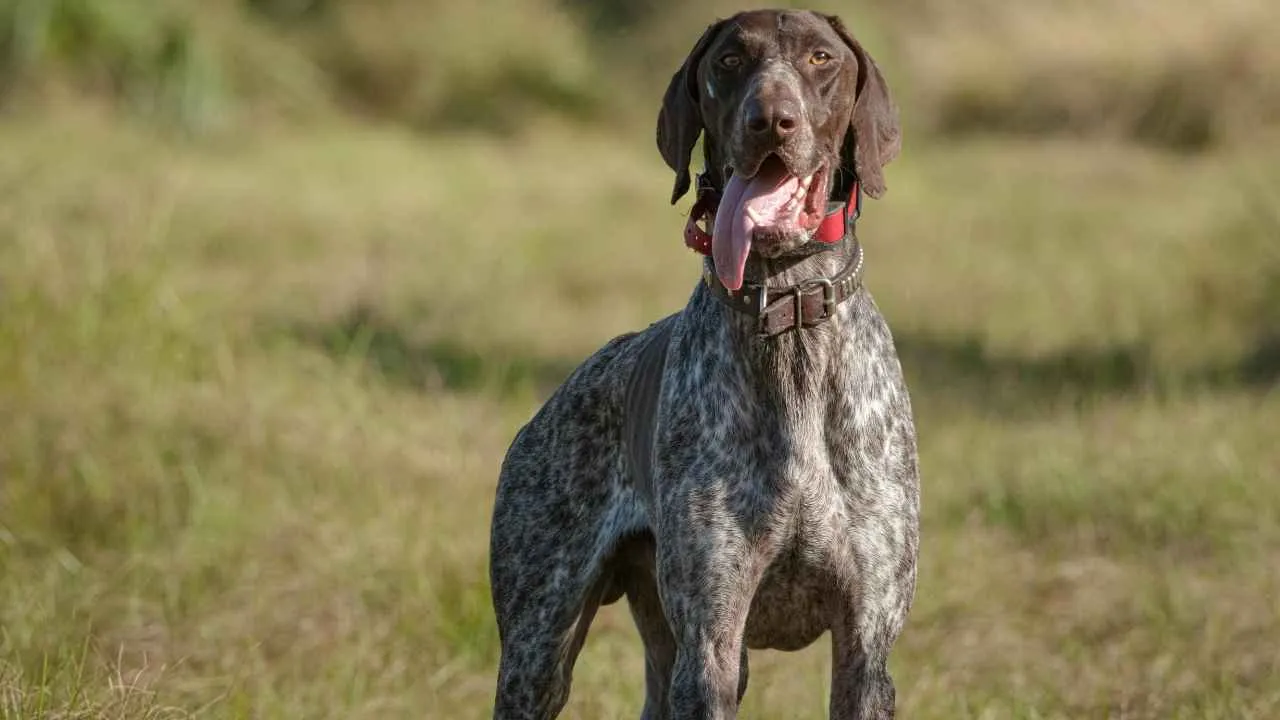
The German Shorthaired Pointer, AKA “bird dog,” is trained to retrieve birds. These dogs direct the scent source using their pointed nose. They were originally bred to be all-round hunting dogs in late 1800s Germany.
Prey Drive Changes Campsite Rules
Their strong prey drive helps them catch rabbits, bats, and squirrels in a matter of seconds. Secure areas are important because they try to scale the fence when the prey is close.
Orvis states that they are quick learners, and their high prey drive can be controlled with consistent obedience training.
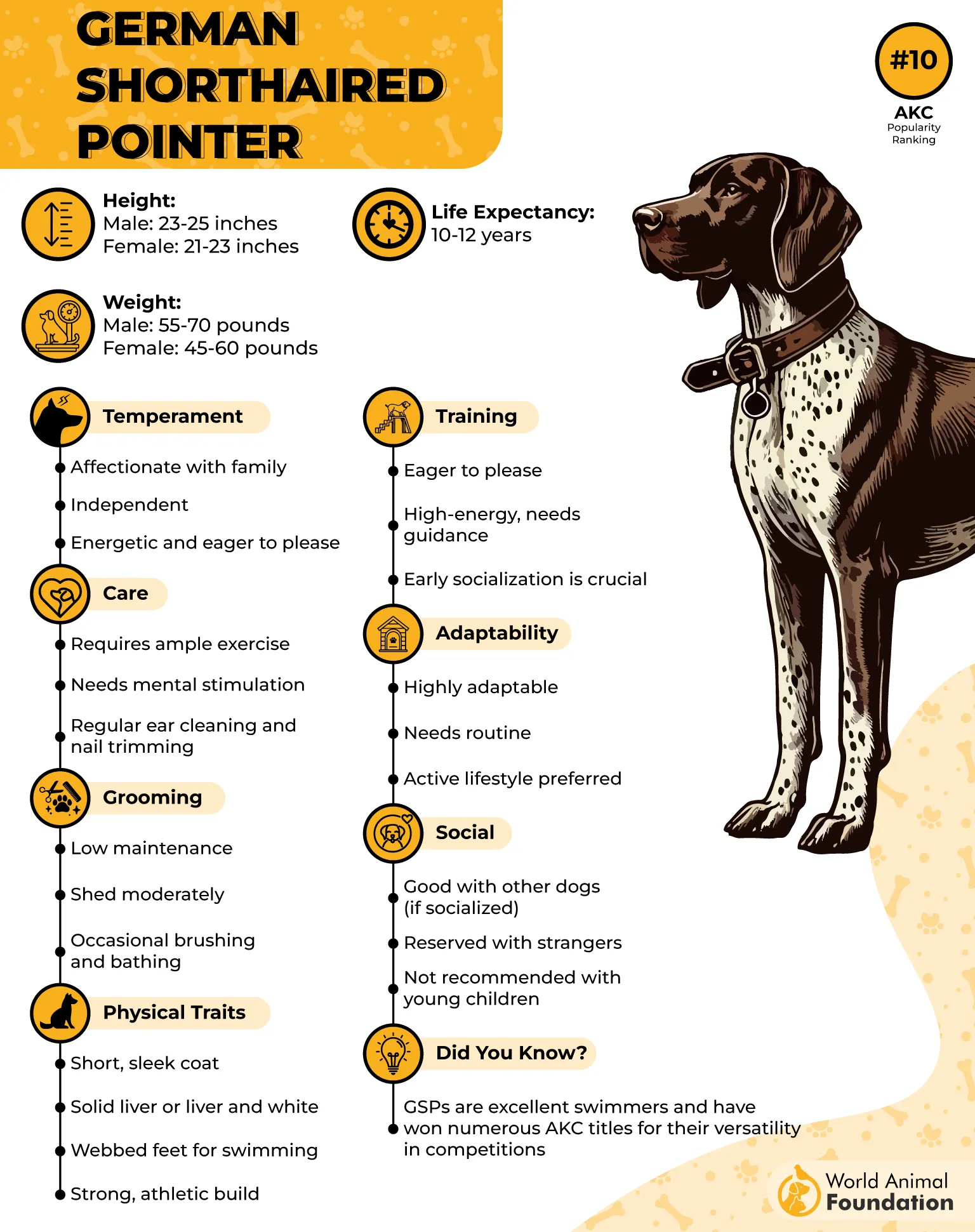
Feed And Rest Like An Athlete
These athletic dogs can have serious bloating risks, so a scheduled meal routine is important. They need to be relaxed one hour before and after the meal.
Quick Snapshot
Grooming: Short-haired dog, so weekly brushing is enough
Movement: Minimum of 2 moderate walking sessions
Temperament: Active, affectionate, and loves outdoor adventures
Watch outs: Avoid intense movement around meals, since they have a high bloating risk
Best For: Campers with an active lifestyle who hike big miles
4. Australian Shepherd
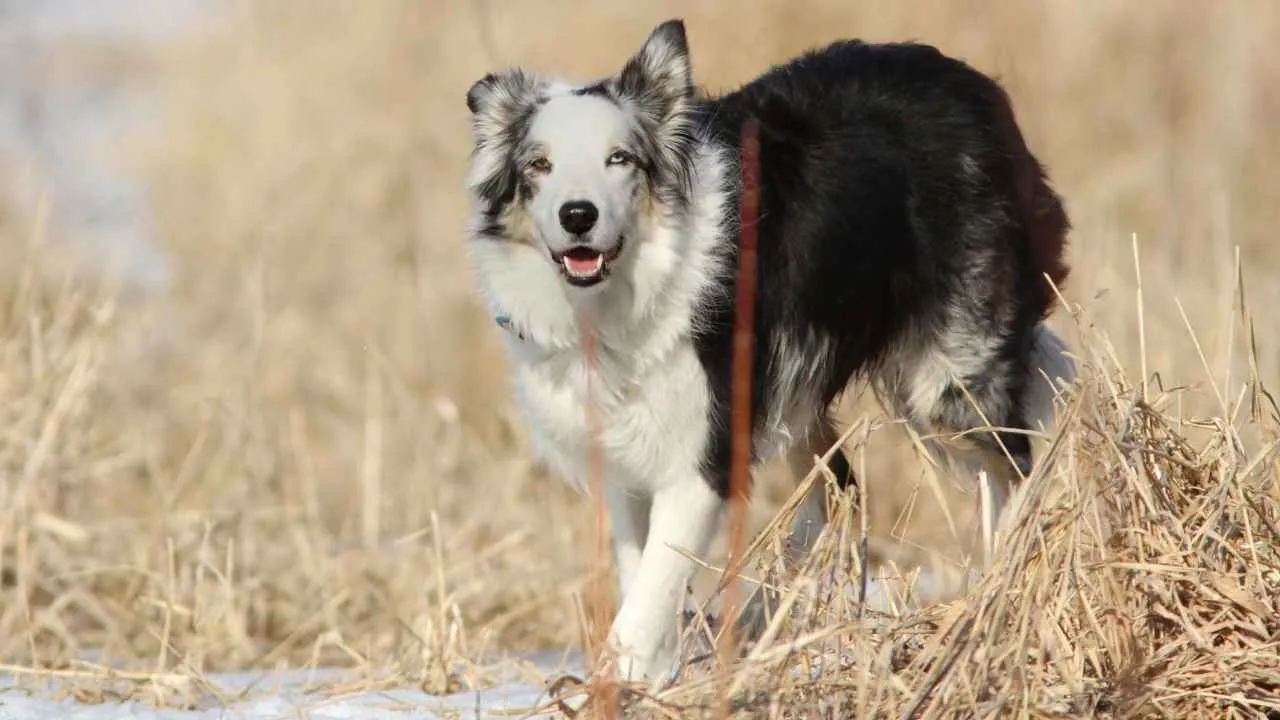
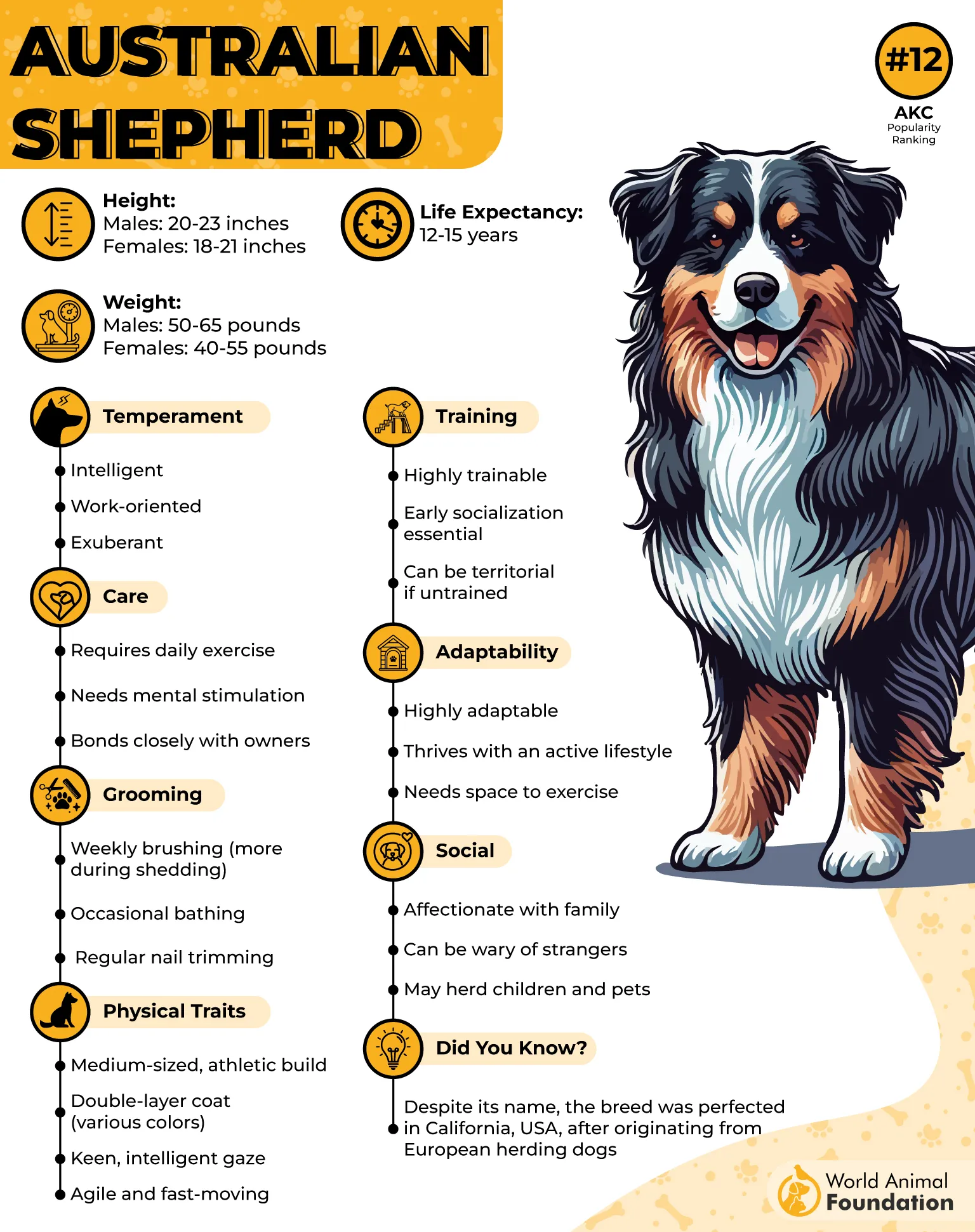
Australian Shepherds are not for everyone. But if you are looking for a trainable, tireless, and brainy companion, this is a perfect choice for you. Originally bred as a working dog, they still stick close to their genetic roots and enjoy having a tough job, as PetMD mentions.
A Natural All-Day Worker
They are high-energy herding breeds. They can work tirelessly for longer periods of time. Combined mental and physical stimulation can yield good results. Left alone for too long, this breed can become anxious and may cause destruction.
A Dog Who Loves To Participate
Australian Shepherds are quick learners and extremely intelligent. They work well with positive and reward-based training. They absolutely love people, and some owners often describe them as “glue”. Since they are ready to please, they tend to learn camping tactics quickly.
Quick Snapshot
Grooming: Regular brushing is needed to prevent debris
Movement: Intense mental and physical stimulation is appreciated
Temperament: Protective, loyal, and intelligent dogs
Watch outs: Avoid stressful conduct to keep them mentally satisfied
Best For: Active families who like routine and training
5. Siberian Husky
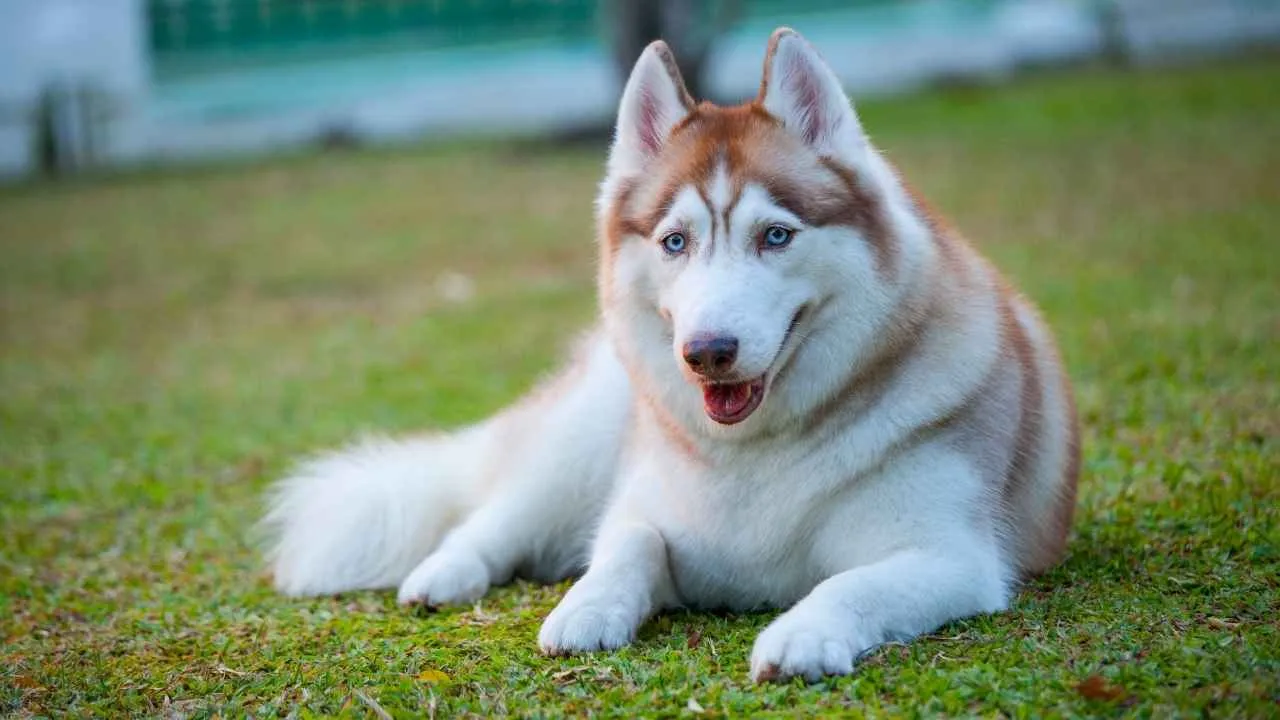
Initially not so impressive to Alaskans in 1908, this Siberian Husky is now one of the most popular breeds in whole Alaska. They are resistant to harsh cold climates, including frozen landscapes and snowy terrain.
Freedom Is What They Crave
Siberian Huskies are usually not treated like props, but as teammates and guided travel partners because they do not like to be instructed. Control and obedience training are non-negotiable since the journeys mostly include remote camps.
Exercise First And Then Relax
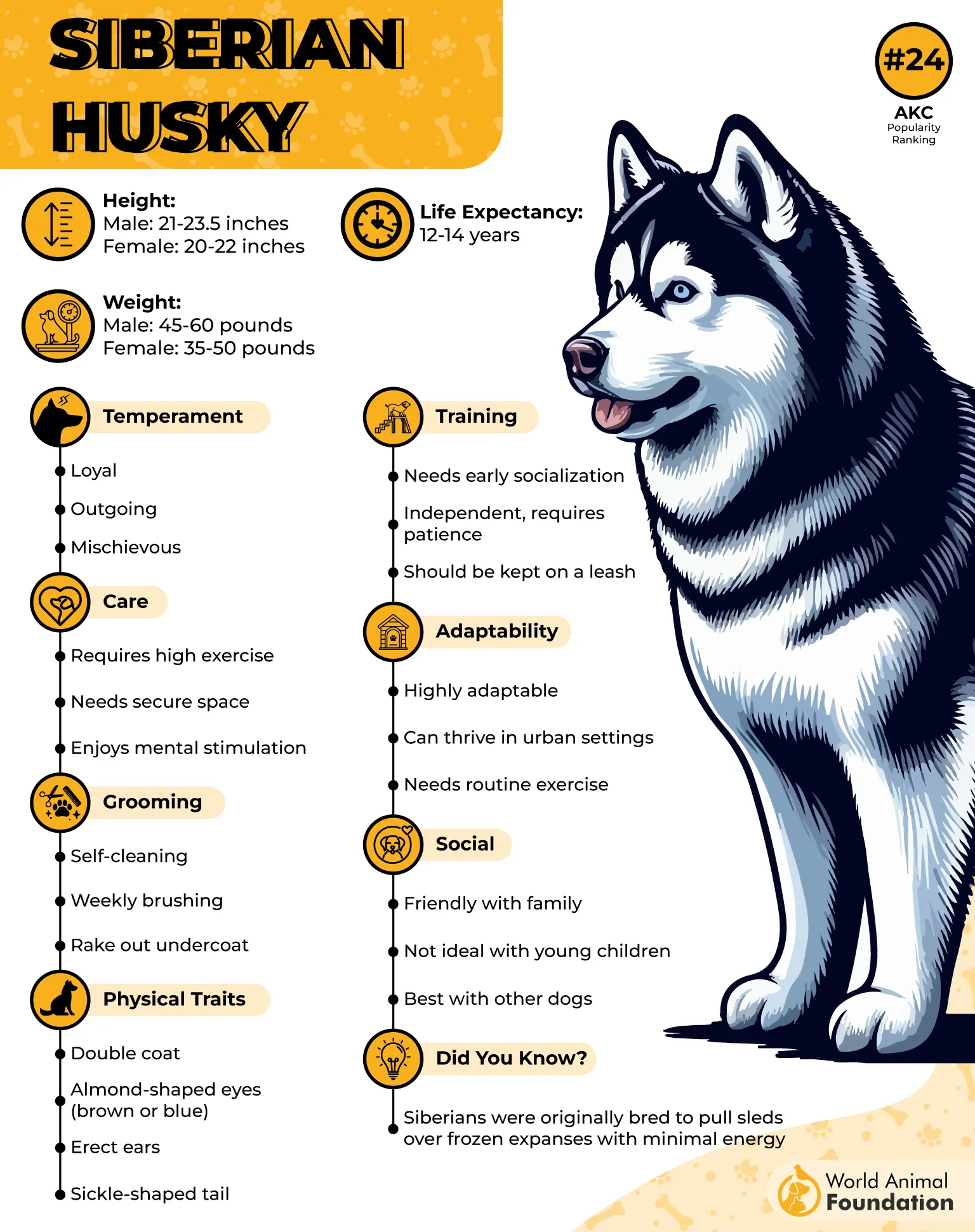
Siberian Husky is famous for its energy and active participation. They love running because they are hyperactive, so it makes sense. Siberian Huskies can adjust easily to families who have an active jogging routine and live in big houses. Night is the time these dogs rest.
Quick Snapshot
Grooming: Heavy seasonal shedding, regular brushing helps
Movement: High: enjoy long walks
Temperament: Independent, social, and energetic dogs
Watch outs: Don’t let them off-leash, or they will cause serious damages
Best For: Campers who prefer cooler weather conditions
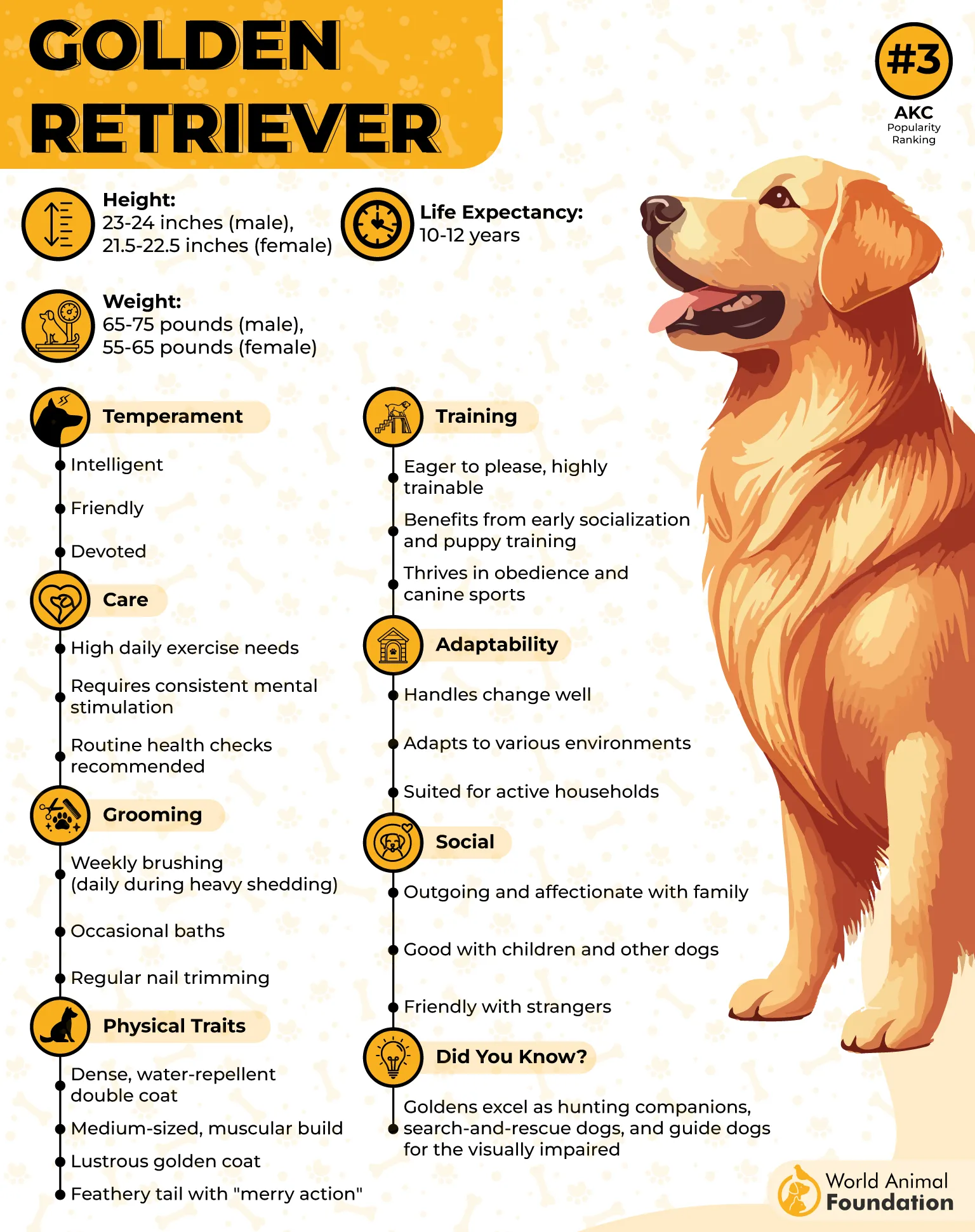
6. Golden Retriever
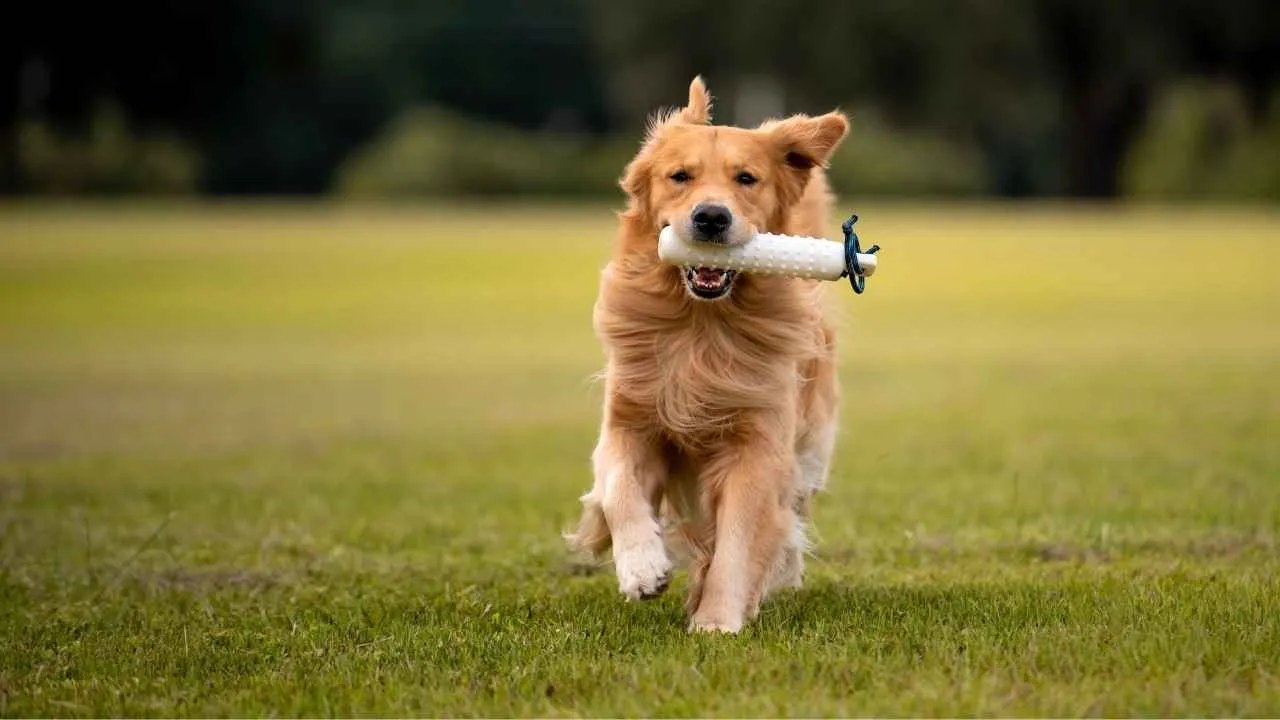
Golden Retriever is an athletic dog, famous for its golden and dense coat. They have a fluffy tail and a smooth, powerful working style, making breeders call it a “mary action” gait.
A Trail Partner For You
These dogs are emotionally sensitive and sociable. They enjoy water activities, extensive walks, and a structured routine, making them a great trail partner. Their intelligence and ready-to-please behavior make it easy to teach them a work ethic.
The Classic Golden Lifestyle
They are called “Golden” because of their stunning golden coats. It is water-resistant, so ideal for swimming and other water activities. Regular brushing helps reduce the “campfire fur cloud” problem.
Quick Snapshot
Grooming: A heavy and dense coat is prone to debris, so regular brushing is needed
Movement: Active, steady, and loves to play around
Temperament: Biddable, friendly, and eager
Watch outs: Consistent training is required
Best For: Lake trips, social campgrounds, and family camping
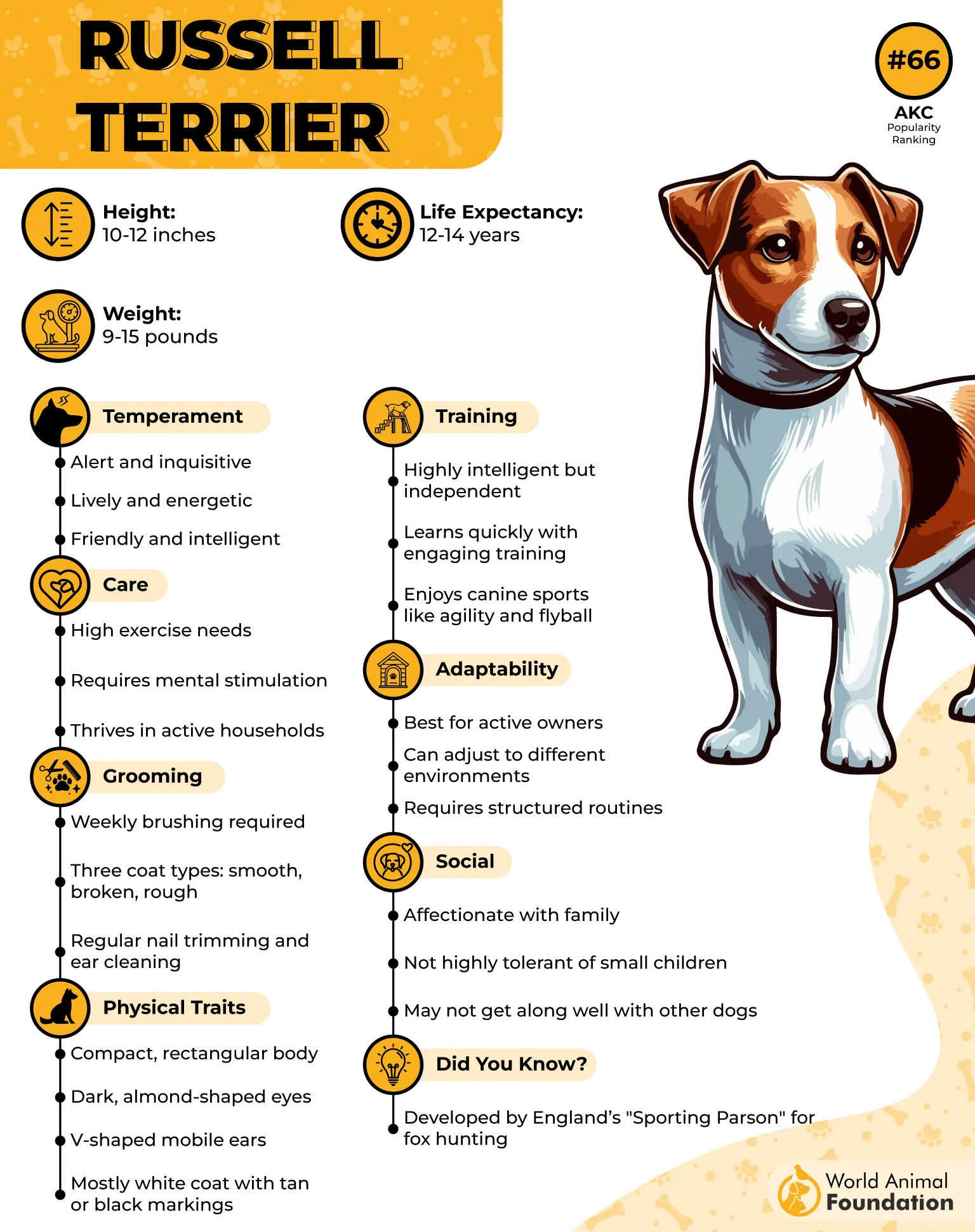
7. Jack Russell Terrier
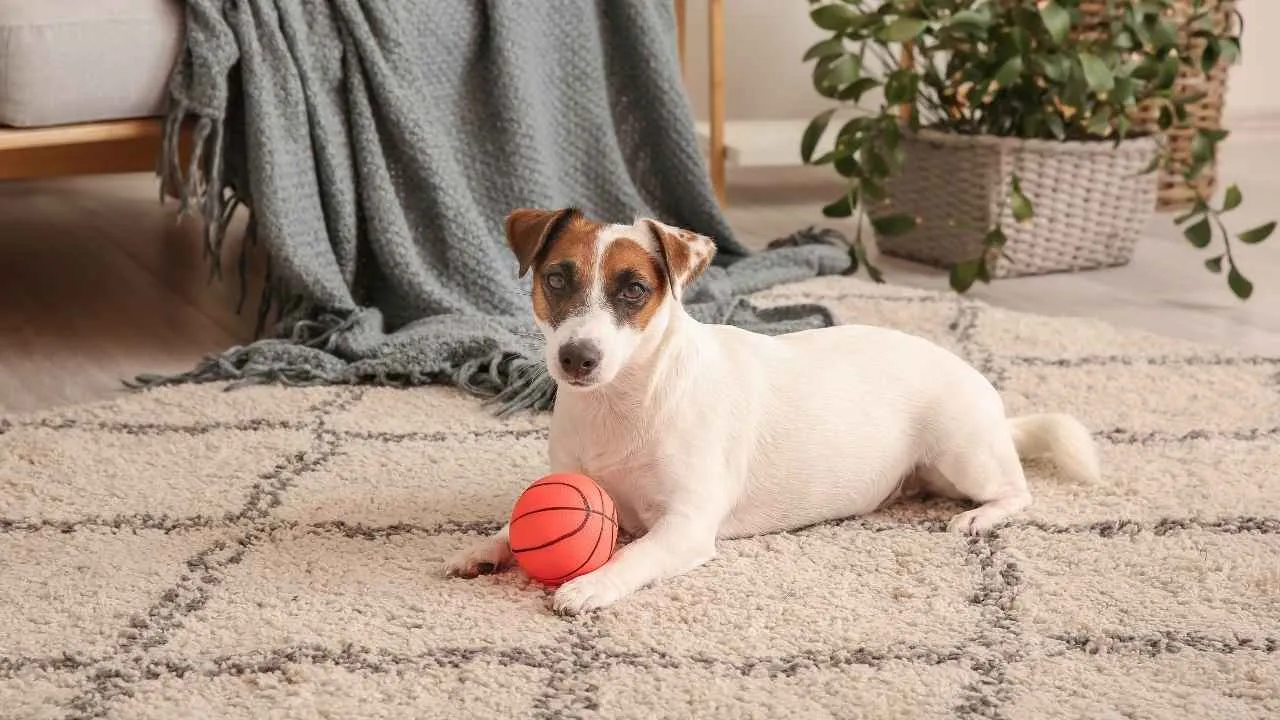
Jack Russell Terrier was bred specifically for hunting foxes in the 19th century, England, as per Britannica. Their double and wiry coat is what makes it weather-resistant outdoors.
Tine Body, Full Size Engine
Jack Russell Terrier is a high-energy dog that requires long hours of training to improve its physical abilities. They are an overloaded fun pack; if you meet their needs, or they become chaotic.
Leash Rules Are Important
Because of their hunting history, Jack Russell Terriers must be long-leashed outdoors. A secure space at home is crucial because they can jump, dig, and climb. They are born adventurers and sometimes get in fights they can’t win, so strict supervision is important.
Quick Snapshot
Grooming: Coat thickness varies from type to type; twice a week brushing is enough
Movement: Loves games and tricks
Temperament: Inquisitive, fearless, and playful
Watch outs: Inconsistent training leads to boredom; lens luxation is a common issue
Best For: Active campers who want a small but powerful hiking companion
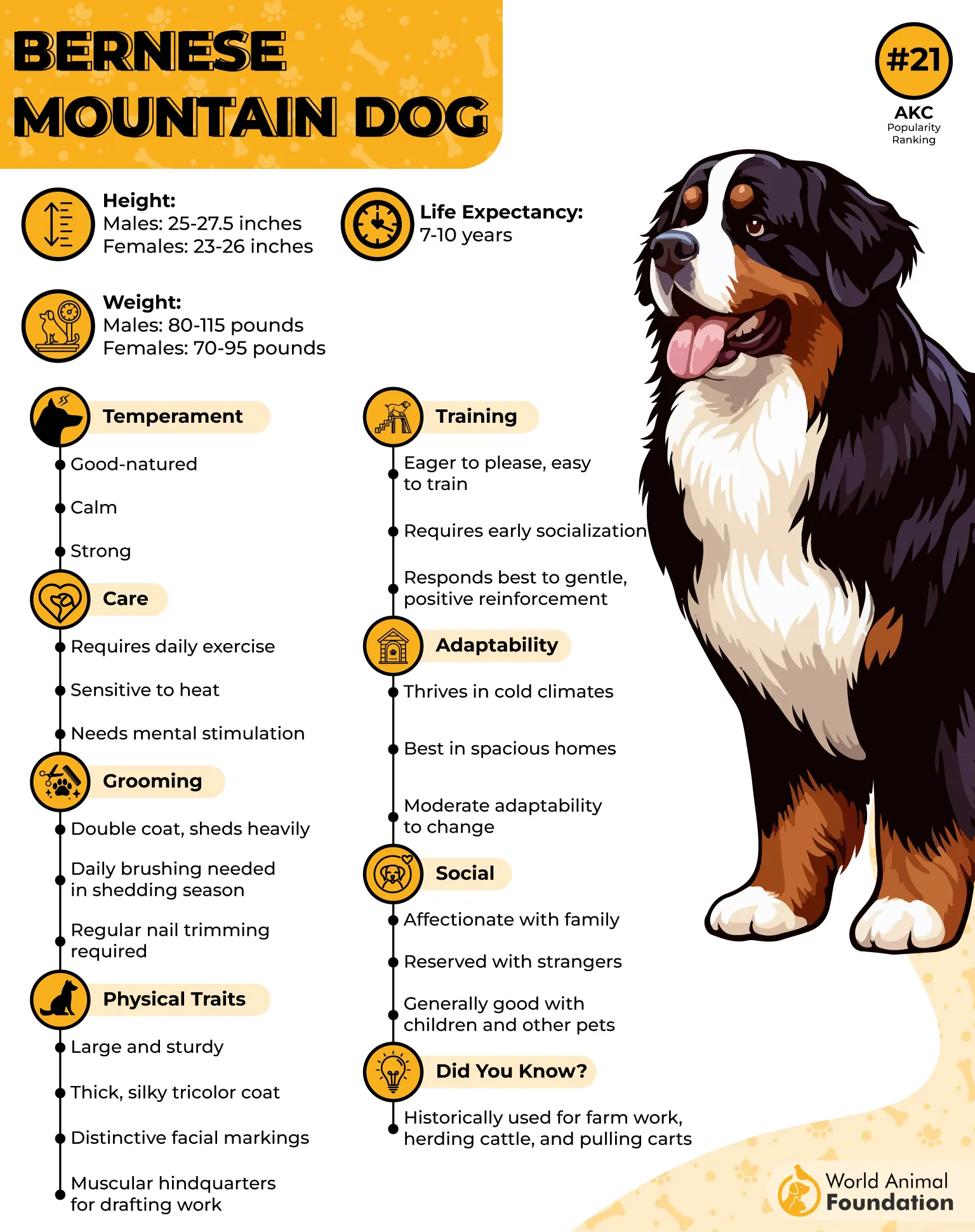
8. Bernese Mountain Dog
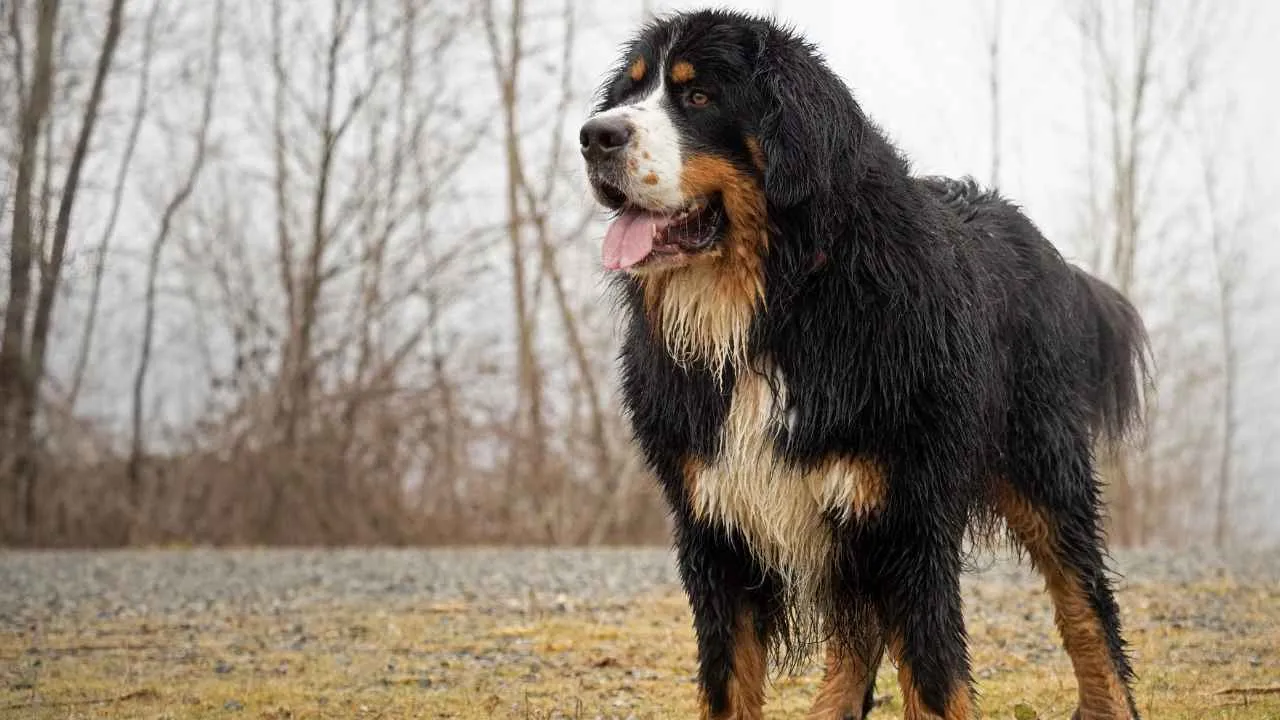
Bernese Mountain Dogs were historically used for cattle driving, cart pulling, and farm protection. These dogs are winter and snow-friendly because of their thick coat.
Don’t Overdo The Miles
They don’t mind working outdoors, and a daily walk for an hour is enough. Although they do not like intense workouts and prefer short activities such as nose work, swimming, and tug training.
Health Planning Is A Part Of Love
These dogs shed and drool heavily, so a clean tent setup is a must. Warm weather can cause heatstroke in them, so air conditioning is recommended.
Quick Snapshot
Grooming: heavy seasonal shedding, weekly brushing is enough
Movement: Moderate exercise, enjoys steady fun
Temperament: Friendly, forgiving, and loving
Watch outs: Bloat and heat risks: select cooler trip windows
Best For: Hikers who prefer cool-weather camping
9. Alaskan Malamute
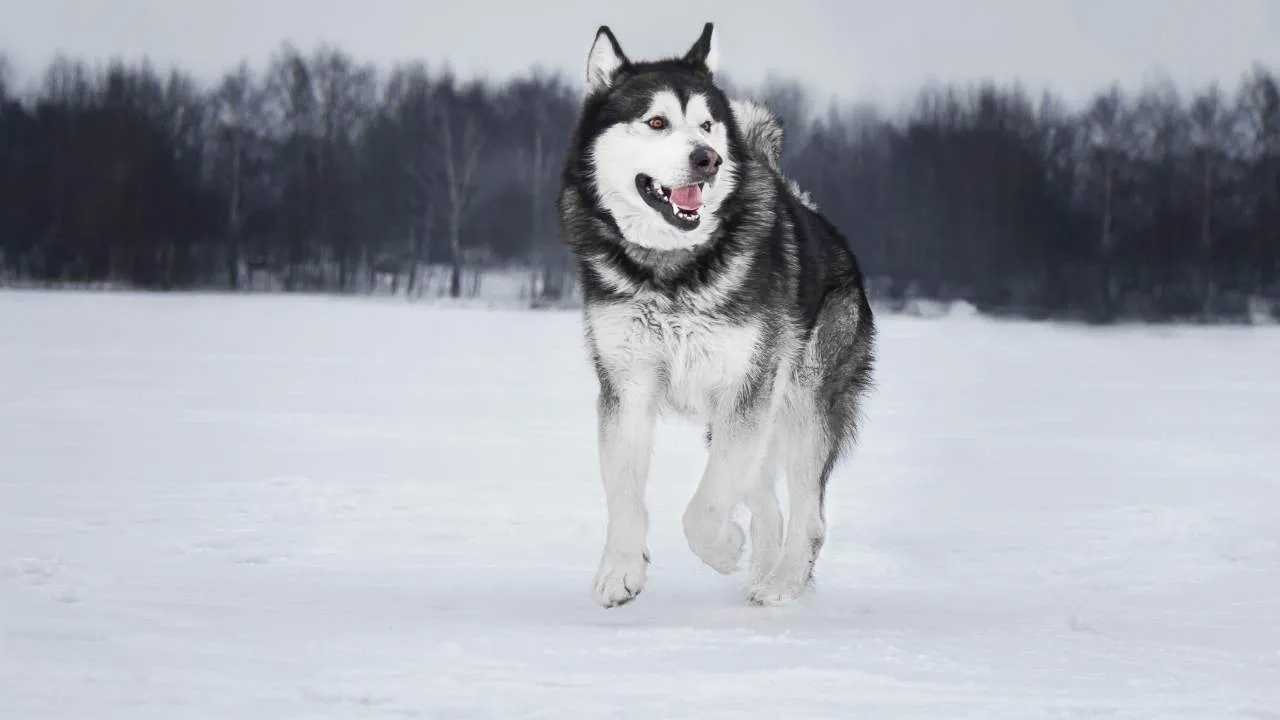
Alaskan Malamutes were bred to haul heavy freight as sled dogs for endurance and strength. Their powerful body and compact structures are perfect for cold climates.
Power Needs Guidance
They are excellent companions when it comes to protection because of their intimidating appearance. Alaskan Malamutes need to be leashed outdoors to avoid accidents around other hikers. A gentle and proper training works better than force.
Health Concerns You Must Not Neglect
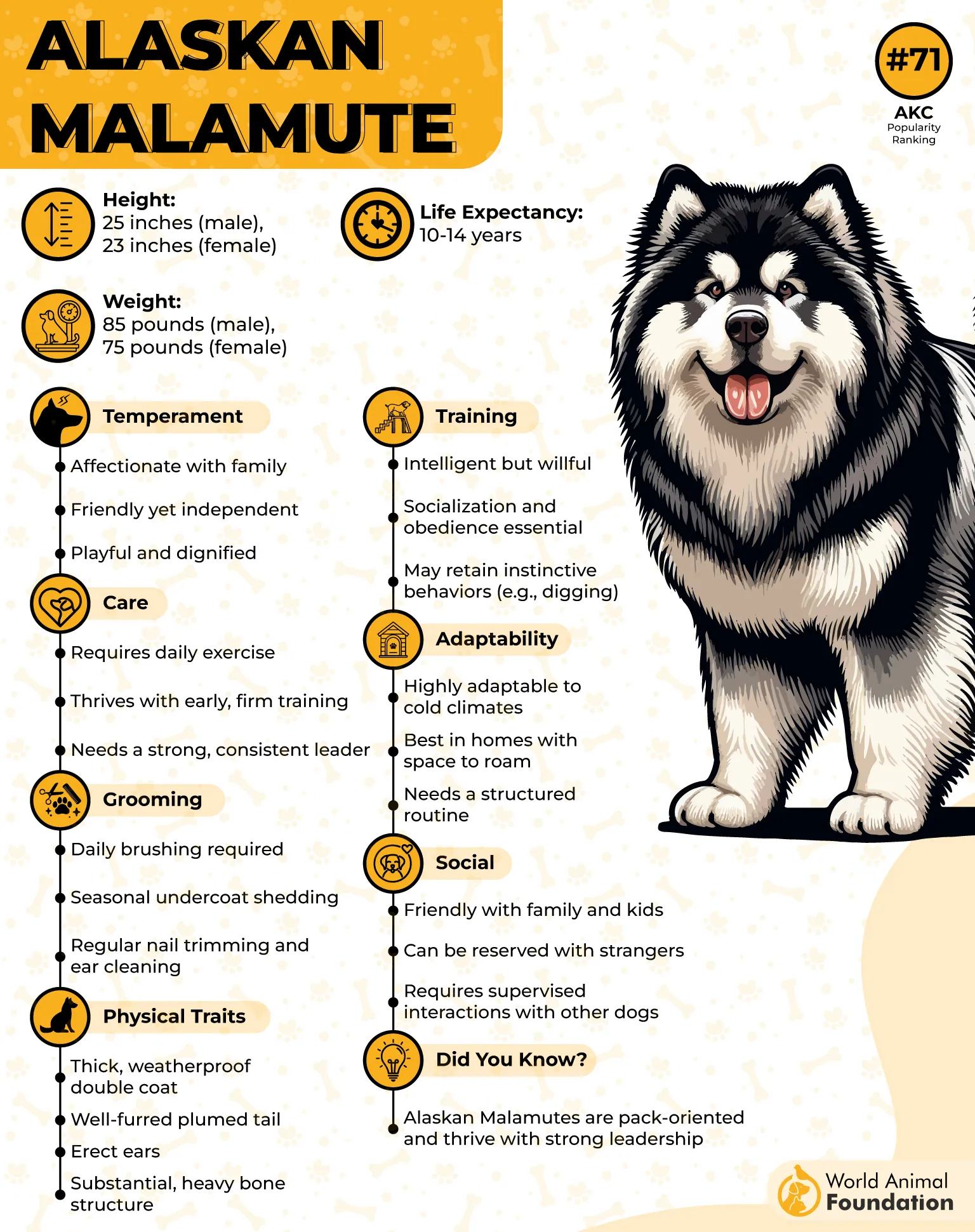
The life expectancy of these breeds is 11-14 years, with common issues including hereditary cataracts and hip/elbow dysplasia. Thyroid issues, polyneuropathy, and zinc absorption problems are also reported.
A healthy diet routine and regular monitoring can be helpful in early detection and prevention of these diseases.
Quick Snapshot
Grooming: Thick double coat, hence regular brushing
Movement: Moderate exercise, steady walks
Temperament: Strong-willed and confident
Watch outs: Nutrition, eyes, and joint sensitivities
Best For: Experienced hikers who love cold climates and rugged terrain
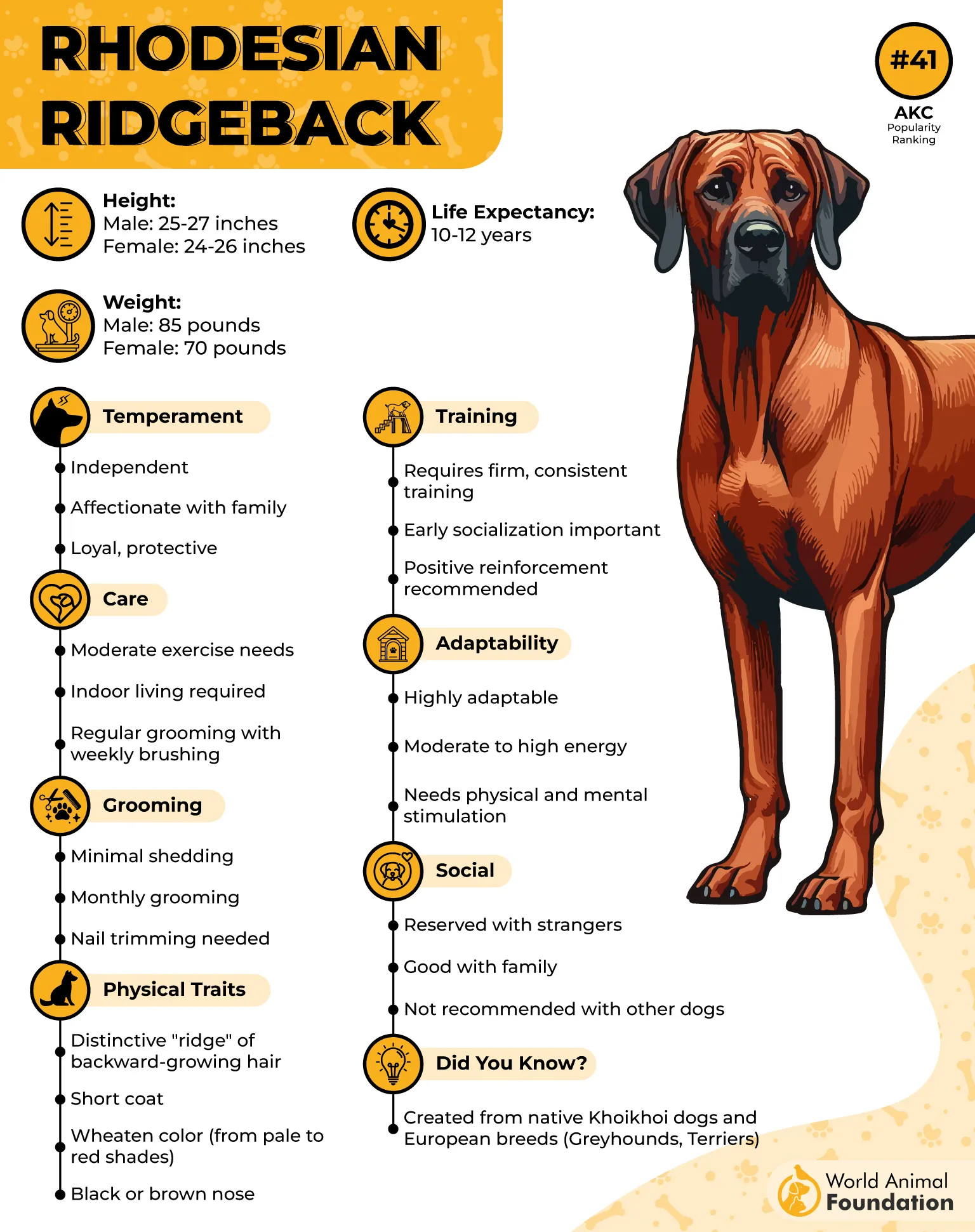
10. Rhodesian Ridgeback
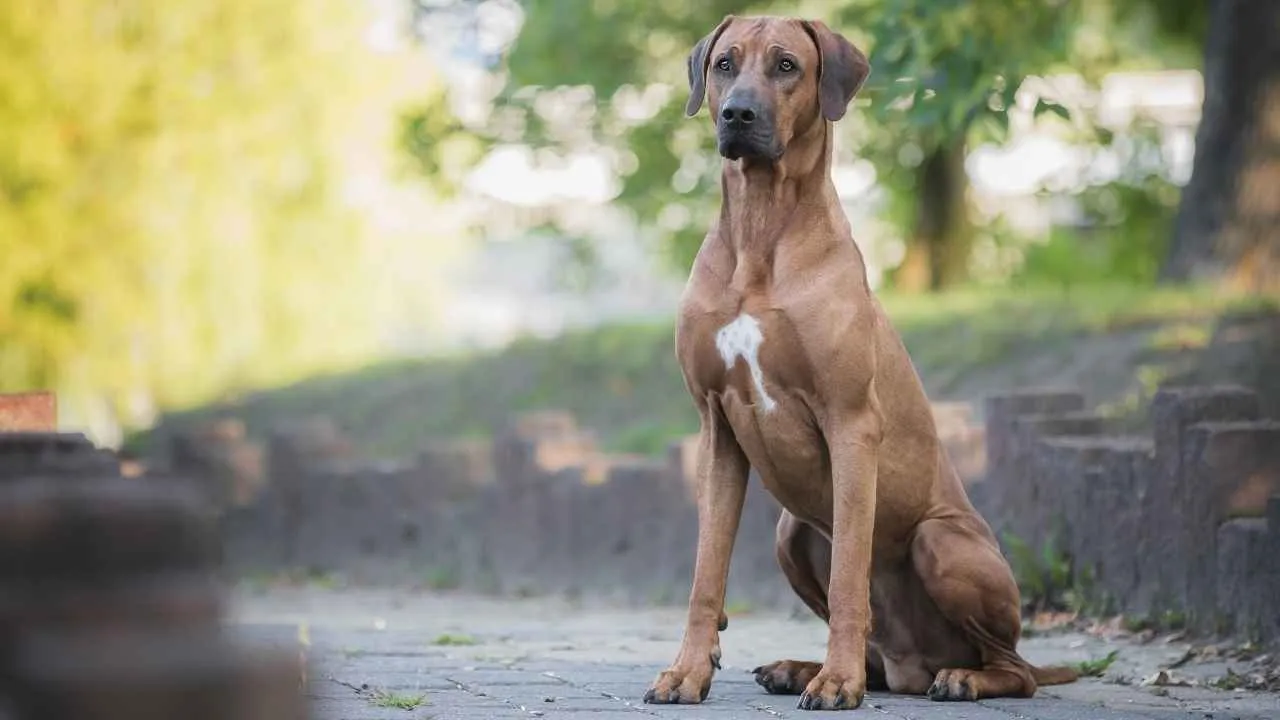
Rhodesian Ridgebacks need strenuous activity and walking/jogging for long distances. They have great energy, are active, and are born adventurers. They enjoy physical exercise, including swimming and tugging.
Fenced Environment Is A Safe Choice
These energy monsters tend to chase small animals, so responsible handling is important. Ensure the leash is strong enough to control this animal, as it is extremely powerful. This strategy will keep other humans and most dogs out of danger.
A Loyal Protector With Boundaries
These velcro dogs are family-centered, protective, and excellent watchdogs. Early socialization is important since they are aggressive towards unknown humans and other pet animals. They can accidentally overwhelm children because of their strength, so careful handling is important.
Quick Snapshot
Grooming: Short coat, weekly brushing is enough
Movement: Regular walk, varying from moderate to high exercises
Temperament: Devoted, courageous, and independent
Watch outs: Structured diet in puppyhood, dermoid sinus risk
Best For: Hikers who want an energy-efficient big dog
Conclusion
A good hiking dog breed is not the one that is only good on hiking trails. It must be adaptable, can protect the owner, and be calm at night without turning your camp into a trampoline.
Picking a breed specific to your needs is the most important task
A “perfect camping dog” is the one who is well-trained by the owner, fed properly, and bonded deeply with the family.
