




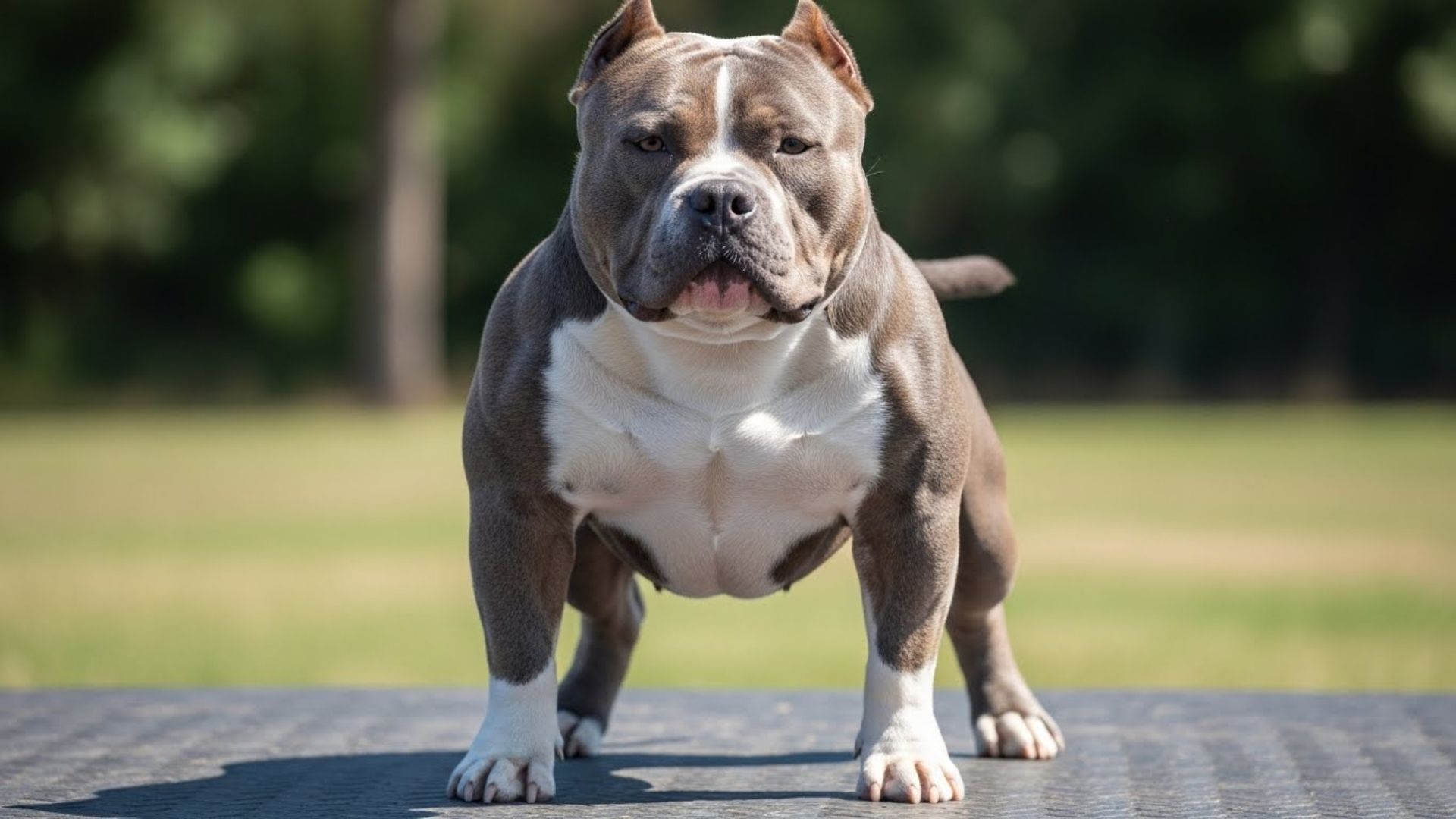
Some dogs walk into a room and instantly look like they lift weights for fun. The most muscular dog breeds are built with power in mind, showing off strong frames that hint at serious capability. These dogs were never meant to be couch ornaments, even if they occasionally steal the sofa.
Their muscle comes from history, not chance. Many of these breeds were developed to guard, pull, herd, or protect, working side by side with humans for generations. That working past shaped both their bodies and their minds, giving them focus, stamina, and confidence.
Despite their tough appearance, muscle-packed dogs are not just brawn. With proper training, exercise, and guidance, many are affectionate, loyal companions who thrive on purpose and structure. Understanding their strength helps owners meet their needs the right way.
Fun Fact
According to research, working and companion dogs use their muscles differently at a microscopic level. The types of muscle fibers they have help explain why some dogs excel at endurance tasks while others are built for quick bursts of movement.
Dog Breeds Demonstrating Exceptional Muscle Mass
1. American Pit Bull Terrier
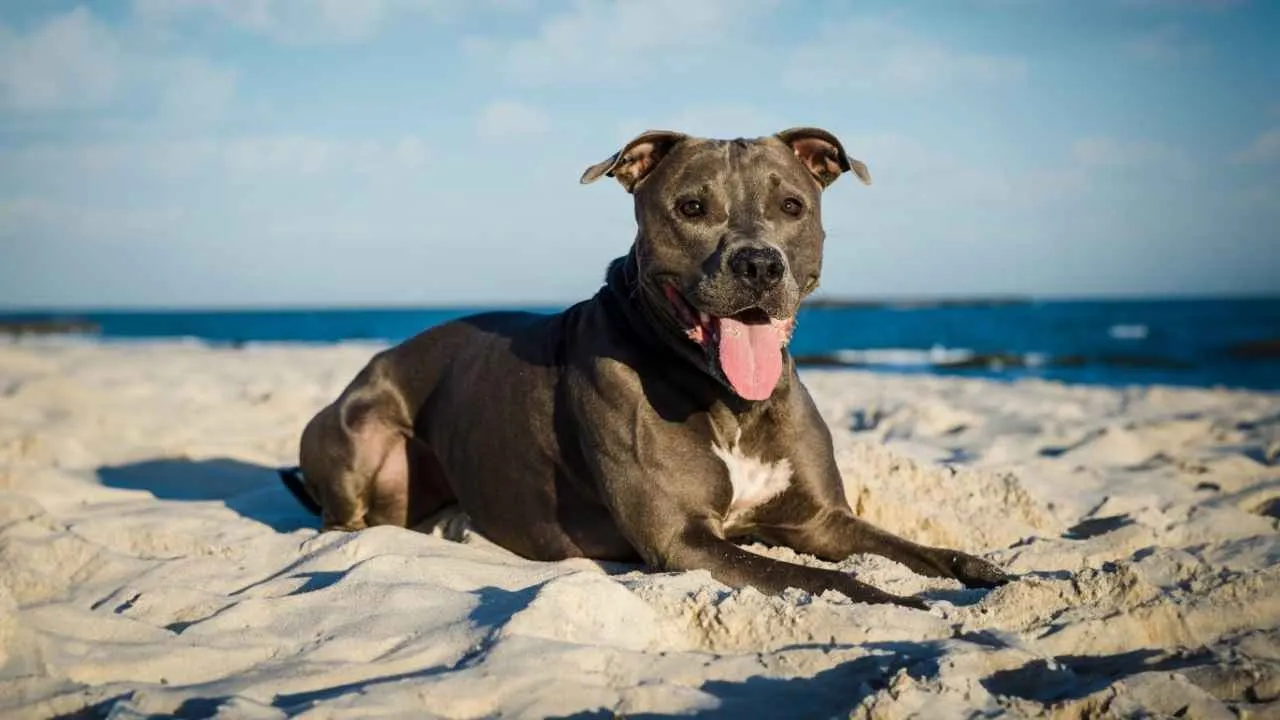
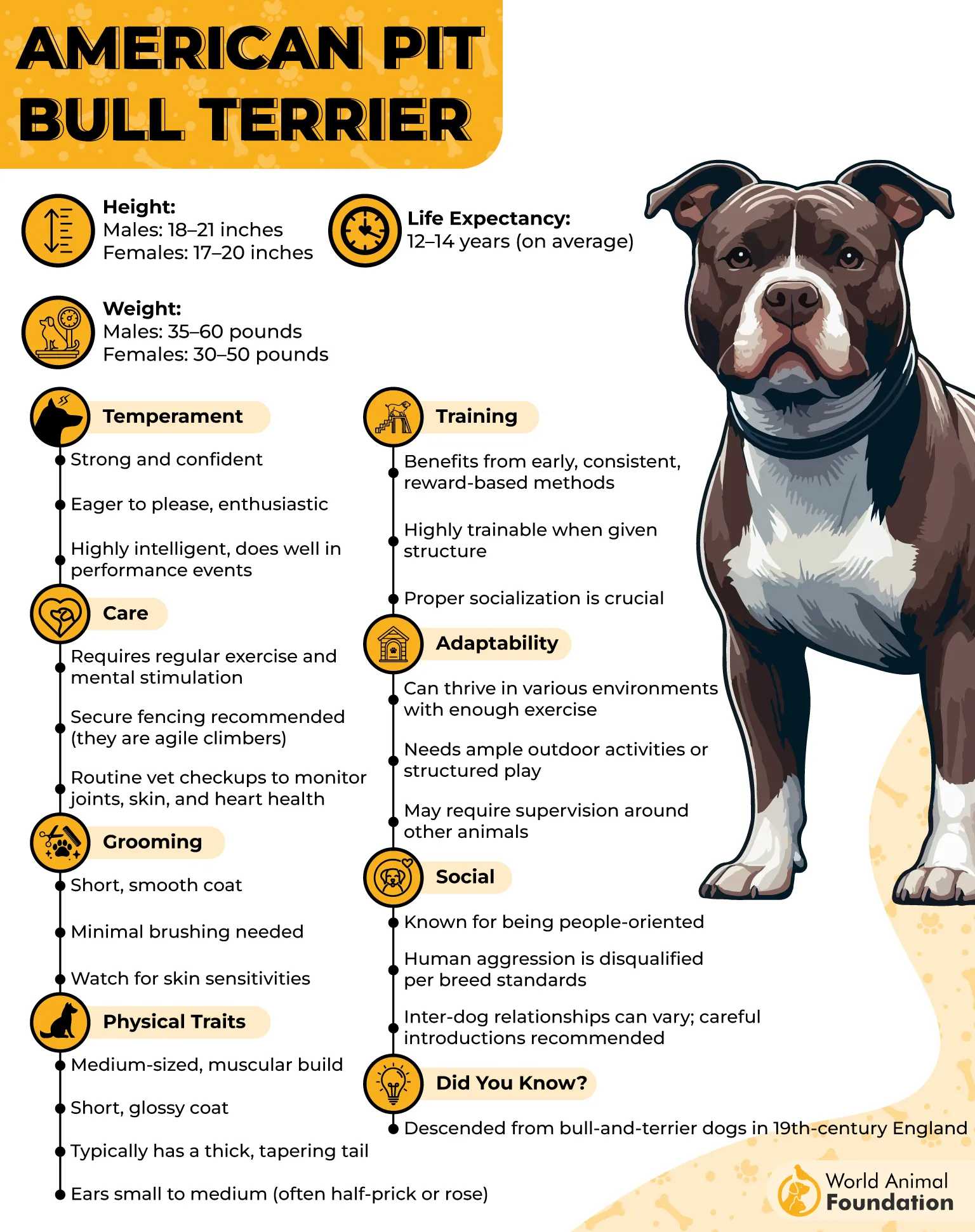
The American Pit Bull Terrier is a medium-sized dog with a solid, athletic build. Its body is slightly longer than tall, designed for balance, agility, and strength rather than bulk. Smooth, short coats highlight the breed’s powerful structure and confident stance.
This breed has a long history of working alongside humans in physically demanding roles. Farmers once relied on them to help manage livestock, hunt, and perform physically intense tasks. That background explains their high energy level, focus, and enthusiasm for structured activity.

Temperament plays a major role in this breed’s appeal. American Pit Bull Terriers are known for their eagerness to please, strong bonds with family members, and affectionate nature with children. Proper training, socialization, and routine exercise are essential to help them thrive as companions.
Fun Fact
The United Kennel Club assigned its very first registration number to an American Pit Bull Terrier in 1898. That dog belonged to the founder of the registry himself.
2. Doberman Pinscher
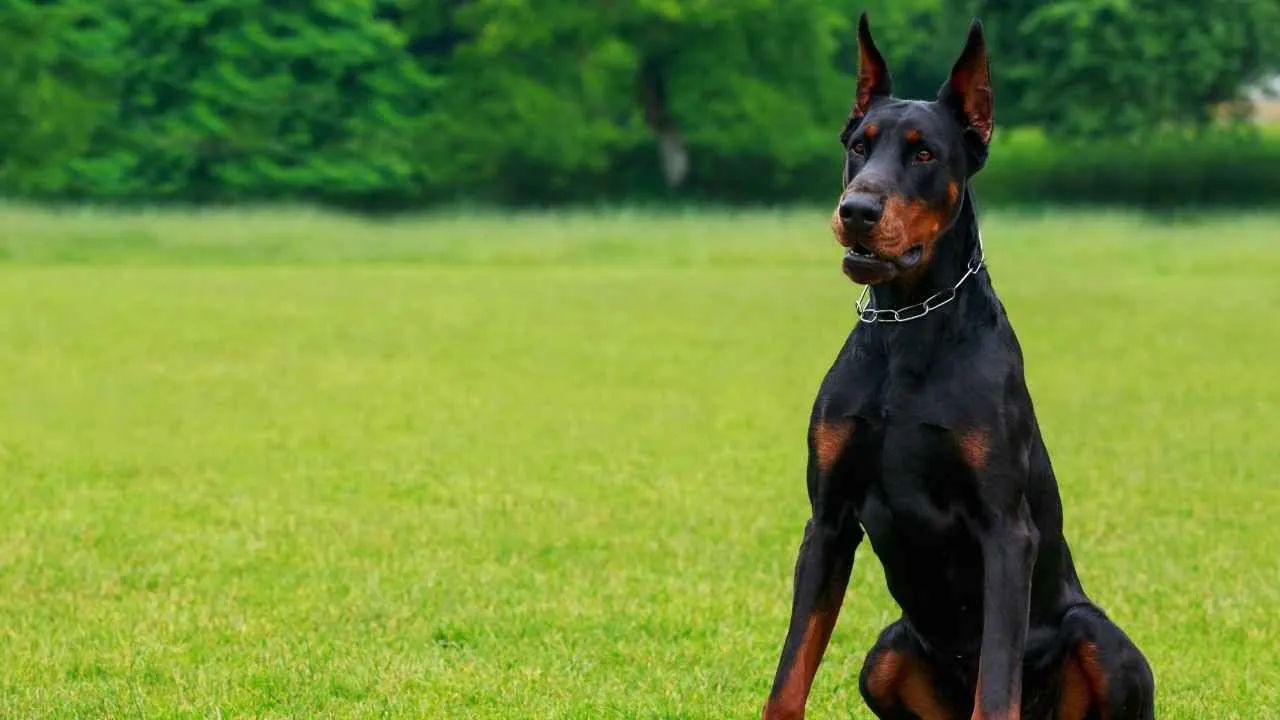
The Doberman Pinscher is instantly recognizable for its sleek, muscular physique and sharp black and tan coat. Its body is built for speed, strength, and controlled movement, giving it a polished and alert appearance. Visible muscle definition is a hallmark of the breed.
As per PetMD, Dobermans form strong emotional bonds with their families. They are often described as reliable, attentive, and deeply loyal to their people. Regular physical conditioning helps maintain their posture, movement, and overall well-being.
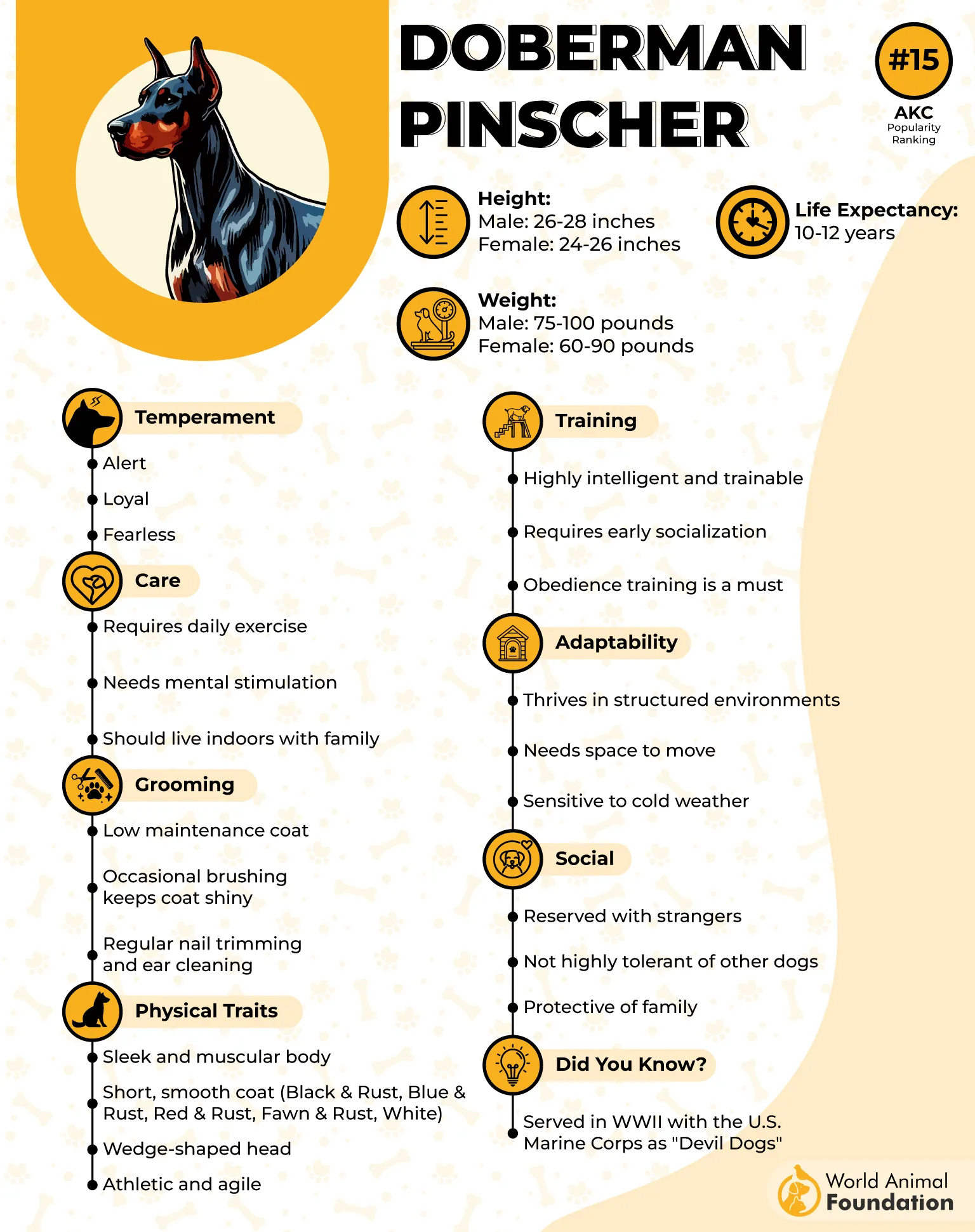
Dobermans were originally developed to serve as protectors, which shaped both their physique and behavior. Their strength is functional, supporting roles that require endurance, coordination, and awareness. Many excel in structured activities that challenge both body and mind.
Fun Fact
Well-conditioned Dobermans are often used as visual examples in canine fitness education. Their lean muscle structure can be clearly seen and felt, making them ideal for teaching anatomy and movement.
3. American Bully
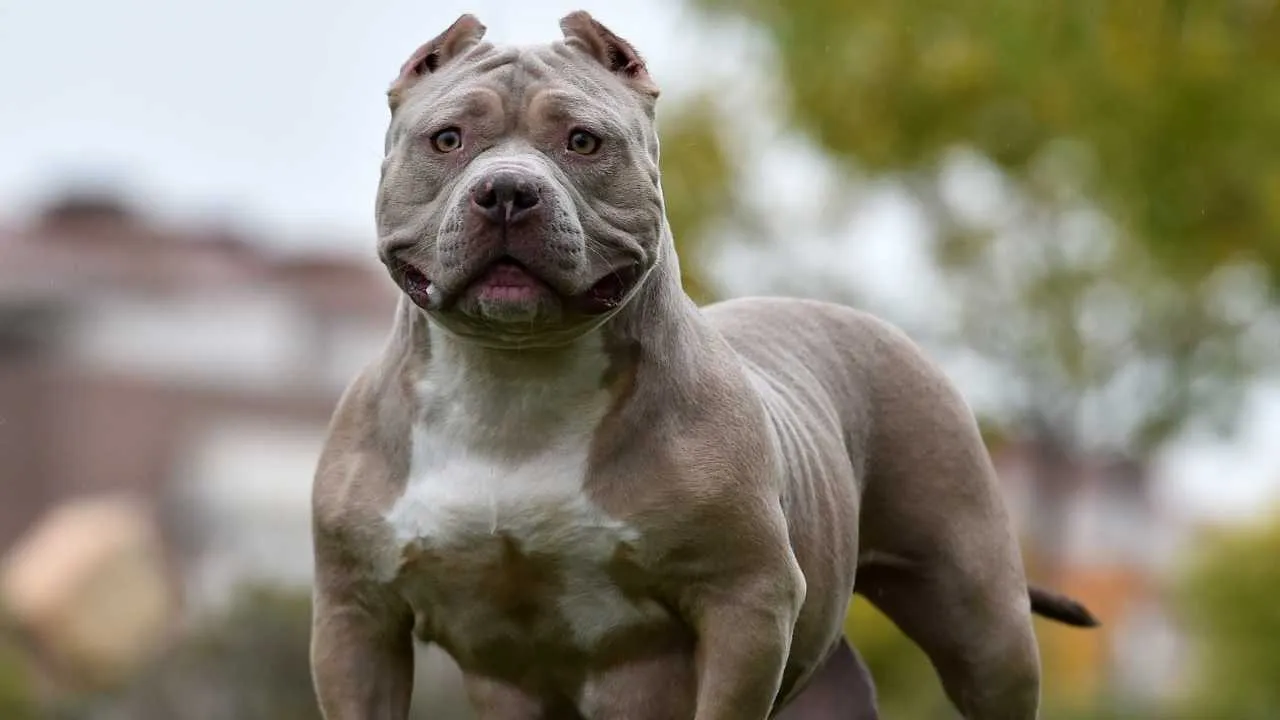
The American Bully is a relatively new companion breed developed in the United States during the 1980s and 1990s. It has a broad chest, thick bone structure, and a compact frame that gives it a powerful appearance. Several size varieties exist, including Pocket, Standard, Classic, and XL, all sharing the same bold look.
This breed was created with companionship in mind rather than traditional working roles. Breeders aimed to reduce prey drive while preserving confidence, loyalty, and trainability. As a result, American Bullies are often described as adaptable dogs that do best with clear structure and guidance.
Many enjoy strength-based games and controlled activity that lets them use their bodies constructively. Their short, glossy coat is low maintenance and shows off their extremely muscular build. Consistent training plays a key role in shaping behavior and balance.
Fun Fact
The American Bully has a dedicated registry called the American Bully Kennel Club. It was later recognized by the United Kennel Club as its own breed.
4. Dogo Argentino
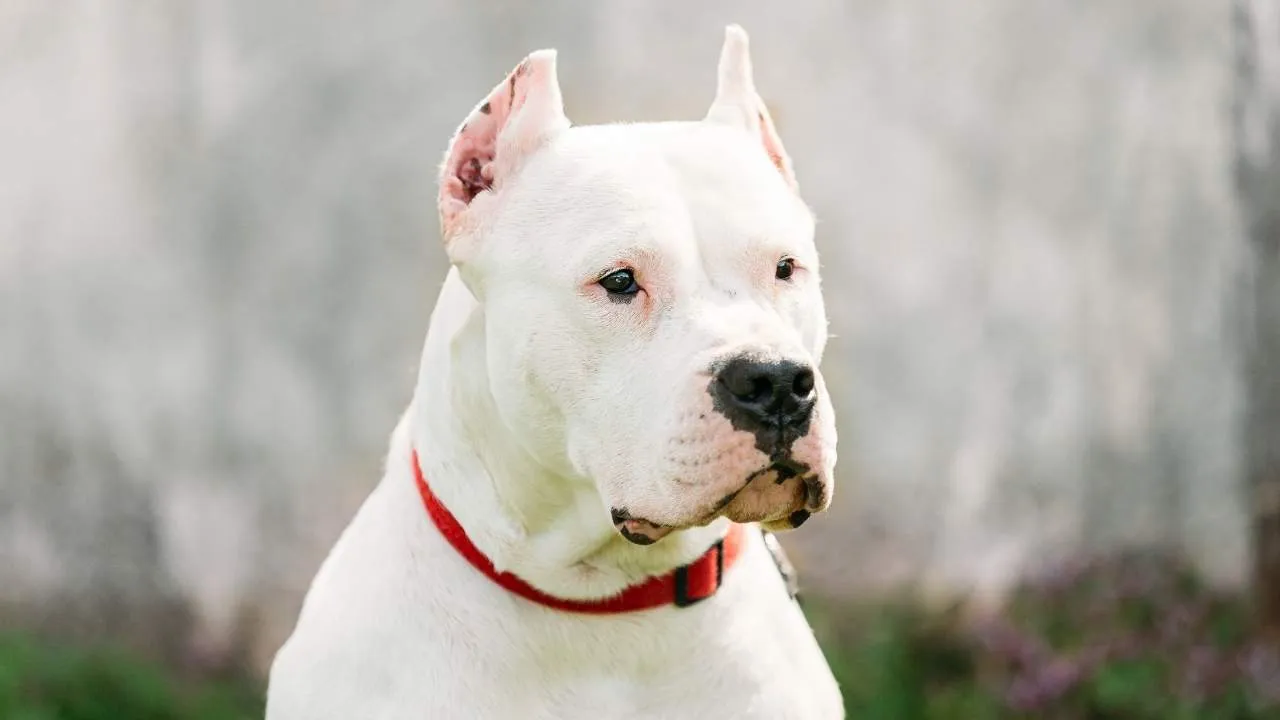
The Dogo Argentino is a large, athletic dog developed in Argentina for demanding outdoor pursuits. Its body is slightly longer than tall, with a deep chest, strong neck, and well-developed muscles throughout. A short white coat gives the breed a clean and distinctive look.
This breed was created in the early twentieth century for hunting large game such as wild boar. Endurance, speed, and physical resilience were priorities during development. These traits shaped a dog capable of sustained effort and controlled power.
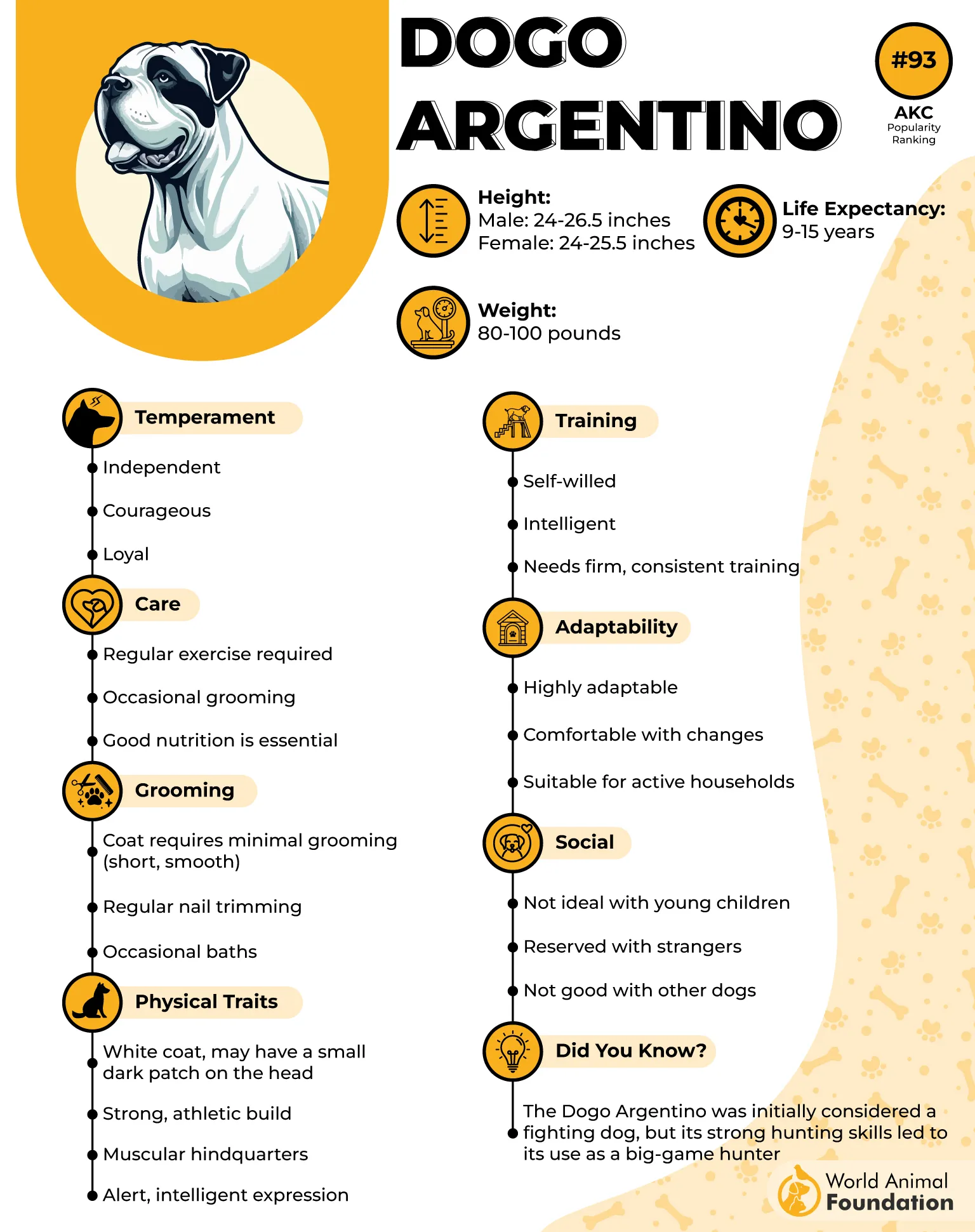
Dogos are known for focus and determination while working. They have a strong sense of purpose and the physical capacity to cover long distances. In some regions, they are also trained for specialized service roles.
Fun Fact
White is the only accepted coat color for this breed. A small dark marking on the head is allowed under strict limits.
5. Boxer
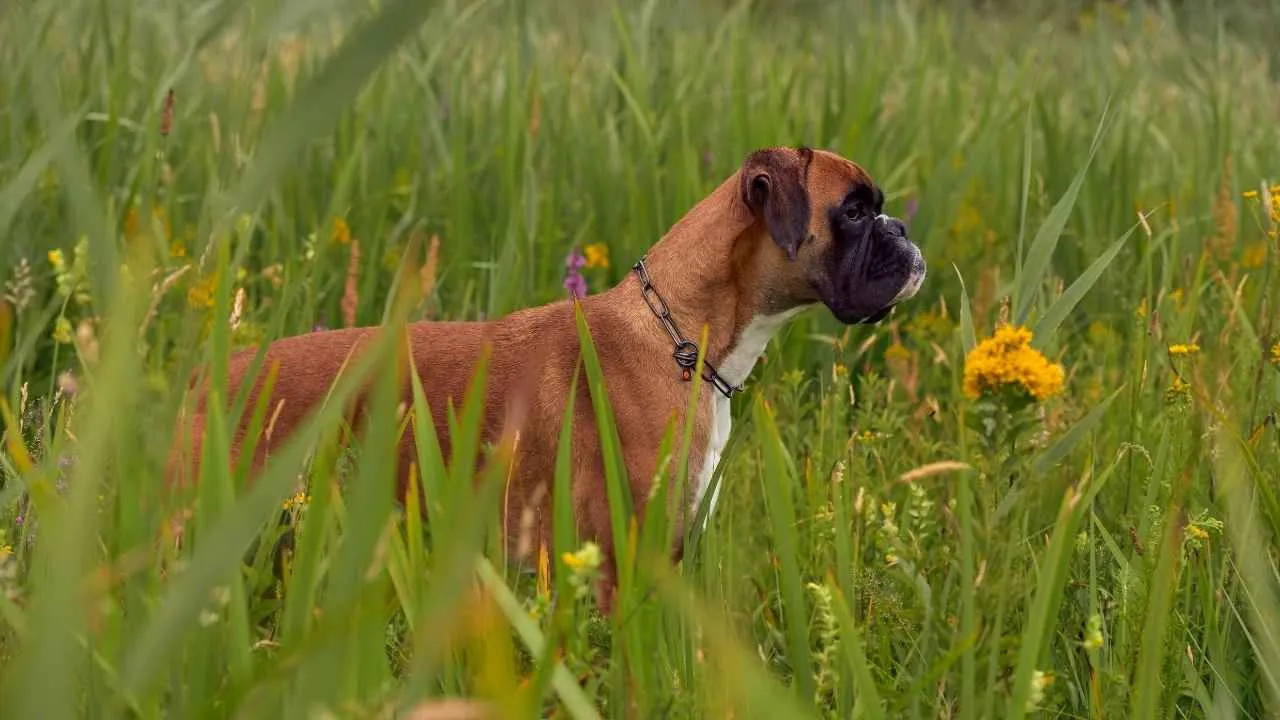
The Boxer is an impressive, muscular breed. Imported to the United States from Germany in the 1930s, it was originally used for hunting. That history shaped a dog built for movement and agility.
Boxers are energetic and expressive, known for quick bursts of speed and enthusiastic play. Their strong legs support running, jumping, and sharp turns. This makes them a good fit for active families that enjoy daily engagement.
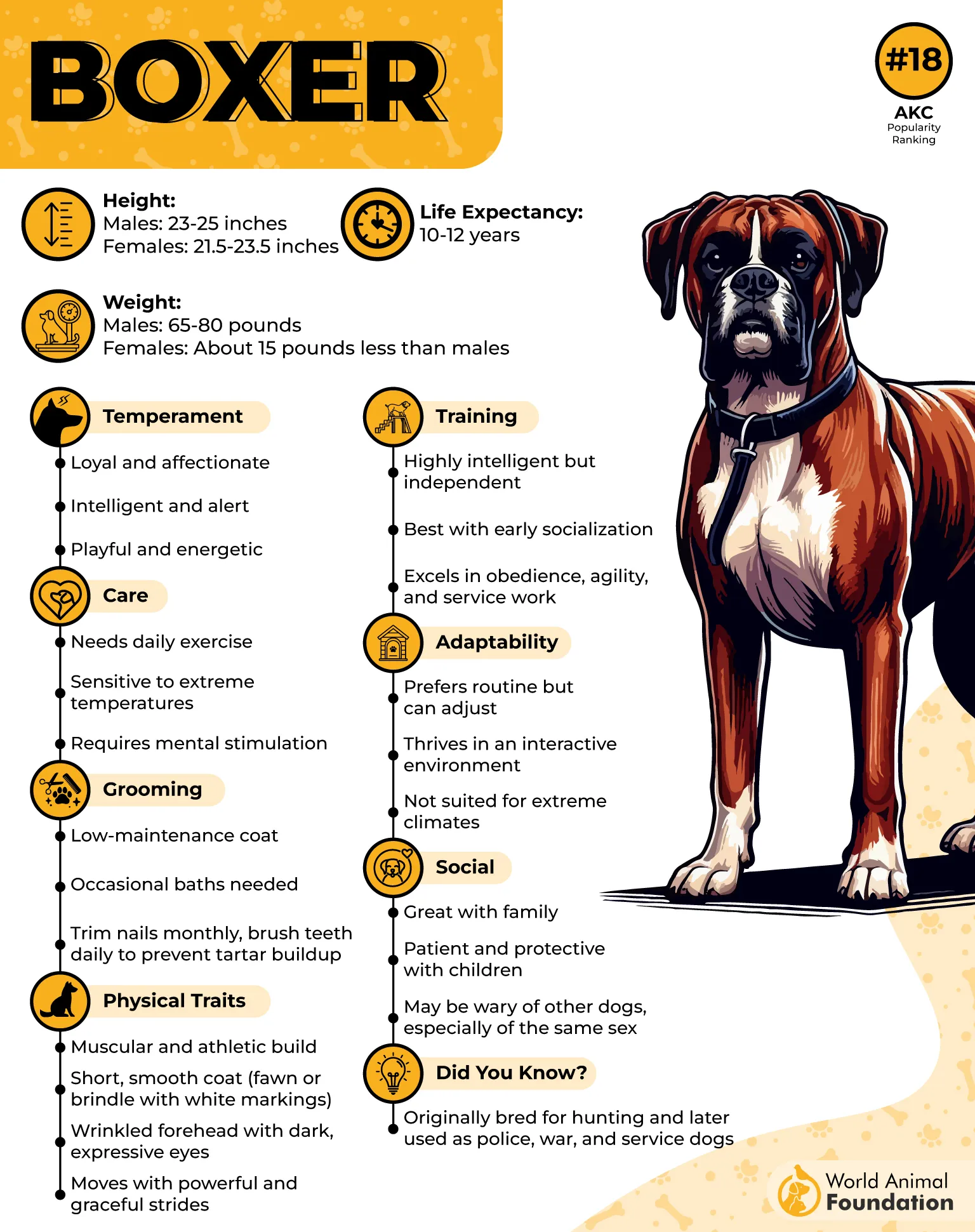
Care focuses on meeting their activity needs while keeping routines simple. As per the AKC, grooming is minimal due to the short coat, which commonly appears in brindle, fawn, or white. Regular exercise helps maintain both physical condition and behavior.
Fun Fact
The Boxer was officially recognized by the American Kennel Club in 1904. The breed’s name comes from its habit of using its front paws while playing.
6. Neapolitan Mastiff
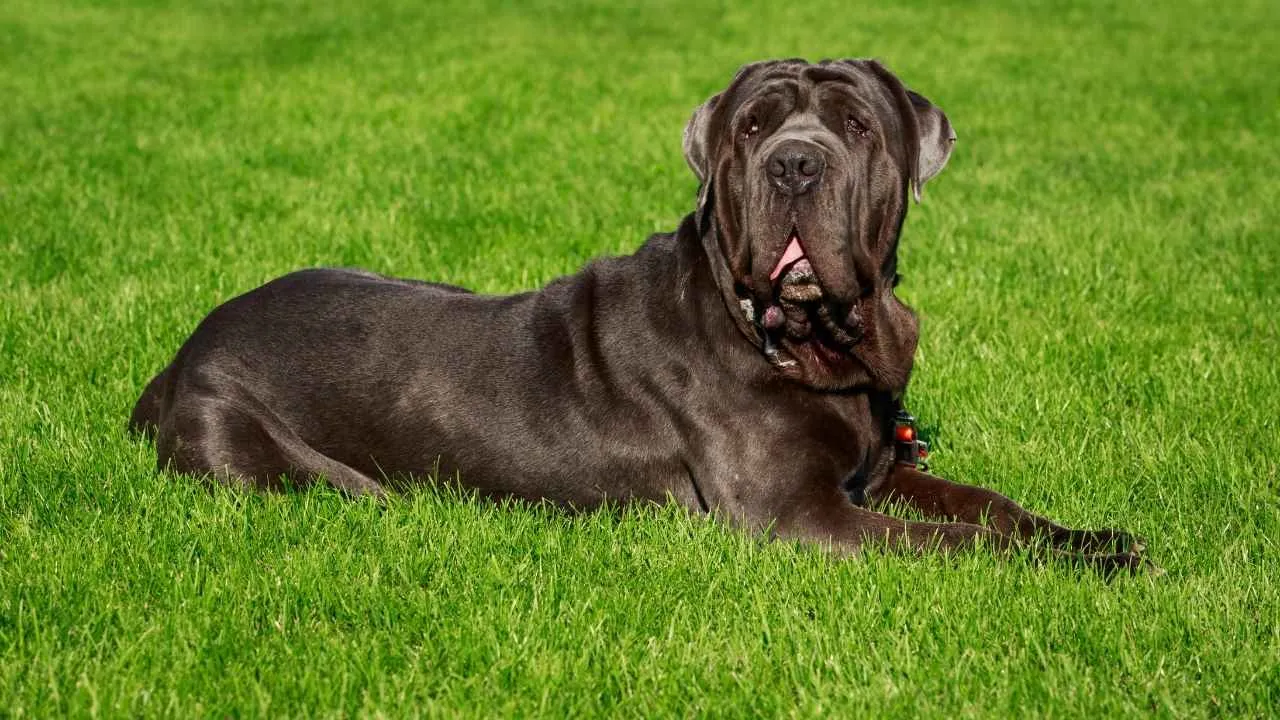
The Neapolitan Mastiff is a massive Italian breed known for its heavy build, thick bone, and unmistakable loose skin. Its body is slightly longer than tall, giving it a grounded, powerful presence that feels immovable once it settles in.
Loose wrinkly skin around the head and neck adds to its imposing look, while a short coat comes in shades like black, gray, and fawn.
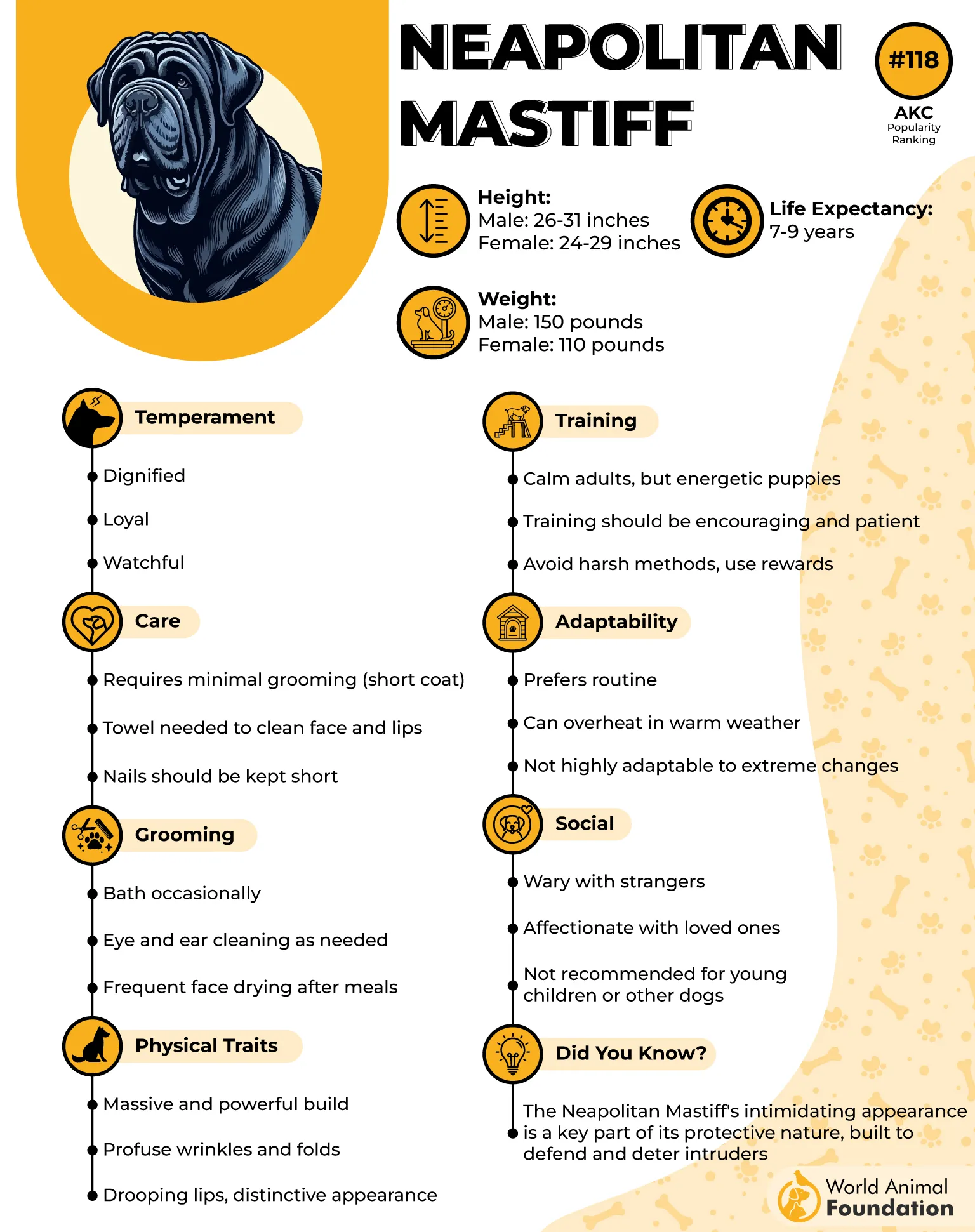
Neapolitan Mastiffs are not built for speed or endurance-heavy activity. They tend to conserve energy, moving deliberately and with purpose. Their presence alone historically served as a strong protective signal around homes and property.
This breed descends from traditional guard and catch dogs used in central Italy. Selective breeding began in the late 1940s to preserve those guarding traits while formalizing appearance. Strength and deterrence were always priorities, which explains the breed’s calm but watchful demeanor.
Fun Fact
Early breed development was influenced by a single dog spotted at a Naples exhibition after World War II. That moment helped shape the modern standard still used today.
7. Rottweiler
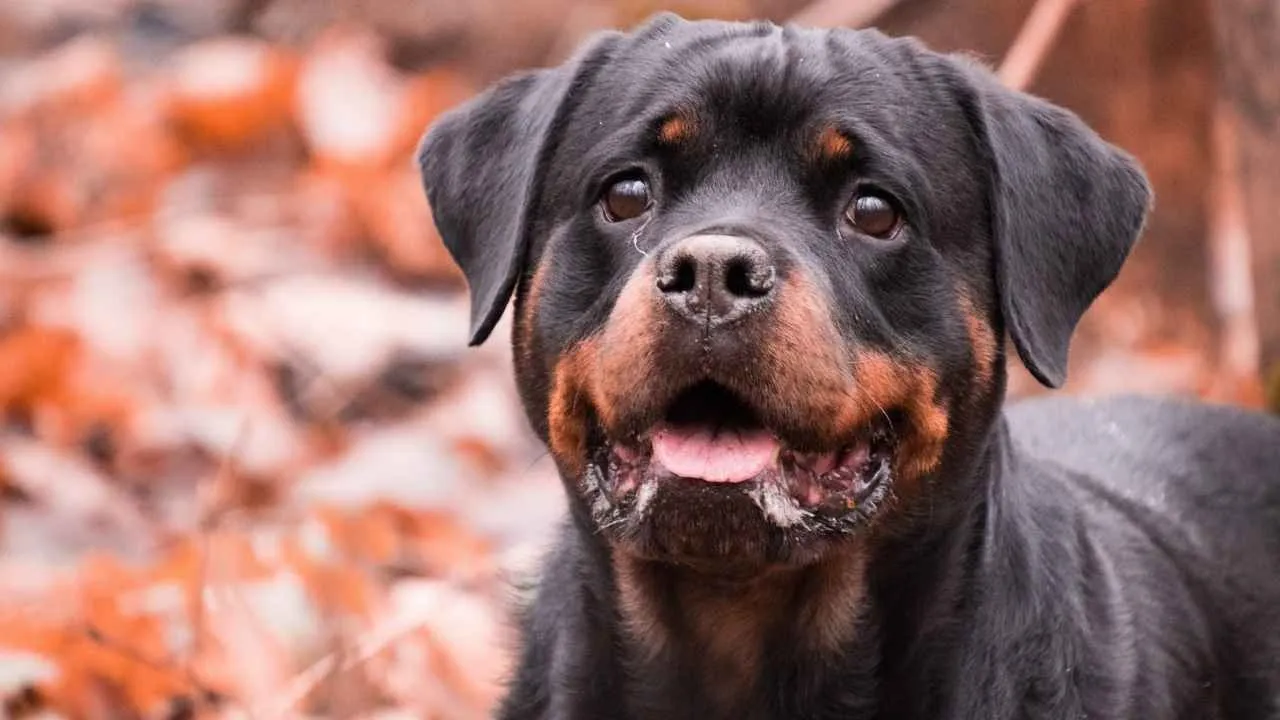
The Rottweiler is a large, solidly built dog with a broad chest and powerful hindquarters. Its short black coat with defined tan markings highlights a muscular frame designed for strength and balance. Males are notably heavier and taller than females, giving the breed a commanding silhouette.
Originally used to herd livestock and pull carts, this breed developed alongside butchers in Germany. That working background shaped a dog capable of sustained effort and physical control. Over time, the Rottweiler expanded into roles such as guarding, search work, and service duties.
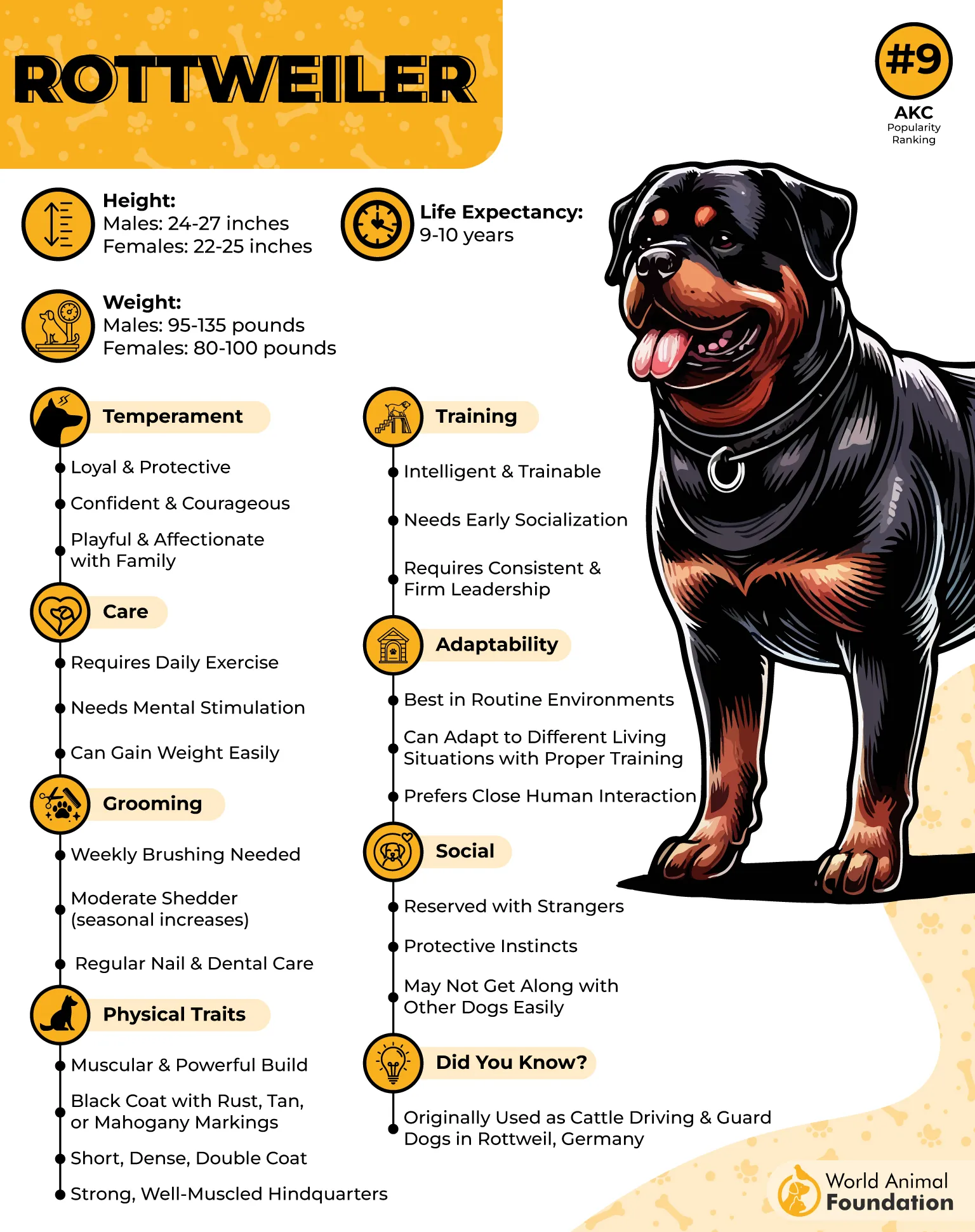
Rottweilers tend to be calm and observant in familiar settings. According to WebMD, they often stay close to their people and prefer having a job or routine to follow.
Fun Fact
The breed’s original name translates to “butcher’s dog of Rottweil.” Butchers once trusted them to guard money pouches tied around their necks.
Conclusion
Muscular dog breeds bring together physical strength, emotional intelligence, and quiet confidence in a way few other dogs can. From stocky bodies and bulging muscles to calm and loving nature, these amazing pooches show that immense physical strength can exist alongside unwavering loyalty and playful personalities.
Many were originally bred as guard dogs, farm dogs, or hunting dogs, using raw muscle to protect livestock, pull heavy loads, or stand watch with distinctive black muzzles and broad heads.
For dog owners, responsible dog ownership means understanding mental stimulation, physical prowess, and the needs of large dogs with such strength.
Other breeds, such as the German Shepherd, Siberian Husky, German Pinscher, and black and tan terrier, were also originally bred for demanding work, proving the canine world is full of incredibly loving pets with extreme muscle and striking appearance.
