




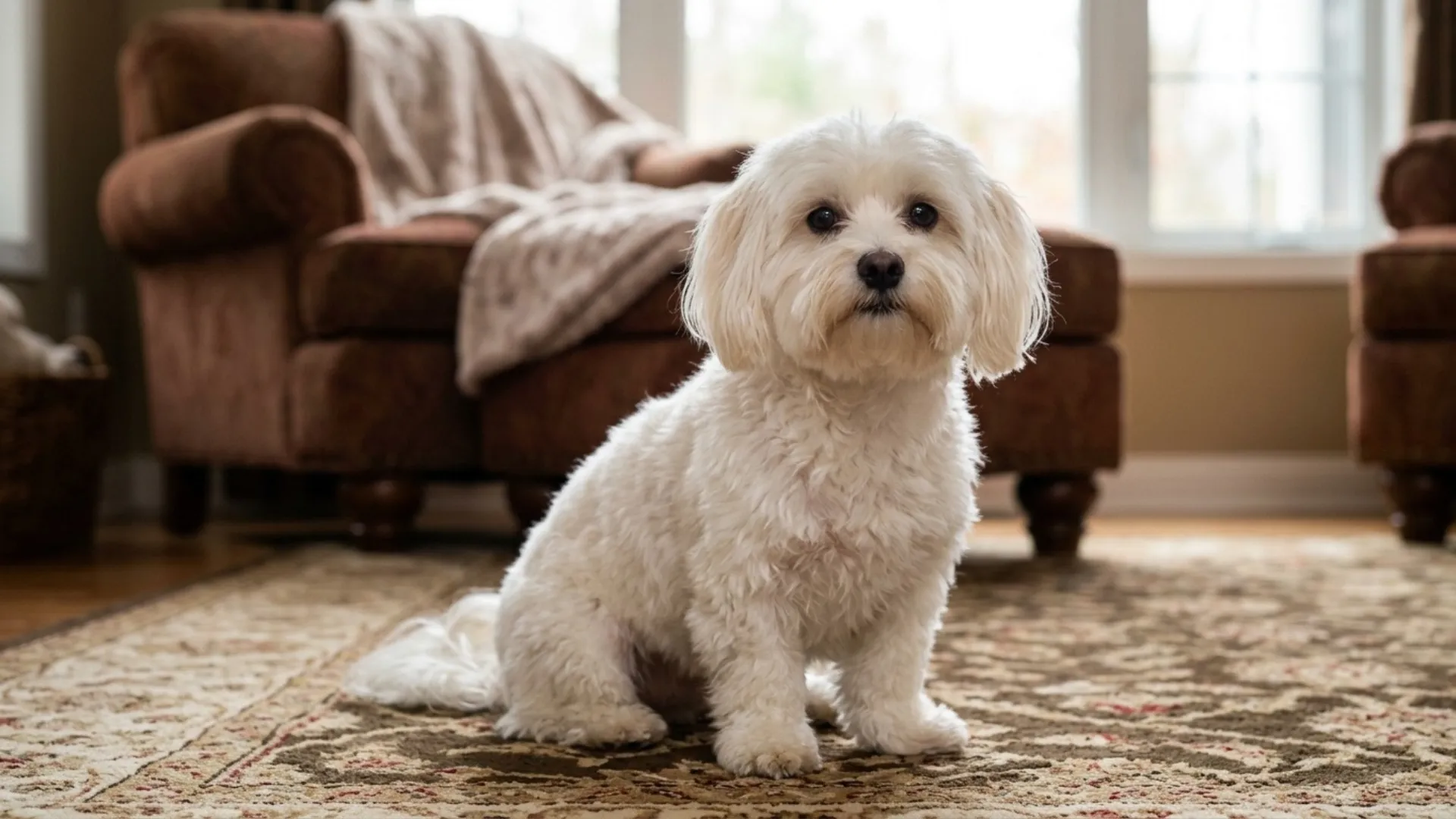
Your cat deserves a quiet afternoon, not a surprise audition for an action movie. If you want a dog without constant chasing, choosing a breed with a lower prey drive is a useful starting point.
Prey drive is the natural urge to pursue prey, and all dogs have it to some degree. A breed label cannot promise peaceful living with smaller pets.
That is why this guide looks at seven possible companions, from the little Shih Tzu to the hefty Newfoundland, without treating any as a sure thing. The goal is simple: help you look beyond a cute face and find a dog whose behavior fits the home you love. Less chaos, more company.
Dog Breeds Choices for Owners Seeking Low Prey Drive
1. Saint Bernard
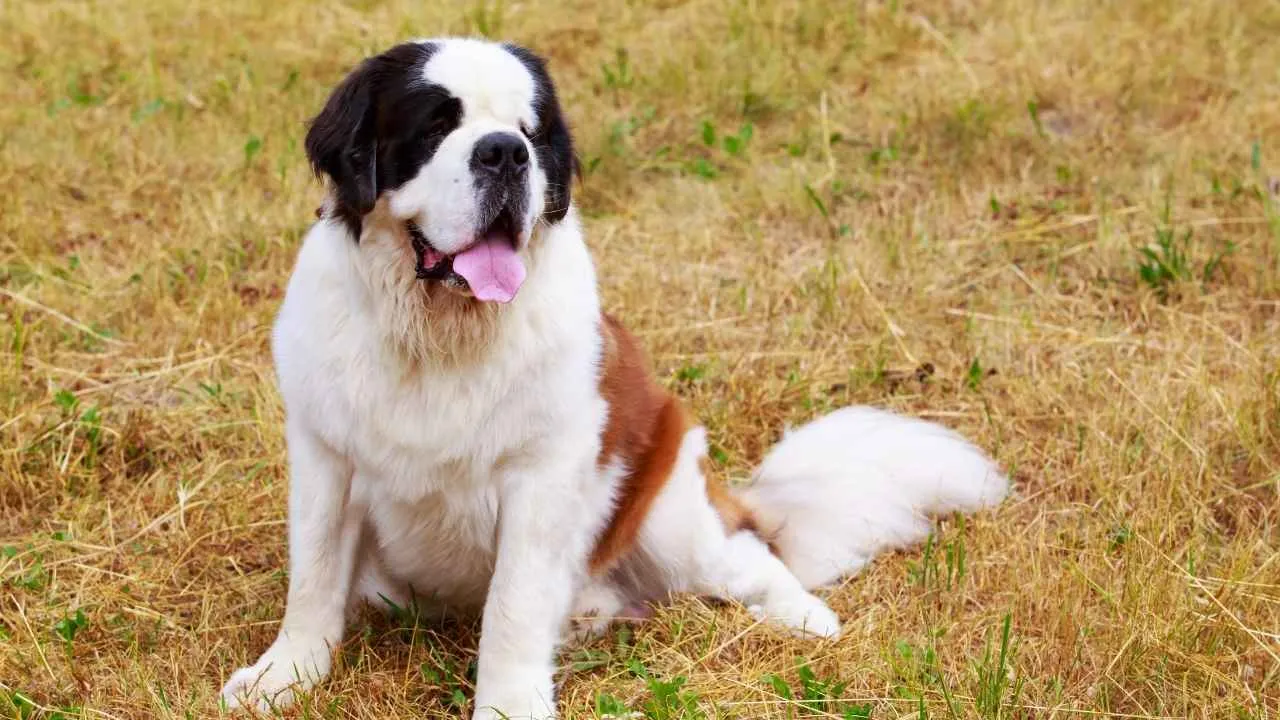
The gentle dog was originally bred in the Swiss Alps in the 11th century; however, the first viable dog appeared 600 years later. The first purpose of the dog was to serve as a watchdog, but it was later adapted to save travelers’ lives in the snowy terrain, according to Hill’s Pet.
The placid temperament is because of the low metabolic calorie requirements. The thick double coat makes it susceptible to heat stress, and chasing fast-moving prey would easily exhaust the breed. The monks selectively bred out the chase, grab-bite, and kill-bite actions. The strong sense of smell is used to detect humans trapped 20 ft under snow rather than tracking prey and informing hunters
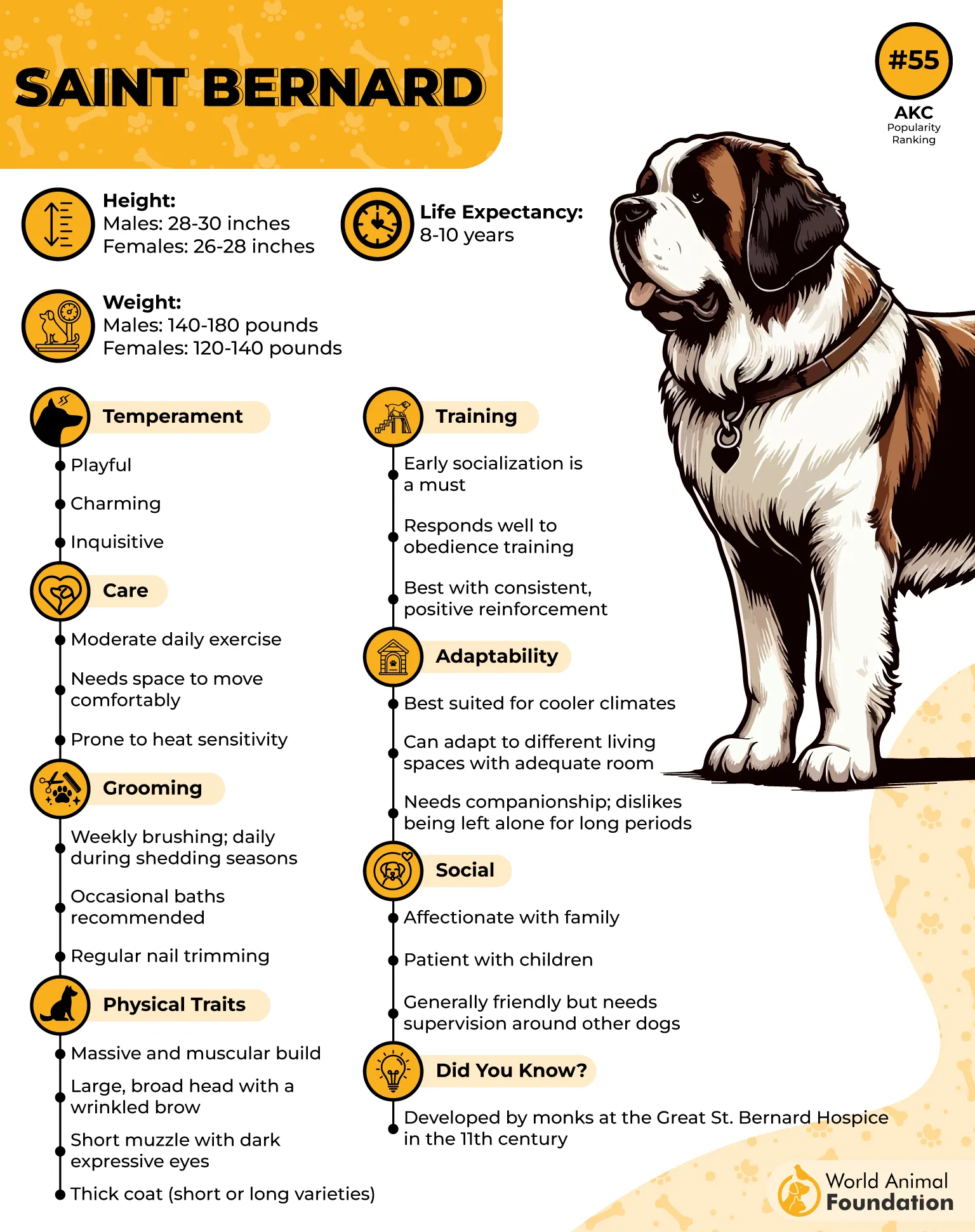
The large dog has a high threshold for emotional reactivity, making it easy for first-time dog owners to handle. It tends to learn commands methodically and slowly. It has minimal exercise needs (20-30 minutes).
2. Shih Tzu
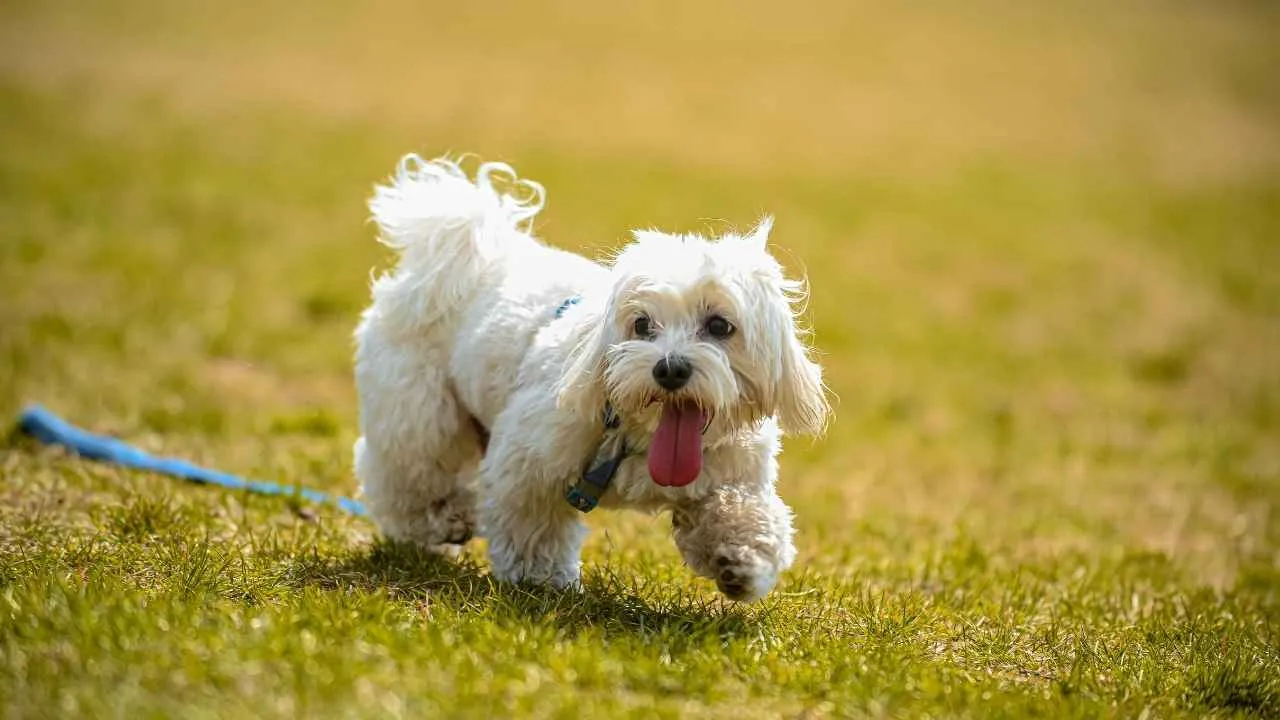
This toy breed was developed in Tibet and is a mixed breed dog of the Pekingese and the Lhasa Apso. Trading of the Shih Tzu outside China was strictly prohibited because of its lion-like appearance. Today, the small dog is recognized by all the English-speaking Kennel Clubs.
The dog has a high-crowned jaw with an undershot bite, enabling mechanical leverage to exhibit an intense bite force. The low-to-the-ground skeletal frame lacks the explosive acceleration required in sight and scent work. Because of the multi-directional growth of facial hair, its visual field is centralized rather than tracking fleeting movement.
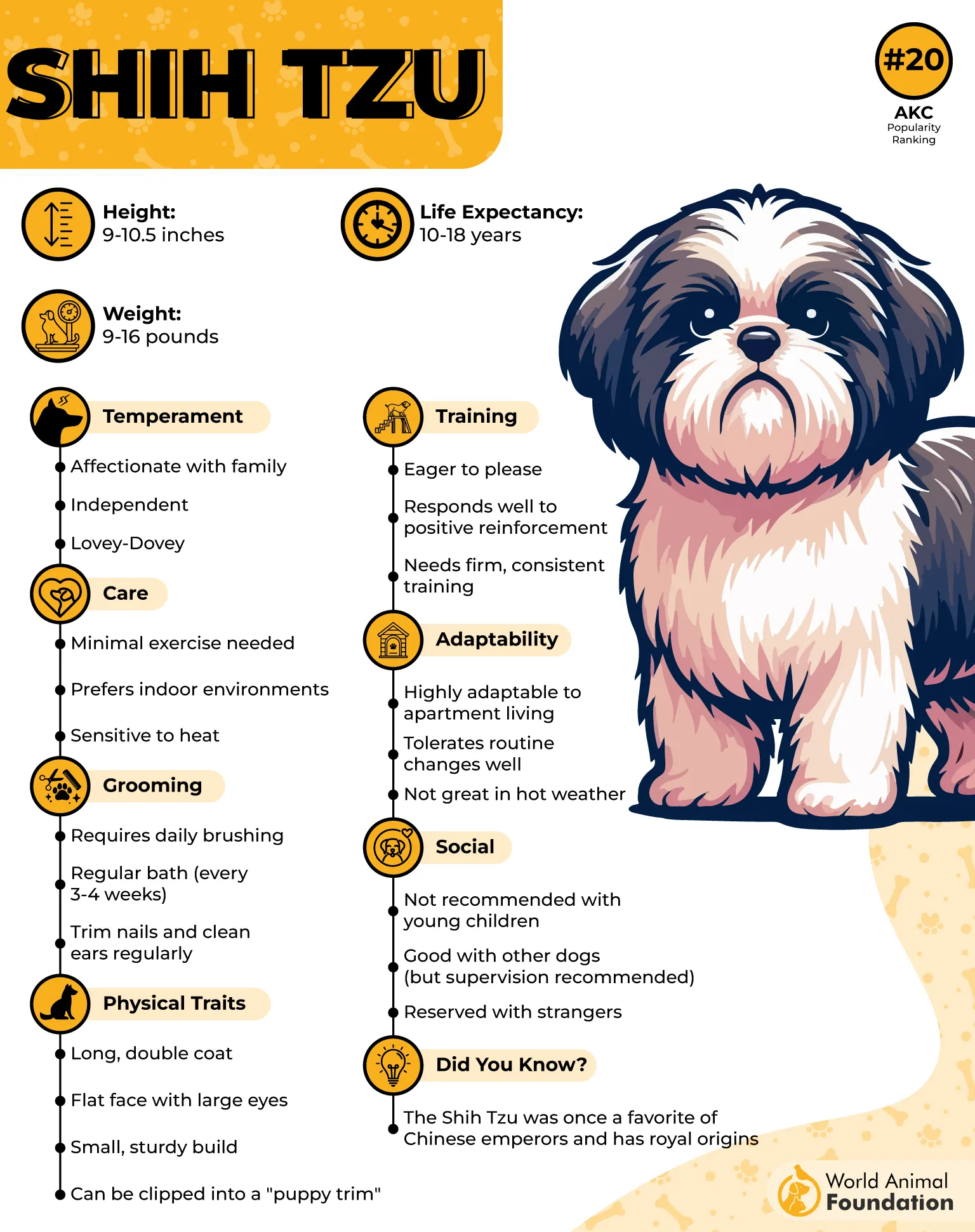
After the Chinese courts interbred the dog with the Pug and the Pekingese, the Shih Tzu turned into an indoor companion dog. The breed lacks true guarding instincts and territorial aggression and does not respond well to harsh training.
3. Maltese
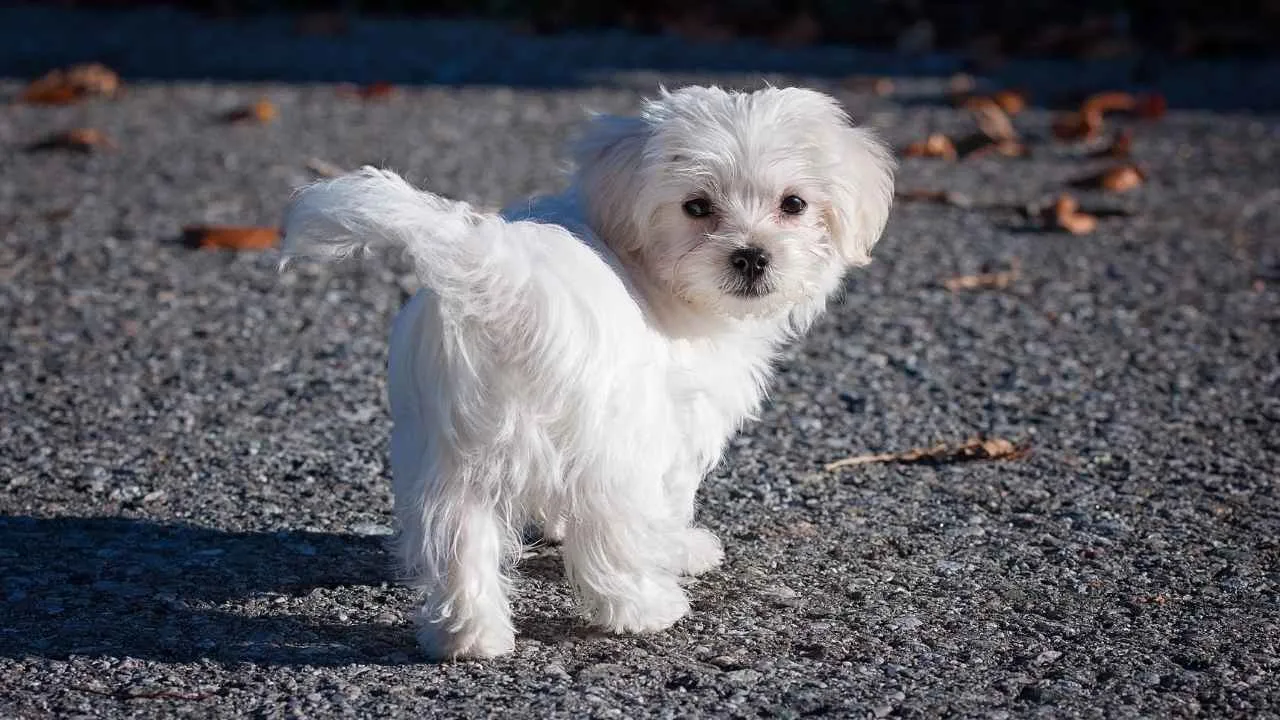
The small dog breed was developed in Malta, a Mediterranean island, centuries ago and has been a loyal companion since then. References to the breed have been found in the ancient Roman and Greek literature, as reported by PetMD.
Because of the minimal muscle attachment points on the skull, the breed can not exhibit grab-bite and kill-shake actions. It lacks the instincts to see small animals as food; thus, it can live in harmony with other pets. The fast metabolism allows it to excel in short-burst activities: brisk walks and indoor play sessions.
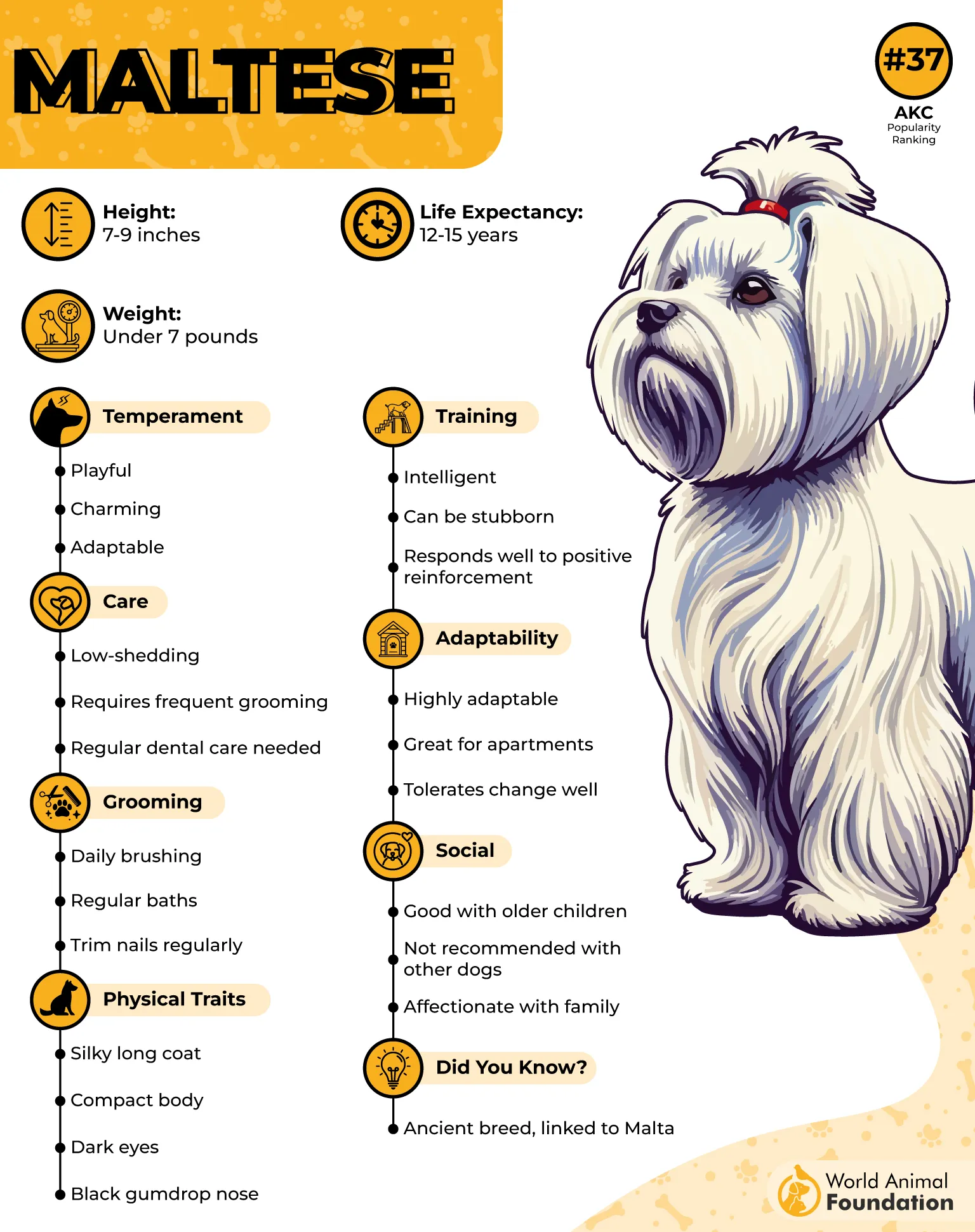
The single-layered, human-like hair coat produces less dander and has minimal grooming requirements. Since the compact breed weighs no more than 7 pounds, it is highly portable.
4. Havanese
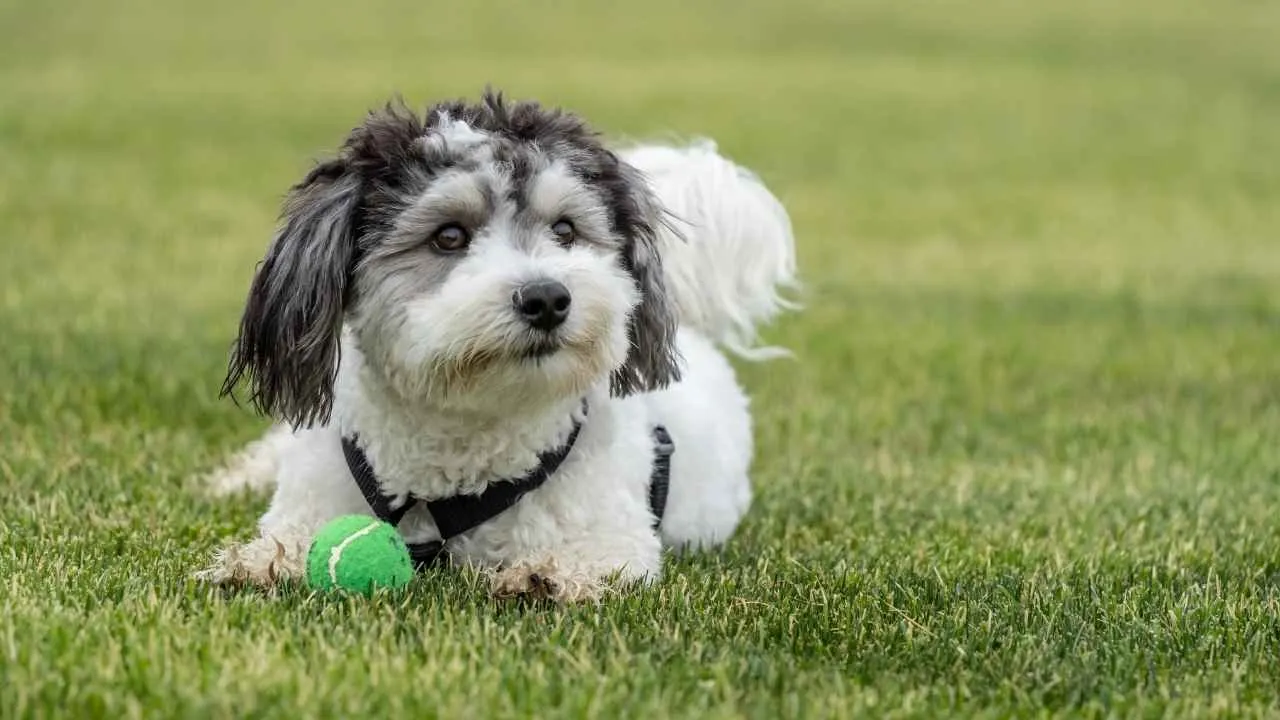
The ancient breed was developed in Spain and moved to Cuba and was then loved by the local aristocrats. It shared genetic lineages with the Bichon Frise. The breed was later adopted by famous European personalities, including Charles Dickens.
It was selectively bred to form deep bonding with humans rather than functional field work. It only retains the ‘orient’ and eyeing’ stages of the predatory motor pattern. The breed acquires a signature “springy” gait, built for dancing and agility, and lacks linear speed.
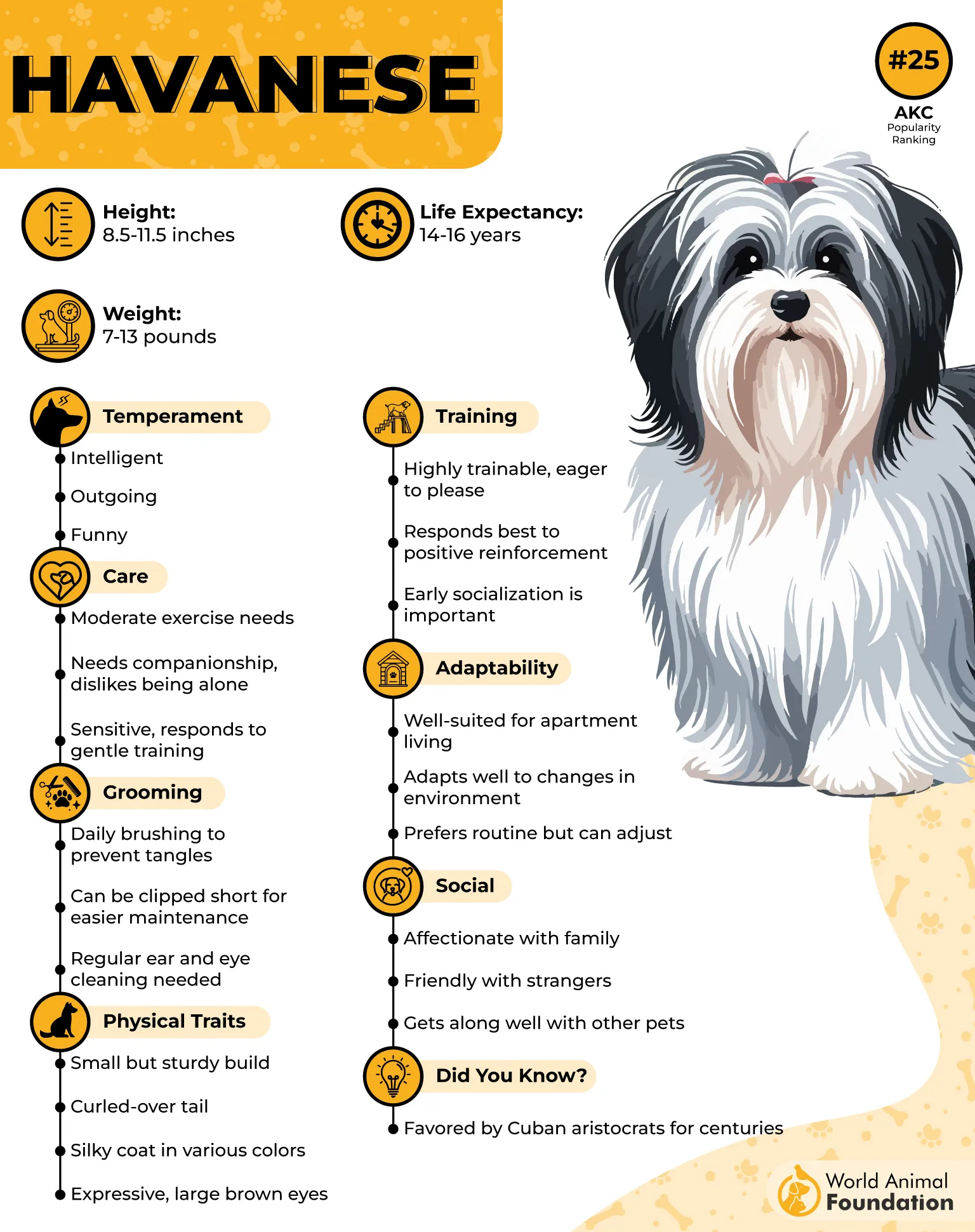
The dog has zero or minimal digging tendencies, suppressing natural hunting instincts. It has low-to-moderate exercise needs (20-30 minutes). It tends to learn trick commands quickly to please the owner.
5. Bichon Frise

The ancestors of the small dog were found in Tenerife. Soon it became the favorite of the royalty, but the French Revolution made it step out of the palaces and adopt the profession of street dancing for survival. It was eventually revived by the French and Belgian breeders after WWII, says the American Kennel Club (AKC).
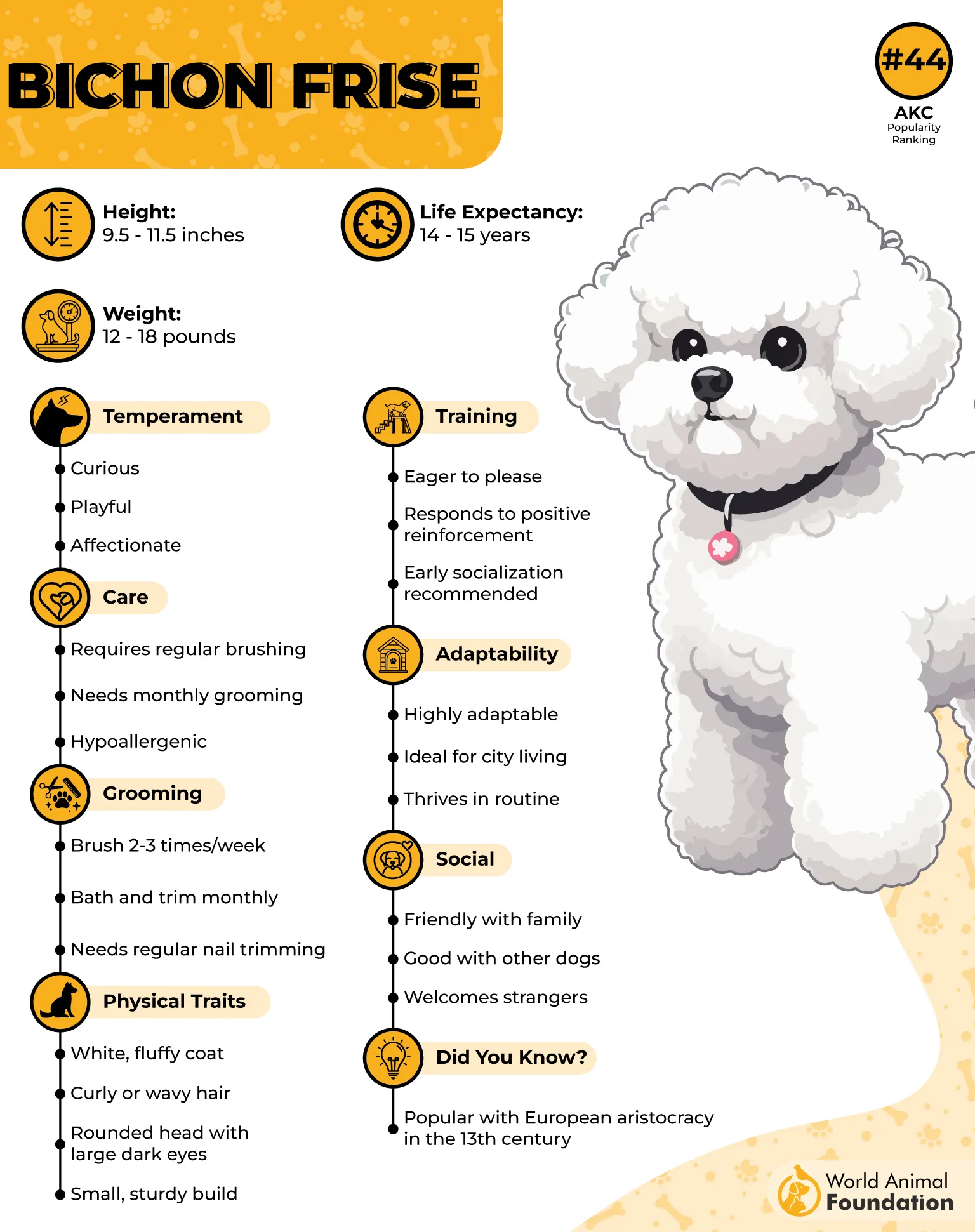
Its head is held erect on a long, arched neck with dark eyes directed forward, unlike strong prey drive animals with low-to-the-ground necks. The small breed lacks fast-twitch muscle fibres and a flexible spine found in sight hounds. Being a velcro dog, it is highly biddable and may develop separation anxiety if left alone for too long.
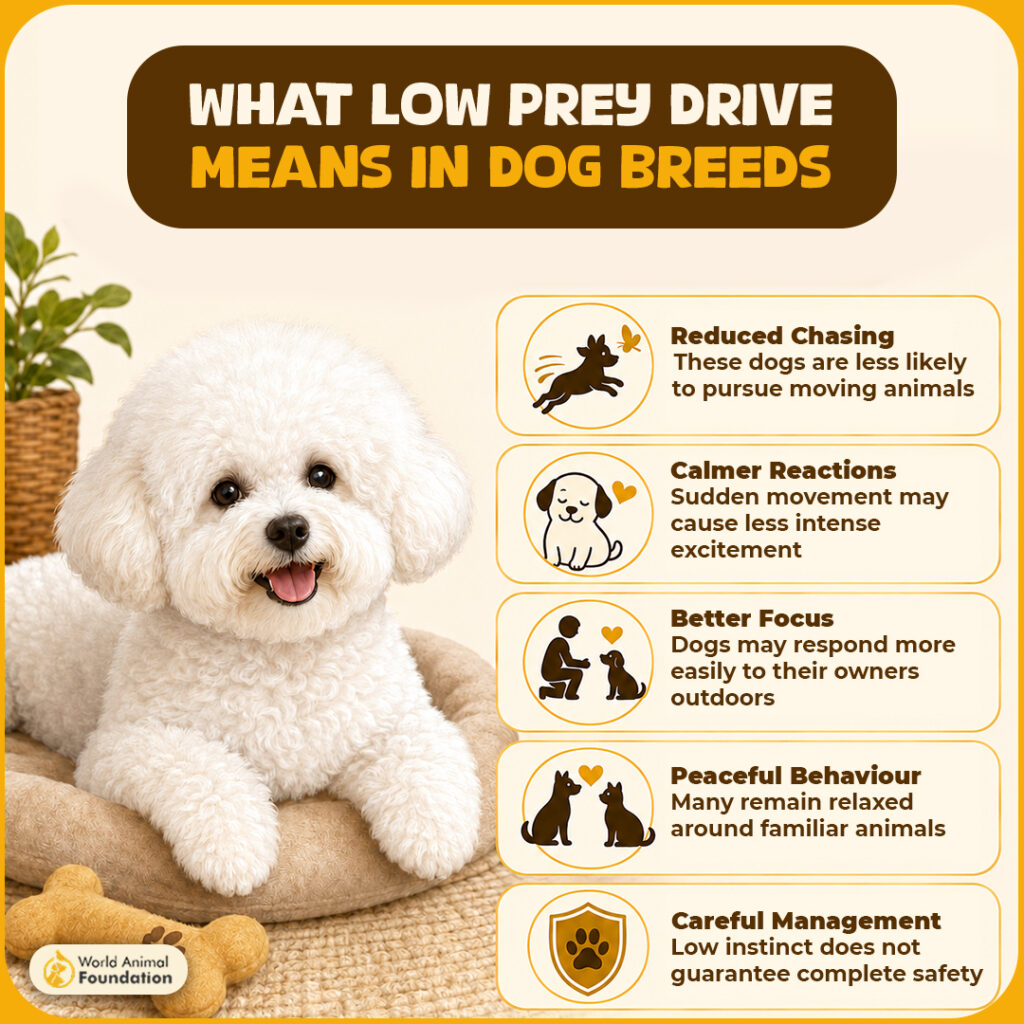
The incredibly fast learner catches basic obedience commands easily with positive reinforcement. Known for the Bichon Blitz, the dog tends to exhibit short bursts of energy before coming back to the resting phase.
6. Newfoundland
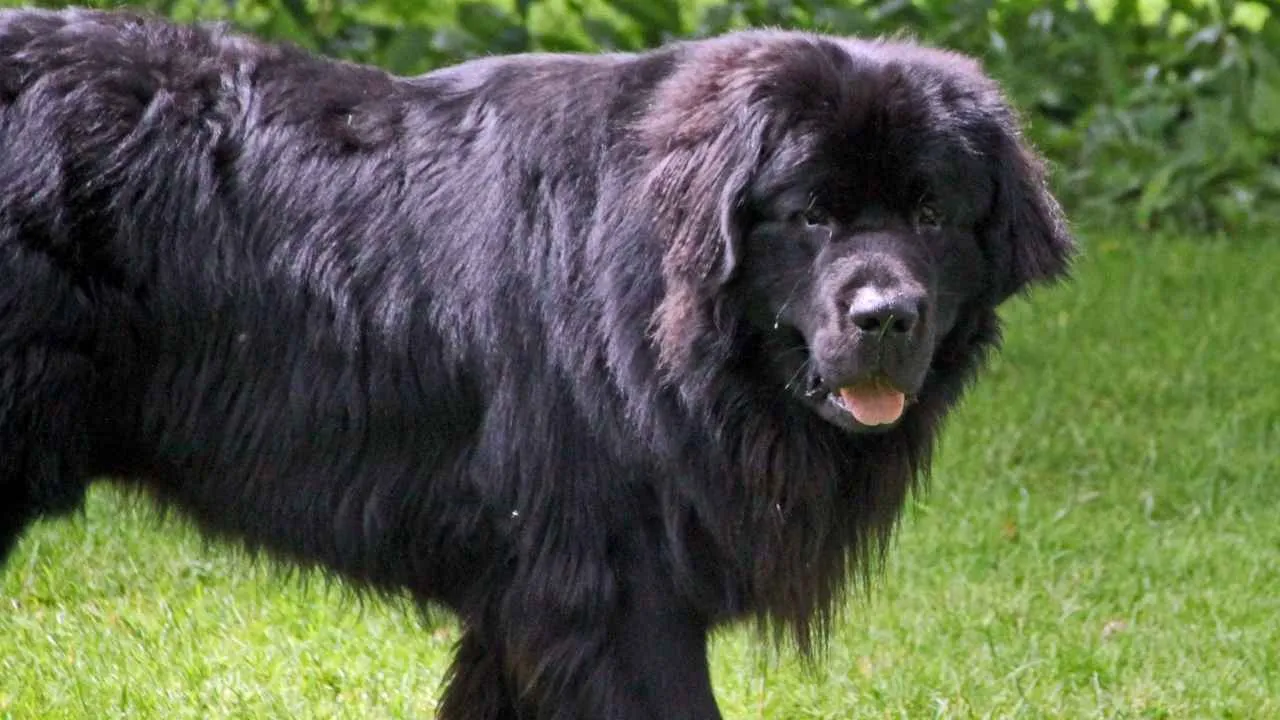
The large dog breed was bred in Canada to work alongside fishermen and serve as a water rescue dog. The breed is known for its thick and dense double coat, webbed feet, and nanny nature. Today, the dog is widely kept as a family pet and a companion breed.
Designed for hauling massive carts, the prey drive was intentionally suppressed, or it would jeopardize cargo by bolting after small animals. Because of the massive muscular stature, the dog lacks the high-velocity agility that terriers required for hunting. It has soft flews and drooping eyelids, making grabbing and sight weaker as compared to hunting dogs.
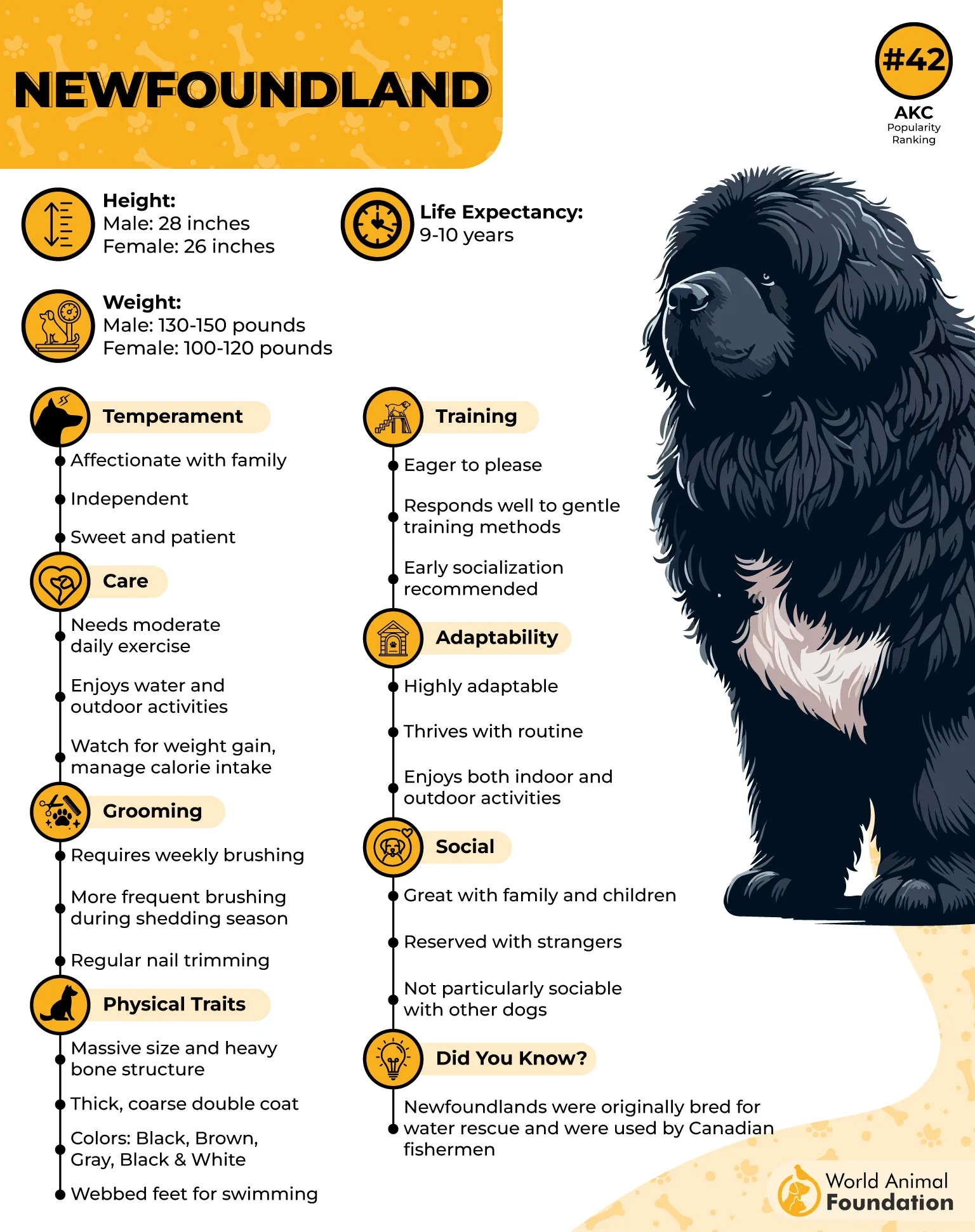
The dog is highly forgiving in nature and is also kept as a nanny dog for kids. It tends to protect the family through visual intimidation rather than being overly aggressive. It needs daily exercise for 30-34 minutes.
7. Pug

Known for its wrinkly face, a short muzzle, short coat, and a curly tail, the Pug was brought to Europe from China in the 16th century. It was later highly favored by Queen Victoria because of its gentle and sociable nature. However, the breed is prone to certain health issues because of breed traits.
The brachycephalic nature restricts high-impact activities, such as sprinting, hiking, and climbing. The bulging eyes are prone to trauma or corneal ulcers and lack specialized motion tracking. It has a square physique with straight and short legs, reducing the stride length.
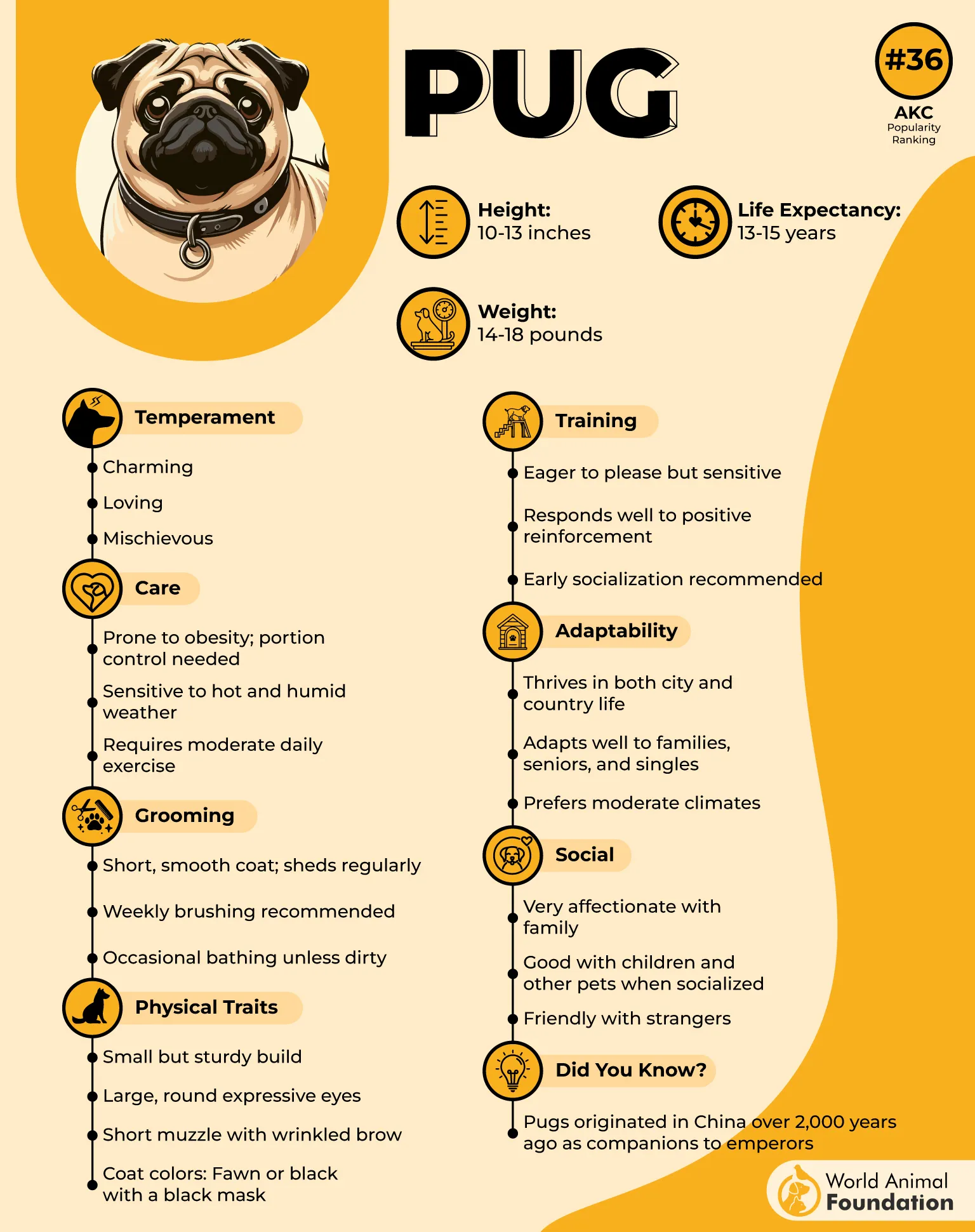
The dog does not possess highly reactive guarding instincts and barks only to alert the owner of a visitor. The low physical stamina makes it excel in 20-30 minutes of daily physical activity.
Conclusion
The best match is not always the breed that tops your wish list. It is the individual dog whose needs and habits work with your household. Before committing, ask a shelter, rescue, or breeder for specific examples of how that dog behaves around smaller animals. Has the dog lived with a cat? What happens when something darts past? Honest answers matter more than a sweet photo.
Think about grooming, space, exercise, and health care, too. You are choosing a daily companion, not just a name on a list. Take your time, keep expectations fair, and make room for each pet’s comfort. A home where everyone can relax is worth far more than finding the cutest face or the trendiest breed.
